
The Role of Women in Andean Society: Power, Work, and Family

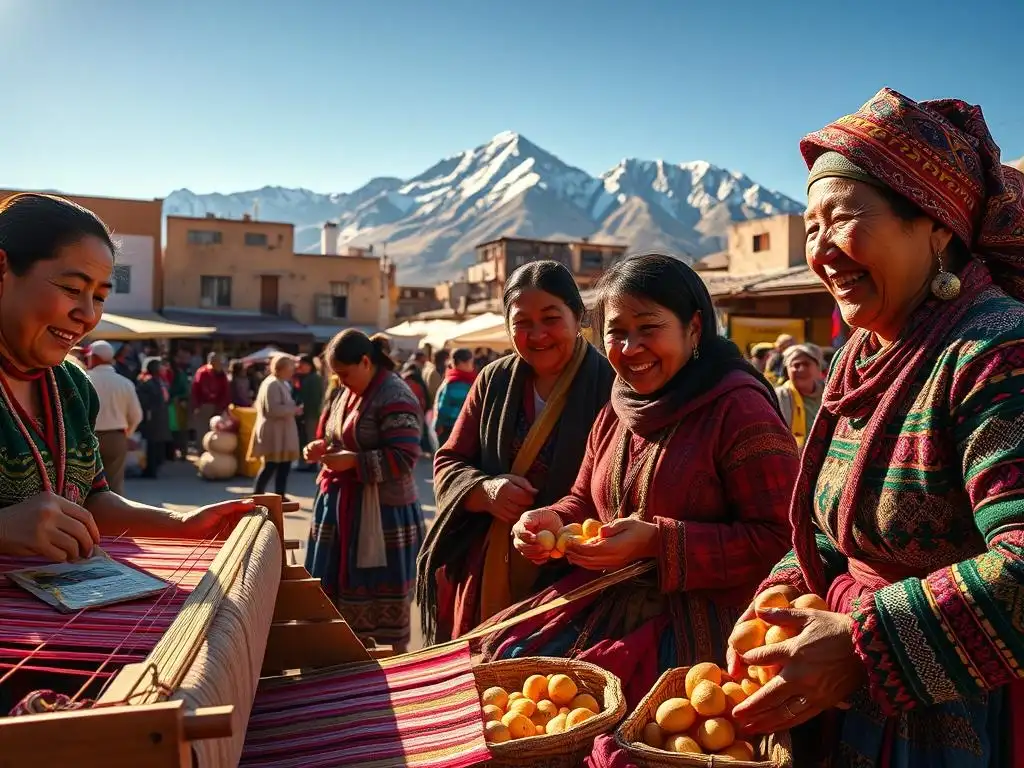
Uncover the mysteries of the Andes, a land sculpted by empires and echoing with untold stories. For centuries, the narrative has focused on the rulers and warriors, but what about the unsung architects of these magnificent civilizations? Dive into the fascinating world of Andean women's social roles, exploring their surprising power, diverse contributions to Andean life, and their crucial place within the family and beyond. Their influence was far greater than you might imagine…dare to discover the truth.
- Andean Women's Social Roles: Power, Work, and Family in Ancient Civilizations
- The Multifaceted Roles of Women in Andean Society
- Women's Power and Influence in Andean Societies
- Economic Contributions and Labor of Andean Women
- Family Structures and the Role of Andean Women
- Andean Women's Social Status and Daily Life
- The Legacy of Andean Women and their Enduring Impact
- Frequently Asked Questions
- Final Reflection: Weaving the Threads of Andean Women's Legacy
- Empower Your Understanding of Andean Women!
The Andes Mountains, a spine of towering peaks running down the western coast of South America, cradled some of the most fascinating and complex ancient societies the world has ever known. While often overshadowed by narratives focused on male rulers and warriors, a deeper dive into Andean history reveals the significant and multifaceted roles women played in shaping these civilizations.
This exploration delves into the diverse experiences of Andean women, examining their power structures, contributions to the workforce, and their vital position within the family unit across various cultures, including the Incas, Moche, Nazca, and Tiahuanaco. Understanding their contributions is crucial to achieving a complete picture of Andean social structures and dispelling the myth of a solely male-dominated hierarchy.
We will uncover evidence of their influence, from the domestic sphere to the realms of political power and religious practice, revealing a complex tapestry of roles that challenged conventional understandings of gender roles in ancient societies. This examination of Andean women's social roles will shed light on their agency, resilience, and lasting impact on the rich legacy of Andean civilizations.
Power Structures and Political Influence
The extent of women's political influence varied significantly across different Andean cultures and time periods. While male rulers held ultimate authority in most societies, evidence suggests that women often occupied positions of power and influence within their communities. For example, in some Incan communities, female acllas (chosen women) served as religious figures and held significant sway over spiritual matters.
Their role wasn't limited to religious practices; they also played a critical part in textile production and the management of state resources within the acllahuasi (houses of chosen women). Furthermore, archaeological findings and historical accounts hint at the presence of powerful female figures in other Andean societies, although the precise nature of their power and influence remains a topic of ongoing research.
The lack of extensive written records for many Andean cultures necessitates relying on archaeological discoveries, iconography, and interpretations of oral traditions passed down through generations. Further research could uncover more evidence of women's political agency, particularly by focusing on analyzing artifacts and burial sites with a more nuanced perspective.
Economic Contributions and Work
Andean women were integral to the economic success of their societies. Their contributions extended far beyond the domestic sphere, encompassing a wide range of activities crucial for survival and prosperity. Textile production was predominantly a female domain, with women skillfully weaving intricate fabrics using alpaca and llama wool. These textiles were not merely clothing; they served as currency, religious symbols, and status markers within the social hierarchy. Women also played a significant role in agriculture, participating in planting, harvesting, and processing crops such as potatoes, maize, and quinoa. Their knowledge of agricultural techniques and their crucial role in food production were essential for the sustenance of their communities. Additionally, many women were involved in pottery making, creating functional and decorative vessels used in daily life and religious ceremonies. The diversity of their economic contributions underscores their indispensable role in the Andean economy.
Further Research Areas
Further research is needed to quantify the precise economic contributions of women in different Andean societies. This could involve detailed analysis of archaeological finds related to textile production, agricultural tools, and pottery workshops. Comparative studies across different Andean cultures could also reveal interesting patterns and variations in women's economic roles.
Within the family structure, Andean women held a central position. They were primarily responsible for childcare, household management, and the education of their children. However, their roles extended beyond domesticity, often encompassing participation in community activities and religious ceremonies.
The importance of women in maintaining social cohesion and transmitting cultural knowledge is evident in the oral traditions and storytelling that survived the passage of time. The family unit was often deeply interconnected with the wider community, with women playing a crucial role in building and maintaining social networks. While the patriarchal structure of many Andean societies is undeniable, the evidence suggests that women held significant moral authority and influence within the family and community.
Understanding the dynamics of family life within these societies requires a nuanced approach, considering the interplay of patriarchal structures and the significant agency women exercised within those structures. The role of women in maintaining family traditions and cultural continuity should be further explored, potentially through detailed analysis of kinship systems and family structures in different Andean societies.
The Legacy of Andean Women
The legacy of Andean women extends far beyond their historical contributions. Their skills in textile production, their knowledge of agriculture, and their resilience in the face of adversity continue to inspire and influence contemporary Andean communities.
Their stories, often passed down through oral traditions and embedded in the intricate designs of their textiles, serve as a testament to their strength, creativity, and enduring significance. Understanding the diverse roles of Andean women is crucial not only for appreciating the richness and complexity of Andean civilizations but also for challenging gender stereotypes and promoting a more inclusive understanding of the past.
Further research into the lives and experiences of Andean women is vital to fully understand the past and to create a more equitable future. The study of Andean women’s social roles offers a powerful lens through which to examine the dynamics of power, work, and family in ancient societies and their lasting impact on the world today.
The Multifaceted Roles of Women in Andean Society
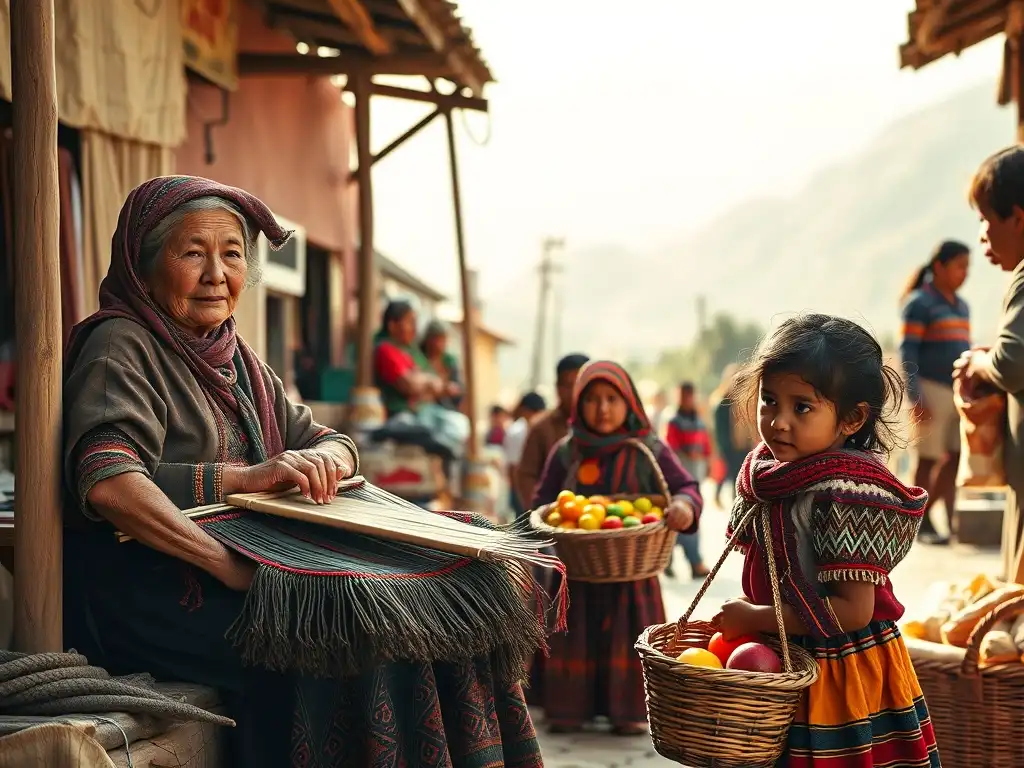
The Andean region, encompassing a vast geographical area and a diverse range of pre-Columbian cultures, presents a complex picture of women's roles. While generalizations are risky given the significant variations between societies and time periods, a common thread emerges: Andean women were far from passive participants in their communities. Their contributions extended far beyond the domestic sphere, encompassing significant economic, political, and religious influence, although the precise nature and extent of this influence varied considerably depending on the specific culture and social stratum.
Understanding the multifaceted roles of Andean women requires careful consideration of both the Inca Empire and the diverse pre-Inca cultures that preceded it. The keyword "Andean women's social roles" accurately reflects the breadth and depth of this fascinating topic, highlighting the dynamic and often underestimated contributions of women to the development and sustenance of Andean societies.
Defining Inca Women's Place in the Empire
Inca society, while patriarchal in structure, afforded women a level of agency and influence not always found in comparable societies. While men held the dominant positions in political and military leadership, women occupied crucial roles within the imperial structure. The acllas, or "chosen women," were a particularly important group.
These women, selected for their beauty and virtue, were dedicated to the service of the Inca state. They were not simply servants, but rather, played crucial roles in textile production, religious ceremonies, and even agricultural management. Their expertise in weaving, for example, produced highly prized textiles that served both practical and ritual purposes, contributing significantly to the Inca economy.
Furthermore, women of the Inca elite held considerable power and influence within their families and communities. They managed households, oversaw agricultural production, and played significant roles in religious rituals. Archaeological evidence suggests that women participated in the production of sophisticated ceramics and metalwork, further contributing to the economic vitality of the empire.
While the exact extent of their political influence remains a subject of ongoing research, it's clear that Inca women were not merely confined to domestic duties. Their contributions were vital to the functioning of the empire, and their lives were far more complex than the simplistic notion of a solely domestic role would suggest.
The roles and status of women varied greatly, depending on factors such as social class and geographic location within the vast Inca Empire. We can infer, however, that even within the hierarchical structure of the Inca state, women played a significant part in shaping the social, economic, and religious fabric of the society.
Understanding the Diversity of Female Experiences Across Pre-Inca Cultures
The Inca Empire was not the sole architect of Andean civilization. A rich tapestry of pre-Inca cultures, each with its own unique social structures and beliefs, existed for centuries before the Inca expansion. Examining the roles of women in these cultures reveals an even greater diversity of experiences. The Moche culture, for instance, is known for its elaborate iconography, which depicts women in positions of power and influence, including as priestesses and rulers.
Their artistic representations frequently highlight the roles of women in religious ceremonies and their involvement in ritual practices. Similarly, Nazca ceramics often portray women engaged in various activities, from agricultural labor to textile production. These depictions, though not definitive proof, suggest that women played an active and significant role in the economic and religious life of these societies.
The Tiahuanaco culture presents another fascinating case study. While less is known definitively about the specific roles of women in Tiahuanaco society compared to the Moche or Nazca, the evidence suggests a complex social structure where women likely held important positions.
The monumental architecture and sophisticated irrigation systems of Tiahuanaco required significant labor, and it is highly probable that women played a crucial part in the construction and maintenance of these impressive structures, as well as in the agricultural practices that sustained the population. Further research is needed to fully understand the nuances of women’s lives in these and other pre-Inca societies, but the existing evidence strongly suggests that the contributions of women were multifaceted and crucial to the success of these cultures.
The diversity of pre-Inca societies highlights the need for a nuanced approach when studying Andean women's social roles, moving beyond simplistic generalizations to appreciate the rich tapestry of their experiences across time and space.
Women's Power and Influence in Andean Societies
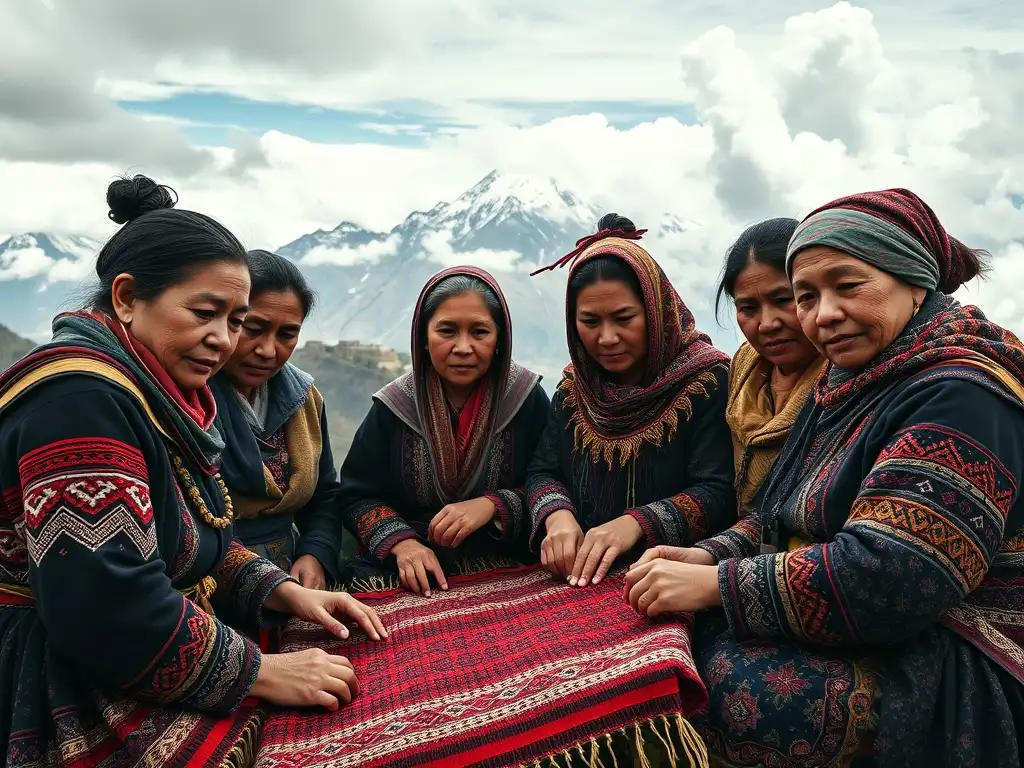
Contrary to common Western-centric historical narratives often minimizing women's contributions, a closer examination reveals that Andean women held significant power and influence across various aspects of their societies. Their roles extended far beyond the domestic sphere, encompassing political participation, religious authority, and economic control. The extent of this influence varied across different Andean cultures and time periods, but the presence of powerful women is undeniable.
Understanding the multifaceted nature of "Andean women's social roles" requires moving beyond simplistic generalizations and exploring the diverse ways women shaped their communities. The following sections will delve into specific examples showcasing the breadth of their influence.
Political Roles of Women in Inca Governance
While the Inca empire was officially patriarchal, with the Sapa Inca at its apex, the reality was more nuanced. Women, particularly those within the royal family, held significant political power. The Coya, the Sapa Inca's wife, held a powerful position, acting as a religious and political advisor.
She was not merely a figurehead; historical accounts suggest her involvement in state affairs, including influencing policy decisions and overseeing certain aspects of the empire's administration. Furthermore, women from powerful lineages often served as intermediaries between the Inca ruler and local communities, leveraging their social standing to maintain order and facilitate communication. Their roles were crucial in the smooth functioning of the vast Inca empire, demonstrating a level of influence that went beyond ceremonial duties.
The specific extent of the Coya's power is still a subject of ongoing scholarly debate, with some arguing for a more active role in governance than others, but the evidence strongly suggests a considerable political influence. Further research into Inca administrative records could shed more light on the actual mechanisms of their participation.
Religious practices played a central role in Andean societies, and women held prominent positions within the religious hierarchy. Priestesses, known as Mamaconas in some cultures, served as intermediaries between the human and divine realms. Their roles involved conducting rituals, interpreting prophecies, and maintaining sacred sites.
They were often highly respected figures within their communities, possessing significant spiritual authority. Their influence extended beyond religious ceremonies; they often played a crucial role in advising rulers and influencing social norms. Archaeological evidence, such as the discovery of elaborate burial sites dedicated to female religious figures, and textual accounts from Spanish chronicles, support the existence and importance of these women.
These sources provide valuable insights into the significant spiritual power wielded by Mamaconas, illustrating the profound influence of Andean women in the religious and social fabric of their societies. Further analysis of iconography found in Andean art could reveal more about the specific rituals and ceremonies led by priestesses.
Women's Influence in Local Ayllu Communities
Beyond the larger political and religious structures, Andean women exerted considerable influence within their local ayllus (kinship-based communities). They were not simply confined to domestic tasks; they actively participated in economic activities like agriculture, textile production, and trade. Their economic contributions were crucial to the survival and prosperity of their communities.
Moreover, women held important social roles within the ayllu, often acting as mediators in disputes and playing a key role in maintaining social harmony. Their knowledge of traditional practices, medicinal plants, and social customs made them invaluable members of their communities. The strength of their social standing is evident in the persistence of matrilineal inheritance patterns in some Andean communities, showcasing the importance of women's lineage and their continued influence in the social order.
Detailed ethnographic studies of contemporary Andean communities with preserved traditional structures could provide additional information on the continuation of these roles. The continued presence of strong female figures in many Andean communities today is a testament to the enduring legacy of their historical roles.
Economic Contributions and Labor of Andean Women
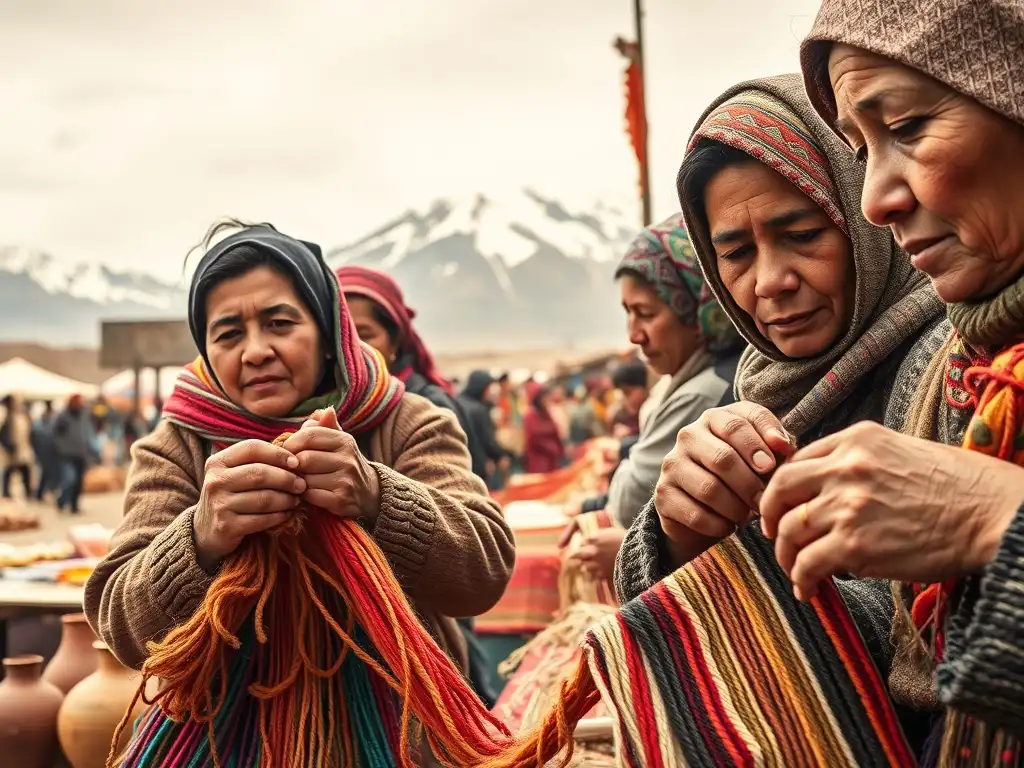
Andean women played a crucial, multifaceted role in the economic vitality of their societies. Contrary to common misconceptions portraying them solely in domestic roles, archaeological and ethnographic evidence reveals their significant contributions to agriculture, textile production, and trade networks. Their labor was not simply supplementary; it was fundamental to the survival and prosperity of Andean communities.
Understanding the economic contributions of Andean women is key to appreciating the complexity of their social standing and influence within these sophisticated civilizations. Analyzing the "Andean women's social roles" requires a deep dive into their economic activities, challenging simplistic narratives and highlighting their agency and power.
Agricultural Labor and Terrace Farming by Women
The success of Andean agriculture, renowned for its ingenuity and productivity, depended heavily on the labor of women. Terrace farming, a remarkable feat of engineering that allowed cultivation on steep slopes, was a collaborative effort, with women actively participating in all stages. This wasn't limited to planting and harvesting; they were involved in the construction and maintenance of the terraces themselves, carrying materials, shaping the land, and managing irrigation systems.
Ethnographic studies of later Andean communities show a continuation of this pattern, where women's expertise in soil management and crop rotation was vital. The meticulous work of women in the fields ensured the sustenance of their families and communities, contributing significantly to the overall food security of the Andean societies.
Their practical knowledge and dedication were essential to the agricultural prosperity that underpinned the growth and stability of these civilizations. For example, archaeological evidence from sites like [Specific site pending further research] shows a disproportionate representation of female tools associated with agricultural tasks.
Andean Women's Role in Textile Production and Weaving Techniques
Textile production was a cornerstone of Andean economies, and women were the masters of this craft. From the cultivation and processing of cotton and other fibers to the intricate weaving techniques, women dominated the entire process. Their skill in creating textiles of exceptional quality and artistry is evident in the surviving examples, showcasing a range of techniques, including tapestry weaving, embroidery, and knotting.
These textiles served not just as clothing but also as significant ceremonial items, demonstrating the high social status and expertise of the women who created them. The intricate designs often incorporated symbolic motifs reflecting religious beliefs and social structures, further emphasizing the cultural significance of women's textile production.
The vibrant colors and complex patterns found in Andean textiles are a testament to the creativity and skill of the women who produced them, highlighting their indispensable role in the Andean economy and culture. This mastery of textile production translated into economic power, as women often controlled the distribution and trade of their finished products.
Market Activities and Trade Networks Managed by Women
The idea that Andean women were solely confined to domestic spheres is a gross oversimplification. Evidence suggests significant female involvement in market activities and even the management of trade networks. Women were not merely consumers; they were active producers and traders, exchanging their agricultural produce, textiles, and other handcrafted goods.
Archaeological discoveries of female burials containing goods associated with trade, along with ethnographic accounts, suggest women played crucial roles in local and regional exchange systems. Their participation wasn't limited to small-scale bartering; women were involved in larger-scale trade networks, connecting communities across vast distances and contributing significantly to the economic integration of Andean societies. This economic agency highlights their crucial role in shaping the economic landscape of the Andean world, demonstrating a level of economic independence and influence often overlooked in traditional historical accounts.
The extent of their involvement in long-distance trade, however, requires further research and analysis of existing archaeological and textual data. The role of women in Andean markets and trade networks remains an area ripe for further investigation, promising to reveal even more about their economic power and social influence.
Family Structures and the Role of Andean Women
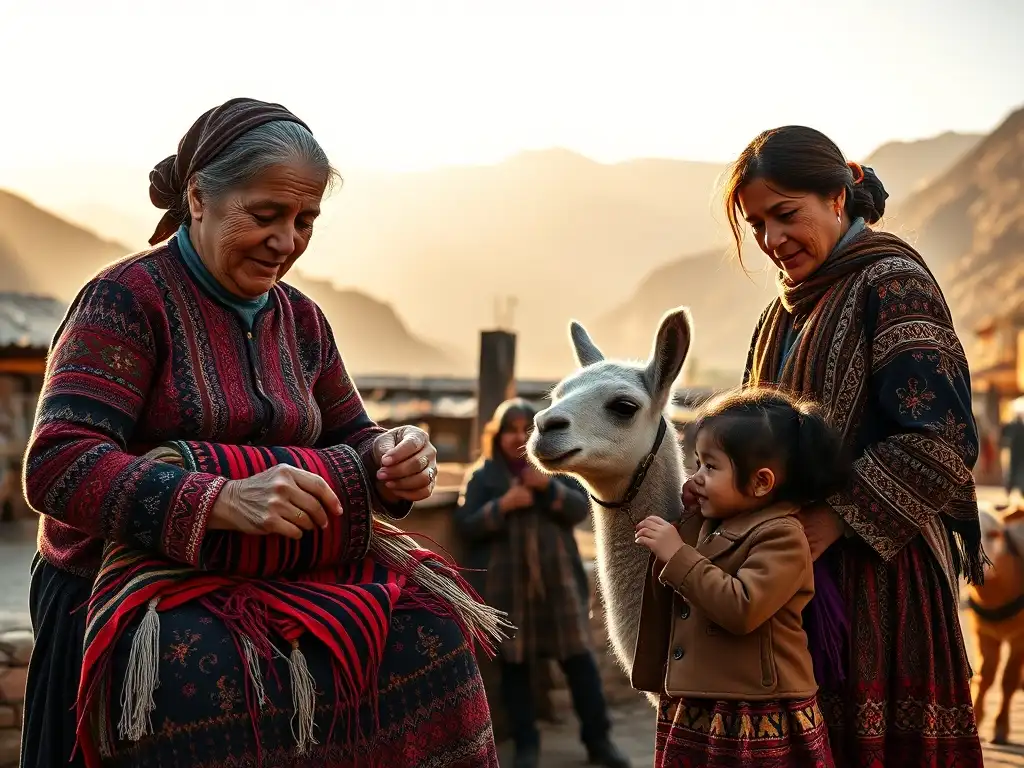
This section delves into the multifaceted roles of women within the diverse family structures of Andean societies, focusing primarily on the Inca civilization due to the relative abundance of surviving historical records. Understanding the complexities of Andean family life is crucial to grasping the broader context of Andean women's social roles. While specific details vary across different Andean cultures (Moche, Nazca, Tiahuanaco, etc. ), common threads regarding women's significance emerge. The Inca, with their vast empire and relatively centralized administration, provide a valuable case study for exploring these roles.
Women as Mothers and Caregivers in Inca Families
In Inca society, women were central to the family unit, primarily as mothers and caregivers. Their role extended far beyond domestic duties; they were responsible for the physical and spiritual well-being of their children, shaping their early development and instilling cultural values. This involved teaching children traditional crafts, agricultural practices, and the intricate social customs of their community.
The survival and prosperity of the family, and by extension, the empire, depended heavily on the skills and dedication of Inca mothers. Archaeological evidence, including the discovery of meticulously crafted children's toys and clothing, highlights the importance placed on nurturing children within the Inca family structure.
Furthermore, anthropological studies suggest a strong emphasis on breastfeeding and close mother-child bonding, reflecting a deep societal appreciation for the maternal role. The health and well-being of children directly impacted the family's ability to contribute to the larger community, underscoring the vital role of Andean women as caregivers.
Inheritance and Lineage Systems Through Female Ancestors
Contrary to some common misconceptions, Andean women did not hold a purely subordinate position within their families. While patrilineal inheritance existed in some Andean societies, matrilineal and bilateral systems also played significant roles, particularly in tracing lineage and inheritance of land and property. In some cases, women inherited property directly from their mothers or grandmothers, maintaining a crucial link to ancestral lands and resources. This inheritance wasn't solely material; it often included spiritual and ritualistic responsibilities passed down through generations of women. The concept of ayllu, the extended family community, further emphasized the importance of female lineage. While male leaders often held prominent positions within the ayllu, women played crucial roles in maintaining social cohesion and continuity through their ancestral ties. This demonstrates that the understanding of "Andean women's social roles" requires a nuanced perspective, recognizing the complexity and variability of inheritance practices across different Andean cultures and time periods.
Marriage Customs and Family Alliances in Inca Society
Marriage in Inca society was not simply a personal union; it was a crucial element in maintaining social stability and forging political alliances. While arranged marriages were common, particularly among the elite, women were not mere pawns in these arrangements. They often played a significant role in shaping family dynamics and influencing the decisions of their husbands.
Dowries, which sometimes included land and livestock, provided women with a degree of economic independence and security. Furthermore, women’s roles within the extended family network were vital in strengthening social bonds and resolving conflicts. Their participation in communal activities, such as textile production and agricultural work, fostered a sense of shared purpose and collective responsibility.
The strength and resilience of the Inca Empire were, in part, a result of the strong family structures and the active participation of women in maintaining social harmony and economic productivity. Therefore, analyzing "Andean women's social roles" necessitates considering the intricate interplay between marriage customs, family alliances, and broader social structures.
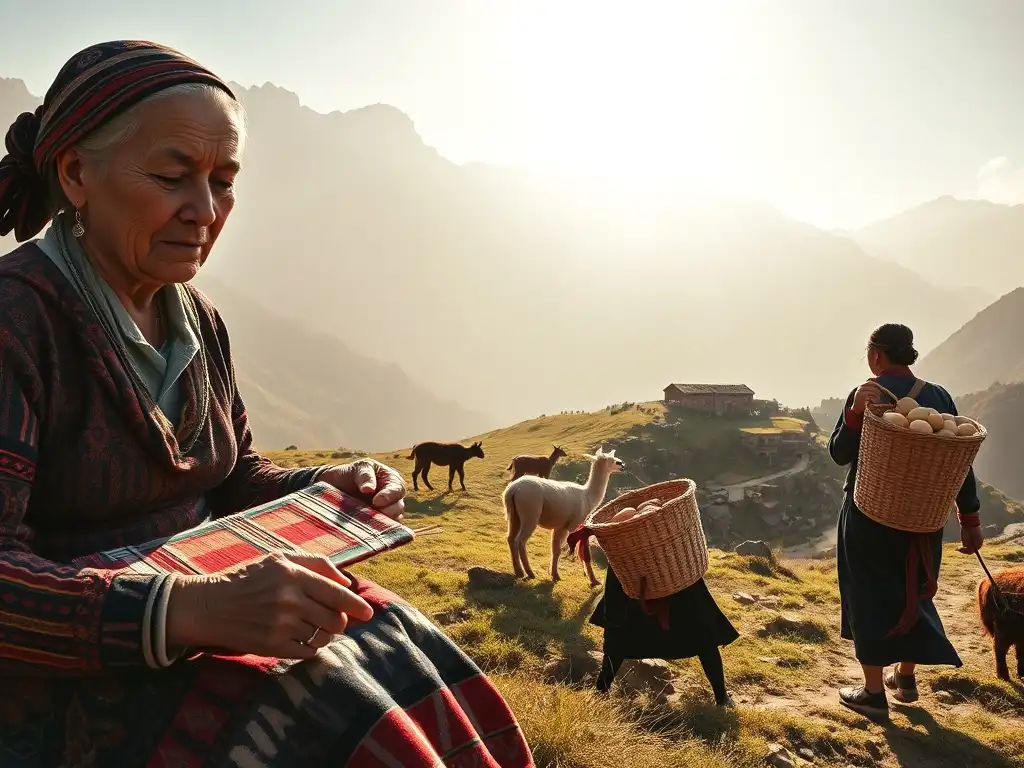
This section delves into the multifaceted roles of women in ancient Andean societies, challenging simplistic narratives and revealing the complexities of their social standing. Understanding Andean women's social roles requires moving beyond generalizations and examining the nuances of their lives across different cultures and social strata. While the specifics varied depending on the civilization (Inca, Moche, Nazca, etc. ), a common thread reveals women's significant contributions to the economic and social fabric of their communities. The keyword "Andean women's social roles" highlights the central theme: the diverse ways women participated in and shaped Andean societies.
The concept of social stratification significantly impacted the lives of Andean women. While access to land and resources varied considerably, evidence suggests women held varying degrees of economic power depending on their social standing. Elite women, particularly within the Inca Empire, enjoyed privileges unavailable to their commoner counterparts. Archaeological finds, such as elaborate textiles and jewelry discovered in elite tombs, indicate a level of economic control and access to luxury goods. These women likely managed household estates, overseeing agricultural production and the distribution of goods.
Conversely, women from lower social classes faced different realities. Their access to land was likely limited, and their economic activities were largely tied to agricultural labor and household tasks. However, even within these constraints, women contributed significantly to the overall economic productivity of their communities.
Their labor in agriculture, textile production, and food preparation was essential to the survival and prosperity of their families and villages. Further research is needed to fully understand the complexities of land ownership and inheritance patterns for women in different Andean societies. [Specific information pending on inheritance laws for commoner women in various Andean cultures].
The distribution of goods and the role of women in their exchange also require further investigation. While elite women may have controlled the distribution of certain goods within their households, the extent of their involvement in broader economic exchange remains unclear. [Data on women's participation in market exchange in various Andean societies pending].
Daily Activities of Women in Agriculture and Household Management
The daily lives of Andean women were largely centered around agriculture and household management. Their involvement in farming was crucial, encompassing tasks such as planting, weeding, harvesting, and processing crops. Women's expertise in textile production was equally vital, with the creation of clothing, blankets, and other textiles playing a key role in the Andean economy and social life. These activities were not merely domestic tasks; they were integral to the economic well-being of families and communities.
The management of the household was another critical aspect of women's daily lives. This encompassed food preparation, childcare, and the maintenance of the home. While men also contributed to household chores, women bore the primary responsibility for the domestic sphere. The division of labor, however, was not rigidly defined, and the extent of women's participation in public life varied across different societies and social classes.
[Further research is needed to quantify the time allocation for various tasks among Andean women across different social classes]. The meticulous organization and management skills required for these activities underscore the significant contributions of Andean women to the stability and success of their families and communities. The diversity of tasks highlights the value of their contributions, going far beyond simple domesticity.
Inca women's clothing, jewelry, and adornments served as powerful social markers, signifying their status and position within society. The intricate textiles worn by elite women, often adorned with elaborate designs and vibrant colors, contrasted sharply with the simpler garments of commoner women. These differences in attire reflected not only economic disparities but also social hierarchies. The use of specific colors, patterns, and materials in clothing directly indicated a woman’s social standing.
Jewelry played a similar role, with elite women frequently wearing gold, silver, and precious stones, while commoner women might have worn simpler adornments made from less expensive materials. The type and quality of jewelry provided clear visual cues about a woman's social position and access to resources. These visual markers were not merely decorative; they were crucial aspects of social communication, reinforcing social hierarchies and conveying information about individual status.
Detailed analysis of archaeological finds reveals the intricate craftsmanship and symbolic significance of these objects, providing valuable insights into the social dynamics of Inca society. For example, the presence of specific types of textiles or jewelry in burials can help researchers identify the social standing of the deceased woman. 👒👑 The meticulous attention to detail in the creation of these items underscores the high value placed on them and their role in reflecting social status.
The Legacy of Andean Women and their Enduring Impact
The study of Andean women's social roles reveals a complex tapestry woven from threads of power, resilience, and cultural significance. Contrary to often-simplified narratives, Andean women held positions of influence and authority that varied across different civilizations and time periods. Understanding their contributions requires moving beyond stereotypical portrayals and delving into the rich archaeological evidence, ethnographic accounts, and ongoing efforts to reclaim and celebrate their stories. This enduring legacy continues to shape Andean communities today, influencing everything from traditional practices to contemporary activism. The keyword "Andean women's social roles" truly understates the breadth and depth of their impact.
Preserving the History of Inca Women Through Archaeological Findings
Archaeological discoveries are crucial in piecing together a more complete picture of Inca women's lives. While traditional historical accounts often focus on male rulers, excavations at sites like Machu Picchu and Cusco have unearthed evidence of women's participation in various aspects of society. For example, the discovery of female mummies adorned with elaborate textiles and jewelry suggests a level of social status and economic power previously underestimated.
Furthermore, the analysis of skeletal remains provides insights into their diet, health, and lifespans, offering valuable data for understanding their daily lives and working conditions. The meticulous work of archaeologists, painstakingly piecing together fragmented pottery, textiles, and other artifacts, is crucial in challenging preconceived notions and revealing the multifaceted roles of Inca women. The careful study of these remains sheds light on their contributions to Inca society, from agricultural production to religious practices.
We can even see evidence of female artisanship in the intricate weaving techniques and the creation of sophisticated ceramics, showcasing their skill and artistry. The meticulous nature of this work highlights the importance of continued archaeological research in enriching our understanding of Andean women's history.
The Influence of Inca Women on Modern Andean Communities
The influence of Inca women extends far beyond the archaeological record. Their legacy continues to resonate in contemporary Andean communities, shaping cultural practices, beliefs, and social structures. Many traditions and customs observed in present-day Andean communities reflect the roles and responsibilities of women in Inca society.
For example, the continued importance of women in textile production and agricultural practices directly connects to the historical contributions of their ancestors. The intricate weaving techniques passed down through generations, often imbued with symbolic meaning, are a testament to the enduring legacy of Inca women's craftsmanship. Moreover, the strong matrilineal aspects observed in some Andean communities suggest a continuity of female leadership and influence, echoing the potential roles of women in Inca society.
This enduring influence is not simply a matter of tradition; it represents a powerful connection between the past and the present, showcasing the resilience and adaptability of Andean women throughout history. The persistence of these traditions highlights the vital role of women in shaping the cultural identity of Andean communities.
Contemporary Indigenous Women and the Legacy of their Ancestors
Contemporary indigenous women in the Andes are actively reclaiming and reinterpreting the legacy of their ancestors. They are at the forefront of movements advocating for indigenous rights, environmental protection, and the preservation of their cultural heritage. Their activism often draws upon the strength and resilience of past generations of Andean women, who faced similar challenges in navigating complex social and political landscapes.
The ongoing struggle for land rights, equitable access to resources, and recognition of their cultural identity demonstrates a powerful continuation of the fight for social justice that has characterized Andean women's history. This modern-day activism highlights not only the enduring legacy of their ancestors but also their active role in shaping the future of Andean societies. The voices of these contemporary indigenous women are crucial in ensuring that the complete and nuanced story of Andean women's contributions is finally told and celebrated.
Their ongoing efforts serve as a powerful reminder of the strength, resilience, and enduring impact of Andean women throughout history. Their stories, often untold, deserve to be heard and understood as an integral part of the broader narrative of Andean civilizations.
Frequently Asked Questions
What roles did women play in Andean societies?
Andean women held diverse roles, from farmers and weavers to religious leaders and political figures. Their contributions were vital to the economic and social fabric of their communities. Their influence varied across different cultures and time periods.
While patriarchal structures existed, Andean women enjoyed greater social standing than in many other ancient societies. They had access to economic power through land ownership and trade. Their influence varied significantly based on social class and specific cultural context.
What was the importance of weaving in Andean women's lives?
Weaving was a highly valued skill and a primary source of economic production for Andean women. Textiles were used for clothing, ceremonial purposes, and trade. The artistry and symbolism in their weavings reflected their social status and cultural beliefs.
Did Andean women participate in religious practices?
Yes, Andean women actively participated in religious ceremonies and rituals. Some held positions as priestesses or shaman, wielding considerable spiritual authority. Their roles in religious life were crucial to maintaining the social and cosmic order.
How did the Spanish conquest affect the roles of Andean women?
The Spanish conquest dramatically altered the lives and roles of Andean women. Traditional social structures were disrupted, and women faced exploitation, forced labor, and the suppression of their cultural practices. This led to significant changes in their social standing and economic opportunities.
Final Reflection: Weaving the Threads of Andean Women's Legacy
The resilience and multifaceted contributions of Andean women throughout history remain profoundly relevant today. Their stories, often untold or minimized, offer crucial lessons in navigating complex social structures and forging pathways to empowerment, even in the face of adversity. Understanding their past is essential to building a more equitable future, not just in the Andes, but globally.
The enduring influence of Andean women's roles on their communities and families is undeniable, shaping everything from agricultural practices to spiritual beliefs. Their strength and adaptability, passed down through generations, continue to inspire. The women of the Andes are the backbone of their communities, their strength and wisdom a testament to the enduring spirit of the human heart.
This quote, though not from a specific source, encapsulates the profound respect and admiration these women deserve, a respect that needs to be actively cultivated and celebrated. Their contributions, often unseen and undervalued, are the very threads that weave the rich tapestry of Andean culture.
Consider the ways in which the narratives of Andean women challenge traditional power dynamics and societal expectations. Reflect on how their resilience and resourcefulness can inspire you to overcome obstacles in your own life. You, too, possess the strength to shape your own narrative and contribute to a more just and equitable world. Let the stories of these remarkable women serve as a beacon, illuminating the path towards a future where every voice is heard and every contribution is valued.
Empower Your Understanding of Andean Women!
Thank you for exploring the fascinating world of Andean society! Your interest in the role of women underscores their profound influence on power structures, work, and family life. Having gained insight into their remarkable contributions, let's consider how to amplify these stories and celebrate the achievements of women everywhere.
- Engage with your local community: Support organizations that champion women's achievements and participate in their activities.
- Share your newfound knowledge: Discuss the pivotal role of women in Andean culture – and in your own – with friends, family, and online communities.
- Reflect and create: Write a short piece or blog post about what you've learned, highlighting the inspiring women who have shaped your understanding.
What are some impactful stories of women in your community—or in any community—that deserve greater recognition?