
Unearthing the Secrets of Andean Irrigation: A Legacy of Innovation

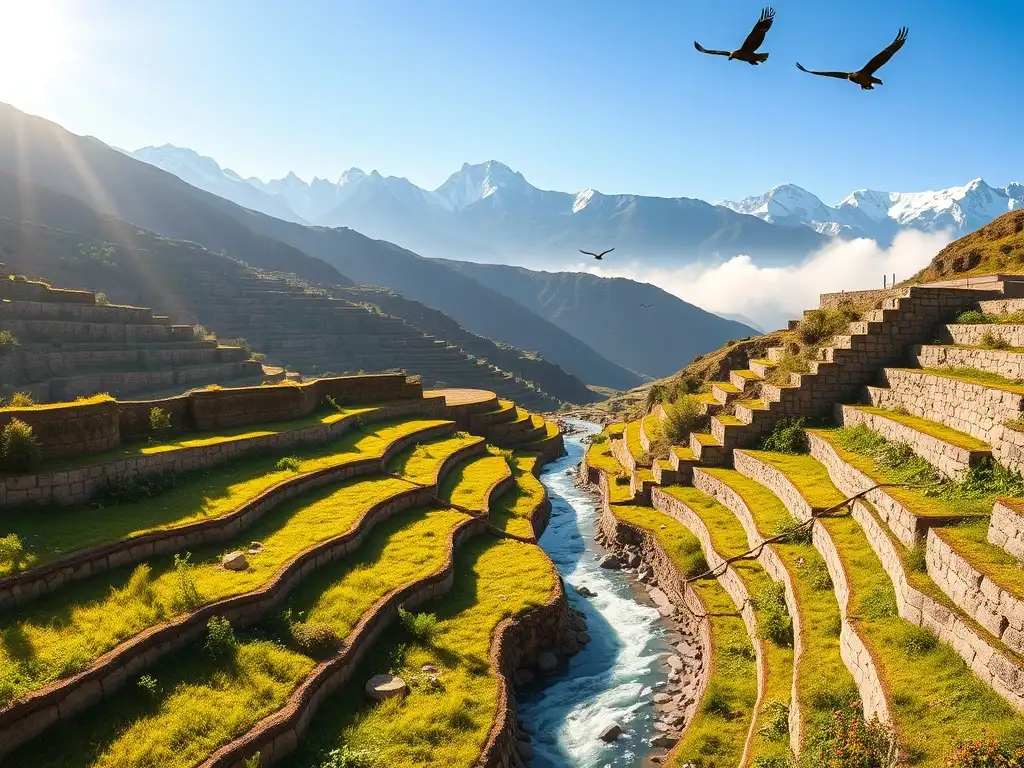
Welcome, explorer! Prepare to be captivated by the ingenuity of a lost world. For centuries, the Andes Mountains have held secrets, and none are more fascinating than the remarkable Andean irrigation systems. This intricate network of canals and aqueducts, a testament to the advanced engineering of ancient civilizations, awaits discovery. Dare to delve into the history behind these awe-inspiring feats of ingenuity? Let's unravel the mysteries of Andean water management together.
The Andes Mountains, a formidable yet breathtaking landscape, presented ancient civilizations with a unique challenge: harnessing scarce water resources for agriculture in a highly diverse and often unforgiving terrain. This article delves into the fascinating history of Andean irrigation systems, exploring the ingenious techniques employed by cultures like the Inca, Nazca, and Moche to cultivate their lands and build thriving societies.
We will uncover the remarkable ingenuity behind their water management strategies, highlighting their lasting impact on the region and the enduring lessons they offer for modern-day sustainable agriculture. Understanding the history of Andean irrigation systems is crucial to appreciating the sophisticated engineering and societal organization required to thrive in such an environment, a testament to human adaptability and resourcefulness.
This exploration will reveal not only the how of their irrigation, but also the why, connecting their agricultural practices to their complex social structures and spiritual beliefs. Prepare to be amazed by the ingenuity and resilience of these ancient Andean cultures.
The Incan Empire's Hydraulic Masterpieces
The Inca Empire, renowned for its vast infrastructure and intricate road network, also boasted a sophisticated system of irrigation canals that stretched across diverse ecological zones. These weren't simply ditches; they were meticulously engineered marvels, often carved into mountainsides and traversing challenging terrain. The Incas utilized a combination of techniques including gravity-fed channels, aqueducts, and reservoirs to manage water flow efficiently.
Their understanding of hydrology allowed them to create terraced fields, andenes, on steep slopes, maximizing arable land and minimizing soil erosion. The construction of these systems required immense manpower and a highly organized workforce, reflecting the centralized power of the Inca state. Specific examples of Incan irrigation projects, such as those in the Sacred Valley of the Urubamba River, showcase the scale and complexity of their achievements.
The precise measurements and careful planning evident in these systems are a testament to their advanced engineering skills and deep understanding of their environment. Further research is needed to fully quantify the extent of the Incan irrigation network and its impact on agricultural productivity.
Nazca's Ingenious Canals and Aqueducts
The Nazca culture, famed for their enigmatic geoglyphs, also developed impressive irrigation techniques to sustain their agricultural production in the arid coastal plains of southern Peru. Facing a scarcity of water, they built elaborate subterranean canals, known as puquios, to tap into underground water sources. These ingenious systems involved intricate networks of shafts and tunnels, bringing water to the surface for irrigation. The construction of these puquios required sophisticated knowledge of hydrology and engineering, demonstrating a remarkable understanding of groundwater flow.
The Nazca's ability to construct and maintain these complex systems over centuries highlights their social organization and communal effort. While the exact methods used in the construction of puquios remain partially shrouded in mystery, ongoing archaeological research continues to unveil new insights into their remarkable engineering capabilities. The longevity and efficiency of these systems underscore the Nazca's remarkable adaptation to their challenging environment.
Moche's Precision and Control in Irrigation
The Moche civilization, known for its elaborate ceramics and sophisticated metalwork, also relied on extensive irrigation systems to cultivate their fertile valleys. Unlike the subterranean approach of the Nazca, the Moche constructed extensive networks of surface canals, carefully channeling water from rivers and streams to their fields. Their systems were characterized by precision and control, with intricate networks of canals, reservoirs, and diversion structures. The Moche displayed a keen understanding of hydraulic engineering, employing techniques to regulate water flow and prevent erosion.
Their irrigation systems were integral to their social and political organization, with evidence suggesting that control over water resources played a significant role in their power structure. Archaeological findings, such as the remains of canals and reservoirs, provide valuable insights into the Moche's engineering prowess and their ability to manage water resources effectively. The scale and complexity of their irrigation systems further demonstrate their advanced societal organization.
The Enduring Legacy of Andean Irrigation
The ingenuity and resilience demonstrated by the Andean civilizations in their approach to water management continues to inspire awe and admiration. Their intricate irrigation systems, developed over centuries, represent a profound understanding of their environment and a testament to human adaptability. These ancient techniques offer valuable lessons for modern-day sustainable agriculture, particularly in regions facing water scarcity and environmental challenges. The principles of efficient water use, soil conservation, and community-based management, evident in the Andean systems, remain highly relevant today.
Further study and application of these ancient wisdoms could significantly contribute to the development of sustainable water management practices worldwide. The legacy of Andean irrigation is not just a historical record; it's a blueprint for a more sustainable future. 💻
- The Incan Empire's Hydraulic Masterpieces
- Nazca's Ingenious Canals and Aqueducts
- Moche's Precision and Control in Irrigation
- The Enduring Legacy of Andean Irrigation
- What is the significance of irrigation systems in Andean civilizations?
- How did the ancient Andean people develop such sophisticated irrigation techniques?
- Which Andean cultures are most known for their advanced irrigation systems?
- What challenges did the Andean people face in building and maintaining their irrigation systems?
- How did Andean irrigation systems influence the development of their societies?
The Ingenious Origins of Andean Water Management
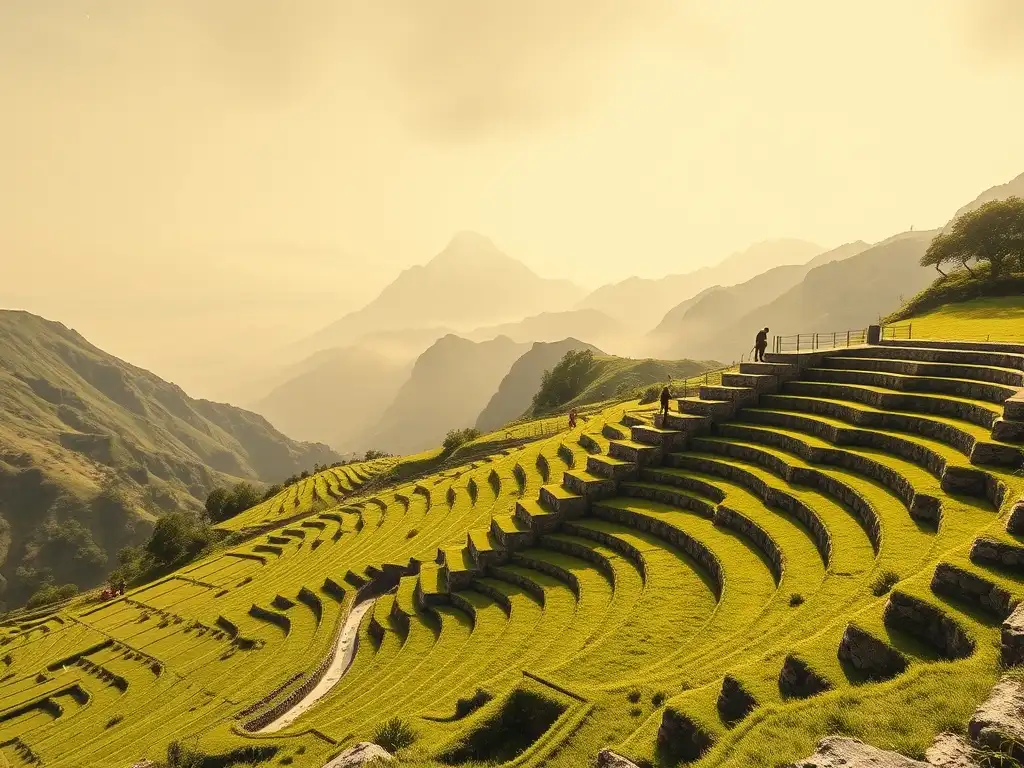
The history of Andean irrigation systems is a testament to human ingenuity and adaptation to challenging environments. The Andean region, characterized by its diverse topography and variable rainfall, presented significant obstacles to agriculture. Understanding the development of Andean irrigation requires acknowledging the intricate relationship between the environment, societal structures, and technological advancements.
The story unfolds not as a linear progression, but as a complex interplay of innovation and necessity, shaped by the unique challenges and opportunities offered by the Andes Mountains. This section delves into the fascinating origins of Andean water management, highlighting the ingenuity of pre-Inca societies and the evolution of their irrigation techniques. The keyword "Andean irrigation systems history" is crucial to understanding the impressive legacy of these civilizations.
Early Andean Societies and the Need for Irrigation
Long before the Inca Empire, various Andean societies developed sophisticated strategies for harnessing water resources. The need for irrigation wasn't simply about increasing crop yields; it was about survival. In many regions, rainfall was unpredictable and insufficient for sustained agriculture.
Early Andean farmers recognized this critical limitation and responded with innovative solutions. Evidence suggests that even the earliest agricultural communities employed rudimentary techniques, such as diverting small streams and creating simple channels to guide water to their fields. These early systems, while less complex than later developments, represent the first steps in a long and remarkable journey of Andean irrigation systems history.
The development of agriculture in the Andes wasn't uniform. Different ecological zones, from the arid coastal deserts to the high-altitude valleys, demanded unique approaches to water management. Societies adapted their techniques to the specific conditions of their environment, demonstrating remarkable flexibility and adaptability. For example, in the arid coastal regions, ingenious systems were designed to capture and store scarce water resources, often utilizing fog collection and sophisticated canal networks.
In the high Andes, the challenge was different, focusing on managing meltwater from glaciers and controlling the flow of rivers that often experienced dramatic fluctuations. The diversity of these early solutions reflects the deep understanding of local hydrological conditions that characterized Andean agricultural practices. This early mastery of water management laid the foundation for future innovations.
The Development of Pre-Inca Irrigation Techniques
As Andean societies grew in complexity, so did their irrigation systems. Pre-Inca cultures, such as the Nazca, Moche, and Tiahuanaco, developed increasingly sophisticated techniques to manage water resources. These advancements were not merely technological; they were deeply intertwined with social and political structures. The construction and maintenance of large-scale irrigation systems often required significant labor and coordination, reflecting a high degree of social organization and cooperation.
The Nazca, known for their intricate geoglyphs, also built extensive canal networks to irrigate their arid lands. These canals, some stretching for kilometers, were carefully engineered to manage the flow of water and prevent erosion. The Moche civilization, on the other hand, developed sophisticated techniques for managing water in their river valleys, utilizing reservoirs, canals, and aqueducts.
Their mastery of hydraulic engineering is evidenced by the impressive scale and complexity of their irrigation systems. The Tiahuanaco culture, located in the high Andes, developed innovative methods for managing water at high altitudes, demonstrating an impressive understanding of hydrology and engineering principles. These pre-Inca achievements significantly impacted the later development of Andean irrigation systems history, providing a foundation for the Inca Empire's impressive water management infrastructure.
The evolution of pre-Inca irrigation techniques is marked by several key advancements: improved canal construction methods, the development of reservoirs and storage facilities, and the implementation of sophisticated water distribution systems. These innovations allowed for the cultivation of larger areas of land and the production of surplus crops, contributing to population growth and societal complexity. The legacy of these pre-Inca societies is evident in the later achievements of the Inca Empire, which built upon and expanded upon these earlier innovations.
The study of pre-Inca irrigation systems provides invaluable insights into the ingenuity and adaptability of Andean civilizations and their profound understanding of water management. The sophisticated techniques employed showcase a deep understanding of hydrology, engineering, and the importance of water for sustaining life in the challenging Andean environment. This represents a cornerstone in the rich tapestry of Andean irrigation systems history.
Diverse Andean Irrigation Systems Across Cultures
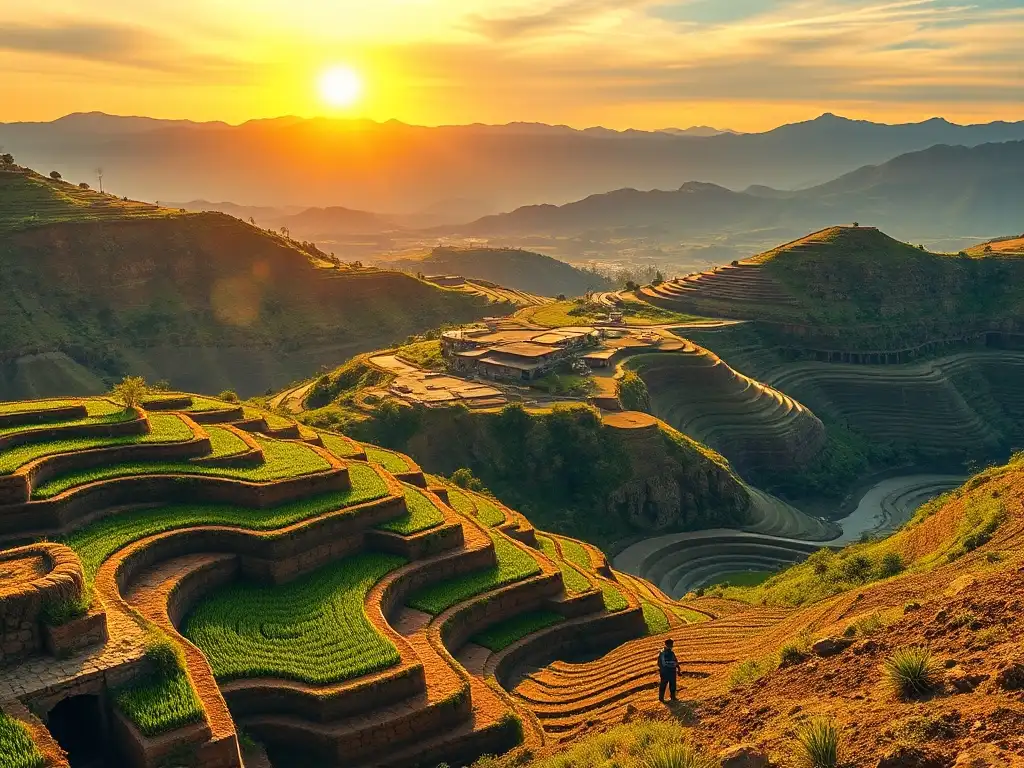
The ingenuity of Andean civilizations in harnessing water resources for agriculture is a testament to their deep understanding of their environment and their remarkable engineering skills. Their varied approaches to irrigation, shaped by distinct geographical and climatic conditions, represent a fascinating tapestry of technological advancements. Understanding the history of Andean irrigation systems reveals not only their agricultural prowess but also their sophisticated social structures and resource management strategies.
This section will explore the distinct irrigation techniques employed by three prominent Andean cultures: the Moche, the Nazca, and the Tiahuanaco, highlighting the unique challenges they overcame and the lasting impact of their innovations. Each system, a marvel of its time, reflects the close relationship between these societies and the water resources essential to their survival and prosperity. The study of Andean irrigation systems history provides invaluable insights into the resilience and adaptability of these ancient societies.
The Moche and Their Sophisticated Canal Networks
The Moche civilization (c. 100-800 CE), flourishing along the arid northern coast of Peru, developed an intricate network of canals to irrigate their fertile valleys. Unlike some other Andean cultures who relied on underground water sources, the Moche masterfully channeled water from rivers and streams, often traversing challenging terrain. Their canal systems were not merely simple ditches; they were sophisticated engineering feats, incorporating ingenious techniques to manage water flow and prevent erosion.
These canals, often lined with stones or clay to prevent seepage, were meticulously planned and constructed. Evidence suggests a highly organized labor force, possibly mobilized through a centralized authority, was responsible for their creation and maintenance. The canals' routes were carefully chosen to optimize water distribution, taking into account the topography of the land and the needs of different agricultural areas.
The Moche also employed techniques such as check dams and spillways to regulate water flow, preventing flooding and ensuring a consistent supply to the fields. The scale and complexity of their canal networks are a testament to the Moche's advanced understanding of hydraulic engineering and their ability to mobilize significant resources for large-scale public works projects.
The remnants of these canals, visible even today, stand as enduring symbols of their technological prowess and the sophisticated water management systems critical to their agricultural success. The sophisticated nature of Moche irrigation, and its effective application, contributed significantly to their economic and social stability.
Nazca Underground Aqueducts: The Puquios
In contrast to the Moche's surface canals, the Nazca civilization (c. 100 BCE – 500 CE), also located on Peru's arid coast, developed a remarkable system of underground aqueducts known as puquios. These ingenious structures tapped into underground water sources, bringing water to the surface through a network of carefully constructed shafts and tunnels. The puquios demonstrate a deep understanding of hydrology and a remarkable ability to extract water from otherwise inaccessible sources.
The construction of a puquio involved digging a series of vertical shafts, often extending to considerable depths, to reach underground water tables. These shafts were then connected by horizontal tunnels, creating a network that channeled water towards the surface. The tunnels were often lined with stones and carefully sealed to prevent collapse and water loss.
Ingenious ventilation shafts were incorporated into the design to allow for the removal of debris and to maintain air circulation within the tunnels. The puquios were not just simple water channels; they were carefully engineered systems that incorporated sophisticated techniques to maximize water extraction and minimize maintenance.
The Nazca’s understanding of subterranean water resources and their ability to construct these complex systems represent a significant achievement in Andean hydraulic engineering and highlight their resourceful adaptation to the harsh desert environment. The puquios represent a sustainable approach to water management, a legacy that continues to inspire modern-day water resource management strategies.
Tiahuanaco's Raised Fields and Water Control
The Tiahuanaco civilization (c. 500-1000 CE), located on the Altiplano of Bolivia, faced different challenges in managing water resources compared to the coastal civilizations. The high altitude and fluctuating water levels of Lake Titicaca necessitated innovative approaches to irrigation and water control. The Tiahuanaco people developed a sophisticated system of raised fields, which were artificial islands created by piling soil and organic matter above the surrounding wetlands.
These raised fields served multiple purposes. They provided a stable platform for agriculture, protecting crops from flooding and frost. More importantly, they facilitated water management.
The raised fields were strategically placed to take advantage of the fluctuating water levels of Lake Titicaca. During periods of high water, the fields were irrigated naturally. During periods of low water, the fields were irrigated through a system of canals and ditches.
The construction and maintenance of these raised fields required a significant investment of labor and resources, reflecting the importance of agriculture to the Tiahuanaco society and their advanced understanding of water management in a challenging environment. The Tiahuanaco raised fields are a striking example of Andean irrigation systems history and demonstrate a mastery of agricultural engineering uniquely adapted to the high-altitude environment of the Altiplano. The ingenuity of their design allowed for efficient water use and maximized agricultural yields in a highly variable climate.
Inca Engineering and the Expansion of Irrigation

The Inca Empire, renowned for its sophisticated infrastructure and administrative prowess, significantly advanced Andean irrigation systems history. Their mastery of hydraulic engineering allowed them to cultivate vast swathes of land, supporting a large and complex society across diverse and challenging terrains. Unlike their predecessors who often relied on simpler gravity-fed systems, the Inca developed more complex techniques to manage water resources, reflecting a deeper understanding of hydrology and engineering principles.
This sophisticated approach facilitated the expansion of agriculture and contributed to the empire's stability and prosperity. The scale of their irrigation projects remains impressive even by modern standards, a testament to their organizational capabilities and technological ingenuity. We'll delve deeper into their specific techniques below.
Inca Techniques for Water Diversion and Storage
Inca engineers employed a range of innovative techniques to divert and store water. They expertly channeled water from rivers and streams using sophisticated canals and aqueducts, often carved into rock faces with remarkable precision. These canals were not simply straight ditches; they incorporated intricate features such as strategically placed siphons, tunnels, and spillways to manage water flow and prevent erosion.
For example, the canals at Moray, a fascinating agricultural complex, demonstrate a sophisticated understanding of water management, utilizing a series of interconnected terraces and channels to create microclimates suitable for diverse crops. The construction of these systems required a massive coordinated effort, involving skilled laborers, specialized tools, and meticulous planning. The Inca's ability to transport materials across challenging terrain and construct durable, long-lasting structures highlights their exceptional engineering skills.
Furthermore, they built reservoirs and storage tanks to capture and retain water during periods of scarcity, ensuring a reliable water supply for their agricultural needs. This foresight and careful planning were crucial to the success of their agricultural endeavors.
Terraces and the Integration of Irrigation
The Inca’s mastery of terracing is inextricably linked to their irrigation systems. Terracing, the creation of leveled plots on sloping land, maximized arable land and minimized soil erosion. Crucially, the terraces were meticulously designed to integrate with the irrigation canals.
Water was channeled along the terraces, flowing from one level to the next, ensuring equitable distribution and efficient use of water resources. This sophisticated integration of terracing and irrigation allowed the Inca to cultivate even the steepest slopes, significantly increasing agricultural productivity. The precise construction of the terraces, with their retaining walls and carefully graded surfaces, speaks to the Inca's deep understanding of both agricultural and engineering principles.
This intricate system not only supported food production but also helped to prevent soil degradation and maintain the long-term fertility of the land. The impressive scale and precision of Inca terracing are still evident in many parts of the Andes today, serving as a powerful testament to their enduring legacy.
The Importance of Water in Inca Agriculture
Water was not merely a resource for the Inca; it held deep symbolic and religious significance. Their agricultural practices were deeply intertwined with their cosmology and spiritual beliefs, reflecting a profound respect for the life-giving properties of water. The Inca’s sophisticated irrigation systems weren't just about practical efficiency; they were also a reflection of their worldview and their connection to the natural world.
This spiritual dimension is evident in the careful planning and execution of their irrigation projects, which were often integrated into broader landscape management strategies. The importance of water is also reflected in their agricultural practices, with many crops being carefully selected and cultivated to thrive in the specific conditions created by their irrigation systems.
The success of Inca agriculture was entirely dependent on the effective management of water resources, demonstrating the crucial role that water played in their societal structure and economic prosperity. The legacy of Inca irrigation systems continues to inspire awe and admiration, highlighting the ingenuity and organizational prowess of this remarkable civilization, and enriching our understanding of Andean irrigation systems history.
Key Components of Andean Irrigation Technology

The ingenuity of Andean irrigation systems is evident in their multifaceted approach to water management, a testament to the deep understanding these civilizations possessed of their environment and the challenges it presented. Their success wasn't solely reliant on a single technology, but rather a sophisticated interplay of several key components, each designed to maximize water availability and efficiency in diverse and often challenging terrains. Understanding these components is crucial to appreciating the remarkable achievements of Andean engineers and their lasting legacy.
The study of Andean irrigation systems history reveals a sophisticated understanding of hydrology and engineering principles far ahead of its time. This section will delve into the core elements that underpinned their success.
The Role of Canals and Aqueducts in Andean Farming
Canals and aqueducts formed the backbone of Andean irrigation networks. These weren't simply ditches; they were meticulously planned and constructed pathways, often carved into hillsides or built using stone and earth, designed to transport water from sources like rivers, springs, and glacial meltwater to agricultural fields. The scale and complexity of these systems varied depending on the specific civilization and environment.
For instance, the Nazca people, renowned for their geoglyphs, also built extensive canal networks across their arid coastal plains, demonstrating remarkable surveying and construction skills to ensure a consistent water supply for their crops. The Inca Empire, with its vast territory, employed a hierarchical system of canals, some quite substantial, connecting distant communities and supporting large-scale agriculture. The construction techniques involved careful consideration of gradients to maintain a steady flow, and the use of materials like stone, clay, and even compacted earth to prevent leakage and erosion.
The precise alignment of some canals suggests the use of sophisticated surveying techniques, potentially involving astronomical observations. Detailed studies of these canals, including analysis of their construction methods and materials, are essential for understanding the engineering prowess of these ancient Andean societies and their mastery of water resource management. The precision and extent of these networks are a clear indicator of the importance placed on agriculture within Andean society.
Reservoirs and Water Storage Strategies in the Andes
Beyond the canal systems, the Andean civilizations developed sophisticated strategies for water storage, crucial for mitigating the variability of water availability in their often unpredictable climate. Reservoirs, ranging from small ponds to large artificial lakes, played a vital role in ensuring a reliable water supply, especially during dry seasons. These reservoirs were not randomly placed; their location was carefully chosen to maximize water collection and minimize evaporation.
The construction involved various techniques, including the use of earthworks, stone walls, and even the manipulation of natural topography to create effective storage areas. In addition to reservoirs, the Andes also employed other water storage methods, such as the creation of terraces on hillsides, which not only increased arable land but also helped to capture and retain rainwater. The integration of these diverse water storage techniques reflects a holistic approach to water resource management, tailored to the specific environmental conditions of each region.
Furthermore, the design and construction of these reservoirs often incorporated features to minimize water loss through evaporation and seepage. Evidence suggests that Andean communities had a deep understanding of hydrology and soil science, allowing them to select appropriate locations and materials for their water storage infrastructure, thereby ensuring the long-term sustainability of their agricultural practices. The study of these reservoirs provides valuable insights into the resourcefulness and adaptive capacity of these ancient Andean societies.
Techniques for Water Distribution and Control
Efficient distribution and control of water were paramount to the success of Andean irrigation systems. The civilizations employed several ingenious techniques to manage the flow of water, ensuring that it reached the intended fields at the appropriate time and in the necessary quantities. These techniques included the use of weirs, diversion channels, and sluice gates to regulate water flow within the canals. Weirs, for example, were structures built across canals to control the water level and direct it into different channels.
Sluice gates allowed for precise control over the amount of water flowing into individual fields. The construction of these regulating structures required a high degree of engineering skill and a deep understanding of hydraulic principles. Furthermore, the development of sophisticated agricultural practices, such as terracing and crop rotation, complemented the irrigation systems, enhancing water use efficiency and maximizing crop yields. Such techniques optimized water usage, allowing for cultivation in challenging terrains and sustaining large populations.
The effectiveness of these distribution and control mechanisms is evident in the longevity and success of Andean agriculture, which thrived for centuries despite the often harsh environmental conditions. These innovations highlight the advanced understanding of engineering and water management possessed by these ancient civilizations, showcasing their ability to adapt and innovate to meet the challenges of their environment. The efficient distribution systems were vital to the success of Andean farming practices and contributed significantly to the stability and prosperity of Andean societies.
The Legacy of Andean Irrigation in Modern Practices

The ingenuity of Andean irrigation systems, developed over millennia, continues to resonate in contemporary water management strategies. Understanding the historical context of these systems is crucial for appreciating their lasting impact and gleaning valuable lessons for sustainable practices in the 21st century. The sophisticated techniques employed by ancient Andean cultures, such as the Incas, Nazca, and Moche, offer a wealth of knowledge that can inform modern approaches to water conservation and efficient irrigation.
Their solutions to challenges posed by arid and mountainous terrains remain remarkably relevant, especially in the face of increasing water scarcity and climate change. The intricate network of canals, reservoirs, and aqueducts they constructed not only provided sustenance but also shaped the social and political landscape of their societies.
This legacy of innovation continues to inspire modern engineers and agricultural specialists worldwide. The principles of water harvesting, terracing, and canal construction, perfected by Andean civilizations, are being revisited and adapted to address contemporary water management challenges.
Lessons from Ancient Andean Water Management
Ancient Andean societies faced similar water scarcity challenges to those faced today. Their responses, however, were remarkably effective and sustainable. One key lesson is the importance of integrated water resource management.
The Andean systems weren't simply about constructing canals; they involved a holistic approach that considered water sources, distribution networks, and community needs. This integrated approach is exemplified by the waru waru system, a raised-bed agricultural technique that not only conserved water but also improved soil fertility and microclimate. This system, still used in some parts of the Andes, demonstrates the potential for traditional knowledge to contribute to modern sustainable agriculture.
Another crucial lesson is the emphasis on community participation and cooperation. The construction and maintenance of these complex irrigation systems required significant collective effort. Water rights and distribution were often carefully regulated through social structures and customary laws, ensuring equitable access and preventing conflicts. This collaborative approach contrasts with some modern irrigation projects that prioritize individual needs over collective well-being, leading to unsustainable practices and resource depletion.
Understanding the social dynamics that underpinned Andean irrigation can inform the development of more equitable and participatory water management strategies today. For instance, the sophisticated understanding of water flow and its seasonal variations allowed for effective planning and resource allocation. Detailed records, though often archeological in nature now, provide clues to their predictive abilities and planning horizons.
Sustainable Practices and Modern Applications in Agriculture
The principles of Andean irrigation are finding renewed relevance in modern sustainable agriculture. The use of terraces, for example, is being revived in various regions to combat soil erosion and optimize water use in hilly and mountainous terrains. This technique minimizes water runoff and maximizes infiltration, reducing water waste and improving soil health. Similarly, the concept of water harvesting, employed extensively by Andean civilizations, is being adopted in modern rainwater harvesting systems. These systems collect and store rainwater for later use, reducing reliance on unsustainable groundwater extraction.
Furthermore, the waru waru technique, mentioned previously, is attracting increasing interest as a climate-smart agricultural practice. Its ability to enhance soil fertility, conserve water, and improve crop yields in arid and semi-arid regions makes it a valuable tool in the face of climate change. Modern adaptations of waru waru are being tested and implemented in various parts of the world, demonstrating its potential for widespread application.
The success of these adaptations underscores the enduring value of ancient Andean knowledge and its applicability to contemporary challenges. The integration of traditional and modern techniques offers a pathway toward more resilient and sustainable agricultural systems. Studies comparing yields from traditional waru waru systems and modern irrigation techniques are ongoing, but initial findings suggest significant potential for increased efficiency and reduced environmental impact using Andean-inspired methods.
The Enduring Impact of Andean Innovation on Water Use
The legacy of Andean irrigation extends far beyond the Andes themselves. The innovative techniques developed by these ancient cultures have inspired and continue to inform water management practices globally. The emphasis on water conservation, community participation, and integrated resource management remains highly relevant in a world grappling with water scarcity and climate change.
The sophisticated understanding of hydrology and engineering displayed by Andean civilizations serves as a testament to their ingenuity and foresight. Their achievements offer invaluable lessons for modern societies seeking to develop sustainable water management strategies. The study of Andean irrigation systems is not merely an academic pursuit; it's a vital source of knowledge for addressing contemporary water challenges and building a more sustainable future.
The ingenuity and resilience of Andean civilizations in the face of environmental challenges serve as a powerful reminder of the importance of learning from the past to shape a better future. Their legacy in irrigation offers a pathway toward more sustainable and equitable water use for generations to come.
The Cultural Significance of Water in the Andes
The Andes Mountains, a spine of towering peaks running down the western coast of South America, presented unique challenges and opportunities for the development of sophisticated civilizations. Understanding the Andean irrigation systems history requires acknowledging the profound cultural significance of water itself, far beyond its mere practical use. Water wasn't simply a resource; it was deeply interwoven with Andean cosmology, religious practices, and social structures.
The ingenuity of their irrigation systems isn't solely an engineering marvel, but a reflection of their profound spiritual connection to the life-giving force of water. This section will explore this critical aspect of Andean water management.
Water as a Sacred Resource in Andean Cosmology
Andean cosmology viewed water as a sacred element, intimately linked to the deities and the very fabric of existence. Water was considered a manifestation of life itself, a source of fertility and abundance. Many Andean cultures believed that water flowed from sacred springs and mountains, places imbued with spiritual power.
These sources weren't just geographical locations; they were considered portals to the supernatural realm, often associated with specific deities or ancestral spirits. For example, the Inca considered the mountain Apu as sacred entities, and the water flowing from them was seen as a direct gift from these powerful beings. This belief system fostered a deep respect for water and a careful approach to its management, ensuring its proper use and conservation.
The intricate network of canals and aqueducts wasn't just a feat of engineering; it was also a sacred act, a way to honor and channel the divine essence of water. This perspective fundamentally shaped their approach to irrigation, influencing not only Andean irrigation systems history but also their social organization and spiritual practices.
Rituals and Ceremonies Associated with Water
The sacred nature of water in Andean cultures is further evidenced by the numerous rituals and ceremonies associated with it. These practices weren't simply superstitious; they were integral to maintaining the balance between the human world and the spiritual realm. Many ceremonies involved offerings to water deities, ensuring the continued flow of water and the fertility of the land.
These offerings could include coca leaves, food, or even human sacrifices in some cases (though this practice varied across different Andean cultures and time periods). The Andean irrigation systems history is peppered with evidence of these rituals – from ceremonial sites located near water sources to artifacts found within irrigation canals. Furthermore, specific individuals or groups often held responsibility for maintaining the irrigation systems and conducting these rituals, highlighting the close link between spiritual practice and water management.
These rituals served not only to appease the gods but also to strengthen community bonds and reinforce social hierarchies. The maintenance of the irrigation systems was, therefore, a communal effort, a shared responsibility underpinned by religious belief.
The Connection Between Irrigation and Andean Identity
The development and maintenance of sophisticated irrigation systems weren't simply practical endeavors; they were deeply intertwined with the very identity of Andean societies. The success of these systems, their ability to sustain large populations and complex social structures, was a source of immense pride and cultural significance. The intricate networks of canals and aqueducts became powerful symbols of Andean ingenuity, reflecting their mastery of both engineering and their environment.
The ability to harness and control water, a force both life-giving and destructive, was a testament to their organizational skills, technological advancements, and spiritual understanding. The Andean irrigation systems history thus reveals not just the evolution of irrigation techniques but also the formation and evolution of Andean identity, a collective identity forged through shared labor, shared beliefs, and a shared dependence on this precious resource.
The legacy of these systems continues to resonate today, a testament to the lasting impact of Andean ingenuity and their profound connection to the water that shaped their world. The study of these systems offers a unique window into the cultural values, social structures, and spiritual beliefs of the Andean civilizations.
Frequently Asked Questions
What is the significance of irrigation systems in Andean civilizations?
Andean irrigation systems were essential for survival and the development of complex societies. They allowed for intensive agriculture in challenging terrains, supporting large populations and complex social structures. Without them, the scale of these civilizations would have been impossible.
How did the ancient Andean people develop such sophisticated irrigation techniques?
Andean civilizations developed incredibly sophisticated techniques, including canals, aqueducts, and reservoirs, adapted to diverse landscapes. Their knowledge of water management was remarkable, showing a deep understanding of hydrology and engineering. They employed innovative methods like terracing and water diversion.
Which Andean cultures are most known for their advanced irrigation systems?
Many Andean cultures, including the Inca, Nazca, and Moche, are renowned for their impressive irrigation systems. Each culture developed unique techniques adapted to their specific environment. The scale and complexity of these systems varied across different cultures and time periods.
What challenges did the Andean people face in building and maintaining their irrigation systems?
Building and maintaining these systems presented significant challenges, including navigating complex terrains, managing seasonal water availability, and dealing with earthquakes and floods. The construction required substantial labor and organizational skills. Repair and maintenance were ongoing necessities.
How did Andean irrigation systems influence the development of their societies?
Andean irrigation systems were fundamental to the development of complex societies. They enabled surplus food production, supporting population growth, urbanization, and the development of specialized labor. This led to significant advancements in social organization, political structures, and cultural achievements.
Final Reflection: A Legacy of Water, A Future of Sustainability
The ingenious irrigation systems of the Andes, once marvels of pre-Columbian engineering, remain profoundly relevant today. Facing a global climate crisis marked by water scarcity and unpredictable weather patterns, understanding and appreciating these ancient techniques offers invaluable lessons for sustainable water management in the 21st century. Their enduring legacy challenges us to rethink our relationship with this precious resource.
The ingenuity of the Andean people in harnessing water resources, adapting to diverse terrains, and creating intricate systems of canals and terraces continues to inspire awe. Their achievements underscore the deep connection between human societies and their environment, a connection often lost in modern, industrialized approaches. Water is the driving force of nature.
– Leonardo da Vinci. This simple statement encapsulates the profound truth that the Andeans understood so well, a truth we must rediscover to navigate the challenges of our time. Their sustainable practices offer a powerful counterpoint to the unsustainable water usage prevalent in many parts of the world today.
Consider the ingenuity and resilience demonstrated by these ancient civilizations. Let their legacy inspire you to explore sustainable practices in your own life, whether it's conserving water at home, supporting responsible water management policies, or simply appreciating the vital role water plays in our ecosystem. You, too, can be a steward of this precious resource, ensuring its availability for generations to come. Let the echoes of Andean innovation resonate in your actions, shaping a future where water is managed wisely and sustainably for all.
Discover the Rich Legacy of Andean Innovation!
Thank you for joining us on this enlightening journey into the ingenious irrigation techniques of Andean civilizations. We've explored the fascinating strategies that shaped agricultural practices and sustained thriving societies in challenging environments. Let's put this knowledge to good use!
- Delve deeper into the world of Andean irrigation by exploring our in-depth articles and discovering the cultural significance of these ancient practices.
- Share your newfound knowledge! Discuss what you've learned with friends, family, or in online forums, inspiring others to appreciate the ingenuity of Andean civilizations.
- Visit a local museum or cultural center showcasing Andean heritage to witness how these ancient practices continue to influence modern societies.
What aspect of Andean irrigation most captivates you, and how can these ancient solutions inform contemporary sustainable practices?