
Whispers in Gold: Decoding the Iconography of Andean Metal Ornaments

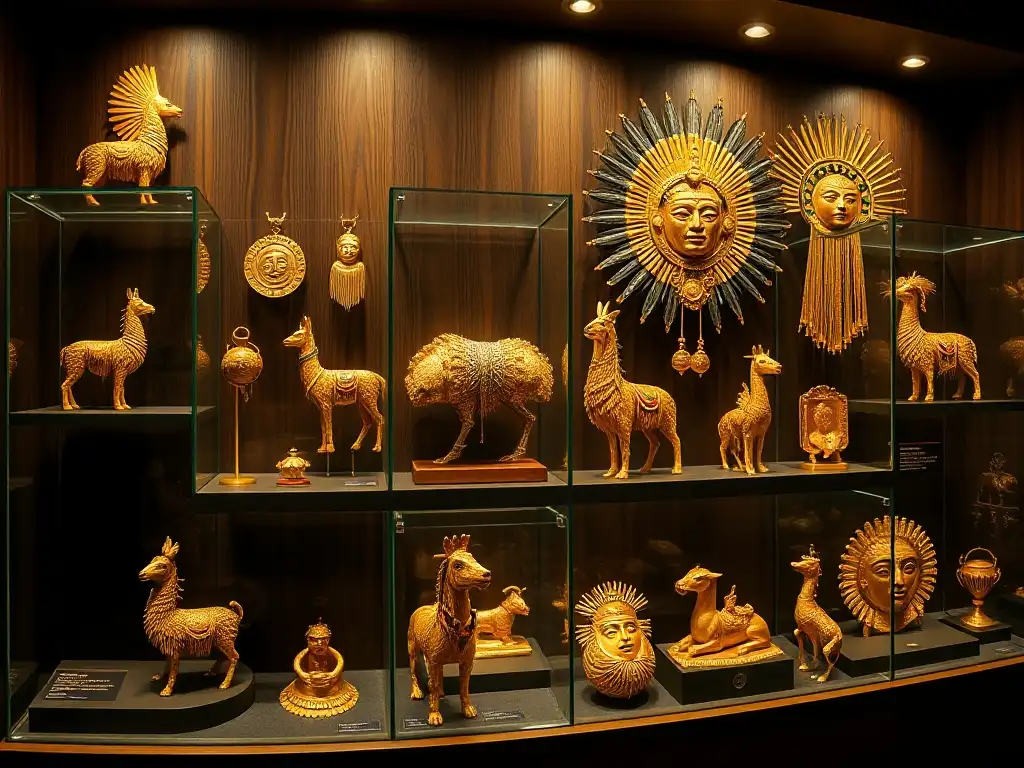
Welcome to Andean Civilizations, where the echoes of a lost world resound. Prepare to be captivated by the breathtaking artistry and intricate stories woven into the very fabric of ancient Andean cultures. What secrets do the dazzling Andean gold ornaments hold? Unravel the mysteries behind their captivating iconography and embark on a journey through time to discover the power and symbolism embedded within these remarkable artifacts. Dive into our exploration of “ Whispers in Gold: Decoding the Iconography of Andean Metal Ornaments” and uncover the hidden narratives waiting to be revealed.
The shimmering allure of Andean gold ornaments has captivated archaeologists and historians for centuries. These exquisite pieces, far from being mere decorative objects, serve as powerful windows into the complex belief systems, social structures, and daily lives of ancient Andean civilizations. This article delves into the fascinating world of Andean gold ornaments iconography, exploring the intricate symbolism embedded within these meticulously crafted artifacts.
We will journey through the artistic expressions of various cultures, including the Incas, Moche, Nazca, and Tiahuanaco, deciphering the visual language they employed to convey their worldview and transmit knowledge across generations. Understanding this iconography provides crucial insights into the rich tapestry of Andean history, revealing a sophisticated understanding of metallurgy, artistry, and symbolic representation that continues to inspire awe and wonder. Prepare to uncover the secrets whispered in gold, as we explore the profound meanings hidden within these captivating treasures.
The Significance of Gold in Andean Cultures
Gold, in the Andes, held a deeply symbolic meaning far exceeding its material value. It was not simply a precious metal; it was believed to possess supernatural qualities, connecting the earthly realm with the divine. Different Andean cultures viewed gold through unique lenses, but common themes emerge.
For instance, the sun, a vital source of life and energy, was often represented in gold artifacts, highlighting its association with power, divinity, and fertility. The meticulous craftsmanship involved in shaping and decorating these objects underscores the high esteem in which gold was held and the specialized skills of the artisans who worked with it.
The use of gold varied across different Andean societies, with some cultures, like the Moche, employing it extensively in elaborate funerary contexts, while others, such as the Nazca, incorporated it more selectively into their ceremonial and elite paraphernalia. The inherent malleability and lustrous quality of gold made it an ideal medium for representing the sun's radiance and the spiritual power associated with it.
Deciphering Moche Iconography: A Case Study
The Moche civilization (circa 100-800 CE) is renowned for its exquisite metalwork. Their gold ornaments often depict powerful deities, mythical creatures, and scenes of ritualistic activities. Detailed analysis reveals intricate iconographic patterns, including representations of:
- Feline Deities: Often portrayed with human-like features, these feline deities likely embodied power, hunting prowess, and shamanistic abilities.
- Warriors and Priests: Elaborately adorned figures highlighting social hierarchies and the importance of ritualistic practices.
- Mythical Birds: Symbolizing the upper world and potentially acting as intermediaries between the earthly and spiritual realms.
The Moche's mastery of lost-wax casting allowed them to create highly detailed and intricate gold ornaments, showcasing their advanced technological skills and artistic vision. These ornaments, frequently found in elite tombs, suggest a close relationship between religious beliefs, social status, and the use of precious metals. Further research is needed to fully understand the nuanced symbolism embedded within each individual piece, but preliminary studies point to a sophisticated system of visual communication reflecting complex societal structures and cosmological beliefs.
Nazca and Tiahuanaco Styles: Contrasting Approaches to Goldwork
While the Moche favored elaborate, highly detailed gold ornaments, the Nazca (circa 100 BCE – 500 CE) and Tiahuanaco (circa 500-1000 CE) cultures exhibited distinct stylistic preferences. The Nazca, known for their intricate geoglyphs, employed gold more sparingly, often incorporating it into small, delicate ornaments featuring geometric patterns and stylized figures. These pieces, though less extravagant than Moche goldwork, still convey significant symbolic meaning. [Specific examples of Nazca gold iconography pending].
In contrast, Tiahuanaco goldwork, while less prolific than that of the Moche, often features bold, geometric designs and stylized representations of deities and animals. The use of gold in Tiahuanaco culture seems to have been tied to elite status and ritual practices, with ornaments serving as symbols of power and authority. [Specific details on Tiahuanaco goldwork iconography pending]. A comparative analysis of these three styles highlights the diversity of artistic expression and symbolic systems across different Andean cultures.
Inca Gold and the Symbolism of Power
The Inca Empire (circa 1438-1533 CE) inherited and adapted existing metalworking techniques, creating their own unique style of gold ornaments. Inca goldwork frequently depicts imperial motifs, such as the Inti (sun god), and emphasizes the power and authority of the Sapa Inca (emperor). The use of gold in Inca society was strictly controlled, with access largely restricted to the elite.
The exquisite craftsmanship and the symbolic representations found in Inca gold ornaments reflect the empire's centralized power and its sophisticated system of religious and political control. The prevalence of specific motifs, such as the khipu (knotted string record-keeping system), in Inca goldwork underscores the importance of record-keeping and administrative control within the empire.
The integration of gold into religious ceremonies further highlights its role in reinforcing Inca ideology and asserting imperial dominance. The Spanish conquest tragically led to the widespread destruction and looting of Inca gold artifacts, making the study of surviving pieces all the more crucial for understanding Inca culture and the symbolic significance of gold within their society.
- The Significance of Gold in Andean Cultures
- Deciphering Moche Iconography: A Case Study
- Nazca and Tiahuanaco Styles: Contrasting Approaches to Goldwork
- Inca Gold and the Symbolism of Power
- What is the significance of gold in Andean cultures?
- What types of iconography are commonly found in Andean gold ornaments?
- How did Andean artisans create such intricate gold ornaments?
- What can the iconography of Andean gold ornaments tell us about their society?
- Where can I learn more about Andean gold ornaments and their iconography?
The Allure of Andean Gold: Introduction to Metalwork in Ancient Andes
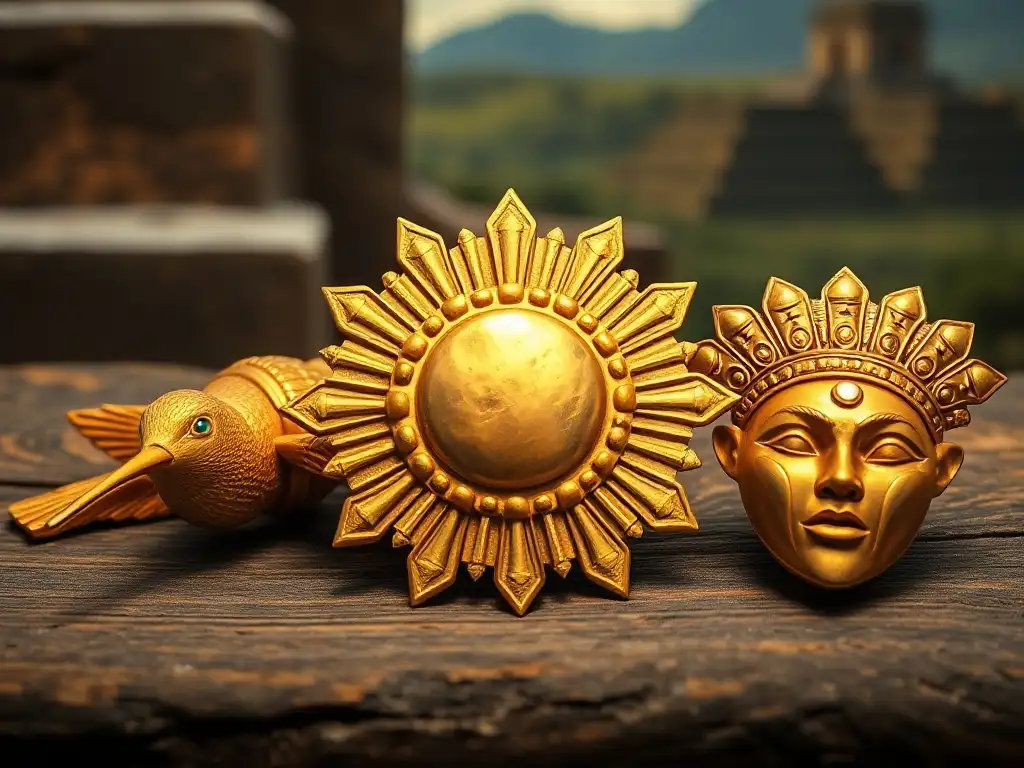
The allure of Andean gold ornaments is undeniable. These exquisitely crafted pieces, often imbued with intricate iconography, offer a captivating glimpse into the sophisticated metalworking techniques and rich symbolic world of ancient Andean civilizations. From the shimmering gold tumblers of the Moche to the elaborate headdresses of the Incas, Andean gold ornaments represent not only artistic mastery but also a profound connection to the spiritual and political landscapes of their time.
Understanding the iconography of these ornaments is key to unlocking a deeper understanding of Andean beliefs, social structures, and daily life. This section will explore the significance of gold in Andean cultures and delve into the early techniques used to transform this precious metal into breathtaking works of art. The analysis of Andean gold ornaments iconography reveals a complex tapestry of meaning, woven with threads of power, divinity, and the natural world.
The Significance of Gold in Andean Cultures
Gold held immense symbolic importance across various Andean cultures. It was far more than a mere precious metal; it represented the sun, a powerful deity associated with life, fertility, and royal power. The Incas, for example, believed that the sun god, Inti, was the ancestor of their emperors, and gold served as a tangible link to this divine lineage. This is reflected in the abundant use of gold in royal regalia, ceremonial objects, and temple adornments.
The Moche, known for their masterful metalworking, also attributed significant spiritual meaning to gold, often depicting it in association with their deities and mythical creatures in their elaborate gold ornaments. The vibrant imagery found in these ornaments provides valuable insight into their cosmology and religious beliefs. Beyond its association with the divine, gold also symbolized wealth, status, and power within Andean societies.
The sheer quantity and quality of gold used in certain ornaments served as a clear indicator of social standing and political influence. The careful craftsmanship and intricate details further emphasized the prestige associated with these precious artifacts. The sheer volume of gold artifacts unearthed underscores the metal's importance across different Andean cultures and periods.
Early Andean Metalworking Techniques
Early Andean metalworking techniques were remarkably advanced, showcasing a sophisticated understanding of metallurgy. The process began with the extraction of gold from alluvial deposits, often using techniques like panning and sluicing. This was followed by a complex process of smelting, alloying, and hammering to shape the metal into various forms. While hammering was a primary shaping method, Andean artisans also employed techniques like casting, repoussé (hammering from the back to create relief), and chasing (smoothing and refining the surface).
The mastery of these techniques allowed them to create incredibly intricate designs, often incorporating delicate filigree work and detailed embossing. Consider, for example, the intricate details found in the Moche gold masks, where even minute features are rendered with astonishing precision. The development of lost-wax casting, a particularly complex technique, allowed for the creation of three-dimensional forms of exceptional detail and complexity. This method enabled the production of sophisticated gold ornaments, including elaborate figures, vessels, and jewelry pieces, showcasing a level of technical skill that was truly remarkable for its time.
The combination of these techniques allowed Andean artisans to create gold ornaments that were not only beautiful but also incredibly durable, ensuring that many of these pieces have survived the passage of time. Further research is needed to fully understand the regional variations in techniques and the evolution of metalworking practices across different Andean cultures and time periods. [Specific information pending on precise dates of technique adoption and regional variations].
Unveiling the Iconography: Symbols and Meanings in Andean Gold Ornaments
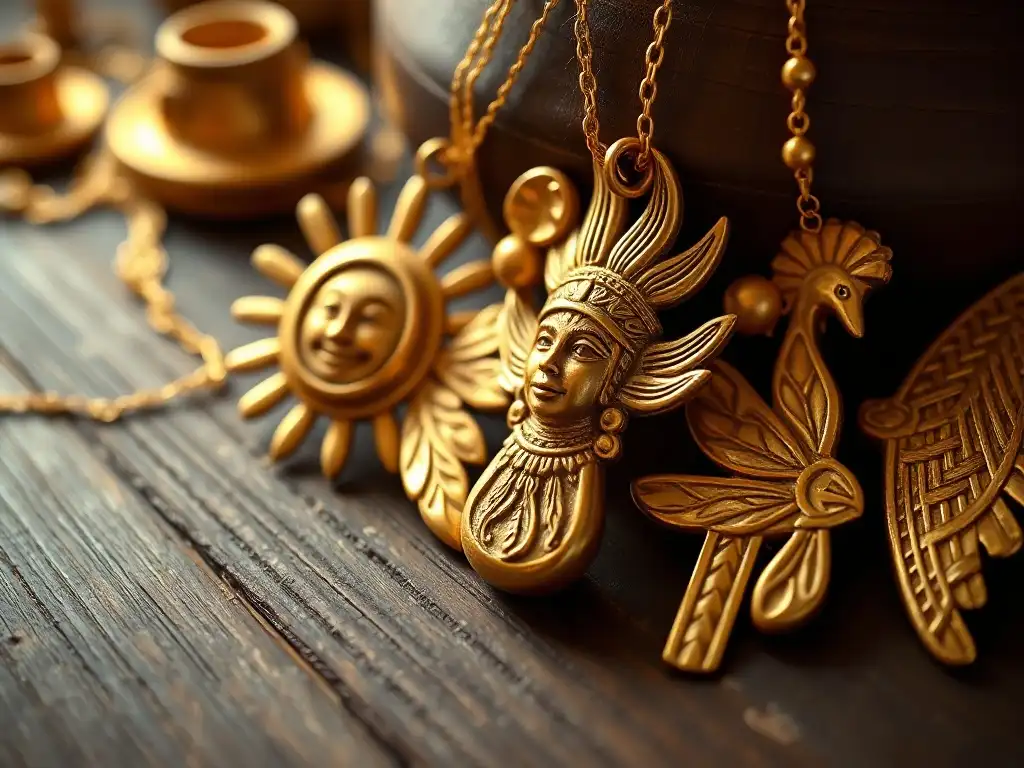
This section delves into the intricate world of Andean gold ornaments, focusing on the rich iconography embedded within these precious artifacts. The careful study of these symbols provides invaluable insights into the beliefs, rituals, and social structures of the ancient Andean civilizations. The use of gold itself, a material associated with the sun and divinity, further emphasizes the importance of these ornaments in religious and political contexts.
Analyzing the iconography reveals a complex interplay of animal motifs, representations of deities, and geometric patterns, each carrying profound symbolic weight. Understanding these visual narratives is crucial to appreciating the sophisticated artistry and worldview of these ancient cultures.
The abundance and variety of surviving examples, despite looting and the passage of time, offer a remarkable opportunity to explore the nuances of Andean iconography. The careful preservation and study of these objects in museums worldwide continues to unlock the secrets held within their golden surfaces.
The Role of Animals in Andean Gold Jewelry: The Jaguar, Condor, and Serpent
Animals played a central role in the Andean worldview, often serving as powerful symbols of deities or embodying specific qualities and attributes. The jaguar, condor, and serpent frequently appear in Andean gold ornaments, each possessing distinct symbolic meanings.
The jaguar, a powerful predator, often symbolized strength, power, and the underworld. Its depiction in gold ornaments, particularly those associated with elite burials, might indicate the wearer's connection to these attributes or their role in society. For example, a gold jaguar pendant found in [specific location pending] displays intricate detail, suggesting a high level of craftsmanship and social status.
The condor, a majestic bird of prey, represented the upper world, the sun, and spiritual power. Condor imagery in gold ornaments is often associated with shamanic practices and the ability to communicate with the divine. The soaring flight of the condor, frequently depicted in profile, might symbolize the connection between the earthly and spiritual realms. [Specific example of condor imagery in gold ornament pending].
The serpent, a symbol of fertility, water, and earthly power, appears frequently intertwined with other motifs, often in a symbolic representation of duality or opposing forces. Its connection to water sources suggests its importance in agricultural societies dependent on irrigation. The representation of serpents in gold ornaments might represent the life-giving forces of nature, or reflect the cyclical nature of life and death. Detailed analysis of serpent iconography in different Andean cultures reveals subtle variations in symbolic meaning, reflecting regional differences in belief systems.
Depictions of Deities and Mythological Figures in Gold Artefacts
Many Andean gold ornaments depict deities and mythological figures, providing valuable clues about the religious beliefs and practices of these cultures. These representations often combine human and animal features, reflecting a complex cosmology that integrated the natural and supernatural worlds.
The identification of specific deities based solely on iconography can be challenging, as interpretations often vary among scholars. However, certain recurring motifs suggest the presence of specific divine figures. For example, the depiction of a figure with feline attributes might represent a deity associated with power and the underworld, while a figure with avian features might represent a celestial deity associated with the sun.
The style and context of the depictions offer further clues. Gold ornaments found within elite tombs often depict more elaborate and detailed representations of deities, reflecting the high status of the deceased and their connection to the divine. The use of specific materials, such as turquoise or lapis lazuli inlays, might further emphasize the sacred nature of the depiction. [Specific examples of deity depictions in gold ornaments pending, including details on location and associated culture].
Geometric Patterns and Their Symbolic Significance in Andean Metalwork
Geometric patterns are frequently incorporated into Andean gold ornaments, adding another layer of symbolic meaning to these artifacts. These patterns, often intricate and complex, are not merely decorative elements but rather carry profound symbolic significance, reflecting the Andean understanding of the cosmos and the natural world.
Common geometric motifs include spirals, stepped frets, and interlocking triangles. Spirals, for example, might represent the cyclical nature of time, seasons, or life and death. Stepped frets, with their repeated patterns, might symbolize the terraces used in Andean agriculture, reflecting the importance of agriculture in these societies. Interlocking triangles might represent duality, balance, or the interconnectedness of different realms.
The precision and complexity of these patterns highlight the advanced skills of Andean metalworkers and their deep understanding of symbolic representation. [Specific examples of geometric patterns in Andean gold ornaments and their potential interpretations pending]. The variations in these patterns across different Andean cultures suggest regional differences in symbolic systems and artistic styles. Further research into the specific contexts of these artifacts is needed to fully understand the nuances of their symbolic meaning.
Regional Variations in Andean Gold Ornamentation
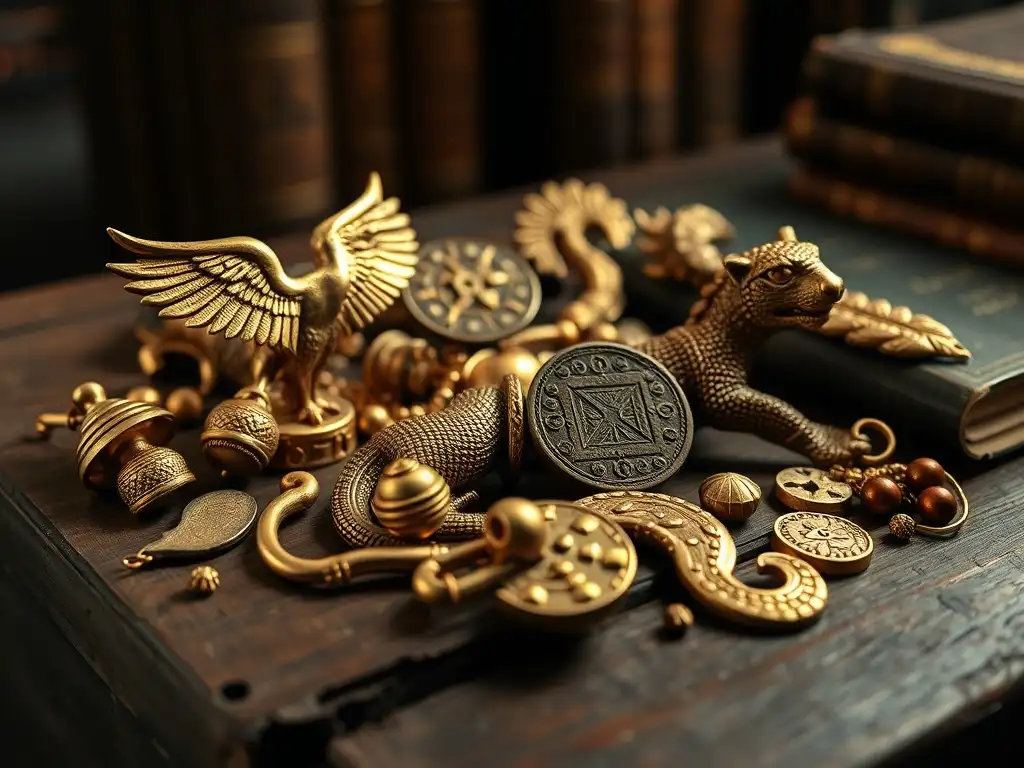
The artistry of Andean gold ornaments wasn't monolithic; instead, it blossomed into diverse regional styles reflecting unique cultural beliefs, technological capabilities, and artistic sensibilities. Analyzing the iconography of these precious artifacts reveals fascinating insights into the worldview and societal structures of different Andean cultures. The variations in motifs, techniques, and the very use of gold itself highlight the dynamic nature of Andean metalworking and its deep connection to religious and political power. Understanding these regional differences is key to deciphering the complex narratives embedded within these ancient treasures, enriching our understanding of Andean gold ornaments iconography.
Moche Gold Ornaments: Iconography and Artistic Style
Moche goldwork, flourishing along the northern coast of Peru (circa 100-800 CE), stands out for its intricate detail and vibrant depictions of mythological beings and everyday life. Unlike some other Andean cultures that favored abstract designs, the Moche often created highly realistic portrayals. Their iconography frequently features:
- Powerful deities: Representations of Ai Apaec, the Moche's principal deity, often appear in gold ornaments, sometimes depicted in elaborate headdresses and ceremonial attire. These depictions often highlight the god's power and connection to the cosmos.
- Mythological creatures: Fantastic hybrid beings, combining human and animal features, populate Moche goldwork. These creatures likely represented shamans, intermediaries between the human and spiritual worlds. The precision and detail in these representations are astonishing, demonstrating the Moche goldsmiths' mastery of their craft.
- Scenes of ritual and sacrifice: Some ornaments depict scenes of ritual ceremonies, including human sacrifice, reflecting the importance of these practices in Moche society. The use of gold in these depictions emphasizes the sacred nature of these events.
- Everyday life: Surprisingly, Moche goldsmiths also depicted scenes of daily life, including fishing, agriculture, and warfare. These realistic portrayals provide valuable glimpses into the daily routines and social structures of the Moche people.
The Moche's favored technique involved hammering thin gold sheets into shape, sometimes using lost-wax casting for more complex pieces. They frequently employed filigree work, creating delicate, lace-like patterns that added to the ornaments' aesthetic appeal. The rich color and luster of the gold were further enhanced by the application of various patinas. The sheer variety of iconographic motifs and the high level of craftsmanship clearly demonstrate the Moche's sophisticated understanding of metalworking and its symbolic significance.
Inca Goldwork: Imperial Symbolism and Craftsmanship
Inca goldwork (1438-1533 CE), while impressive in its scale and sophistication, differs significantly from Moche styles. The Inca Empire's vast territory and centralized political system led to a more standardized and symbolic approach to gold ornamentation. Inca gold ornaments often feature:
- Imperial symbols: The chakana (Andean cross), representing the four quarters of the world, was a prominent motif, emphasizing the Inca's control over their extensive empire. The puma and condor, symbols of power and authority, were also frequently depicted.
- Human figures: Representations of Inca royalty and deities, often highly stylized and idealized, appear in gold ornaments. These depictions served to reinforce the Inca's divine right to rule and their connection to the spiritual world.
- Geometric patterns: Inca goldsmiths also employed geometric patterns, often intricate and repetitive, reflecting the empire's emphasis on order and control. These designs, while less narrative than the Moche's, conveyed a sense of imperial power and stability.
Inca goldsmiths were master technicians, employing techniques like repoussé (hammering from the back to create raised designs) and hammering thin sheets of gold into complex shapes. They also excelled in the use of alloys, adjusting the gold's composition to achieve different colors and textures. Unlike the Moche, who often created individual pieces, Inca goldsmiths produced large quantities of ornaments, reflecting the scale of the empire's wealth and power. The standardized iconography and high level of technical skill in Inca goldwork reflect the empire's centralized control and its elaborate system of craft production.
Tiahuanaco and Nazca Gold Artefacts: Iconographic Traits and Techniques
The Tiahuanaco (circa 500-1000 CE) and Nazca (circa 100 BCE – 500 CE) cultures, while geographically proximate, developed distinct styles in their goldwork. While gold wasn't as prevalent in their artistic expression compared to the Moche or Inca, their extant artifacts still offer valuable insights into their iconography and metalworking techniques.
The Nazca, known for their intricate textiles and geoglyphs, produced relatively few gold ornaments. However, the existing pieces show a preference for:
- Abstract designs: Geometric patterns, often featuring stylized plant and animal motifs, dominate Nazca goldwork. These designs likely held symbolic significance within their religious and social systems.
- Small-scale pieces: Nazca gold ornaments are generally smaller and less elaborate than those of other Andean cultures. This might reflect the relative scarcity of gold in their region or a different emphasis on the use of other materials, such as textiles and ceramics.
Tiahuanaco goldwork, while relatively scarce, shares some similarities with Nazca aesthetics, favoring:
- Stylized figures: Human and animal figures, often highly stylized and abstract, appear in Tiahuanaco gold ornaments. These designs often incorporate elements of their monumental architecture and religious iconography.
- Geometric patterns: Similar to Nazca, Tiahuanaco goldwork often features geometric patterns, reflecting a preference for abstract designs. The specific patterns and their meanings remain a subject of ongoing research.
Both Nazca and Tiahuanaco goldsmiths utilized techniques such as hammering and casting, though the scarcity of surviving artifacts limits our understanding of the full range of their technical capabilities. The distinctive styles of their gold ornaments, though limited in number, provide crucial information for understanding the aesthetic and symbolic preferences of these important Andean cultures and completing the picture of Andean gold ornaments iconography.
Decoding Specific Motifs in Andean Gold Jewelry
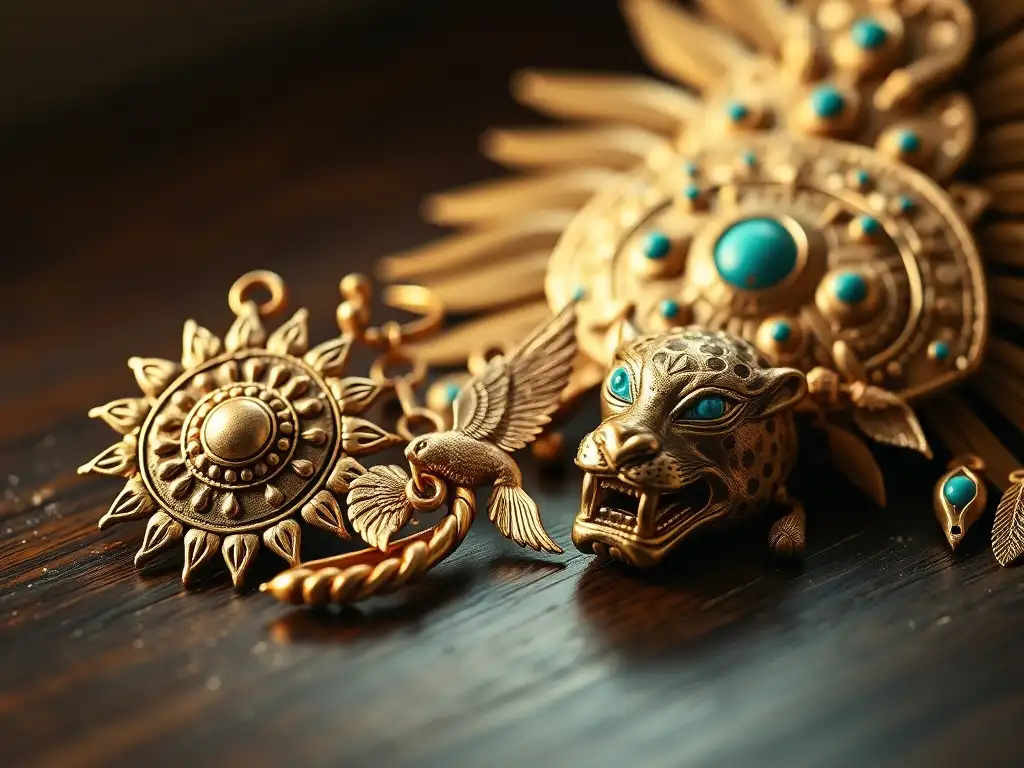
This section delves into the intricate iconography frequently found in Andean gold ornaments, focusing on recurring motifs and their potential symbolic meanings within the context of ancient Andean cultures. Analyzing these motifs provides valuable insights into the beliefs, social structures, and worldview of these sophisticated societies. The craftsmanship and artistry displayed in these pieces are astonishing, reflecting a deep understanding of metallurgy and a rich symbolic language.
Understanding the iconography helps us decipher the "whispers in gold" left behind by these ancient artisans. The use of gold itself, a precious and symbolically potent material, further enhances the significance of these ornaments. We will examine specific motifs, providing detailed interpretations based on archaeological evidence and scholarly research.
The Sun God and Its Representation in Andean Ornaments
The sun god, Inti, held paramount importance in the Inca religion and cosmology. His representation in Andean gold ornaments is diverse, ranging from simple solar discs to complex figures with elaborate headdresses and adornments. Often, Inti is depicted with rays emanating from his body, symbolizing his power and life-giving energy. These representations weren't solely confined to Inca artistry; earlier Andean cultures also revered solar deities, albeit with variations in their depiction.
For instance, the Moche culture, known for its exquisite metalwork, portrayed solar deities in a distinct style, often incorporating features associated with their agricultural practices and beliefs about the natural world. These depictions frequently involved anthropomorphic figures with solar attributes, sometimes intertwined with other symbolic elements like feline imagery or stylized vegetation.
The size and complexity of the sun god's representation in gold ornaments often correlated with the status of the individual who owned them. Larger, more intricately crafted pieces likely belonged to elite members of society, reinforcing their connection to the divine and their power within the community. Smaller, simpler representations might have been worn by individuals of lower social standing, still signifying a connection to the sun god's power and protection. Further research is needed to fully understand the nuanced variations in sun god imagery across different Andean cultures and social strata.
The Serpent Motif: Meaning and Interpretations in Goldwork
The serpent motif appears consistently across various Andean cultures' goldwork, signifying diverse meanings depending on the context and specific artistic rendering. In some instances, the serpent represents fertility, water sources, and the life-giving power of nature. Its connection to underground water sources is particularly relevant in the arid Andean landscape, where water was a precious resource.
In other contexts, the serpent might symbolize power, healing, or even a connection to the underworld. The dualistic nature of the serpent – both life-giving and potentially dangerous – is reflected in the diverse interpretations of this motif. Some gold ornaments depict serpents intertwined with other symbolic elements, such as plants or celestial bodies, suggesting complex interwoven meanings.
Consider, for example, the Nazca culture's sophisticated goldwork. Their serpent depictions often feature intricate details and stylized forms, indicating a deep understanding of the serpent's symbolic significance within their culture. These representations frequently incorporate other motifs, further complicating and enriching the overall meaning. The precise symbolic meaning may vary depending on the specific details and accompanying elements within a particular piece. More research is needed to fully understand regional and temporal variations in the serpent motif.
Bird Imagery in Andean Gold: Symbolism and Cultural Significance
Bird imagery is another prevalent motif in Andean gold ornaments, frequently representing a connection between the earthly and spiritual realms. Condor imagery, in particular, is prominent, symbolizing power, nobility, and a link to the high Andes. The condor, with its ability to soar to great heights, was perceived as a powerful intermediary between the human and divine worlds.
Other birds, such as hummingbirds, also hold symbolic meaning. Hummingbirds, with their vibrant colors and rapid movements, might represent speed, agility, and the ephemeral nature of life. Their association with flowers and nectar further connects them to fertility and the abundance of nature. The specific meaning of bird imagery varies across different Andean cultures. For example, the Tiahuanaco culture’s bird depictions often incorporated stylized forms and geometric patterns, which differed significantly from the more realistic portrayals found in the Inca Empire.
The size and placement of the bird imagery on the ornaments also convey meaning. Large, central depictions often suggest a higher status or a stronger connection to the bird's symbolic attributes. Smaller, less prominent representations might have secondary or less emphasized symbolic roles. A comprehensive study of Andean bird iconography requires a thorough analysis of various cultural contexts and artistic styles. Further research into regional differences and stylistic variations will enrich our understanding of these fascinating symbols.
The Cultural Context of Andean Gold Ornaments
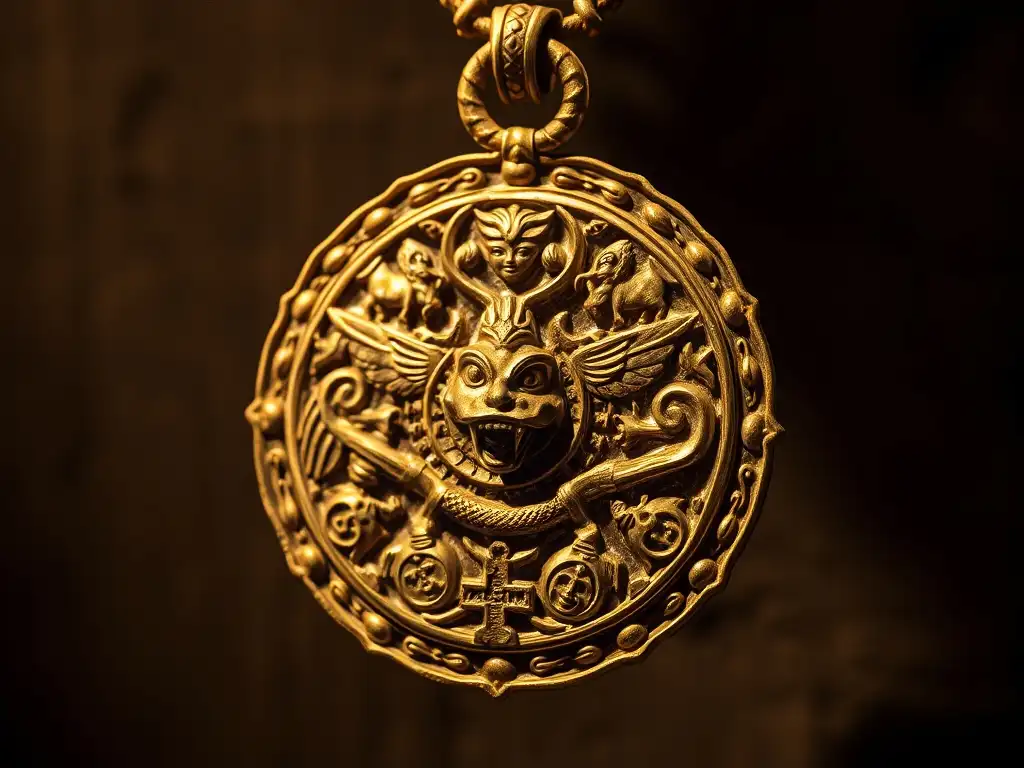
This section delves into the intricate relationship between Andean gold ornaments and the societies that crafted them. Understanding the cultural context is crucial to deciphering the iconography embedded within these exquisite pieces. We will explore how social structures, religious beliefs, and power dynamics shaped the creation and use of gold ornaments in ancient Andean civilizations. The analysis will focus on providing a detailed understanding of the Andean gold ornaments iconography, demonstrating its significance beyond mere aesthetic appeal.
The use of gold ornaments in the Andes was intrinsically linked to social hierarchy. Gold, a rare and precious metal, was not equally accessible to all members of society. Its possession and use served as a powerful visual indicator of status and power. Elites, such as rulers, priests, and high-ranking officials, adorned themselves lavishly with gold jewelry, clothing embellishments, and ceremonial objects. The complexity and quantity of gold ornaments worn often directly reflected an individual's position within the social structure.
For instance, the Moche culture (100-800 CE) is known for its intricate goldwork depicting warriors, priests, and mythological creatures. These ornaments, often found in elite tombs, clearly delineate the social standing of the deceased. Similarly, Inca rulers (1438-1533 CE) wore elaborate gold headdresses, ear ornaments, and breastplates, visually asserting their divine right to rule. The sheer weight and artistry of these pieces further emphasized their superior status.
Commoners, on the other hand, had limited access to gold, with their adornment primarily consisting of simpler, less elaborate items made from other materials like silver, copper, or textiles. The stark contrast in the use of gold highlights its role as a potent symbol of social stratification within Andean societies. Further research is needed to fully quantify the precise distribution of gold artifacts across different social strata in various Andean cultures. [Specific data on distribution across social classes pending].
Gold Ornaments as Ritual Objects and Status Symbols
Beyond their function as markers of social status, Andean gold ornaments also played a crucial role in religious rituals and ceremonies. Many ornaments feature iconography related to Andean deities, mythological beings, and cosmological concepts. These objects were not simply decorative; they were believed to possess spiritual power and were used to connect the wearer with the supernatural realm. The intricate designs and symbolic elements embedded within these ornaments often encoded complex narratives and beliefs, reflecting the religious worldview of the respective Andean cultures.
For example, the Nazca culture (100 BCE – 800 CE) created exquisite gold masks and ornaments depicting stylized figures and geometric patterns. These pieces are often interpreted as representations of deities or ancestral spirits, suggesting their use in ritual contexts. The use of specific motifs, such as feline figures or stylized birds, might have held particular religious significance, reflecting specific beliefs or rituals.
Similarly, Inca gold ornaments frequently featured representations of the sun god Inti and other important deities, reinforcing the connection between religious authority and political power. The careful selection and placement of these symbols within the ornaments further suggest a deep understanding of their symbolic meaning and intended use in ritual practices. [Specific details on the ritual use of particular motifs in different cultures pending].
The Enduring Legacy of Andean Gold Iconography
The iconography found in Andean gold ornaments continues to fascinate and inspire scholars and the public alike. These objects represent not only the artistic skill of ancient Andean metalworkers but also offer invaluable insights into their beliefs, social structures, and worldview. The enduring appeal of these artifacts lies in their ability to transport us back in time, allowing us to engage with the rich cultural heritage of these remarkable civilizations.
Studying Andean gold ornaments iconography provides a unique window into the past, revealing the complex interplay between art, religion, and society in the Andes. The preservation and study of these artifacts are crucial for understanding the intricacies of Andean civilizations and their lasting impact on the world.
The continued research and analysis of these ornaments will undoubtedly reveal further nuances and deepen our understanding of Andean gold ornaments iconography. The meticulous craftsmanship and symbolic richness of these pieces leave a lasting legacy, serving as a testament to the ingenuity and cultural depth of Andean societies.
Conservation and Study of Ancient Andean Goldwork
The study and preservation of Andean gold ornaments present unique challenges due to the inherent properties of the metal and the environmental conditions in which these artifacts were created and subsequently unearthed. The delicate nature of the goldwork, often featuring intricate details and thin sheets, makes it exceptionally vulnerable to damage. Understanding these challenges is crucial for ensuring the long-term survival of these invaluable pieces of cultural heritage.
Challenges in Preserving Andean Gold Artefacts
The primary challenge lies in the susceptibility of gold to corrosion, albeit at a slower rate than other metals. While gold itself is highly resistant to degradation, alloys used by Andean artisans, such as copper and silver, are significantly more reactive. Over time, these alloys can undergo processes like oxidation and chlorination, leading to the deterioration of the ornament's surface and structural integrity. Furthermore, the presence of organic materials – such as textiles or resins used in the original construction – introduces another layer of complexity.
These organic components are prone to decomposition, which can cause further damage to the gold itself. Humidity, temperature fluctuations, and exposure to light are also major contributing factors to the degradation of these artifacts. For instance, a sudden change in temperature can cause stress fractures in thin gold sheets, leading to irreparable damage. The impact of these environmental factors is exacerbated by the often fragile state of these ornaments after centuries buried underground.
The process of excavation itself can cause significant damage if not conducted with extreme care and precision. Finally, the looting and illegal trafficking of these artifacts often result in poorly handled objects, further compromising their condition. A comprehensive approach to conservation must address all these aspects.
Methods of Analyzing and Decoding Iconography in Gold Ornaments
Decoding the iconography of Andean gold ornaments requires a multidisciplinary approach, combining advanced imaging techniques with a deep understanding of Andean culture and symbolism. Researchers utilize various methods to analyze these objects non-destructively, minimizing the risk of further damage. X-ray fluorescence (XRF) spectroscopy is commonly employed to determine the composition of the gold alloys and identify any trace elements. This analysis provides crucial information about the artisan's techniques and the sourcing of materials.
Optical microscopy and scanning electron microscopy (SEM) allow for detailed examination of surface textures and features, helping to reveal subtle details in the craftsmanship and iconography. Advanced imaging techniques, such as X-ray computed tomography (CT), provide three-dimensional visualizations of the ornaments' internal structures, revealing hidden details or construction methods invisible to the naked eye. This is especially valuable for intricate pieces where it is impossible to fully analyze the object without causing damage. The interpretation of the imagery itself necessitates a solid foundation in Andean iconography and a contextual understanding of the social, political, and religious systems of the time.
For example, the recurring motif of a feline deity in Moche gold ornaments speaks volumes about the importance of this figure in their religious beliefs. The precise identification and interpretation of these motifs require careful comparison with other archaeological finds and an in-depth analysis of their cultural context. The use of digital image processing and 3D modeling can assist in the reconstruction and analysis of fragmented or damaged ornaments, enabling researchers to better understand their original form and meaning.
Future Research Directions in the Study of Andean Gold
Future research on Andean gold ornaments should focus on several key areas. Firstly, there is a need for more comprehensive studies on the metallurgical techniques employed by Andean artisans. A deeper understanding of their alloying processes and heat treatment methods can shed light on their technological advancements and the sophistication of their craftsmanship. Secondly, the development of non-invasive analytical techniques remains crucial.
This includes exploring new imaging modalities that can provide higher-resolution data with minimal risk to the artifacts. Thirdly, expanding research on the cultural context of these ornaments is vital. This involves integrating archaeological data with ethnographic studies and analyzing the ornaments within their broader social, political, and religious spheres. This interdisciplinary approach will enable a more nuanced understanding of the symbols and meanings embedded within these objects.
Finally, a greater emphasis should be placed on collaborative research involving specialists in various fields, from archaeology and metallurgy to art history and anthropology. This collaborative effort will ensure a more comprehensive and accurate interpretation of Andean gold ornaments and their significance within the larger context of Andean civilization. Furthermore, improved access to high-resolution digital archives of these objects would greatly facilitate research worldwide, promoting a more collaborative and informed approach to studying Andean gold ornaments and their iconography. The ongoing development and application of these methodologies will undoubtedly unlock further secrets of these remarkable artifacts and their place in the rich tapestry of Andean history.
Frequently Asked Questions
What is the significance of gold in Andean cultures?
Gold held immense religious and symbolic importance in Andean cultures. It was associated with the sun, power, and divinity, often used in rituals and adornments for elites. Its rarity further enhanced its value.
What types of iconography are commonly found in Andean gold ornaments?
Andean gold ornaments frequently depict mythological figures, animals (such as jaguars and condors), and geometric designs. These symbols often conveyed religious beliefs and social status.
How did Andean artisans create such intricate gold ornaments?
Andean goldsmiths employed advanced techniques like hammering, casting, and alloying to craft intricate ornaments. They also used lost-wax casting for complex designs.
What can the iconography of Andean gold ornaments tell us about their society?
The iconography reveals insights into Andean cosmology, mythology, and social hierarchy. It reflects their belief systems and the roles of different groups within their societies.
Where can I learn more about Andean gold ornaments and their iconography?
You can explore museums with Andean collections, academic journals, and books specializing in Andean art and archaeology. The website Andean Civilizations also offers further information on this topic.
Final Reflection: The Enduring Voices of Andean Gold
The intricate iconography etched into Andean gold ornaments isn't merely a relic of the past; it's a vibrant echo resonating powerfully in our present. These meticulously crafted pieces, far from being static objects, offer a window into a complex worldview, a sophisticated cosmology, and a society deeply connected to its environment and spirituality. Understanding their symbolism allows us to connect with a rich cultural heritage and appreciate the enduring power of artistic expression across millennia.
The impact of Andean goldwork continues to shape our understanding of pre-Columbian civilizations, challenging Eurocentric narratives and highlighting the ingenuity and artistry of Andean cultures. These objects, now housed in museums worldwide, serve as powerful reminders of a rich history often overlooked or misrepresented. The past is never dead. It's not even past.
– William Faulkner. This quote perfectly encapsulates the enduring relevance of these artifacts; their stories, whispered in gold, continue to speak to us, demanding our attention and challenging us to re-evaluate our perspectives.
Consider the intricate details, the symbolic animals, the celestial motifs – each element holds a story waiting to be deciphered. You, the reader, are now part of this ongoing conversation. Take a moment to reflect on the power of visual storytelling, on the enduring legacy of cultures that thrived centuries ago, and on the responsibility we bear to preserve and understand these invaluable pieces of our shared human heritage. Let the whispers of gold inspire you to seek deeper understanding, to appreciate the diversity of human expression, and to champion the preservation of cultural treasures for generations to come.
Unveil the Mysteries of Andean Metalwork!
Thank you for exploring the rich history of Andean metal ornaments and their unique iconography, which reveals so much about ancient civilizations. Let's build on this newfound knowledge.
- Seek out local artisans in your community who may be inspired by these traditions and admire their work.
- Share your discoveries with friends, family, or online communities interested in history and art— spark engaging conversations!
- Visit museums or exhibitions showcasing Andean cultures to experience these remarkable artifacts firsthand.
What aspect of Andean iconography most captivated you, and how might you integrate these insights into your own creative endeavors or worldview?