
The Threads of Time: Tracing the Evolution of Andean Construction Methods

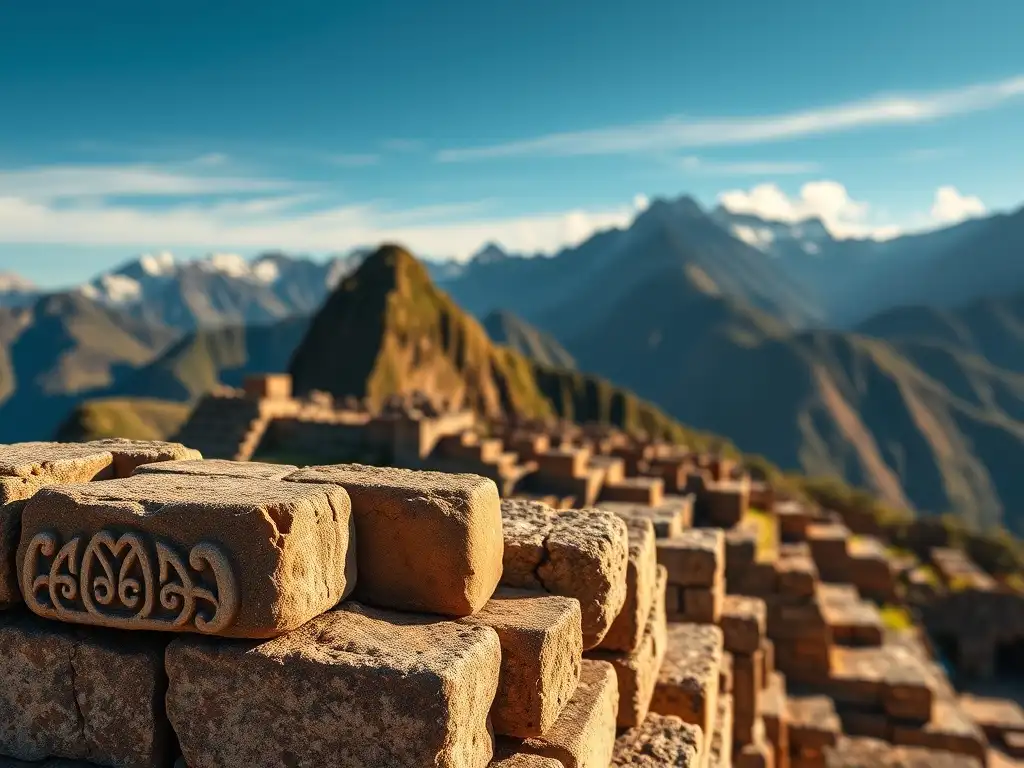
Unravel the mysteries of a lost world! Journey through millennia of ingenuity as we explore the remarkable evolution of Andean construction techniques. From the towering heights of Machu Picchu to the enigmatic lines of Nazca, discover how these ancient civilizations mastered engineering feats that continue to astound us today. Prepare to be captivated by the intricate details and sheer brilliance of their architectural achievements—the secrets of their success await you in the pages that follow.
The Andes Mountains, a spine of towering peaks stretching along the western coast of South America, have witnessed the rise and fall of some of the most remarkable civilizations in human history. For millennia, Andean peoples adapted their building techniques to the challenging environment, creating awe-inspiring structures that continue to fascinate and inspire us today. This article delves into the evolution of Andean construction methods, exploring the ingenuity and resilience of these ancient cultures as they mastered increasingly sophisticated techniques, from rudimentary pre-ceramic structures to the monumental architecture of the Inca Empire.
We will trace the development of their skills, examining the impact of geography, resource availability, and societal advancements on their remarkable architectural achievements. Understanding the evolution of Andean construction techniques provides crucial insights into the social, political, and technological complexities of these fascinating civilizations, allowing us to appreciate the ingenuity of their builders and the enduring legacy of their achievements.
This exploration will focus on key advancements, highlighting the ingenuity and resourcefulness of Andean builders and the lasting impact of their work on subsequent cultures. We will uncover how the challenges posed by the Andean landscape directly influenced architectural innovation, leading to unique and remarkably effective construction methods.
Early Andean Building Practices: Foundations of Ingenuity
Pre-Ceramic Construction Techniques in the Andes
The earliest Andean settlements relied on readily available materials and relatively simple construction techniques. Evidence suggests the use of perishable materials like wood and reeds for early dwellings, often supplemented with wattle and daub construction. These structures, while less durable than later stone constructions, served their purpose and adapted to the local environments. The lack of widespread pottery during this period – hence the term "Pre-Ceramic" – indicates a reliance on basic tools and techniques.
Archaeological findings reveal evidence of carefully planned settlements, demonstrating an understanding of spatial organization even at this early stage. The exact techniques used for binding and shaping these materials remain partially understood, with ongoing research continually revealing new details about these early building practices. Understanding these foundational methods provides a crucial baseline for comprehending the subsequent advancements in Andean construction.
Initial Use of Stone and Adobe in Andean Architecture
The transition to more durable materials, such as stone and adobe, marked a significant step in the evolution of Andean construction. Adobe, a sun-dried brick made from clay and other organic materials, provided a readily available and relatively easy-to-work-with building block. Early stone structures often utilized readily available, relatively small stones, bound together with mud or clay mortar.
This shift reflects both technological advancements and a growing need for more permanent structures, perhaps linked to increasing population density or the development of more complex social structures. The careful selection and placement of stones, even in these early examples, demonstrate a sophisticated understanding of structural principles and the properties of different materials. The integration of adobe and stone in early constructions often reflected a pragmatic approach, utilizing the best material for specific structural elements.
The Role of Geography in Shaping Early Building Methods
The diverse geography of the Andes profoundly impacted early building techniques. Coastal settlements often utilized different materials and construction methods than those in the highlands. The availability of specific resources, such as stone, wood, or reeds, dictated the materials used. The steep slopes and seismic activity of the Andes also influenced building design and construction techniques.
For instance, terraces were built to create level areas for agriculture and settlement, demonstrating an understanding of both engineering and environmental adaptation. The challenge of building in mountainous regions necessitated innovative solutions, leading to the development of techniques that were both structurally sound and adapted to the unique environmental conditions. This interplay between environment and building techniques is a key theme throughout Andean architectural history.
The Rise of Monumental Architecture: Andean Construction Advancements
Development of Advanced Stone Cutting Techniques
The construction of monumental structures, such as those found at sites like Ollantaytambo and Sacsayhuamán, required a significant leap in technological capability. The precise cutting and fitting of massive stone blocks demonstrate an impressive mastery of stoneworking techniques. The tools used, while not fully understood, likely involved various types of hammers, chisels, and possibly abrasive materials.
The precision with which these blocks were shaped and fitted together, with minimal mortar in many cases, is a testament to the skill and knowledge of Andean stonemasons. The development of these advanced techniques represents a crucial step in the evolution of Andean architecture, enabling the creation of truly monumental structures. Further research is needed to fully understand the intricacies of these methods.
The Emergence of Complex Urban Planning in the Andes
The growth of complex urban centers, such as Chan Chan and Cusco, required sophisticated urban planning and infrastructure. The organization of these cities reflects a complex understanding of social structures, resource management, and engineering principles. The construction of irrigation systems, roads, and public buildings demonstrates a high level of organizational capacity and expertise in construction management.
The integration of these elements into a cohesive urban plan showcases the sophisticated level of planning and execution achieved by Andean societies. The layout of these cities often reflected a deep understanding of the environment and the needs of the population, demonstrating a remarkable level of foresight and planning.
Innovations in Load-Bearing Structures and Architectural Design
Andean builders developed innovative load-bearing structures and architectural designs adapted to the challenges of the Andean landscape and the specific characteristics of the materials they used. The use of post-and-lintel systems, as well as more advanced techniques involving interlocking stones, allowed for the creation of increasingly complex and larger structures. The development of sophisticated techniques for managing stress and weight distribution in buildings allowed for the creation of impressive structures that withstood the test of time and seismic activity.
These innovations are particularly evident in the monumental architecture of the Inca Empire, demonstrating a high level of understanding of engineering principles. Studying these innovations offers valuable insights into the ingenuity and advanced knowledge of Andean builders.
Specific Andean Civilizations and Their Construction Styles
The Andean region boasts a diverse tapestry of ancient civilizations, each leaving behind unique architectural legacies that reflect their distinct technological capabilities and cultural beliefs. Understanding the evolution of Andean construction techniques requires examining these civilizations individually, appreciating both their shared innovations and their unique approaches. The ingenuity displayed in their building practices is a testament to their deep understanding of their environment and their sophisticated social organization.
From the monumental structures of Tiahuanaco to the intricate irrigation systems of the Nazca, the Andean world reveals remarkable feats of engineering and architectural prowess. The following sections delve into the specific construction styles of some of the most prominent Andean cultures.
Moche Construction: Adobe Pyramids and Temples
The Moche civilization (c. 100 – 800 CE), known for its sophisticated artistry and complex social hierarchy, employed primarily adobe bricks in their construction. Their monumental architecture, exemplified by impressive pyramids and temples, showcases a mastery of adobe construction techniques.
These structures, often adorned with intricate murals and reliefs, were not simply functional buildings but also served as powerful symbols of religious and political authority. The Huaca del Sol and Huaca de la Luna, located near Trujillo in modern-day Peru, are prime examples of Moche architectural prowess, demonstrating their ability to create massive structures using readily available materials.
The precise methods used to create and assemble the adobe bricks, as well as the overall design and planning of these structures, underscore the advanced level of engineering and architectural knowledge possessed by the Moche. The scale of these projects speaks volumes about their ability to mobilize and organize large labor forces, a key factor in their remarkable building achievements.
Nazca Engineering: Lines, Canals and Subterranean Systems
The Nazca culture (c. 100 BCE – 500 CE) is perhaps best known for the enigmatic Nazca Lines, vast geoglyphs etched into the desert surface. However, their engineering achievements extend far beyond these iconic images. The Nazca people developed sophisticated irrigation systems, including intricate canals and subterranean aqueducts, to sustain agriculture in their arid environment.
These systems, often carved into the rock, demonstrate a remarkable understanding of hydrology and engineering principles. The construction of these canals required precise surveying and engineering skills, illustrating their ability to manage water resources effectively. These canals weren't simply ditches; they were carefully designed systems that involved complex hydraulic engineering to ensure efficient water distribution.
Their subterranean systems, called puquios, further highlight their advanced understanding of water management and their ability to tap into underground water sources, a crucial adaptation to their challenging environment. The combination of surface and subterranean systems showcases a remarkable level of ingenuity in water resource management.
Tiahuanaco Architecture: Massive Stone Structures and Precision
The Tiahuanaco civilization (c. 1500 – 1000 BCE), located on the shores of Lake Titicaca, is renowned for its monumental stone structures, characterized by their immense scale and precise construction. The Kalasasaya, a massive platform structure, is a prime example of Tiahuanaco's architectural prowess. The precision with which the massive stones were cut, transported, and fitted together is astounding, particularly considering the lack of advanced metal tools.
The intricate carvings and the monumental scale of these structures suggest a highly organized society with advanced engineering capabilities. Researchers are still debating the exact methods used to transport and erect these massive stones, highlighting the enduring mystery surrounding Tiahuanaco's construction techniques. The sheer scale and precision of Tiahuanaco's architecture demonstrate a profound understanding of stonework and a highly sophisticated level of engineering and societal organization.
Inca Engineering Marvels: Roads, Terraces, and Stonework
The Inca Empire (c. 1438 – 1533 CE) inherited and expanded upon the construction techniques of preceding Andean cultures. Their mastery of stonework is particularly impressive, exemplified by their intricate road networks, extensive terrace systems, and meticulously crafted buildings. Inca roads, stretching thousands of kilometers across diverse terrains, facilitated communication and trade throughout their vast empire.
The construction of these roads, often traversing treacherous mountains and valleys, demanded exceptional engineering skills and organizational capacity. Their terrace farming systems, adapted to the steep slopes of the Andes, were crucial for agricultural productivity. These terraces, meticulously constructed using stone walls, not only increased arable land but also helped to control erosion and water runoff.
The Inca’s mastery of ashlar masonry, a technique that involved fitting stones together without mortar, is a testament to their advanced understanding of stonework and their ability to create incredibly strong and durable structures. This sophisticated construction technique allowed for the creation of impressive buildings, such as Machu Picchu, that remain remarkably intact centuries later.
Key Elements in the Evolution of Andean Construction
The evolution of Andean construction techniques wasn't a linear progression but rather a complex interplay of factors, reflecting the adaptation of different civilizations to their environment and their evolving social structures.
Mastery of Terracing and Agricultural Engineering
The development of sophisticated terracing techniques was crucial for the survival and prosperity of Andean civilizations. The steep slopes of the Andes presented significant challenges for agriculture, but through innovative terracing, Andean cultures were able to dramatically increase arable land and improve crop yields. These terraces weren't simply flat platforms cut into hillsides; they were carefully designed systems that incorporated drainage and irrigation features to optimize agricultural productivity.
The construction of these terraces required significant labor and engineering expertise, demonstrating the importance of collaboration and resource management in Andean societies. The evolution of terracing techniques reflects a continuous process of refinement and adaptation to diverse environmental conditions across the Andean region.
The Significance of Labor and Social Organization
The monumental structures and intricate infrastructure of the Andean civilizations were not built by individuals working alone but by large, well-organized workforces. The construction of these projects required meticulous planning, coordination, and the mobilization of significant human resources. The social organization of Andean societies, with their complex hierarchical structures, played a crucial role in facilitating these large-scale construction projects.
The organization of labor, the distribution of resources, and the management of skilled artisans were essential for the success of these ambitious undertakings. The scale of these projects highlights the importance of social engineering and community collaboration in the development of Andean construction techniques.
Adaptation to Diverse Environments and Climates
The Andes are characterized by a remarkable diversity of environments and climates, ranging from arid deserts to high-altitude grasslands and lush rainforests. Andean civilizations adapted their construction techniques to these diverse conditions, employing different materials and methods depending on the specific environment. The use of adobe in arid regions, the construction of stone structures in mountainous areas, and the development of sophisticated irrigation systems in drier climates all reflect this adaptability.
The evolution of Andean construction techniques was driven not only by technological innovation but also by the need to adapt to the challenges posed by the diverse Andean landscape. This adaptability is a testament to the ingenuity and resilience of Andean cultures.
Analyzing the Evolution of Andean Construction Techniques
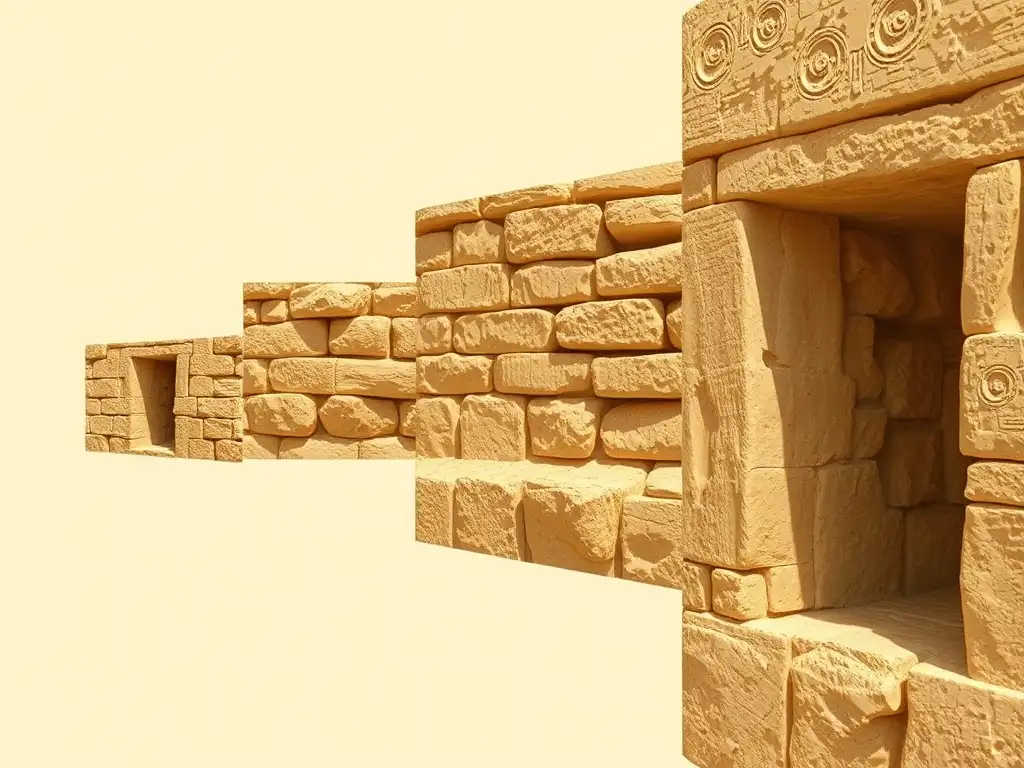
From Simple Structures to Complex Engineering
The evolution of Andean construction techniques is a fascinating journey reflecting the ingenuity and adaptability of the region's inhabitants. Early Andean cultures, such as the pre-ceramic societies, utilized relatively simple construction methods, primarily employing readily available materials like wood and thatch to create basic dwellings. These structures, often temporary, served their immediate needs for shelter.
However, as societies developed and became more complex, so too did their architectural aspirations. The shift from nomadic lifestyles to settled agricultural communities necessitated more permanent and sophisticated structures. This transition is evident in the emergence of more substantial buildings made of stone and adobe, demonstrating a growing understanding of structural mechanics and material properties.
The development of sophisticated irrigation systems, for example, required a level of engineering prowess not seen in earlier periods, highlighting a gradual but significant increase in construction expertise. The impressive feats of engineering seen in later civilizations, like the Inca Empire, stand as testaments to centuries of accumulated knowledge and refinement in construction practices. This evolution wasn't linear; it involved periods of innovation and adaptation, influenced by environmental factors and cultural beliefs.
The Influence of Andean Cosmologies on Architecture
Andean cosmologies profoundly shaped the architectural landscape. Religious beliefs and spiritual practices were intricately woven into the design and construction of buildings. The orientation of structures, the selection of building materials, and even the decorative elements all held symbolic meaning reflecting the Andean worldview.
For instance, the precise alignment of some sites with celestial events suggests a deep understanding of astronomy and its integration into architectural planning. The use of specific stones, believed to possess spiritual properties, further underscores the spiritual significance assigned to construction. The incorporation of iconography and decorative motifs into architectural features serves as a visual representation of their cosmology, enhancing the sacred nature of these structures.
This close relationship between cosmology and construction distinguishes Andean architecture from many other traditions, demonstrating a holistic approach to building that went far beyond mere functionality. The intricate details and symbolic meanings embedded within Andean structures reveal a sophisticated understanding of the cosmos and its influence on the built environment.
The Legacy of Andean Construction Methods in Modern Times
The legacy of Andean construction methods continues to resonate in modern times. Many traditional techniques, passed down through generations, are still practiced today, demonstrating the enduring relevance and effectiveness of these ancient methods. The use of local materials, such as stone and adobe, remains prevalent in many Andean communities, promoting sustainability and minimizing environmental impact. The principles of earthquake-resistant construction, honed over centuries of seismic activity, are now being studied and incorporated into modern engineering practices.
Moreover, the ingenuity and resourcefulness displayed by Andean builders serve as an inspiration for contemporary architects and engineers seeking sustainable and resilient solutions. Understanding and appreciating the sophisticated techniques of the past can inform present-day approaches to construction, promoting both cultural preservation and technological advancement. The study of Andean construction provides valuable insights into building methods that are both ecologically conscious and remarkably effective.
Materials and Tools Used in Andean Construction
The Use of Local Materials: Stone, Adobe, and Wood
Andean construction relied heavily on locally sourced materials, reflecting a deep understanding of the environment and its resources. Stone, readily available in the mountainous regions, formed the backbone of many structures. Different types of stone were selected based on their properties, with harder stones used for load-bearing elements and softer stones for less critical components.
Adobe, a sun-dried brick made from clay and other organic materials, was another widely used material, particularly in drier regions. Its relative ease of production and good insulating properties made it a practical choice for residential and agricultural buildings. Wood, although less common in some areas due to limited availability, played a significant role, particularly in roofing and internal structural elements.
The careful selection and integration of these materials demonstrate a sophisticated understanding of material science and their respective strengths and weaknesses. This emphasis on local materials minimized transportation costs and environmental impact, showcasing a sustainable approach to construction.
Development of Specialized Tools for Stone Working
The precision and intricacy of Andean stonework necessitate the development of sophisticated tools and techniques. Evidence suggests the use of various tools, including stone hammers, chisels, and grinding stones. The mastery of these tools allowed Andean builders to shape and carve stone with remarkable accuracy, creating intricate designs and perfectly fitting blocks. The development of specialized techniques, such as the precise cutting and fitting of massive stones, speaks to a high level of skill and craftsmanship.
The creation of complex architectural features, such as finely carved doorways and meticulously placed stone blocks, illustrates the advanced level of stone-working technology achieved by Andean civilizations. This expertise highlights the dedication and skill of Andean artisans and their contributions to the advancement of construction techniques. The tools and techniques themselves became refined over time, reflecting an ongoing process of innovation and improvement.
Innovations in Mortar and Binding Agents
The effectiveness of Andean construction also depended on the development of innovative mortar and binding agents. While the exact composition of these materials varies depending on the region and time period, evidence suggests the use of various mixtures, including mud, clay, and organic materials. These binding agents played a crucial role in holding stone blocks together, ensuring the structural integrity of buildings. The ability to create strong and durable mortar was essential for constructing large-scale structures, particularly those that needed to withstand seismic activity. The development of different mortar types tailored to specific materials and environmental conditions demonstrates a practical understanding of material science and engineering principles. The durability of many Andean structures, even after centuries of exposure to the elements, testifies to the effectiveness of these traditional binding agents. Further research into the composition and properties of these mortars could offer valuable insights into sustainable and eco-friendly construction materials.
Conclusion: The Enduring Legacy of Andean Construction
The evolution of Andean construction techniques, from the simple structures of early cultures to the sophisticated engineering feats of the Inca Empire, represents a remarkable journey of innovation and adaptation. These advancements weren't merely about building bigger and taller; they were about responding to the unique challenges of the Andean environment, harnessing available resources, and developing ingenious solutions to complex problems. The ingenuity displayed in techniques like the use of pirca stonework, the mastery of water management systems, and the creation of monumental structures continues to inspire awe and admiration.
The enduring legacy of these methods is evident not only in the surviving ruins but also in the continued use of traditional Andean building practices in many communities today. Understanding the evolution of these techniques allows us to appreciate the depth of Andean knowledge and the resilience of their cultural heritage.
The story of Andean construction is a testament to human ingenuity and adaptability in the face of environmental and social challenges. It's a story that continues to unfold as new discoveries are made and existing structures are further studied.
The Impact of Andean Engineering on Later Societies
The sophisticated engineering of the Andes had a profound and lasting impact on subsequent societies. The Inca road system, for example, served as a model for infrastructure development for centuries, showcasing the importance of strategic planning and logistical prowess. Inca agricultural techniques, including terracing and irrigation, were adopted and adapted by later cultures, demonstrating the enduring relevance of their sustainable practices.
Even today, the principles of Andean construction, particularly those related to earthquake resistance and material efficiency, are being studied and incorporated into modern building design. The resilience of Andean structures, built to withstand seismic activity and harsh weather conditions, offers valuable lessons for contemporary architects and engineers. The utilization of local materials and the integration of structures with the surrounding landscape, hallmarks of Andean engineering, continue to inspire sustainable building practices globally.
The study of Andean engineering provides a wealth of knowledge applicable to modern challenges in sustainable development and infrastructure planning. Understanding the impact of Andean engineering highlights the interconnectedness of cultures and the enduring relevance of past innovations.
Lessons from the Past: Sustainable Building Practices
The Andean civilizations offer invaluable lessons in sustainable building practices. Their mastery of resource management, including the efficient use of locally sourced materials and the integration of structures with the surrounding environment, provides a stark contrast to many modern construction methods that often prioritize short-term gains over long-term sustainability. The emphasis on durability and resilience, evident in the longevity of many Andean structures, highlights the importance of considering the lifecycle impact of building materials and construction techniques.
The integration of agriculture with architecture, visible in the terraced fields and irrigation systems of the Andes, demonstrates a holistic approach to land use that minimizes environmental impact. By studying these practices, we can gain valuable insights into designing buildings and infrastructure that are both environmentally responsible and socially equitable.
The Andean example encourages us to move beyond a purely economic model of construction towards one that prioritizes long-term sustainability and ecological harmony. This legacy of sustainable construction offers a powerful counterpoint to the unsustainable practices prevalent in modern society.
Unanswered Questions and Future Research
Despite significant advances in our understanding of Andean construction techniques, numerous questions remain unanswered. Further research is needed to fully comprehend the intricacies of specific building methods, the social organization of construction projects, and the technological transfer between different Andean cultures. For example, the precise methods used in creating some of the monumental structures, such as the massive stones at Ollantaytambo, still require further investigation.
Advanced archaeological techniques, including geophysical surveys and material analysis, can shed more light on these areas. Comparative studies of different Andean cultures can reveal the diffusion of ideas and the regional variations in construction practices. Interdisciplinary collaborations between archaeologists, engineers, and material scientists are essential to advance our understanding of Andean construction and its lasting impact.
The ongoing exploration of Andean ruins promises to uncover new information and deepen our appreciation for the ingenuity and sophistication of these ancient civilizations. The unanswered questions are a testament to the richness and complexity of the Andean legacy.
- Early Andean Building Practices: Foundations of Ingenuity
- The Rise of Monumental Architecture: Andean Construction Advancements
- Specific Andean Civilizations and Their Construction Styles
- Key Elements in the Evolution of Andean Construction
- Analyzing the Evolution of Andean Construction Techniques
- Materials and Tools Used in Andean Construction
- Conclusion: The Enduring Legacy of Andean Construction
- What are some of the earliest Andean construction techniques?
- How did Andean construction techniques evolve over time?
- What role did the environment play in shaping Andean construction?
- What materials were commonly used in Andean construction?
- How did Inca construction differ from that of earlier Andean cultures?
Frequently Asked Questions
What are some of the earliest Andean construction techniques?
Early Andean cultures utilized simple techniques, such as adobe brick construction and stone layering without mortar. These methods were adapted to the diverse Andean landscapes.
How did Andean construction techniques evolve over time?
Techniques became increasingly sophisticated. The use of precise stonework, advanced irrigation systems, and complex architectural designs like those found in Machu Picchu demonstrate this evolution.
What role did the environment play in shaping Andean construction?
The challenging terrain and varied climates of the Andes heavily influenced construction methods. Adaptability to altitude, earthquakes, and resource availability was crucial.
What materials were commonly used in Andean construction?
Stone, particularly andesite and granite, was a primary material. Adobe bricks, wood, and thatch were also employed, depending on the region and the availability of resources.
How did Inca construction differ from that of earlier Andean cultures?
Inca construction is characterized by its precise stone fitting, extensive use of terraces, and large-scale projects like roads and cities. They refined and expanded upon existing techniques.
Final Reflection: Weaving the Legacy of Andean Construction
The ingenious building techniques of the Andes, honed over millennia, remain a testament to human ingenuity and adaptation, a legacy that continues to inspire innovative solutions to modern challenges. From the intricate stonework of Machu Picchu to the sophisticated irrigation systems that sustained vast populations, the Andean legacy offers invaluable lessons in sustainable design and resilient infrastructure. These are not merely historical curiosities; they are blueprints for a future where resourcefulness and environmental consciousness are paramount.
The enduring impact of Andean construction methods extends far beyond the physical structures themselves; they represent a profound connection to the land and a deep understanding of environmental harmony. These techniques, passed down through generations, embody a philosophy of building in symbiosis with nature, a stark contrast to many modern practices. The mountains are our teachers; they show us how to build with respect and balance.
– (Hypothetical quote from an Andean elder, reflecting the ethos of traditional building). This philosophy, so deeply ingrained in Andean culture, offers a powerful counterpoint to the often unsustainable practices of contemporary construction.
Consider the ingenuity of these ancient builders, their mastery of materials, and their unwavering commitment to creating structures that stood the test of time. Now, consider your own relationship with the built environment. What can you learn from the enduring wisdom of the Andes? How can you incorporate principles of sustainability and resilience into your own life, whether it's in your home, your community, or your work? Let the threads of time, woven through the legacy of Andean construction, inspire you to build a more sustainable and harmonious future.
**Unveil the Secrets of Andean Construction! **
Thank you for exploring the fascinating world of Andean construction methods with us! We hope you've gained valuable insights into how these ancient civilizations shaped their landscapes and built enduring legacies. Now, let's put your newfound knowledge to practical use!
- **Dive deeper:** Explore our comprehensive resources on Andean architecture and uncover the ingenious techniques employed by ancient builders.
- **Engage with the community:** Share your thoughts and discoveries on social media or our forums and connect with other enthusiasts of Andean history.
- **Try a hands-on project:** Recreate a traditional Andean structure using readily available materials, and document your experience as you explore this remarkable craft!
What aspect of Andean construction intrigues you most?