
Inca Roads and the Transport of Precious Metals: Power and Wealth

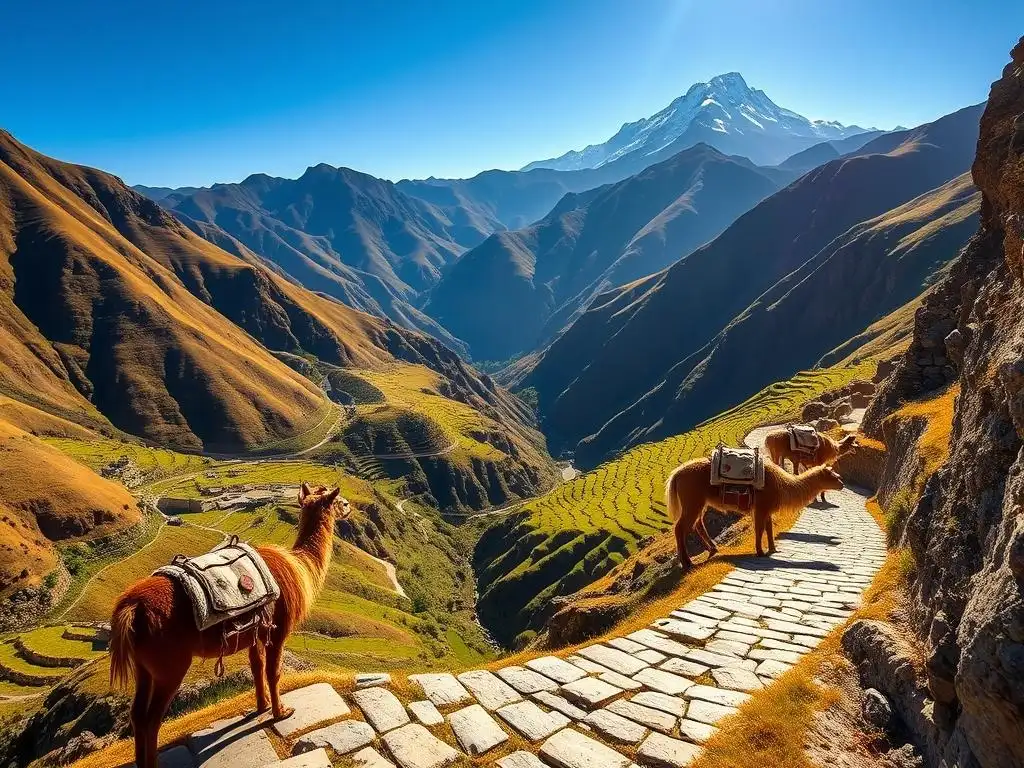
Unravel the mysteries of the Andes! Journey through millennia of breathtaking ingenuity and discover a world shaped by empires like the Incas, Moche, and Nazca. But what truly fueled their power and wealth? The answer lies in their mastery of engineering, particularly their awe-inspiring Inca road system transport. Prepare to be amazed as we delve into the secrets behind this intricate network and its crucial role in the rise and fall of Andean civilizations. Explore the fascinating story of how precious metals moved across this vast landscape… and the impact it had on the world.
The Inca Empire, renowned for its sophisticated engineering feats and intricate social structure, relied heavily on a vast and meticulously planned road system for the efficient transport of goods, people, and, crucially, precious metals. This network of pathways, stretching thousands of miles across the challenging Andean terrain, wasn't merely a logistical marvel; it was the very artery through which the Inca's immense power and wealth flowed. This article delves into the crucial role the Inca road system played in the transportation of precious metals like gold and silver, examining how this infrastructure directly supported the empire's economic and political dominance. We will explore the engineering challenges overcome, the organization of transport, and the ultimate impact on the Inca's control and display of their vast resources. Understanding the Inca road system's role in transporting precious metals provides invaluable insight into the inner workings of this remarkable civilization and its lasting legacy.
The Engineering Marvel of the Inca Road System
The Inca road system, a testament to their advanced engineering skills, wasn't a simple collection of trails. It was a complex network of meticulously planned and constructed pathways, traversing diverse and challenging landscapes. The roads were strategically designed to connect distant parts of the empire, overcoming geographical obstacles such as towering mountains, deep valleys, and dense jungles.
The construction techniques employed were astonishingly advanced for their time. They utilized sophisticated methods of stonework, including precisely cut and fitted stones, creating incredibly durable and stable roads that withstood the test of time and the harsh Andean climate. Bridges, often made of stone or suspension bridges using vines and wood, spanned rivers and gorges, further demonstrating their innovative engineering capabilities.
The quality of the roads varied depending on their importance, with major highways receiving the most attention and resources, resulting in superior construction and maintenance. The sheer scale of the undertaking, involving the mobilization of vast labor forces and the meticulous planning required, highlights the organizational prowess of the Inca Empire.
Transporting Precious Metals: A Well-Oiled Machine
The transport of precious metals, primarily gold and silver, was a critical function of the Inca road system. These metals held immense symbolic and economic value, representing the power and wealth of the Inca rulers and the empire as a whole. The movement of these valuable resources required a highly organized and efficient system.
Specialized chasquis, runners who relayed messages and transported goods across the empire, played a crucial role. They were strategically positioned along the roads, enabling rapid communication and the swift movement of precious metals. The system wasn't solely reliant on human porters; llamas, adapted to the high-altitude conditions, were also used for carrying heavier loads.
The Inca meticulously planned routes and staging posts to ensure the safe and efficient transport of these valuable commodities. Evidence suggests the use of standardized containers and methods to prevent theft or loss during transit. The effectiveness of this system contributed significantly to the empire's economic strength and political stability.
The Role of Precious Metals in Inca Power and Ideology
The control and distribution of precious metals were intrinsically linked to the Inca's political power and religious ideology. Gold, in particular, held immense religious significance, often associated with the sun god Inti. The Inca used gold and silver to create elaborate ceremonial objects, adorn temples, and reward loyal subjects.
The transportation of these metals via the road system facilitated the flow of wealth to the capital, Cusco, reinforcing the emperor's authority and the empire's centralized control. The strategic distribution of precious metals also served as a powerful tool for maintaining political alliances and controlling conquered territories. By strategically allocating resources, the Inca could strengthen their influence and consolidate their power across the vast empire.
The Inca road system, therefore, was more than just a transportation network; it was a crucial element in the maintenance of the Inca's political and religious dominance. The efficient movement of precious metals reinforced the Inca's symbolic power and solidified their control over the empire's vast resources.
The Legacy of the Inca Road System and Precious Metal Transport
The Inca road system and its role in transporting precious metals remain a testament to the ingenuity and organizational capabilities of the Inca Empire. The sophisticated engineering, efficient logistics, and strategic use of resources all contributed to the empire's success and longevity.
Even today, remnants of this remarkable infrastructure can be seen, serving as a powerful reminder of the Inca's legacy. The study of the Inca road system and its connection to the transport of precious metals provides valuable insights into the complexities of this ancient civilization, its economic systems, and its enduring impact on the Andean region.
Understanding this intricate network allows us to appreciate the significant role that infrastructure played in shaping the power and wealth of the Inca Empire. The efficient transport of precious metals, facilitated by this remarkable road system, played a pivotal role in consolidating Inca power, reinforcing their ideology, and ultimately shaping the course of Andean history.
- The Engineering Marvel of the Inca Road System
- Transporting Precious Metals: A Well-Oiled Machine
- The Role of Precious Metals in Inca Power and Ideology
- The Legacy of the Inca Road System and Precious Metal Transport
The Inca Road System: An Engineering Marvel
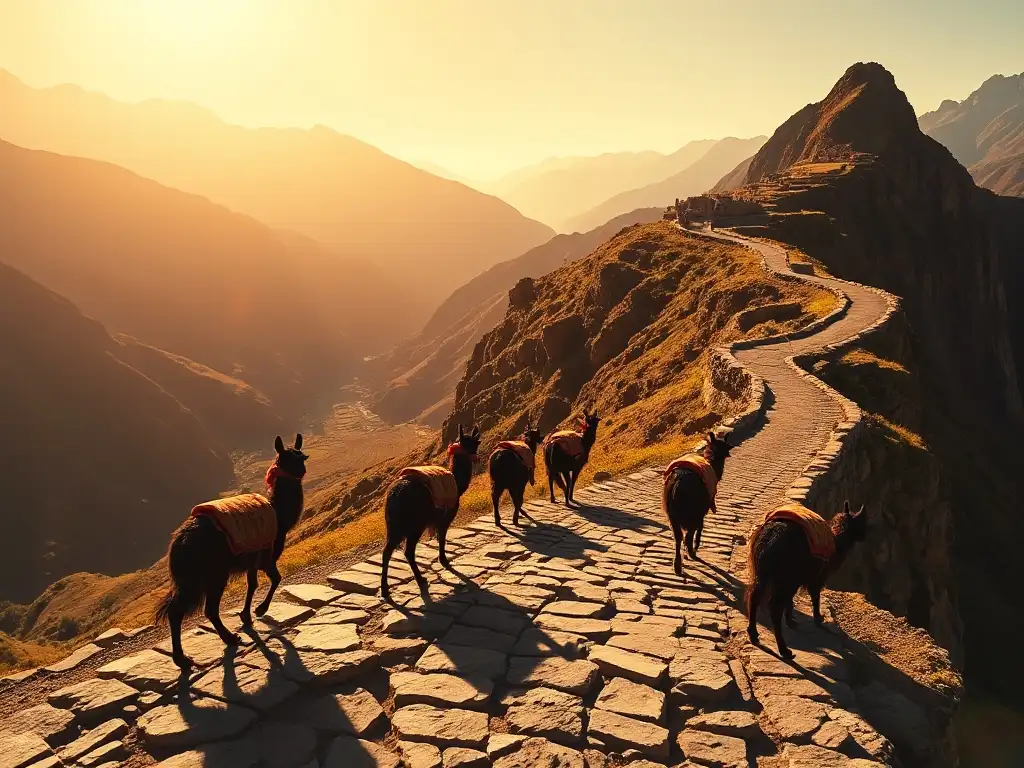
The Inca road system, known as the Qhapaq Ñan, stands as a testament to the impressive engineering capabilities of the Inca civilization. Spanning over 40,000 kilometers across the Andes Mountains, this intricate network facilitated communication, trade, and military movement throughout the vast Inca Empire. Its strategic design and robust construction allowed for efficient transport of goods, including vital resources and, significantly, precious metals like gold and silver, which played a crucial role in Inca power and wealth. Understanding the Inca road system transport capabilities is key to comprehending the empire's economic and political dominance.
Origins and Purpose of the Qhapaq Ñan
The construction of the Qhapaq Ñan began centuries before the Inca Empire's height, with earlier Andean cultures contributing to its development. However, the Incas significantly expanded and standardized the network, integrating pre-existing paths and adding new routes to connect distant provinces. The primary purpose wasn't solely for the Inca road system transport of goods; it served multiple crucial functions:
- Administrative Control: The roads allowed for swift movement of officials and messengers, enabling efficient governance across the far-flung empire. This rapid communication network was vital for maintaining order and collecting tributes.
- Military Strategy: The Qhapaq Ñan facilitated the rapid deployment of troops to quell rebellions or defend against external threats. The strategic placement of chasquis (runners) along the roads ensured rapid transmission of information and movement of soldiers.
- Economic Integration: The roads facilitated trade and the movement of goods, including agricultural products, textiles, and, importantly, precious metals. This interconnectedness fostered economic prosperity and strengthened the empire's wealth.
- Religious Significance: Some sections of the Qhapaq Ñan may have held religious significance, connecting important ceremonial sites and facilitating pilgrimage. This aspect adds another layer to the network's importance beyond purely practical functions.
The Qhapaq Ñan wasn't simply a network of paths; it was a sophisticated system that integrated strategically placed waystations, bridges, and tunnels, designed to optimize Inca road system transport efficiency.
Construction Techniques of Inca Roads
The construction of Inca roads was a remarkable feat of engineering, showcasing advanced knowledge of materials and techniques. Inca engineers adapted their methods to the diverse terrain, employing various strategies:
- Stonework: The roads often featured meticulously fitted stone paving, demonstrating a high level of precision and craftsmanship. Large stones were precisely cut and placed to create smooth, durable surfaces, capable of withstanding the weight of loaded llamas and human traffic. The quality of the stonework varied depending on the location and importance of the road section.
- Drainage Systems: Ingenious drainage systems were incorporated into the road design to prevent erosion and maintain stability. This involved the use of ditches, culverts, and carefully graded surfaces to divert water away from the roadbed.
- Bridges and Tunnels: Where necessary, impressive stone bridges and tunnels were constructed to overcome natural obstacles. These structures were often built using sophisticated techniques that ensured stability and longevity, even in challenging environments. The construction of these elements significantly enhanced the Inca road system transport capabilities, allowing for year-round accessibility.
- Suspension Bridges: Some areas utilized suspension bridges, showcasing advanced knowledge of materials science and engineering. These bridges, often made from fibrous materials and wood, were incredibly strong and lightweight, further enhancing the efficiency of Inca road system transport across difficult terrain.
Diverse Terrain and Adaptation of Inca Road Networks
The Inca road system’s remarkable adaptability to diverse terrains is a testament to its ingenious design. The network successfully navigated the Andes' challenging geography, adapting to variations in altitude, climate, and geology:
- High-Altitude Sections: In high-altitude regions, the roads were often built along existing trails, minimizing the need for extensive earthworks. The paths were carefully graded to reduce the steepness of inclines, making them easier to traverse for travelers and pack animals.
- Mountain Passes: The construction of roads through mountain passes presented significant engineering challenges. However, Inca engineers skillfully used techniques such as terracing, retaining walls, and strategically placed switchbacks to overcome these obstacles. This adaptation was vital for maintaining the Inca road system transport functionality across the challenging Andean geography.
- Coastal and Jungle Routes: The Inca road network also extended to coastal and jungle regions, requiring different construction methods to suit these diverse environments. In these areas, the roads were often less paved and more reliant on natural pathways, though still strategically planned to optimize transport.
- Regional Variations: The construction techniques and materials used varied across different regions, reflecting the local availability of resources and the specific environmental conditions. This adaptability demonstrates a remarkable understanding of engineering principles and a flexibility in construction methods. This regional adaptation ensured the robustness and efficiency of Inca road system transport across the entire empire.
The Inca road system wasn't just a collection of paths; it was a sophisticated and adaptable network that played a vital role in the empire's success, highlighting the advanced engineering and organizational capabilities of the Inca civilization and its impact on the Inca road system transport of goods, people, and information.
Precious Metals in the Inca Empire: Gold and Silver
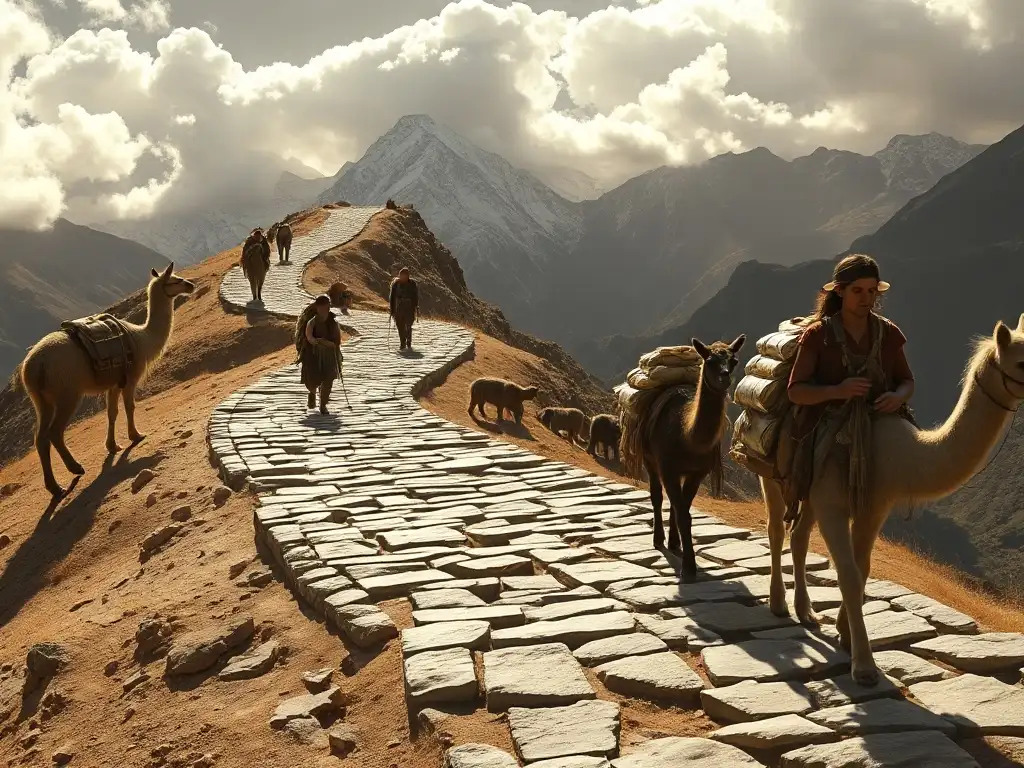
The Inca road system played a crucial role in the transport of precious metals, primarily gold and silver, which were integral to the Inca Empire's power and wealth. These metals weren't merely decorative; they held profound religious, political, and economic significance. The control and distribution of gold and silver solidified the Inca emperor's authority and reinforced the empire's vast network of influence.
The sheer volume of metal transported across the extensive Inca road network speaks volumes about the empire's sophisticated logistical capabilities and its immense wealth. This section will explore the importance of gold and silver within the Inca context and their connection to the efficient Inca road system transport.
The Significance of Gold and Silver for the Incas
Gold and silver held immense symbolic value for the Incas. Gold, associated with the sun god Inti, represented divinity and royal power. Inca rulers were adorned with lavish gold ornaments, reinforcing their divine status and authority. Silver, while less revered than gold, still held significant importance.
It was used for utilitarian purposes, such as crafting tools and everyday objects, but also for ceremonial items and offerings to the gods. The Inca’s mastery over these metals was a powerful demonstration of their technological prowess and control over resources. The intricate craftsmanship evident in surviving artifacts underscores the high status afforded to goldsmiths and silversmiths within Inca society.
The transport of these precious metals via the Inca road system, therefore, was not simply a logistical exercise; it was an act of religious and political affirmation. The movement of these materials across the vast empire served to constantly reinforce the power and legitimacy of the Inca emperor. Think of it as a continuous, visual display of power, moving along the meticulously maintained roads.
Mining Operations in the Inca Empire
Inca mining operations were extensive and highly organized, relying heavily on the efficient Inca road system transport to move both the raw materials and the finished products. While the Incas did not employ advanced technologies like gunpowder or sophisticated machinery, they developed impressive techniques for extracting ore. They utilized methods such as open-pit mining, shaft mining, and possibly even rudimentary hydraulic mining in some areas.
Evidence suggests that significant mining activity occurred in various regions of the empire, including the Andes Mountains. The labor force for these operations consisted primarily of mita workers, who were obligated to provide a certain amount of labor to the state. The organization and management of these large-scale mining operations, often located in remote areas, required a well-developed system of communication and transport, which the Inca road system expertly provided.
The roads allowed for the efficient movement of miners, tools, and ore, facilitating the continuous flow of precious metals to the imperial centers. The sheer scale of these operations, spread across such a vast territory, highlights the importance of the Inca road network in supporting the empire's economic engine.
Processing and Refining Techniques of Precious Metals
Once extracted, gold and silver underwent a series of processes before being fashioned into ornaments, vessels, and other artifacts. The Incas were skilled metallurgists, employing techniques such as hammering, annealing, and alloying to work the metals. They developed methods for refining gold and silver, achieving a high degree of purity.
The Inca road system played a vital role in this process, facilitating the transport of refined metals and specialized tools to different workshops and artisans throughout the empire. Evidence suggests that different regions specialized in particular metalworking techniques. This specialization, combined with efficient transport through the road system, allowed for the creation of highly refined and ornate pieces.
The meticulous craftsmanship found in surviving Inca artifacts is a testament to their advanced metallurgical skills and the seamless integration of their transportation network with their production processes. The Inca road system not only transported the raw materials but also the specialized knowledge and workforce, allowing for the flourishing of metalworking across the vast empire. The distribution of these precious metals, crafted into objects of power and prestige, further solidified the Inca emperor’s control and the empire's overall prosperity.
The Role of the Inca Road System in Precious Metal Transport
The Inca road system, known as the Qhapaq Ñan, played a pivotal role in the transport of precious metals, significantly contributing to the Inca Empire's power and wealth. This extensive network of roads, spanning thousands of kilometers across the Andes Mountains, facilitated the efficient movement of gold, silver, and other valuable resources from distant mines to the imperial centers and beyond. Understanding the Qhapaq Ñan's function in this context reveals crucial insights into the logistical capabilities and economic strategies of the Inca civilization.
The sheer scale of the Inca road system, its innovative engineering, and its strategic placement all contributed to the empire's ability to control and exploit its mineral wealth. The effective transport of precious metals wasn't merely about economic gain; it was intrinsically linked to the Inca's political and religious power structures.
The Qhapaq Ñan as a Crucial Transport Network
The Qhapaq Ñan wasn't simply a collection of roads; it was a sophisticated infrastructure project, meticulously planned and executed. Its construction involved overcoming significant geographical challenges, including traversing steep mountain passes, crossing rivers, and navigating treacherous terrain. The network included main arteries connecting major cities and smaller, branching paths that reached into remote regions, ensuring accessibility to even the most distant mines.
This intricate web of pathways allowed for the rapid and reliable transportation of precious metals, as well as other goods, throughout the vast Inca Empire. The strategic placement of tambos (roadside inns) along the routes provided resting places for travelers and storage facilities for goods, further enhancing the efficiency of the transport system. Archaeological evidence suggests that the Qhapaq Ñan was maintained constantly, showcasing the Inca's commitment to sustaining this vital infrastructure.
Efficient Movement of Gold and Silver Resources
The Inca Empire possessed extensive gold and silver mines located across its territory. These mines produced substantial quantities of precious metals, which were then transported via the Qhapaq Ñan to Cuzco, the imperial capital, and other important urban centers. The efficient movement of these resources was crucial for several reasons.
Firstly, it allowed the Inca to accumulate vast wealth, which was used to fund public works, support the elite, and strengthen the empire's military power. Secondly, the controlled flow of precious metals reinforced the Inca's authority and control over their subjects. The Inca state monopolized the mining and distribution of these resources, thereby maintaining economic and political dominance.
The sheer volume of gold and silver transported along the Qhapaq Ñan is a testament to the Inca's organizational prowess and the effectiveness of their transport network. Records, though scarce, suggest a highly organized system of collection, storage, and distribution, minimizing losses during transit.
Logistics and Management of Transport on Inca Roads
The successful transport of precious metals along the Qhapaq Ñan required a highly organized and efficient logistical system. The Inca employed a system of mit'a, a form of rotational labor, to maintain the roads and transport goods. Specialized groups of carriers, likely organized by ayllu (kinship groups), were responsible for moving goods along specific sections of the road network.
The use of llamas and alpacas for carrying heavier loads was crucial, and the careful planning of routes and staging areas minimized the strain on these animals. Evidence suggests that sophisticated record-keeping systems were in place to track the movement of goods and ensure accountability. The Inca's ability to manage the logistics of transport on such a vast scale is remarkable, highlighting their advanced administrative capabilities.
The system's efficiency was vital not only for the transport of precious metals but also for the overall functioning of the Inca Empire, impacting everything from food distribution to military mobilization. Further research into Inca record-keeping systems could reveal even more about the intricacies of their logistical prowess and the management of their precious metal transport.
Impact of Precious Metal Transport on Inca Power and Wealth
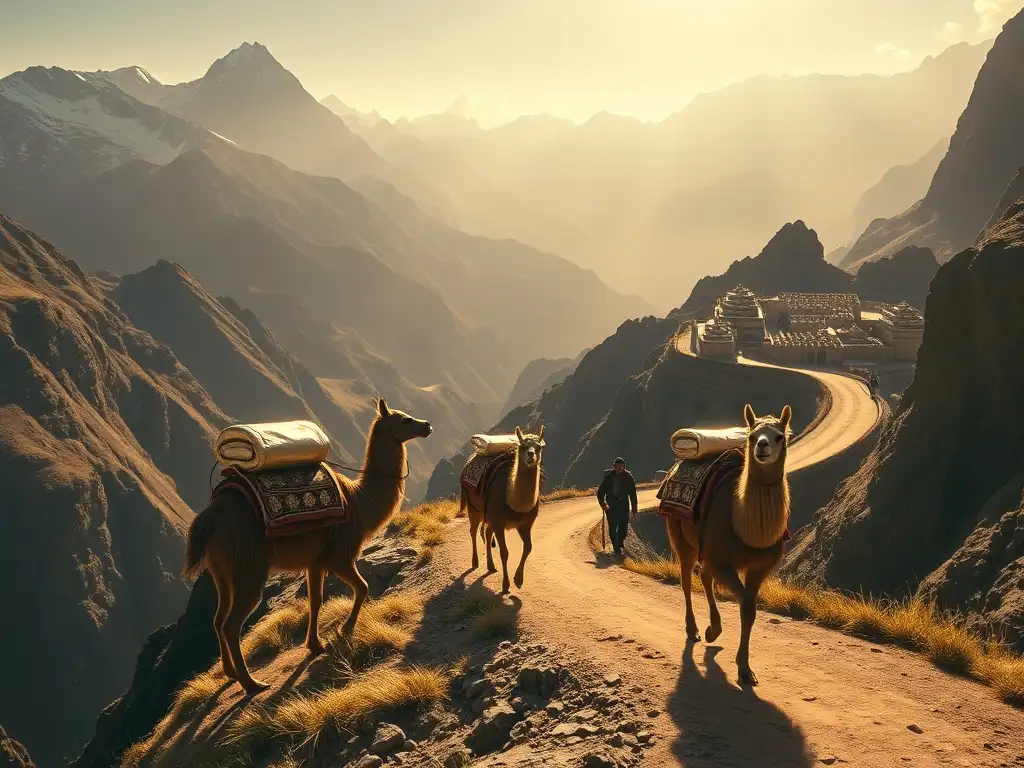
The Inca road system, a marvel of ancient engineering, played a crucial role in the empire's accumulation of wealth and consolidation of power. Its effectiveness in transporting precious metals – gold, silver, and copper – directly impacted the Inca's economic and political dominance across the Andes. The efficient movement of these resources fueled the empire's growth and solidified the emperor's authority.
Analyzing the Inca road system's impact on the transport of precious metals reveals a complex interplay between infrastructure, resource management, and political control. This section will delve into the specific ways the road system facilitated the Inca's control over these valuable resources and their subsequent influence on the empire.
Accumulation of Wealth and Resources
The Inca's vast wealth was directly tied to their control over precious metal mines. These mines, scattered across the expansive empire, produced significant quantities of gold, silver, and copper. However, the extraction and subsequent transportation of these metals presented a significant logistical challenge. The Inca road system provided the solution. The network of roads, strategically placed and meticulously maintained, allowed for the efficient movement of these valuable resources from remote mining sites to the imperial centers, such as Cusco. This efficient transport system ensured a consistent flow of wealth into the Inca coffers.
Consider the sheer volume of materials moved. Archaeological evidence suggests massive quantities of precious metals were used in Inca crafts, religious objects, and royal adornments. The scale of this production necessitates a highly developed infrastructure, and the Inca road system fulfilled that need.
The system’s effectiveness is further evidenced by the relatively intact condition of many of the surviving sections, a testament to the quality of construction and ongoing maintenance. Estimates of the total gold and silver accumulated by the Inca empire are difficult to ascertain precisely due to the looting and destruction that followed the Spanish conquest, but the sheer scale of surviving artifacts points to a truly staggering wealth. Moreover, the Inca's intricate system of mit'a (labor tribute) ensured a continuous workforce for both mining and road maintenance, further enhancing the efficiency of the precious metal transport.
Inca Control and Political Power
The Inca road system wasn't just about transporting goods; it was a critical instrument of political control. The ability to quickly move troops and supplies along the roads allowed the Inca to swiftly quell rebellions and maintain order across a vast and diverse territory. The efficient transport of precious metals was intrinsically linked to this power. The emperor's control over these resources was a direct reflection of his authority and the empire's strength. The flow of precious metals symbolized the emperor's power and legitimacy.
Furthermore, the strategic placement of tambos (roadside inns) along the Inca roads served a dual purpose. They provided rest stops for travelers, but also served as strategic military outposts and administrative centers. This ensured constant surveillance and control over the movement of goods, including precious metals.
This demonstrates a sophisticated understanding of the relationship between infrastructure, resource control, and political stability. The Inca road system, therefore, wasn't merely a transport network; it was a vital tool for maintaining the empire's political integrity and suppressing dissent. The control over the flow of precious metals, facilitated by this efficient network, directly strengthened the Inca's political power and authority.
The Influence of Precious Metals on Inca Society
The transport of precious metals via the Inca road system profoundly impacted Inca society. Gold and silver were not merely economic commodities; they held significant religious and symbolic value. The Inca's sophisticated metalworking techniques, facilitated by the reliable supply of these metals, produced stunning works of art and ceremonial objects that reinforced the emperor's divine authority and strengthened social hierarchies. The distribution of these precious metals, managed through the road system, played a crucial role in maintaining social order and reinforcing Inca ideology.
The use of precious metals in religious ceremonies and royal adornments strengthened the Inca's belief system and reinforced the emperor's divine right to rule. The sheer quantity of gold and silver used in these contexts underscores their importance within Inca society. The intricate and highly skilled metalwork, in turn, supported a specialized class of artisans and craftsmen, who played a significant role in Inca society.
The efficient transport of these resources through the Inca road system, therefore, wasn't just about economic gain; it was fundamental to the cultural and religious fabric of the empire. The Inca road system, in this context, becomes a vital artery supporting the cultural heartbeat of the empire. The readily available precious metals, thanks to the efficient road network, fueled a sophisticated and complex society.
Challenges and Maintenance of the Inca Road System
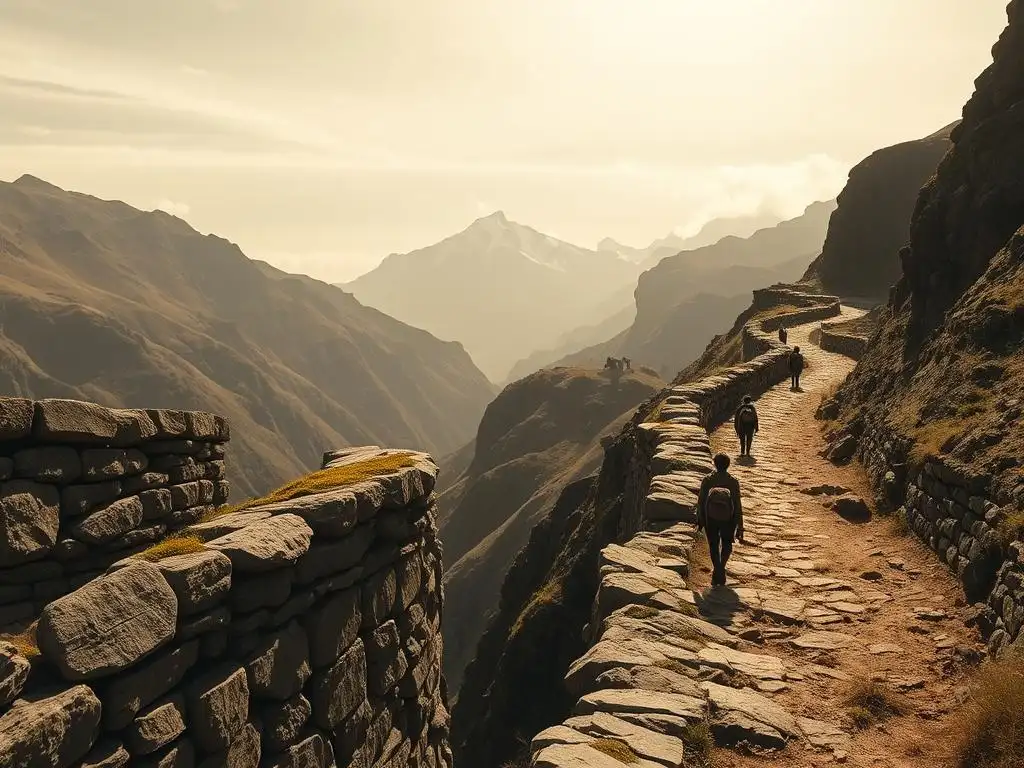
The Inca road system, the Qhapaq Ñan, an awe-inspiring feat of engineering, wasn't simply built and then left to the elements. Maintaining this vast network, stretching thousands of miles across diverse and challenging terrain, presented significant ongoing challenges for the Inca Empire. Efficient transport of goods, including precious metals vital to Inca power and wealth, relied heavily on the consistent upkeep of these vital arteries.
The scale of this undertaking, and the ingenuity employed to overcome obstacles, speak volumes about Inca organizational prowess and resource management. The sheer volume of materials transported along the Qhapaq Ñan, especially precious metals like gold and silver, demanded a robust and continuously maintained infrastructure. The efficient transport of these metals played a crucial role in maintaining the Inca's economic and political dominance.
Difficulties in Maintaining the Qhapaq Ñan
Maintaining the Qhapaq Ñan was a continuous struggle against the relentless forces of nature. The high-altitude regions experienced extreme weather conditions, including heavy snowfall, freezing temperatures, and intense sun exposure, all of which took their toll on the roads. The varied landscapes, from arid deserts to lush rainforests, presented unique sets of problems. In mountainous areas, the steep inclines and unstable slopes made road construction and maintenance particularly arduous.
Sections of the road were vulnerable to damage from seismic activity, common in the Andes region. Repairing these damages required significant labor and resources. The unpredictable nature of the weather frequently interrupted transport and necessitated quick repairs to prevent significant delays in the movement of goods and people. The Inca road system transport relied on these consistent repairs.
Landslides, Erosion, and River Crossings
Landslides were a constant threat, particularly during the rainy season. The steep slopes and loose soil made sections of the road prone to collapse, requiring swift intervention to prevent disruption to the vital Inca road system transport. Erosion from wind and water was another significant challenge, gradually wearing away at the road surface and undermining its structural integrity. River crossings, often involving intricate bridges and causeways, required constant monitoring and maintenance.
These crossings were particularly vulnerable to damage from floods and seasonal changes in water levels, which could lead to dangerous collapses. The Inca engineers employed innovative techniques, such as using stone and timber to reinforce bridges and create stable pathways across rivers, but these still required constant attention to prevent deterioration. The logistical complexity of maintaining these crossings across the vast Qhapaq Ñan underscores the scale of the maintenance operation.
Labor and Resources for Road Upkeep
The upkeep of the Qhapaq Ñan was a massive undertaking, requiring a substantial workforce and significant resources. The mita system, a form of mandatory labor service, played a crucial role in providing the manpower necessary for road maintenance. Communities along the road network were assigned responsibility for maintaining sections near their settlements.
This decentralized approach ensured that repairs could be carried out swiftly and efficiently. However, the sheer scale of the road system meant that a considerable amount of resources were still needed, including stone, timber, and other materials for construction and repair. The transport of these materials itself presented a logistical challenge, highlighting the cyclical nature of maintenance and the intricate network of support required to keep the Qhapaq Ñan functioning.
The efficient Inca road system transport of these materials, alongside the effective organization of the mita system, were crucial for the empire's success. The organization and management of this system reflect the sophisticated administrative capabilities of the Inca Empire, further emphasizing the importance of the Qhapaq Ñan to their power and prosperity. The system's efficiency ensured the timely delivery of goods, including the precious metals that fueled the Inca economy and solidified their control over the vast Andean region.
Legacy of the Inca Road System and its Impact on Trade
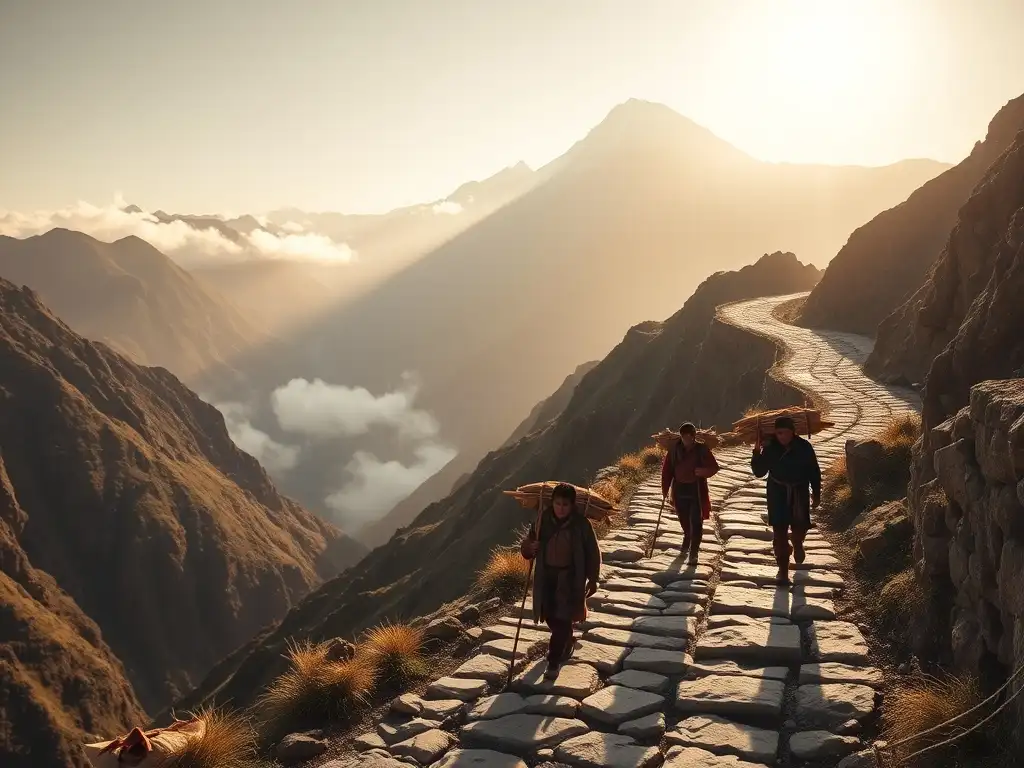
The Inca road system, a marvel of ancient engineering, wasn't merely a network of paths; it was the arterial system of a vast empire, profoundly impacting trade and the distribution of power and wealth. Its legacy extends far beyond its physical presence, shaping economic patterns and influencing infrastructure development even today. The efficient transport facilitated by the Inca road system transport network allowed for the seamless movement of goods, resources, and people across diverse and challenging terrains.
This intricate system, meticulously planned and expertly constructed, ensured the rapid dissemination of information and the swift mobilization of resources, consolidating Inca power and influence. The strategic placement of tambos (roadside rest stops) further enhanced the efficiency of this vital infrastructure, providing accommodations and supplies for travelers and messengers.
The network fostered economic interdependence between different regions of the empire, facilitating the exchange of agricultural products, textiles, and precious metals. This interconnectedness created a dynamic and prosperous economy, enriching the Inca state and solidifying its power.
The Enduring Influence of the Inca Roads
The Inca road system's influence on subsequent infrastructure development is undeniable. The principles of pathfinding, construction techniques adapted to diverse terrain, and the strategic placement of rest stops continue to inspire modern engineering projects. Even today, sections of the original Inca roads are still in use, a testament to their robust construction and intelligent design.
The Inca's understanding of topography and their ability to navigate challenging mountain passes remain remarkable feats of engineering. The road system's impact extends beyond the purely physical; it shaped cultural exchange and the diffusion of ideas across the empire. The interconnectedness fostered by the roads contributed to a shared cultural identity, despite the diverse ethnicities and environments within the Inca realm.
The legacy of the Inca's innovative approach to road construction is visible in many contemporary infrastructure projects, highlighting the enduring value of their knowledge and ingenuity. The Inca's practical understanding of sustainable construction techniques, using locally sourced materials and adapting to the environment, offers valuable lessons for contemporary sustainable development initiatives.
Impact on Modern-day Transportation
While much of the original Inca road system has been modified or superseded by modern roads, its impact on contemporary transportation networks remains significant. Many modern roads in the Andes follow or utilize sections of the ancient Inca pathways, demonstrating the strategic wisdom of their original placement. The Inca's understanding of gradient and the use of switchbacks, for instance, are still relevant principles in modern road engineering.
The Inca road system transport network's efficiency in navigating challenging terrain provides valuable lessons for current road design and construction projects, particularly in mountainous areas. Studying the Inca's methods of road construction, including their techniques for drainage and stabilization, offers valuable insights for modern engineers working on similar projects in challenging environments.
The Inca road system serves as a powerful example of how meticulous planning and adaptation to the environment can result in a highly effective and durable infrastructure. The enduring relevance of the Inca's approach is a testament to their sophisticated understanding of engineering and their ability to create infrastructure that stood the test of time.
UNESCO World Heritage Recognition and Ongoing Research
The Inca Trail, a significant portion of the broader Inca road system, has received recognition as a UNESCO World Heritage site, reflecting its immense historical and cultural significance. This designation underscores the global importance of preserving this remarkable achievement of ancient engineering. Ongoing research continues to uncover new details about the Inca road system, revealing its complexity and sophistication.
Archaeological investigations shed light on the construction techniques, the organization of labor, and the strategic importance of the network. This ongoing research is crucial for preserving this vital part of Andean heritage and for understanding the Inca civilization's remarkable achievements in infrastructure development. The continued study of the Inca road system provides valuable insights not only into Inca engineering but also into the broader context of their social, political, and economic organization.
Further research promises to reveal even more about this extraordinary network and its lasting impact on the Andes region. The preservation and study of the Inca road system transport network are vital for understanding the Inca empire and its lasting legacy.
The Inca Road System: A Symbol of Inca Ingenuity and Power
The Inca road system, or Qhapaq Ñan, wasn't merely a network of pathways; it was a testament to Inca ingenuity, a powerful symbol of imperial control, and a crucial element in the transport of precious metals that fueled their empire's wealth. Its strategic design facilitated the movement of armies, messengers, and, critically, the vast quantities of gold, silver, and other valuable resources extracted from across the empire. The sheer scale of the undertaking – spanning thousands of miles across diverse and challenging terrain – underscores the organizational prowess and sophisticated engineering capabilities of the Inca civilization. Understanding the Inca road system transport mechanisms is key to appreciating the full extent of Inca power and influence. This intricate network wasn't simply about connecting disparate regions; it was about consolidating power and wealth, ensuring the smooth flow of resources to the imperial center, and maintaining control over a vast and diverse population.
Connecting the Inca Empire Through Roads
The Qhapaq Ñan wasn't a single road, but rather a complex web of interconnected pathways, strategically designed to traverse the Andes' formidable geography. These roads, often paved with stone and meticulously maintained, connected the far-flung corners of the Inca Empire, facilitating efficient communication and transportation. The Inca utilized a sophisticated system of relay runners, chasquis, who could transmit messages across vast distances with remarkable speed.
This rapid communication network was vital for administering the empire, coordinating military movements, and ensuring the timely delivery of goods, including precious metals. The roads were not only strategically placed but also designed with remarkable engineering precision. Bridges, tunnels, and sophisticated drainage systems were incorporated to overcome geographical obstacles, demonstrating a deep understanding of engineering principles.
Consider the impressive stonework, often perfectly fitted without mortar, a testament to Inca mastery of stone construction. The Inca road system transport network was optimized for efficiency, speed, and resilience, reflecting the empire's sophisticated logistical capabilities.
The Qhapaq Ñan as a Testament to Inca Engineering
The construction of the Qhapaq Ñan presented immense challenges. The Inca engineers navigated steep mountain slopes, deep valleys, and dense jungles, employing innovative techniques to overcome these obstacles. They skillfully adapted their construction methods to the local terrain, utilizing locally sourced materials and employing techniques that minimized environmental impact.
For instance, suspension bridges, built using strong, lightweight materials like vines and wood, spanned deep ravines, showcasing ingenuity and resourcefulness. The Inca's understanding of Andean geology and their ability to adapt their building techniques to the diverse landscape are impressive feats of engineering. The precision of the stonework, the strategic placement of bridges and tunnels, and the careful design of drainage systems all point to a sophisticated understanding of engineering principles far ahead of their time.
This advanced engineering wasn't merely a matter of technical skill; it was a demonstration of Inca power and organizational capacity. The scale of the project and the level of precision achieved are compelling evidence of their advanced planning and management capabilities. The Inca road system transport capabilities were directly tied to this impressive engineering.
Reflections on Inca Power and the Control of Resources
The Qhapaq Ñan played a crucial role in consolidating Inca power and controlling the flow of resources, particularly precious metals. The efficient transportation network facilitated the extraction and distribution of gold, silver, and other valuable materials from mines across the empire. These resources were then transported to the imperial centers, where they were used to fund the state, reward loyal subjects, and reinforce the Inca's authority.
The control over the Inca road system transport routes allowed the Inca to effectively manage the extraction, processing, and distribution of these vital commodities, ensuring a steady flow of wealth to the imperial capital. The system wasn't simply about economic control; it was also about political control. By controlling the movement of people and goods, the Inca maintained their grip on the vast territories they ruled.
The Qhapaq Ñan therefore served as a powerful symbol of Inca power, demonstrating their ability to manage a vast and complex empire with remarkable efficiency. The Inca road system transport of precious metals was a cornerstone of their economic and political dominance. The seamless integration of this system into their broader administrative and economic structures cemented their authority and secured their position as one of the most powerful empires in the Andes.
Frequently Asked Questions
How extensive was the Inca road system?
The Inca road system was incredibly extensive, spanning over 25,000 miles across the Andes Mountains. It connected the vast Inca Empire, facilitating communication and trade.
What materials were used to construct Inca roads?
Inca roads were built using stone, earth, and wood, adapted to the challenging Andean terrain. The construction techniques were remarkably advanced for their time, showcasing ingenuity and engineering skill.
How did the Inca road system impact the transport of precious metals?
The roads were crucial for the efficient transport of gold, silver, and other precious metals to the Inca capital, Cusco. This facilitated the accumulation of wealth and power by the Inca elite.
What other goods were transported along the Inca roads?
Besides precious metals, the Inca road system transported a wide variety of goods, including food, textiles, and building materials. This complex network supported the empire's economy and daily life.
Were there any specific features designed to aid transport on the Inca roads?
Yes, the Inca roads featured bridges, tunnels, and resting places (tambos) for travelers and pack animals. These features demonstrate the sophistication of Inca engineering and logistical planning.
Final Reflection: Echoes of the Inca Road: Legacy of Power and Movement
The Inca road system, a marvel of engineering and logistical prowess, remains a potent symbol of the Inca Empire's power and its enduring impact on the landscape and cultures of South America. Its sophisticated design, facilitating the rapid transport of goods, people, and information across vast distances, continues to resonate in the modern world, reminding us of the ingenuity and organizational capabilities of pre-Columbian societies. The efficiency of this ancient network serves as a powerful counterpoint to the often-fragmented and inefficient systems we grapple with today.
The Inca road system's influence extends far beyond its physical presence; it shaped the social, economic, and political fabric of the empire, and its legacy continues to inform our understanding of infrastructure development and its societal impact. The very stones that formed the pathways whisper tales of power, trade, and cultural exchange. The road is a living thing,
as the saying goes, and the Inca road system, though no longer actively used in its original form, continues to live on in the stories we tell, the research we conduct, and the landscapes it continues to shape.
Consider the implications of this ancient network. How can we learn from the Inca's commitment to connectivity and efficient resource management? You, the reader, hold the power to apply these lessons to your own life, whether it's in your community, your workplace, or your personal pursuits. Embrace the spirit of innovation and collaboration that built this extraordinary system, and strive to create your own pathways to progress, connection, and lasting impact. Let the echoes of the Inca road inspire you to build a more connected and sustainable future.
Unveil the Riches of the Inca Pathways!
Thank you for exploring the fascinating world of Inca roads and their vital role in the transportation of goods and resources throughout the Andes. Your journey reveals how these ancient pathways profoundly shaped the power and prosperity of Andean civilizations. To further enrich your understanding and connection to this rich history, consider these suggestions:
- Delve deeper into the history of the Inca Empire by exploring additional resources on Andean civilizations. Each source offers unique perspectives and valuable insights.
- Engage in discussions within our community forum to share your thoughts and ask questions. Connect with fellow enthusiasts who share your passion for ancient history.
- Utilize our interactive map to explore the Inca road network and significant sites. Discover the routes that connected this vast and influential empire.
What lasting impact do you believe the Inca road system has had on modern transportation and trade? Share your thoughts below!