
Lost Wax Wonders: Reconstructing the Casting Techniques of the Incas

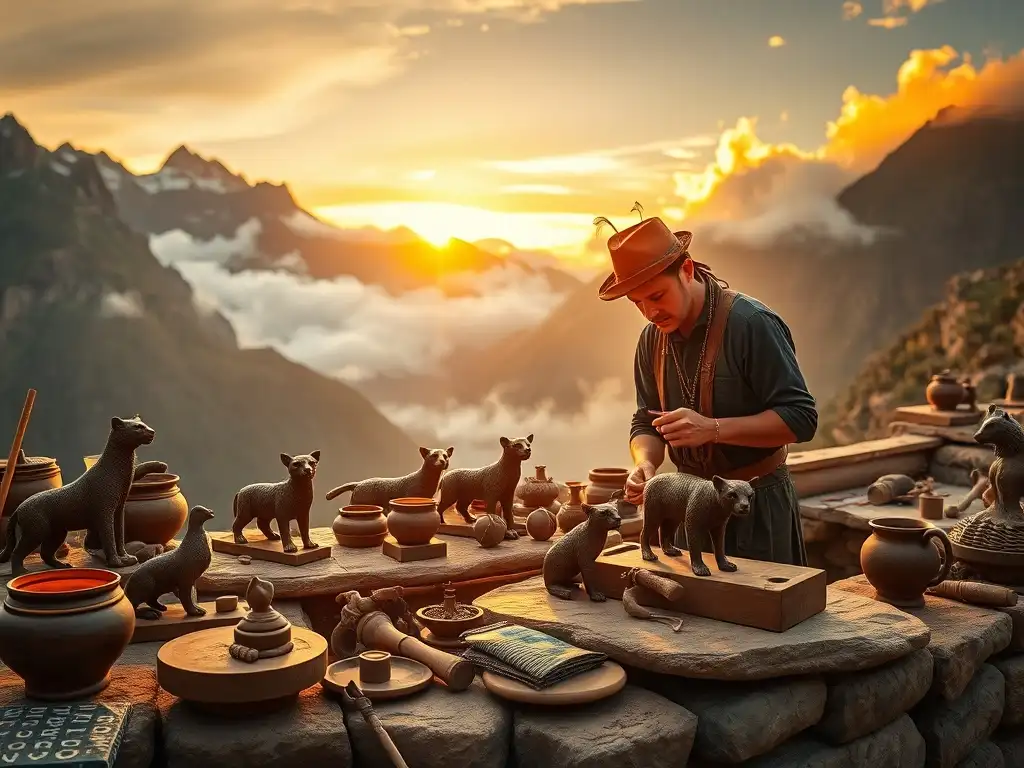
Dive into the mesmerizing world of Andean Civilizations, where lost empires whisper secrets of ingenuity and artistry. Prepare to be captivated by the breathtaking achievements of ancient cultures, from the intricate artistry of the Nazca lines to the sophisticated engineering of the Incas. But what truly unlocks the mystery of their mastery? Discover the intriguing secrets behind Inca lost-wax casting techniques, a lost art now being painstakingly reconstructed, and uncover the technological brilliance that shaped a civilization. Explore the fascinating details and delve deeper into the world of Andean Art and Iconography – your journey begins now.
The Inca Empire, renowned for its intricate textiles, monumental architecture, and sophisticated agricultural practices, also possessed a surprisingly advanced metalworking tradition. While often overshadowed by their achievements in other fields, Inca metallurgy, particularly their mastery of lost-wax casting, represents a significant technological feat that continues to fascinate archaeologists and metallurgists alike.
This article delves into the intricacies of Inca lost-wax casting techniques, examining the processes, materials, and the enduring legacy of this remarkable craft. We will explore how researchers are piecing together the secrets of these ancient techniques, using archaeological evidence and experimental archaeology to reconstruct the methods employed by Inca artisans centuries ago.
Understanding these techniques provides invaluable insight into the Inca worldview, their social structures, and their exceptional technological capabilities. The precision and artistry displayed in Inca metalwork serve as a testament to their ingenuity and skill, offering a window into the sophisticated society that once thrived in the Andes.
The Lost-Wax Casting Process: A Step-by-Step Reconstruction
The lost-wax casting process, also known as cire perdue, is a complex technique requiring meticulous skill and precision. While the exact details of Inca practices remain partially shrouded in mystery, archaeological findings and experimental recreations allow us to reconstruct a probable sequence of events. The process began with the creation of a model, likely sculpted from clay or beeswax, representing the desired object – be it a decorative piece, a functional tool, or a religious artifact.
This model would then be carefully coated in layers of a refractory material, typically a clay-based mixture, creating a mold. Once the mold was dry and hardened, molten metal (primarily copper alloys such as bronze or tumbaga – a gold-copper alloy) was carefully poured into the mold.
After cooling, the mold was broken away, revealing the finished metal casting. The process was inherently lossy, hence the name "lost-wax," as the original wax model was destroyed during the process.
The level of detail achievable through this method is remarkable. Inca artisans produced intricately designed figurines, jewelry, and tools demonstrating a sophisticated understanding of metallurgy and mold-making. Evidence suggests they used various alloys, skillfully manipulating the composition to achieve desired properties like hardness, malleability, and color. The precise control over the melting and pouring of the molten metal, as well as the careful preparation of the mold, speaks volumes about their technical expertise.
Materials and Tools Used in Inca Lost-Wax Casting
The Inca's success in lost-wax casting was directly tied to the availability of suitable materials and the development of specialized tools. Archaeological excavations have uncovered a range of materials used in the process. These include:
- Wax: Beeswax was likely the primary material for creating the original model, due to its malleability and ease of sculpting.
- Clay: Various types of clay were used to create the mold, with different compositions possibly chosen based on their properties. The precise clay formulations remain a subject of ongoing research.
- Metal: Copper, gold, and silver were the most commonly used metals. However, the specific alloys and their proportions varied depending on the desired object and its intended use.
- Crucibles: These heat-resistant containers were essential for melting the metals. The type of crucible used would have influenced the efficiency of the metal melting process.
- Furnaces: Archaeological evidence suggests the use of various types of furnaces, likely fueled by charcoal, to achieve the high temperatures needed for metal smelting and casting. The design of these furnaces would have had a significant impact on the quality and consistency of the final product.
Analyzing the Surviving Artifacts: Insights into Inca Techniques
Numerous Inca metal artifacts have survived to this day, providing invaluable clues to their casting techniques. The remarkable preservation of some pieces allows for detailed examination of their surface textures, internal structures, and metallurgical composition. This analysis helps researchers to understand the precise methods used by Inca artisans, including the types of alloys employed, the techniques used to create intricate designs, and the level of control they had over the casting process.
For example, the study of surface finishes reveals information about post-casting treatments, such as polishing, hammering, and gilding, further enhancing the aesthetics and functionality of the objects. The study of internal structures reveals information about the casting process itself, allowing researchers to infer the techniques used to create complex shapes and intricate details. The analysis of the metallurgical composition reveals the types of alloys used and the degree of control Inca artisans had over their properties.
Experimental Archaeology: Replicating Inca Casting Methods
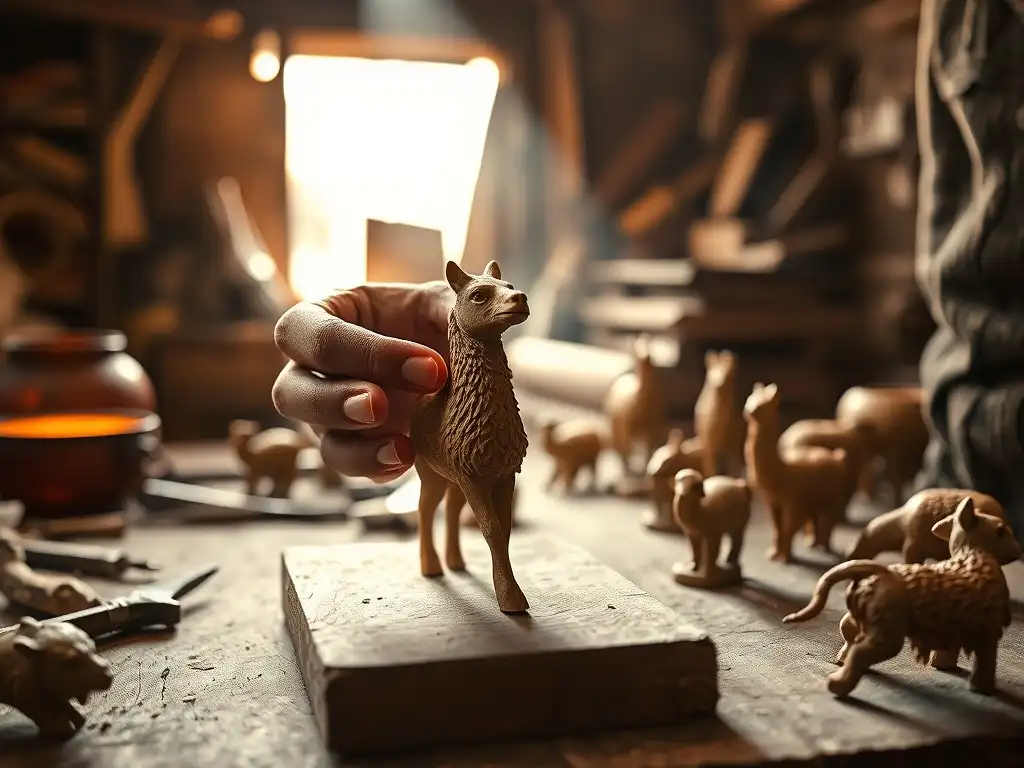
To gain a deeper understanding of Inca lost-wax casting techniques, researchers have engaged in experimental archaeology, attempting to replicate the process using materials and methods similar to those employed by Inca artisans. This hands-on approach provides valuable insights into the challenges and intricacies of the process, helping to refine our understanding of the Inca's mastery of this complex craft. These experiments not only confirm the feasibility of the reconstructed process but also reveal crucial details about the level of skill and precision required of Inca metalworkers.
By comparing the results of these experiments with surviving Inca artifacts, researchers can further refine their understanding of the techniques used and the challenges faced by ancient artisans. These experiments also help us appreciate the ingenuity and advanced knowledge of Inca metallurgists.
The Significance of Inca Lost-Wax Casting
The mastery of lost-wax casting by the Inca was not merely a technological achievement; it was deeply interwoven with their social and religious life. Metal objects held significant symbolic value, serving as tools, ornaments, and religious artifacts. The intricate designs and high-quality craftsmanship reflect the Inca's sophisticated artistic sensibilities and their ability to translate complex ideas into tangible forms. The production of these objects was likely a highly specialized and regulated activity, likely undertaken by skilled artisans within specific workshops or communities.
The study of these techniques, therefore, provides valuable insights into the Inca's social organization, economic systems, and religious beliefs. The enduring legacy of their metalworking tradition continues to inspire awe and admiration, serving as a testament to the technological prowess and artistic creativity of this remarkable civilization. Understanding their techniques allows us to appreciate the depth and complexity of Inca culture in a new light.
- The Lost-Wax Casting Process: A Step-by-Step Reconstruction
- Materials and Tools Used in Inca Lost-Wax Casting
- Analyzing the Surviving Artifacts: Insights into Inca Techniques
- Experimental Archaeology: Replicating Inca Casting Methods
- The Significance of Inca Lost-Wax Casting
The Legacy of Inca Metalworking: An Introduction to Lost-Wax Casting
The Inca Empire, renowned for its sophisticated artistry and engineering feats, left behind a remarkable legacy in metalworking. Their mastery of lost-wax casting, a complex and intricate technique, allowed them to create stunning objects of gold, silver, copper, and bronze. These artifacts, ranging from delicate jewelry to imposing ceremonial objects, offer invaluable insights into Inca society, religious beliefs, and technological capabilities.
Understanding their lost-wax casting techniques is crucial to appreciating the artistry and ingenuity of this remarkable civilization. The precision and skill demonstrated in these pieces are a testament to the Inca's advanced metallurgical knowledge and their ability to manipulate precious metals with unparalleled expertise.
The intricate details and the sheer volume of surviving artifacts showcase the scale of Inca metalworking operations, highlighting the importance of this craft within their society. This section will delve into the specifics of Inca lost-wax casting, exploring the process, the materials used, and the significance of these techniques within the larger context of Inca culture.
The Significance of Metalworking in Inca Society
Metalworking held a position of immense prestige and religious significance within Inca society. The creation of metal objects wasn't merely a craft; it was a ritualistic process imbued with spiritual meaning. Gold, in particular, was considered sacred, representing the sun god Inti and embodying royal power and divine authority.
Silver, while not as highly revered as gold, also held significant symbolic value, often associated with the moon and water. The intricate designs found on Inca metalwork frequently depict religious motifs, mythological figures, and symbolic representations of the natural world, reflecting the close connection between metalworking and Inca cosmology. The artisans themselves likely held a high social status, given the skill and expertise required for lost-wax casting and the religious importance of their creations.
Archaeological evidence suggests specialized workshops and a structured system of production, indicating a highly organized and sophisticated approach to metalworking. The distribution of these objects, often found in elite tombs and ceremonial contexts, further underscores their importance as symbols of power, wealth, and religious authority. Furthermore, the careful selection and preparation of materials, coupled with the precision of the casting process itself, point to a deep understanding of metallurgy and its role in Inca society.
The Use of Gold and Silver: Precious Metals in the Inca Empire
The Inca Empire's vast reserves of gold and silver fueled their remarkable metalworking achievements. Gold, particularly, played a central role in Inca iconography and ritual. It was used to create elaborate adornments for the elite, including intricately crafted crowns, ear ornaments, and nose rings. Large-scale gold objects, such as ceremonial vessels and decorative plates, were also produced, often showcasing sophisticated techniques like repoussé and chasing, in addition to lost-wax casting.
The Inca's ability to work with such malleable metals is remarkable, demonstrating a sophisticated understanding of annealing and other metallurgical processes. Silver, though less symbolically significant than gold, was also widely used. It was employed to create everyday utensils, ceremonial objects, and decorative items. The combination of gold and silver in many pieces highlights the Inca's artistic flair and their understanding of the properties of these precious metals.
The use of alloys, such as tumbaga (a gold-copper alloy), further demonstrates their advanced metallurgical knowledge. Analysis of these alloys reveals a precise control over the proportions of metals, leading to a range of colors and textures, enhancing the aesthetic appeal and symbolic significance of the final product. The distribution of these precious metal objects, often concentrated in royal centers and elite burials, speaks volumes about their importance in Inca social stratification and power dynamics.
Inca Technological Prowess in Metallurgy
The Inca's mastery of lost-wax casting represents a significant technological achievement. This process, which involves creating a wax model, covering it in clay, melting out the wax, and then pouring molten metal into the resulting mold, demands precision, skill, and a deep understanding of material properties. The Inca's ability to consistently produce high-quality castings, with intricate details and minimal flaws, indicates a well-developed and refined technique. Evidence suggests the use of various types of clay for the molds, each selected for its specific properties.
The control over the temperature of the molten metal, the careful pouring technique, and the post-casting finishing processes all contributed to the exceptional quality of Inca metalwork. Their understanding of alloying, as seen in the production of tumbaga, showcases their experimental approach to metallurgy and their ability to manipulate the properties of metals to achieve desired aesthetic and functional outcomes. The Inca's technological prowess in metallurgy wasn't limited to lost-wax casting; they also employed other techniques like hammering, repoussé, and chasing to further refine and embellish their metal objects.
The combination of these techniques demonstrates a sophisticated understanding of metalworking and a commitment to producing works of exceptional artistry and technical proficiency. The refinement evident in Inca metalworking techniques speaks to a long history of experimentation and the transmission of knowledge across generations of skilled artisans. The Inca legacy in metallurgy continues to fascinate and inspire, serving as a testament to their ingenuity and cultural achievements.
Unveiling the Secrets of Inca Lost-Wax Casting
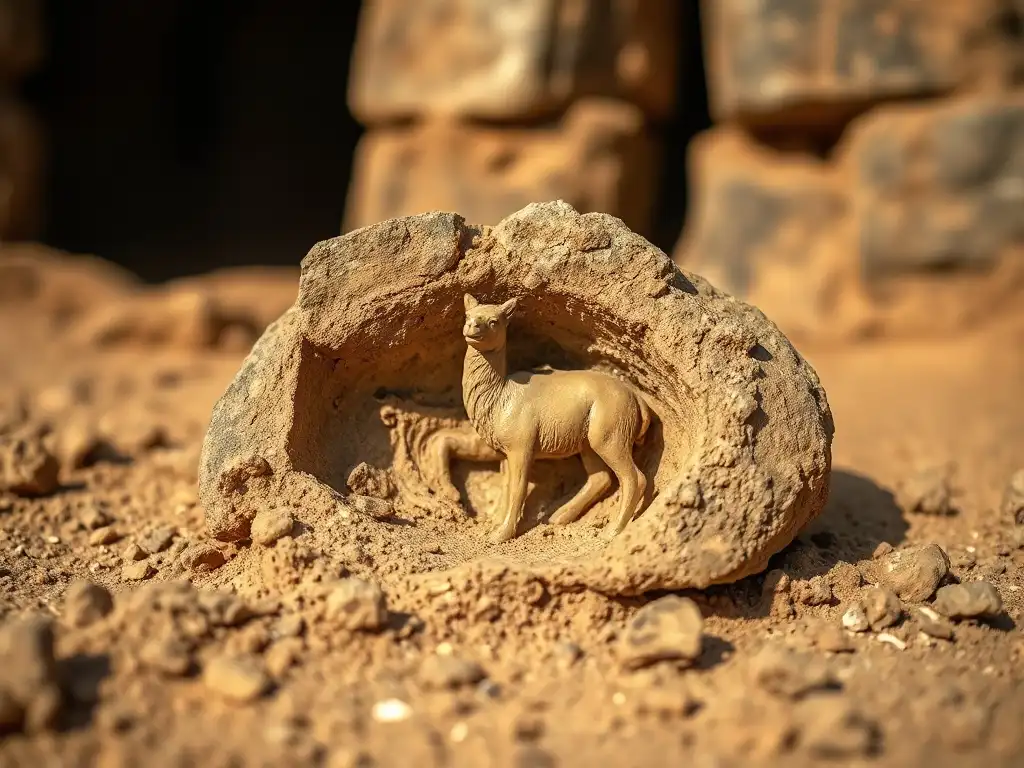
This section delves into the intricacies of Inca lost-wax casting techniques, a sophisticated metalworking process that allowed for the creation of intricate jewelry, tools, and religious artifacts. Understanding these techniques provides crucial insight into the advanced technological capabilities and artistic sensibilities of the Inca civilization. We will explore the process step-by-step, examining the materials used, the adaptation of pre-existing methods, and the remarkable results achieved by Inca artisans. The mastery of Inca lostwax casting techniques represents a significant achievement in Andean metallurgy, showcasing their ingenuity and skill.
Lost-Wax Casting: A Detailed Explanation
Lost-wax casting, also known as investment casting, is an ancient method for creating metal objects of intricate design. The process begins with the creation of a wax model of the desired object. This model, often highly detailed, is then coated in layers of a refractory material, typically a clay-based mixture.
Once the clay is hardened, the wax is melted out, leaving a cavity in the mold that perfectly mirrors the shape of the original wax model. Molten metal is then poured into this cavity, filling it completely. After cooling, the clay mold is broken away, revealing the finished metal object.
This technique allowed Inca artisans to produce complex shapes and fine details that would be impossible to achieve through other methods. The precision and consistency observed in Inca artifacts suggest a high level of expertise and standardization within their casting workshops. The widespread use of this method across the Inca empire highlights its importance in their economy and religious practices.
The Inca Adaptation of Lost-Wax Methods
While the basic principles of lost-wax casting were known in various parts of the world long before the Inca, their adaptation and refinement represent a unique contribution to the technique. Evidence suggests the Incas may have incorporated elements from pre-existing Andean metalworking traditions, potentially integrating them with techniques learned through contact with other cultures.
For example, the specific clay mixtures used by Inca artisans, often incorporating local materials and additives, might have been unique to their region and climate. Furthermore, the level of detail and precision found in Inca castings surpasses that of some earlier Andean cultures, suggesting advancements in their understanding of both the process and the properties of different metals.
Further research is needed to fully understand the evolution of Inca lostwax casting techniques and identify specific innovations introduced by Inca metalworkers. Analyzing the chemical composition of the metals used, as well as the microstructure of the finished objects, could provide valuable insights into their specific methods.
Materials Used: Beeswax, Clay, and Charcoal
The primary materials used in Inca lost-wax casting were beeswax for the model, a carefully prepared clay mixture for the mold, and charcoal for the firing process. The quality of the beeswax was likely crucial for the success of the casting, influencing the detail and integrity of the final product. The clay mixture would have been a carefully formulated blend of local clays, possibly incorporating additives to improve its strength, refractoriness, and ability to withstand the high temperatures of the melting process.
The precise composition of these clay mixtures remains a subject of ongoing research. Charcoal, used as fuel for the kiln, would have played a vital role in achieving the necessary temperatures for melting the metal without damaging the mold. The selection and preparation of these materials demonstrate a deep understanding of material science and the importance of controlling variables in the casting process.
The consistent quality of Inca castings suggests a standardized approach to material sourcing and preparation, contributing to the overall success of their metalworking endeavors. Further analysis of the chemical composition of both the clay and the metals used would provide greater insight into the sophisticated material science utilized by Inca artisans.
Step-by-Step Breakdown of the Inca Lost-Wax Process
The Inca mastery of lost-wax casting, a sophisticated metalworking technique, allowed them to create intricate and stunning pieces of jewelry and religious artifacts. Understanding their methods requires a detailed examination of each step involved. The precision and artistry evident in surviving examples showcase a deep understanding of metallurgy and a highly developed artistic sensibility. This process, while seemingly simple in concept, demanded significant skill and patience. The Inca lostwax casting techniques were a testament to their advanced technological capabilities.
Creating the Model: Sculpting the Initial Form
The initial stage involved creating a model, the positive, of the desired object. This wasn't a simple task. Inca artisans, likely specialists within their communities, employed various materials for modeling, including beeswax—hence the name "lost-wax"—or perhaps a similar readily-available wax. The choice of wax would have been influenced by factors such as its melting point and workability.
Evidence suggests that the models were meticulously sculpted, reflecting a high level of skill and artistic vision. The level of detail achieved in many surviving Inca artifacts, from miniature figurines to elaborate ceremonial objects, demonstrates the precision and skill involved in this initial modeling stage. We can imagine the artisans, using simple tools, patiently shaping the wax, adding and removing material until the desired form was achieved.
The model's accuracy was crucial; any imperfections would be replicated in the final metal casting. The creation of these models was the foundation upon which the entire lost-wax process relied. The complexity of some models, exhibiting intricate details and multiple components, highlights the advanced sculpting skills of Inca artisans.
Mold Making: Encasing the Model in Clay
Once the wax model was completed, the next critical step involved creating a mold around it. This mold, a negative impression of the model, would eventually hold the molten metal. The process involved carefully coating the wax model in layers of clay, often a carefully prepared mixture with specific properties. This wasn't a simple application; multiple layers were likely used, ensuring a robust and even mold.
The clay’s properties would have been crucial, needing to withstand the high temperatures of the molten metal without cracking or collapsing. Archaeological evidence suggests the use of different clay types or additives to optimize the mold's characteristics. A system of vents or sprues was also incorporated into the clay, providing channels for the molten metal to flow into the mold and for gases to escape during the casting process.
The precise arrangement of these sprues, a testament to the Inca's understanding of fluid dynamics, was essential for a successful casting. Without careful planning, air bubbles or incomplete filling could ruin the entire process. The creation of this mold was a delicate balancing act, requiring a deep understanding of material science and casting techniques.
Wax Removal: Preparing the Mold for Metal
With the clay mold complete, the next crucial step was the removal of the wax model. This was achieved by carefully heating the mold, melting the wax and allowing it to drain out through the sprues. This "lost wax" leaves behind a hollow cavity, a perfect negative imprint of the original model, ready to receive the molten metal.
The remaining wax residue was likely cleaned from the cavity ensuring a clean surface for the molten metal. The temperature control during this process must have been precise; overheating could damage the clay mold, while insufficient heat could leave residual wax, affecting the quality of the final cast. The careful removal of the wax was a critical stage in the process, impacting the final outcome significantly.
The precision needed at this stage highlights the expert knowledge and experience required of the Inca metalworkers. The success of the subsequent casting depended entirely on the thoroughness and precision of this wax removal phase. The Inca lostwax casting techniques, therefore, demanded a mastery of heat control and materials science beyond what might be initially apparent.
Metal Pouring: Casting the Inca Artifacts
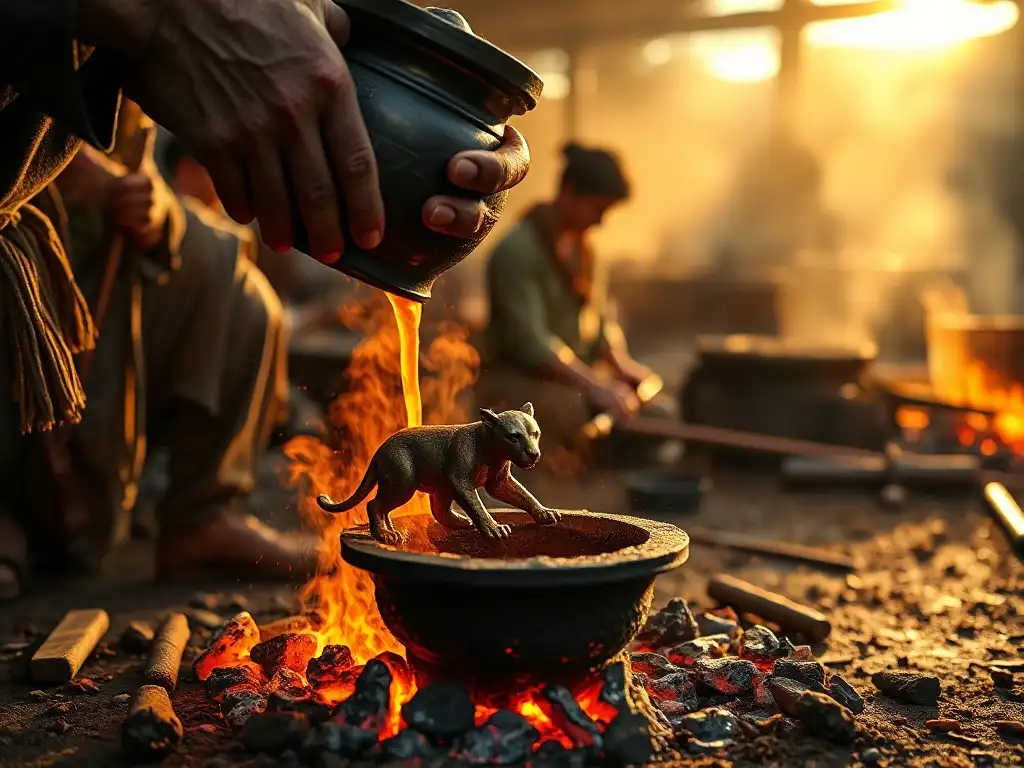
The culmination of the meticulous lost-wax process involved the crucial step of metal pouring. Inca artisans, demonstrating remarkable skill and precision, poured molten metal—primarily copper, bronze (an alloy of copper and tin), and gold—into the meticulously prepared molds. The temperature control was paramount; too low, and the metal would solidify prematurely, resulting in an incomplete casting. Too high, and the mold itself could melt or suffer damage, ruining the entire piece.
Evidence suggests they likely used crucibles made of clay or stone, heated in specialized furnaces, possibly fueled by charcoal or other readily available materials. The exact furnace design and heating methods remain areas of ongoing research, but archaeological findings consistently reveal the remarkable consistency in the quality of their castings, hinting at a high degree of expertise and standardized techniques passed down through generations. The pouring itself was likely a carefully choreographed event, requiring multiple individuals to manage the heat, positioning, and flow of the molten metal to ensure complete filling of the mold without spillage or air pockets.
The success of this stage directly determined the quality and integrity of the final artifact, underscoring the importance of this step in Inca metalworking. Improper pouring could lead to flawed castings, requiring the entire process to be restarted from the wax model stage. The skill and experience of the metal pourers were therefore highly valued within Inca society.
Finishing Touches: Detailing and Refining the Metalwork
Once the metal had cooled and solidified, the painstaking process of removing the mold began. The ceramic shell was carefully broken away, revealing the newly cast artifact. However, the work was far from finished. The Inca artisans then embarked on a meticulous process of refining and detailing the metalwork. This involved removing any excess metal, smoothing rough surfaces, and adding intricate details.
Tools employed likely included various types of chisels, hammers, and files, potentially made from stone or metal itself. Archaeological studies have uncovered examples of finely crafted tools that attest to the level of sophistication involved in these finishing processes. The artisans might have used abrasive materials like sand or stones to polish the surfaces to a high sheen. In the case of gold and silver objects, techniques like hammering and annealing (heating and cooling) were used to shape and strengthen the metal.
For more elaborate pieces, further embellishments like inlays of other precious metals or stones were added, demonstrating a high level of artistry and technical skill. The final stage often involved the application of patinas or other surface treatments to enhance the appearance and durability of the finished piece. This multi-stage refinement process transformed the raw casting into a polished, visually stunning artifact, reflecting the dedication and expertise of Inca metalworkers. The precision and artistry evident in surviving Inca metalwork stand as a testament to their mastery of these intricate finishing techniques.
Analyzing Inca Lost-Wax Artifacts: Evidence of Craftsmanship
The Inca Empire's mastery of lost-wax casting, a sophisticated metalworking technique, is undeniable. Analyzing surviving artifacts provides crucial insights into their methods, revealing not only technical proficiency but also the artistry and cultural significance embedded within these objects. The remarkable detail and precision evident in Inca metalwork, from intricate jewelry to impressive ceremonial objects, underscore the high level of skill achieved by their artisans.
This section will delve into specific examples, examining the techniques employed and the implications for our understanding of Inca society. Understanding Inca lostwax casting techniques requires a multifaceted approach, combining archaeological findings with metallurgical analysis to paint a complete picture. The sheer volume of surviving artifacts, despite the ravages of time and looting, offers a rich dataset for study.
The consistency in quality across various objects suggests a well-established and possibly standardized system of training and production. This standardization, however, did not stifle creativity; the surviving pieces display a remarkable range of styles and designs.
Case Studies: Examining Inca Masks and Figurines
Several case studies highlight the intricacies of Inca lost-wax casting. Consider the intricately crafted gold masks, often depicting human or animal figures. The incredibly fine details – individual strands of hair, delicate facial features, or the texture of fur – are testament to the artisans' skill and the sophistication of their tools and techniques.
These masks were not merely decorative; their use in religious ceremonies and burials underscores their cultural importance. Analysis of these masks reveals the use of multiple alloys, sometimes within a single piece, showcasing a deep understanding of metallurgy. Furthermore, the consistent application of gilding and patination techniques demonstrates a high level of artistry and control over the final product.
Similarly, small gold and silver figurines, often depicting deities or animals, demonstrate mastery of miniature lost-wax casting. The ability to create such small, yet highly detailed, objects requires exceptional precision and control over the entire casting process. These figurines, frequently found in tombs and ceremonial contexts, offer further evidence of the symbolic and ritualistic significance of metalwork in Inca society.
Analyzing the composition of these figurines also reveals interesting insights into the sources of raw materials used by the Inca metalworkers, providing clues to trade networks and resource management within the empire. The intricate details, often including inlaid stones or other embellishments, showcase a level of artistry that is truly remarkable.
Identifying Techniques Through Archaeological Analysis
Archaeological excavations at Inca sites have yielded invaluable evidence regarding lost-wax casting techniques. The discovery of crucibles, molds, and other tools provides concrete evidence of the methods employed. The analysis of these tools, combined with the study of the artifacts themselves, allows researchers to reconstruct the step-by-step process. For example, the discovery of multiple-part molds indicates a sophisticated understanding of creating complex shapes.
The presence of specific types of clay and other materials used in mold-making further illuminates the technical aspects of the process. Furthermore, the analysis of residues found on tools and artifacts provides insights into the alloys used and the techniques employed in refining and processing metals. This meticulous approach to archaeological investigation is essential for understanding the nuances of Inca lostwax casting techniques. The meticulous nature of the archaeological evidence provides compelling support for the sophistication of Inca metalworking.
The Precision and Skill of Inca Metalworkers
The precision and skill of Inca metalworkers are evident in the remarkable consistency and quality of surviving artifacts. The ability to create objects with such fine detail, using relatively simple tools, highlights the expertise of the artisans. The seamless integration of different metals and the use of advanced techniques, such as repoussé and chasing, further showcase their mastery.
This level of skill suggests a long tradition of metalworking, possibly passed down through generations within specialized workshops. The sophisticated understanding of metallurgy, evident in the selection and combination of alloys, demonstrates a high level of technical knowledge. The Inca metalworkers were not merely craftsmen; they were artists who imbued their creations with cultural and religious significance.
Their work represents a pinnacle of achievement in Andean metalworking and stands as a testament to the ingenuity and skill of the Inca civilization. The legacy of their intricate lost-wax casting techniques continues to inspire awe and admiration, enriching our understanding of Inca culture and technology.
Variations and Adaptations in Inca Casting Techniques
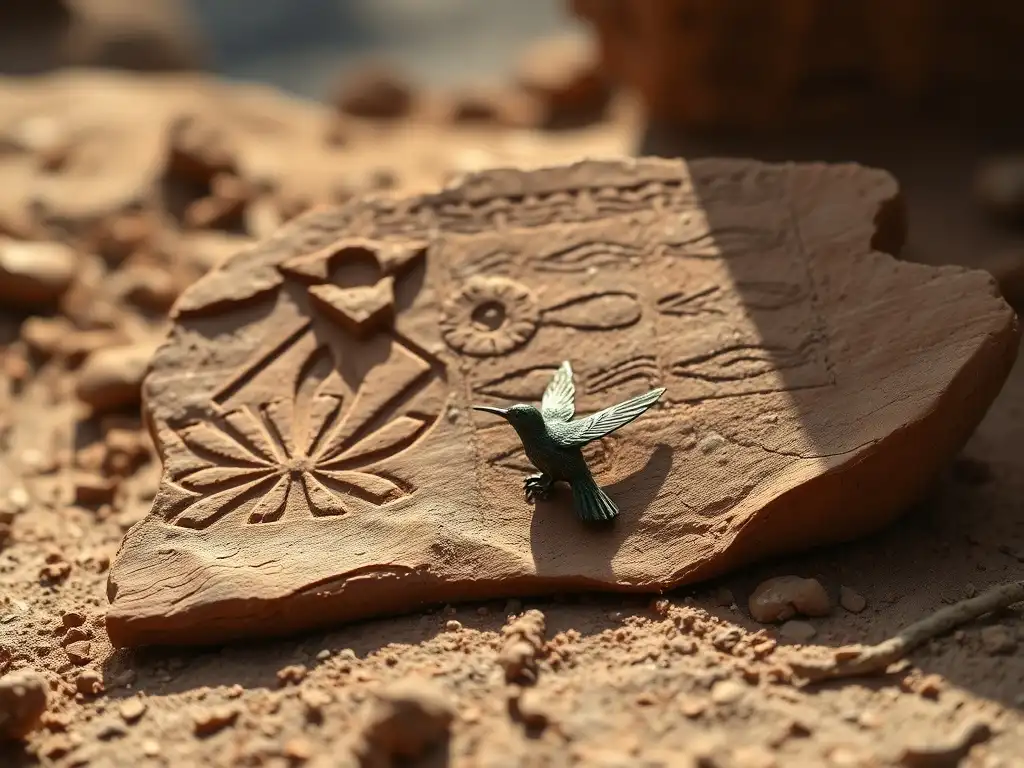
The Inca Empire, renowned for its sophisticated metalworking, didn't employ a single, monolithic lost-wax casting technique. Instead, artisans across the vast empire adapted and refined the process, resulting in a fascinating array of regional styles and technical innovations. Understanding these variations is crucial to appreciating the ingenuity and artistry of Inca metalworkers. The "Inca lostwax casting techniques" were far from standardized, reflecting both the diverse resources available and the specific aesthetic preferences of different regions. This section will explore some of these key variations.
Regional Differences in Metalworking Practices
Significant differences existed in the types of metals used and the specific casting techniques employed across the Inca Empire. For example, coastal regions, with access to copper and other alloys, often produced different styles of jewelry and tools compared to the highlands, where gold and silver were more prevalent. The availability of specific clays and fuels also influenced the casting process. Some regions might have favored specific mold-making techniques, leading to variations in the final product's surface finish and detail.
Consider the differences between the coastal Moche and the high-altitude Cuzco workshops. Moche artisans, known for their intricate goldwork, might have utilized a more refined lost-wax technique, resulting in exceptionally delicate and detailed castings. In contrast, Cuzco workshops, often focusing on larger ceremonial objects, may have employed techniques designed for greater scale and robustness. Detailed metallurgical analysis of artifacts from different regions would further illuminate these regional practices; however, [specific data on comparative metallurgical analysis pending]. The diversity in available resources and cultural preferences meant that the "Inca lostwax casting techniques" weren't a single, uniform practice.
The Evolution of Lost-Wax Methods
The Inca lost-wax casting techniques weren't static; they evolved over time. While the fundamental principles remained consistent, refinements and improvements were introduced throughout the empire's history. Archaeological evidence suggests a gradual increase in the complexity of castings, indicating advancements in both the technical skill of the artisans and their understanding of the metallurgical properties of different alloys.
Early Inca castings, for example, might exhibit simpler designs and less refined surface finishes compared to later pieces. This evolution is likely linked to improvements in the preparation of the wax models, the creation of the molds, and the control of the casting process itself. The development of more sophisticated alloys, allowing for greater strength and durability, also played a significant role in this evolution.
Further research into the stratigraphy of Inca metallurgical sites could reveal a more precise timeline of these technological advancements; however, [detailed stratigraphic analysis pending]. The continuous refinement underscores the dynamic nature of "Inca lostwax casting techniques".
Innovative Approaches to Complex Metal Designs
Inca artisans demonstrated remarkable ingenuity in adapting lost-wax casting to create incredibly complex and detailed metal designs. They mastered techniques that allowed them to cast intricate shapes and delicate features, surpassing the capabilities of many contemporary metalworking traditions. This mastery extended beyond simple forms to include multi-part castings, the integration of different metals, and the creation of hollow forms.
For instance, the creation of intricate miniature figurines, often found as part of larger ceremonial objects, required a level of precision and control that highlights the advanced skill of the Inca metalworkers. The ability to cast these small, intricate pieces without breakage or distortion speaks volumes about their understanding of the thermal properties of metals and their mastery of the lost-wax process. Moreover, the incorporation of inlaid stones and other decorative elements into cast metal pieces showcases a sophisticated understanding of materials science and artistic design.
The detailed analysis of these complex artifacts provides valuable insights into the advanced "Inca lostwax casting techniques". The sheer artistry and technical skill involved are truly astonishing.
The Importance of Lost-Wax Casting in Inca Art and Culture
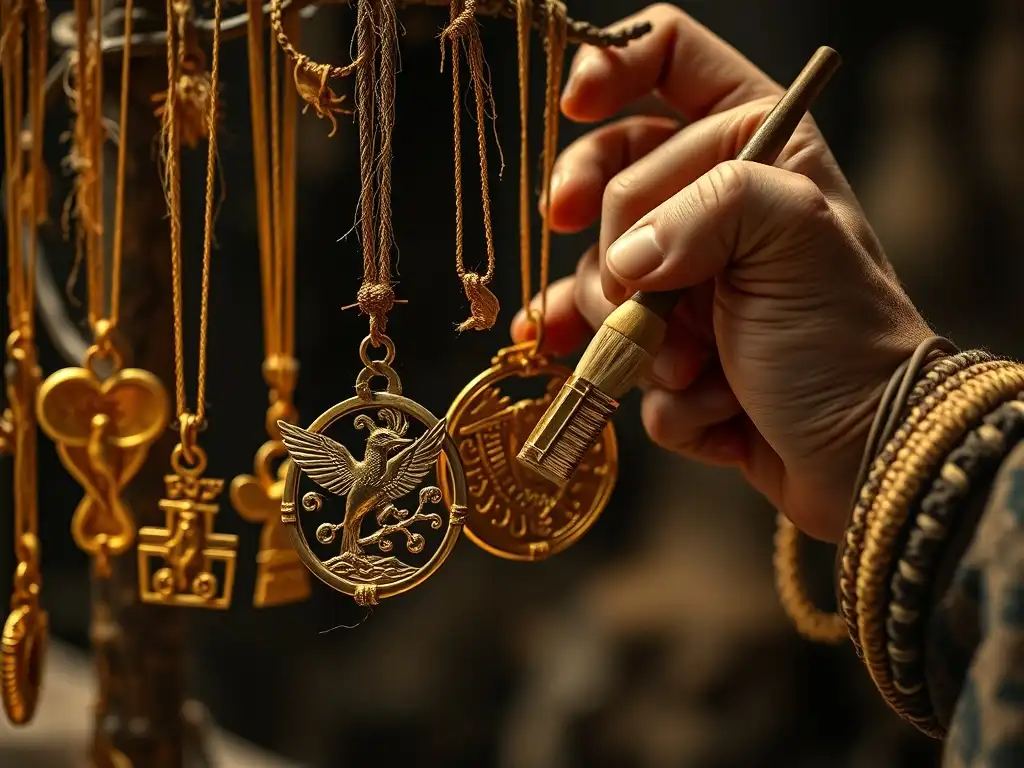
Lost-wax casting, also known as the cire perdue method, was not merely a technical skill for the Inca; it was deeply intertwined with their art, culture, and worldview. The intricate detail and artistic mastery evident in surviving Inca artifacts, from ceremonial objects to everyday tools, highlight the sophisticated understanding and refined application of this technique. The ability to create complex, three-dimensional forms in precious metals like gold, silver, and copper solidified the Inca's position as masters of metalworking within the Andes.
The precision and artistry involved elevated these objects beyond mere utilitarian items; they became powerful symbols of status, power, and religious significance, reflecting the Inca's cosmological beliefs and social hierarchy. The mastery of Inca lostwax casting techniques is a testament to their advanced technological prowess and artistic vision.
This sophisticated method allowed them to produce objects of remarkable beauty and complexity, showcasing their unparalleled skill and understanding of metallurgy. The widespread use of lost-wax casting across various aspects of Inca life underscores its importance as a core element of their cultural identity.
Lost-Wax Casting and Ritual Objects: The Religious Significance
The religious significance of Inca metalwork produced via lost-wax casting is undeniable. Many surviving examples, such as intricately crafted tumi (ceremonial knives) and miniature figurines of deities, were clearly intended for ritualistic purposes. The meticulous detail and often symbolic imagery incorporated into these pieces suggest a profound connection between the casting process itself and the spiritual realm.
For example, the use of specific alloys, the incorporation of semi-precious stones, and the depiction of specific deities all contribute to the ritualistic power and meaning embedded within these objects. Analysis of these objects reveals the high level of skill and precision required, suggesting that the artisans were highly respected members of society and their work held immense spiritual value.
The dedication and skill evident in the creation of these ritual objects speaks to the profound belief system of the Inca and the central role of metalworking in their religious practices. Further research into the specific iconography and the metallurgical composition of these objects could reveal even more about the religious beliefs and practices of the Inca.
The Symbolism of Inca Metalwork
Inca metalwork, largely created through lost-wax casting, was rife with symbolism. The choice of metal itself held significant meaning. Gold, associated with the sun god Inti, represented power, divinity, and royalty. Silver, often linked to the moon, symbolized fertility and abundance.
Copper, a more readily available metal, was used for a wider range of objects, reflecting its association with everyday life. Beyond the material itself, the shapes and designs incorporated into the objects carried further symbolic weight. For instance, the tumi's crescent shape might represent the moon or a stylized mountain, while animal motifs could represent specific deities or natural forces.
The intricate designs found on other artifacts, such as intricate geometric patterns or representations of mythical creatures, speak to the Inca's complex cosmology and their deep understanding of the natural world. Further research is needed to fully decipher the complete range of symbolic meanings encoded within these magnificent artifacts. Detailed iconographic studies combined with metallurgical analysis are crucial to fully understanding the symbolic language of Inca metalwork.
The Role of Metal Artisans in Inca Society
The artisans who mastered the Inca lostwax casting techniques occupied a specialized and likely highly respected position within Inca society. The skill, patience, and knowledge required to execute this complex process suggest a rigorous apprenticeship and a hierarchical structure within the metalworking guilds. These individuals weren't simply craftspeople; their expertise was essential for producing the ritual objects, royal regalia, and other items crucial to the Inca's political and religious systems.
While specific details regarding their social standing remain elusive, the quality and importance of their work strongly suggest that they held a position of considerable prestige and influence. The meticulous nature of the lost-wax casting process and the symbolic significance of the resulting artifacts point towards a highly organized and specialized system of production, with metal artisans playing a vital role in the maintenance of Inca power and religious authority.
Further investigation into Inca social structures and the organization of labor is necessary to fully illuminate the role and status of these skilled metalworkers within the broader Inca civilization. Archaeological excavations and the careful study of surviving artifacts continue to offer valuable insights into this fascinating aspect of Inca society.
The Enduring Legacy of Inca Lost-Wax Casting
The Inca Empire, renowned for its sophisticated artistry and engineering prowess, left behind a remarkable legacy in metalworking, particularly in its mastery of lost-wax casting. This intricate technique, refined over centuries, allowed Inca artisans to create stunningly detailed figurines, jewelry, and tools from precious metals like gold, silver, and copper alloys. The precision and artistry evident in these pieces speak volumes about the advanced metallurgical knowledge and skilled craftsmanship of the Inca people. Their ability to manipulate metals with such finesse showcases not only technical expertise but also a deep understanding of material properties and aesthetic principles.
Understanding Inca lost-wax casting techniques provides a window into their societal structure, religious beliefs, and artistic sensibilities. The survival of these artifacts, despite the passage of time and the upheaval of conquest, underscores their enduring cultural significance. The legacy of Inca metalworking continues to inspire awe and admiration, influencing contemporary artists and researchers alike.
Studying these techniques allows us to appreciate the ingenuity and skill of a civilization that flourished in the challenging Andean environment. The sheer volume and variety of surviving examples, from delicate earrings to imposing ceremonial objects, testifies to the widespread practice and importance of this craft within Inca society. Further research into the specific compositions of their alloys could reveal even more about their sophisticated understanding of metallurgy.
Modern Replications of Inca Metalworking Techniques
Modern attempts to replicate Inca lost-wax casting techniques have yielded fascinating insights into the process. Researchers and artisans have painstakingly recreated the steps involved, from creating the wax models to the final casting and finishing. These replications not only demonstrate the feasibility of the techniques but also highlight the challenges faced by Inca artisans. For instance, achieving the precise detail and thinness of certain pieces requires a high degree of skill and patience.
The use of specific types of waxes, crucibles, and molds, as well as the precise control of temperature and airflow during the casting process, are critical factors that have been meticulously studied in modern replications. The analysis of surviving Inca tools and equipment provides further clues, allowing for a deeper understanding of the techniques employed. While many aspects are now understood, some aspects, such as the precise composition of their casting molds and the exact methods used for alloying, still remain subject to ongoing investigation and debate.
The continued experimentation and refinement of modern replications enhance our understanding and appreciation of the Inca's remarkable achievements. The results of these modern efforts are not just aesthetically pleasing; they offer invaluable insights into the scientific and artistic ingenuity of the Inca civilization. Furthermore, these replications serve as powerful educational tools, bringing the lost-wax casting techniques to life for a wider audience.
The Influence of Inca Metalwork on Contemporary Art
The aesthetic impact of Inca metalwork extends far beyond its historical significance. Contemporary artists continue to draw inspiration from the intricate designs, sophisticated techniques, and symbolic imagery found in Inca artifacts. The stylistic elements, such as the use of repetitive motifs, intricate geometric patterns, and zoomorphic forms, are frequently incorporated into modern designs, reflecting a lasting influence on contemporary jewelry, sculpture, and other art forms.
For example, many contemporary Andean artists have integrated elements of Inca stylistic patterns into their work, preserving and celebrating the legacy of their ancestors. The innovative use of materials and techniques in Inca metalworking also serves as a source of inspiration for contemporary artists experimenting with new ways of working with metals. This influence is not limited to the Andean region but extends globally, with artists around the world recognizing and appreciating the unique beauty and craftsmanship of Inca metalwork.
The enduring appeal of Inca aesthetics showcases the timeless quality of their artistry and its ability to resonate across cultures and time periods. The study of Inca metalwork provides a rich source of inspiration and technical knowledge for contemporary artists seeking to push the boundaries of their craft. This cross-cultural exchange and influence enriches both the historical understanding of Inca culture and the contemporary artistic landscape.
Appreciating the Craft of the Inca People
Appreciating the craft of the Inca people requires recognizing the intricate interplay of artistry, technology, and social structures that made their metalworking possible. The Inca lost-wax casting techniques were not merely a technical skill; they were deeply integrated into their religious beliefs, social hierarchy, and economic systems. The creation of elaborate gold and silver objects served both religious and political purposes, reinforcing the power and authority of the Inca rulers.
The detailed designs often incorporated symbolic imagery related to their mythology and cosmology, reflecting a complex worldview. Moreover, the production and distribution of these artifacts involved a complex network of specialized artisans, miners, and traders, highlighting the sophistication of their economic organization. Understanding the social and cultural context surrounding Inca metalworking is crucial to fully appreciating the significance of their achievements.
Each piece is not simply an object, but a testament to the ingenuity, skill, and cultural values of the Inca civilization. This integrated approach to understanding their craft allows for a richer and more nuanced appreciation of the Inca legacy, moving beyond simple aesthetic admiration to a deeper understanding of their society and worldview. The meticulous craftsmanship, symbolic richness, and social significance of Inca metalwork combine to create a legacy of enduring beauty and historical importance.
Frequently Asked Questions
What is lost-wax casting?
Lost-wax casting, also known as investment casting, is an ancient method of metalworking. It involves creating a wax model of the desired object, covering it in a mold, melting out the wax, and then pouring molten metal into the resulting cavity. This process allows for intricate details to be reproduced.
How did the Incas use lost-wax casting?
The Incas mastered lost-wax casting to produce high-quality gold and silver objects, including jewelry, tools, and religious artifacts. Their skilled artisans employed this technique to create remarkably detailed and sophisticated pieces.
What materials did the Incas use in lost-wax casting?
The Incas primarily used gold and silver, along with alloys of these metals, in their lost-wax casting processes. They also utilized copper and bronze in some instances, showcasing their mastery over various materials.
What makes Inca lost-wax casting techniques unique?
Inca lost-wax casting is notable for its exceptional precision and artistry. The intricacy and detail achieved in their castings demonstrate a high level of technical skill and artistic sophistication, far surpassing many other contemporary cultures.
Where can I learn more about Inca lost-wax casting techniques?
Further research into archaeological findings and museum collections featuring Inca metalwork will reveal more about their techniques. Scholarly articles and books on Andean civilizations also provide in-depth information on this fascinating subject.
Final Reflection: The Enduring Legacy of Inca Lost-Wax Mastery
The intricate artistry of Inca lost-wax casting continues to resonate today, a testament to the ingenuity and cultural depth of a civilization lost to time. The precision and sophistication of their techniques, revealed through painstaking archaeological research and modern experimentation, challenge our assumptions about pre-Columbian metallurgy and highlight the remarkable skill of Inca artisans. This knowledge, painstakingly reconstructed, offers a powerful glimpse into a lost world and its remarkable achievements.
The impact of Inca lost-wax casting extends far beyond the realm of archaeology; it speaks to the enduring power of human creativity and innovation. The techniques themselves, passed down through generations, represent a profound understanding of material science and artistic expression. Their legacy inspires contemporary artists and craftspeople, reminding us of the potential for human ingenuity to transcend time and cultural boundaries. The past is never dead. It's not even past.
- William Faulkner. This quote perfectly encapsulates the enduring relevance of understanding and appreciating Inca lost-wax casting techniques. Their methods continue to inform and inspire, demonstrating the timeless nature of artistic skill and technological advancement.
Consider, for a moment, the meticulous process involved in each piece: the creation of the wax model, the careful application of the investment mold, the intense heat of the furnace, and the final unveiling of the finished artifact. Each step represents a dedication to artistry and a deep connection to the materials being worked.
You, too, can appreciate this dedication by seeking out examples of lost-wax casting in your own life, whether it be in contemporary art or ancient artifacts. Let the enduring legacy of Inca craftsmanship inspire you to appreciate the skill and dedication required to create something truly beautiful and enduring.
Unveil the Secrets of Incan Craftsmanship!
Thank you for exploring the fascinating world of Incan casting techniques with us! We hope you're inspired by the ingenuity and artistry of the lost-wax method that shaped an entire civilization. Now, it's your turn to delve deeper and connect with this rich heritage.
Here are some exciting ways to continue your exploration:
- **Participate in a hands-on metal casting workshop** to experience the artistry firsthand. Many community colleges and art centers offer such classes.
- **Share this article** on social media to help spread awareness of Incan craftsmanship and its enduring legacy.
- **Expand your knowledge:** Visit museums showcasing Incan artifacts or delve into books and documentaries about Andean history to further enrich your understanding.
What aspect of Incan craftsmanship most captivates you, and how will you incorporate that inspiration into your own creative endeavors?