
The Importance of Feasts and Celebrations in Inca Religious Life

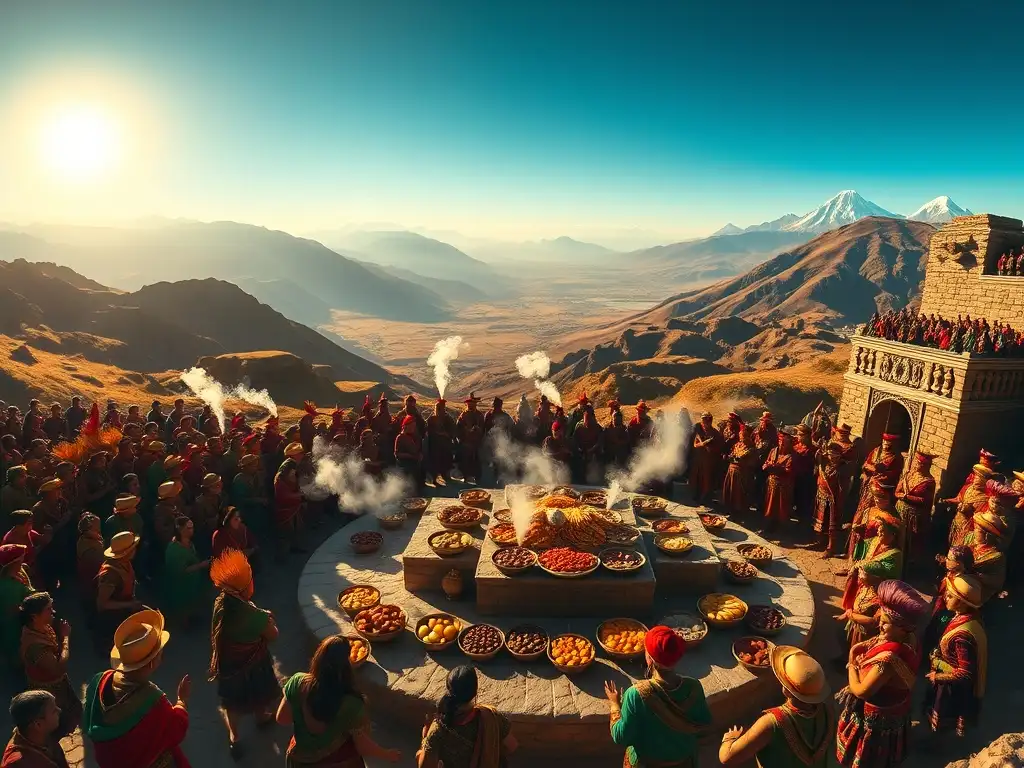
Welcome, explorer! Prepare to be captivated by the enigmatic world of the Andean civilizations. Journey through millennia of innovation, artistry, and spiritual depth, uncovering the secrets of empires like the Incas, Moche, and Nazca. But first, delve into the intriguing religious significance of Inca feasts: a lavish spectacle of ritual and community that held the very fabric of their society together. Discover how these vibrant celebrations shaped their beliefs and cemented their power. Read on to uncover the astonishing truth...
The Inca Empire, renowned for its sophisticated engineering, intricate social structures, and vast territorial expanse, also possessed a deeply complex and interwoven religious system. Understanding Inca religion requires delving beyond the monumental architecture and intricate textiles; it necessitates exploring the vibrant tapestry of ritualistic practices, including the crucial role of feasts and celebrations. These weren't mere social gatherings; they were integral to the Inca worldview, serving as powerful mechanisms for maintaining cosmic balance, honoring deities, solidifying social bonds, and expressing gratitude for bountiful harvests and successful endeavors.
This article will examine the significance of Inca feasts, revealing how these events were deeply embedded in their religious beliefs and practices, ultimately providing a richer understanding of the Inca Empire's spiritual landscape and its impact on daily life. The keyword "Inca feasts religious significance" will be explored throughout, highlighting the profound connection between celebratory events and the Inca spiritual realm.
Understanding Inca Religious Practices through Festivities
Inca religious practices were deeply intertwined with the agricultural cycle and the natural world. The Inti Raymi (Festival of the Sun), celebrated at the solstice in June, stands as a prime example. This grand spectacle involved elaborate ceremonies, processions, sacrifices, and feasts, all aimed at ensuring the sun's continued benevolence and a successful harvest.
The festivities weren't limited to the elite; participation spanned all social strata, reflecting the unifying power of religion within Inca society. Smaller, more localized celebrations also occurred throughout the year, often tied to specific agricultural events like planting and harvesting. These smaller feasts, while less grandiose than Inti Raymi, were equally crucial in reinforcing community bonds and expressing gratitude to the apus (mountain spirits) and other deities for their blessings.
The significance of these events is underscored by the meticulous planning and preparation involved, demonstrating the profound importance placed upon them by Inca society. Evidence suggests that the preparation for these feasts, including the cultivation of specific crops and the creation of intricate textiles and artifacts, began months in advance. The meticulous nature of this preparation further emphasizes the deeply-rooted religious significance of these celebrations.
The meticulous nature of these preparations, including the cultivation of specific crops for offerings and the crafting of intricate textiles and artifacts, highlights the profound importance placed on these events. Archaeological findings consistently reveal evidence of feasts, such as the remains of food offerings and ceremonial vessels found in sacred sites. These discoveries help us reconstruct the elaborate rituals and the significant role feasts played in the Inca religious calendar. Furthermore, the distribution of food and drink during these events reinforced social hierarchies and strengthened community ties, reflecting the intricate interplay between religious and social structures.
The Central Role of Inca Feasts in the Andean Worldview
Inca feasts weren't merely celebratory events; they were crucial rituals that maintained the delicate balance between the human and spiritual realms. The offerings made during these celebrations – often including llama sacrifices, chicha (fermented corn beer), and coca leaves – were seen as vital in appeasing the gods and ensuring the continuity of life. This understanding is crucial to grasping the Andean worldview, which viewed the cosmos as an interconnected system where the actions of humans directly impacted the spiritual realm.
The abundance or scarcity of food was directly linked to the favor of the deities, making feasts a potent tool for influencing the natural world and ensuring prosperity. The elaborate ceremonies, including prayers, music, and dance, were believed to facilitate communication with the supernatural, strengthening the bond between the Inca people and their gods.
The capacocha sacrifices, while undeniably tragic, also held a significant place within the Inca religious system and often involved feasts. These human sacrifices, typically involving children and young adults, were viewed as the ultimate offering to the gods, ensuring their continued favor and the prosperity of the empire. While ethically complex, understanding capacocha requires acknowledging its central role within the larger framework of Inca religious belief and practice, and its connection to the grander celebratory feasts.
The rituals surrounding these sacrifices were elaborate and involved communal participation, further emphasizing the interconnectedness of religious and social life. The impact of these events on the Inca worldview cannot be understated, highlighting the profound connection between human sacrifice, religious observance, and the larger social fabric of the Inca Empire. The careful study of these events provides a deeper understanding of the "Inca feasts religious significance" and the complexities of their spiritual world.
- Understanding Inca Religious Practices through Festivities
- The Central Role of Inca Feasts in the Andean Worldview
Major Inca Religious Festivals and Their Significance
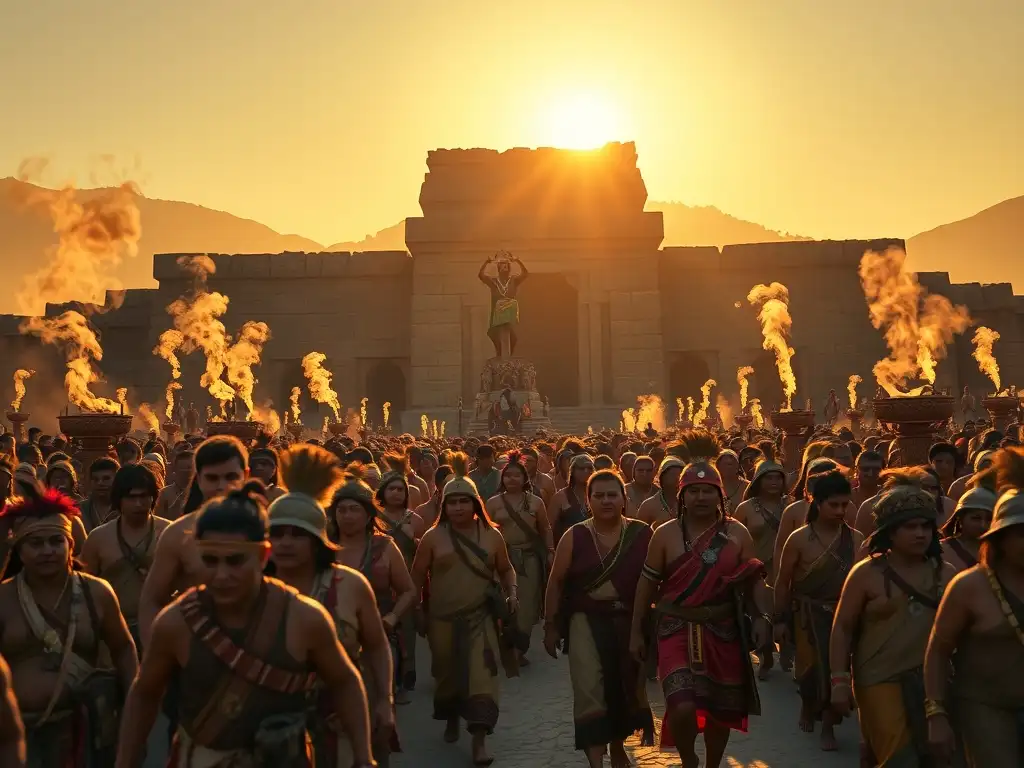
The Inca Empire, renowned for its sophisticated social structure and impressive architectural feats, also possessed a deeply ingrained religious system that permeated all aspects of life. Feasts and celebrations played a crucial role in this system, serving not only as social gatherings but also as vital rituals reinforcing the Inca worldview and maintaining cosmic balance. Understanding the significance of Inca feasts is key to unlocking a deeper understanding of their religious beliefs and practices.
The Inca calendar, meticulously observed, dictated the timing of these crucial events, many of which were tied to the agricultural cycle and the celestial movements of the sun and stars. The term "Inca feasts religious significance" encapsulates the profound spiritual meaning imbued in these celebrations.
Inti Raymi: The Festival of the Sun and its Rituals
Inti Raymi, meaning "Festival of the Sun," was perhaps the most important festival in the Inca calendar. Celebrated during the winter solstice (around June 21st), it was a time of great reverence for Inti, the sun god, considered the most important deity in the Inca pantheon. This festival wasn't merely a celebration; it was a ritual reaffirming the Inca's connection to the cosmos and ensuring the continued prosperity of their empire.
The timing of Inti Raymi, coinciding with the winter solstice, highlights the significance of the sun's return and the renewal of life after the shortest day of the year. The Inca's deep understanding of the agricultural cycle and their reliance on the sun for their crops made this festival a critical moment for ensuring a successful harvest.
The Significance of the Winter Solstice for the Inca
The winter solstice held profound symbolic meaning for the Inca. It represented a critical turning point, the moment when the sun began its journey back towards strength and the promise of longer days and warmer weather. This astronomical event was not just observed; it was actively participated in, with elaborate rituals designed to encourage the sun's renewed vigor and ensure the bounty of the coming harvest.
The Inca believed that their actions during Inti Raymi directly influenced the sun's power, demonstrating a deeply intertwined relationship between the human world and the celestial realm. The meticulous tracking of the solstice, using sophisticated astronomical observations, further underscores the importance of this event in Inca cosmology.
Ritual Performances and Offerings during Inti Raymi
Inti Raymi involved elaborate processions, sacrifices, and theatrical performances. The Inca emperor, Sapa Inca, played a central role, performing rituals atop the sacred mountain of Sacsayhuamán near Cusco. These rituals included offerings of llamas, maize, and other precious goods to appease Inti and ensure his continued favor. The performances, often involving elaborate costumes and dances, depicted stories from Inca mythology, reinforcing the importance of their religious beliefs and traditions.
Detailed accounts from Spanish chronicles, although often biased, offer glimpses into the splendor and complexity of these rituals. Archaeological evidence, such as the remains of sacrificial sites and ceremonial objects, further supports our understanding of the scale and intensity of Inti Raymi. For example, [specific details about sacrificial offerings found at Sacsayhuamán pending].
Capac Raymi: The Ceremony of Royal Initiation
Capac Raymi, translated as "Royal Feast," was another significant Inca festival, although its exact timing and rituals remain less well documented than Inti Raymi. This ceremony marked the official initiation of the Sapa Inca into his role as the supreme ruler and the spiritual leader of the empire. Unlike Inti Raymi, which focused on the cosmic order and the agricultural cycle, Capac Raymi was more focused on the continuity of power and the legitimacy of the Inca dynasty. It was a celebration of the Inca lineage and their divine right to rule.
The Importance of the Capac Raymi for the Inca Nobility
The Capac Raymi ceremony served to reinforce the hierarchical structure of Inca society. It solidified the Sapa Inca's authority, emphasizing his divine connection and the obedience owed to him by the nobility and the common people. The nobility's participation in this ceremony, through elaborate displays of wealth and loyalty, further strengthened their position within the empire's social hierarchy.
The lavish feasts and offerings during the ceremony were not merely displays of power but symbolic affirmations of their allegiance to the Sapa Inca and their shared destiny. The meticulous planning and execution of the Capac Raymi emphasized the importance of order and stability within the Inca Empire.
Rituals and Ceremonies Performed during Capac Raymi
While specific details about the rituals performed during Capac Raymi are scarce, it is believed that the ceremony involved elaborate processions, sacrifices, and possibly symbolic coronations. The Sapa Inca would likely have received gifts and pledges of loyalty from various regions of the empire, highlighting the far-reaching influence of his authority. These rituals, though less documented than those of Inti Raymi, undoubtedly reinforced the religious and political power of the Inca emperor and the legitimacy of his rule.
Further research and analysis of archaeological evidence are necessary to gain a more complete understanding of the nature and significance of Capac Raymi. [Specific details about rituals and ceremonies performed during Capac Raymi pending]. The study of Inca feasts and their religious significance continues to reveal fascinating aspects of this complex and fascinating civilization.
Coya Raymi: Honoring the Moon and Fertility
The Coya Raymi, a significant Inca festival, was dedicated to the moon, specifically the female deity Mama Killa. This celebration, often coinciding with the lunar cycles, held profound religious significance for the Inca people, reflecting their deep-seated reverence for the celestial bodies and their influence on earthly life. The festival was not merely a celebration of the moon's beauty; it was a complex ritual aimed at ensuring fertility, both human and agricultural.
The timing of Coya Raymi, often linked to specific lunar phases, suggests a sophisticated understanding of the moon's impact on planting and harvesting cycles. This meticulous attention to lunar cycles underscores the Inca's practical and spiritual connection to the natural world.
The festivities involved elaborate ceremonies, processions, and offerings, designed to honor Mama Killa and secure her benevolent influence. Evidence suggests that the Coya, the Inca queen, played a central role in these ceremonies, further highlighting the festival's importance in the Inca imperial structure.
The Role of the Moon in Inca Beliefs
In Inca cosmology, the moon held a prominent position, representing feminine power and fertility. Mama Killa, the moon goddess, was considered a powerful deity, influencing the cycles of life, death, and rebirth. The Inca's detailed observation of lunar phases demonstrates a sophisticated understanding of astronomy and its practical applications. Beyond its agricultural implications, the moon was deeply entwined with Inca religious beliefs, influencing spiritual practices and rituals.
Many Inca myths and legends feature Mama Killa, emphasizing her importance in the Inca pantheon. The moon’s phases were often incorporated into the Inca calendar, shaping the timing of agricultural activities and religious festivals. This profound connection between the celestial and earthly realms underscores the holistic nature of Inca religious thought. Detailed astronomical records, though scarce today, suggest a highly developed understanding of celestial mechanics within Inca society.
Fertility Rites and Celebrations in Coya Raymi
Coya Raymi included a range of rituals aimed at ensuring fertility. These rites encompassed both human fertility and the fertility of the land, reflecting the Inca's interconnected view of the natural and spiritual worlds. Offerings of coca leaves, llama sacrifices, and other gifts were presented to Mama Killa to appease the deity and secure her blessings.
Processions, often involving the Coya and other high-ranking officials, would wind through the city, culminating in elaborate ceremonies at designated sacred sites. These ceremonies, likely involving music, dance, and prayer, served to reinforce community bonds and reaffirm the Inca's spiritual connection to the moon. Specific details regarding the exact nature of these fertility rites remain somewhat elusive, as much of the Inca's religious practices were passed down orally and were not extensively documented in writing.
However, archaeological evidence, coupled with surviving accounts from Spanish chroniclers, provides valuable insights into the significance of these ceremonies. The presence of intricately carved moon motifs on Inca pottery and textiles further attests to the importance of the moon goddess in their culture.
Uma Raymi: The Festival of Water
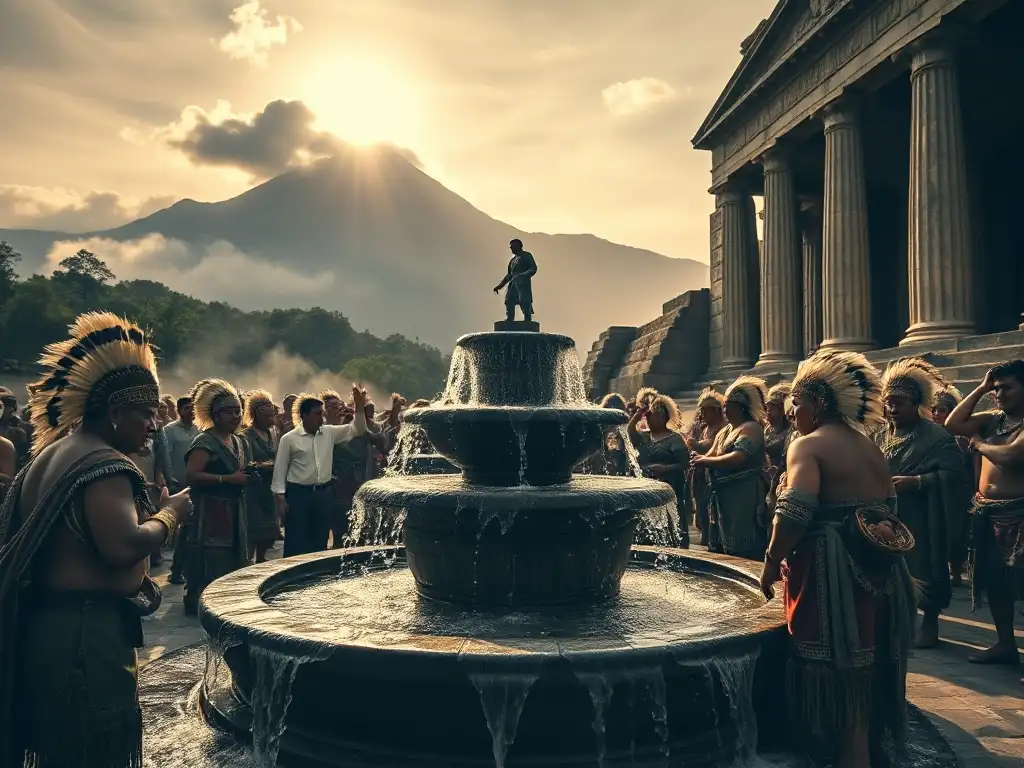
Uma Raymi, the "Festival of Water," was a crucial Inca festival dedicated to the worship of water deities and the celebration of water's life-giving properties. This festival, held during the rainy season, highlighted the importance of water in Inca agriculture and everyday life. The Inca civilization, flourishing in a diverse Andean landscape, relied heavily on water for irrigation, agriculture, and sustenance.
The celebration of Uma Raymi was not simply a joyous occasion; it was a vital ritual aimed at ensuring the continued flow of water, preventing droughts, and securing bountiful harvests. The festival’s significance underscores the profound understanding the Inca had of the delicate balance of their ecosystem and their deep dependence on water resources.
The Importance of Water in Inca Agriculture and Beliefs
Water was considered sacred by the Inca, a life-giving force essential for both physical and spiritual well-being. The Inca's sophisticated irrigation systems, a testament to their engineering prowess, demonstrate their deep understanding of water management. Their intricate network of canals and aqueducts, still visible in some areas today, enabled them to cultivate vast stretches of land, supporting a large and thriving population. Beyond its practical applications, water held a central place in Inca religious beliefs.
Water deities were worshipped, and rituals were performed to ensure the continuous flow of water and its beneficial effects on agriculture and human life. This reverence for water is reflected in Inca mythology and iconography. The Inca's deep respect for water wasn't solely based on its practical value; it stemmed from a holistic worldview that recognized water as a fundamental element of life, both material and spiritual.
Rituals and Offerings to Water Deities
Uma Raymi involved elaborate rituals and offerings to appease the water deities and ensure the continuity of water sources. These rituals might have included processions to sacred springs and lakes, accompanied by prayers, songs, and offerings. The offerings likely included coca leaves, food, and other precious items, presented to the deities as a sign of respect and gratitude.
The precise nature of these rituals remains partially unknown, but surviving accounts and archaeological findings offer glimpses into the spiritual practices surrounding the worship of water deities. The Inca’s deep reverence for water is evident in their architectural choices, as many Inca settlements were strategically situated near water sources.
This careful selection underscores the importance of water not only for agriculture but also for the spiritual and social life of the communities. The ceremonies of Uma Raymi, therefore, were not just celebrations; they were essential rituals aimed at maintaining a harmonious relationship between the Inca people and the natural world, particularly its most precious resource: water.
Ayarmarca Raymi: Honoring the Ancestors
The Ayarmarca Raymi, a significant Inca festival, stands out for its profound focus on ancestor veneration. This festival, likely celebrated in the month of August (though precise dates are debated amongst scholars), wasn't just a celebration; it was a crucial ritual reaffirming the Inca's connection to their lineage and the cosmos.
The Ayarmarca Raymi, whose name translates roughly to "Feast of Ayarmarca," likely took place in the sacred area of Ayarmarca, a site believed to hold a powerful spiritual significance due to its association with the legendary Ayar brothers, considered founders of the Inca civilization. This location underscores the importance of the festival's geographical context, linking the ritual to specific sacred spaces.
The meticulous planning and participation of various social groups highlighted the festival's collective importance, transcending individual concerns. The vibrant ceremonies and offerings served as a powerful reminder of the continuity between the living and the deceased, a vital aspect of Inca cosmology.
The Role of Ancestors in Inca Society
Ancestor veneration was not merely a religious practice in Inca society; it was deeply ingrained in their social structure and worldview. The Inca believed that their ancestors, particularly those who had achieved high status during their lifetimes, continued to exert influence on the living world. They were seen as intermediaries between the human realm and the divine, capable of bestowing blessings, offering protection, or even inflicting misfortune.
This belief system profoundly impacted Inca politics, social organization, and daily life. Royal lineages held immense power, partly due to the perceived spiritual strength derived from their illustrious ancestors. The Inca believed that a strong connection to their ancestors ensured the prosperity and stability of their empire.
This belief is reflected in their elaborate burial practices and the construction of impressive mausoleums, such as those found at Ollantaytambo and Pachacamac. These weren't just burial sites; they were places of continued interaction and veneration, where offerings were made and rituals performed to maintain the connection with the deceased. The continuity of the royal bloodline was deeply connected to this belief, ensuring the ongoing spiritual power of the Inca rulers.
Rituals and Practices of Ancestor Veneration
The rituals associated with the Ayarmarca Raymi, and ancestor veneration in general, involved a complex interplay of offerings, prayers, and symbolic actions. Offerings included coca leaves, chicha (fermented corn beer), and various agricultural products, all intended to appease and honor the ancestors. These offerings weren't simply discarded; they were carefully placed in designated areas, sometimes within tombs or sacred sites. Priests, often highly trained specialists, played a crucial role in conducting these ceremonies.
Their expertise in interpreting omens and communicating with the spiritual world was essential to ensuring the success of the rituals. The use of specific chants, prayers, and musical instruments further enhanced the spiritual atmosphere of the ceremonies. Evidence suggests that mummified remains of ancestors were sometimes brought out during these festivals, demonstrating a tangible connection to the past.
Furthermore, the use of textiles and other artifacts in these rituals points to a profound symbolic understanding of the relationship between the living and the deceased, where material objects served as conduits for spiritual communication. The elaborate nature of these rituals underscores the paramount importance of ancestor veneration within the Inca belief system. The precision and care taken in these practices highlight the deep-seated belief in the continuous influence of the ancestors on the living.
The Religious Significance of Offerings and Sacrifices in Inca Celebrations
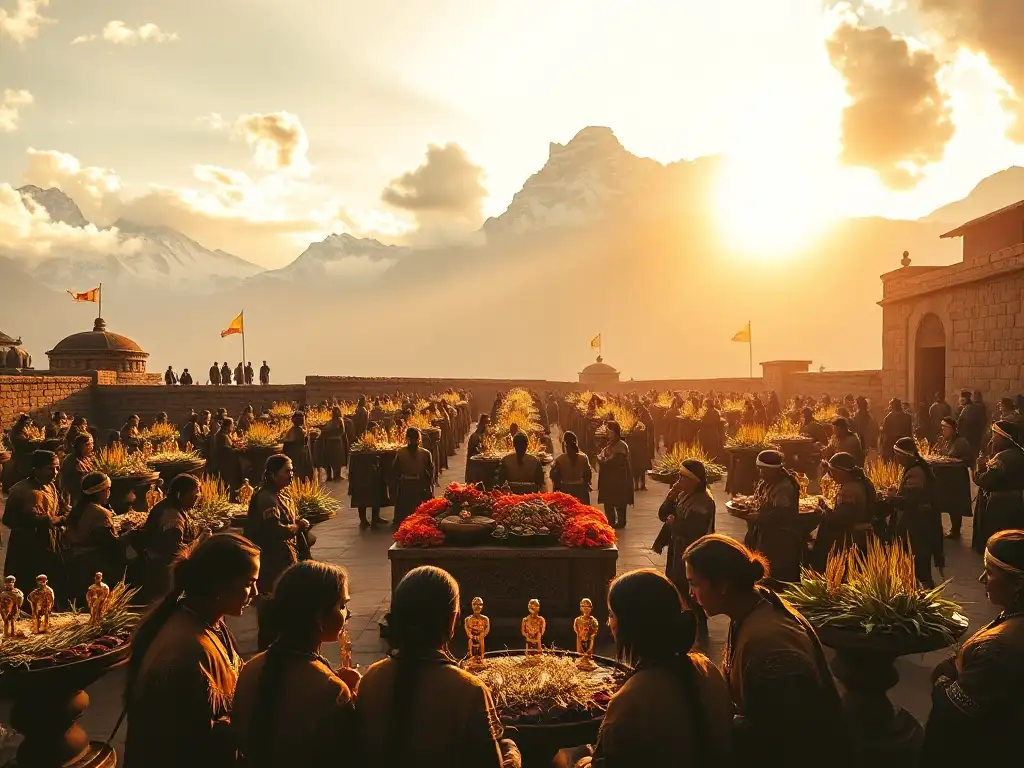
Inca feasts were not merely social gatherings; they held profound religious significance, deeply intertwined with the Inca worldview and their relationship with the supernatural. Offerings and sacrifices formed a crucial element of these celebrations, acting as a bridge between the human and divine realms. The Incas believed that appeasing the gods and maintaining ayni, a reciprocal system of exchange, was essential for the well-being of the empire and its people. These rituals were carefully orchestrated, with specific offerings tailored to the occasion and the deity being honored.
The success of harvests, military victories, and the overall prosperity of the empire were all believed to depend on the proper performance of these rituals. The Inca feasts religious significance is thus inextricably linked to the concept of reciprocity and the maintenance of cosmic balance. Understanding these offerings provides crucial insight into the Inca's deeply spiritual way of life.
The Role of Animals in Inca Sacrificial Rituals
Animal sacrifices played a significant role in Inca religious life, particularly during major festivals and agricultural cycles. Llamas, alpacas, and guinea pigs were common offerings, their symbolic meaning varying depending on the context. Llamas, for instance, often represented wealth and status, and their sacrifice could be interpreted as a gesture of generosity towards the gods.
The choice of animal, its age, and the manner of sacrifice all contributed to the ritual's significance. Detailed records regarding the specific rituals surrounding animal sacrifice are scarce; however, archaeological evidence suggests that these events were often accompanied by elaborate ceremonies involving priests, music, and feasting. The blood of the sacrificed animal was often considered sacred and used in various rituals, including the sprinkling of fields to ensure a bountiful harvest.
The meticulous preparation and execution of these sacrifices underscore the importance the Incas placed on maintaining harmony between the human and spiritual worlds. The Inca feasts religious significance is further enhanced by the symbolic power attributed to these animal offerings.
Human Sacrifice (Capacocha) and its Religious Context
Human sacrifice, known as capacocha, represented the most extreme form of offering within the Inca religious system. While not a common practice, it held immense religious weight, associated with moments of great significance, such as the death of a Sapa Inca or the consecration of a new temple. Contrary to popular misconceptions, capacocha wasn't a random act of violence but a ritualistic sacrifice aimed at maintaining cosmic order and ensuring the prosperity of the empire.
Victims were carefully selected, often children of high social standing who were considered to be particularly pure and close to the gods. Their sacrifice was viewed not as a punishment, but as an ultimate honor, a way for them to become intermediaries between the human and divine realms.
The selection process and the ritual itself were shrouded in secrecy, emphasizing their sacred and extraordinary nature. The Inca feasts religious significance reached its apex with capacocha, highlighting the profound devotion and the complex worldview that shaped Inca religious practices.
The Purpose of Capacocha in Maintaining Cosmic Order
The Inca belief system emphasized the interconnectedness of all things, a cosmic order that needed to be constantly maintained. Capacocha was believed to be essential in preserving this balance. By offering the most precious thing – a human life – the Incas sought to appease the gods, ensuring their continued favor and protection. The sacrifice was seen as a form of payment, a way to repay the gods for their blessings and avert misfortune.
The selection of children from different regions of the empire also reinforced the unity of the Inca state, symbolizing the allegiance of the provinces to the central authority. The ritual itself involved elaborate ceremonies, often taking place on mountaintops, considered sacred spaces where the human and divine realms intersected. The Inca feasts religious significance is thus understood within a broader context of maintaining cosmic equilibrium and ensuring the continued prosperity of the empire.
The Selection and Preparation of Capacocha Victims
The selection process for capacocha victims was highly ritualistic and involved careful consideration. Children, often of noble birth, were chosen for their perceived purity and closeness to the divine. They were considered representatives of their communities, offering their lives for the well-being of the entire empire. Before the sacrifice, these children underwent a period of preparation, often involving special diets, rituals, and adornment.
Archaeological evidence suggests that some victims were treated with great care and respect during this period, indicating that their sacrifice was viewed as a sacred duty rather than a cruel punishment. The details of this preparation remain largely unknown, however, highlighting the need for further research into this fascinating and complex aspect of Inca culture. The meticulous preparation underscores the Inca feasts religious significance, emphasizing the profound reverence and respect given to the process.
Offerings of Food, Textiles, and Precious Metals
The Inca worldview deeply intertwined the spiritual and material realms, making offerings a cornerstone of their religious practices, especially during feasts and celebrations. These weren't simply gifts; they were acts of profound respect and communication with the gods and ancestors, aiming to secure their favor and maintain ayni, the principle of reciprocity. The type and quantity of offerings varied depending on the specific deity, the occasion, and the social standing of the offerer. Elaborate ceremonies often involved a careful selection of items, demonstrating a profound understanding of symbolic meaning.
Food offerings were central, reflecting the importance of agriculture in Inca society. Maize, potatoes, quinoa, and coca leaves – staples of the Inca diet – were presented as tokens of gratitude for bountiful harvests. The quality of the food was significant; the finest produce, often specially cultivated, was reserved for offerings to the most important deities. The preparation itself was also ritualistic, involving specific techniques and prayers. For example, chicha, a fermented corn beverage, played a crucial role in many ceremonies, symbolizing both nourishment and intoxication, a state believed to facilitate communication with the spirit world.
Textiles, another crucial element of Inca material culture, held significant religious value. Finely woven fabrics, often adorned with intricate designs representing deities or mythical creatures, served as prestigious offerings. These weren't simply discarded after the ceremony; many were used to adorn sacred objects or were kept in temples as symbols of the community's devotion. The craftsmanship and the materials used—alpaca or llama wool, for instance—reflected the value placed upon the offering, and the effort invested demonstrated the sincerity of the devotion. The colors themselves also carried symbolic meaning, adding another layer of complexity to the offering.
Precious metals, such as gold and silver, played a significant role in Inca religious life, representing the sun's brilliance and the power of the gods. Gold, in particular, was associated with the sun god Inti, and elaborate golden objects—figurines, masks, and jewelry—were offered to ensure the sun's continued benevolence, vital for the success of agriculture and the well-being of the empire. Silver, representing the moon, was also highly valued and used in similar offerings.
The sheer artistry and the preciousness of the materials emphasized the importance of the event and the respect paid to the divine. The creation of these metallic objects was often itself a ritualistic act, imbued with spiritual significance. The meticulous craftsmanship reflected the belief that the offering should be worthy of the recipient.
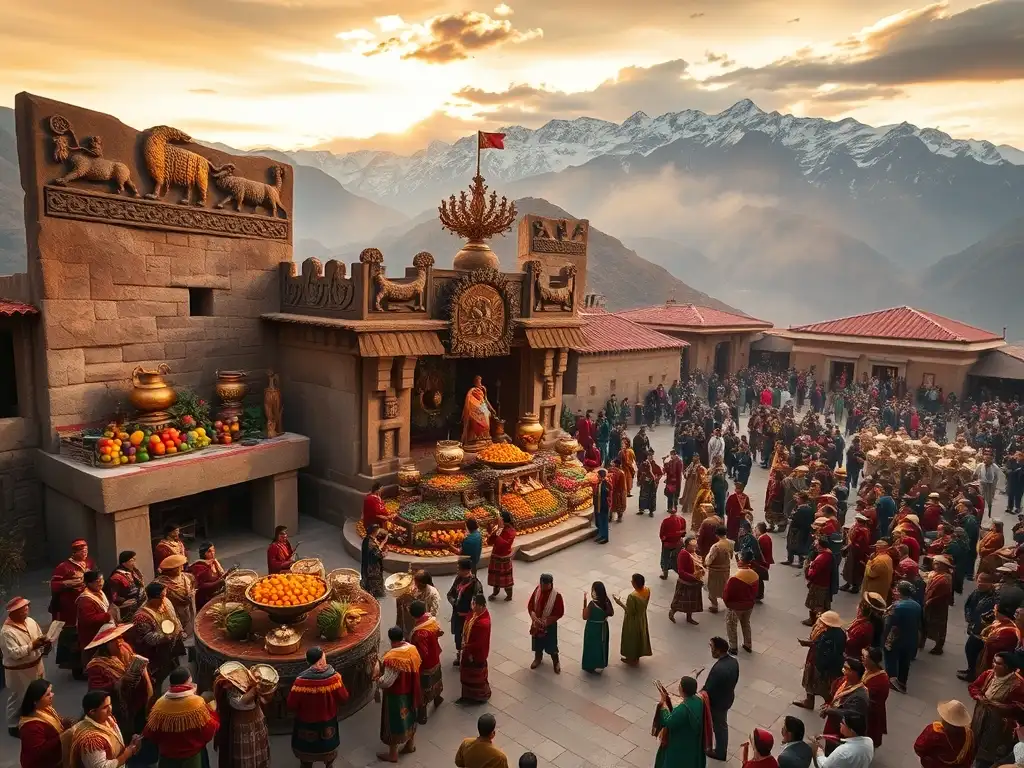
Inca society, deeply intertwined with its religious beliefs, utilized feasts and celebrations not merely as spiritual exercises, but as powerful tools shaping social structures and political power. These events, imbued with profound religious significance, served to reinforce social hierarchies, consolidate political control, and maintain the intricate web of Inca governance. The meticulous planning, elaborate rituals, and widespread participation in these feasts highlight their crucial role in the Inca worldview and their enduring impact on the empire's stability.
Analyzing these celebrations reveals a sophisticated system where religious practice and political strategy were intricately interwoven. Understanding the Inca feasts religious significance requires examining their social and political ramifications alongside their spiritual dimensions.
Inca feasts served as potent catalysts for social cohesion, fostering a sense of shared identity and collective purpose amongst the diverse populations within the vast empire. These gatherings, often involving entire communities, transcended ethnic and regional boundaries, creating opportunities for interaction and mutual understanding. The shared consumption of food and drink, participation in common rituals, and the witnessing of spectacular performances fostered a sense of belonging and strengthened social bonds.
For example, the Capac Raymi, the most important Inca festival celebrating the sun god Inti, involved massive participation from across the empire, uniting people from various provinces under a common religious banner. The collective experience of these celebrations reinforced the overarching Inca identity and mitigated potential social tensions arising from the empire's heterogeneity.
This sense of shared identity was crucial for maintaining social order and stability within a geographically vast and culturally diverse realm. The meticulous organization and widespread participation in these events demonstrate the Inca's deliberate strategy to leverage religious celebrations for social engineering and unity.
The Role of the Inca Elite in Directing Religious Celebrations
The Inca elite played a pivotal role in orchestrating and controlling religious feasts, using them to reinforce their authority and maintain their privileged position within society. The Sapa Inca, the emperor, held the ultimate authority over religious matters, and his participation in major feasts was essential for their legitimacy and impact.
High-ranking priests, willac uma, and other members of the nobility played crucial roles in planning, executing, and interpreting the religious aspects of these celebrations. The elaborate rituals, the distribution of resources, and the selection of participants were all carefully managed by the elite, ensuring that the feasts served to bolster their power and prestige.
The control over the resources and the narrative surrounding these events allowed the Inca elite to shape public perception and reaffirm their divine right to rule. The feasts were not simply spontaneous gatherings; they were meticulously planned and executed spectacles designed to reaffirm the power structure of the Inca empire.
The Inca cleverly used feasts and celebrations as a potent means of reinforcing their political authority and projecting their power throughout the empire. The sheer scale and spectacle of these events served as a powerful demonstration of the Inca's wealth, organizational capacity, and control over resources. The distribution of food and other goods during feasts served as a form of patronage, solidifying loyalty and dependence among the populace.
Moreover, the carefully choreographed religious rituals and performances reiterated the Inca's divine connection and their right to rule. The Sapa Inca's presence at these events was a powerful symbol of his authority, underscoring his role as both the supreme political and religious leader. The Inca feasts were therefore not just religious events; they were carefully crafted political performances designed to consolidate power and maintain social order within the vast Inca empire.
The meticulous organization and strategic deployment of these celebrations underscores the Inca's sophisticated understanding of the interplay between religion and political control. The Inca feasts religious significance extended far beyond the spiritual realm, playing a crucial role in shaping the empire's social fabric and political landscape.
Inca Religious Feasts: A Legacy for Andean Culture
Inca feasts held profound religious significance, deeply intertwined with their cosmology and agricultural cycles. These weren't merely social gatherings; they were vital rituals that reinforced social order, honored deities, and ensured the prosperity of the empire. The Inca feasts religious significance extended far beyond mere culinary enjoyment; they represented a complex interplay of spiritual beliefs, social structures, and agricultural practices. Understanding these feasts offers crucial insight into the Inca worldview and their sophisticated societal organization.
The frequency and scale of these events varied greatly, depending on the specific occasion and the location. Some were small, localized ceremonies, while others were massive, empire-wide celebrations involving thousands of participants. The meticulous planning and execution of these events underscore the importance the Inca placed on ritual observance.
The Continuity of Inca Traditions in Modern Andean Communities
Many Inca traditions, including aspects of their religious feasts, persist in modern Andean communities. Although significantly altered over centuries of syncretism with Catholicism and other influences, the core principles of community gathering, ritual offerings, and the honoring of ancestral spirits remain. For instance, the Fiesta de la Virgen del Carmen, celebrated in many Andean communities, incorporates elements of pre-Columbian rituals alongside Catholic traditions.
This blending demonstrates the enduring power of Inca religious practices, seamlessly integrating with later belief systems. The vibrant colors, music, and dances involved often echo the celebratory energy and communal spirit evident in descriptions of Inca feasts. The use of specific foods, such as corn and potatoes – staples of the Inca diet – also serves as a tangible link to the past, highlighting the continuity of agricultural practices and their religious significance.
Further research is needed to fully document the specific variations of these celebrations across different Andean regions and communities, [specific information pending on regional variations of Inca-influenced celebrations]. The study of these contemporary celebrations provides invaluable insight into the resilience and adaptation of Inca religious beliefs throughout history.
The Importance of Preserving Inca Ritual Knowledge
Preserving the knowledge surrounding Inca feasts is crucial for understanding their complex religious system and the cultural heritage of the Andes. The loss of this knowledge represents a significant loss to both historical and anthropological studies. Many details of specific rituals and their associated ceremonies have been lost to time, relying heavily on fragmented archaeological evidence and colonial accounts, often biased.
Careful analysis of surviving artifacts, such as pottery depicting ceremonial scenes and textiles adorned with symbolic imagery, can shed light on these practices. The ongoing efforts of Andean communities to maintain their traditions, however, provide a valuable source of living knowledge. Ethnographic research and oral histories offer crucial perspectives on the continuity and evolution of these rituals.
The challenge lies in balancing the respectful documentation of these traditions with the need to protect the cultural integrity and sensitivities of the communities involved. A collaborative approach, involving archaeologists, anthropologists, and community members, is essential for ensuring the responsible preservation and interpretation of this invaluable heritage. The meticulous recording of these practices, including their associated narratives and symbolic meanings, is paramount for future generations.
Inca Celebrations as a Window into Their Belief System
Inca celebrations offer a unique window into their multifaceted belief system. The intricate rituals surrounding these feasts provide insights into their cosmology, their understanding of the natural world, and their relationship with the supernatural. For example, the Capacocha sacrifices, though a somber aspect of Inca religious life, reveal the importance of maintaining cosmic balance and ensuring the prosperity of the empire. The selection of individuals for these sacrifices, often children of noble families, demonstrates the intricate social hierarchy and the belief in the divine power of the Inca ruler.
Similarly, agricultural festivals, such as those associated with the harvest, reveal the deep connection between the Inca and the land. These celebrations were not merely expressions of gratitude; they were essential rituals designed to ensure future abundance. The careful choreography of these events, with their specific sequences of offerings, prayers, and dances, highlights the structured nature of Inca religious practices.
Further research into the iconography associated with these celebrations, such as the use of specific colors, symbols, and motifs, could reveal additional layers of meaning within these complex rituals. The careful study of Inca feasts provides a rich tapestry of insights into the religious landscape of the Inca Empire. The Inca feasts religious significance was integral to the empire’s social, political, and spiritual fabric.
Frequently Asked Questions
What was the religious significance of Inca feasts?
Inca feasts held profound religious significance, strengthening the relationship between the people and their gods. They were integral to maintaining cosmic balance and ensuring a successful harvest. Rituals and offerings were central to these celebrations.
How did Inca feasts connect with the Inca worldview?
Inca feasts reflected their cosmological beliefs, connecting the earthly realm with the spiritual world. These events reinforced the authority of the Sapa Inca and the Inca state's control over resources. Agricultural cycles were often mirrored in the timing and nature of the feasts.
What types of offerings were made during Inca feasts?
Offerings varied but often included food and drink, such as chicha (corn beer), coca leaves, and llama meat. Precious metals and textiles were also presented to appease deities and ensure their favor. The type of offering depended on the specific deity and the purpose of the feast.
Were all Inca feasts religious in nature?
While many were deeply religious, not all Inca feasts held strictly religious significance. Some celebrated important life events, such as births, marriages, or deaths, while others marked agricultural milestones or military victories. Even secular feasts often incorporated religious elements.
How did Inca feasts impact Inca society?
Inca feasts served as crucial social events, strengthening community bonds and reinforcing social hierarchies. They provided opportunities for reciprocity and redistribution of resources, contributing to the stability of the Inca empire. They also reinforced the ideology of the Inca state.
Final Reflection: Echoes of the Inca Feast: A Legacy of Ritual and Renewal
The vibrant tapestry of Inca religious life, woven with threads of ritual and celebration, continues to resonate in the modern world. The intricate ceremonies, elaborate feasts, and profound connection to the Andean landscape weren't merely historical events; they were—and remain—powerful expressions of community, spirituality, and a deep-seated respect for the natural world. Understanding this legacy offers crucial insights into the enduring power of collective ritual and its impact on societal cohesion.
The influence of Inca feasts extends far beyond the archaeological record; it subtly shapes our understanding of community building and the importance of shared experiences. The emphasis on reciprocity, gratitude, and the harmonious relationship between humanity and nature resonates deeply with contemporary concerns about environmental sustainability and social justice. The Inca worldview was not one of dominion over nature, but of participation within it,
a perspective that offers a powerful counterpoint to modern anthropocentrism. This enduring message compels us to reconsider our own relationship with the environment and the communities we inhabit.
Consider the power of shared celebration in your own life. How do rituals, both large and small, contribute to your sense of belonging and connection? Let the echoes of the Inca feasts inspire you to cultivate moments of collective joy, gratitude, and reverence for the world around you. Embrace the opportunity to build stronger communities through shared experiences, remembering that the spirit of celebration, like the mountains of the Andes, endures through time.
Unveil the Magic of Inca Celebrations!
Thank you for exploring the rich tapestry of Inca religious life and the vital role of feasts and celebrations in shaping their culture and community. Now, it’s time to **deepen your understanding** of this fascinating world!
Here are some ways you can continue your exploration:
- **Host an Inca-Inspired Feast:** Create a gathering inspired by Inca traditions, using local ingredients and sharing the stories behind each dish. This is a wonderful way to bring the culture to life.
- **Learn More About Inca Culture:** Delve deeper into Inca history and customs by visiting a museum, reading books, or exploring online resources. Consider how their rituals and beliefs connect to modern celebrations and traditions.
- **Share Your Discoveries:** Discuss your newfound knowledge with friends, family, or online communities. Spark conversations about the ways celebrations strengthen community bonds, both past and present.
Which Inca celebration or feast resonates most with you, and how might you incorporate its spirit into your own life and celebrations?