
The Paracas Religious Beliefs: Insights from Artifacts and Burials

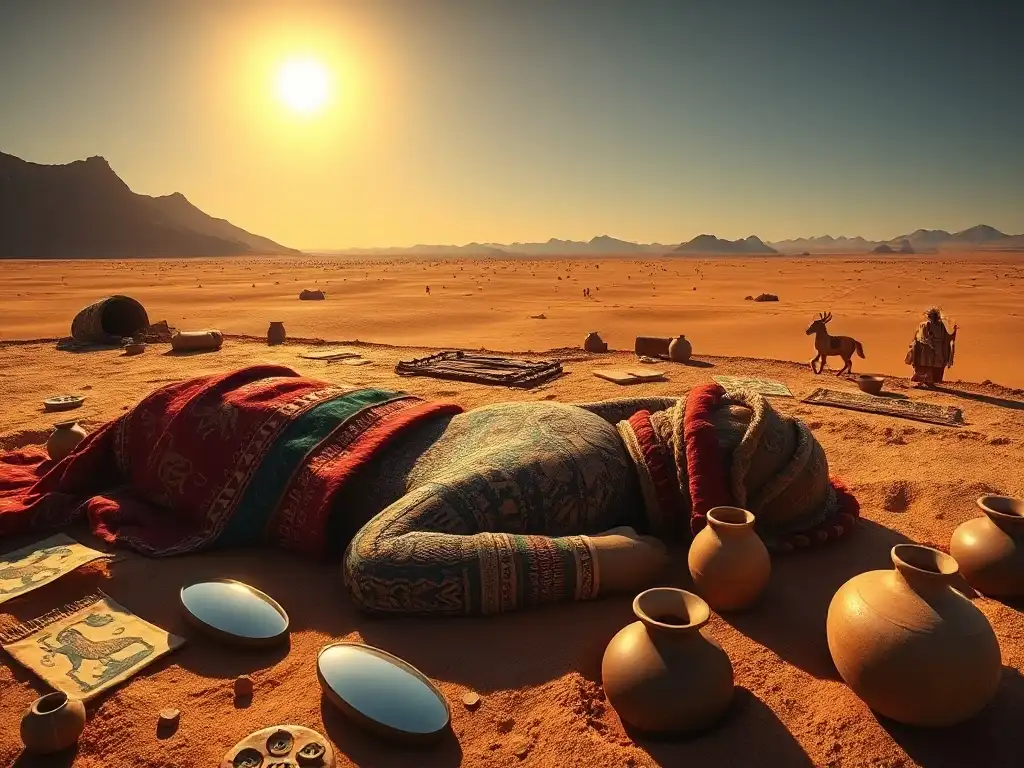
Step into a world lost to time, yet echoing with vibrant life. Dive into the enigmatic heart of the Andean civilizations, where towering empires rose and fell, leaving behind a legacy of breathtaking artistry and profound mystery. Prepare to be captivated by the Paracas burial rituals and artifacts, revealing secrets of their complex religious beliefs and unparalleled craftsmanship. Uncover the astonishing stories hidden within these ancient treasures—a journey into a world unlike any other awaits.
- Paracas Religious Beliefs: Insights from Artifacts and Burials
- Paracas Burial Rituals: A Window into Their Belief System
- Paracas Religious Artifacts: Symbols and Iconography
- Paracas Deities and Supernatural Entities: Evidence from Art and Burials
- Paracas Religious Practices: Rituals and Ceremonies
- Paracas Beliefs and their Connection to Other Andean Cultures
- Conclusion: The Legacy of Paracas Religious Beliefs
-
Frequently Asked Questions
- What were the most important aspects of Paracas burial rituals?
- What types of artifacts are commonly found in Paracas tombs?
- How did Paracas religious beliefs influence their burial practices?
- What can Paracas burial artifacts tell us about their society?
- Where can I learn more about Paracas burial rituals and artifacts?
- Final Reflection: Echoes of the Paracas: A Legacy Woven in Cloth and Bone
- **Unveil the Mysteries of Paracas Culture! **
Paracas Religious Beliefs: Insights from Artifacts and Burials
The Paracas culture, flourishing along the southern coast of Peru between 700 BCE and 200 CE, left behind a remarkable legacy of intricate textiles, elaborate burial practices, and enigmatic artifacts that offer invaluable glimpses into their complex religious beliefs. This article delves into the fascinating world of Paracas spirituality, examining the evidence unearthed from their meticulously crafted burial sites and the symbolic objects interred with their deceased.
By analyzing these "Paracas burial rituals artifacts," we aim to reconstruct a picture of their worldview, understanding their relationship with the supernatural, and the significance they attributed to life, death, and the afterlife. The study of Paracas religious beliefs is not simply an academic exercise; it offers a window into the vibrant tapestry of Andean spirituality and contributes significantly to our understanding of the broader pre-Inca cultural landscape.
This exploration will navigate the complex interplay between ritual practices, material culture, and the spiritual convictions that shaped Paracas society.
Understanding Paracas Spirituality Through Archaeological Evidence
Archaeological excavations of Paracas tombs have yielded a wealth of information about their religious beliefs. The sheer scale and complexity of these burial sites, often containing multiple individuals adorned with lavish textiles and accompanied by a plethora of grave goods, point to a sophisticated religious system. The most striking aspect is the elaborate preparation of the bodies themselves. Mummification techniques, far more advanced than those of their contemporaries, involved meticulous removal of internal organs, followed by careful desiccation and wrapping in layers of fine textiles.
This process, clearly time-consuming and demanding specialized knowledge, highlights the high value placed on the deceased and the afterlife. The meticulous care taken in preparing the bodies suggests a belief in a continued existence beyond physical death, where the deceased retained a significant presence. Furthermore, the inclusion of specific artifacts further clarifies the nature of this belief.
The presence of intricately woven textiles, often depicting deities, mythical creatures, and scenes of ritual significance, provides direct visual representations of Paracas religious imagery. These textiles, unlike utilitarian fabrics, are clearly imbued with symbolic meaning, acting as powerful communication tools conveying religious narratives and beliefs. The repetitive nature of certain motifs across various textiles hints at a shared cosmology and a structured belief system.
For example, [specific textile motif and its interpretation pending] is frequently found, suggesting its central role in Paracas mythology. The discovery of [specific number] similar textiles within a single tomb further emphasizes the importance of these objects in the funerary context.
Beyond textiles, numerous other artifacts offer clues to Paracas spirituality. [Specific examples of artifacts found in Paracas tombs and their possible religious significance pending]. The sheer variety of these objects underscores the multifaceted nature of their religious practices and the diverse expressions of their faith.
The careful arrangement of these objects within the tombs suggests a deliberate and ritualistic act, planned to ensure a successful transition of the deceased into the afterlife. The presence of certain artifacts in specific combinations also hints at potential hierarchical structures within the society or different levels of spiritual significance. For instance, the association of [specific artifact] with high-ranking individuals may suggest its role as a symbol of power or spiritual authority.
Paracas Burial Rituals: A Window into Their Belief System
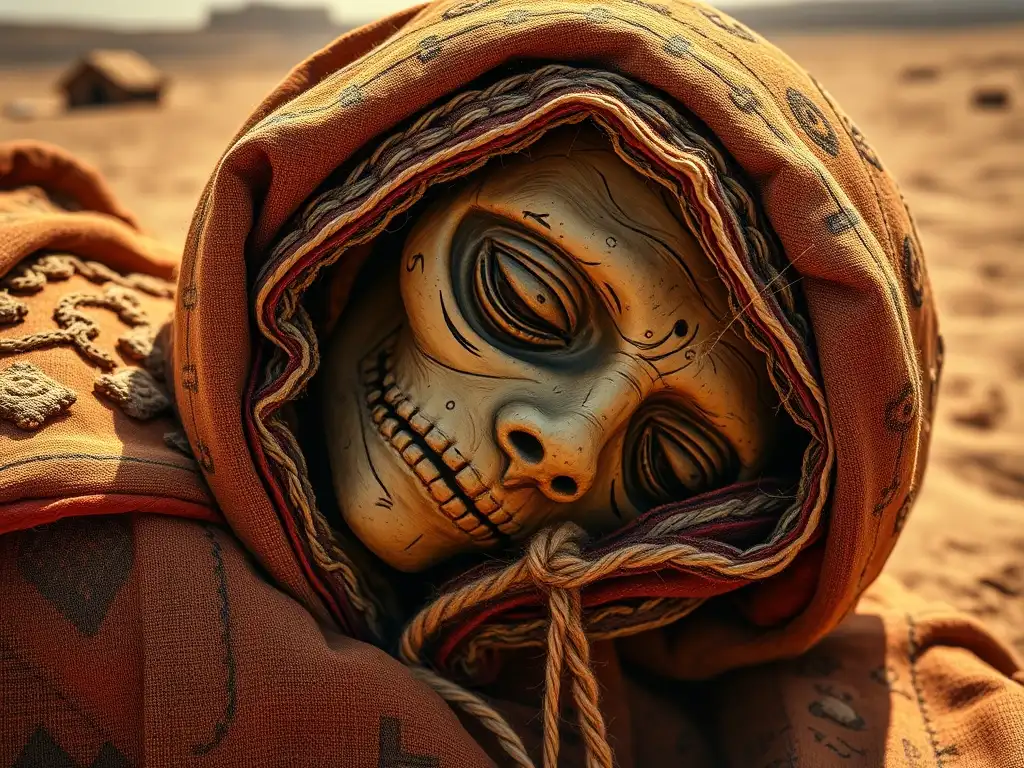
The Paracas culture, flourishing on the southern coast of Peru from approximately 800 BCE to 200 CE, left behind a rich archaeological record that offers invaluable insights into their complex religious beliefs. Their elaborate burial rituals, in particular, provide a compelling glimpse into their worldview, revealing a society deeply concerned with the afterlife and the continuity of life beyond death.
The careful preparation of bodies, the construction of elaborate tombs, and the inclusion of numerous grave goods all point to a sophisticated understanding of death and its implications. Analyzing "Paracas burial rituals artifacts" allows us to unravel the intricate tapestry of their spiritual practices and beliefs.
The Significance of Paracas Necropolises
The sheer scale of Paracas necropolises is striking. These cemeteries, often located in desert areas providing natural preservation, contain hundreds, even thousands, of individual burials. The location itself was likely not arbitrary; the desert environment, with its association with the sun and dryness, might have held symbolic significance, mirroring the desired transformation or preservation of the deceased.
Some necropolises, like the one at Wari Kayan, exhibit intricate organization, suggesting a structured societal hierarchy reflected even in death. The careful placement of tombs, their size and construction variations, all hint at social distinctions within the Paracas community and the significance placed on individual status in the afterlife. The density of these sites underscores the importance of funerary practices within the culture; it wasn't merely a disposal of the dead, but a grand, ritualized event.
Analyzing Paracas Mummy Bundles: Construction and Meaning
Paracas mummies are renowned for their meticulously crafted textile coverings, often referred to as mummy bundles. These are not simply wrappings; they are complex works of art, incorporating layers of intricately woven fabrics, embroidered designs, and various decorative elements. The construction itself was a labor-intensive process, reflecting the significant value placed on the deceased.
The vibrant colors and complex iconography woven into the textiles likely held symbolic meanings, perhaps representing specific deities, ancestral figures, or cosmological concepts. The variety of materials used – cotton, camelid fibers, feathers – might also indicate social status or the individual's role within their community. For example, the use of rare or exotic materials could indicate higher status, while simpler bundles might represent individuals of lower social standing.
The meticulous detail in these bundles points to a belief in a continued existence beyond death, where the deceased would need these adornments in the afterlife. Further research into the dyes and techniques used would enhance our understanding of the craftsmanship and symbolic significance encoded within these remarkable artifacts. The study of "Paracas burial rituals artifacts", specifically the mummy bundles, provides crucial information regarding social stratification and spiritual beliefs.
Grave Goods and Offerings: Decoding the Paracas Afterlife Beliefs
The grave goods accompanying Paracas burials offer further insights into their beliefs about the afterlife. A wide array of objects were included, ranging from intricately woven textiles and pottery to tools, food, and even narcotics. The presence of food and drink suggests a belief in the deceased's continued need for sustenance in the afterlife. Tools might indicate a belief that the deceased would continue their earthly activities in the next world.
The inclusion of narcotics, such as coca leaves, could suggest rituals aimed at facilitating the transition to the afterlife or ensuring a comfortable existence in the spirit world. The types and quantities of grave goods varied considerably among burials, hinting at social distinctions and individual roles within the community. A chief's tomb, for instance, might contain a far greater quantity and variety of offerings than that of a commoner.
Analyzing the distribution and types of grave goods across different burial sites and social strata is crucial for understanding the nuanced beliefs of the Paracas people and their vision of the afterlife. The detailed study of these "Paracas burial rituals artifacts" allows for a deeper comprehension of their religious cosmology and social structures. Further research, particularly chemical analysis of food remains and textile fibers, could provide even more detailed information about the practices and beliefs surrounding death in Paracas society.
Paracas Religious Artifacts: Symbols and Iconography
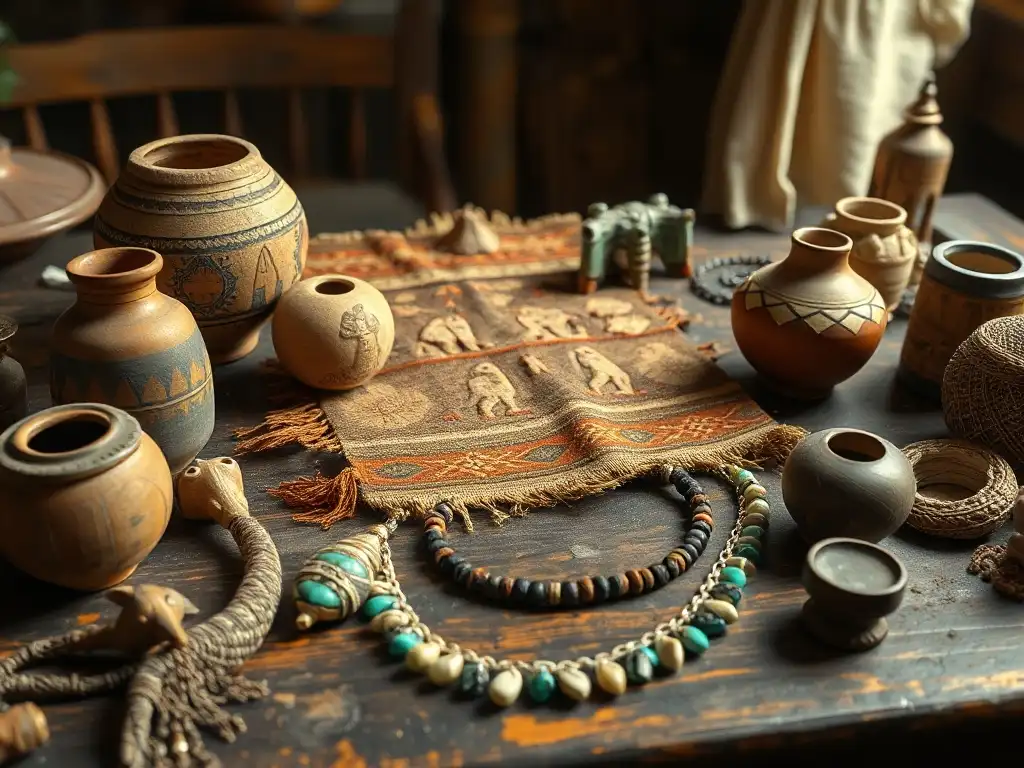
The Paracas culture, flourishing on the southern coast of Peru between 700 BCE and 200 CE, left behind a remarkable legacy of artifacts that offer invaluable insights into their complex religious beliefs. Their sophisticated artistry, evident in textiles, pottery, and metalwork, is imbued with potent symbols and iconography reflecting a worldview deeply connected to the natural world and the supernatural. Understanding these artifacts is crucial to deciphering their intricate religious practices and beliefs – a key aspect of Paracas burial rituals and artifacts.
The recurring motifs and stylistic choices reveal a sophisticated cosmology and a rich pantheon of deities and spirits. Analysis of these objects allows us to reconstruct aspects of their religious life, from daily rituals to elaborate funerary ceremonies. The sheer quantity and diversity of these artifacts underscore the central role religion played in Paracas society.
Textiles as Religious Expressions: Paracas Textile Iconography
Paracas textiles are renowned for their vibrant colors, intricate designs, and exceptional craftsmanship. These weren't merely clothing; many served as religious objects, imbued with symbolic meaning. The iconography woven into these textiles often depicts anthropomorphic figures, often interpreted as deities or shamans, interacting with supernatural beings and elements of the natural world. For instance, recurring motifs include stylized feline figures, possibly representing powerful deities associated with hunting or the underworld, and stylized birds, potentially symbolizing celestial powers or shamanic journeys.
The use of specific colors also holds symbolic weight; vibrant reds and yellows could represent life force or solar energy, while darker colors might symbolize the underworld or death. Detailed analysis of the textile fragments reveals a complex system of visual communication, where even the arrangement of colors and patterns conveys deeper meaning. The elaborate nature of the textiles, often requiring immense time and skill to produce, reinforces their importance within the religious context.
These textiles were not merely functional; they were powerful religious tools, used in rituals and placed within tombs as offerings to the deceased. The intricacy of the designs, combined with the use of rare dyes and precious materials, further highlights the high value placed on these religious objects. Further research into the specific dyes and fibers utilized could provide even more detailed insights into the significance of specific textile pieces.
Paracas Pottery and Ceramics: Religious Motifs and their Interpretations
Paracas pottery and ceramics, like their textiles, are richly decorated with symbolic motifs that shed light on their religious beliefs. The most common motifs include stylized human figures, often depicted in ritualistic poses or adorned with headdresses and jewelry indicative of high status or spiritual power. These figures are frequently associated with supernatural creatures, such as serpents and jaguars, highlighting the importance of these animals in their religious system. The use of specific colors and patterns on the pottery also carries symbolic weight, mirroring the significance of color in their textiles.
For example, the use of black and white might represent duality, while the prevalence of red suggests a connection to life, blood, or sacrifice. The shapes and forms of the vessels themselves can also be significant. Certain vessels, perhaps those used in ritual offerings, might be shaped to resemble animals or deities, further reinforcing their religious significance.
Studies of the chemical composition of the clay and pigments used in the pottery could provide further information about the origins of the materials and their potential symbolic meaning. Analysis of the residues found within certain vessels could also reveal the nature of the substances used in rituals. The stylistic variations in pottery across different Paracas periods also suggest changes in religious practices and beliefs over time.
Paracas Metalwork and Jewelry: Symbolic Use in Rituals
Paracas metalworking, primarily focusing on gold, copper, and silver, produced elaborate jewelry and ornaments, often incorporated into burial rituals. These objects, far from being mere adornments, served as potent religious symbols. The most common motifs include stylized animals, such as condors and jaguars, and abstract shapes that may represent celestial bodies or supernatural forces. The craftsmanship involved in creating these objects is remarkable, suggesting a high level of skill and specialization within the society.
The use of precious metals further emphasizes their sacred importance. The placement of these metal objects within tombs suggests their use in funerary rites, possibly as offerings to ensure the deceased's safe passage to the afterlife. The intricate designs and the use of techniques like repoussé and casting demonstrate not only artistic skill but also the reverence and significance attached to these religious artifacts. Further study of the metallurgy techniques used could reveal valuable information about the technological advancements and the social organization within the Paracas culture.
Detailed analysis of the specific types of metals used and their purity levels could offer additional insights into the religious and social hierarchy within the Paracas society. The careful arrangement of these objects within the tombs suggests a deliberate and structured approach to the funerary rituals, further highlighting the importance of these metal artifacts in their religious worldview. The study of Paracas burial rituals and artifacts, therefore, provides a multifaceted window into their rich and complex religious beliefs.
Paracas Deities and Supernatural Entities: Evidence from Art and Burials
The Paracas culture, flourishing on the southern coast of Peru from approximately 800 BCE to 200 CE, left behind a rich tapestry of artifacts that offer glimpses into their complex religious beliefs. While a formal pantheon remains elusive, analysis of their textiles, pottery, and burial practices reveals recurring motifs suggesting a vibrant spiritual world populated by various supernatural entities. Understanding these entities is crucial to interpreting Paracas burial rituals artifacts and gaining a deeper understanding of their worldview.
The intricate details woven into their textiles and painted onto their pottery provide invaluable clues, especially when considered alongside the context of their burial sites. The Paracas' preoccupation with death and the afterlife is evident in their elaborate burial practices, suggesting a strong belief in a continued existence beyond the physical realm.
Identifying Recurring Figures in Paracas Art
Paracas art, particularly their textiles, is replete with symbolic figures that appear repeatedly, hinting at the presence of specific deities or supernatural beings. One frequently encountered motif is that of a feline-like creature, often depicted with anthropomorphic features. Some scholars interpret this figure as a representation of a powerful deity associated with hunting, fertility, or perhaps even the underworld.
The stylistic variations across different textiles suggest a possible evolution of the deity's representation over time, or perhaps the existence of multiple related entities. Detailed analysis of the iconography reveals subtle differences in features like the feline's posture, adornments, and accompanying symbols, indicating nuanced meanings within the broader symbolic system.
For example, some feline figures are depicted wielding weapons, suggesting a warrior aspect, while others are shown surrounded by floral motifs, suggesting fertility or abundance. The frequency of these feline representations across various Paracas artifacts strongly points towards their significant religious importance.
Another recurring figure is that of a bird, often a stylized condor, which could represent a sky deity or a shamanic intermediary. The bird's powerful flight and commanding presence in the Andean landscape may have contributed to its symbolic significance. Further research is needed to fully understand the contextual meaning of these avian representations, particularly in relation to the other entities present in the same artistic pieces.
The relationship between the feline and avian figures, whether complementary or adversarial, remains a topic of ongoing scholarly debate. Understanding these interactions is key to deciphering the complete cosmology of the Paracas people. The meticulous detail and vibrant colors used in these depictions emphasize the sacredness of these beings within their society.
The Role of the Shaman in Paracas Society and Religious Practices
The role of the shaman in Paracas society was likely central to their religious practices. Evidence from Paracas burial rituals suggests that shamans may have played a crucial role in facilitating communication with the spirit world and guiding individuals through the transition to the afterlife. The presence of ritual objects, such as hallucinogenic plants and paraphernalia associated with shamanistic practices, within Paracas tombs supports this hypothesis.
The elaborate textiles found in many burials often depict scenes that seem to represent shamanic journeys or rituals, showing figures in trance-like states or interacting with supernatural entities. These depictions provide visual evidence of the importance of shamanic practices in Paracas religion. Furthermore, the complexity of the textile designs suggests a high level of skill and specialized knowledge, further supporting the idea of a dedicated shamanistic class.
Moreover, the analysis of skeletal remains from Paracas burials has revealed evidence of trepanation, a surgical procedure involving drilling holes into the skull. While the precise reasons for this practice remain debated, it is often associated with shamanistic healing practices. The survival rate of individuals who underwent trepanation suggests a level of medical expertise that points towards a sophisticated understanding of the human body and healing rituals.
The combination of archaeological finds and skeletal analysis provides compelling evidence for the central role of shamans in Paracas society and their connection to the supernatural realm. The prevalence of these practices further highlights the significance of the spiritual world in Paracas life, influencing their daily routines and beliefs about the afterlife.
The Oculate Being: Analysis and Significance
A particularly enigmatic figure frequently appearing in Paracas iconography is the "oculate being"—a stylized representation often featuring multiple eyes and other exaggerated features. The multiple eyes are a striking characteristic, potentially symbolizing heightened perception, wisdom, or a connection to the supernatural.
The interpretation of the oculate being is multifaceted, with some scholars suggesting it represents a deity, while others propose it as a symbolic representation of the shaman or even a manifestation of the spirit world itself. The prevalence of this motif across various Paracas burial rituals artifacts, from textiles to pottery, points towards its crucial role in their religious beliefs.
The oculate being's presence in burial contexts is particularly intriguing. Its depiction on funerary textiles and pottery suggests a connection to the afterlife and the realm of the dead. The exaggerated features and multiple eyes might represent the enhanced perceptions or abilities associated with the spirit world. Further research into the context in which the oculate being appears, alongside other symbolic elements, is necessary to fully understand its meaning and significance within the broader Paracas cosmology.
The continued study of Paracas artifacts and the careful analysis of their iconography are essential to unraveling the mysteries surrounding this fascinating and enigmatic figure. The oculate being remains a powerful symbol, urging continued investigation into the depth and complexity of Paracas religious beliefs. Its enigmatic nature serves as a reminder of the rich and still largely unexplored spiritual world of this fascinating ancient Andean culture.
The Feline Deity: Analysis and Significance
The feline deity holds a prominent position within the Paracas pantheon, as evidenced by the recurring motif in their textiles, ceramics, and even within their burial practices. Unlike the clearly defined anthropomorphic deities found in some other Andean cultures, the Paracas feline deity appears in a variety of forms, sometimes subtly integrated into designs, other times taking center stage as a powerful, majestic creature. This ambiguity adds to the complexity of interpreting its role and significance within Paracas society.
Analysis of Paracas textiles reveals a fascinating range of feline representations. Some depict sleek, stylized cats with elongated bodies and sharp features, reminiscent of pumas or jaguars. These often appear alongside other symbolic elements, such as serpents or stylized birds, suggesting a complex web of interconnected supernatural forces. Other textiles portray more anthropomorphic feline figures, combining feline characteristics with human-like attributes, further blurring the lines between animal and divine realms. The use of vibrant colors and intricate weaving techniques emphasizes the importance and reverence given to this deity.
The significance of the feline deity can be further explored through the context of Paracas burials. Although [specific information pending] regarding direct association of feline imagery with specific burial rituals, the prevalence of feline motifs on grave goods, such as textiles and pottery, strongly suggests a connection to the afterlife. The careful placement and preservation of these artifacts indicate a belief that the feline deity played a crucial role in the transition to the next world, perhaps acting as a guide or protector.
The potential association of the feline with hunting and warfare in other Andean cultures might also provide clues to its significance within the Paracas context, suggesting a connection to power, strength, and prowess. Further research into the specific iconography and placement of feline imagery within burial sites is crucial to refine our understanding of this complex religious symbol.
The careful study of the materials used and the techniques employed in creating these artifacts will also undoubtedly shed more light on the role of the feline deity in the Paracas worldview. The subtle variations in the depiction of the feline across different artifacts also suggest a nuanced understanding of this deity, with perhaps multiple aspects or manifestations of its power.
Paracas Religious Practices: Rituals and Ceremonies
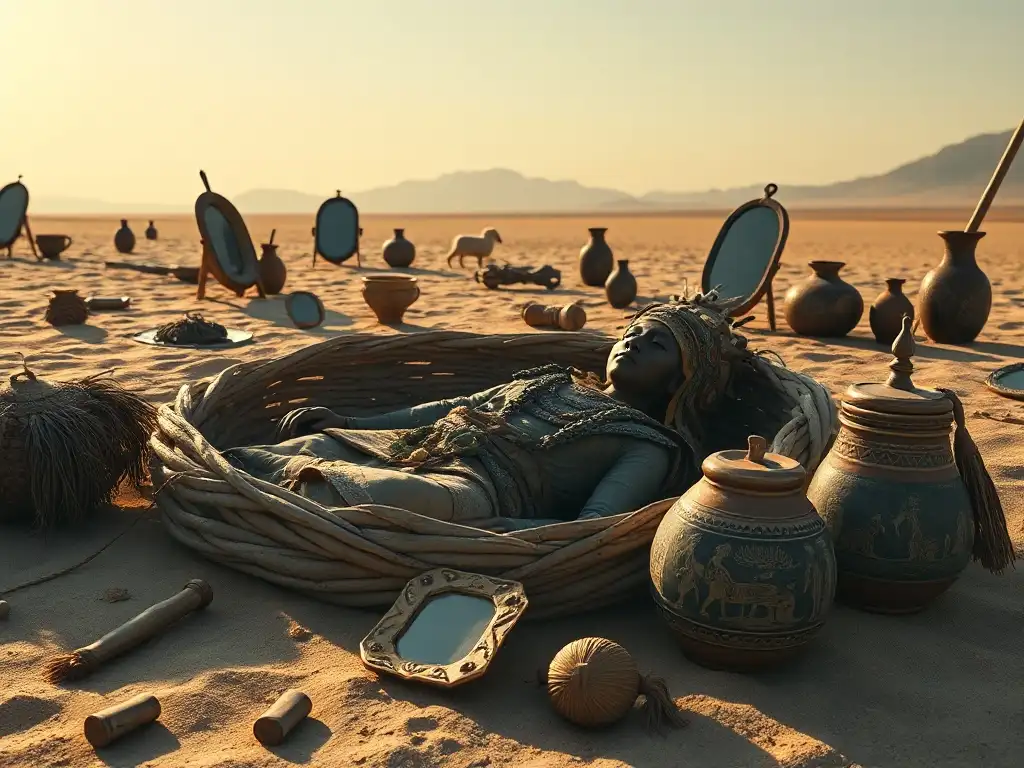
The Paracas culture, flourishing on the southern coast of Peru between 700 BCE and 100 CE, left behind a rich tapestry of artifacts that illuminate their complex religious beliefs and practices. Their worldview, significantly shaped by their arid coastal environment and reliance on marine resources, is vividly depicted in their elaborate burial rituals, intricate textiles, and unique ceramic offerings.
Understanding these practices offers crucial insights into the social structure, cosmology, and spiritual life of this fascinating pre-Incan civilization. The term "Paracas burial rituals artifacts" encapsulates a significant portion of what we know about their religious life, as their mortuary practices were deeply intertwined with their spiritual beliefs.
Evidence of Paracas Rituals from Burial Sites
Paracas burial sites provide the most compelling evidence of their religious practices. The sheer scale and complexity of these burials are astonishing. We find evidence of elaborate preparations for the afterlife, suggesting a belief in a continued existence beyond death.
The deceased were often adorned with lavish textiles, including intricately woven mantles, tunics, and headbands. These textiles, often featuring vibrant colors and complex iconography, frequently depict deities, mythical creatures, and scenes that likely represent important religious narratives. Additionally, the presence of numerous grave goods, including pottery vessels, tools, and food offerings, indicates a belief in providing the deceased with necessary provisions for their journey into the afterlife.
The careful placement of objects within the graves also speaks volumes about Paracas religious beliefs. The positioning of the bodies, the arrangement of grave goods, and the use of specific materials all suggest a highly structured and ritualized process. For instance, the frequent inclusion of hallucinogenic plants, such as Datura, suggests the use of altered states of consciousness during funerary rites.
Analysis of these plant remains, coupled with the iconography on Paracas textiles, provides valuable clues regarding their shamanistic practices and their understanding of the spiritual world. Furthermore, the presence of mummified bodies, often meticulously wrapped and adorned, points to the high value placed on ancestors and the continuity of the lineage.
This meticulous preparation for burial stands as a testament to the deep reverence the Paracas held for their dead, underscoring the central role of ancestor veneration in their religious system. Detailed analysis of these practices, particularly focusing on the positioning of artifacts and the types of offerings associated with different social statuses, can lead to a more nuanced understanding of Paracas social hierarchy and its connection to their religious beliefs.
Paracas Ceremony Locations and Sacred Spaces
While specific locations dedicated solely to religious ceremonies remain elusive, the evidence suggests that certain places held particular significance. Coastal areas, given their importance for sustenance, likely played a key role in Paracas religious life. The discovery of elaborate burials near the ocean suggests a connection between the sea, the deceased, and the spiritual realm.
Furthermore, the presence of specific motifs, such as marine creatures and stylized waves, on Paracas textiles and pottery strengthens this hypothesis. The use of certain materials, such as specific types of clay or particular pigments, in the creation of ritual objects might indicate the importance of specific geographical locations in procuring these resources, potentially lending them sacred qualities.
Moreover, the intricate architecture found in some Paracas settlements, although not explicitly identified as religious structures, may have served ceremonial purposes. The arrangement of houses, the presence of specific plazas, and the use of unique building materials could offer clues to understanding the spatial organization of their religious practices. Further research, including detailed archaeological surveys and analysis of settlement patterns, is needed to clarify the function of these structures and their role in Paracas religious life.
The identification of these spaces is vital to understanding the context of Paracas rituals and the social dynamics surrounding them. The limited evidence available currently suggests a fluidity between domestic and ritual spaces, indicating a deep integration of religious beliefs into daily life.
The Role of Music and Dance in Paracas Religious Life
The importance of music and dance in Paracas religious life is strongly suggested by the discovery of musical instruments within burial sites and the frequent depiction of dancing figures on textiles. Although the exact nature of their musical practices remains largely unknown, the presence of flutes, panpipes, and possibly drums indicates a sophisticated musical culture. The iconography on Paracas textiles often depicts individuals engaged in elaborate dances, wearing elaborate costumes and masks. These depictions, often accompanied by musical instruments, suggest that music and dance played a significant role in religious ceremonies and rituals.
The combination of music, dance, and possibly hallucinogenic substances likely created a powerful and transformative experience, facilitating communication with the spiritual world. These performances may have served various functions, including appeasing deities, contacting ancestors, or celebrating important events. The use of masks, often representing deities or mythical creatures, further underscores the theatrical and ritualistic nature of these performances. Further research into the musical instruments and the iconographic representations of music and dance on Paracas artifacts is crucial to gaining a more complete understanding of this vital aspect of their religious beliefs. The study of surviving instruments and their potential soundscapes, combined with detailed analysis of the artistic representations, promises to enrich our understanding of Paracas spirituality and the sensory experience of their religious practices. This would offer a more complete picture of their rich cultural and spiritual life, moving beyond a purely material interpretation of the "Paracas burial rituals artifacts".
Paracas Beliefs and their Connection to Other Andean Cultures
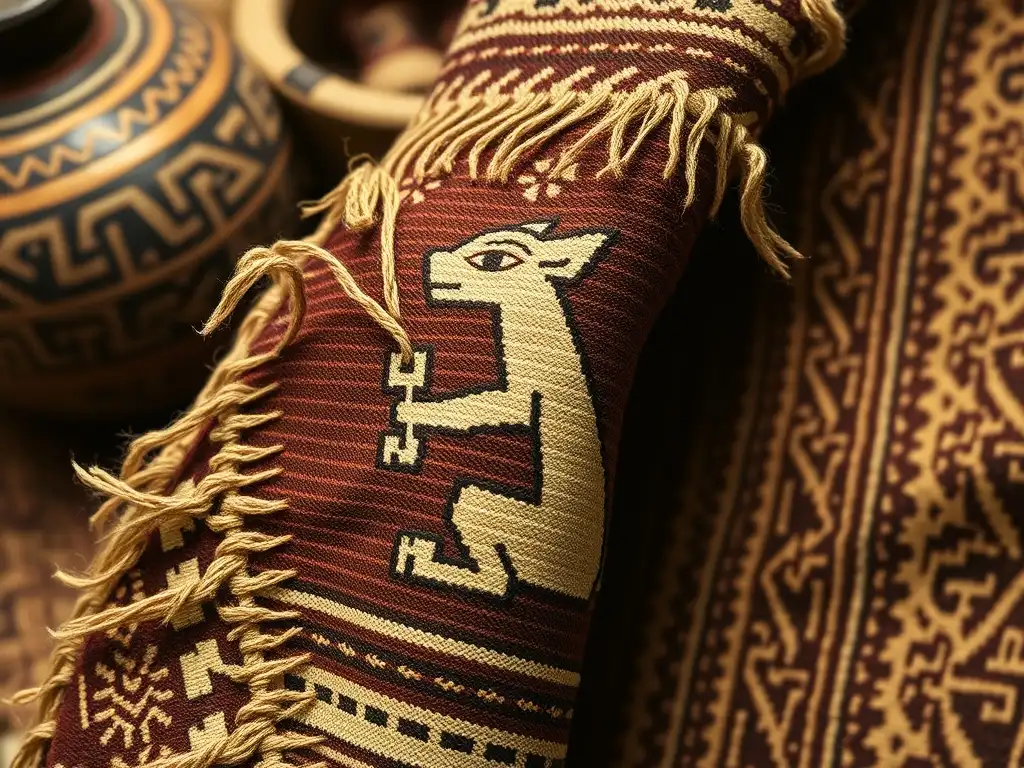
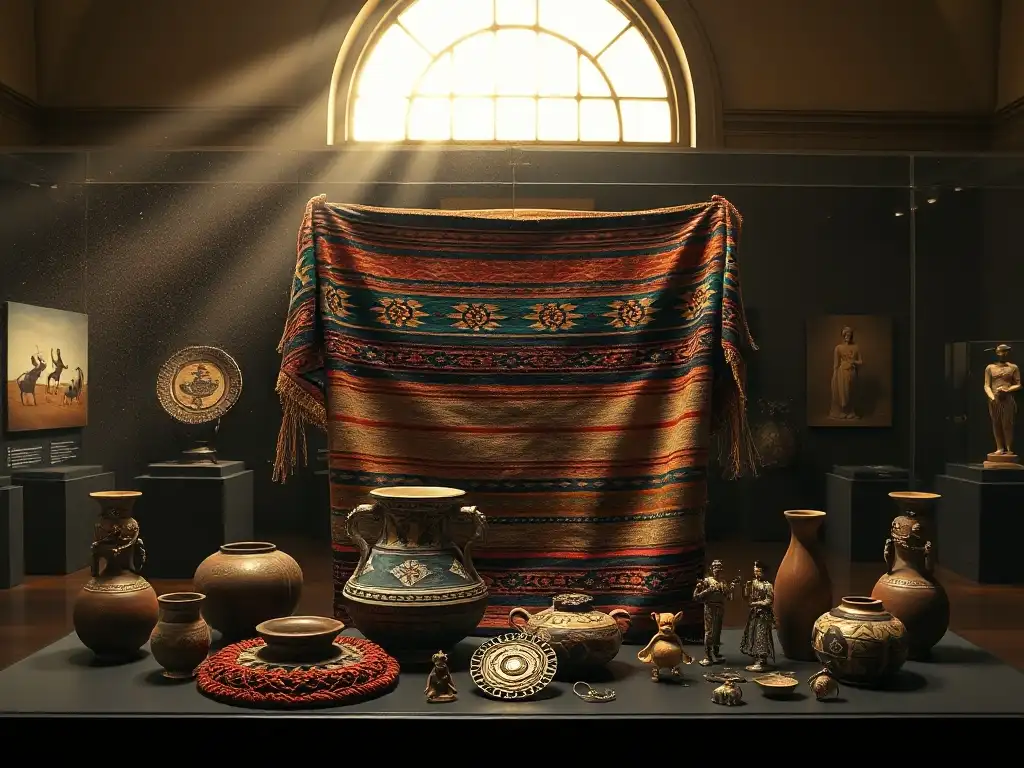
The Paracas culture, flourishing on the southern coast of Peru between 700 BCE and 200 CE, developed a unique religious system reflected profoundly in their elaborate burial rituals and the artifacts found within. Understanding their beliefs offers crucial insights into the broader Andean worldview and its evolution. While distinct, Paracas religious practices show clear connections to both earlier and later Andean cultures, demonstrating a continuous thread of spiritual thought across different societies. The emphasis on ancestor veneration, for example, is a recurring motif found throughout the Andes, suggesting a shared cultural heritage.
The use of specific materials in funerary contexts—like textiles and ceramics—also reveals potential influences and exchanges between different groups. Further research into the iconography present on Paracas textiles and pottery may reveal specific deities or mythological figures that resonate with those found in later Andean cultures, such as the Inca. This continuity highlights the importance of studying the Paracas culture to understand the broader trajectory of Andean religious thought. The intricate textiles, often depicting shamanistic figures and mythical creatures, provide invaluable clues to their cosmology and spiritual practices.
Analysis of these artifacts reveals a sophisticated understanding of the afterlife and the importance of maintaining a connection with the ancestors. This suggests a complex religious system that wasn't simply a collection of isolated beliefs, but a deeply integrated part of Paracas society. The sheer scale and complexity of their burial sites further underscores the significance of their religious beliefs within their social structure.
Paracas Religious Influences on Later Andean Civilizations
The Paracas' legacy extends far beyond their own time period. Their sophisticated textile techniques, for instance, heavily influenced later Andean cultures, particularly the Nazca. While the exact nature of the influence remains a topic of ongoing research, the stylistic similarities between Paracas and Nazca textiles suggest a direct transmission of knowledge and techniques.
Moreover, certain motifs and iconographic elements found in Paracas artifacts reappear in later Andean art, hinting at the continuity of certain religious concepts. For example, the recurring imagery of feline deities and other zoomorphic representations found in Paracas textiles reappear in later cultures, albeit with variations in style and execution. This suggests that certain core religious ideas, perhaps related to the veneration of specific animals or supernatural beings, persisted and evolved across different Andean societies.
The impact of Paracas religious beliefs on later Andean civilizations is a crucial area of study, particularly in understanding the development of complex Andean pantheons and the evolution of shamanistic practices. Further investigation into the iconography and symbolism of Paracas artifacts is needed to fully unravel the extent of their influence on subsequent Andean cultures.
Comparing Paracas Beliefs with Neighboring Coastal Cultures
The Paracas culture wasn't isolated; they interacted with other coastal societies, leading to cultural exchange and the blending of religious beliefs. While the Paracas developed unique artistic styles and burial practices, comparisons with neighboring cultures reveal both similarities and differences in their religious worldviews. For instance, the emphasis on elaborate burial rituals was common to many coastal cultures, suggesting a shared belief in the importance of the afterlife.
However, the specific rituals and the types of grave goods varied significantly. The Paracas' distinctive use of intricate textiles in their burials, for example, distinguishes them from other contemporary cultures. Similarly, while ancestor veneration was likely a shared belief, the specific ways in which ancestors were honored differed.
A comparative analysis of funerary practices and grave goods across different coastal cultures is needed to fully understand the nuances of Paracas religious beliefs within the broader context of Andean coastal societies. This comparative approach helps to highlight the unique aspects of Paracas religion while also revealing the broader patterns and trends in Andean religious thought. Further research should focus on identifying specific points of contact and exchange between Paracas and neighboring cultures to better understand the dynamics of cultural interaction and the diffusion of religious ideas.
Comparison with the Nazca Culture: Similarities and Differences
The Nazca culture, succeeding the Paracas on the southern coast of Peru, presents a fascinating case study in cultural continuity and change. While sharing geographical proximity and some artistic similarities, particularly in textile production, the Nazca and Paracas cultures exhibited distinct religious practices. Both cultures practiced elaborate burial rituals, but the Nazca burials often included different types of grave goods, reflecting potential shifts in religious beliefs or social structures.
The Nazca are famously known for their geoglyphs, massive figures etched into the desert landscape, which were likely related to religious ceremonies. These are absent in the Paracas record, suggesting a significant difference in their ritual practices and cosmological views. While both cultures used textiles extensively, the styles and iconography differed, reflecting unique artistic traditions and potentially distinct religious beliefs.
A detailed comparison of Nazca and Paracas iconography—especially regarding depictions of deities and mythological creatures—could reveal further insights into the evolution of Andean religious thought. The intricate textiles of both cultures, while sharing some technical similarities, display distinct stylistic choices and thematic elements, pointing towards different religious emphases and perhaps different interpretations of the supernatural world. Analyzing these differences and similarities allows for a deeper understanding of the development of religious beliefs along the southern Peruvian coast.
Conclusion: The Legacy of Paracas Religious Beliefs
The study of Paracas burial rituals and artifacts offers a captivating glimpse into a complex and fascinating religious worldview. While much remains shrouded in mystery, the evidence unearthed provides compelling insights into their spiritual beliefs, social structures, and artistic expressions. The intricate textiles, elaborate grave goods, and unique mummification techniques all contribute to a richer understanding of Paracas spirituality, demonstrating a sophisticated and deeply symbolic culture.
Analyzing these "Paracas burial rituals artifacts" allows us to piece together a narrative of a people deeply connected to the natural world and their ancestors. The vibrant colors, intricate designs, and the sheer quantity of artifacts found within the tombs speak volumes about the importance placed on the afterlife and the rituals surrounding death.
The meticulous care taken in preparing the bodies for burial further emphasizes the reverence held for their deceased. This careful preservation demonstrates a belief system that extended beyond the earthly realm, highlighting a strong connection to the spiritual world.
Summarizing Paracas Religious Practices
Paracas religious practices, as evidenced by their burial rituals and artifacts, revolved around several key themes. The prominent use of textiles, often adorned with complex iconography depicting deities, animals, and possibly shamanistic figures, suggests a strong connection between the material world and the spiritual realm. The textiles themselves were not simply decorative; they served as powerful symbols, potentially representing social status, religious affiliation, or even mediating between the living and the dead.
Furthermore, the inclusion of numerous grave goods – including ceramics, jewelry, and tools – suggests a belief in providing the deceased with necessities and comforts in the afterlife. The careful placement and arrangement of these items within the tombs point to highly structured and ritualized burial ceremonies. We can infer the existence of specialized individuals, perhaps priests or shamans, who oversaw these rituals and played a central role in the community's spiritual life.
The prevalence of trepanation, a surgical procedure involving drilling holes in the skull, further highlights the advanced medical knowledge and potentially shamanistic practices of the Paracas culture. While the exact purpose of trepanation remains debated, it likely held significant religious or ritualistic significance within their society.
The Importance of Understanding Paracas Spirituality for Andean Studies
Understanding Paracas spirituality is crucial for a comprehensive understanding of the broader Andean cultural landscape. The Paracas culture, while preceding the Inca empire, laid the groundwork for many of the religious and artistic traditions that would later flourish throughout the Andes. The sophisticated textile techniques, for example, influenced later cultures, and the stylistic elements found in Paracas art can be traced in subsequent Andean artistic expressions.
Analyzing the "Paracas burial rituals artifacts" provides invaluable insights into the evolution of Andean religious beliefs and practices, highlighting continuities and changes across different cultures and time periods. By studying the Paracas worldview, we gain a deeper understanding of the complex interplay between religious beliefs, social structures, and artistic expression in the Andean region.
Their unique blend of religious practices and artistic ingenuity provides a crucial link in the chain of Andean cultural development. It allows scholars to trace the development of religious thought, artistic styles, and societal structures across centuries, offering a comprehensive perspective on the rich tapestry of Andean civilization.
Future Research Directions for Paracas Religious Beliefs
Further research into Paracas religious beliefs should focus on several key areas. Firstly, a more thorough analysis of the iconography found on Paracas textiles is needed to decipher the symbolism and meaning behind the depicted figures and scenes. Advanced imaging techniques and interdisciplinary collaborations with art historians and anthropologists could provide new insights into the interpretation of these intricate designs.
Secondly, further investigation into the chemical composition of pigments used in Paracas textiles and ceramics could reveal information about trade networks and the sources of raw materials. This could shed light on the geographical extent of Paracas influence and their connections with other Andean cultures. Finally, more detailed studies of Paracas burial sites, using non-invasive techniques such as ground-penetrating radar, could uncover previously unknown tombs and provide a more complete picture of their burial practices and the social organization of their society.
The potential for new discoveries and interpretations underscores the ongoing importance of studying Paracas religious beliefs. The careful examination of "Paracas burial rituals artifacts" will undoubtedly continue to unveil more of the secrets held within these ancient Andean tombs, deepening our appreciation for this remarkable civilization.
Frequently Asked Questions
What were the most important aspects of Paracas burial rituals?
Paracas burial rituals were incredibly elaborate, focusing on preserving the body for the afterlife. This included mummification, the use of rich textiles, and the inclusion of numerous grave goods.
What types of artifacts are commonly found in Paracas tombs?
Textiles, particularly the intricate needlework and vibrant colors, are a hallmark of Paracas finds. Other common artifacts include ceremonial objects, pottery, and jewelry made from precious metals and stones.
How did Paracas religious beliefs influence their burial practices?
Paracas beliefs about the afterlife strongly shaped their burial rituals. The elaborate preparations and offerings suggest a belief in a continued existence beyond death and the need to provide for the deceased in that realm.
What can Paracas burial artifacts tell us about their society?
The artifacts reveal much about Paracas social structure, artistic skills, and economic capabilities. The quality and quantity of grave goods indicate social status and the importance of specific individuals.
Where can I learn more about Paracas burial rituals and artifacts?
You can explore museums with Paracas collections, such as the Larco Museum in Lima, Peru, and research academic publications and online resources dedicated to Andean archaeology for more in-depth information.
Final Reflection: Echoes of the Paracas: A Legacy Woven in Cloth and Bone
The intricate artistry and deeply symbolic rituals of the Paracas culture remain profoundly relevant today, offering a powerful testament to the enduring human need for meaning and connection beyond the material world. Their sophisticated burial practices, meticulously preserved in the arid sands of Peru, continue to unveil astonishing insights into a society that valued both life and death with equal reverence. The meticulous craftsmanship evident in their textiles and the careful arrangement of grave goods speak volumes about a complex belief system that continues to fascinate and inspire.
The Paracas' profound understanding of the afterlife, reflected in their elaborate burial rituals and the rich symbolism embedded within their artifacts, underscores the timeless human quest for understanding our place in the universe. Their legacy serves as a potent reminder of the diverse ways cultures have grappled with mortality and the enduring power of spiritual belief. The dead are never truly gone as long as they are remembered.
This simple truth resonates deeply when considering the meticulous care taken by the Paracas to honor their ancestors, a legacy that continues to resonate through their surviving artifacts.
Consider the intricate details of the Paracas textiles, the vibrant colors, and the symbolic imagery woven into their very fabric. These are not merely objects; they are tangible expressions of a worldview, a testament to human creativity and spiritual depth. You, the reader, are now invited to reflect on your own relationship with mortality and legacy. What stories do you wish to leave behind? What values do you wish to embody? Let the echoes of the Paracas inspire you to live a life rich in meaning, purpose, and connection, leaving behind a legacy as enduring as their own.
**Unveil the Mysteries of Paracas Culture! **
Thank you for exploring the fascinating religious beliefs of the Paracas civilization through their artifacts and burials. Your interest in this rich history broadens your understanding and helps preserve these ancient traditions. Now, let's delve even deeper!
- **Dive deeper:** Visit local museums and online galleries to examine Paracas artifacts firsthand and learn about their cultural significance. Consider researching specific pieces, such as their intricate textiles or distinctive burial practices, to gain a more nuanced understanding.
- **Share your discoveries:** Discuss your newfound knowledge with friends, family, or on social media to raise awareness of the unique heritage of the Paracas people. Sharing compelling images or stories can make your posts more engaging.
- **Join the conversation:** Participate in online forums or community groups dedicated to Andean civilizations to connect with other enthusiasts and historians. Engaging in discussions can offer new perspectives and deepen your understanding.
What aspect of Paracas culture captivates you most, and how do you believe it informs our understanding of ancient societies?