
The Paracas Connection to the Sea: Resources and Spiritual Significance

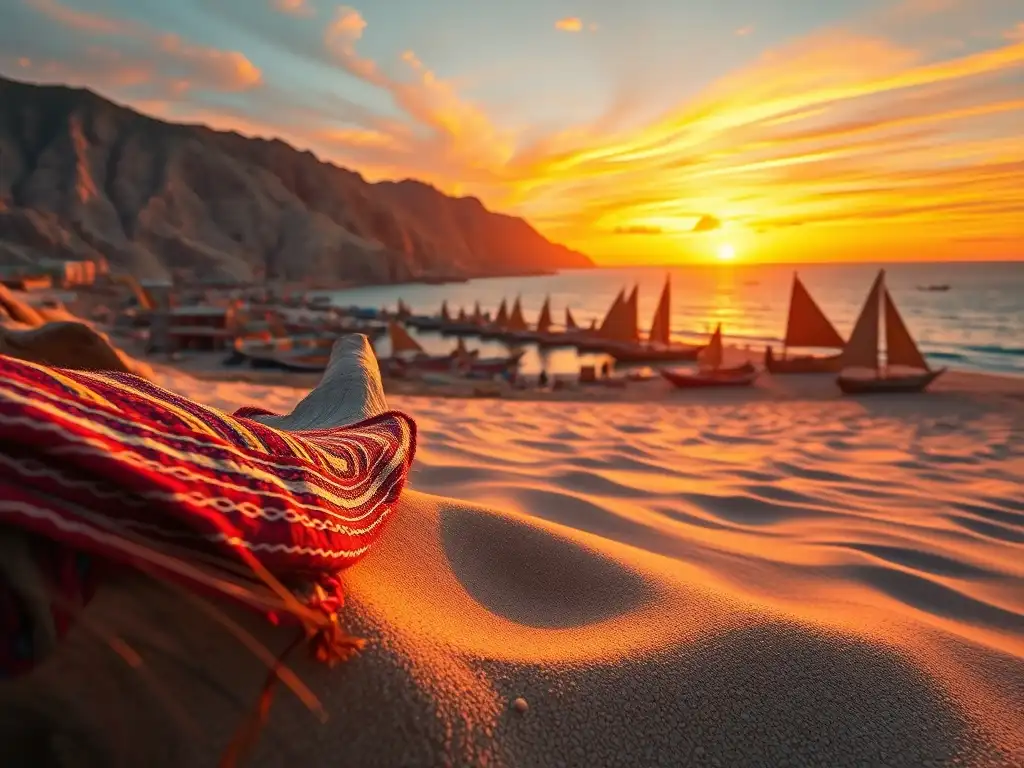
Step into a world lost to time, yet echoing with vibrant life. Imagine a civilization thriving on the unforgiving yet bountiful coast of ancient Peru, harnessing the power of the sea to build a unique and enigmatic culture. Discover the secrets of the Paracas culture's coastal resources and uncover the profound connection they forged with the ocean, a relationship that shaped their beliefs, their art, and their very survival. Prepare to be amazed by their ingenuity and the enduring mysteries they left behind. Dive in and explore!
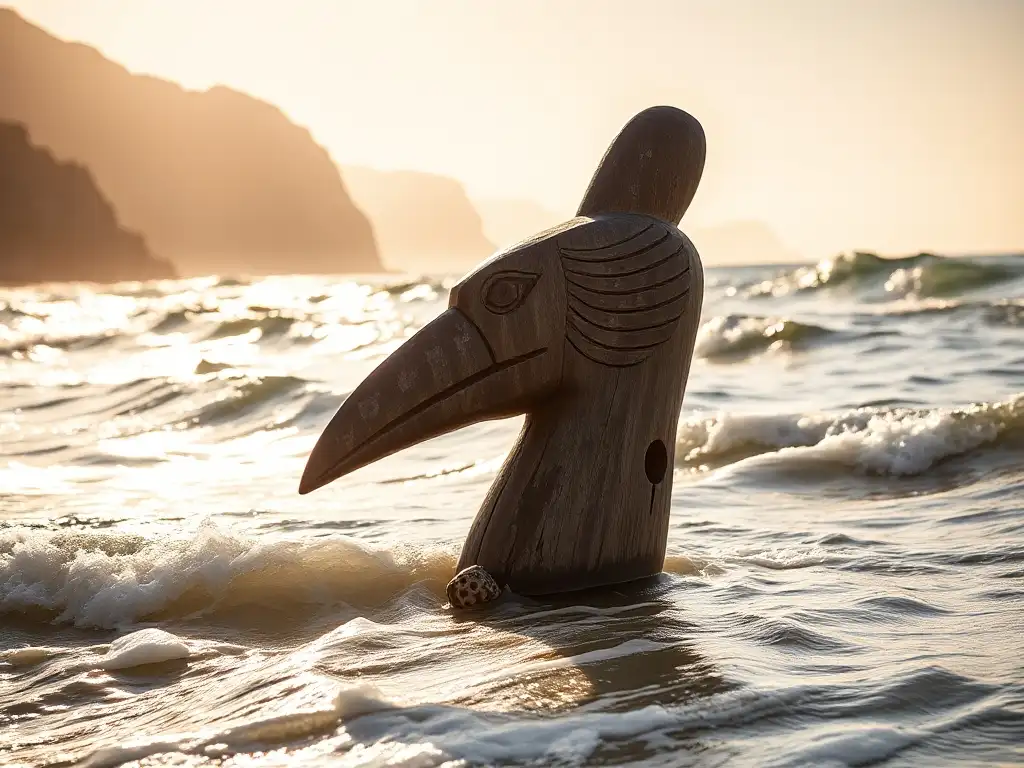
The Paracas culture, flourishing along the southern coast of Peru between 800 BCE and 200 CE, presents a fascinating case study of a civilization deeply intertwined with the marine environment. Unlike many other Andean cultures that focused primarily on agriculture in the highlands, the Paracas people developed a sophisticated relationship with the sea, leveraging its resources for sustenance, trade, and spiritual expression. This article delves into the crucial role coastal resources played in shaping Paracas society, examining their ingenuity in harnessing marine life and the profound spiritual significance the ocean held within their worldview.
Understanding this connection is essential to grasping the unique characteristics and remarkable achievements of this pre-Inca civilization. We will explore how their mastery of fishing techniques, knowledge of marine ecosystems, and artistic representations reveal a society deeply shaped by its coastal environment and its abundant resources.
The Paracas culture's success was inextricably linked to their ability to exploit the sea, a fact reflected in their art, burial practices, and social organization. This exploration will illuminate the sophisticated strategies employed by the Paracas people to thrive in a challenging but rewarding coastal ecosystem.
Paracas Fishing Techniques and Marine Resource Exploitation
The Paracas people were highly skilled fishermen, utilizing a variety of techniques to harvest the rich marine life of the Pacific Ocean. Evidence suggests they employed intricate fishing nets, likely made from cotton or other plant fibers, along with specialized hooks and lines for catching individual fish. They likely also utilized traps and weirs, taking advantage of the natural topography of the coastline to facilitate fishing.
Archaeological finds reveal a diverse range of fish species consumed by the Paracas, indicating their understanding of different fishing grounds and migratory patterns. Beyond fish, shellfish such as mussels, clams, and other mollusks formed a significant part of their diet, providing essential protein and nutrients. The abundance of these resources allowed for a relatively high population density along the coast, supporting the development of a complex social structure.
Furthermore, the Paracas’ proficiency in navigating and exploiting the coastal waters also facilitated trade networks, connecting them with other coastal communities and potentially influencing the exchange of goods and ideas. Detailed studies of ancient Paracas fishing tools and dietary remains are still ongoing, promising further insights into the specific techniques and resources utilized.
The Spiritual Significance of the Sea in Paracas Iconography
The profound spiritual importance of the sea to the Paracas people is vividly reflected in their remarkable textile art. Their iconic textiles, known for their intricate designs and vibrant colors, frequently depict marine creatures like fish, birds, and cetaceans. These representations are not merely decorative; they appear to encode complex cosmological beliefs and rituals.
The recurring motifs of marine animals in their textiles and other artifacts suggest a deep reverence for the ocean as a source of life and a powerful force in the natural world. The ocean was not simply a source of food; it was a sacred realm, teeming with supernatural beings and imbued with spiritual significance. Further research into the symbolic meanings embedded within Paracas art promises a deeper understanding of their religious practices and worldview.
For instance, the recurring depiction of specific marine species may indicate their association with particular deities or spiritual concepts. The detailed analysis of these symbolic representations remains an active area of ongoing research.
The Paracas and Coastal Trade Networks: Expanding Influence Through Maritime Expertise
The Paracas' mastery of maritime technology extended beyond mere sustenance; it played a crucial role in establishing extensive trade networks along the Peruvian coast. Their knowledge of navigation and their ability to build seaworthy vessels allowed them to transport goods over considerable distances. Evidence suggests they traded textiles, ceramics, and other valuable items with communities both north and south along the coast, creating a vibrant exchange of resources and cultural ideas. This maritime trade facilitated the dissemination of Paracas artistic styles and technologies, leaving its mark on neighboring cultures. The extent of their trade networks and the specific goods exchanged are still being investigated through ongoing archaeological research and analysis of traded artifacts. The sophisticated organization required to manage these trade networks highlights the advanced social and political structures of Paracas society. The study of these networks offers crucial insights into the interconnectedness of coastal communities during the pre-Inca period.
- Paracas Fishing Techniques and Marine Resource Exploitation
- The Spiritual Significance of the Sea in Paracas Iconography
- The Paracas and Coastal Trade Networks: Expanding Influence Through Maritime Expertise
- What resources did the Paracas culture obtain from the coastal environment?
- How did the Paracas utilize sea resources in their daily lives?
- What is the significance of the Paracas' relationship with the sea beyond resource acquisition?
- How did the Paracas culture's coastal location influence their art and textiles?
- What evidence supports the importance of marine resources to Paracas society?
Paracas Culture and the Coastal Environment
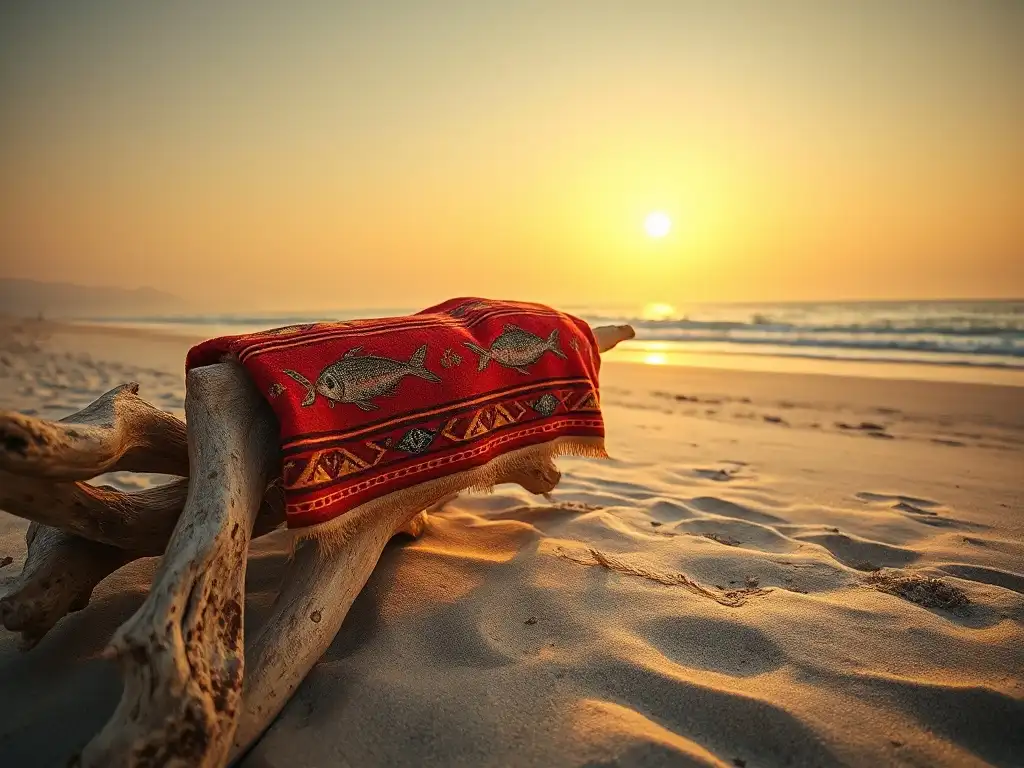
The Paracas culture, flourishing along the southern coast of Peru from approximately 800 BCE to 200 CE, presents a fascinating case study in human adaptation to a challenging environment. Their success hinged on a deep understanding and masterful exploitation of the coastal resources available to them, coupled with a rich spiritual life intrinsically linked to the sea. This section explores the relationship between the Paracas people and their coastal environment, focusing on resource management and the profound spiritual significance of the ocean.
Understanding the Paracas culture's coastal resources is crucial to grasping their remarkable achievements in textile production, elaborate funerary practices, and sophisticated social organization. The keyword "Paracas culture coastal resources" is central to understanding their unique societal development.
The Arid Coastal Setting of the Paracas Peninsula
The Paracas Peninsula, a desert extension jutting into the Pacific Ocean, presented a formidable challenge to early inhabitants. Characterized by extremely arid conditions, limited freshwater sources, and a seemingly barren landscape, the region might appear inhospitable at first glance. However, the Paracas people demonstrated remarkable ingenuity in harnessing the seemingly scarce resources. The coastal desert, while harsh, provided a unique ecosystem teeming with life, albeit concentrated in specific areas.
The cold Humboldt Current, flowing northward along the coast, supported a rich marine life, forming the foundation of the Paracas economy. This current also influenced the climate, creating a unique fog— garúa—that provided a crucial source of moisture, albeit irregularly. The presence of oases, albeit small and scattered, offered pockets of freshwater crucial for survival. Understanding this delicate balance of harsh conditions and localized abundance is key to understanding Paracas ingenuity.
Their settlements were strategically positioned near these vital resources, demonstrating a sophisticated knowledge of their environment. Archaeological evidence suggests a careful management of these limited resources, indicating a sustainable approach to living in this challenging environment. The Paracas's deep knowledge of the coastal environment allowed them to thrive where others might have struggled.
Adaptation to Scarce Freshwater Resources
The scarcity of freshwater presented a significant obstacle to the Paracas. Unlike societies in more fertile regions, they couldn't rely on rivers or abundant rainfall. Their solutions were ingenious and underscore their adaptive capabilities. Archaeological findings reveal evidence of sophisticated water management techniques.
They likely utilized techniques like fog harvesting, collecting moisture from the garúa using specially designed structures. This method, while requiring specific conditions, provided a supplementary source of water. Furthermore, they likely relied heavily on subterranean water sources, digging wells and utilizing their knowledge of the local geology to locate and access underground aquifers. The exploitation of these resources required a deep understanding of hydrology and a collective effort, reflecting a highly organized society.
Evidence of irrigation systems, though less extensive than in other Andean cultures, suggests attempts to optimize the limited freshwater resources for agriculture, possibly cultivating drought-resistant crops. The precise extent of their agricultural practices remains a subject of ongoing research, but evidence points to a combination of marine-based sustenance and limited but carefully managed agriculture. The Paracas’s ability to thrive with limited freshwater resources showcases their adaptability and resourcefulness, highlighting their understanding of "Paracas culture coastal resources" in a broader ecological context. Further research is needed to fully quantify the effectiveness of their water management strategies and the extent of their agricultural production.
Exploitation of Marine Resources by the Paracas
The Paracas culture, flourishing along the southern coast of Peru between 800 BCE and 200 CE, demonstrated a remarkable mastery of their coastal environment. Their success hinged significantly on their sophisticated exploitation of marine resources, a testament to their adaptability and ingenuity. Understanding their fishing techniques, dietary habits, and the symbolic importance of marine life reveals a deep connection between the Paracas people and the sea – a vital element of their "Paracas culture coastal resources" strategy.
This relationship extended beyond mere sustenance, weaving itself into the very fabric of their spiritual beliefs and artistic expressions. The abundance of marine life provided not only nourishment but also materials for tools, clothing, and ritual objects.
Use of Nets and Harpoons for Fishing
Paracas fishermen employed a variety of techniques to harvest the bounty of the sea. Archaeological evidence strongly suggests the widespread use of intricately woven fishing nets. These nets, often made from natural fibers like cotton or reeds, varied in size and design depending on the target species.
Smaller nets might have been used for catching smaller fish, while larger, more robust nets were employed for schooling fish or larger prey. Analysis of ancient Paracas textiles reveals remnants of net fragments, offering insights into their construction and the materials used. Alongside netting, harpoons played a crucial role in hunting larger marine animals.
These harpoons, typically crafted from bone or wood, were designed to pierce and secure larger fish and marine mammals. The design and craftsmanship of these tools reflect a deep understanding of marine animal behavior and hunting strategies, further emphasizing the Paracas' expertise in resource management. Evidence suggests that specialized harpoons were developed for different types of prey, reflecting a sophisticated understanding of the marine ecosystem.
Consumption of Mussels, Clams, and Crabs
The Paracas diet was heavily reliant on shellfish. Middens—ancient garbage heaps—reveal a significant presence of mussel, clam, and crab shells, indicating their substantial role in the Paracas diet. The sheer volume of shellfish remains suggests that these readily available resources formed a cornerstone of their sustenance.
The ease of harvesting and preservation likely made shellfish a crucial component of their food security, particularly during times of scarcity. Analysis of isotopic ratios in human skeletal remains further supports this dietary reliance on shellfish, providing direct evidence of their consumption patterns. Furthermore, the presence of specialized tools like shell scrapers and hammers within Paracas settlements points towards a dedicated effort in processing and preparing these marine resources.
This routine suggests not only that shellfish were a significant food source but also that their preparation was a well-established part of Paracas daily life. The abundance and accessibility of shellfish allowed for a relatively stable food supply, contributing to the sustained growth and development of the Paracas civilization.
Importance of Seabirds and Marine Mammals
Beyond fish and shellfish, seabirds and marine mammals also held significant importance for the Paracas. Depictions of seabirds and marine mammals are frequently found in Paracas textiles and pottery, suggesting their symbolic significance. These animals were not only a source of food but also likely held spiritual connotations within their culture.
The presence of bones from sea lions and other marine mammals in archaeological sites indicates their inclusion in the diet, although likely less frequently than shellfish or fish due to the greater effort required to hunt them. The exquisite detail in the artistic representations of these creatures highlights their importance within Paracas society. The inclusion of these animals in their artwork suggests a deep understanding and respect for the marine ecosystem, reflecting not only their dependence on these resources but also their integration into the broader cosmological views of the Paracas culture.
Further research is needed to fully decipher the specific spiritual meanings attributed to these animals within the Paracas worldview, but their prominent representation in art suggests a far-reaching cultural significance beyond simple sustenance. The detailed study of Paracas iconography may reveal further insights into the symbolic and ritualistic roles of these creatures.
Paracas Culture Coastal Resources and Trade
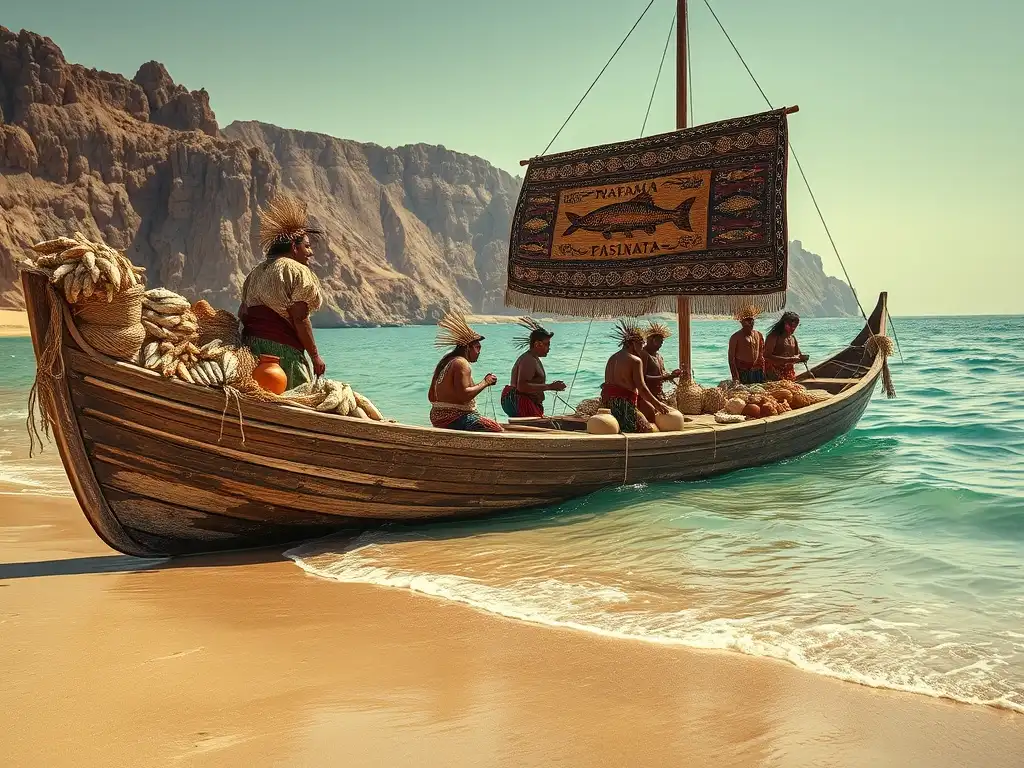
The Paracas culture, flourishing on the southern coast of Peru between 700 BCE and 200 CE, demonstrated a remarkable adaptation to and exploitation of coastal resources. Their prosperity and influence were significantly shaped by their access to and management of marine life, minerals, and other coastal resources. This section will delve into the specific resources utilized and the extensive trade networks established by the Paracas people, focusing on the keyword "Paracas culture coastal resources" and its related semantic variations. Understanding their relationship with the sea is crucial to understanding their societal structure, religious beliefs, and artistic achievements.
Trade of Fish and Shells Inland
The Paracas' mastery of fishing techniques allowed them to harvest a wide variety of fish, shellfish, and marine mammals. Evidence suggests they used a variety of fishing methods, including nets, hooks, and possibly even traps. The abundance of fish provided a staple food source, sustaining a relatively large population. However, the Paracas didn't just consume their catch; a significant portion was traded inland. This trade wasn't simply a matter of surplus; it was a vital economic activity.
The Paracas traded dried fish, a highly valued commodity due to its preservation and portability. This allowed them to exchange their marine bounty for agricultural products and other goods unavailable along the coast. The scale of this inland trade is evidenced by the presence of Paracas fishing implements and fish remains found in archaeological sites far from the coast, suggesting a well-established trade route.
Specific details regarding the inland destinations and the exact nature of the bartered goods require further research; however, archaeological findings suggest a robust exchange system. The trade of fish likely involved complex social interactions and negotiations, solidifying alliances and spreading Paracas influence far beyond their coastal settlements. Furthermore, certain types of fish, particularly those considered delicacies, would have commanded higher prices, indicating a sophisticated understanding of market forces even in pre-Inca societies.
Exchange of Textiles for Coastal Products
Paracas textiles are world-renowned for their intricate designs, vibrant colors, and exceptional craftsmanship. These textiles weren't merely decorative; they played a critical role in the Paracas economy. The Paracas traded their exquisite textiles—often elaborately embroidered mantles and burial shrouds—for essential coastal products.
This involved a complex reciprocal exchange system where inland communities provided necessary resources in return for the highly valued textiles. The specific resources traded for textiles might have varied depending on the location and the needs of the communities involved, but it's highly likely that agricultural products like maize, potatoes, and coca played a significant part. Other items such as obsidian, clay, and other raw materials for tools would also have been valuable commodities in this exchange.
Dried Fish and Shell Jewelry as Traded Goods
Beyond dried fish, the Paracas also traded processed marine products. Shell jewelry, meticulously crafted from various types of shells, was a highly valued commodity. The intricate designs and the rarity of some shell types made these ornaments prestigious trade items. They were likely exchanged both within the Paracas society as markers of status and with other communities as part of broader trade networks.
The trade of these items illustrates the Paracas' understanding of resource management and their ability to transform raw materials into valuable, tradable goods. The production of shell jewelry would have involved specialized skills and knowledge, further enhancing its value. The presence of Paracas shell ornaments in distant archaeological sites serves as strong evidence of their extensive trade networks and the economic importance of these skillfully crafted items.
Furthermore, the discovery of specific types of shells in Paracas sites that originate from distant regions indicates active participation in long-distance trade relationships. This underscores the sophisticated economic system that underpinned Paracas society and its significant impact on the broader Andean region. The meticulous craftsmanship evident in their shell jewelry, combined with the strategic trading of dried fish, solidified the Paracas position within the coastal trade networks of their time.
Spiritual Significance of the Sea for the Paracas
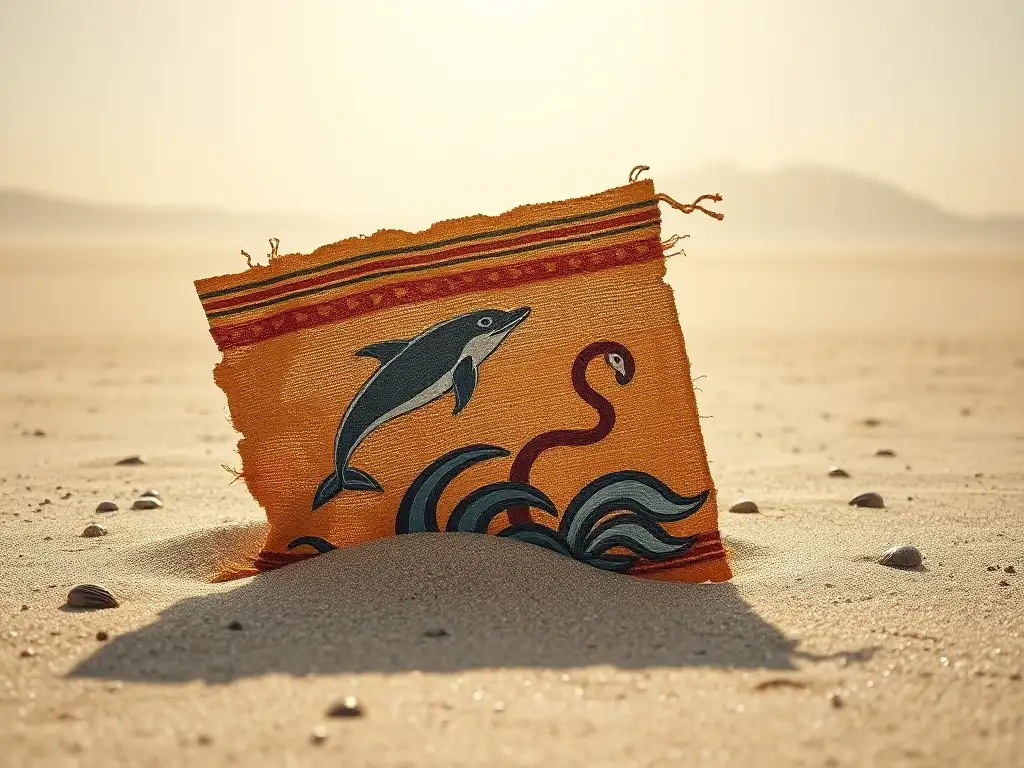
The Paracas culture, flourishing along the southern coast of Peru from roughly 800 BCE to 200 BCE, developed a profound spiritual connection with the sea. Unlike many inland Andean cultures that focused on agricultural deities, the Paracas people viewed the ocean as a vital source of life, sustenance, and even a pathway to the afterlife. Their intricate textiles, elaborate burial practices, and archaeological findings all point to a complex cosmology deeply intertwined with the marine environment.
This deep-seated reverence for the sea is evident in various aspects of their culture, reflecting a sophisticated understanding of the ocean's power and mystery. Analyzing the Paracas relationship with the coastal resources reveals not just a practical dependence but a spiritual bond that shaped their worldview and rituals.
This section will explore this unique spiritual connection, focusing on how the Paracas culture integrated the sea into their religious beliefs and practices. The abundance of "Paracas culture coastal resources" directly influenced their spiritual landscape.
Depictions of Sea Creatures in Paracas Textiles
Paracas textiles are renowned for their vibrant colors, intricate designs, and masterful weaving techniques. A significant portion of these textiles feature depictions of marine life – fish, birds, marine mammals, and even stylized representations of waves. These aren't merely decorative elements; they are powerful symbols within the Paracas worldview.
For example, the frequent appearance of stylized fish, often depicted in dynamic poses, suggests their importance as a primary food source and a symbol of fertility and abundance. The detailed renderings of seabirds, like pelicans and cormorants, might represent messengers to the spirit world or guardians of the coastal realm. Moreover, the inclusion of these creatures in burial contexts strengthens the argument for their spiritual significance.
The meticulous detail and the sheer number of textiles featuring marine imagery underscore the profound importance the Paracas placed on the ocean's creatures. Analyzing the symbolic language embedded in these textile designs offers valuable insight into their spiritual beliefs. The frequency and complexity of these marine motifs significantly outweigh depictions of terrestrial animals, highlighting the sea's central role in their cosmology.
Sea as a Symbol of Life and Rebirth
The Paracas viewed the sea not only as a provider of sustenance but also as a powerful symbol of life and rebirth. The cyclical nature of the tides, the constant movement of the waves, and the ocean's capacity to both nurture and destroy likely resonated deeply with their understanding of life's impermanence. This interpretation is supported by the discovery of numerous burial sites located near the coast, suggesting a belief that the sea offered a pathway to the afterlife or a connection to the spirit world.
The rhythmic ebb and flow of the tides might have been interpreted as a metaphor for the cycle of life, death, and regeneration, further emphasizing the sea's symbolic power. The abundance of shell ornaments found in Paracas tombs, for instance, suggests a belief in the transformative power of the ocean and its ability to facilitate a transition to the next life.
The prevalence of marine motifs in funerary contexts underlines the significance of the sea in their understanding of death and the afterlife. This concept of the sea as a conduit between the living and the dead is a key element of their spiritual beliefs, directly linked to the availability of "Paracas culture coastal resources."
Offerings of Shells and Fish to Deities
Archaeological evidence indicates that the Paracas people made offerings of shells, fish, and other marine products to their deities. These offerings were not simply acts of gratitude for sustenance but rather rituals designed to maintain a harmonious relationship with the spiritual forces associated with the ocean. The discovery of carefully arranged shell ornaments and fish bones in sacred sites and tombs suggests that these offerings were integral to their religious practices.
The types of shells used, their condition, and their placement within the context of the offerings all provide clues about the specific deities or spiritual forces being honored. Further research is needed to fully understand the specific rituals and the meaning behind the selection of particular marine species for offerings. However, the evidence clearly indicates that the Paracas people actively engaged in ritualistic practices aimed at appeasing or honoring the spiritual forces they believed resided within the sea.
This highlights the deeply integrated nature of their spiritual beliefs and their dependence on "Paracas culture coastal resources," underscoring the fundamental role the ocean played in their lives. The systematic nature of these offerings points to a structured religious system deeply connected to the marine environment.
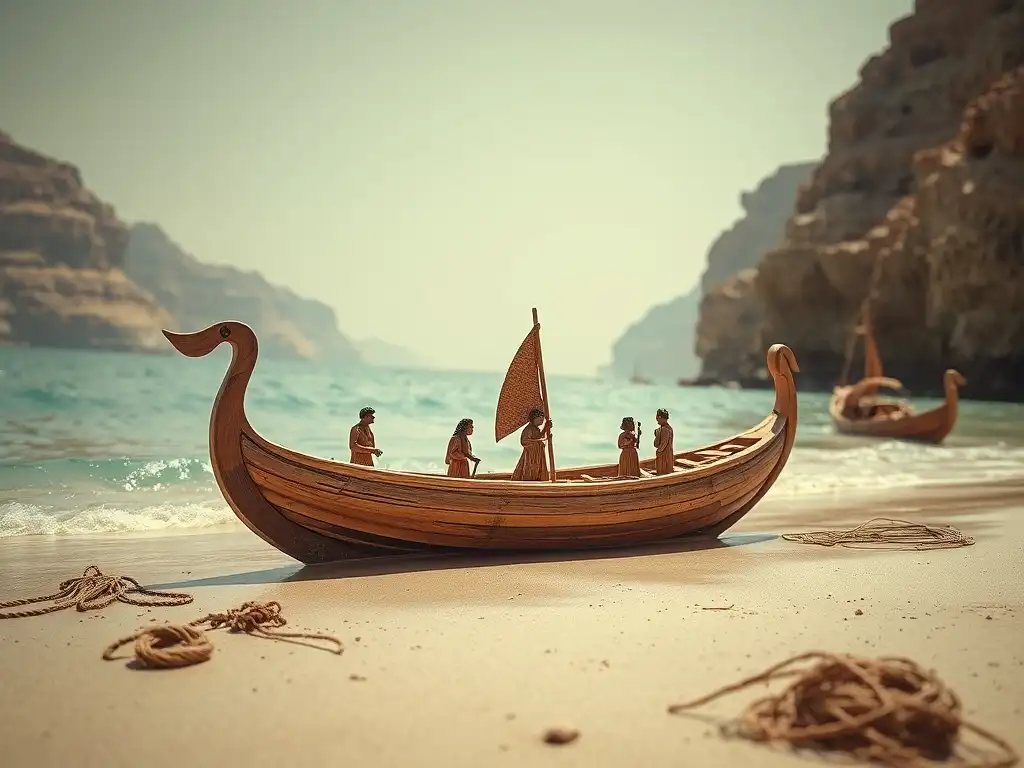
The Paracas culture's profound connection to the sea is undeniable, evidenced by their sophisticated understanding of coastal resources and their impressive maritime technology. Their success wasn't merely a matter of luck; it stemmed from a deep knowledge of the ocean's rhythms and a remarkable ability to harness its bounty. This section delves into the specifics of their nautical achievements, highlighting their ingenuity in boat construction, navigation, and sail technology.
Understanding their maritime prowess provides crucial insight into their societal structure, economic activities, and spiritual beliefs. The term "Paracas culture coastal resources" perfectly encapsulates the symbiotic relationship between this civilization and the Pacific Ocean.
Construction of Reed Boats for Fishing
The Paracas people were master craftsmen when it came to building boats from totora reeds, a readily available resource along the Peruvian coast. These weren't simple rafts; they were carefully constructed vessels capable of navigating the often-challenging coastal waters. Archaeological evidence suggests a sophisticated process involving the tightly bundling of reeds, often using various techniques to ensure watertightness. This involved creating layered structures with different reed thicknesses, potentially using resins or other natural materials as sealants. [Specific details on sealant types pending further research].
The size and design of these reed boats varied depending on their intended purpose. Smaller vessels were likely used for inshore fishing and coastal transport, while larger, more robust boats may have been employed for longer voyages or carrying heavier loads. The construction process likely involved specialized knowledge passed down through generations, ensuring the continuity of this vital technology.
The skill in crafting these durable and seaworthy boats from a seemingly humble material highlights the ingenuity and resourcefulness of the Paracas people. Their mastery of reed boat construction was a key factor in their ability to exploit the abundant marine resources available to them, contributing significantly to their economic prosperity and cultural development. The efficiency of their fishing techniques, directly linked to the quality of their boats, allowed them to sustainably harvest the ocean's bounty.
Navigating the Pacific Ocean along the Peruvian coast required a keen understanding of currents, winds, and celestial navigation. While the Paracas people didn't possess sophisticated instruments like a magnetic compass, their navigation skills were nonetheless impressive. They relied on a combination of observation and experience, paying close attention to natural landmarks, wave patterns, and the position of the sun and stars. Their intimate knowledge of the coastal geography allowed them to navigate with remarkable accuracy, even in challenging conditions.
Evidence suggests that they used a system of visual cues to plot their course. These cues might have included prominent headlands, distinctive rock formations, or specific points along the coastline. The ability to recognize these landmarks and accurately judge distances was essential for safe and efficient navigation.
Furthermore, their understanding of ocean currents played a vital role in their ability to travel efficiently and reach their fishing grounds. They likely learned to anticipate and utilize prevailing currents to minimize travel time and effort. The mastery of coastal navigation was not only crucial for fishing but also facilitated trade and communication along the coast.
Use of Simple Sails on Small Vessels
While the Paracas may not have used large, complex sailing vessels like those of some later cultures, archaeological evidence suggests the use of simple sails on their smaller reed boats. These sails were likely made from woven materials, perhaps cotton or other plant fibers. Their design was probably rudimentary, perhaps a simple square or triangular sail, sufficient to provide assistance with propulsion, particularly when sailing with favorable winds.
The use of sails would have significantly improved the efficiency of their fishing operations and coastal transportation. By harnessing wind power, they could cover greater distances in shorter periods and reduce the reliance on paddling alone. The integration of sails into their boat designs represents a significant technological advancement, showcasing their ongoing adaptation and innovation in maritime technology.
The implementation of even simple sails demonstrates a sophisticated understanding of wind patterns and their potential to enhance their maritime activities. This further underlines the Paracas' deep connection to the sea and their ability to adapt and innovate within their environment, contributing to their overall success as a coastal culture.
The Legacy of the Paracas Coastal Relationship
The Paracas culture, flourishing along the southern coast of Peru from approximately 800 BCE to 200 CE, demonstrated a profound connection to the sea, far surpassing a simple reliance on its bounty. Their relationship with the coastal environment was deeply intertwined with their spiritual beliefs, social structures, and technological advancements. Understanding this intricate relationship reveals a sophisticated civilization whose mastery of coastal resources shaped their culture and left a lasting legacy on subsequent Andean societies.
This section will delve into the multifaceted aspects of the Paracas' connection to the sea, highlighting their ingenuity and adaptability in harnessing coastal resources and integrating them into their worldview. The study of "Paracas culture coastal resources" reveals a complex interplay between human ingenuity and environmental adaptation.
Influence on Nazca Fishing Practices
The Paracas' advanced fishing techniques and knowledge of marine life undoubtedly influenced later coastal cultures, most notably the Nazca. While the Nazca developed their own unique artistic and technological expressions, evidence suggests a continuity in fishing practices, indicating a cultural transmission or at least shared knowledge of maritime resources. For example, [Specific examples of shared fishing techniques or tools pending].
Further research comparing Paracas and Nazca fishing implements, such as hooks, nets, and boats, could illuminate the extent of this influence. Analysis of fish remains found in Nazca sites could reveal whether the same species were targeted and if similar preservation methods were employed.
The geographical proximity and potential interaction between these two cultures strongly suggest a significant transfer of maritime knowledge, underscoring the long-term impact of the Paracas' maritime expertise. The impact of Paracas fishing innovation on the Nazca is a testament to the enduring legacy of their coastal expertise.
Ongoing Coastal Fishing Traditions in the Region
The legacy of the Paracas' seafaring prowess continues to resonate in the modern fishing practices of the region. Many traditional fishing techniques employed along the Peruvian coast today, particularly in the Paracas area, echo methods likely developed and refined by the Paracas people centuries ago. This continuity highlights the enduring adaptability of these techniques and the deep-rooted connection between the local communities and the marine environment.
For instance, [Specific examples of modern fishing practices with Paracas parallels pending]. Ethnographic studies of contemporary fishing communities could provide valuable insights into the persistence of these ancient traditions, revealing how knowledge and practices have been passed down through generations.
The ongoing practice of these traditional methods underscores the timeless relationship between the people of the region and the sea, a relationship first forged by the innovative Paracas culture. Observing these modern practices allows us to appreciate the enduring legacy of Paracas ingenuity and resourcefulness.
Archaeological Evidence of Paracas Maritime Culture
Archaeological discoveries provide compelling evidence of the Paracas' extensive engagement with the marine environment. The abundance of fish remains found in Paracas sites, alongside sophisticated fishing tools and the remains of boats, paints a vivid picture of their maritime activities. The variety of fish species identified in these sites indicates a broad understanding of marine ecosystems and diverse fishing strategies.
Furthermore, the discovery of [Specific examples of archaeological finds related to maritime activities pending] demonstrates the extent of their technological sophistication and their ability to exploit the resources of the sea effectively. The sheer volume and diversity of artifacts related to fishing and navigation underscore the central role the sea played in their daily lives and their cultural identity.
Analysis of these artifacts, combined with isotopic studies of human remains, can provide further insights into the dietary habits and the overall importance of marine resources in the Paracas society. The archaeological record serves as a powerful testament to the depth and complexity of the Paracas culture's relationship with the sea.
Frequently Asked Questions
What resources did the Paracas culture obtain from the coastal environment?
The Paracas people skillfully exploited the rich marine resources of the Peruvian coast. They relied heavily on fishing, harvesting sea mammals, and collecting shellfish for sustenance and crafting materials.
How did the Paracas utilize sea resources in their daily lives?
Fish formed a staple of their diet. Seabird guano served as fertilizer for agriculture, and sea shells were used extensively in their intricate textiles and ceremonial objects. Marine animals also provided materials for tools and clothing.
What is the significance of the Paracas' relationship with the sea beyond resource acquisition?
The sea held profound spiritual significance for the Paracas. Evidence suggests they viewed the ocean as a source of life, power, and possibly an afterlife realm reflected in their iconography and burial practices.
How did the Paracas culture's coastal location influence their art and textiles?
The abundance of marine life is clearly depicted in their textiles and ceramics. The colors and imagery often reflect the vibrant marine ecosystem, demonstrating a deep connection between their art and the sea that sustained them.
What evidence supports the importance of marine resources to Paracas society?
Archaeological findings, including extensive shell middens, fishing tools, and depictions of marine animals in art and textiles, strongly indicate the crucial role of coastal resources in the Paracas economy and worldview.
Final Reflection: The Enduring Legacy of Paracas and the Sea
The Paracas' intricate relationship with the ocean continues to resonate today, a powerful testament to humanity's enduring connection with the natural world and its profound impact on cultural development. Their sophisticated understanding of coastal resources, coupled with their deeply spiritual reverence for the sea, offers invaluable lessons in sustainable living and the importance of respecting our environment. The echoes of their ingenuity and spiritual beliefs are still heard in the waves that crash upon the Peruvian coast.
The Paracas' innovative fishing techniques and resource management strategies, though developed centuries ago, offer a compelling counterpoint to modern unsustainable practices. Their deep spiritual connection to the sea, evident in their intricate textiles and elaborate burial rituals, reminds us of the interconnectedness of all living things. The sea, once it casts its spell, holds one in its net of wonder forever.
– Jacques Cousteau. This quote beautifully encapsulates the enduring power of the Paracas' relationship with the ocean, a bond that transcends time and continues to inspire awe and respect.
Consider, for a moment, the implications of the Paracas' legacy. How can we, in our modern world, learn from their sustainable practices and incorporate a deeper sense of reverence for the natural world into our own lives? Let the story of the Paracas inspire you to explore your own connection to the environment, to appreciate the delicate balance of ecosystems, and to advocate for responsible stewardship of our planet's precious resources. The future of our oceans, and indeed our future, depends on it.
**Dive Deeper into the Paracas Legacy! **
Thank you for exploring the fascinating connection between the Paracas culture and the sea! We hope you've gained valuable insights into their resourcefulness and the profound spiritual significance of their maritime world. Now, let's put that knowledge to good use!
- **Explore further:** Delve deeper into the coastal ecosystems that shaped Paracas life by reading our dedicated articles.
- **Share your discoveries:** Discuss your newfound knowledge with friends, or join our online community forum to connect with fellow enthusiasts of Andean history.
- **Reflect on your learning:** Consider keeping a journal to record your thoughts on how ancient civilizations interacted with their environment, and how this can inform our modern approach to sustainability.
What new understanding have you gained about the interplay between culture and the natural world? We'd love to hear your thoughts!