
Chavín Warfare: The Battles That Defined Their Territory

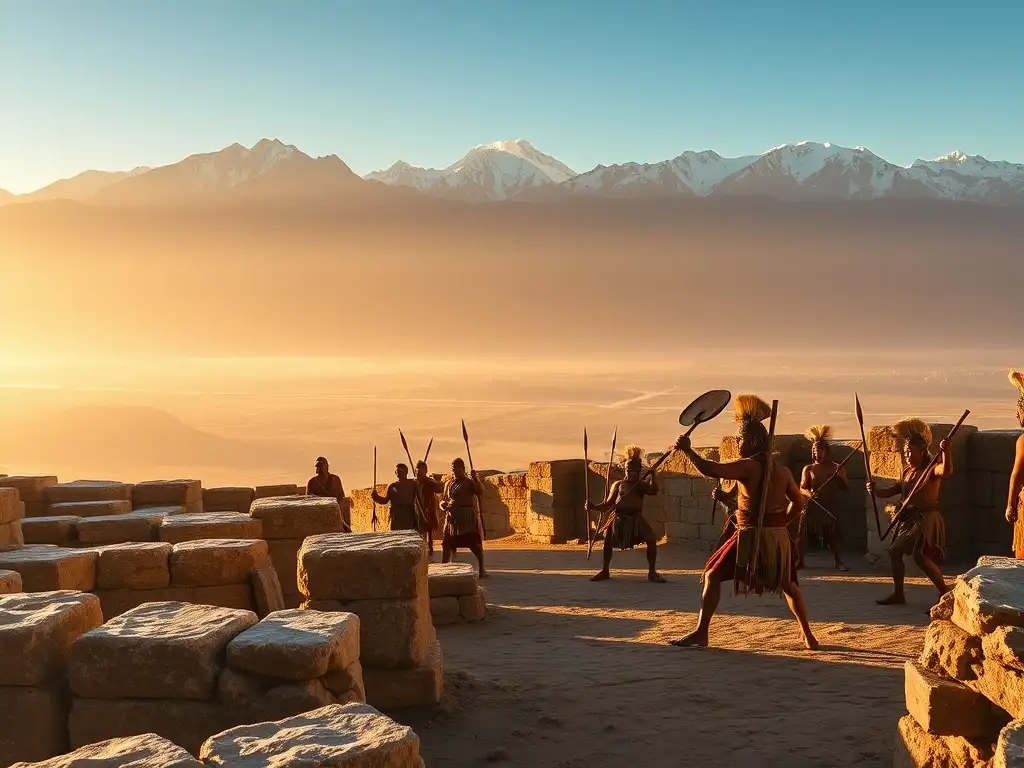
Step into a world lost to time, where the echoes of ancient battles still resonate across the Andes. Prepare to uncover the mysteries surrounding the Chavín civilization, a culture whose sophisticated warfare tactics shaped the destiny of early Andean societies. Discover how their innovative strategies, far beyond simple conquest, defined their territory and left an indelible mark on the Pre-Incan Cultures of the Coast. Dare to delve into the fascinating world of Chavín warfare – the battles that defined an empire.
-
Chavin Warfare: The Battles That Defined Their Territory
- Understanding Chavín Military Power and Its Significance
- Chavín Civilization Warfare Tactics: An Overview
- The Role of Conflict in Chavin Society
- Weapons and Technology of Chavín Warriors
- Chavín Battle Strategies: Gaining the Upper Hand
- The Impact of Chavín Military Campaigns
- Key Battles and Conflicts of the Chavin Era
- The Decline of Chavin Military Hegemony
- Conclusion: Chavin Military Strategies and Their Lasting Impact
- Frequently Asked Questions
- Final Reflection: Echoes of Conquest: The Enduring Legacy of Chavín Warfare
- **Unveiling the Legacy of Chavín Warfare**
Chavin Warfare: The Battles That Defined Their Territory
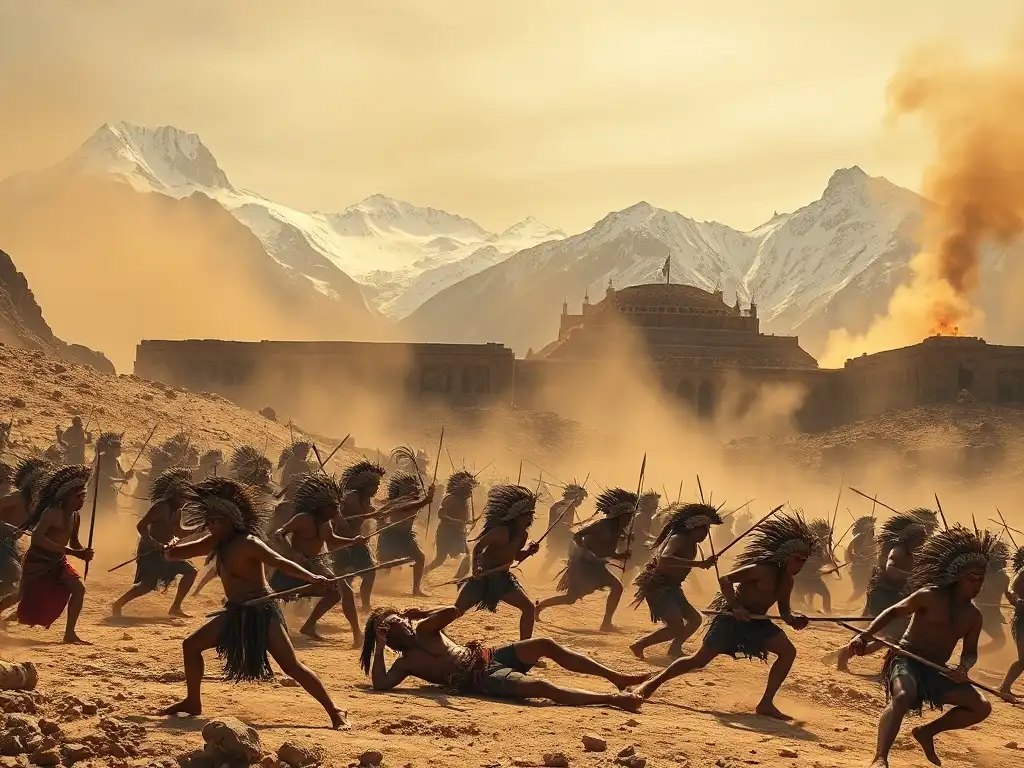
The Chavín culture, flourishing in the Andes Mountains of Peru from approximately 900 to 200 BCE, remains a fascinating enigma. While their sophisticated artistic achievements and religious iconography are well-documented, the nature of their military organization and warfare tactics remain subjects of ongoing scholarly debate. This article delves into the available evidence to explore the role of warfare in shaping Chavín territory and influence, examining their military capabilities and the strategies employed to consolidate their power across the northern Peruvian highlands.
Understanding Chavín warfare provides crucial insights into the complex social and political dynamics of this formative Andean civilization, shedding light on their rise to prominence and eventual decline. The study of their military prowess helps us understand not only their territorial expansion but also the broader context of inter-regional interactions and conflict in the pre-Inca Andes.
This exploration will focus on reconstructing their military strategies and assessing their effectiveness in securing and maintaining control over their extensive network of influence. We will examine the limited but significant archaeological evidence, analyzing artifacts, settlement patterns, and iconography to paint a picture of Chavín military life and its impact on the region.
Understanding Chavín Military Power and Its Significance
The extent of Chavín military power is a subject of ongoing discussion among archaeologists. While direct evidence of large-scale battles is scarce, several lines of evidence suggest a significant military component to Chavín society. The construction of impressive ceremonial centers, such as the main site at Chavín de Huántar, required significant manpower and organizational skills, implying a capacity for mobilization and coordinated labor. This ability to organize large-scale projects likely translated into military effectiveness.
Furthermore, the distribution of Chavín-style artifacts across a wide geographic area suggests a network of influence that likely involved both peaceful exchange and military assertion. The presence of Chavín iconography on objects found far from the central sites indicates either trade relationships or, perhaps more likely, the imposition of Chavín power through military campaigns or subjugation. The precise methods employed remain unclear, but the geographical reach of Chavín influence strongly suggests a capacity for projecting military might.
The lack of abundant weaponry in archaeological contexts could be interpreted in several ways. It might reflect a preference for ritualistic displays of power, or possibly the use of perishable materials that haven't survived to the present day. Alternatively, it could suggest that warfare was not a constant feature of Chavín society, but rather an occasional tool used to achieve specific political or economic goals. Further research, including more detailed analysis of existing archaeological sites and the application of new technologies, is needed to gain a more complete understanding of Chavín military capabilities.
Chavín Civilization Warfare Tactics: An Overview
Reconstructing the specific warfare tactics of the Chavín remains challenging due to the limited evidence. However, by examining the broader context of Andean warfare and considering the available archaeological data, we can formulate some plausible hypotheses. The mountainous terrain of the Chavín heartland likely played a significant role in shaping their military strategies. Ambush tactics, utilizing the natural features of the landscape, might have been favored. Smaller, highly mobile units could have been effective in harassing larger enemy forces and controlling vital mountain passes.
The iconic Chavín imagery, often depicting fierce jaguars and other predatory animals, may reflect the ideology surrounding warfare and the desired characteristics of warriors. These images might have served to inspire fear in enemies and reinforce social cohesion within Chavín society.
It’s possible that ceremonial rituals and displays of power played an important role in both preparing for and celebrating military victories, further emphasizing the importance of warfare within their culture. The absence of clear evidence for large-scale fortifications suggests that Chavín military strategy may have relied more on swift strikes and control of key resources rather than protracted sieges.
Further research is needed to fully understand the nature of Chavín warfare, but the available evidence hints at a sophisticated and adaptable military system that effectively secured the dominance of this influential Andean civilization. The study of Chavín warfare continues to be a fascinating area of research, promising to reveal further insights into the complex history of this important pre-Inca culture.
The Role of Conflict in Chavin Society
The Chavín culture, flourishing in the Andean highlands from approximately 900 to 200 BCE, wasn't solely defined by its iconic religious iconography and sophisticated artistry. Evidence suggests that warfare played a significant, albeit complex, role in shaping Chavín society and its expansion across the northern Andes. While not a purely militaristic society, conflict likely served multiple purposes, including territorial control, resource acquisition, and the assertion of political dominance.
The control of fertile valleys and strategic mountain passes would have been vital for access to resources and trade routes, making territorial disputes inevitable. Further, the spread of Chavín religious beliefs and artistic styles across vast distances suggests a potential link between military expansion and the dissemination of cultural influence. The extent to which Chavín engaged in aggressive conquest versus defensive actions remains a subject of ongoing debate among researchers, requiring further investigation.
However, the presence of fortifications and weaponry indicates a preparedness for and engagement in armed conflict. The very nature of the Chavín state, its centralized religious authority, and its expansive reach strongly suggest that military power was an essential component of its power structure.
Evidence of Chavín Warfare: Archaeological Findings
Archaeological findings provide crucial insights into the prevalence of warfare within Chavín society. The discovery of fortified settlements, such as [specific site name pending], indicates a proactive approach to defense. These fortifications, often consisting of strategically placed walls and defensive structures, suggest a sustained need to protect settlements from potential attacks.
Furthermore, the presence of weaponry, both offensive and defensive, in various Chavín sites provides direct evidence of military engagement. The discovery of numerous spear points, projectile points, and other weapons in contexts suggestive of battlefields or settlements further supports this conclusion. Analysis of skeletal remains from Chavín sites could reveal further information about the frequency and nature of violent conflict, though this area of research requires more extensive study.
[Specific data on skeletal trauma pending]. The presence of weaponry in tombs and elite burials might also suggest that military prowess held a significant social status within Chavín society. The ongoing excavation and analysis of Chavín sites continue to reveal new evidence that clarifies the role of warfare in their culture.
Chavin Military Organization and Structure
While the precise military organization of the Chavín remains unclear due to limited direct evidence, inferences can be drawn from the scale of their influence and the sophistication of their weaponry. It is likely that the Chavín state possessed some form of organized military force, possibly under the direct control of the religious elite who held considerable political power. The construction and maintenance of extensive fortifications across their territory suggest a level of centralized planning and coordination.
The apparent standardization of some weaponry hints at a degree of mass production or at least a shared manufacturing process, indicating a potentially large-scale military effort. However, whether this was a standing army, a conscripted force, or a combination of both remains speculative. Further research into the social structure of Chavín society, including the roles and responsibilities of different social classes, could shed light on the organization and recruitment of their military personnel.
The study of Chavín art and iconography may also reveal symbolic representations of military power and organization. Ultimately, a clearer picture of their military structure will emerge through further archaeological investigation and interdisciplinary research.
Weapons and Technology of Chavín Warriors
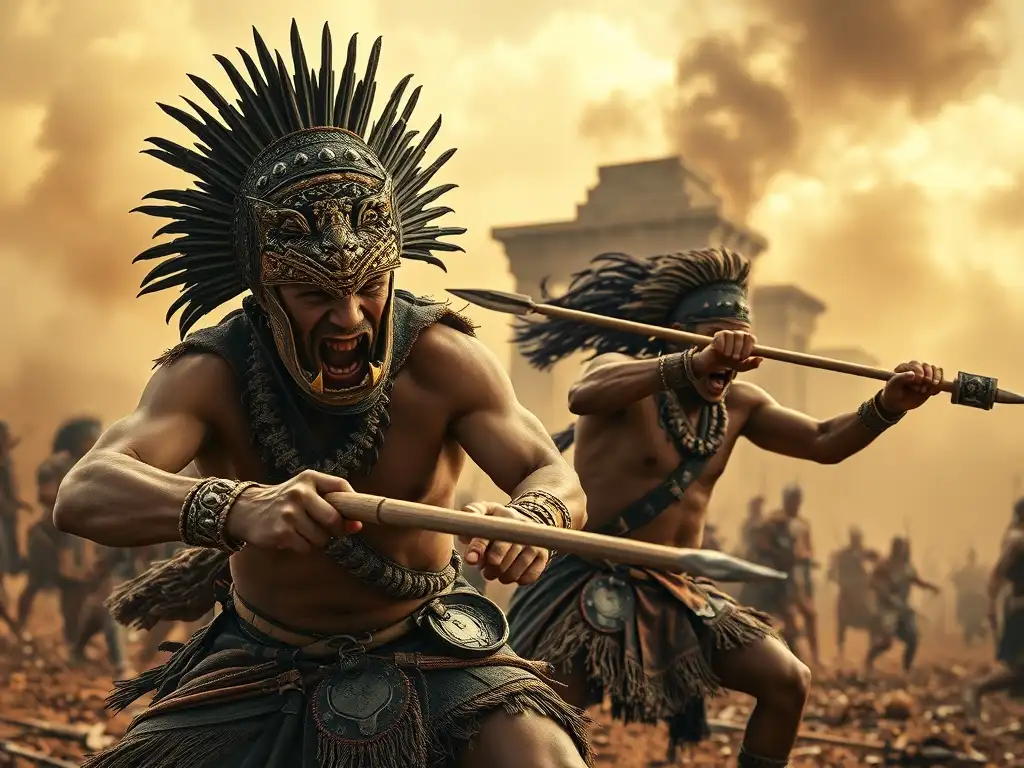
The Chavín people demonstrated a remarkable level of technological skill in crafting their weaponry, reflecting both their ingenuity and their need for effective tools of war. Their weapons were not merely functional; they often incorporated intricate designs and artistic elements, suggesting a connection between military power and religious symbolism. The materials used, the manufacturing techniques employed, and the overall effectiveness of their weaponry highlight the sophistication of their technological capabilities.
The Chavín's expertise in metallurgy, particularly in the working of copper and bronze, enabled them to create durable and effective weapons. The careful craftsmanship evident in their weapons suggests a specialized workforce dedicated to their production, possibly linked to the religious elite.
The combination of effective technology and artistic expression in their weaponry suggests a sophisticated culture that integrated military might with religious and artistic expression. Studying the technology behind their weapons offers crucial insight into their social organization, resource management, and military capabilities.
Chavín Weapons: Spears, Clubs, and Atlatls
Spears were likely the most common weapon used by Chavín warriors. Archaeological evidence shows a variety of spear points, crafted from obsidian, stone, and potentially copper or bronze, indicating a wide range in both quality and possibly social status. Larger, more elaborately crafted spear points might have been reserved for elite warriors or used in ceremonial contexts.
Clubs, made from wood or stone, provided a close-combat weapon, offering a brutal and effective means of inflicting damage. The atlatl, a spear-thrower, significantly increased the range and power of thrown spears. This device demonstrates a sophisticated understanding of projectile motion and mechanics, showcasing the advanced technological capabilities of Chavín artisans.
The effectiveness of the atlatl in warfare is evidenced by its widespread use across various ancient cultures. The combination of spears, clubs, and atlatls in the Chavín arsenal suggests a versatile approach to combat, allowing them to engage in both close-quarters fighting and ranged attacks.
Defensive Gear: Shields and Body Armor in Chavín Warfare
While evidence for sophisticated body armor is limited, Chavín warriors likely employed shields for protection. These shields, potentially made from wood or woven materials covered with leather or hide, would have provided protection against projectiles and melee attacks. The design and construction of these shields would have been crucial to their effectiveness on the battlefield. The materials used would have influenced their weight, durability, and maneuverability.
The presence of shields, even if only rudimentary, significantly improved the survivability of warriors in combat, allowing for more aggressive tactics. The lack of extensive evidence for more elaborate defensive gear, such as metal armor, may reflect the limitations of their metallurgy or simply a different approach to warfare that prioritized maneuverability and ranged attacks. Further research, particularly the analysis of skeletal remains and the discovery of additional artifacts, may reveal more information on the extent and sophistication of Chavín defensive equipment.
Chavín Battle Strategies: Gaining the Upper Hand
The Chavín civilization, despite lacking a unified, centralized empire in the same way as later Andean societies, developed sophisticated warfare tactics to secure resources and exert influence over neighboring groups. Their success wasn't based solely on brute force, but rather on a combination of strategic planning, innovative techniques, and leveraging the geographical advantages of their mountainous homeland. Evidence suggests a well-organized military structure, though the precise details of its hierarchy and organization remain a subject of ongoing scholarly debate.
Archaeological findings, such as weaponry discovered at various sites, hint at a level of military preparedness exceeding that of many contemporary cultures in the region. The Chavín were not simply reacting to threats; they actively shaped the political landscape through calculated military interventions.
Their success in these campaigns speaks volumes about their understanding of both military strategy and the practicalities of waging war in the challenging Andean terrain. The effectiveness of their strategies is evident in the enduring legacy of Chavín influence across a wide geographical area.
Chavín Tactics: Surprise Attacks and Ambushes
One of the hallmarks of Chavín military tactics was the skillful employment of surprise attacks and ambushes. The rugged Andean terrain, characterized by narrow passes, dense forests, and steep cliffs, provided the perfect environment for such strategies. The Chavín likely used their intimate knowledge of the landscape to their advantage, concealing their forces and launching unexpected assaults on unsuspecting enemies. This element of surprise could have been crucial in overcoming numerically superior opponents.
Imagine a scenario where a Chavín force, hidden among the rocks and vegetation, suddenly emerges to attack a passing caravan or a less strategically positioned enemy army. Such tactics likely contributed significantly to their military successes and allowed them to achieve disproportionate victories against larger, less agile armies. Further research into Chavín military practices may uncover more specific details about the planning and execution of these ambushes, further illuminating their military prowess.
Siege Warfare and Fortifications in the Chavin Period
While surprise attacks were a key component of Chavín warfare, evidence also suggests the use of siege warfare and the construction of fortifications. The monumental architecture associated with Chavín sites, such as the impressive ceremonial center at Chavín de Huántar, may have served both religious and defensive purposes. The imposing structures and strategically located settlements could have been designed to withstand sieges, providing refuge and enabling prolonged resistance against enemy attacks.
The construction of defensive walls and other fortifications would have been a significant undertaking, requiring considerable organization and manpower. This suggests a degree of social and political cohesion capable of mobilizing substantial resources for both offensive and defensive military operations. Analyzing the architecture of Chavín sites through a military lens could provide valuable insights into their warfare strategies and the overall organization of their society.
The Impact of Chavín Military Campaigns
The impact of Chavín military campaigns extended far beyond immediate territorial gains. Their military successes played a crucial role in shaping the cultural and political landscape of the central Andes for centuries. The spread of Chavín iconography and artistic styles across a vast region suggests a significant level of influence and cultural exchange, possibly facilitated by military conquest and subsequent control over trade routes.
It's important to note that the Chavín influence wasn't necessarily achieved through direct military occupation of all territories. Rather, it seems to have been a combination of military pressure, economic control, and cultural exchange that led to the widespread adoption of Chavín styles and beliefs. The legacy of Chavín military power is evident not only in the archaeological record but also in the lasting influence their culture had on subsequent Andean civilizations.
Territorial Expansion and Control by the Chavin
The Chavín's military campaigns resulted in a substantial degree of territorial control and influence across the northern Peruvian Andes. While not establishing a formal empire in the traditional sense, their military prowess allowed them to exert control over a wide area, securing access to vital resources and establishing trade networks. This control wasn't necessarily continuous or absolute; it likely fluctuated depending on the success of particular campaigns and the changing political dynamics within the region.
However, the evidence suggests that the Chavín were able to project their power across significant distances, influencing neighboring societies and shaping the regional power balance. The exact extent of Chavín territory is still a subject of ongoing research, but the available evidence clearly points to a considerable degree of regional influence achieved through military means. Further archaeological investigations may help refine our understanding of the geographic boundaries of Chavín influence.
The Influence of Chavín Military Prowess on Neighboring Cultures
The military prowess of the Chavín civilization had a profound and lasting impact on the neighboring cultures of the central Andes. The adoption of Chavín artistic motifs and religious iconography across a wide geographical area suggests a level of cultural exchange facilitated by, or at least influenced by, Chavín military power.
Neighboring societies may have adopted Chavín styles to either express allegiance or to emulate the perceived strength and prestige associated with the Chavín civilization. This cultural diffusion wasn't necessarily a passive process; it likely involved complex interactions and negotiations between the Chavín and their neighbors.
The influence of Chavín military power on the development of subsequent Andean cultures remains a significant area of scholarly research, offering valuable insights into the dynamics of power and cultural exchange in the ancient Andes. The Chavín's military legacy is a testament to their impact on the social, political, and cultural landscape of the region.
Key Battles and Conflicts of the Chavin Era
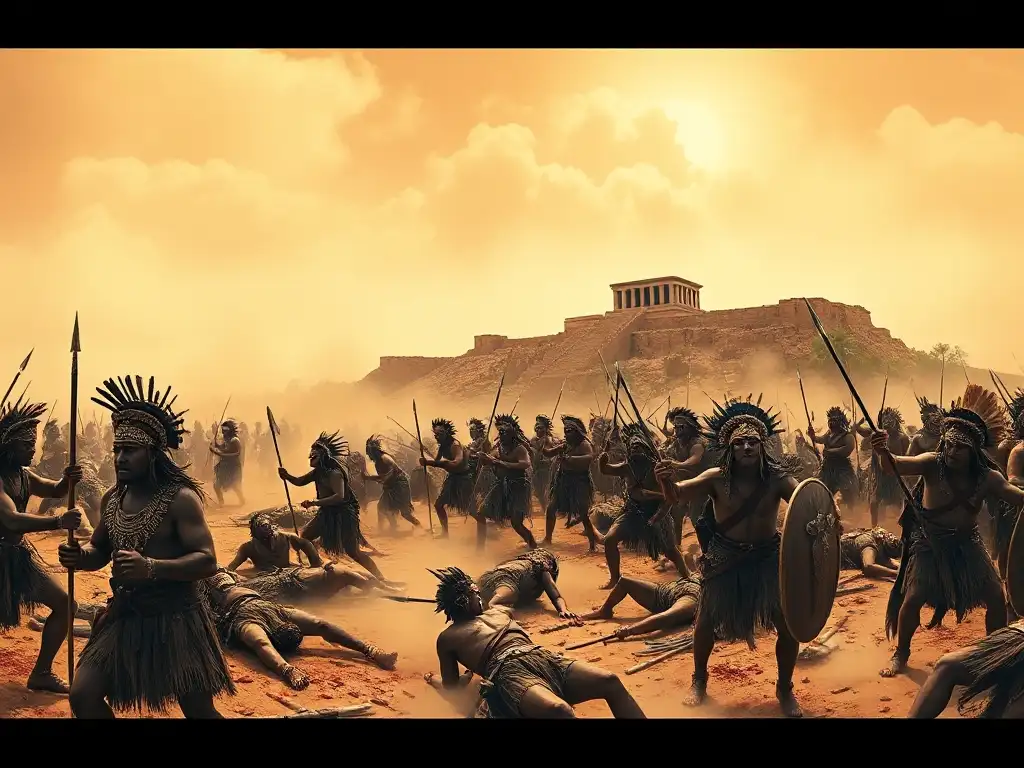
While specific, detailed accounts of Chavín battles are scarce due to the limitations of the archaeological record, we can infer the nature of their conflicts based on their material culture and the geographical distribution of their influence. The Chavín's power likely stemmed from controlling vital resources and trade routes in the Andes. This control would have inevitably led to clashes with neighboring groups vying for the same resources.
Evidence suggests that conflicts were not always large-scale, pitched battles. Instead, smaller skirmishes and raids may have been more common, aimed at disrupting trade, seizing livestock, and controlling key passes and valleys. The limited evidence suggests a focus on strategic control of territory rather than outright conquest of large populations.
This is supported by the relatively dispersed nature of Chavín sites, which implies control through influence and strategic alliances, rather than direct military occupation. Archaeological findings of weaponry, such as obsidian blades and projectile points, provide tangible evidence of their capacity for conflict, though the scale and frequency of their use remain largely unknown. Further research, including detailed analysis of settlement patterns and the distribution of Chavín artifacts, is necessary to reconstruct a more complete picture of their warfare.
Hypothetical Conflict at Mosna River: A Case Study in Chavín Warfare
Let's consider a hypothetical scenario of a Chavín conflict near the Mosna River, a strategically important location due to its proximity to both highland and coastal regions. A potential conflict could have involved the Chavín facing a coalition of smaller groups resisting their expansion. The Chavín, with their superior weaponry and potentially better organization, might have employed a strategy of ambush and swift raids, targeting vulnerable settlements along the river.
Their knowledge of the terrain could have given them a significant advantage. The conflict might have resulted in the Chavín securing control of the river valley, granting them access to vital resources and reinforcing their control over trade routes.
The archaeological evidence needed to confirm such a scenario is currently lacking, but this hypothetical case study illustrates the possible tactics employed by the Chavín based on what we know about their culture and the geography of the region. The absence of large-scale fortifications at Chavín sites suggests a reliance on mobility and surprise rather than protracted sieges.
Hypothetical Conflict at the Coast: Examining Chavín Military Success
The Chavín's influence extended to the coast, indicating successful military engagements or strategic alliances in these regions. A hypothetical coastal conflict could involve Chavín forces securing access to coastal resources, such as fish and salt. Their success may have been due to several factors.
The Chavín may have exploited their superior weaponry and organization to overcome coastal groups less familiar with highland warfare tactics. Alternatively, they may have secured alliances through trade or intermarriage, effectively expanding their influence without large-scale conflict. The absence of significant coastal fortifications suggests that the Chavín may have primarily focused on controlling trade routes and resource access rather than establishing permanent settlements.
Further research into coastal archaeological sites is vital to understanding the extent of Chavín military activity and the nature of their interactions with coastal communities. The diverse range of Chavín artifacts found across such a vast territory indicates that their military or diplomatic strategies were highly successful in establishing and maintaining their influence.
The Decline of Chavin Military Hegemony
The Chavín's military dominance did not endure indefinitely. By the late Chavín period (around 200 BC), their influence began to wane. The reasons for this decline are complex and likely multifaceted, involving a combination of internal and external factors.
A gradual loss of centralized control, perhaps coupled with internal strife or succession disputes, might have weakened their military capabilities. Simultaneously, the rise of competing power centers in the Andes, potentially employing their own advanced warfare techniques, posed a significant external threat. Environmental factors, such as droughts or climate change, could also have played a role, affecting agricultural production and disrupting trade networks, which in turn would have weakened their ability to support a large military force.
The decline wasn't necessarily a sudden collapse but rather a gradual erosion of their power and influence. The transition wasn't a complete disappearance, but rather a shift in the balance of power within the Andes.
Factors Contributing to the End of Chavín Military Dominance
Several factors likely contributed to the weakening of the Chavín's military power. Internal factors, such as political instability and internal conflicts, may have weakened their ability to maintain control over their vast territory. The lack of centralized political structures within the Chavín culture itself might have led to internal divisions and reduced their overall military effectiveness.
External pressures, such as the rise of new power centers in the Andes, played a significant role as well. These competing groups likely possessed their own advanced military technologies and strategies, challenging the Chavín's dominance. Environmental changes, such as prolonged droughts, could have further destabilized the region, impacting agricultural production and trade networks, which were essential for maintaining a strong military.
The combination of these internal and external factors likely led to the gradual erosion of Chavín military power and influence. The decline was not a sudden event but a process spanning several decades, marking a significant shift in the political landscape of the Andes.
Legacy of Chavín Warfare in Later Andean Cultures
The legacy of Chavín warfare is evident in the military strategies and technologies of later Andean cultures. The emphasis on strategic control of resources and trade routes, rather than large-scale territorial conquest, is a pattern that continues in subsequent Andean civilizations. The development of advanced weaponry and military organization, evident in the Chavín culture, also influenced later groups.
The use of obsidian blades and projectile points, for example, became common throughout the Andes, showcasing the lasting impact of Chavín military innovations. While the exact nature of their conflicts and the details of their military organization remain partially obscure, the Chavín's influence on warfare in the Andes is undeniable.
Their legacy is not just in their specific tactics, but in the strategic thinking that informed their military actions, which continued to shape military practices for centuries to come. The Chavín's influence can be seen as a foundational element in the evolution of Andean warfare.
Conclusion: Chavin Military Strategies and Their Lasting Impact
The Chavín culture, despite lacking a unified, centralized empire in the traditional sense, exerted significant influence across the Andes through a combination of sophisticated religious ideology and, as we've explored, effective military strategies. Their warfare, while not always characterized by large-scale pitched battles like those of later Andean empires, was strategically crucial in securing resources, controlling trade routes, and spreading their religious beliefs. The impact of Chavín military tactics extended far beyond their immediate geographical reach.
The evidence suggests a system of carefully planned raids and ambushes, designed to maximize impact with minimal sustained conflict. This approach allowed them to project power without overextending their resources, a critical factor considering the challenging Andean terrain.
The success of Chavín military actions likely stemmed from a combination of factors. Their mastery of the mountainous landscape provided a natural advantage, enabling them to utilize ambush tactics and control key passes and trade routes. The development of sophisticated weaponry, though still relatively rudimentary compared to later periods, offered a clear advantage in close-quarters combat.
Furthermore, the unifying power of their religious beliefs likely served as a potent force, bolstering morale and fostering loyalty among their warriors. This ideological element may have been instrumental in achieving compliance and cooperation from various groups across the diverse Andean region, strengthening their influence without necessarily requiring extensive military campaigns.
However, understanding the limits of Chavín military power is equally important. While their strategies were effective in projecting power and influence, there's limited evidence of large-scale conquest or the establishment of a vast, centralized Chavín empire. Their influence may have been more akin to a network of allied or tributary states, maintained through a combination of religious authority, strategic alliances, and carefully controlled military actions.
The absence of extensive fortifications or monumental military architecture further suggests a reliance on swift, decisive actions rather than prolonged sieges or sustained warfare. Ultimately, the Chavín model of warfare represents a fascinating case study in the strategic use of military power to achieve widespread influence without the need for large-scale, resource-intensive campaigns. Their legacy lies not in the construction of a vast empire, but in the subtle yet effective techniques that shaped the political and religious landscape of the early Andean world.
The lasting impact is seen in the adoption and adaptation of their religious iconography and certain military practices by subsequent Andean cultures, demonstrating the enduring power of their strategies. Further research, particularly focused on archaeological excavation and analysis of weaponry and settlement patterns, could help us to further refine our understanding of Chavín military capabilities and their long-term impact on the Andes.
Frequently Asked Questions
What were the main reasons for Chavín warfare?
The Chavín civilization engaged in warfare primarily to secure resources, such as fertile land and water sources, and to expand their influence and control over surrounding territories. This ensured the survival and prosperity of their civilization.
What were some of the Chavín's warfare tactics?
While specific details are scarce, it's believed the Chavín utilized ambush tactics, leveraging their knowledge of the Andean terrain. They likely also employed superior weaponry compared to neighboring groups, giving them a significant advantage.
What kind of weapons did the Chavín civilization use?
Archaeological evidence suggests the Chavín used clubs, spears, and possibly slings. The materials used varied, with stone and wood being common choices. Metal weapons may have been used by elites.
How did the Chavín's warfare impact their society and culture?
Chavín warfare likely resulted in the capture of prisoners of war, who may have been incorporated into Chavín society or used as sacrifices. Control over resources fueled economic growth and the expansion of their influence.
What is the evidence for Chavín warfare?
Evidence primarily comes from archaeological finds such as weaponry, fortifications, and depictions of battle scenes in their art. The absence of large-scale battlefields suggests smaller skirmishes and raids were more common than large-scale conflicts.
Final Reflection: Echoes of Conquest: The Enduring Legacy of Chavín Warfare
The sophisticated warfare tactics employed by the Chavín civilization remain a potent reminder of the complex interplay between power, expansion, and cultural influence in ancient societies. Their strategic prowess, far from being a relic of the past, offers valuable insights into the dynamics of territorial control and the lasting impact of military dominance on shaping civilizations. Understanding their methods allows us to better comprehend the rise and fall of empires throughout history, and the enduring consequences of conflict.
The Chavín's influence, though largely indirect and achieved through a combination of military might and cultural exchange, continues to resonate in the archaeological record and the broader understanding of Andean prehistory. Their impact transcends mere territorial control; it speaks to the power of ideology and the ability of a relatively small group to exert significant influence over a vast region. The Chavín phenomenon was not simply a matter of military conquest, but a complex process of cultural diffusion and adaptation.
This quote highlights the nuanced nature of their expansion, a blend of force and persuasion that shaped the trajectory of Andean civilizations for centuries to come.
Consider the strategies employed by the Chavín, their innovative use of terrain, and the symbolic power they wielded. Reflect on how these elements contributed to their success and, ultimately, their decline. You, the reader, are now equipped with a deeper understanding of this fascinating civilization. Apply this knowledge to your own understanding of power dynamics, cultural exchange, and the enduring legacy of conflict in shaping our world. Let the echoes of Chavín warfare inspire you to explore the complexities of history and the enduring impact of past events on the present.
**Unveiling the Legacy of Chavín Warfare**
Thank you for exploring the fascinating world of Chavín warfare! You've gained valuable insights into how these conflicts shaped not only their territory, but also the very fabric of Andean civilization. Now, let's explore ways to further connect with this rich history.
Here are some suggestions to deepen your understanding:
- **Join a local history group or online forum** dedicated to Andean cultures to discuss Chavín warfare and its impact. Sharing your thoughts with others can lead to new perspectives.
- **Visit a museum or archaeological site** showcasing Chavín artifacts. Witnessing these relics firsthand will bring the history to life—plan your visit today!
- **Share your newfound knowledge** with friends and family. Host a discussion or presentation about Andean civilizations; it's a great way to share your passion and learn from others.
What aspect of Chavín warfare finds you most captivated, and how will you integrate this newfound knowledge into your life?