
The Relationship Between Quechua and Other Andean Languages: A Linguistic Tapestry

Unravel the mysteries of the Andes! Journey with us through a vibrant tapestry of ancient cultures, where towering cities met breathtaking artistry. But beyond the majestic ruins and intricate textiles lies a linguistic legacy – the Quechua language family and its intricate relationship with other Andean tongues. Discover the fascinating connections and surprising divergences in this exploration of the Andean languages, a story waiting to be told. Are you ready to delve deeper?
The Andes Mountains, a spine of towering peaks running down the western coast of South America, are not only a geographical marvel but also a cradle of incredible linguistic diversity. For centuries, a vibrant tapestry of languages has woven its way through the valleys and highlands, reflecting the complex history and cultural richness of the Andean civilizations.
This article delves into the fascinating relationship between the Quechua language family and other Andean languages, exploring its origins, expansion, and the intricate connections that bind these linguistic traditions together. We'll unravel the threads of this linguistic tapestry, examining the evidence of both shared ancestry and independent development, ultimately painting a clearer picture of the linguistic landscape of the Andes and its significance in understanding the region's rich cultural heritage.
Understanding the Quechua language family's relationship with its neighbors is crucial to appreciating the full complexity of Andean history and the enduring legacy of its diverse peoples. The keyword phrase "Quechua language family Andean languages" will guide our exploration, highlighting the key connections and distinctions within this fascinating linguistic world.
Introduction to the Quechua Language Family and Andean Linguistic Diversity
The Andes boast an astonishing array of indigenous languages, a testament to the region's long and complex history. The Quechua language family stands out as one of the most prominent and widely spoken, with a significant presence across several Andean countries. However, it's crucial to understand that Quechua is not alone.
Numerous other language families and isolates exist, each with its own unique history and characteristics. These include, but are not limited to, Aymara, Mapudungun, and numerous smaller language groups, often categorized into various language families like the Tupian, Araucanian, and others. The Andean linguistic landscape is far from monolithic; it's a complex mosaic of languages reflecting the diverse ethnic groups that have inhabited this region for millennia.
Understanding this diversity is key to appreciating the interconnectedness – and also the distinctions – between Quechua and its neighboring languages. The sheer number of languages present before the arrival of European colonizers speaks volumes about the dynamism of Andean culture and the rich history embedded within its linguistic heritage. The interaction and influence between these different language groups are still being researched, offering valuable insights into the intricate social and cultural dynamics of the past.
Understanding the Quechua Language: Origins and Expansion
The origins of the Quechua language are still debated among linguists, but the prevailing theory points to a relatively recent origin in the central Andes. From this central point, Quechua underwent a remarkable expansion, spreading across vast territories thanks to a combination of factors, including the Inca Empire's rise to power. The Inca's administrative and communication systems relied heavily on Quechua, leading to its adoption as a lingua franca throughout their expansive empire.
This imperial influence significantly contributed to Quechua's spread, and its presence as a lingua franca facilitated communication among diverse ethnic groups within the empire's boundaries. However, it's important to remember that the Inca conquest didn't erase pre-existing languages.
Many Andean languages continued to be spoken alongside Quechua, creating a complex linguistic landscape where languages coexisted and interacted. The exact processes of language contact and borrowing are still being investigated, but it's clear that the interaction between Quechua and other Andean languages has left a lasting mark on both.
The Spread of Quechua Across the Andes
The spread of Quechua was not uniform. Different Quechua dialects emerged, reflecting regional variations and the influence of neighboring languages. This diversification resulted in a complex family of related languages, rather than a single monolithic entity. For example, while many dialects share core vocabulary and grammatical structures, pronunciation and specific vocabulary can differ significantly.
This linguistic diversity reflects the complex social and geographical dynamics of the Andean region. The processes of language shift and maintenance also played a crucial role. While Quechua became dominant in many areas, many other Andean languages continued to be spoken, often alongside Quechua, creating a complex multilingual environment.
This continued linguistic diversity is a testament to the resilience of Andean cultures and their ability to maintain their linguistic heritage despite significant historical pressures. Today, Quechua continues to thrive in many parts of the Andes, a living testament to the rich linguistic heritage of the region. Its continued use and revitalization efforts reflect the ongoing importance of this language in maintaining cultural identity and fostering a sense of community.
Pre-Inca Linguistic Landscape: A Mosaic of Andean Tongues
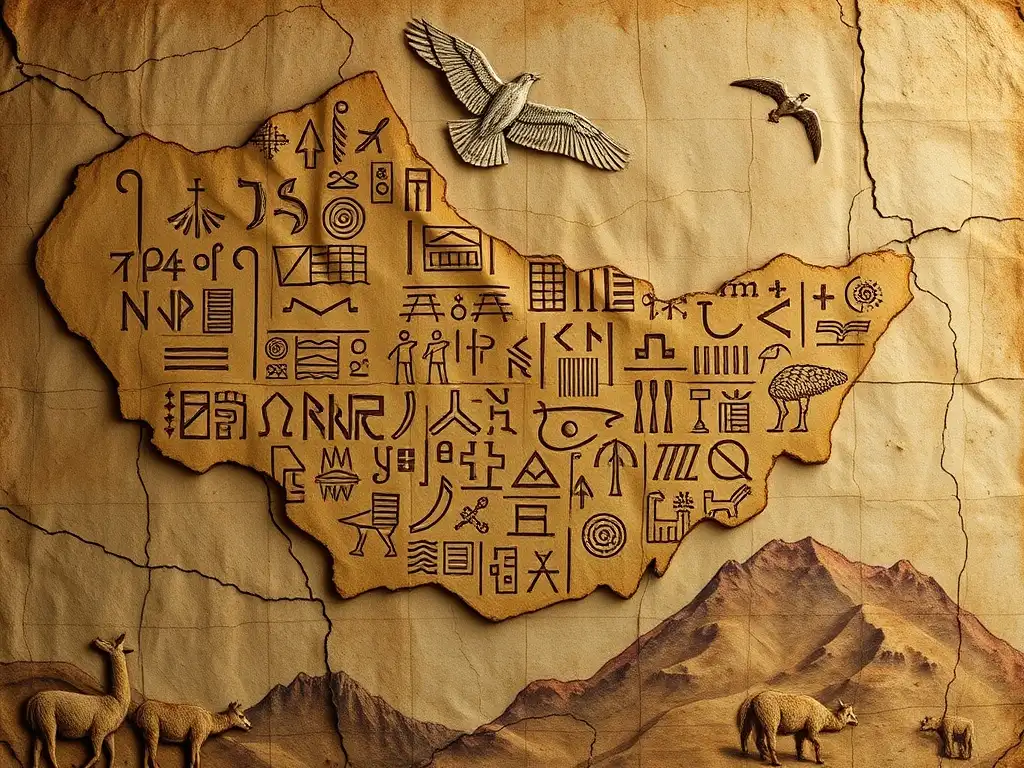
Before the Inca Empire's expansion, the Andean region was a vibrant tapestry of languages. The Quechua language family, while significant, was only one thread in this complex linguistic fabric. Numerous language families and isolates existed, each with its own unique structure and vocabulary, reflecting the diverse cultures and geographies of the region. Archaeological evidence, combined with linguistic reconstruction techniques, provides glimpses into this pre-Inca linguistic diversity.
For example, studies of pottery inscriptions and other artifacts suggest the presence of languages unrelated to Quechua in coastal regions, such as the north coast of Peru where the Moche civilization flourished. These languages, many now extinct, likely influenced each other through trade, migration, and inter-cultural contact, creating a dynamic and evolving linguistic landscape. The exact extent of this interaction and the specific relationships between these languages remain areas of ongoing research, but it's clear that the pre-Inca period was a crucible of linguistic innovation and change, laying the groundwork for the later dominance – at least politically – of Quechua under the Inca.
Understanding this pre-Inca linguistic diversity is crucial for a complete understanding of Quechua's own development and its place within the broader Andean linguistic context. The intricate interplay of these languages contributed to the rich linguistic heritage of the Andes, shaping the linguistic landscape that would later be impacted by the rise of the Inca Empire and the subsequent spread of Quechua. Further research, particularly in deciphering pre-Columbian writing systems, promises to illuminate this fascinating and complex linguistic history.
A Look at Extinct Andean Languages and Their Connection to Quechua
Many Andean languages spoken before and during Inca rule are now extinct. The loss of these languages represents an irreplaceable loss of cultural heritage and linguistic diversity. While the exact number of extinct Andean languages is difficult to determine definitively due to limited documentation, research suggests a significant number, potentially numbering in the dozens, vanished over time, often due to factors like colonization, disease, and linguistic assimilation. Some of these extinct languages might have been closely related to Quechua, possibly belonging to the same family or exhibiting significant linguistic similarities.
However, determining the precise nature of these relationships poses a considerable challenge due to the scarcity of surviving linguistic data. Scholars often rely on limited vocabulary lists, place names, and brief descriptions from early colonial accounts to attempt reconstructions. For instance, some researchers hypothesize a connection between Quechua and certain extinct languages spoken in the northern Andes based on shared vocabulary or grammatical features. Yet, the absence of extensive textual records makes definitive conclusions difficult.
The extinction of these languages highlights the importance of linguistic preservation efforts. The study of extinct Andean languages, even with limited data, provides valuable insights into the broader linguistic history of the Andes and can contribute to a deeper understanding of the relationships between Quechua and its extinct relatives, enriching our knowledge of the "Quechua language family Andean languages" and the complex linguistic history of the region. The ongoing research into these extinct languages continues to unravel the mysteries of Andean linguistic diversity and its evolution over time.
- Introduction to the Quechua Language Family and Andean Linguistic Diversity
- Understanding the Quechua Language: Origins and Expansion
- The Spread of Quechua Across the Andes
- Pre-Inca Linguistic Landscape: A Mosaic of Andean Tongues
- A Look at Extinct Andean Languages and Their Connection to Quechua
Exploring the Relationship Between Quechua and Aymara
The Quechua language family, dominant across the Andes, often overshadows the rich linguistic diversity of the region. While Quechua's prevalence is undeniable, understanding its relationship with other Andean languages, particularly Aymara, is crucial for a complete picture of the region's linguistic tapestry. This section focuses on the complex interplay between Quechua and Aymara, two of the most prominent Andean languages, examining their similarities and differences to illuminate their potential historical connections. Understanding this relationship helps us unravel the intricate linguistic history of the Andes and appreciate the profound impact of language on Andean culture.
Aymara: A Major Andean Language and Its Differences with Quechua
Aymara, spoken primarily in the Altiplano region encompassing parts of Bolivia, Peru, and Chile, stands as a major Andean language distinct from Quechua. While both languages thrived in the Andes, their development followed separate paths, leading to significant differences. Aymara, unlike Quechua, is not a language family; it's a single language with various dialects. Its grammatical structure differs substantially from Quechua.
For example, Aymara employs a complex system of noun classes, a feature absent in Quechua. This system categorizes nouns based on features such as animacy and gender, impacting verb agreement and adjective usage. The phonology also presents clear distinctions. Aymara boasts sounds not found in Quechua, and vice-versa, leading to differences in pronunciation and syllable structure.
The vocabulary, while sharing some cognates (words with a common ancestor), shows a significant degree of divergence, reflecting independent lexical development. A deeper investigation into these contrasts reveals the independent evolutionary paths of Quechua and Aymara, despite their geographical proximity and shared Andean context. This divergence underscores the complex linguistic landscape of the Andes, where multiple language families and isolated languages coexisted and interacted.
Grammatical and Phonological Comparisons Between Quechua and Aymara
Despite their differences, subtle comparisons reveal potential historical contact or a shared distant ancestor. While not belonging to the same family, some grammatical similarities exist, although often obscured by later developments. For instance, both languages exhibit agglutination, a process where morphemes (meaningful units) are added to a root word to create complex words.
However, the way this agglutination functions differs significantly, hinting at independent evolution rather than direct inheritance. Phonologically, a few shared sounds exist, but the overall sound inventories are quite different, again suggesting independent development over a long period. The limited shared vocabulary, mostly basic terms, requires careful analysis to determine if these are due to borrowing or reflect a deeper, shared ancestry.
Further research utilizing advanced computational methods, such as phylogenetic analysis of linguistic data, is needed to refine our understanding of their relationship. This research could involve analyzing large corpora of text in both languages to identify patterns and potential shared features that may not be immediately apparent.
Despite substantial differences, a small core of shared vocabulary persists between Quechua and Aymara, suggesting some degree of linguistic contact. However, determining whether this contact reflects ancient borrowing or a shared, distant ancestor remains a challenge. The shared vocabulary is predominantly composed of basic terms related to everyday life, such as numbers, body parts, and basic kinship terms.
The limited number of shared terms might indicate brief or indirect contact, rather than prolonged linguistic interaction or common ancestry. The possibility of language contact is further complicated by the presence of other languages in the Andes, some of which may have acted as intermediaries, obscuring the direct relationship between Quechua and Aymara. Therefore, a more nuanced approach is required to understand the nature of this shared lexicon and its implications for the historical relationships between these two significant Andean languages.
More detailed comparative lexicostatistical studies, incorporating data from other Andean languages, are needed to better understand the extent and nature of any shared vocabulary and ultimately, the potential historical connections between Quechua and Aymara. Careful consideration of historical and archaeological evidence alongside linguistic data is crucial for a comprehensive understanding of this complex linguistic relationship.
Theories on the Historical Relationship between Aymara and Quechua
The relationship between Quechua and Aymara, two prominent Andean languages, has long been a subject of intense linguistic debate. While both languages flourished in the Andes and share some geographical proximity, determining a definitive historical connection remains challenging. Several theories attempt to explain their similarities and differences, each with its own strengths and weaknesses.
One prominent theory suggests a distant genetic relationship, proposing a common ancestor language from which both Quechua and Aymara diverged over millennia. This theory points to shared vocabulary and grammatical features, albeit often exhibiting significant phonological shifts and semantic drift over time. However, the lack of clear, readily identifiable cognates – words with a shared etymological origin – makes establishing a direct genealogical link difficult. Further research into deeper linguistic structures and potentially extinct Andean languages may be necessary to solidify this hypothesis. The complexities of language evolution, including borrowing and convergence, further complicate the picture.
Another theory proposes extensive language contact and borrowing rather than a shared ancestry. Proponents suggest that the observed similarities stem from prolonged interaction between Quechua and Aymara speaking communities, leading to mutual linguistic influence. This could explain the presence of shared vocabulary items without necessarily implying a common ancestor.
This theory aligns with the historical reality of significant cultural exchange and population movements in the Andes. The extent of this borrowing, however, is still debated, with some scholars arguing that the similarities are too pervasive to be attributed solely to contact. Detailed comparative studies focusing on borrowed vocabulary's phonological adaptation and semantic shifts could provide further insights.
A third perspective posits a more nuanced scenario, suggesting a combination of both genetic relationship and language contact. This theory acknowledges the possibility of a distant common ancestor while recognizing the significant role of subsequent language contact in shaping the current forms of Quechua and Aymara. This approach attempts to reconcile the evidence suggesting some shared ancestry with the observable effects of prolonged interaction between the two language families.
This integrated approach is perhaps the most promising, requiring further research to determine the relative contributions of genetic inheritance versus language contact in their observed similarities. Sophisticated computational methods and phylogenetic analysis could help disentangle the complex interplay of these factors. Ultimately, a comprehensive understanding requires more detailed research into the deeper linguistic structures of both Quechua and Aymara and a more thorough investigation of the historical context of their interaction.
Other Andean Languages and Their Interaction with Quechua
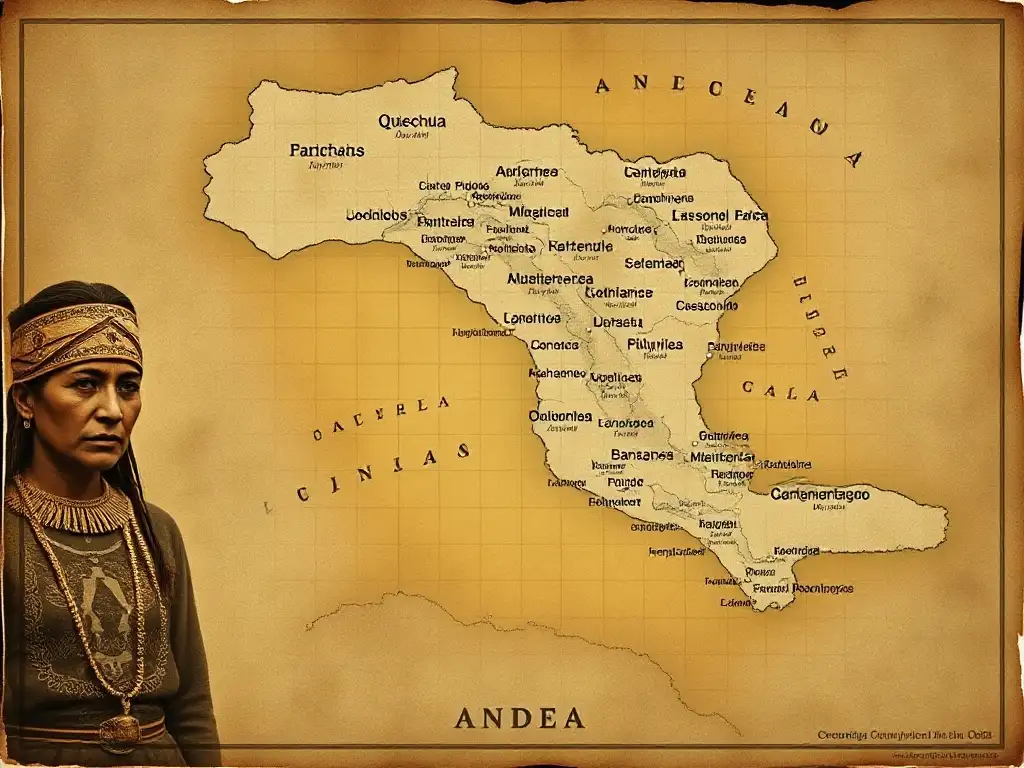
The Quechua language family, while dominant across a vast swathe of the Andes, wasn't isolated. Numerous other language families and isolates existed concurrently, interacting and influencing each other in complex ways. Understanding these interactions provides a richer, more nuanced picture of the linguistic tapestry of the Andean region and the Quechua language family's evolution.
Examining these interactions illuminates the dynamic nature of language contact and change throughout Andean history. The degree of influence varied significantly, reflecting the historical dynamics of power, migration, and cultural exchange between different groups. This section will explore some key examples, focusing on their relationship with Quechua.
Jaqi Languages: Exploring Their Link to Aymara and Quechua
The Jaqi language family, primarily represented by Aymara, presents a fascinating case study in Andean linguistic interaction. Aymara, spoken in the Altiplano region, encompassing parts of Bolivia, Peru, and Chile, shares a long history of contact with Quechua. While not directly related, extensive bilingualism and prolonged geographic proximity have resulted in substantial lexical borrowing and grammatical influences in both languages.
For instance, many terms related to agriculture, administration, and everyday life are shared or exhibit clear cognates between Aymara and Quechua. This suggests a significant exchange of vocabulary, likely driven by the Inca Empire's expansion and the subsequent adoption of Quechua as an administrative language. However, the core grammatical structures of Aymara and Quechua remain distinct, highlighting the resilience of their underlying linguistic systems despite centuries of contact.
Further research is needed to fully quantify the extent of mutual influence and to disentangle the effects of borrowing from other potential sources. Detailed comparative studies of specific grammatical features and vocabulary could reveal more subtle patterns of convergence and divergence. The ongoing documentation and analysis of endangered Jaqi dialects are crucial for a comprehensive understanding of this linguistic interaction.
Uru-Chipaya Languages: Its Unique Characteristics and Quechua Influences
The Uru-Chipaya languages, spoken by small, isolated communities in Bolivia, represent a linguistic isolate—meaning it doesn't belong to any known language family. Despite its unique position, the Uru-Chipaya languages have demonstrably been affected by contact with Quechua. The extent of this influence is a subject of ongoing debate amongst linguists, with some arguing for a significant Quechua substrate, while others emphasize the language's inherent resilience.
The presence of Quechua loanwords in Uru-Chipaya is undeniable, particularly in domains relating to trade, administration, and aspects of daily life introduced or facilitated by the Inca and post-Inca societies. However, the core grammatical structure of Uru-Chipaya remains largely distinct from Quechua, suggesting that borrowing was primarily lexical rather than grammatical. Further research into the historical context of Uru-Chipaya-Quechua contact, focusing on specific geographical locations and historical periods, is needed to better understand the patterns of language shift and borrowing.
Detailed comparative lexicostatistical studies could provide quantitative data to support claims about the extent of Quechua influence. The preservation of Uru-Chipaya is critically important for understanding the linguistic diversity of the Andes and the complex interplay between dominant and less-dominant languages.
Mapudungun: Analyzing Its Relationship with the Quechua Language Family
Mapudungun, the language of the Mapuche people, located primarily in central and southern Chile and parts of Argentina, presents a unique case. Unlike Aymara or Uru-Chipaya, Mapudungun is not geographically contiguous with the core Quechua-speaking regions for extended periods. Consequently, the extent of direct linguistic influence between Mapudungun and Quechua is considerably less pronounced than in the previously discussed examples.
While some lexical borrowing between Mapudungun and Quechua has occurred, particularly in regions where both languages were in contact, it's generally considered to be relatively limited compared to other Andean language pairs. The lack of extensive grammatical similarities further supports this observation. The interaction between these two language families likely reflects more sporadic contact events, perhaps related to trade or warfare, rather than sustained bilingualism or prolonged co-existence in a shared geographical space.
Further research should focus on identifying the specific historical events and geographical contexts that led to any observed lexical borrowing. A detailed analysis of the borrowed words and their semantic domains could provide valuable insights into the nature and extent of past interactions between the Mapuche and Quechua-speaking communities. The study of Mapudungun and its relationship with Quechua provides a valuable counterpoint to the more extensive interactions observed with other Andean languages.
Lesser-Known Andean Tongues: Unveiling Their Connections to Quechua
The Quechua language family, while dominant in the Andes, didn't exist in isolation. Numerous other languages, some now extinct, flourished alongside it, forming a complex linguistic tapestry. Understanding the relationships between Quechua and these lesser-known tongues offers crucial insights into the region's pre-Columbian history and the migrations of its diverse populations. These connections are often subtle, revealed through comparative linguistics – the study of language relationships through shared vocabulary, grammar, and sound patterns.
For example, researchers have identified potential links between Quechua and the now-extinct Puquina language, spoken in the Lake Titicaca region. While not definitively proven to be related, certain grammatical similarities and shared vocabulary have fueled ongoing research and debate among linguists. The challenge lies in the fragmented nature of the evidence; many of these languages are poorly documented, with limited surviving texts and oral traditions.
Further complicating the picture is the influence of language contact. Centuries of interaction between different Andean communities led to extensive borrowing of words and grammatical structures. Distinguishing between genuine genetic relationships and the effects of language contact requires careful analysis and a nuanced understanding of historical contexts.
For instance, the Aymara language, which coexists with Quechua in many parts of the Andes, shows some lexical similarities, but these are widely believed to be due to prolonged contact rather than a shared ancestral language. The intricate interplay of genetic relatedness and contact-induced similarities makes the reconstruction of the Andean linguistic landscape a complex and fascinating puzzle. The ongoing discovery and analysis of new linguistic data continually refine our understanding of these relationships.
The study of these lesser-known languages is not merely an academic exercise. It holds significant implications for understanding the cultural history of the Andes. Each language embodies a unique worldview, reflecting the specific ecological adaptations and social structures of its speakers. By investigating the relationships between these languages, including their connections to Quechua, we gain a richer appreciation for the diversity and interconnectedness of Andean cultures.
Preserving and studying these endangered languages is therefore crucial for safeguarding a vital part of the Andean heritage, ensuring that the voices of these communities are not lost to history. The work requires collaborative efforts between linguists, anthropologists, and community members to document and analyze these languages before they disappear completely. This collaborative approach is vital for not only understanding the past but also for promoting linguistic diversity and cultural preservation in the present.
Linguistic Influences and Borrowings
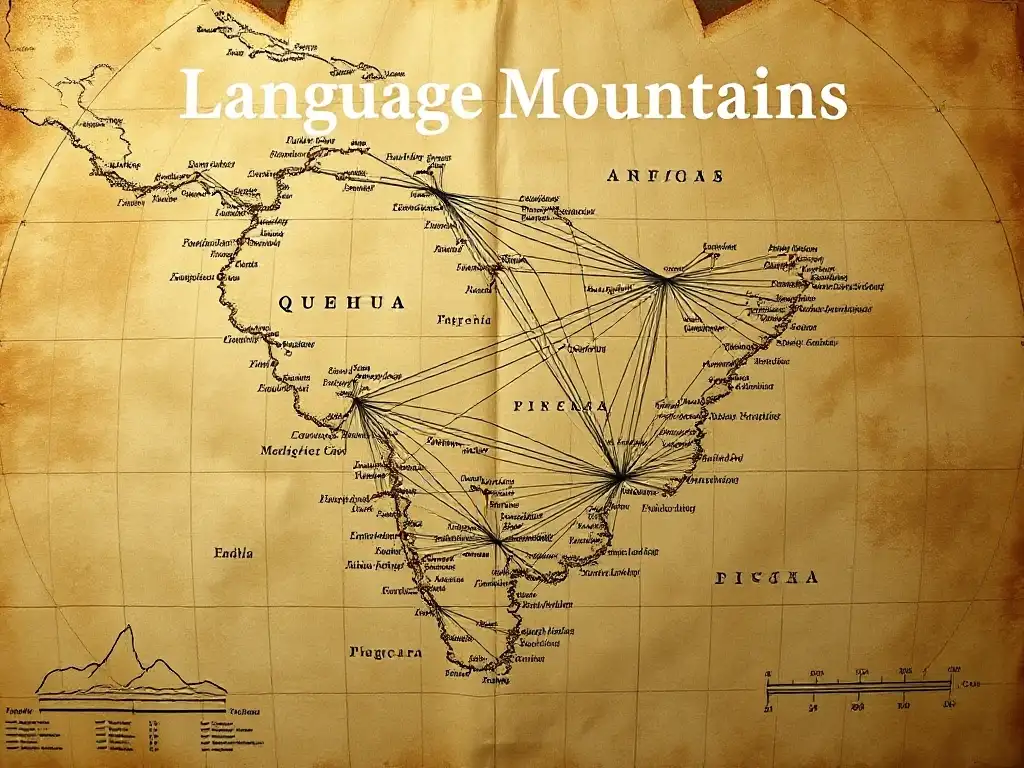
The Quechua language family, a vibrant tapestry of dialects spanning the Andes, reveals a complex history of interaction and influence with other Andean languages. Understanding this intricate web of linguistic borrowing and adaptation is crucial to appreciating the full richness and diversity of the region's linguistic heritage. The extent of this influence varies considerably depending on geographical proximity, historical contact, and socio-political dynamics. While Quechua's dominance in certain areas resulted in significant lexical borrowing by other languages, the reverse also occurred, albeit often to a lesser degree. This bidirectional flow of linguistic elements enriched the vocabulary and grammatical structures of various Andean languages, creating a unique linguistic landscape. Analyzing these influences allows us to reconstruct past interactions and understand the evolution of these languages within their socio-cultural contexts. The study of these linguistic exchanges also provides valuable insights into the broader historical and social processes that shaped the Andean world.
Quechua Loanwords in Other Andean Languages
Many Andean languages, particularly those geographically proximate to Quechua-speaking populations, exhibit a considerable number of Quechua loanwords. These borrowed words often relate to agriculture, everyday objects, social structures, or concepts that were introduced or became prominent through Quechua influence. For example, the Aymara language, spoken in Bolivia and Peru, contains numerous Quechua loanwords related to agricultural practices.
Similarly, languages of the southern Andes show evidence of Quechua influence, particularly in vocabulary related to governance and administration, reflecting the historical expansion of the Inca empire. The precise number of Quechua loanwords in each language varies significantly, depending on factors such as the duration and intensity of contact, the social prestige associated with Quechua, and the degree of language shift or bilingualism. Detailed comparative studies are needed to fully quantify the extent of this borrowing and to analyze the phonological and semantic adaptations undergone by these loanwords.
Further research could also explore the potential impact of these loanwords on the grammatical structures of recipient languages, which could reveal more subtle aspects of linguistic influence. The presence of these loanwords underscores the dynamism of language contact and the ongoing evolution of Andean linguistic landscapes.
The Impact of Spanish on the Evolution of Quechua and Other Andean Languages
The arrival of the Spanish in the 16th century profoundly impacted the linguistic landscape of the Andes. The introduction of Spanish resulted in significant language contact and change, affecting both Quechua and other indigenous languages. While Spanish became the dominant language in many areas, Quechua and other Andean languages persisted, albeit often in altered forms. The impact of Spanish is evident in the presence of numerous Spanish loanwords integrated into Quechua and other Andean languages.
These loanwords often pertain to new concepts and technologies introduced by the Spanish, such as religious terms, administrative vocabulary, and items of material culture. Furthermore, the contact with Spanish influenced the phonology, grammar, and lexicon of Quechua and other Andean languages, leading to both simplification and structural changes. The extent of this influence varied across different regions and social groups, reflecting the diverse patterns of language contact and bilingualism.
The interaction between Spanish and Andean languages resulted in a complex process of language adaptation and evolution, shaping the linguistic diversity of the region into its current form. Analyzing the specific ways Spanish impacted these languages allows researchers to better understand the historical and sociolinguistic factors that contributed to language change and maintenance in the Andes. Further study is needed to fully comprehend the long-term consequences of this linguistic interaction.
The Process of Language Contact and Change in the Andes
The Andes present a fascinating case study in language contact and change, characterized by a complex interplay of factors including geographical proximity, migration patterns, socio-political hierarchies, and economic interactions. The process is not always unidirectional; it involves a dynamic exchange of linguistic features between languages in contact. While Quechua's expansion, particularly during the Inca empire, led to widespread borrowing into other languages, the reverse also occurred, with Quechua absorbing elements from other indigenous languages. This bidirectional influence, coupled with the later impact of Spanish, resulted in a complex linguistic landscape.
The specific mechanisms of language contact and change in the Andes include borrowing of vocabulary, grammatical structures, and phonological features. Code-switching, a practice where speakers alternate between two or more languages within the same conversation, also played a significant role in shaping the linguistic landscape. Moreover, language shift, where speakers abandon their native language in favor of another, has been a significant factor in the Andes, particularly in the case of Spanish dominance.
However, despite the pressures of language shift, many Andean languages continue to be spoken, demonstrating remarkable resilience in the face of historical and sociolinguistic challenges. Understanding the intricate processes of language contact and change in the Andes requires a multi-faceted approach, integrating linguistic, historical, anthropological, and sociological perspectives. This complex interplay contributes significantly to the rich linguistic diversity that still characterizes the region today.
Cultural Exchange and its Reflection in the Andean Lexicon
The Quechua language, as the lingua franca of the Inca Empire, absorbed and integrated vocabulary from numerous other Andean languages. This linguistic phenomenon directly reflects the vibrant cultural exchange that characterized the region for centuries. The Inca's expansionist policies, while often harsh, facilitated unprecedented interaction between diverse ethnic groups. This contact resulted in a complex interplay of linguistic influences, with Quechua acting as a powerful recipient language.
The adoption of terms related to agriculture, flora, fauna, and even social structures from other languages into Quechua provides a fascinating glimpse into the cultural realities of the time. For instance, many terms related to specific Andean crops, like certain varieties of potatoes or maize, likely originated in local languages before being incorporated into Quechua, demonstrating the agricultural knowledge shared across different communities. The presence of these loanwords within the Quechua lexicon acts as a tangible record of these interactions, highlighting the dynamic nature of language evolution in response to cultural contact.
Studying these loanwords allows linguists to reconstruct aspects of pre-Inca cultures and their interactions with the expanding Inca Empire, providing a more nuanced understanding of the Andean linguistic landscape. The process wasn't a one-way street; while Quechua gained vocabulary, it also likely influenced the languages it came into contact with, creating a complex web of linguistic exchange and mutual impact. Further research into the etymology of Quechua words can unveil further details about these complex cultural exchanges.
The extent of this lexical borrowing varies considerably across different Quechua dialects. Coastal Quechua, for example, might show a stronger influence from Aymara or other coastal languages due to prolonged interaction, while highland dialects may retain a more "pure" Quechua vocabulary. This variation underscores the localized nature of cultural exchange and the diverse linguistic interactions occurring within the vast Andean region.
The study of these variations allows researchers to map the flow of cultural and linguistic interactions across different regions, offering a detailed picture of Andean cultural dynamism. Analyzing the geographical distribution of specific loanwords within Quechua dialects can therefore provide crucial insights into historical migration patterns and intercultural relations throughout the Andean region.
This geographical linguistic analysis offers a powerful tool for understanding the complex tapestry of Andean cultural history. The precise identification and analysis of these loanwords requires meticulous fieldwork and detailed comparative linguistic studies, combining linguistic expertise with a deep understanding of Andean history and cultural practices.
The Future of Quechua and Andean Languages
The future of Quechua and other Andean languages is inextricably linked to the efforts of their speakers and the support they receive from governments, organizations, and individuals. While facing significant challenges, there are also promising opportunities for revitalization and preservation. The survival of these rich linguistic heritages hinges on a multifaceted approach encompassing cultural revitalization, technological integration, and robust educational initiatives. Understanding these intertwined factors is crucial for charting a sustainable path forward for these invaluable languages.
Revitalization Efforts and the Preservation of Andean Linguistic Heritage
Numerous initiatives are underway to revitalize Quechua and other Andean languages. These efforts often focus on community-based projects that empower indigenous communities to reclaim their linguistic heritage. These projects often involve:
- Language nests: Immersive programs where children are raised primarily speaking Quechua from a young age. These programs aim to create a natural environment for language acquisition and transmission across generations. Their success relies heavily on community participation and the commitment of families.
- Documentary projects: Recording oral histories, traditional songs, and stories in Quechua helps preserve linguistic diversity and cultural knowledge. These recordings serve as invaluable resources for language learners and future generations. The meticulous documentation of dialects and variations is critical for capturing the full spectrum of Quechua’s linguistic richness.
- Translation and interpretation services: Making government services, educational materials, and media accessible in Quechua improves the language's visibility and practical application in daily life. This increased accessibility combats language shift and fosters a sense of linguistic pride.
- Community language planning: Engaging communities in the process of developing language policies and strategies ensures ownership and sustainability. This participatory approach is crucial for fostering long-term success in language revitalization.
The effectiveness of these projects varies greatly depending on factors such as funding, community support, and government policies. However, the collective efforts demonstrate a strong commitment to preserving the vibrant linguistic heritage of the Andes. Careful monitoring and evaluation are necessary to assess the impact of these programs and adapt strategies as needed. Further research into best practices and effective methodologies is crucial for maximizing the impact of revitalization efforts. Quantifiable data on the success of these programs, such as increased fluency rates or the number of speakers, is crucial for advocating for continued support.
The Role of Education and Technology in Promoting Quechua and Other Andean Languages
Education plays a pivotal role in the survival of Quechua and other Andean languages. Integrating Quechua into the formal education system, from early childhood to higher education, is paramount. This includes:
- Bilingual education programs: These programs provide instruction in both Quechua and Spanish (or other dominant languages), fostering linguistic proficiency and cultural understanding. Successful implementation requires trained teachers proficient in both languages and culturally sensitive curriculum development.
- Development of Quechua language resources: Creating high-quality textbooks, dictionaries, and other educational materials in Quechua is essential for supporting learning and teaching. This includes developing digital resources accessible through various technologies.
- Teacher training: Investing in teacher training programs specifically focused on teaching Quechua is crucial for ensuring the quality of instruction. This training should equip teachers with effective pedagogical methods and culturally appropriate teaching strategies.
Technology offers exciting opportunities to promote Quechua and other Andean languages:
- Development of language learning apps: Mobile applications can provide accessible and engaging language learning experiences for a wide range of users. These apps can incorporate interactive exercises, vocabulary building tools, and pronunciation guides.
- Digital archiving of linguistic resources: Making recordings, texts, and other linguistic resources available online ensures preservation and accessibility for future generations. This digital archiving requires careful planning and management to ensure the long-term preservation of the materials.
- Use of social media: Social media platforms can be used to create online communities where speakers can connect, share resources, and practice their language skills. This provides a vital space for language maintenance and revitalization.
The effective integration of technology requires careful consideration of digital literacy levels within communities and the need for culturally appropriate digital resources. Furthermore, digital resources must be developed and maintained sustainably to avoid becoming obsolete.
Challenges and Opportunities for Andean Language Communities
The Andean language communities face significant challenges, including:
- Language shift: The dominance of Spanish and other languages leads to a decline in the use of Quechua and other Andean languages, particularly among younger generations. This necessitates targeted interventions to promote language use in daily life.
- Lack of resources: Limited funding and resources hamper language revitalization efforts. Securing sustainable funding is crucial for the long-term success of these initiatives.
- Social stigma: Sometimes, speaking Quechua might be associated with a lower social status, discouraging its use in public spaces. Addressing this requires promoting linguistic pride and highlighting the value of multilingualism.
- Lack of standardized orthography: The absence of a universally accepted writing system for some Andean languages presents an obstacle for literacy and education. Developing and promoting a widely accepted orthography is crucial for promoting language use.
Despite these challenges, there are also significant opportunities:
- Growing awareness of linguistic diversity: There's a growing global recognition of the importance of linguistic diversity and the value of indigenous languages. This increased awareness can lead to greater support for language revitalization programs.
- Increased community engagement: Many Andean communities are actively engaged in revitalizing their languages, demonstrating a strong commitment to preserving their cultural heritage. This grassroots mobilization is a powerful force for change.
- Technological advancements: Technology provides new tools and platforms for language preservation and promotion, offering opportunities for wider reach and accessibility.
The future of Quechua and other Andean languages depends on the continued commitment of communities, governments, and organizations to support language revitalization efforts. A collaborative and sustained approach is crucial for ensuring the survival of these rich linguistic heritages for generations to come. The preservation of these languages is not merely a linguistic issue; it is a matter of preserving cultural identity, knowledge, and history. 🌍
The Importance of Linguistic Diversity in the Andean Region
The Andean region boasts an incredible tapestry of languages, each carrying within it a unique cultural heritage and worldview. The preservation of Quechua, alongside other Andean languages like Aymara, Mapudungun, and countless others, is not merely a linguistic endeavor; it's a crucial step in safeguarding the rich cultural heritage of the Andes. These languages are living repositories of traditional knowledge, encompassing intricate systems of agriculture, medicine, astronomy, and social organization developed over millennia. The loss of a language represents the loss of this irreplaceable knowledge, a severing of the connection to ancestral wisdom.
Furthermore, linguistic diversity contributes to the overall cognitive and social well-being of communities. Studies have shown a correlation between linguistic diversity and enhanced cognitive flexibility and problem-solving skills. Maintaining a vibrant linguistic landscape fosters inclusivity and strengthens social cohesion within Andean communities, empowering individuals to express their identity and participate fully in society.
The economic benefits are also significant, as linguistic diversity can attract tourism and boost cultural industries. In essence, investing in the revitalization and preservation of Quechua and other Andean languages is an investment in the future of the Andean region, ensuring the continuation of its rich cultural heritage and fostering a more vibrant and resilient society. The continued existence of these languages is vital for the future of the Andean cultural identity and its unique contribution to global cultural diversity.
The endangerment of many Andean languages highlights the urgent need for comprehensive language revitalization programs. These programs must be community-led, incorporating traditional knowledge and practices while also utilizing modern technologies and methodologies. Crucially, these initiatives must address the socio-economic factors that contribute to language shift, such as access to education and employment opportunities in the dominant language.
Without concerted efforts to support and promote the use of Quechua and other indigenous languages, the risk of further language loss is substantial, resulting in an irreversible impoverishment of Andean cultural heritage. Therefore, the safeguarding of linguistic diversity is not just a matter of academic interest; it's a critical task for the sustainable development and cultural flourishing of the Andean region.
The unique perspectives and knowledge embedded within these languages are invaluable assets that deserve to be nurtured and celebrated for generations to come. The future of the Andes is inextricably linked to the future of its languages.
Frequently Asked Questions
What is the Quechua language family?
The Quechua language family is a group of related languages spoken primarily in the Andes region of South America. It's a significant part of the Andean linguistic landscape, with numerous dialects and variations. Its history is deeply intertwined with the Inca Empire's expansion.
How many languages are in the Quechua family?
There are several Quechua languages, with estimates ranging from 10 to 40 depending on the criteria used to distinguish between languages and dialects. This makes it a diverse and complex linguistic group.
What is the relationship between Quechua and other Andean languages?
Quechua is one of the largest language families in the Andes, but it coexists with many other unrelated families. While some influence likely exists due to geographic proximity and historical interactions, it's crucial to understand that Quechua isn't a parent language to all Andean languages. Many other language families flourished independently.
No, not all Andean languages are related. The Andes region boasts a rich linguistic diversity with many unrelated language families. Quechua is just one example, and its presence alongside other families highlights the complexity of Andean linguistic history.
Where can I learn more about the Quechua language family and other Andean languages?
You can explore further through academic resources, linguistic databases, and ethnographic studies focusing on the Andean region's diverse languages. Many online resources and universities offer courses and materials dedicated to Andean linguistics.
Final Reflection: Weaving a Future for Andean Linguistic Diversity
The intricate tapestry of Andean languages, with Quechua as its most prominent thread, faces an undeniable crisis of endangerment, yet simultaneously holds the potential for vibrant revitalization. Understanding the relationships between Quechua and its sister languages is not merely an academic exercise; it's a crucial step towards ensuring the survival and flourishing of these invaluable cultural heritages.
The impact of colonization and globalization on the linguistic landscape of the Andes is profound and ongoing. The dominance of Spanish has undeniably threatened the vitality of Quechua and other indigenous languages, leading to language shift and the loss of invaluable cultural knowledge. A language is not merely a means of communication; it is the embodiment of a culture, a repository of history, and a window into the soul of a people.
This quote underscores the immense loss we face when a language disappears, a loss that extends far beyond mere vocabulary. The interconnectedness of these languages, their shared history and subtle variations, represent a rich tapestry of human experience that deserves to be preserved and celebrated.
You, the reader, now hold a deeper understanding of the complex linguistic relationships within the Andean region. Consider how this knowledge can inform your own actions. Can you support initiatives dedicated to language revitalization? Can you learn a few Quechua phrases, or explore the literature and music of these vibrant cultures? The future of Andean linguistic diversity rests not only on academic research but also on the active engagement and support of individuals like yourself. Let us work together to weave a future where the voices of Quechua and its sister languages continue to resonate for generations to come.
**Unveil the Richness of Andean Languages! **
Thank you for exploring the intricate world of Quechua and its connections with other Andean languages! You've gained insights into a vibrant linguistic tapestry reflecting the rich cultural heritage of the Andes. Now, let's delve even deeper into this fascinating topic.
Here are some suggestions for continuing your exploration:
- **Expand your knowledge:** Explore additional resources on Andean civilizations to further enhance your understanding and appreciation of their languages and cultures. Consider reading academic articles or books on the subject.
- **Share your discoveries:** Discuss your newfound knowledge with friends, family, or other language enthusiasts. Sharing your insights can strengthen your understanding and spark engaging conversations.
- **Join a community:** Participate in language workshops, online forums, or social media groups dedicated to Andean languages. This provides opportunities for practice, collaboration, and connection with other learners.
What aspect of Quechua's influence on Andean culture intrigues you the most? I'd love to hear your thoughts!