
Tambos: The Strategic Rest Stops Along the Inca Highways


Step into a world lost to time, yet echoing with the whispers of a magnificent empire. Imagine a network of roads stretching across the Andes, a feat of engineering unmatched in its era. This is the story of the Inca, and the crucial role played by their tambos, strategic rest stops along the mighty Inca travel routes.
Uncover the secrets of these ingenious structures and discover how they facilitated the power and prosperity of one of history's most fascinating civilizations. Prepare to be amazed by the ingenuity and scale of the Inca tambos travel routes – your journey begins now.
- Tambos: Strategic Rest Stops on Inca Travel Routes
- The Significance of Tambos in the Inca Road System
- Architectural Features of Inca Tambos
- The Functionality of Inca Tambos
- Strategic Placement of Tambos Along Inca Highways
- Life and Activities Within Inca Tambos
- Tambos and Their Impact on Inca Travel
- Preservation and Study of Inca Tambos Today
- Conclusion: The Lasting Legacy of Tambos
- Frequently Asked Questions
- Final Reflection: Echoes of the Inca Road: Tambos and the Enduring Spirit of Travel
- Unveil the Journey: Discover the Inca Highways and their Hidden Gems!
Tambos: Strategic Rest Stops on Inca Travel Routes
The Inca Empire, renowned for its sophisticated engineering and intricate road network, relied heavily on a system of strategically placed rest stops known as tambos. These weren't simply roadside inns; they were vital components of a complex logistical system that facilitated communication, trade, and military movement across the vast and challenging Andean terrain.
This article delves into the crucial role tambos played in the Inca Empire's infrastructure, exploring their design, distribution along Inca travel routes, and their significance in maintaining control and facilitating the flow of goods and people throughout the empire. Understanding the tambos is key to comprehending the remarkable organizational capabilities of the Inca civilization and their mastery of long-distance travel in a geographically diverse and often treacherous environment.
We will examine how these strategically located structures supported the empire's expansion, economic stability, and cultural integration, solidifying their position as essential nodes within the Inca’s extensive communication and transportation network. The keyword "Inca tambos travel routes" will be explored throughout this article.
The Design and Function of Inca Tambos
Inca tambos varied in size and complexity depending on their location and function. Some were small, basic structures providing shelter for travelers, while others were large, elaborate complexes capable of accommodating significant numbers of people and animals. Many tambos featured multiple rooms, storage areas for supplies, and even stables for llamas.
Their construction often incorporated local materials, such as stone, adobe, and thatch, reflecting the ingenuity of Inca builders in adapting to diverse environments. The design frequently incorporated features to protect against the elements and provide comfort for travelers, including strategically placed ventilation and water collection systems. Archaeological evidence suggests that tambos were not only places of rest but also served as administrative centers, relay stations for messages, and points for collecting taxes or tribute.
The distribution of these structures reflects a carefully planned strategy to ensure efficient travel and communication across the empire. Specific examples, including the size, materials and layout of several notable tambos, will be provided to illustrate the variation and the sophistication of their design.
The Strategic Placement of Tambos Along Inca Highways
The placement of tambos along the Inca road system was far from arbitrary. They were strategically located at intervals that allowed travelers to comfortably complete a day's journey. This spacing, while seemingly simple, demonstrates a deep understanding of the terrain and the capabilities of human and animal transport.
Consideration was given to factors such as altitude, climate, and the availability of water and other resources. The tambos were not merely evenly spaced; their placement also took into account the location of significant geographical features, such as mountain passes and river crossings, ensuring that travelers always had access to shelter and supplies during challenging sections of their journey.
This intricate network of strategically located tambos facilitated the smooth flow of goods, people, and information across the vast Inca Empire. We will explore the geographical distribution patterns of tambos to illustrate the sophistication of the Inca's logistical planning, using maps and detailed examples to highlight their strategic placement along key routes.
The Role of Tambos in Inca Administration and Control
Beyond their function as rest stops, tambos played a crucial role in Inca administration and control. They served as centers for collecting taxes and tributes, and as staging points for military movements. The presence of tambos along major routes allowed the Inca government to maintain a constant presence throughout the empire, facilitating effective communication and ensuring the timely delivery of supplies and messages. Furthermore, the tambos were often managed by officials appointed by the Inca government, further strengthening the empire's administrative reach. The tambos were not just logistical hubs; they were integral components of the Inca's system of governance, enabling them to efficiently manage their vast empire and maintain control over its diverse population. We will look at the evidence of administrative presence within tambos and how this contributed to the empire's stability and longevity. The impact of tambos on the Inca's political and economic control will be further analyzed.
The Legacy of Inca Tambos: A Lasting Impression on Andean Travel
The tambos represent a remarkable achievement in Andean engineering and logistics. Their strategic placement, efficient design, and multifaceted functions allowed the Inca Empire to thrive for centuries. While many tambos have fallen into ruin, their remnants continue to provide valuable insights into the Inca's sophisticated infrastructure and their remarkable organizational skills.
The legacy of the tambos extends beyond their physical remains; they serve as a testament to the Inca's ability to overcome the challenges of a diverse and demanding landscape, creating a transportation network that supported the growth and prosperity of their empire. The study of tambos continues to provide valuable information for scholars and researchers studying the Inca Empire and their impact on Andean civilization.
We will conclude by summarizing the enduring significance of the tambos and their contribution to our understanding of Inca civilization. The impact of tambos on modern tourism and cultural heritage will also be briefly discussed.
The Significance of Tambos in the Inca Road System

The Inca road system, a marvel of ancient engineering, wouldn't have been nearly as effective without its strategically placed tambos. These weren't simply roadside inns; they were vital components of a sophisticated logistical network that facilitated communication, trade, and military movement across the vast Inca Empire. Understanding the Inca tambos travel routes requires appreciating their multifaceted role in supporting the empire's administrative and economic functions.
Their placement, often at carefully calculated intervals along the qhapaq ñan, demonstrates a keen awareness of geographical challenges and the needs of travelers and messengers alike. The distribution of tambos wasn't random; rather, it reflects a deliberate strategy to optimize resource management and ensure the smooth functioning of the Inca state. This section delves into the crucial role these structures played in the empire's success.
Understanding the Role of Inca Tambos
Inca tambos served a variety of crucial functions, far exceeding the simple provision of shelter. They acted as:
- Relay stations for chasquis: These swift-footed messengers used the tambos as resting points to quickly transmit messages across the empire. The strategic placement of tambos along the qhapaq ñan ensured efficient communication, allowing for rapid responses to events across the vast territory. The system was so efficient that messages could travel hundreds of miles in a matter of days.
- Lodging for officials and travelers: Inca officials, traders, and even commoners traveling on official business could find shelter, food, and supplies at tambos. This supported the movement of people and goods across the empire, facilitating trade and governance. The availability of these services encouraged economic activity and strengthened the bonds within the empire.
- Storage facilities for goods: Many tambos served as storage depots for food, textiles, and other essential goods. This allowed the Inca to maintain a steady supply of resources for their population and military. This strategic storage minimized the risk of shortages and ensured the continuity of the empire's operations. The efficient management of these resources is a testament to the sophistication of the Inca administrative system.
- Military outposts: Some tambos were fortified and served as military outposts, providing strategic defense points along the qhapaq ñan. This ensured the security of trade routes and prevented disruptions to the empire's infrastructure. The integration of military functions within the tambo system underscores the importance of security in the Inca's logistical planning.
Tambos as Essential Infrastructure
The construction and maintenance of tambos required significant resources and planning. The materials used varied depending on the local environment, reflecting the Inca's adaptability and resourcefulness. Many tambos were built using stone, reflecting the advanced masonry techniques of the Inca, while others were constructed from adobe or other locally available materials. The size and complexity of tambos also varied, reflecting their specific function and location. Some were small, simple structures, while others were large, complex compounds capable of housing numerous people and storing significant quantities of goods.
The meticulous planning evident in the tambo system is further highlighted by their strategic placement along the qhapaq ñan. They were typically situated at intervals that allowed travelers to reach the next tambo within a day's journey. This ensured the safety and well-being of travelers and facilitated the efficient movement of goods and messages. The intervals weren't uniform; they varied depending on the terrain and the specific needs of the route. This adaptability showcases the Inca's sophisticated understanding of logistics and their ability to adapt to diverse geographical challenges.
Tambos and the Inca Empire's Logistics
The tambos were integral to the Inca Empire's remarkably efficient logistics system. This system allowed the Inca to effectively manage the vast resources of their empire, supporting a large population and a powerful military. The tambos facilitated the movement of goods, people, and information, ensuring the smooth functioning of the empire's administrative and economic systems.
The following table summarizes the key roles of tambos within the Inca logistical network:
| Function | Description | Importance |
|---|---|---|
| Communication | Relay stations for chasquis (messengers) | Rapid transmission of information across the empire |
| Accommodation | Lodging for officials, travelers, and messengers | Supporting movement of people and goods |
| Storage | Storage depots for food, textiles, and other essential goods | Maintaining steady supply of resources |
| Military Defense | Fortified outposts providing strategic defense along trade routes | Ensuring security of trade routes and preventing disruptions to the system |
| Resource Management | Efficient distribution and management of resources across the empire | Supporting the empire's large population and powerful military |
| Economic Facilitation | Supporting trade and economic activity across the vast Inca territory | Strengthening the bonds within the empire |
The effectiveness of the Inca logistical system, heavily reliant on the tambos, is a testament to the advanced organizational skills and engineering prowess of this remarkable civilization. The strategic placement and multifaceted functions of these structures demonstrate a deep understanding of resource management, communication, and the needs of a vast and complex empire. Further research into the specific layouts and contents of individual tambos along various Inca tambos travel routes would provide even greater insight into the intricacies of this fascinating system.
The Purpose of Tambos Along the Inca Roads
Tambos served multiple crucial purposes within the intricate Inca road system, far exceeding their function as simple rest stops. Their strategic placement along the Inca tambos travel routes facilitated efficient communication, resource management, and military control across the vast empire. These weren't merely roadside inns; they were vital nodes in a complex network designed to maintain the Inca's power and prosperity.
One primary function was to provide lodging and sustenance for chasquis, the Inca Empire's relay runners. These runners, responsible for rapidly transmitting messages across vast distances, relied on the tambos for rest, food, and a change of runners. The tambos ensured the chasquis could maintain their speed and efficiency, allowing for swift communication between distant provinces and the imperial capital, Cusco.
Imagine the logistical feat of coordinating this system across thousands of kilometers – the tambos were indispensable to its success. The availability of food and shelter at regular intervals meant that messages could be relayed near-instantly across the empire, a significant advantage in terms of governance and defense.
Beyond their role in communication, tambos played a key part in resource management. They served as storage facilities for essential goods, such as food, textiles, and tools. This strategic storage system ensured the availability of supplies for the chasquis, travelers, and local populations, particularly in remote areas.
The Inca government effectively used the tambos to distribute resources efficiently across the empire, preventing shortages and maintaining stability. This centralized system demonstrates the Inca’s sophisticated understanding of logistics and resource management, crucial for maintaining control over such a large and geographically diverse empire. The precise inventory and distribution methods employed remain a subject of ongoing research, but the sheer scale of the operation points to an advanced system of record-keeping and administration.
Finally, tambos had a significant military function. Many tambos were fortified structures, capable of housing troops and serving as defensive positions. Their strategic placement along the Inca tambos travel routes allowed for rapid deployment of troops in response to threats or rebellions.
This combination of communication, resource management, and military capacity within a single infrastructure element showcases the remarkable integration of different aspects of Inca governance and power. The tambos weren't just passive structures; they were active participants in maintaining the empire's stability and control. Their strategic design and functionality highlight the sophisticated planning and organizational capabilities of the Inca civilization.
Architectural Features of Inca Tambos
The Inca tambos, strategically positioned along the vast Qhapaq Ñan (Inca road system), were far more than simple resting places for travelers. They served as crucial nodes within the intricate network of Inca communication and logistics, facilitating the efficient movement of people, goods, and messages across the empire. Understanding their architectural features reveals the sophisticated planning and engineering prowess of the Inca civilization.
This section will delve into the common design elements, construction materials, and regional variations that characterized these vital structures. The keyword phrase "Inca tambos travel routes" is intrinsically linked to the strategic placement and functionality of these buildings, highlighting their role in supporting the empire's extensive road network.
Common Design Elements of Tambos
Inca tambos, while exhibiting regional variations, shared several common design elements reflecting a standardized approach to their functionality. Many were rectangular structures, often featuring a central courtyard – a defining characteristic facilitating both communal gatherings and the organization of internal spaces. This courtyard frequently acted as a focal point, with rooms radiating outwards for different purposes.
These rooms often included storage areas for supplies, living quarters for officials and travelers, and perhaps even small shrines or ceremonial spaces. The size and complexity of these structures varied considerably depending on their location and importance along the Qhapaq Ñan. Larger tambos, situated at key junctions or in more densely populated areas, naturally possessed more elaborate layouts and a greater number of rooms than those found in more remote locations.
Some tambos also incorporated defensive features, such as thick walls or strategically placed observation points, reflecting the need to protect valuable resources and travelers from potential threats. The integration of these features demonstrates the careful consideration given to both practical needs and strategic security.
Materials Used in Tambo Construction
The construction materials used in tambo building varied significantly depending on the availability of local resources. This highlights the Inca's adaptive approach to construction, leveraging the materials readily accessible in each specific region. In areas with abundant stone, such as the Andes Mountains, finely cut stone blocks, similar to those used in Inca palaces and other monumental architecture, were commonly employed.
These stones were meticulously fitted together, demonstrating remarkable masonry skills and creating structures of exceptional durability. In other regions, however, materials like adobe bricks (sun-dried mud bricks) or even wood and thatch were used, especially in areas where stone was scarce.
Despite the variations in materials, the overall design principles and functional aspects of the tambos remained remarkably consistent across the empire, showcasing the Inca's ability to adapt their building techniques to diverse environmental conditions while maintaining a standardized approach to infrastructure development. This adaptability is a testament to the ingenuity and practicality of Inca engineering.
Variations in Tambo Architecture Based on Region
While common design elements unified the tambos across the Inca Empire, regional variations existed, reflecting both local building traditions and the specific needs of each location. For instance, tambos in the high-altitude regions of the Andes often incorporated features designed to cope with harsh weather conditions, such as thicker walls for insulation and roofs constructed to withstand heavy snowfall. Conversely, tambos located in warmer, drier climates might have featured open courtyards or different roofing materials suited to those conditions.
The integration of local architectural styles into the overall Inca design also contributed to regional variations. While the core functional elements remained consistent, the aesthetic features and specific construction techniques often incorporated elements of pre-existing local building traditions, illustrating the Inca's pragmatic approach to integrating conquered territories into their vast administrative system. This nuanced approach to construction underlines the sophisticated understanding of the Inca's empire-wide logistics and the ability to adapt to diverse terrains and cultures.
Further research is needed to fully document the specific regional variations in tambo architecture across the entire Qhapaq Ñan network. [Specific information pending: detailed regional comparative analysis of tambo architecture].
Examples of Tambo Architectural Styles: Kallanka and Ushnu
The Inca tambo system, crucial for managing their vast empire and facilitating trade and communication along the Inca tambos travel routes, showcased remarkable architectural diversity. While individual tambos varied based on their specific function and location, certain architectural styles stand out. Two prominent examples are the kallanka and the ushnu.
The kallanka, meaning "large house" in Quechua, was a large, rectangular structure often found within larger tambos. These buildings were characterized by their impressive size, capable of housing significant numbers of people and supplies. Their design typically featured a single, wide nave with multiple rows of supporting columns, creating a spacious interior.
The columns, often made of finely-worked stone, were strategically placed to support the weight of the roof, which was likely made of wood and thatch. The walls were typically constructed from carefully fitted stone blocks, reflecting the Inca mastery of stonework. Archaeological evidence suggests that kallankas were used for a variety of purposes, including housing travelers, storing supplies, and even hosting administrative functions.
The dimensions of these structures varied considerably depending on the specific tambo's needs and location; some kallankas were significantly larger than others, highlighting the adaptability of the Inca architectural style. The construction techniques employed in kallanka construction, like the precise fitting of stones without mortar, demonstrate the advanced engineering skills of the Inca builders and their understanding of structural integrity. This careful construction ensured the longevity and stability of these important structures.
The ushnu, on the other hand, served a more ceremonial purpose. Unlike the utilitarian nature of the kallanka, the ushnu was a raised, platform-like structure often found in the central plaza of a tambo. It was typically square or rectangular, built from stone and often adorned with intricate carvings and painted designs. The ushnu's elevated position likely symbolized its importance as a sacred space.
While their exact functions remain debated by scholars, the ushnu is believed to have served as a platform for religious ceremonies, royal appearances, and public gatherings. The size and complexity of the ushnu varied considerably depending on the importance of the specific tambo. Some tambos featured relatively small and simple ushnu structures, while others boasted elaborate and imposing platforms.
The presence of an ushnu in a tambo signified more than just a simple rest stop; it indicated a location of significant administrative and religious importance along the Inca's extensive network of Inca tambos travel routes. The precise positioning of the ushnu within the tambo complex, often in relation to other structures and the cardinal directions, further suggests a deliberate and symbolic design reflecting the Inca cosmology and worldview. The construction of the ushnu, often incorporating finely-crafted stonework and intricate carvings, showcases the Inca's artistic and engineering prowess.
The Functionality of Inca Tambos
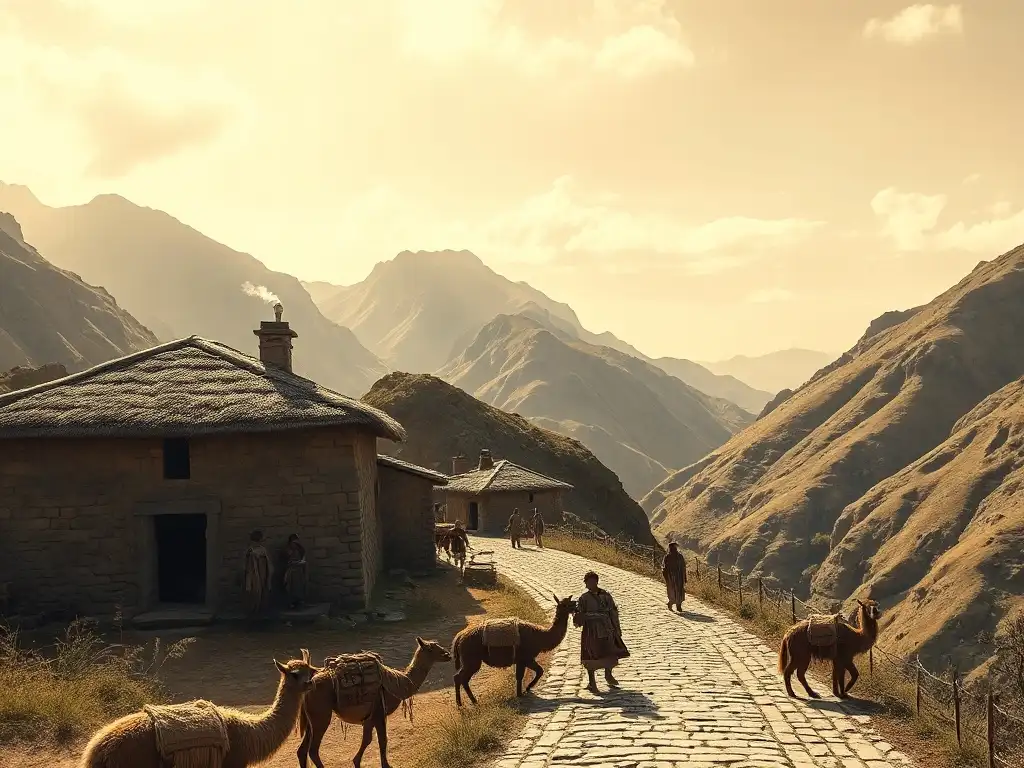
The Inca road system, a marvel of ancient engineering, wouldn't have been nearly as effective without its strategically placed tambos. These weren't simply roadside inns; they were multifaceted facilities crucial to the empire's efficient administration, communication, and military strength. Understanding their functionality reveals a sophisticated logistical network that underpinned Inca power and facilitated trade and travel across vast, challenging terrains.
The keyword phrase "Inca tambos travel routes" is key to understanding their importance within the broader context of the Inca Empire's infrastructure. Their placement along these routes wasn't arbitrary; it was a meticulously planned system designed to maximize efficiency and control.
Tambos as Supply Depots
Tambos served as vital supply depots along the Qhapaq Ñan, the extensive Inca road network. These weren't just storage facilities for random goods; their inventories were carefully managed and strategically distributed to ensure the consistent supply of necessities for travelers, officials, and the military. Evidence suggests that tambos stored a variety of goods, including:
- Food: Dried potatoes, corn, quinoa, and other staple crops were preserved for long-term storage. The climate and altitude of the Andes dictated the types of preserved foods available at different tambos.
- Textiles: Wool and cotton textiles, essential for clothing and bedding, were kept in reserve. The quality and quantity likely varied depending on the tambo's location and importance.
- Tools and Equipment: Basic tools for maintenance of the roads and the tambos themselves, as well as tools for agriculture, were stored on-site.
- Livestock: In some cases, llamas and alpacas were kept at tambos to provide meat and wool, as well as transport capabilities.
The efficient management of these supplies required a sophisticated system of record-keeping and logistics. While the precise methods are still under investigation by archaeologists, the sheer scale and organization of the Inca road system point to a highly developed bureaucratic structure capable of managing these resources across the empire. This intricate system of supply management directly supported the movement of people and goods along the Inca tambos travel routes.
Tambos as Lodging for Travelers
Beyond their role as supply depots, tambos provided essential lodging for travelers traversing the Inca road network. These accommodations were not luxurious, but they offered shelter and basic amenities. The size and design of the lodging facilities varied depending on the tambo's location and importance. Larger tambos along major routes could accommodate a significant number of travelers, while smaller tambos in more remote areas may have only offered limited space.
The type of lodging provided could include:
- Simple sleeping quarters: Basic structures providing shelter from the elements.
- Storage for personal belongings: A secure place to store goods during transit.
- Cooking facilities: Some tambos may have had areas designated for cooking, allowing travelers to prepare their own meals.
The existence of these lodging facilities dramatically reduced the risks and hardships associated with long-distance travel in the Andes. This facilitated trade, communication, and the movement of imperial officials, and it was a key factor in the success of the Inca tambos travel routes. Think of the tambos as the ancient equivalent of strategically located rest stops or waystations, ensuring the smooth flow of traffic across the empire.
Tambos as Centers of Communication
The tambos also served as vital communication hubs along the Inca road system. Their strategic placement allowed for the rapid relay of messages across vast distances. This communication network was crucial for maintaining the empire's control and stability. The system relied on a network of runners, known as chasquis, who would carry messages between tambos. These runners, selected for their speed and endurance, could cover considerable distances in a relatively short time.
The efficiency of the communication network was enhanced by:
- Strategic placement of tambos: The spacing between tambos was carefully planned to optimize the speed of message delivery.
- Standardized message system: A standardized system of message delivery ensured clarity and efficiency.
- Relay system: The chasquis would relay messages between tambos, ensuring rapid transmission across long distances.
This sophisticated communication system allowed the Inca government to respond quickly to events across the empire, maintain control over its vast territories, and coordinate military actions swiftly. The network of tambos therefore played a critical role in the political and military effectiveness of the Inca Empire, making the Inca tambos travel routes more than just pathways; they were arteries of communication and control. The system was a testament to the Inca's innovative approach to logistics and communication.
Tambos and Their Role in Inca Administration
Tambos were far more than just simple rest stops; they were integral components of the Inca empire's sophisticated administrative system. Their strategic placement along the qhapaq ñan (Inca road network) facilitated not only the efficient movement of people and goods but also the effective governance of the vast empire. The tambos served as vital hubs for collecting taxes, distributing resources, and maintaining order across the far-flung regions under Inca control.
Royal officials stationed at key tambos oversaw the collection of tribute, ensuring that the empire received its share of agricultural produce, textiles, and other valuable goods from the conquered provinces. This centralized system of tax collection was crucial for funding the Inca's extensive public works projects, military campaigns, and the elaborate court at Cusco. The tambos, therefore, played a critical role in solidifying Inca power and maintaining economic control over the empire.
The administrative role of tambos extended beyond tax collection. They also served as centers for relaying messages and information throughout the empire. A well-organized system of chasquis, or Inca runners, used the tambos as staging points to swiftly transmit news and orders across vast distances. This rapid communication system was essential for coordinating military responses, managing emergencies, and maintaining control over the sprawling empire.
The tambos provided the chasquis with food, shelter, and fresh runners, ensuring the continuous and efficient flow of information. This sophisticated communication network, facilitated by the strategic location and function of the tambos, was a key element of Inca success in governing such a geographically diverse and extensive territory. The speed and efficiency of this system were remarkable, allowing for rapid response to events across the Andes.
Furthermore, the tambos served as vital centers for resolving local disputes and administering justice within their respective regions. Local officials residing at the tambos acted as intermediaries between the central government and the local populations, settling conflicts and ensuring the smooth functioning of Inca rule at a grassroots level. This local administrative capacity reduced the need for constant intervention from Cusco, enhancing the efficiency of the empire's governance.
The presence of these officials in the tambos provided a visible symbol of Inca authority and helped to maintain social order and stability within the empire's diverse regions. The tambos, therefore, acted as both administrative centers and local courts, ensuring the effective implementation of Inca laws and policies throughout the empire. This decentralized yet tightly controlled administrative system, centered around the tambos, is a testament to the Inca's sophisticated understanding of governance and control.
Strategic Placement of Tambos Along Inca Highways
The Inca Empire's remarkable road network, the Qhapaq Ñan, wouldn't have been as effective without its strategically placed tambos. These weren't merely simple rest stops; they were vital components of a sophisticated logistical system that facilitated communication, trade, and military movement across vast distances. Their placement wasn't arbitrary; careful consideration went into selecting locations that maximized their functionality and supported the empire's needs. Understanding the strategic placement of tambos offers a glimpse into the sophisticated planning and engineering prowess of the Inca civilization, showcasing their mastery of Inca tambos travel routes.
Factors Influencing Tambo Location
Several key factors influenced the strategic placement of tambos along the Inca highways. Proximity to water sources was paramount, ensuring access to drinking water for travelers and animals. This is evident in the location of many tambos near rivers and springs. Furthermore, tambos were often situated in areas with readily available building materials, such as stone and timber, minimizing transport costs and time.
The terrain also played a significant role; tambos were frequently located in sheltered valleys or on relatively flat stretches of land, offering protection from harsh weather conditions and providing easier access for travelers. Finally, strategic locations near agricultural areas ensured a readily available food supply for the tambos' inhabitants and travelers. This careful consideration of resources and geography optimized the efficiency of the Inca tambos travel routes.
The spacing between tambos was also carefully planned. While the exact distances varied depending on terrain and accessibility, they were generally placed at intervals allowing for a day's journey, ensuring travelers could reach a shelter and provisions before nightfall. This meticulous planning demonstrates the Inca's understanding of logistics and their ability to manage resources across their vast empire.
Data from archaeological surveys suggests a consistent pattern in the placement of tambos along major routes, highlighting the systematic approach to their construction and distribution. Further research is needed to pinpoint the precise criteria used in determining the exact placement of each tambo, but existing evidence strongly supports a well-defined system.
Tambos and the Inca Royal Road (Qhapaq Ñan)
The Qhapaq Ñan, the principal Inca highway, boasted a particularly dense network of tambos. These tambos weren't uniformly sized or equipped; some were small, basic shelters, while others were large, complex structures capable of housing numerous people and animals. The size and complexity of a tambo often reflected its strategic importance along the Qhapaq Ñan.
Larger tambos were typically located at crucial junctions or in areas with high traffic volume. They often served as administrative centers, providing accommodation for officials and messengers, and facilitating the efficient movement of goods and information along the Inca tambos travel routes. Smaller tambos served as more basic waystations, offering essential rest and shelter to travelers.
The presence of tambos at regular intervals along the Qhapaq Ñan allowed for the rapid transmission of messages and the swift movement of troops, enhancing the empire's control and stability. This network not only facilitated communication but also contributed significantly to the economic prosperity of the empire by supporting trade and commerce.
The distribution of tambos along the Qhapaq Ñan wasn’t random; it was a carefully orchestrated system designed to support the empire’s administrative, military, and economic needs. This system is a testament to the Inca’s advanced understanding of infrastructure planning and its importance to maintaining a vast and complex empire.
Tambos at Key Junctions and Mountain Passes
Many tambos were strategically situated at crucial points in the Inca tambos travel routes, such as mountain passes and river crossings. These locations often presented significant challenges to travelers, making the presence of a tambo even more critical. These tambos provided not only rest and shelter but also essential logistical support, including assistance with navigating treacherous terrain and crossing rivers. Their placement at these key junctions facilitated the safe and efficient movement of people and goods, showcasing the Inca's understanding of the logistical challenges posed by their mountainous terrain.
The tambos located at mountain passes often served as checkpoints, controlling the flow of people and goods. They provided shelter and supplies for travelers, but also served as points of surveillance and control, allowing the Inca government to monitor traffic and maintain order along the highways. This dual function, of providing logistical support and regulating movement, highlights the multifaceted role of tambos in the Inca empire's infrastructure.
The construction of these tambos in such challenging locations demonstrates the Inca's impressive engineering skills and their commitment to building a robust and well-maintained transportation network. The strategic positioning at high altitudes and difficult terrain further emphasizes the importance of these tambos in the overall functionality of the Inca tambos travel routes.
Examples of Strategic Tambo Placements: Ollantaytambo and Huanuco Pampa
Ollantaytambo, a site renowned for its impressive agricultural terraces and imposing fortress, serves as a prime example of a strategically placed tambo. Its location within the Urubamba Valley, a crucial point along the Inca Road network connecting Cusco to the Amazonian lowlands, ensured its importance as a vital resting place and administrative center. The tambo at Ollantaytambo wasn't merely a simple waystation; its size and complexity suggest a significant role in managing resources, overseeing agricultural production in the fertile valley, and controlling the flow of people and goods along this critical trade route.
The presence of extensive agricultural terraces surrounding the tambo further emphasizes its function as a self-sufficient hub, capable of supplying provisions to travelers and maintaining its own population. This strategic positioning allowed the Inca to effectively control this important section of the Inca Road system, ensuring efficient communication and resource management across the empire.
The sheer scale of the Ollantaytambo complex itself speaks to the importance the Inca placed on this particular point in their logistical network. The intricate water management systems, the meticulously crafted stonework, and the sheer size of the structures all highlight the significant investment made in maintaining this crucial point along the Inca Road.
Huanuco Pampa, another significant example, showcases a different facet of strategic tambo placement. Located high in the Andes, this administrative center served as a crucial hub in the broader network connecting Cusco to the northern and central parts of the Inca Empire. Unlike Ollantaytambo's focus on a fertile valley, Huanuco Pampa's strategic importance stemmed from its position as a central point for controlling access to different ecological zones and managing the flow of goods and people between them.
The complex at Huanuco Pampa included extensive residential areas, storage facilities, and administrative buildings, highlighting its function as a major administrative center rather than simply a resting place for travelers. Its elevated position provided excellent visibility over surrounding territories, allowing for effective monitoring of the region and control over trade routes. The design of the site, with its clearly defined zones for different activities, speaks to the sophisticated planning and organization that underpinned the Inca's logistical infrastructure.
The sheer size of the complex, and the evidence of large-scale agricultural activities in the surrounding areas, points to its importance as a major administrative and provisioning center within the Inca empire's extensive road network. The strategic placement allowed for effective control over a vast area, facilitating efficient communication and resource management across diverse ecological zones, showcasing the Inca's mastery of logistics and their understanding of the challenges posed by the varied Andean terrain. The careful consideration of altitude, accessibility, and resource availability in the selection of this site underscores the Inca's sophisticated approach to infrastructure development.
Life and Activities Within Inca Tambos
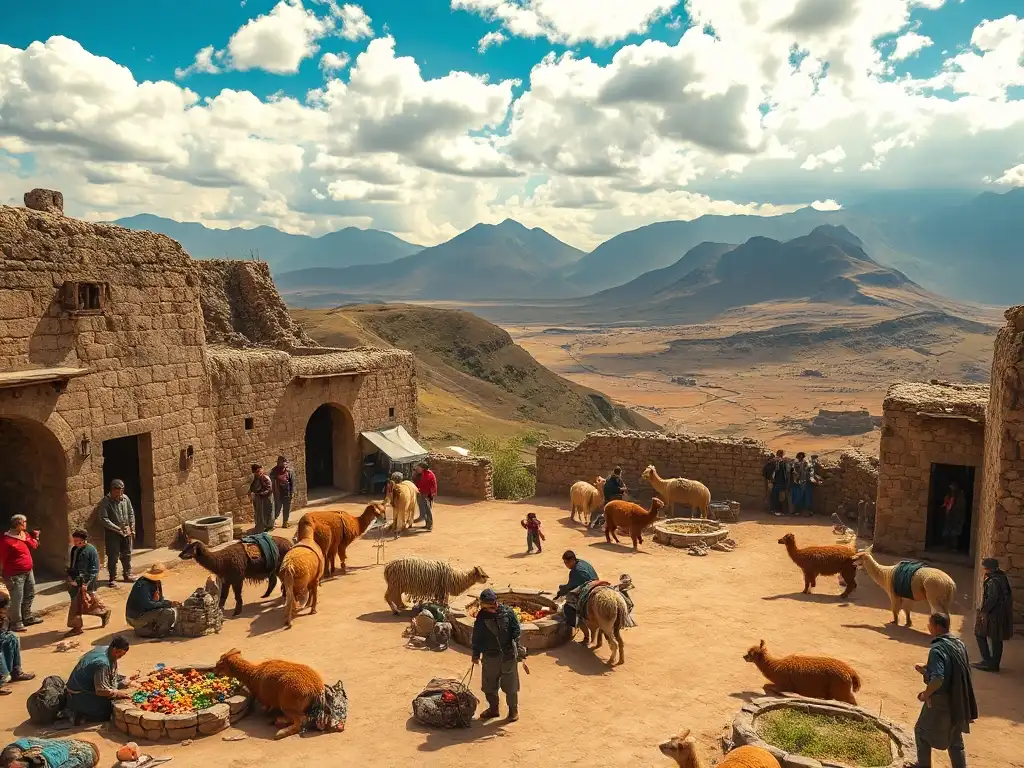
The Inca tambos, strategically positioned along the extensive Qhapaq Ñan (Inca Road system), were far more than simple rest stops. They served as vital hubs for communication, trade, and the efficient administration of the vast Inca Empire. Understanding the daily life within these structures provides crucial insight into the sophisticated logistical network that underlay Inca power and the efficient management of their sprawling territory.
The strategic placement of these tambos along Inca travel routes facilitated the movement of people, goods, and messages across the Andes, a feat of logistical brilliance rarely matched in the ancient world. Their function extended beyond mere accommodation; they were integral components of a well-oiled imperial machine.
Daily Life in a Tambo
Daily life in an Inca tambo varied depending on its size and location, but certain commonalities existed. Smaller tambos, perhaps serving local communities and travelers along shorter routes, would have offered more basic accommodations. Imagine a scene: weary travelers, possibly chasquis (Inca runners), arriving after a long day's journey, receiving food and shelter. Larger tambos, however, functioned more like small villages. These larger facilities often housed not only travelers but also administrative personnel, artisans, and possibly even families of those permanently stationed there.
Daily routines revolved around the practical needs of maintaining the tambo itself and providing services to travelers. This included preparing meals, maintaining the building and its grounds, caring for animals (if any were kept), and ensuring the security of stored goods. The curacas (local leaders) played a significant role, overseeing the distribution of resources and maintaining order.
Evidence suggests the presence of specialized craftspeople within some tambos, potentially repairing tools, weaving textiles, or producing other essential goods. Religious practices likely also played a role, with small shrines or designated spaces for offerings to Inca deities, reinforcing the importance of these locations within the broader Inca worldview. The daily rhythm of life within these strategically located hubs along Inca travel routes was a blend of practical tasks and spiritual observance, reflecting the integrated nature of Inca society.
The People Who Managed and Maintained Tambos
The efficient operation of the Inca tambo system relied on a dedicated workforce. While travelers were temporary occupants, a permanent staff ensured the continuous functioning of these vital waystations. This staff comprised individuals with diverse skills and responsibilities.
- Tambo Keepers: These individuals were responsible for the day-to-day management of the tambo, including overseeing accommodations, food supplies, and security. They were likely appointed by local authorities and held a position of some importance within their community.
- Artisans: Larger tambos often housed artisans who produced and repaired essential goods. These could include weavers, potters, metalworkers, or carpenters, ensuring that the tambo itself was maintained and that travelers could access necessary supplies.
- Guards: Security was paramount, especially along important routes. Guards were responsible for protecting the tambo and its contents from theft or attack. Their presence also served as a deterrent to potential troublemakers.
- Messengers (Chasquis): While not permanent residents, the chasquis frequently used tambos as resting points and relay stations, ensuring the rapid transmission of messages throughout the empire. Their presence highlights the vital role of communication in the Inca state.
The exact composition of the personnel varied across different tambos, reflecting their size and strategic significance. Further research is needed to fully understand the social structure and hierarchical relationships within these communities. [Specific information pending on the social hierarchy within tambos based on archaeological findings].
Goods Stored and Distributed from Tambos
Inca tambos served as crucial nodes in the empire's sophisticated distribution network. They were not only places of rest but also functioned as warehouses, storing goods for the benefit of travelers and the local population. The items stored reflected the needs of both groups and varied depending on the location and size of the tambo.
| Stored Goods Category | Examples | Significance |
|---|---|---|
| Foodstuffs | Dried potatoes, maize, quinoa, llama meat | Sustenance for travelers and the tambo staff; ensured food security. |
| Textiles | Clothing, blankets, ropes | Provided essential items for travelers and the local population; traded goods. |
| Tools and Equipment | Agricultural implements, building materials | Facilitated repairs and maintenance of the tambos and infrastructure. |
| Metalwork | Tools, weapons, ornaments | Demonstrated Inca craftsmanship; facilitated trade and distribution. |
| Other Goods | Pottery, medicines, coca leaves | Met diverse needs of travelers and locals; reflects the scope of Inca trade. |
The strategic storage of goods in tambos along Inca travel routes ensured the efficient movement of resources across the vast empire. This sophisticated system facilitated trade, supported the movement of armies, and ensured the smooth functioning of the Inca state. The careful management of these stores represents a remarkable achievement in ancient logistics and underscores the importance of the tambos within the broader Inca economy and administration. The organization and control of these resources highlight the centralized nature of Inca power and its reach across the Andes. ✈️
Rituals and Ceremonies Potentially Associated with Tambos
While the primary function of Inca tambos was undoubtedly logistical, supporting the efficient movement of people and goods along the Qhapaq Ñan, archaeological evidence and ethnographic accounts suggest a possible secondary role in religious and ceremonial activities. The strategic placement of tambos along major travel routes, often in locations with significant geographic or symbolic importance, hints at a deeper significance beyond mere practicality. These locations may have been chosen not only for their ease of access and provision of resources, but also for their alignment with Inca cosmology and beliefs.
The limited evidence available doesn't provide definitive proof of widespread ritualistic use within every tambo. However, the discovery of ceremonial objects, such as intricately carved stones, pottery fragments depicting deities, and evidence of ritual offerings at some sites, strongly suggests that certain tambos may have served dual purposes. These findings, while sparse, point towards the potential integration of religious practices into the daily life of tambo personnel and travelers.
For example, the presence of small shrines or dedicated spaces within some tambos could have been used for private or communal worship, perhaps before embarking on or after completing a journey. The offerings found might represent prayers for safe travels, successful harvests, or propitiation of Andean deities.
Further research is needed to fully understand the extent of religious activities within Inca tambos. The nature and frequency of such ceremonies remain largely unknown. Were these rituals standardized across all tambos, or did they vary based on the specific location and its significance within the Inca worldview?
Did specific tambos serve as focal points for larger regional ceremonies, or were they primarily sites for smaller, more localized rituals? These questions highlight the need for more comprehensive archaeological investigations and comparative studies across various tambo sites to shed light on this fascinating aspect of Inca life and culture. The potential integration of religious practices within the logistical network underscores the holistic and interconnected nature of Inca society, where practical and spiritual aspects were intricately interwoven.
Understanding this complex interplay is crucial to a complete understanding of the Qhapaq Ñan and its role in Inca imperial control and cultural expression. The subtle clues found within these ancient rest stops offer a compelling glimpse into the religious beliefs and practices of one of the most remarkable civilizations of the Andes.
Tambos and Their Impact on Inca Travel

The Inca road system, a marvel of ancient engineering, stretched thousands of kilometers across the Andes Mountains, connecting distant parts of the vast empire. Crucial to the functionality of this extensive network were the tambos, strategically placed rest stops that played a vital role in facilitating long-distance travel, communication, and trade. Understanding the impact of tambos is key to appreciating the sophisticated logistics of the Inca civilization and their mastery of Inca tambos travel routes.
Their presence wasn't merely a matter of convenience; they were integral to the empire's effective governance and economic prosperity. The placement of these tambos wasn't arbitrary; they were carefully positioned along major Inca highways, typically a day's journey apart, ensuring travelers could reach a safe and well-supplied haven before nightfall. This strategic spacing optimized the efficiency of the entire system, minimizing travel time and maximizing safety.
How Tambos Facilitated Long-Distance Travel
The tambos weren't simply rudimentary shelters; they were sophisticated facilities designed to cater to the needs of travelers. Many were substantial structures, often including multiple buildings to accommodate diverse needs. These included:
- Sleeping quarters for travelers and messengers.
- Storage facilities for food and supplies.
- Space for livestock.
- Areas for preparing and consuming food.
- Possibly even workshops for repairing equipment.
Evidence suggests that some tambos were staffed with personnel responsible for maintaining the building, managing supplies, and providing services to travelers. This ensured a consistent level of support along the entire route. The presence of these well-equipped rest stops significantly reduced the risks associated with long-distance travel, such as exhaustion, exposure to the elements, and encountering hostile wildlife or bandits.
The reliable availability of shelter, food, and other resources boosted traveler morale and allowed for more efficient movement of people and goods across the empire. This system was vital for the Inca's military campaigns, administrative functions, and the overall integration of their far-flung territories.
Tambos and the Efficiency of Inca Communication
The Inca Empire lacked a written language, relying instead on a sophisticated system of oral communication and a network of runners, known as chasquis. The tambos were integral to this communication network. They served as relay stations where chasquis could rest, exchange messages, and receive fresh supplies before continuing their journey.
The strategic placement of tambos along the roads ensured a rapid and reliable transmission of information across vast distances. Consider the speed of communication: a message could travel hundreds of kilometers in a single day thanks to this well-organized system. This rapid communication was essential for the efficient administration of the empire, allowing the Inca rulers to maintain control over their vast territory and respond swiftly to emergencies or important events.
The tambos weren't just rest stops; they were critical nodes in a sophisticated communication infrastructure. This system of communication was incredibly efficient, allowing for the swift dissemination of news, orders, and decrees throughout the empire.
The Influence of Tambos on Inca Trade
The Inca road system and its associated tambos played a crucial role in facilitating trade throughout the empire. The tambos provided safe and secure locations for merchants to rest and store their goods during their journeys. This reduced the risk of theft or damage to goods during transit, encouraging a more vibrant and extensive trade network.
Furthermore, the presence of tambos along trade routes likely stimulated the growth of local economies in the areas surrounding them. The demand for goods and services to supply the tambos and their travelers would have created opportunities for local producers and artisans. The tambos acted as hubs, connecting producers and consumers across the empire, contributing to the economic integration and prosperity of the Inca state.
The impact of the tambos on Inca trade cannot be overstated; they were a fundamental component of the empire's economic success, fostering a flourishing exchange of goods and services across its vast and diverse territories. The strategic placement of these rest stops ensured that trade routes were safe, reliable, and efficient, leading to increased economic activity and a stronger, more unified empire.
The Importance of Tambos for Inca Military Campaigns
The Inca military machine, renowned for its efficiency and reach across a vast empire, relied heavily on the strategically placed tambos along its extensive road network. These weren't simply rest stops; they served as vital logistical hubs, enabling rapid troop mobilization and sustained campaigns. The network of tambos allowed the Inca army to move swiftly and efficiently, minimizing travel time and maximizing the effectiveness of their military operations. Imagine the logistical challenge of supplying an army across the rugged Andean terrain.
The tambos provided crucial storage facilities for food, weapons, and other essential supplies, ensuring that Inca soldiers were always well-equipped and provisioned. This efficient supply chain was a key factor in the Inca's military successes. The system wasn't just about supplying the troops; it also facilitated the rapid deployment of reinforcements. If a conflict arose in a distant region, fresh troops could be dispatched quickly thanks to the pre-established network of tambos, allowing for a swift response to any threats to the empire.
This strategic placement of tambos directly contributed to the Inca's ability to maintain control over their vast territories and suppress any potential rebellions. The speed and efficiency of the Inca military were directly linked to the effectiveness of their tambo system, showcasing a sophisticated understanding of logistics and military strategy. Furthermore, the presence of tambos also served a psychological purpose. Their strategic placement demonstrated the Inca's power and control over the landscape, serving as a constant reminder of the empire's might to both the Inca citizens and any potential enemies.
The Role of Tambos in Facilitating Trade and Commerce
Beyond their military significance, tambos played a crucial role in facilitating trade and commerce throughout the Inca Empire. The network of tambos acted as vital nodes in a vast economic system, connecting different regions and enabling the exchange of goods and services. Merchants traveling along the Inca roads could rely on the tambos for rest, supplies, and secure storage of their goods. This encouraged trade and economic activity, contributing to the overall prosperity of the empire.
The tambos weren't just simple shelters; many were equipped with facilities for processing and storing goods, including specialized storage for perishable items. This ensured that goods could be transported over long distances while maintaining their quality. The presence of these facilities stimulated trade by reducing the risk of spoilage and loss during transit. Furthermore, the tambos often served as marketplaces, where merchants could exchange goods and interact with local populations.
This fostered economic integration across the empire, strengthening the Inca's economic power and influence. The efficient exchange of goods facilitated by the tambo system contributed significantly to the Inca Empire's economic stability and prosperity, demonstrating the system's far-reaching impact beyond its logistical and military roles. Evidence suggests that some tambos specialized in particular goods, becoming centers for specific crafts or agricultural products, further underscoring their importance in the Inca economy. The tambos therefore acted as vital economic arteries, pumping life into the Inca commercial system.
Tambos as Centers of Communication and Administration
In addition to their roles in military campaigns and trade, tambos served as important centers of communication and administration within the Inca Empire. The strategically located tambos allowed for efficient transmission of messages and information across the vast expanse of the Inca territory. Runners, known as chasquis, utilized the tambos as relay points, ensuring swift communication between different parts of the empire. This efficient communication system was crucial for maintaining order and control across such a large and diverse area.
The tambos were not simply resting places; they often housed administrative officials who oversaw the local area and collected taxes. This centralized administrative structure, facilitated by the tambos, helped the Inca government maintain control and collect resources efficiently throughout the empire. The presence of these officials in strategically placed tambos allowed for the swift resolution of disputes and the enforcement of Inca laws, further demonstrating the critical role of these structures in governance. Furthermore, the tambos often served as gathering points for local communities, providing a space for announcements, meetings, and the dissemination of imperial decrees.
This ensured that imperial policies and directives reached the population effectively, strengthening the Inca's administrative power. The integrated network of tambos, therefore, played a pivotal role in both communication and administration, contributing to the stability and efficiency of the Inca Empire's governance. Their strategic placement ensured the smooth flow of information and the effective implementation of imperial policies.
Preservation and Study of Inca Tambos Today
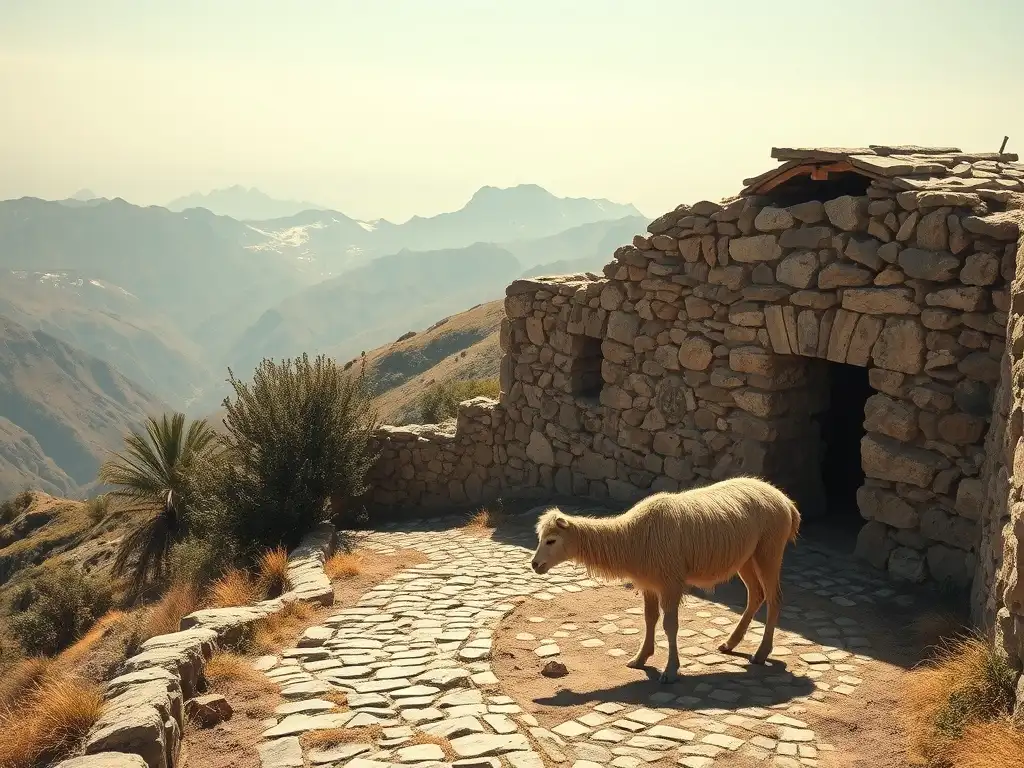
The study and preservation of Inca tambos are crucial for understanding the logistical brilliance and societal structure of the Inca Empire. These strategically placed rest stops along the Qhapaq Ñan (Inca Road system) offer invaluable insights into Inca engineering, administration, and daily life.
While many tambos have been significantly altered or destroyed over the centuries, ongoing research and conservation efforts are slowly revealing more about these fascinating sites. This section will delve into the challenges and rewards of preserving these important remnants of Inca infrastructure, focusing on archaeological investigations and what the surviving structures can teach us about Inca society.
Archaeological Investigations of Tambos
Archaeological investigations of tambos employ a multi-faceted approach, combining meticulous excavation with advanced technologies. Geophysical surveys, for example, help researchers locate buried structures and features before any digging begins, minimizing damage to the site. Careful excavation techniques allow archaeologists to uncover the layout of buildings, identify the materials used in construction (stone, adobe, thatch), and recover artifacts providing details on the tambos' function and the people who used them. Analysis of these artifacts—pottery shards, tools, textiles, and even food remnants—provides crucial contextual data. The discovery of specialized tools, for instance, might indicate the presence of artisans or craftspeople at a particular tambo, suggesting a more complex level of organization than a simple waystation. Careful documentation, including detailed mapping and photography, is essential for preserving the information gathered during these investigations. Furthermore, the use of 3D modeling and virtual reality is becoming increasingly important in documenting and sharing these findings with a wider audience, creating accessible digital archives for future researchers and enthusiasts. The meticulous nature of this research allows for a deeper understanding of Inca Inca tambos travel routes and the network they formed.
Challenges in Preserving Tambo Sites
Preserving Inca tambo sites presents significant challenges. Many sites are located in remote and environmentally vulnerable areas, susceptible to erosion, landslides, and the effects of climate change. Looting and vandalism pose a constant threat, with valuable artifacts stolen or sites damaged beyond repair. Furthermore, the very accessibility that made tambos crucial for Inca travel also makes them vulnerable to modern development pressures, such as agriculture, grazing, and tourism.
Balancing the need for preservation with the desire to make these sites accessible to the public is a delicate task. The development of sustainable tourism strategies, along with effective local community engagement, is crucial for long-term preservation. Stricter enforcement of laws protecting archaeological sites is also essential.
Moreover, a lack of funding often hampers conservation efforts, limiting the resources available for repairs, stabilization, and ongoing monitoring. The ongoing challenge lies in finding a balance between preservation and public access to these important historical sites. Finding sustainable solutions requires careful planning and collaboration between researchers, local communities, and governmental agencies.
What Tambos Tell Us About Inca Society
The study of Inca tambos provides crucial insights into various aspects of Inca society, offering a window into their administrative systems, economic organization, and social structures. The size and complexity of a tambo varied greatly, reflecting its location and importance within the Qhapaq Ñan network. Larger tambos often featured multiple structures, including storage facilities for food and supplies, living quarters for personnel, and possibly even workshops for artisans.
This suggests a hierarchical organization, with specialized roles and responsibilities within the tambo's staff. The presence of sophisticated infrastructure, such as drainage systems and water management features, underscores the Inca's advanced engineering skills and their capacity to adapt to diverse environments. Analysis of the artifacts found within tambos reveals details about the goods transported along the Inca roads, highlighting the scale and complexity of the empire’s trade networks.
Furthermore, the distribution and design of tambos along the Inca tambos travel routes provide evidence of the Inca's sophisticated logistical capabilities and their ability to effectively manage resources across vast distances. The study of tambos, therefore, is not just about understanding infrastructure; it’s about understanding the intricate workings of a highly organized and efficient empire. The information gleaned from these sites provides a compelling narrative of Inca life, revealing a society far more complex and sophisticated than previously imagined.
Future Research and Preservation Efforts
The study of Inca tambos is far from over. Much remains to be uncovered, both literally and figuratively. Future research should focus on several key areas to enhance our understanding of these vital components of the Inca road system and their impact on the empire's success. Archaeological excavations at currently unexplored or partially excavated sites are crucial.
Advanced techniques like ground-penetrating radar (GPR) and LiDAR can help locate previously unknown tambos and map their internal structures non-destructively, minimizing environmental impact. This is particularly important in fragile high-altitude environments. Detailed analysis of artifacts found within tambos, such as pottery shards, textiles, and tools, can provide insights into the daily lives of the people who inhabited and utilized these structures.
Careful comparison of artifacts across different tambos along specific Inca roads can reveal patterns of trade, communication, and cultural exchange within the empire. Furthermore, isotopic analysis of human remains found at tambos could reveal dietary habits and origins of the inhabitants, shedding light on the tambos’ role in supporting the movement of people across vast distances. Such detailed studies can help uncover the true scale of the Inca road network and the logistical marvels that made it possible.
Beyond excavation and artifact analysis, interdisciplinary research is essential. Collaborations between archaeologists, historians, anthropologists, and geographers can provide a more holistic understanding of the tambos' function within the broader context of Inca society and administration. For example, combining archaeological data with historical accounts (where available) can clarify the administrative structure and the role of tambos in managing the flow of goods, people, and information.
Furthermore, incorporating geographic information systems (GIS) technology can help map the distribution of tambos across the Inca empire and analyze their spatial relationships to other infrastructural elements, such as mines, agricultural zones, and urban centers. This spatial analysis can uncover patterns that might otherwise be missed through traditional research methods.
Preservation efforts must go hand-in-hand with research. Sustainable tourism practices are vital to protect existing tambos from the detrimental effects of uncontrolled visitation. This includes developing well-maintained trails, providing educational signage, and implementing visitor management strategies to prevent damage to the structures and surrounding environment.
Moreover, the implementation of conservation techniques to protect tambos from the elements – particularly harsh weather conditions in the Andes – is critical. This might involve stabilizing crumbling walls, repairing roofs, and implementing preventative measures against erosion and water damage. Finally, raising public awareness about the significance of Inca tambos is crucial for securing long-term preservation efforts.
Educational programs, museum exhibitions, and public outreach initiatives can help foster a sense of stewardship and responsibility towards these remarkable historical sites, ensuring their protection for future generations. The careful integration of research and preservation will allow us to fully appreciate the ingenuity and sophistication of the Inca road network and its critical role in the empire's success and longevity.
Conclusion: The Lasting Legacy of Tambos
The Inca road system, a marvel of ancient engineering, wouldn't have been nearly as effective without its strategically placed tambos. These weren't merely roadside inns; they were vital nodes in a complex network facilitating communication, trade, and military movement across the vast Inca empire. Their design, construction, and distribution reflect the sophisticated logistical capabilities of the Inca civilization and their profound understanding of their challenging Andean environment.
Understanding the tambos provides invaluable insight into the Inca's organizational prowess, their ability to manage resources, and their capacity for long-distance communication and control. The legacy of the tambos extends beyond their physical remains; they represent a crucial element in understanding the Inca's administrative and infrastructural achievements, shaping our comprehension of Inca travel routes and their impact on the empire's success.
The Enduring Significance of Inca Tambos
Even today, the remnants of Inca tambos offer compelling evidence of the Inca's remarkable achievements. Their strategic placement along major Inca tambos travel routes, often in high-altitude, challenging terrain, highlights the Inca's mastery of construction techniques and their ability to adapt to diverse landscapes. Many tambos were built using locally sourced materials, showcasing a sustainable approach to construction.
Archaeological studies continue to uncover new details about the functions of these structures, revealing their diverse roles in the Inca economy and society. The discovery of artifacts within tambos provides further insight into daily life along the Inca roads, shedding light on the movement of people, goods, and information across the empire.
Further research is needed to fully understand the specific roles of individual tambos and the nuances of their operation within the broader Inca system. The ongoing study of Inca tambos promises to reveal even more about the ingenuity and organizational power of this remarkable civilization.
Tambos as a Testament to Inca Engineering
The construction of tambos represents a significant feat of Inca engineering. Many tambos were built using sophisticated techniques, including precise stonework, intricate drainage systems, and innovative adaptations to the surrounding environment. The ability to construct these structures at high altitudes, often in challenging terrain, underscores the Inca's advanced knowledge of engineering principles and their mastery of building materials. The integration of tambos into the broader Inca road network demonstrates a sophisticated understanding of logistics and infrastructure planning. The design of tambos frequently incorporated features optimized for the local climate and terrain, showing a deep understanding of the environment and an ability to adapt construction techniques accordingly. Analysis of the materials used in tambos construction and their durability provides valuable insights into Inca building practices and their long-term sustainability. The resilience of many tambos across centuries underlines the quality of Inca engineering and their ability to withstand the test of time.
Exploring the Inca World Through the Lens of Tambos
Studying tambos offers a unique perspective on the Inca world. They serve as microcosms of the Inca empire, revealing information about its administrative structure, trade networks, military strategies, and the daily lives of its inhabitants. The distribution of tambos along major Inca tambos travel routes provides insights into the flow of goods, people, and information across the empire.
Analyzing the architectural features of tambos, such as storage facilities and living quarters, helps to understand their diverse functions and the organization of life within them. The artifacts found within tambos offer invaluable glimpses into the material culture of the Inca people, providing clues about their daily lives, beliefs, and social structures. Furthermore, the study of tambos can help us understand the social and economic dynamics of the Inca empire, revealing the interconnectedness of different regions and the mechanisms of control and governance.
By studying these crucial waystations, we gain a more nuanced understanding of Inca society and its intricate workings. The continued study of tambos is crucial to a complete picture of Inca civilization and its remarkable achievements.
The Importance of Tambos in Understanding Inca Culture
Tambos offer invaluable insights into the intricacies of Inca culture, extending far beyond their practical function as waystations. Their strategic placement along the Qhapaq Ñan (Inca Road system) reveals much about Inca logistical prowess and their sophisticated understanding of territorial control. The sheer number of tambos discovered, ranging from modest structures to elaborate complexes, reflects the scale of the Inca empire's administrative reach and its commitment to efficient communication and resource management. Studying the architecture of these structures—their construction techniques, materials used, and internal layouts—provides crucial data on Inca building practices and societal organization.
The presence of specialized workshops or storage facilities within certain tambos suggests a degree of economic specialization and a complex division of labor within Inca society. Furthermore, the artifacts unearthed at tambo sites—pottery, textiles, tools, and even mummified remains—provide tangible evidence of the daily lives of those who inhabited and utilized these important structures, offering invaluable glimpses into Inca social customs, religious beliefs, and economic activities. Archaeological investigations of tambos are therefore crucial for a comprehensive understanding of Inca societal structure and their mastery of logistical and administrative systems. The careful study of these sites allows researchers to piece together a more complete picture of Inca life, challenging previous assumptions and enriching our knowledge of this remarkable civilization.
The evidence gathered from these sites continues to inform our understanding of Inca social stratification, economic organization, and the daily routines of ordinary people within the empire. Analysis of the materials used in construction, for instance, can reveal details about trade networks and resource availability. The careful study of tambos provides a rich tapestry of information about the Inca, enriching our understanding beyond the grand monuments and palaces often associated with their civilization.
Frequently Asked Questions
What were Tambos?
Tambos were strategic roadside stations built along the extensive Inca road network. They served as vital rest stops for travelers, messengers, and officials, providing essential services like lodging and supplies.
How did the Tambos support Inca travel routes?
Tambos played a crucial role in facilitating efficient communication and transportation across the vast Inca Empire. Their strategic placement ensured that travelers could easily access food, shelter, and fresh supplies along the main highways.
What services did Tambos offer to travelers?
Tambos offered a range of services, including lodging, food, and supplies. They also served as administrative centers, collecting taxes and relaying messages. Some larger tambos even had storage facilities for goods.
Were all Tambos the same size and complexity?
No, Tambos varied significantly in size and complexity. Some were simple structures, while others were large and elaborate, reflecting their importance along the Inca road system and the volume of traffic they handled.
How did the Tambos contribute to the Inca Empire's success?
The well-maintained network of Tambos significantly contributed to the Inca Empire's administrative and military power. They enabled rapid communication, efficient transportation of goods and troops, and effective control over a vast territory.
Final Reflection: Echoes of the Inca Road: Tambos and the Enduring Spirit of Travel
The strategic placement of tambos along the Inca road wasn't merely a logistical marvel; it was a testament to the Inca's profound understanding of connectivity and community. Their network of rest stops, strategically positioned across vast distances, facilitated not only the efficient movement of goods and people but also the cultural exchange and integration of a sprawling empire. This sophisticated system remains a powerful reminder of the importance of infrastructure in shaping societies, a lesson particularly relevant in our increasingly interconnected world.
The enduring legacy of the tambos extends far beyond their physical remains. They represent a powerful symbol of human ingenuity and the enduring human need for connection. These weren't simply places to rest; they were vital hubs of social interaction, economic activity, and cultural transmission. The very existence of this network speaks volumes about the Inca's vision and their ability to foster a sense of unity across diverse landscapes. The road itself was a living thing, a pulsating artery connecting the heart of the empire to its farthest reaches.
This quote, though fictionalized, captures the essence of the tambos' role within the broader Inca system.
Consider the journeys you undertake, both physically and metaphorically. What are the "tambos" in your life – the places, people, or experiences that provide rest, sustenance, and inspiration along the way? Think about how you can build your own networks of support and connection, drawing inspiration from the Inca's remarkable achievement. Let the echoes of the Inca road guide you, reminding you of the power of strategic planning, community building, and the enduring human need for connection across time and space.
Thank you for joining us on this exploration of the tambos, the incredible rest stops crucial to the Inca Empire. We hope you found their strategic importance and rich history inspiring. Now, let's continue your adventure!
Here are some ways to further explore this fascinating topic:
- Delve deeper into Inca culture by visiting ancient sites along the Inca Road network, or researching specific tambos that piqued your interest.
- Share this article with friends and family who appreciate history or travel—you might spark their interest in the Inca civilization!
- Engage with your community by exploring local museums or cultural groups that celebrate Andean heritage; discover more about these historical marvels.
What aspect of the Inca road system intrigues you most, and how might further exploration alter your perspective on this remarkable civilization?