
Footprints of the Past: Dance as a Narrative of Andean History

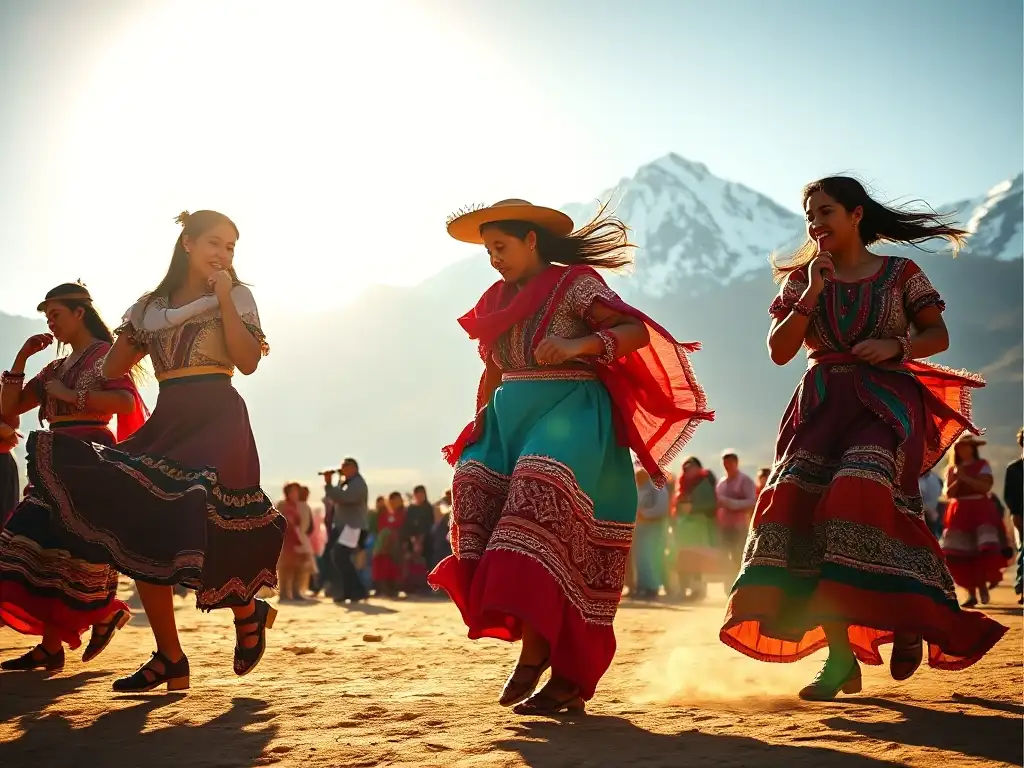
Step into a world lost to time, yet echoing with the rhythm of ancient footsteps. Discover the captivating legacy of the Andean civilizations, where vibrant cultures flourished and left behind a treasure trove of mysteries. This journey begins with the pulse of history itself – Andean dance history. Prepare to be mesmerized as we unravel the intricate stories woven into every graceful movement, revealing the secrets held within the mesmerizing dances of the Incas, Moche, Nazca, and Tiahuanaco. Are you ready to explore?
The vibrant tapestry of Andean civilization, renowned for its intricate artistry, sophisticated engineering, and complex social structures, finds another powerful expression in its dance traditions. More than mere entertainment, Andean dances served as vital conduits for transmitting history, beliefs, and societal values across generations. This article delves into the fascinating role of dance in shaping and reflecting the narrative of Andean history, examining its ritualistic and social significance across various cultures, including the Incas, Moche, Nazca, and Tiahuanaco.
We will explore how specific movements, costumes, and accompanying music encoded historical events, mythological stories, and social hierarchies, offering a unique perspective on the rich cultural heritage of the Andes. Understanding Andean dance history is key to unlocking a deeper comprehension of the complexities and enduring legacy of these remarkable civilizations. Prepare to be transported through time as we uncover the hidden stories whispered through centuries of carefully preserved dance traditions.
The Inca's Ceremonial Dances: A Reflection of Imperial Power
Inca dance, deeply intertwined with religious beliefs and imperial authority, served as a powerful tool to reinforce the Inca's dominance and legitimize their rule. Elaborate ceremonies, often featuring hundreds of dancers, were meticulously choreographed to represent significant historical events, mythical narratives, and the power of the Sapa Inca (emperor). These performances were not simply spectacles; they were integral parts of the Inca religious calendar, designed to appease the gods, ensure bountiful harvests, and maintain social order.
The intricate steps and formations symbolized the Inca's cosmic worldview, connecting the earthly realm with the divine. Specific dances, for instance, might reenact the mythical origins of the Inca people or commemorate military victories, solidifying the Inca's claim to power and inspiring awe and reverence amongst their subjects.
The costumes themselves, often adorned with feathers, gold, and precious stones, further emphasized the sacred nature of these performances and the high status of the performers. Detailed records, though scarce, suggest a complex system of dance training and specialization, highlighting the importance placed on this art form within Inca society.
Moche Iconography in Dance: Depicting Myths and Battles
Unlike the relatively sparse surviving documentation of Inca dance, the Moche civilization (100-800 CE) left behind a rich visual record in the form of intricately detailed pottery. These ceramics frequently depict scenes of elaborate dances, providing invaluable insights into their social and religious practices. Moche dances, often portrayed in dynamic and energetic poses, seem to have focused on narratives relating to warfare, fertility rituals, and mythological themes.
The depictions showcase a variety of costumes, masks, and instruments, suggesting a diverse range of dance styles and roles within the society. For example, some pottery shows dancers wearing elaborate headdresses representing supernatural beings, while others depict warriors performing celebratory dances after a victorious battle.
These visual representations offer a glimpse into the vibrant and complex world of Moche dance, revealing its integral role in their daily lives and religious beliefs. The imagery is often highly symbolic, requiring careful analysis to fully understand the narratives being conveyed.
Nazca Lines and Dance: A Possible Connection?
The enigmatic Nazca Lines, a series of massive geoglyphs etched into the Peruvian desert, continue to fascinate and puzzle researchers. While their precise purpose remains a subject of debate, some scholars propose a possible connection to ritualistic dances and ceremonies. The scale and complexity of the lines suggest a highly organized society capable of undertaking large-scale projects, and it's conceivable that these lines served as a backdrop or focus for ceremonial dances, perhaps relating to astronomical observations or fertility rituals.
This theory, while still under investigation, aligns with the understanding that many Andean cultures integrated their religious beliefs and practices with their landscape and environment. Further research, including archaeological excavations and analysis of existing artifacts, is necessary to solidify or refute this intriguing hypothesis. The potential connection between the Nazca Lines and dance adds another layer of mystery and fascination to these remarkable ancient creations.
The Tiahuanaco culture (c. 1500 BCE – 1000 CE), known for its monumental architecture and sophisticated social structure, also incorporated dance into their complex religious and social ceremonies. While detailed descriptions of their dance traditions are scarce, archaeological evidence, including sculpted figures and ceremonial objects, suggests a strong emphasis on ritualistic dance to maintain cosmic order and reflect social hierarchy. These dances likely involved elaborate costumes, masks, and musical instruments, symbolizing different deities, social roles, and aspects of the natural world.
The monumental architecture of Tiahuanaco itself, with its precisely aligned structures and intricate carvings, may have served as a stage for these grand performances, further highlighting the importance of dance in their culture. The limited evidence necessitates further investigation, but what little we know already suggests that Tiahuanaco dance held a prominent role in their society.
- The Inca's Ceremonial Dances: A Reflection of Imperial Power
- Moche Iconography in Dance: Depicting Myths and Battles
- Nazca Lines and Dance: A Possible Connection?
- Tiahuanaco's Ritual Dances: Cosmic Order and Social Hierarchy
The Significance of Andean Dance in Ancient Cultures
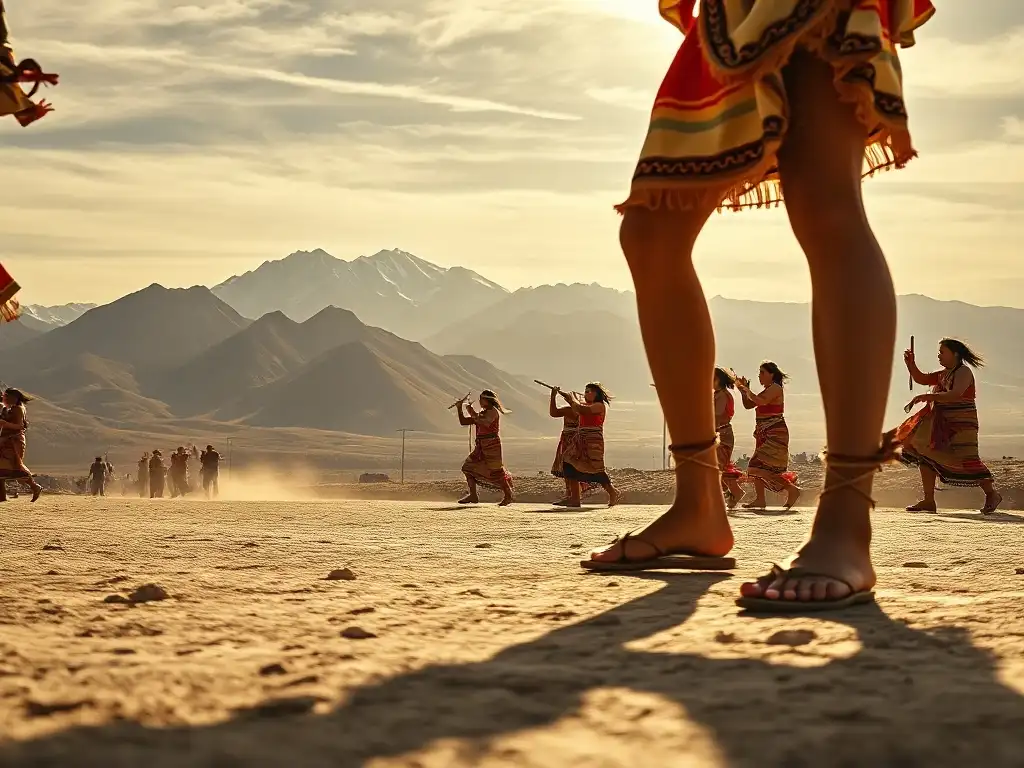
Andean dance history is profoundly intertwined with the spiritual and social fabric of ancient Andean societies. Movement wasn't merely entertainment; it served as a powerful medium for communication, storytelling, and maintaining social order. From the intricate steps of the huayno to the ceremonial dances of the Inca Empire, every movement held symbolic meaning, reflecting the cosmology, beliefs, and social structures of each civilization.
Understanding Andean dance requires moving beyond its aesthetic appeal and delving into its deeper cultural significance. This section will explore the multifaceted roles dance played in shaping the identity and worldview of these remarkable civilizations. The rich tapestry of Andean dance history reveals a complex interplay of ritual, social interaction, and the enduring power of tradition.
Unveiling the Ritualistic Roots of Andean Dance
Andean dance, deeply rooted in animistic beliefs and agricultural cycles, served as a vital link between the human and spiritual realms. Many dances were performed to appease deities, ensure bountiful harvests, or commemorate significant events in the agricultural calendar. For instance, the capac hucha dance, associated with the Inca, involved elaborate costumes and movements representing the agricultural cycle, from planting to harvest. The use of specific colors, costumes, and instruments further emphasized the ritualistic nature of these performances.
These weren't merely performances; they were acts of worship, crucial to the well-being of the community. Archaeological evidence, including depictions on pottery and textiles, supports the importance of ritualistic dance in Andean societies. The intensity and precision of the movements suggest a high level of training and a deep understanding of the spiritual significance of the dance.
Analyzing these visual records allows us to gain insights into the religious beliefs and practices of these past civilizations. Furthermore, the careful preservation of these traditions, passed down through generations, speaks volumes about the enduring power of ritualistic dance in shaping Andean cultural identity. The continuity of certain dance styles and their associated rituals across different Andean cultures underscores their profound importance in maintaining social cohesion and spiritual connection.
Andean Dance as a Form of Historical Record Keeping
Beyond its ritualistic function, Andean dance also served as a unique form of historical record-keeping. Through intricate choreography and symbolic gestures, dancers transmitted knowledge, stories, and historical events across generations. The movements themselves often encoded historical narratives, recounting battles, migrations, or the deeds of significant figures. This oral tradition, preserved through dance, played a vital role in a society where written records were less prevalent.
Consider the dances depicting the Inca conquest or those celebrating the victories of specific rulers; these performances served as living archives, ensuring that historical memory persisted. The costumes, masks, and props used in these dances further enhanced the storytelling aspect, providing visual cues that enriched the narrative. Detailed analyses of these elements—from the colors representing specific events to the symbolism of the masks—can unlock a deeper understanding of the historical context and the social significance of the dance.
Moreover, the geographic distribution of certain dance styles and their variations across different regions provide clues to migration patterns and cultural exchange. By studying the evolution and regional variations in Andean dance, we can reconstruct aspects of the past that would otherwise remain hidden. Therefore, Andean dance history isn't just about aesthetics; it's a powerful lens through which we can examine the social, political, and religious complexities of these ancient societies, revealing a vibrant and intricate past.
Key Andean Dance Forms and Their Historical Context
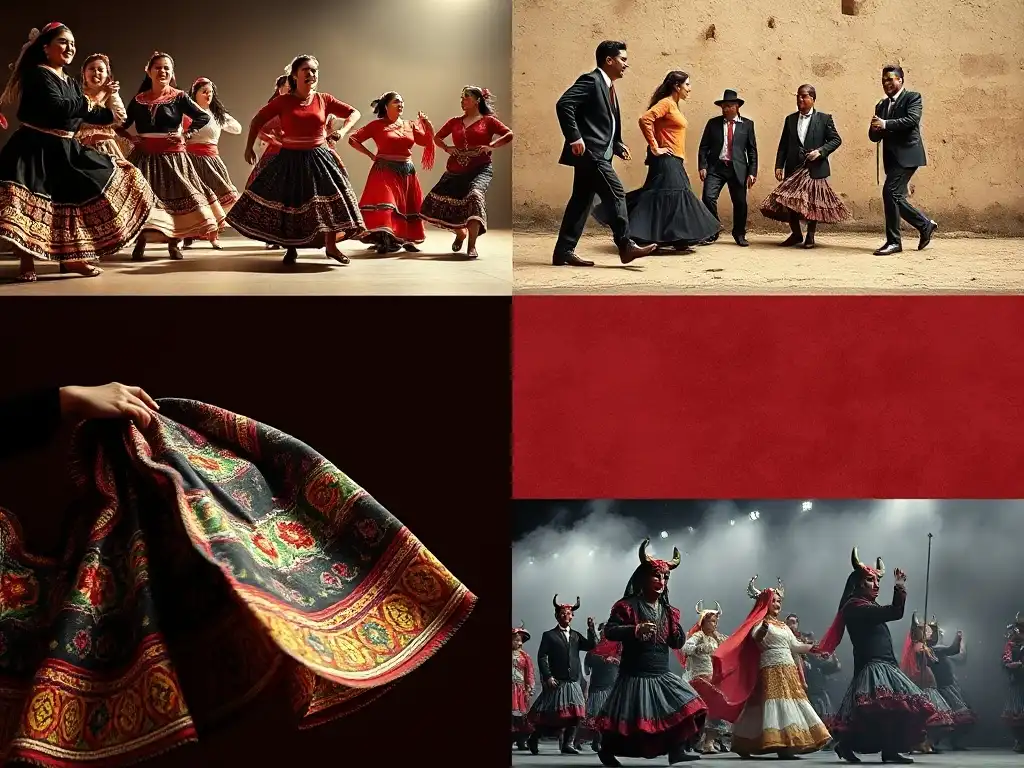
This section delves into the historical context of several key Andean dance forms, highlighting their evolution and significance within the broader cultural landscape. Understanding these dances provides invaluable insight into the complexities of Andean social structures, religious beliefs, and historical events. The vibrant tapestry of Andean dance history is woven with threads of indigenous traditions, colonial influences, and the enduring spirit of diverse communities. Analyzing these dances allows us to unearth the rich narrative embedded within each movement and rhythm, offering a unique perspective on the "Andean dance history."
Saya: A Glimpse into Afro-Bolivian Culture
Saya, a vibrant and energetic dance form originating in Bolivia, offers a compelling glimpse into the Afro-Bolivian cultural heritage. Its rhythms, movements, and accompanying music reflect a complex history shaped by both African traditions and the unique Andean context. The powerful and passionate nature of Saya speaks volumes about the resilience and cultural preservation of the Afro-Bolivian communities.
The Ritualistic Purpose of Saya
Initially, Saya served a significant ritualistic purpose within Afro-Bolivian communities. While precise details on early ritualistic practices are scarce, anthropological studies suggest its use in celebrations linked to harvest cycles and ancestral veneration. The rhythmic drumming and call-and-response vocals likely served to invoke spiritual forces and ensure a bountiful harvest.
The dance itself, with its dynamic movements and powerful expressions, could have been a form of communication with the spirit world. Further research is needed to fully elucidate the original ritualistic functions of Saya, as many historical records were lost or destroyed during periods of colonization and social upheaval. However, the intensity and emotional depth of the dance still hint at its powerful, originally ritualistic roots.
Historical Evolution of Saya
The historical evolution of Saya is closely tied to the socio-political landscape of Bolivia. Emerging from the fusion of African musical traditions with indigenous Andean influences, Saya's evolution can be traced through several distinct phases. Initially, it was primarily a communal expression within Afro-Bolivian communities.
Over time, Saya's popularity grew, leading to its adoption in broader Bolivian society, albeit often adapted and modified to fit prevailing social norms. This adaptation, however, did not erase its cultural roots; rather, it demonstrated the resilience and adaptability of the dance form. The incorporation of new instruments and stylistic variations showcases the dynamic interplay between tradition and innovation within Andean dance history.
Huayno: Tracing the Legacy of Indigenous Communities
Huayno, a genre of Andean music and dance, holds a prominent place in the cultural heritage of several Andean nations. Its enduring popularity reflects its deep connection to indigenous communities and its ability to adapt to changing social contexts while preserving its core essence. Understanding the symbolism and evolution of Huayno is crucial to grasping the historical narrative embedded within Andean dance history.
Symbolism and Meaning in Huayno
Huayno's symbolism is rich and layered, drawing heavily from indigenous Andean cosmology and beliefs. The movements, often characterized by graceful steps and expressive gestures, can convey a wide range of emotions and meanings. For instance, certain steps may represent agricultural practices, while others may symbolize courtship rituals or spiritual devotion.
The use of specific costumes and adornments further enhances the symbolic significance of the dance. Unfortunately, a comprehensive catalog of all symbolic elements within Huayno dances across different Andean communities is still pending. Further research is needed to fully document the rich tapestry of symbolism embedded within this dance form.
Huayno as a Reflection of Social Structure
Huayno's evolution and stylistic variations often reflect the social structures and power dynamics within the communities where it is performed. Different variations of Huayno can be associated with specific social groups or regions, highlighting the diversity of Andean culture. The themes explored in Huayno songs, often dealing with love, loss, social injustice, and everyday life, provide valuable insights into the lived experiences of Andean communities throughout history.
Analyzing these themes and observing the evolution of Huayno's performance styles helps unveil the intricate relationship between dance, social structure, and cultural identity within the broader context of Andean dance history. The dance itself acts as a living archive, preserving and transmitting cultural knowledge across generations.
Diablada: Echoes of Aymara and Uru Cultures
Diablada, a vibrant and dramatic dance drama, offers a fascinating glimpse into the fusion of Aymara and Uru cultural elements within the broader Andean context. Originating in the mining regions of Bolivia, particularly Potosí, its history is deeply intertwined with the colonial era and the complex social dynamics that emerged from the Spanish conquest. The dance itself is a powerful allegorical representation of the struggle between good and evil, often interpreted as a symbolic enactment of the indigenous resistance against colonial oppression.
Costumes, meticulously crafted and laden with symbolism, play a crucial role in conveying this narrative. The devilish figures, with their elaborate masks and vibrant attire, represent the forces of chaos and oppression, while the archangels and other celestial beings symbolize resistance and hope.
The intricate details of these costumes, often incorporating elements from both Aymara and Uru traditions, reveal a rich tapestry of indigenous beliefs and artistic expression that survived and adapted within the colonial and post-colonial landscapes. The performance itself is not merely a spectacle; it's a living testament to the enduring cultural memory and resilience of the Andean peoples.
The Role of Music in Diablada
Music is the very heartbeat of Diablada, providing the rhythmic and emotional framework for the dance's narrative. The music, typically performed by a large ensemble of instruments including siku (panpipes), tarka (flute), charango (small guitar), and drums, creates a powerful and dynamic soundscape that mirrors the ebb and flow of the dramatic conflict portrayed in the dance. The rhythmic complexity and the interplay between different instrumental parts underscore the intensity of the struggle between good and evil.
Specific musical motifs and melodies are associated with particular characters and stages of the narrative, adding depth and layers of meaning to the performance. The music's ability to evoke strong emotions, from the fear and chaos associated with the devilish figures to the triumph and hope represented by the archangels, further enhances the dance's capacity to engage audiences and convey its powerful message.
The evolution of Diablada's musical style reflects broader social and cultural changes, yet core elements of traditional Andean musicality remain central to its appeal and enduring power. The music acts as a bridge connecting the past to the present, preserving and transmitting cultural heritage through generations.
Continuity and Change in Diablada
Diablada, while rooted in Aymara and Uru traditions, is not static. Its evolution over centuries reflects the dynamic interplay between indigenous cultural practices and external influences. While core elements of the dance, such as its allegorical narrative and the use of specific costumes and music, have remained relatively consistent, there have been significant adaptations and innovations over time.
For instance, the incorporation of new instruments or variations in musical style demonstrates the dance's capacity to adapt to changing social contexts. Similarly, the costumes have evolved, reflecting shifts in artistic sensibilities and the availability of materials. However, these changes have not erased the dance's indigenous foundations; instead, they demonstrate its ability to integrate new elements while retaining its core identity and cultural significance.
Studying the changes in Diablada's choreography, music, and costuming provides valuable insights into the dynamic nature of cultural transmission and adaptation in the Andean region. The dance serves as a compelling example of how traditions can be preserved and reinterpreted across generations, reflecting both continuity and change within a vibrant cultural landscape. The ongoing evolution of Diablada ensures that it remains a relevant and engaging performance form that continues to resonate with audiences today.
Andean Dance History: A Timeline of Transformations
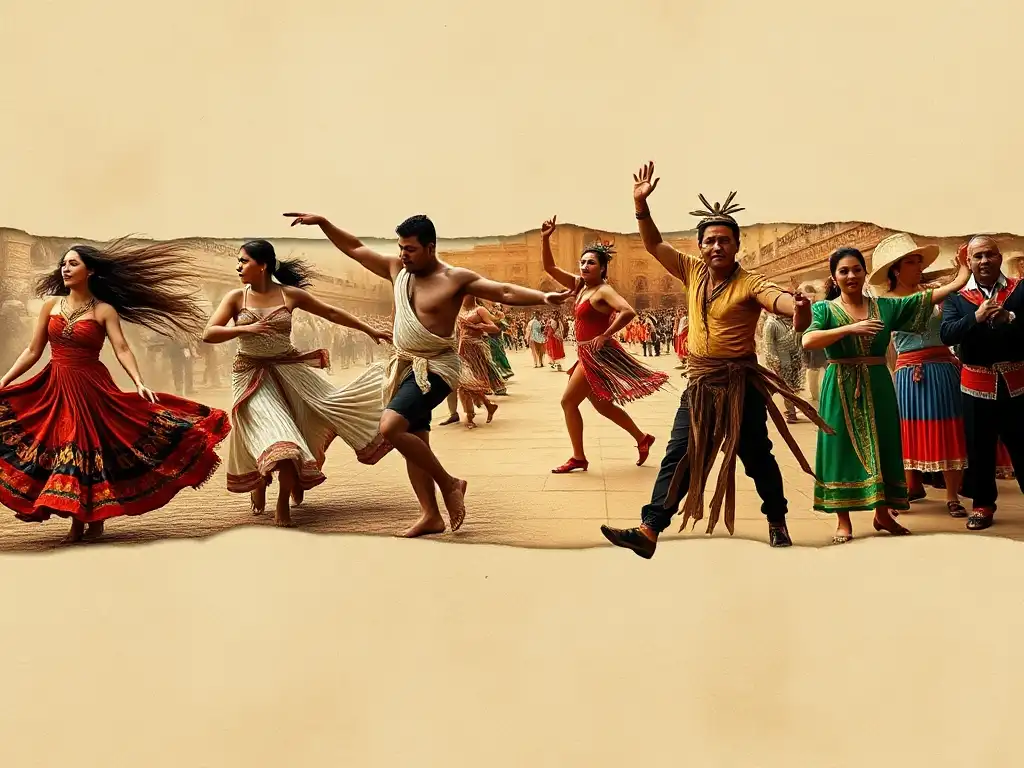
This section delves into the fascinating evolution of Andean dance, tracing its development from pre-Inca times through the Inca Empire and into the colonial era. We will explore how dance served as a powerful vehicle for storytelling, religious expression, and social commentary, reflecting the changing dynamics of Andean societies. Understanding this rich history provides crucial context for appreciating the vibrant Andean dance traditions that persist today. The keyword "Andean dance history" will be explored throughout this section, highlighting its multifaceted nature.
Pre-Inca Dance Traditions and Their Influence
Pre-Inca Andean cultures, such as the Moche, Nazca, and Tiahuanaco, each possessed unique dance forms deeply intertwined with their religious beliefs and agricultural cycles. Evidence from their art—ceramics, textiles, and stone carvings—depicts individuals engaged in elaborate dances, often involving ritualistic movements and costumes. These dances weren't merely entertainment; they were integral to maintaining the cosmic order and ensuring successful harvests.
For instance, Moche pottery frequently portrays dancers in dynamic poses, suggesting a vibrant and energetic dance style. These depictions often feature elaborate headdresses, masks, and costumes, highlighting the importance of visual spectacle in their rituals. The intricate designs on Nazca textiles also provide valuable clues about their dance traditions, hinting at complex choreographies and symbolic gestures. Scholars believe that these dances were essential components of their religious ceremonies, connecting the earthly realm with the supernatural.
The influence of these pre-Inca traditions extended far beyond their own time periods. Many movements, costumes, and ritualistic elements were adopted and adapted by subsequent Andean cultures, including the Inca. This continuity demonstrates the enduring power of dance as a cultural transmitter across generations and empires. The study of "Andean dance history" reveals a rich tapestry woven from threads of continuity and change.
Inca Imperial Dance Practices and Their Significance
The Inca Empire (1438-1533 CE) centralized and standardized many aspects of Andean life, including dance. Inca imperial dance practices were highly formalized, with specific dances associated with different occasions, social classes, and deities. These dances served crucial political and religious functions, reinforcing the Inca's power and legitimizing their rule.
The Inca court maintained troupes of professional dancers who performed during state ceremonies, festivals, and religious rites. These dancers underwent rigorous training, mastering complex steps and formations. Their performances were not simply entertainment; they were carefully choreographed spectacles that conveyed messages of imperial authority and religious devotion. The use of specific costumes, instruments, and formations further enhanced the symbolic meaning of these performances.
Examples of Inca Dance Types
While precise details are limited due to the destruction of many Inca records, archaeological findings and Spanish chronicles suggest a diversity of Inca dances. Some examples might include dances dedicated to the sun god Inti, dances celebrating harvests, and war dances showcasing military prowess. Further research is needed to fully understand the nuances of each dance type.
The Inca's skillful integration and adaptation of pre-existing dance traditions strengthened their imperial control. By incorporating elements from various conquered groups, the Inca demonstrated their cultural sensitivity while simultaneously promoting a sense of unified Andean identity. This strategic use of dance contributed significantly to the empire's stability and longevity. The study of "Andean dance history" within the Inca context reveals the power of dance as a tool of imperial control and cultural unification.
Colonial Era: Adaptation and Resistance Through Dance
The Spanish conquest profoundly impacted Andean culture, including its dance traditions. The imposition of Catholicism led to the suppression of many indigenous dances deemed "pagan" by the Spanish authorities. However, Andean people creatively adapted and resisted through dance. They subtly incorporated indigenous elements into religious processions and festivals, preserving aspects of their heritage within the new colonial context.
This process of adaptation and resistance manifested in several ways. Indigenous musical instruments and dance rhythms were sometimes integrated into Catholic celebrations, creating a hybrid form of expression that blended indigenous and European influences. Costumes, too, underwent transformations, with indigenous designs and colors subtly incorporated into clothing worn during colonial-era events.
The clandestine performance of traditional dances in remote areas also continued, allowing Andean communities to maintain their cultural identity despite colonial oppression. These dances became a form of silent protest, a way to preserve their heritage in the face of cultural erasure. The study of "Andean dance history" during this period highlights the resilience and creativity of Andean people in the face of colonial pressure, showing how dance became a powerful tool for cultural survival and resistance. The legacy of this period continues to shape Andean dance to this day.
Modern Interpretations and the Preservation of Andean Dance
Modern interpretations of Andean dance are a fascinating blend of tradition and innovation. While many groups strive to maintain the authenticity of ancient movements and rhythms, contemporary choreographers often infuse these traditional forms with new perspectives and styles. This can involve incorporating elements from other dance traditions, experimenting with costume design, or recontextualizing the narratives embedded within the dances for a modern audience. The result is a vibrant and evolving landscape of Andean dance, constantly reimagining its past while acknowledging its roots. This evolution is crucial for ensuring the survival of these traditions in a rapidly changing world.
One significant challenge facing the preservation of Andean dance is the loss of knowledge and skills across generations. Many traditional dances were passed down orally within families or specific communities, making their documentation and transmission vulnerable to disruptions. The migration of Andean populations to urban centers and the influence of globalization have further complicated these efforts.
However, dedicated individuals and organizations are working tirelessly to counteract this trend. They are employing various strategies, including establishing dance schools, creating comprehensive archives of dance styles and music, and documenting oral histories from experienced dancers. These efforts are vital in ensuring that future generations can access and appreciate the rich legacy of Andean dance.
The rise of tourism has also presented both opportunities and challenges for the preservation of Andean dance. On one hand, the increased interest in Andean culture has led to greater demand for performances and workshops, providing economic incentives for dancers and communities to continue their traditions. On the other hand, the pressure to commercialize these dances can lead to simplification or distortion of their original meaning and purpose.
Striking a balance between preserving the cultural integrity of these dances and meeting the demands of the tourism industry is a delicate act that requires careful consideration and collaboration between communities, cultural institutions, and tourism operators. Authenticity and respect for the traditions must remain at the forefront of any commercial endeavor.
Furthermore, the integration of Andean dance into educational curricula is proving to be an effective method for preservation. By introducing younger generations to these traditions from an early age, schools and cultural centers are fostering a sense of cultural pride and ensuring that these invaluable art forms are not forgotten. These educational initiatives often involve hands-on workshops, performances, and the integration of Andean dance history into broader curriculum, enriching the learning experience and promoting cultural understanding.
This approach helps to cultivate a deeper appreciation for the cultural heritage of the Andes and empowers young people to become active participants in its preservation. The success of these programs relies heavily on the involvement of experienced dancers and cultural experts who can share their knowledge and passion with the next generation.
The Enduring Legacy of Andean Dance: A Cultural Treasure
Andean dance, a vibrant tapestry woven from centuries of tradition, represents far more than mere entertainment. It's a living testament to the resilience and cultural richness of Andean civilizations. From the rhythmic footwork of the huayno to the graceful movements of the yaraví, each dance embodies a unique narrative, reflecting the beliefs, social structures, and historical experiences of the Andean peoples.
Understanding this legacy requires acknowledging its profound impact on shaping Andean identity and its continuing relevance in the modern world. The preservation and celebration of Andean dance traditions are crucial for maintaining a vital connection to the past and fostering a sense of cultural pride for future generations. This enduring legacy is not simply a historical artifact, but a dynamic force shaping contemporary Andean society.
Andean Dance as a Living Heritage
Andean dance is not a static entity frozen in time; it's a dynamic, evolving tradition passed down through generations. While core elements remain consistent, variations exist across different regions and communities. This organic evolution speaks to the adaptability and creativity inherent within Andean cultures.
Consider, for example, the diversity of instruments accompanying Andean dances—the haunting melodies of the zampoña, the rhythmic beat of the tinku, and the vibrant sounds of the charango all contribute to the unique character of each dance form. This constant adaptation and improvisation demonstrate the living nature of this heritage. Moreover, the transmission of dance knowledge often occurs within families and communities, ensuring the continuation of these treasured traditions.
The continued practice of these dances, often in festive occasions and rituals, is a powerful testament to their enduring vitality. The passionate dedication of dancers and musicians guarantees the preservation of this invaluable cultural legacy for years to come. The intricate steps and costumes, handed down through oral tradition and practical demonstration, represent a profound connection to the past.
The Role of Andean Dance in Contemporary Society
Andean dance continues to play a significant role in contemporary Andean society, serving as a powerful medium for cultural expression, social cohesion, and even political commentary. Festivals and celebrations throughout the Andes are vibrant showcases of traditional dances, attracting both locals and tourists. These events not only preserve ancient traditions but also serve as important economic drivers for local communities.
Furthermore, Andean dance often plays a crucial role in maintaining social bonds and fostering a sense of community. Participation in dance groups provides opportunities for social interaction and the transmission of cultural values. In some instances, Andean dance has also been used as a powerful tool for social and political activism, providing a platform for expressing resistance and promoting social change.
The use of traditional dance forms to address contemporary issues demonstrates the adaptability and relevance of this artistic expression in the modern world. The integration of Andean dance into educational programs and the growing interest from international audiences further highlight its importance in the 21st century.
Exploring the Future of Andean Dance Traditions
The future of Andean dance traditions hinges on several key factors: the continued support of local communities, the integration of dance into educational curricula, and the promotion of Andean dance on a global scale. Efforts to document and archive traditional dance forms, including detailed descriptions of steps, music, and costumes, are crucial for preserving this rich heritage for future generations. Furthermore, supporting emerging artists and dance groups is essential for fostering innovation and ensuring the continued evolution of Andean dance.
Promoting cross-cultural exchange and collaboration can enrich the tradition while expanding its reach. The challenge lies in finding a balance between preserving authenticity and embracing innovation, ensuring that Andean dance remains a vibrant and relevant art form for years to come. The successful navigation of this challenge will require a collaborative effort among dancers, scholars, educators, and policymakers.
The future of Andean dance is not just about preservation; it's about ensuring its continued vitality and relevance in a rapidly changing world. The potential for Andean dance to continue inspiring and connecting people worldwide is immense.
Frequently Asked Questions
What role did dance play in Andean societies?
Dance held a central role in Andean life. It was deeply intertwined with religious rituals, agricultural cycles, and social celebrations, reflecting the spiritual and practical aspects of their world. It was not mere entertainment, but a vital part of their culture.
Andean dances often mirrored the social hierarchy of their time. Specific dances were performed by particular groups, reflecting their status and roles within the community. Costume and choreography also signified social rank and position.
What are some examples of significant Andean dance traditions?
Many Andean traditions continue today. Examples include the huayno, a lively couple's dance from the Andes, and the diablada, a dramatic dance often associated with religious festivals and featuring costumed devils. These dances showcase the rich diversity of Andean culture.
How has Andean dance evolved over time?
Andean dance traditions have evolved significantly over centuries, blending indigenous styles with influences from Spanish colonialism and other cultures. While core elements remain, modern performances often incorporate new instruments, costumes, and choreography.
Where can I learn more about the history of Andean dance?
You can find information in academic journals, books on Andean culture and history, and through ethnographic studies of contemporary Andean communities. Museums and cultural centers also often feature exhibits and performances showcasing Andean dance traditions.
Final Reflection: Echoes of the Andes in Every Step
The vibrant tapestry of Andean dance, far from being a mere spectacle, serves as a living archive, a powerful testament to the resilience and enduring spirit of its people. Its intricate movements, rhythmic patterns, and symbolic costumes continue to resonate today, offering invaluable insights into a rich and complex history often overlooked in mainstream narratives. Understanding this legacy is crucial to appreciating the cultural depth and ongoing struggles of Andean communities.
The enduring power of Andean dance lies not only in its historical significance but also in its capacity to transcend time and connect generations. It's a form of cultural memory, passed down through generations, subtly shifting and adapting yet retaining its core essence. This continuous evolution speaks volumes about the dynamic nature of Andean culture and its ability to navigate change while preserving its identity. Dance is the hidden language of the soul.
– Martha Graham. This quote, while not specifically about Andean dance, perfectly captures the profound emotional and spiritual connection inherent in this art form, a connection that transcends mere performance and becomes a vital part of Andean life.
Consider the stories woven into each step, each gesture, each costume. Reflect on the ways in which these dances preserve traditions, celebrate triumphs, and mourn losses. You, the reader, are now part of this ongoing conversation. Seek out opportunities to experience Andean dance firsthand, to learn more about its history and its significance. Engage with the communities that keep this vital art form alive, and let the echoes of the Andes resonate within you, inspiring a deeper understanding and appreciation of a culture rich in history and brimming with life.
Embrace Your Inner Dancer and Discover Andean Heritage!
Thank you for joining us on this journey exploring the rich tapestry of Andean history through dance! You've discovered how these vibrant movements tell stories of culture, tradition, and resilience. Now, let's bring that inspiration to life!
Here's how you can further connect with this fascinating subject:
- Take an Andean dance class to experience the rhythms of the culture firsthand and connect with others who share your passion for history and movement.
- Share this article on social media or within your community—let's spark a conversation about the importance of dance in cultural narratives!
- Listen to traditional Andean music online or at local events to deepen your understanding and appreciation of the sounds that accompany these beautiful dances.
What aspect of Andean dance resonates most with you, and how will you integrate it into your life?