
The Influence of Religion on Daily Life in the Inca Empire

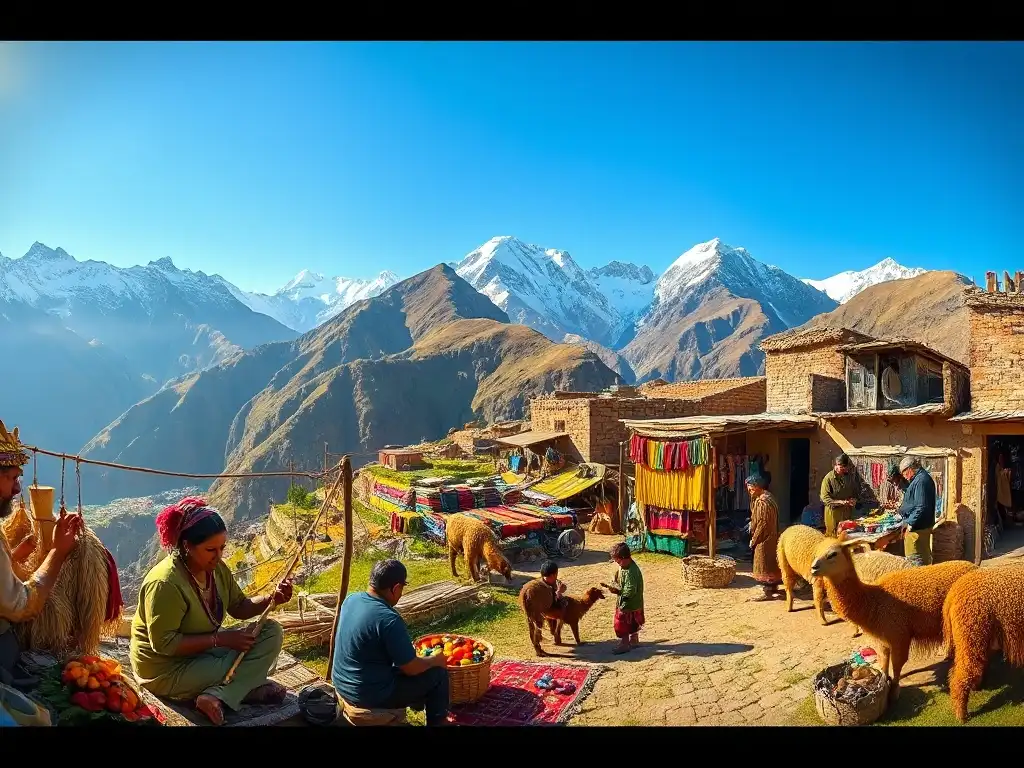
Step into a world lost to time, yet echoing with the vibrant spirit of the Andes. Imagine a civilization where the sun god Inti dictated daily life, where every action, from farming techniques to elaborate ceremonies, was interwoven with profound religious beliefs. This journey into the heart of the Inca Empire reveals the astonishing impact of Inca religion on their daily lives. Discover how faith shaped their society, their art, and their very existence – uncover the secrets behind the Inca religion daily life impact and prepare to be amazed.
- Inca Religion Daily Life Impact: A Deep Dive into Andean Spirituality
- The Central Role of Religion in Inca Society
- Religious Practices and Rituals Influencing Inca Daily Life
- How Inca Beliefs Guided Daily Activities
- The Impact of Inca Religion on Social Norms and Morality
- The Legacy of Inca Religion: Surviving Influences on Modern Andean Culture
- Frequently Asked Questions
- Final Reflection: The Enduring Legacy of Inca Spirituality
- **Embrace the Wisdom of the Ancients! **
Inca Religion Daily Life Impact: A Deep Dive into Andean Spirituality
The Inca Empire, a civilization that flourished in the Andes Mountains from the 15th to the 16th centuries, was profoundly shaped by its intricate religious beliefs and practices. Religion wasn't a separate sphere of life; it was inextricably woven into the fabric of daily existence, influencing everything from agricultural practices and social structures to political power and individual morality.
This article delves into the pervasive influence of Inca religion on the daily lives of its people, exploring how spiritual beliefs shaped their world and provided a framework for understanding their place within the cosmos. We will examine the impact of Inca religion on various aspects of daily life, highlighting the crucial role it played in maintaining social order, ensuring agricultural success, and ultimately, defining the Inca identity.
Understanding this deep integration is key to grasping the complexity and enduring legacy of the Inca Empire. The keyword "Inca religion daily life impact" will be explored throughout the article, revealing the multifaceted nature of this relationship.
The Role of the Inca Sun God, Inti, in Daily Life
The Inca sun god, Inti, held paramount importance in Inca cosmology and significantly impacted daily life. Inti was not merely a deity; he was considered the ancestor of the Inca royal lineage, directly connecting the emperor to the divine. This divine connection legitimized the emperor's authority and ensured his unquestioned rule.
Daily rituals, including sun salutations and offerings, were performed by individuals and communities alike to honor Inti and secure his favor. These rituals weren't confined to temples; they were integrated into everyday routines, highlighting the pervasive presence of religious practice. Agricultural cycles were meticulously aligned with the sun's movements, emphasizing the vital link between the divine and the material world.
The success of the harvest, crucial to the empire's survival, was directly attributed to Inti's benevolence, making the sun god a central figure in the lives of all Incas, from the emperor to the common farmer. Failure to honor Inti was believed to invite misfortune and divine wrath, underscoring the profound impact of religious observance on daily life.
The Significance of Pachamama and Agriculture
Pachamama, the earth goddess, played a crucial role in Inca daily life, particularly in agricultural practices. The Incas understood that their survival depended on the fertility of the land, and Pachamama was the guarantor of this fertility.
Farmers performed rituals before planting and harvesting, offering coca leaves, chicha (a fermented corn beverage), and other gifts to appease Pachamama and ensure a bountiful harvest. Terracing techniques, meticulously crafted to optimize agricultural yields, were not merely feats of engineering but also acts of religious devotion, demonstrating respect for the earth and its life-giving power.
The intricate relationship between the Incas and Pachamama extended beyond agriculture; it encompassed all aspects of their relationship with the natural world, reflecting a deep-seated reverence for the earth and its resources. The success of their agricultural endeavors, which sustained the entire empire, was directly tied to their religious practices, emphasizing the profound impact of their beliefs on their daily lives.
Religious Festivals and Community Cohesion
Religious festivals were not simply occasions for celebration; they were vital events that reinforced social cohesion and strengthened community bonds. These festivals, often tied to agricultural cycles or significant celestial events, involved elaborate ceremonies, processions, and public displays of devotion. Participation in these festivals was mandatory, fostering a sense of shared identity and collective purpose.
The festivals provided opportunities for communities to interact, reaffirm their allegiance to the Inca state, and reinforce the importance of religious observance. The vibrant rituals, with their music, dance, and offerings, were not mere entertainment but crucial elements in the maintenance of social order and the strengthening of the empire's spiritual fabric.
These events showcased the deep integration of religion into the social and political life of the Inca Empire, demonstrating its significant impact on daily life. The collective nature of these religious practices underscored the importance of community and shared belief in the Inca worldview.
Inca religion significantly influenced the social hierarchy and structure of the empire. The emperor, considered a divine intermediary between the gods and the people, held absolute authority. His religious role was inseparable from his political power, further emphasizing the deep entanglement of religion and state. The priestly class, responsible for conducting rituals and interpreting divine will, held significant social standing and influence.
The intricate system of ayllus, or kinship groups, was also deeply influenced by religious beliefs, with shared religious practices strengthening community bonds and reinforcing social cohesion. Even the common people's daily lives were structured around religious observances, highlighting the pervasive influence of religion on all aspects of Inca society. The Inca social structure was, in essence, a religious construct, reflecting the profound impact of religious beliefs on the organization and functioning of the empire.
The Central Role of Religion in Inca Society
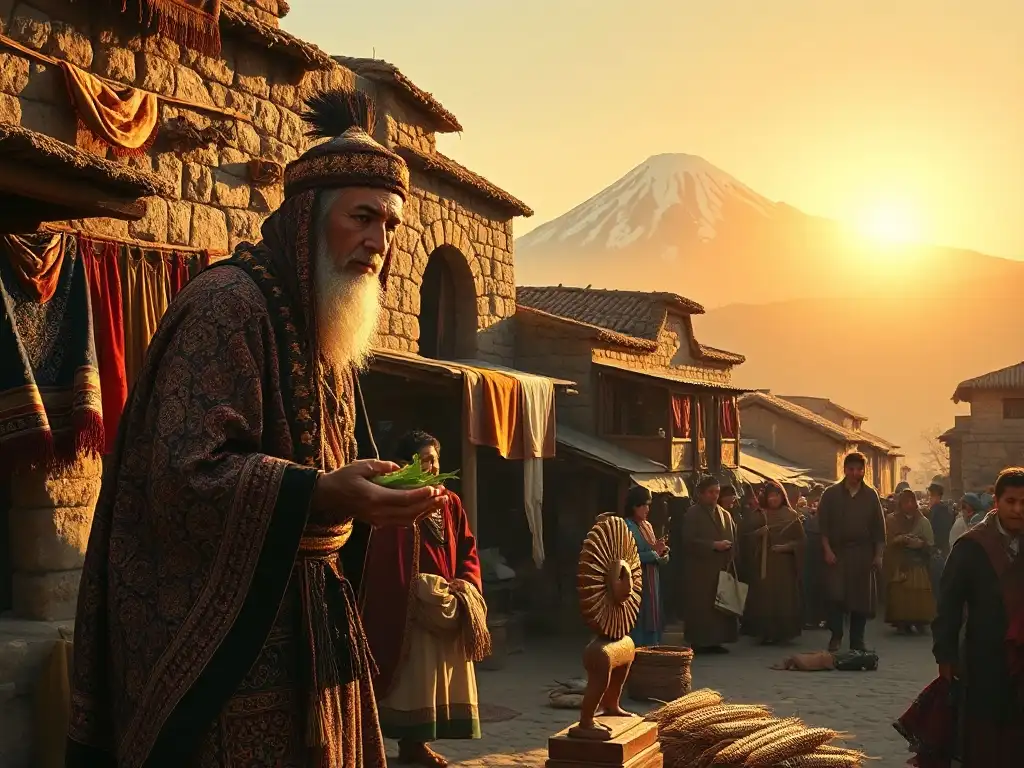
The Inca Empire, renowned for its sophisticated infrastructure and intricate social organization, was fundamentally shaped by its deeply ingrained religious beliefs. Religion wasn't a separate sphere of life; it permeated every aspect of Inca daily existence, from agricultural practices and political structures to personal rituals and artistic expression. Understanding the impact of Inca religion on daily life is crucial to grasping the empire's complexity and enduring legacy.
The pervasive influence of religious beliefs ensured the smooth functioning of society, providing a framework for social order, economic activity, and even personal morality. This intricate web of religious practices and beliefs fostered a strong sense of community and collective identity among the Inca people. The Inca religion daily life impact was profound and far-reaching, influencing everything from the emperor's authority to the everyday routines of commoners.
The Inca Pantheon: Gods and Goddesses Shaping Daily Existence
The Inca pantheon was a rich tapestry of deities, each with specific roles and responsibilities. Unlike many other pantheons, the Inca gods weren't strictly hierarchical; their importance varied regionally and depended on the specific needs and concerns of the community.
While Inti, the sun god, held supreme importance, other deities like Pachamama (Mother Earth) and Viracocha (the creator god) played equally crucial roles in the lives of the Inca people. The worship of these deities wasn't confined to elaborate temple ceremonies; it was woven into the fabric of daily life through offerings, prayers, and rituals performed by both priests and commoners.
The Inca believed that their gods were directly involved in the natural world and the events that shaped their lives. This intimate connection fostered a deep reverence for nature and a profound respect for the balance of the cosmos. Agricultural cycles, weather patterns, and even human health were attributed to the favor or displeasure of the gods, making religious practices essential for ensuring prosperity and well-being.
Specific deities were associated with various aspects of life, such as fertility, healing, and war, leading to a diverse range of religious practices and festivals throughout the year. For example, the camayoc (local priest) played a vital role in mediating between the community and the divine realm, offering guidance and ensuring the proper performance of rituals.
Inti: The Sun God and His Importance in Inca Cosmology
Inti, the sun god, occupied the apex of the Inca pantheon. He was considered the supreme deity, the source of all life and energy. Inti's influence extended to every facet of Inca society, underpinning their agricultural practices, political structures, and social hierarchy. The Inca emperor was believed to be a direct descendant of Inti, lending divine legitimacy to his rule and strengthening the emperor's authority.
The importance of Inti is reflected in the magnificent temples dedicated to him throughout the empire, particularly the Coricancha (Temple of the Sun) in Cusco, which was the most important religious center. Daily rituals, involving offerings of gold, silver, and other precious items, were performed to ensure Inti's continued favor. The Inca calendar was intricately linked to the sun's movements, with major festivals timed to coincide with solstices and equinoxes.
The sun's path across the sky was observed meticulously, and its behavior was seen as a direct indicator of the gods' favor or displeasure. Agricultural practices were closely tied to the sun's cycle, with planting and harvesting times dictated by the sun's position.
The Inca's deep reverence for Inti reveals the centrality of religion in their worldview and its profound impact on their daily lives. The worship of Inti wasn't merely a religious practice; it was a fundamental aspect of their social and political order.
The Significance of Pachamama and Other Earth Deities
While Inti held supreme power, Pachamama, the Earth Mother, held a place of equal importance in the hearts and minds of the Inca people. Pachamama represented the fertility of the land and the bounty it provided. Her worship was directly linked to agricultural practices, ensuring successful harvests and the overall well-being of the community. Offerings to Pachamama were common, ranging from coca leaves and chicha (a fermented corn beverage) to more significant sacrifices, depending on the community's needs and the perceived severity of the situation.
Other earth deities played significant roles in Inca religious life. These included various mountain spirits, water deities, and other nature spirits, each with their own unique domains and responsibilities. The Inca believed that these deities inhabited specific locations within the landscape, and they paid homage to them through offerings and prayers.
The Inca's deep connection with the natural world is evident in their religious practices, demonstrating the profound influence of religion on their daily lives. Their careful stewardship of the land and their respect for the environment were not merely practical considerations; they were expressions of their religious beliefs and their deep-seated reverence for the divine forces that shaped their existence.
This interconnectedness between religion and nature highlights the holistic nature of Inca spirituality and the profound impact it had on their daily lives and their relationship with the world around them. The Inca's reverence for Pachamama and other earth deities underscores the holistic and interconnected nature of their religious beliefs and their profound impact on their daily lives.
Religious Practices and Rituals Influencing Inca Daily Life
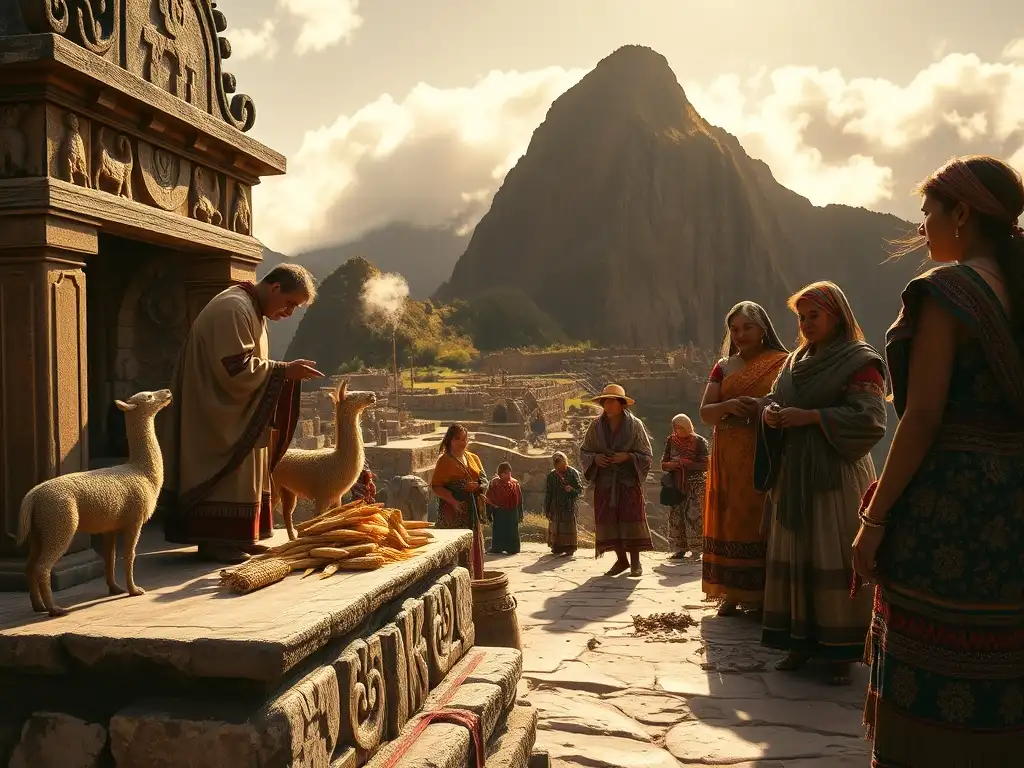
The Inca religion wasn't a separate entity from daily life; it was deeply interwoven into the fabric of Inca society. Every aspect of existence, from planting crops to building houses, was infused with religious significance. Understanding the impact of Inca religion requires examining the intricate web of beliefs, practices, and rituals that shaped their world.
The Inca worldview, centered around a powerful creator god, Viracocha, and a pantheon of other deities representing natural forces and ancestors, permeated every level of their social structure. This pervasive influence ensured that religious practices were not merely confined to temples and ceremonies but were integral to the daily routines of individuals and communities.
This section delves into the specific ways in which religious beliefs manifested in the everyday lives of the Inca people, highlighting the profound impact of their faith on their social, economic, and political systems. The keyword "Inca religion daily life impact" is central to understanding this pervasive influence.
Daily Prayers and Offerings to the Gods
Daily life for an Inca citizen began and ended with religious observances. Prayers, often accompanied by offerings, were a constant feature. Individuals started their day with a prayer to the sun god, Inti, thanking him for the gift of a new day and seeking his blessings for the day's activities. These prayers weren't formalized rituals; they were spontaneous expressions of gratitude and dependence.
Farmers, before tending their fields, would offer coca leaves and chicha (a fermented corn beverage) to Pachamama, the earth goddess, to ensure a bountiful harvest. Similarly, builders would make offerings to ensure the stability and success of their construction projects. Even seemingly mundane activities, like weaving or pottery making, were infused with religious significance. The meticulous craftsmanship reflected a belief in the sacredness of the work itself and a desire to please the gods through excellence.
The frequency and personalization of these small, daily acts underscore the all-encompassing nature of Inca religion within their daily lives. They weren't just performing rituals; they were actively engaging in a continuous dialogue with the divine. This constant interaction shaped their perceptions of the world and their place within it.
The Role of Priests and Shamans in Inca Society
Priests and shamans played a crucial role in mediating between the human and spiritual realms. They weren't simply religious figures; they held significant social and political power. The wilaq uma, or high priest, advised the Sapa Inca (emperor) on matters of state, interpreting omens and guiding decisions based on religious interpretations. Shamans, known as paqo, possessed healing powers and acted as intermediaries with the spirit world.
They performed rituals to cure illnesses, predict the future, and communicate with the ancestors. Their knowledge and skills were highly valued, making them influential figures within their communities. The Inca government actively supported the religious elite, providing them with land, resources, and privileges.
This ensured their loyalty and maintained the religious order crucial to the stability of the empire. The close relationship between religious and secular power highlights how deeply intertwined religion was with the social and political structures of the Inca Empire. The priests and shamans weren't just religious leaders; they were key players in the governance of the empire, further emphasizing the significant impact of Inca religion on daily life.
Inca Festivals and Celebrations: Integrating Religion into Community Life
Inca festivals and celebrations were not merely occasions for merriment; they were elaborate religious rituals that reinforced social bonds and affirmed the Inca worldview. These events were carefully planned and executed, involving elaborate processions, sacrifices, and feasting. The most significant festivals, such as the Inti Raymi (Festival of the Sun), were grand spectacles that involved the entire community, solidifying the emperor's authority and reinforcing the importance of Inti in Inca cosmology.
Smaller, localized festivals celebrated harvests, births, and other significant events, demonstrating how religious beliefs were integrated into the daily lives of ordinary people. These celebrations provided opportunities for social interaction, strengthening community ties and reinforcing shared religious beliefs. The participation of the entire community in these festivals underscores the pervasive influence of religion on Inca society.
They weren't simply religious events; they were vital social occasions that reinforced community unity and strengthened the fabric of Inca society. The meticulous planning and execution of these festivals, from the preparation of offerings to the intricate choreography of the ceremonies, highlight the significant resources and effort dedicated to maintaining a strong religious presence in their daily lives. The legacy of these celebrations continues to resonate even today, providing valuable insights into the richness and complexity of Inca culture and its enduring impact on the Andean region.
How Inca Beliefs Guided Daily Activities
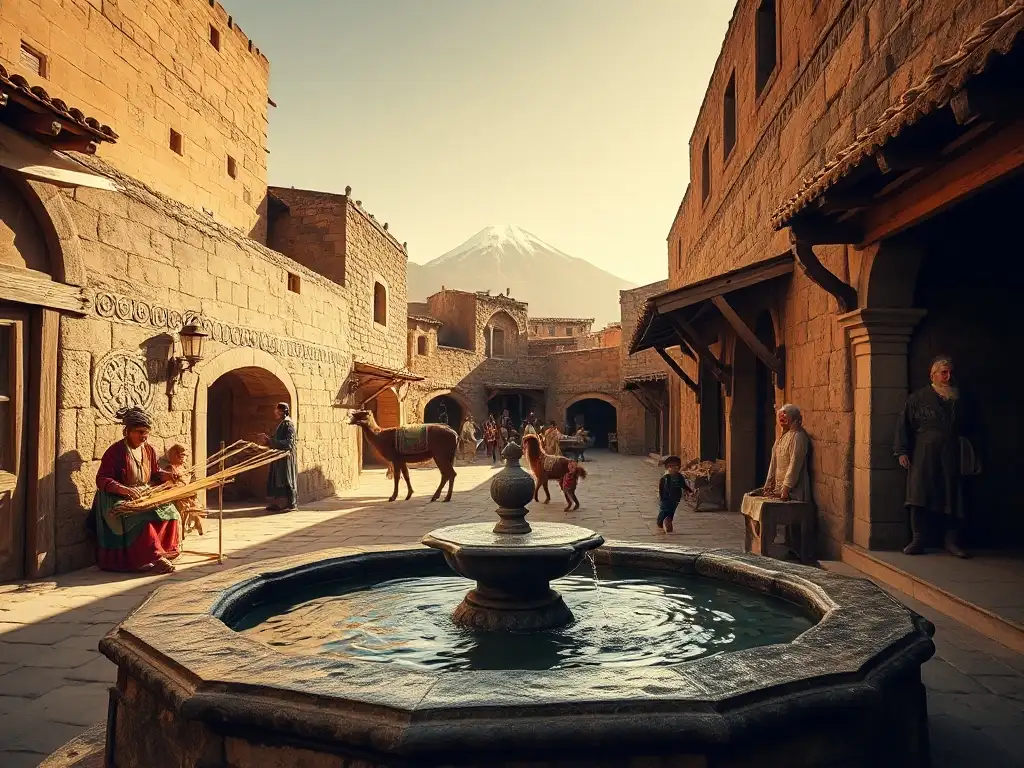
The Inca religion profoundly impacted every facet of daily life, shaping societal structures, agricultural practices, construction projects, and even family dynamics. Understanding the pervasiveness of Inca religious beliefs is crucial to comprehending the intricacies of their empire. The Inca worldview, centered around the veneration of nature spirits, ancestors, and powerful deities, permeated every aspect of their existence, from the planting of crops to the building of magnificent cities. This section will explore some key examples of this pervasive influence. The keyword phrase "Inca religion daily life impact" is directly addressed throughout this analysis.
Agriculture and the Influence of Religious Calendars
Inca agriculture wasn't simply a means of sustenance; it was a deeply religious act. The Inca calendar, intricately linked to their religious beliefs, dictated the planting and harvesting cycles. Precise astronomical observations, combined with a sophisticated understanding of Andean ecology, allowed priests to determine the optimal times for agricultural activities. This wasn't merely a practical matter; it was a ritualistic act aimed at appeasing the gods and ensuring bountiful harvests. Failure to adhere to the religiously prescribed calendar was believed to incur the wrath of the deities, leading to crop failure and famine.
For instance, the capacocha festivals, often involving human sacrifice, were timed to coincide with crucial agricultural moments, such as planting or harvest. These sacrifices were believed to strengthen the connection between the human and spiritual realms, ensuring the fertility of the land and the prosperity of the empire. The meticulous planning and execution of these ceremonies demonstrate the profound integration of religion into the everyday agricultural practices of the Inca people, highlighting the significant impact of Inca religion on daily life. The success of Inca agriculture, despite challenging environmental conditions, underscores the effectiveness of this religiously-guided system.
Construction and Architecture: Religious Symbolism in Inca Structures
Inca architecture wasn't just about functionality; it was a powerful expression of religious beliefs. Temples, palaces, and even everyday dwellings were carefully designed to reflect the cosmos and the Inca worldview. The precise placement of structures, the use of specific materials, and the intricate designs all held deep religious significance. For example, the orientation of buildings often aligned with celestial bodies, reflecting the Inca's belief in the interconnectedness of the earthly and heavenly realms.
The use of specific stones, such as andesite or granite, wasn't simply a matter of material availability. Certain stones were believed to possess spiritual power and were chosen for their perceived connection to specific deities or ancestors. The intricate stonework, characterized by its precision and lack of mortar, was seen as a testament to the Inca's devotion and skill, reflecting their religious reverence for craftsmanship and their ability to create structures that mirrored the order of the cosmos.
The impressive scale of Inca constructions, such as Machu Picchu, further underscores the immense resources and manpower dedicated to these religiously significant projects. These endeavors showcase a powerful example of the "Inca religion daily life impact" in the realm of engineering and construction.
Family Life and the Importance of Ancestral Veneration
Ancestor veneration was a central tenet of Inca religion and profoundly shaped family life. Families maintained close ties with their deceased relatives, believing that the spirits of their ancestors continued to influence their lives. Rituals and offerings were regularly performed to honor and appease these ancestral spirits. The ayllu, the extended family group, played a vital role in these practices, ensuring the continuity of ancestral veneration across generations. This system provided social cohesion and a strong sense of community.
Furthermore, marriage and childbirth were also deeply intertwined with religious beliefs. Marriages were often arranged to strengthen alliances between families and communities, and the birth of a child was considered a sacred event. Children were raised with a strong awareness of their ancestral heritage and the importance of maintaining the traditions and beliefs passed down through generations.
The Inca religion’s effect on family structures and values is evident in the enduring strength of the ayllu system and its ability to provide social stability and continuity within the empire. The emphasis on ancestral veneration reveals a powerful example of how "Inca religion daily life impact" shaped family dynamics and social structures.
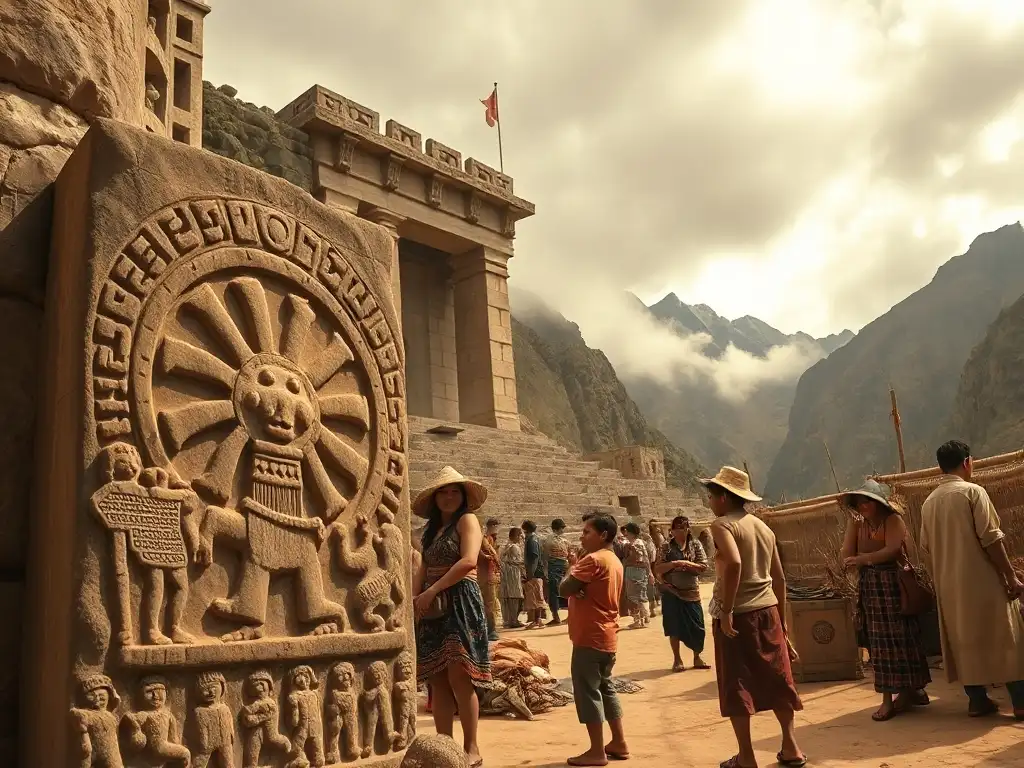
The Inca religion wasn't merely a set of beliefs; it was the very fabric of Inca society, deeply interwoven with daily life and profoundly impacting social norms and morality. The Inca worldview, centered around a complex pantheon of deities and a sophisticated cosmology, dictated everything from agricultural practices to political structures. Understanding the Inca religion is crucial to understanding the Inca Empire's social dynamics.
The impact of Inca religion on daily life was pervasive, shaping individual behavior and societal structures alike. This influence permeated all aspects of their existence, from the smallest personal decisions to the largest political ones. This section will explore some key aspects of this religious influence.
The Concept of Ayni and Its Religious Roots
Ayni, a cornerstone of Inca society, perfectly illustrates the inextricable link between religion and daily life. Often translated as "reciprocity," Ayni was far more than simple bartering or exchange. It was a deeply ingrained social and religious obligation, rooted in the belief that maintaining balance and harmony within the community was essential to maintaining the favor of the gods. Failure to participate in Ayni was not just considered impolite; it was seen as a transgression against the cosmic order.
The religious dimension of Ayni is evident in its connection to the Pachamama, the Earth Mother goddess. By participating in Ayni, individuals were seen as contributing to the well-being of the Pachamama, ensuring bountiful harvests and the continuation of life itself. This reciprocal relationship extended beyond humans; it encompassed the entire ecosystem, emphasizing the interconnectedness of all living things. The concept of Ayni reinforced social cohesion and mutual support, crucial for survival in the challenging Andean environment.
For instance, a community member might offer their labor in building a neighbor's house in exchange for assistance with their own agricultural tasks. This wasn't a simple transaction; it was an act of religious devotion, maintaining balance within the community and the cosmic order. Detailed records of Ayni transactions, though not extensively preserved, are slowly being unearthed by archaeologists, providing further insight into the practice's significance.
The Inca Moral Code: How Religious Teachings Shaped Behavior
Inca religion fostered a strong moral code that permeated all aspects of daily life. The Inca worldview emphasized ama sua, "do not steal"; ama llulla, "do not lie"; and ama qella, "do not be lazy." These three principles, frequently repeated in Inca society, weren't simply ethical guidelines; they were religious imperatives, reflecting the belief that ethical conduct was essential for maintaining harmony with the gods and the cosmos.
Violation of these principles was considered a serious offense, not only against society but also against the divine order. Punishments for such transgressions ranged from social ostracism to severe physical penalties, depending on the severity of the infraction. The Inca state actively promoted ethical behavior through religious instruction and public ceremonies, reinforcing the interconnectedness of individual actions and the well-being of the entire community.
The moral code wasn’t simply a set of rules; it was a reflection of the Inca's deep understanding of the interconnectedness of all things and their relationship with the divine. This intertwining of ethics and religion created a society where moral behavior was not merely encouraged, but actively enforced through religious beliefs and practices.
The Inca Emperor's authority was not merely political; it was divinely ordained. The Inca Emperor, the Sapa Inca, was considered a descendant of the sun god, Inti, and thus held a sacred position within Inca society. This divine mandate legitimized his absolute power and shaped the hierarchical structure of the empire.
The religious justification for the Inca's hierarchical structure ensured social stability. The Emperor's authority wasn't challenged, as it was seen as a reflection of the cosmic order. This divine right to rule extended down through the various levels of the social hierarchy.
Each individual had a place within the cosmic order, and their roles and responsibilities were dictated by their position within this divinely ordained structure. This religious justification of the social hierarchy, while reinforcing Inca power, also provided a sense of stability and order within the vast empire. The intricate system of mit'a, or mandatory labor, for example, was largely accepted because it was viewed as a religious obligation, contributing to the well-being of the entire empire and the gods.
The religious underpinning of the Inca social structure helped maintain social cohesion and prevent widespread unrest. This deeply ingrained religious belief system served as a powerful tool for social control and the maintenance of the Inca Empire's power.
The Legacy of Inca Religion: Surviving Influences on Modern Andean Culture
The Inca Empire, despite its relatively short reign compared to other ancient civilizations, left an indelible mark on the Andean region. Its sophisticated religious system, deeply interwoven with daily life, continues to resonate in contemporary Andean spirituality and cultural practices. Understanding the impact of Inca religion on daily life requires examining not only the imperial structures but also the enduring beliefs and rituals that have survived centuries of colonial influence and societal change.
This legacy is far more than a historical curiosity; it's a vibrant, living testament to the resilience of Andean culture and its connection to its ancient past. The keyword "Inca religion daily life impact" accurately reflects this persistent influence, shaping modern identities and practices.
Contemporary Andean Spirituality and its Inca Roots
Many aspects of contemporary Andean spirituality can be traced directly back to Inca religious practices. While syncretism with Catholicism and other introduced religions is undeniable, core elements persist. The veneration of apus (mountain spirits), for example, remains a central tenet in many Andean communities.
These powerful deities, considered intermediaries between the human and spiritual realms, were crucial in Inca cosmology and continue to be revered through offerings, prayers, and rituals. The concept of Pachamama (Mother Earth), also a fundamental aspect of Inca belief, remains deeply embedded in Andean agricultural practices and worldview. Farmers still offer coca leaves and other gifts to Pachamamama to ensure bountiful harvests, reflecting the deep-seated belief in the interconnectedness of the spiritual and material worlds—a direct continuation of Inca agricultural ritual.
Furthermore, the importance of ancestral veneration, a cornerstone of Inca religion, continues in many communities through ayni (reciprocity) and community ceremonies honoring ancestors. This interconnectedness between the living and the dead, a key aspect of Inca religion, remains vital in shaping community dynamics and daily routines. The persistence of these beliefs demonstrates the profound and lasting influence of Inca religious thought on the spiritual landscape of the Andes.
The Persistence of Coca Leaf Rituals and Offerings
The coca leaf holds a position of unparalleled significance in Andean culture, its use deeply intertwined with religious and social practices. During the Inca Empire, coca was not merely a stimulant; it was a sacred plant used in rituals and offerings to appease deities and ensure good fortune. This sacred status continues today.
The ritualistic chewing of coca leaves, often accompanied by prayers and offerings, remains a common practice throughout the Andes. Coca is offered to apus, Pachamama, and ancestors as a sign of respect and a plea for blessings. The precise rituals vary between communities and families, but the core act of offering coca as a sacred substance directly connects contemporary Andean practices to the Inca tradition.
Furthermore, the intricate knowledge surrounding coca cultivation, processing, and use—passed down through generations—demonstrates the enduring legacy of Inca agricultural expertise and its integration with religious beliefs. The continued centrality of coca leaf rituals provides a tangible example of the lasting impact of Inca religion on daily life in the modern Andes. The coca leaf, therefore, acts as a powerful symbol of this enduring link to Inca religious traditions.
The Enduring Impact of Inca Beliefs on Andean Identity
The enduring influence of Inca religion extends beyond specific rituals and practices; it profoundly shapes Andean identity. The Inca worldview, emphasizing the interconnectedness of humanity with nature and the spiritual world, continues to inform Andean perspectives on community, environment, and social responsibility. The concept of ayni, the principle of reciprocity and mutual support, is a direct legacy of Inca social organization and religious beliefs.
This ethic of communal cooperation remains central to Andean life, shaping social interactions and economic practices. The emphasis on community responsibility and the importance of maintaining harmony with the natural world are deeply rooted in Inca religious principles and continue to define Andean values. This enduring influence underscores the significant impact of Inca religion not just on daily routines but on the very fabric of Andean identity and cultural consciousness.
The study of Inca religion, therefore, is crucial for understanding the complexities of Andean culture and the continuity of its traditions across millennia. The enduring impact of Inca beliefs on Andean identity is a testament to the power and resilience of a rich and complex cultural heritage.
Frequently Asked Questions
How did Inca religion impact daily life?
Inca religion permeated every aspect of daily life. Agricultural cycles, festivals, and even daily routines were dictated by religious beliefs and practices. Rituals were performed to ensure good harvests and appease the gods.
What role did the Inca sun god, Inti, play in daily life?
Inti, the sun god, was the most important deity. His worship influenced the agricultural calendar, royal authority, and the overall social structure. Daily life revolved around honoring and appeasing Inti.
Religious beliefs reinforced the power of the Inca emperor, who was seen as a divine intermediary. The priestly class held significant influence, and religious rituals were crucial for social cohesion and maintaining order.
What were some common Inca religious practices?
Common practices included offering sacrifices (llamas, crops, etc.), performing rituals to honor deities and ancestors, and participating in elaborate festivals. These were integral to daily life and societal order.
What was the impact of Inca religion on Inca art and architecture?
Inca religion heavily influenced their art and architecture. Temples, palaces, and other structures were designed according to religious principles, and artwork frequently depicted deities and mythological figures. Religious iconography was pervasive.
Final Reflection: The Enduring Legacy of Inca Spirituality
The intricate tapestry of Inca daily life was inextricably woven with religious beliefs, a reality that continues to resonate in modern understandings of Andean culture and its enduring impact on contemporary societies. The practices, rituals, and cosmology of the Inca, far from being relics of a bygone era, offer valuable insights into the profound connection between spirituality and the practicalities of everyday existence. Understanding this connection allows us to appreciate the depth and complexity of Inca civilization, moving beyond simplistic narratives and embracing a more nuanced perspective.
The pervasive influence of Inca religion shaped everything from agricultural practices and political structures to artistic expression and social hierarchies. Its impact is still felt today in the vibrant traditions and beliefs of Andean communities, a testament to the enduring power of cultural heritage. The past is never dead. It's not even past.
– William Faulkner. This quote perfectly encapsulates the ongoing relevance of Inca religious practices, which continue to inform and inspire contemporary Andean identities and worldviews. The echoes of their beliefs reverberate through the mountains, in the vibrant textiles, the intricate ceremonies, and the deep-seated respect for the natural world.
Consider, for a moment, the profound implications of a society where the sun god Inti was not just a deity, but the very source of life and prosperity, dictating the rhythm of daily life and shaping the very fabric of their society. You too can find inspiration in this ancient wisdom, by recognizing the powerful influence of belief systems in shaping our own lives and communities.
Reflect on how your own beliefs, values, and spiritual practices influence your daily actions and interactions. Embrace the opportunity to learn from the past, to understand the enduring power of faith, and to build a more meaningful and connected present.
**Embrace the Wisdom of the Ancients! **
Thank you for exploring the profound influence of religion on the Inca Empire! Your interest reveals the rich tapestry of Andean culture and highlights how spirituality shaped daily life. Let's delve even deeper!
Here are some ways to continue your exploration:
- **Expand Your Knowledge:** Explore our website's resources on the Incas' art and architecture to gain a broader understanding of the religious impact on their civilization.
- **Share Your Discoveries:** Discuss your thoughts with friends or join the conversation in our comments section and connect with other enthusiasts.
- **Connect with Modern Spirituality:** Incorporate elements of Andean spiritual practices, such as mindfulness, gratitude, or connecting with nature, into your daily life.
Which aspects of Inca spirituality resonate most with you? Share your thoughts and let's begin a discussion!