
Owl's Wisdom: Symbolism of Knowledge and Mystery in Andean Art

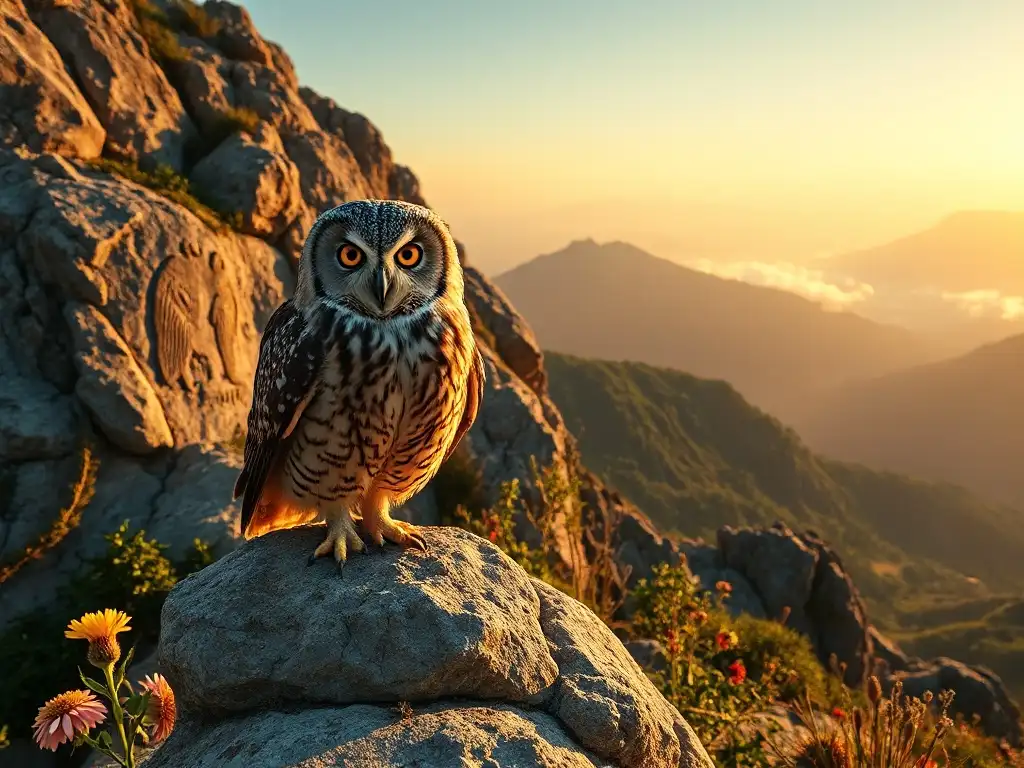
Unravel the mysteries hidden within the ancient Andes! Journey through a captivating world of intricate artistry and profound symbolism, where the Andean owl takes center stage. Discover the secrets behind its powerful representation in Andean art and iconography – a story of knowledge, wisdom, and the enigmatic power of the unseen. Prepare to be amazed by the depth of meaning woven into these ancient masterpieces; their stories await your exploration.
- Andean Owl Art Symbolism: Unveiling Knowledge and Mystery
- The Significance of Owls in Andean Cultures
- Decoding the Iconography of Andean Owl Art
- The Owl as a Symbol of Wisdom and Knowledge
- The Owl's Dual Nature: Light and Shadow in Andean Iconography
- Analyzing the Stylistic Variations of Owl Representations
- Nazca Lines: Abstract Owl Geoglyphs and Their Meaning
- The Enduring Legacy of Andean Owl Symbolism
- Frequently Asked Questions
- Final Reflection: Echoes of Wisdom: The Enduring Power of the Andean Owl
- Discover the Depths of Andean Owl Symbolism!
Andean Owl Art Symbolism: Unveiling Knowledge and Mystery
The Andean region, cradle of remarkable civilizations like the Inca, Moche, Nazca, and Tiahuanaco, boasts a rich tapestry of artistic expression. Beyond the intricate textiles, majestic ceramics, and imposing stone structures, lies a deeper layer of meaning woven into the very fabric of Andean art. This article delves into the captivating symbolism of the owl in Andean art, exploring its multifaceted representation as a creature of both knowledge and mystery, a powerful symbol deeply intertwined with the spiritual beliefs and worldview of these ancient cultures.
We will uncover how the owl's depiction varied across different Andean societies, revealing fascinating insights into their unique interpretations of this nocturnal bird. Understanding this symbolism provides a crucial key to unlocking a deeper appreciation for the complexity and sophistication of Andean artistic traditions and their connection to the natural world.
The prevalence of owl imagery in Andean art, from pottery to textiles to stone carvings, speaks volumes about its significance within their societies, a significance we will explore in detail throughout this article. Prepare to embark on a journey through time, unraveling the secrets held within the wise gaze of the Andean owl.
The Owl as a Messenger of the Underworld and the Spiritual Realm
The owl, with its nocturnal habits and piercing gaze, often held a position of reverence and sometimes fear in various ancient cultures. In the Andean context, the owl's association with the night and the unseen world frequently linked it to the underworld and spiritual realms. Many Andean societies believed in a complex interplay between the living and the dead, with the spiritual world influencing the events of the earthly realm. The owl, therefore, acted as a powerful intermediary between these worlds, a messenger carrying secrets and wisdom from beyond the veil. Detailed depictions of owls on funerary textiles and pottery suggest a connection to ancestral spirits and the afterlife, highlighting the owl's role as a guide on the journey to the next world. The precise nature of this connection varied across different Andean cultures, with some emphasizing the owl's role as a protector of the deceased, while others viewed it as a symbol of transformation and rebirth. Further research is needed to fully understand the nuanced interpretations of the owl's symbolic meaning in funerary contexts.
Archaeological evidence, such as the discovery of owl effigies in burial sites, supports this interpretation, providing tangible proof of the owl's significance in Andean funerary practices.
Owl Motifs in Moche and Nazca Art: Contrasting Representations
The Moche and Nazca cultures, flourishing in different periods and regions of the Andes, offer fascinating contrasting representations of the owl in their art. The Moche, known for their elaborate ceramics, often depicted owls in dynamic scenes, sometimes engaged in predatory behavior or integrated into larger narratives. These representations often highlight the owl's sharp vision and hunting prowess, showcasing its capabilities as a powerful predator within its environment. This contrasts sharply with the Nazca representations, where owls are frequently depicted in a more stylized and symbolic manner, often integrated into complex geometric designs that suggest a deeper, more spiritual significance. The Nazca, famous for their geoglyphs, may have viewed the owl as a symbol of wisdom and insight, a creature connected to the mysteries of the cosmos. The differences in these artistic styles reflect the unique cultural values and beliefs of each civilization, illustrating the diversity of interpretations surrounding this important symbol.
Comparing and contrasting specific examples from Moche and Nazca pottery and textiles would further illuminate the unique characteristics of each representation.
The Owl and Shamanic Practices: A Guide to the Spiritual World
Evidence suggests a strong connection between the owl and shamanic practices in Andean cultures. Shamans, spiritual leaders who acted as intermediaries between the human and spiritual worlds, often utilized animal imagery and symbolism in their rituals and ceremonies. The owl, with its association with the night, dreams, and the unseen world, likely played a significant role in shamanic practices. It may have served as a powerful totem animal, symbolizing the shaman's ability to journey between worlds and access spiritual knowledge. The owl's keen eyesight could have been interpreted as representing the shaman's ability to perceive beyond the ordinary, to see into the spiritual realm.
Detailed accounts of Andean shamanic practices, if available, would further substantiate this connection and provide a richer understanding of the owl's role within these rituals. Further research into the iconography associated with shamanic practices might reveal additional details about the owl's symbolic significance.
Decoding the Andean Owl: Future Research and Interpretations
While this exploration offers insights into the symbolism of the owl in Andean art, much remains to be discovered. Further research, including detailed analysis of existing artifacts and the excavation of new sites, is crucial for a more complete understanding of this multifaceted symbol. The use of advanced technologies, such as 3D scanning and digital imaging, could provide new perspectives on the subtle details and nuances of owl depictions in Andean art. Cross-cultural comparisons with other ancient cultures that also revered the owl could also shed light on the broader significance of this symbol. The continued study of Andean owl art symbolism promises to reveal further fascinating insights into the rich spiritual and cultural heritage of the Andean civilizations. The ongoing work of archaeologists and art historians will undoubtedly continue to enrich our understanding of this captivating subject.
A comprehensive database of Andean owl imagery, categorized by culture and time period, would be an invaluable resource for future research.
The Significance of Owls in Andean Cultures
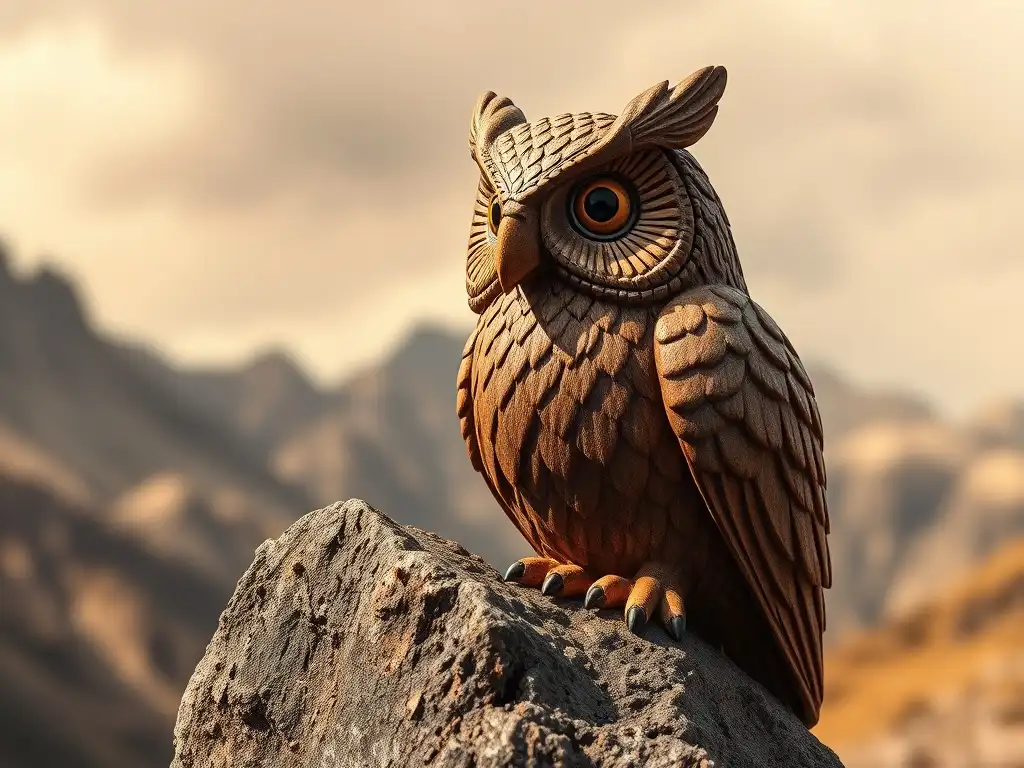
Owls, with their nocturnal habits and piercing gaze, hold a unique place in the symbolic landscape of Andean cultures. Unlike some Western interpretations that associate owls with ill omen, Andean civilizations often viewed these birds with a complex blend of respect, awe, and even reverence. This multifaceted symbolism stemmed from the owl's nocturnal nature, its keen eyesight, and its association with wisdom, knowledge, and the unseen world. The Andean owl art symbolism is rich and varied, reflecting the diverse beliefs and practices of different Andean groups.
Understanding this symbolism offers a deeper appreciation for the nuanced worldview of these ancient societies and their artistic expressions. The frequency with which owls appear in Andean art, from pottery and textiles to metalwork and stone carvings, underscores their profound cultural importance. The specific interpretations, however, varied across different cultures and time periods, highlighting the dynamic nature of Andean belief systems.
The Owl as a Messenger in Ancient Andean Beliefs
Many Andean cultures believed owls acted as intermediaries between the human world and the spirit realm. Their nocturnal flights were seen as journeys into the darkness, carrying messages and insights from the unseen. This belief is reflected in numerous mythological narratives and artistic representations. For instance, some narratives depict owls as messengers of the gods, delivering prophecies or warnings to shamans and rulers.
The owl's ability to see in the dark was interpreted as a capacity to perceive hidden truths and understand the mysteries of the cosmos. This ability to penetrate the veil between worlds made the owl a powerful symbol for shamans and those involved in ritual practices. The precise nature of these messages varied depending on the specific Andean culture and the context of the encounter.
However, the overarching theme of communication and revelation remains consistent throughout various Andean traditions. The owl's role as a messenger wasn't solely limited to divine communication; it could also represent ancestral spirits communicating with their descendants. This connection to the ancestral world further enhanced the owl's significance as a powerful spiritual symbol.
Owl Depictions Across Different Andean Civilizations
The visual representation of owls in Andean art also varied considerably, reflecting the artistic styles and cultural nuances of different civilizations.
| Civilization | Notable Owl Depictions | Symbolic Interpretations | Artistic Mediums |
|---|---|---|---|
| Moche | Stylized owls with large eyes and prominent talons, often depicted in scenes of hunting or ritual sacrifice. | Association with shamanic power, nocturnal journeys, and the underworld. | Pottery, metalwork |
| Nazca | Geometric representations of owls integrated into complex textile designs and pottery. | Likely connected to astronomical observations and celestial cycles. | Textiles, pottery |
| Inca | Less frequent depictions than in earlier periods, often appearing in a more subdued, symbolic manner. | Might have retained some of the earlier associations with wisdom and the supernatural. | Pottery, textiles, stone carvings |
| Tiahuanaco | Stylized owl motifs integrated into architectural designs and stone sculptures. | Potential association with celestial deities and the cosmos. | Stone carvings, architecture |
The variations in style highlight the unique aesthetic sensibilities of each culture. The Moche, known for their dynamic and often gruesome imagery, depicted owls with a sense of power and ferocity. In contrast, the Nazca's geometric representations suggest a more abstract and symbolic approach. The Inca and Tiahuanaco styles show a shift towards simpler, more integrated representations, possibly reflecting a change in religious beliefs or artistic conventions.
Further research into specific artifacts and archaeological contexts is necessary to fully understand the nuances of owl symbolism within each Andean civilization. The lack of extensive written records necessitates a careful analysis of visual evidence, contextual clues, and comparative studies to unravel the full meaning behind these fascinating depictions. The study of Andean owl art symbolism continues to evolve, revealing new insights into the complex spiritual and artistic traditions of these remarkable civilizations. 🪶
Decoding the Iconography of Andean Owl Art
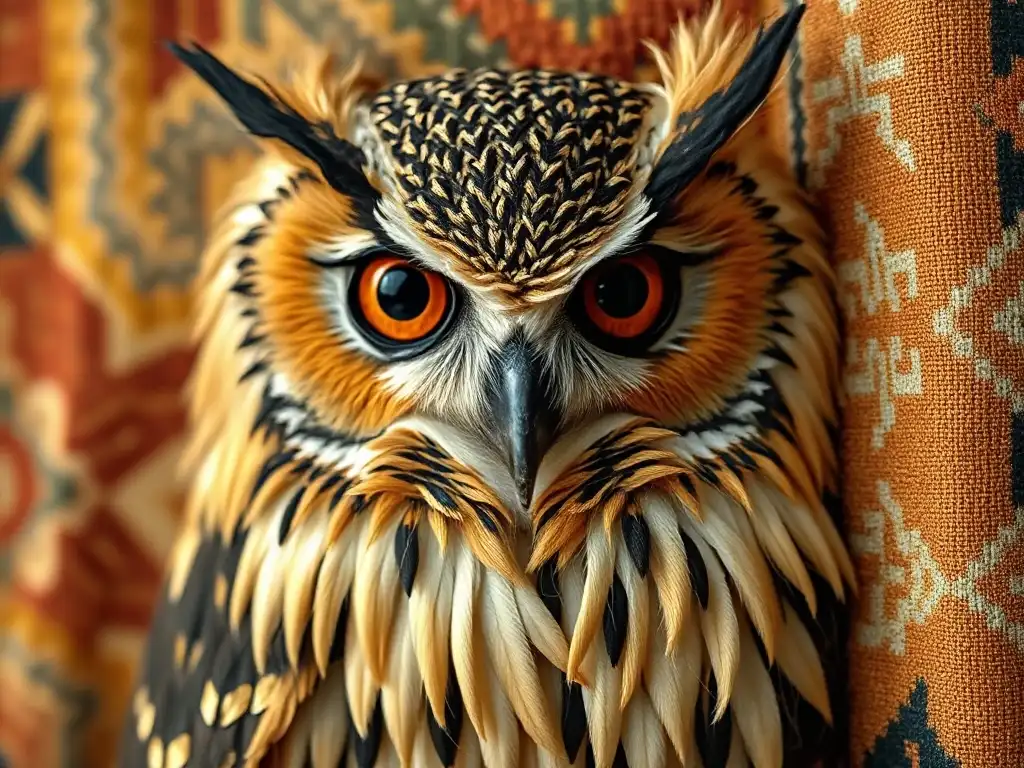
The Andean region, home to a plethora of vibrant and complex civilizations, offers a fascinating tapestry of artistic expression. Among the recurring motifs found in Andean art, the owl stands out as a powerful symbol imbued with layers of meaning. Understanding the iconography of Andean owl art requires examining its diverse depictions across different cultures and time periods, paying close attention to the specific details used by artisans to convey their intended message.
This section delves into the nuances of Andean owl representation, exploring how subtle variations in style and context can significantly alter the interpretation of this enigmatic creature. The prevalence of owl imagery throughout Andean art speaks volumes about its importance in the spiritual and cultural lives of these ancient peoples, a testament to the enduring power of this nocturnal bird. Analyzing Andean owl art symbolism reveals a complex interplay of knowledge, mystery, and the supernatural.
Owl Attributes: Eyes, Feathers, and Claws in Andean Art
The depiction of owls in Andean art is rarely simplistic. Artists meticulously rendered specific details, subtly altering the overall symbolic meaning. For instance, the eyes of the owl are consistently emphasized. Large, round eyes, often depicted with a piercing gaze, frequently suggest wisdom, foresight, and the ability to perceive beyond the visible world.
In some Moche pottery, the owl's eyes are even inlaid with different materials, enhancing their luminosity and symbolic power. The feathers, another crucial element, are often depicted with intricate detail, showcasing the artist's skill and the importance of the bird's plumage. The texture and arrangement of feathers could symbolize different aspects of the owl's nature, perhaps its connection to the night or its ability to fly silently and unseen. Finally, the claws, though sometimes less prominent, contribute to the overall message.
Sharp, prominent claws might suggest power, predation, or a connection to the underworld, while less defined claws could indicate a more benevolent or protective aspect of the owl. Analyzing these attributes in conjunction with the context of the artwork (e.g., the type of vessel, accompanying imagery) is crucial for a more complete understanding of its symbolic meaning. Further research is needed to fully understand regional variations in these details, and the subtle differences in meaning each might suggest.
The Owl and its Connection to the Night and the Underworld
The owl's nocturnal nature strongly connects it to the Andean understanding of the night and the underworld. In many Andean cultures, the night was not simply the absence of light, but a realm of mystery, magic, and spiritual power. The owl, as a creature of the darkness, became associated with these hidden forces. Its silent flight and keen eyesight allowed it to navigate the unseen world, making it a fitting symbol for shamans and those who possessed knowledge of the occult.
Furthermore, the owl's association with the underworld is evident in its frequent appearance in funerary contexts. [Specific examples of owl imagery in Andean funerary contexts pending]. This association isn't necessarily negative; the underworld in Andean cosmology wasn't solely a place of death but also a source of renewal and fertility.
The owl, therefore, could represent the cyclical nature of life and death, the transition between worlds, and the enduring power of the spirit. The connection between the owl and the underworld could also explain its presence in rituals related to ancestor veneration and shamanistic practices. This reinforces the owl's role as a mediator between the living and the dead, a guide to the mysteries beyond the everyday world.
Moche Owl Vessels: Depictions of Power and Ritual
Moche pottery provides some of the most striking examples of Andean owl art. The Moche, known for their sophisticated ceramic artistry, frequently depicted owls on vessels used in ritual contexts. These depictions often showcase owls in dynamic poses, sometimes with prey in their talons, highlighting their predatory nature and symbolic association with power and control.
[Specific examples of Moche owl vessels and their iconography pending]. The meticulous detail in these vessels – the precise rendering of feathers, the expressive eyes, and the overall composition – suggests that they were not merely functional objects but carefully crafted ritual artifacts. The presence of owls on vessels used in ceremonies suggests their role in rituals related to hunting, warfare, or perhaps even shamanistic practices.
The owl's representation on these vessels might symbolize the power of the shaman to access the unseen world, or perhaps the power of the ruler to control the forces of nature. Analyzing the context of the discovery of these vessels and the other imagery present can provide further insights into their specific ritual function and the broader symbolic significance of the owl within Moche culture. The detailed analysis of Moche owl vessels offers a unique window into the religious beliefs and practices of this fascinating Andean civilization, further enriching our understanding of "Andean owl art symbolism".
The Owl as a Symbol of Wisdom and Knowledge
The owl, a creature of the night, holds a significant place in Andean art, far beyond its literal representation. Its recurring presence in pottery, textiles, and stone carvings speaks to a deep-seated cultural understanding of the bird's symbolic power. Unlike some Western interpretations that sometimes associate owls with ill omen, Andean cultures largely viewed the owl as a potent symbol of wisdom, knowledge, and clairvoyance.
This positive association stems from the owl's nocturnal nature, its sharp vision piercing the darkness, and its perceived connection to the unseen world. The owl's ability to navigate the night was seen as a metaphor for accessing hidden knowledge and understanding the mysteries of the cosmos. The meticulous detail and reverence often afforded to owl depictions in Andean art further emphasize the importance of this symbolism.
Analysis of numerous artifacts reveals a consistent representation of the owl with wide, expressive eyes, often depicted in a posture of alertness or contemplation, reinforcing this theme of insightful observation. The careful rendering of feathers, beak, and talons suggests a deliberate effort to capture not just the physical form, but also the essence of the owl's perceived wisdom. The frequency of owl motifs across diverse Andean cultures, from the Nazca to the Inca, points to a shared understanding of this powerful symbolism, transcending regional variations.
Interpreting the Owl's Role as a Guide
The owl's association with guidance is a significant aspect of its symbolism in Andean art. The bird's nocturnal flights, navigating the darkness with precision, were seen as a metaphor for the journey through life and the challenges of the unknown. Many pieces of Andean art depict owls in positions that suggest they are leading or guiding other figures or animals.
This interpretation is supported by the frequent depiction of owls perched on elevated positions, as if observing and directing from a vantage point of superior knowledge. This symbolic representation goes beyond simple observation; it suggests that the owl acts as a spiritual guide, helping individuals to navigate the complexities of life and find their path. Furthermore, the owl's keen eyesight, allowing it to see beyond the limitations of ordinary vision, is linked to the ability to perceive hidden truths and gain insight into the future.
Several examples exist where the owl is shown alongside other symbolic animals or figures, suggesting a collaborative role in guiding individuals along their spiritual journeys. More research is needed to fully understand the nuanced interpretations across different Andean cultures, but the consistent theme of guidance remains prominent.
The Owl's Association with Shamanic Practices
The owl's connection to shamanic practices within Andean cultures is a compelling area of study. Many scholars believe that the owl served as a powerful totem animal for shamans, representing their ability to access altered states of consciousness and communicate with the spirit world. The owl's nocturnal habits mirrored the shaman's journeys into the night, the realm of dreams and visions.
Furthermore, the owl's sharp vision was seen as a parallel to the shaman's ability to perceive beyond the ordinary, to see into the spiritual realms and interpret messages from the ancestors or deities. The use of owl imagery in shamanic paraphernalia, such as ritual objects and clothing, further strengthens this link.
While specific examples require further investigation [specific examples of owl imagery in shamanic paraphernalia pending], the overall association between owls and shamanic practices remains a compelling and significant aspect of Andean owl symbolism. The owl's representation in shamanic contexts suggests a deeper understanding of its role as a mediator between the physical and spiritual worlds, highlighting the owl's power as a conduit for spiritual knowledge and insight.
Tiahuanaco Gateway of the Sun: Owl Imagery and Cosmic Order
The Gateway of the Sun at Tiahuanaco is a monumental structure rich in symbolic imagery, including depictions of various animals, celestial bodies, and deities. While the overall meaning of the Gateway remains a subject of ongoing debate among scholars, the presence of owl imagery within its intricate carvings is noteworthy. The owl's inclusion in this significant structure suggests its role in the Tiahuanaco worldview, potentially representing its connection to cosmic order and the cyclical nature of time.
The meticulous detail and strategic placement of the owl within the Gateway's complex design indicate its importance in representing the Tiahuanaco's understanding of the universe. The precise interpretation of the owl's symbolism within the Gateway of the Sun requires further analysis [detailed analysis of owl imagery within the Gateway of the Sun pending], but its presence undeniably contributes to the overall rich tapestry of cosmic symbolism embedded within this remarkable structure.
The owl, in this context, may represent the wisdom of the cosmos, its ability to perceive the interconnectedness of all things, and the cyclical nature of life and death. The careful study of the owl's position and its relationship to other symbolic elements within the Gateway holds the key to unlocking a deeper understanding of Tiahuanaco cosmology.
The Owl's Dual Nature: Light and Shadow in Andean Iconography
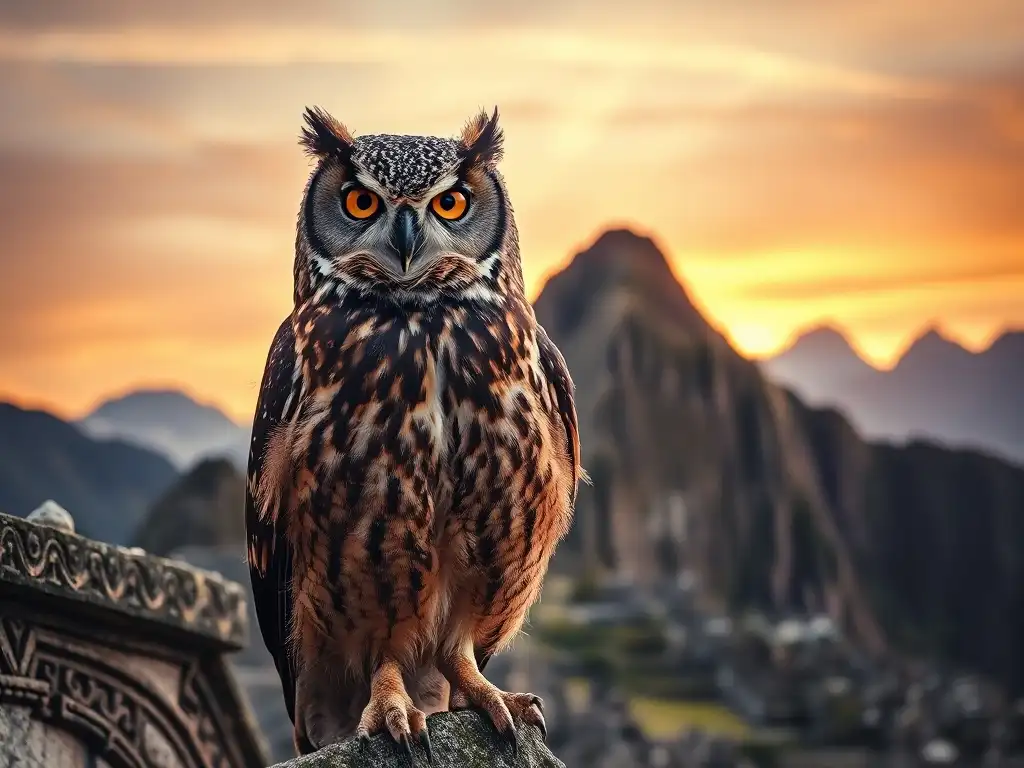
The owl, a creature often shrouded in mystery and perceived differently across cultures, holds a particularly fascinating position within Andean iconography. Unlike some interpretations in other parts of the world, Andean owl symbolism isn't solely associated with negativity. Instead, it embodies a complex duality, representing both wisdom and darkness, protection and death, knowledge and the unknown. Understanding this duality is key to deciphering the rich tapestry of meaning woven into Andean art featuring these captivating birds.
The nuanced portrayal of owls in Andean art reflects a sophisticated worldview that embraced the complexities of life and the afterlife. Analyzing the different contexts in which owls appear provides crucial insight into Andean beliefs and practices. The frequency with which owl motifs appear in various Andean cultures, from the Nazca to the Inca, underscores its significant symbolic weight.
The Owl as a Guardian and Protector
In many Andean cultures, the owl served as a powerful guardian and protector. Its nocturnal nature, sharp vision, and silent flight lent it an aura of mystery and power, associating it with the unseen forces that watch over humanity. This protective aspect is often depicted in textiles, pottery, and metalwork, where owls are shown perched atop houses, guarding sacred sites, or flanking important figures.
For example, certain Moche pottery depicts owls perched on the shoulders of warriors or shamans, suggesting their role as spiritual protectors. This suggests that the owl's keen eyesight represented the ability to perceive threats and dangers, both physical and spiritual, before they manifested. The owl's association with the night, often perceived as a time of heightened spiritual activity, also reinforced its role as a watchful protector against malevolent forces.
Some scholars even posit that the owl's representation might have been connected to ancestor veneration, with the owl serving as a conduit between the living and the deceased. 🦉
The protective symbolism extended beyond individual protection. Evidence suggests that owl imagery was used to ward off evil spirits and protect communities. The placement of owl motifs on buildings or in sacred spaces might have served as a form of apotropaic magic, designed to deflect negative energies.
Further research is needed to fully understand the specific rituals and practices associated with this protective symbolism, but the persistent presence of owl imagery in Andean art strongly suggests its importance. Detailed analysis of the specific attributes of the owl's depiction, such as its posture, accompanying symbols, and the overall context within the artwork, is crucial for unlocking further layers of meaning.
The Owl's Connection to Death and Transformation
While the owl's protective role is undeniable, its connection to death and transformation is equally significant in Andean art and symbolism. The owl's association with the night, a realm often linked to the spirit world and the afterlife, contributes to this darker aspect of its symbolism. In some contexts, owls are depicted in association with funerary rituals or in scenes representing the underworld. This association is not necessarily negative, but rather reflects the Andean understanding of death as a transition, a stage in a continuous cycle of life, death, and rebirth.
The owl's ability to see in the dark might have symbolized the ability to perceive the unseen realms, including the world of the dead. Its silent flight could have been interpreted as a representation of the quiet passage into the afterlife. Furthermore, the owl's predatory nature—its ability to hunt and capture prey—might have been linked to the power of death and the cyclical nature of life and death in the Andean worldview.
The owl, therefore, wasn't merely a symbol of death but also a powerful symbol of transformation and renewal, representing the transition from one state of being to another. Further research into specific examples of owl imagery in funerary contexts could yield more detailed insights into this complex symbolism.
Analyzing the materials used in the depiction of the owl (e.g., the use of obsidian, a stone associated with death and the underworld) would also contribute to a deeper understanding. The integration of the owl motif into burial sites or funerary objects demands a more thorough investigation to fully grasp its role in the Andean concept of the afterlife.
Analyzing the Stylistic Variations of Owl Representations
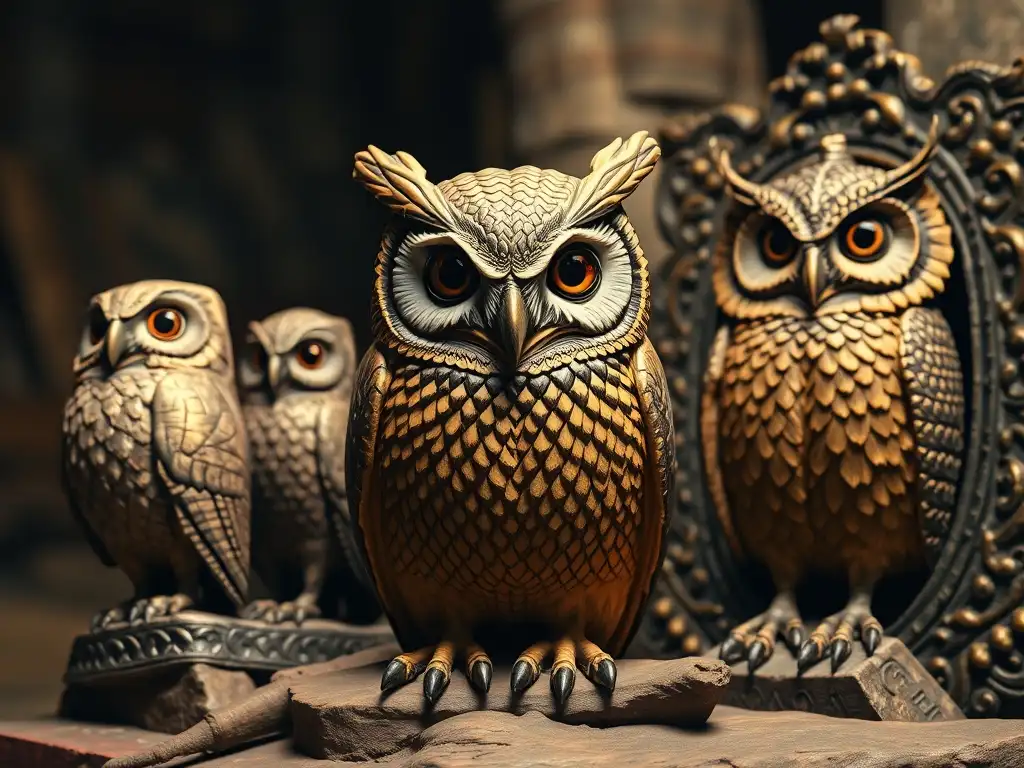
The Andean owl, a creature steeped in symbolism, found diverse expression across different cultures and time periods. Analyzing the stylistic variations in its representation reveals fascinating insights into the beliefs and artistic capabilities of these ancient societies. The owl's depiction wasn't static; it evolved, reflecting the unique aesthetic preferences and technological advancements of each civilization.
We observe significant differences in the portrayal of owls across various media, from the delicate lines of Nazca ceramics to the bold, three-dimensional forms of Inca metalwork. This variance extends beyond simple artistic choices; it speaks volumes about the cultural context and the specific meanings attributed to the owl within each Andean society.
The subtle changes in posture, features, and accompanying elements provide a rich tapestry of interpretations, challenging simplistic generalizations about Andean owl art symbolism. Detailed analysis of these variations is crucial to understanding the nuanced perspectives on wisdom, mystery, and the nocturnal world held by these cultures.
Comparing Owl Art in Ceramics, Textiles, and Metalwork
Ceramic owl depictions, particularly prevalent in the Moche and Nazca cultures, often showcase highly detailed and realistic representations. Moche pottery frequently portrays owls in dynamic poses, sometimes engaged in hunting or perched majestically on branches. The artists meticulously rendered feathers, beaks, and eyes, demonstrating a keen observational skill and a mastery of ceramic techniques. In contrast, Nazca ceramics, while still detailed, often employ a more stylized approach, emphasizing geometric patterns and a flatter perspective. The owls are frequently depicted within larger scenes, interacting with other mythical creatures or participating in ritualistic contexts.
Textile representations, less common due to the perishable nature of the material, offer a different perspective. Fragments of Andean textiles showcasing owl motifs reveal a focus on symbolic representation rather than photorealistic detail. The use of color, texture, and weaving techniques became crucial in conveying the owl's symbolic meaning. For example, the use of specific colors might signify particular attributes associated with the owl, such as nocturnal vision or wisdom. The relatively small number of surviving textile examples limits comprehensive stylistic analysis, but the available fragments suggest a focus on abstract representation rather than naturalistic detail.
Inca metalwork, with its sophisticated techniques of hammering, casting, and alloying, presents a unique perspective on the Andean owl. Inca depictions often feature owls in a more stylized, almost heraldic, manner. Gold and silver owls, frequently found within royal contexts, might have served as prestigious symbols of power and authority, reflecting the Inca's association of the owl with wisdom and regal status.
The three-dimensional nature of these metalworks allows for a greater exploration of form and texture, emphasizing the owl's powerful presence. The difference in material and technique directly influences the aesthetic impact and the symbolic weight attributed to the owl's image.
Nazca Lines: Abstract Owl Geoglyphs and Their Meaning
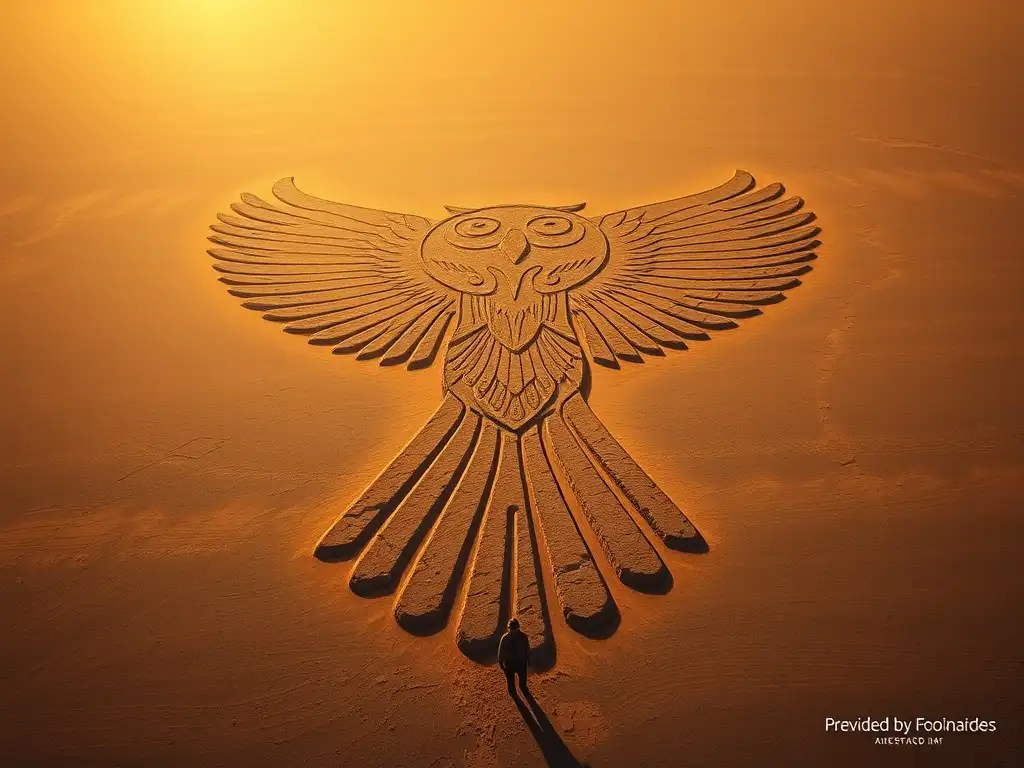
The Nazca Lines, a vast collection of geoglyphs etched into the Peruvian desert, include several striking representations of owls. Unlike the detailed ceramic and textile depictions, these colossal owl figures are highly abstract, relying on simple lines and shapes to create a powerful visual effect. These abstract representations are not just random designs; they were meticulously planned and executed, reflecting a profound understanding of geometry and spatial relationships. The scale of these geoglyphs is staggering, suggesting a significant investment of labor and resources, emphasizing the importance of the owl within Nazca cosmology.
The specific meanings attributed to these abstract owl geoglyphs remain a subject of ongoing scholarly debate. Some researchers suggest that they might have served as part of a larger ritualistic landscape, possibly linked to astronomical observations or water management practices. Others propose that the owls represent celestial beings or shamanistic figures, reflecting the Nazca’s beliefs about the supernatural world.
The lack of accompanying artifacts or textual evidence makes definitive interpretations challenging. However, the sheer size and precision of these geoglyphs underscore the owl's significant role within Nazca culture and its enduring power as a symbol of mystery and the unknown. Further research, combining archaeological investigation with advanced imaging techniques, may provide additional clues to unlock the secrets held within these ancient masterpieces.
The continued study of these geoglyphs is essential for a deeper understanding of "Andean owl art symbolism" within the broader context of Nazca civilization. The potential for new discoveries and reinterpretations continues to make this area of study both exciting and challenging.
The Enduring Legacy of Andean Owl Symbolism
The owl, a creature shrouded in mystery and associated with wisdom across many cultures, holds a particularly significant place within Andean art and symbolism. Its representation extends far beyond mere aesthetics; it embodies deep-seated beliefs and reflects the complex worldview of ancient Andean societies. Unlike some cultures where owls might represent ill-omen, Andean civilizations largely viewed the owl as a powerful symbol of knowledge, prophecy, and the unseen world.
This enduring legacy continues to influence artistic expression in the Andes even today. The specific nuances of owl symbolism varied across different Andean cultures—the Incas, Moche, Nazca, and Tiahuanaco, for example, each imbued the owl with unique attributes within their respective artistic traditions. However, a common thread unites these diverse interpretations: the owl's connection to the spiritual realm and its ability to perceive beyond the limitations of human understanding.
Analyzing Andean owl art offers a unique window into the cosmology, beliefs, and artistic practices of these remarkable civilizations. The frequency with which owls appear in pottery, textiles, and metalwork underscores their cultural importance and enduring power.
The Influence of Ancient Owl Iconography on Modern Andean Art
The profound impact of ancient Andean owl iconography is clearly visible in contemporary Andean art. Modern artists draw inspiration from pre-Columbian motifs, reinterpreting and reimagining the owl's symbolism for a contemporary audience. While the owl's association with wisdom and the supernatural remains central, modern interpretations often incorporate elements of social commentary, environmental awareness, and personal expression. For example, some artists use the owl to represent the preservation of Andean traditions in the face of globalization.
Others employ owl imagery to highlight the interconnectedness between humans and the natural world, emphasizing the importance of environmental stewardship and sustainable practices. The owl, therefore, continues to serve as a powerful symbol, adapting to the changing social and political contexts while retaining its core significance. This continuity demonstrates the enduring relevance of ancient Andean art forms and their ability to resonate with modern sensibilities.
The use of traditional techniques alongside contemporary themes showcases a vibrant and evolving artistic landscape, where the past informs the present, creating a rich tapestry of cultural expression. The meticulous detail and vibrant colors often used in contemporary Andean owl art pay homage to the sophisticated craftsmanship of their ancestors. This conscious effort to connect with the past enriches the present, creating a dynamic interplay between tradition and innovation.
Contemporary Andean Art: Reinterpreting Owl Imagery for Cultural Expression
Contemporary Andean artists are not simply replicating ancient owl motifs; they are actively reinterpreting them, imbuing them with new layers of meaning. This creative process involves a careful balance between honoring tradition and expressing contemporary concerns. For instance, some artists might depict owls in unconventional ways, perhaps incorporating abstract elements or integrating them into surreal landscapes. This approach allows them to explore the owl's symbolism in a more personal and introspective manner.
Others might use the owl as a vehicle for social critique, employing it as a metaphor for marginalized communities or environmental degradation. The owl's nocturnal nature, its association with the unseen, can be used to represent hidden truths or social injustices. The versatility of the owl as a symbol allows for a wide range of interpretations, making it a powerful tool for artists to express their unique perspectives and engage with broader societal issues. The choice of medium—whether it be painting, sculpture, textile art, or digital media—also contributes to the overall meaning and impact of the artwork.
The integration of traditional techniques with modern materials and technologies further expands the possibilities for creative expression, showcasing the dynamism and adaptability of Andean art in the 21st century. The continued relevance of the Andean owl in contemporary art demonstrates the lasting power of ancient symbols and their capacity to evolve and adapt to new contexts, offering fresh perspectives on timeless themes. This vibrant and dynamic artistic landscape ensures that the "Andean owl art symbolism" will continue to captivate and inspire for generations to come. 🦉
Frequently Asked Questions
What is the significance of owls in Andean cultures?
Owls held significant symbolic meaning in various Andean cultures. They were often associated with wisdom, mystery, and the underworld, representing both knowledge and the unseen realms. Their nocturnal nature added to their mystique.
How was the owl depicted in Andean art?
Andean artists depicted owls in diverse ways, often using ceramic vessels, textiles, and metalwork. The stylistic representations varied across different cultures and time periods, reflecting unique artistic traditions and beliefs. Stylized features were common.
Are there specific Andean cultures where owl symbolism is more prominent?
While owl symbolism appeared across various Andean cultures, it's particularly noticeable in the art of the Moche and Nazca civilizations. These cultures frequently incorporated owls into their iconography, reflecting their integration into their mythology and worldview.
What is the connection between owls and the Andean underworld?
Owls' nocturnal habits linked them to the underworld in Andean cosmology. This association wasn't necessarily negative; it represented a connection to the spiritual realm, ancestors, and hidden knowledge. It symbolized a deeper understanding of the world.
Where can I see examples of Andean owl art?
Examples of Andean owl art can be found in museums around the world, both large and small, showcasing collections of pre-Columbian artifacts. Many online resources and academic publications also feature images and discussions of these fascinating pieces.
Final Reflection: Echoes of Wisdom: The Enduring Power of the Andean Owl
The enduring symbolism of the owl in Andean art resonates powerfully with our contemporary fascination with hidden knowledge and the mysteries of the universe. Its presence in ancient textiles, ceramics, and metalwork continues to captivate, reminding us of the rich spiritual and intellectual heritage of Andean cultures. The owl's gaze, both piercing and enigmatic, speaks to a timeless search for understanding that transcends geographical and temporal boundaries.
The owl's enduring influence on Andean art and its subsequent interpretations highlight the ongoing power of symbolism to shape our understanding of the past and inform our present. Its representation, often intertwined with celestial imagery and shamanic practices, speaks to a deep connection between the earthly and spiritual realms. The owl is not just a bird; it is a messenger from the unseen world, a keeper of secrets, and a guide to the mysteries of existence.
This sentiment, though modern, captures the essence of the owl's enduring significance in Andean culture, reflecting a persistent human need to decipher the unknown.
Consider the owl's silent flight, its nocturnal habits, and its keen observation. These qualities, reflected in Andean art, invite us to contemplate our own relationship with knowledge, mystery, and the unseen forces that shape our lives. Let the wisdom of the Andean owl inspire you to seek deeper understanding, to embrace the unknown, and to appreciate the enduring power of symbolism in shaping our world. Embrace the mystery, and let the owl's gaze guide your own journey of discovery.
Discover the Depths of Andean Owl Symbolism!
Thank you for exploring the profound connection between owls and knowledge in Andean art. You've gained a new appreciation for these stunning symbols of wisdom and mystery. Now, let's delve even deeper!
Here are some ways to further explore this fascinating topic:
- Explore Andean art featuring owls. Visit museums or online galleries to see how artists interpret this symbolism. Observe the variations in style and meaning across different pieces.
- Share your insights! Post about your discoveries on social media using #AndeanWisdom to connect with other enthusiasts. Engage in discussions and learn from others' perspectives.
- Create your own artwork inspired by Andean owl symbolism. Express your interpretation of wisdom through painting, sketching, digital art, or any medium you prefer.
How does the symbolism of the Andean owl resonate with you personally, and how might you integrate its wisdom into your life?