
The Andean Pharmacy: Natural Remedies and Healing Plants

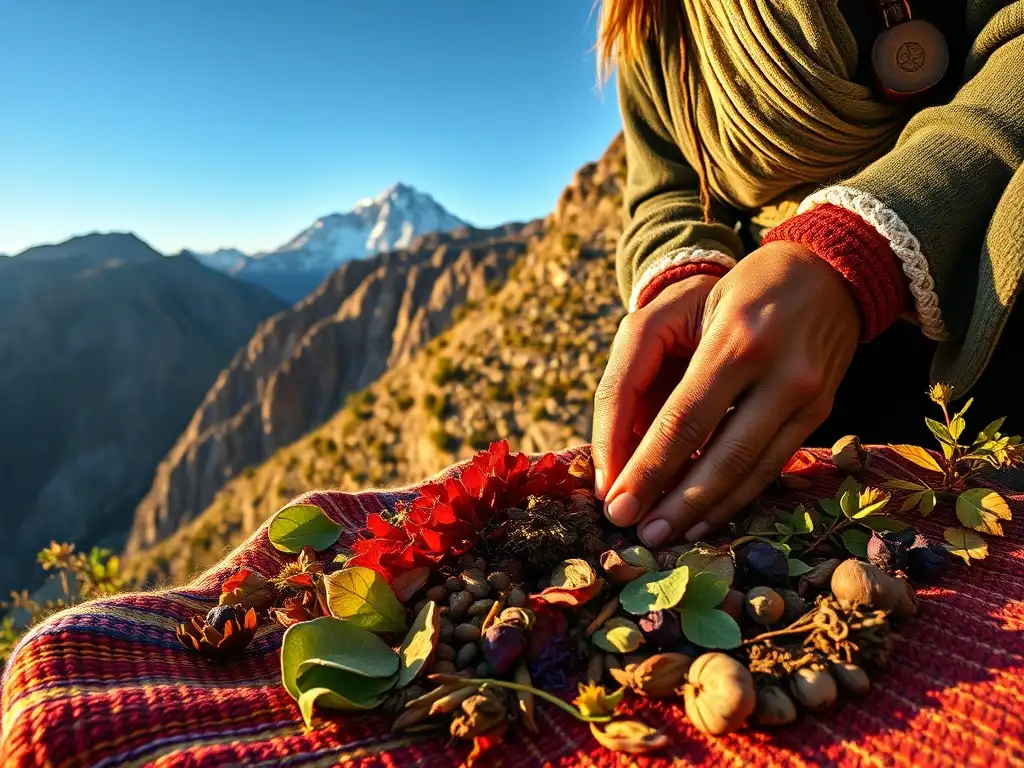
Step into a world lost to time, yet echoing with vibrant life. For centuries, the Andes Mountains have held secrets whispered on the wind – secrets of unparalleled ingenuity and a deep connection to the earth. Journey with us as we uncover the fascinating story of Andean healing plants, exploring the ancient knowledge and potent remedies that thrived within the sophisticated agricultural systems of the Incas, Moche, and other remarkable Andean civilizations. Prepare to be amazed by the power of nature, and the legacy left behind in the Andean Pharmacy. Discover the mysteries that await…
The Andes Mountains, a breathtaking tapestry of diverse ecosystems, have been home to vibrant civilizations for millennia. These cultures, including the Incas, Moche, Nazca, and Tiahuanaco, didn't just inhabit this challenging landscape; they thrived by developing a profound understanding of its resources, particularly its rich botanical bounty.
This article delves into the fascinating world of Andean ethnobotany, exploring the traditional uses of medicinal plants and the sophisticated knowledge systems that sustained these societies' health and well-being. We'll uncover the secrets behind their "Andean pharmacy," a treasure trove of natural remedies passed down through generations, demonstrating the deep connection between Andean people and the healing power of their environment.
Understanding this intricate relationship is key to appreciating the ingenuity and resilience of Andean civilizations and highlights the ongoing relevance of these traditional healing practices in modern contexts. The exploration of "Andean healing plants" will reveal a complex and fascinating history of medicinal knowledge.
Understanding Andean Ethnobotany
Andean ethnobotany represents a complex interplay between human cultures and the plant world. For centuries, Andean communities meticulously cataloged the properties of various plants, developing sophisticated systems of classification and application. This wasn't simply a matter of trial and error; it involved a deep understanding of plant life cycles, ecological relationships, and the subtle nuances of plant-based remedies.
Their knowledge encompassed not only the identification and harvesting of medicinal plants but also the precise methods of preparation, dosage, and administration. This holistic approach integrated botanical knowledge with spiritual beliefs and social practices, resulting in a rich and nuanced system of healing. The use of specific plants often went beyond mere physical healing; they played significant roles in rituals, ceremonies, and social interactions, reflecting the deeply interconnected nature of Andean life and the natural world.
This intricate knowledge system, passed down orally through generations, represents an invaluable legacy that continues to influence contemporary understandings of medicine and plant-based therapies. The meticulous observation and practical experimentation of Andean peoples resulted in a sophisticated understanding of pharmacology, long before the development of modern scientific techniques.
Traditional Uses of Andean Medicinal Plants
The Andean region boasts an extraordinary biodiversity, providing a vast array of plants with medicinal properties. Many of these plants are still used today, both in traditional practices and as the basis for modern pharmaceuticals. For example, coca leaves ( Erythroxylum coca) played – and continue to play – a central role in Andean culture. Used for centuries not only as a stimulant but also for its purported medicinal properties, coca leaves were believed to alleviate altitude sickness, reduce pain, and enhance endurance. Beyond coca, numerous other plants were, and still are, utilized for their healing properties.
| Plant | Traditional Use | Modern Applications (Potential) |
|---|---|---|
| Matico ( Buddleja incana) | Wound healing, antiseptic | Anti-inflammatory, antimicrobial |
| Muña ( Minthostachys sp.) | Digestive aid, respiratory ailments | Antibacterial, antiviral |
| Sacha inchi ( Plukenetia volubilis) | Nutritional supplement, skin conditions | Cardiovascular health, Omega-3 source |
| Quinua ( Chenopodium quinoa) | Nutritional powerhouse, various ailments | Dietary supplement, gluten-free option |
This table only scratches the surface of the vast array of Andean healing plants. Many other species, each with its unique properties and applications, contributed to the rich tapestry of Andean medicinal practices. Detailed research continues to unveil the potential of these plants for modern medicine, highlighting the importance of preserving traditional knowledge and biodiversity.
The ongoing study of Andean healing plants is not only a scientific endeavor but also a crucial step in recognizing and respecting the cultural heritage of Andean civilizations. The potential for discovering new drugs and treatments from these plants is immense, underscoring the vital need for continued research and collaboration between traditional healers and modern scientists. 🌿
Key Andean Healing Plants and Their Properties
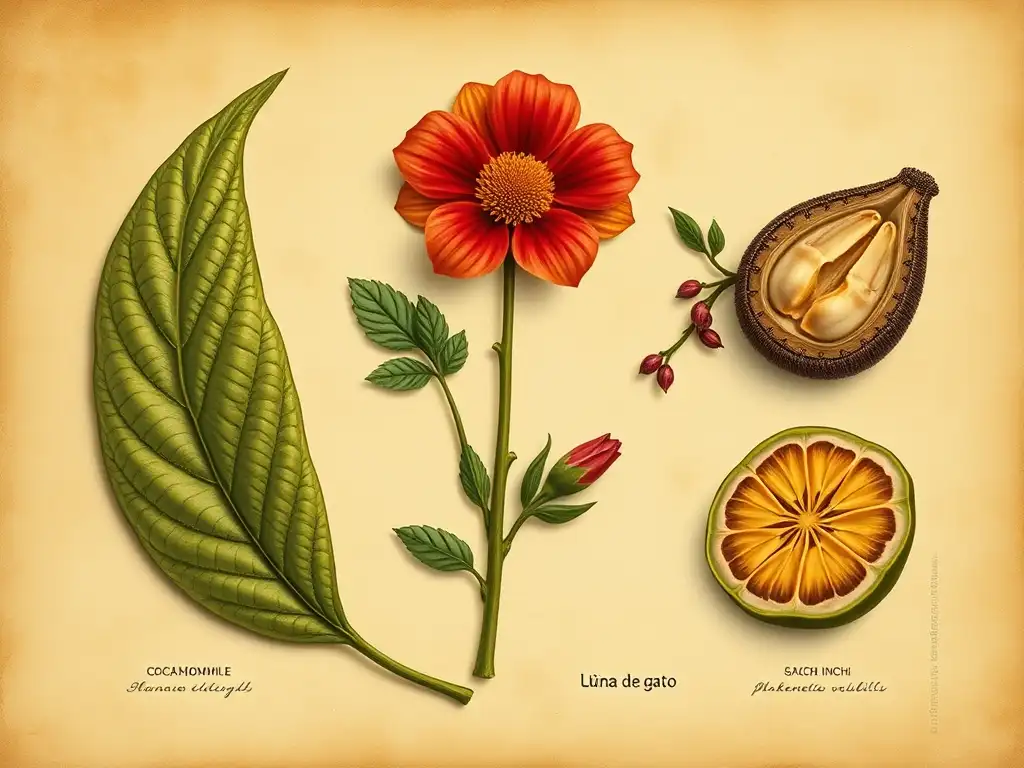
The Andes Mountains, a region renowned for its breathtaking landscapes, also harbored a rich tapestry of knowledge regarding medicinal plants. For centuries, Andean civilizations developed sophisticated systems of herbal medicine, utilizing the diverse flora of their environment to treat a wide array of ailments. The effectiveness of these Andean healing plants stemmed from a deep understanding of their properties and careful observation of their impact on the human body.
This section will explore some of the most significant plants and their traditional uses, highlighting their enduring importance in Andean culture and modern phytotherapy. The strategic use of these plants demonstrates the ingenuity and resourcefulness of Andean peoples in harnessing the power of nature for healing and well-being.
Coca: More Than Just a Stimulant
Coca ( Erythroxylum coca) is perhaps the most iconic Andean healing plant. While widely known for its stimulant properties due to its cocaine content, its traditional use within Andean communities extends far beyond simple stimulation. For centuries, coca leaves have been chewed or brewed as a tea to alleviate altitude sickness, hunger, and fatigue. Its traditional use is deeply rooted in Andean spiritual and social practices, often consumed during ceremonies and social gatherings.
The alkaloid content of coca leaves, beyond cocaine, includes other compounds with potential medicinal properties. These include cinnamoylcocaine and benzoylmethylecgonine, which are believed to contribute to coca’s analgesic and anesthetic effects. It's crucial to understand that traditional coca leaf use, in moderate amounts, differs significantly from the refined and concentrated form of cocaine, which carries significant health risks. Traditional preparations involve careful preparation and consumption, minimizing the potential for harm.
Scientific research is ongoing to explore the therapeutic potential of coca leaf extracts, focusing on isolating and characterizing the beneficial compounds while minimizing the presence of cocaine. Further research is needed to fully elucidate the complex pharmacological profile of coca and its potential applications in modern medicine. Understanding the historical and cultural context surrounding coca leaf use is essential for a balanced perspective on this important Andean plant.
Muña: The Andean Mint for Digestive Health
Muña ( Minthostachys sp.) is an aromatic herb belonging to the mint family, widely cultivated and utilized throughout the Andes. Its distinctive, pungent aroma and flavor are characteristic of its essential oil composition, rich in compounds such as thymol, carvacrol, and pulegone. These components contribute to muña's traditional use as a digestive aid, commonly employed to relieve symptoms of indigestion, bloating, and flatulence.
Historically, Andean communities have used muña infusions to treat various gastrointestinal issues. Muña tea is often consumed after meals to promote digestion and alleviate discomfort. Moreover, muña’s antimicrobial properties have been observed in laboratory settings, suggesting its potential role in combating gastrointestinal infections. Traditional Andean knowledge regarding muña’s effectiveness has been complemented by modern scientific research, which is increasingly validating the plant's medicinal properties.
Studies have explored muña's potential as a natural remedy for various digestive disorders, although further clinical trials are necessary to fully establish its efficacy and safety. The ongoing research into muña’s bioactive compounds promises to unveil further insights into its therapeutic potential. Beyond its digestive benefits, muña is also traditionally used for its purported respiratory benefits and as a mild stimulant.
Maca: The High-Altitude Adaptogen
Maca ( Lepidium meyenii), a cruciferous root vegetable grown exclusively at high altitudes in the Peruvian Andes, is renowned for its alleged adaptogenic properties. Adaptogens are substances that help the body adapt to stress and improve overall well-being. Maca has been traditionally used to enhance energy levels, improve stamina, and boost fertility. Its popularity has surged in recent years, with many attributing its benefits to its rich nutrient profile.
Maca root contains a variety of bioactive compounds, including glucosinolates, macamides, and macaenes. These compounds are believed to contribute to maca's purported effects on hormonal balance, sexual function, and cognitive performance. However, scientific evidence supporting these claims remains limited, with many studies being small-scale or lacking rigorous methodology. More research is needed to fully understand the mechanisms of action and the extent of maca's therapeutic benefits.
While anecdotal evidence and some preliminary studies suggest potential benefits, more robust clinical trials are necessary to definitively establish the efficacy of maca for specific health conditions. The growing interest in maca highlights the enduring appeal of traditional Andean remedies and the potential for integrating them into modern healthcare systems, pending conclusive scientific validation. The unique environmental conditions of the Andes, where maca thrives, may contribute to its unique chemical composition and potential health benefits.
Uña de Gato: The Cat's Claw for Immunity
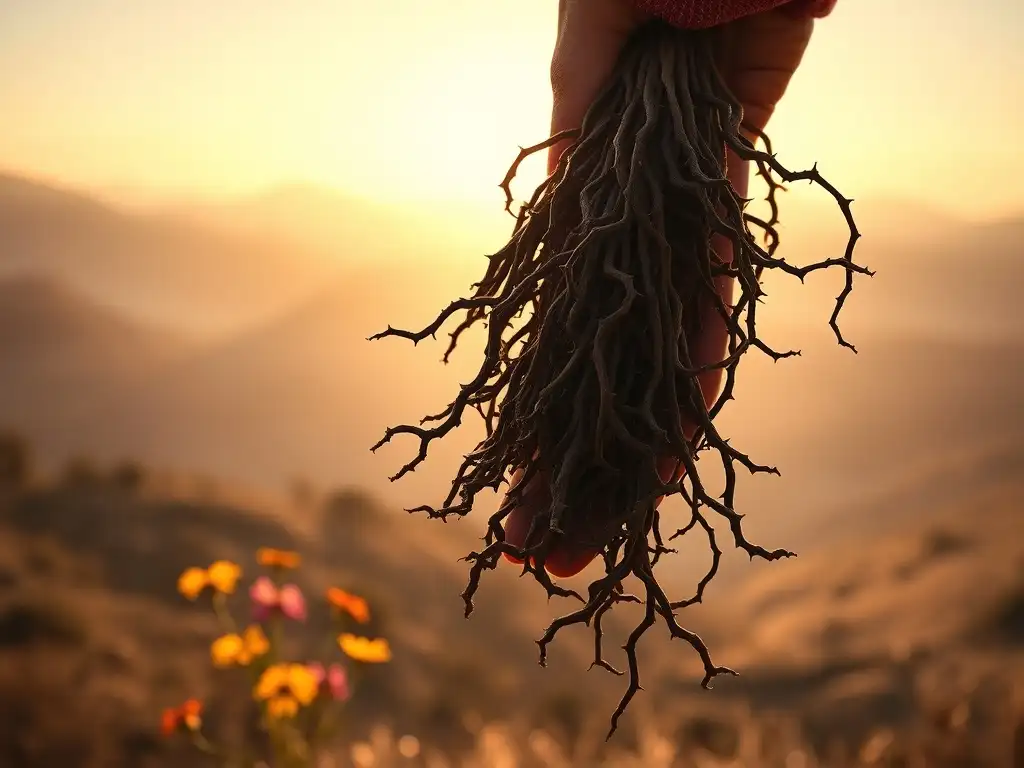
Uña de Gato, meaning "cat's claw" in Spanish, ( Uncaria tomentosa and Uncaria guianensis) is a woody vine native to the Amazon rainforest, a region that overlaps with the Andean foothills. For centuries, indigenous Andean communities have utilized this plant for its purported medicinal properties, particularly its ability to boost the immune system. The plant's name derives from the curved thorns resembling a cat's claws. These vines climb high into the rainforest canopy, reaching impressive heights.
Traditional uses of Uña de Gato ranged from treating infections and inflammation to promoting overall well-being. Modern scientific research has investigated these traditional claims, focusing on the plant's potential to modulate the immune response. Studies suggest that certain compounds within Uña de Gato, such as alkaloids and tannins, may possess anti-inflammatory and antioxidant properties. However, it's crucial to note that more research is needed to fully understand the efficacy and safety of Uña de Gato, and it should not replace conventional medical treatment.
The preparation methods vary across different Andean communities, with some using the bark and others using the roots. Proper preparation and dosage are essential, highlighting the importance of consulting with experts knowledgeable in traditional Andean medicine or qualified healthcare professionals before using Uña de Gato. The sustainable harvesting of Uña de Gato is also a growing concern, emphasizing the need for responsible sourcing to preserve this valuable resource for future generations.
Yacon: The Sweet Root with Health Benefits
Yacon ( Smallanthus sonchifolius) is a perennial plant cultivated in the Andes for its sweet, pear-shaped roots. Unlike other sweet plants, yacon's sweetness comes from fructooligosaccharides (FOS), a type of prebiotic fiber. This makes it a unique and potentially beneficial addition to the Andean diet. The low glycemic index of yacon makes it a suitable alternative sweetener for people with diabetes or those looking to manage their blood sugar levels.
Andean communities have long appreciated yacon for its refreshing taste and its perceived health benefits. The roots are often consumed fresh, processed into juice, or used to make jams and other sweets. Beyond its sweetness, yacon is believed to have several health benefits, including improved digestion due to its prebiotic content which fosters the growth of beneficial gut bacteria. This contributes to a healthier gut microbiome which has been linked to improved overall health and immunity.
Recent research has explored yacon's potential role in weight management, blood pressure regulation, and even cancer prevention, although further studies are needed to confirm these findings. The cultivation of yacon requires specific environmental conditions, thriving in the high-altitude Andean regions. Its cultivation is an important part of the Andean agricultural landscape, contributing to food security and cultural heritage.
Other Notable Andean Medicinal Herbs
The Andean region boasts an incredibly diverse array of medicinal plants beyond Uña de Gato and Yacon. Many plants, used for centuries in traditional Andean healing practices, are still under investigation for their potential therapeutic applications. For example, Muña ( Minthostachys species) is a fragrant herb with reported anti-inflammatory and digestive properties, often used in teas. Matico ( Buddleja globosa) is another important medicinal plant, traditionally used to stop bleeding and treat wounds due to its astringent properties.
Coca ( Erythroxylum coca), while controversial due to its association with cocaine, has a long history of traditional use in the Andes for its stimulating and medicinal properties. It's important to note that the traditional use of coca should be differentiated from the illicit production and use of cocaine. Many other herbs like llantén, hierba luisa, and various types of cactus have also played significant roles in Andean healthcare systems. The knowledge surrounding these plants has been passed down through generations, representing a valuable part of Andean cultural heritage.
However, many of these plants require further scientific research to fully understand their chemical compositions, potential benefits, and potential risks. The preservation of this traditional knowledge and the sustainable use of these resources are vital for maintaining both Andean cultural identity and biodiversity. Further research and responsible documentation of Andean ethnobotanical knowledge are essential.
The Preparation and Application of Andean Natural Remedies
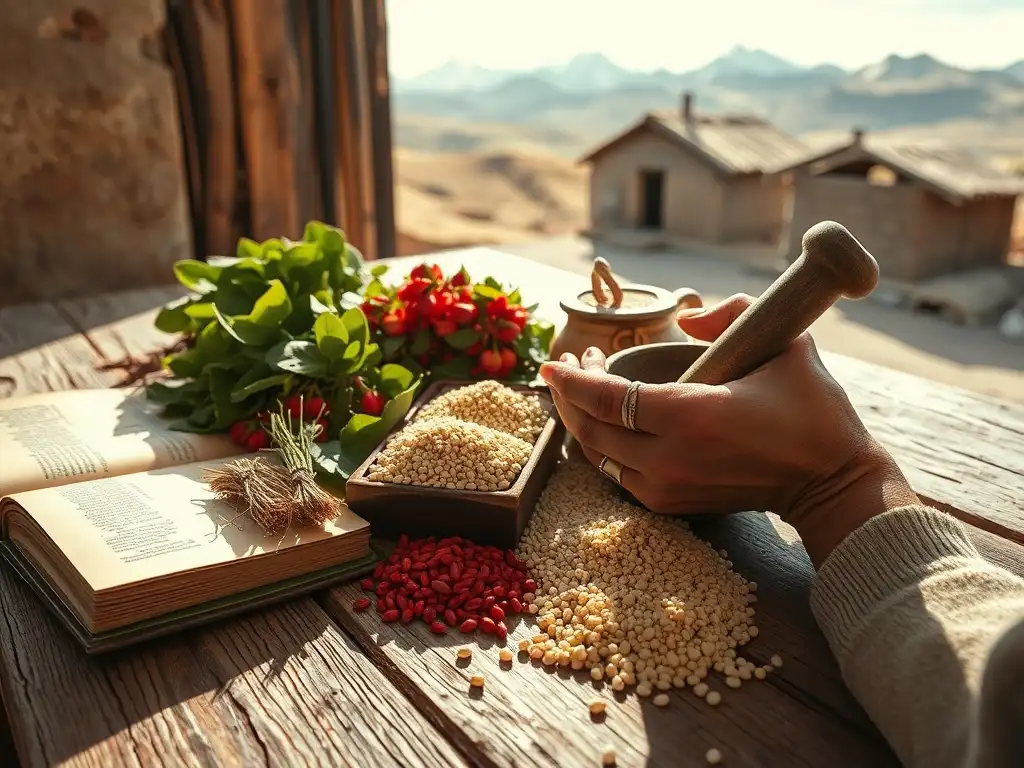
The Andean region boasts a rich pharmacopoeia, with indigenous communities developing sophisticated methods for preparing and applying natural remedies derived from their diverse flora. Understanding these techniques offers a glimpse into the deep connection between Andean culture and the natural world, revealing a complex system of knowledge passed down through generations. The use of Andean healing plants was not merely a matter of treating illness; it was intertwined with spiritual beliefs, rituals, and social practices. This section delves into the traditional methods of processing these plants and their subsequent application.
Traditional Methods of Herbal Processing
Traditional Andean herbal processing techniques varied depending on the specific plant and intended use. Many involved meticulous steps designed to maximize the medicinal properties while minimizing potential harm. Consider the example of coca leaves: before chewing, they were often lightly toasted to enhance their flavor and potentially modify their chemical composition. This subtle alteration, learned through generations of experience, exemplifies the nuanced approach taken in preparing medicinal plants. Other techniques included:
- Drying: Many plants were carefully dried in the sun or shade to preserve their active components. The specific drying method—sun-drying, shade-drying, or air-drying—varied depending on the plant and the desired outcome. The moisture content needed careful monitoring to avoid spoilage or degradation of active compounds.
- Grinding and Pulverizing: Dried plants were often ground into powders using mortars and pestles made from stone. The fineness of the powder could influence the preparation's effectiveness and ease of application. Some plants, however, were used whole or in larger pieces.
- Maceration: Soaking plant parts in liquids (water, alcohol, or other solvents) to extract their active ingredients was another common method. Maceration times varied, sometimes lasting for days or even weeks, depending on the plant material and the desired concentration.
- Fermentation: In some cases, fermentation was employed to enhance the medicinal properties of certain plants. This process involved controlled microbial decomposition, leading to the production of new compounds with therapeutic value. Specific fermentation techniques were often kept secret and passed down within families or communities.
Preparing Infusions and Decoctions
Infusions and decoctions were the most common methods for administering Andean herbal remedies. The difference lies primarily in the preparation method:
- Infusions: Infusions involved steeping plant material (leaves, flowers, etc.) in hot water, similar to making tea. This method was suitable for delicate plant parts that could be damaged by boiling. The resulting liquid was then strained and consumed. The strength of the infusion was controlled by adjusting the amount of plant material and the steeping time. For example, a stronger infusion of muña ( Minthostachys spp.) might be prepared for respiratory ailments.
- Decoctions: Decoctions involved boiling plant material (roots, bark, etc.) in water for an extended period. This method was better suited for tougher plant parts that required more vigorous extraction of active compounds. The resulting liquid was then strained and consumed. The decoction of matico ( Piper aduncum ), for example, was traditionally used for its antiseptic and analgesic properties.
The choice between infusion and decoction depended on the specific plant and its desired effect. Precise measurements and techniques were crucial to ensure consistent potency and efficacy. Many factors, including the water quality and altitude, could influence the final product.
Using Poultices and Topical Applications
Beyond oral administration, Andean healers utilized poultices and other topical applications. Poultices were typically made by mashing fresh or dried plant material into a paste, often combined with water or other liquids. This paste was then applied directly to the skin to treat wounds, skin conditions, or inflammation.
- Examples included the use of llantén ( Plantago major ) leaves for wound healing or uña de gato ( Uncaria tomentosa ) for its anti-inflammatory properties.
- The application method could also involve steaming the affected area with infused or decocted plant material. This technique aimed to deliver the medicinal compounds through both inhalation and skin absorption.
- Other topical applications included the use of plant-based oils and salves, often combined with animal fats or beeswax. These preparations were used to treat a wide range of ailments, demonstrating the ingenuity and resourcefulness of Andean healing practices. The precise recipes and application techniques varied widely across different communities and regions, reflecting the diverse flora and unique healing traditions of the Andes. Further research is needed to fully document the diversity of these practices and their effectiveness.
The Role of Andean Healers
Andean healers, often referred to as curanderos or yatiri, played—and continue to play—a vital role in Andean societies. Their expertise extended far beyond simply administering herbal remedies; they were deeply integrated into the spiritual and social fabric of their communities. Their knowledge, passed down through generations, combined practical botanical understanding with a sophisticated understanding of cosmology and spiritual forces. The healer wasn't just treating a physical ailment; they were addressing an imbalance in the individual's relationship with the cosmos. This holistic approach is crucial to understanding the effectiveness and significance of Andean healing practices.
The training of an Andean healer was a lengthy and rigorous process, often involving years of apprenticeship under a master healer. This apprenticeship wasn't simply about memorizing plant names and their uses; it involved a deep immersion in the spiritual world, learning to interpret dreams, diagnose illnesses through divination techniques, and understand the subtle interplay of energies that influenced health and well-being.
This apprenticeship involved not only mastering botanical knowledge, but also developing a deep understanding of the spiritual and energetic dimensions of healing. Successful healers possessed an intuition and sensitivity to the subtle energies that were believed to influence health and disease.
Different Andean cultures had their own unique approaches to healing and the role of the healer. While the specific practices varied, the underlying principles often remained consistent: a deep respect for nature, a holistic approach to healing, and a strong connection to the spiritual world. For example, the Inca curanderos were highly respected members of society, often holding positions of significant influence within their communities.
Their knowledge was essential not only for treating illnesses but also for maintaining the overall well-being of the community, ensuring the balance between the human world and the supernatural realm. Their role extended beyond the individual, playing a crucial part in maintaining community harmony and spiritual balance.
The prestige and influence of these healers underscored the importance of their knowledge and the significance of their role within the community's structure. Understanding the social and spiritual context of Andean healing plants requires acknowledging the crucial role played by these skilled and respected practitioners.
The Modern Relevance of Andean Herbal Medicine
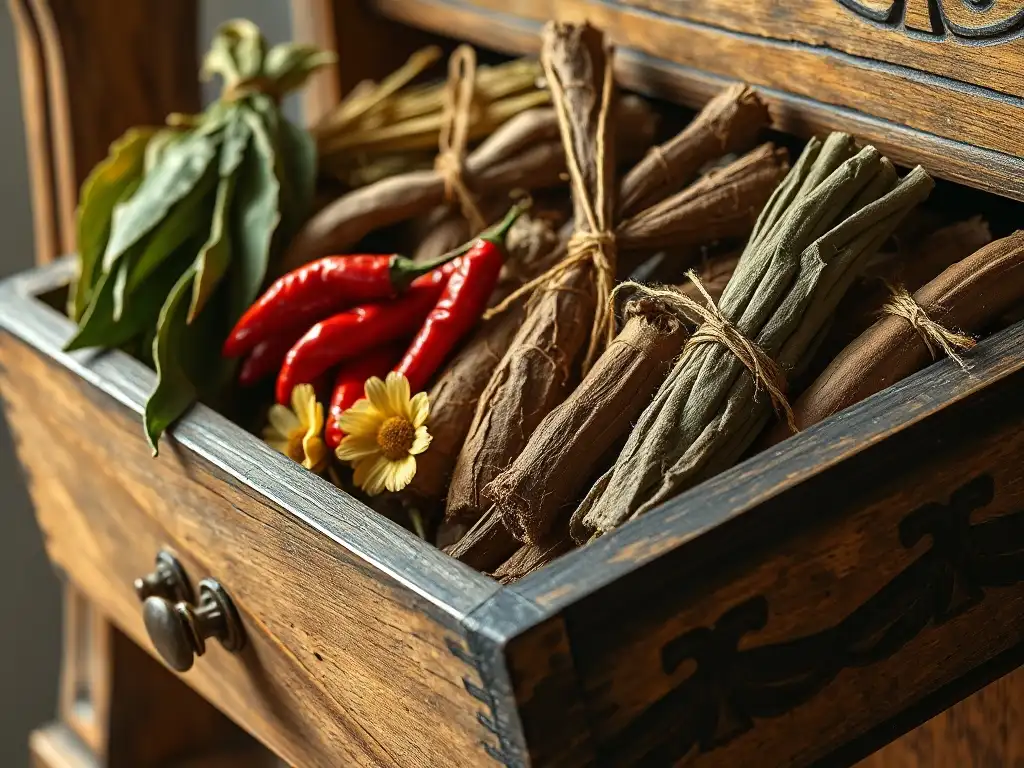
The Andean region boasts a rich tradition of herbal medicine, a legacy passed down through generations and deeply intertwined with the cultures of the Inca, Moche, Nazca, and Tiahuanaco civilizations. While modern medicine has made significant strides, the knowledge of Andean healing plants continues to hold immense relevance in the 21st century.
This enduring significance stems from several factors: the increasing interest in natural remedies, the discovery of novel bioactive compounds in these plants, and the growing recognition of the importance of preserving traditional ecological knowledge. Many Andean plants offer potential solutions for various health concerns, making the study and application of this ancient knowledge crucial for addressing modern healthcare challenges.
The continued exploration of these plants could unlock a treasure trove of therapeutic benefits, contributing to a more holistic and sustainable approach to healthcare. This section will delve into the scientific backing for these claims, the crucial efforts towards sustainable practices, and the potential for integrating this traditional knowledge with contemporary healthcare systems.
Scientific Validation of Andean Plant Properties
Numerous studies are beginning to validate the traditional uses of Andean healing plants. For instance, research has demonstrated the antimicrobial properties of several species commonly used in traditional Andean medicine. Matricaria chamomilla, widely used for its calming effects, has shown significant anti-inflammatory activity in laboratory settings.
Similarly, Uncaria tomentosa, or cat's claw, has been the subject of extensive research, revealing its potential immunomodulatory and anti-cancer properties. However, much more research is needed to fully understand the complex phytochemistry and pharmacological activities of these plants. A significant challenge lies in the standardization of extraction methods and the need for rigorous clinical trials to confirm the efficacy and safety of these remedies.
The detailed chemical analysis of these plants is also crucial, as it can reveal the presence of novel compounds with potential therapeutic applications. This ongoing scientific validation is essential to bridge the gap between traditional knowledge and modern scientific understanding, paving the way for the responsible integration of these plants into mainstream healthcare. The potential benefits are vast, but a robust scientific foundation is essential for responsible and effective utilization.
Sustainable Harvesting and Conservation Efforts
The sustainable harvesting and conservation of Andean healing plants are paramount to prevent overexploitation and preserve biodiversity. The increasing demand for these plants, driven by both traditional and modern applications, necessitates the implementation of sustainable practices. This includes promoting responsible harvesting techniques, cultivating these plants sustainably, and establishing protected areas to safeguard their natural habitats. Community-based initiatives play a vital role in this process, empowering local communities to manage and protect these valuable resources.
These initiatives often involve training local harvesters in sustainable harvesting techniques, promoting fair trade practices, and ensuring that economic benefits are shared equitably. Furthermore, research into the cultivation of these plants is crucial for reducing pressure on wild populations. Developing effective cultivation methods can ensure a consistent supply of these valuable plants while protecting their natural habitats.
The long-term viability of Andean herbal medicine depends heavily on implementing these conservation strategies. Without them, the rich biodiversity of Andean healing plants risks being lost forever. The emoji 🌱 symbolizes the importance of sustainable practices for the future of Andean herbal medicine.
Integrating Traditional Knowledge with Modern Healthcare
The integration of traditional Andean knowledge with modern healthcare presents a unique opportunity to create a more holistic and effective approach to healthcare. This integration involves not only the scientific validation of traditional remedies but also the recognition of the cultural context within which these remedies are used. A collaborative approach, involving traditional healers, scientists, and healthcare professionals, is crucial for successful integration.
This collaborative effort can lead to the development of new pharmaceutical products based on Andean plants, while also preserving and respecting the traditional knowledge associated with them. Moreover, it's essential to consider the ethical implications of integrating traditional knowledge into modern healthcare systems, ensuring that the rights and knowledge of indigenous communities are protected and respected. This holistic approach can lead to more effective and culturally sensitive healthcare practices, benefiting both local communities and global health.
The symbol 🤝 represents the importance of collaboration in this process. The successful integration requires careful consideration of all aspects, ensuring a respectful and equitable partnership between traditional knowledge and modern science.
The Legacy of Andean Healing Practices
The Andes Mountains, a spine of towering peaks stretching along the western edge of South America, have nurtured a rich tapestry of human cultures for millennia. These civilizations, including the Incas, Moche, Nazca, and Tiahuanaco, developed sophisticated systems of agriculture and, interwoven with their agricultural practices, a deep understanding of the healing properties of the Andean flora. Their knowledge, passed down through generations, represents a profound legacy of ethnobotanical expertise that continues to inspire modern scientific research and traditional medicine.
This legacy is not merely historical; it's a living tradition, with many communities still actively utilizing these plants for healing and well-being. Understanding this legacy is crucial for appreciating the holistic relationship between Andean cultures and their environment. The intricate connection between their survival and the effective use of Andean healing plants shaped their societies and left an indelible mark on the region's history.
The Importance of Preserving Andean Ethnobotanical Knowledge
The preservation of Andean ethnobotanical knowledge is paramount for several reasons. First, it represents a vast reservoir of potentially valuable medicinal compounds. Many Andean plants have yet to be fully studied by modern science, and their potential to yield new drugs or treatments for various ailments remains largely untapped. Second, this knowledge is intrinsically linked to the cultural identity and spiritual practices of Andean communities.
The loss of this knowledge would represent a significant cultural loss, eroding the rich heritage of these communities. Third, the sustainable use of these plants is crucial for maintaining biodiversity in the fragile Andean ecosystem. Overexploitation or unsustainable harvesting practices threaten the survival of many medicinal species. Therefore, collaborative efforts between scientists, local communities, and policymakers are essential to ensure the long-term preservation and responsible use of this invaluable knowledge.
This involves documenting traditional practices, promoting sustainable harvesting techniques, and fostering equitable partnerships that benefit both researchers and local communities. The preservation of this knowledge isn't just an academic pursuit; it's a vital step towards ensuring the health and well-being of both people and the environment. We must act proactively to avoid the irreversible loss of this invaluable heritage.
The Cultural Significance of Andean Medicinal Plants
Andean medicinal plants are not merely tools for healing; they are deeply embedded in the cultural and spiritual fabric of Andean societies. Many plants hold symbolic meaning, playing a role in religious ceremonies, rituals, and social interactions. For example, the coca leaf ( Erythroxylum coca) is not only a source of medicinal properties but also a sacred plant with significant social and ceremonial importance. Similarly, other plants like cantuta ( Cantua buxifolia), the national flower of Peru, and muña ( Minthostachys sp.
), a fragrant herb, hold significant cultural and symbolic value. The use of these plants in traditional healing practices often involves intricate rituals and ceremonies, reflecting a holistic approach to health and well-being that considers the physical, emotional, and spiritual dimensions of the individual. This cultural significance underscores the importance of preserving traditional knowledge and practices alongside the scientific study of these plants.
The loss of this cultural context would diminish the richness and complexity of Andean healing traditions, reducing them to mere collections of botanical ingredients. Understanding the cultural significance of Andean healing plants is crucial for appreciating the holistic and integrated nature of Andean healing systems. This understanding allows us to approach the study and preservation of this knowledge with greater respect and sensitivity.
Frequently Asked Questions
What types of healing plants were used by Andean civilizations?
Andean cultures utilized a wide array of plants for medicinal purposes. Herbal remedies were incredibly important, with plants like coca, quinoa, and various medicinal herbs forming the basis of their healing practices. Specific plants varied across different cultures.
How did the Andean people use coca leaves for healing?
Coca leaves were not only used for stimulation, but also had a significant role in Andean religious ceremonies and healing rituals. They were chewed to alleviate altitude sickness, hunger, and pain, and were also used in medicinal preparations.
Were there specialized healers in Andean societies?
Yes, shamans and other spiritual healers played crucial roles in Andean societies. They possessed extensive knowledge of herbal remedies and healing practices, often incorporating spiritual elements into their treatments.
What role did plants play beyond medicinal uses in Andean cultures?
Plants were integral to all aspects of Andean life. Beyond medicine, they were vital for food, clothing, shelter, and religious ceremonies. They formed the basis of their entire way of life.
Where can I learn more about Andean healing plants today?
You can explore further by researching specific Andean cultures (Inca, Moche, etc.), examining ethnobotanical studies, or visiting museums and cultural centers that focus on Andean history and traditions. Many resources are available online and in academic settings.
Final Reflection: The Enduring Legacy of Andean Healing
The wisdom encoded within Andean healing plants remains profoundly relevant today, a vibrant testament to the power of nature's pharmacy in a world increasingly reliant on synthetic solutions. The resurgence of interest in traditional medicine highlights a growing recognition of the limitations of purely pharmaceutical approaches and a yearning for holistic well-being, echoing the ancient practices of the Andes. This renewed appreciation offers a powerful opportunity to learn from and protect this invaluable heritage.
The enduring influence of Andean healing traditions extends far beyond the mountains themselves, shaping not only healthcare practices but also cultural identities and spiritual beliefs. These plants are more than just remedies; they are deeply intertwined with the Andean worldview, representing a profound connection between humanity and the natural world. The earth provides everything we need, if only we learn to listen.
This simple truth, passed down through generations, underscores the importance of respecting and understanding the delicate balance within these ecosystems.
Consider, reader, the profound implications of this knowledge. What can you learn from the centuries-old wisdom embedded in these plants? How can you incorporate a greater appreciation for natural remedies into your own life? Perhaps it's time to explore the possibilities of plant-based solutions, to support sustainable practices that protect these invaluable resources, or simply to cultivate a deeper connection with the natural world that sustains us all. Let the legacy of Andean healing inspire you to embrace a more holistic and harmonious approach to well-being.
Unveil the Power of Andean Healing Today!
Thank you for exploring the remarkable world of natural remedies and healing plants with us! We hope you discovered the incredible benefits offered by traditional Andean medicine. This knowledge is not only fascinating—it's a powerful tool for improving your health and well-being.
Now, it's time to put this knowledge into practice and embrace the healing wisdom of the Andes. Here are some ways to begin your journey:
- Experiment with Andean remedies: Choose one of the plants discussed and prepare a tea or tincture to experience its benefits firsthand. For example, you might try a calming chamomile tea or an invigorating coca leaf infusion (always ensuring responsible sourcing).
- Share your experience: Document your exploration of these natural remedies on social media and inspire others to discover the wonders of Andean botanicals. Sharing your personal journey can be incredibly motivating for others.
- Join a local herbalism workshop: Seek out community events or classes focused on herbal medicine to learn more about the practical applications of these amazing plants. This hands-on approach can deepen your understanding and confidence.
Have you considered how incorporating natural remedies could enhance your daily health routine? We'd love to hear your thoughts and experiences!