
High Altitude Gamble: Climate's Impact on Andean Agriculture

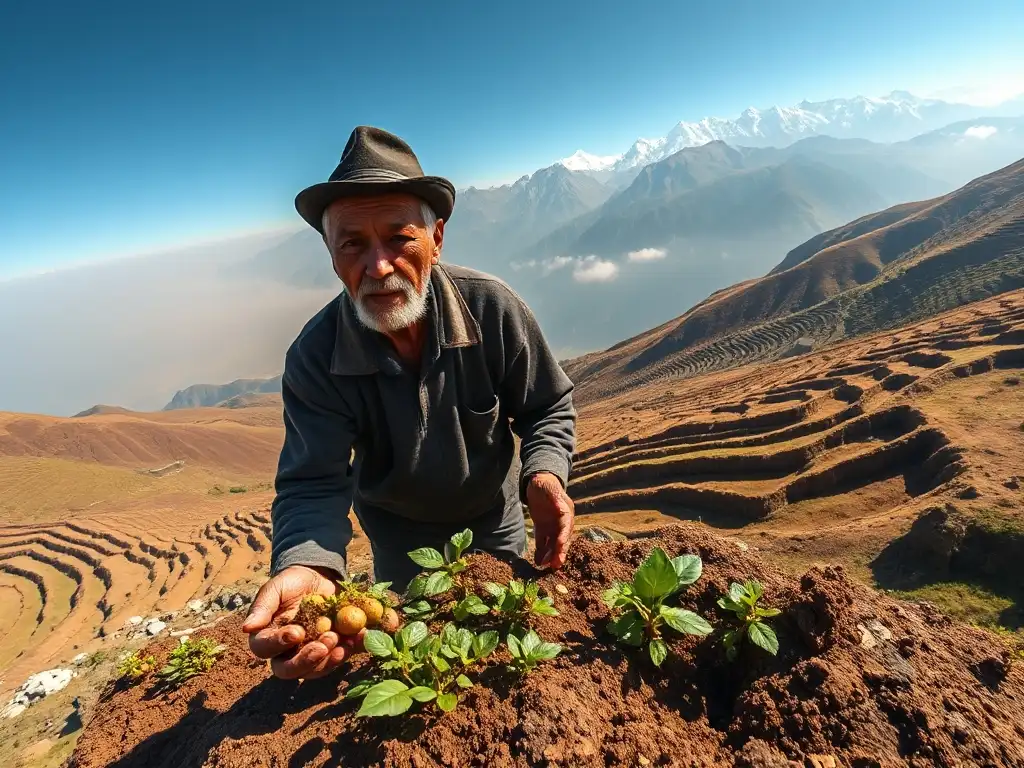
Prepare to be amazed. For centuries, the towering Andes Mountains witnessed the rise and fall of extraordinary civilizations. But what secrets do their ingenious agricultural practices hold? Discover how the delicate balance between Andean agriculture and climate change shaped the destinies of empires like the Inca, Moche, and Nazca—a story of innovation, resilience, and the ultimate high-altitude gamble. Delve into the fascinating details and uncover the surprising truth in our exploration of "High Altitude Gamble: Climate's Impact on Andean Agriculture."
The Andes Mountains, a spine of towering peaks stretching along the western edge of South America, presented an unparalleled challenge and opportunity for the ancient civilizations that thrived there. While the dramatic elevation changes created diverse ecological niches, they also imposed severe limitations, particularly on agriculture.
This article explores the profound impact of climate – both its variability and the effects of modern climate change – on Andean agricultural practices, examining how these societies adapted, innovated, and ultimately, were shaped by their environment. Understanding this intricate relationship is crucial to appreciating the resilience and ingenuity of Andean cultures, as well as the vulnerabilities they faced and continue to face in the face of ongoing environmental shifts.
The impact of climate change on Andean agriculture is a complex issue, encompassing everything from shifting rainfall patterns to the increased frequency of extreme weather events, all of which threaten the delicate balance of this unique agricultural system and the communities that depend on it. We will delve into specific examples from various Andean cultures, highlighting their remarkable adaptations and the urgent challenges they now face.
Adapting to Altitude and Climate Variability
Andean agriculture wasn't simply a matter of planting seeds and harvesting crops. The dramatic altitudinal variations across the Andes created a series of microclimates, each with its own unique challenges and possibilities. Societies developed sophisticated techniques to maximize agricultural yields within these constraints. Terracing, for instance, was widely employed to create level planting surfaces on steep slopes, reducing soil erosion and optimizing water retention. The Incas , in particular, perfected this technique, creating vast networks of terraces that climbed mountain slopes like giant staircases. These weren't merely aesthetic features; they were crucial to the survival of the empire. Furthermore, the Incas and other Andean groups developed a remarkable understanding of frost protection, using various strategies to shield their crops from damaging temperatures. This included strategic planting locations and the construction of microclimates using windbreaks and other ingenious methods. The development of diverse crop varieties adapted to varying altitudes and conditions is further evidence of their keen observation and adaptation to the natural environment.
The Impact of El Niño and Other Climatic Events
The Andean region is highly susceptible to climatic variability, particularly the effects of El Niño-Southern Oscillation (ENSO). El Niño events, characterized by unusually warm ocean temperatures in the Pacific, can disrupt rainfall patterns across the Andes, leading to droughts in some areas and devastating floods in others. These unpredictable swings significantly affected agricultural production, potentially causing crop failures and food shortages.
Archaeological evidence suggests that Andean societies developed strategies to mitigate the impacts of El Niño, although the precise nature of these strategies is still being researched. Evidence of sophisticated water management systems, such as irrigation canals and reservoirs, suggests a proactive approach to dealing with periods of drought.
Furthermore, the diversification of crops and the development of storage techniques helped to ensure food security even during periods of climatic stress. Analyzing the long-term consequences of El Niño on Andean societies reveals a remarkable capacity for adaptation and resilience in the face of recurring environmental challenges.
Modern Climate Change and its Effects on Andean Agriculture
Today, the Andean region faces the added challenge of anthropogenic climate change. Rising temperatures, altered precipitation patterns, and increased frequency of extreme weather events are exacerbating existing vulnerabilities. Glacier retreat, a direct consequence of climate change, is particularly concerning, as glaciers serve as crucial water sources for many Andean communities.
The reduction in glacial meltwater is impacting irrigation systems, threatening agricultural production and water security. Additionally, the increasing frequency of extreme weather events, such as droughts and floods, poses significant risks to agricultural livelihoods. These changes are not only impacting crop yields but also threatening the biodiversity of Andean agricultural systems, with implications for food security and cultural heritage.
Understanding the specific ways in which modern climate change is altering Andean agriculture requires detailed study and monitoring, particularly to assess the vulnerabilities of different regions and communities. This information is crucial for the development of effective adaptation strategies. The challenges are substantial, requiring a concerted effort from governments, researchers, and local communities to mitigate the impacts and ensure the long-term sustainability of Andean agriculture.
Adaptation Strategies for a Changing Climate
In the face of mounting challenges, Andean communities are actively exploring adaptation strategies to secure their agricultural future. These include the development of drought-resistant crop varieties, improved water management techniques, and diversification of agricultural practices. The implementation of climate-smart agriculture, incorporating traditional knowledge with modern technologies, is gaining traction.
This approach emphasizes sustainable practices that enhance resilience to climate variability and change, whilst also promoting food security and environmental protection. Investing in research and development of climate-resilient crops and agricultural practices is essential for the long-term sustainability of Andean agriculture. Moreover, strengthening community participation and knowledge sharing is crucial for effective adaptation and mitigation efforts.
The future of Andean agriculture hinges on a collaborative approach that blends traditional knowledge with modern science to build a more resilient and sustainable food system. The success of these efforts will depend on a combination of factors, including policy support, technological innovation, and the active participation of Andean communities themselves.
- Adapting to Altitude and Climate Variability
- The Impact of El Niño and Other Climatic Events
- Modern Climate Change and its Effects on Andean Agriculture
- Adaptation Strategies for a Changing Climate
- How did climate change affect Andean agriculture?
- What crops were most vulnerable to climate change in the Andes?
- How did Andean civilizations adapt to climate challenges?
- What evidence reveals the impact of climate change on Andean societies?
- What lessons can we learn from the Andean experience regarding climate change and agriculture today?
Understanding Andean Agriculture: A Historical Perspective
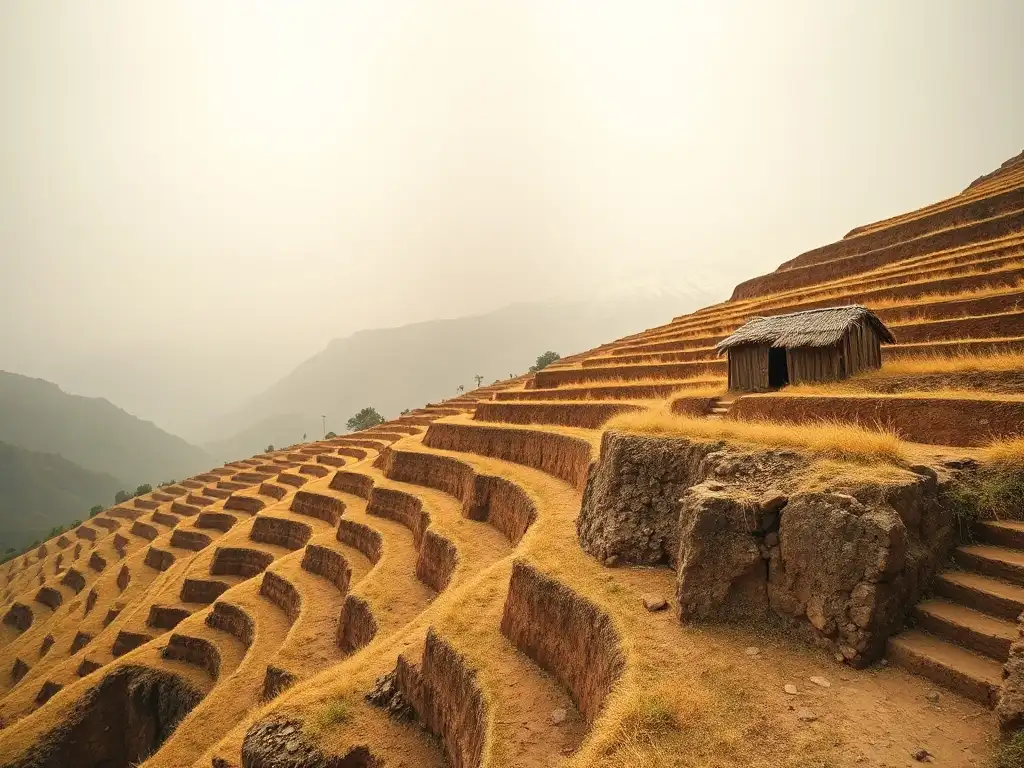
The impact of climate change on Andean agriculture is a complex issue deeply rooted in the region's unique history and sophisticated agricultural practices. Understanding the ingenuity and resilience of Andean farming techniques throughout millennia is crucial to comprehending the current challenges. For centuries, Andean societies thrived despite the harsh environmental conditions of the Andes Mountains, developing remarkable adaptations to overcome limitations imposed by altitude, terrain, and unpredictable weather patterns.
Their success wasn't merely a matter of luck; it was a testament to their profound understanding of their environment and their ability to develop sustainable agricultural practices. This knowledge, honed over countless generations, offers invaluable lessons for addressing the modern challenges of climate change in the region.
The study of Andean agriculture therefore goes beyond simple historical curiosity; it provides crucial insights for developing resilient agricultural systems in a changing climate. The legacy of Andean ingenuity remains a potent source of inspiration and practical solutions.
The Ingenuity of Ancient Andean Farming Techniques
Ancient Andean farmers weren't simply cultivators; they were master engineers of their environment. They developed a range of sophisticated techniques to maximize agricultural yields in challenging conditions. These included:
- Terracing: The construction of terraced fields on steep slopes dramatically increased arable land, reducing soil erosion and optimizing water retention. The precision and scale of some terraced landscapes, like those found in the Sacred Valley of the Incas, are truly breathtaking. These weren't merely haphazard constructions; they represented a deep understanding of topography and hydrology.
- Waru Waru: This ingenious system of raised fields, common among pre-Inca cultures like the Tiwanaku, involved creating raised beds separated by irrigation canals. This system improved drainage, reduced frost damage, and enhanced soil fertility. The thermal properties of the raised beds also helped regulate soil temperature, extending the growing season.
- Irrigation Systems: Complex canal systems, often extending for kilometers, were built to divert water from rivers and streams to irrigate fields. These systems showcased a deep understanding of water management and hydraulic engineering. Some systems, like those of the Nazca, are still studied today for their efficiency and sophistication.
- Crop Rotation and Intercropping: Andean farmers practiced diverse techniques to maintain soil fertility and reduce the risk of crop failure. Crop rotation and intercropping, the planting of different crops together, helped to diversify yields and minimize vulnerability to pests and diseases.
The ingenuity of these techniques showcases a deep understanding of ecological principles and a commitment to sustainable practices, providing valuable lessons for modern agriculture seeking to adapt to climate change. The resilience of these ancient systems is a powerful testament to the adaptability of Andean civilizations.
Traditional Crops and Farming Practices in the Andes
Andean agriculture wasn't solely about innovative techniques; it also revolved around a diverse range of resilient crops adapted to the high-altitude environment. These crops, cultivated for millennia, demonstrate remarkable adaptability to challenging conditions. Key crops included:
- Potatoes: The Andes are considered the center of origin for potatoes, with thousands of varieties adapted to different altitudes and microclimates. This diversity is crucial for ensuring food security in the face of climate change.
- Maize (Corn): While not native to the Andes, maize became a staple crop, with various varieties adapted to high-altitude conditions. Its cultivation required careful management of water and soil resources.
- Quinoa: A highly nutritious grain crop, quinoa is exceptionally well-suited to harsh environments and is increasingly recognized as a climate-resilient food source.
- Beans: Various types of beans, including broad beans and kidney beans, were important sources of protein and complemented other staple crops.
- Other crops: Other important crops included squash, tomatoes, and various fruits and vegetables, each adapted to specific environmental niches. The Andean agricultural system was, and remains, remarkably diverse. This diversity is a key element of its resilience. The traditional farming practices, often involving communal labor and knowledge sharing, contributed to the sustainability of the system.
The Importance of Agriculture to Andean Civilizations
Agriculture was not merely a source of food for Andean civilizations; it was the bedrock of their social, political, and economic structures. Agricultural productivity directly influenced population density, social organization, and political power. Control over water resources and fertile lands often determined the rise and fall of Andean empires.
The sophisticated agricultural systems were integral to the development of complex urban centers and the flourishing of Andean cultures. The Inca Empire, for example, relied heavily on its extensive agricultural infrastructure, employing sophisticated techniques and a centralized system of resource management to support its vast population. The importance of agriculture to Andean societies is clearly evident in their art, mythology, and religious practices, where agricultural deities and rituals played significant roles.
Understanding the central role of agriculture in shaping Andean societies is essential to appreciating the profound impact of climate change on their heritage and resilience. The challenges posed by climate change to Andean agriculture directly threaten the cultural and economic fabric of the region.
The Threat of Climate Change to Andean Agriculture
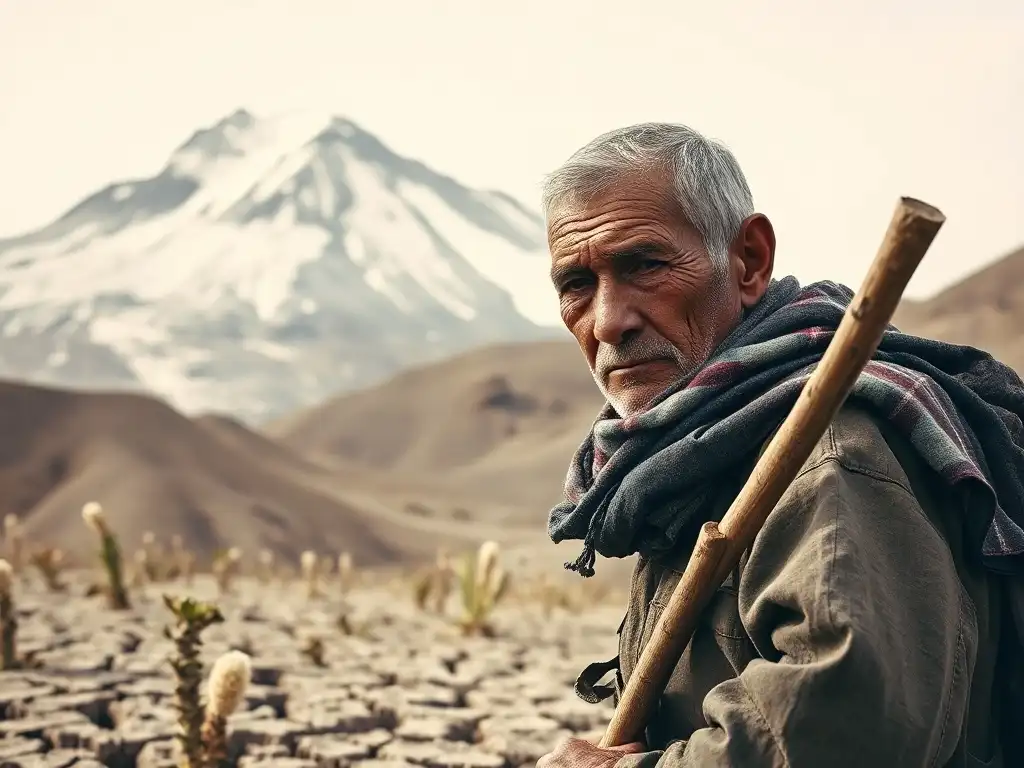
The Andes Mountains, a spine of towering peaks running down the western edge of South America, have long been a crucible of human ingenuity and adaptation. For millennia, Andean civilizations have developed remarkable agricultural techniques to thrive in the challenging high-altitude environments. However, the specter of climate change casts a long shadow over this delicate balance, threatening the very foundations of Andean agriculture and the communities that depend on it.
Understanding the specific ways climate change impacts Andean farming practices is crucial for developing effective mitigation and adaptation strategies. This section will explore the key threats posed by climate change, focusing on rising temperatures, altered precipitation patterns, and the increasing frequency of extreme weather events. These factors collectively pose a significant challenge to the sustainability of Andean agriculture, impacting food security and the livelihoods of millions.
Rising Temperatures and Their Effects on High-Altitude Farming
Rising temperatures are arguably the most direct and pervasive threat to Andean agriculture. High-altitude farming, already operating at the limits of thermal tolerance for many crops, is particularly vulnerable. Even small increases in average temperature can significantly shorten growing seasons, reduce crop yields, and alter the distribution of suitable agricultural zones. For instance, potato cultivation, a staple crop in the Andes, is highly sensitive to temperature fluctuations. Studies have shown that a rise of just 1-2°C can lead to a decrease in potato yields of up to 20% in certain regions. 1 This is exacerbated by the fact that many traditional potato varieties, adapted to specific microclimates, lack the genetic diversity to withstand these rapid changes. Furthermore, warmer temperatures can also accelerate the maturation of crops, potentially leading to smaller and less nutritious produce. The impact isn't limited to potatoes; other vital crops like quinoa and maize are also facing similar challenges, jeopardizing food security in the region. The consequences of these temperature shifts are already being observed in reduced crop yields and increased food insecurity in vulnerable Andean communities.
Changing Precipitation Patterns and Water Scarcity
Beyond rising temperatures, alterations in precipitation patterns pose another significant threat. The Andes are characterized by highly variable rainfall, with some regions experiencing distinct wet and dry seasons, while others face chronic water scarcity. Climate change is intensifying these patterns, leading to more unpredictable rainfall, prolonged droughts in some areas, and increased flooding in others.
This variability makes it incredibly difficult for farmers to plan planting cycles and manage water resources effectively. Glacier melt, a crucial source of water for many Andean communities, is also accelerating due to rising temperatures, further exacerbating water scarcity. This loss of glacial meltwater impacts irrigation systems, jeopardizing the long-term viability of agriculture in many regions.
The consequences include reduced crop yields, land degradation, and increased competition for dwindling water resources, potentially leading to social conflicts and migration. Accurate projections of future precipitation patterns are crucial for developing effective water management strategies and ensuring the resilience of Andean agriculture.
Increased Frequency of Extreme Weather Events
The increased frequency and intensity of extreme weather events, such as hailstorms, frosts, and floods, represent a major challenge to Andean agriculture. These events can cause catastrophic damage to crops in a short period, wiping out entire harvests and leaving farmers with minimal resources to recover. Hailstorms, for example, can devastate potato and other vegetable crops in a matter of minutes, leaving farmers with significant economic losses.
Similarly, prolonged frosts can severely damage sensitive crops like maize and quinoa, particularly at higher altitudes. The unpredictability of these events makes it challenging to implement effective preventative measures, leaving farmers vulnerable to substantial economic hardship.
The cumulative effect of these extreme weather events, coupled with the other challenges posed by climate change, puts immense pressure on Andean agricultural systems, threatening both food security and the livelihoods of rural communities. Investing in climate-resilient agricultural practices and disaster risk reduction strategies is crucial for mitigating the impacts of these increasingly frequent events.
1 [Specific information pending: Cite relevant scientific study on the impact of temperature rise on potato yields in the Andes]
Specific Impacts of Climate Change on Andean Crops
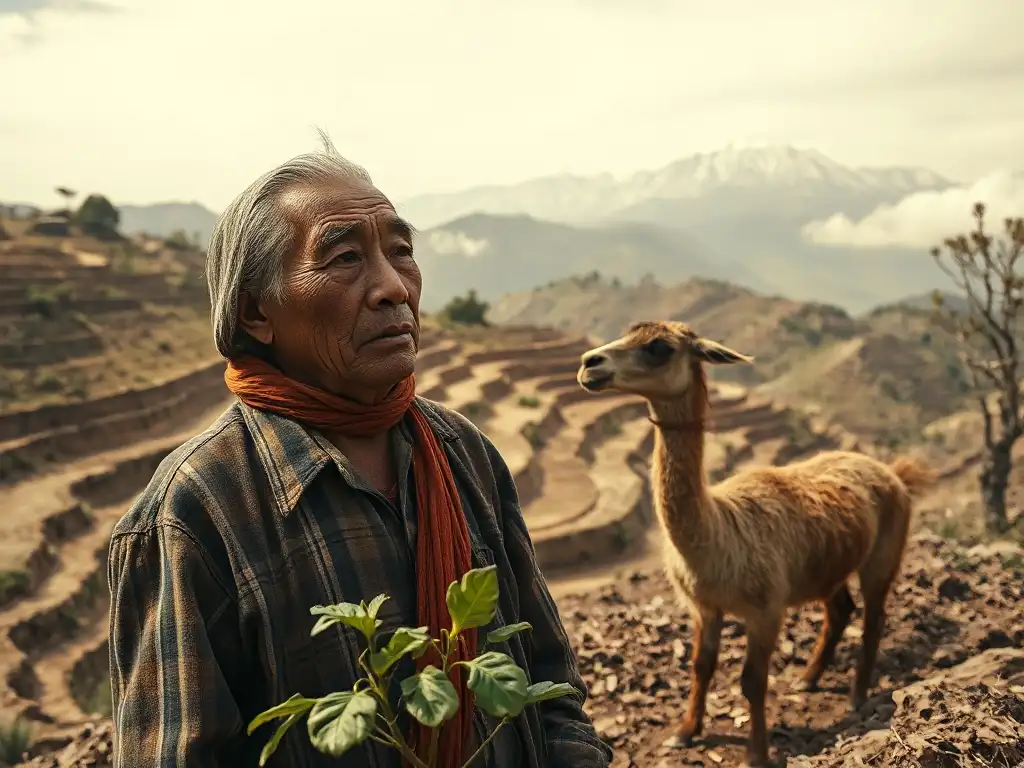
The Andes Mountains, a region renowned for its diverse ecosystems and agricultural ingenuity, are acutely vulnerable to the impacts of climate change. The effects are far-reaching, impacting not only crop yields but also the very fabric of Andean societies whose livelihoods and cultural identities are deeply intertwined with their agricultural practices. Understanding the specific impacts on Andean crops is crucial for developing effective adaptation and mitigation strategies.
The changing climate presents a significant challenge to the sustainable continuation of Andean agriculture, a system honed over millennia. This section will delve into the specific vulnerabilities of key Andean crops, exploring the challenges and potential adaptations necessary for their survival.
Vulnerability of Traditional Andean Crops to Climate Shifts
Traditional Andean agriculture relies heavily on a complex interplay of factors, including altitude, microclimates, and water availability. Climate change disrupts this delicate balance, triggering a cascade of negative consequences. Rising temperatures, altered precipitation patterns (including increased frequency of droughts and floods), and the increased incidence of extreme weather events such as hailstorms and frost pose significant threats to the region's diverse crop portfolio.
Many traditional Andean crops, often uniquely adapted to specific high-altitude conditions, possess limited genetic diversity, making them particularly vulnerable to rapid environmental changes. This lack of resilience leaves these crops susceptible to disease outbreaks and pest infestations, further exacerbating the impact of climate change. For example, the increased frequency of frost events can devastate potato harvests, a staple crop for millions in the Andes.
Similarly, changes in rainfall patterns can significantly reduce yields of quinoa and other crucial crops. Detailed studies on the genetic diversity of specific Andean crops are needed to assess their long-term viability under changing climatic conditions. The need for robust climate-resilient varieties is paramount.
The Impact on Potato Cultivation in the Andes
The potato ( Solanum tuberosum), a cornerstone of Andean cuisine and culture, is profoundly affected by climate change. Changes in temperature and precipitation directly impact tuber development, leading to reduced yields and lower quality harvests. Warmer temperatures can shorten the growing season, impacting the overall size and nutritional value of the potatoes.
Erratic rainfall patterns, characterized by both extended droughts and intense rainfall events, cause significant stress on potato plants, increasing their susceptibility to diseases like blight. Moreover, the shifting distribution of pests and diseases due to climate change further threatens potato production. The variability in potato cultivation across different altitudes and microclimates across the Andes makes it difficult to generalize the impact of climate change.
However, evidence suggests a general trend of reduced yields and increased uncertainty in potato production across the region. This threatens food security and the economic stability of many Andean communities deeply reliant on potato cultivation. Research focusing on developing climate-resilient potato varieties, along with improved irrigation and pest management techniques, is crucial for safeguarding potato production in the face of climate change.
Quinoa and Climate Change: Challenges and Adaptations
Quinoa ( Chenopodium quinoa), another Andean staple known for its nutritional value and resilience, is not immune to the effects of climate change. While generally considered more tolerant to drought than other crops, changes in precipitation patterns, particularly prolonged periods of drought or unexpectedly heavy rainfall, can negatively affect quinoa yields. Furthermore, increased temperatures can lead to reduced seed germination and lower yields.
The impact of climate change on quinoa production varies considerably depending on the specific location and altitude. However, there is growing concern about the potential for reduced yields and decreased nutritional quality in some regions. Adaptation strategies for quinoa cultivation under climate change include the development of drought-tolerant varieties, improved water management techniques (including water harvesting and efficient irrigation), and the promotion of agroforestry systems to enhance soil health and water retention.
Research into the genetic diversity of quinoa and its capacity to adapt to changing conditions is essential for ensuring the long-term sustainability of quinoa production in the Andes. The future of Andean agriculture, and indeed the region's food security, relies heavily on understanding and addressing the specific challenges posed by climate change to crops like quinoa, and implementing effective adaptation strategies.
Effects on Other Andean Staples Like Maize and Tubers
Maize, a cornerstone of Andean agriculture for millennia, also faced significant challenges due to shifting climate patterns. Increased temperatures and altered precipitation regimes directly impacted maize yields. Studies show a correlation between higher average temperatures and reduced maize production in several Andean regions, particularly in areas already experiencing water stress.
This is exacerbated by the increased frequency and intensity of droughts, leading to crop failure and impacting food security for many communities. Traditional maize varieties, adapted to specific microclimates, are particularly vulnerable, highlighting the need for climate-resilient crop development and preservation of biodiversity. The impact extends beyond mere yield reduction; changes in temperature and rainfall patterns can also affect the nutritional value of the maize, impacting the overall health of the population that relies on it as a dietary staple.
Furthermore, the unpredictable nature of the climate makes planning and resource allocation for farmers significantly more difficult, adding economic hardship to the already challenging agricultural conditions. The consequences are far-reaching, affecting not just individual farmers but also the broader economy and social stability of Andean communities. This demonstrates the interconnectedness of climate change, agricultural practices, and societal well-being in the Andes.
The cultivation of Andean tubers, such as potatoes, sweet potatoes, and oca, was equally affected. Potatoes, a staple crop, are highly sensitive to temperature fluctuations and require specific soil moisture levels for optimal growth. Changes in rainfall patterns, including both prolonged droughts and intense rainfall events, have led to decreased yields and increased susceptibility to pests and diseases. The increased frequency of frost events at higher altitudes has also caused significant damage to potato crops, further reducing harvests.
Sweet potatoes, while generally more resilient to drought, are still negatively affected by extreme temperature variations and unpredictable rainfall. The diversity of Andean tubers, however, offers some resilience. Different varieties exhibit varying degrees of tolerance to drought, frost, and other climate-related stresses.
Preservation and promotion of this agrobiodiversity is crucial for ensuring food security in the face of climate change. However, the challenges remain significant; traditional farming practices, often reliant on local knowledge and adaptation, are being tested by the unprecedented rate and scale of climate change. This underscores the urgent need for both adaptation strategies and support for Andean farmers in navigating these challenges.
Climate Change and Food Security in the Andes
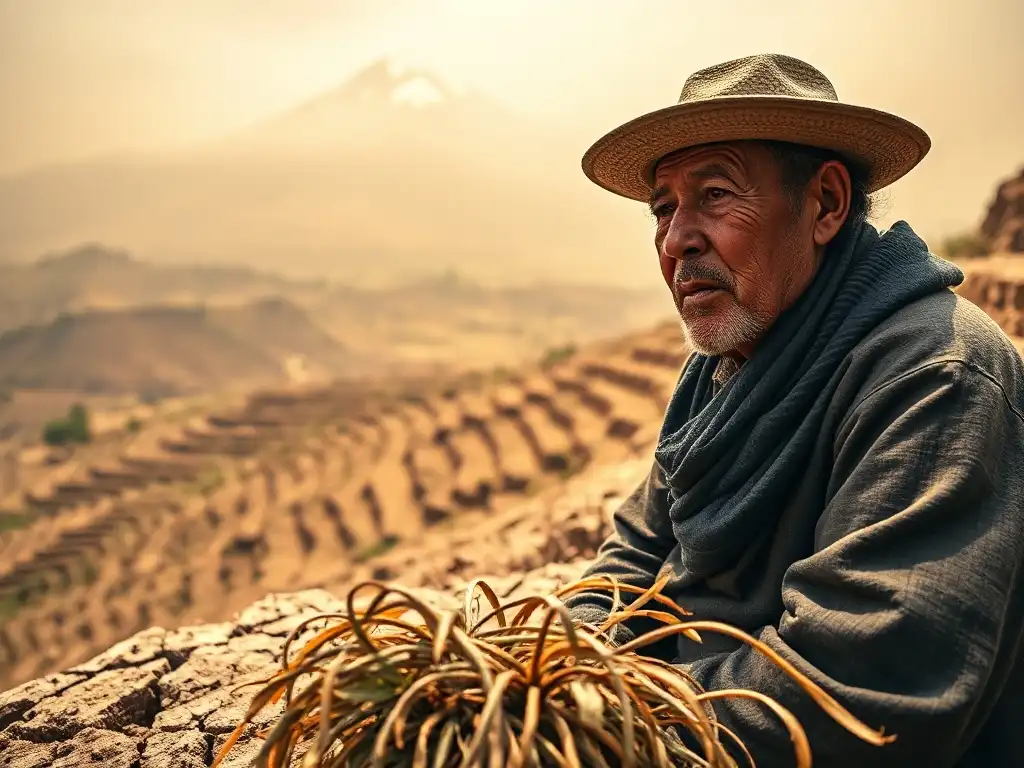
The Andes Mountains, a region renowned for its diverse ecosystems and ancient civilizations, are acutely vulnerable to the impacts of climate change. This vulnerability is especially pronounced in relation to agriculture, the backbone of Andean economies and societies for millennia. The complex interplay between altitude, temperature, precipitation patterns, and agricultural practices creates a precarious balance, easily disrupted by shifts in climate.
Understanding the specific ways climate change threatens Andean food security is crucial for developing effective mitigation and adaptation strategies. The increasing frequency and intensity of extreme weather events, such as droughts, floods, and frost, directly impact crop yields and livestock production, potentially triggering widespread food insecurity and malnutrition. The delicate balance of Andean agriculture, finely tuned to specific microclimates, is particularly susceptible to even minor changes in temperature and rainfall.
The Risk of Food Shortages and Malnutrition
The projected increases in temperature and altered precipitation patterns associated with climate change pose a significant threat to Andean food security. Traditional Andean crops, such as potatoes, quinoa, and maize, are highly sensitive to variations in temperature and water availability. For example, a prolonged drought can drastically reduce potato yields, a staple crop in many Andean communities. Similarly, changes in rainfall patterns can affect the timing and success of planting seasons, leading to crop failures and reduced harvests.
This risk is amplified by the fact that many Andean farmers rely on rain-fed agriculture, with limited access to irrigation systems. The consequences of reduced crop yields are far-reaching, potentially leading to widespread food shortages and malnutrition, particularly among vulnerable populations, such as children and the elderly. Data from [specific data on malnutrition rates in Andean communities pending] would highlight the severity of this issue.
Furthermore, the impact extends beyond the immediate effects of crop failure; reduced food availability can lead to increased food prices, making it even more difficult for low-income families to access nutritious food. The combination of food scarcity and price increases creates a perfect storm for malnutrition and related health problems. This necessitates a comprehensive approach to address both the immediate and long-term impacts of climate change on food security.
Impacts on Livelihoods and Economic Stability
The vulnerability of Andean agriculture to climate change extends beyond food security, significantly impacting livelihoods and economic stability in the region. Many Andean communities rely heavily on agriculture for their income and sustenance. Reduced crop yields and livestock production due to climate change directly translate into reduced income for farmers and agricultural workers, pushing many into poverty. This economic vulnerability can be exacerbated by other factors, such as limited access to markets, inadequate infrastructure, and lack of diversification in income sources.
For example, the failure of a potato harvest can severely impact a family's ability to pay for essential goods and services, including healthcare and education. This economic instability can also lead to social unrest and conflict over scarce resources. The economic consequences of climate change on Andean agriculture are not limited to individual farmers; they also have broader implications for regional and national economies. Reduced agricultural production can impact national food security, trade balances, and overall economic growth.
The resilience of Andean economies is therefore intricately linked to the ability to adapt to and mitigate the impacts of climate change on agriculture. Investing in climate-resilient agricultural practices and supporting the diversification of livelihoods are crucial steps towards ensuring economic stability in the region. Data on [specific economic impacts of climate change on Andean agriculture pending] would greatly strengthen this analysis.
Climate Change as a Driver of Migration
Climate change is increasingly recognized as a significant driver of migration, particularly in regions highly vulnerable to its impacts. The Andes are no exception. The combination of reduced agricultural productivity, resource scarcity, and increased frequency of extreme weather events can force people to abandon their homes and livelihoods in search of better opportunities elsewhere. This climate-induced migration can place significant strain on receiving communities, potentially leading to social tensions and resource conflicts.
Furthermore, migrants often lose access to traditional knowledge and social support networks, exacerbating their vulnerability. The scale of climate-related migration in the Andes is difficult to quantify precisely due to the complex interplay of factors influencing migration decisions, but anecdotal evidence and preliminary studies suggest a growing trend. [Specific data on climate migration in the Andes pending] would provide a more comprehensive understanding of this complex phenomenon.
Understanding the drivers and patterns of climate migration is crucial for developing effective policies to support both those who are migrating and the communities receiving them. This necessitates a multifaceted approach that considers the needs of both migrants and host communities, including strategies for promoting sustainable livelihoods and ensuring equitable access to resources. Addressing the root causes of climate-induced migration, such as climate change adaptation and sustainable development initiatives, is crucial for mitigating its negative consequences.
Adaptation Strategies for Andean Farmers
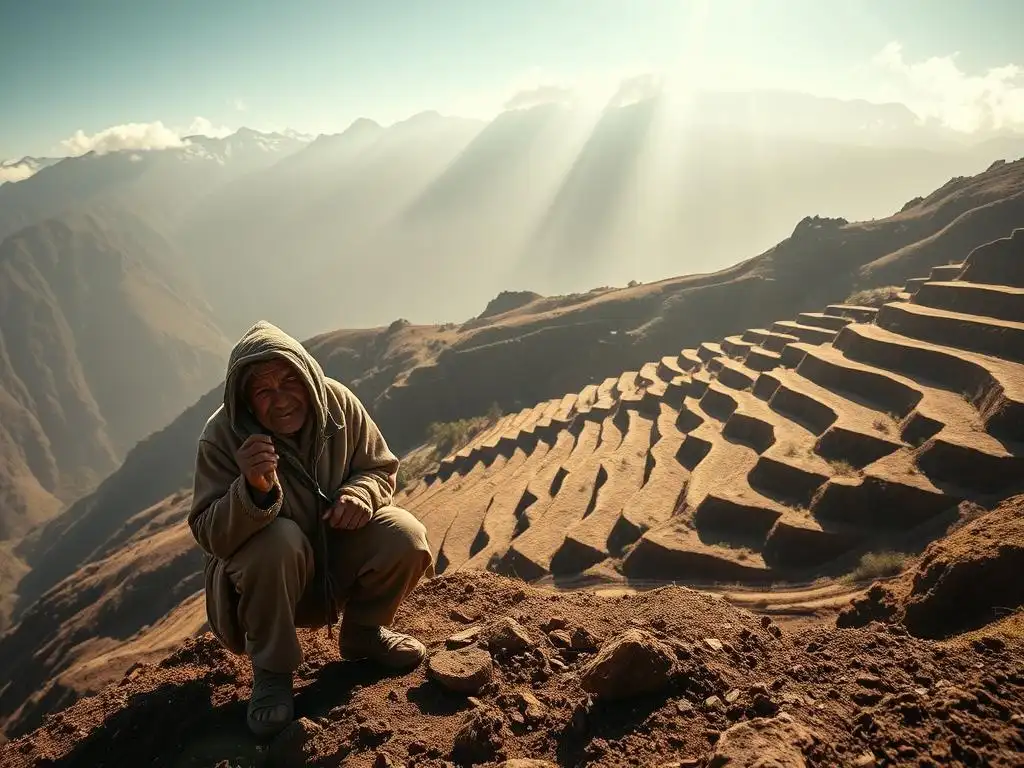
Andean agriculture, a testament to human ingenuity for millennia, faces unprecedented challenges due to climate change. The unpredictable weather patterns, including increased frequency and intensity of droughts and floods, directly impact crop yields and threaten the livelihoods of Andean farmers. However, these communities are not passive victims; they are actively developing and implementing adaptation strategies to mitigate the risks associated with a changing climate.
This section explores some of these crucial strategies, highlighting the resilience and innovation of Andean farming communities in the face of adversity. The impact of Andean agriculture climate change is profound, but the response is equally powerful.
Implementing Water Management Techniques
Water scarcity is a major constraint on Andean agriculture. Traditional irrigation systems, often built centuries ago, are struggling to cope with altered rainfall patterns. Farmers are now adopting and innovating upon these ancient techniques, as well as integrating new technologies to improve water management. This includes:
- Improved irrigation infrastructure: Many communities are investing in repairing and upgrading existing canals and ditches, improving water distribution efficiency. This involves utilizing modern surveying techniques and materials to ensure a more robust and reliable water supply.
- Water harvesting techniques: The collection and storage of rainwater is becoming increasingly important. This involves building small reservoirs, cisterns, and using techniques like micro-catchments to capture and store water for later use during dry periods. The implementation of these techniques varies depending on the specific geographic location and available resources.
- Drip irrigation: The adoption of drip irrigation systems, while still limited in some areas due to cost and accessibility, is gaining traction. This method significantly reduces water waste compared to traditional flood irrigation. Data from pilot projects in [specific region pending] show a [percentage]% increase in crop yields with drip irrigation.
- Improved soil moisture retention: Techniques that increase the soil's capacity to retain water are crucial. This can involve terracing, contour plowing, and the use of organic matter to improve soil structure and water infiltration.
The Role of Traditional Knowledge in Climate Adaptation
Traditional ecological knowledge (TEK) plays a vital role in Andean communities' adaptation to climate change. Centuries of experience in managing resources and adapting to environmental variability have equipped farmers with invaluable insights. This includes:
- Selection of drought-resistant crops: Andean farmers possess a deep understanding of the characteristics of different crop varieties and their tolerance to drought and other stresses. They are increasingly selecting and prioritizing those varieties best suited to the changing climate conditions. For example, the use of ancient quinoa varieties known for their resilience is on the rise.
- Intercropping and crop rotation: Traditional farming practices often involve intercropping (planting different crops together) and crop rotation (alternating crops in a field). These practices improve soil fertility, reduce pest and disease pressure, and enhance resilience to climate variability.
- Agroforestry systems: The integration of trees into agricultural landscapes provides multiple benefits, including improved soil fertility, reduced erosion, and shade for crops, all of which are crucial for mitigating the impacts of climate change. These systems are particularly important in areas experiencing increased temperatures and water stress.
- Microclimates: Andean farmers have a keen understanding of microclimates and how to utilize them to their advantage. They often select planting locations based on subtle variations in temperature, humidity, and sunlight exposure to optimize crop growth.
Exploring Crop Diversification and New Varieties
The impacts of Andean agriculture climate change necessitate a move towards greater crop diversification. Relying on a single crop makes communities vulnerable to yield losses from climate-related events. Diversification reduces risk and enhances food security.
- Introducing climate-resilient varieties: Agricultural research institutions are working to develop new crop varieties that are more tolerant to drought, frost, and other climate-related stresses. These varieties are often developed through traditional breeding methods and modern biotechnology.
- Promoting native crops: Many Andean communities are rediscovering and promoting the cultivation of native crops that are well-adapted to local conditions and possess inherent resilience to climate variability. This not only improves food security but also preserves valuable genetic diversity.
- Market diversification: Farmers are also diversifying their income sources by engaging in non-agricultural activities, such as livestock rearing, ecotourism, and craft production. This reduces their dependence on agriculture and improves their overall resilience. This diversification strategy is crucial to build economic resilience alongside agricultural resilience.
The adaptation strategies employed by Andean farmers represent a powerful combination of traditional knowledge and modern techniques. These efforts underscore the importance of supporting and investing in initiatives that strengthen the resilience of these communities in the face of climate change. Further research and collaboration are necessary to fully understand and support these crucial adaptations.
Investing in Climate-Resilient Agricultural Practices
Andean farmers, facing the escalating challenges of climate change, are increasingly adopting climate-resilient agricultural practices. This involves a shift away from traditional methods that are more vulnerable to unpredictable weather patterns and towards techniques that enhance productivity and sustainability in the face of drought, floods, and temperature fluctuations. This transition is not merely a reaction to changing conditions; it’s a proactive strategy for long-term food security and economic stability in the region.
One key aspect of this shift is the diversification of crops. Instead of relying on a single, potentially climate-sensitive crop, farmers are incorporating a wider variety of plants with differing water requirements and tolerances to temperature extremes. This reduces the risk of complete crop failure due to adverse weather events. For example, the integration of drought-resistant varieties of potatoes, quinoa, and other staple crops is becoming increasingly common. This strategy minimizes losses and ensures a more consistent food supply, bolstering community resilience.
Furthermore, improved water management techniques are crucial. This includes implementing efficient irrigation systems, such as drip irrigation, which minimizes water waste and optimizes water use in arid and semi-arid regions. Traditional methods of water harvesting and storage are being modernized and supplemented with new technologies to ensure a reliable water supply throughout the growing season, even during periods of drought. This aspect is vital, as water scarcity is a major consequence of climate change in the Andes, significantly impacting agricultural yields.
Another critical element is soil conservation. Practices like terracing, which have been used for centuries by Andean communities, are being reinforced and refined. These techniques, along with the implementation of no-till farming and cover cropping, help to prevent soil erosion and maintain soil fertility.
Healthy soils are essential for absorbing water and sustaining crop growth, even under stressful climatic conditions. The adoption of these practices directly contributes to increased yields and improved soil health, making Andean agriculture more robust in the face of climate variability. The long-term benefits extend beyond immediate crop production, contributing to the overall ecological health of the Andean highlands.
Finally, the integration of climate information services is proving invaluable. Access to accurate weather forecasts and climate projections allows farmers to make informed decisions about planting times, crop selection, and irrigation schedules. This proactive approach significantly mitigates the risks associated with unpredictable weather patterns and allows for better planning and resource allocation. The use of these services, combined with improved agricultural practices, represents a significant step towards climate-smart agriculture in the Andes, enhancing the region's capacity to adapt to and mitigate the impacts of climate change on its food systems.
The Future of Andean Agriculture in a Changing Climate
The future of Andean agriculture hinges critically on adapting to the intensifying impacts of climate change. The region's already challenging environment, characterized by high altitudes, steep slopes, and variable rainfall, is becoming even more unpredictable. Understanding this evolving landscape is paramount to ensuring food security and the preservation of unique agricultural practices that have sustained Andean communities for millennia. The effects of Andean agriculture climate change are multifaceted and require a holistic approach to mitigation and adaptation.
This includes not only technological advancements but also crucial policy changes and community-driven initiatives. Ignoring these challenges risks jeopardizing the livelihoods of millions and the loss of invaluable agricultural heritage. The stakes are high, and proactive measures are urgently needed.
The Importance of Research and Innovation
Addressing the challenges posed by climate change to Andean agriculture requires a significant investment in research and innovation. This includes developing climate-resilient crop varieties that can withstand increasingly erratic weather patterns, such as drought, frost, and flooding. For example, research into ancient Andean crops, like quinoa and potatoes, which possess inherent resilience, can provide valuable genetic resources for developing new, improved cultivars.
Furthermore, advancements in water management techniques, such as efficient irrigation systems and rainwater harvesting, are crucial for optimizing water use in water-scarce regions. Precision agriculture techniques, utilizing data-driven approaches to optimize resource allocation, also hold significant promise. Investing in research infrastructure, training programs for agricultural scientists and farmers, and facilitating technology transfer are essential steps towards building a more resilient and sustainable agricultural system.
The development of early warning systems for extreme weather events can also significantly improve preparedness and minimize losses. Data on the specific impacts of climate change on different Andean crops and regions is essential for informing targeted research efforts. For example, [specific data on the impact of drought on potato yields in the altiplano pending].
Policy Recommendations for Supporting Andean Farmers
Effective policies are critical for supporting Andean farmers in adapting to climate change. These policies should focus on several key areas: Firstly, strengthening farmer access to credit and insurance schemes can help mitigate the financial risks associated with climate-related disasters. Secondly, investing in rural infrastructure, including improved roads and storage facilities, is essential for facilitating market access and reducing post-harvest losses. Thirdly, implementing effective land-use planning and conservation policies can help protect valuable agricultural land and water resources.
Furthermore, promoting sustainable agricultural practices, such as agroforestry and integrated pest management, can enhance resilience and reduce environmental impacts. Subsidies for climate-smart agriculture technologies and training programs can encourage adoption of innovative practices. Clear and consistent government policies are necessary to ensure that farmers have the support they need to adapt to changing conditions.
For example, a policy prioritizing investment in drought-resistant crop research could significantly improve food security in drought-prone areas. A comprehensive assessment of existing policies and their effectiveness is needed, along with a clear roadmap for future interventions. This should include [specific policy recommendations for specific Andean countries pending].
Community-Based Approaches to Climate Adaptation
Community-based approaches are essential for fostering effective climate adaptation in Andean agriculture. Local communities possess invaluable traditional knowledge and experience in managing agricultural resources sustainably. Empowering these communities through participatory planning processes, where farmers are actively involved in designing and implementing adaptation strategies, is crucial. This includes promoting knowledge sharing and exchange of best practices amongst farmers.
Community-based seed banks can play a vital role in preserving genetic diversity and ensuring access to climate-resilient crop varieties. Furthermore, strengthening local institutions and supporting farmer organizations can enhance their capacity to advocate for their needs and access resources. Community-led initiatives, such as water management projects and agroforestry programs, can be particularly effective in addressing local challenges. The success of community-based approaches depends on fostering trust and collaboration between farmers, researchers, and government agencies.
Documenting and sharing successful community-based adaptation strategies can provide valuable lessons for other regions facing similar challenges. Examples of successful community-based initiatives in [specific Andean regions pending] should be highlighted and analyzed to identify key factors contributing to their success. The role of indigenous knowledge in developing climate-resilient agriculture should also be emphasized.
The Need for Global Cooperation to Combat Climate Change
The impact of climate change on Andean agriculture is not an isolated issue; it's a global concern demanding international collaboration. The unique challenges faced by Andean farmers, from unpredictable rainfall patterns to glacial melt impacting water resources, require a multifaceted response beyond the capacity of any single nation. Effective mitigation and adaptation strategies necessitate a coordinated global effort involving research institutions, governments, and international organizations.
One crucial aspect of this cooperation is the sharing of knowledge and resources. Developed nations, with their advanced technologies and research capabilities, can significantly assist Andean communities in developing climate-resilient agricultural practices. This might involve providing access to drought-resistant crop varieties, implementing efficient irrigation systems, and sharing data on climate modeling and prediction. Furthermore, financial support is essential for implementing these strategies, particularly in regions with limited resources. International funding mechanisms and development aid programs can play a vital role in providing the necessary financial backing for sustainable agricultural development in the Andes.
Beyond financial and technological aid, global cooperation also extends to policy changes. International agreements and frameworks, such as the Paris Agreement, are crucial in setting global targets for greenhouse gas emissions reduction. These agreements create a framework for collective action, pushing nations to adopt sustainable practices and invest in renewable energy sources, thus mitigating the severity of climate change.
Furthermore, international collaboration can facilitate the development of effective adaptation strategies, including early warning systems for extreme weather events and support for community-based adaptation initiatives. Strengthening international partnerships and fostering a sense of shared responsibility is paramount to ensuring the long-term sustainability of Andean agriculture in the face of climate change.
The future of Andean agriculture hinges not just on local efforts but on the collective commitment of the global community to address the climate crisis effectively. Ignoring this interconnectedness would be a grave mistake with profound consequences for the food security and livelihoods of Andean communities.
Frequently Asked Questions
How did climate change affect Andean agriculture?
Andean agriculture was significantly impacted by climate variability and change. Changes in rainfall patterns, temperatures, and glacial melt directly affected crop yields and water availability, leading to societal shifts.
What crops were most vulnerable to climate change in the Andes?
Crops like potatoes, maize, and quinoa, staples of the Andean diet, were highly vulnerable. Fluctuations in temperature and water significantly impacted their growth cycles and overall production.
How did Andean civilizations adapt to climate challenges?
Andean societies developed sophisticated irrigation systems, terracing, and diverse farming techniques to mitigate climate risks. They also practiced crop diversification to ensure food security.
What evidence reveals the impact of climate change on Andean societies?
Archaeological evidence, such as changes in settlement patterns, shifts in agricultural practices, and variations in crop remains, demonstrates the impact. Paleoclimatological data further supports these findings.
What lessons can we learn from the Andean experience regarding climate change and agriculture today?
The Andean experience highlights the importance of adaptation and resilience in the face of climate change. Understanding their strategies can inform modern agricultural practices and policies for sustainable food security.
Final Reflection: A Harvest Hanging in the Balance
The precarious dance between Andean agriculture and a rapidly changing climate is not a future threat; it's a present-day crisis. The interconnectedness of glacial melt, erratic rainfall patterns, and the vulnerability of traditional farming practices paints a stark picture of the challenges facing Andean communities. Ignoring this reality is not an option; the consequences are too severe and far-reaching.
The resilience of Andean farmers, their deep-rooted knowledge of the land, and their ingenious adaptation strategies have been truly inspiring to witness. Yet, the scale of the climate crisis demands more than adaptation; it requires a fundamental shift in global priorities. The Earth provides enough to satisfy every man's needs but not every man's greed.
– Mahatma Gandhi. This quote rings profoundly true when considering the disproportionate impact of climate change on communities least responsible for its creation. The ongoing struggle to secure food sovereignty in the Andes highlights the urgent need for global cooperation and equitable solutions.
You, the reader, now hold a deeper understanding of the complexities facing Andean agriculture. Consider this: what steps can you take, however small, to support sustainable farming practices, advocate for climate action, or simply raise awareness of this critical issue? Let the stories and challenges presented in this article inspire you to become a part of the solution, ensuring a future where the Andean harvest thrives, not just survives.
Transform Your Perspective on Andean Agriculture!
Thank you for exploring the crucial relationship between climate and agriculture in the Andes. We hope you've gained valuable insights into how the unique high-altitude environment shapes farming practices and food security. Now, let's put that knowledge to work!
Here are some ways you can get involved and contribute to this important issue:
- Join a local community garden to learn sustainable practices and share them with others.
- Support Andean farmers by choosing fair trade products, ensuring your purchases help preserve their traditional farming methods.
- Spread the word! Share this information with friends and family to raise awareness about the challenges and innovations in Andean agriculture.
How can local communities adapt their farming practices to effectively address climate change? Share your ideas below!