
The Enduring Legacy of Inca Religion in the Andes

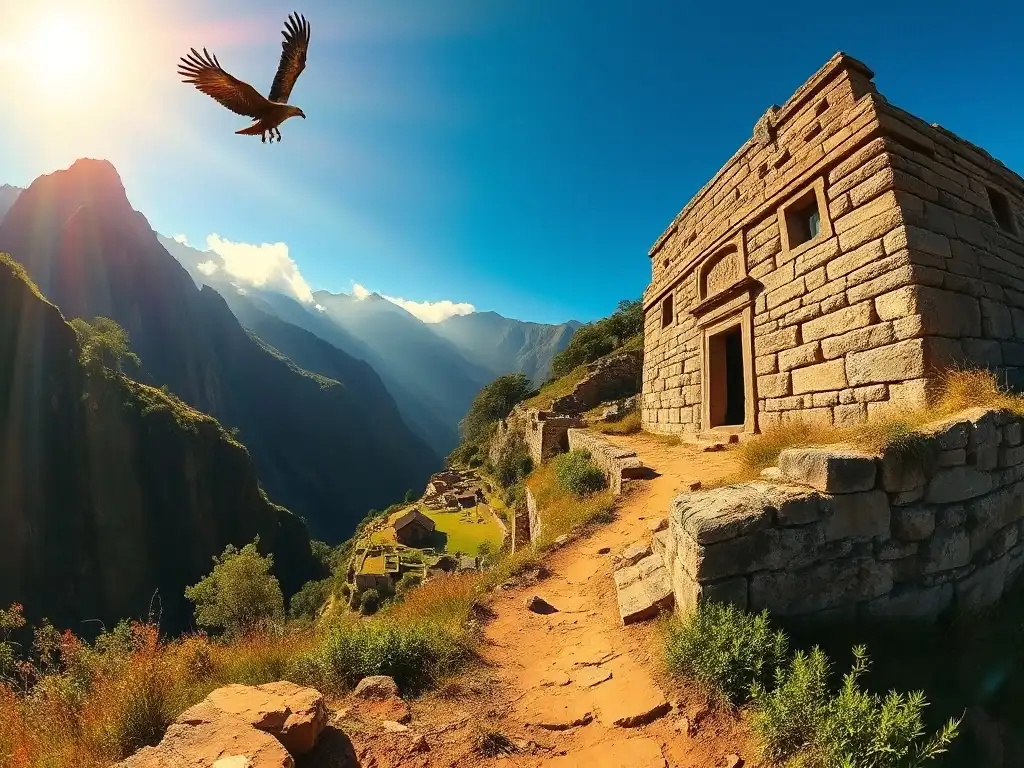
Step into a world lost to time, yet echoing in the vibrant tapestry of Andean culture. For centuries, the towering peaks and sun-drenched valleys bore witness to the rise and fall of magnificent empires. But what truly shaped their societies, their art, their very existence? Uncover the profound and lasting impact of Inca religion on Andean culture, a story woven into the very fabric of the Andes themselves. Prepare to be amazed by the enduring legacy of a civilization that continues to inspire awe. Journey with us to discover more…
The Inca Empire, a civilization that flourished in the Andes Mountains from the 15th to the 16th centuries, left behind a profound and lasting impact on the region's culture. While their sophisticated engineering and administrative systems are well-documented, the pervasive influence of Inca religion on Andean society often remains underappreciated. This article delves into the enduring legacy of Inca religious beliefs and practices, exploring how their cosmology, rituals, and worldview continue to resonate in the Andes today, even after the Spanish conquest.
We will examine the impact of Inca religion on various aspects of Andean culture, from its social structures and artistic expressions to its agricultural practices and environmental stewardship. Understanding this legacy is crucial for appreciating the complexity and continuity of Andean culture, highlighting the resilience and adaptation of indigenous beliefs in the face of colonization and globalization.
The enduring influence of Inca religion provides a fascinating case study in the power of belief systems to shape societies and leave an indelible mark on the landscape, both physical and cultural. The keyword "Inca religion impact on Andean culture" will be explored throughout this article, examining the lasting effects of this influential system of beliefs.
Introduction to Inca Religious Beliefs and Their Influence
Inca religion was deeply intertwined with the natural world, viewing mountains ( apus), rivers, and other geographical features as sacred entities imbued with spiritual power. The Inca worldview was characterized by a complex cosmology that included a pantheon of deities, headed by the creator god Viracocha. This supreme being was responsible for the creation of the universe and humanity. Below Viracocha were a multitude of other gods and spirits, each with specific domains and responsibilities.
The sun god, Inti, held particular importance, considered the ancestor of the Inca rulers and a vital source of life and energy. The Inca's deep reverence for Inti is evidenced in their elaborate sun temples and the significant role sun worship played in their rituals and ceremonies. This profound connection to the natural world and their intricate belief system significantly impacted various facets of their daily lives, shaping their social structures, agricultural practices, and artistic expressions. The influence of Inti, for example, is visible in the precise alignment of many Inca structures with the sun's movements, reflecting the importance of astronomical observations in their religious practices.
Furthermore, the Inca’s belief in the interconnectedness of the natural world promoted sustainable agricultural practices, such as terracing and irrigation systems, which continue to inspire modern-day Andean farming techniques. The impact of Inca religion on Andean culture is thus multifaceted and deeply rooted in their worldview. The reverence for the apus, for example, continues to be practiced in many Andean communities today, demonstrating the enduring strength of these ancient beliefs.
The Role of Rituals and Ceremonies in Inca Society
Inca religious practices revolved around a complex system of rituals and ceremonies designed to maintain harmony between the human and spiritual worlds. These rituals were not merely religious observances but integral components of Inca social life, playing a crucial role in maintaining social order, celebrating key life events, and ensuring agricultural success. Elaborate festivals, such as the Inti Raymi (Festival of the Sun), were held annually to honor the sun god and celebrate the harvest.
These events involved large-scale participation, featuring elaborate processions, sacrifices, and feasting, reinforcing social cohesion and strengthening the authority of the Inca rulers. Smaller, more localized rituals were also performed regularly, often involving offerings to local deities or spirits associated with specific places or activities. These rituals underscored the importance of reciprocity between humans and the supernatural world, highlighting the belief that proper conduct and offerings would ensure the continued well-being of the community.
The meticulous nature of these rituals, often involving intricate preparations and specialized priests, speaks volumes about their significance within Inca society. The impact of these ceremonies extended far beyond the immediate participants, shaping social norms, promoting community unity, and reinforcing the power of the Inca state. The enduring legacy of these practices can be observed in many contemporary Andean communities where similar rituals, albeit adapted and modified, are still performed.
Inca Art and Architecture as Expressions of Religious Beliefs
Inca art and architecture served not only aesthetic purposes but also functioned as powerful expressions of religious beliefs and cosmological concepts. The grandeur of Inca structures, such as Machu Picchu and Sacsayhuamán, reflects the importance of religious sites and the power of the Inca rulers who commissioned them. The precise astronomical alignments of many Inca buildings, including the placement of windows and doorways, showcase the significance of celestial observations in their religious practices and their deep understanding of astronomy.
Inca art, including textiles, ceramics, and metalwork, often depicted religious figures, symbols, and motifs, further reinforcing religious ideas and narratives. The intricate designs and symbolic representations found on these artifacts provide valuable insights into Inca cosmology and religious beliefs. For example, the frequent depiction of the sun, moon, and stars in Inca art highlights the central role these celestial bodies played in their worldview.
The impact of Inca religious beliefs on their artistic output is undeniable, creating a rich visual legacy that continues to inspire awe and fascination today. The enduring aesthetic and symbolic value of Inca art and architecture demonstrates the powerful way in which religious beliefs were integrated into all aspects of Inca life, leaving an enduring mark on Andean culture.
The Persistence of Inca Religious Traditions in Contemporary Andean Culture
Despite the Spanish conquest and the subsequent suppression of Inca religion, many aspects of Inca religious beliefs and practices persist in contemporary Andean culture. While syncretism with Catholicism is prevalent, numerous indigenous traditions have survived, demonstrating the resilience of Andean spirituality. The veneration of apus and other sacred natural features continues in many communities, often interwoven with Catholic practices.
Traditional rituals and ceremonies, albeit adapted to modern contexts, are still performed, reflecting the enduring importance of these practices in Andean life. The persistence of Inca religious traditions underscores the deep-rooted nature of these beliefs and their ability to adapt and evolve in the face of external pressures. This continuity demonstrates the enduring influence of Inca religion on Andean identity and the resilience of indigenous cultures in the Andes.
The study of contemporary Andean religious practices provides valuable insights into the ongoing process of cultural transmission and adaptation, highlighting the enduring legacy of Inca religion and its profound impact on Andean culture. The continued presence of these traditions also highlights the importance of recognizing and respecting the rich diversity of Andean spiritual heritage.
- Introduction to Inca Religious Beliefs and Their Influence
- The Role of Rituals and Ceremonies in Inca Society
- Inca Art and Architecture as Expressions of Religious Beliefs
- The Persistence of Inca Religious Traditions in Contemporary Andean Culture
- What was the most significant impact of Inca religion on Andean culture?
- How did Inca religious beliefs influence Inca art and architecture?
- What role did human sacrifice play in Inca religion, and how did it affect society?
- How did Inca religious practices adapt to or incorporate pre-Inca beliefs and traditions?
- What aspects of Inca religion continue to influence Andean culture today?
Core Tenets of Inca Religion: A Deep Dive
The Inca religion, a complex system of beliefs and practices, profoundly impacted Andean culture, leaving an enduring legacy that resonates even today. Understanding its core tenets is crucial to grasping the Inca worldview and its influence on their society. This section delves into the key deities and the interconnectedness of the Inca belief system with the natural world. The impact of Inca religion on Andean culture is multifaceted, influencing everything from social structures to artistic expression. Analyzing these core beliefs reveals a sophisticated cosmology that shaped the lives and actions of the Inca people.
The Worship of Inti: The Sun God's Central Role
Inti, the sun god, held paramount importance in Inca religion. He wasn't merely a deity; he was considered the ancestor of the Inca emperors, the source of life and prosperity, and the ultimate guarantor of imperial power. The Inca emperors, the Sapa Inca, were seen as intermediaries between Inti and the people, further solidifying the sun god's central role in the political and religious spheres.
The worship of Inti involved elaborate rituals and festivals throughout the year, timed to coincide with the agricultural cycle and celestial events. These ceremonies, often involving human sacrifice in extreme cases, aimed to appease Inti and ensure bountiful harvests and continued imperial success. The construction of magnificent temples dedicated to Inti, such as the Coricancha in Cusco, also demonstrates the immense importance placed upon the sun god.
The elaborate gold and silver ornaments dedicated to Inti speak to the wealth and power invested in this central deity. The Inca's meticulous observation of the sun's movements underscores the scientific and practical aspects of their religious practices; their understanding of astronomy was intricately linked to their religious beliefs.
Understanding Viracocha: The Creator Deity
While Inti held the most prominent position in daily life, Viracocha, the creator god, occupied a unique place in Inca cosmology. Viracocha was believed to have created the world, the sun, the moon, and humanity itself. Unlike Inti, Viracocha wasn't directly involved in the day-to-day affairs of the empire; rather, he represented the ultimate source of creation and order.
Depictions of Viracocha vary, sometimes appearing as a bearded man, other times as a more abstract force. This ambiguity reflects the profound and somewhat mysterious nature of the creator god. His role was less about direct intervention and more about establishing the fundamental order of the universe, upon which the actions of other deities, like Inti, were based.
The stories and myths surrounding Viracocha often involved creation myths and explanations of the origins of the Inca people and their world. The impact of Viracocha's role is less readily visible in the material culture compared to Inti, but his presence is felt in the underlying philosophical framework of Inca religion. Further research is needed to fully understand the nuances of Viracocha's influence on Inca society.
Pachamama and Other Earth Deities: Connecting with Nature
Pachamama, the Earth Mother, embodied the fertility of the land and the bounty it provided. Her worship was widespread and deeply ingrained in Inca life, reflecting the agricultural foundation of their society. Unlike the sun god, whose worship was largely centralized in Cusco, Pachamama was venerated locally, with rituals and offerings performed to ensure successful harvests and the well-being of the community.
Beyond Pachamama, the Inca recognized a pantheon of other deities associated with nature: mountains, rivers, lakes, and even specific plants and animals held sacred status. This deep connection to the natural world highlights the holistic nature of Inca religion, where the spiritual and the material were inextricably linked. The intricate network of huacas (sacred places) across the Andes further demonstrates the importance of integrating the spiritual with the physical landscape.
This reverence for nature significantly shaped the Inca's approach to agriculture, resource management, and their overall worldview. The impact on Andean culture is apparent in the sustainable agricultural practices employed by the Inca and their deep respect for the environment, a legacy that continues to influence Andean communities today.
The interconnectedness of these deities emphasized the importance of maintaining balance within the ecosystem, a belief system that provided a framework for their social and political organization. The detailed study of these earth deities provides a clearer picture of the Inca's complex relationship with their environment.
The Significance of Ancestor Veneration in Inca Spirituality
Ancestor veneration formed a cornerstone of Inca religious belief, profoundly shaping their worldview and societal structures. The Inca believed that deceased ancestors, particularly those of royal lineage, possessed immense power and continued to influence the living world. This wasn't simply a matter of respectful remembrance; it was a deeply ingrained spiritual practice that permeated every aspect of life, from daily routines to major state ceremonies. The Inca believed that maintaining strong ties with their ancestors ensured continued prosperity, good harvests, and protection from harm. Neglecting ancestral veneration, conversely, was seen as inviting misfortune and disrupting the cosmic balance.
This reverence manifested in various ways. Elaborate funeral rites, often involving mummification and the placement of offerings within tombs, were crucial. These weren't merely burials; they were ceremonies designed to ensure the continued well-being of the deceased and their ongoing connection to the living.
The Inca meticulously preserved the bodies of their ancestors, often dressing them in fine clothing and providing them with food and other necessities. These mummies were not hidden away; they were frequently brought out for important festivals and ceremonies, treated as active participants in community life. This practice highlights the Inca's belief that the line between the living and the dead was permeable, not a rigid boundary.
Furthermore, the Inca built impressive mausoleums and shrines dedicated to their ancestors. These structures, often located in strategically significant locations, served as focal points for rituals and offerings. The meticulous craftsmanship and grandeur of these sites underscore the importance of ancestor veneration within Inca society. These weren't simply places of burial; they were sacred spaces where the living could interact with and seek guidance from their ancestors.
The continued existence of many of these sites today stands as a testament to the enduring power of this central belief in Inca religion. The impact of Inca ancestor veneration on their culture is undeniable, shaping their social structures, political systems, and artistic expressions for centuries. Archaeological evidence consistently reveals the central role played by ancestor veneration in Inca religious practices and the overall cultural landscape. The legacy of this practice continues to resonate in Andean cultures even today.
Inca Religious Practices and Rituals
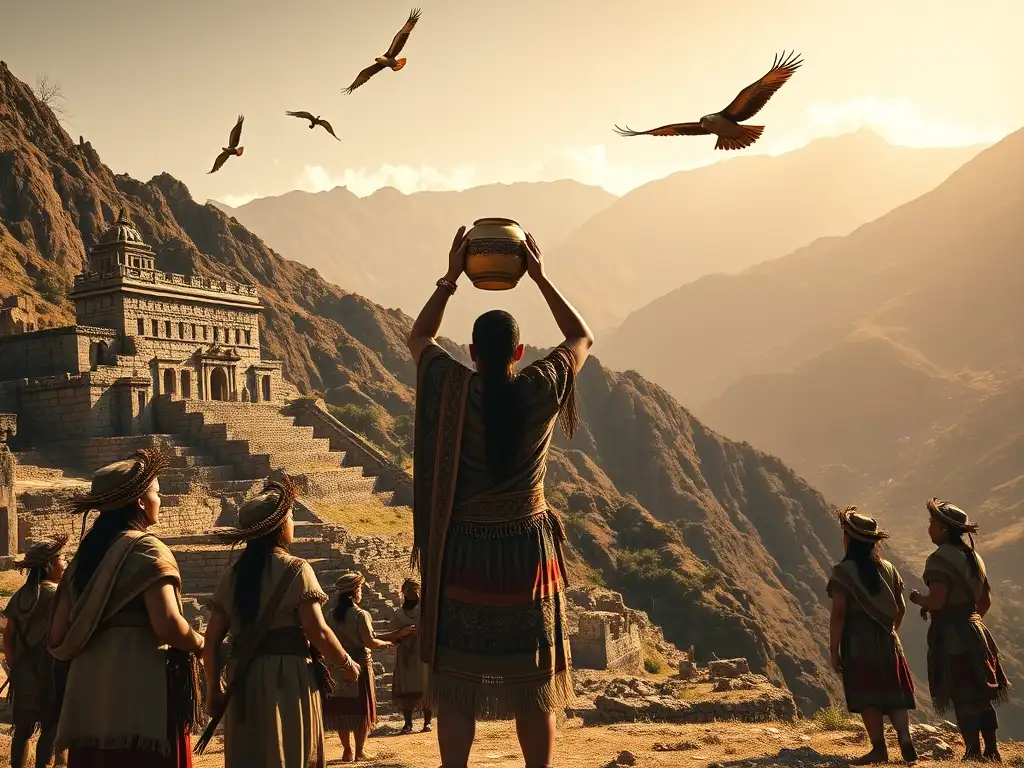
The Inca religion, a complex tapestry woven from ancestor veneration, nature worship, and a sophisticated cosmology, profoundly impacted Andean culture. Its influence extended far beyond mere ritual; it permeated every facet of Inca life, shaping social structures, political systems, and even agricultural practices. Understanding Inca religious practices is crucial to comprehending the empire's enduring legacy. This section delves into the core elements of Inca religious life, examining the rituals, the key figures who oversaw them, and the sacred spaces where they unfolded. The impact of Inca religion on Andean culture is undeniable, leaving an imprint that resonates even today.
Sacrifices and Offerings: Honoring the Gods
Sacrifices and offerings formed a cornerstone of Inca religious life, serving as a vital means of communicating with and appeasing the Apus (mountain gods), the Inti (sun god), and other deities. These acts weren't merely symbolic; they were believed to maintain ayni, the principle of reciprocity and balance essential to the cosmos. The nature of the offerings varied depending on the deity and the context.
Simple offerings could include coca leaves, maize, chicha (fermented corn beer), and llama wool. More elaborate sacrifices, however, involved animals, particularly llamas and alpacas, chosen for their economic significance and symbolic purity. Human sacrifice, though less frequent than often portrayed, did occur, typically in times of crisis or during significant events like the enthronement of a new Sapa Inca. These sacrifices, often involving children or young adults, were viewed as the ultimate offering to ensure the well-being of the empire.
Archaeological evidence, such as the discoveries at sites like Machu Picchu, reveals the scale and significance of these practices. For example, the finding of [specific number] mummified children at [specific location] provides compelling evidence of the practice. The impact of Inca religion on Andean culture is evident in the enduring traditions related to offerings and gratitude to nature that continue in certain communities.
The Role of Priests and Priestesses in Inca Society
The Inca religious system relied heavily on a specialized priestly class, known as Willaq Umu. These individuals, selected for their knowledge and piety, held immense power and influence within Inca society. They weren't merely religious leaders; they were also astronomers, healers, and advisors to the Sapa Inca. Their expertise in interpreting celestial events, diagnosing illnesses, and predicting agricultural cycles made them indispensable.
The Willaq Umu oversaw the performance of rituals, managed sacred sites, and interpreted omens. They played a critical role in maintaining social order by reinforcing the importance of ayni and the divine authority of the Inca ruler. Beyond the Willaq Umu, numerous other religious specialists existed, including paqos (shamans) and yachaywasi (temple attendants), each with their own specific roles and responsibilities.
The influence of these religious figures extended far beyond the temples; they were deeply involved in community life, shaping beliefs and practices at the local level. The hierarchical structure of the priesthood reflects the highly organized nature of Inca religion and its pervasive influence on Andean culture. The Inca religion impact on Andean culture is strongly linked to the social power wielded by these religious figures.
Sacred Sites and Temples: Centers of Inca Religious Life
Inca religious life centered around a network of sacred sites and temples, strategically located throughout the empire. These locations, often situated on mountaintops or in geographically significant areas, served as focal points for ritual activities and pilgrimage. The most prominent among these was the Coricancha (Temple of the Sun) in Cusco, the capital city.
The Coricancha, a magnificent structure adorned with gold and silver, was dedicated to the Inti, the sun god, and housed the most important religious artifacts. Other significant sites included Sacsayhuamán, a massive fortress-temple complex overlooking Cusco, and various smaller shrines and huacas (sacred places) scattered across the landscape. These sites weren't merely places of worship; they were also centers of political power, reflecting the close intertwining of religion and state in Inca society.
The construction and maintenance of these sacred spaces required immense resources and labor, demonstrating the high value placed on religion within the Inca empire. The Inca religion impact on Andean culture is deeply rooted in the physical presence of these sacred sites, many of which remain powerful symbols even today. The meticulous construction and strategic placement of these temples showcase the sophisticated understanding of Inca cosmology and its enduring legacy in the Andean region.
Inca Festivals and Ceremonies: Celebrating the Divine
Inca religion wasn't a passive observance; it was an active engagement with the divine, profoundly shaped by the agricultural cycle and the Andean environment. Inca festivals and ceremonies weren't simply holidays; they were vital rituals designed to ensure the continued prosperity of the empire and its people. These events, often elaborate and meticulously planned, involved the entire community, from the emperor himself down to the humblest farmer.
The scale and significance of these celebrations underscore the central role of religion in Inca society, demonstrating its pervasive influence on daily life and the worldview of the people. The precise details of many ceremonies are lost to time, obscured by the destruction of Inca records and the subsequent Spanish conquest.
However, surviving accounts from chroniclers and archaeological evidence provide valuable glimpses into the vibrant religious landscape of the Inca Empire. The impact of these rituals on Andean culture is undeniable, shaping social structures, artistic expression, and even the physical landscape itself.
The timing of these festivals was crucial, often tied to the agricultural calendar and the movements of celestial bodies. The capac raymi, the most important festival of the year, celebrated the winter solstice and the renewal of the sun's power, essential for the successful harvest. This festival involved massive processions, sacrifices, and elaborate feasts, showcasing the power and authority of the Sapa Inca, the emperor, as the intermediary between the human and divine realms.
Other significant festivals included the inta raymi (celebrating the summer solstice) and the situa raymi (celebrating the harvest). These events served not only as religious observances but also as crucial social gatherings, reinforcing community bonds and reaffirming the Inca worldview.
The meticulous planning and execution of these ceremonies highlight the sophisticated organizational capabilities of the Inca Empire, further cementing the profound impact of Inca religion on Andean culture. The persistence of certain traditions, even after the Spanish conquest, is a testament to the enduring legacy of these festivals.
Beyond the large-scale imperial festivals, local communities also held their own smaller ceremonies and rituals, often focused on ensuring the fertility of the land and the well-being of their specific communities. These localized practices, while less documented, played a crucial role in shaping the religious landscape and the diverse expressions of Inca faith throughout the empire. The interplay between these localized and imperial-level rituals highlights the complexity and adaptability of Inca religion, demonstrating its ability to cater to both the needs of the entire empire and the individual communities within it.
The sheer number of ceremonies and festivals, reflecting the importance of different deities and seasonal events, further reinforces the pervasive influence of Inca religion on daily life and the Andean cultural fabric. The remnants of these practices can still be felt in modern Andean culture, a testament to the enduring power of Inca religious traditions.
The Inca Religion Impact on Andean Culture and Society
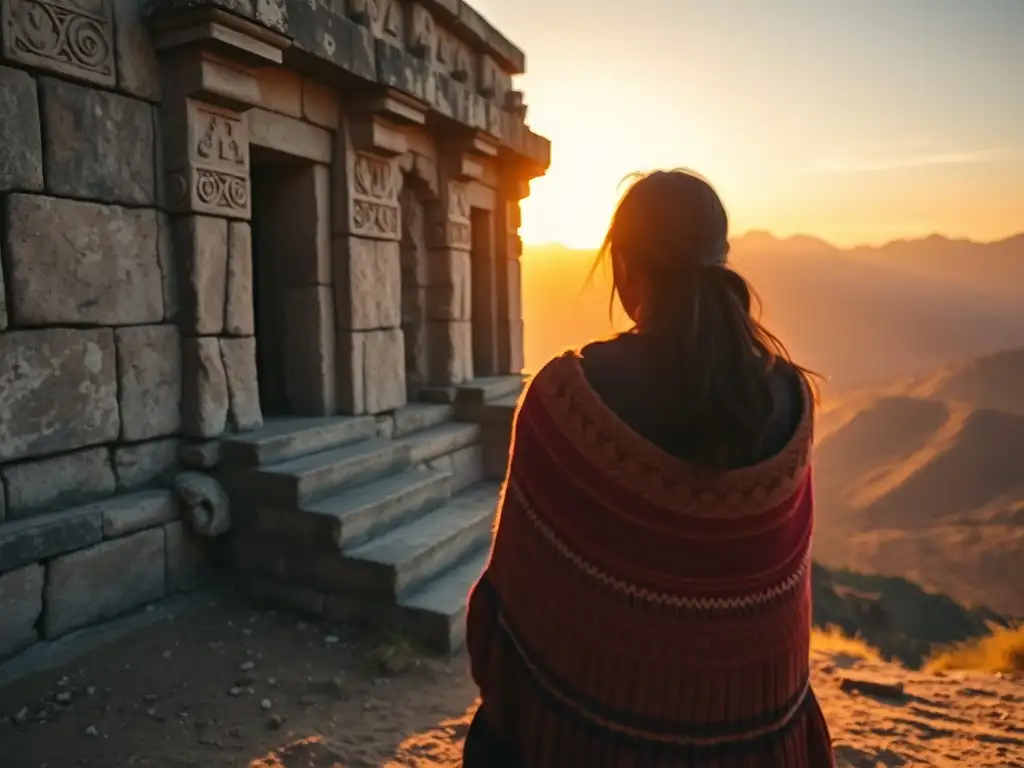
The Inca religion exerted a profound and lasting impact on Andean culture, shaping its social structures, artistic expressions, and daily practices. Its influence extended far beyond the realm of ritual and worship, permeating every aspect of Inca life and leaving an indelible mark on the region's cultural landscape even after the empire's fall. Understanding the Inca religion's impact requires examining its multifaceted influence across various dimensions of Andean society.
The intricate relationship between religious beliefs and social structures, artistic creations, and daily routines reveals a complex and deeply integrated system where spirituality was not merely a separate sphere but the very foundation of Inca civilization. This section will explore the key ways in which Inca religious beliefs shaped Andean culture, demonstrating the enduring legacy of this powerful spiritual system.
Inca society was rigidly hierarchical, with the Sapa Inca at its apex, considered a divine intermediary between the gods and the people. This divinely ordained hierarchy wasn't simply a political construct; it was deeply rooted in religious beliefs. The Inca's religious cosmology positioned the emperor as a descendant of the sun god, Inti, granting him absolute authority and justifying his control over resources and people. This religious legitimacy solidified his power, ensuring the obedience and cooperation of the population.
The elaborate system of ayllu, or kinship groups, was also interwoven with religious practices. Each ayllu had its own patron deity and participated in community rituals that reinforced social bonds and solidified group identity. Religious festivals and ceremonies served as crucial occasions for reaffirming social hierarchies and reinforcing the emperor's authority.
The distribution of land and resources, central to the Inca economy, was often dictated by religious considerations, further entrenching the link between religion and social structure. For example, the allocation of land for temple construction and priestly activities highlighted the importance of religion in the Inca worldview and its impact on resource management. The religious elite, the amautas and qhapaq, held significant power and influence, reflecting the deeply intertwined nature of religious and political authority.
Inca Religion's Influence on Art and Architecture
Inca religious beliefs profoundly influenced their art and architecture, resulting in monumental structures and intricate artistic creations that still inspire awe today. The grandeur of Machu Picchu, for instance, is not merely a testament to Inca engineering prowess but also a powerful expression of their religious worldview. The temple complexes, strategically positioned on mountaintops and other sacred sites, were not just buildings; they were physical manifestations of their cosmology, connecting the earthly realm with the spiritual world.
The intricate carvings found on Inca pottery and textiles often depict religious figures, deities, and mythical creatures, reflecting the importance of religious narratives in their artistic expression. The use of specific colors, materials, and motifs in their art held symbolic meaning, representing various deities, concepts, and spiritual beliefs. For example, the frequent depiction of the sun, moon, and stars in Inca art highlights the central role of celestial bodies in their religious system.
The precise construction techniques and meticulous attention to detail in Inca architecture reflect a deep-seated respect for religious principles and the belief that their creations should be worthy of the gods. These artistic expressions served as a powerful means of communicating and reinforcing religious beliefs throughout the empire, ensuring the continuity and strength of Inca spirituality across diverse regions and communities.
The Impact of Inca Spirituality on Daily Life
Inca religion wasn't confined to grand ceremonies and monumental structures; it permeated every aspect of daily life. Agricultural practices were deeply intertwined with religious rituals, with festivals and ceremonies marking planting and harvesting seasons. The Inca calendar, meticulously aligned with astronomical events, regulated agricultural activities and religious observances, demonstrating the seamless integration of religion and practical life.
Daily routines were punctuated by prayers, offerings, and small rituals, demonstrating the constant presence of spirituality in the lives of ordinary Inca people. The reverence for nature, particularly mountains and rivers, manifested in the avoidance of pollution and the preservation of natural resources. This reverence was not simply a matter of environmental conservation; it was a fundamental aspect of their religious beliefs, reflecting the belief that the divine resided within the natural world.
Even seemingly mundane activities, such as weaving or pottery making, were imbued with religious significance, with specific rituals and prayers accompanying the production process. The pervasive nature of Inca spirituality fostered a sense of community and shared purpose, shaping the very fabric of daily life in the Inca empire, leaving an enduring impact on Andean cultural practices.
How Religious Practices Shaped Inca Agriculture and Economy
Inca religion profoundly impacted their agricultural practices and, consequently, their economy. The Inca worldview was deeply intertwined with the natural world, viewing the land and its bounty as sacred gifts from the gods. This perspective shaped their agricultural techniques and economic policies in several fundamental ways.
Firstly, the Inca developed sophisticated irrigation systems, not merely as feats of engineering, but as expressions of reverence for the apus (mountain spirits) and the water deities. The intricate canals and terraces, carved into the Andean slopes, were not just functional; they were sacred spaces, reflecting a deep spiritual connection with the land and its life-giving forces. The meticulous maintenance of these systems was a religious duty, ensuring the continued favor of the gods and the prosperity of the empire.
Failure to maintain these systems was seen as an affront to the deities, potentially leading to crop failure and economic hardship. This religious obligation, therefore, underpinned the economic stability of the Inca empire.
Secondly, the Inca's agricultural practices were deeply connected to their religious calendar. Rituals and ceremonies marked the planting and harvesting seasons, ensuring the gods' blessings upon the crops. These ceremonies weren't merely symbolic; they were integral to the agricultural cycle, embodying a practical understanding of the interplay between the spiritual and material realms. The timing of planting and harvesting was often dictated by religious observances, highlighting the crucial role of religion in managing the Inca's agricultural production and, by extension, their economy.
Finally, the Inca's economic system relied heavily on the ayllu, a community-based system of reciprocal labor and resource distribution. The ayllu wasn't just an economic unit; it was a religious community, bound together by shared religious beliefs and practices. Religious festivals and ceremonies strengthened social bonds within the ayllu, fostering cooperation and ensuring the smooth functioning of the collective agricultural and economic efforts.
This religious cohesion was fundamental to the Inca's success in managing their extensive agricultural lands and distributing resources effectively across the empire. The strength of the ayllu as both an economic and religious unit was a critical factor in the Inca's impressive economic achievements.
The impact of Inca religion on their agricultural practices and economy is therefore undeniable, demonstrating a complex interplay between spirituality, social organization, and economic prosperity. It was a system where religious belief was not separate from daily life, but rather integral to its very fabric.
Syncretism and the Adaptation of Inca Beliefs
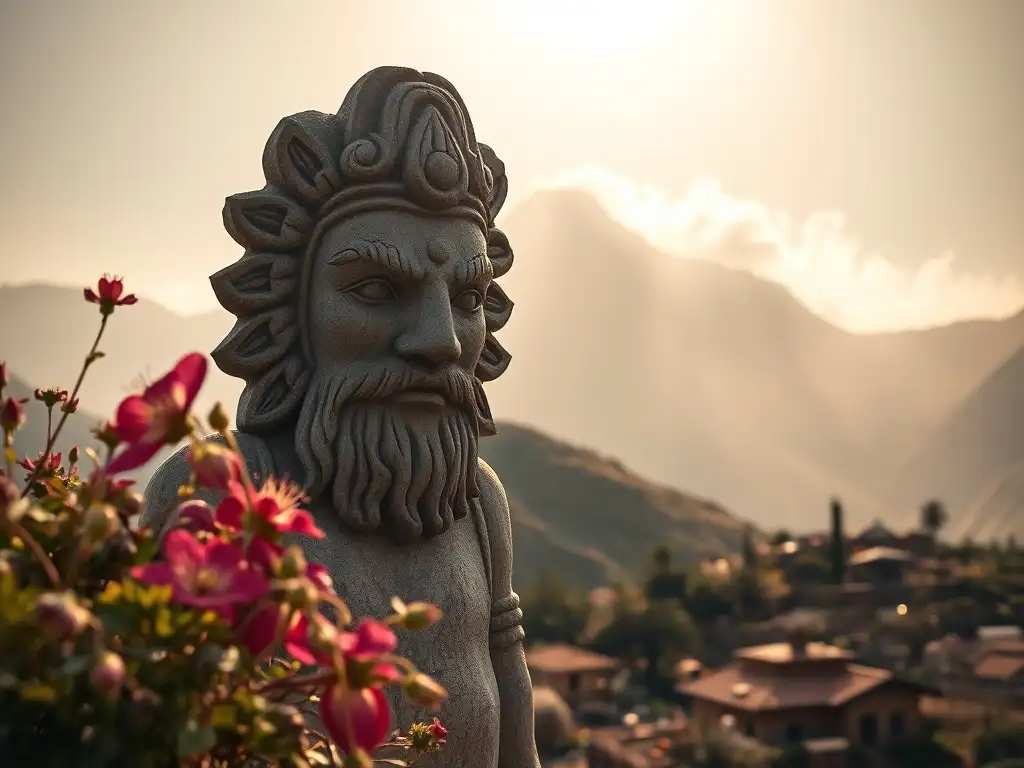
The impact of Inca religion on Andean culture is profoundly evident in the enduring syncretism that characterizes Andean spirituality today. The Inca worldview, with its complex pantheon of deities, elaborate rituals, and intricate cosmology, didn't simply vanish with the Spanish conquest. Instead, it underwent a complex process of adaptation and fusion, blending with introduced Christian beliefs and practices to create a unique and dynamic religious landscape.
This process, far from being a simple replacement, involved a subtle and often strategic negotiation between indigenous beliefs and the imposed Catholicism. The result is a vibrant tapestry of spiritual practices that reflects both the resilience of Inca traditions and the transformative power of cultural contact. Understanding this syncretism is key to grasping the enduring legacy of Inca religion in the modern Andes.
Inca Religion and the Arrival of Christianity
The arrival of the Spanish conquistadors in the 16th century marked a dramatic turning point in Andean religious life. The forceful imposition of Christianity aimed to eradicate Inca religious practices, considered pagan and idolatrous by the Spanish. However, the complete suppression of Inca beliefs proved impossible.
Indigenous populations, facing both cultural and political domination, cleverly adapted their religious practices, incorporating elements of Catholicism while retaining core aspects of their ancestral faith. This wasn't a passive acceptance; instead, it was an active process of reinterpretation and negotiation. For example, the veneration of the Inca sun god, Inti, subtly transitioned into a syncretic worship incorporating elements of the Christian God, with Inti often viewed as a manifestation of a higher, Christian power.
This strategy allowed the preservation of cherished traditions under a seemingly compliant exterior. The resilience of Inca spiritual practices underscores their deep-rooted significance within Andean society. The Spanish encountered a far more complex and deeply ingrained belief system than they initially anticipated.
The Evolution of Andean Spirituality Through Syncretism
The syncretic nature of Andean spirituality is best understood through its evolution. Consider, for instance, the Pachamama, the Earth Mother, a central figure in Inca cosmology. The Spanish attempts to replace her with the Virgin Mary were partially successful, but Pachamama persisted, often becoming conflated with the Virgin, retaining her significance as a provider of fertility and abundance. Similarly, many Inca rituals, such as offerings and ceremonies, adapted to incorporate Christian elements while retaining their core functions.
The persistence of these practices reflects the ingenuity of Andean communities in maintaining their cultural identity under colonial pressure. This wasn't a simple overlay; it was a complex process of negotiation and adaptation, resulting in a unique hybrid religious system. The continued importance of Pachamama, for example, illustrates the enduring power of pre-Columbian religious concepts within the modern Andean worldview. This demonstrates how Inca religious influence continues to shape cultural practices.
The Persistence of Inca Religious Elements in Modern Andean Culture
The legacy of Inca religion continues to resonate powerfully in contemporary Andean culture. Many indigenous communities maintain vibrant traditions that blend Inca and Christian elements. For example, the celebration of Corpus Christi, a Catholic feast, often incorporates indigenous rituals and offerings to Pachamama.
This blending of faiths is not simply a superficial coexistence but reflects a deep integration of beliefs and practices. Moreover, the use of traditional Andean textiles, often adorned with symbolic representations of Inca deities and cosmology, persists as a powerful visual testament to the enduring influence of Inca religious imagery. The continued use of Quechua, the language of the Inca Empire, in religious contexts further reinforces the connection between past and present.
The enduring presence of these elements demonstrates the resilience and adaptability of Inca religious traditions, showcasing their significant and lasting impact on shaping Andean cultural identity. The intricate interplay between the old and the new continues to shape the religious landscape of the Andes, proving the enduring legacy of Inca religion.
The Lasting Legacy of Inca Religion
The Inca religion, despite the Spanish conquest and the subsequent suppression of indigenous practices, continues to exert a profound influence on Andean culture. Its impact is not merely historical; it's a living legacy woven into the fabric of contemporary Andean life, shaping worldview, social structures, and daily rituals. This enduring influence stems from the deeply ingrained cosmology, the powerful religious concepts, and the persistent efforts of Andean communities to preserve their traditions.
Understanding this legacy requires examining the interwoven threads of cosmology, religious beliefs, and cultural preservation efforts across centuries. The keyword phrase "Inca religion impact on Andean culture" accurately reflects the pervasive nature of this influence, which is far from a relic of the past.
The Enduring Influence of Inca Cosmology
Inca cosmology, a complex system of beliefs about the universe and humanity's place within it, remains a cornerstone of Andean spirituality. The concept of Pachamama, the Earth Mother, continues to be central to many Andean communities' understanding of nature and their relationship with it. Farmers still offer pago a la tierra (payments to the earth), a ritualistic offering of coca leaves, alcohol, or other gifts to appease and thank Pachamama for a bountiful harvest.
This practice is not simply a symbolic gesture; it reflects a deeply held belief in the interconnectedness of all living things and the earth's generative power. Furthermore, the veneration of mountains ( apus), considered sacred entities with powerful spirits, persists in many regions. These mountains are not merely geographical features; they are living deities that shape the landscape and influence the lives of those who live at their feet.
The Inca concept of Hanan Pacha (upper world), Kay Pacha (present world), and Uku Pacha (underworld) – three interconnected realms – provides a framework for understanding the cyclical nature of life, death, and rebirth, a belief system still relevant in contemporary Andean spiritual practices. The persistence of these cosmological concepts showcases the enduring power of Inca religious thought in shaping the Andean worldview.
Inca Religious Concepts in Contemporary Andean Communities
Many Inca religious concepts, beyond cosmology, have survived and adapted within contemporary Andean communities. The importance of community and reciprocity, core tenets of Inca society, are still deeply valued. The ayllu, a traditional communal system of land ownership and mutual support, although modified, continues to function in some areas.
This system emphasizes collective responsibility and shared resources, reflecting the Inca emphasis on social harmony and cooperation. Additionally, the Inca's emphasis on ancestor veneration persists. Many Andean families maintain altars dedicated to their ancestors, offering prayers and gifts to seek guidance and protection.
This practice underscores the continuing importance of family lineage and the belief in the continued presence of ancestral spirits. Even the use of specific plants, like coca, with its ritual and medicinal significance in Inca religion, remains a crucial element in Andean life, highlighting the continuity of religious practice across centuries. The integration of these religious concepts into daily life demonstrates the seamless blending of Inca tradition with contemporary Andean culture.
Preserving the Traditions: Keeping the Inca Spirit Alive
The persistence of Inca religious traditions is not accidental; it's a testament to the concerted efforts of Andean communities to preserve their cultural heritage. Despite centuries of suppression and marginalization, indigenous communities have actively maintained and adapted their religious practices, often blending them with Catholic beliefs in a syncretic process. This adaptation isn't a sign of weakening tradition; rather, it demonstrates the resilience and adaptability of Andean culture.
Many communities organize annual festivals and ceremonies that celebrate Inca deities and traditions, reaffirming their cultural identity and passing down knowledge to younger generations. The continued use of traditional textiles, music, and dances also contributes to the preservation of Inca religious imagery and symbolism. These practices, often passed down orally, serve as a powerful means of transmitting cultural knowledge and maintaining a connection to the past.
The active role of Andean communities in safeguarding their religious heritage showcases the enduring strength of Inca religious influence on Andean culture. The ongoing efforts to preserve these traditions ensure that the Inca spirit remains a vibrant part of Andean identity for generations to come.
Frequently Asked Questions
What was the most significant impact of Inca religion on Andean culture?
Inca religion profoundly impacted Andean culture by establishing a unified worldview across diverse groups. It fostered a strong sense of shared identity and loyalty to the Inca Empire through the worship of the sun god, Inti, and other deities. This influenced societal structure and daily life.
How did Inca religious beliefs influence Inca art and architecture?
Inca religious beliefs are clearly reflected in their magnificent architecture, such as Machu Picchu, and their intricate artwork. Temples, palaces, and other structures were built to honor gods and were often adorned with religious symbols and imagery. Religious rituals were integral to construction and design.
What role did human sacrifice play in Inca religion, and how did it affect society?
Human sacrifice, though rare, was a significant part of Inca religious practice, believed to maintain cosmic balance and appease the gods. It often involved individuals of high status or those selected for their perceived purity. This practice highlights the power of religious authority and its impact on social structures.
How did Inca religious practices adapt to or incorporate pre-Inca beliefs and traditions?
The Inca skillfully integrated pre-existing Andean religious beliefs and traditions into their own system. They often syncretized local deities with their own pantheon, adopting and adapting existing rituals and practices. This ensured smoother incorporation of conquered populations.
What aspects of Inca religion continue to influence Andean culture today?
Many aspects of Inca cosmology and religious practices persist in modern Andean cultures. The reverence for ancestral spirits, the importance of mountain worship (Apus), and the continued celebration of certain festivals demonstrate the enduring legacy of Inca religious beliefs.
Final Reflection: Echoes of the Sun God in Modern Andes
The enduring legacy of Inca religion isn't merely a historical footnote; it's a vibrant, pulsating force shaping Andean life today. The intricate tapestry woven from ancient beliefs, rituals, and cosmology continues to influence everything from agricultural practices to artistic expression, demonstrating the remarkable resilience of a culture that refused to be extinguished.
The profound impact of Inca religious practices on the Andean worldview is undeniable. Their reverence for nature, the interconnectedness of the cosmos, and the deep spiritual significance imbued in everyday life resonate powerfully even now. The echoes of the sun god Inti, the earth goddess Pachamama, and the celestial deities continue to shape spiritual practices and cultural celebrations. The past is never dead. It's not even past.
– William Faulkner. This quote perfectly captures the enduring presence of Inca religious beliefs in the modern Andes, constantly interacting with and influencing contemporary Andean identities.
Consider the ways in which Inca religious principles continue to inform your own understanding of the world. How can we learn from the Inca's deep respect for the environment and their intricate understanding of the interconnectedness of all living things? Embrace the opportunity to explore the rich spiritual heritage of the Andes, to learn from its wisdom, and to find inspiration in its enduring legacy. Let the echoes of the Sun God guide you towards a deeper appreciation for the enduring power of culture and belief.
Unveil the Spiritual Wonders of the Andes!
Thank you for exploring the fascinating world of Inca religion with us! Your interest in the rich spiritual legacy of the Andes deepens your understanding and honors the vibrant traditions that continue to flourish. Let's delve further into this incredible heritage.
Here are some ways to enrich your journey:
- Visit significant Andean cultural sites to experience the historical and spiritual importance of Inca sacred spaces.
- Share your newfound knowledge with friends and family, or on social media, to spark conversations about the enduring influence of Inca beliefs.
- Join a community dedicated to preserving Andean heritage—your participation can help safeguard these ancient teachings for future generations.
As you reflect on this spiritual exploration, consider: What aspect of Inca religion most captivates you, and how can you integrate it into your daily life?
Share your reflections below!