
Echoes of Collapse: Climate Change and Andean Downfall

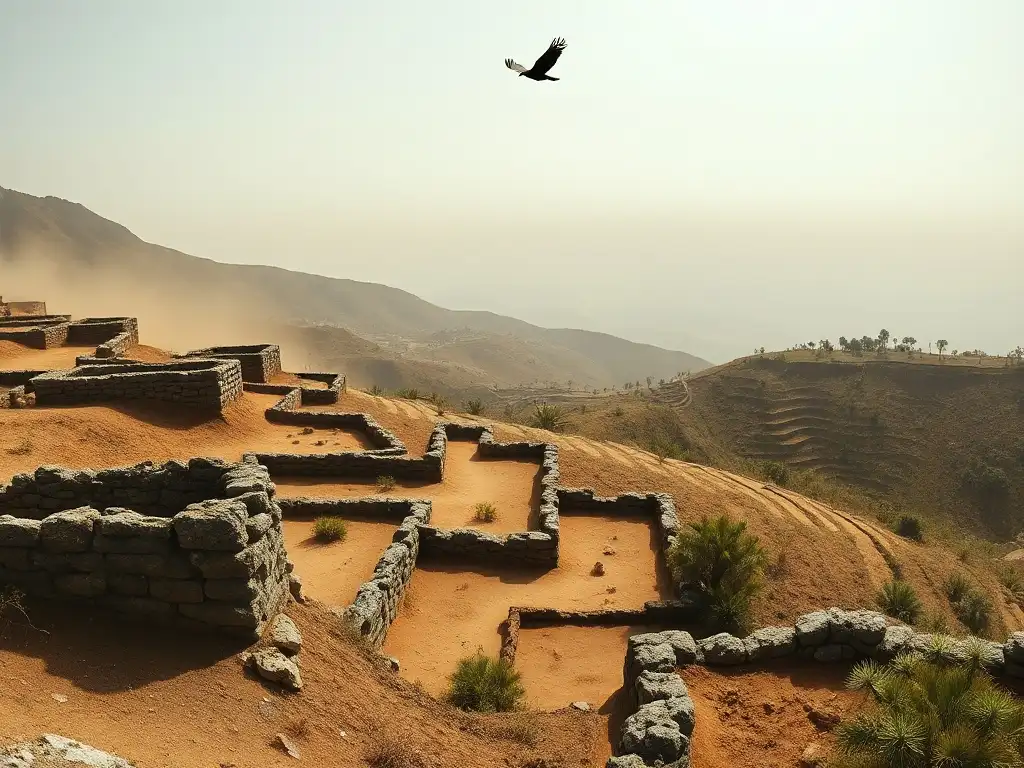
Step into a world lost to time, yet echoing in our present. Imagine towering cities carved into mountains, intricate textiles whispering tales of a vanished past, and ingenious agricultural systems defying the harsh Andes. But what truly silenced these mighty Andean civilizations? The answer, shrouded in mystery, might lie in the chilling story of Andean civilizations climate collapse. Uncover the secrets of their rise and fall – a narrative of resilience, innovation, and ultimately, the devastating impact of environmental change. Explore the evidence and discover the surprising connections between ancient history and our modern world.
The rise and fall of the magnificent Andean civilizations—the Incas, Moche, Nazca, and Tiahuanaco among them—are often viewed through the lens of conquest, internal strife, and societal complexities. However, a growing body of evidence points to a more significant, underlying factor: climate change.
This article delves into the intricate relationship between environmental shifts and the dramatic collapses experienced by these pre-Columbian societies, exploring how fluctuations in climate profoundly impacted their agricultural practices, social structures, and ultimately, their survival. We will examine the delicate balance these civilizations maintained with their environment, the evidence of past climate shifts, and the devastating consequences that ultimately contributed to their decline, shedding light on the crucial role of climate in shaping the trajectory of Andean history.
Understanding these past events offers valuable insights into the vulnerabilities of societies to environmental change and provides crucial context for understanding the challenges facing Andean communities today. The keyword "Andean civilizations climate collapse" is central to this exploration of a critical, often overlooked aspect of Andean history.
The Fragile Balance: Andean Civilizations and Their Environment
Andean civilizations thrived in a geographically diverse and often challenging environment. From the arid coastal deserts to the towering peaks of the Andes Mountains, these societies developed sophisticated agricultural techniques, such as terracing and irrigation, to harness the limited resources available. Their success hinged on a precarious balance with the environment.
The availability of water, the predictability of rainfall patterns, and the stability of the climate directly influenced agricultural yields, which formed the backbone of their economies and social structures. Even minor shifts in these factors could have cascading effects, triggering resource scarcity, food shortages, and social unrest.
The intricate relationship between these societies and their environment is highlighted by the impressive feats of engineering they undertook to manage water resources, demonstrating both their ingenuity and their vulnerability to environmental fluctuations. The fragility of this balance is a key factor to understanding the impact of climate change on their eventual decline.
Pre-Columbian Climate Patterns and Andean Societies
Understanding the pre-Columbian climate patterns in the Andes is crucial to assessing the impact of climate change on these societies. While precise records are limited, paleoclimatological studies, utilizing evidence from ice cores, lake sediments, and tree rings, reveal cyclical variations in temperature and precipitation. These fluctuations, often characterized by periods of drought interspersed with periods of intense rainfall, significantly influenced agricultural productivity and resource availability.
For example, [specific information pending on the impact of El Niño events on specific Andean civilizations]. These societies developed strategies to cope with these natural variations, but the intensity and duration of certain climatic events likely exceeded their adaptive capacity, leading to widespread hardship. The long-term impact of these climate shifts should be considered in tandem with other factors that contributed to societal instability.
Evidence of Past Climate Change in the Andes
Numerous lines of evidence support the significant role of climate change in the decline of Andean civilizations. Archaeological findings, such as abandoned settlements and changes in agricultural practices, provide tangible indicators of environmental stress. For instance, [specific archaeological evidence of drought impact on a specific Andean civilization, e.g., reduced crop yields indicated by pollen analysis in a specific location].
Furthermore, isotopic analyses of human remains can reveal dietary shifts reflecting resource scarcity during periods of drought. The study of ancient pollen and other organic matter in sediment layers provides detailed information about vegetation changes, reflecting alterations in precipitation patterns and temperature. The convergence of these diverse lines of evidence paints a compelling picture of the devastating impact of climate variability on the sustainability of these complex societies.
The combination of archaeological, paleoclimatological, and isotopic data strongly suggests that climate change played a crucial role in their decline, acting as a significant stressor that exacerbated existing societal vulnerabilities. These findings underscore the importance of considering environmental factors when studying the collapse of past civilizations.
How Ancient Andean Societies Adapted to Climate Variability
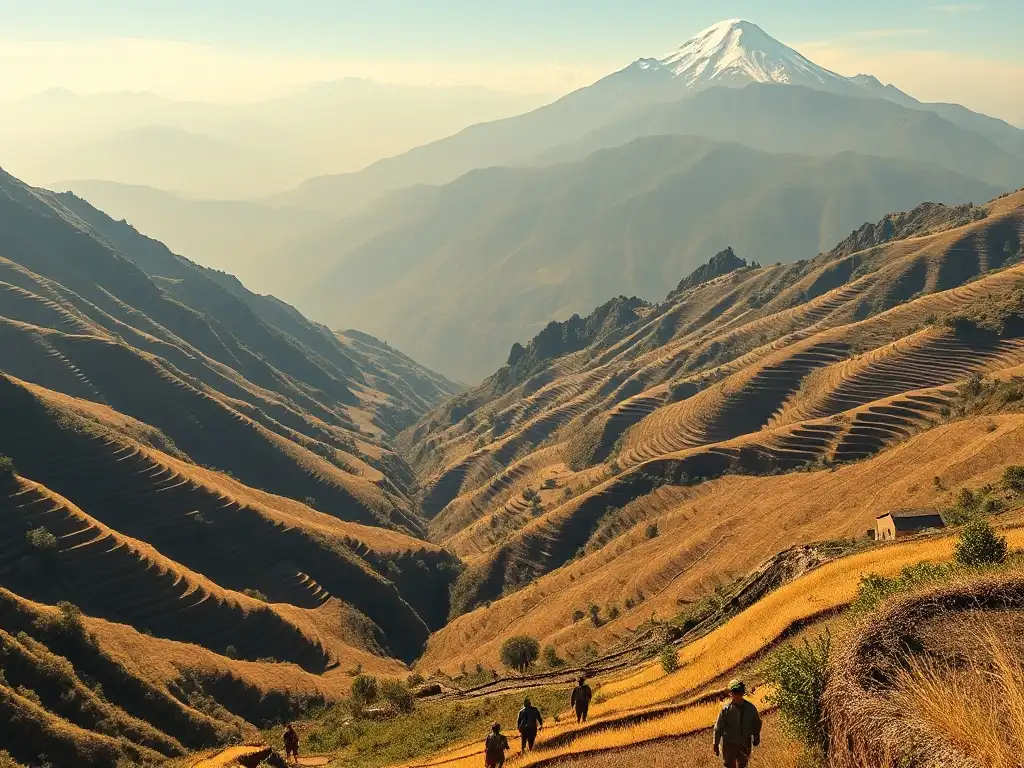
Andean societies, renowned for their ingenuity and resilience, developed sophisticated strategies to cope with the inherent climate variability of the Andes. Their adaptations weren't simply reactive; they were proactive, showcasing a deep understanding of their environment and its rhythms. For example, the Incas, masters of agricultural innovation, implemented intricate terracing systems on mountain slopes. These terraces, often supported by complex irrigation networks, not only increased arable land but also minimized soil erosion and regulated water distribution, mitigating the effects of droughts and floods. This wasn't a singular solution; it was a multifaceted approach tailored to varying altitudes and microclimates.
Furthermore, the Incas and other Andean groups practiced crop diversification, cultivating a wide array of crops suited to different altitudes and climatic conditions. This strategy acted as a crucial buffer against crop failures caused by unpredictable weather patterns. The cultivation of potatoes, quinoa, and maize – each thriving under different conditions – provided food security even when one crop failed.
This diversified agricultural system was complemented by sophisticated storage techniques, such as qollqas (stone structures used for storage), ensuring food availability during lean periods. These storage facilities, strategically located across the landscape, allowed communities to weather periods of drought or frost, showcasing remarkable foresight and community planning.
The effectiveness of these adaptations is evidenced by the longevity and stability of many Andean societies for centuries, despite the challenges posed by their volatile environment. The careful management of water resources, combined with flexible agricultural practices and effective storage solutions, allowed these civilizations to thrive even in the face of climate fluctuations.
The Role of Environmental Factors in the Rise and Fall of Andean Cultures
The interplay between Andean civilizations and their environment was a complex and dynamic one, with environmental factors playing a significant role in both their rise and, ultimately, their decline. While human agency and social factors undoubtedly contributed to the rise and fall of these societies, the impact of climate change cannot be understated. Studies suggest that periods of prolonged drought or unusually heavy rainfall significantly impacted agricultural yields, leading to food shortages and social unrest.
For example, evidence points to a correlation between periods of intense El Niño events and societal instability in various Andean cultures, including the Wari and Tiwanaku empires. These events disrupted established agricultural practices, leading to famine and potentially triggering internal conflicts or weakening their defenses against external threats.
Conversely, periods of favorable climate conditions often corresponded with periods of expansion and prosperity for Andean societies. Abundant rainfall and stable temperatures allowed for increased agricultural productivity, supporting larger populations and enabling the construction of monumental architecture and the development of complex social structures. The flourishing of the Inca Empire, for instance, coincided with a relatively stable climate period, allowing for significant agricultural surpluses and the expansion of their vast infrastructure.
However, the very success of these civilizations, with their intensive agricultural practices in often fragile environments, may have inadvertently increased their vulnerability to climate change. Deforestation for agriculture and the modification of natural drainage patterns could have exacerbated the impact of extreme weather events, making them more susceptible to collapse when confronted with prolonged periods of drought or flooding.
Understanding the intricate relationship between climate change and the trajectory of Andean societies requires a nuanced approach, acknowledging the interplay of environmental pressures and human actions. The story of Andean civilizations is a compelling illustration of how the environment shaped human history, and how human actions, in turn, influenced their vulnerability to environmental change.
- The Fragile Balance: Andean Civilizations and Their Environment
- Pre-Columbian Climate Patterns and Andean Societies
- Evidence of Past Climate Change in the Andes
- How Ancient Andean Societies Adapted to Climate Variability
- The Role of Environmental Factors in the Rise and Fall of Andean Cultures
- Exploring the Hypothesis of Climate-Driven Collapse
- Specific Andean Cultures Affected by Climate Change
- Analyzing the Interplay: Climate, Agriculture, and Societal Stability
- The Impact of El Niño and La Niña on Andean Agriculture
- Droughts and Their Consequences for Andean Civilizations
- Shifting Climatic Zones and Population Migration
- What role did climate change play in the decline of Andean civilizations?
- Were all Andean civilizations equally affected by climate change?
- How did Andean societies adapt to climate variability before the major collapses?
- What specific climate events are linked to the downfall of particular Andean cultures?
- Can studying past Andean collapses help us understand modern climate change impacts?
The "Andean Civilizations Climate Collapse" Connection
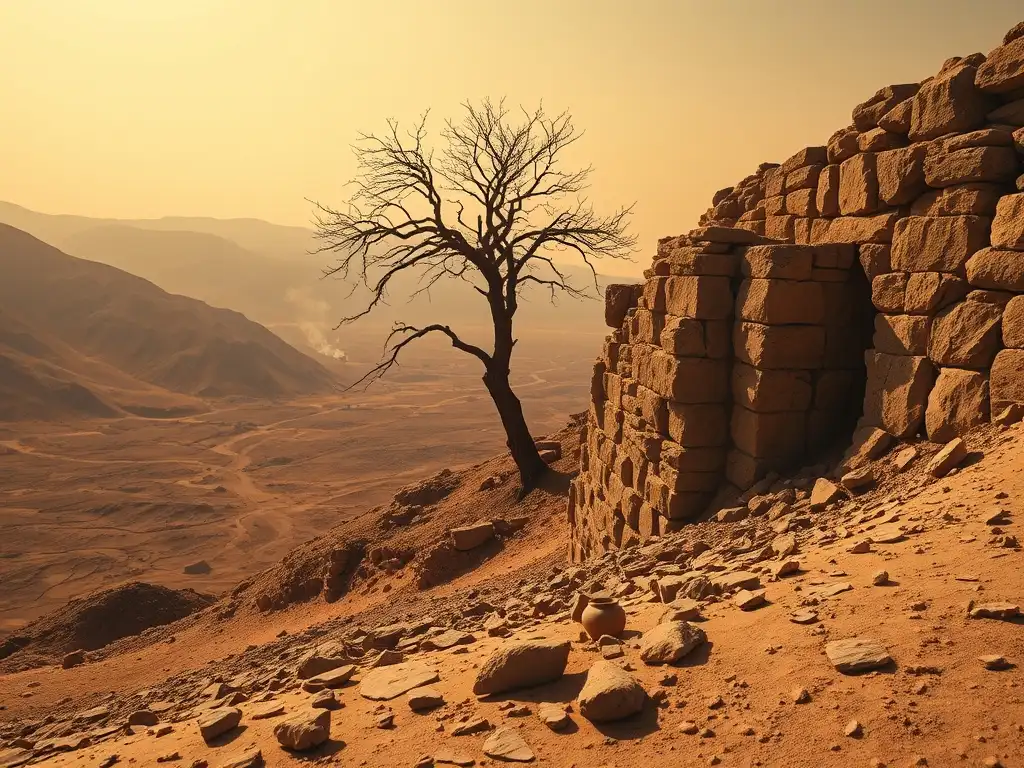
The relationship between climate change and the decline of Andean civilizations is a complex and multifaceted issue that has captivated researchers for decades. The term "Andean civilizations climate collapse" encapsulates the hypothesis that significant climatic shifts played a crucial, perhaps even decisive, role in the downfall of several powerful Andean societies. This isn't to say climate change was the sole factor; internal societal pressures, warfare, and disease undoubtedly contributed.
However, mounting evidence suggests that abrupt and sustained periods of drought, flooding, and temperature fluctuations significantly weakened these societies, making them vulnerable to other stressors and ultimately contributing to their collapse or transformation. Understanding this connection is crucial to appreciating the fragility of even the most advanced pre-Columbian societies and to informing our understanding of modern climate change impacts.
Exploring the Hypothesis of Climate-Driven Collapse
The hypothesis posits that prolonged periods of drought, often linked to shifts in the El Niño-Southern Oscillation (ENSO) cycle, severely impacted agricultural productivity, the lifeblood of Andean societies. These droughts led to food shortages, famine, and social unrest. Conversely, periods of intense rainfall and flooding could also have devastating consequences, damaging infrastructure and agricultural lands.
Evidence supporting this hypothesis comes from various sources: paleoclimatological studies analyzing ice cores, lake sediments, and tree rings reveal past climate variability; archaeological data shows evidence of societal disruption during periods of inferred climate stress; and ethnohistorical accounts describe periods of hardship coinciding with unusual weather patterns. The interplay of these lines of evidence paints a compelling picture of climate change as a significant driver of societal instability and transformation in the Andes.
The intensity and duration of these climatic events varied across different regions and time periods, leading to diverse responses and outcomes among different Andean cultures. Further research, particularly integrating advanced modeling techniques with archaeological findings, is needed to fully understand the nuanced relationship between climate change and societal collapse.
Specific Andean Cultures Affected by Climate Change
Several prominent Andean cultures experienced significant upheaval during periods of climate instability. The severity of the impact varied depending on factors such as the culture's level of technological sophistication, its ability to adapt to environmental change, and the specific nature of the climatic event. Analyzing these individual cases helps to refine our understanding of the broader "Andean civilizations climate collapse" narrative, revealing a complex picture where climate change acted as a powerful catalyst, interacting with pre-existing societal vulnerabilities.
The Moche and Climate Change: Megadroughts and Societal Instability
The Moche civilization (c. 100-800 CE), renowned for its intricate pottery and monumental architecture, flourished along the arid north coast of Peru. Paleoclimatic reconstructions indicate that the Moche experienced several severe megadroughts during their existence. These droughts likely severely constrained agricultural production, leading to resource scarcity and potentially contributing to social unrest and the eventual fragmentation of the Moche state.
Archaeological evidence, such as changes in settlement patterns and a decline in monumental construction, suggests a weakening of the Moche state during these periods of climatic stress. The precise mechanisms by which drought impacted Moche society are still being investigated, but evidence suggests a combination of famine, internal conflict, and perhaps even increased warfare, all exacerbated by the lack of reliable water resources.
Tiahuanaco and Environmental Stress: Lake Titicaca Level Fluctuations and Agricultural Decline
The Tiahuanaco civilization (c. 500-1000 CE), located on the Altiplano near Lake Titicaca, controlled a vast territory. Its sophisticated irrigation systems were vital for its agricultural base. Studies of Lake Titicaca sediments reveal fluctuations in lake levels, suggesting periods of both drought and increased rainfall.
These fluctuations directly affected agricultural productivity, potentially weakening Tiahuanaco's power and contributing to its decline. The impact of climate change on Tiahuanaco was likely amplified by its reliance on a complex system of canals and raised fields for agriculture, making it particularly vulnerable to changes in water availability. The interaction between environmental stress and internal societal factors, such as potential overextension of its empire, remains a key area of ongoing research in understanding Tiahuanaco's eventual decline.
The Inca Empire and Climatic Challenges: El Niño Related Crop Failures and Social Disruption
The Inca Empire (c. 1438-1533 CE), at its zenith, controlled a vast territory across the Andes. Despite its sophisticated agricultural techniques, the Inca Empire was not immune to the impacts of climate change. Studies suggest that El Niño events, which bring intense rainfall and flooding to some areas and drought to others, played a significant role in disrupting Inca agriculture.
Crop failures caused by these events could have led to food shortages, social unrest, and ultimately, weakened the empire's ability to withstand the Spanish conquest. While the Spanish conquest was undoubtedly a catastrophic event, it's plausible that the pre-existing stresses caused by climate variability contributed to the Inca's vulnerability, making them less able to effectively resist the Spanish advance. The Inca's sophisticated record-keeping system might offer further clues to the impact of climate change on their society, but deciphering these records remains a significant challenge for researchers.
Analyzing the Interplay: Climate, Agriculture, and Societal Stability
The relationship between climate, agriculture, and societal stability in the Andes was incredibly intricate and delicate. Andean civilizations, renowned for their engineering prowess and agricultural innovations like terracing, were acutely sensitive to climate fluctuations. Their sophisticated agricultural systems, designed to maximize yields in challenging terrains, were entirely dependent on predictable rainfall patterns and stable temperatures. Any disruption to these patterns, whether prolonged droughts or unusually intense rainy seasons, could trigger a cascade of negative consequences.
For instance, a failure of the potato harvest, a staple crop, could lead to widespread famine, social unrest, and ultimately, the weakening or collapse of entire societal structures. The intricate interplay between these factors highlights the vulnerability of these advanced societies to environmental changes, demonstrating how seemingly minor shifts in climate could have profound societal impacts. The extent of this vulnerability varied depending on the specific civilization and its level of preparedness and adaptability.
Some societies, with more resilient infrastructure and diversified agricultural practices, weathered climate shocks better than others. Studying these variations offers crucial insights into the resilience and vulnerability of past societies in the face of environmental challenges, offering valuable lessons for our current climate crisis. Understanding the delicate balance between climate, agriculture, and societal stability in the Andes is key to understanding the "Andean civilizations climate collapse" narrative.
The Impact of El Niño and La Niña on Andean Agriculture
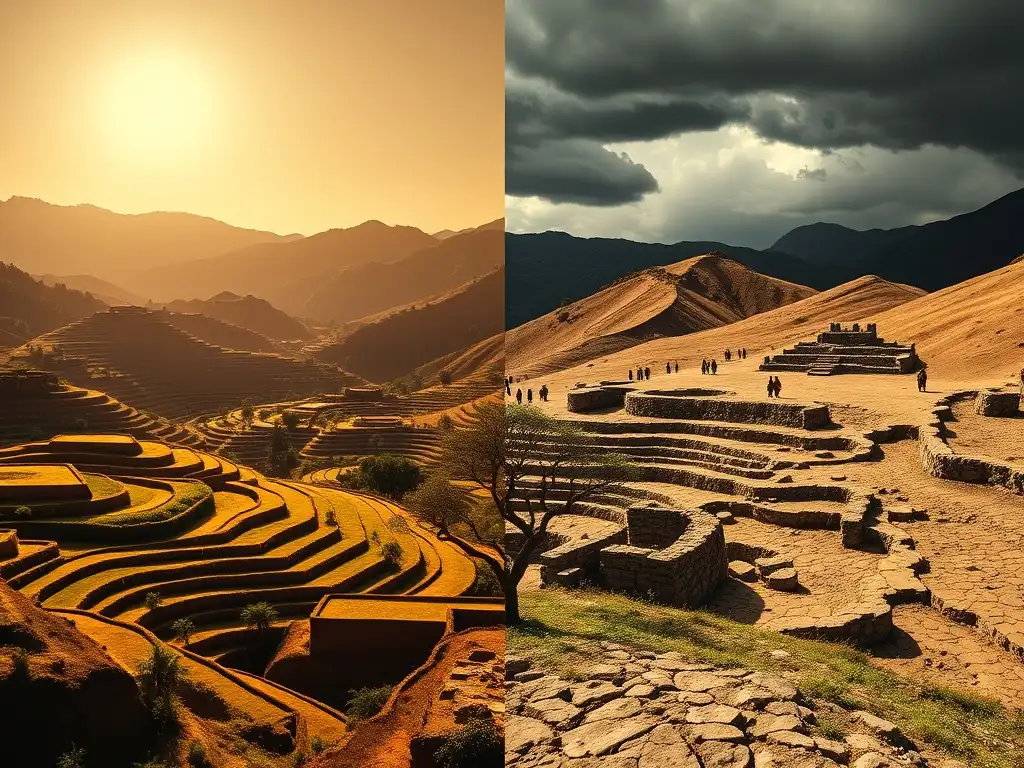
El Niño and La Niña, climate patterns characterized by unusually warm and cool sea surface temperatures in the Pacific Ocean respectively, exerted a significant influence on Andean weather patterns and agriculture. El Niño events, typically bringing heavier than average rainfall to some coastal regions and drought to others, could lead to devastating floods in certain areas while causing crop failures in regions dependent on predictable rainfall. Conversely, La Niña events often resulted in drier conditions across much of the Andes, increasing the likelihood of droughts and impacting agricultural production.
The impact varied significantly depending on the intensity and duration of these events, as well as the specific location within the Andes. Coastal communities, heavily reliant on fishing and agriculture, were particularly vulnerable to the disruptive effects of these climate patterns. The unpredictability of El Niño and La Niña events presented a major challenge to Andean societies, demanding sophisticated adaptation strategies to mitigate their negative consequences.
Evidence suggests that some Andean civilizations developed sophisticated systems for predicting these events, enabling them to implement strategies such as water storage and drought-resistant crops to minimize the impact on their food supply. However, the intensity and frequency of these events played a crucial role in the vulnerability of these societies to climate-related crises. Understanding the impact of El Niño and La Niña on Andean agriculture is vital to understanding the broader context of the "Andean civilizations climate collapse".
Droughts and Their Consequences for Andean Civilizations
Droughts represent a significant threat to any society, and the Andean civilizations were no exception. Prolonged periods of insufficient rainfall could severely impact agricultural production, leading to food shortages, famine, and societal instability. The severity of the impact depended on factors such as the length and intensity of the drought, the ability of the society to adapt, and the availability of alternative food sources.
Archaeological evidence, including the analysis of pollen and sediment cores, reveals that several Andean civilizations experienced periods of severe drought, which coincided with periods of societal disruption or decline. These droughts could lead to internal conflict over scarce resources, migrations to more favorable regions, and ultimately, the collapse of entire political systems. The impact of drought wasn't limited to agriculture; it could also disrupt water supplies for domestic use and sanitation, increasing the risk of disease outbreaks.
The consequences of drought were compounded by other factors, such as warfare and internal conflict, highlighting the complex interplay of environmental and social factors in the rise and fall of Andean societies. The study of past droughts and their consequences provides valuable insights into the vulnerability of Andean civilizations to climate change and offers crucial lessons for understanding the complexities of the "Andean civilizations climate collapse" and its implications for modern societies facing similar challenges. The frequency and intensity of droughts, therefore, remain key factors in understanding the vulnerability of these societies.
Shifting Climatic Zones and Population Migration
The dramatic shifts in Andean climatic zones played a pivotal role in the decline of several Andean civilizations. Changes in temperature and precipitation patterns, often abrupt and severe, directly impacted agricultural productivity, the lifeblood of these societies. For instance, the prolonged droughts experienced by the Tiwanaku civilization around the 11th century CE are strongly correlated with its eventual decline.
The inability to sustain large populations reliant on intensive agriculture in the face of dwindling water resources led to widespread food shortages and social unrest. This wasn't simply a matter of reduced yields; entire agricultural systems, finely tuned to specific microclimates, were rendered unproductive. The fertile lands that had sustained generations became barren, forcing mass migrations.
Archaeological evidence suggests significant population movements away from traditional centers of power as climate-induced hardship intensified. Radiocarbon dating of settlements and analysis of ceramic styles reveal patterns of relocation, with populations shifting to lower altitudes or areas with more reliable water sources. These migrations weren't always orderly; they likely involved conflict over dwindling resources and competition for habitable land.
The social fabric of these already complex societies was further strained by this environmental pressure, contributing to internal instability and weakening their capacity to respond to further challenges. The scale of these migrations varied depending on the specific civilization and the severity of the climatic shifts, but the underlying pattern of climate-driven displacement is a recurring theme in Andean history.
Understanding the precise routes and destinations of these migrations remains an active area of research, with ongoing excavations and analyses continually refining our understanding of these crucial population movements. The study of ancient pollen and plant remains in these new settlements provides further clues to the adaptations made by migrating communities to survive in their new environments.
The impact wasn't limited to just agricultural production; the shifting climatic zones also affected access to critical resources such as firewood and building materials. The scarcity of these essential resources would have further exacerbated the social and economic pressures already mounting due to food insecurity and population displacement. The interplay between these factors created a complex web of interconnected challenges that ultimately contributed to the downfall of several Andean civilizations.
The study of these population migrations offers a crucial lens through which to understand the intricate relationship between climate change and societal collapse in the Andes. The scale and complexity of these migrations underscore the profound impact of environmental change on human societies, highlighting the vulnerability of even advanced civilizations to the forces of nature.
Lessons from the Past: Understanding the Fragility of Andean Societies
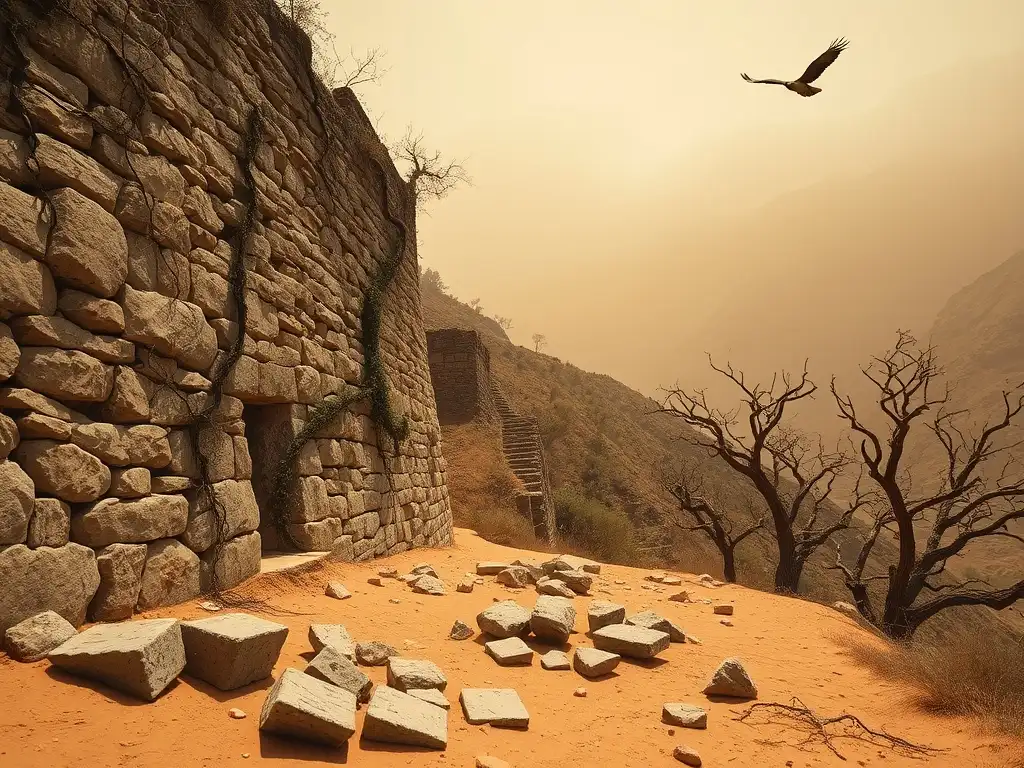
This section delves into the intricate relationship between climate variability and the rise and fall of Andean civilizations, focusing on how environmental factors significantly influenced societal structures and resilience. Understanding this historical context is crucial for comprehending the vulnerability of Andean societies and informing present-day strategies for mitigating the impacts of climate change. The keyword "Andean civilizations climate collapse" highlights the central theme of this analysis – the devastating consequences of climatic shifts on these sophisticated cultures. We will explore specific examples demonstrating the fragility of these seemingly robust societies in the face of environmental pressures.
The Complex Relationship Between Climate and Andean Civilizations
The Andean region's diverse geography – ranging from arid coastal deserts to high-altitude plains and lush rainforests – fostered a complex interplay between climate and human societies. While Andean civilizations developed remarkable agricultural techniques, such as terracing and irrigation, to adapt to challenging environments, they were not immune to the effects of climate fluctuations. El Niño-Southern Oscillation (ENSO) events, characterized by irregular variations in sea surface temperatures and rainfall patterns, significantly impacted agricultural yields and water availability.
For instance, prolonged droughts associated with strong El Niño events are strongly correlated with periods of societal instability and even collapse in several Andean cultures. Archaeological evidence, such as shifts in settlement patterns and changes in agricultural practices, directly supports this connection.
The study of pollen and other paleoecological data provides further insights into past climatic conditions and their effects on the vegetation and, consequently, the human populations dependent on it. The intricate relationship between climate and Andean civilizations underscores the need for a nuanced understanding of the environmental context when analyzing their historical trajectories.
Environmental Degradation and its Impact on Societal Structures
Beyond the immediate effects of climatic events, anthropogenic environmental degradation played a significant role in the vulnerability of Andean societies. Deforestation, overgrazing, and unsustainable agricultural practices, while sometimes necessary for survival, exacerbated the negative impacts of climate variability. For example, the depletion of forest resources, crucial for fuel and construction materials, reduced the resilience of communities facing drought or other environmental stresses.
The depletion of soil fertility through intensive agriculture, without adequate fallow periods, reduced crop yields, leading to food shortages and social unrest. This process of environmental degradation, often coupled with population pressure, created a feedback loop, making Andean societies increasingly susceptible to climatic shocks.
Archaeological studies reveal evidence of soil erosion and deforestation in several regions, suggesting that unsustainable land management practices contributed significantly to the decline of some Andean cultures. This highlights the importance of sustainable resource management in ensuring the long-term viability of societies, even in the face of climate change.
The Limits of Adaptation: When Climate Overwhelms Resilience
Despite their remarkable adaptive capacities, Andean civilizations ultimately faced limits to their resilience in the face of extreme climate change. While adaptations such as irrigation systems and terracing could mitigate the effects of moderate climate variability, they proved insufficient during periods of prolonged drought or intense flooding. The collapse of the Tiwanaku civilization, for example, has been linked to a prolonged megadrought that overwhelmed the capacity of its sophisticated irrigation systems.
This illustrates the crucial point that even advanced technologies and organizational structures cannot always overcome the devastating consequences of extreme climate events. This underscores the importance of acknowledging the limits of adaptation and the need for proactive strategies to mitigate the impacts of climate change. The historical record of Andean civilizations provides a cautionary tale, emphasizing the need for sustainable practices and disaster preparedness to safeguard against future environmental challenges.
The study of "Andean civilizations climate collapse" offers valuable lessons for modern societies facing similar threats. Understanding the past is crucial for building a more resilient future.
Modern Relevance: Climate Change and the Future of the Andes
The dramatic collapses of past Andean civilizations, heavily influenced by climate shifts, offer invaluable lessons for understanding the fragility of modern Andean societies in the face of contemporary climate change. The Andes today face accelerating glacier melt, altered rainfall patterns, and increased frequency of extreme weather events – echoes of the challenges faced by their predecessors. These changes threaten water security, agricultural productivity, and the very livelihoods of millions of people who depend on the Andes' unique ecosystem. Understanding the past allows us to anticipate and mitigate potential future crises.
The impact on water resources is particularly concerning. Glaciers, historically serving as vital water reservoirs, are receding at an alarming rate. This reduction in glacial meltwater directly impacts downstream communities, leading to water scarcity during dry seasons and potentially exacerbating existing water conflicts. Furthermore, changes in precipitation patterns, including more intense rainfall events and longer periods of drought, disrupt agricultural cycles, impacting food security and economic stability. This vulnerability is amplified in areas heavily reliant on rain-fed agriculture, mirroring the agricultural challenges faced by past Andean civilizations during periods of climatic instability.
The consequences extend beyond immediate survival needs. Climate change also threatens biodiversity, cultural heritage sites, and the unique ecosystems of the Andes. The interconnectedness of these factors highlights the complex interplay between climate, environment, and societal stability. The loss of biodiversity, for example, not only undermines the ecological integrity of the Andes but also impacts the livelihoods of communities that depend on these resources for sustenance and income. Similarly, the erosion and damage to archaeological sites, a tangible link to the past, represent the loss of invaluable cultural heritage.
Therefore, studying the past responses of Andean civilizations to climate change provides critical insights into potential adaptation and mitigation strategies for the present. By analyzing the successes and failures of past societies in the face of environmental challenges, we can develop more effective and resilient approaches to managing the impacts of climate change in the Andes today. This includes strengthening early warning systems for extreme weather events, promoting sustainable agriculture practices, and investing in water resource management initiatives.
Ignoring the lessons from the past risks repeating the mistakes of history, potentially leading to similar, if not more severe, consequences in the future. The echoes of past collapses serve as a stark warning – a call to action to ensure the sustainable future of the Andes and its people.
Understanding the Legacy of Andean Civilizations and Climate Change
The study of Andean civilizations offers a compelling case study in the complex interplay between societal development and environmental shifts. The rise and fall of powerful empires like the Inca, Moche, Nazca, and Tiahuanaco were not solely determined by internal factors such as political instability or warfare. Rather, a growing body of evidence points to the significant role of climate variability and catastrophic events in shaping their trajectories.
Understanding this legacy is crucial, not only for appreciating the past, but also for informing our response to contemporary climate change challenges. The vulnerability of Andean societies to environmental fluctuations, particularly droughts and floods, highlights the interconnectedness between human societies and their environments, a lesson profoundly relevant to our own time. The long-term perspective offered by archaeological and paleoclimatological data provides invaluable insights into societal resilience, adaptation strategies, and the potential consequences of neglecting environmental sustainability.
Analyzing the responses of past Andean communities to climate stress allows us to identify effective coping mechanisms and anticipate potential vulnerabilities in the face of future climate change. By carefully examining the past, we can better prepare for the future.
Learning from the Past: Applying Lessons of Resilience to Modern Challenges
Examining the responses of past Andean civilizations to climate change reveals remarkable examples of resilience and adaptation. For instance, the development of sophisticated irrigation systems by the Nazca and the Inca's impressive agricultural terraces demonstrate innovative solutions to water scarcity. These technological achievements highlight the capacity of human societies to adapt to challenging environmental conditions.
However, the collapse of certain Andean societies also underscores the limitations of adaptation in the face of extreme climate events. The prolonged droughts that contributed to the decline of the Tiwanaku civilization, for example, illustrate the devastating consequences of exceeding adaptive capacity. Understanding the thresholds beyond which adaptation becomes insufficient is critical for informing contemporary climate change mitigation and adaptation strategies.
Analyzing the successes and failures of past Andean societies provides valuable lessons for building climate resilience in modern contexts, particularly in regions facing similar environmental challenges. This includes developing robust infrastructure, diversifying agricultural practices, and implementing effective water management strategies. The study of past societal responses to drought, for example, can inform the development of early warning systems and drought-resistant crops, crucial for mitigating the impacts of future climate variability.
The Importance of Interdisciplinary Research in Climate Studies
Understanding the complex relationship between Andean civilizations and climate change necessitates a truly interdisciplinary approach. This requires the collaboration of archaeologists, climatologists, geographers, anthropologists, and other specialists. Archaeological excavations provide evidence of past environmental conditions and societal responses, while paleoclimatological data, such as ice core analysis and pollen records, reconstruct past climate patterns.
Combining these data sets allows researchers to establish correlations between climate variability and societal changes. For example, analysis of ancient agricultural practices, coupled with isotopic data from human remains, can reveal the impact of climate change on diet and health. Similarly, the study of ancient settlements and infrastructure can illuminate the effectiveness of different adaptation strategies.
The integration of multiple data sources and perspectives is essential for producing a comprehensive understanding of the complex dynamics at play. This collaborative approach allows for a more nuanced and accurate interpretation of the past, ultimately leading to more effective strategies for addressing contemporary climate change challenges. The interdisciplinary nature of this research underscores the need for collaborative projects and the sharing of knowledge across different scientific disciplines.
Preserving the Archaeological Record of Climate Impacts
The archaeological record holds invaluable information about the impact of climate change on Andean civilizations. However, this record is fragile and vulnerable to a variety of threats, including looting, erosion, and development. The preservation of archaeological sites and artifacts is therefore crucial for continuing research and understanding the long-term consequences of climate change.
Effective preservation strategies require collaboration between governments, researchers, and local communities. This includes implementing protective measures at archaeological sites, establishing comprehensive documentation protocols, and promoting responsible tourism practices. Furthermore, the development of advanced technologies, such as remote sensing and GIS mapping, can assist in identifying and monitoring vulnerable sites.
The ongoing preservation of the archaeological record is not only essential for scientific research but also for safeguarding cultural heritage and promoting a deeper understanding of the intricate relationship between humans and their environment. Protecting these sites ensures that future generations can learn from the past and apply these lessons to the challenges of climate change in the present and future. The long-term implications of neglecting this responsibility are significant, potentially losing invaluable data and insights into the dynamics of past climate change.
The Future of Andean Studies in a Changing Climate
Understanding the impact of climate change on past Andean civilizations is crucial not only for historical understanding but also for informing present-day strategies for adaptation and mitigation. The field of Andean archaeology and climate studies is evolving rapidly, incorporating new technologies and interdisciplinary approaches.
Future research will likely focus on more sophisticated climate reconstructions, utilizing a broader range of proxy data such as ice cores, lake sediments, and tree rings to create more detailed and nuanced pictures of past climate variability. This will allow researchers to refine their understanding of the precise timing and intensity of climate events and their impact on specific Andean societies.
Furthermore, researchers are increasingly employing advanced statistical methods and modeling techniques to better analyze the complex interplay between climate, environment, and societal responses. This includes developing more sophisticated models that can simulate the effects of different climate scenarios on agricultural production, water resources, and population dynamics in the Andes. Such models are essential for understanding the vulnerabilities of past Andean societies and for predicting the potential impacts of future climate change on modern Andean communities.
The integration of paleoecological data with archaeological evidence will continue to be vital. By examining pollen records, plant macrofossils, and faunal remains alongside artifacts and settlement patterns, researchers can reconstruct past ecosystems and understand how human societies adapted to environmental changes. This integrated approach provides a more holistic understanding of human-environment interactions and helps to avoid simplistic narratives of environmental determinism. The incorporation of isotopic analyses of human and animal remains will further illuminate dietary shifts and migration patterns in response to climate stress.
Finally, a greater emphasis on community-based participatory research is essential. Involving local communities in research projects not only ensures respect for cultural heritage but also provides valuable insights into traditional ecological knowledge and local perceptions of climate change. This collaborative approach can lead to more effective strategies for climate change adaptation and resilience in the Andes, building upon the lessons learned from past societal responses to environmental challenges. The future of Andean studies hinges on a commitment to interdisciplinary collaboration, technological innovation, and community engagement, ensuring that the lessons from the past inform a more sustainable future.
Frequently Asked Questions
What role did climate change play in the decline of Andean civilizations?
Evidence suggests that climate shifts, including droughts and floods, significantly impacted agricultural production, leading to resource scarcity and potentially contributing to the decline or collapse of various Andean societies. The exact impact varied depending on the specific civilization and the timing of the climate event.
Were all Andean civilizations equally affected by climate change?
No. The impact of climate change varied greatly depending on factors like location, agricultural practices, and the civilization's level of societal complexity and resilience. Some were more vulnerable than others.
How did Andean societies adapt to climate variability before the major collapses?
Andean societies developed various strategies, including irrigation systems, terracing, and diverse crop cultivation, to cope with natural climate fluctuations. However, the scale and intensity of some climate shifts overwhelmed their adaptive capacities.
What specific climate events are linked to the downfall of particular Andean cultures?
Research points to severe droughts coinciding with the decline of certain Andean societies, such as the Wari and Tiwanaku. Flooding and other extreme weather events also played significant roles in different regions and at different times.
Can studying past Andean collapses help us understand modern climate change impacts?
Absolutely. Examining how past Andean societies responded to climate change offers valuable insights into vulnerability, adaptation strategies, and potential consequences of present-day climate change, helping us prepare for future challenges.
Final Reflection: A Legacy Etched in Ice and Dust
The collapse of Andean civilizations serves as a stark warning, a chilling echo resonating in our own era of unprecedented climate change. The intricate web of societal factors intertwined with environmental pressures, meticulously detailed throughout this article, paints a picture far more complex than simple environmental determinism. Yet, the undeniable link between environmental stress and societal upheaval remains a potent lesson for our time, a cautionary tale that demands our urgent attention.
The vulnerability of even the most sophisticated societies to environmental shifts is a profound and unsettling truth. The story of the Andes, with its cycles of flourishing and decline intimately tied to climatic fluctuations, continues to shape our understanding of human-environment interactions. It forces us to confront our own precarious position within a rapidly changing world. The past is never dead. It's not even past.
– William Faulkner. This quote rings particularly true when considering the enduring legacy of past climate-driven collapses and their relevance to our present predicament. The echoes of these past events are not merely historical curiosities; they are urgent calls to action.
Consider the lessons learned from the Andean experience. What steps can you take to mitigate the impacts of climate change? How can we, as a global community, build more resilient societies capable of weathering the storms to come? The future is not predetermined; it is a tapestry woven from the choices we make today. Let the echoes of the Andean collapse inspire not fear, but a renewed commitment to sustainability, innovation, and collective action. Let us learn from the past to forge a more secure and sustainable future for all.
**Unveil Your Role in Combating Climate Change! **
Thank you for joining us on this journey exploring the profound impact of climate change on Andean civilizations. Understanding these critical historical lessons is a vital step towards securing a healthy planet for future generations.
Now, let's translate that understanding into action! Here are some practical ways you can contribute:
- **Join a local environmental organization** to help raise awareness and participate in community initiatives addressing climate change.
- **Reduce your carbon footprint** through simple lifestyle changes, such as using public transportation, cycling, or walking more, and minimizing plastic consumption.
- **Share this information** with friends and family to encourage wider discussion about environmental stewardship and the lessons we can learn from history.
What specific actions will you take today to build a sustainable future? Let's discuss in the comments!