
Huari Agriculture: Innovative Techniques that Fed a Growing Population


Step into a world lost to time, yet echoing with ingenuity. For centuries, the Andes Mountains nurtured remarkable civilizations, their legacy woven into the very fabric of the landscape. But how did these societies, like the mighty Huari, sustain thriving populations amidst challenging terrain? Discover the secrets behind their astonishing agricultural innovations, unraveling the mysteries of Huari agricultural techniques and their impact on the rise and fall of a pre-Incan empire. Prepare to be amazed.
The Huari civilization, flourishing in the Peruvian Andes from approximately 600 to 1000 CE, presents a fascinating case study in agricultural innovation. Facing the challenges of a diverse and often unforgiving landscape, the Huari developed sophisticated techniques to feed a rapidly expanding population. This article delves into the ingenious methods employed by Huari farmers, highlighting their resourcefulness and mastery of their environment.
We will explore how their agricultural practices not only sustained their own vast empire but also left a lasting impact on subsequent Andean cultures, influencing techniques used even by the Inca. Understanding Huari agricultural techniques provides crucial insight into their societal structure, economic power, and overall success as a major pre-Columbian civilization.
This exploration will uncover the ingenuity behind their agricultural achievements, revealing a complex system designed to maximize yields and ensure food security in a challenging terrain. The keyword "Huari agricultural techniques" will be explored throughout, examining the specific methods and their impact.
Introduction to Huari Agricultural Practices
Huari agricultural practices were far from rudimentary. They moved beyond simple subsistence farming, implementing complex systems that involved terracing, irrigation, and crop diversification. Evidence suggests a high degree of planning and organization, indicating a centralized control over agricultural production, possibly linked to their powerful state. This centralized system allowed for efficient resource allocation and the implementation of large-scale projects, such as extensive irrigation canals that channeled water from distant sources to otherwise arid fields.
The Huari also practiced intensive agriculture, maximizing yields from limited arable land. This involved techniques like raised fields ( waru waru) in some regions, creating artificial islands of fertile soil in swamps and wetlands, allowing for year-round cultivation. This sophisticated approach allowed them to cultivate a range of crops, including potatoes, maize, beans, and quinoa – staples of the Andean diet.
The success of the Huari agricultural system is evident in the size and density of their settlements, a testament to their ability to support a large population. Careful management of water resources, combined with innovative farming techniques, allowed the Huari to achieve remarkable agricultural productivity. Their ingenuity in adapting to their environment is a key factor in understanding their rise to power.
The Environmental Challenges Faced by Huari Farmers
The Huari heartland was characterized by a diverse geography, presenting significant challenges for agriculture. The high altitude regions experienced harsh climates with limited rainfall, while lower elevations faced different problems, such as flooding and waterlogging. The uneven terrain, with steep slopes and rocky outcrops, further complicated farming efforts. To overcome these obstacles, the Huari employed a variety of strategies.
They developed sophisticated irrigation systems, diverting water from rivers and streams to irrigate fields located on slopes. These systems often involved complex networks of canals and aqueducts, requiring considerable engineering skill and labor. Terracing was another crucial technique, allowing them to create level plots of land on steep slopes, increasing arable land and reducing soil erosion. The construction of terraces required significant investment of labor, but the long-term benefits in terms of increased agricultural yields were substantial.
The creation of raised fields ( waru waru) in wetland areas also demonstrates their adaptability, turning previously unusable land into productive farmland. These methods, combined with crop diversification, allowed the Huari to mitigate the risks associated with climate variability and environmental hazards. Their response to these challenges highlights their deep understanding of their environment and their capacity for adapting to its complexities. The Huari's success in overcoming these environmental obstacles is a testament to their organizational skills and their advanced agricultural knowledge.
Key Huari Agricultural Innovations
The Huari civilization, flourishing in the Andes from roughly 600 to 1200 CE, demonstrated remarkable ingenuity in developing and implementing agricultural techniques that supported a substantial and growing population. Their success wasn't solely reliant on fertile land; rather, it stemmed from a sophisticated understanding of Andean ecosystems and the development of innovative strategies to maximize food production. These innovations weren't isolated advancements but a complex interplay of techniques, reflecting a deep-seated knowledge of their environment and a commitment to agricultural efficiency.
Their agricultural prowess is evident in the scale and complexity of their agricultural infrastructure, still visible in archaeological remains across the highlands. The Huari's ability to adapt and innovate their agricultural practices allowed them to thrive in a challenging environment and ultimately shape the agricultural landscape of the Andes for centuries to come. Understanding their techniques provides crucial insights into the resilience and sophistication of pre-Columbian Andean societies.
Terraced Farming for Increased Cultivation
Terraced farming was a cornerstone of Huari agricultural success. By carving level platforms into the steep Andean slopes, the Huari dramatically increased the amount of arable land available for cultivation. This ingenious technique not only prevented soil erosion—a significant threat in mountainous regions—but also optimized sunlight exposure and water retention. The terraces were often built with meticulous precision, using stone retaining walls to create a series of level plots.
The size and configuration of these terraces varied depending on the topography and the type of crop being grown. Archaeological evidence suggests that the construction of these terraces was a significant undertaking, requiring substantial labor and coordination. The efficiency gains from terraced farming were considerable, allowing the Huari to cultivate a much larger area than would have been possible on untamed slopes. This practice continues to be used in the Andes today, a testament to its enduring effectiveness.
Advanced Irrigation Systems and Water Management
The Huari civilization understood the vital role of water in agriculture, especially in the arid and semi-arid regions where they resided. They developed sophisticated irrigation systems to manage water resources effectively, channeling water from rivers and streams to their fields. These systems were not merely simple canals but complex networks of channels, ditches, and reservoirs that allowed for precise control of water distribution. The construction of these systems required a high degree of engineering skill and a deep understanding of hydrology.
Some irrigation systems extended for kilometers, showcasing the scale of Huari engineering projects and their commitment to ensuring a reliable water supply for their crops. The efficiency of their irrigation systems played a critical role in supporting the high agricultural yields necessary to sustain their large population. Evidence of these irrigation systems can still be seen today in various parts of the Huari heartland.
Canal Construction and Distribution Methods
The Huari's canal construction went beyond simple channeling; it involved carefully designed systems to distribute water evenly across vast agricultural areas. They employed a variety of techniques, including the use of aqueducts, siphons, and diversion channels, to overcome topographical obstacles and deliver water to even the most remote fields. The canals were often lined with stone or other materials to minimize water loss through seepage. The construction of these canals required a high degree of planning and coordination, involving teams of skilled laborers.
Detailed surveys of the terrain would have been necessary to plan the optimal route for the canals, ensuring efficient water delivery while minimizing construction challenges. The sophisticated nature of these canal systems underscores the advanced engineering capabilities of the Huari civilization and their mastery of hydraulic engineering. The precision and longevity of these systems are a testament to their skill and understanding of water management.
The Use of Fertilizers and Soil Enrichment
The Huari weren't solely reliant on irrigation; they also employed techniques to enhance soil fertility. While the specific methods used remain a subject of ongoing research, evidence suggests that they used animal manure, composted plant matter, and possibly other organic materials to enrich their soils. The use of fertilizers would have been crucial in maintaining soil productivity over time, especially in areas subjected to intensive cultivation.
The integration of fertilization practices into their agricultural system demonstrates a holistic approach to farming, aiming to maximize yield and sustain the health of their land. This understanding of soil health and the implementation of enrichment techniques contributed significantly to the success of Huari agriculture. Further research is needed to fully elucidate the precise methods employed by the Huari in soil enrichment.
Crops Cultivated by the Huari Civilization
The Huari diet was diverse and relied heavily on the successful cultivation of a range of crops adapted to the varied Andean environments. Their agricultural prowess allowed them to produce a surplus of food, supporting their large urban centers and contributing to their overall prosperity. The selection and cultivation of these crops were carefully considered, reflecting a deep knowledge of Andean ecosystems and agricultural practices. The success of Huari agriculture was not only due to their advanced techniques but also their wise choice of crops suited to the Andean conditions.
Primary Crops of the Huari Diet
Maize, potatoes, and beans formed the core of the Huari diet, providing essential carbohydrates, proteins, and vitamins. These crops were cultivated across a variety of altitudes and microclimates, showcasing the Huari's adaptability and their mastery of different agricultural techniques. The abundance of these crops is reflected in archaeological finds, indicating their centrality in the Huari economy and daily life. The efficient cultivation of these staple crops was crucial to supporting the large population and sustained growth of the Huari civilization. Their agricultural practices ensured a reliable supply of these essential food sources.
The Role of Maize in Huari Agriculture
Maize played a pivotal role in Huari agriculture. It was a staple crop, providing a significant source of carbohydrates for the population. The Huari likely cultivated various maize varieties adapted to different altitudes and growing conditions. Evidence suggests that they employed sophisticated techniques to improve maize yields, including crop rotation and the use of fertilizers.
Maize wasn't just a food source; it also played a significant role in religious ceremonies and social practices within the Huari culture. Its importance is reflected in its widespread cultivation and its presence in archaeological sites throughout the Huari heartland. The success of maize cultivation was central to the overall success of Huari agriculture.
Cultivation of Potatoes and Andean Tubers
Potatoes and other Andean tubers, such as oca and ulluco, were equally important in the Huari diet. These crops were well-suited to the high-altitude environments of the Andes and provided essential nutrients. The Huari likely cultivated a variety of potato species, each adapted to specific conditions.
Their knowledge of potato cultivation was advanced, as evidenced by the diversity of potato varieties found in archaeological sites. The cultivation of potatoes and other tubers contributed significantly to the dietary diversity and nutritional security of the Huari population. These crops provided resilience against crop failure and ensured a varied and nutritious food supply.
Other Important Crops and their Significance
Beyond maize, potatoes, and beans, the Huari cultivated a range of other crops, including quinoa, squash, and various fruits. These crops added variety to their diet and provided additional nutritional value. Quinoa, for instance, was a valuable source of protein, while squash provided essential vitamins and minerals.
The cultivation of these crops reflects the Huari's understanding of Andean biodiversity and their ability to exploit the diverse ecosystems available to them. The diversity of crops cultivated by the Huari ensured a resilient food system capable of withstanding environmental challenges and supporting a growing population. These crops contributed to the overall robustness and sustainability of the Huari agricultural system.
Huari Agricultural Tools and Technologies
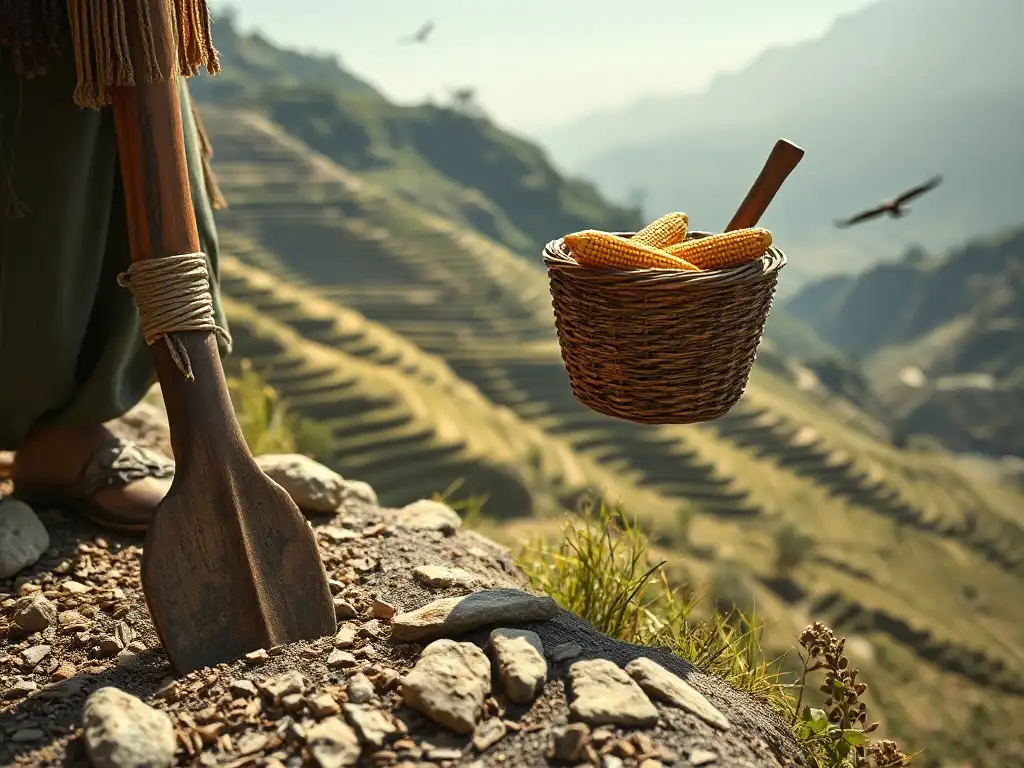
The Huari, a powerful pre-Inca civilization, relied on sophisticated agricultural techniques to support their large population and expansive empire. Their success wasn't solely due to fertile lands; it stemmed from innovative tools and technologies that maximized crop yields. Evidence from archaeological digs reveals a surprisingly advanced understanding of agriculture, far exceeding the simple tools of many contemporary cultures. This allowed them to cultivate diverse crops across varied terrains, from high-altitude plateaus to lower valleys.
The ingenuity of their tools and techniques is a testament to their adaptability and engineering prowess. They were not simply farming; they were actively shaping and improving their environment to meet their needs. This proactive approach to agriculture is a key factor in understanding the Huari's rise to power and the longevity of their civilization.
Tools Used for Land Preparation
Land preparation was crucial for successful Huari agriculture. Archaeological finds indicate the use of sophisticated tools for plowing and tilling the land. These included sturdy wooden plows, likely tipped with stone or metal, that could effectively break up the soil. Evidence suggests the use of different plow types depending on the soil conditions and the type of crop being planted, demonstrating a nuanced understanding of soil mechanics.
In addition to plows, they employed digging sticks and hoes, made from wood and reinforced with stone or bone, for finer soil preparation around planted crops. The efficiency of these tools allowed for the cultivation of larger areas and facilitated the expansion of Huari agricultural lands. This efficient land preparation was a cornerstone of their agricultural success.
Planting and Harvesting Implements
Planting and harvesting techniques were equally advanced. While the specifics remain debated amongst scholars, the discovery of specialized tools indicates a structured approach to these processes. Simple digging sticks were used for planting seeds, but the presence of specialized tools for weeding suggests a focus on crop maintenance. This points to a level of agricultural expertise that prioritized maximizing yield through sustained care.
For harvesting, sickles and knives made from obsidian or other sharp materials are frequently found in archaeological contexts. These tools facilitated efficient harvesting of crops like maize, potatoes, and beans, staples of the Huari diet. The careful consideration given to these tools speaks to the importance of agriculture within the Huari social structure. The effectiveness of their harvesting implements ensured a reliable food supply for the entire population.
Storage Techniques and Food Preservation
The Huari understood the importance of preserving their harvests to ensure food security throughout the year. They employed a variety of storage techniques, ranging from simple pits dug into the ground to more complex structures like granaries. These granaries, often built from stone or adobe brick, were designed to protect food from the elements and pests. The size and number of these structures suggest large-scale agricultural production and efficient storage capabilities.
Beyond storage, the Huari likely employed various preservation methods, such as drying, sun-curing, and possibly even fermentation, to extend the shelf life of their crops. These advanced storage and preservation techniques were essential for sustaining a large population and maintaining stability throughout the year. The sophistication of their storage systems is a testament to their ability to manage resources effectively.
The success of Huari agriculture wasn't merely a result of technological innovation; it was deeply intertwined with the social organization of the society. A complex system of labor, resource management, and state control ensured the efficient production and distribution of food. This intricate system highlights the profound impact agriculture had on the Huari's social structure and the overall stability of their empire. Understanding this social organization is crucial to appreciating the full extent of their agricultural achievements.
Community Labor and Cooperative Farming
Archaeological evidence and analysis of Huari settlements suggest a significant role for community labor in agricultural production. Cooperative farming, where groups of people worked together to cultivate and harvest crops, was likely widespread. This collaborative approach maximized efficiency and ensured that even large-scale projects could be completed effectively.
The organization of labor may have been structured around kinship groups or administrative units, with individuals assigned specific tasks based on their skills and experience. This communal effort ensured a reliable food supply for the entire community, strengthening social bonds and fostering a sense of shared responsibility. The spirit of cooperation was vital to the success of Huari agriculture.
The Role of the State in Agricultural Production
The Huari state played a crucial role in managing and directing agricultural production. While the exact mechanisms remain a subject of ongoing research, evidence suggests a centralized system of resource allocation and control. The state likely oversaw the construction and maintenance of irrigation systems, the distribution of land, and the regulation of agricultural practices.
This centralized control ensured that resources were used efficiently and that food production met the needs of the growing population. The state's involvement likely included the collection of taxes in the form of agricultural produce, which would have further reinforced its control over food production and distribution. This involvement helped to ensure a stable food supply across the empire.
The Impact of Agriculture on Huari Society
Huari agriculture had a profound impact on all aspects of Huari society. The surplus of food produced allowed for the development of specialized labor, the growth of urban centers, and the expansion of the empire. The availability of food also supported a growing population and contributed to the overall prosperity and stability of the civilization.
The success of Huari agriculture facilitated the creation of a complex and sophisticated society, leaving a lasting legacy on the Andean region. The agricultural innovations of the Huari remain a testament to the ingenuity and organization of this powerful pre-Inca civilization and its lasting impact on subsequent Andean societies. Their agricultural achievements continue to fascinate and inspire researchers today.
Impact of Huari Agricultural Techniques on Later Civilizations
The sophisticated agricultural techniques developed by the Huari civilization had a profound and lasting impact on subsequent Andean cultures. Their innovations weren't simply adopted; they were adapted and refined, becoming integral components of later agricultural systems. The Huari's mastery of terracing, irrigation, and crop diversification provided a blueprint for future societies grappling with the challenges of feeding expanding populations in a complex Andean environment.
This legacy is particularly evident in the agricultural practices of the Inca Empire, a civilization that built upon and expanded the Huari model to an even greater scale. The Huari's success in managing water resources, for example, served as a crucial lesson for later civilizations, demonstrating the importance of careful planning and infrastructure development to ensure reliable crop yields. Their understanding of different microclimates and the suitability of various crops for specific terrains also proved invaluable for subsequent agricultural development in the Andes.
The Huari's system wasn't static; it evolved and adapted over time, reflecting their ongoing experimentation and innovations in agricultural technology. This dynamic approach to agriculture helped shape the agricultural landscape of the Andes for centuries to come.
Influence on Inca Agricultural Practices
The Inca Empire, known for its impressive agricultural achievements, undoubtedly benefited from the legacy of Huari agricultural techniques. While the Inca expanded upon and refined existing practices, the fundamental principles of terracing, irrigation, and crop diversification were clearly inherited from their Huari predecessors. The Inca's extensive road network, for instance, facilitated the efficient transportation of agricultural goods, a system that likely drew inspiration from Huari logistical advancements.
Furthermore, the Inca's waru waru raised field system, while possessing unique characteristics, shows clear parallels with the earlier Huari agricultural techniques. Both civilizations demonstrated a deep understanding of water management, utilizing canals and reservoirs to optimize water distribution and maximize crop yields. The Inca's sophisticated system of mit'a, a form of labor taxation, also likely had roots in earlier Huari systems of labor organization, enabling the construction and maintenance of large-scale agricultural projects.
The Inca's success in feeding a vast empire was built, in part, on the foundation laid by the Huari's innovative agricultural strategies. Evidence suggests a direct lineage between Huari agricultural practices and those of the Inca, showcasing the long-term influence of the earlier civilization.
Legacy of Huari Agriculture in the Andes
The legacy of Huari agricultural techniques extends far beyond the Inca Empire. Their impact is visible in the agricultural practices of numerous Andean communities that followed. Even today, many traditional farming methods in the Andes reflect the enduring influence of Huari innovations.
The use of terracing to cultivate steep slopes, for example, remains a common practice, demonstrating the practicality and long-term sustainability of Huari techniques. Similarly, the principles of water management developed by the Huari continue to be relevant in arid and semi-arid regions of the Andes. Furthermore, the Huari's emphasis on crop diversification, ensuring resilience against environmental variability, remains a crucial element of Andean agricultural practices.
This enduring legacy highlights the remarkable adaptability and effectiveness of Huari agricultural methods, which have proven capable of sustaining Andean communities for centuries. The impact of Huari agriculture is not merely historical; it is a living testament to the ingenuity and foresight of this remarkable civilization. Their agricultural innovations continue to shape the agricultural landscape and practices of the Andes, demonstrating their lasting contributions to the region's food security and cultural heritage.
Conclusion: The Lasting Impact of Huari Agricultural Innovation
The Huari civilization's mastery of agricultural techniques stands as a testament to their ingenuity and adaptability. Their innovations, including sophisticated irrigation systems, terracing techniques, and crop diversification strategies, were not merely responses to environmental challenges; they were proactive solutions that facilitated the growth and prosperity of their expanding empire. The impact of Huari agricultural practices extended far beyond their own time, leaving an indelible mark on subsequent Andean cultures, most notably the Inca.
The careful planning, effective resource management, and sustainable practices employed by the Huari provided a foundation upon which later civilizations built their own agricultural systems. Their legacy is not confined to the past; echoes of Huari agricultural innovations can still be found in contemporary Andean farming practices, demonstrating the enduring relevance and impact of their achievements.
The study of Huari agriculture offers valuable insights into sustainable agricultural practices, particularly in challenging environments, and serves as a reminder of the crucial role of innovation and adaptation in ensuring food security for growing populations. The Huari's agricultural legacy continues to inspire and inform agricultural practices in the Andes, a lasting tribute to their remarkable ingenuity.
- Introduction to Huari Agricultural Practices
- The Environmental Challenges Faced by Huari Farmers
- Key Huari Agricultural Innovations
- Crops Cultivated by the Huari Civilization
- Huari Agricultural Tools and Technologies
- The Social Organization of Huari Agriculture
- Impact of Huari Agricultural Techniques on Later Civilizations
- Conclusion: The Lasting Impact of Huari Agricultural Innovation
- What were the main challenges faced by the Huari in feeding their growing population?
- How did Huari agricultural techniques differ from those of previous Andean cultures?
- What is waru waru agriculture, and why was it so effective?
- What role did the Huari state play in managing agricultural production?
- What evidence supports our understanding of Huari agricultural practices?
Frequently Asked Questions
What were the main challenges faced by the Huari in feeding their growing population?
The Huari Empire experienced significant population growth, demanding innovative agricultural techniques to produce enough food. Challenges included arid and mountainous terrain, requiring them to develop sophisticated irrigation and terracing systems.
How did Huari agricultural techniques differ from those of previous Andean cultures?
While building on existing techniques, the Huari implemented large-scale irrigation systems and extensive terracing on an unprecedented scale. Their waru waru raised-field agriculture was particularly notable for its efficiency and resilience.
What is waru waru agriculture, and why was it so effective?
Waru waru is a raised-field system where fertile soil is piled into rectangular platforms separated by canals. This system improved drainage, reduced frost damage, and retained moisture, leading to increased yields.
What role did the Huari state play in managing agricultural production?
The Huari state played a vital role, organizing labor for large-scale projects like irrigation and terracing. They likely controlled water distribution and possibly even redistributed food, ensuring the empire's stability.
What evidence supports our understanding of Huari agricultural practices?
Archaeological evidence, including extensive irrigation canals, terraced fields, and the remains of waru waru systems, provides strong support. Analysis of plant remains further clarifies their agricultural practices and crop diversity.
Final Reflection: The Enduring Legacy of Huari Agricultural Innovation
The ingenuity of Huari agricultural techniques offers a powerful lesson for our modern world, a testament to the fact that sustainable practices are not merely a contemporary concern, but a vital key to societal survival. Facing climate change and a burgeoning global population, we can learn invaluable strategies from a civilization that thrived centuries ago by mastering its environment, rather than succumbing to it. The Huari's success wasn't accidental; it was a direct result of careful planning, resource management, and a deep understanding of their ecological context.
The impact of the Huari's agricultural innovations resonates far beyond the Andes Mountains. Their sophisticated terracing, irrigation systems, and crop diversification strategies continue to inspire modern agricultural practices, reminding us of the enduring power of human ingenuity in the face of environmental challenges. The past is never dead. It's not even past.
– William Faulkner. This quote perfectly encapsulates the relevance of Huari agricultural techniques; their legacy lives on, informing our current efforts to create a more sustainable and food-secure future. Their achievements serve as a potent reminder that even in the face of seemingly insurmountable obstacles, human innovation can provide solutions.
Consider the challenges we face today: climate change, population growth, and the need for sustainable food production. The Huari's story is not just a historical account; it's a call to action. You can contribute to a more sustainable future by learning from their example. Explore innovative farming techniques, support sustainable agriculture initiatives, and advocate for policies that prioritize environmental stewardship. Let the ingenuity of the Huari inspire you to build a future where food security and environmental sustainability go hand in hand.
Embrace Innovative Agriculture Today!
Thank you for exploring the world of sustainable agriculture with us! Learning how past civilizations thrived through innovative farming techniques reveals the power of adaptation. Now, let's put that knowledge to work!
Here are some practical steps you can take to make a difference in your own agricultural practices or community:
- Implement sustainable practices: Begin by incorporating eco-friendly methods into your gardening or farming, such as composting, crop rotation, and water conservation. Even small changes can make a significant impact.
- Join a local gardening or farming group: Connecting with like-minded individuals fosters collaboration and shared learning. You can discover new techniques and contribute to a thriving community.
- Explore educational resources: Seek out workshops, online courses, or books on sustainable agriculture. Expanding your knowledge will reveal surprising and effective methods.
What sustainable agricultural techniques are you most excited to try? Share your ideas and inspire others!