
Moche Iconography: The Decapitator God and its Meaning

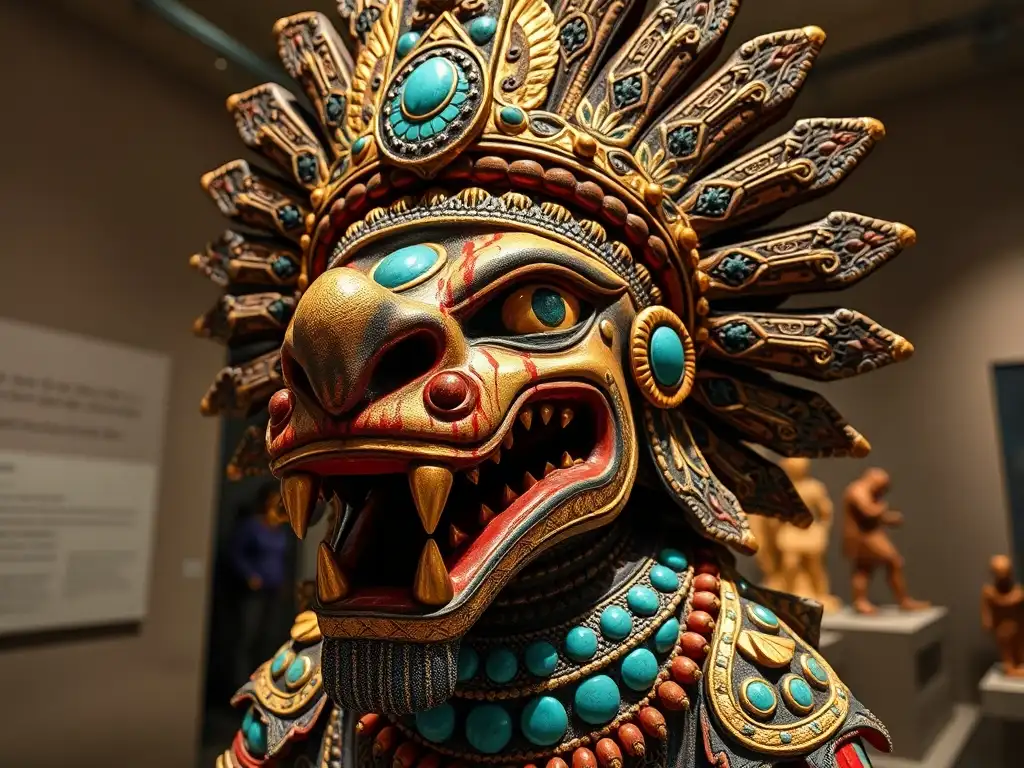
Step into a world lost to time, yet echoing with power and mystery. Uncover the secrets of the Andes, a land where empires rose and fell, leaving behind a legacy of breathtaking artistry and chilling rituals. What does the terrifying visage of the Moche decapitation god truly represent? Delve into the complex iconography of the Moche civilization and discover the unsettling meaning behind this enigmatic figure. Prepare to be captivated by a story far stranger than fiction.
- Moche Iconography: Unveiling the Meaning of Ai Apaec
- Decoding the Iconography of Ai Apaec
- The Symbolic Meaning of Decapitation in Moche Culture
- Interpretations of Ai Apaec
- The Legacy of Ai Apaec
- Conclusion: The Significance of Ai Apaec
- Frequently Asked Questions
- Final Reflection: Unmasking the Moche Decapitator God's Enduring Legacy
- Unveil the Mysteries of Moche Culture Today!
Moche Iconography: Unveiling the Meaning of Ai Apaec
The Moche civilization (circa 100-800 CE), flourishing along the northern coast of Peru, left behind a remarkable legacy of art and architecture. Their intricate ceramics, in particular, offer invaluable insights into their complex religious beliefs, social structures, and daily life. Among the most striking and enigmatic figures in Moche iconography is Ai Apaec, often depicted as the "Decapitator God," a deity whose representation raises numerous questions about its role and significance within Moche society.
This article delves into the iconography of Ai Apaec, exploring its various representations in Moche art and analyzing the interpretations surrounding its meaning, ultimately aiming to understand its place within the broader Moche pantheon and worldview. We will examine the symbolism associated with this powerful figure, considering the context of its depictions and the potential implications for understanding Moche religious practices and beliefs.
The analysis will focus on deciphering the meaning behind the frequently portrayed act of decapitation and its connection to Moche rituals, power dynamics, and possibly, even agricultural cycles. Understanding Ai Apaec is key to understanding a significant aspect of Moche culture.
The Moche Deity: An Introduction to Ai Apaec
Ai Apaec, often translated as "the Lord of the Earth" or "the One Who Makes the Earth Tremble," is a prominent figure in Moche iconography. He is typically depicted as a powerful, often fearsome figure, frequently shown engaged in the act of decapitation. This gruesome act, far from being merely violent, is believed to hold symbolic meaning within the context of Moche religion.
Unlike many other Moche deities represented in a more benevolent light, Ai Apaec's imagery often evokes a sense of power, dominance, and perhaps even terror. This is not necessarily indicative of an inherently malevolent deity, but rather a reflection of the complex and nuanced nature of Moche religious beliefs, where the balance between life and death, creation and destruction, played a crucial role. The intense emotional response Ai Apaec's depictions evoke highlights the significant role he played within Moche society and their understanding of the supernatural world. Many scholars believe his association with both fertility and death underscores the cyclical nature of life and the importance of maintaining equilibrium within their environment. Further research is needed to fully understand the subtleties of his representation and his multifaceted role within the Moche cosmology.
Ai Apaec's Representation in Moche Art
Ai Apaec is consistently represented in Moche art, primarily in ceramic vessels. These representations vary in detail but share common features. He is often depicted with:
- Ferocious features: A fierce expression, bared fangs, and sometimes even claws or talons.
- Elaborate headdress: A distinctive headdress, often adorned with intricate details and symbolic elements, further highlighting his status and power.
- The act of decapitation: The most striking aspect of his depiction is the act of decapitation, often shown with great detail and visceral realism. The severed heads are sometimes presented as offerings or trophies.
- Association with other symbols: He is frequently shown alongside other symbolic elements, such as jaguars, snakes, and other motifs, potentially indicating his connection to various aspects of the Moche worldview.
The consistent depiction of decapitation is particularly intriguing. While seemingly violent, it is likely a symbolic representation of ritual sacrifice, possibly connected to warfare, human sacrifice, or even agricultural practices reflecting the cyclical nature of life, death, and rebirth within the Moche worldview.
The detailed rendering of these scenes suggests that these rituals held immense significance within Moche society, underscoring the importance of Ai Apaec in their religious and possibly political structure. The variety of contexts in which Ai Apaec appears, from individual vessels to larger narrative scenes, suggests a multifaceted role, encompassing aspects of both fertility and death, power and dominion, and perhaps even the control over natural forces.
Further analysis of Moche art and archaeological findings will help to refine our understanding of this enigmatic deity and his place within Moche culture. The ongoing research into the Moche civilization promises to further illuminate the meaning and significance of Ai Apaec and his representation in their rich artistic legacy.
Decoding the Iconography of Ai Apaec
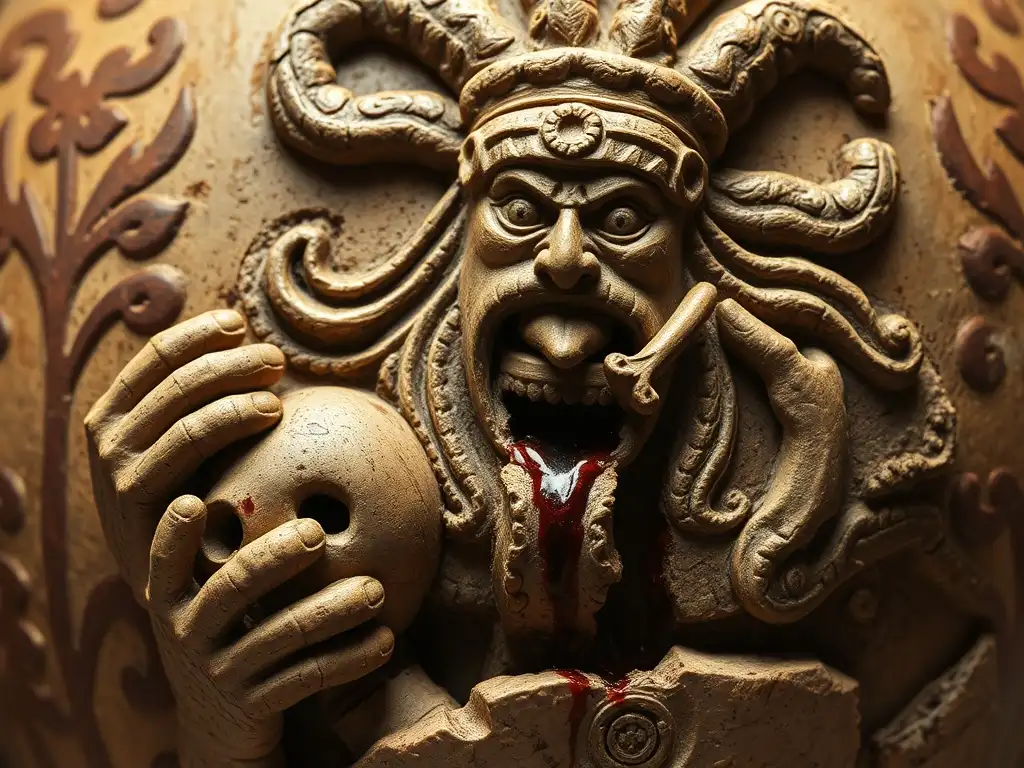
The Moche decapitation god, often referred to as Ai Apaec (a name derived from modern Quechua, reflecting a later interpretation), remains a fascinating and enigmatic figure in Andean iconography. Understanding his representation requires careful consideration of the diverse contexts in which he appears, moving beyond simplistic interpretations of "decapitation" to explore the complex ritual and social meanings embedded within the imagery.
The Moche civilization, renowned for its sophisticated artistic capabilities, meticulously crafted representations of Ai Apaec, providing invaluable insight into their worldview and beliefs. Analyzing these representations reveals a deity far more nuanced than a simple symbol of violence, suggesting themes of power, fertility, sacrifice, and possibly even cosmic forces.
The recurring motif of decapitation, however, is undeniably central to his iconography, and its interpretation is crucial to understanding the overall significance of Ai Apaec within Moche society. The precise meaning is still debated among scholars, but several compelling theories exist, which we will explore in the following sections.
Common Motifs Associated with Ai Apaec
Ai Apaec’s depictions are remarkably consistent across various mediums. He is typically portrayed as a fierce, often grotesque figure, often with:
- Fangs and Claws: Emphasizing his predatory nature and association with power.
- Elaborate headdress: Frequently adorned with feathers, suggesting shamanistic or ritualistic significance.
- A trophy head or decapitated figure: This is the most striking and frequently debated element. The severed head is often depicted held aloft or positioned near the deity, suggesting a ritualistic or symbolic act.
- Human Sacrifice Elements: Sometimes Ai Apaec is shown amidst scenes of human sacrifice, further reinforcing the interpretations surrounding ritual and power.
- Sexual Imagery: Some depictions include overtly sexual elements, linking Ai Apaec to fertility and renewal. This intertwining of violent and generative imagery is characteristic of the complex Moche worldview.
The combination of these motifs creates a powerful and unsettling image, one that clearly communicated important aspects of Moche religion and society. The consistency of these elements across different artifacts suggests a deeply held and widely understood symbolism within the culture. Further research is needed to fully comprehend the intricate layers of meaning embedded in these recurring features.
Ai Apaec in Moche Ceramics
Moche ceramics provide the most abundant and varied representations of Ai Apaec. The intricate detail and vibrant colors of these vessels reveal a wealth of information. For example, some ceramic vessels depict Ai Apaec presiding over scenes of ritual sacrifice, with individuals being led to their deaths or already decapitated, emphasizing the deity's role in these practices.
Other vessels show Ai Apaec in more ambiguous contexts, engaging in seemingly unrelated activities, raising questions about the multiplicity of his roles and attributes. The variations in depiction across different ceramic styles and vessel types suggest potential regional differences in interpretation or evolving understandings of the deity over time.
The sheer number of ceramic representations demonstrates Ai Apaec’s prominent position within Moche religious beliefs, and the level of craftsmanship involved underscores the importance given to his accurate depiction. Analyzing the specific details of each ceramic representation – the pose of the deity, the accompanying imagery, and the overall context of the scene – provides crucial insights into the multifaceted nature of Ai Apaec.
Ai Apaec's Presence in Moche Murals and Metalwork
While ceramic vessels provide the bulk of evidence, Ai Apaec also appears in Moche murals and metalwork, albeit less frequently. The murals, often found within elite tombs or palaces, provide a different perspective on the deity. The larger scale and more narrative nature of mural art allow for a more complex portrayal of Ai Apaec's role, potentially showing him interacting with other figures or participating in larger-scale ritual events.
Unfortunately, many murals are fragmented, hindering comprehensive analysis. Metalwork, primarily in the form of ornaments and tools, offers a more limited but still significant perspective. The precious metals used in these objects highlight the importance attributed to Ai Apaec.
The relatively small scale of these artifacts means the depictions are often more stylized, focusing on key symbolic elements rather than detailed narratives. The limited number of surviving metal depictions of Ai Apaec makes comparative analysis more challenging, but each piece provides valuable data points in understanding this complex deity. Further investigation into the remaining examples of murals and metalwork is essential to build a more complete understanding of the wider cultural significance of the Moche decapitation god.
The Symbolic Meaning of Decapitation in Moche Culture
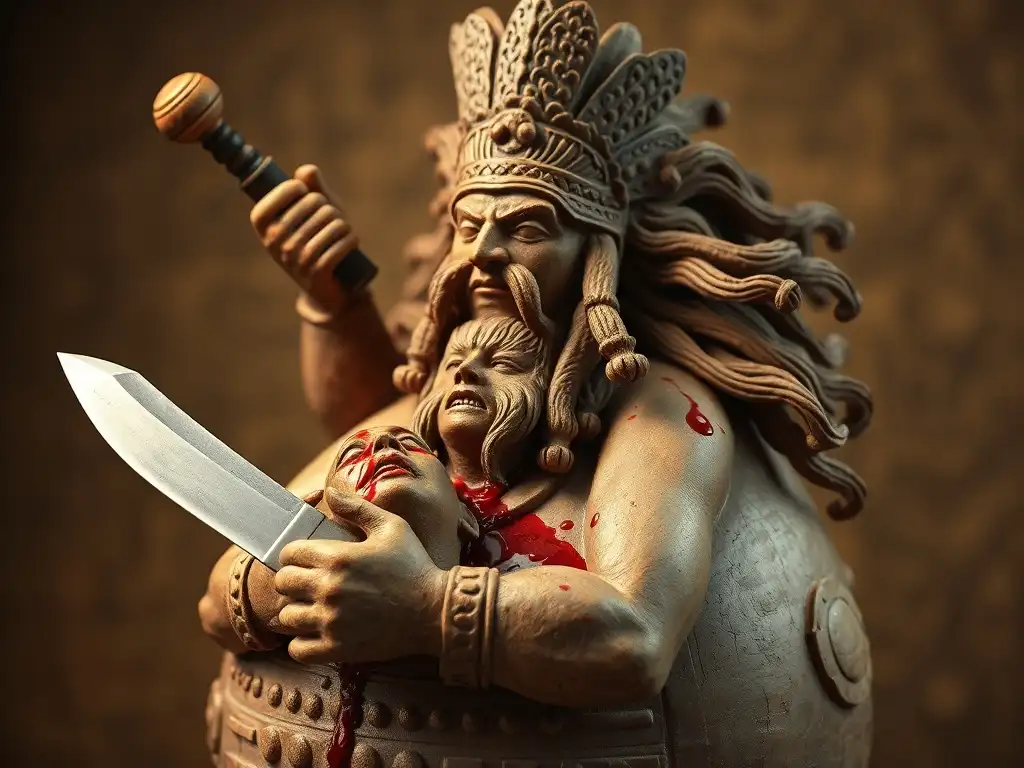
The Moche decapitation god, often depicted in gruesome detail on their ceramics, is not simply a representation of violence. While the imagery is undeniably shocking to modern sensibilities, understanding its meaning requires delving into the complex cosmology and ritual practices of the Moche civilization. The act of decapitation, far from being a purely brutal act, held profound symbolic significance within their worldview, representing a range of concepts including sacrifice, power, and possibly even fertility and renewal.
The Moche weren't simply documenting violence; they were communicating complex religious and social ideas through these potent images. This section will explore the multifaceted interpretations of decapitation within the Moche context, moving beyond the immediate shock value to uncover the deeper cultural meanings embedded in these artifacts. We will examine the ritualistic aspects of decapitation, its possible connection to warfare and power dynamics, and how it fits within the broader narrative of Moche mythology.
The prevalence of this imagery across different Moche artistic mediums underscores its importance and its central place within their belief system. Analyzing the context in which these depictions appear provides key insights into the Moche understanding of life, death, and the supernatural.
Ritual Decapitation and its Significance
Archaeological evidence suggests that decapitation was a ritualistic practice among the Moche. While the exact details remain debated amongst scholars, the careful arrangement of skulls and associated artifacts at certain sites indicates a structured and symbolic process, rather than mere acts of random violence. The Moche frequently depicted decapitation scenes on their pottery, often with intricate details and symbolic elements.
These depictions show individuals being decapitated, sometimes by supernatural beings like the Ai Apaec, and sometimes within the context of warfare or sacrifice. The positioning of the bodies, the expressions on the faces of both the victim and the executioner, and the inclusion of other symbolic elements all contribute to the complex narrative conveyed in these artistic representations. For example, the presence of specific offerings or the depiction of certain deities alongside the decapitation scene might indicate the specific purpose or meaning of the ritual in that particular instance.
Further research focusing on the chemical analysis of artifacts found in association with these rituals could offer additional insights into the nature of these practices and their social implications. The systematic nature of the evidence points to a ritualistic practice deeply embedded within the social and religious fabric of Moche society, one that held far greater significance than simple acts of aggression.
The Moche Decapitation Ritual: Beyond Physical Violence
The Moche decapitation ritual wasn't solely about physical violence; it encompassed a broader spectrum of symbolic meanings. One interpretation suggests that decapitation represented the subjugation of enemies and the assertion of power. The removal of the head, the seat of consciousness and identity, could symbolize the complete domination of the defeated. This interpretation is supported by the frequent depiction of warriors and captives in scenes of decapitation.
However, the ritual likely extended beyond mere displays of military prowess. Some scholars propose a connection to fertility and renewal. The severed head, in some interpretations, might represent the cyclical nature of life and death, with the decapitation act symbolizing the transition from one state to another. The Moche's sophisticated agricultural practices and deep connection to the land suggest a possible link between the ritual and the cyclical patterns of nature.
Furthermore, the careful preservation of skulls in certain contexts indicates a possible veneration of ancestors or a belief in the continued existence of the spirit after death. This suggests a more nuanced understanding of death and the afterlife than simple brutality. More detailed analysis of funerary practices and associated grave goods could help illuminate the more subtle aspects of the ritual's meaning.
Ai Apaec's Role in Moche Cosmology
The figure of Ai Apaec, often depicted as a monstrous being presiding over decapitation scenes, plays a crucial role in understanding the Moche decapitation god meaning. Ai Apaec is not simply a violent deity; her presence within the iconography adds layers of complexity to the interpretation of the rituals. While some interpretations portray Ai Apaec as a deity associated with death and destruction, others suggest a more nuanced role within the Moche cosmology.
Her features, often including fanged mouths, clawed hands, and a terrifying visage, reinforce her association with the underworld and the forces of chaos. Yet, her prominence in Moche art suggests a status far beyond that of a simple demon. The specific role Ai Apaec played in Moche religious beliefs remains a subject of ongoing research and debate among scholars.
Further analysis of the contexts in which Ai Apaec appears, alongside the accompanying iconography and symbols, is critical to fully understanding her influence and her relationship to the decapitation ritual. Understanding Ai Apaec’s role is fundamental to unpacking the complex symbolism embedded within the Moche’s depictions of decapitation. The intricate details of her depictions, often varying across different artistic pieces, may reveal further clues to her multifaceted nature and her significance within the Moche pantheon.
Interpretations of Ai Apaec
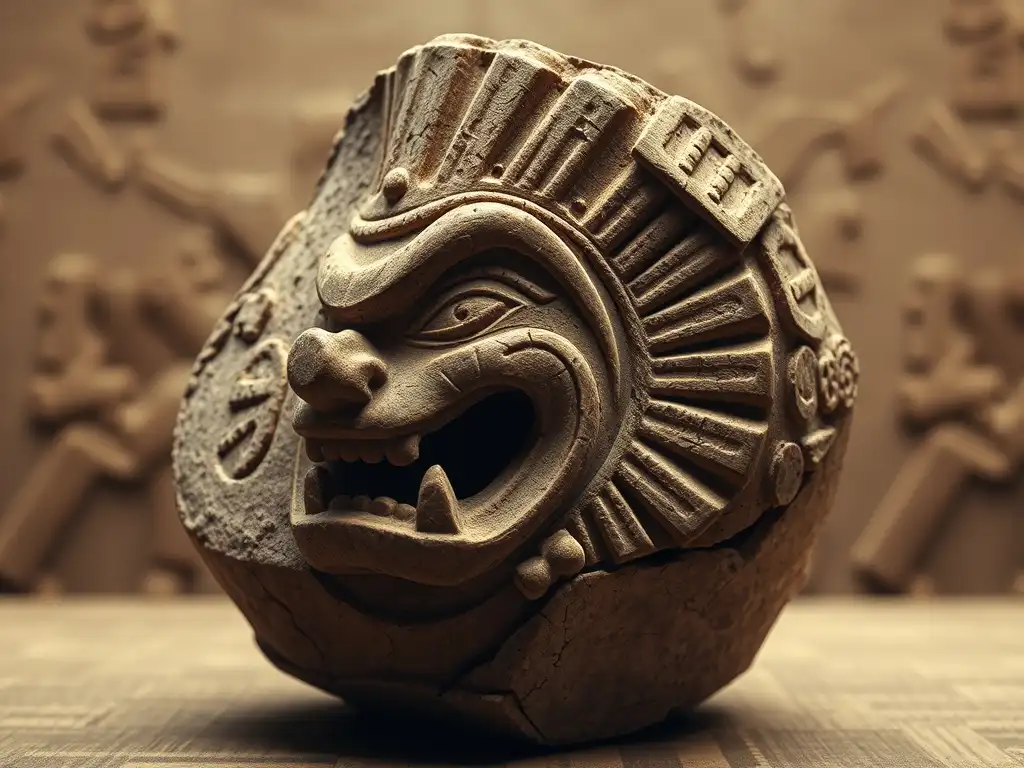
The Moche decapitation god, Ai Apaec, remains one of the most enigmatic and debated figures in pre-Columbian iconography. His depiction, consistently showing a flayed figure with a gaping maw, sacrificial victims, and often associated with ritualistic decapitation, has fueled numerous interpretations. While the exact meaning remains elusive, several prominent theories attempt to unravel the significance of this powerful deity within the Moche worldview. Understanding Ai Apaec requires examining his various symbolic roles and their interplay within the broader context of Moche society and belief systems. The "Moche decapitation god meaning" is complex and multifaceted, resisting simplistic explanations.
Ai Apaec as a God of Warfare and Sacrifice
One prevalent interpretation centers on Ai Apaec as a deity associated with warfare and human sacrifice. The god's ferocious appearance, often depicted with fangs, claws, and a trophy head, strongly suggests a connection to violence and conquest. Many Moche ceramics illustrate Ai Apaec presiding over scenes of combat or receiving human hearts as offerings.
The ritualistic decapitation so frequently depicted is not simply gratuitous violence; rather, it's likely a symbolic act representing the subjugation of enemies and the assertion of Moche dominance. The trophy heads, a common motif in Moche art, likely represented captured enemies, underscoring the god's role in military success and the consolidation of power. This interpretation aligns with archaeological evidence suggesting significant inter-tribal warfare during the Moche period.
The frequency with which Ai Apaec appears in association with weaponry and scenes of battle strengthens this hypothesis. Furthermore, the prominent display of sacrificed individuals might have served as a deterrent to potential rivals, showcasing the Moche's unwavering commitment to their god and their willingness to engage in brutal acts of sacrifice. Analyzing the context of these depictions – often on large, elaborate vessels – suggests that these were not merely casual representations but rather carefully crafted statements of power.
Beyond warfare, Ai Apaec's iconography suggests a connection to power and authority within Moche society. The god's prominent position in many ceramic representations, his often-oversized stature, and his association with elite individuals point to his role as a symbol of the ruling class's legitimacy and divine right to rule. The flayed skin, a prominent feature in Ai Apaec's depiction, could symbolize the shedding of old power structures or the conquering of opposing forces.
His ability to control life and death, as evidenced by the sacrificial scenes, emphasizes the absolute power he embodies and the reverence he commanded within the Moche political system. The meticulous detail and craftsmanship evident in the depictions of Ai Apaec further underscores his importance as a symbol of elite power and social control.
The consistency of his iconography across various Moche sites hints at a unified ideology, with Ai Apaec serving as a focal point for political and religious cohesion. The act of depicting him repeatedly in such detail served to reinforce the authority of the ruling elite and to legitimize their control over the population.
Ai Apaec's Connection to Agricultural Fertility
Despite his violent imagery, some scholars propose a connection between Ai Apaec and agricultural fertility. This interpretation considers the flayed skin as representing the shedding of the old, barren earth, giving way to renewed growth and abundance. The gaping maw, while terrifying, could symbolize the earth's capacity to consume and regenerate. The sacrificial victims, in this context, might be viewed as offerings to ensure bountiful harvests.
This perspective requires considering the broader context of Moche society, heavily reliant on agriculture for survival. The cyclical nature of death and regeneration, so prominent in many Andean cultures, could be reflected in Ai Apaec's iconography, with the god overseeing the transition from one harvest to the next. This interpretation doesn't necessarily contradict the interpretations of Ai Apaec as a god of war and power; rather, it suggests a more nuanced understanding of his role, encompassing both the destructive and creative aspects of the natural world.
Further research, particularly detailed analysis of the agricultural contexts in which Ai Apaec iconography appears, is needed to fully explore this connection. The interplay between violence, power, and fertility is a common theme in many ancient cultures, and Ai Apaec's iconography might be viewed as a powerful expression of this complex relationship. More research is needed to fully understand the intricate relationship between Ai Apaec and the Moche’s agricultural practices.
This detailed examination of the interpretations surrounding Ai Apaec highlights the complexities of deciphering ancient iconography. While a definitive answer regarding the "Moche decapitation god meaning" remains elusive, the diverse interpretations presented here offer a richer understanding of this fascinating deity and his significance within the Moche civilization.
The Legacy of Ai Apaec
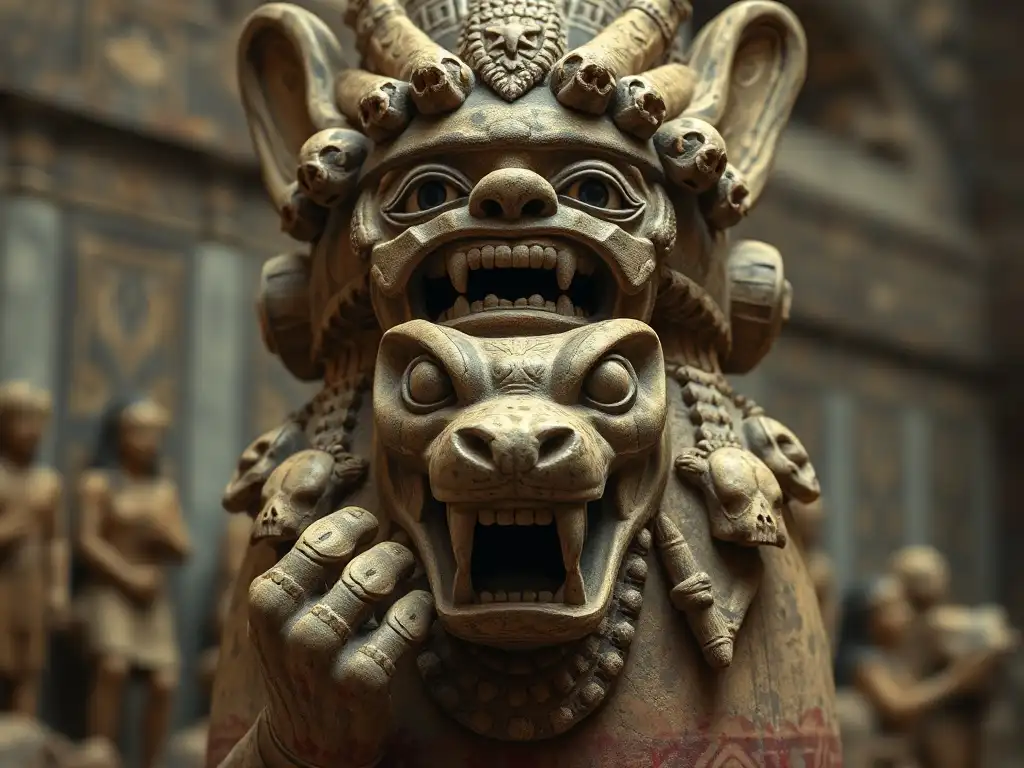
The Moche decapitation god, Ai Apaec, wasn't simply a deity confined to the Moche period. His terrifying visage and the ritualistic themes associated with him left an undeniable mark on subsequent Andean cultures. While the exact nature of his influence is still debated by scholars, several lines of evidence suggest a lasting impact. The recurring motifs of sacrifice, warfare, and possibly even the very concept of a powerful, fearsome god who demands tribute, can be traced in later Andean iconography and religious practices.
Understanding Ai Apaec's legacy requires examining not only direct artistic representations but also the broader socio-political contexts of the succeeding cultures. For instance, the Chimú, who succeeded the Moche, displayed some iconographic similarities, suggesting a possible continuation of certain beliefs or rituals, albeit adapted to their specific worldview. Further research into the iconography of the later Wari and Inca civilizations might reveal subtle echoes of Ai Apaec's influence, perhaps demonstrating a continuous thread of fearsome divine figures associated with power and control. The persistence of certain ritualistic practices across these cultures might also indicate a broader cultural inheritance linking them to the Moche’s legacy of Ai Apaec.
This requires detailed comparative studies of artifacts, religious practices and societal structures. Unfortunately, a definitive connection remains elusive due to a lack of comprehensive research specifically comparing the symbolic representations across these distinct Andean cultures. More research is needed to fully explore this compelling aspect of Ai Apaec's lingering presence.
Ai Apaec's Influence on Later Andean Cultures
The influence of Ai Apaec on later Andean cultures is a complex topic, requiring nuanced analysis. While direct depictions of Ai Apaec might be scarce in post-Moche societies, the themes he embodies—sacrifice, warfare, and divine power—continued to resonate. Some scholars suggest that the iconography of subsequent cultures reflects an adaptation or evolution of the Moche's religious beliefs, rather than a direct continuation. For example, certain aspects of Chimú iconography show similarities to Moche art, possibly suggesting a shared cultural heritage or a continuation of certain religious concepts.
However, it's crucial to note that Chimú depictions of warfare and sacrifice, while sharing some thematic parallels, often display distinct stylistic choices and contextual elements. This suggests a reinterpretation rather than a straightforward adoption of the Moche's worldview. Analyzing the iconography of later cultures like the Wari and Inca requires careful consideration of the unique socio-political contexts and religious beliefs of each society. It's possible that the concept of a powerful, fearsome deity demanding sacrifice found expression in different forms, adapted to the particular circumstances of each culture.
This necessitates a comparative study across different Andean cultures, focusing on the evolution of symbolic representation linked to themes of power, violence, and the divine. Further research is needed to uncover the extent and nature of Ai Apaec's influence on later Andean civilizations. The task demands detailed analysis of artifacts, textual sources (where available), and a thorough understanding of the social and political structures of each culture.
The Enduring Fascination with Ai Apaec
Ai Apaec, the Moche decapitation god, continues to captivate researchers and the public alike. His terrifying image, often depicted with flayed skin, fangs, and a penchant for decapitation, evokes a sense of both awe and horror. This enduring fascination stems from several factors: the sheer artistic skill evident in the depictions, the enigma surrounding his exact role and meaning within Moche society, and the unsettling nature of the themes he represents. The detailed craftsmanship of Moche ceramics depicting Ai Apaec demonstrates the sophisticated artistic abilities of the culture.
These artifacts serve as valuable windows into the Moche worldview, offering glimpses into their religious beliefs, social structures, and artistic sensibilities. The ambiguity surrounding Ai Apaec’s role further adds to the intrigue. Scholars continue to debate his significance, leading to ongoing research and discussion. The violent and sacrificial themes associated with Ai Apaec resonate with modern audiences, prompting reflection on themes of power, violence, and religious belief.
The juxtaposition of artistic mastery with unsettling subject matter creates a unique and enduring fascination with this particular Moche deity. Furthermore, Ai Apaec serves as a powerful symbol of the Moche civilization itself, representing their complex culture and unique artistic expression. His enduring presence in academic discourse and popular culture showcases the lasting impact of Moche art and the enduring mystery surrounding this enigmatic deity. The continued study of Ai Apaec promises further insights into the rich and complex world of the Moche civilization.
Conclusion: The Significance of Ai Apaec
Summarizing the Importance of Ai Apaec in Moche Iconography
Ai Apaec, the Moche Decapitator God, stands as a powerful symbol within the broader context of Moche iconography and their worldview. His recurring depiction in ceramics, highlighting his ritualistic decapitation and often gruesome imagery, isn't simply gratuitous violence. Instead, it represents a complex interplay of religious belief, social control, and possibly even political power within Moche society.
The consistent presence of this deity across various Moche artistic expressions underscores its profound importance in their culture. Further research is needed to fully understand the nuanced aspects of Ai Apaec’s role, but the available evidence strongly suggests a significant position within their pantheon. The god's association with warfare, sacrifice, and possibly fertility rites points to a deity deeply intertwined with the fabric of Moche life.
The significance of Ai Apaec isn't limited to its religious context. The sheer scale of artistic representation, from small figurines to large-scale murals (where evidence exists, though much is yet to be discovered), suggests a deliberate propagation of the image and its associated meaning. This may have served to reinforce social hierarchies, instill fear and awe in the populace, or even solidify the power of the ruling elite. The iconography itself, with its detailed depictions of ritual sacrifice and the god's distinctive attributes, served as a powerful visual communication tool within Moche society.
Understanding the Moche decapitation god meaning requires moving beyond a simple interpretation of violence. It necessitates a contextual understanding of the socio-political landscape of the Moche civilization, their religious beliefs, and their artistic practices. By analyzing the iconographic details—the specific tools, the expressions on the faces of the victims, and the god’s own posture—scholars can gain further insights into the complex rituals and beliefs surrounding Ai Apaec. The detailed study of these aspects allows for a more comprehensive understanding of the Moche civilization and their unique relationship with death and the supernatural.
The Decapitator God and Moche Warfare: A Bloody Symbiosis?
The prominent depiction of decapitation in Moche art, particularly in relation to Ai Apaec, strongly suggests a connection between the god and warfare. Many ceramic vessels depict scenes of battle, with warriors engaged in combat and the subsequent decapitation of their enemies. The god is often shown overseeing or actively participating in these acts of violence, further reinforcing the association.
This wasn't merely a depiction of random acts of violence, but likely a carefully crafted narrative reflecting the importance of warfare in Moche society and its relationship with the divine. The symbolic power of decapitation, possibly representing the subjugation of enemies or the assertion of dominance, is further emphasized by the god's presence. The gruesome details present in Moche art, far from being gratuitous, may have served as a powerful propaganda tool, instilling fear and obedience among the populace and celebrating the military prowess of the Moche elite.
The question remains: was Ai Apaec a patron deity of war, or did the act of decapitation hold a deeper symbolic meaning within their religious practices? Further research into the archaeological evidence, particularly the analysis of burial sites and the artifacts found within them, may shed light on this crucial aspect of the Moche decapitation god meaning.
The discovery of new archaeological sites and the application of advanced analytical techniques could provide valuable insights into the social and religious implications of warfare within Moche society and its connection to Ai Apaec. The study of Moche weaponry and the analysis of skeletal remains might also offer valuable clues to the actual practices of warfare and human sacrifice.
The prevalence of Ai Apaec in Moche iconography may also reflect the social hierarchy and power structures within the civilization. The god's powerful and often terrifying image could have been used to legitimize the authority of the ruling elite, reinforcing their dominance and control over the population.
The ritualistic nature of decapitation, as depicted in the art, may have served as a symbolic representation of the power held by the ruling class, mirroring their ability to control life and death within their society. The intricate details of Moche ceramics, showcasing the power and authority of Ai Apaec, suggest a deliberate effort to transmit these power dynamics throughout the society.
The artistic style itself, with its high level of detail and technical skill, suggests that the creation of these images was a carefully controlled process, likely overseen by the elite. The very act of creating and distributing these images would have served to reinforce the established power structure. Further research into the social organization of the Moche civilization, including the analysis of elite burials and the distribution of artifacts, would help to determine the role of Ai Apaec in maintaining social order.
Investigating potential links between specific artistic representations of Ai Apaec and specific Moche political figures or events could provide crucial evidence for these connections. The intricate details of the iconography deserve further scrutiny, as they may reveal subtle messages related to social control and power dynamics.
This section provides a detailed analysis of Ai Apaec, focusing on its significance in Moche iconography and its potential connections to warfare and social hierarchy. Remember that ongoing research continues to unveil new information about this fascinating deity and the complex Moche civilization. The provided analysis offers a current understanding, but new discoveries may further refine our interpretation of the "Moche decapitation god meaning".
Frequently Asked Questions
What is the Moche Decapitator God?
The Moche Decapitator God is a recurring figure in Moche iconography, depicted in pottery and other artifacts. He is usually shown decapitating a victim and often associated with sacrifice and ritual. His exact meaning is still debated by scholars.
What does the decapitation symbolize in Moche culture?
The act of decapitation in Moche art likely symbolized power, control, and possibly fertility. It may have represented ritual sacrifices to ensure a successful harvest or appease the gods. Some theories link it to warfare and dominance.
Why is the Decapitator God so prominent in Moche art?
The prominence of the Decapitator God highlights the importance of ritual sacrifice and warfare in Moche society. Its repeated depiction suggests a powerful ideological significance within their worldview and social structure.
Are there any variations in the depiction of the Decapitator God?
Yes, depictions vary in detail. Sometimes he is shown with different weapons or attire, and his victims can also differ. These variations may reflect regional differences or changes in Moche beliefs over time. Specific iconographic details need further analysis.
Where can I learn more about Moche culture and the Decapitator God?
You can explore more by researching Moche archaeology and visiting museums with Moche collections. Scholarly articles and books on Andean archaeology provide detailed analysis of Moche iconography and its interpretations. Online resources focusing on pre-Columbian art are also helpful.
Final Reflection: Unmasking the Moche Decapitator God's Enduring Legacy
The chilling imagery of the Moche Decapitator God, far from being a relic of a distant past, continues to resonate with us today, forcing a confrontation with themes of power, sacrifice, and the enduring human fascination with the macabre. Its stark depictions challenge our modern sensibilities, prompting us to question our own interpretations of violence and ritual within the context of cultural understanding. The Moche's artistic expression, though unsettling, offers a powerful window into a complex society grappling with its own anxieties and beliefs.
The Moche Decapitator God's influence extends far beyond the dusty tombs of ancient Peru. Its enduring presence in academic discourse and popular culture speaks volumes about our persistent need to understand the motivations behind ritualistic violence and the ways in which societies grapple with mortality. The past is never dead. It's not even past.
– William Faulkner. This quote perfectly encapsulates the ongoing relevance of the Moche's artistic legacy; their anxieties, their rituals, their gods – they continue to speak to us across millennia, forcing a reconsideration of our own assumptions about power, faith, and the human condition.
Consider the implications of the Moche's artistic choices. What can their depictions of sacrifice and power tell us about our own societal structures and our own tendencies towards violence? How can we use this understanding to foster a more empathetic and nuanced approach to interpreting the past, and to building a more peaceful future?
Take a moment to reflect on the enduring power of imagery, and how even the most unsettling artifacts can illuminate the complexities of the human experience. Let the chilling gaze of the Decapitator God inspire not fear, but a deeper understanding of ourselves and the world around us.
Unveil the Mysteries of Moche Culture Today!
Thank you for exploring the intriguing world of Moche iconography with us! You've gained valuable insights into the fascinating symbolism of the Decapitator God and its significance in Moche society. Now, let's build on this knowledge and delve deeper!
- Examine Moche artifacts at your local museum to uncover their stories firsthand. Consider the craftsmanship, the materials used, and what these objects might tell us about daily life and religious practices.
- Share your discoveries with friends and family, sparking conversations about the enduring legacy of ancient civilizations and their influence on our world. Perhaps you can even research a specific aspect of Moche culture and present your findings.
- Connect with other enthusiasts by joining an online forum dedicated to Andean civilizations. Exchanging ideas and perspectives with others can significantly enrich your understanding of this captivating culture.
What aspects of Moche culture most captivate you, and how do you believe their beliefs and practices resonate with contemporary society?