
The Enthralling Legacy: The Enduring Influence of Andean Ritual Music

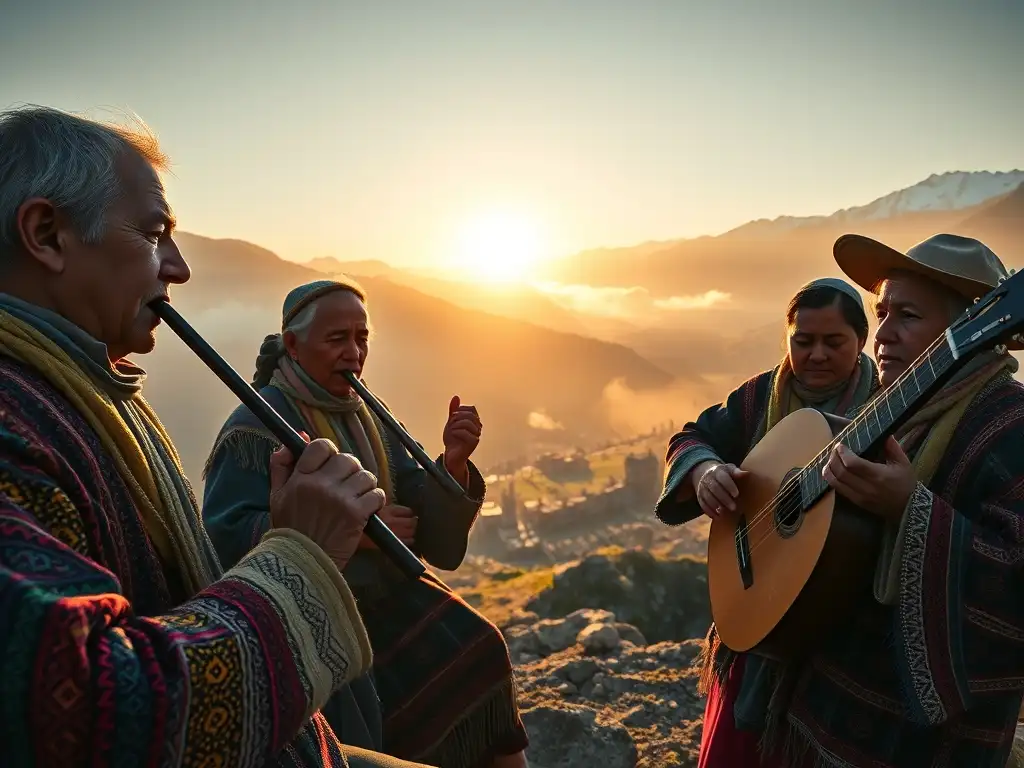
Uncover the echoes of empires! Journey with us into the captivating world of Andean Civilizations, where vibrant cultures thrived and left behind a legacy as rich as the Andes themselves. From the intricate artistry of the Nazca lines to the sophisticated engineering of the Incas, prepare to be amazed. But our exploration begins with a deeper dive into the mysterious and powerful sounds of the past: the Andean ritual music history. What secrets do these ancient melodies hold? Discover the answers within...
The Andean region, a breathtaking tapestry of towering mountains and fertile valleys, boasts a cultural heritage as rich and diverse as its landscape. For millennia, the inhabitants of this remarkable area—civilizations like the Incas, Moche, Nazca, and Tiahuanaco—have woven intricate narratives through music, with ritualistic practices forming a central pillar of their societal structures.
This article delves into the captivating world of Andean ritual music, exploring its history, its profound social significance, and its enduring influence on the region's cultural identity. We will uncover the intricate relationship between music, spirituality, and social life in these ancient societies, demonstrating how Andean ritual music history is not merely a historical account but a vibrant, living legacy.
Understanding this music provides a key to unlocking a deeper appreciation of Andean civilizations and their complex worldview. We will examine the diverse forms, instruments, and contexts of this captivating musical tradition, revealing the power and beauty of sounds that have echoed through the Andes for centuries.
The Sounds of the Andes: Instruments and Musical Styles
Andean ritual music employed a diverse array of instruments, each contributing unique timbres and symbolic meanings to the ceremonies. These instruments weren't merely tools for making sound; they were integral parts of the ritual itself, often imbued with spiritual significance. Among the most prominent were the pututu, a long shell trumpet used to announce important events and summon the spirits; the antara, a panpipe whose haunting melodies accompanied sacred dances; and the tarka, a vertical flute whose plaintive notes evoked a sense of longing or reverence.
The specific instruments used, and the melodies played, varied significantly depending on the specific ritual, the geographic location, and the cultural group involved. For instance, the Incas favored certain instruments and musical scales while the Moche culture may have had distinctly different preferences.
Unfortunately, precise details about the specific musical styles of each pre-Columbian culture are often limited by the scarcity of surviving documentation; however, archaeological findings and ethnomusicological studies continue to shed light on these fascinating traditions. The complexity of the musical systems and their relationship to cosmology and societal structures is a testament to the sophistication of Andean civilizations.
Ritual Music and the Andean Cosmovision
The Andean cosmovision, a complex worldview that interconnected the earthly and spiritual realms, deeply influenced the creation and performance of ritual music. Music wasn't just entertainment; it was a powerful tool used to communicate with the supernatural world, to appease deities, and to ensure the well-being of the community. Ceremonies often involved intricate musical sequences, dances, and offerings, all orchestrated to achieve a specific spiritual purpose.
For example, certain melodies might have been associated with agricultural cycles, invoking blessings for a bountiful harvest, while others could have been used to honor ancestors or to celebrate important milestones in the lives of individuals or communities. The music itself often reflected the cyclical nature of life, death, and rebirth, mirroring the Andean understanding of the cosmos.
This deep connection between music, spirituality, and the natural world is a defining characteristic of Andean ritual music. The specific beliefs and practices varied across different cultures and regions, but the underlying principle of using music to connect with the spiritual realm remained constant.
The Legacy of Andean Ritual Music: A Living Tradition
Despite the passage of centuries and the impact of colonization, the legacy of Andean ritual music continues to resonate today. While many ancient practices have been adapted and transformed, the core elements of ritual music—its spiritual significance, its social function, and its intricate musical forms—remain integral to Andean culture.
Contemporary Andean communities continue to utilize music in ceremonies, festivals, and everyday life, preserving and adapting ancient traditions to fit modern contexts. This enduring legacy is a testament to the power and resilience of Andean culture, showcasing how music can transcend time and serve as a powerful link between past and present.
The ongoing research and documentation of Andean musical traditions are vital in ensuring that this rich heritage is preserved and celebrated for generations to come. The study of Andean ritual music history is not just an academic pursuit; it's a celebration of a living tradition that continues to inspire and enrich the lives of millions.
Further Research and Exploration: Uncovering the Mysteries
While significant progress has been made in understanding Andean ritual music, much remains to be uncovered. Further research into archaeological sites, the analysis of surviving instruments, and the documentation of contemporary musical practices are crucial for a more complete understanding of this fascinating subject. Collaboration between archaeologists, ethnomusicologists, and Andean communities themselves is essential to ensure a respectful and accurate interpretation of this rich cultural heritage.
The potential for new discoveries and insights is immense, promising further revelations about the role of music in the lives of ancient Andean civilizations and its continued significance in the present day. The journey to fully understand Andean ritual music history is an ongoing one, filled with excitement and the promise of enriching our understanding of human culture and spirituality.
- The Sounds of the Andes: Instruments and Musical Styles
- Ritual Music and the Andean Cosmovision
- The Legacy of Andean Ritual Music: A Living Tradition
- Further Research and Exploration: Uncovering the Mysteries
- What is the significance of music in Andean cultures?
- How did Andean ritual music influence later musical traditions?
- What instruments were commonly used in Andean ritual music?
- What were the main themes explored in Andean ritual music?
- Where can I learn more about the history of Andean ritual music?
Unveiling the Depths of Andean Ritual Music History
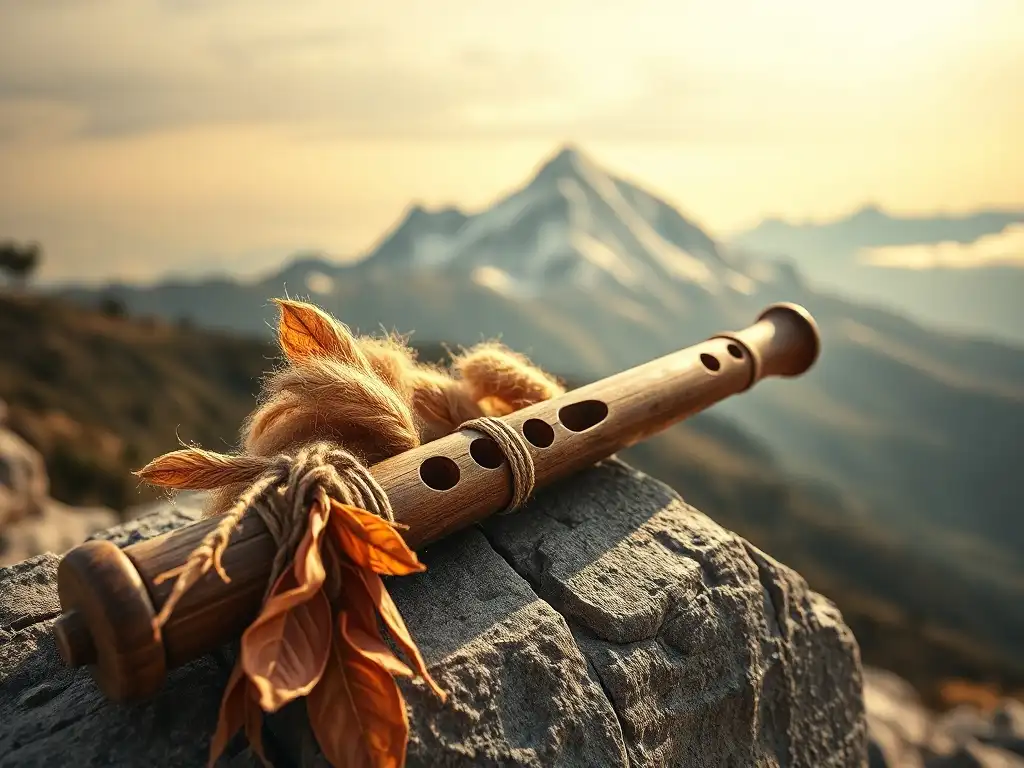
This section delves into the captivating history of Andean ritual music, exploring its ancient origins and enduring influence on Andean cultures. We will examine how music served as a vital component of religious and social life, weaving itself into the very fabric of Andean society. Understanding this history provides a crucial lens through which to appreciate the complexity and richness of Andean cultural heritage.
The study of Andean ritual music history reveals not only the soundscapes of the past but also the beliefs, values, and social structures that shaped these vibrant civilizations. The keyword "Andean ritual music history" is central to this exploration, offering a pathway to understanding the profound connection between music and the spiritual life of the Andes.
Ancient Roots of Andean Sacred Music
The origins of Andean sacred music are deeply intertwined with the development of Andean civilizations themselves. Archaeological evidence, albeit limited in directly representing music itself, suggests a long and rich tradition stretching back millennia. The discovery of musical instruments in various pre-Columbian sites, such as flutes made from bone and panpipes crafted from reeds, provides tangible proof of musical practices.
These artifacts, often found in burial contexts, highlight the importance of music in funerary rites and spiritual beliefs. Furthermore, the intricate iconography found on ceramics and textiles frequently depicts musicians playing instruments, further reinforcing the significance of music in daily life and ritual contexts.
The precise nature of the music itself remains largely a mystery, though scholars have attempted reconstructions based on the surviving instruments and iconographic evidence. It is likely that the music was predominantly modal, with a focus on pentatonic scales – a characteristic that persists in some contemporary Andean musical traditions. The use of natural materials in instrument construction also suggests a close relationship between music and the natural world, reflecting the spiritual beliefs of these early Andean societies.
The sounds of the Andes – the wind whistling through the mountains, the rushing of rivers, the calls of birds – likely played a significant role in shaping the musical aesthetic. Further research, including analysis of potentially preserved musical notations (though none have yet been definitively identified), is crucial to further illuminate this fascinating aspect of Andean history.
The Role of Music in Pre-Columbian Andean Ceremonies
Music played a multifaceted role in pre-Columbian Andean ceremonies, serving both as a vehicle for communication with the supernatural and as a means of social cohesion. In Inca society, for example, music was integral to religious festivals honoring the sun god Inti and other deities. Processions often involved large ensembles of musicians playing various instruments, creating a powerful and awe-inspiring sonic landscape. These musical performances were not merely entertainment; they were believed to have the power to influence the natural world and the course of human events.
Specific instruments were associated with particular deities or ceremonies. For instance, certain types of flutes might have been used in ceremonies related to agricultural cycles, reflecting the deep connection between music and the agricultural practices crucial to Andean life. The rhythmic patterns and melodies themselves likely held symbolic meaning, conveying messages or enacting narratives related to mythological stories or agricultural rituals.
The use of music in these ceremonies served to enhance the spiritual experience, fostering a sense of community and shared identity among participants. The careful organization and execution of musical performances also underscored the hierarchical structure of Andean society, with musicians often holding positions of authority or prestige. The study of these ceremonial practices reveals the profound impact of music on all facets of Andean life, from religious beliefs to social structures.
Understanding this role requires further investigation into the specific rituals and their associated musical practices across diverse Andean cultures. The intricate interplay between music, religion, and social organization in pre-Columbian Andean societies remains a compelling area of ongoing research.
Key Instruments in Andean Ritualistic Performances
The vibrant tapestry of Andean ritual music is inextricably linked to the unique instruments used in its creation. These instruments, often crafted from natural materials, weren't merely tools for producing sound; they were deeply imbued with spiritual significance, reflecting the cosmology and beliefs of the Andean cultures. Understanding the role of these instruments is crucial to appreciating the profound impact Andean ritual music had, and continues to have, on Andean societies.
The history of Andean ritual music is, in many ways, the history of these instruments and their evolution. This section will explore some of the key instruments, examining their construction, usage, and symbolic importance within the context of ritual performance.
The Significance of Wind Instruments: Zampoñas and Quenas
The high-altitude Andean landscape seems to inspire sounds that mirror its vastness and mystery. Nowhere is this more evident than in the use of wind instruments like the zampoña and the quena. The zampoña, a panpipe consisting of several vertically arranged pipes of varying lengths, produces a haunting, ethereal sound often associated with Andean spirituality.
Its multiple pipes, each producing a different note, create a complex and layered texture, reflecting the multifaceted nature of Andean cosmology. The zampoña’s sound is often described as evocative of the wind whistling through mountain passes, connecting the music to the natural world and reinforcing its spiritual power.
Different types of zampoñas exist, varying in size, number of pipes, and the materials used in their construction. Some are made from cane, others from wood, reflecting regional variations and the availability of resources. The playing technique also varies, with some musicians using circular breathing to create a continuous flow of sound, further enhancing the mystical quality of the music.
The quena, a simple end-blown flute, complements the zampoña, often providing a melodic counterpoint to the panpipe's harmonies. Made typically from wood or cane, the quena is known for its clear, resonant tone, which can be both melancholic and uplifting, depending on the context of the performance. Its simpler construction compared to the zampoña doesn't diminish its importance; it often plays a vital role in establishing the melodic framework of ritual music. The quena’s portability also made it suitable for a variety of ritual settings, from intimate ceremonies to large-scale public events.
Percussion Instruments: Drums and Their Rhythmic Power
Percussion instruments played a vital role in setting the tempo and mood of Andean ritual music. The rhythmic pulse created by these instruments provided a grounding force, connecting the music to the earth and anchoring the spiritual experience. Among the most significant percussion instruments are various types of drums, each with its unique sonic characteristics and symbolic associations.
One prominent example is the tinku, a cylindrical drum often made from wood and covered with animal skin. Its deep, resonant sound, capable of carrying over considerable distances, was used to summon participants to ceremonies and to create an atmosphere of collective energy. The tinku’s powerful rhythmic pulse embodied the vitality and strength of the community, emphasizing the importance of communal participation in Andean rituals.
Other percussion instruments included smaller hand drums, rattles made from gourds or seeds, and even stones struck together. These instruments added layers of texture and rhythm to the music, creating a complex soundscape that reflected the rich diversity of Andean cultures. The rhythmic complexity of Andean percussion highlights the sophisticated understanding of rhythm and its spiritual significance within these societies.
Stringed Instruments and Their Place in Andean Rituals
While wind and percussion instruments dominated Andean ritual music, stringed instruments also held a significant place, though perhaps a less prominent one compared to their wind and percussion counterparts. These instruments added a unique timbre and melodic dimension, enriching the overall soundscape. The exact types of stringed instruments varied across different Andean cultures and time periods, reflecting the diversity of musical traditions.
One example is the charango, a small, lute-like instrument with ten strings. While its association with ritual music might be less direct than that of the zampoña or tinku, the charango’s melodic capabilities made it suitable for accompanying vocal performances or providing instrumental interludes within larger ritual events. Its intricate construction and delicate sound suggest a level of sophistication in Andean craftsmanship that extended beyond the purely functional. The materials used to construct the charango, such as armadillo shell for the soundboard, further emphasizes the connection between the instrument and the natural world, a recurring theme in Andean music.
The presence of stringed instruments, even if less dominant, underscores the multifaceted nature of Andean musical traditions and the diverse array of instruments used to express spiritual beliefs and communal identity within the rich history of Andean ritual music. Further research into specific regional variations and the evolution of these instruments over time would provide a more complete picture.
The Spiritual Significance of Andean Musical Forms
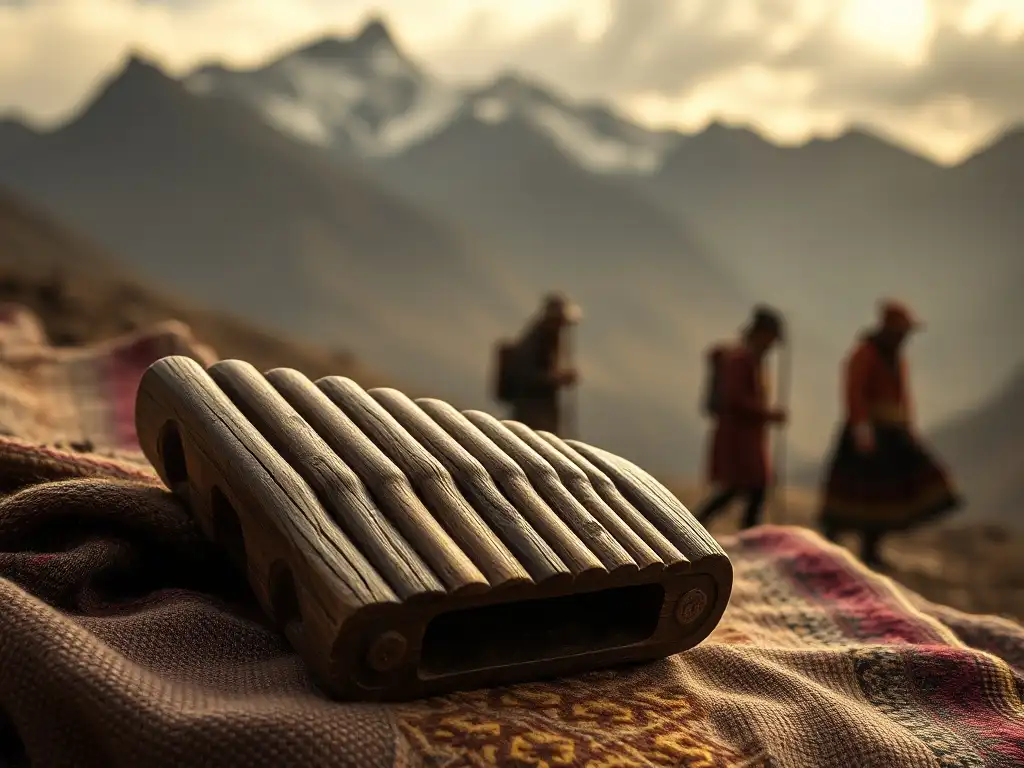
The profound spiritual significance of music within Andean cultures is undeniable. For centuries, music wasn't merely entertainment; it served as a vital link between the earthly and spiritual realms, a powerful tool for communicating with deities and ancestors. This deep-seated belief shaped the development of unique musical forms, instruments, and rituals, all intricately interwoven with the Andean worldview.
Understanding Andean ritual music history requires acknowledging this core principle: music was, and remains for many, a sacred act. The sounds produced weren't just vibrations; they were believed to hold potent energies capable of influencing the natural world and the destinies of individuals and communities. This belief system is evident in the carefully crafted melodies, rhythms, and instrumentation used in various ceremonies and rituals.
The choice of instruments, for example, often held symbolic meaning, reflecting the specific deity or ancestor being invoked. The use of panpipes, for instance, might be associated with the pastoral life and fertility, while drums could represent the heartbeat of the earth. The intricate interplay of these instruments created a sonic tapestry designed to evoke specific spiritual responses.
Music as a Conduit to the Divine in Andean Cultures
Andean cosmologies often depict a complex relationship between the human and divine worlds. Mountains, rivers, and celestial bodies were not simply geographical features or astronomical phenomena; they were inhabited by spirits and deities who actively participated in the lives of the Andean people. Music served as a crucial bridge in this interaction. Through carefully performed melodies and rhythms, Andean communities sought to communicate their needs, express their gratitude, and appease powerful entities.
Rituals often involved specific musical pieces associated with particular deities or cosmological events. For instance, certain songs might be reserved for ceremonies related to agricultural cycles, ensuring a bountiful harvest. Others might be associated with healing rituals, invoking the power of spirits to cure illness.
The performance of these songs wasn't a passive activity; it was an active engagement with the supernatural, a way of influencing the forces that shaped their world. The musicians themselves were often seen as intermediaries, possessing special abilities to connect with the spirit world and channel their energies. Their expertise and knowledge of ancient melodies and rhythms were highly valued within the community.
The Connection Between Music, Dance, and Ritual in the Andes
The relationship between music, dance, and ritual in Andean cultures is inseparable. They are interwoven threads forming a rich tapestry of spiritual and social expression. Dance, often accompanied by specific musical forms, wasn't merely a physical activity; it was a symbolic representation of the interaction between humans and the spirit world, a physical manifestation of the spiritual energy channeled through music.
The movements, steps, and costumes all carried symbolic meaning, reflecting the narrative of the myth or ritual being enacted. The rhythmic synchronization of music and dance created a powerful, immersive experience, drawing participants into a shared spiritual state. Consider the intricate steps and formations often seen in Andean ceremonies.
These weren't arbitrary; they were carefully choreographed to represent specific cosmological events, the movements of celestial bodies, or the cycles of nature. The collective participation in these rituals reinforced social bonds and strengthened community identity while simultaneously engaging with the spiritual realm. The combination of music and dance created a powerful synergy, amplifying the spiritual impact of the ceremony.
The Inti Raymi Festival and its Musical Accompaniment
The Inti Raymi festival, a celebration of the Inca sun god Inti, provides a vivid example of the integral role of music in Andean rituals. This grand ceremony, once a central event in the Inca empire, involved elaborate musical performances that played a crucial role in the ritual's overall impact. The music, characterized by its vibrant rhythms and powerful melodies, evoked the energy and power of the sun god.
Specific instruments, such as the pututu (a long shell trumpet) and various types of drums, were used to create a dramatic soundscape, amplifying the feeling of awe and reverence. The musicians, often highly skilled and respected members of the community, played a pivotal role in the success of the ceremony. Their performance was believed to influence the sun god's favor, ensuring a bountiful harvest and prosperity for the coming year.
The detailed accounts of Spanish chroniclers, while often biased, provide glimpses into the scale and significance of the musical component of the Inti Raymi, underscoring its central place within the ritual. While the original forms of Inti Raymi music have undergone changes over the centuries, many contemporary celebrations still incorporate traditional musical elements, preserving a vital link to the past and demonstrating the enduring legacy of Andean ritual music. Further research into surviving musical scores and oral traditions is needed to fully reconstruct the soundscape of this momentous event.
The Evolution of Andean Ritual Music Through Time
Andean ritual music history is a complex tapestry woven from diverse threads of indigenous traditions, colonial impositions, and modern reinterpretations. Understanding its evolution requires acknowledging the profound influence of various Andean cultures and the transformative impact of external forces. The vibrant soundscapes of ancient ceremonies, often incorporating panpipes, drums, and conch shells, weren't merely entertainment; they were integral to the social fabric, reflecting cosmological beliefs and agricultural cycles.
The music served to connect the living with the spiritual realm, shaping community identity and reinforcing social hierarchies. This section delves into the key phases of this rich history, highlighting the enduring power of Andean ritual music.
The Impact of the Inca Empire on Andean Musical Traditions
The Inca Empire (1438-1533 CE), while imposing its own centralized authority, also absorbed and adapted pre-existing musical practices. Inca rulers recognized the power of music to consolidate their power and maintain social order. They standardized certain musical forms and instruments, promoting particular styles associated with imperial authority. However, this wasn't a complete erasure of regional diversity.
While the Inca imposed a degree of uniformity, local traditions continued to thrive, often subtly integrated into the larger imperial framework. For example, while the pututu (a long shell trumpet) became a symbol of Inca power, its use in local rituals likely persisted, adapted to express both local and imperial ideologies. The Inca's sophisticated road system facilitated the exchange of musical ideas and practices throughout the empire, leading to a blend of regional styles while maintaining a certain level of imperial control over the overall musical landscape.
Evidence suggests that specific musical styles were associated with different social classes and ceremonies, reflecting the hierarchical structure of Inca society. Further research is needed to fully understand the nuances of this complex interplay between imperial standardization and regional persistence. The precise nature of these musical adaptations and the extent of regional variation within the Inca Empire remains a subject of ongoing scholarly debate.
Colonial Influences and the Transformation of Ritual Music
The Spanish conquest drastically altered the trajectory of Andean ritual music. The imposition of Catholicism led to the suppression of indigenous religious practices, including many musical traditions associated with pre-Columbian beliefs. Many instruments were destroyed, and the performance of traditional ritual music was actively discouraged.
However, the complete eradication of indigenous musical forms proved impossible. Indigenous communities adapted and incorporated elements of European music, creating hybrid forms that blended both traditions. This syncretism resulted in unique musical expressions that reflected the complex cultural interaction between indigenous Andean cultures and the imposed European colonial system.
For instance, certain Catholic hymns were adapted to incorporate indigenous melodies and rhythms, creating a fascinating blend of the sacred and the secular. This process of cultural adaptation wasn't passive; indigenous communities strategically employed musical practices to maintain their cultural identity in the face of oppression. The subtle incorporation of traditional elements within seemingly Catholic contexts allowed for the covert preservation of indigenous musical heritage.
Modern Interpretations and Preservation of Andean Ritual Music
In recent decades, there's been a renewed interest in preserving and revitalizing Andean ritual music. Indigenous communities are actively reclaiming their musical heritage, often incorporating modern instruments and technologies. This revitalization reflects a growing awareness of the importance of cultural preservation and the power of music to express identity and promote social cohesion.
Modern Andean musicians are experimenting with new interpretations of traditional forms, blending ancient melodies with contemporary rhythms and instrumentation. This fusion creates a dynamic musical landscape that honors the past while engaging with the present. The use of modern recording technologies allows for the wider dissemination of Andean ritual music, reaching new audiences and fostering a deeper appreciation for this rich cultural heritage.
Efforts to document and archive traditional musical practices are crucial in ensuring that this vital part of Andean cultural history is not lost. The future of Andean ritual music depends on continued efforts to support indigenous communities, promote cultural exchange, and encourage innovative approaches to preservation. The ongoing documentation and study of these traditions ensures that the vibrant sounds of Andean ritual music will continue to resonate for generations to come.
The Enduring Legacy of Andean Ritual Music Today
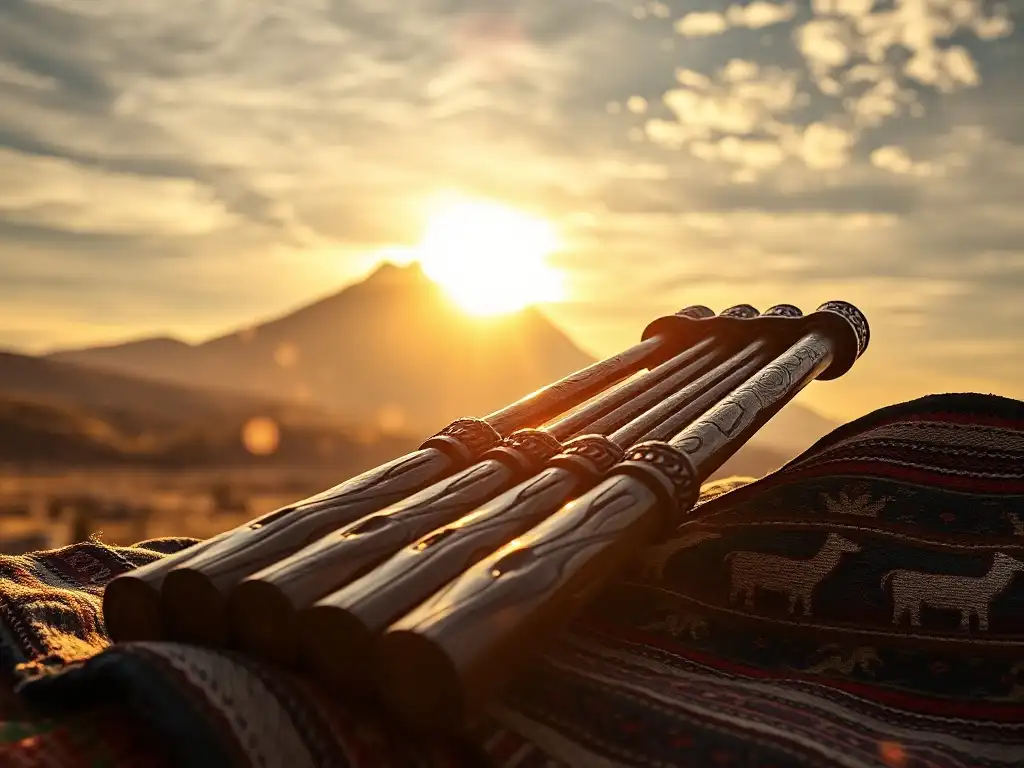
The vibrant tapestry of Andean culture is intricately woven with the threads of its rich musical heritage. Andean ritual music, far from being a relic of the past, continues to resonate deeply within contemporary Andean communities, shaping their identities and preserving their ancestral traditions. This enduring legacy is a testament to the power of music to transcend time and maintain cultural continuity across generations.
Understanding this legacy requires examining both the practical applications and the symbolic significance of these musical traditions in modern life. The melodies and rhythms, passed down through generations, are not merely sounds; they are living expressions of a profound connection to the land, ancestors, and spiritual world.
Their survival demonstrates the resilience and adaptability of Andean cultures in the face of modernization and globalization. The continued performance of these musical traditions serves as a powerful affirmation of cultural identity and a vital link to a shared history.
The Continuing Relevance of Andean Ritual Music in Contemporary Andean Communities
Andean ritual music remains a vital part of daily life in many Andean communities. It's not just performed during major festivals; its presence is woven into the fabric of everyday existence. For example, in many rural communities, traditional songs accompany agricultural activities, marking the planting and harvesting seasons.
These songs, often passed down orally, are not simply functional; they are imbued with spiritual significance, connecting the community's work to the cycles of nature and the blessings of the Apus (mountain spirits). Furthermore, certain musical instruments, like the siku (panpipes) and the charango (a small, lute-like instrument), are frequently used in healing ceremonies, believed to possess the power to alleviate illness and restore spiritual balance. The use of these instruments and the songs associated with them are integral to maintaining a sense of community well-being and continuity with ancestral practices.
This active, ongoing engagement with Andean ritual music underscores its enduring relevance beyond mere historical interest. The music is not static; it adapts and evolves while retaining its core essence, reflecting the dynamic nature of Andean cultures themselves.
How Andean Ritual Music Shapes Cultural Identity
Andean ritual music plays a crucial role in shaping and reinforcing cultural identity within Andean communities. The music acts as a powerful symbol of shared heritage, connecting individuals to their ancestors and to a larger cultural narrative. The melodies and rhythms are often deeply symbolic, carrying layers of meaning related to mythology, cosmology, and social structures.
Learning and performing this music is a rite of passage for many young people, fostering a sense of belonging and continuity within the community. The transmission of these musical traditions, often through informal apprenticeship and oral transmission, strengthens intergenerational bonds and reinforces the value of cultural preservation. Moreover, the music serves as a powerful tool for resisting cultural assimilation and maintaining a distinct Andean identity in the face of globalization.
The vibrant and diverse range of musical styles across different Andean regions further emphasizes the multifaceted nature of this cultural identity, highlighting regional variations and unique traditions. The preservation and performance of Andean ritual music are therefore not merely artistic endeavors, but essential components of cultural survival and identity formation.
The Paucartambo Festival and its Musical Manifestations
The Paucartambo Festival in Peru offers a compelling example of the enduring power of Andean ritual music. This annual festival, dedicated to the Virgin of Carmen, is a vibrant spectacle blending Catholic and indigenous Andean traditions. The festival features a diverse array of musical performances, from traditional huaynos and yaravíes to more modern adaptations.
The music is integral to the festival's narrative, accompanying processions, dances, and rituals. The q'apac (a type of traditional Andean music) played during the festival is particularly significant, often incorporating complex rhythms and melodies that reflect the festival's spiritual and social dimensions. The instruments used, such as the pinkillo (a type of flute) and the tarka (another type of flute), are not merely musical tools but also sacred objects, reflecting the deep spiritual significance of the festival itself.
The Paucartambo Festival vividly demonstrates the dynamic interplay between ancient traditions and contemporary expressions, showcasing the continuing vitality of Andean ritual music in shaping cultural events and reinforcing community bonds. The festival’s music is a powerful testament to the enduring legacy of Andean traditions and their continued relevance in the 21st century. The intricate interplay of music, dance, and ritual underscores the profound connection between Andean ritual music and the broader cultural landscape.
Understanding the Importance of Preserving Andean Musical Heritage
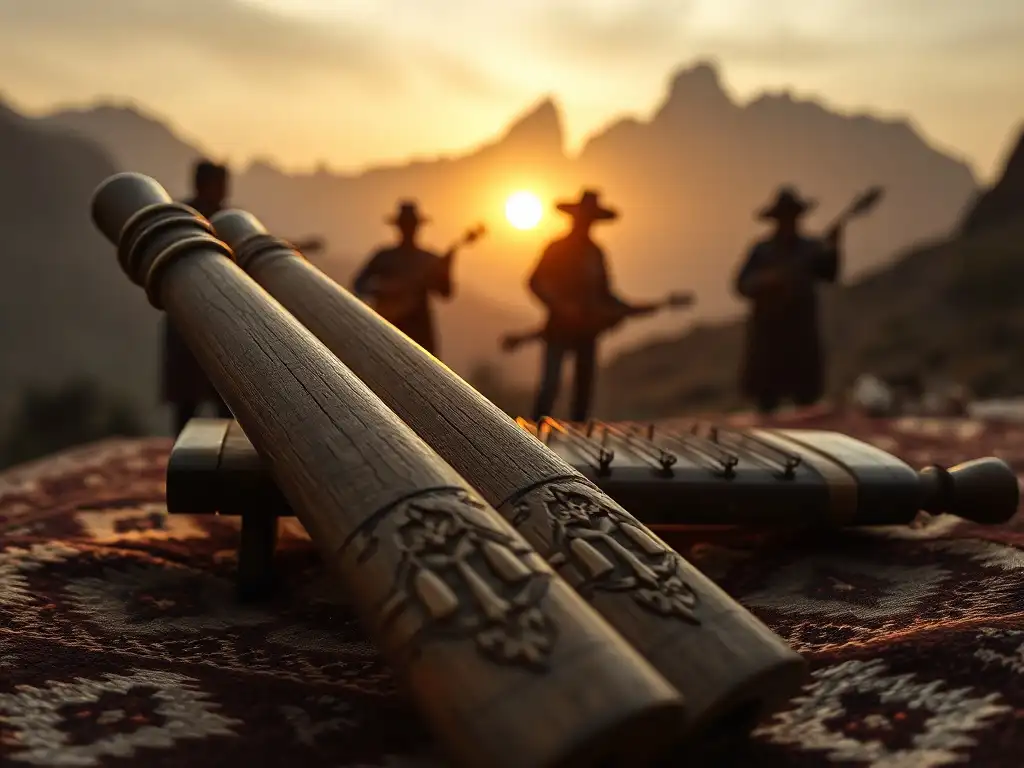
The preservation of Andean ritual music is not merely an academic pursuit; it's a vital act of cultural safeguarding. This music, deeply intertwined with the spiritual and social fabric of Andean societies for millennia, holds invaluable historical, anthropological, and artistic significance. Its preservation ensures the continuity of a rich cultural legacy, preventing the erosion of unique traditions and the loss of irreplaceable knowledge. Understanding the importance of this preservation requires acknowledging several key aspects:
- Historical Significance: Andean ritual music offers a direct line to the past, providing insights into beliefs, social structures, and daily life of ancient civilizations. The melodies, rhythms, and instruments used reflect the evolution of Andean cultures over centuries, offering a tangible connection to their ancestors. Analyzing the musical scores and studying the instruments themselves provides irreplaceable data for historians and archaeologists. For example, the panpipes, a quintessential Andean instrument, have evolved in design and usage over time, mirroring the societal changes within different Andean communities.
- Anthropological Value: The music's intricate relationship with rituals and ceremonies provides rich anthropological data. The songs themselves often narrate myths, legends, and historical events, acting as oral histories passed down through generations. The context in which the music is performed—ceremonies, festivals, agricultural cycles—provides crucial insight into the social and religious beliefs of the Andean people. Studying these rituals illuminates the complex interplay between music, spirituality, and community.
- Artistic and Cultural Legacy: Andean ritual music represents a vibrant and unique artistic tradition. The diverse range of instruments, vocal styles, and musical forms showcase the ingenuity and creativity of Andean cultures. Its preservation ensures that future generations can appreciate and learn from this artistic heritage, fostering a sense of cultural pride and identity. The melodies and rhythms, often imbued with a profound emotional depth, continue to inspire contemporary artists and musicians.
Threats to the Preservation of Andean Ritual Music
The preservation of Andean ritual music faces numerous challenges in the modern era. Several factors contribute to the erosion of this vital cultural heritage:
Threats to the Preservation of Andean Ritual Music
The vibrant tapestry of Andean ritual music faces significant threats in the modern era. These threats, often intertwined, endanger the continuity of this rich cultural heritage.
Several factors contribute to the erosion of this vital cultural heritage:
- Globalization and Cultural Homogenization: The pervasive influence of globalized media and popular music threatens to overshadow traditional Andean musical forms. Younger generations, exposed to international trends, may lose interest in their ancestral music, leading to a decline in participation and knowledge transmission. This cultural homogenization risks the loss of unique musical styles and practices.
- Migration and Urbanization: The increasing migration from rural Andean communities to urban centers disrupts traditional learning processes. The close-knit communities where musical traditions were historically passed down through generations are fragmented, hindering the transmission of knowledge to younger generations. The urban environment often lacks the supportive infrastructure needed to maintain these traditions.
- Lack of Documentation and Archiving: Many traditional Andean musical pieces exist only in oral form, vulnerable to loss through the death of the last performers or the lack of adequate documentation. The absence of systematic archiving efforts further exacerbates the risk of irretrievable loss. This lack of documentation hinders scholarly research and limits access to this valuable musical heritage.
- Economic Factors: The economic hardships faced by many Andean communities often force individuals to prioritize economic survival over the preservation of cultural traditions. The lack of economic incentives for musicians and cultural practitioners discourages the continuation of these practices. Furthermore, the lack of funding for cultural preservation programs hinders efforts to document and promote Andean ritual music.
Efforts to Protect and Promote Andean Musical Traditions
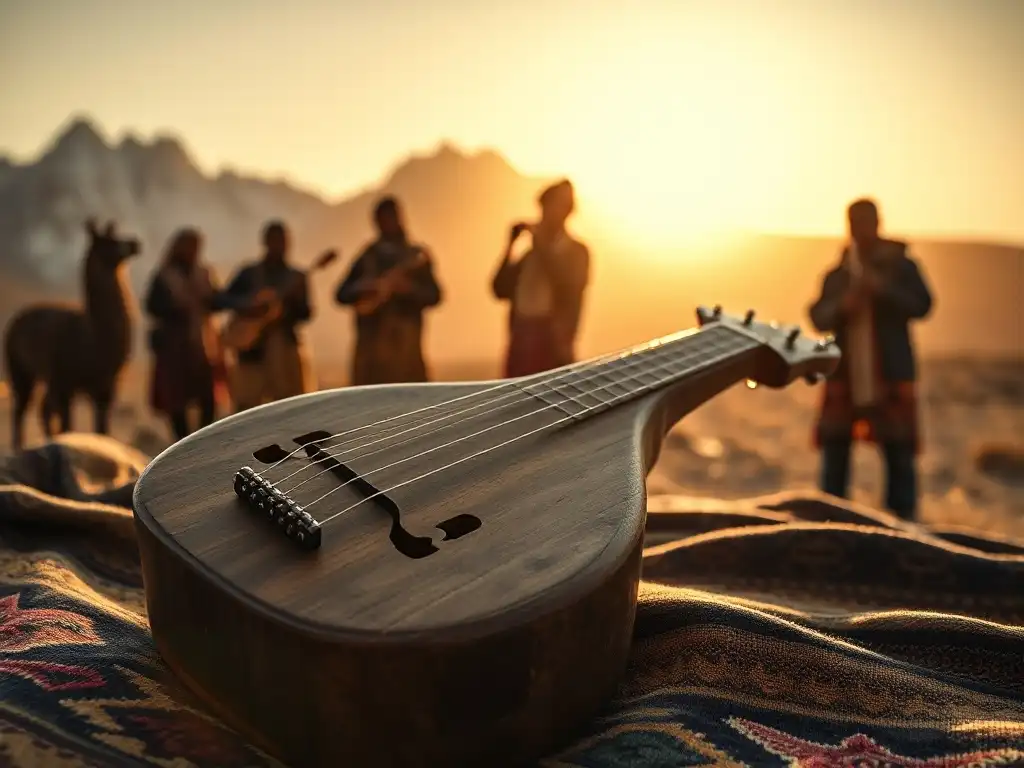
Despite the challenges, significant efforts are underway to protect and promote Andean musical traditions. These initiatives demonstrate a growing awareness of the importance of preserving this invaluable cultural heritage.
Efforts to Protect and Promote Andean Musical Traditions
Numerous organizations and individuals are actively engaged in safeguarding Andean ritual music. Their dedication and innovative strategies are crucial in combating the threats outlined above.
- Community-Based Initiatives: Many grassroots initiatives focus on revitalizing traditional musical practices within Andean communities. These efforts often involve workshops, training programs, and community performances, aiming to engage younger generations and foster a sense of cultural pride.
- Ethnomusicological Research and Documentation: Ethnomusicologists play a crucial role in documenting and analyzing Andean musical traditions. Their research provides valuable insights into the historical context, social significance, and artistic features of the music. This research contributes to a deeper understanding and appreciation of the heritage.
- Educational Programs: Educational programs are being developed to integrate Andean ritual music into school curricula. This approach aims to familiarize students with their cultural heritage and encourage their participation in musical traditions.
- International Collaboration: International collaborations between researchers, musicians, and cultural organizations facilitate the sharing of knowledge and resources. These collaborations promote the global appreciation of Andean musical heritage and contribute to its preservation.
The Role of Education in Maintaining the Legacy of Andean Ritual Music
Education plays a pivotal role in ensuring the long-term survival of Andean ritual music. By integrating this musical heritage into formal and informal educational settings, we can empower future generations to appreciate, understand, and actively participate in preserving this invaluable cultural treasure.
The Role of Education in Maintaining the Legacy of Andean Ritual Music
The integration of Andean ritual music into educational programs is crucial for its long-term preservation. This requires a multifaceted approach that goes beyond simple exposure to the music.
- Curriculum Integration: Incorporating Andean ritual music into school curricula, from primary to tertiary levels, is vital. This should not be limited to music classes but should also integrate into history, anthropology, and social studies classes, offering a holistic understanding of the music's cultural context.
- Community Engagement: Educational programs should actively involve Andean communities in the teaching and learning processes. This ensures that the music is taught authentically and that the knowledge is passed down directly from experienced practitioners. It also fosters a sense of ownership and responsibility among community members.
- Teacher Training: Equipping teachers with the necessary knowledge and skills to effectively teach Andean ritual music is paramount. This involves providing professional development opportunities that focus on the historical, cultural, and musical aspects of the tradition.
- Access to Resources: Ensuring access to musical instruments, recordings, and other resources is critical. This might involve establishing musical archives, providing financial assistance for instrument acquisition, and developing online learning resources. This accessibility is key to engaging students and ensuring the continuity of the musical heritage.
The preservation of Andean ritual music is a collective responsibility that requires a concerted effort from communities, researchers, educators, and policymakers. By understanding the threats, supporting preservation efforts, and integrating this rich heritage into educational systems, we can help ensure that the enchanting legacy of Andean ritual music continues to resonate for generations to come. 🎶
Frequently Asked Questions
What is the significance of music in Andean cultures?
Music played a vital role in Andean life, serving both spiritual and social functions. It was integral to rituals, ceremonies, and daily life, reflecting the deep connection between people and their environment.
How did Andean ritual music influence later musical traditions?
Andean musical styles and instruments significantly impacted later musical developments in South America. Many elements are still present in contemporary Andean music and have influenced other genres.
What instruments were commonly used in Andean ritual music?
Traditional Andean instruments, such as the panpipes (antara), drums (tinku), and flutes (quena), were central to ritual music. These instruments often held symbolic meaning and were used to connect with the spiritual realm.
What were the main themes explored in Andean ritual music?
Andean ritual music often explored themes related to nature, agriculture, and ancestor veneration. The music was used to invoke deities, honor ancestors, and ensure a successful harvest.
Where can I learn more about the history of Andean ritual music?
You can find more information through academic research papers, museums dedicated to Andean cultures, and ethnomusicology resources. Many books and documentaries also explore this fascinating topic.
Final Reflection: Echoes of the Andes: A Legacy of Sound and Spirit
The vibrant tapestry of Andean ritual music continues to resonate, a powerful testament to the enduring strength of cultural heritage in a rapidly changing world. Its intricate melodies and rhythmic complexities are not merely historical artifacts; they are living expressions of a profound connection to the land, the cosmos, and the spiritual realm, a connection that remains deeply relevant in our increasingly fragmented modern society.
The influence of Andean ritual music extends far beyond the Andes themselves, weaving its way into contemporary musical landscapes and inspiring artists across genres. Its spiritual depth and emotional resonance have touched countless lives, reminding us of the power of music to transcend cultural boundaries and connect us to something larger than ourselves. Music is the universal language of mankind,
a sentiment that rings profoundly true when considering the enduring appeal of Andean ritual music across time and space. Its ability to evoke such profound emotions, to tell stories of resilience and hope, speaks to the inherent human need for connection and meaning.
Consider the echoes of these ancient melodies in your own life. How can the spirit of community, resilience, and connection to nature, so powerfully expressed in Andean ritual music, inform your own journey? Let the rhythms and harmonies inspire you to seek deeper connections within yourself and with the world around you. Embrace the legacy of these ancient sounds, and allow them to guide you toward a more meaningful and harmonious existence.
Embrace the Rhythm: Engage with Andean Ritual Music Today!
Thank you for exploring the rich tapestry of Andean ritual music! Your journey has revealed a vibrant cultural legacy that continues to resonate today. Now, let's deepen your connection with this extraordinary tradition.
Here's how you can further engage with Andean music:
- Attend a local Andean music workshop to learn about the instruments and techniques directly from experienced musicians. Immerse yourself in the sounds and culture while connecting with fellow enthusiasts.
- Share your passion by discussing this inspiring musical tradition with friends, family, or online communities. Spread the word about the beauty and cultural significance of Andean music.
- Listen to recordings by diverse Andean musicians to experience the many interpretations of these ancient rituals. You might discover a new favorite artist!
What aspect of Andean music or ritual captivated you most, and how will you integrate it into your life?