
The Moche Doctors: Healing Practices in Ancient Peru

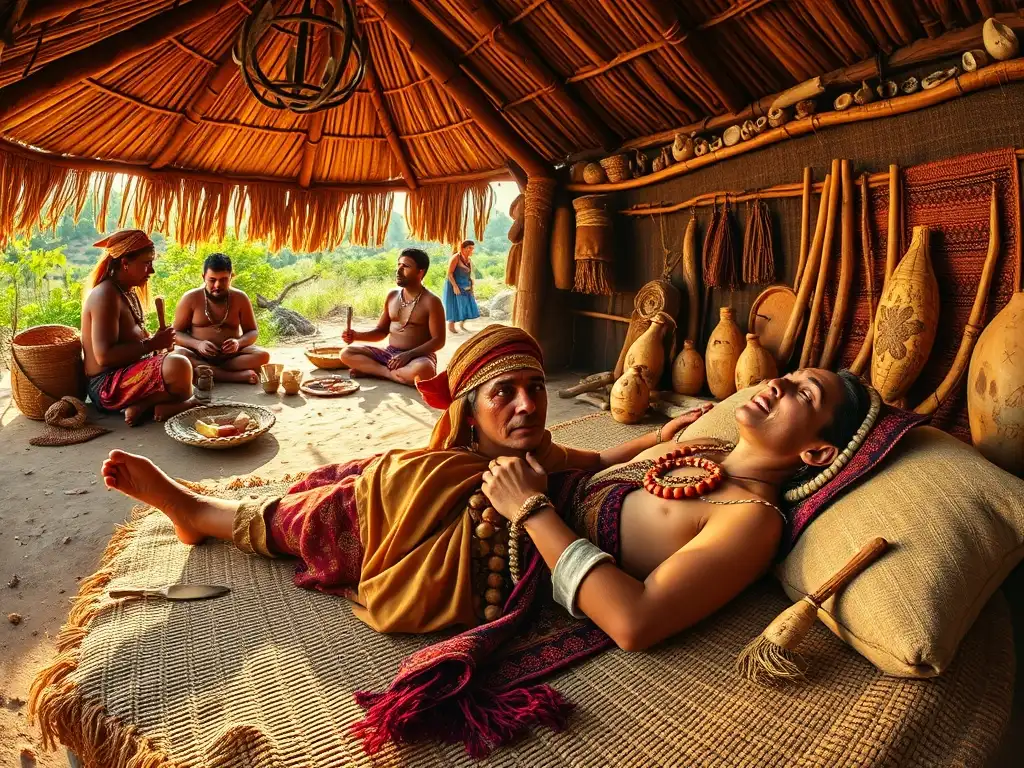
Step into a world lost to time, where the towering Andes held secrets beyond imagination. Discover the ingenuity and complexity of the ancient Andean civilizations, from the intricate artistry of the Nazca lines to the sophisticated engineering of the Incas. But today, we delve into a particularly fascinating aspect: the remarkable medical practices of the Moche people of Peru.
Intrigued by their advanced understanding of healing and surgery? Then prepare to be amazed as we unravel the mysteries behind the Moche medical practices and their enduring legacy. Journey with us and uncover the stories hidden within the sands of time.
-
Moche Medical Practices: Healing in Ancient Peru
- Understanding Moche Society and Health
- The Role of Moche Doctors: Healers and Shamans
- Diagnostic Techniques in Moche Medicine
- Moche Medical Treatments and Remedies
- Moche Medical Instruments and Tools
- Evidence of Moche Medical Knowledge
- Moche Beliefs About Illness and Healing
- Moche Medical Practices Compared to Other Andean Cultures
- Legacy of Moche Medical Knowledge
- Conclusion: The Sophistication of Moche Medicine
- Frequently Asked Questions
- Final Reflection: Echoes of the Moche Healers in Modern Medicine
- Unveil the Secrets of Ancient Andean Healing!
Moche Medical Practices: Healing in Ancient Peru
The Moche civilization, flourishing along the northern coast of Peru from approximately 100 CE to 800 CE, left behind a remarkable legacy of art, architecture, and surprisingly sophisticated medical practices. This article delves into the fascinating world of Moche medicine, exploring the techniques, tools, and societal context surrounding healing in this ancient Andean culture.
We will examine the evidence unearthed by archaeologists, revealing insights into the roles of Moche doctors, their understanding of the human body, and the treatments they employed to address illness and injury. Understanding Moche medical practices offers a crucial window into their societal structures, beliefs, and the overall complexity of their civilization.
By exploring this aspect of their culture, we gain a richer appreciation for the ingenuity and resilience of the Moche people and their place within the broader tapestry of Andean history. This exploration will specifically focus on the keyword "Moche medical practices Peru," offering a comprehensive overview of this intriguing topic.
Understanding Moche Society and Health
The Moche were a highly stratified society, with a complex social hierarchy reflected in their elaborate burial practices and monumental architecture. Understanding their societal structure is key to interpreting their medical practices. Evidence suggests that access to healthcare varied according to social standing, with elites likely receiving more advanced and specialized treatments than commoners.
The health of the Moche population was undoubtedly influenced by their environment – the arid coastal desert presented challenges related to water scarcity, malnutrition, and exposure to the elements. Archaeological findings, including skeletal remains, reveal a high prevalence of certain diseases, such as dental problems, infections, and trauma resulting from warfare or accidents. Furthermore, the Moche diet, primarily based on seafood and agricultural products, may have contributed to both health benefits and nutritional deficiencies depending on the availability of resources and access to diverse food sources.
Analysis of Moche pottery and iconography also provides valuable clues about their understanding of the human body and the causes of illness. For example, depictions of surgical instruments and procedures on ceramics suggest a level of medical knowledge beyond basic first aid. The intricate details in these depictions also hint at a possible connection between medicine and religious beliefs, suggesting that healing was a complex interplay of practical skills and spiritual rituals.
The Role of Moche Doctors: Healers and Shamans
Moche doctors, likely a specialized class within society, played a crucial role in maintaining the health and well-being of their communities. While the exact training and qualifications of these individuals remain unclear, archaeological evidence points towards a combination of practical skills and spiritual knowledge. Their roles likely extended beyond simply treating injuries and illnesses; they may have also served as religious figures, mediating between the living and the spirit world.
The depictions of Moche doctors in their art often show them wielding surgical instruments, suggesting a familiarity with various surgical techniques. These instruments, often crafted from obsidian, bone, or shell, were remarkably sophisticated for their time, showcasing advanced craftsmanship and a detailed understanding of anatomy. However, the extent of their surgical capabilities is still under investigation, with ongoing research attempting to decipher the full range of their medical interventions.
Additionally, the presence of trepanation (surgical opening of the skull) in some skeletal remains indicates a willingness to perform complex and potentially risky procedures, although the reasons behind these procedures remain a subject of ongoing debate amongst researchers. The combination of surgical tools and the representation of ritualistic practices in Moche art strongly suggests that healing was deeply interwoven with religious beliefs, with doctors acting as both healers and shamans, bridging the gap between the physical and spiritual realms.
Diagnostic Techniques in Moche Medicine
Identifying Illnesses through Observation
Moche doctors, remarkably, relied heavily on keen observation to diagnose illnesses. Their understanding of the human body, gleaned from years of experience and likely passed down through generations, allowed them to identify diseases based on visible symptoms. Careful examination of the patient's skin, for signs of rashes, lesions, or discoloration, was crucial. Changes in breathing patterns, the presence of fever, and alterations in bodily functions like digestion or urination were all carefully noted.
The Moche's attention to detail is evident in the intricate depictions of physical ailments found in their art, indicating a sophisticated understanding of the body's responses to disease. For example, pottery often depicts individuals with swollen limbs or distended abdomens, suggesting a keen awareness of symptoms associated with various conditions. The lack of sophisticated laboratory tools did not hinder their ability to accurately assess the patient's condition based on what they could directly see and observe.
The Use of Divination in Moche Diagnosis
While observation formed the cornerstone of Moche diagnosis, divination played a significant, albeit less quantifiable, role. The Moche believed in the interplay of the supernatural and the physical world, and this belief extended to their understanding of illness. Divination techniques, possibly involving interpreting patterns in coca leaves or analyzing the entrails of sacrificed animals, might have been employed to gain further insight into the nature of an ailment and to predict its course.
This practice is supported by archaeological findings of ritualistic objects and depictions of divination scenes in Moche art. However, the exact methods and frequency of divination in Moche medical practices remain subject to ongoing research and interpretation.
The integration of spiritual beliefs into their medical practices underscores the holistic approach of the Moche to healing, where the physical and spiritual realms were seen as interconnected. Further research into the iconography and symbolic language of Moche artifacts could shed more light on the specifics of their divinatory techniques.
Moche Medical Treatments and Remedies
Herbal Medicine and Plant-Based Cures
The Moche civilization demonstrated a profound knowledge of herbal medicine. Their pharmacopoeia comprised a wide array of plants, each believed to possess specific healing properties. Archaeological evidence suggests that the Moche cultivated medicinal plants, using them to create remedies for various ailments.
These remedies were likely administered orally, topically, or through other methods depending on the specific condition. The intricate depictions of plants found in their ceramics and textiles hint at the extensive knowledge the Moche possessed about the properties of different herbs and their applications in treating various diseases. Unfortunately, the precise composition of many of these remedies remains unknown, although ongoing research through chemical analysis of ancient plant remains may reveal more information about their effectiveness and applications.
Surgical Practices in Moche Civilization
Evidence suggests the Moche performed surprisingly advanced surgical procedures, considering their technological limitations. Trepanation, the surgical removal of a section of the skull, was a relatively common practice, with a surprisingly high success rate in some cases, indicating a degree of surgical skill. Archaeological findings reveal skulls with healed trepanation wounds, demonstrating that patients often survived these procedures.
The reasons for trepanation varied; it might have been performed to treat head injuries, relieve pressure from intracranial hematomas, or even for ritualistic purposes. The precision and techniques employed in trepanation suggest a relatively sophisticated understanding of anatomy and surgical practices. The tools used, likely made from obsidian or other sharp materials, were crafted with remarkable precision, suggesting a high level of skill and training among Moche surgeons.
Bone Setting and Fracture Care
The Moche also demonstrated expertise in treating bone fractures. Archaeological findings reveal individuals who survived significant limb fractures, suggesting the use of effective methods to set and immobilize broken bones. These methods likely involved splinting techniques, possibly using materials like wood or reeds to stabilize the injured limb.
The successful healing of these fractures implies a good understanding of bone anatomy and the importance of proper alignment and immobilization for healing. While the specifics of their techniques remain largely unknown, the evidence of healed fractures points to a level of medical expertise that was far more advanced than previously thought. Further research, including detailed analysis of skeletal remains and the development of advanced imaging techniques, could provide more insight into the Moche's methods of fracture care.
Moche Medical Instruments and Tools
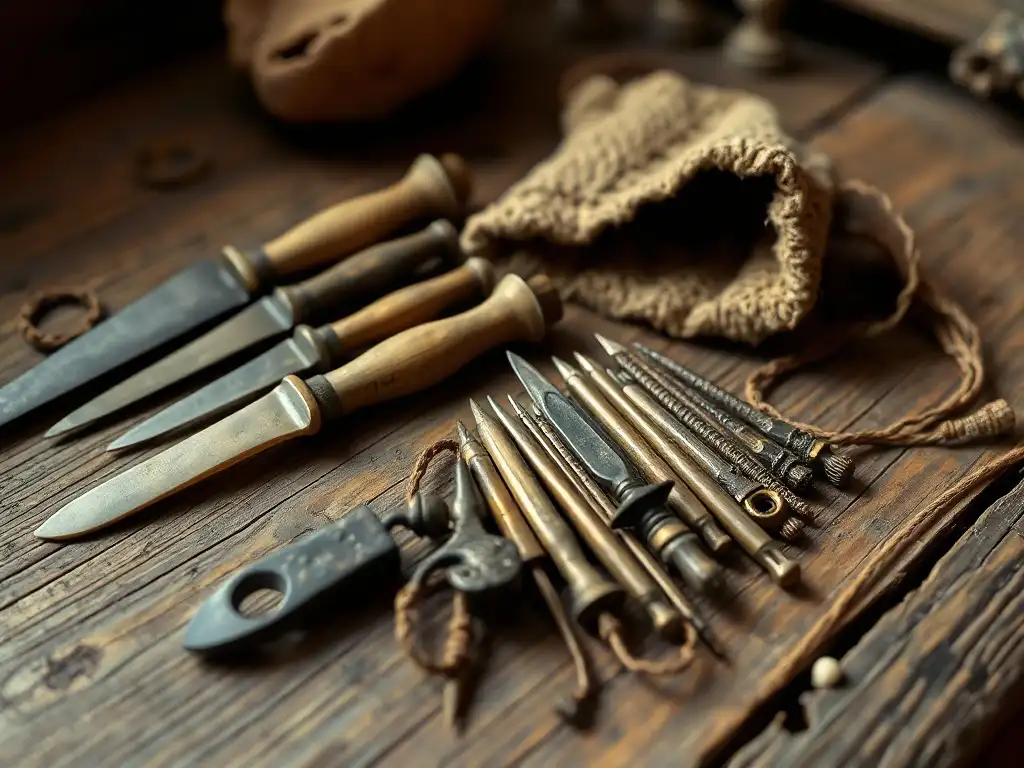
The Moche civilization, renowned for its sophisticated artistry and engineering, also possessed a surprisingly advanced understanding of medicine. Archaeological excavations have unearthed a variety of medical instruments and tools, providing invaluable insights into their healing practices. These artifacts reveal a level of sophistication that surpasses many contemporary understandings of pre-Columbian medicine.
The precision and craftsmanship evident in these tools suggest specialized knowledge and a dedication to the art of healing. The materials used, ranging from obsidian and bone to shell and copper, reflect both the available resources and a careful consideration of their properties for specific medical applications. Many tools were meticulously crafted, showcasing a remarkable level of technical skill and attention to detail.
Further research into the metallurgical processes involved in creating some of these instruments could shed more light on the extent of Moche technological prowess. The diversity of tools also suggests a range of treatments, from simple wound care to more complex surgical procedures.
Specialized Instruments for Surgery
Some of the most intriguing Moche medical artifacts are the specialized instruments likely used for surgery. These include incredibly sharp obsidian blades, some smaller than a fingernail, exhibiting remarkable precision. The fine craftsmanship of these blades suggests an understanding of the need for sterile and precise tools to minimize infection and trauma during procedures.
Other tools, such as bone spatulas and shell hooks, may have been used for retracting tissue during surgery or for other delicate manipulations. Analysis of the wear patterns on these instruments provides further clues about their intended uses and the types of surgical procedures performed. The discovery of trepanned skulls—skulls with holes surgically created—is particularly compelling evidence of the Moche's surgical capabilities.
While the exact reasons for trepanation remain debated, it demonstrates a willingness to undertake complex cranial procedures, indicative of a profound understanding of human anatomy and physiology. The success rate of these procedures, while unknown, would have required advanced knowledge of hemostasis and infection control.
Tools for Herbal Medicine Preparation
Beyond surgical instruments, the Moche also utilized a wide array of tools for the preparation of herbal remedies. Mortars and pestles, crafted from stone, were essential for grinding medicinal plants into powders or pastes. The presence of these tools, frequently found in association with other medical artifacts, underscores the importance of herbal medicine in the Moche therapeutic arsenal. The careful selection of materials for these mortars and pestles might indicate an awareness of the potential for contamination and the importance of using non-reactive materials to preserve the potency of the medicinal ingredients.
Further analysis of residue found on these tools could potentially identify the specific plants used in their remedies. The development of effective herbal preparations would have required detailed knowledge of botany, pharmacology, and the properties of various plants. This knowledge was likely passed down through generations, forming an integral part of Moche medical tradition.
Evidence of Moche Medical Knowledge
The Moche's advanced medical practices are not solely evidenced by the tools they used; their knowledge is also reflected in archaeological findings, artistic depictions, and the overall organization of their society. The sophisticated nature of their medical instruments and the complexity of some of the surgical procedures they undertook suggest a level of medical expertise that is quite remarkable for its time. The combination of surgical interventions and herbal remedies points to a holistic approach to healthcare.
Archaeological Findings and Artifacts
Archaeological excavations of Moche sites have yielded a wealth of evidence supporting the sophistication of their medical practices. Beyond the surgical instruments and tools for herbal medicine preparation, the discovery of human remains exhibiting signs of healed fractures and other injuries offers compelling evidence of their success in treating trauma. These healed injuries demonstrate not only surgical skill but also a deep understanding of wound care and infection control.
The discovery of specialized burial sites containing individuals with apparent medical conditions suggests a level of societal support for those requiring medical attention. Further study of these burial sites may reveal more about the social organization of Moche healthcare and the role of healers within their society. The analysis of skeletal remains provides crucial information about the prevalence of various diseases and injuries within the Moche population.
Iconography and Depictions of Medical Practices
Moche artistry provides further insight into their medical practices. Their intricate pottery often depicts scenes of medical procedures, healers tending to patients, and the use of various medicinal plants. These depictions offer a valuable visual record of their medical knowledge and beliefs. The detailed nature of these representations, including the accurate portrayal of anatomical features, highlights the level of anatomical understanding possessed by Moche healers.
The iconography also provides clues about the social status of healers and their role within Moche society, suggesting that medical practitioners held a position of respect and authority. Analyzing the iconography in conjunction with the material artifacts provides a more complete picture of Moche medical practices and their overall significance within their culture. The careful study of these artistic depictions provides crucial context for understanding the archaeological findings and enriches our understanding of Moche medical knowledge.
Moche Beliefs About Illness and Healing
The Moche people, inhabiting the northern coast of Peru from roughly 100 CE to 800 CE, possessed a sophisticated understanding of medicine, deeply intertwined with their religious and spiritual beliefs. Their worldview saw illness not simply as a physical ailment, but as a manifestation of an imbalance in the cosmic order or the result of supernatural forces. This perspective significantly shaped their approach to healing, emphasizing both practical remedies and ritualistic practices aimed at restoring harmony.
The Moche believed that maintaining a balance between the natural and supernatural worlds was crucial for overall health and well-being. This holistic perspective is evident in their intricate artwork depicting both medical procedures and shamanistic rituals. Detailed depictions on ceramics and textiles show individuals undergoing treatments, suggesting a well-established medical system.
The prevalence of these images indicates the importance of healing within Moche society and the high regard afforded to healers and shamans. Evidence suggests that different types of healers existed within the Moche culture, specializing in various aspects of medicine.
The Supernatural and Disease
The Moche often attributed illness to the intervention of supernatural beings or spirits. These could range from benevolent deities to malevolent spirits, depending on the nature of the affliction. For example, certain illnesses might be interpreted as punishment from the gods for transgressions, while others could be seen as the result of curses or malevolent magic.
This belief system led to the prominent role of shamans and priests in the healing process. These individuals were believed to possess the ability to communicate with the spirit world, diagnose the cause of illness, and perform rituals to appease angry deities or banish malevolent spirits. Their expertise extended beyond spiritual matters; they also possessed knowledge of herbal remedies and surgical techniques, demonstrating a blend of spiritual and practical healing methods.
The Moche's intricate iconography frequently portrays shamanistic figures performing rituals, offering insights into their healing practices and beliefs. The imagery often depicts the use of hallucinogenic plants, suggesting their use in diagnosing and treating illnesses.
Rituals and Ceremonies for Health
Beyond shamanistic interventions, the Moche also employed various rituals and ceremonies aimed at promoting health and well-being. These often involved offerings to the gods, seeking their favor and protection from disease. Evidence suggests that specific ceremonies were performed for particular ailments, reflecting a nuanced understanding of different types of illnesses.
The rituals likely involved prayers, offerings of food and drink, and sometimes even human sacrifice, depending on the severity of the situation and the perceived importance of the deity involved. The use of ritualistic cleansing, using water or other purifying substances, was also common.
These rituals were not merely symbolic; they served a practical purpose, providing a sense of comfort and hope to the afflicted and their families, reinforcing social cohesion, and strengthening the community's bond with the supernatural realm. The intricate details of these ceremonies remain partially unknown, but archaeological findings, such as the presence of ritual objects in burials, offer glimpses into these practices.
Moche Medical Practices Compared to Other Andean Cultures
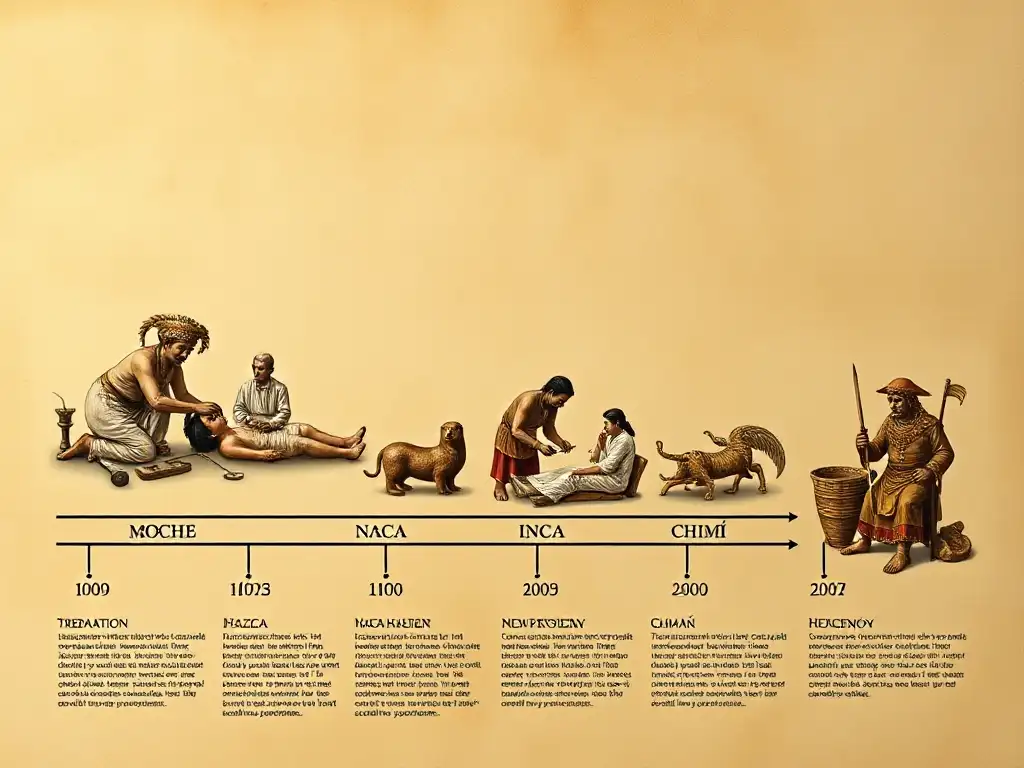
Comparing Moche medical practices with those of other Andean cultures reveals both similarities and significant differences, highlighting the unique aspects of Moche healing traditions within the broader context of Andean medicine. The diverse approaches to healing across different Andean societies reflect varying cultural beliefs, environmental factors, and technological advancements. While similarities exist in the use of herbal remedies and surgical techniques, the emphasis placed on specific practices varied considerably. For example, while trepanation (surgical opening of the skull) was practiced by several Andean cultures, its frequency and techniques differed significantly among the Moche, Inca, and Nazca.
Similarities with Inca Medical Practices
Despite the chronological and geographical distance separating the Moche and the Inca, some striking similarities exist in their medical practices. Both cultures utilized herbal remedies extensively, demonstrating a sophisticated understanding of the medicinal properties of various plants. Evidence suggests that both the Moche and Inca employed similar techniques for trepanation, although the Inca's mastery of this procedure might have been more advanced.
Both cultures also placed a significant emphasis on preventative medicine, suggesting a holistic approach to health that extended beyond treating existing illnesses. Both civilizations seem to have valued the integration of spiritual and physical healing, recognizing the interconnectedness of the body and the spirit. However, the specifics of their rituals and beliefs differed considerably, reflecting their unique cultural contexts.
Differences from Nazca and Tiahuanaco Medical Traditions
In contrast to the Moche, the Nazca and Tiahuanaco cultures exhibited distinct differences in their medical approaches. While the Nazca are renowned for their intricate geoglyphs, their medical practices remain relatively less documented compared to the Moche. However, available evidence suggests that the Nazca may have placed a greater emphasis on ritualistic practices and less on complex surgical interventions. Similarly, the Tiahuanaco, known for their monumental architecture, also had a distinct medical tradition.
Their medicinal knowledge may have focused on different plant species and healing techniques adapted to their unique high-altitude environment. While all three cultures employed herbal remedies, the specific plants utilized and their applications likely differed significantly. The differences highlight the diversity of medical knowledge and practices across different Andean civilizations, each shaped by its specific environment and cultural beliefs.
Legacy of Moche Medical Knowledge
The Moche civilization, flourishing along the northern coast of Peru from approximately 100 to 800 CE, left behind a remarkable legacy in various fields, including medicine. Their advanced understanding of the human body, coupled with their sophisticated surgical techniques and herbal remedies, significantly impacted subsequent Andean cultures. Evidence suggests a high level of specialization among Moche healers, with some focusing on specific ailments or procedures.
This specialization is evident in the iconography found on their pottery, which depicts intricate surgical scenes and detailed representations of the human anatomy, including internal organs. The level of anatomical accuracy displayed in these depictions is astonishing, suggesting a deep understanding of human physiology that was far ahead of its time. Furthermore, the Moche's knowledge of medicinal plants and their applications was extensive, as evidenced by the discovery of various plant remains in Moche burials, alongside sophisticated surgical tools.
This combination of surgical skill and botanical knowledge represents a holistic approach to healing that was remarkably sophisticated for its time. The sheer volume of surviving artifacts—pottery, textiles, and metalwork—provides a wealth of information about their medical practices, allowing modern researchers to piece together a clearer picture of their healing traditions.
Influence on Later Andean Medicine
The impact of Moche medical knowledge extended far beyond their own civilization. Their innovative techniques and understanding of anatomy and herbal remedies directly influenced the medical practices of later Andean cultures, including the Inca. Many of the medicinal plants used by the Moche continued to be employed by subsequent Andean societies, indicating a continuity of knowledge and tradition.
The sophisticated surgical techniques, though perhaps not as widespread, likely also inspired later Andean healers. For instance, cranial surgery, evidenced in Moche remains, demonstrates a level of surgical skill that was arguably not surpassed in the Andes for centuries. While the specific transmission mechanisms of this knowledge remain a topic of ongoing research, the similarities between Moche and later Andean medical practices are undeniable, suggesting a clear lineage of medical expertise.
The study of Inca medical texts and archaeological findings reveals a clear continuity with the principles and practices established by the Moche. This enduring influence underscores the importance of Moche medical advancements within the broader history of Andean medicine.
What Can We Learn from Moche Healers Today?
The study of Moche medical practices offers valuable insights for modern medicine. Their holistic approach, combining surgery, herbal remedies, and possibly spiritual practices, provides a compelling model for integrated healthcare. The Moche's deep understanding of the human body, gleaned from their detailed anatomical depictions and surgical interventions, continues to fascinate and inspire medical researchers.
Their use of naturally derived medicines, long before the advent of modern pharmaceuticals, highlights the potential of plant-based therapies. The sophistication of their surgical techniques, particularly trepanation (skull surgery), challenges our assumptions about the capabilities of ancient civilizations. Moreover, examining their approach to healing can help us understand the importance of cultural context in healthcare.
By studying their methods and beliefs, we can gain a broader perspective on the relationship between physical and spiritual well-being, potentially leading to more holistic and patient-centered approaches to modern healthcare. The lessons learned from the Moche healers can contribute to developing more effective and culturally sensitive medical practices today.
Conclusion: The Sophistication of Moche Medicine
The Moche civilization's medical practices stand as a testament to their ingenuity and advanced understanding of the human body and its ailments. Their sophisticated surgical techniques, coupled with their extensive knowledge of medicinal plants and holistic approach to healing, represent a remarkable achievement in the history of medicine. The detailed iconography on their pottery provides invaluable insights into their medical procedures and anatomical knowledge.
The lasting influence of their medical knowledge on subsequent Andean cultures underscores its importance and significance. The study of Moche medicine not only enriches our understanding of this ancient civilization but also offers valuable lessons for modern healthcare, emphasizing the importance of holistic approaches, the potential of natural remedies, and the enduring power of cultural context in medical practice.
Further research into Moche medical practices is crucial to fully appreciate the sophistication and lasting legacy of their healing traditions. The Moche's legacy serves as a powerful reminder of the remarkable capabilities of ancient Andean civilizations and their enduring contribution to the history of medicine.
Frequently Asked Questions
What medical practices did the Moche people employ?
The Moche utilized a range of sophisticated medical practices, including trepanation (skull surgery), herbal remedies, and setting broken bones. They also demonstrated a surprising understanding of anatomy and physiology.
How advanced was Moche surgery?
Moche surgeons performed complex procedures like trepanation with a relatively high success rate, indicating advanced surgical skills and knowledge of aseptic techniques. Their tools were surprisingly refined.
What role did religion play in Moche medicine?
Religious beliefs were deeply intertwined with Moche healing. Shamans played a vital role, often combining spiritual rituals with practical medical treatments. Many artifacts depict this blend of the sacred and secular.
What evidence exists to support our understanding of Moche medical practices?
Evidence comes from excavated mummies, surgical tools, and iconography found in Moche art, particularly their intricate pottery which depicts surgical procedures and medical tools. These provide invaluable insights into their practices.
What materials did Moche doctors use for their treatments?
Moche doctors used a variety of materials, including natural herbs and plants for medicinal purposes, metals for surgical instruments, and splints made from wood or other materials for setting bones. Cotton was also commonly used for bandages.
Final Reflection: Echoes of the Moche Healers in Modern Medicine
The ingenuity of the Moche people in developing sophisticated medical practices resonates powerfully with modern healthcare, reminding us that the pursuit of healing is a timeless human endeavor. Their advanced surgical techniques, intricate understanding of herbal remedies, and surprisingly effective trepanation procedures stand as a testament to the enduring human capacity for innovation in the face of suffering. This isn't just ancient history; it's a powerful reminder of the roots of our current medical knowledge.
The Moche's holistic approach to healing, encompassing spiritual and physical well-being, offers a valuable counterpoint to the sometimes overly specialized nature of modern medicine. Their deep connection to their environment, reflected in their use of natural remedies, prompts us to reconsider our own relationship with the natural world and its potential for healing. The earth provides all we need; we only need to learn how to receive it.
This ancient wisdom holds a profound truth applicable even today, urging us to explore the potential of natural therapies alongside modern advancements.
Consider the legacy of the Moche healers. Their dedication to alleviating suffering, their innovative techniques, and their profound understanding of the human body continue to inspire. You, the reader, are now part of this ongoing conversation. Reflect on the Moche's achievements, not just as historical facts, but as a source of inspiration for your own approach to health and well-being. Embrace a holistic perspective, appreciate the power of nature, and remember that the pursuit of healing is a journey that transcends time and culture.
Unveil the Secrets of Ancient Andean Healing!
Thank you for exploring the fascinating healing practices of the Moche. Your interest in ancient Peru enriches your understanding of history and connects you to the timeless wisdom of past civilizations.
Now, delve deeper into this captivating world! Here are some ways to engage further:
- Learn more about indigenous healing: Research traditional practices in modern Andean communities and observe their ongoing evolution.
- Share your discoveries: Discuss your newfound knowledge of Moche healing with friends and family. Inspire others by sharing your insights on social media.
- Explore local natural remedies: Investigate natural healing practices in your community and compare them to those of the Moche.
How can you apply this newfound knowledge about ancient healing to your life? What aspects resonate most with you?