
Moche Ceramics: The Role of Women in Pottery Production

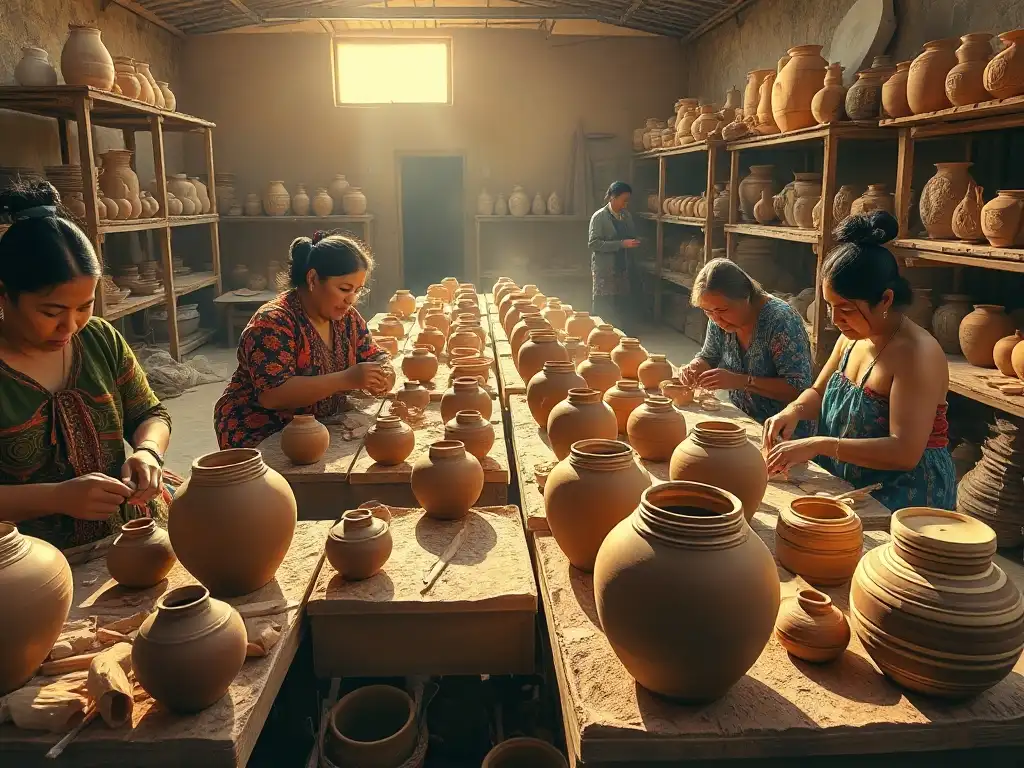
Step into a world lost to time, yet vividly preserved in clay. Unearth the secrets of the Andean civilizations, from the majestic Incas to the enigmatic Nazca. But first, prepare to be captivated by the Moche pottery women's roles, a story revealed through breathtaking artistry and challenging our understanding of ancient societal structures. Their vibrant creations whisper tales of power, devotion, and a complex social fabric far beyond what we initially imagine. Dare to discover more…
- Moche Ceramics: Unveiling Women's Roles in Pottery Production
- Moche Pottery Women's Roles: A Deep Dive
- Techniques Employed by Women in Moche Pottery
- Symbolism and Gender in Moche Ceramic Art
- The Social Status of Women Potters in the Moche Culture
- Legacy of Moche Women Potters
-
Frequently Asked Questions
- What role did women play in Moche pottery production?
- Are there specific Moche pottery pieces that depict women?
- How did the artistic style of Moche pottery reflect women's roles?
- What techniques did Moche women potentially use in pottery making?
- Where can I learn more about the role of women in Moche society?
- Final Reflection: Unveiling the Untold Stories of Moche Women
- **Unveil the Heritage of Moche Pottery! **
Moche Ceramics: Unveiling Women's Roles in Pottery Production
The Moche civilization, flourishing along the northern coast of Peru from approximately 100 CE to 800 CE, left behind a remarkable legacy of artistic achievement, particularly in their exquisite ceramics. While often overshadowed by the monumental architecture of later Andean civilizations like the Inca, the Moche's mastery of pottery provides invaluable insights into their complex social structures, religious beliefs, and daily life. This article delves into the fascinating role women played in Moche pottery production, a crucial aspect of their society often overlooked in broader discussions of Moche art and culture.
By examining existing archaeological evidence and scholarly interpretations, we aim to shed light on the significant contributions of Moche women to this iconic art form and its broader societal implications. This exploration of "Moche pottery women's roles" will reveal a nuanced understanding of gender dynamics within this vibrant ancient civilization.
Introduction to Moche Art and its Significance
Moche art, renowned for its realism and vibrant depictions of daily life, religious rituals, and warfare, is a cornerstone of our understanding of this sophisticated pre-Columbian culture. Their ceramics are particularly noteworthy, showcasing a technical proficiency unmatched by their contemporaries. The Moche employed a variety of techniques, including modeling, molding, and slip painting, to create intricately detailed vessels representing a vast range of subjects.
From portraits of rulers and warriors to depictions of everyday activities and fantastical creatures, Moche pottery offers a unique window into the worldview and social structure of this fascinating society. The sheer volume of surviving pottery also speaks to its importance within Moche society, suggesting its use extended beyond mere utilitarian purposes.
It served as a vital component in religious ceremonies, elite displays of power, and potentially even as a form of currency or exchange. The high quality and artistic merit of many pieces further suggest that pottery production was a specialized and highly valued skill, likely involving a complex division of labor.
The Importance of Pottery in Moche Society
The pervasive presence of Moche pottery in archaeological contexts underscores its central role in the civilization's social fabric. Pottery was not simply functional; it was a medium for storytelling, ritual practice, and social expression. Elaborate vessels were used in funerary rites, accompanying the deceased into the afterlife. Smaller, more everyday pieces served practical purposes, from storing food and water to preparing meals.
The remarkable diversity in styles, forms, and decorative motifs suggests a sophisticated system of social stratification, with certain types of pottery associated with specific social groups or occasions. Furthermore, the meticulous detail and artistic skill evident in many pieces indicate that pottery production was a specialized craft, likely requiring years of training and expertise. The role of women within this specialized craft is a key area of study that helps us understand the broader social dynamics of Moche society.
The discovery of female-associated grave goods, including pottery-making tools, suggests a significant female contribution to the production of this highly valued art form. [Specific examples of grave goods and their locations pending]. Further research is needed to fully delineate the extent of female participation and the specific roles women played within the pottery production process.
Moche Pottery Women's Roles: A Deep Dive
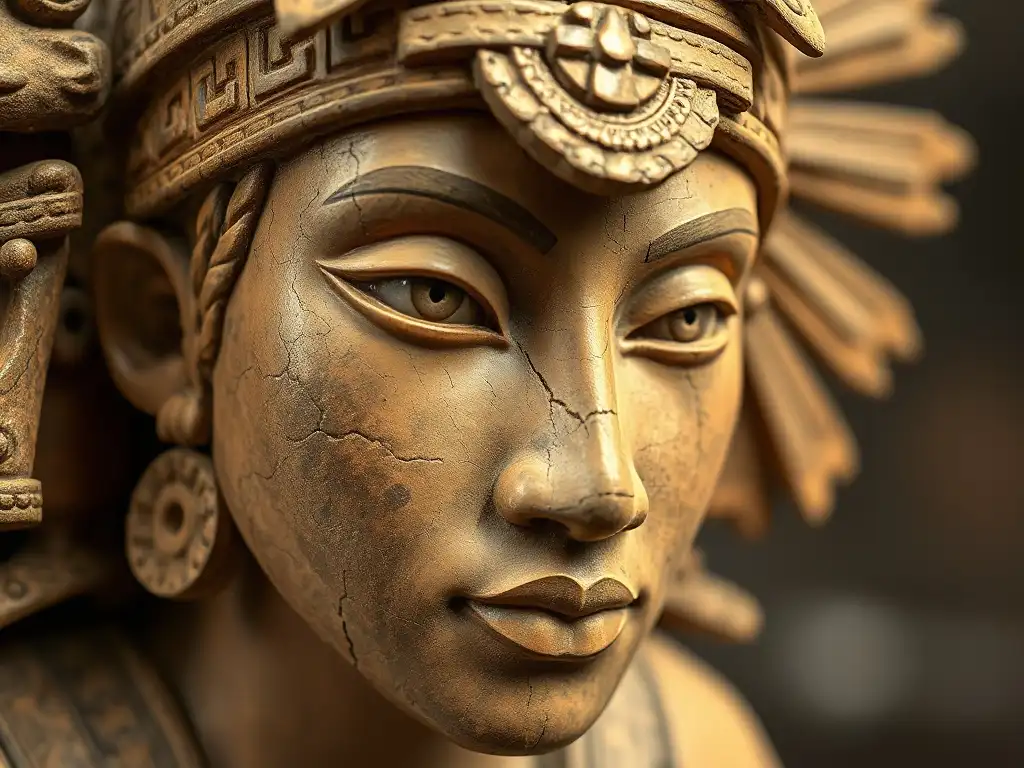
This section delves into the significant, yet often overlooked, role of women in Moche pottery production. While the grandeur of Moche artistry is widely acknowledged, a closer examination reveals compelling evidence suggesting substantial female participation, challenging traditional narratives that often center solely on male artisans. This exploration utilizes iconographic analysis of Moche ceramics themselves, alongside archaeological findings and anthropological interpretations to paint a more complete picture of Moche society and its artistic achievements. Understanding the role of Moche pottery women's roles is crucial for a nuanced comprehension of their complex social structures.
Evidence of Female Potters in Moche Iconography
Moche pottery is renowned for its intricate detail and vivid depictions of daily life. Surprisingly, a significant portion of these depictions showcase women actively engaged in pottery production. While not explicitly labeled as "potters," the imagery strongly suggests their involvement. Several key pieces of evidence support this claim:
- Direct Depiction of Female Figurines Shaping Clay: Numerous ceramic vessels depict women seated, meticulously shaping clay on a potter's wheel or by hand. These figures often display focused expressions and are shown with tools consistent with pottery-making, such as spatulas and smoothing implements. The detail is remarkable, showcasing the skill and dexterity required for such intricate work. These are not simply decorative elements; they're a clear representation of a common activity.
- Women in Ritual Contexts Related to Pottery: Some ceramics depict women participating in rituals seemingly connected to pottery production or the veneration of pottery-related deities. These scenes often feature women offering vessels, participating in ceremonies, or even being depicted as powerful figures associated with fertility and creation—themes strongly linked to the crafting process itself.
- Female Imagery on Vessels Displaying Technical Skill: The skill displayed in the creation of the vessels themselves, particularly those depicting women, speaks volumes. The level of detail and technical prowess reflected in the ceramic artistry suggests that women were not merely passive observers but actively involved in the creative process. The precision and artistry would require years of training and practice.
The consistent recurrence of these images across various Moche sites and time periods strongly suggests that the depiction of women involved in pottery making is not accidental but rather a reflection of their actual roles within the society.
Analyzing Moche Ceramic Depictions of Women
Analyzing the depictions of women within Moche pottery requires a multi-faceted approach. We must consider not only their physical posture and tools but also their attire, facial expressions, and the context of the scene. For example:
- Clothing and Adornments: The clothing and adornments of the women depicted often reflect their social status. Elaborate headdresses, jewelry, and clothing might suggest that high-ranking women were involved in the production of elite or ceremonial pottery.
- Body Language and Expressions: The women depicted often display a sense of concentration and skill, suggesting mastery of their craft. Their postures are frequently naturalistic and realistic, indicating a deep understanding of the process.
- Contextual Clues: The scenes in which women are depicted provide further insight. Are they working alone, in groups, or under the supervision of men? Are they crafting everyday vessels or elaborate ceremonial pieces? Such contextual clues provide crucial information about the social organization of pottery production.
Unfortunately, much of the interpretation relies on visual cues and contextual inferences, as direct written records are absent. Further research, including detailed stylistic analysis and comparative studies with other Andean cultures, would help refine our understanding.
The Craftswomen: Moche Women's Participation in Ceramic Production
The evidence strongly suggests a significant female contribution to Moche ceramic production. While the extent of their involvement, whether solely as artisans or also as managers or traders, remains a subject of ongoing research, the iconographic evidence alone points towards a substantial female presence in the craft. The Moche pottery women's roles were likely multifaceted, reflecting the complex social dynamics of the time.
We can hypothesize several possibilities:
- Specialized Roles: Some women might have specialized in particular aspects of pottery production, such as shaping, painting, or firing.
- Division of Labor: A division of labor might have existed, with women focusing on certain types of pottery while men handled others.
- Economic Significance: The production of pottery likely held significant economic value, implying that women played a vital role in the Moche economy.
The vibrant and detailed nature of Moche pottery offers a valuable window into the lives and roles of women within this ancient civilization. Further research is needed to fully unravel the complexities of their contributions and fully appreciate the extent of Moche pottery women's roles in shaping the artistic legacy of this fascinating culture. The ongoing exploration promises to further enrich our understanding of Moche society and its remarkable achievements.
Techniques Employed by Women in Moche Pottery
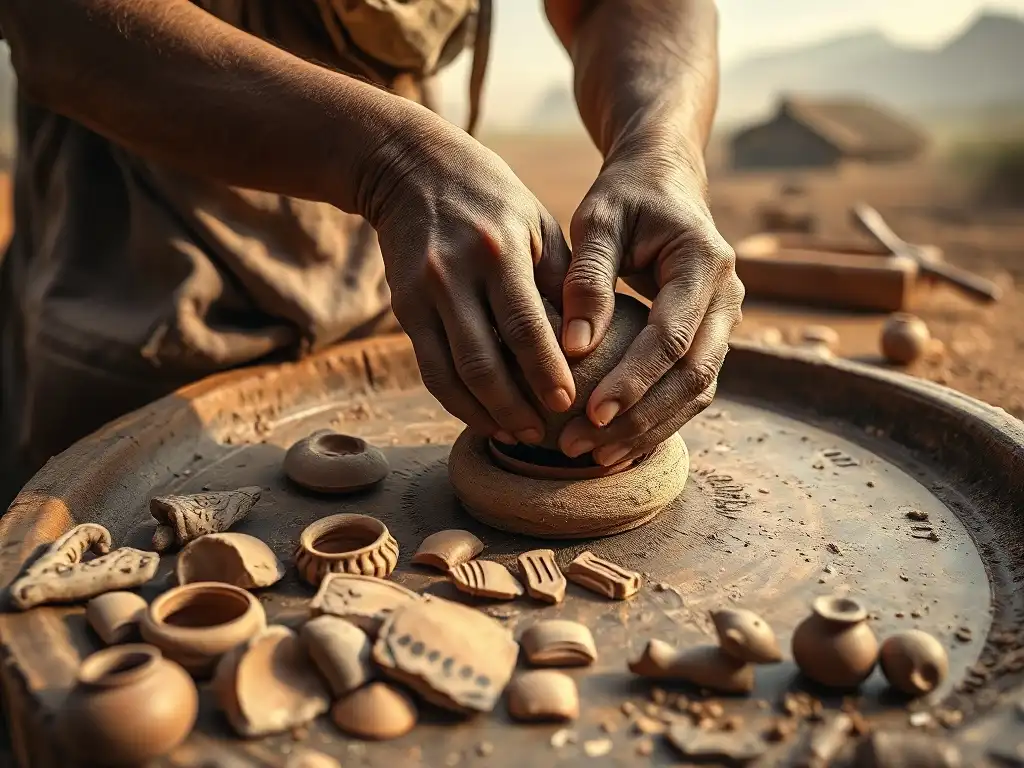
The remarkable artistry of Moche ceramics is inextricably linked to the significant contributions of women. While the exact division of labor remains a subject of ongoing research, archaeological evidence strongly suggests a prominent, if not dominant, female role in pottery production. This section will delve into the specific techniques employed by Moche women, highlighting their expertise and skill. Understanding these techniques provides crucial insight into the social organization and technological advancements of the Moche civilization, enriching our understanding of "Moche pottery women's roles".
Hand-Building Techniques in Moche Ceramics
Moche women were highly skilled in various hand-building techniques. These techniques, often passed down through generations, allowed for the creation of intricate and diverse ceramic forms. Common methods included:
- Pinch Pot Technique: Starting with a small ball of clay, women would pinch and shape the clay between their fingers, gradually expanding the vessel. This technique was particularly suited for smaller pots and figurines. The dexterity required demonstrates a high level of skill and precision.
- Coil Building: This technique involved rolling long coils of clay and carefully joining them together to create the desired shape. This method allowed for the creation of larger vessels and more complex forms. Evidence suggests that women employed sophisticated coil-smoothing techniques, resulting in seamless, elegant surfaces.
- Slab Building: In some cases, women may have utilized slab building, creating flat pieces of clay and assembling them to form the pot. This method was likely used for larger, more structured pieces, requiring meticulous planning and execution.
The precision and artistry evident in Moche ceramics, particularly the intricate details and consistent quality across numerous artifacts, point to a highly developed system of training and skill transmission within female-led pottery workshops. Further research focusing on the analysis of clay residue on tools and pottery shards could provide even more detailed insight into the specific techniques used.
The Role of Women in Mold Use and Decoration
Beyond hand-building, Moche women also played a crucial role in the use of molds and the subsequent decoration of the pottery. The use of molds allowed for mass production of certain forms, while still allowing for individual artistic expression in the decoration.
- Mold Creation: The creation of molds themselves required considerable skill. Women likely played a role in selecting appropriate materials, crafting the molds, and ensuring their durability for repeated use. The precision required in mold-making is evident in the uniformity of many Moche ceramic pieces.
- Mold Application: Applying the clay to the molds and ensuring a smooth, even surface required a delicate touch and considerable expertise. The ability to consistently achieve high-quality results across multiple pieces demonstrates a high level of skill and training.
- Post-Firing Decoration: Once the pots were fired, women were responsible for the final decorative elements. This included painting intricate designs, adding embellishments, and applying finishing touches. These decorations often featured vibrant colors and complex imagery, reflecting the women's artistic talent and cultural understanding. The use of pigments and their application required a deep knowledge of materials and techniques.
The combination of mold-making, mold application, and post-firing decoration points to a sophisticated division of labor within Moche pottery production, with women holding key positions in each stage.
The Importance of Clay Sourcing for Moche Potters
Access to high-quality clay was essential for the production of Moche ceramics. Women likely played a significant role in sourcing, processing, and preparing the clay. This involved:
- Locating Clay Deposits: Identifying suitable clay deposits required knowledge of local geology and the properties of different clays. Women, with their intimate knowledge of the surrounding landscape, were likely instrumental in this process.
- Clay Preparation: Once located, the clay needed to be processed to remove impurities and achieve the desired consistency. This involved tasks such as grinding, sieving, and mixing, all requiring significant physical labor and expertise.
- Controlling Clay Quality: The quality of the clay directly impacted the final product. Women’s expertise in identifying and preparing clay ensured consistent quality across the pottery produced. This knowledge was critical to the success of Moche pottery production.
The meticulous nature of clay sourcing and preparation further underscores the profound understanding and expertise of Moche women in the art of pottery making. Their contributions extended far beyond simple decoration; they were integral to every stage of the production process, from raw material acquisition to the finished product. Understanding their role in "Moche pottery women's roles" enhances our appreciation of their remarkable achievements.
Symbolism and Gender in Moche Ceramic Art
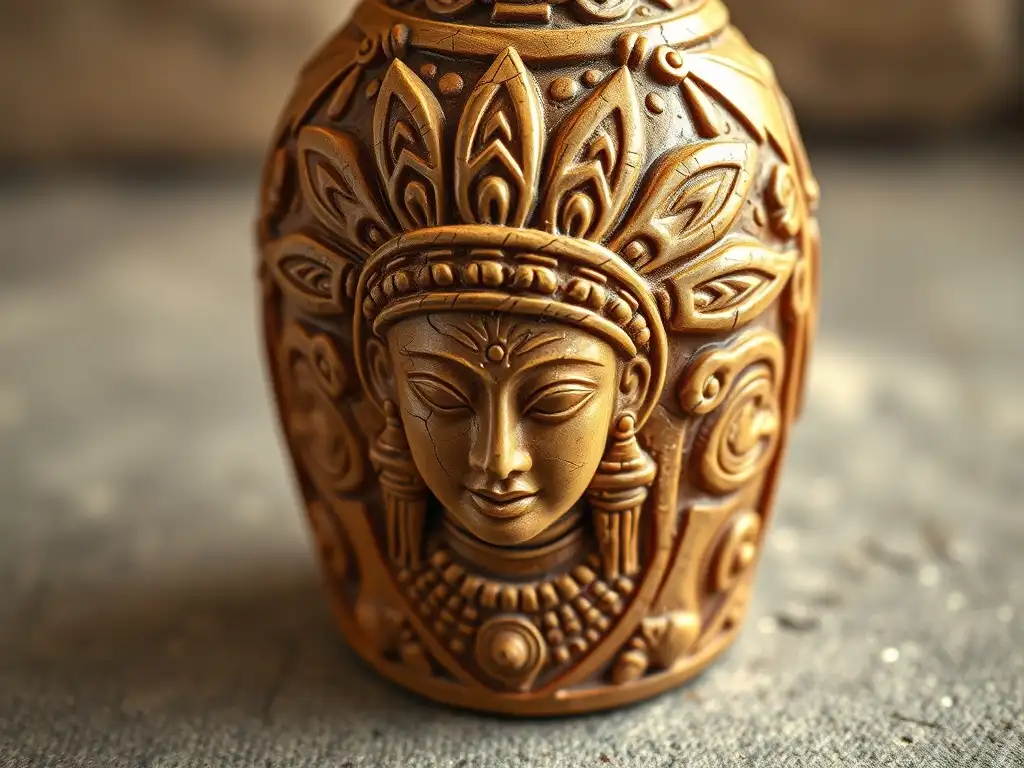
The Moche civilization (c. 100 – 800 CE) left behind a remarkable legacy in the form of intricately crafted ceramics. These aren't mere vessels; they are complex narratives, imbued with symbolism reflecting the societal structures and beliefs of the time. Understanding the role of women in Moche society requires a careful examination of the symbolism present in their pottery, particularly the recurring motifs and representations of female figures.
The prevalence of female imagery in Moche pottery, far from being incidental, suggests a significant role for women in both religious and secular life, a perspective often overlooked in traditional archaeological interpretations. The artistic choices made by Moche potters, particularly the detailed depiction of women in various roles, offer invaluable insight into the gender dynamics of this fascinating civilization.
Analyzing the iconography and the context in which these images appear allows us to move beyond simplistic interpretations and uncover a more nuanced understanding of women's contributions to Moche culture. The very act of creating these elaborate pieces, requiring skill, patience, and artistic vision, implicitly points to the valued position of women within Moche society.
Female Iconography in Moche Pottery: Interpreting the Meaning
Moche pottery frequently depicts women in a variety of roles. Some portrayals show women as powerful figures, perhaps priestesses or rulers, adorned with elaborate headdresses and jewelry, suggesting high social status. Others show women engaged in everyday activities like weaving, preparing food, or participating in rituals.
The sheer diversity of these depictions challenges the stereotypical view of ancient Andean societies as exclusively patriarchal. For example, the discovery of [specific tomb location pending] revealed a significant number of ceramic vessels depicting women in what appears to be ceremonial contexts, further supporting the hypothesis of a considerable female presence in religious practices. This challenges previous interpretations that emphasized primarily male figures in religious iconography.
The detailed rendering of facial features, clothing, and body adornments in these pieces further emphasizes the importance attributed to these female figures. The use of specific colors and the careful composition of the scenes suggest a deliberate attempt to convey specific meanings and narratives related to the roles and status of women within Moche society.
Moche Ceramic Motifs and Their Connection to Women
Certain recurring motifs in Moche pottery are strongly linked to female figures and feminine principles. For instance, the frequent appearance of stylized depictions of marine life, such as fish and shellfish, alongside female figures may suggest a connection between women and fertility, abundance, and the bounty of the sea.
Similarly, the use of specific colors, like red and yellow, often associated with feminine energy and vitality in Andean cosmologies, adds another layer of meaning to these ceramic representations. Analyzing these motifs not only helps us understand the artistic choices of the potters but also offers a glimpse into the symbolic world of the Moche and their understanding of gender roles.
The intricate weaving patterns often depicted on the clothing of female figures in Moche pottery might also reflect the importance of textile production, a craft traditionally associated with women in many ancient cultures, highlighting their crucial role in the Moche economy. Further research into the specific pigments and their symbolic significance is needed to fully understand the richness of these artistic expressions.
Narratives and Stories Depicted by Female Potters
The creation of Moche pottery was not a purely mechanical process; it was an act of artistic expression and storytelling. The scenes depicted on the vessels, including those featuring women, suggest a rich tapestry of narratives that reflect the beliefs, values, and experiences of the Moche people. These narratives, often complex and layered, reveal insights into the daily lives, social interactions, and religious practices of the women within the society.
The presence of women actively participating in rituals or ceremonies, depicted with equal prominence to male figures, suggests a more egalitarian interpretation of their social roles than previously assumed. These narratives, expressed through intricate details and symbolic representations, challenge the traditional patriarchal interpretations of Moche society, revealing a more complex and nuanced understanding of gender roles and the contributions of women to Moche culture.
Further investigation into the stylistic variations across different Moche regions is necessary to understand the potential regional differences in the representation of women in their pottery. The careful study of these narratives offers a powerful method to understand the "Moche pottery women's roles" and their significance in the broader context of the civilization.
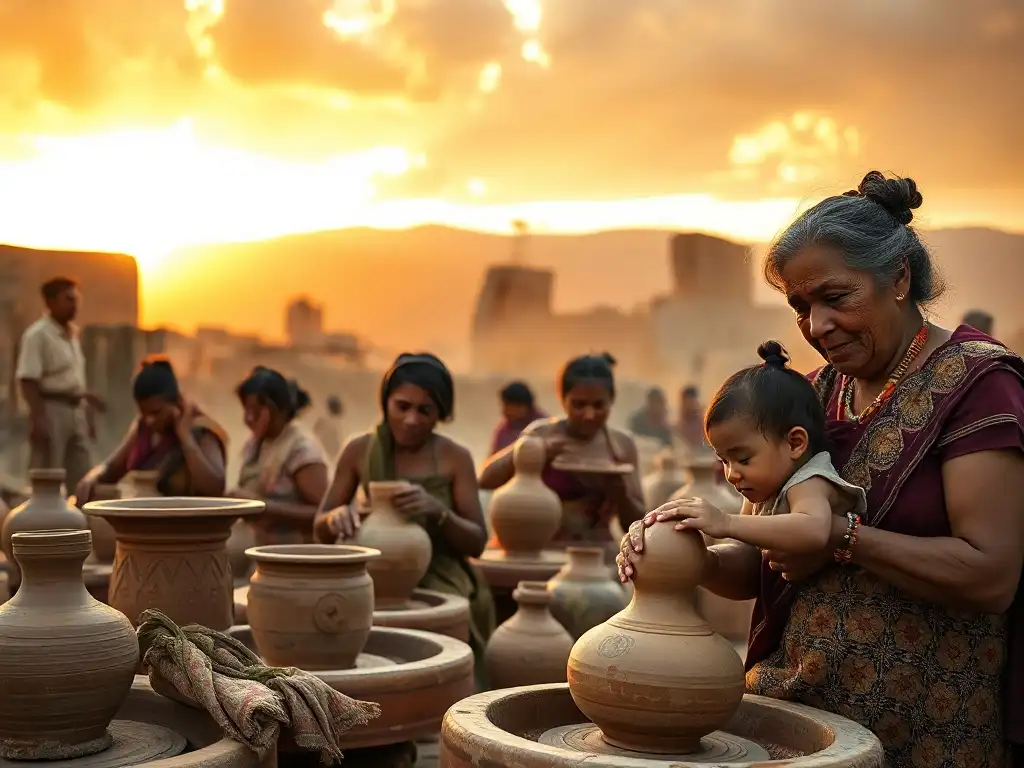
The role of women in Moche pottery production is a complex and fascinating subject, revealing much about the social structures of this ancient Andean civilization. While definitive conclusions remain elusive due to the limitations of archaeological evidence, analysis of the ceramics themselves, alongside burial contexts and iconographic representations, suggests a significant, and possibly elevated, social standing for female potters.
The sheer volume of high-quality Moche pottery attributed to women, as well as the intricate detail and stylistic innovation present in their work, challenges the traditional view of women solely as domestic figures. It suggests a level of skill, specialization, and perhaps even economic power not always associated with women in ancient societies.
Further research, particularly focusing on the analysis of workshop organization and the identification of female artisans' signatures or marks on pottery pieces, is crucial to refine our understanding of their societal position. The current evidence, however, strongly implies that the social status of women potters within Moche society was far from insignificant.
Moche Pottery Workshops: Exploring the Work Environment
Archaeological excavations of Moche settlements have unearthed evidence of specialized pottery workshops. While the exact organization of labor within these workshops remains a subject of ongoing debate, the discovery of numerous pottery shards, tools, and kilns in close proximity indicates a structured production process. Some researchers hypothesize that these workshops might have been organized by gender, with separate spaces dedicated to male and female artisans.
However, other evidence suggests a collaborative effort where both men and women contributed to various stages of pottery production. This collaborative model is supported by the diversity of styles and techniques found in Moche ceramics. The presence of both fine and less refined pottery within the same workshop area might indicate a division of labor based on skill level rather than gender.
Further research into the spatial arrangement of these workshops, the types of tools found, and the analysis of pottery markings could provide crucial insights into the organization of labor and the roles of women within this system. The discovery of more complete workshops and the application of advanced analytical techniques, such as isotopic analysis of pottery clay, could shed more light on the intricacies of Moche pottery production and the participation of women in it. Analyzing the size and layout of the workshops could also help us understand if there was a hierarchical structure within the production process and if women occupied specific positions.
The Influence of Women's Pottery on Moche Society
The exquisite craftsmanship and artistic merit of Moche pottery, particularly that attributed to women, had a profound influence on Moche society. These ceramic pieces served not only as utilitarian objects but also as powerful symbols of social status, religious beliefs, and political power. The intricate depictions of deities, rituals, and daily life, often found on Moche pottery, provided a visual record of the society's worldview and values.
Women's unique artistic style and innovative techniques contributed significantly to this visual narrative. Their detailed representations of mythological figures, scenes of daily life, and even portraits suggest a deep understanding of Moche culture and a significant role in shaping its visual identity. The widespread distribution of Moche pottery across the region further emphasizes the influence of women's artistic contributions.
The pottery's artistic merit and widespread dissemination suggest that women's work played a crucial role in shaping Moche cultural identity and influencing social dynamics. The presence of female figures in powerful roles within the iconography itself also speaks to their societal influence, extending beyond mere craftsmanship.
Did Women Hold Power through their Ceramic Work?
The question of whether women held direct political or social power through their ceramic production remains a subject of ongoing scholarly discussion. While archaeological evidence doesn't provide direct proof of political power held by female potters, the high quality and artistic significance of their work, combined with the pervasive presence of female imagery in Moche iconography, suggests a significant degree of influence. The meticulous detail and technical skill demonstrated in their pottery suggest a level of expertise and authority that likely translated into social respect and recognition.
Furthermore, the economic value of Moche pottery, particularly the elite pieces, suggests that women potters could have controlled significant resources and played a role in the economic system. The possibility of women holding indirect power through their control over production and the symbolic power of their art remains an area of ongoing research and debate. A more thorough study of the social networks connected to pottery production and distribution could reveal more about potential power structures.
The potential link between specific pottery styles and elite lineages requires further investigation to determine the extent of influence and power wielded by women potters. Analyzing the burial contexts of female potters and the items found with them could provide further clues about their social standing and power within Moche society.
Legacy of Moche Women Potters
The Moche civilization, flourishing along the northern coast of Peru from approximately 100 CE to 800 CE, left behind a remarkable artistic legacy, particularly in their exquisite ceramics. While often overlooked in broader narratives, the role of women in Moche pottery production was undeniably crucial, shaping not only the aesthetic characteristics of the artifacts but also contributing significantly to the socio-economic fabric of the society. Evidence suggests that women held specialized roles in the creation of these iconic pieces, impacting the very nature of Moche artistic expression and its enduring legacy.
Their contributions extended beyond simple craftsmanship; they actively participated in the design, execution, and potentially even the conceptualization of the narratives depicted on the pottery. The intricate detail and stylistic consistency across numerous pieces strongly suggest a level of organized production, likely involving female artisans working collaboratively within a structured system.
This wasn't merely a matter of producing utilitarian vessels; Moche pottery served ritualistic, social, and funerary purposes, underscoring the importance of the women involved in their creation. The skill and artistry displayed in these pieces, passed down through generations, are a testament to the profound expertise and dedication of Moche women potters.
The Enduring Impact of Moche Ceramic Tradition
The influence of Moche ceramic traditions, largely shaped by women's contributions, continues to resonate even today. Their innovative techniques, such as the use of slip and pigment to create vibrant colors and intricate designs, remain a source of inspiration for contemporary artists and researchers. The stylistic elements found in Moche pottery, including the depiction of mythological figures, everyday life scenes, and elaborate portraits, provide invaluable insights into the beliefs, customs, and social structures of the Moche people.
The enduring appeal of Moche pottery lies not only in its aesthetic beauty but also in its ability to transport us back in time, offering a window into the lives and artistry of the women who created these masterpieces. Analyzing the stylistic variations across different Moche pottery workshops, even considering regional differences, reveals a remarkable consistency in the quality and skill demonstrated, again suggesting a highly developed system of training and knowledge transfer, likely passed down matrilineally.
The persistence of certain motifs and techniques across centuries highlights the deep-rooted nature of this tradition and the significant role played by women in maintaining and transmitting this cultural heritage. This cultural legacy is not just about objects; it's about the skilled hands and creative minds of the women who shaped Moche society.
Modern Interpretations of Moche Pottery and Women's Contributions
Contemporary interpretations of Moche pottery increasingly acknowledge and celebrate the significant contributions of women. Scholars are actively re-evaluating the historical record, moving beyond simplistic narratives that often marginalized female roles. New research methods, including advanced analysis of pottery pigments and stylistic features, are helping to shed light on the specific roles and expertise of women within the production process.
Furthermore, many contemporary artists are drawing inspiration from Moche pottery, creating new works that honor the legacy of these skilled artisans. The emphasis on female empowerment in modern art often incorporates elements inspired by Moche pottery, highlighting the strength, resilience, and artistic talent of the women who shaped this vibrant culture. This renewed focus not only enriches our understanding of Moche civilization but also serves as a powerful reminder of the importance of recognizing and celebrating the contributions of women throughout history.
This reevaluation helps to correct past biases and ensures a more accurate and inclusive understanding of the past, giving voice to the women whose skills and creativity were integral to the creation of this extraordinary artistic legacy. The ongoing research and artistic interpretations of Moche pottery are crucial for ensuring the continued visibility and appreciation of women’s contributions.
Preserving the Knowledge of Moche Pottery Techniques
The preservation of Moche pottery techniques is crucial for understanding and appreciating the skills of the women who created these artifacts. Efforts to document and replicate these techniques, using traditional methods and materials whenever possible, are vital for ensuring that this knowledge is not lost. Archaeological excavations and museum collections play a crucial role in providing access to these objects, allowing researchers and artists to study the techniques used in their creation.
Furthermore, collaborative projects involving archaeologists, art historians, and contemporary artists can help to bridge the gap between past and present, ensuring the continuity of this important cultural heritage. This collaborative approach ensures that the knowledge is not only preserved but also actively transmitted to new generations, fostering a deeper appreciation for the artistry and ingenuity of Moche women potters.
The preservation of these techniques is not merely an academic exercise; it is a vital step in ensuring that the voices and contributions of Moche women are heard and celebrated, contributing to a more complete and nuanced understanding of their remarkable civilization. The ongoing work to preserve and share this knowledge is a testament to the enduring power of Moche artistry and the importance of recognizing the crucial role of women in its creation.
Frequently Asked Questions
What role did women play in Moche pottery production?
While the exact extent is debated, evidence suggests women held significant roles in Moche pottery production, from creating the vessels to potentially participating in decorative painting. Their contributions were vital to the success of this art form.
Are there specific Moche pottery pieces that depict women?
Yes, many Moche ceramics depict women in various roles, including priests, artisans, and everyday life. These portrayals offer valuable insights into the social structures and beliefs of the Moche civilization.
How did the artistic style of Moche pottery reflect women's roles?
The depiction of women in Moche pottery, often in powerful or ritualistic contexts, suggests a degree of social status and influence. The detail and skill in the portrayals highlight their importance within the society.
What techniques did Moche women potentially use in pottery making?
Moche women likely used a range of techniques, including modeling, coiling, and slip painting. These skills were crucial for creating the complex and detailed ceramics for which the Moche are renowned.
Where can I learn more about the role of women in Moche society?
Further research into Moche archaeology and anthropological studies will offer a deeper understanding of women's roles. Look for publications and museum exhibits that specifically focus on Moche social structures and gender dynamics.
Final Reflection: Unveiling the Untold Stories of Moche Women
The vibrant artistry of Moche ceramics isn't just a testament to a sophisticated civilization; it's a powerful window into the significant, yet often overlooked, roles of women in their society. These intricate vessels, meticulously crafted and imbued with symbolic meaning, reveal a complex social structure where women were not merely passive participants but active contributors to the cultural and economic fabric of their world. Their contributions, previously marginalized in historical narratives, are now being brought to light, challenging traditional interpretations and enriching our understanding of ancient Peru.
The enduring legacy of Moche pottery continues to resonate today, prompting us to reconsider our own biases and assumptions about gender roles in history. The skill and artistry evident in these pieces challenge the simplistic narratives that often erase women's contributions from the historical record. The past is never dead. It's not even past,
wrote William Faulkner, and the rediscovery of the Moche women's crucial role in pottery production proves this point powerfully. Their artistry speaks across millennia, reminding us of the importance of inclusive historical narratives that acknowledge the full spectrum of human experience.
Consider the intricate details, the vibrant colors, the powerful imagery found in Moche pottery. Now, imagine the hands that shaped these masterpieces, the minds that conceived their designs, the women who held the knowledge and passed it down through generations. You too can contribute to a more complete and accurate understanding of history. By actively seeking out diverse perspectives and challenging established narratives, we can ensure that the voices of the past, including those of the skilled Moche women, are heard and celebrated for generations to come.
**Unveil the Heritage of Moche Pottery! **
Thank you for exploring the fascinating world of Moche ceramics! Your interest in this rich history underscores the significant contributions of women to pottery production. By appreciating their artistry, you also celebrate their enduring cultural legacy.
Let's connect with this tradition:
- **Explore the Art:** Immerse yourself in the intricate designs of Moche ceramics by visiting a local museum or gallery showcasing this vibrant culture's artistry.
- **Share Your Discoveries:** Discuss the fascinating roles of Moche women in pottery with friends, family, or online communities—ignite a conversation about their remarkable achievements!
- **Get Creative:** Explore your own creativity through pottery or a related craft. Consider taking a class focusing on traditional techniques or styles inspired by the masterful Moche artisans.
What most inspires you about the artistry and cultural significance of Moche women's pottery, and how will you share that inspiration with others?