
Lessons from Andean Hydraulic Engineering: Applying Ancient Wisdom to Modern Problems

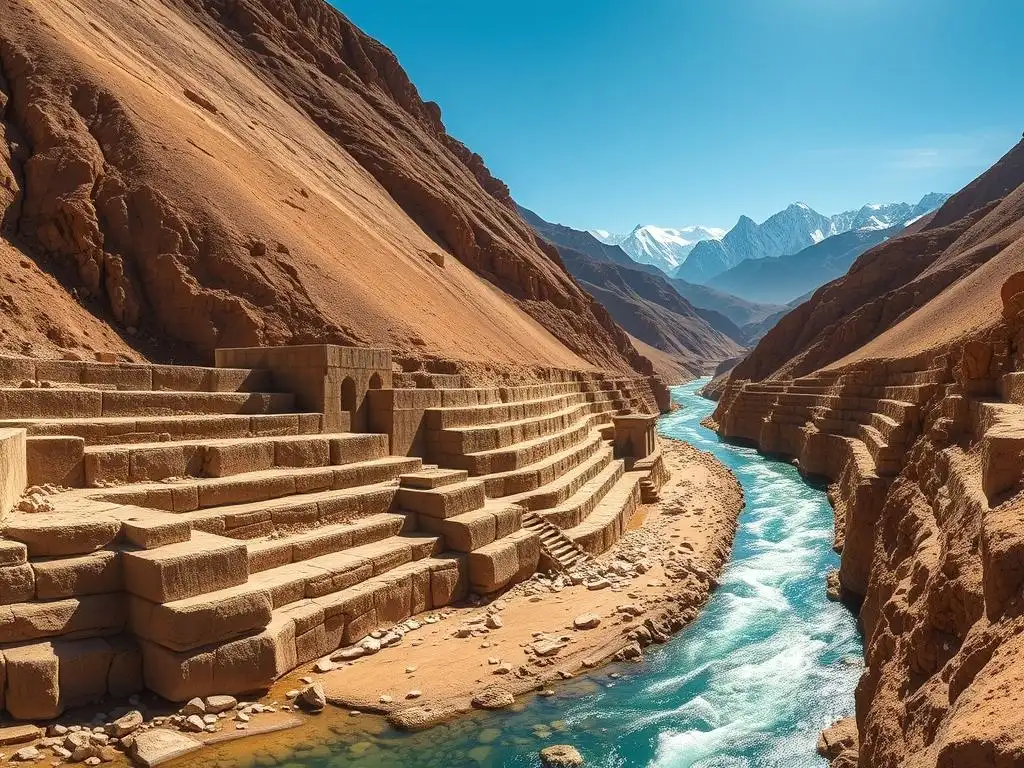
Step into a world lost to time, yet echoing with ingenuity. Prepare to be amazed by the remarkable achievements of the Andean civilizations – their intricate artistry, profound culture, and breathtaking architecture. But we're not just talking about majestic cities; we're delving into the secrets of their Andean hydraulic engineering techniques. How did these ancient societies conquer the challenges of their harsh landscape? Discover the answers within, and unlock the wisdom of a forgotten past that holds surprising relevance for our modern world.
- Andean Hydraulic Engineering Techniques: Ancient Wisdom for Modern Challenges
- Key Andean Hydraulic Engineering Achievements
- Understanding Andean Water Management Principles
- Modern Applications of Andean Hydraulic Engineering
- Case Studies: Examples of Andean Hydraulic Engineering in Action
- The Legacy of Andean Hydraulic Engineering
-
Frequently Asked Questions
- What innovative hydraulic engineering techniques did the Andean civilizations employ?
- How did the Incas manage water resources effectively?
- What role did hydraulic engineering play in the success of Andean civilizations?
- How did Andean hydraulic engineering techniques differ from those in other parts of the world?
- Can modern engineering learn from Andean hydraulic techniques?
- Final Reflection: Ancient Wisdom, Modern Solutions: The Enduring Legacy of Andean Hydraulic Engineering
- Embrace Ancient Wisdom for Modern Solutions!
Andean Hydraulic Engineering Techniques: Ancient Wisdom for Modern Challenges
The Andes Mountains, a formidable spine running down the western coast of South America, presented ancient civilizations with a unique set of challenges—and opportunities. Scarcity of water in many regions, coupled with the need to irrigate crops at varying altitudes, spurred the development of sophisticated hydraulic engineering techniques unlike anything seen elsewhere in the world.
This article explores the remarkable ingenuity of Andean cultures, focusing on their water management systems and examining how their solutions to ancient problems might offer valuable insights for addressing contemporary challenges in water resource management. We will delve into the impressive achievements of civilizations like the Inca, Nazca, and Moche, showcasing their mastery of irrigation, canal construction, and water storage, all while highlighting the relevance of these ancient techniques for modern-day applications in sustainable water resource management and addressing water scarcity.
Understanding these Andean hydraulic engineering techniques provides a crucial lens through which we can appreciate the resourcefulness and resilience of these ancient societies and potentially draw inspiration for innovative solutions to our current global water crisis. The study of Andean water management is not just an archaeological pursuit; it's a crucial step towards a more sustainable future.
Introduction to Andean Water Management
Andean water management wasn't simply a matter of digging ditches; it was a complex interplay of engineering, social organization, and spiritual belief. These civilizations understood the vital link between water availability and societal survival, developing intricate systems adapted to the unique geographical and climatic conditions of the Andes. This involved a deep understanding of hydrology, topography, and the seasonal variations in rainfall and water flow.
Their solutions weren't uniform; they varied depending on the specific environment and the needs of the community. For example, coastal civilizations like the Nazca relied heavily on sophisticated canal systems to divert water from rivers and streams to arid agricultural lands, while highland societies, such as the Inca, utilized a combination of techniques including terraced farming, reservoirs, and aqueducts to manage water resources effectively in challenging mountainous terrains. The development of these systems was not only a testament to their engineering prowess but also reflected a sophisticated understanding of the environment and a strong sense of community responsibility in resource management.
The intricate networks of canals, aqueducts, and reservoirs built by these ancient Andean cultures stand as a testament to their profound understanding of water management and their ability to harness this vital resource for the benefit of their societies. Their success in creating sustainable water systems in challenging environments offers valuable lessons for modern societies facing similar challenges today.
The Ingenuity of Ancient Andean Civilizations in Water Control
The ingenuity of ancient Andean civilizations in water control is breathtaking. Consider the Nazca Lines, famously known for their enigmatic geoglyphs. Less discussed, but equally impressive, is the sophisticated network of canals that supported their flourishing agriculture in a remarkably arid environment. These canals, some stretching for tens of kilometers, were meticulously planned and constructed, demonstrating an advanced understanding of surveying, engineering, and water distribution.
The precision involved in their creation is truly remarkable, highlighting the advanced technical skills of the Nazca people. Similarly, the Inca Empire, known for its vast and well-organized state, utilized a complex system of aqueducts, reservoirs, and irrigation channels to support its extensive agricultural production across diverse geographical regions. Their mastery of stonework allowed them to create durable and efficient water systems that endured for centuries, showcasing an exceptional understanding of hydraulic engineering principles. These systems were not merely functional; they were integrated into the social and spiritual fabric of Andean societies, reflecting a deep respect for water as a sacred and life-giving resource.
The meticulous planning, sophisticated engineering, and community-based management exemplified by these ancient water systems continue to inspire awe and provide valuable lessons for modern water resource management. The effective utilization of water by these cultures, despite challenging environmental conditions, serves as a powerful example of human adaptation and ingenuity. The legacy of their innovative water control systems remains a vital source of inspiration for the development of sustainable water management practices in contemporary societies.
Key Andean Hydraulic Engineering Achievements
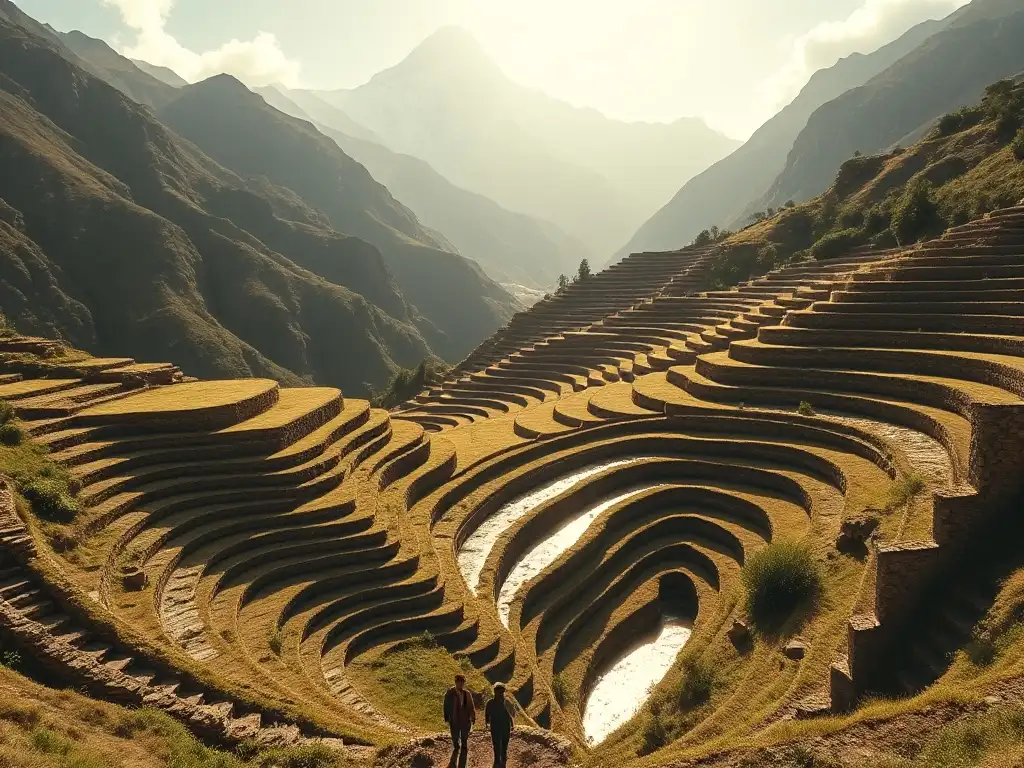
The Andes Mountains, a formidable natural barrier, presented immense challenges to the ancient civilizations that inhabited its slopes. Yet, these societies, including the Incas, Moche, Nazca, and Tiahuanaco, developed sophisticated Andean hydraulic engineering techniques that allowed them to thrive in this demanding environment. Their mastery of water management wasn't merely a matter of survival; it was a testament to their ingenuity, organizational skills, and deep understanding of their environment.
These achievements continue to inspire modern engineers and offer valuable lessons for sustainable water management in challenging terrains. The ingenuity and precision evident in their systems are remarkable considering the tools and technology available to them. Their success lies in a combination of careful observation, practical experimentation, and a profound respect for the power and limitations of nature.
Terraced Agriculture: Maximizing Water Use on Slopes
Andean terraced agriculture represents a pinnacle of Andean hydraulic engineering techniques. These meticulously constructed terraces, carved into steep mountain slopes, dramatically increased arable land and optimized water use. The terraces themselves weren't simply flat platforms; they were carefully designed to capture and retain rainwater.
The construction involved building retaining walls, often using stone and earth, creating a series of level platforms that slowed the flow of water, preventing erosion and allowing it to soak into the soil. This system was particularly effective in areas with steep slopes and limited rainfall, maximizing the yield from limited resources. The effectiveness of this method is evident in the enduring productivity of many Andean agricultural areas, even today.
The design often incorporated intricate drainage systems to prevent waterlogging, further demonstrating the sophisticated understanding of hydrology possessed by these ancient engineers. Different terrace designs were used depending on the slope's steepness and the type of soil, highlighting the adaptive nature of their approach. The precise orientation and grading of the terraces further optimized sunlight exposure and water distribution.
Canals and Aqueducts: Transporting Water Across Distances
Beyond terraced farming, the ancient Andean civilizations built extensive networks of canals and aqueducts to transport water across significant distances. This impressive feat of Andean hydraulic engineering techniques involved not only the construction of the channels themselves but also the careful planning and management of water flow. The canals were often lined with stone or plastered to prevent leakage and erosion, showcasing a high level of technical skill.
Their construction required a deep understanding of topography and hydrology, as well as substantial labor organization. Evidence suggests that the construction of these systems involved sophisticated surveying and planning, ensuring a consistent gradient for efficient water flow, even over long distances. The scale of these projects is staggering, reflecting the importance of water to these societies and their ability to mobilize large workforces for complex infrastructure projects.
The Role of Gravity in Andean Water Distribution Systems
A key element in the success of Andean water management systems was the clever utilization of gravity. The canals and aqueducts were meticulously graded to ensure a consistent, gentle slope, allowing water to flow naturally from higher elevations to lower ones. This minimized the need for pumps or other artificial methods of water elevation, demonstrating a remarkable understanding of physics and engineering principles.
This ingenious use of gravity not only simplified the construction and maintenance of the systems but also ensured a reliable and sustainable water supply. The precise control of water flow through the system was essential, and this was often achieved through the use of strategically placed weirs and spillways to regulate water levels and prevent damage. The understanding and application of gravitational forces represent a crucial aspect of Andean hydraulic engineering techniques.
Precision Engineering in Ancient Andean Aqueducts
The aqueducts, in particular, are a testament to the precision engineering of these ancient civilizations. Many aqueducts were built using precisely cut and fitted stones, often without the use of mortar. This level of precision ensured watertightness and longevity, showcasing a remarkable understanding of stonework and construction techniques.
The design often incorporated features such as siphons and tunnels to navigate challenging terrain, further demonstrating their engineering prowess. The durability of many of these structures, some of which remain functional even today, is a testament to the quality of their construction and the careful planning that went into their design. The integration of these aqueducts into the broader landscape, often seamlessly blending with the surrounding environment, highlights the aesthetic sensibility that accompanied their engineering achievements.
The precise alignment of channels and the careful selection of materials demonstrate a level of skill that surpasses many contemporary expectations of ancient technologies. The study of these aqueducts continues to provide valuable insights into Andean hydraulic engineering techniques.
Reservoirs and Water Storage: Ensuring Water Availability
The ingenuity of Andean civilizations in managing water resources is perhaps best exemplified by their sophisticated systems of reservoirs and water storage. These weren't simply haphazard collections of water; they were carefully planned and constructed structures integral to the survival and prosperity of these societies. The sheer scale of some of these projects, considering the tools and technologies available at the time, is truly remarkable and speaks volumes about the advanced understanding of hydrology and engineering possessed by these ancient cultures.
The construction involved meticulous surveying of the landscape to identify suitable locations for reservoirs, often incorporating natural features like valleys and depressions to maximize efficiency. The careful selection of materials, including locally sourced stone and earth, ensured durability and integration with the surrounding environment.
The Importance of Water Storage in Arid Andean Environments
The Andean region, characterized by its high altitude and diverse climates, presents significant challenges for agriculture and water management. Many areas experience prolonged periods of drought, punctuated by intense rainfall. This variability necessitates effective strategies for water storage to ensure a consistent supply for irrigation throughout the year.
Without reliable water storage solutions, agricultural productivity would have been severely hampered, potentially leading to food shortages and societal instability. The development of reservoirs, therefore, wasn't just a technical achievement; it was a crucial element in the survival and sustainability of Andean communities. The ability to store water during the rainy season and release it gradually during drier months allowed for the cultivation of crops even in regions with limited rainfall, significantly increasing agricultural yields and supporting larger populations.
This strategic water management played a vital role in the economic and social development of these civilizations. The carefully managed water resources also supported the growth of urban centers and complex societal structures, demonstrating the profound impact of effective hydraulic engineering on Andean societies. Furthermore, the location and design of reservoirs often incorporated spiritual and ritualistic aspects, highlighting the deep cultural significance of water management within these societies.
Understanding Andean Water Management Principles
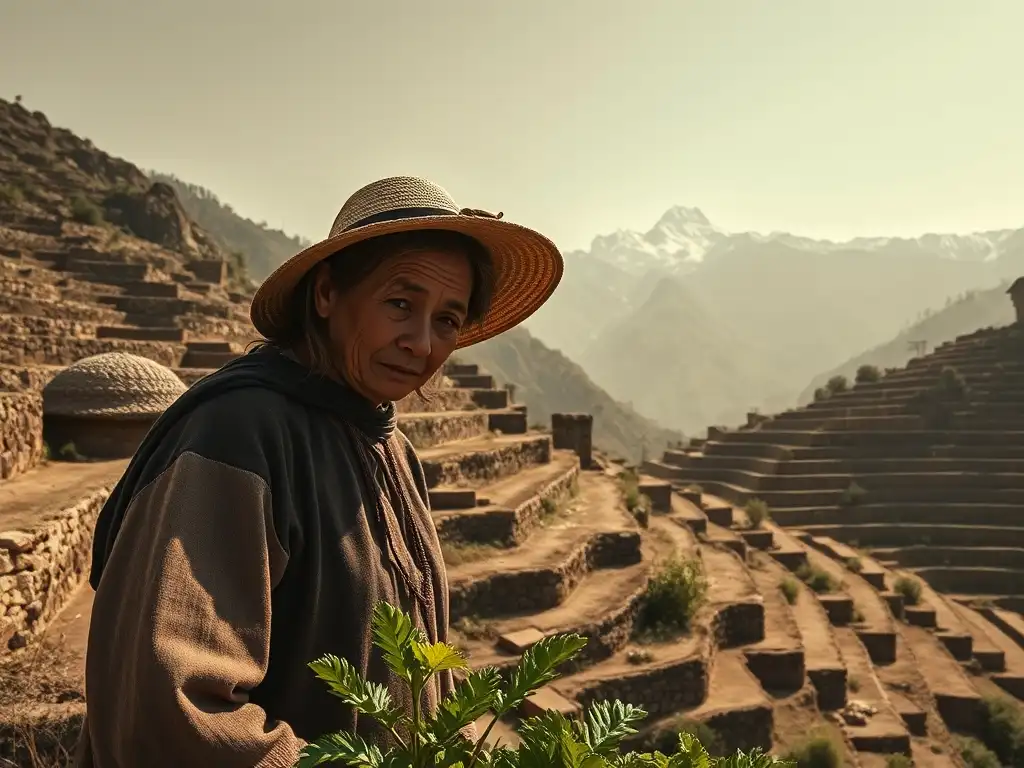
This section delves into the core philosophies and practices that underpinned the remarkable achievements of Andean hydraulic engineering. Understanding these principles is crucial to appreciating not only the ingenuity of ancient Andean societies but also their relevance to contemporary water management challenges. The success of Andean civilizations hinged on their sophisticated understanding of water resource management, a knowledge system deeply intertwined with their social structures and spiritual beliefs. Analyzing these systems reveals a remarkable blend of practicality and deep ecological awareness. We will explore the key concepts that drove their innovative approaches to water control and irrigation.
The Concept of Ayni in Andean Societies
The Andean worldview is profoundly shaped by the concept of ayni, a principle of reciprocity and mutual obligation that permeates all aspects of life, including water management. Ayni wasn't merely a social contract; it was a cosmic principle reflecting the interconnectedness of all beings. In the context of water, ayni manifested in the shared responsibility for maintaining irrigation systems and ensuring equitable access to water resources.
Communities collaborated in the construction and upkeep of canals, reservoirs, and other infrastructure, fostering a sense of collective ownership and stewardship. Failure to participate in communal water projects was not merely a social transgression; it was a disruption of the cosmic balance, with potentially dire consequences. This inherent understanding of shared responsibility ensured the long-term sustainability of water systems, a lesson profoundly relevant to modern societies grappling with issues of water scarcity and inequitable distribution.
The success of Andean water management was intrinsically linked to this strong social fabric, demonstrating how social structures can directly support environmentally sound practices. Evidence from archaeological studies consistently supports the role of ayni in fostering cooperation and efficient water management.
Sustainable Water Use Practices in the Andes
Andean hydraulic engineering wasn't just about building impressive structures; it was about developing sustainable practices that ensured long-term water security. This involved a deep understanding of the Andean ecosystem and the careful management of water resources. Techniques employed included:
- Terracing: Creating step-like formations on hillsides to maximize arable land and reduce soil erosion, thereby conserving water and preventing runoff.
- Canal systems: Elaborate networks of canals, meticulously engineered to channel water from sources to fields, with innovative features like aqueducts and siphons to navigate challenging terrain.
- Reservoirs: Construction of reservoirs of varying sizes to store water during the rainy season for use during drier periods, ensuring a consistent water supply throughout the year.
- Water harvesting: Collection of rainwater through various techniques, including the construction of small catchment basins and the use of porous materials to absorb and retain moisture.
These practices were not isolated techniques; they were integrated into a holistic approach to water management, demonstrating a sophisticated understanding of hydrological processes and ecological balance. The Andean approach prioritized minimizing environmental impact and maximizing the efficiency of water use, a stark contrast to many modern water management strategies that often prioritize short-term gains over long-term sustainability. The enduring legacy of these sustainable practices underscores their effectiveness and their potential value in addressing contemporary environmental challenges. Detailed studies of surviving irrigation systems reveal remarkable ingenuity in optimizing water distribution and minimizing water loss.
Adapting to the Andean Landscape Through Engineering
The Andean landscape, characterized by its high altitude, steep slopes, and variable rainfall, presented significant engineering challenges. However, Andean engineers demonstrated remarkable adaptability and ingenuity in overcoming these obstacles. Their solutions were not generic; they were meticulously tailored to the specific environmental conditions of each region. This involved a deep understanding of local hydrology, geology, and topography.
For instance, the construction of canales (canals) often involved intricate systems of tunnels, aqueducts, and siphons to navigate difficult terrain. The integration of these sophisticated engineering solutions within the broader framework of ayni and sustainable practices ensured the long-term success of Andean water management systems. The ability of Andean engineers to adapt their techniques to the diverse and challenging Andean landscape is a testament to their expertise and foresight.
Analyzing the specific engineering solutions employed in different regions reveals a fascinating diversity of approaches, all driven by the need to harness and manage water resources effectively. The ingenuity displayed in these adaptations provides valuable insights for contemporary engineers facing similar challenges in diverse and challenging environments. The resilience of these ancient systems, many of which remain functional even today, highlights the long-term effectiveness of these adaptive strategies.
Modern Applications of Andean Hydraulic Engineering
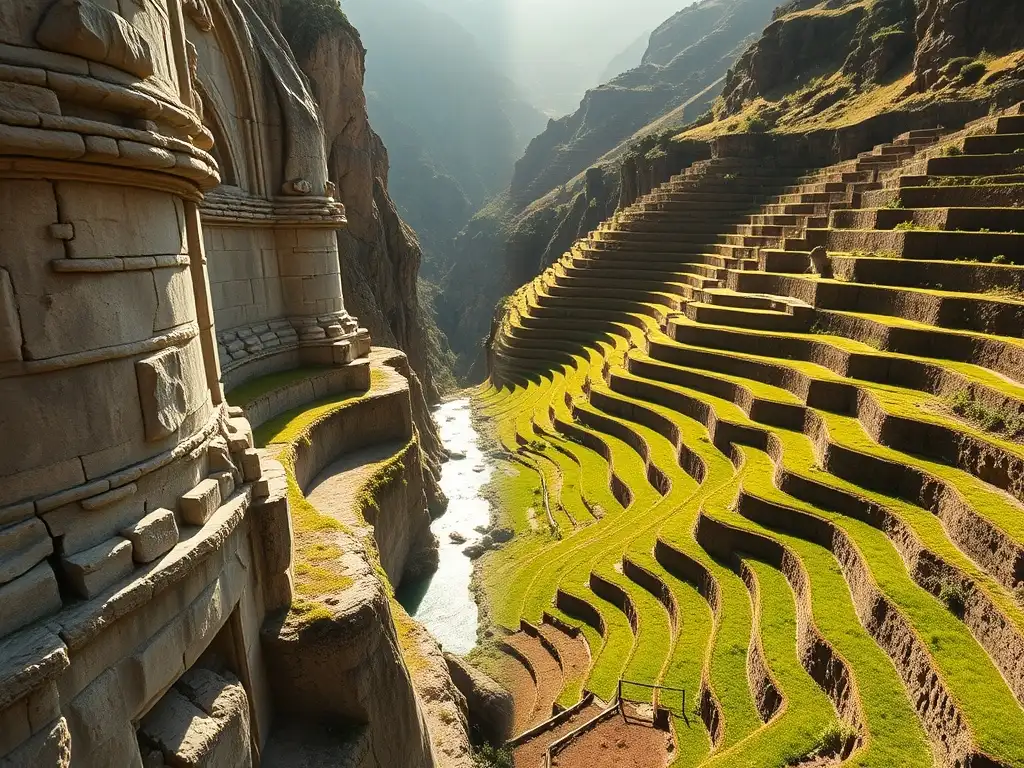
This section explores how the ingenious hydraulic engineering techniques of the Andean civilizations can inform and inspire solutions to contemporary water challenges. We examine specific examples of how their innovative approaches to water management, developed over centuries in challenging terrains, offer valuable lessons for sustainable practices today.
Understanding these ancient methods allows us to adapt and refine them for modern contexts, potentially unlocking crucial strategies for efficient water use and conservation in the face of growing global water scarcity. The study of Andean hydraulic engineering techniques reveals a deep understanding of environmental factors and a sustainable approach rarely matched in modern large-scale projects.
Lessons for Sustainable Irrigation Practices Today
Andean civilizations mastered irrigation in diverse and challenging environments. Their systems weren't merely about moving water; they were sophisticated ecological interventions. For example, the waru waru system, a raised-bed agricultural technique employed by the Tiwanaku culture, demonstrates a remarkable ability to optimize water use in arid conditions.
These raised beds, separated by canals, created microclimates, reducing evaporation and improving soil fertility. Modern applications of waru waru principles are showing promising results in drought-prone regions. Studies indicate significant increases in crop yields and water efficiency compared to traditional furrow irrigation.
Furthermore, the system’s inherent resilience to climate change impacts, such as increased rainfall variability, makes it a particularly attractive option for sustainable agriculture in a changing climate. The integration of traditional knowledge with modern agricultural practices, such as precision irrigation technologies, could further optimize the performance of waru waru systems, making them even more effective in addressing the challenges of food security and water sustainability. The success of these modern adaptations underscores the enduring value of Andean hydraulic engineering techniques.
Applying Andean Principles to Urban Water Management
The ingenuity of Andean water management extends beyond agricultural practices. Their understanding of water collection, storage, and distribution offers valuable insights for improving urban water systems. Consider the sophisticated canal systems developed by the Inca, which transported water across vast distances and varying terrains.
These systems incorporated ingenious features like aqueducts, tunnels, and reservoirs, showcasing a deep understanding of hydraulic principles and a commitment to equitable water distribution. Modern cities grappling with issues of water scarcity and aging infrastructure could benefit greatly from applying similar principles. For instance, adopting a decentralized approach to water management, mirroring the Andean approach of smaller, localized systems, could increase resilience and reduce vulnerability to system-wide failures.
Furthermore, incorporating traditional techniques of rainwater harvesting and greywater recycling, which were widely practiced in Andean communities, could significantly reduce reliance on centralized water supplies and minimize water waste. Studying the Inca's sophisticated techniques of water distribution and storage can provide valuable blueprints for designing more efficient and resilient urban water systems. This includes exploring innovative approaches to pipeline construction and maintenance, inspired by the durability and longevity of Andean infrastructure.
Addressing Water Scarcity with Andean-Inspired Solutions
The escalating global water crisis demands innovative solutions. The Andean civilizations, facing similar challenges centuries ago, developed remarkably effective strategies that remain relevant today. Their deep understanding of water cycles and their ability to adapt to diverse environments provides a rich source of inspiration for addressing water scarcity.
For example, the ingenious techniques employed by the Nazca culture in managing water resources in their extremely arid environment can inspire modern approaches to water harvesting and conservation. Their sophisticated system of underground channels, known as puquios, tapped into groundwater resources, ensuring a reliable water supply even during periods of drought. Modern adaptations of puquios technology are being explored in various regions experiencing water stress, demonstrating the potential for these ancient techniques to provide sustainable solutions.
Furthermore, the Andean emphasis on community-based water management, where water rights and responsibilities were clearly defined and collaboratively managed, offers a valuable lesson for modern water governance. Implementing participatory water management approaches, inspired by Andean traditions, could strengthen community engagement and promote equitable water distribution, fostering a sense of shared responsibility for water resources. The application of Andean-inspired solutions holds immense potential for mitigating the impacts of water scarcity and building more resilient and sustainable water systems.
Case Studies: Examples of Andean Hydraulic Engineering in Action
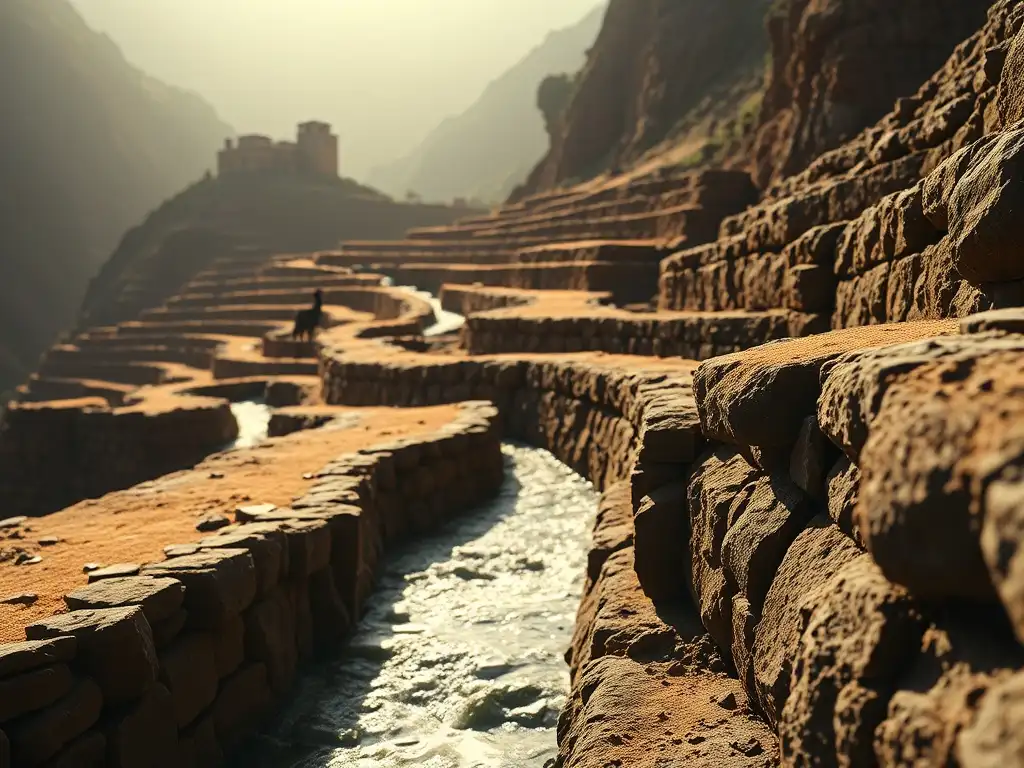
This section delves into specific examples showcasing the ingenuity and sophistication of Andean hydraulic engineering techniques. These case studies demonstrate the diverse approaches employed by different Andean cultures to manage water resources, highlighting the remarkable adaptability and sustainability of their solutions. Understanding these historical achievements offers valuable insights for addressing contemporary water challenges.
The Inca Citadel of Machu Picchu: A Showcase of Hydraulic Mastery
Machu Picchu, the iconic Inca citadel nestled high in the Andes Mountains, stands as a testament to the Inca's exceptional mastery of hydraulic engineering. Far from being a mere architectural marvel, Machu Picchu's water management system was integral to its functionality and sustainability. The Incas skillfully channeled water from surrounding springs and streams using a network of intricately designed canals, aqueducts, and fountains. This system, remarkably efficient even by modern standards, ensured a consistent supply of fresh water for the city's inhabitants, agriculture, and religious ceremonies.
The precision of Inca stonework is evident in the water channels, which were meticulously fitted together without mortar, creating perfectly sealed conduits. These channels were often built along contours, utilizing gravity to move water efficiently. Furthermore, the Incas incorporated ingenious features such as strategically placed spillways and settling basins to prevent blockages and maintain water quality.
The system's resilience is highlighted by its ability to withstand earthquakes and heavy rainfall, a testament to both the engineering skill and understanding of the local topography. The integration of water management into the very fabric of the city underscores the Inca's holistic approach to urban planning, prioritizing water security as a fundamental aspect of societal well-being. Analysis of these techniques reveals a deep understanding of hydrology and an ability to adapt engineering solutions to challenging mountainous terrain.
The Nazca Lines and Subterranean Water Systems
While famed for their enigmatic geoglyphs etched into the desert floor, the Nazca culture also demonstrated remarkable prowess in subterranean water management. The arid coastal plains of southern Peru presented significant challenges for water acquisition, necessitating innovative solutions. The Nazca people developed extensive networks of underground canals, known as puquios, to tap into aquifers and bring water to the surface. These ingeniously designed systems involved digging vertical shafts that connected to horizontal tunnels, allowing water to flow naturally from underground sources to irrigation channels.
The construction of puquios required a sophisticated understanding of hydrology and geology. The Nazca engineers carefully identified locations with high water tables and employed advanced techniques to excavate and maintain these intricate underground networks. The puquios not only provided a reliable source of water for agriculture but also played a crucial role in sustaining the Nazca population.
The construction and maintenance of these subterranean systems required collective effort and advanced organizational structures, reflecting a complex social organization capable of undertaking large-scale engineering projects. The survival of the Nazca civilization for centuries in such a harsh environment is directly attributable to their mastery of these Andean hydraulic engineering techniques. Further research is needed to fully understand the precise techniques used in their construction and maintenance, but the existing evidence already demonstrates considerable engineering skill.
Pre-Inca Water Management Techniques in the Tiwanaku Region
The Tiwanaku civilization, flourishing in the Altiplano region of the Andes before the Inca, developed sophisticated water management systems adapted to the high-altitude environment. Their techniques differed significantly from those of later cultures, reflecting unique challenges and innovations. Evidence suggests the Tiwanaku utilized raised fields, suka kollus, to improve agricultural productivity in the often waterlogged soils of the Altiplano. These raised fields acted as artificial islands, enhancing drainage and creating microclimates conducive to crop growth. They also built intricate canal systems to divert water from lakes and streams, supplementing natural rainfall.
Beyond raised fields and canals, the Tiwanaku possibly employed sophisticated techniques for water storage and distribution. [Specific information pending] regarding the precise methods of water storage and the extent of their canal networks. However, archaeological findings indicate a high level of engineering skill and planning, demonstrating the ability to manage water resources in a challenging high-altitude environment.
Understanding the Tiwanaku's water management strategies provides valuable insights into sustainable agricultural practices in harsh environments. Their innovative techniques, developed centuries before the Inca, highlight the long history of sophisticated Andean hydraulic engineering and its contribution to the region's cultural development. The ingenuity displayed in overcoming the unique challenges of the Altiplano underscores the adaptability and resilience of Andean civilizations.
The Legacy of Andean Hydraulic Engineering
This section delves into the enduring impact of Andean hydraulic engineering techniques, exploring how these ingenious systems continue to shape our understanding of water management and inspire innovative solutions for modern challenges. We'll examine the remarkable ingenuity of ancient Andean civilizations in harnessing water resources and the ongoing efforts to preserve and share their knowledge. Understanding this legacy is crucial for appreciating the sophistication of these ancient societies and for applying their wisdom to contemporary water resource management issues. The term "Andean hydraulic engineering techniques" itself encapsulates the remarkable achievements of these civilizations.
Preserving and Sharing Ancient Andean Knowledge
The preservation of ancient Andean knowledge related to hydraulic engineering is paramount. Many sites, like the intricate canal systems of the Nazca and the sophisticated aqueducts of the Inca, are slowly degrading due to erosion, neglect, and the impact of modern development. Efforts to document and preserve these sites through meticulous archaeological surveys, detailed mapping using Geographic Information Systems (GIS), and 3D modeling are crucial for future research and understanding. These digital archives allow researchers worldwide to access and study these invaluable resources, fostering collaboration and preventing the loss of irreplaceable information.
Furthermore, the transmission of this knowledge to future generations is equally important. Educational programs focusing on Andean hydraulic engineering techniques are vital, both in local communities and in academic settings. These programs should not just focus on the technical aspects but also on the cultural and social significance of water management within these societies.
This holistic approach ensures a deeper appreciation for the ingenuity and sustainability of these ancient systems. For example, integrating traditional Andean knowledge with modern engineering practices could lead to more sustainable and culturally sensitive water management solutions. The careful documentation and dissemination of this knowledge are key components of preserving and promoting the legacy of Andean hydraulic engineering.
The Future of Water Management: Learning from the Past
The challenges of modern water management – drought, scarcity, and climate change – echo those faced by Andean civilizations centuries ago. However, their sophisticated solutions offer valuable lessons. The ingenuity displayed in constructing gravity-fed irrigation canals, sophisticated water storage systems, and integrated water resource management strategies offers a blueprint for sustainable water practices. For example, the Inca's understanding of terracing and water harvesting techniques remains relevant in addressing contemporary soil erosion and water conservation challenges. Analyzing their methods through a modern lens, particularly concerning water efficiency and resource allocation, can provide insights into optimizing current systems.
The integration of traditional Andean techniques with modern technologies holds immense potential. For instance, combining ancient terracing principles with modern GIS technology for precision agriculture could significantly improve water usage efficiency in arid and semi-arid regions. Similarly, studying the Inca's sophisticated water distribution networks can inform the design of more resilient and equitable water distribution systems in modern contexts. The innovative use of materials like stone and clay, often locally sourced, also offers valuable lessons in minimizing the environmental impact of water infrastructure development. These examples highlight the enduring relevance of Andean hydraulic engineering techniques in addressing contemporary challenges.
Conclusion: The Enduring Relevance of Andean Hydraulic Wisdom
The legacy of Andean hydraulic engineering is not just a historical curiosity; it is a vital resource for addressing the pressing water challenges of the 21st century. By preserving, studying, and applying the ingenuity of ancient Andean civilizations, we can develop more sustainable, efficient, and culturally sensitive water management solutions. Understanding their sophisticated techniques, from intricate canal systems to innovative water storage solutions, provides valuable insights into designing resilient infrastructure and promoting equitable access to this essential resource.
The continued research and application of Andean hydraulic engineering techniques represent a crucial step towards building a more water-secure future. The enduring wisdom of these ancient civilizations offers a powerful reminder of the importance of respecting and learning from the past to shape a more sustainable future.
Frequently Asked Questions
What innovative hydraulic engineering techniques did the Andean civilizations employ?
The Andean civilizations developed impressive water management systems, including intricate canal networks, terraces, and aqueducts, to irrigate crops and supply water to urban centers. They skillfully adapted their techniques to the challenging Andean terrain.
How did the Incas manage water resources effectively?
The Inca Empire excelled at water distribution, utilizing sophisticated systems of canals, reservoirs, and tunnels to transport water across vast distances and varied landscapes. Their understanding of gravity and water flow was remarkable.
What role did hydraulic engineering play in the success of Andean civilizations?
Efficient water management was crucial to the agricultural success and overall prosperity of Andean societies. Access to water enabled them to support large populations and build complex urban centers. Hydraulic infrastructure was vital for their survival and societal development.
How did Andean hydraulic engineering techniques differ from those in other parts of the world?
Andean techniques were uniquely adapted to the high altitude, steep slopes, and unpredictable rainfall of the Andes Mountains. They employed innovative solutions like underground channels (qanats) and sophisticated irrigation systems tailored to their specific environment.
Can modern engineering learn from Andean hydraulic techniques?
Absolutely! Modern engineers can draw inspiration from the sustainability and adaptability of Andean systems. Studying their resource management strategies can help us develop more efficient and environmentally friendly solutions to contemporary water challenges, particularly in mountainous regions.
Final Reflection: Ancient Wisdom, Modern Solutions: The Enduring Legacy of Andean Hydraulic Engineering
The ingenious hydraulic systems of the Andes, far from being relics of a bygone era, offer crucial lessons for addressing contemporary water management challenges. Their sustainable designs, built with a deep understanding of local ecosystems, provide a powerful counterpoint to the often unsustainable practices of modern infrastructure projects. We must look to the past to build a more resilient future.
The enduring impact of Andean hydraulic engineering extends far beyond its impressive physical structures. It represents a profound connection between human ingenuity and environmental harmony, a relationship often overlooked in our current, often exploitative, approach to resource management. The mountains are our teachers; they show us how to live in balance with nature.
- An Andean proverb (adapted for context). This philosophy, deeply embedded in the design and implementation of these ancient systems, offers a vital framework for rethinking our relationship with water in a world facing increasing scarcity and climate change.
Consider the ingenuity of these ancient systems, their adaptability, and their longevity. You, the reader, are now equipped with a deeper understanding of these remarkable achievements. Let us move beyond mere admiration and actively incorporate these principles of sustainability, community engagement, and respect for the environment into our own approaches to water management. The future of water security depends on it. Let the wisdom of the Andes guide us toward a more sustainable and equitable future.
Embrace Ancient Wisdom for Modern Solutions!
Thank you for exploring the ingenious lessons of Andean hydraulic engineering! By studying the sustainable practices of ancient civilizations, you've gained valuable insights applicable to contemporary challenges. Now, let's put that knowledge into action.
Here are some ways to implement these ancient principles in your life:
- **Join a local sustainability group** or participate in community workshops to learn and share innovative water management techniques inspired by Andean methods.
- **Install a simple rainwater harvesting system** at home to conserve water and reduce dependence on municipal supplies.
- **Discuss** with friends and colleagues how ancient practices can inform modern engineering and sustainability initiatives.
How will you apply the wisdom of Andean civilizations to your daily life? Share your ideas below!