
Andean Water Management as a Tool of Power and Control

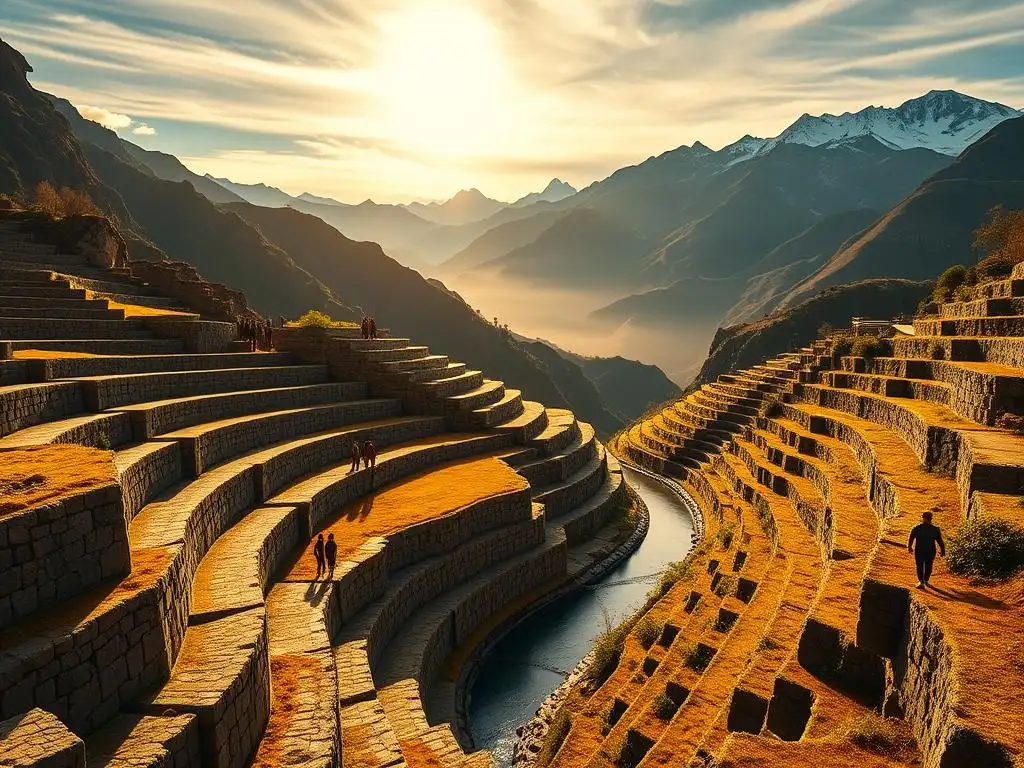
Step into a world lost to time, yet echoing with ingenuity and power. For centuries, the Andean civilizations thrived, leaving behind a legacy of breathtaking artistry and astonishing engineering feats. But what truly fueled their rise? Discover the secrets behind their mastery of the landscape, exploring the Andean civilizations water management techniques that not only sustained their empires but also shaped their societies in profound ways. Uncover the intricate systems and ingenious solutions that ensured their survival and cemented their control—a story far more captivating than you might imagine. Prepare to be amazed.
- Andean Civilizations Water Management Techniques: Power and Control
- The Significance of Water in Andean Societies
- Andean Water Management Systems: Engineering and Innovation
- Water Management as a Tool of Power and Social Control
- The Inca Empire and Their Advanced Water Management Practices
- Beyond the Incas: Diverse Water Management in Other Andean Cultures
- The Legacy of Andean Water Management
- Frequently Asked Questions
- Final Reflection: The Enduring Legacy of Andean Water Control
- Unveil the Power of Andean Water Management!
Andean Civilizations Water Management Techniques: Power and Control
The ingenuity of the Andean civilizations is perhaps nowhere more evident than in their mastery of water management. Far from being a simple necessity for survival, water control in the Andes served as a powerful tool, shaping social structures, political power, and even religious beliefs.
This article explores the sophisticated techniques employed by various Andean cultures – including the Incas, Moche, Nazca, and Tiahuanaco – to harness and manage water resources, revealing how these systems were integral to their economic prosperity and social control. We will delve into the intricate networks of canals, aqueducts, and reservoirs that not only sustained agriculture but also underpinned the very fabric of Andean societies, demonstrating the profound connection between water, power, and the enduring legacy of these remarkable civilizations.
Understanding their water management strategies offers a crucial lens through which to interpret the complexities of Andean history and their remarkable achievements in engineering and societal organization.
The Inca Empire's Hydraulic Infrastructure: A Symbol of Imperial Power
The Inca Empire, renowned for its vast territorial reach and sophisticated administrative systems, possessed an equally impressive hydraulic infrastructure. Their mastery of water management was not merely a technical feat but a strategic tool for consolidating power and controlling the vast agricultural landscapes they conquered. The Inca utilized a complex network of canals, terraces, and reservoirs, often integrated into intricate hillside agricultural systems known as andenes.
These andenes, sculpted into the steep slopes of the Andes, maximized arable land and facilitated efficient irrigation, allowing for intensive agriculture and supporting a large population. The construction and maintenance of these systems required massive coordinated labor, highlighting the power of the Inca state to mobilize its workforce and demonstrate its authority over both the land and its people. The precise engineering involved, with its careful consideration of gradients and water flow, speaks to the advanced knowledge and organizational capacity of the Inca engineers.
Evidence suggests that control over water resources was directly linked to the distribution of land and resources, reinforcing the Inca's political and economic dominance. The deliberate channeling of water to specific communities also served as a means of rewarding loyalty and punishing dissent.
Nazca's Underground Aqueducts: Ingenious Solutions in an Arid Landscape
The Nazca civilization, famous for its enigmatic geoglyphs, also demonstrated remarkable ingenuity in their water management strategies. Facing an extremely arid climate, the Nazca developed a sophisticated system of underground aqueducts known as puquios. These intricate networks of subterranean channels tapped into underground water sources, channeling water to surface points for irrigation and domestic use.
The construction of puquios required deep understanding of hydrology and advanced engineering skills. The shafts and tunnels were often lined with stones to prevent collapse and ensure efficient water flow. The precise location and orientation of these aqueducts suggest a detailed knowledge of subterranean water sources and a remarkable ability to predict and manage water availability.
The puquios were not simply engineering marvels; they also played a significant role in the social organization of the Nazca, with access to water likely linked to social status and power. The maintenance and upkeep of these complex systems required communal effort, reinforcing social cohesion and highlighting the importance of water in their societal fabric.
Moche's Canal Systems: Supporting a Flourishing Coastal Civilization
The Moche civilization, known for its elaborate art and sophisticated social structures, relied heavily on sophisticated canal systems for irrigation. Located along the arid northern coast of Peru, the Moche faced the challenge of harnessing limited water resources from rivers and streams. They developed extensive networks of canals, many of which were remarkably well-engineered to withstand the forces of erosion and flooding.
These canals not only supported intensive agriculture, enabling the production of surplus food, but also facilitated the transportation of goods and people along the coast. The construction and maintenance of these systems required significant labor and resources, highlighting the power and organization of the Moche state. Control over water resources was likely a key factor in the Moche's ability to build a large and prosperous society, demonstrating a direct correlation between water management and political power.
Their advanced understanding of hydraulic engineering enabled the development of a flourishing coastal civilization. The scale and complexity of their irrigation networks showcase the Moche's expertise and their ability to manage a crucial resource for the benefit of their state.
The Tiahuanaco civilization, centered around Lake Titicaca, developed a complex system of water management that intertwined with their religious beliefs and social structures. While the precise details of their hydraulic engineering are still being researched, evidence suggests that they constructed sophisticated canals and reservoirs to manage the water resources of the Altiplano.
These systems were likely not only crucial for agriculture but also played a significant role in their religious rituals and worldview, with water seen as a sacred and life-giving force. The control of water resources likely reinforced the power of the elite, linking their control over this vital resource to their religious authority and social dominance.
Further research is needed to fully understand the nuances of Tiahuanaco's water management practices, but the available evidence indicates their sophistication and significance in shaping their society. The integration of water management into their religious cosmology further exemplifies the profound connection between water, power, and the spiritual landscape of the Andean world.
This initial exploration underscores the crucial role of water management in the development and power dynamics of Andean civilizations. Further investigation into specific techniques, societal impacts, and cultural implications will provide even richer insights into the remarkable ingenuity and achievements of these ancient societies. The legacy of their water management systems continues to inspire modern approaches to sustainable water resource management in the region.
The Significance of Water in Andean Societies
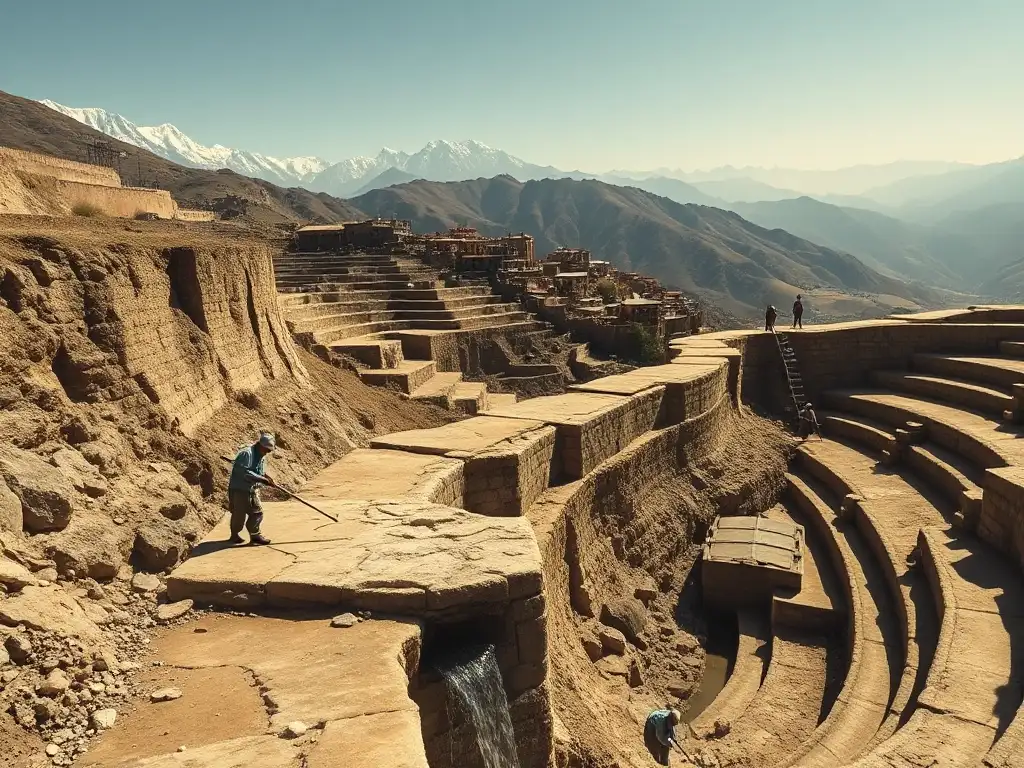
Water wasn't merely a resource for Andean civilizations; it was the lifeblood of their societies, deeply intertwined with their spiritual beliefs, agricultural practices, and political structures. Understanding Andean water management techniques requires acknowledging this fundamental truth. Their sophisticated systems weren't just engineering marvels; they were expressions of a worldview that placed water at the center of their existence.
The ingenuity and scale of their water management projects reflect a profound understanding of hydrology and a remarkable capacity for collective action. The efficient harnessing of water resources was crucial for their survival and prosperity, contributing significantly to their political power and social stability. This section will explore the multifaceted role of water in shaping Andean societies, focusing on its sacred status, agricultural importance, and the challenges posed by the Andean environment.
Water as a Sacred Resource in Andean Cosmology
Water held immense spiritual significance in Andean cosmology. It wasn't simply H₂O; it was a sacred element, a powerful force connecting the earthly realm with the supernatural. Many Andean cultures believed that water was imbued with divine power, a conduit for communication with deities and ancestors.
Mountains, often considered sacred entities, were seen as sources of life-giving water, and their peaks were frequently the sites of rituals and offerings. The careful management of water wasn't just a practical necessity; it was a sacred duty, a way of honoring the divine forces that controlled its flow. Evidence of this can be seen in the numerous archaeological sites featuring intricate water features, such as fountains, canals, and baths, often integrated into religious complexes.
These weren't simply functional elements; they were integral parts of a complex system of beliefs and practices centered around water's sacred nature. The Inca, for example, attributed immense power to the Apu (mountain gods), believing that controlling the water flowing from these mountains was essential for maintaining cosmic balance and ensuring agricultural prosperity.
The Role of Water in Andean Agriculture and Sustenance
Andean agriculture was heavily reliant on sophisticated water management techniques. The challenging terrain and variable rainfall patterns of the Andes necessitated the development of ingenious irrigation systems to support their intensive agricultural practices. These weren't simple ditches; they were complex networks of canals, aqueducts, and reservoirs, often carved into the steep slopes of mountainsides.
The scale of these projects is truly impressive, demonstrating a deep understanding of engineering principles and a remarkable ability to organize large-scale labor. Different Andean cultures developed unique irrigation techniques adapted to their specific environments. The Nazca, for instance, are renowned for their intricate network of canals that allowed them to cultivate crops in the arid coastal plains.
These systems, in combination with other agricultural innovations, allowed the Andean populations to cultivate a diverse range of crops, ensuring food security and supporting large, densely populated settlements. The construction and maintenance of these systems were crucial for social organization and economic stability, solidifying the power of those who controlled access to water resources. The success of Andean agriculture hinged directly on their ability to effectively manage this precious resource.
Understanding Andean Hydrology and Its Challenges
Andean hydrology presented significant challenges to the inhabitants of the region. The Andes are characterized by a highly variable climate, with distinct wet and dry seasons, and significant differences in rainfall across different altitudes and geographical locations. The steep slopes, seismic activity, and the presence of glaciers all added complexity to the task of water management. Understanding and predicting the flow of water, particularly in the high Andes, required sophisticated knowledge of local hydrology.
Andean engineers developed methods to predict rainfall patterns, manage water flow during floods, and store water for use during dry periods. They constructed intricate systems of reservoirs, canals, and terraces to capture and distribute water efficiently. These systems were not static; they were constantly adapted and improved upon over generations, reflecting a continuous process of learning and innovation in response to environmental challenges.
The ingenuity of these systems underscores the resilience and adaptability of Andean civilizations in the face of significant environmental constraints. Their success in overcoming these challenges highlights the importance of water management as a key factor in their long-term survival and prosperity. Further research is needed to fully understand the nuances of their hydrological knowledge and its integration into their overall water management strategies.
Andean Water Management Systems: Engineering and Innovation
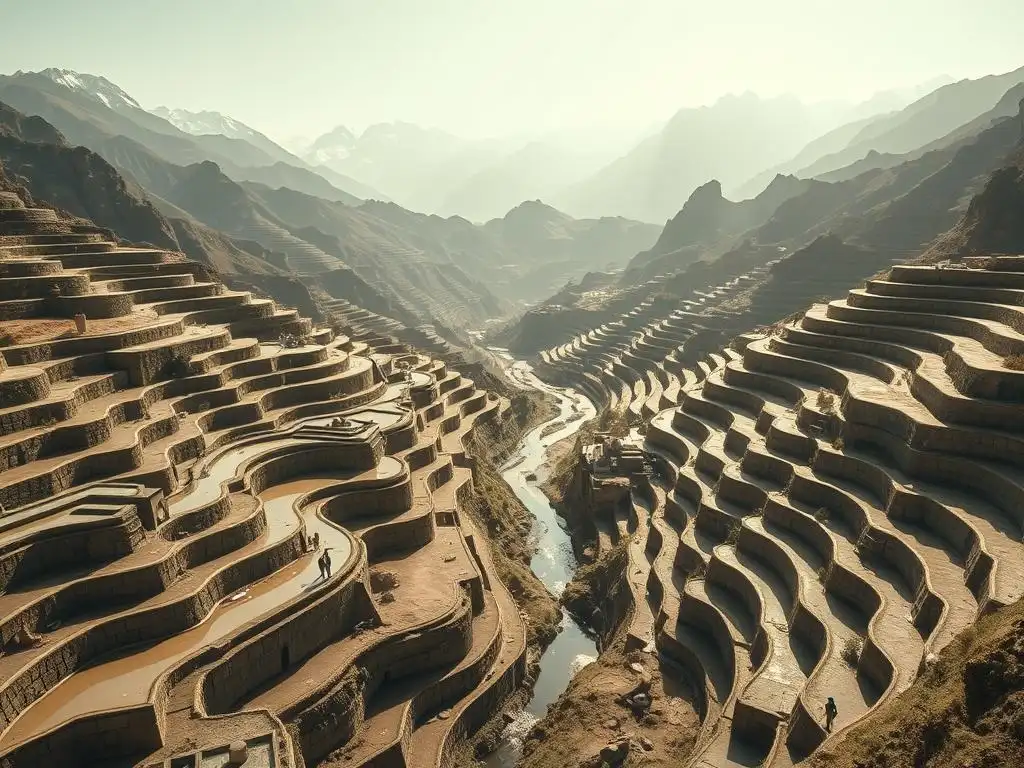
The ingenuity of Andean civilizations in harnessing water resources is a testament to their advanced understanding of engineering and their ability to adapt to challenging environments. Their sophisticated water management techniques, crucial for agricultural success and societal stability, were not merely practical solutions but also powerful tools for social control and the consolidation of power. This section delves into the key elements of their impressive water management systems, highlighting the innovations that allowed them to thrive in the harsh Andean landscape. Understanding these "Andean civilizations water management techniques" provides critical insight into the complexities of these remarkable societies.
Terracing and Its Impact on Soil and Water Conservation
Terracing, the creation of step-like agricultural fields on hillsides, is arguably the most visually striking example of Andean water management. This wasn't simply a method of creating more arable land; it was a sophisticated system designed to conserve water and reduce soil erosion. The terraces, often meticulously constructed with retaining walls of stone or earth, slowed the runoff of rainwater, allowing it to seep into the soil and nourish the crops. This significantly increased water retention, crucial in a region characterized by both intense rainfall and prolonged dry periods.
The impact of terracing extended beyond simple water conservation. By reducing erosion, terraces prevented the loss of fertile topsoil, ensuring long-term agricultural productivity. The carefully planned gradients and levels of the terraces further optimized water distribution, ensuring that even the higher fields received sufficient irrigation.
The scale of some terracing projects, particularly those associated with the Inca empire, is truly breathtaking, showcasing the immense organizational capacity and engineering skill of these ancient societies. Detailed analysis of surviving terrace systems reveals a deep understanding of hydrology and soil mechanics, far surpassing what many might assume of "pre-industrial" societies. For example, studies show that the Inca terraces were designed to capture and channel water, even in the absence of significant rainfall, maximizing water use efficiency.
Canal Systems: Networks of Irrigation and Agricultural Production
Beyond terracing, the Andean civilizations developed extensive canal systems to divert water from rivers and streams to agricultural fields. These canals, often carved into rock or constructed from stone and earth, were remarkably well-engineered, showcasing a deep understanding of hydraulics and surveying. Some canals were remarkably long and complex, spanning vast distances to irrigate large areas of farmland. The construction of these systems required considerable labor and coordination, implying a highly organized society with a centralized authority capable of mobilizing large workforces.
The design of these canals also demonstrates a high degree of sophistication. They incorporated features such as aqueducts, siphons, and spillways to manage water flow, ensuring an even distribution of water to the fields. The canals were often integrated into broader agricultural landscapes, forming intricate networks that served not only irrigation but also drainage and flood control.
The maintenance of these systems over time required continuous effort and demonstrated the long-term commitment of Andean communities to their agricultural infrastructure. The longevity of many of these systems is a testament to their robust design and the effectiveness of their construction techniques. Many of these canals were intricately designed to deal with diverse terrains, utilizing techniques such as cut-and-cover construction and channel lining to minimize water loss.
Advanced Water Storage Techniques in the Andes
The Andean civilizations also developed sophisticated techniques for storing water, crucial in a region prone to both droughts and floods. These techniques ranged from simple reservoirs and cisterns to complex systems of interconnected storage facilities. The construction of these storage facilities often involved the use of locally sourced materials, such as stone, clay, and wood, demonstrating an adaptive approach to engineering. The size and complexity of these water storage systems varied depending on the specific needs of the community and the availability of resources.
For example, some communities built large reservoirs to capture rainwater runoff, while others constructed smaller cisterns to store water collected from springs or melted snow. These storage facilities were essential for ensuring a reliable water supply during dry periods, allowing for continuous agricultural production and supporting a larger population.
The location of these storage facilities was carefully chosen to maximize their effectiveness, often taking into account factors such as topography, water availability, and proximity to agricultural fields. Moreover, evidence suggests that some of these storage systems were integrated with other water management infrastructure, such as canals and terraces, creating a comprehensive and highly efficient system for water management.
The sophisticated design and construction of these storage systems underscore the advanced understanding of hydrology and engineering possessed by the Andean civilizations. The intricate network of these systems further demonstrates the importance of water resource management in sustaining the Andean communities and their sophisticated societies.
The Wari System of Aqueducts and Reservoirs
The Wari civilization, flourishing between 600 and 1000 CE in the Andes, developed a sophisticated water management system crucial to their agricultural success and societal organization. Unlike the later Inca empire, the Wari didn't rely solely on terracing. Instead, they implemented a complex network of aqueducts and reservoirs, demonstrating remarkable engineering prowess for their time. These weren't simple canals; they involved intricate systems of diverting water from high-altitude sources, channeling it across significant distances, and storing it for later use.
The aqueducts were often built using stone and mortar, showcasing a deep understanding of hydraulics and construction techniques. Their construction required careful planning and a considerable workforce, highlighting the centralized control and organization inherent within the Wari state. The ability to manage water resources effectively allowed the Wari to cultivate larger areas of land and support a larger population, bolstering their power and influence in the region.
The Wari reservoirs, often located strategically near agricultural fields, played a vital role in regulating water supply, especially during periods of drought. These artificial water bodies weren't just simple pits; they were carefully designed and constructed to maximize water storage and minimize evaporation. Evidence suggests the use of sophisticated techniques to seal the reservoirs, preventing water leakage. The precise methods used remain a subject of ongoing research, but the impressive size and longevity of many Wari reservoirs point towards advanced understanding of soil properties and construction methods. This control over water resources was not merely a practical matter; it was a tool of political power. The ability to distribute water to favored communities or withhold it from others gave the Wari elite significant leverage and control over their subjects. Archaeological evidence suggests that access to irrigation canals and reservoirs may have been directly linked to social status and political allegiance.
Furthermore, the Wari system wasn't static; it adapted to the diverse geography of their empire. Different regions required different solutions. In some areas, emphasis was placed on aqueducts traversing challenging terrain, while in others, the focus was on the construction of large-scale reservoirs. This adaptability demonstrates a flexible and pragmatic approach to water management, reflecting a deep understanding of local environmental conditions. The Wari's sophisticated water management techniques, therefore, were not just technological achievements, but also integral components of their political and social structure, contributing significantly to their rise and expansion. The ingenuity displayed in their aqueducts and reservoirs underscores the remarkable engineering skills and organizational capabilities of this powerful Andean civilization. Their legacy continues to inspire awe and admiration for their resourcefulness in the face of environmental challenges. Analyzing their techniques provides valuable insights into the complex relationship between water management, power dynamics, and societal development in the Andes.
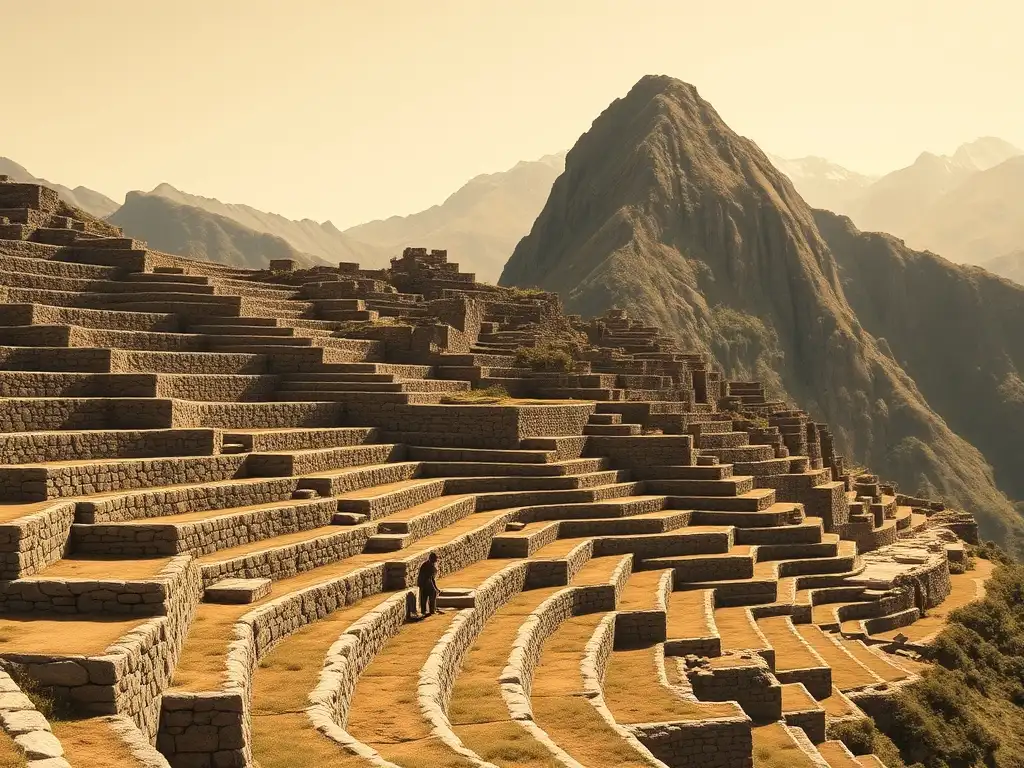
Andean civilizations, renowned for their architectural marvels and sophisticated societal structures, wielded water management as a potent instrument of power and social control. Their mastery of hydraulic engineering wasn't merely a feat of technological prowess; it was intricately woven into the fabric of their political and social systems, shaping access to resources and reinforcing existing power hierarchies. This section explores how the control of water resources directly translated into political dominance and social stratification within these remarkable Andean societies. The sophisticated Andean civilizations water management techniques were crucial for their survival and prosperity.
Control over water access provided Andean elites with significant political leverage. By strategically directing water flow to favored communities or withholding it from others, rulers could reward loyalty, punish dissent, and maintain social order. This wasn't simply a matter of turning a valve; it involved the construction and maintenance of complex irrigation systems, canals, and aqueducts.
The very act of building and managing these infrastructure projects solidified the power of the ruling class, demonstrating their technical expertise and their ability to control essential resources. For example, the Inca Empire's vast network of canals and reservoirs, stretching across diverse terrains, served not only to irrigate agricultural lands but also to reinforce the Inca's authority across their expansive domain. The meticulous planning and execution of these projects underscored the Inca’s centralized power and their capacity to mobilize large-scale labor forces.
The ability to regulate water availability allowed them to exert control over agricultural production, trade, and ultimately, the lives of their subjects. This control extended beyond mere survival; it allowed the elite to manipulate the economy, influencing prices and accumulating wealth. The strategic placement of irrigation infrastructure also facilitated the control of population movement and settlement patterns, further consolidating political authority.
The Role of Andean Elites in Water Allocation and Labor
The allocation of water wasn't a democratic process; it was firmly in the hands of the Andean elites. These powerful individuals, whether Inca emperors, Moche priests, or Nazca nobles, held ultimate authority over water distribution. This control was often reflected in the construction of monumental waterworks, such as the intricate aqueducts of Tiahuanaco or the sophisticated irrigation systems of the Nazca lines.
These projects necessitated the mobilization of vast labor forces, with the elite dictating the scale, timing, and location of these construction efforts. The labor itself was often conscripted, with communities obligated to participate in the construction and maintenance of irrigation systems. This system, while ensuring the efficient management of water resources, also served to reinforce the power of the ruling class.
Failure to comply with the demands of the elite could result in severe penalties, including the denial of access to water, leading to crop failure and potentially, famine. This dependence on the elite for access to this vital resource cemented their power and ensured their continued dominance. The organization of labor around water management was a crucial aspect of social control, demonstrating the interconnectedness of power, resource management, and social hierarchy.
Andean water management systems weren't simply technical achievements; they were fundamental to the creation and maintenance of social structures. Access to water, and the agricultural prosperity it fostered, determined social standing and economic opportunities. Communities with reliable access to water thrived, while those lacking it faced hardship and vulnerability. This disparity in access created a stratified society, with elites at the top enjoying abundant resources and commoners struggling to maintain subsistence.
The distribution of land and water rights, often dictated by the ruling class, reinforced existing social hierarchies. Furthermore, the collective effort required for the construction and maintenance of irrigation systems fostered a sense of community and social cohesion. However, this cooperation was often structured under the overarching authority of the elite, ensuring their continued influence and control.
The complex interplay between water management and social structure demonstrates how these seemingly technical aspects of Andean life were deeply intertwined with their political and social systems. Understanding the intricacies of Andean water management provides crucial insight into the power dynamics and societal structures of these fascinating civilizations. The interplay between technology, power, and social organization is a compelling testament to the ingenuity and complexity of Andean societies.
Evidence of Water Control at Pikillacta and other Archaeological Sites
Pikillacta, a remarkably preserved Inca site near Cusco, Peru, offers compelling evidence of sophisticated water management techniques employed as tools of power and social control. The site's intricate network of canals, aqueducts, and reservoirs demonstrates a deep understanding of hydraulic engineering.
These weren't simply functional systems; their strategic placement and construction suggest a deliberate effort to control water access, influencing agricultural production and, consequently, the distribution of resources within the community. Archaeological excavations have uncovered evidence of meticulously planned irrigation channels that channeled water from nearby springs and rivers to agricultural terraces, ensuring a reliable water supply even during the dry season.
The precise alignment of these channels and the durable construction techniques employed suggest a highly organized workforce, possibly reflecting a centralized, hierarchical system of labor allocation under Inca rule. The control over this vital resource solidified the Inca's power and influence, allowing them to maintain social order and manage the population effectively.
Beyond Pikillacta, numerous other archaeological sites across the Andes showcase similar evidence of sophisticated water management. For example, the pre-Inca site of Tiwanaku, located on the shores of Lake Titicaca in Bolivia, boasts impressive hydraulic engineering feats. The intricate canal systems and sophisticated water storage structures at Tiwanaku suggest a complex understanding of hydrology and a highly organized society capable of undertaking large-scale construction projects.
These systems ensured efficient irrigation for agriculture and likely played a critical role in the city's growth and stability. The careful management of water resources at Tiwanaku, as in Pikillacta, served not only practical purposes but also likely reinforced the authority of the ruling elite, who controlled access to this essential resource. The monumental architecture and sophisticated water management systems worked in tandem to project power and reinforce social hierarchy.
Further research into these sites continues to unveil the intricate relationship between water management and social control in ancient Andean societies. Analysis of sediment cores and other environmental data helps researchers understand the long-term impact of these systems on the surrounding landscapes and the societies that depended upon them. The study of Andean civilizations water management techniques reveals a nuanced understanding of how water was not just a resource but a critical element in the construction and maintenance of power structures.
The Inca Empire and Their Advanced Water Management Practices
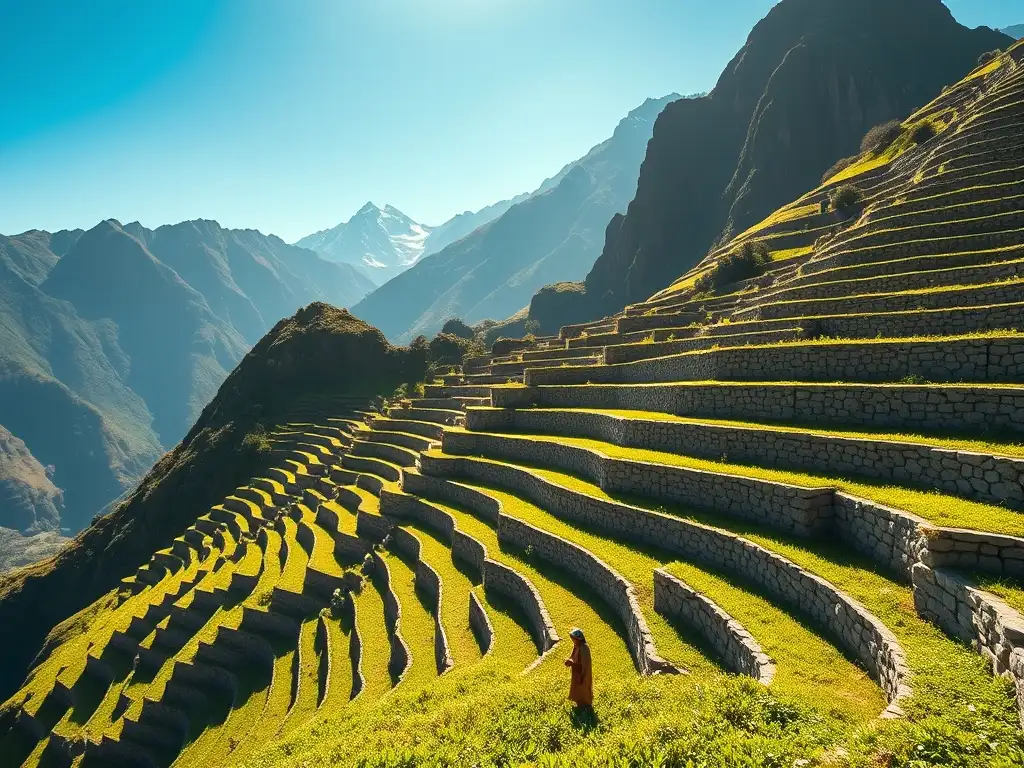
The Inca Empire, renowned for its sophisticated infrastructure and centralized governance, implemented remarkably advanced water management techniques. Their success wasn't merely a matter of engineering prowess; it was deeply intertwined with their political and social structures, demonstrating how control over water translated directly into political and economic power. The Inca's mastery of hydraulic engineering allowed them to cultivate vast territories, supporting a large population and a powerful empire.
Their systems were not only efficient but also remarkably sustainable, showcasing an understanding of environmental conservation that is still relevant today. This sophisticated approach to water management solidified their control over resources and, consequently, their dominance in the Andes. Understanding their methods reveals crucial insights into the Andean civilizations water management techniques and the broader dynamics of Inca power.
Inca Engineering Marvels: Canals, Aqueduducts, and Springs
Inca water management wasn't simply about digging ditches; it was a complex interplay of ingenious engineering solutions. They constructed extensive networks of canals, some stretching for kilometers, diverting water from rivers and streams to irrigate agricultural lands. These canals were meticulously planned and built, often utilizing sophisticated techniques to navigate challenging terrain. The precision and scale of these projects are breathtaking.
For example, the canals in the Sacred Valley near Cusco exhibit remarkable gradients, ensuring a consistent flow of water across varied landscapes. Furthermore, they skillfully integrated aqueducts, often built from stone, to carry water across valleys and ravines. These structures often incorporated ingenious features like siphons and pressure regulators, demonstrating a deep understanding of hydraulic principles.
Finally, the Inca also harnessed natural springs, channeling their waters into their irrigation systems, showcasing a practical approach to water resource management. The integration of these elements—canals, aqueducts, and springs—created a resilient and efficient water distribution system crucial to the empire's agricultural success. The intricate network facilitated the cultivation of diverse crops, supporting a large population and ensuring food security.
The Inca System of Water Allocation and Management
The Inca Empire's success wasn't solely due to their engineering capabilities; their sophisticated system of water allocation and management played a vital role. The state controlled the access and distribution of water, using it as a tool to maintain order and exert authority. This control wasn't arbitrary; it was based on a hierarchical system that mirrored the Inca's social structure.
Water rights were carefully assigned, with the emperor and the elite receiving priority access. The system ensured that sufficient water reached agricultural lands, but also served to reinforce the power structure. This centralized control allowed the Inca to manage resources efficiently, preventing conflicts and ensuring the stability of the agricultural sector.
Evidence suggests that communal labor ( mita) was extensively used in the construction and maintenance of these systems, further highlighting the integration of water management within the broader Inca social and economic organization. The intricate system of allocation was crucial for the empire's stability and prosperity, ensuring both agricultural productivity and social order. This highly organized approach highlights a key aspect of Andean civilizations water management techniques.
Water as a Symbol of Inca Power and State Control
Beyond its practical applications, water held profound symbolic significance within the Inca Empire. It represented life, fertility, and prosperity, and control over water resources directly translated into political power. The Inca state's ability to manage and distribute water effectively reinforced its legitimacy and authority.
The construction and maintenance of large-scale irrigation projects served as a powerful demonstration of the state's power and capacity. These projects were not just engineering marvels; they were potent symbols of Inca dominance. The state's control over water resources allowed them to reward loyal subjects, punish dissenters, and maintain social order.
This symbolic significance of water is evident in Inca mythology and religious practices, further solidifying its role as a crucial element in the empire's power structure. The intricate relationship between water, power, and control exemplifies the sophisticated mechanisms employed by the Inca to govern their vast empire and underpins the importance of Andean civilizations water management techniques in shaping their society. The careful management and symbolic use of water cemented Inca authority and contributed significantly to their long-lasting reign.
Ollantaytambo's Water System and Its Role in Agriculture
Ollantaytambo, a breathtaking Inca archaeological site nestled in the Sacred Valley of Peru, stands as a testament to the Inca Empire's mastery of water management. Its intricate water system, seamlessly integrated into the urban landscape, wasn't merely a feat of engineering; it was a fundamental element of the empire's power and control. The system's effectiveness directly translated into agricultural success, ensuring food security for the population and bolstering the empire's economic strength.
The Ollantaytambo water system relied on a sophisticated network of canals, aqueducts, and reservoirs, skillfully diverting water from the Urubamba River and its tributaries. These weren't simple ditches; they were meticulously planned and constructed channels, often carved into the rock face, demonstrating an impressive understanding of hydraulic engineering. The canals were designed with varying gradients to manage water flow efficiently, ensuring a consistent supply to the agricultural terraces that cascaded down the mountainside. The precise angles and carefully chosen materials minimized water loss through seepage or evaporation, maximizing the available resource.
The agricultural terraces themselves were another key component of the system. These meticulously constructed platforms, often hundreds of feet long and carefully leveled, created optimal conditions for crop cultivation. The terraces not only increased the arable land area but also helped regulate water distribution, preventing erosion and maximizing the effectiveness of the irrigation system.
Different crops were strategically planted on terraces at varying altitudes, taking advantage of microclimates and optimizing yields. This sophisticated approach to agricultural planning ensured a diverse and plentiful harvest, guaranteeing food security for the population of Ollantaytambo and contributing to the overall economic stability of the Inca Empire.
The careful management of water resources in Ollantaytambo wasn't just about practicality; it was deeply intertwined with the Inca worldview. Water was considered a sacred element, and the ability to control its flow was seen as a demonstration of power and divine favor. The sophisticated water management system served not only as a practical tool for agriculture but also as a symbol of the Inca's ability to harness and control the forces of nature.
This control over a vital resource solidified the Inca's authority and strengthened their position as rulers. The impressive scale and precision of the Ollantaytambo water system serve as a powerful reminder of the Inca's advanced engineering skills and their deep understanding of the relationship between water, agriculture, and power. The system's enduring legacy continues to inspire awe and wonder, highlighting the ingenuity and foresight of the Inca civilization.
Beyond the Incas: Diverse Water Management in Other Andean Cultures
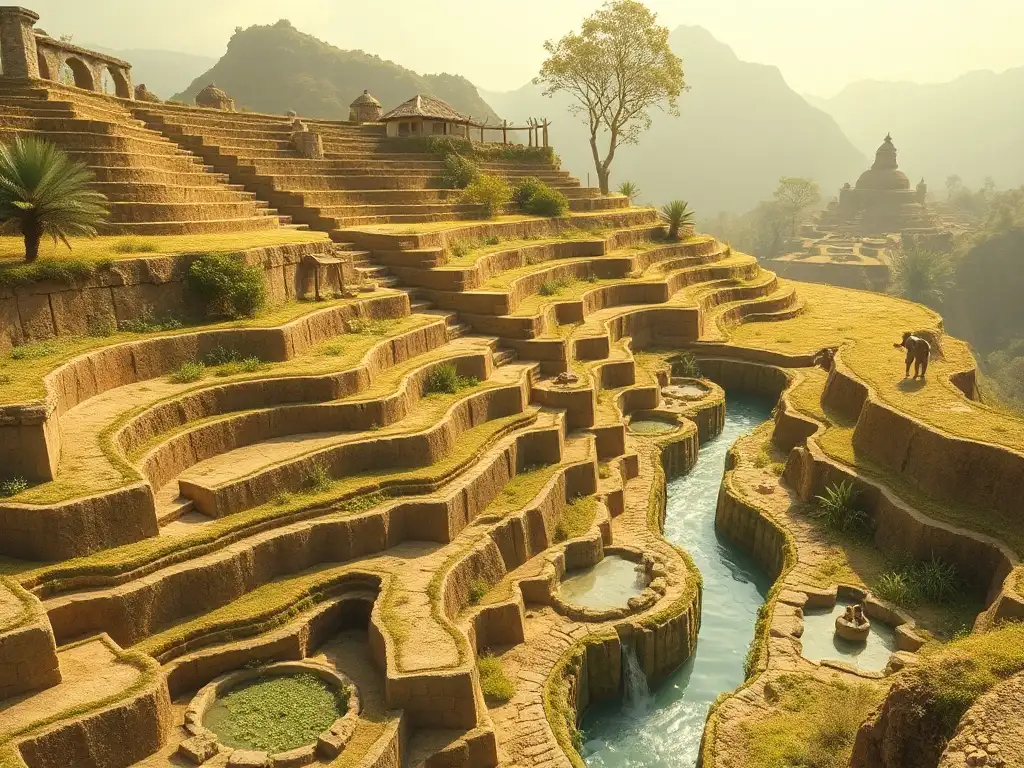
While the Inca Empire's sophisticated water management systems are often the focus of discussions on Andean hydraulic engineering, the truth is that masterful water control techniques were developed and implemented centuries before the Inca, and by various distinct Andean civilizations. Understanding the nuances of these diverse approaches reveals a complex tapestry of ingenuity and adaptation to challenging environments.
This section delves into the water management strategies employed by some of the most prominent pre-Inca Andean cultures, highlighting their unique characteristics and illustrating the vital role water played in their power structures and societal organization. Analyzing these diverse techniques enriches our understanding of "Andean civilizations water management techniques" and their enduring legacy.
Water Management in the Moche Civilization
The Moche civilization (c. 100-800 CE), flourishing on the arid northern coast of Peru, developed incredibly sophisticated irrigation systems to support their intensive agriculture. Unlike some later Andean cultures who relied heavily on canals, the Moche cleverly harnessed the power of both rivers and groundwater. Their ingenuity is evident in the construction of intricate canal networks that branched out from river valleys, carrying life-giving water to terraced fields clinging to steep hillsides.
These canals weren't simply dug trenches; they were meticulously engineered structures, often lined with stones or clay to minimize water loss through seepage. Furthermore, the Moche employed a system of reservoirs and check dams to regulate water flow, ensuring a consistent supply even during periods of drought. Evidence suggests that they also understood the importance of groundwater, using wells and subterranean channels (puquios) to tap into this vital resource.
The scale and complexity of their water management systems speak volumes about their advanced understanding of hydrology and their mastery of construction techniques. The Moche's success in water management directly contributed to their social and political stability, allowing for population growth and the development of a complex social hierarchy. Their achievements stand as a testament to the resilience and adaptability of Andean civilizations in the face of environmental challenges.
Water Practices in the Nazca Culture
The Nazca culture (c. 100 BCE – 800 CE), also inhabiting the arid southern coast of Peru, faced a similar challenge of scarce water resources. However, their approach to water management differed significantly from that of the Moche. While the Moche focused on extensive canal systems, the Nazca’s ingenuity is perhaps best exemplified by their remarkable subterranean aqueducts known as puquios.
These puquios were incredibly complex systems of underground channels and shafts, designed to tap into groundwater sources and channel water to surface reservoirs and agricultural fields. The construction involved meticulous planning and engineering, requiring deep shafts to reach the water table and extensive networks of tunnels to transport the water over considerable distances. The Nazca’s understanding of subterranean hydrology was advanced, allowing them to locate and exploit water sources that remained hidden from view.
The puquios weren't just functional; they were also symbolic, reflecting the Nazca's deep connection to the earth and their reverence for water as a sacred resource. The enduring legacy of these puquios underscores the resourcefulness and expertise of Nazca engineers, who effectively transformed a seemingly inhospitable landscape into a productive agricultural region. The precision and scale of their puquio networks represent a significant contribution to the broader understanding of "Andean civilizations water management techniques".
Tiahuanaco Raised Fields and Water Management
The Tiahuanaco culture (c. 1500 BCE – 1000 CE), located on the Altiplano of Bolivia, faced a different set of hydrological challenges. The high altitude and relatively cold climate of the Altiplano meant that water management had to account for frost, unpredictable rainfall, and limited sunlight. The ingenious solution developed by the Tiahuanaco people was the construction of extensive raised fields.
These raised fields were artificial platforms built above the marshy wetlands of the Altiplano. By elevating the fields, the Tiahuanaco effectively created a warmer microclimate, reducing the risk of frost damage to crops. Moreover, the raised fields also improved drainage, preventing waterlogging and promoting aeration of the soil. The construction of these fields involved the careful manipulation of water flows, channeling water to irrigate the fields while managing drainage to prevent waterlogging.
The scale and precision of these raised fields, often covering vast areas, suggest sophisticated knowledge of hydrology, soil science, and agricultural practices. The Tiahuanaco's mastery of raised field agriculture stands as a remarkable example of Andean adaptation to challenging environmental conditions. Their innovative techniques contributed significantly to the overall body of knowledge on "Andean civilizations water management techniques", demonstrating their ability to thrive in a seemingly unforgiving environment.
Comparative Analysis of Water Techniques Across Andean Cultures
While the Inca Empire's sophisticated hydraulic systems are often the focus of discussions on Andean water management, a comparative analysis reveals a fascinating diversity of techniques employed by other Andean cultures. Understanding these variations illuminates the ingenuity and adaptability of these societies in harnessing water resources, shaped by unique environmental conditions and societal structures. The Nazca, for instance, renowned for their enigmatic geoglyphs, also developed an impressive network of canals and aqueducts, albeit on a smaller scale than the Inca's.
Their mastery of subsurface water management, evidenced by the intricate network of underground channels discovered in their desert environment, showcases a remarkable adaptation to arid conditions. This contrasts with the Moche civilization on the north coast of Peru, who relied heavily on river diversions and sophisticated irrigation systems to support their intensive agriculture in a relatively fertile, but seasonally variable, coastal environment.
The Moche's impressive capacity for large-scale earthworks is clearly demonstrated in their canal systems, which required a significant mobilization of labor and a highly organized societal structure. These differences highlight that "Andean civilizations water management techniques" weren't monolithic; rather, they were diverse solutions tailored to specific ecological and socio-political contexts.
The Tiahuanaco culture, situated in the high Andes, faced a different set of challenges. Their sophisticated understanding of water management involved not only canal systems but also the construction of impressive reservoirs and raised fields, known as suca collcas. These innovative techniques allowed them to maximize agricultural production in a high-altitude environment characterized by unpredictable rainfall and freezing temperatures.
Comparing the Tiahuanaco's reliance on water storage with the Nazca's focus on subsurface channels highlights the regional variations in water management strategies. The available water resources, the topography of the land, and the specific agricultural needs of each culture dictated the type of water management systems implemented. This diversity underscores the complexity of understanding "Andean civilizations water management techniques" as a single, unified practice.
Further research, encompassing detailed archaeological studies and comparative analyses of different cultural practices, is crucial to fully appreciate the breadth and depth of Andean ingenuity in water management. The interplay between environmental factors and social organization is a key area for future investigation, helping to illuminate the crucial role of water management in shaping the power structures and societal development of these ancient Andean civilizations.
The Legacy of Andean Water Management
The ingenuity of Andean civilizations in harnessing water resources is a testament to their profound understanding of their environment and their ability to adapt to challenging terrains. Their sophisticated water management techniques, developed over millennia, weren't merely practical solutions; they were integral to their social structures, economic prosperity, and political power. The legacy of these techniques continues to resonate today, offering valuable lessons for sustainable water management in a world grappling with increasing water scarcity.
This section will delve into the specific methods employed by various Andean cultures, highlighting their innovations and long-term impact. Understanding the nuances of Andean civilizations water management techniques allows us to appreciate the complexity and sophistication of these ancient societies.
Lessons from the Past: Sustainable Water Practices
Andean civilizations, including the Inca, Nazca, and Moche, developed remarkably effective water management systems tailored to their specific environments. These weren't simply irrigation canals; they were complex networks encompassing reservoirs, aqueducts, and sophisticated drainage systems. The Nazca, for example, are renowned for their intricate network of underground canals, known as puquios, which tapped into groundwater sources, allowing for year-round irrigation even in arid regions.
This ingenious system minimized water loss through evaporation, a critical advantage in the harsh desert climate. The Inca, on the other hand, mastered the construction of large-scale irrigation systems, using terraces to cultivate steep slopes and diverting water from high-altitude sources.
Their mastery of hydraulic engineering is evident in the intricate network of canals and channels that still exist in some areas today. These systems not only provided water for agriculture but also contributed to the social and political stability of the Inca Empire by ensuring food security and controlling access to vital resources.
The sustainability of these ancient practices is remarkable. Many systems were designed to minimize environmental impact, utilizing natural features and materials to create efficient and durable infrastructure. The integration of water management into the overall landscape design reflects a deep understanding of ecological principles, highlighting the close relationship between the people and their environment.
The long-term success of these systems speaks to the wisdom of their design and the careful planning that went into their construction and maintenance. They provide a compelling example of sustainable resource management that remains highly relevant in the context of modern challenges. Analysis of these ancient techniques reveals a sophisticated understanding of hydrology, soil science, and engineering principles, far surpassing the capabilities often attributed to pre-Columbian societies.
The Influence of Andean Techniques on Modern Water Management
The impact of Andean water management techniques extends far beyond their historical significance. Many principles and practices employed by these ancient civilizations are being revisited and reinterpreted in modern contexts, offering valuable insights for tackling contemporary water challenges. For example, the use of puquios has inspired the development of modern sustainable groundwater management strategies.
The Inca's sophisticated terracing techniques are being adapted for modern agriculture, particularly in mountainous regions, to improve soil conservation and water retention. The emphasis on water conservation and the integration of water management into broader landscape planning, as seen in Andean civilizations, are crucial elements in modern sustainable water resource management.
Furthermore, the study of Andean water management systems provides valuable lessons in community-based water governance. Many of these systems were managed collectively, reflecting a strong sense of communal responsibility and cooperation. This collaborative approach, which is often lacking in modern water management strategies, is essential for effective and equitable resource allocation.
Understanding the social and political structures that supported these collective water management systems can provide valuable insights for designing more participatory and inclusive modern water governance models. This is particularly relevant in regions facing water scarcity and conflict over water resources. The focus on community-based management, a key feature of many Andean systems, offers a powerful model for modern water resource management.
Challenges and Future of Water Management in the Andes
Despite the remarkable achievements of Andean civilizations in water management, the region continues to face significant water-related challenges. Climate change, population growth, and unsustainable agricultural practices are placing increasing pressure on water resources, leading to water scarcity and conflicts. The legacy of Andean water management techniques, however, offers valuable tools and insights for addressing these challenges.
Modern engineers and researchers are actively studying these ancient systems to learn from their successes and adapt their principles to contemporary contexts. This includes investigating the potential of traditional techniques like puquios for addressing groundwater depletion and exploring the application of Inca terracing methods for improving soil health and water retention in modern agriculture.
The future of water management in the Andes depends on a multi-faceted approach that integrates traditional knowledge with modern technology and sustainable practices. This requires collaboration between communities, governments, and researchers to develop and implement effective and equitable water management strategies. Preserving and restoring existing ancient water systems, while simultaneously developing innovative solutions tailored to the specific challenges of the region, is crucial for ensuring water security for future generations.
The ongoing research into Andean civilizations water management techniques is vital for informing these strategies and ensuring a sustainable future for the Andean region. Careful consideration of the historical context and the lessons from the past are essential for building a more resilient and sustainable future for the Andes.
The Enduring Relevance of Andean Water Wisdom
The ingenuity of Andean civilizations in harnessing water resources continues to resonate in the 21st century. Their sophisticated understanding of hydrology, coupled with their practical application of water management techniques, offers invaluable lessons for contemporary societies grappling with issues of water scarcity and climate change. The principles of water conservation, efficient irrigation, and sustainable resource management, developed and refined over millennia in the Andes, are strikingly relevant to modern challenges. For example, the intricate network of canals and aqueducts built by the Inca, still visible in some areas, demonstrate a remarkable ability to capture and distribute water resources effectively, even in challenging terrains. These systems were not merely functional; they were integrated into the social and political fabric of Andean societies, reflecting a deep understanding of the vital role of water in sustaining life and community.
Modern agricultural practices could learn much from the Andean approach, which prioritized sustainable practices over short-term gains. The focus on terracing, for example, not only increased arable land but also helped prevent soil erosion and retain moisture, contributing to long-term agricultural productivity. This holistic perspective, which viewed water management as interconnected with broader ecological concerns, offers a powerful counterpoint to modern, often fragmented, approaches to resource management. The enduring legacy of Andean water wisdom lies not just in the impressive engineering feats but also in the underlying philosophy of respect for nature and the recognition of water as a fundamental element in human society. Studying and adapting these ancient principles could contribute significantly to more sustainable and equitable water management practices worldwide.
Further research into the specific techniques employed and their long-term impact on the environment is crucial to fully understanding and appreciating the enduring relevance of Andean water wisdom. This includes examining the social structures and cultural beliefs that underpinned these sophisticated systems, as well as analyzing the long-term ecological effects of these practices, both positive and negative. The Andean civilizations' approach to water management offers a valuable case study for modern societies seeking to address the complex challenges of water scarcity and climate change. Their ingenuity and holistic approach to water resource management provide a blueprint for future sustainable practices.
Frequently Asked Questions
How did Andean civilizations manage water?
Andean civilizations developed sophisticated water management systems, including canals, aqueducts, and reservoirs, to irrigate crops and supply water to urban centers. These systems were crucial for their survival and prosperity. Their success depended on understanding and harnessing water resources.
What were the most impressive Andean water management projects?
Some of the most impressive projects include the Nazca's intricate canal systems carved into the desert, and the Inca's extensive network of aqueducts in Cusco and Machu Picchu. These feats of engineering demonstrate their advanced understanding of hydraulics.
How did water management impact Andean societies?
Control over water resources often translated to political and economic power. Access to water determined agricultural success and influenced social hierarchies. Water management was integral to their social structures and stability.
Did different Andean civilizations have unique water techniques?
Yes, each civilization adapted its water management techniques to its specific environment. While some shared common principles, the Moche's sophisticated irrigation systems differed from the Inca's terraced agriculture. Local conditions shaped their approaches.
What is the legacy of Andean water management today?
The ingenuity of Andean water management continues to inspire modern engineering and sustainable practices. Their techniques offer valuable insights for water resource management in arid and semi-arid regions worldwide. Many principles remain relevant today.
Final Reflection: The Enduring Legacy of Andean Water Control
The ingenious water management systems of the Andes remain a potent symbol of human ingenuity and a stark reminder of the enduring power dynamics shaped by access to vital resources. These ancient techniques, far from being relics of a bygone era, offer crucial lessons for navigating the challenges of water scarcity and equitable resource distribution in our increasingly arid world. Their sophisticated understanding of hydrology and community cooperation continues to inspire modern solutions to pressing global issues.
The impact of Andean water management extends far beyond the impressive architectural feats of aqueducts and canals; it profoundly shaped the social, political, and economic fabric of Andean societies. The control of water translated directly into control of power, influencing everything from agricultural productivity to religious practices and social hierarchies. Water was not merely a resource, but a sacred element, a life-giving force that underpinned the very existence of Andean civilizations.
This understanding underscores the complex interplay between technology, power, and spirituality that characterized these ancient societies, a legacy that continues to resonate in contemporary discussions of environmental justice and sustainable development.
Consider the ingenuity of these ancient civilizations, their deep understanding of their environment, and their ability to build sustainable systems that lasted for centuries. You too can harness the spirit of innovation and collaboration exemplified by the Andean water masters.
Reflect on your own relationship with water – its abundance or scarcity, its equitable distribution or lack thereof – and consider how you can contribute to more sustainable and just water management practices in your own community. Let the legacy of the Andes inspire you to act, to conserve, and to advocate for a future where access to this precious resource is a right, not a privilege.
Unveil the Power of Andean Water Management!
Thank you for exploring the fascinating world of Andean water management! You've discovered how this ancient practice has shaped societies and influenced power dynamics throughout history. Now, let's build on this knowledge and explore how you can apply these insights.
Here's how you can make a difference:
- **Engage your community:** Share your newfound understanding of Andean water techniques with friends, family, or local environmental groups interested in sustainable practices. Consider leading a workshop or giving a presentation.
- **Deepen your research:** Investigate how modern water management strategies are incorporating and adapting principles from Andean techniques to address contemporary environmental challenges.
- **Share your knowledge:** Write a blog post, create a video, or give a talk about how these ancient methods offer valuable inspiration for solving modern water scarcity issues. Highlight specific examples of successful applications.
Which aspect of Andean water management most captivates you, and how can you apply these lessons to address today's water challenges? What specific actions will you take?