
Nazca Lines: A Study of Their Geometric Precision

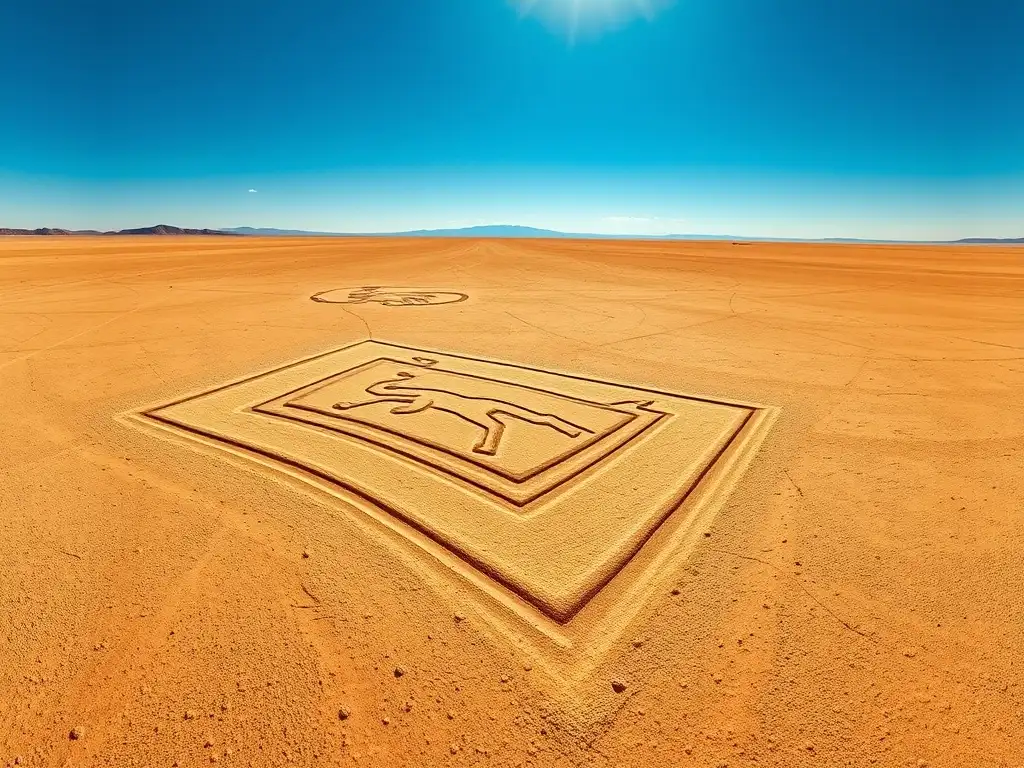
Unravel the mysteries of the Andes! Prepare to be amazed by the ingenuity and artistry of ancient civilizations, from the towering Incan empire to the enigmatic Nazca. But first, let's delve into a puzzle that continues to baffle experts: the Nazca Lines' geometric precision. How did a civilization create such breathtakingly accurate designs across the desert landscape? Journey with us to uncover the secrets behind this remarkable feat of engineering and artistry.
The Nazca Lines, etched into the Peruvian desert, stand as one of archaeology's most enduring enigmas. These vast geoglyphs, ranging from simple lines to complex figures of animals and plants, have captivated researchers and the public alike for decades. Their sheer scale and intricate detail, especially the impressive geometric precision evident in many designs, defy easy explanation.
This article delves into the remarkable geometric accuracy of the Nazca Lines, exploring the techniques likely employed by their creators and considering the possible cultural and symbolic significance of this precision. We will examine the evidence for their creation, the challenges involved in achieving such accuracy across such vast distances, and the ongoing debates surrounding their purpose.
Understanding the geometric precision of these lines is key to unlocking a deeper understanding of the Nazca culture and their sophisticated worldview. The quest to understand their creation and meaning offers a fascinating glimpse into the ingenuity and artistry of this ancient Andean civilization.
Introduction to the Nazca Lines and Their Enigmatic Nature
The Nazca Lines, located in the Nazca Desert of southern Peru, consist of hundreds of geoglyphs—large designs created on the ground—visible only from the air. These enigmatic figures were created by removing the dark reddish-brown surface stones, revealing the lighter-colored subsoil underneath. The lines themselves vary dramatically in size and complexity. Some are simple straight lines stretching for kilometers, while others depict intricate zoomorphic and anthropomorphic figures, such as the famous hummingbird, spider, and monkey.
The sheer scale of these creations is breathtaking; some figures span hundreds of meters in length. Their preservation over centuries is also remarkable, attributable to the extremely arid climate of the Nazca Desert, which minimizes erosion. What truly sets the Nazca Lines apart, and what forms the focus of this study, is the astonishing geometric precision found in many of their designs.
The accuracy of the lines, curves, and angles, particularly in the geometric patterns, suggests a level of planning and execution far beyond what one might initially expect from an ancient civilization. The question of how the Nazca achieved this precision remains a central point of investigation. Early theories suggested extraterrestrial involvement, but modern scholarship focuses on the ingenuity and sophisticated understanding of geometry and surveying possessed by the Nazca people.
The Significance of Geometric Precision in the Nazca Geoglyphs
The geometric precision evident in numerous Nazca Lines is not accidental. Many designs, particularly those composed of straight lines and geometric shapes, exhibit a remarkable degree of accuracy. The lines are remarkably straight over long distances, with minimal deviations, suggesting the use of sophisticated surveying techniques. Angles are consistently precise, and the intersections of lines are often perfectly aligned.
This level of accuracy implies a deep understanding of geometry and a considerable investment of time and effort. The creation of these geoglyphs was not a casual undertaking; it required careful planning, precise measurement, and a coordinated workforce. But the significance of this precision extends beyond mere technical skill. The geometric patterns may have held symbolic or ritualistic importance for the Nazca, potentially representing celestial alignments, cosmological beliefs, or other aspects of their worldview.
The meticulous execution of these designs suggests a deep cultural and spiritual significance, reflecting a society with a sophisticated understanding of mathematics, astronomy, and possibly even a complex system of belief. Further research into the astronomical alignments of some of these geometric patterns could shed light on their potential cosmological significance. The precise measurements and angles may even hold clues to the Nazca’s calendar system or their understanding of the cosmos. The enduring mystery of the Nazca Lines lies not only in their scale and artistry but also in the profound geometric precision that speaks to the advanced capabilities and rich cultural life of this ancient civilization.
- Introduction to the Nazca Lines and Their Enigmatic Nature
- The Significance of Geometric Precision in the Nazca Geoglyphs
- What is so remarkable about the geometric precision of the Nazca Lines?
- How did the Nazca people achieve such accuracy in creating the lines?
- What types of geometric shapes are found in the Nazca Lines?
- Why is the geometric precision of the Nazca Lines important to study?
- Are there any theories about the purpose of the geometric designs in the Nazca Lines?
Understanding the Techniques Behind Nazca Lines Geometric Construction
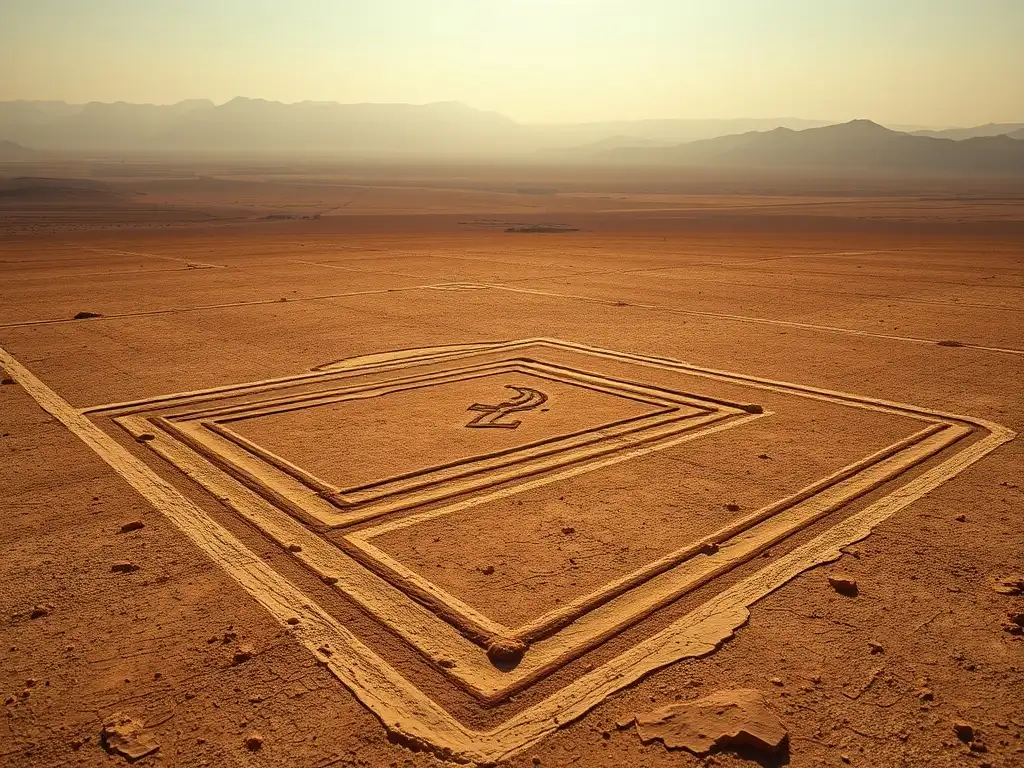
The Nazca Lines' geometric precision remains a subject of ongoing fascination and research. How a civilization without advanced tools managed to create such intricate and expansive geoglyphs across the arid Peruvian desert continues to puzzle archaeologists and mathematicians alike. Understanding their construction requires exploring the ingenious surveying and engineering techniques likely employed by the Nazca people.
The remarkable accuracy displayed in the lines, both straight and curved, suggests a sophisticated understanding of geometry and measurement, far exceeding what some initially assume for a pre-Columbian society. This section delves into the likely methods used, focusing on the "Nazca Lines geometric precision" that is so striking.
Surveying Methods Used by the Nazca People
The Nazca people lacked the sophisticated instruments of modern surveying. Yet, the Nazca Lines exhibit a level of precision that suggests a well-developed system of surveying. Evidence suggests they utilized a combination of techniques, likely adapting to the challenging terrain and available resources. One hypothesis proposes the use of simple sighting techniques, possibly involving strategically placed stakes or markers along the horizon to establish straight lines across long distances. Imagine a team of surveyors using visual alignment across the vast, flat expanse of the Nazca desert, carefully marking their progress with simple tools.
Another possibility involves the use of rudimentary leveling instruments. While no direct evidence exists, it is plausible that they developed methods to ensure the lines remained level, perhaps using a simple plumb bob or a water level to maintain consistent elevation. This would have been crucial for creating the illusion of straight lines, especially across uneven terrain.
The remarkable consistency in the width and depth of many lines further supports the idea of meticulous planning and control over the construction process. Further research, including the analysis of surviving artifacts and careful examination of the lines themselves, is needed to fully understand the sophisticated surveying methods employed.
The Role of Stakes and Cords in Creating Precise Lines
The creation of the geometric figures within the Nazca Lines likely involved the strategic use of stakes and cords. Archaeological evidence supports the use of simple wooden stakes, found in various contexts across the Nazca region. These stakes could have served as markers for establishing the overall layout of the geoglyphs, defining the boundaries of the figures and the paths of the lines.
Furthermore, cords—likely made from plant fibers—would have been stretched between these stakes to create straight lines and arcs. By carefully adjusting the tension and position of the cords, the Nazca artisans could have accurately guided the removal of the dark surface stones, revealing the lighter subsoil beneath.
Consider the complexity of creating a perfect circle or a complex geometric pattern using only stakes and cords. This requires a good understanding of geometry and a high degree of precision in measurement and placement. The consistency in size and shape of many of the figures suggests a standardized process, possibly involving pre-measured cords and carefully calibrated distances between stakes. The precision achieved is a testament to the skill and dedication of the Nazca artisans, who managed to create stunningly accurate representations using only basic tools.
How the Nazca Achieved Straight Lines and Accurate Figures
Achieving straight lines across such vast distances is a remarkable feat, especially with the limited technology available to the Nazca. The combination of surveying techniques, careful planning, and diligent work likely led to the impressive geometric precision observed in the Nazca Lines. The lines are not simply "straight"—they are remarkably consistent in width and direction, often extending for kilometers without significant deviations. This suggests a high degree of control over the entire construction process, from initial planning to the final execution.
The creation of accurate figures, such as the famous hummingbird or spider, required a different approach. It's likely that the Nazca artisans used a combination of techniques, including the use of stakes and cords to outline the basic shapes, and then filled in the details through careful observation and adjustment. The inherent limitations of their tools would have required a significant amount of trial and error, along with a deep understanding of visual perception and spatial relationships.
The resulting figures are not only accurate in their representation but also remarkably balanced and aesthetically pleasing, demonstrating a keen sense of artistry and design. The enduring mystery surrounding the Nazca Lines is ultimately a testament to the ingenuity and skill of a civilization that achieved remarkable feats of engineering and artistry using surprisingly simple tools.
Detailed Analysis of Geometric Patterns in Nazca Lines
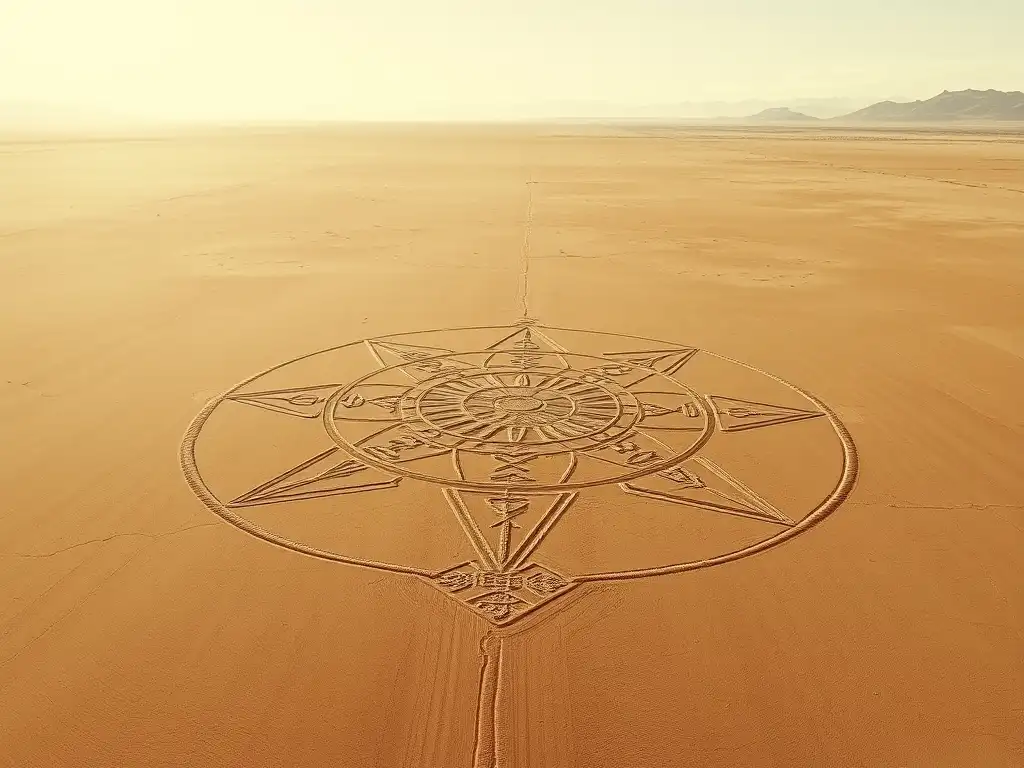
The Nazca Lines, etched into the Peruvian desert, are renowned not only for their scale and enigmatic nature but also for their astonishing geometric precision. This precision, achieved without advanced tools, remains a source of fascination and ongoing research. This section delves into the specific geometric patterns found within the lines, examining the techniques likely employed and the level of accuracy demonstrated.
The study of the Nazca Lines' geometric precision offers valuable insight into the mathematical and engineering capabilities of the Nazca culture. Analyzing these intricate designs reveals a sophisticated understanding of geometry far exceeding what was previously assumed for this ancient civilization.
The Geometry of Animal Figures: Exploring Proportions and Shapes
Many of the most iconic Nazca Lines depict animals – hummingbirds, monkeys, lizards, and spiders, among others. While seemingly free-flowing, closer examination reveals a surprising adherence to geometric principles in their representation. The proportions of the animals, while stylized, often reflect a keen understanding of anatomical structure. For instance, the elongated bodies of the lizards often maintain a consistent ratio between head, torso, and tail length. This suggests the use of simple geometric shapes as a foundation for the designs.
Consider the hummingbird figures. While the overall shape is organic, the wings are often constructed from a series of interconnected triangles and trapezoids, creating a sense of both movement and structural integrity. Similarly, the legs and bodies of other animals frequently utilize straight lines and simple curves, suggesting a deliberate simplification of complex forms into manageable geometric units. The remarkable consistency in these proportions across different animal depictions indicates a standardized approach to design, possibly through the use of templates or pre-determined ratios. Further research into the precise measurements of these figures could reveal even more subtle geometric relationships.
Spirals, Trapezoids, and Triangles: Common Geometric Motifs
Beyond the animal figures, the Nazca Lines also feature a vast array of purely geometric designs. Spirals, trapezoids, and triangles are particularly prevalent, appearing in various sizes and combinations. The spirals, for example, are not merely random swirls but often exhibit a high degree of symmetry and consistency in their curvature. The precision of these spirals is noteworthy, with the lines maintaining a remarkably uniform width and spacing throughout their length. This suggests the use of some form of measuring device, perhaps a simple rope or a calibrated stick, to ensure accuracy.
Trapezoids and triangles, often arranged in complex patterns, are another key element. The angles in these shapes are frequently remarkably close to perfect right angles or multiples thereof. The alignment of these shapes with one another also exhibits a high degree of accuracy, indicating careful planning and execution.
These geometric motifs are often found in combination with the animal figures, suggesting a possible symbolic or ritualistic significance linked to their mathematical properties. Further analysis of the spatial relationships between these geometric elements could unlock deeper insights into the cultural beliefs and practices of the Nazca people. [Specific information pending: analysis of angles and ratios in trapezoids and triangles across multiple sites].
Analyzing the Precision of Complex Nazca Line Designs
The true mastery of Nazca geometry is perhaps best demonstrated in the more complex designs, which combine multiple elements into intricate compositions. These designs often involve a remarkable interplay between curves and straight lines, animal figures and geometric shapes, all executed with a consistent level of accuracy. The challenge in creating these complex designs lay not only in the precision of individual lines but also in their precise alignment and spatial relationship with one another.
Consider the large-scale designs that incorporate multiple animal figures or geometric patterns. Maintaining consistent spacing and alignment across such vast distances requires a sophisticated understanding of spatial relationships and possibly the use of surveying techniques. The lack of readily available, advanced tools makes the achievement of this level of precision all the more remarkable. [Specific information pending: detailed analysis of surveying techniques potentially used by the Nazca].
The sheer scale and complexity of these designs speak to a level of organizational capacity and engineering skill that is truly impressive. Further study of the methods employed could offer valuable lessons for modern engineering and design principles. The legacy of the Nazca Lines is not only their artistic merit, but also their testament to the advanced geometric understanding and precision engineering capabilities of this ancient culture.
Measuring the Accuracy of Nazca Lines: A Quantitative Approach
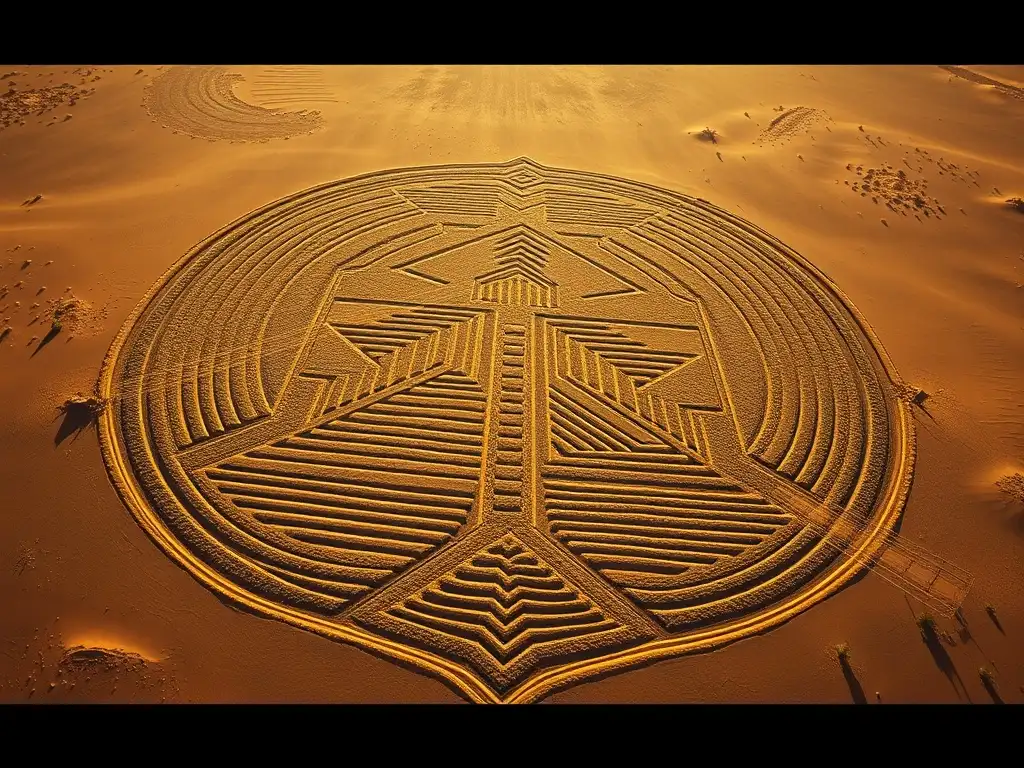
The remarkable geometric precision of the Nazca Lines has long captivated researchers and fueled speculation about their creation and purpose. Understanding this precision requires moving beyond qualitative observations to a quantitative analysis. This section delves into the methodologies used to measure the accuracy of these colossal geoglyphs and presents the compelling results that demonstrate their astonishing straightness and angular accuracy.
The very existence of the Nazca Lines, stretching for kilometers across the desert floor with minimal deviation, is a testament to the advanced surveying and engineering capabilities of the Nazca culture. This analysis focuses specifically on the Nazca Lines geometric precision, offering a deeper understanding of this fascinating aspect of the civilization.
Use of GPS and Digital Imaging for Measurement
Modern technology plays a crucial role in accurately assessing the Nazca Lines' geometric precision. Gone are the days of relying solely on ground-based estimations. Today, researchers employ highly precise Global Positioning Systems (GPS) to map the lines' coordinates with exceptional accuracy. GPS receivers, capable of sub-centimeter precision, are used to establish a network of control points across the geoglyphs. These points then form the basis for creating detailed digital elevation models (DEMs) and orthorectified images.
High-resolution aerial photography and satellite imagery further enhance the accuracy of measurements. These images, processed using advanced photogrammetry techniques, provide a bird's-eye view, allowing researchers to identify even subtle deviations from perfectly straight lines or precise angles. The combination of GPS ground control and high-resolution imagery allows for a comprehensive and accurate assessment of the Nazca Lines' dimensions and geometry.
This integrated approach minimizes error and provides a robust dataset for analysis. The use of digital imaging techniques ensures that the measurement process is not only precise but also efficient, allowing for the examination of a vast network of geoglyphs.
Results Showing Minimal Deviation from Intended Lines
Analysis of the data collected using GPS and digital imaging reveals a striking degree of geometric precision in the Nazca Lines. The results consistently demonstrate minimal deviation from the intended lines, even over distances of several kilometers. For example, studies have shown that many lines exhibit deviations of less than a meter over their entire length.
This level of accuracy is truly remarkable considering the tools and techniques available to the Nazca people. The minimal deviation speaks volumes about their understanding of surveying and their ability to execute large-scale projects with extraordinary care. It also refutes suggestions that the lines are merely the result of random or haphazard activity.
Furthermore, the angular precision of intersecting lines is equally impressive. Measurements indicate that intersections are generally within a few degrees of the intended angles, further supporting the hypothesis of a sophisticated understanding of geometry and planning. The consistency of these findings across various geoglyphs strengthens the conclusion that the Nazca Lines were not created haphazardly but rather represent a planned and executed engineering feat. The data collected clearly points to a meticulous approach to construction, exceeding expectations for a civilization lacking advanced technology by modern standards.
Statistical Analysis of Angular and Linear Precision
To quantify the Nazca Lines' geometric precision, statistical analysis is crucial. Researchers employ various statistical methods to analyze the data obtained from GPS and digital imaging. This includes calculating standard deviations, mean deviations, and other relevant statistical parameters to describe the distribution of deviations from ideal lines and angles. This rigorous approach allows for a more objective and comprehensive evaluation of the precision. The statistical analysis helps to eliminate any subjective bias and provides a quantitative measure of the accuracy achieved by the Nazca culture.
These analyses frequently reveal a normal distribution of deviations, suggesting that any observed variations are likely due to factors such as natural erosion or subtle variations in construction techniques, rather than a lack of precision in the original design and execution. The small standard deviations observed further support the conclusion of exceptional geometric precision. By applying robust statistical methods, researchers can confidently conclude that the Nazca Lines demonstrate an astonishing level of accuracy, exceeding expectations and challenging our understanding of ancient engineering capabilities.
The application of modern statistical tools lends a scientific rigor to the study of these enigmatic geoglyphs, allowing for a precise and objective assessment of their geometric precision. This approach validates the remarkable skill and knowledge of the Nazca civilization.
Theories Behind the Geometric Precision of the Nazca Lines
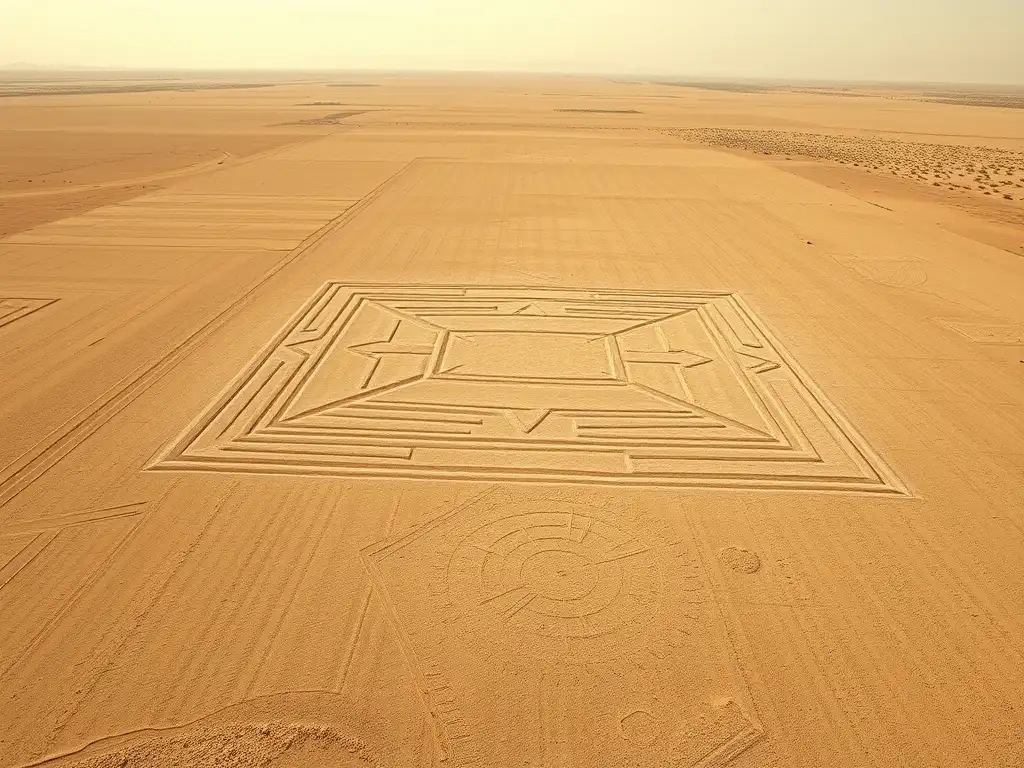
The Nazca Lines, etched into the Peruvian desert, are renowned for their astonishing geometric precision. These vast geoglyphs, some stretching over a kilometer in length, defy simple explanation. Their creation, dating back to 500 BC to 500 AD, presents a compelling puzzle for archaeologists and scientists, sparking numerous theories regarding the level of geometric knowledge and engineering prowess possessed by the Nazca culture.
This section will explore some prominent hypotheses attempting to explain the remarkable accuracy and planning evident in these iconic figures. The "Nazca Lines geometric precision" has captivated researchers for decades, leading to extensive studies and ongoing debates.
Astronomical Alignments and Geometric Knowledge
One leading theory posits a strong connection between the Nazca Lines' geometric precision and astronomical alignments. Researchers have suggested that certain lines and figures correlate with celestial events, such as solstices and equinoxes. This hypothesis implies a sophisticated understanding of astronomy and mathematics, allowing the Nazca people to accurately predict and represent these astronomical phenomena on a monumental scale.
The precision required for such alignments is remarkable, suggesting advanced surveying techniques and a deep understanding of geometry. For instance, some researchers believe the arrangement of certain lines reflects the movement of the sun and stars, acting as a giant astronomical calendar. This level of astronomical knowledge would have required meticulous observation over extended periods and a detailed understanding of celestial mechanics.
Further research into the possible astronomical correlations of the lines is needed to solidify this theory. The complexity of this task is immense, requiring detailed analysis of both the lines themselves and historical astronomical data. The potential for uncovering further evidence supporting this theory is exciting and underscores the importance of continued investigation.
Ritualistic Significance and Symbolic Representations
Beyond astronomical alignments, the geometric precision of the Nazca Lines may have held profound ritualistic significance. Many of the geoglyphs are not simply geometric shapes but also represent stylized animals, plants, and other symbolic figures. The meticulous execution of these figures, with their intricate details and accurate proportions, suggests a deeply ingrained ritualistic purpose.
The precision could reflect the importance placed on the accuracy of representing these powerful symbols, underscoring their spiritual significance within Nazca society. The effort involved in creating these massive figures, demanding significant labor and resources, suggests they were not merely decorative but served a crucial role in religious practices and beliefs. Examples include the intricate representation of a hummingbird, its delicate features rendered with astonishing accuracy, hinting at a deep connection between the Nazca people and the natural world.
Further investigation into the iconography and symbolism of the Nazca Lines is vital to fully understand their ritualistic context. The precision of these representations may be directly linked to the power and sanctity attributed to the figures depicted.
The Role of Water Management and Resource Allocation
Another theory suggests a connection between the Nazca Lines' geometric precision and the sophisticated water management systems employed by the Nazca civilization. The arid desert environment necessitated efficient strategies for water resource allocation, and some researchers propose that certain lines may have been part of a larger system for managing water flow and irrigation. While this theory doesn't directly explain the precision of the animal and geometric figures, it could account for the accuracy of certain linear elements within the overall landscape.
The precision in these lines could reflect the need for accurate channels to direct water, ensuring efficient distribution to crops and settlements. This theory highlights the ingenuity of the Nazca people in adapting to their challenging environment and underscores the holistic nature of their understanding of their landscape. Further research is needed to investigate this potential connection between the lines and the known water management techniques of the Nazca culture.
The potential role of the lines in managing water resources adds another layer of complexity and intrigue to their already enigmatic nature. Understanding the interplay between geometric precision, ritual, and practical resource management is crucial for a complete understanding of the Nazca Lines' significance.
The Legacy of Nazca Lines Geometric Mastery
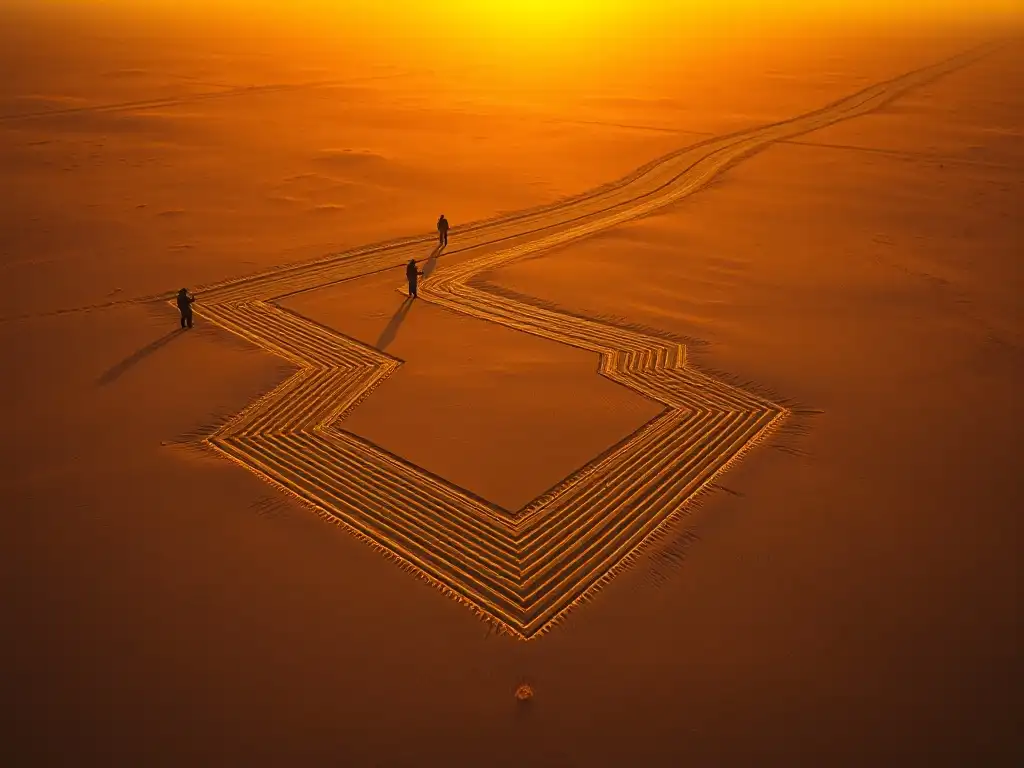
The Nazca Lines' geometric precision continues to fascinate and challenge researchers today. Their creation, spanning centuries, showcases a sophisticated understanding of geometry, surveying, and engineering far surpassing previously held assumptions about the technological capabilities of pre-Columbian societies. The sheer scale of the geoglyphs, some stretching for kilometers, and the accuracy of their execution, are testaments to a highly organized and skilled workforce.
The lines themselves, often exhibiting remarkable straightness over considerable distances, imply the use of advanced surveying techniques, possibly involving rudimentary forms of triangulation or alignment with celestial bodies. This level of precision wasn't simply a matter of aesthetic preference; it likely held significant cultural and possibly religious meaning, still largely under investigation. The legacy is not merely visual; it's a testament to the intellectual and organizational prowess of the Nazca culture.
Nazca Lines and Their Impact on Modern Understanding of Ancient Civilizations
The Nazca Lines have significantly altered our understanding of ancient Andean civilizations. Prior to their widespread recognition, the prevailing narrative often portrayed pre-Columbian societies as technologically less advanced than their contemporaries in other parts of the world. The intricate geometric designs, along with the larger zoomorphic and phytomorphic figures, shattered this simplistic view. The lines demonstrated a capacity for large-scale planning, complex coordination of labor, and a deep understanding of spatial relationships.
This newfound appreciation has led to a reassessment of the intellectual and organizational capabilities of ancient Andean cultures, prompting further research into other aspects of their societal structures, religious beliefs, and technological advancements. The precision of the lines serves as a powerful counter-narrative to past Eurocentric biases in the study of ancient civilizations. The impact extends beyond the Andean region, influencing broader discussions about societal complexity and technological development in pre-industrial societies globally.
The Importance of Preserving the Nazca Lines and Their Geometric Heritage
Preserving the Nazca Lines and their unparalleled geometric heritage is paramount. The fragility of these geoglyphs, etched into the desert surface, makes them vulnerable to environmental factors like erosion and human activity. Unauthorized access and unsustainable tourism practices pose significant threats. The delicate lines are easily damaged by foot traffic, leading to the gradual degradation of their intricate details.
Furthermore, climate change, with its associated shifts in rainfall patterns and increased wind erosion, presents a long-term challenge. Therefore, robust conservation strategies are crucial. These strategies must encompass both strict access control and the implementation of sustainable tourism practices, including the development of designated viewing areas and educational initiatives to raise public awareness.
Protecting this irreplaceable cultural heritage requires a concerted effort involving local communities, national governments, and international organizations. The preservation of the Nazca Lines is not just about saving ancient art; it's about safeguarding a unique window into the past and upholding our responsibility to future generations. The geometric precision of these lines is a treasure trove of information, and its loss would be an immeasurable blow to our collective understanding of human history.
Continued Technological Analysis and Conservation Efforts
Ongoing technological advancements are playing a vital role in both analyzing and preserving the Nazca Lines. High-resolution aerial photography, satellite imagery, and advanced geospatial techniques offer increasingly precise methods for documenting the geoglyphs and monitoring their condition over time. These tools allow researchers to detect subtle changes, assess the impact of environmental factors, and inform targeted conservation efforts.
Furthermore, the application of digital modeling and 3D scanning creates virtual representations of the lines, providing valuable resources for research and education while minimizing the need for physical access. The integration of advanced materials science and conservation techniques is also improving the effectiveness of preservation strategies. For example, researchers are exploring the use of biodegradable materials and innovative methods to stabilize the desert surface and mitigate the effects of erosion.
The continued development and application of these technologies are indispensable for ensuring the long-term survival and understanding of the Nazca Lines and their remarkable geometric precision. This ongoing research is key to unraveling further mysteries about their creation and significance, while simultaneously safeguarding this extraordinary legacy for future generations.
Frequently Asked Questions
What is so remarkable about the geometric precision of the Nazca Lines?
The Nazca Lines' geometric precision is astonishing. These enormous figures and lines, created centuries ago, display an accuracy that is still debated and studied today. Their straightness and scale are unmatched by any other ancient earthworks.
How did the Nazca people achieve such accuracy in creating the lines?
The exact methods remain a mystery, but theories involve simple tools, a deep understanding of surveying techniques, and possibly the use of stakes and ropes. The vast scale and precision still puzzle modern engineers.
What types of geometric shapes are found in the Nazca Lines?
The Nazca Lines feature a wide variety of geometric shapes, including triangles, trapezoids, spirals, and many straight lines. These shapes, often incredibly large, are integrated with the more famous zoomorphic figures.
Why is the geometric precision of the Nazca Lines important to study?
Studying their geometric precision helps us understand the mathematical and engineering skills of the Nazca culture. It also provides insights into their social organization and the level of cooperation required for such a monumental undertaking.
Are there any theories about the purpose of the geometric designs in the Nazca Lines?
While the purpose remains debated, some theories suggest the geometric figures played a role in religious ceremonies, calendrical observations, or as part of a larger land management system. Their symbolic meaning is still being investigated.
Final Reflection: Decoding the Enigma of Nazca's Geometric Precision
The meticulous geometric precision of the Nazca Lines remains a testament to the ingenuity and advanced understanding of geometry possessed by a pre-Columbian civilization. Their enduring mystery continues to challenge our assumptions about ancient societies and their capabilities, sparking ongoing research and inspiring awe in the face of such remarkable achievement. This intricate network of geoglyphs, visible only from the air, forces us to reconsider our understanding of ancient technological prowess and the limitations we often impose on past cultures.
The impact of the Nazca Lines extends far beyond their geographical location; they represent a powerful symbol of human creativity and our enduring fascination with the unknown. Their geometric perfection speaks to a deeper human need to create order and meaning within the vastness of the world. The Nazca Lines are a powerful reminder that even the most seemingly simple forms can hold profound meaning and complexity.
This quote encapsulates the enduring allure of these enigmatic lines, prompting continued investigation and inspiring artistic and scientific endeavors alike. The lines' continued existence, despite the passage of centuries, underscores the resilience of human achievement and the lasting power of artistic expression.
Consider the implications of this ancient precision. What can you learn from the dedication and skill required to create such intricate designs? How can we apply this same level of dedication and precision to our own endeavors, whether they be artistic, scientific, or personal? Let the Nazca Lines inspire you to pursue your own passions with unwavering focus and meticulous attention to detail. Embrace the challenge of achieving precision in your own life, and let the legacy of this ancient civilization guide you towards your own remarkable achievements.
**Unveil the Mysteries of the Nazca Lines! **
Thank you for exploring the fascinating world of the Nazca Lines! Your interest in their remarkable precision is a great starting point for understanding this captivating Andean wonder. Let's delve deeper into the secrets they hold.
Here are some suggestions for further exploration:
- **Visit the Nazca region** to witness these incredible geoglyphs and immerse yourself in their rich history. A trip to Peru offers unparalleled access to this ancient marvel.
- **Investigate the cultural significance** of the Nazca Lines and share your discoveries with friends or online communities interested in ancient civilizations. Consider focusing on specific theories regarding their purpose.
- **Engage with online or in-person discussion groups** focused on ancient history to exchange ideas and learn from fellow enthusiasts of Andean heritage. Many dedicated forums offer opportunities for scholarly debate.
What do you believe the Nazca Lines reveal about the ingenuity and culture of the people who created them? Share your thoughts below!