
The Social Organization of Irrigation: How Andean Communities Managed Water

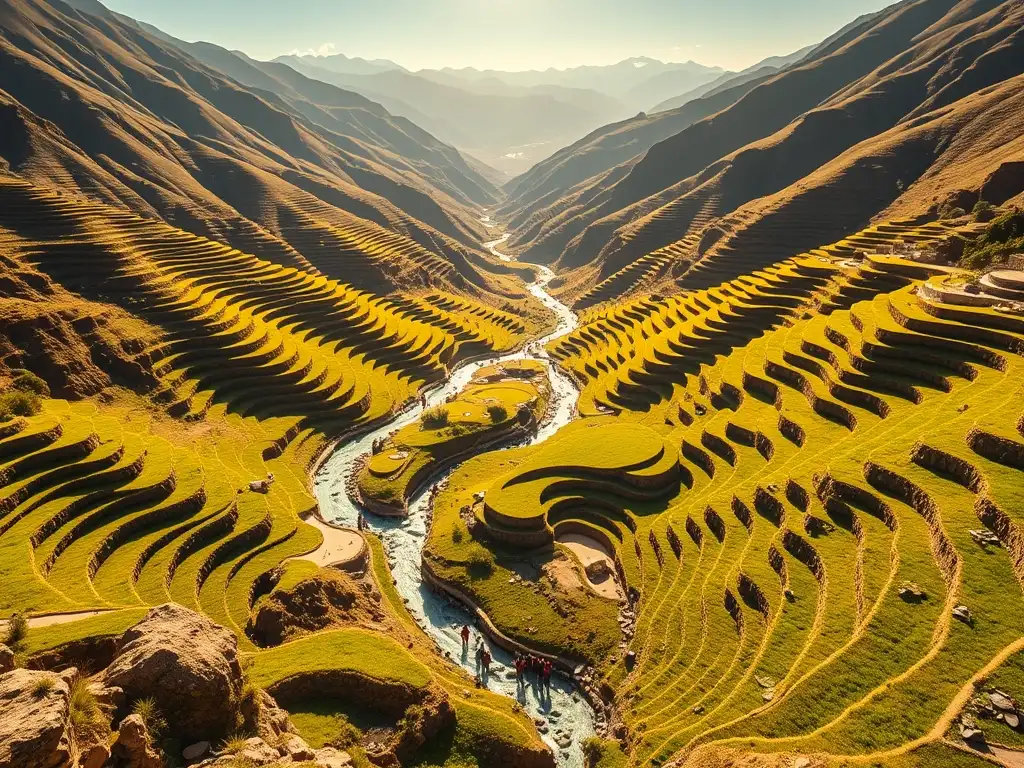
Dive into the captivating world of the Andes! Uncover the secrets behind the remarkable achievements of ancient civilizations like the Incas and Moche. How did sophisticated Andean irrigation systems shape their complex social organization? Prepare to be amazed as we explore the ingenious engineering and intricate societal structures that allowed these cultures to thrive in challenging terrains. This is just the beginning of your journey into the fascinating interplay between water management and social harmony in the Andes. Let's uncover the truth behind their success!
The Andes Mountains, a formidable yet life-giving landscape, shaped the ingenuity and social structures of its ancient inhabitants. This article delves into the fascinating interplay between social organization and irrigation systems in the Andean region, exploring how the efficient management of water resources wasn't merely a technical feat, but a cornerstone of their complex societies.
We will examine how the need for sophisticated irrigation directly impacted the social structures of civilizations like the Incas, Nazca, Moche, and Tiahuanaco, revealing a deeply intertwined relationship between water access, power dynamics, and community cooperation. Understanding the social organization of Andean irrigation systems provides crucial insight into the remarkable achievements and resilience of these ancient cultures, highlighting the vital role of water in their societal fabric and their impressive engineering capabilities.
This exploration will unveil how these communities not only mastered the challenges of their environment but also developed intricate social systems to ensure the equitable and sustainable distribution of this precious resource. We'll uncover the evidence of collective action, leadership structures, and the potential for conflict resolution all centered around the lifeblood of their civilizations: water.
Andean societies developed sophisticated water management techniques, far exceeding the simple canal systems often associated with early irrigation. Their success wasn't solely reliant on technological innovation but also on intricate social structures that facilitated cooperation, resource allocation, and conflict resolution. The scale of some projects, such as the extensive canal networks of the Nazca culture or the intricate aqueducts of the Inca empire, demonstrates remarkable levels of community organization and planning.
These weren't just engineering marvels; they were also powerful symbols of social cohesion and political control. The construction and maintenance of these systems required significant labor input, often mobilized through a combination of community participation, specialized labor groups, and, in some cases, the power of the ruling elite. This intricate relationship between technology, labor, and social structure is a key aspect of understanding Andean water management.
The social organization varied across different Andean cultures and time periods. For example, while the Inca Empire employed a highly centralized system with state control over water resources, smaller pre-Inca communities may have relied on more decentralized forms of management, often based on kinship ties or reciprocal labor arrangements. Understanding these nuances is crucial for a complete picture of how Andean communities managed water.
Furthermore, the role of religion and ritual in water management should not be underestimated. Many Andean societies viewed water as a sacred element, imbuing their irrigation systems with symbolic and religious significance. This spiritual connection likely played a significant role in reinforcing social norms and promoting cooperation in water resource management.
The Importance of Irrigation in Andean Civilizations
Irrigation was not merely a means of agricultural intensification; it was fundamental to the survival and prosperity of Andean civilizations. The arid and semi-arid climate of the Andes meant that reliable water sources were essential for supporting large populations and complex societies. The development of sophisticated irrigation techniques allowed Andean communities to cultivate crops such as maize, potatoes, and quinoa on a much larger scale than would have been possible through rain-fed agriculture.
This increased agricultural productivity directly contributed to population growth, urban development, and the rise of powerful states. The availability of surplus food also facilitated the specialization of labor and the development of complex social hierarchies. In essence, successful irrigation was a pre-requisite for the flourishing of Andean civilizations.
The impact of irrigation on social organization is evident in the archaeological record. The construction of large-scale irrigation projects often required the mobilization of significant labor forces, suggesting a high degree of social organization and coordination.
Evidence of communal work, such as the construction of terraces and canals, points to a system where individuals contributed their labor for the collective benefit of the community. Furthermore, the distribution of water resources often reflected the social hierarchy within a given society, with elites potentially having access to more reliable water sources than commoners.
Analyzing the layout of irrigation canals, the size and location of agricultural fields, and the distribution of settlements can provide valuable insights into the social organization of Andean communities and the role of water in shaping their power structures. Further research is needed to fully understand the intricate relationship between irrigation systems, social organization, and the varying levels of complexity observed across different Andean cultures.
The success of Andean irrigation systems wasn't solely due to engineering prowess; it was deeply intertwined with a sophisticated social organization that ensured equitable water distribution and the maintenance of vital infrastructure. Understanding this social framework is crucial to appreciating the ingenuity and longevity of these systems. The management of water resources wasn't a top-down imposition by a central authority, but rather a complex interplay of community participation, reciprocal labor, and spiritual beliefs.
This intricate system ensured the survival and prosperity of Andean communities for centuries, demonstrating a remarkable level of social cohesion and cooperation. The effectiveness of the system stemmed from a deeply ingrained understanding of the importance of water for survival and the communal effort needed to secure it. This collaborative approach transcended individual needs, prioritizing the well-being of the entire community.
Community-Based Water Management in the Andes
Andean irrigation systems were fundamentally community-based. Water wasn't a commodity to be bought or sold, but a shared resource managed collectively. This communal approach fostered a sense of shared responsibility and ensured that everyone benefited from the irrigation system. Decisions regarding water allocation, maintenance, and the construction of new canals were often made through community assemblies or councils, ensuring that the needs of all members were considered.
This democratic approach stands in stark contrast to many modern water management systems, which often prioritize private interests over collective well-being. The success of this community-based approach highlights the power of collective action and shared responsibility in resource management. Detailed records, while scarce, suggest a robust system of communication and conflict resolution within these communities.
Collective Labor and Irrigation Projects
The construction and maintenance of Andean irrigation systems required significant collective labor. Projects often involved the participation of entire communities, with individuals contributing their time and skills to the common good. This collective effort was not merely a practical necessity but also a social bonding experience, strengthening community ties and fostering a sense of shared purpose.
The scale of some of these projects, such as the intricate canal systems of the Nazca culture, is a testament to the extraordinary organizational capacity of Andean communities. The commitment to collective labor wasn't driven by coercion, but by a deep understanding of the mutual benefits of a functioning irrigation system. This collaborative spirit ensured the long-term sustainability of the infrastructure.
Social Hierarchies and Water Allocation
While Andean irrigation systems were largely community-based, social hierarchies did play a role in water allocation, particularly in larger settlements. In some cases, elites or religious leaders may have had preferential access to water resources, reflecting their social standing within the community. However, even in these instances, the allocation of water was not arbitrary; it was often tied to specific social obligations and responsibilities.
For example, elites might have been responsible for overseeing the maintenance of irrigation infrastructure or organizing collective labor projects. The system was not purely egalitarian, but it incorporated social hierarchies in a way that supported the overall functioning of the irrigation system and the community as a whole. Further research is needed to fully understand the nuances of water allocation in different Andean societies.
The social organization underpinning Andean irrigation was multifaceted, relying on several key elements that worked in concert to ensure efficient water management and community cohesion. These elements weren't static; they varied across different cultures and time periods, adapting to changing environmental and social conditions. However, certain common threads weave through the diverse practices, highlighting the ingenuity and adaptability of Andean societies.
The Role of "Ayllus" in Water Distribution
The ayllu, a kinship-based community group, played a central role in the distribution and management of water resources in many Andean societies. Members of the ayllu shared land, labor, and resources, including water, fostering a strong sense of collective responsibility. Decisions regarding water allocation were often made within the ayllu structure, ensuring that the needs of all members were considered.
The ayllu system provided a framework for cooperation and conflict resolution, crucial for the efficient functioning of irrigation systems. The strength of the ayllu ties ensured that maintenance and repairs were carried out efficiently, reflecting a high level of communal commitment.
"Mink'a" and "Ayni": Reciprocal Labor Practices in Irrigation
Mink'a and ayni were essential reciprocal labor practices that underpinned the construction and maintenance of Andean irrigation systems. Mink'a involved communal labor on projects that benefited the entire community, while ayni involved reciprocal exchange of labor between individuals or families. These practices ensured that the labor burden was shared equitably, fostering a sense of community and mutual support.
The success of these systems hinged on the willingness of individuals to contribute their time and effort to the common good, reflecting a strong sense of social solidarity. The integration of mink'a and ayni into the social fabric ensured the continuous upkeep of the irrigation infrastructure.
"Yachaq" and Specialized Water Managers
In some Andean societies, specialized water managers, often known as yachaq, played a crucial role in overseeing the distribution and maintenance of irrigation systems. These individuals possessed specialized knowledge of hydrology, engineering, and social organization. They were responsible for ensuring the equitable distribution of water, resolving conflicts, and overseeing the maintenance of irrigation infrastructure.
The yachaq often held a position of authority and respect within the community, reflecting the importance of water management in Andean societies. Their expertise and leadership were vital in ensuring the long-term sustainability of the irrigation systems. Their influence extended beyond practical concerns, often incorporating ritual and spiritual aspects of water management.
The Significance of Rituals and Ceremonies in Water Control
Rituals and ceremonies played a significant role in Andean water management, reflecting the spiritual beliefs and worldview of these societies. Water was not merely a physical resource; it was also considered a sacred element, imbued with spiritual power. Rituals were performed to ensure the abundance of water, to appease the spirits associated with water sources, and to maintain the balance of nature.
These practices reinforced the importance of water conservation and sustainable management, underscoring the deep connection between Andean communities and their environment. The integration of spiritual beliefs into water management practices highlights the holistic approach of Andean societies to resource management. These rituals served not only a spiritual purpose but also a social one, strengthening community bonds and reinforcing shared values.
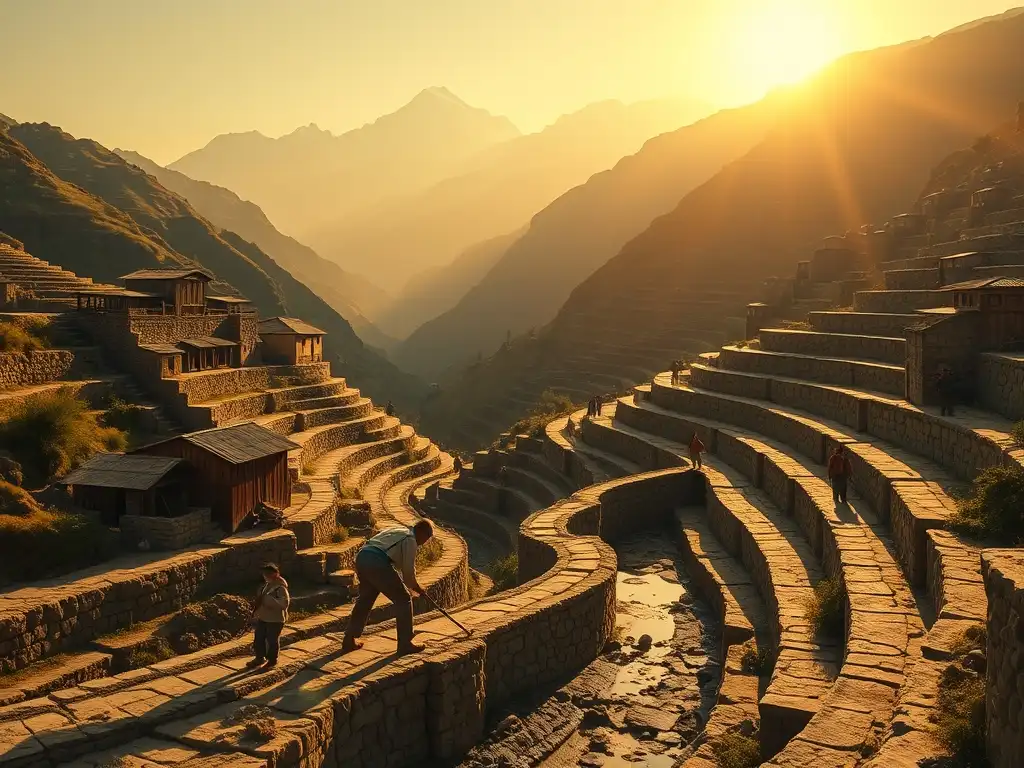
The Case of the Colca Valley and Their Irrigation Practices
The Colca Valley, located in southern Peru, presents a fascinating case study in Andean irrigation social organization. Its complex network of canals, dating back centuries, wasn't simply a feat of engineering; it was a testament to intricate social structures. The valley's geography, characterized by steep slopes and diverse microclimates, necessitated a highly organized system of water distribution. Evidence suggests a hierarchical system, with leadership figures (likely religious or political elites) overseeing the allocation of water resources.
This wasn't a rigid system, however. Local communities played a crucial role in maintaining the canals and resolving disputes over water access. The system's longevity suggests a successful balance between centralized control and decentralized participation, reflecting a sophisticated understanding of both technical and social requirements for sustainable irrigation.
The intricate system of canals, some spanning kilometers, required coordinated labor, highlighting the importance of communal cooperation in maintaining the irrigation infrastructure. Regular maintenance, including cleaning and repair, was likely undertaken through communal work parties, possibly integrated with religious ceremonies to reinforce social cohesion and shared responsibility. The system's success demonstrates the crucial link between effective social organization and successful large-scale water management.
The Case of the Titicaca Basin: A Different Approach to Water Management
The Titicaca Basin, situated at a high altitude in the Andes, offers a contrasting example of Andean irrigation social organization. Unlike the Colca Valley's reliance on gravity-fed canals, the Titicaca Basin's water management involved a more complex interplay of technologies and social structures. The unique challenges presented by the high altitude and the fluctuating water levels of Lake Titicaca required a different approach.
Evidence points to a system of communal control over water access, with local communities managing their own irrigation systems, often based on smaller-scale channels and techniques adapted to the specific conditions of their areas. The emphasis seems to have been on decentralized decision-making, with a strong focus on community participation and shared responsibility. This decentralized approach, while lacking the hierarchical structure of the Colca Valley, proved remarkably effective in ensuring equitable water distribution and the sustainable use of water resources.
This highlights the adaptability of Andean societies in developing water management strategies tailored to their specific environmental and social contexts. The use of techniques such as waru waru (raised fields) further underscores the sophisticated understanding of water management and the importance of social cooperation in the Titicaca Basin.
Examining the Social Dynamics of the Waru Waru Raised Fields
The waru waru agricultural system, characterized by raised fields separated by irrigation canals, is a compelling example of the intricate relationship between social organization and agricultural practices in the Andes. These raised fields not only improved drainage and soil fertility but also required a high degree of social coordination for their construction and maintenance. The scale of some waru waru complexes suggests a significant level of collective effort, indicating a strong sense of community and shared responsibility for resource management.
The design and layout of the fields, often arranged in intricate patterns, may reflect underlying social structures and power dynamics within the communities. Further research is needed to fully understand the social implications of waru waru construction and maintenance, but it is clear that this system represents a sophisticated form of Andean water management deeply intertwined with the social fabric of the communities that built and utilized them.
The precise social structures involved in the construction and maintenance of these systems remain an area of ongoing research, but the scale of the projects clearly suggests a high level of social organization and collaboration. The distribution of the fields and their associated water resources likely reflected existing social hierarchies or kinship structures, although the exact nature of these relationships is still debated among scholars.
Long-Term Management of Water Resources
The success of Andean irrigation systems over centuries points to the crucial role of social organization in ensuring the long-term sustainability of water resources. Effective social structures facilitated equitable water distribution, promoted collective maintenance of irrigation infrastructure, and fostered a sense of shared responsibility for resource management. This prevented overexploitation and ensured the continued productivity of agricultural lands.
The intricate systems of water rights, dispute resolution mechanisms, and communal labor practices all contributed to the resilience of these systems, allowing them to adapt to changing environmental conditions and withstand periods of drought or other challenges. The long-term perspective embedded in Andean water management practices is a crucial lesson for modern societies facing increasing water scarcity.
Adaptability and Resilience of Andean Irrigation Systems
The long-term survival of many Andean irrigation systems demonstrates their remarkable adaptability and resilience. Faced with fluctuating rainfall patterns, unpredictable weather events, and population growth, Andean communities successfully adapted their water management practices to maintain agricultural productivity. This adaptability was not simply a matter of technological innovation but also a reflection of flexible and responsive social structures.
The capacity of Andean communities to negotiate water rights, resolve conflicts, and coordinate labor ensured that irrigation systems could evolve and adjust to changing circumstances. This resilience underscores the importance of considering the social dimension of water management in ensuring the long-term sustainability of water resources. The flexibility of these systems, their ability to adapt to changing conditions, and the capacity of communities to resolve conflicts over water access are key factors in their longevity.
Lessons from the Past for Modern Water Management
The study of Andean irrigation systems offers valuable lessons for modern water management practices. The emphasis on community participation, equitable water distribution, and long-term planning provides a model for sustainable water resource management in the face of growing global water scarcity. Understanding the social dynamics that underpinned the success of Andean irrigation can inform the development of more effective and equitable water governance structures in contemporary societies.
The integration of traditional knowledge with modern technologies and approaches can lead to more sustainable and resilient water management strategies. The Andean experience highlights the importance of considering both the technical and social aspects of water management, recognizing that effective water governance requires not only efficient infrastructure but also strong social institutions and a commitment to community participation. The study of these ancient systems can inform contemporary strategies for water conservation and equitable distribution in regions facing water stress.
Challenges and Changes to Traditional Andean Irrigation Practices
The intricate social structures underpinning Andean irrigation systems faced numerous challenges throughout history, leading to significant changes in their management and organization. These challenges weren't merely technological; they were deeply intertwined with social, political, and economic shifts. The effectiveness of these systems depended heavily on the cooperation and participation of all community members, a delicate balance easily disrupted.
External pressures, internal conflicts, and environmental fluctuations all played significant roles in altering traditional practices. For example, periods of drought or unusually heavy rainfall could severely impact crop yields, leading to tensions within communities and potentially jeopardizing the collaborative spirit necessary for successful irrigation. The ability of the community to adapt to these fluctuations, often through established rituals and social mechanisms, was crucial for its survival.
Furthermore, shifts in land ownership or the introduction of new agricultural practices could also disrupt the established social order and impact the efficiency of water distribution. The resilience and adaptability of these social systems in the face of these varied challenges are testaments to the ingenuity and social cohesion of Andean communities.
Colonial Influence and Disruption of Social Systems
The arrival of the Spanish conquistadors in the 16th century marked a profound turning point for Andean irrigation systems. The colonial period witnessed a significant disruption of the existing social structures that had governed water management for centuries. The mita system, a form of forced labor imposed by the Spanish crown, diverted labor away from maintaining irrigation infrastructure.
This resulted in the neglect and deterioration of many canals and aqueducts, impacting agricultural production and straining community relations. Furthermore, the introduction of new land ownership patterns, often favoring the Spanish elite, disrupted traditional communal rights to water resources. The imposition of a new hierarchical social structure, replacing the existing communal governance, significantly weakened the collaborative ethos that had been fundamental to the success of Andean irrigation.
This resulted in a decline in the efficiency and equity of water distribution, creating social inequalities and conflicts that continue to resonate today. The colonial legacy continues to shape the dynamics of water management in the Andes, highlighting the lasting impact of political and social upheaval on traditional practices.
Modernization and its Impact on Water Management
Modernization efforts in the Andes, while aiming to improve agricultural productivity, have often had unintended consequences for traditional water management practices. The introduction of large-scale irrigation projects, often implemented with limited consideration for existing social structures, has sometimes led to the marginalization of local communities and the disruption of traditional water rights. These projects, frequently driven by national or international development agendas, may prioritize efficiency and yield over equitable distribution and community participation.
This can create conflicts between different user groups, particularly between large-scale agricultural operations and smaller-scale farmers relying on traditional systems. Moreover, the shift towards cash crops and market-oriented agriculture has altered the social dynamics surrounding water use, often prioritizing economic gain over communal well-being. These changes underscore the importance of integrating traditional knowledge and social structures into modern water management strategies to ensure both sustainability and social equity.
The Importance of Preserving Andean Irrigation Knowledge
Preserving the knowledge and practices associated with traditional Andean irrigation systems is crucial for several reasons. This knowledge represents centuries of accumulated experience and adaptation to the unique environmental conditions of the Andes. It embodies not only technical expertise in water management but also a deep understanding of the social and ecological interdependencies that underpin sustainable water use. The loss of this knowledge would represent an irreplaceable loss of cultural heritage and a significant impediment to developing sustainable and equitable water management strategies in the region.
Traditional techniques often incorporate ecological principles that promote biodiversity and minimize environmental impact, offering valuable lessons for modern water management practices. Furthermore, the social structures associated with traditional irrigation systems often promote community participation and shared responsibility, providing valuable models for collaborative water governance. The preservation of this knowledge requires active efforts to document, share, and integrate it into contemporary water management strategies.
The social organization of Andean irrigation systems stands as a remarkable testament to the ingenuity and adaptability of ancient Andean communities. Their ability to develop and maintain complex irrigation networks while simultaneously fostering social cohesion and equitable water distribution is a feat worthy of admiration and study. Understanding the intricate social dynamics that underpinned these systems provides invaluable insights for contemporary water management challenges.
The Enduring Influence of Andean Water Management Techniques
Many of the principles underlying Andean water management techniques remain relevant today, offering valuable lessons for sustainable water resource management in diverse contexts. The emphasis on community participation, equitable distribution, and careful consideration of ecological factors provides a powerful framework for addressing modern water challenges.
Aspects such as the integration of traditional knowledge with modern technologies, the emphasis on water conservation, and the development of adaptive management strategies hold significant implications for current water management practices worldwide. The careful observation of water flow, the construction of intricate canal systems, and the development of sophisticated water storage techniques all demonstrate a deep understanding of hydrological principles and environmental dynamics.
The Importance of Understanding Social Dynamics for Sustainable Irrigation
Sustainable irrigation is not merely a technical challenge; it is fundamentally a social one. Understanding the social dynamics surrounding water access, distribution, and management is crucial for developing effective and equitable water governance systems. Addressing conflicts over water resources, ensuring the participation of all stakeholders, and integrating traditional knowledge into modern management strategies are essential for achieving sustainable outcomes.
The Andean experience highlights the critical role of social cohesion and community participation in successful water management, demonstrating that technical solutions alone are insufficient without a strong foundation of social equity and collaboration. The principles of shared responsibility and collective action are key to ensuring the long-term sustainability of irrigation systems.
Key Takeaways on Andean Irrigation Systems Social Organization
The study of Andean irrigation systems reveals the critical interplay between social organization and successful water management. Traditional systems thrived on strong community participation, equitable water distribution, and a deep understanding of the local environment. Colonial influence and subsequent modernization efforts, however, have challenged these established systems, highlighting the need for a more holistic approach that integrates traditional knowledge and social structures into contemporary water management strategies.
Preserving and learning from the Andean legacy is crucial for developing sustainable and equitable water solutions for the future, emphasizing the enduring relevance of social dynamics in the quest for effective and responsible water resource management. The Andean experience serves as a powerful reminder that sustainable irrigation is not solely a technical endeavor but a deeply social one, requiring collaborative efforts and a shared commitment to equity and environmental stewardship.
- Introduction to Andean Water Management and Social Structures
- The Importance of Irrigation in Andean Civilizations
- Understanding the Social Framework of Andean Irrigation
- Key Elements of Andean Irrigation Systems Social Organization
- Case Studies: Social Organization in Specific Andean Irrigation Systems
- The Impact of Social Organization on the Sustainability of Andean Irrigation
- Challenges and Changes to Traditional Andean Irrigation Practices
- Conclusion: The Legacy of Andean Social Organization in Irrigation
- What role did irrigation play in Andean social organization?
- How did Andean societies manage water resources collectively?
- What were the social consequences of irrigation system failures?
- Did different Andean cultures have unique approaches to irrigation management?
- How did Andean irrigation systems impact the development of their societies?
Frequently Asked Questions
Irrigation was fundamental to Andean social organization. Control and management of water resources directly impacted power structures, resource allocation, and social hierarchies within communities. Successful irrigation systems often meant greater prosperity and influence.
How did Andean societies manage water resources collectively?
Andean communities developed complex systems of water management involving communal labor, shared responsibilities, and often religious rituals. This collective effort ensured equitable distribution and maintained the integrity of the irrigation infrastructure. Leaders played a key role in coordinating these efforts.
Failures in irrigation systems could have devastating social consequences, leading to food shortages, conflicts over resources, and even social unrest. These failures could weaken or even destroy existing power structures, leading to societal upheaval.
Did different Andean cultures have unique approaches to irrigation management?
Yes, each Andean culture (Inca, Moche, Nazca, etc.) had unique approaches. While there were similarities in communal organization, the specific techniques, labor organization, and social structures involved in water management varied significantly. This reflects their diverse environments and cultural practices.
How did Andean irrigation systems impact the development of their societies?
Andean irrigation systems were crucial for the development of complex societies. They enabled increased agricultural productivity, population growth, and the development of specialized labor and social hierarchies. The success of their irrigation systems directly contributed to their advanced civilizations.
Final Reflection: The Enduring Legacy of Andean Water Management
The ingenious social organization of Andean irrigation systems remains a powerful testament to human ingenuity and adaptability, offering crucial lessons for sustainable water management in a world grappling with climate change and resource scarcity. These ancient systems weren't merely technological feats; they were intricate social contracts, woven into the very fabric of Andean communities and demonstrating the profound connection between human society and the natural world.
The enduring influence of these collaborative water management practices is undeniable, shaping not only the agricultural landscape but also the social and political structures of the Andes for millennia. Their success hinged on a deep understanding of ecological principles and a commitment to collective action, a stark contrast to many modern approaches characterized by privatization and unsustainable exploitation. Water is life, and its management is a social responsibility, not a commodity.
This simple truth, deeply embedded in Andean culture, holds profound implications for our current environmental challenges.
Consider the wisdom embedded in these ancient systems. You, the reader, are now equipped with a deeper understanding of the intricate balance between community, cooperation, and resource management. Let this knowledge inspire you to seek out collaborative solutions to the water challenges facing your own community, fostering a sense of shared responsibility and sustainable practices. The legacy of the Andes calls for a renewed commitment to equitable and environmentally conscious water management – a legacy we can all help to build upon.
Unleash the Power of Community Water Management!
Thank you for exploring the fascinating world of Andean irrigation systems and learning how these resilient communities expertly managed their water resources. Now, let's apply that inspiration to your own life and community.
Here are some ways you can get involved:
- Join or start a local water conservation group to actively participate in sustainable water practices.
- Learn from traditional methods by visiting a local farm, community garden, or historical site to observe water management techniques in action.
- Share your knowledge with friends, family, and your community through conversations and social media, highlighting the importance of sustainable water management.
How can you contribute to better water management in your area? Let's discuss!