
The Unsung Heroes of the Andes: Exploring the Lives of Ordinary People

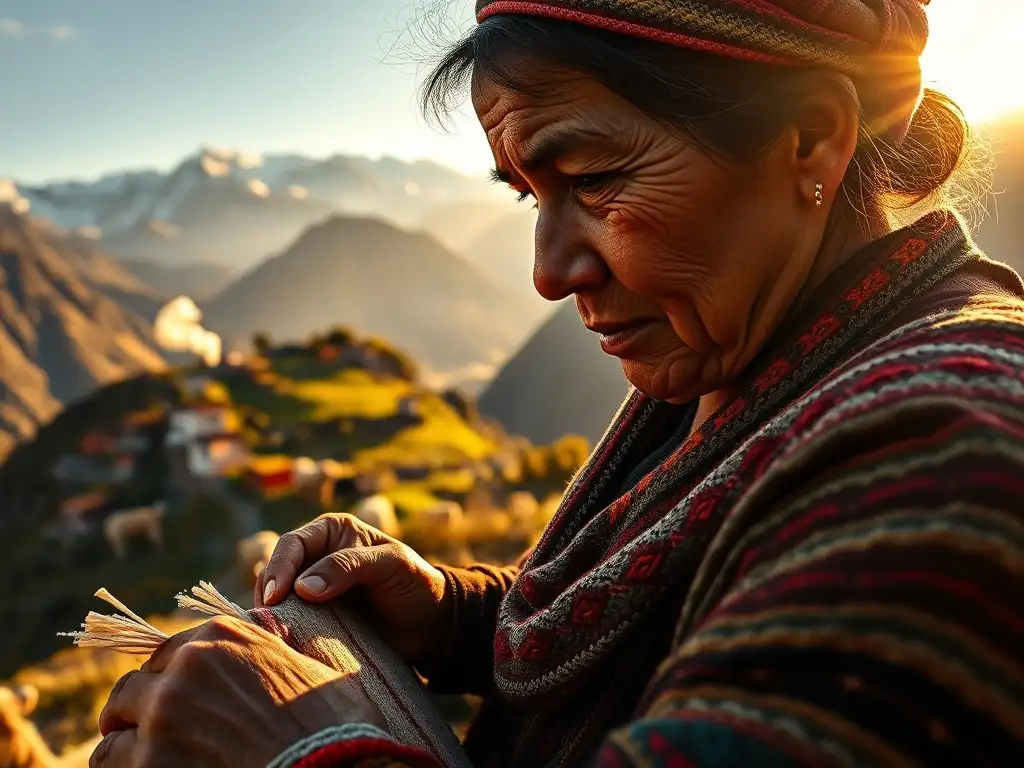
Step into a world lost to time, yet echoing with the whispers of millions. Forget the emperors and conquerors; this is the story of the Andean civilizations ordinary people. We delve into the fascinating lives of those who built the magnificent cities, crafted the intricate textiles, and sustained the vibrant cultures of the Andes, revealing a history far richer and more complex than you ever imagined. Prepare to uncover the unsung heroes of the Andes – their daily lives, their ingenuity, and their enduring legacy. Dare to explore their world…
The grandeur of the Inca Empire often overshadows the rich tapestry of Andean civilizations that preceded it. While the monumental architecture and sophisticated political systems of the Inca are rightly celebrated, a deeper understanding of Andean history requires exploring the lives of the ordinary people who built and sustained these impressive societies.
This article delves into the daily lives, challenges, and contributions of the common folk in pre-Inca Andean societies, focusing on regions like the highlands and coastal areas, and highlighting the diverse cultures that flourished before the Inca's rise to power. We will examine their agricultural practices, social structures, artistic expressions, and technological innovations, revealing a vibrant and complex world that laid the groundwork for the later Inca civilization.
Understanding these "unsung heroes" is crucial to appreciating the full scope and depth of Andean history and the remarkable resilience of its people. This exploration will use archaeological evidence, anthropological studies, and historical interpretations to paint a more complete picture of Andean life before the Inca, focusing specifically on the keyword "Andean civilizations ordinary people."
Introduction to Everyday Life in Pre-Incan Andean Societies
Life for the average Andean person before the Inca Empire was far from uniform. The diverse geography of the Andes – from the arid coastal deserts to the high-altitude plains and valleys – shaped profoundly different lifestyles. Coastal communities, like those of the Moche and Nazca cultures, relied heavily on fishing and marine resources, complemented by limited agriculture in oases and river valleys.
Their sophisticated irrigation systems, evident in the Nazca Lines, showcase their ingenuity in harnessing scarce water resources. In contrast, highland communities, such as those associated with the Tiahuanaco culture, faced the challenges of high altitude, developing advanced agricultural techniques like terracing to maximize crop yields. These techniques, alongside innovative storage methods, were essential for survival in a harsh environment.
The social structures of these pre-Inca societies were also varied. While evidence suggests a hierarchical organization in most, the extent of social stratification differed significantly between cultures. Some societies might have exhibited more egalitarian structures than others, with less pronounced differences in power and wealth distribution.
Archaeological findings suggest the existence of specialized craftspeople, farmers, and religious leaders, hinting at a division of labor and a degree of social complexity. However, further research is needed to fully understand the nuances of social organization in various pre-Incan Andean communities. The following sections will explore these aspects in more detail, providing concrete examples and data wherever possible.
Further Research Needs
While significant progress has been made in understanding pre-Inca Andean societies, much remains unknown. Further research is needed to clarify the precise social structures, economic systems, and belief systems of various groups. Specifically, more detailed studies on the daily lives of women and children in these societies would significantly enhance our understanding.
- What role did ordinary people play in Andean civilizations?
- How did the lives of ordinary Andeans differ from those of elites?
- What evidence do we have about the lives of ordinary Andeans?
- What were the main challenges faced by ordinary people in the Andes?
- How did ordinary people contribute to the impressive achievements of Andean civilizations?
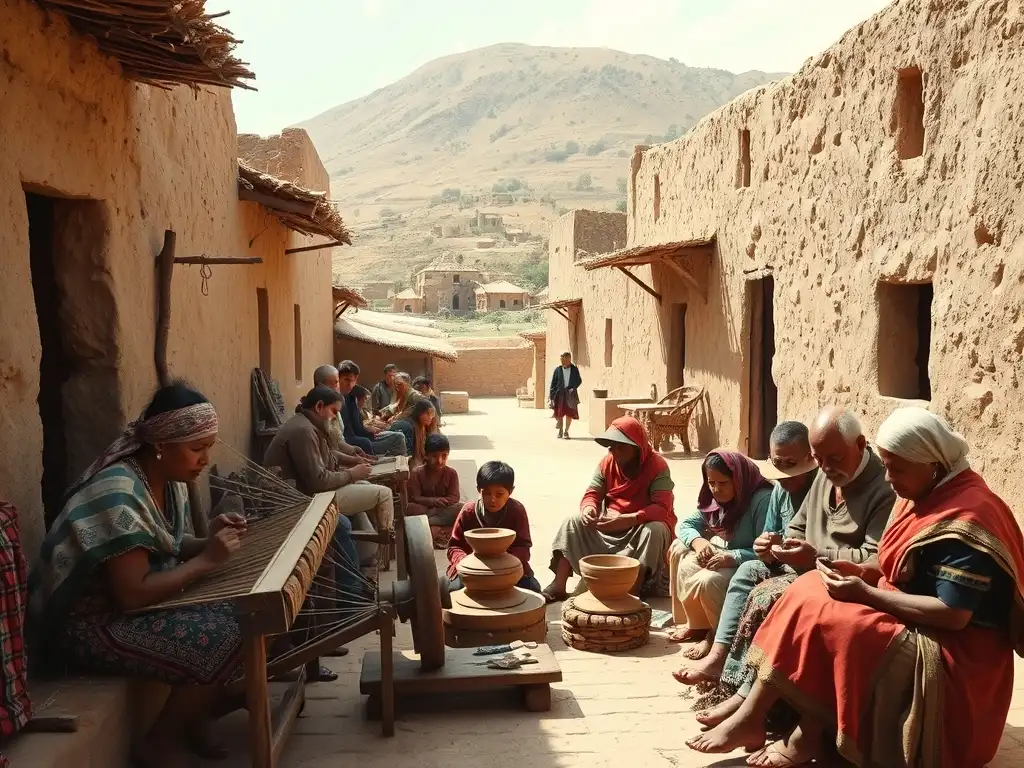
This section delves into the lives of ordinary people within various pre-Incan Andean civilizations, moving beyond the narratives focused solely on elite rulers and monumental architecture. Understanding their daily lives, social structures, and contributions provides a more complete picture of these fascinating cultures. We will explore how the social fabric of these communities was woven together, highlighting the crucial roles played by individuals within their respective societies.
This nuanced approach reveals the complexity and resilience of Andean civilizations ordinary people, far surpassing simplistic portrayals often found in historical accounts. The focus will be on illuminating the everyday realities of these societies, revealing the ingenuity and adaptability of their members.
Daily Routines of Andean People: From Farming to Craftsmanship
The daily lives of Andean people were deeply intertwined with their environment. Agriculture formed the backbone of their existence, with meticulous farming techniques adapted to the diverse Andean landscapes. Terracing, irrigation systems, and the cultivation of diverse crops like potatoes, maize, and quinoa showcased remarkable agricultural expertise. A typical day might begin before sunrise, with the tending of crops, followed by tasks like weaving, pottery making, or metalworking. These crafts weren't merely economic activities; they were integral to social life, often performed collectively and passed down through generations.
For instance, the Nazca people, renowned for their geoglyphs, also possessed sophisticated textile production techniques. Their intricate weavings, often incorporating vibrant colors and complex designs, served both practical and ceremonial purposes. Similarly, the Moche culture displayed exceptional skill in metalworking, creating elaborate ornaments and tools from gold, silver, and copper.
These skills were not confined to a select few; evidence suggests widespread participation in craft production within Andean communities. The intricate details found in everyday objects reflect the high level of skill and artistry possessed by ordinary Andean people. The production of these goods was not just for personal use, but often contributed to reciprocal exchange networks within and between communities, solidifying social bonds.
The rhythm of daily life was also marked by seasonal cycles, with agricultural practices dictating much of the year’s activities. Religious festivals and ceremonies, interwoven with agricultural cycles, punctuated the routine, providing opportunities for communal gatherings and reaffirming social cohesion. These events fostered a strong sense of community and identity, reinforcing the social bonds that held these societies together. Archaeological evidence, such as communal burial sites and shared feasts, further supports the collaborative nature of Andean life.
Family Structures and Community Roles in Pre-Incan Cultures
Family structures in pre-Incan Andean societies were typically extended, with multiple generations often living together. This arrangement provided crucial support networks, particularly in agricultural societies where labor was essential. The roles within these families were often defined by age and gender, although there was considerable variation among different cultures. Men often played a dominant role in agricultural production and warfare, while women were central to textile production, food preparation, and childcare. However, this division of labor does not imply inequality; rather, it reflects a complementary system where each role contributed to the overall well-being of the family and community.
The concept of ayllu, a kinship-based community organization, was central to many Andean societies. The ayllu functioned as a crucial social and economic unit, providing mutual support and regulating resource allocation. Membership within the ayllu conferred rights and responsibilities, fostering a sense of collective identity and responsibility. Land ownership was often communal, with access to resources determined by the ayllu’s collective decisions.
This system ensured a degree of social equity and minimized disparities in access to essential resources. This communal approach to land management stands in contrast to later, more hierarchical systems, highlighting the egalitarian aspects of pre-Incan social organization. Further research is needed to fully understand the nuances of social stratification within different Andean ayllus, particularly regarding access to power and prestige. [Specific information pending on variations in ayllu structures across different regions].
The importance of community participation is also reflected in the construction of public works, such as irrigation canals and monumental architecture. These projects required significant collaborative effort, demonstrating the capacity of Andean communities to organize and mobilize large numbers of people for collective goals. The construction of these structures not only served practical purposes but also played a vital role in strengthening social bonds and reinforcing community identity.
These communal projects fostered a sense of shared purpose and collective achievement, contributing significantly to the social cohesion of Andean societies. The success of these projects demonstrates the remarkable organizational capabilities and social solidarity of Andean civilizations ordinary people.
The Importance of Agriculture and Sustenance for the Andean Population
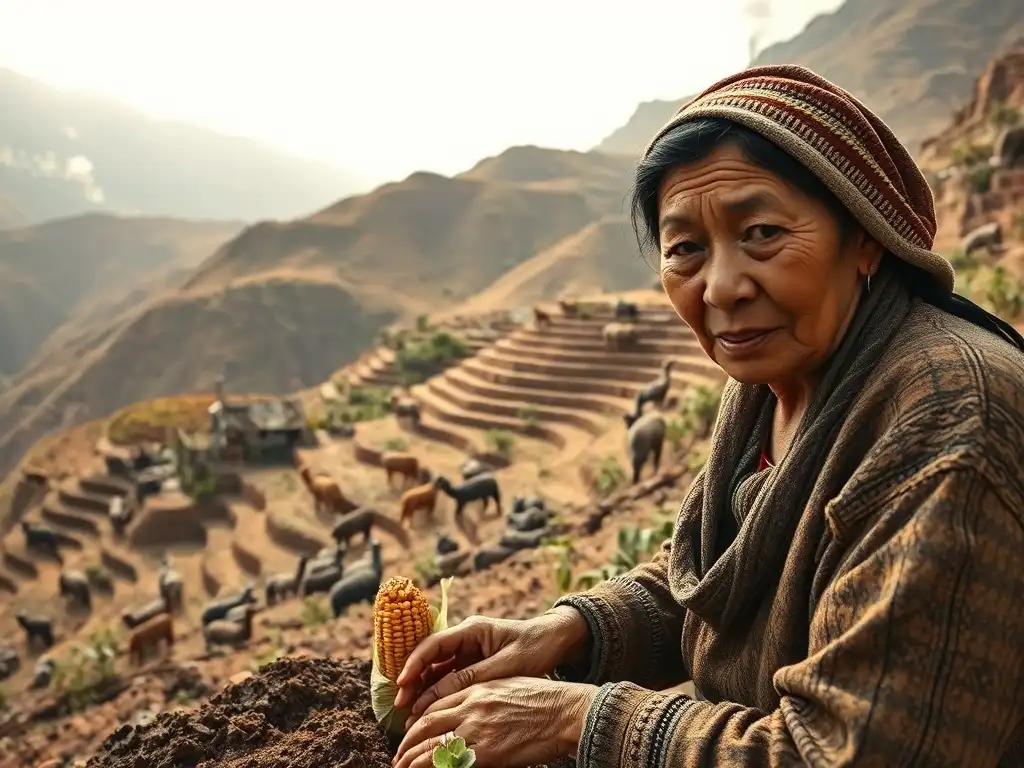
Agriculture was the backbone of Andean civilizations, profoundly shaping the lives of ordinary people. The success or failure of harvests directly impacted the social fabric, economic stability, and even the political landscape. Unlike societies reliant on hunting and gathering, the Andean population developed intricate agricultural systems tailored to the challenging terrain and diverse climates of the Andes Mountains.
This reliance on agriculture meant that the lives of ordinary people were inextricably linked to the rhythms of planting, growing, and harvesting. A good harvest meant abundance and prosperity, while a poor one could lead to famine and social unrest. The ingenuity and resilience displayed in adapting to such a demanding environment is a testament to the resourcefulness of these Andean civilizations ordinary people.
Traditional Farming Techniques and Crop Cultivation in the Andes
Andean farmers employed sophisticated techniques to maximize crop yields in the challenging Andean environment. Terracing, for example, was a crucial innovation. By carving steps into the mountainsides, farmers created level plots of land, preventing soil erosion and maximizing the use of available space. This technique, visible in many Andean landscapes even today, allowed for efficient irrigation and cultivation, even on steep slopes. Furthermore, they developed a deep understanding of water management, constructing complex irrigation systems, canals, and aqueducts to channel water from rivers and streams to their fields. This was particularly important in drier regions.
The crops cultivated varied according to altitude and climate. At lower altitudes, crops like maize (corn), beans, and squash were prevalent, forming the basis of the Andean diet. At higher altitudes, hardy crops like potatoes, quinoa, and various tubers thrived. The cultivation of these diverse crops demonstrates a remarkable understanding of agriculture and adaptation to different environmental conditions.
The development of these farming techniques wasn't just a matter of survival; it also facilitated population growth and the development of complex social structures. The mastery of these techniques by ordinary people was essential to the flourishing of Andean civilizations. The intricate systems of terraces and irrigation visible today are a powerful reminder of their agricultural prowess.
Food Preparation and Dietary Habits of the Ancient Andean Civilizations
The Andean diet, based primarily on the crops mentioned above, was surprisingly diverse and nutritious. Maize was not only a staple food but also used in various processed forms, such as chicha (a fermented maize beverage) and humitas (steamed corn cakes). Potatoes were prepared in numerous ways, boiled, roasted, or dried into chuño (freeze-dried potatoes) for storage. Beans and squash complemented the diet, providing essential proteins and vitamins.
Quinoa, a highly nutritious grain, played a significant role, particularly at higher altitudes. The dietary habits of Andean civilizations ordinary people varied depending on the region and the season, but the common thread was a reliance on locally grown crops, ensuring a balanced and sustainable food system. Evidence suggests a rich culinary culture, with varied cooking methods and food preservation techniques. The everyday meals of these ancient people, while simple, were essential to their health and productivity.
The ingenuity in preserving and preparing food in challenging conditions is a key aspect of understanding their resilience and adaptation. Further research into specific regional variations in diet would illuminate the lives of Andean civilizations ordinary people even more. Archaeological findings continue to reveal new details about their food preparation techniques and the importance of food in their social and religious practices. 🍜
Crafts and Trades: The Skills of Andean Ordinary People
The vibrant tapestry of Andean civilizations wasn't woven solely by emperors and priests. Understanding Andean civilizations ordinary people requires delving into the daily lives of artisans, farmers, and builders – the unsung heroes who sustained these complex societies. Their skills and crafts, passed down through generations, represent a remarkable ingenuity and adaptation to the challenging Andean environment.
From the intricate textiles adorning their bodies to the sturdy tools shaping their world, their contributions were fundamental to the success and cultural richness of pre-Inca societies. Analyzing these crafts offers a unique window into their beliefs, social structures, and daily routines, painting a far more complete picture of Andean life than grand monuments alone can provide. The mastery of various trades not only ensured survival but also contributed significantly to the development of sophisticated social hierarchies and inter-regional exchange networks.
Textile Production and Weaving Traditions in Pre-Incan Societies
Textile production was a cornerstone of Andean life, far surpassing mere clothing provision. The remarkable skill in weaving, dyeing, and embellishing textiles reflects a deep understanding of both natural resources and intricate techniques. Pre-Inca societies, such as the Paracas and Nazca cultures, are renowned for their incredibly fine textiles, often incorporating vibrant colors derived from natural sources like plants and minerals. These textiles weren't just utilitarian; they served crucial social functions.
The complexity of designs often indicated social status, with elaborate weavings signifying elite members of society. For example, the intricate tapestry-like textiles of the Paracas culture, often featuring complex iconography and masterful use of varied techniques, showcase the high level of skill and artistry achieved by Andean weavers. Evidence suggests specialized workshops existed, employing numerous individuals in various stages of production, from fiber preparation to final embellishment.
This intricate system involved a complex division of labor, highlighting the significant social and economic role of textile production within the broader Andean societal fabric. The durability and artistry of these textiles also suggest a high value placed on craftsmanship, showcasing the dedication and skill of these Andean artisans. Further research into specific dye techniques and fiber types used by different pre-Inca groups would provide more detailed insights into their technological advancements and cultural practices.
Pottery Making and Ceramics: A Glimpse into Andean Artistry
Andean pottery wasn't merely functional; it served as a powerful medium for artistic expression and social communication. The diverse styles and techniques used across different Andean cultures reveal a remarkable range of aesthetic preferences and technological capabilities. From the simple, utilitarian vessels used for everyday tasks to the highly decorated ceremonial pieces, pottery provides invaluable insights into the beliefs, rituals, and social structures of these societies.
The Moche culture, for instance, is celebrated for its incredibly lifelike and detailed pottery depicting scenes of daily life, warfare, and religious rituals. These detailed depictions offer a unique window into their worldview and social organization. The use of different clays, firing techniques, and decorative elements—such as painting, incision, and modeling—demonstrates a high level of technical skill and artistic sophistication.
The prevalence of specific motifs and styles across various regions suggests the existence of both regional variations and shared cultural traditions, reflecting the complex interplay between local innovations and broader cultural exchanges within the Andes. Moreover, the sheer volume of pottery found in archaeological sites underscores its importance in everyday life, showcasing the widespread accessibility of this craft and its integral role within Andean societies. Further research, focusing on compositional analysis of clay types and stylistic variations across different time periods and geographical locations, would provide a more nuanced understanding of the development and dissemination of pottery-making techniques.
Metalworking and the Development of Tools by Andean Artisans
The mastery of metallurgy represents a significant technological achievement in Andean civilizations. The ability to work with metals like copper, bronze, gold, and silver enabled the creation of sophisticated tools, weapons, and ornaments. While the precise origins and development of Andean metallurgy remain a subject of ongoing research, evidence suggests that the techniques gradually evolved over time, with innovations spreading across different regions. The development of sophisticated tools, such as chisels, hammers, and molds, facilitated the production of intricate metal objects.
The Tiahuanaco culture, for example, is known for its mastery of metalworking, producing finely crafted tools and ornaments. The production of these objects required specialized knowledge and skill, implying a level of social organization and expertise that extended beyond the individual artisan. The presence of metal artifacts in burials and ceremonial contexts highlights their symbolic and social significance, suggesting that metalworking played a crucial role in social hierarchy and religious practices.
Furthermore, the trade and exchange of metal objects across different regions indicate the importance of metallurgical expertise in the broader Andean economy and the development of inter-regional networks. Analyzing the chemical composition of metal artifacts from different regions and time periods would provide further insights into the sources of raw materials and the development of metallurgical techniques across the Andes. The impact of metalworking on Andean societies, from agriculture to warfare, warrants further investigation.
Spiritual Beliefs and Rituals in the Daily Lives of the Andean People
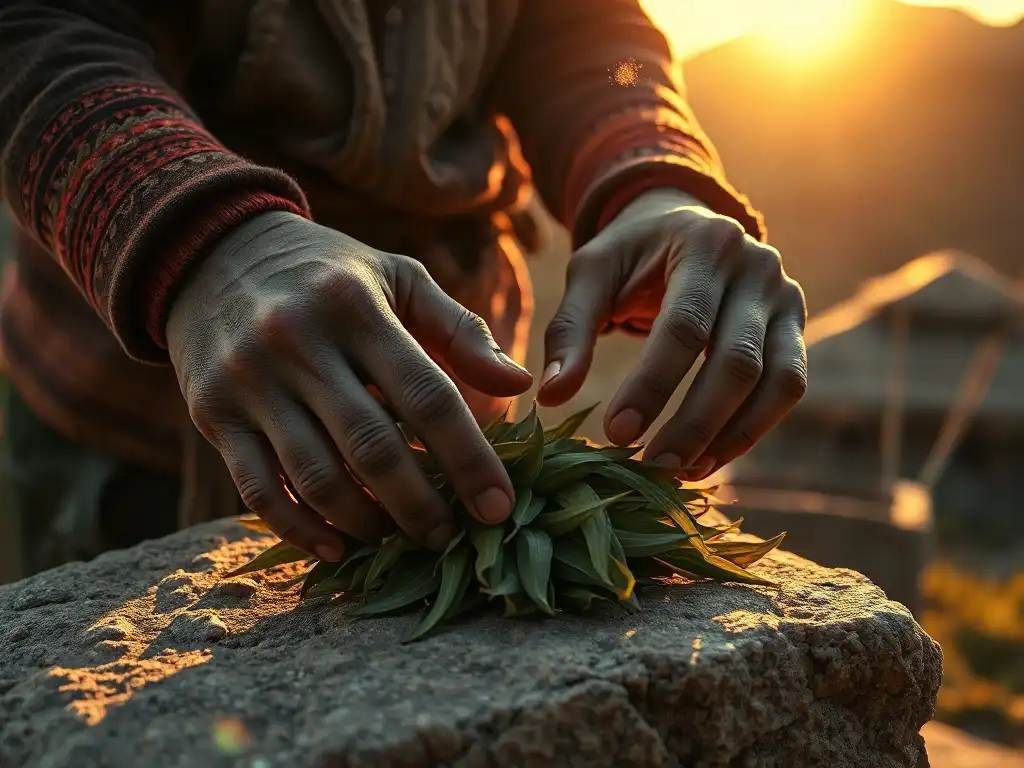
The Andean worldview, even for ordinary individuals, was deeply intertwined with spirituality. Life wasn't simply about survival; it was a constant negotiation with the unseen world, a complex interplay of forces both natural and supernatural. Understanding the daily lives of these people requires appreciating their profound reverence for the apus (mountain spirits), the pachamama (Earth Mother), and the ancestral spirits. Unlike the often-grand narratives focused on elite rulers, the spiritual practices of common Andean citizens reveal a rich tapestry of belief systems, woven into the fabric of their everyday existence.
This wasn't a religion practiced solely in temples; it was lived, breathed, and felt in every aspect of their lives. The impact of this pervasive spirituality on agriculture, social structures, and even personal relationships was profound. Analyzing archaeological findings and surviving ethnographic accounts provides insights into these fascinating and often overlooked practices.
Religious Practices and Ceremonies of the Common Andean Citizen
The religious practices of ordinary Andean people were far from standardized, varying across regions and even within communities. However, certain common threads emerge. Daily life often incorporated small, personal rituals. For example, before planting crops, a farmer might offer coca leaves and a prayer to the pachamama, requesting a bountiful harvest.
Similarly, before consuming a meal, a simple offering might be made, acknowledging the earth's generosity. These seemingly insignificant acts were powerful expressions of gratitude and respect, reinforcing the symbiotic relationship between humans and the natural world. Larger, communal ceremonies, often tied to the agricultural cycle, were also crucial. These events involved the whole community, strengthening social bonds while simultaneously honoring the deities and ancestors.
Archaeological evidence, such as the remains of ceremonial sites located near agricultural fields, supports this understanding. The frequency and scale of these ceremonies would likely have varied depending on factors such as the community’s size, the success of the harvest, and the overall well-being of the community. We can hypothesize that times of hardship may have seen an intensification of these practices, reflecting a deeper need for spiritual support and intervention.
The Role of Ancestors and Deities in the Andean Worldview
The Andean worldview placed immense importance on both deities and ancestors. The apus, the powerful mountain spirits, were often seen as intermediaries between the human world and the celestial realm. They were revered and appeased through offerings and ceremonies, ensuring their continued benevolence. The pachamama, the Earth Mother, was the source of all life, providing sustenance and nurturing the land. Respecting her was paramount to the survival of the community.
Beyond these major deities, a vast pantheon of lesser spirits inhabited the natural world, each with its own sphere of influence. Ancestors, too, held a significant role. They were believed to continue to influence the lives of their descendants, acting as protectors and guides. This belief system fostered a strong sense of community and continuity across generations.
The mummification practices of some Andean cultures, and the prominent role of ancestor veneration in their rituals, highlight the enduring importance of the deceased in the lives of the living. Furthermore, the intricate textiles and ceramics often depict deities and ancestors, demonstrating the permeation of these beliefs throughout all aspects of their material culture. This deep connection to the spiritual realm extended beyond the elite; it shaped the daily lives and worldview of every Andean citizen, influencing their decisions and actions in profound ways. Further research into the specific roles of different deities in various Andean communities would offer more nuanced insights into the diversity of their spiritual beliefs.
Housing and Settlements of the Andean Population
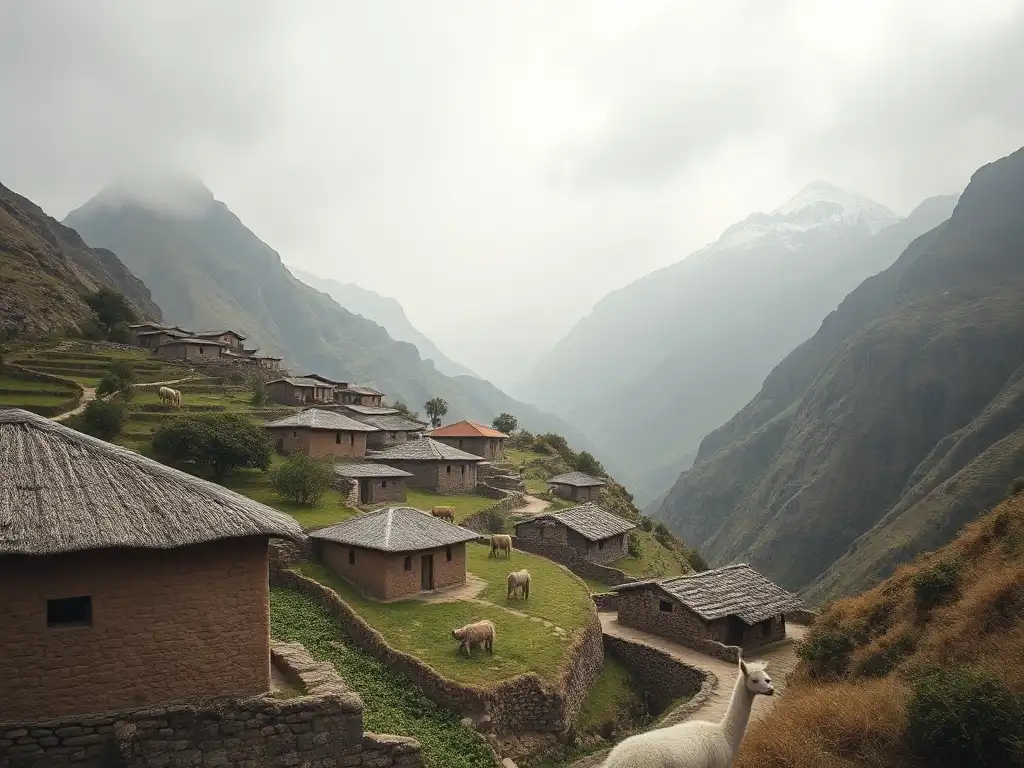
Understanding the lives of ordinary people in Andean civilizations requires examining their daily environment. Their homes, settlements, and the way they organized their communities reveal much about their social structures, economic activities, and relationship with the environment. Analyzing these aspects helps us move beyond the grand narratives of powerful rulers and empires, and instead, focus on the lived experiences of the majority. This section will explore the housing and settlement patterns of pre-Inca Andean populations, specifically focusing on the ordinary people who built and inhabited these spaces. The keyword "Andean civilizations ordinary people" is central to this exploration.
Types of Dwellings and Construction Methods Used by Ordinary People
The construction of dwellings varied significantly across different Andean regions and time periods. However, some commonalities emerge when considering the housing of ordinary people. Simple, rectangular structures made of adobe (sun-dried mud bricks) were prevalent in many areas. These were often single-room dwellings, though larger family units might have interconnected rooms. The size and complexity of the dwelling often reflected the family's wealth and social standing, but even the humblest homes displayed remarkable ingenuity in their construction.
The availability of local materials dictated building techniques. Stone was used extensively in regions where it was readily accessible, resulting in more durable structures. In other areas, wattle and daub (a framework of interwoven sticks plastered with mud) was common, especially for temporary or less permanent structures. Thatch roofing was widely used, offering insulation and protection from the elements. The integration of these materials demonstrates a deep understanding of local ecologies and resource management.
Interestingly, some archaeological evidence suggests a degree of standardization in dwelling size and layout within particular communities, implying a degree of social regulation or shared building practices. Further research is needed to fully understand the extent of this standardization and its implications for social organization. The diversity in materials and techniques, however, underscores the adaptability and resilience of Andean communities in the face of diverse environmental challenges. This adaptability is a crucial element of the story of "Andean civilizations ordinary people".
Village Life and Community Organization in the Andes
Village life in the Andes was far from isolated. Communities were often organized around agricultural practices and access to water sources. The layout of settlements often reflected a strong connection to the land, with houses clustered together for mutual support and defense.
This proximity fostered a sense of community and facilitated cooperation in farming, irrigation, and other essential tasks. The concept of ayllu, a kinship-based social group, played a crucial role in organizing labor and distributing resources. While the details of ayllu organization varied across regions, it was a fundamental aspect of social life for many Andean communities, shaping their daily routines and social hierarchies.
Evidence suggests a complex interplay between individual households and the wider community. While individual families owned and maintained their homes, communal spaces likely existed for activities such as weaving, pottery making, or religious rituals. This blend of individual autonomy and collective participation exemplifies the intricate social fabric of Andean societies.
Understanding the daily lives of ordinary people within these communities requires careful analysis of settlement patterns, architectural features, and the evidence of communal activities. This contextualization enriches our understanding of the broader narrative of "Andean civilizations ordinary people," moving beyond simplified portrayals of ancient societies. Further investigation into the specifics of village governance and social structures is needed to fully appreciate the nuances of this complex social organization.
Challenges and Hardships Faced by Ordinary People in the Andean Region
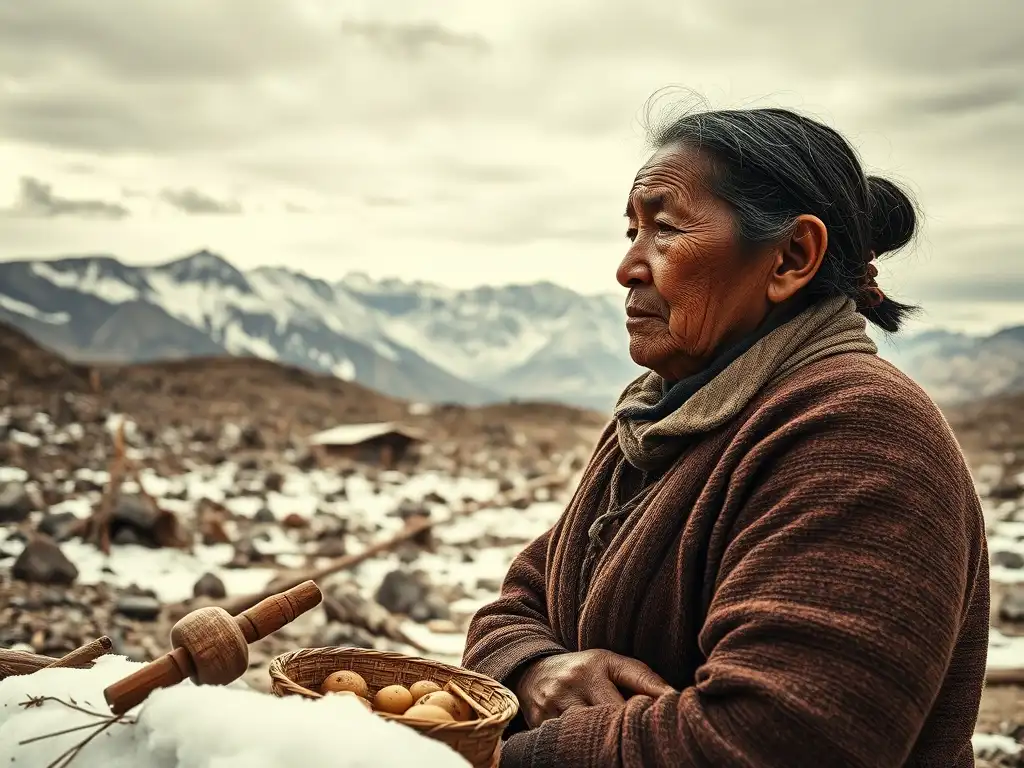
The lives of ordinary people in the Andean region before the Inca empire were far from easy. Survival demanded resilience, adaptability, and a deep understanding of their challenging environment. While monumental architecture and sophisticated technologies often dominate narratives of Andean civilizations, the daily realities of the common person were shaped by relentless struggles against the elements and the rigid structures of their societies.
Understanding these challenges provides a crucial counterpoint to the often-romanticized depictions of pre-Columbian Andean cultures. This section will explore some of the key hardships faced by these unsung heroes, focusing on the interplay between environmental pressures and social hierarchies. The keyword "Andean civilizations ordinary people" is central to understanding this often-overlooked aspect of Andean history.
Environmental Factors and Their Impact on Daily Life
The Andean region presents a formidable environment. High altitudes, unpredictable weather patterns, and steep, treacherous terrain significantly impacted the daily lives of ordinary people. Agriculture, the cornerstone of their existence, was a constant battle against the odds. Farming techniques, while sophisticated for their time, were heavily reliant on the availability of water and fertile land, both of which were often scarce.
Terracing, a remarkable feat of engineering, was crucial for maximizing arable land, but creating and maintaining these terraces required immense physical labor. The cyclical nature of the Andes’ climate, with its distinct wet and dry seasons, meant that food security was never guaranteed. Droughts could lead to widespread famine, while floods could destroy crops and homes.
Furthermore, the thin air at high altitudes made physical labor even more demanding, placing a strain on the health and well-being of the population. The impact of environmental factors on the lives of ordinary people in Andean civilizations is thus inextricably linked to their survival strategies and social organization. Understanding this relationship is crucial for appreciating the resilience and ingenuity of these communities.
Social hierarchies significantly influenced the experiences of ordinary people in pre-Incan Andean societies. While the precise structures varied across different cultures (Moche, Nazca, Tiahuanaco, etc. ), a clear stratification existed, with elites holding considerable power and influence.
This often translated into unequal access to resources, labor demands, and the burden of taxation – in the form of tribute or labor services – falling disproportionately on the commoners. Archaeological evidence suggests that the majority of the population was engaged in agricultural labor, crafting, or other essential tasks that supported the elite. The power dynamics within these communities were often reinforced through religious beliefs and rituals, which further legitimized the authority of the ruling classes.
While the details of these power structures require further research for specific Andean civilizations, the general pattern of unequal distribution of resources and labor obligations was a significant factor shaping the lives of ordinary people. The consequences of this inequality are reflected in the archaeological record, highlighting the stark contrast between the lavish lifestyles of the elite and the often-harsh realities faced by the majority. Further research into specific regional variations would further enrich our understanding of "Andean civilizations ordinary people" and their experiences within this complex social landscape.
Legacy and Contributions of the Andean Ordinary People
The Andean civilizations, often remembered for their powerful rulers and impressive monuments, were fundamentally shaped by the contributions of their ordinary people. Far from passive participants, these individuals—farmers, artisans, builders, and religious practitioners—were the backbone of these complex societies. Their ingenuity, resilience, and daily efforts are crucial to understanding the true nature of Andean development. Ignoring their contributions leads to an incomplete and ultimately inaccurate portrayal of Andean history. This section delves into the lasting impact of these unsung heroes, exploring their enduring influence on modern Andean society and celebrating their remarkable achievements.
The Enduring Influence of Pre-Incan Cultures on Modern Andean Society
The legacy of Andean ordinary people extends far beyond the ruins we see today. Their agricultural innovations, for example, continue to shape farming practices in the Andes. Techniques like terracing, developed centuries ago to maximize arable land in mountainous regions, remain vital for food production. These ancient methods, refined over generations by countless Andean farmers, demonstrate a profound understanding of the environment and a remarkable capacity for adaptation.
Furthermore, traditional Andean textiles, created using techniques passed down through generations of skilled artisans, are still highly valued for their beauty and craftsmanship. The vibrant colors, intricate designs, and enduring quality of these textiles reflect the dedication and expertise of generations of ordinary Andean people. Even today, many Andean communities maintain traditional weaving practices, preserving a tangible link to their ancestors.
The impact of pre-Incan agricultural practices is particularly noteworthy. The intricate systems of irrigation canals, carefully constructed to channel water to fields across steep slopes, are testaments to the advanced engineering skills of ordinary Andean people. These systems, many of which are still functional today, represent a remarkable feat of collective effort and planning.
The evidence suggests a sophisticated understanding of water management and a deep commitment to community collaboration, essential for the success of large-scale irrigation projects. The continued use of these systems highlights the enduring value of pre-Incan ingenuity and the importance of preserving traditional knowledge. Moreover, the social structures and community organization that facilitated these large-scale projects provide valuable insights into the social dynamics of Andean civilizations, showcasing the active participation of ordinary people in shaping their societies.
Honoring the Resilience and Ingenuity of the Andean Population
The harsh environment of the Andes presented significant challenges to its inhabitants. Extreme altitudes, unpredictable weather patterns, and difficult terrain demanded remarkable resilience and ingenuity. The ordinary people of the Andes not only survived but thrived in this challenging environment, developing sophisticated technologies and social structures that allowed them to flourish.
Their ability to adapt to changing conditions, evidenced by their innovative agricultural practices and resilient social organization, is a testament to their remarkable capabilities. Their achievements were not merely the result of individual brilliance but rather the product of collective effort, cooperation, and a deep understanding of their environment.
Consider, for example, the development of frost-resistant crops and the ingenious methods of storing food to ensure survival during lean times. These achievements demonstrate an intimate knowledge of the local ecosystem and a remarkable capacity for innovation. The construction of impressive architectural feats, such as the intricate stonework of Machu Picchu or the monumental structures of Tiahuanaco, while often attributed to elite planners and rulers, relied heavily on the labor and skill of ordinary Andean people.
Their contributions, though often overlooked, were essential to the realization of these ambitious projects. The construction of these sites required immense physical effort, meticulous planning, and a high degree of technical expertise, all reflecting the capabilities and dedication of the Andean population. Understanding their crucial contributions paints a far more accurate and nuanced picture of Andean societies.
The resilience and ingenuity of the Andean ordinary people should be celebrated as a crucial element in the narrative of Andean civilizations. Their stories are vital to a complete understanding of these remarkable societies and their lasting legacy.
Frequently Asked Questions
What role did ordinary people play in Andean civilizations?
Ordinary people were the backbone of Andean societies. They were farmers, artisans, builders, and religious participants, contributing significantly to the economic and social fabric. Their daily lives shaped the civilizations.
How did the lives of ordinary Andeans differ from those of elites?
While elites enjoyed privileged access to resources and power, ordinary people lived simpler lives focused on agriculture and craft production. However, they were integral to the functioning of the empire and participated in religious festivals and community events.
What evidence do we have about the lives of ordinary Andeans?
Archaeological evidence, such as housing remains, tools, textiles, and burial sites, reveals much about their daily lives. Ethnohistorical accounts and colonial records also offer valuable insights, though often filtered through a biased lens.
What were the main challenges faced by ordinary people in the Andes?
Ordinary Andeans faced challenges such as harsh environmental conditions, disease, and demanding labor requirements. They also experienced social inequalities and the demands of the state, which could include tribute payments and military service.
How did ordinary people contribute to the impressive achievements of Andean civilizations?
Their collective labor was crucial to constructing monumental structures, maintaining complex irrigation systems, and producing the agricultural surplus that sustained these civilizations. Their craftsmanship and innovation also contributed significantly to the vibrant Andean cultures.
Final Reflection: Echoes of the Andes: A Legacy of Resilience
The lives of ordinary Andean people, often overlooked in grand narratives of empires and conquests, offer a powerful testament to human resilience and adaptation. Their stories, woven into the very fabric of the Andes mountains, continue to resonate today, reminding us of the enduring strength of the human spirit in the face of adversity. We must actively seek out and amplify these voices, ensuring their contributions are not lost to history.
The impact of these unsung heroes extends far beyond the historical record; their ingenuity and resourcefulness continue to shape Andean cultures and inspire contemporary communities. Their deep connection to the land, their intricate social structures, and their remarkable capacity for innovation serve as a powerful example for us all. The past is never dead. It's not even past.
- William Faulkner. This quote rings true when considering the enduring legacy of Andean civilizations, particularly the contributions of those whose names may never be known. Their traditions, practices, and values persist, shaping the identity and resilience of Andean communities today.
Consider the challenges faced by these individuals, their triumphs, and their enduring spirit. You too possess the capacity for resilience, innovation, and community building. Let the stories of the unsung heroes of the Andes inspire you to appreciate the strength within yourself and within your own communities. Embrace the lessons of adaptation and perseverance, and strive to build a future where every voice, no matter how seemingly small, is heard and valued.
Celebrate Their Stories: Take Action Now!
Thank you for exploring the inspiring lives of ordinary people in the Andes. Their stories reveal the strength and resilience of Andean culture. Now, you can take action to make a difference.
- Share the Inspiration: Spread awareness by sharing this article on social media. Let's amplify the voices of these remarkable individuals.
- Engage with the Community: Join our Andean Civilizations community forum to connect with other readers, share your thoughts, and learn more about the vibrant cultures of the Andes.
- Discover More: Explore local projects supporting Andean communities and consider getting involved. Your contribution can have a significant impact.
What story from the Andean people resonated with you most, and how will you share that experience?