
Andean Water Management and its Role in Urban Development

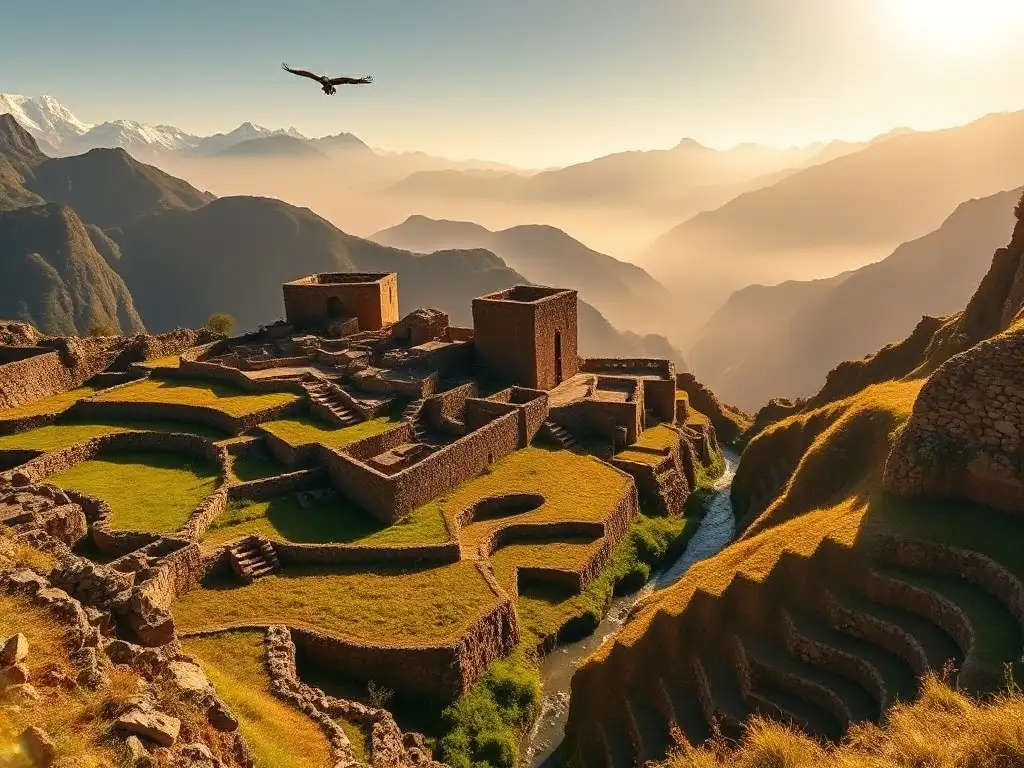
Step into a world lost to time, yet echoing with ingenuity. For centuries, the towering peaks of the Andes held secrets—secrets of breathtaking artistry, sophisticated societies, and unparalleled engineering feats. But none is more captivating than the masterful water systems that sustained these mighty Andean civilizations. Uncover the intricate story behind Andean civilizations water systems and their crucial role in shaping these remarkable urban landscapes. Prepare to be amazed.
- Andean Civilizations Water Systems: A Legacy of Ingenuity
- Pre-Inca Water Management Techniques
- Inca Water Engineering and Urban Planning
- Andean Water Management and Sustainable Practices
- The Impact of Andean Water Systems on Urban Development
- Andean Civilizations Water Systems: A Conclusion on Innovation
-
Frequently Asked Questions
- How did Andean civilizations manage water resources?
- What was the significance of water for Andean urban development?
- Did all Andean cultures have the same water management techniques?
- What challenges did Andean civilizations face in managing water?
- What evidence remains of Andean water management systems today?
- Final Reflection: The Enduring Legacy of Andean Water Wisdom
- Embrace Sustainable Solutions for Urban Growth!
Andean Civilizations Water Systems: A Legacy of Ingenuity
The Andes Mountains, a formidable and breathtaking landscape, presented significant challenges to the ancient civilizations that thrived within its shadow. The region's diverse geography, ranging from high-altitude plains to coastal deserts, is characterized by dramatic variations in climate and rainfall. This inherent scarcity of water, coupled with the need to support burgeoning populations and complex societies, necessitated the development of sophisticated and ingenious water management systems.
This article explores the remarkable achievements of Andean civilizations in harnessing water resources, examining their impact on urban development and demonstrating the crucial role these systems played in shaping their cultural and social structures. From the intricate canal networks of the Nazca to the impressive hydraulic infrastructure of the Inca, we will delve into the ingenuity and technological prowess of these ancient societies, highlighting their mastery of water management as a key factor in their success and lasting legacy.
The keyword "Andean civilizations water systems" will be examined through the lens of their impact on urban planning, agricultural practices, and societal organization. We will uncover how these systems not only provided essential resources but also shaped the very fabric of Andean life, leaving behind a testament to their remarkable adaptation and resilience.
The Importance of Water Management in Ancient Andean Societies
Water was, and remains, the lifeblood of the Andes. For ancient Andean societies, access to reliable water sources was paramount for survival and prosperity. Their ingenuity in overcoming the challenges of a naturally arid and unpredictable climate is truly remarkable.
The successful cultivation of crops like potatoes, maize, and quinoa, staples of the Andean diet, heavily relied on effective irrigation systems. These systems weren't merely functional; they were deeply intertwined with religious beliefs and social structures. Water was often seen as a sacred element, and its management was closely tied to religious rituals and ceremonies.
The construction and maintenance of these systems were collective efforts, requiring significant social organization and collaboration, demonstrating a high level of societal complexity and cooperation. The distribution of water resources, often controlled by elites or religious leaders, also played a significant role in maintaining social order and political power within these societies. Evidence suggests that access to water, and the control over its distribution, was a critical factor in determining the wealth and influence of different communities.
The impact of water management extended beyond agriculture. The construction of sophisticated irrigation systems also facilitated urban development. The ability to provide a reliable water supply to urban centers allowed for population growth and the development of complex social and political structures.
Without effective water management, the growth of large urban settlements in the harsh Andean environment would have been simply impossible. The intricate relationship between water management and urban development underscores the critical role of water in shaping the trajectory of Andean civilizations. Accurate figures on the scale of these projects are still being researched, but the sheer magnitude of some of the feats of engineering is undeniable, highlighting the advanced understanding of hydraulics and civil engineering possessed by these ancient cultures.
Understanding the Arid Landscape and Water Scarcity in the Andes
The Andean region is characterized by significant variations in altitude, resulting in a diverse range of climatic conditions. While some areas receive abundant rainfall, many others experience chronic water scarcity. The high altitudes are often subject to freezing temperatures and unpredictable snowfall, while the coastal deserts are extremely arid.
This variability presented a major challenge to the inhabitants of the Andes, demanding innovative solutions for water management. Ancient Andean societies developed sophisticated techniques to collect, store, and distribute water, adapting their strategies to the specific conditions of their environment. These included the construction of intricate canal systems, reservoirs, and subterranean aqueducts, demonstrating a profound understanding of hydrology and engineering principles.
Understanding the challenges posed by the arid landscape is crucial to appreciating the ingenuity of Andean water management. The lack of reliable rainfall necessitated the development of complex systems for capturing and storing water from various sources, including snowmelt, rivers, and springs. The techniques employed varied across different regions and civilizations, reflecting the unique environmental conditions and technological capabilities of each society. The development of these systems was a continuous process of adaptation and refinement, with innovations being made over centuries to improve efficiency and resilience. For example, the use of terraces to reduce soil erosion and improve water retention played a crucial role in agricultural productivity in many Andean communities. These techniques not only addressed water scarcity but also contributed to the sustainability of agricultural practices in a challenging environment. Further research is needed to fully quantify the impact of these techniques on agricultural yields and overall societal resilience.
Pre-Inca Water Management Techniques
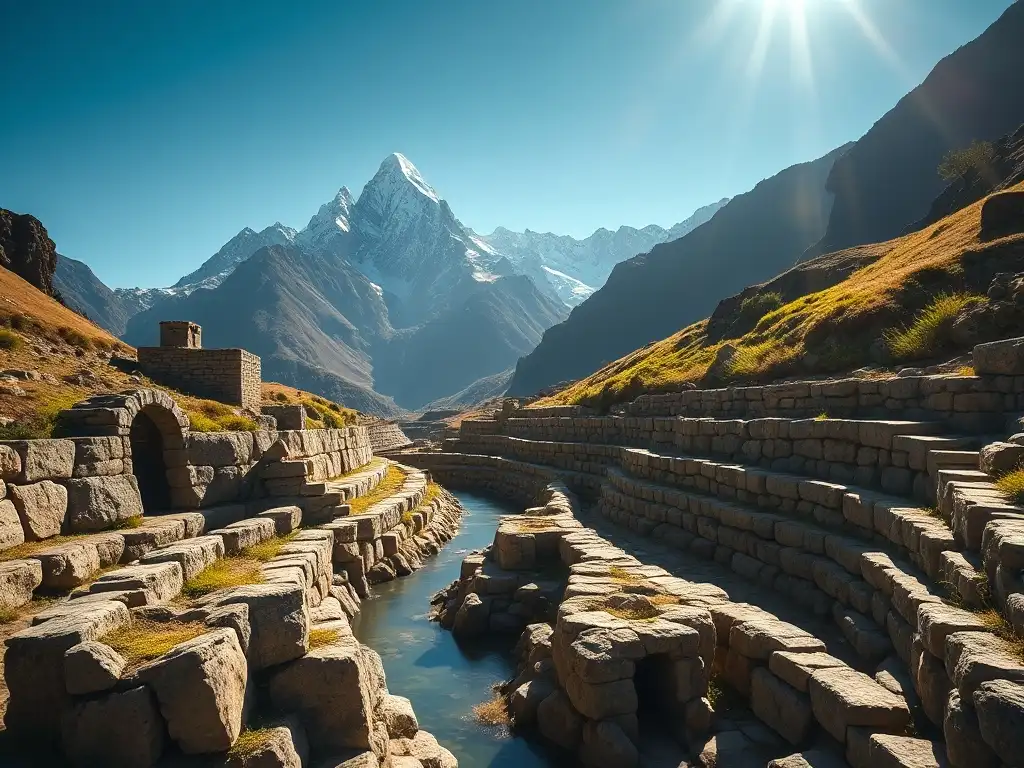
The ingenuity of Andean civilizations in harnessing water resources predates the Inca Empire significantly. Understanding these pre-Inca water management strategies is crucial to appreciating the full scope of Andean technological prowess and its impact on urban development. These systems, developed over millennia, demonstrate a deep understanding of hydrology, topography, and the delicate balance of the Andean ecosystem.
The effectiveness of these early systems laid the groundwork for the more complex infrastructure developed by later civilizations, including the Incas. Analyzing these early techniques reveals a remarkable continuity of knowledge and adaptation to the challenging environment. The term "Andean civilizations water systems" itself encompasses a vast array of techniques, evolving over centuries.
Early Andean Water Harvesting Practices
Long before sophisticated canal networks, Andean communities employed a range of techniques to capture and store precious water resources. These practices, often integrated with agricultural techniques, were crucial for survival in the arid and semi-arid regions of the Andes. One common method involved the construction of qochas, artificial reservoirs, often built on mountain slopes or in valleys to collect rainwater runoff.
These reservoirs varied in size, from small basins capable of holding a few cubic meters to larger structures capable of sustaining entire communities. The construction of qochas involved careful consideration of the terrain and the use of local materials, such as stone and earth, demonstrating a sophisticated understanding of engineering principles. The construction also often incorporated techniques to minimize evaporation and seepage.
Evidence suggests that these qochas were often integrated into complex systems of channels and terraces, maximizing water usage efficiency. Furthermore, the use of andenes (terraces) further enhanced water retention and slowed runoff, feeding into the qochas and other water storage systems. The effective management of these early water harvesting practices greatly influenced the development of agriculture and settlements in the pre-Inca period.
Terracing and Water Conservation in Pre-Inca Agriculture
Terracing, or the creation of andenes, was a cornerstone of Andean agricultural practices, intrinsically linked to water management. These terraced fields, carved into hillsides, not only increased arable land but also played a crucial role in water conservation. The design of the terraces, often with strategically placed channels and retaining walls, slowed the flow of water, allowing it to infiltrate the soil and reduce runoff.
This method provided a more even distribution of water, minimizing erosion and maximizing crop yields. The construction of andenes required meticulous planning and considerable labor, reflecting the value placed on water resources. The precise orientation and slope of each terrace were carefully considered to optimize sunlight exposure and water retention.
Different types of terraces were built depending on the terrain and soil conditions, highlighting the adaptability of Andean agricultural techniques. Archaeological evidence shows that the construction of andenes began as early as 2500 BCE, showcasing the longevity and sophistication of this water conservation technique. The impact of andenes on the development of Andean civilizations cannot be overstated; they made intensive agriculture possible in challenging environments, contributing significantly to population growth and urban development.
The Development of Canals and Irrigation Systems by Andean Cultures
As Andean societies grew more complex, so did their water management systems. The development of canals and sophisticated irrigation networks represents a significant technological advancement. These systems, while varying in scale and complexity across different cultures, demonstrate a sophisticated understanding of hydraulic engineering. The Nazca, for example, are renowned for their extensive canal systems, which transported water across considerable distances to irrigate their fields.
These canals were often lined with stones or clay to minimize water loss through seepage. The construction of these canals required a high degree of precision and collaboration, indicating a well-organized society with specialized labor. Similarly, the Moche culture developed intricate irrigation systems, often integrating aqueducts and reservoirs to manage water flow efficiently. These systems allowed the Moche to cultivate large-scale agricultural projects, supporting the growth of their urban centers.
The intricate design and engineering of these pre-Inca canal systems highlight the advanced technological capabilities of these cultures and their profound understanding of water's critical role in urban development and agricultural productivity. Detailed studies of these systems continue to reveal new insights into the remarkable achievements of Andean civilizations in water management. The legacy of these pre-Inca systems significantly influenced the development of later Inca irrigation projects.
Inca Water Engineering and Urban Planning
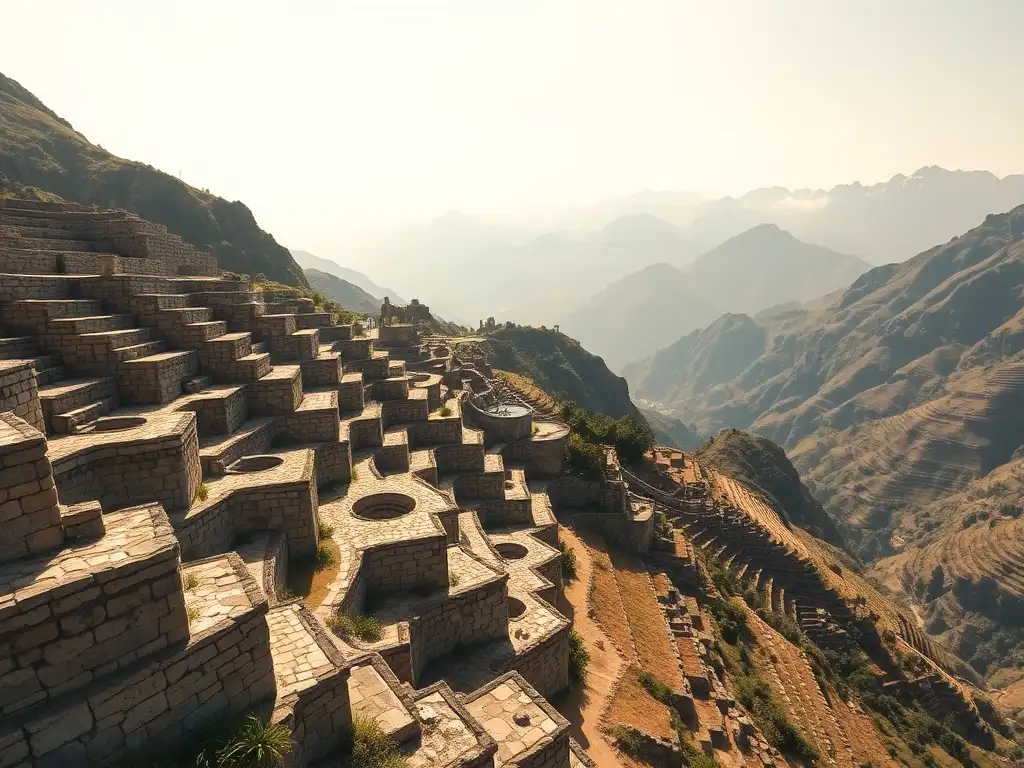
The ingenuity of the Inca civilization is profoundly evident in their mastery of water management, a crucial factor in their urban development and societal success. Their sophisticated understanding of hydraulics allowed them to create thriving urban centers, even in challenging Andean terrains. This wasn't merely a matter of supplying water for drinking; it was integral to their religious beliefs, agricultural practices, and the very fabric of their urban planning.
The effective management of water resources demonstrates a deep understanding of the environment and a remarkable capacity for large-scale engineering projects, solidifying their position as masters of Andean civilizations water systems. Their approach differed significantly from other Andean cultures, reflecting their unique societal structure and imperial ambitions. Understanding Inca water management provides valuable insights into their overall societal organization and technological prowess.
The Role of Water in Inca Urban Design
Inca urban design was intrinsically linked to water. Cities weren't haphazardly built; instead, they were meticulously planned around the availability and control of water. Water channels, fountains, and carefully constructed irrigation systems were not mere practicalities; they were deeply symbolic elements shaping the urban landscape.
The placement of temples, palaces, and residential areas often reflected the flow of water, emphasizing its sacred and life-giving properties. For example, the city of Cusco, the Inca capital, was built around a complex network of canals and fountains, with water playing a central role in the city's religious and social life. The precise alignment of buildings with water sources suggests a deliberate and highly organized approach to urban planning, highlighting the importance of water in both the physical and spiritual dimensions of Inca life.
[Specific examples of Cusco's water-centric urban design pending]. Detailed analysis of Inca city layouts reveals the centrality of water management in their urban design philosophy.
Inca Aqueducts and Their Engineering Marvels
Inca aqueducts stand as testament to their remarkable engineering skills. These weren't simple canals; they were sophisticated systems capable of transporting water across challenging terrain, often involving intricate tunnels, bridges, and carefully graded channels. The construction techniques employed, including the use of stone blocks fitted without mortar, were remarkably precise and durable, allowing these systems to function for centuries. The skill in channeling water across varied elevations showcases a deep understanding of hydraulics and engineering principles.
The construction of these aqueducts involved massive labor organization, underlining the highly centralized and structured nature of the Inca empire. [Data on the average length and capacity of Inca aqueducts pending]. One can only marvel at the precision and scale of these engineering feats, further emphasizing the sophistication of Andean civilizations water systems under Inca rule.
Water Distribution and Control in Inca Cities
The distribution and control of water within Inca cities were equally impressive. Water was not simply channeled; it was carefully managed and regulated to ensure equitable distribution and prevent waste. This involved a complex system of canals, reservoirs, and fountains, all meticulously designed and maintained. The use of strategically placed control structures allowed for the diversion and regulation of water flow, ensuring that sufficient water reached different parts of the city. This efficient management of water resources was crucial for sustaining a large urban population and supporting agricultural activities within and around the city. The system’s effectiveness is evident in the ability of Inca cities to thrive in arid and high-altitude environments. [Specific examples of water control mechanisms in Inca cities pending]. The meticulous planning and execution of these systems underscore the Inca's advanced understanding of hydraulic engineering and resource management, showcasing the sophisticated nature of Andean civilizations water systems.
Examples of Inca Water Management: Machu Picchu
Machu Picchu, the iconic "Lost City of the Incas," stands as a testament to the Inca's mastery of water management, inextricably linked to its urban development. The city's sophisticated water system, carved into the mountainside, showcases their remarkable engineering skills and deep understanding of hydraulics. Far from being a haphazard collection of channels, the system was meticulously planned and executed, reflecting a profound respect for water as a vital resource. This wasn't merely a matter of convenience; the efficient distribution of water was crucial to sustaining the city's population and its agricultural needs.
The Inca engineers cleverly harnessed the natural springs and streams that crisscross the mountain, channeling water through a network of carefully constructed canals, aqueducts, and fountains. These weren't simply open ditches; many were lined with stone, creating a remarkably durable and efficient system capable of withstanding the challenges of the steep terrain and fluctuating water levels.
The precision of the stonework is astonishing; joints were fitted so tightly that even today, centuries later, the system remains largely intact in many areas. This speaks volumes about the Inca's understanding of construction techniques and their ability to adapt to the demanding environment.
One of the most striking features of Machu Picchu's water system is its intricate network of fountains and spouts. These weren't purely ornamental; they served practical purposes, providing access points for water throughout the city. The fountains were strategically located near residential areas, agricultural terraces, and public spaces, ensuring equitable access to this precious resource. The design also incorporated ingenious features like settling basins and filters to ensure the water's purity.
The integration of these elements into the urban fabric highlights the seamless connection between water management and urban planning in Inca society. The system wasn't just about bringing water to the city; it was about integrating water into the city's very structure and social life. Evidence suggests a sophisticated understanding of water pressure and flow control, allowing for a consistent and reliable supply even during periods of drought or heavy rainfall.
This level of sophistication is rarely seen in other contemporaneous civilizations. The Machu Picchu water system is a powerful example of how Andean civilizations, specifically the Inca, integrated a deep understanding of hydrology and engineering into their city planning. The city's survival and prosperity were directly linked to this remarkably efficient and resilient system.
Andean Water Management and Sustainable Practices
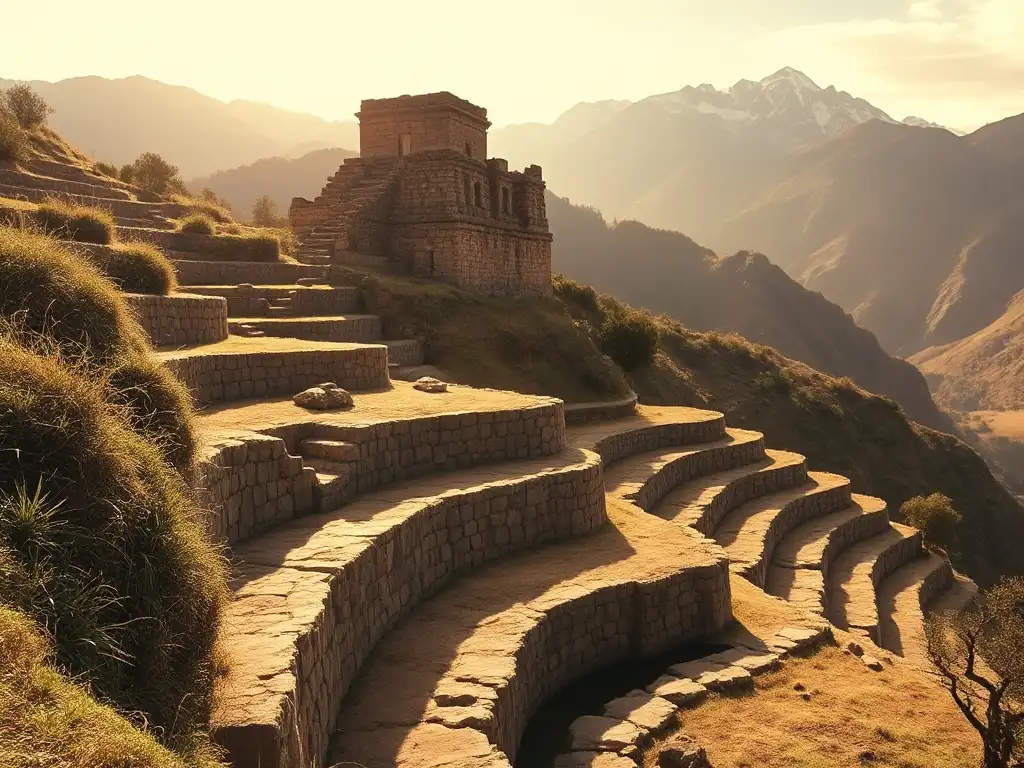
Andean civilizations, renowned for their architectural prowess and sophisticated social structures, also developed remarkably advanced water management systems. These weren't merely functional; they were integral to their worldview, reflecting a deep understanding of their environment and a commitment to sustainable resource use. The success of these systems, which sustained dense populations in challenging terrains for centuries, offers valuable lessons for contemporary water management strategies. Understanding the intricacies of these "Andean civilizations water systems" reveals a sophisticated approach to water resource management that went beyond simple irrigation.
Adaptations to the Andean Climate and Geography
The Andes Mountains present a formidable challenge for water management. High altitudes, steep slopes, variable rainfall patterns, and the presence of both arid and humid microclimates demanded innovative solutions. Andean communities adapted their water management techniques to these diverse conditions. For instance, the Incas, known for their extensive road network, also constructed sophisticated canal systems that traversed mountainsides, utilizing gravity to transport water over considerable distances.
These weren't simple ditches; they were carefully engineered channels, often lined with stone to minimize water loss through seepage. The integration of aqueducts, reservoirs, and irrigation channels allowed for efficient water distribution, even in areas with limited rainfall. The ingenuity of these systems is evident in their ability to provide water for agriculture, domestic use, and even ceremonial purposes.
Their success lay in understanding the nuances of the Andean environment and adapting their technologies accordingly. The Nazca civilization, famous for its geoglyphs, also employed sophisticated water harvesting techniques utilizing underground channels (puquios) to tap into aquifers, demonstrating a deep understanding of hydrology and groundwater management. This allowed them to thrive in a relatively arid environment.
The Significance of Andean Water Management for Modern Applications
The principles underlying Andean water management remain remarkably relevant today. Facing increasing water scarcity and the impacts of climate change, modern societies can learn valuable lessons from the ingenuity of their Andean predecessors. The emphasis on water conservation, efficient distribution, and the integration of traditional knowledge with technological advancements are all crucial aspects of sustainable water management.
The ability of Andean civilizations to successfully manage water resources in challenging environments highlights the importance of community-based approaches and the integration of traditional knowledge with modern techniques. For example, the use of terraces in agriculture, a common practice in the Andes, reduces soil erosion and optimizes water use. Similarly, the construction of reservoirs and the careful management of water flows can help mitigate the effects of droughts and floods.
The study of Andean water systems provides valuable insights into the development of sustainable and resilient water management strategies for the future. Further research into the specific materials and construction techniques employed by these ancient civilizations could lead to significant advancements in modern water infrastructure. Analyzing the long-term sustainability of these systems can provide critical data for contemporary projects.
Lessons from the Past: Water Scarcity in Lima and Ancient Techniques
Lima, the capital of Peru, currently faces significant challenges related to water scarcity. Ironically, this city, situated near the coast, was once home to flourishing pre-Columbian societies that effectively managed water resources. Understanding the ancient techniques employed in the region could offer solutions to Lima's contemporary water crisis. The ancient inhabitants of the area, like the Lima culture, implemented sophisticated irrigation systems, leveraging available water sources efficiently.
Studying their methods of water harvesting, storage, and distribution could provide valuable insights for improving water management in modern Lima. A comparative analysis of ancient and modern water management practices in Lima could reveal valuable lessons and potential solutions to address current challenges. This includes investigating the potential for reviving or adapting traditional techniques to complement modern infrastructure. For example, exploring the feasibility of integrating ancient water harvesting methods with contemporary water treatment technologies could significantly enhance water security in the region.
The integration of traditional knowledge with modern technology offers a promising pathway towards achieving sustainable water management in Lima and other water-stressed regions. Further research is needed to fully understand the potential of these ancient techniques in addressing modern challenges. [Specific information pending: Detailed comparison of ancient and modern water usage statistics for Lima].
The Impact of Andean Water Systems on Urban Development
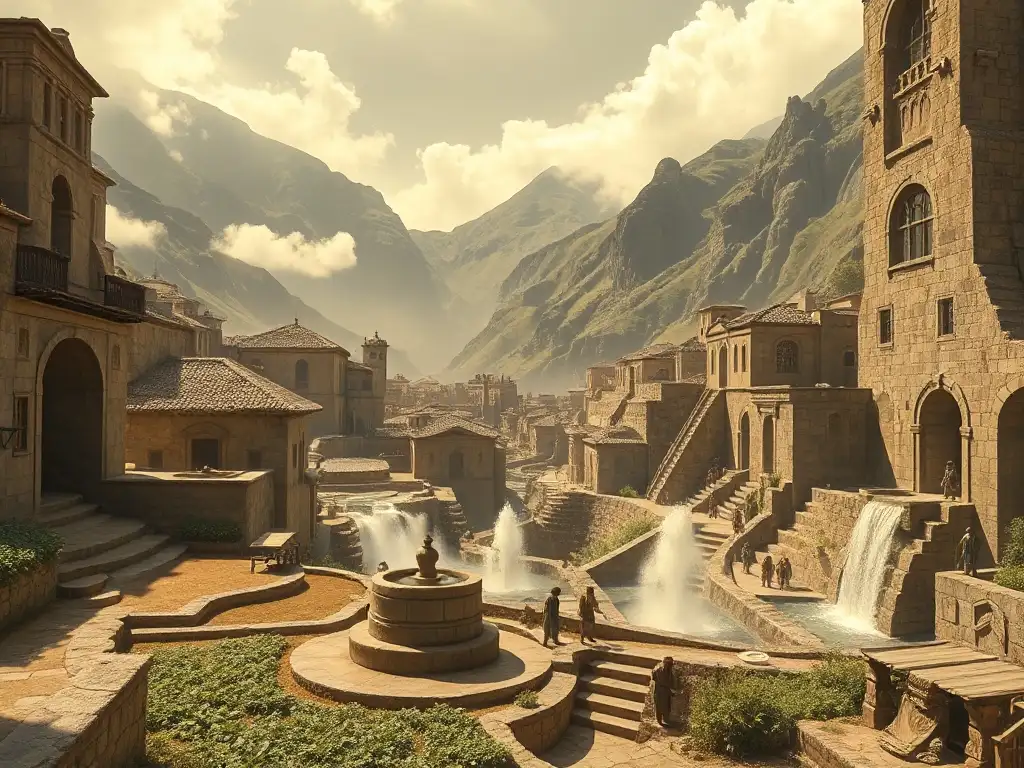
The ingenuity of Andean civilizations in harnessing water resources profoundly impacted their urban development. Unlike many other ancient societies, Andean cities weren't simply located near water sources; they were designed around them. Sophisticated water management systems, from intricate canal networks to impressive reservoirs, weren't mere afterthoughts but integral components of urban planning, directly influencing city size, layout, and social structure.
The efficient distribution of water facilitated population growth and supported complex social hierarchies, leading to the development of large urban centers like Cusco and Chan Chan. Understanding the Andean civilizations water systems is crucial to appreciating the scale and complexity of these ancient urban landscapes. The strategic placement of water infrastructure, including aqueducts and fountains, often dictated the location of key public spaces, temples, and administrative buildings, highlighting the centrality of water to Andean life and governance.
How Water Management Shaped Andean Cities
The impact of water management on Andean city planning is strikingly evident in the layout of urban centers. For instance, the Inca capital of Cusco was built around a system of carefully channeled waterways that not only provided drinking water but also served for irrigation and sanitation. The city's layout, with its intricate network of streets and canals, reflects a deep understanding of hydraulic engineering and its role in urban organization.
The canals weren't simply dug haphazardly; they were meticulously planned and integrated into the urban fabric, demonstrating a sophisticated grasp of urban design principles. Similarly, the Moche civilization, known for its advanced irrigation techniques, developed extensive canal systems that supported large, densely populated urban centers along the north coast of Peru. These canals, often carved into hillsides and extending for miles, were a testament to the Moche's engineering prowess and their ability to transform arid landscapes into thriving agricultural regions capable of sustaining significant urban populations.
Evidence suggests that the precise alignment of canals and urban structures was carefully considered, reflecting a holistic approach to urban planning that prioritized water access and efficient resource distribution. This careful planning, in turn, influenced the social dynamics and power structures within these urban communities, with access to water often correlating with social standing.
The Relationship Between Water Access and Urban Growth
A strong correlation existed between access to reliable water supplies and the growth of Andean cities. Cities with well-developed water management systems, such as those of the Tiahuanaco culture in Bolivia, experienced greater population density and sustained growth compared to settlements with limited water access. The ability to irrigate vast tracts of land enabled the production of surplus food, which in turn supported larger populations and facilitated the development of more complex social structures and specialized labor.
This surplus also allowed for the construction of monumental architecture and the maintenance of large administrative bureaucracies, further contributing to urban expansion. Conversely, periods of drought or damage to irrigation infrastructure often resulted in population decline or even the abandonment of settlements, highlighting the crucial role of water in the sustainability and growth of Andean urban centers.
Analyzing the growth patterns of different Andean cities reveals a clear link between the efficiency and resilience of their water systems and their overall prosperity and longevity. The availability of sufficient water resources was, therefore, a key factor determining the success and size of Andean urban settlements.
Legacy of Andean Water Engineering in Modern Urban Planning
The sophisticated water management techniques employed by Andean civilizations continue to inspire modern urban planners. The principles of sustainable water management, resource conservation, and integrated urban design, evident in ancient Andean cities, are highly relevant in addressing contemporary challenges such as water scarcity and climate change. Modern engineers and architects are increasingly drawing inspiration from Andean innovations, studying ancient irrigation techniques to develop more efficient and environmentally friendly water management systems.
The ingenuity of the Andean civilizations in creating resilient and sustainable urban environments, despite challenging geographical conditions, provides valuable lessons for contemporary urban planning. The integration of traditional knowledge with modern technologies offers a promising path towards building more sustainable and resilient urban futures.
Further research into Andean civilizations water systems can provide crucial insights for developing innovative and effective solutions to contemporary water management challenges globally. The legacy of Andean water engineering is not merely historical; it holds practical relevance for addressing the urgent water-related issues facing modern cities.
Andean Civilizations Water Systems: A Conclusion on Innovation
The ingenuity of Andean civilizations in developing sophisticated water management systems is undeniable. Their solutions, born from necessity in challenging terrains, represent a remarkable feat of engineering and a testament to their deep understanding of their environment.
From the intricate canal systems of the Nazca to the impressive hydraulic infrastructure of the Inca, these civilizations consistently demonstrated an ability to adapt and innovate, shaping their urban landscapes and societal structures around the efficient harnessing and distribution of water. Their achievements continue to inspire modern-day engineers and offer valuable lessons in sustainable water resource management.
The ability to create and maintain these systems, often across vast distances and challenging topography, speaks to a high level of societal organization and planning, highlighting the importance of water in their worldview and daily life. The legacy of these Andean civilizations water systems extends far beyond their physical presence; it's a legacy of ingenuity and resilience.
The Enduring Relevance of Andean Water Management
The techniques employed by Andean civilizations in water management hold significant relevance even today. Many of their principles, such as terracing, water harvesting, and the construction of canals and aqueducts, are being re-examined and applied in contemporary contexts to address modern challenges such as drought, climate change, and population growth. For example, the use of qanats (underground channels) pioneered by several Andean cultures offers a sustainable approach to accessing groundwater, minimizing evaporation and reducing water loss.
Similarly, the sophisticated understanding of water flow and drainage demonstrated in Inca urban planning could inform the design of modern water infrastructure, ensuring efficient and equitable water distribution in rapidly growing cities. The study of Andean water management practices provides valuable insights for developing sustainable and resilient water solutions in regions facing similar environmental constraints.
Understanding their successes and failures provides crucial lessons for contemporary water management strategies. Further, the integration of traditional knowledge with modern engineering techniques can lead to more effective and culturally appropriate solutions.
Future Research and Exploration of Andean Water Engineering
Further research into Andean water engineering is crucial for a deeper understanding of these remarkable achievements. Areas requiring further investigation include: a more precise understanding of the construction techniques employed, including the tools and materials used; a detailed analysis of the social organization and labor practices involved in the creation and maintenance of these systems; and a comprehensive assessment of the long-term sustainability and environmental impact of these systems.
Advanced techniques such as remote sensing and GIS mapping can aid in the identification and documentation of previously unknown water infrastructure. Interdisciplinary collaborations between archaeologists, engineers, hydrologists, and anthropologists are essential to unlock the full potential of this research, providing a holistic perspective on the achievements of Andean civilizations and their relevance to contemporary challenges.
The potential for new discoveries and insights is immense, promising to further enrich our understanding of "Andean civilizations water systems". Moreover, uncovering the details of their construction and maintenance provides valuable information for future engineering projects.
Preserving the Heritage of Andean Water Systems
The preservation of remaining Andean water systems is of paramount importance. Many of these sites are threatened by factors such as urbanization, agricultural expansion, and climate change. Effective conservation strategies require a multi-faceted approach that includes: the implementation of protective legislation and regulations; the development of sustainable tourism practices that minimize environmental impact; and community-based conservation initiatives that empower local populations to protect their cultural heritage.
Documenting these systems through detailed surveys, photographic records, and digital models is essential for future generations. Furthermore, educational programs can raise awareness of the importance of these sites and promote their preservation. By safeguarding these invaluable remnants of Andean ingenuity, we can ensure that their legacy continues to inspire and inform future generations.
The preservation of these systems is not just about protecting historical artifacts; it’s about preserving valuable knowledge and sustainable practices for the benefit of humanity. The ongoing protection of these crucial elements of Andean cultural heritage is a responsibility we must all share.
Frequently Asked Questions
How did Andean civilizations manage water resources?
Andean civilizations developed sophisticated water management systems, including canals, aqueducts, and reservoirs, to efficiently distribute water for agriculture and urban needs. These systems were adapted to the diverse high-altitude environments.
What was the significance of water for Andean urban development?
Water was essential for urban growth in the Andes. Access to reliable water sources facilitated population density, agriculture near cities, and supported complex social structures. Without effective water management, urban development would have been severely limited.
Did all Andean cultures have the same water management techniques?
While all Andean civilizations valued water, their technologies varied. The Incas are known for their extensive canal systems, whereas the Nazca excelled at creating underground aqueducts. Regional adaptations were key.
What challenges did Andean civilizations face in managing water?
Andean water management faced challenges like arid climates, steep terrain, and frequent droughts. Ingenious solutions were needed to overcome these difficulties and ensure a consistent supply of water. Predicting rainfall was also a major issue.
What evidence remains of Andean water management systems today?
Many ruins of canals, aqueducts, and reservoirs still exist across the Andes, providing tangible evidence of the advanced water management techniques employed by these civilizations. These archaeological sites offer valuable insights into their engineering prowess.
Final Reflection: The Enduring Legacy of Andean Water Wisdom
The ingenious water management systems of the Andean civilizations remain a potent example of sustainable urban development, a lesson urgently needed in our era of climate change and resource scarcity. Their sophisticated understanding of hydrology and community collaboration offers a powerful counterpoint to the often unsustainable practices of modern cities, highlighting the critical need for a paradigm shift in our approach to water resource management.
The enduring influence of these ancient systems is undeniable, shaping not only the physical landscapes of the Andes but also the cultural and social fabric of the communities that continue to inhabit them. Their intricate network of canals, reservoirs, and aqueducts stand as a testament to human ingenuity and the profound connection between people and their environment. Water is life, and without it, there is no future.
This simple truth, understood deeply by the Andean civilizations, holds even greater weight in our increasingly water-stressed world.
Consider the ingenuity of these ancient systems, their resilience in the face of environmental challenges, and the collaborative spirit that underpinned their creation. You too can be a part of building a more sustainable future. Reflect on your own relationship with water, consider the choices you make in your daily life, and explore ways to contribute to more responsible water management in your community. Let the wisdom of the Andes inspire you to act, to conserve, and to build a future where water is a source of life, not a cause of conflict.
Embrace Sustainable Solutions for Urban Growth!
Thank you for exploring the vital role of innovative water management in urban development. You've gained valuable insights into how these practices can guide sustainable city planning and improve quality of life. Now, let's put that knowledge into action!
Here are a few ways you can contribute to sustainable urban growth:
- **Engage with your community:** Organize a local forum or workshop to discuss the benefits of water conservation. Your voice can spark crucial conversations and inspire positive change.
- **Implement smart water usage at home:** Consider installing rain barrels or a greywater system. Every drop saved contributes to a more sustainable future.
- **Spread the word:** Share this information with friends, family, and your social networks. Help others understand the importance of responsible water management in urban areas.
How will you promote sustainable water practices in your community?