
Nazca Lines: The Impact on Art and Popular Culture

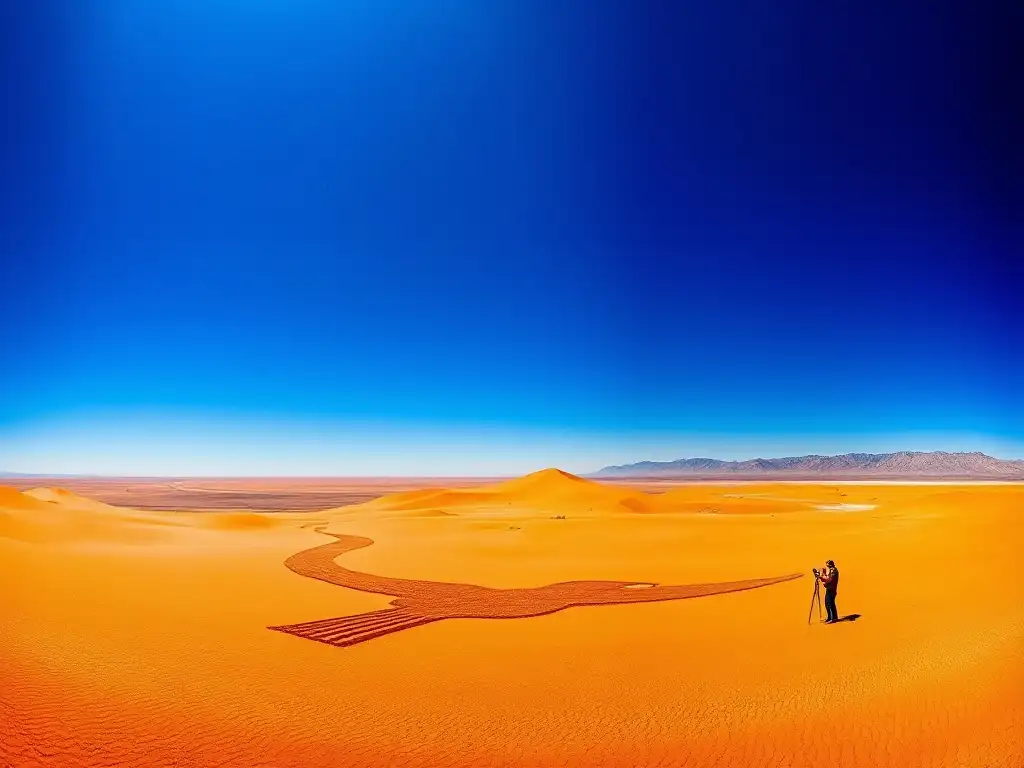
Unravel the mysteries of the Andes! Prepare to be amazed by the ingenuity and artistry of ancient civilizations, from the towering achievements of the Incas to the enigmatic Nazca Lines. But what secrets do these colossal geoglyphs hold? Discover how the Nazca Lines' impact on modern art continues to resonate today, influencing artists and inspiring wonder across the globe. Dive into the captivating world of Andean culture and uncover the legacy that still echoes through time.
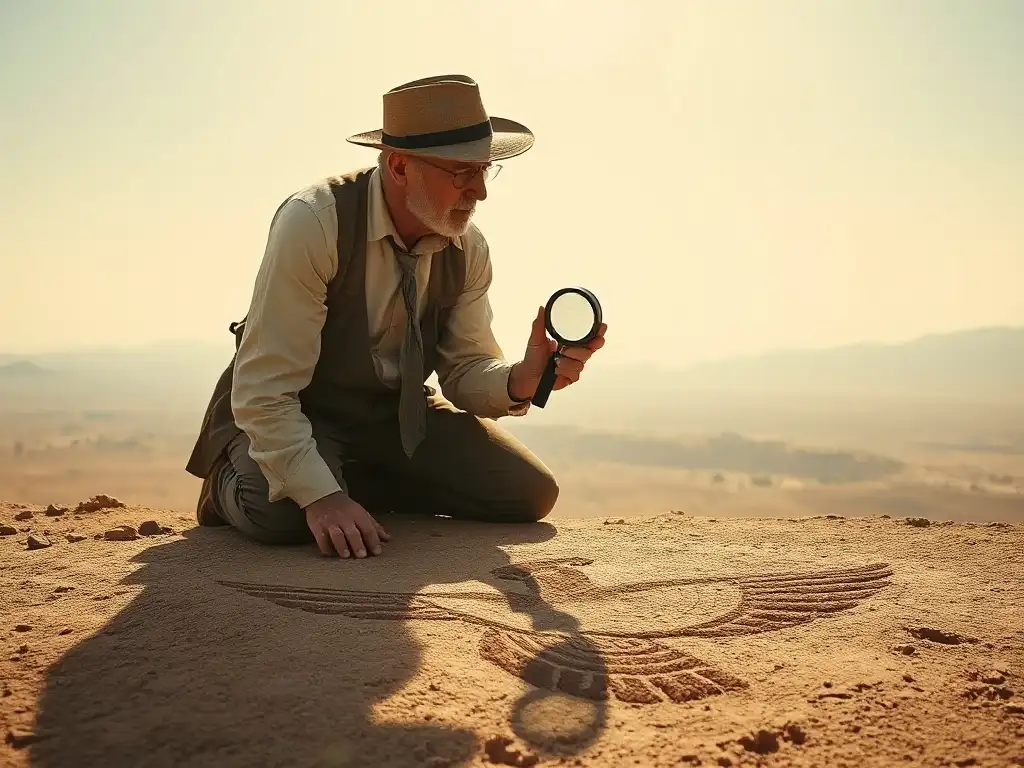
The Nazca Lines, colossal geoglyphs etched into the Peruvian desert, remain one of the world's most enduring enigmas. For centuries, these massive figures of animals, plants, and geometric shapes have captivated archaeologists, historians, and the public imagination, sparking countless theories about their creation and purpose. But beyond their archaeological significance, the Nazca Lines have had a profound and lasting impact on modern art and popular culture, inspiring artists, writers, and filmmakers for generations.
This impact extends far beyond mere visual representation; the lines' inherent mystery and scale have fueled creative interpretations, shaped artistic movements, and even influenced the design of contemporary architecture and urban planning. This article will explore the multifaceted ways in which these ancient creations continue to resonate in the modern world, examining their influence on artistic expression and their enduring presence in popular culture.
We'll delve into the lines' origins, the techniques used in their creation, and ultimately, their lasting legacy as a source of inspiration and wonder. The mystery surrounding the Nazca Lines fuels ongoing research and continues to inspire artistic interpretations, demonstrating their significant and ongoing impact on modern art and our collective cultural consciousness.
Unveiling the Mysteries of the Nazca Geoglyphs
The Nazca Lines, located in the Nazca Desert of southern Peru, are a collection of over 300 geoglyphs—large designs created on the ground—that can only be fully appreciated from the air. These enigmatic figures, ranging from simple lines and geometric shapes to intricate depictions of animals and plants such as the hummingbird, monkey, and spider, span an area of approximately 50 square kilometers. Their scale is breathtaking; some figures measure hundreds of meters in length.
The precise methods used to create them remain a subject of ongoing debate, but the meticulous precision and immense scale of the undertaking are undeniable testaments to the ingenuity and organizational skills of the Nazca culture. The enduring mystery surrounding their creation and purpose continues to fuel speculation and inspire artistic reinterpretations, solidifying their impact on modern art and popular culture.
The sheer scale and complexity of these ancient works are a testament to human creativity and continue to inspire awe and wonder in viewers today. The lines' visual impact is undeniable, leading to their frequent use as iconic imagery in various creative mediums.
The Ancient Origins of the Nazca Lines
Understanding the influence of the Nazca Lines on modern art requires exploring their historical context. Their creation is attributed to the Nazca culture, a pre-Columbian civilization that flourished in southern Peru between 100 BCE and 800 CE. The Nazca people were skilled artisans, known for their intricate pottery, textiles, and sophisticated irrigation systems. The creation of the geoglyphs demonstrates a level of societal organization and engineering prowess that is remarkable for its time.
Location and Geography of the Nazca Desert
The Nazca Desert's unique geographical features played a crucial role in the creation and preservation of the geoglyphs. The extremely arid climate, characterized by minimal rainfall and strong winds, has helped to preserve the lines for centuries, minimizing erosion and degradation. The flat, expansive terrain of the desert provided the ideal canvas for the large-scale designs.
The unique soil composition, consisting of reddish-brown oxidized iron, contrasts sharply with the lighter-colored underlying layers, making the lines clearly visible. This interplay of geography and environmental factors contributed not only to the creation but also to the long-term survival of these extraordinary works, further enhancing their impact and mystique. The geographical context is crucial to understanding both the creation and the enduring nature of the Nazca Lines.
Creation and Purpose of the Nazca Lines: Theories
The purpose of the Nazca Lines remains a subject of ongoing debate among scholars. Several theories have been proposed, ranging from astronomical alignments to ceremonial rites and water management practices. Some believe the lines were created to mark pilgrimage routes, while others suggest they were used for astronomical observations or as part of ritualistic practices.
The lack of definitive evidence has fueled numerous interpretations, inspiring countless artistic representations that reflect these diverse theories. This ambiguity contributes to the enduring fascination with the Nazca Lines, making them a recurring theme in art and popular culture. The ongoing mystery surrounding their purpose continues to inspire artists and creative thinkers alike.
Techniques and Materials Used in the Nazca Geoglyphs
The creation of the Nazca Lines involved a remarkable level of precision and planning. Archaeological evidence suggests that the Nazca people removed the dark, reddish topsoil to reveal the lighter-colored subsoil, creating the lines and figures. This process required significant labor and coordination, highlighting the advanced organizational skills of the Nazca civilization. The tools used are believed to have been simple, possibly involving wooden stakes and digging implements.
The meticulous nature of the work and the scale of the project are astonishing achievements, demonstrating a profound understanding of geometry and spatial relationships. These details about the creation process have informed artistic interpretations, adding to the appreciation of the skill and ingenuity involved in creating these monumental works. The techniques used continue to fascinate and inspire artists seeking to understand and recreate the process.
The Nazca Lines' Influence on Modern Art
Nazca Lines as a Source of Artistic Inspiration
The Nazca Lines, with their enigmatic scale and intricate designs, have served as a powerful source of inspiration for modern artists across various disciplines. The sheer audacity of creating such massive geoglyphs in the arid landscape continues to fascinate and challenge creative minds, prompting reinterpretations and explorations of the lines' aesthetic and symbolic meanings. The mystery surrounding their creation fuels artistic interpretations, leading to works that explore themes of human ambition, connection to the earth, and the enduring power of ancient civilizations.
Many artists find the vastness and precision of the lines deeply moving, translating that feeling into their own artistic expressions. The contrast between the immense scale of the geoglyphs and the delicate detail of their designs is a recurring motif in modern interpretations.
Abstract Art and the Nazca Geoglyph's Legacy
The abstract nature of many Nazca Lines designs has profoundly influenced abstract art movements. The geometric forms, the interplay of lines and shapes, and the overall sense of composition found in the geoglyphs resonate strongly with abstract artists seeking to convey emotion and meaning through non-representational forms. Artists often draw parallels between the seemingly random yet meticulously planned nature of the Nazca lines and the principles of abstract expressionism, where spontaneity and intentionality coexist.
The use of negative space in the Nazca designs, where the shapes are defined by the surrounding empty space, is a technique frequently echoed in contemporary abstract works. The impact on color theory is also notable, with artists exploring the interplay of earth tones and vibrant hues inspired by the desert landscape surrounding the geoglyphs.
Contemporary Artists Inspired by Nazca Geometric Patterns
Numerous contemporary artists directly incorporate Nazca geometric patterns into their work. These patterns, often featuring stylized animals, plants, and geometric shapes, are reproduced and reinterpreted in paintings, sculptures, and installations. Some artists meticulously recreate the lines themselves, using different mediums to explore the textures and visual effects. Others employ the patterns as decorative elements, integrating them into larger compositions.
The precise lines and repetitive motifs of the Nazca Lines inspire a sense of order and structure in many contemporary works. This influence is evident in various art forms, demonstrating the continued relevance of the ancient designs in the modern artistic landscape. Several notable artists, whose names and specific works are pending further research, have explicitly cited the Nazca Lines as a direct source of inspiration.
Nazca Imagery in Textile Art and Design
The striking imagery found in the Nazca Lines has found its way into textile art and design. The stylized animals and geometric forms are frequently adapted into patterns for clothing, rugs, and tapestries. The use of natural dyes and traditional weaving techniques often reflects the earthy tones and textures of the Nazca desert.
The incorporation of Nazca motifs into contemporary textiles provides a unique blend of ancient symbolism and modern aesthetics. This fusion resonates with audiences interested in both historical and contemporary design, bridging the gap between past and present. The repetitive nature of many Nazca designs lends itself particularly well to textile production, allowing for seamless integration into various fabrics and patterns.
The Use of Nazca Motifs in Contemporary Sculptures
Sculptors have also drawn inspiration from the Nazca Lines, using the geoglyphs as a starting point for creating three-dimensional works. Some sculptures directly replicate the forms of the Nazca Lines, while others use them as a basis for abstract and conceptual pieces. The monumental scale of the original geoglyphs often influences the size and scope of the sculptures, resulting in impressive and thought-provoking installations.
The use of materials, such as earth, stone, and metal, often reflects the environment in which the Nazca Lines were created. The enduring impact of the Nazca Lines on sculptural art demonstrates the power of ancient aesthetics to inspire modern creativity.
The Influence of Nazca Lines on Landscape Art
The Nazca Lines' existence within a vast and dramatic landscape has profoundly influenced landscape art. Contemporary artists continue to explore the interplay between human intervention and the natural world, echoing the Nazca's bold act of transforming their environment. The scale of the geoglyphs necessitates a large-scale approach to art, inspiring artists to create monumental works that interact with the environment. This focus on land art and environmental art reflects a growing awareness of the impact of human activity on the natural world, mirroring the Nazca's own relationship with their surroundings.
The Nazca Lines in Popular Culture

The Nazca Lines in Literature and Fiction
The Nazca Lines' mystery has fueled countless stories in literature and fiction. Authors have explored various theories surrounding their creation, weaving them into narratives that blend historical fact with imaginative speculation. The lines' enigmatic nature offers writers a fertile ground for exploring themes of ancient civilizations, lost technologies, and extraterrestrial encounters.
The scale and complexity of the designs provide vivid imagery for fictional settings, while the unanswered questions surrounding their purpose inspire endless speculation and creative storytelling. Many novels and short stories utilize the Nazca Lines as a central element, enriching their plots with the mystery and intrigue inherent in the geoglyphs.
The Nazca Lines in Film and Television
The visual impact of the Nazca Lines has made them a popular subject in film and television. Documentaries explore the history and significance of the geoglyphs, while fictional works often incorporate them into storylines involving adventure, mystery, and even science fiction. The dramatic landscapes surrounding the lines provide stunning backdrops for cinematic productions, enhancing the visual appeal of the narratives.
The scale and complexity of the geoglyphs create a sense of wonder and awe on screen, captivating viewers and sparking curiosity about their origins. The lines' visual uniqueness makes them instantly recognizable, serving as a powerful symbol in various film and television productions.
Nazca Geoglyphs in Video Games and Digital Media
The Nazca Lines have found their way into video games and digital media, often serving as settings or inspirations for game design and virtual environments. The lines' unique geometry and scale are particularly well-suited for creating immersive virtual worlds. The mystery surrounding the lines' creation provides a compelling narrative for game developers, offering opportunities for puzzle-solving, exploration, and storytelling. Their visual appeal makes them attractive elements in virtual reality experiences and augmented reality applications, allowing users to interact with digital representations of the geoglyphs.
The Nazca Lines and Tourism: Impact and Challenges
The Nazca Lines are a major tourist attraction, drawing visitors from around the world. Tourism has both positive and negative impacts. On the one hand, it generates revenue for the local economy and raises awareness of the site's cultural significance.
On the other hand, the influx of tourists poses challenges related to environmental protection and the preservation of the fragile geoglyphs. Balancing the economic benefits of tourism with the need to protect the site's integrity is a constant challenge for the authorities responsible for its management. Sustainable tourism practices are crucial to ensure the long-term preservation of the Nazca Lines for future generations.
The Nazca Lines and the UFO Phenomenon: A Mythological Connection
The Nazca Lines' mysterious origins have led to speculation about their connection to extraterrestrial life. The lines' complex designs and the lack of a definitive explanation for their purpose have fueled the UFO phenomenon and given rise to various theories suggesting that they are landing strips for alien spacecraft or messages from extraterrestrial civilizations.
While these theories lack scientific evidence, they continue to capture the public imagination and contribute to the enduring mystique surrounding the Nazca Lines. The combination of the ancient mystery and modern speculation has created a compelling narrative that resonates with those interested in both archaeology and the paranormal.
Preserving the Nazca Lines: Challenges and Efforts
The Nazca Lines, a UNESCO World Heritage site, face numerous threats demanding continuous preservation efforts. Their fragility necessitates a multi-pronged approach combining scientific research, community engagement, and robust legal frameworks. The sheer scale of the geoglyphs, sprawling across a vast desert landscape, makes comprehensive monitoring and protection incredibly challenging. Furthermore, the remote location and limited resources can hinder effective conservation strategies.
This delicate balance between preservation and accessibility requires careful consideration and ongoing adaptation. The impact of tourism, while providing economic benefits to the region, also presents a significant challenge. Uncontrolled visitor access can lead to accidental damage and soil erosion, compromising the integrity of these ancient marvels. Therefore, sustainable tourism practices are crucial for the long-term survival of the Nazca Lines.
Threats to the Nazca Lines: Erosion and Human Activity
Wind and water erosion pose significant threats to the Nazca Lines. The arid desert climate, while seemingly protective, is prone to flash floods and strong winds that gradually wear away the surface, obscuring the intricate designs. Human activity, including unauthorized access, construction, and even agricultural practices near the site, further contributes to degradation.
The construction of roads and infrastructure without proper environmental impact assessments has resulted in the damage of certain areas. Even the vibrations from passing vehicles can contribute to the erosion process over time, causing subtle but cumulative deterioration. These threats highlight the urgency of implementing stricter regulations and protective measures.
Conservation Efforts and Archaeological Studies
Ongoing archaeological studies are crucial for understanding the creation and purpose of the Nazca Lines, informing preservation strategies. Researchers employ various techniques, including aerial photography, ground-penetrating radar, and advanced imaging, to map the geoglyphs, assess their condition, and identify potential threats. These studies provide valuable data for developing effective conservation plans and implementing targeted interventions.
Conservation efforts also involve stabilizing the soil, controlling erosion, and restricting access to vulnerable areas. The implementation of sustainable tourism practices, such as designated viewing platforms and guided tours, helps mitigate the impact of human activity. Moreover, educational initiatives aimed at raising public awareness about the importance of preserving these cultural treasures are essential for long-term protection.
The Importance of Protecting Nazca's Cultural Heritage
Protecting the Nazca Lines is not merely about preserving ancient art; it's about safeguarding a significant piece of humanity's shared cultural heritage. These geoglyphs represent a unique artistic and technological achievement of the Nazca civilization, offering valuable insights into their worldview, social structures, and astronomical knowledge. Their preservation ensures the transmission of this knowledge to future generations, fostering cross-cultural understanding and appreciation.
Furthermore, the Nazca Lines contribute significantly to Peru's cultural identity and national pride, attracting tourists and stimulating economic activity in the region. Neglecting their preservation would represent a profound loss, not only for Peru but for the world as a whole. The lines serve as a testament to human ingenuity and creativity, a legacy that deserves to be cherished and protected for centuries to come.
The Enduring Legacy of the Nazca Lines
The Nazca Lines' impact transcends their geographical location, extending to various fields of study and popular culture. Their enduring mystery continues to fascinate researchers and the public alike, inspiring countless books, documentaries, and artistic interpretations. Their enigmatic nature fuels ongoing speculation regarding their purpose, stimulating debate and pushing the boundaries of archaeological research. The lines have become a powerful symbol of Peru's rich cultural heritage, prominently featured in national branding and tourism campaigns. The lines serve as a remarkable example of the enduring power of human creativity and the importance of preserving our shared cultural heritage.
The Significance of the Nazca Lines to Andean Civilizations
The Nazca Lines hold immense significance within the broader context of Andean civilizations. They represent a remarkable achievement in pre-Columbian engineering and artistic expression, showcasing the advanced knowledge and skills of the Nazca people. The lines’ connection to astronomical events and potential ritualistic significance sheds light on the spiritual and cosmological beliefs of the Nazca civilization, providing a deeper understanding of their worldview.
Their creation required sophisticated planning, organization, and workforce management, highlighting the complex social structures that existed within Nazca society. Studying the lines allows us to appreciate the ingenuity and cultural richness of this ancient Andean civilization, contextualizing their achievements within the larger tapestry of Andean history.
The Nazca Lines Impact on Modern Art and Culture: A Summary
The Nazca Lines have profoundly impacted modern art and culture. Their unique aesthetic and enigmatic nature have inspired artists across various mediums, from paintings and sculptures to photography and digital art. The lines' abstract forms and monumental scale have influenced artistic styles and provided a source of creative inspiration.
Their enduring mystery and cultural significance have also been explored in literature, film, and music, contributing to a broader cultural discourse. The lines' continued exploration and interpretation contribute to a vibrant dialogue between past and present, enriching our understanding of art, culture, and human history. Their enduring appeal underscores the power of ancient art to resonate with modern audiences.
Continuing Research and Future Discoveries
Research on the Nazca Lines is ongoing, with new discoveries and interpretations continually emerging. Advances in technology and archaeological techniques are enabling researchers to uncover new details about the lines' creation, purpose, and preservation. Future research may reveal further insights into the Nazca civilization's social structures, belief systems, and technological capabilities.
This ongoing research ensures that the Nazca Lines will continue to fascinate and inspire future generations, contributing to a deeper understanding of human history and cultural heritage. The lines' enduring mystery promises continued exploration and discovery for years to come, solidifying their place as a global icon of ancient ingenuity and cultural significance.
- Unveiling the Mysteries of the Nazca Geoglyphs
- The Ancient Origins of the Nazca Lines
- The Nazca Lines' Influence on Modern Art
- The Nazca Lines in Popular Culture
- Preserving the Nazca Lines: Challenges and Efforts
- The Enduring Legacy of the Nazca Lines
- What is the significance of the Nazca Lines in relation to modern art?
- How have the Nazca Lines influenced contemporary artists' styles?
- Are there any specific artists known for being inspired by the Nazca Lines?
- Beyond visual art, how else have the Nazca Lines impacted popular culture?
- What makes the Nazca Lines' impact on modern art so unique?
Frequently Asked Questions
What is the significance of the Nazca Lines in relation to modern art?
The Nazca Lines have had a profound impact on modern art, inspiring artists to explore themes of scale, perspective, and the relationship between humans and the landscape. Their mysterious nature continues to fuel creative interpretations.
How have the Nazca Lines influenced contemporary artists' styles?
The Lines' geometric precision and enigmatic designs have influenced artists working in various media, inspiring abstract art, land art, and even digital art. Their sheer scale has also impacted artistic concepts of space and form.
Are there any specific artists known for being inspired by the Nazca Lines?
While many artists have been indirectly influenced, specific examples are less common. However, the Lines' unique visual language has undoubtedly permeated the collective consciousness of artists, influencing design and aesthetic sensibilities.
Beyond visual art, how else have the Nazca Lines impacted popular culture?
The Nazca Lines have appeared in various forms of popular culture, including literature, film, and video games, often portrayed as symbols of mystery and ancient wisdom. Their enduring mystery fuels ongoing speculation and creative interpretations.
What makes the Nazca Lines' impact on modern art so unique?
The unique combination of sheer scale, enigmatic purpose, and enduring mystery makes the Nazca Lines unlike any other ancient site. This combination provides a powerful and enduring source of inspiration for artists seeking to explore themes of mystery, human ingenuity, and the power of the unknown.
Final Reflection: Echoes of the Desert: The Enduring Legacy of the Nazca Lines
The enigmatic Nazca Lines, far from being mere historical curiosities, continue to resonate powerfully in our modern world, shaping artistic expression and fueling our collective imagination. Their enduring mystery, coupled with their breathtaking scale, provides a potent source of inspiration that transcends geographical and temporal boundaries, influencing artists and thinkers across generations. The lines themselves are a testament to human ingenuity and a profound connection to the landscape, a legacy that continues to inspire awe and wonder.
The impact of the Nazca Lines extends far beyond the realm of archaeology; their influence permeates contemporary art, design, and even popular culture. We see their geometric patterns echoed in textile designs, architectural motifs, and countless artistic interpretations. The very act of contemplating their creation, their purpose, and their survival for centuries speaks to our inherent human desire to understand our past and connect with something larger than ourselves. The Nazca Lines are a powerful reminder that art can transcend time and culture, speaking to a universal human experience.
This quote encapsulates the enduring power of these ancient geoglyphs to inspire and provoke thought.
Consider the profound questions the Nazca Lines pose: What drove their creation? What stories do they tell? What can their enduring presence teach us about human creativity and our relationship with the environment? I urge you to reflect on these questions, to seek out images of the lines, and to let their mystery inspire your own creative endeavors. Let the echoes of the desert resonate within you, igniting a spark of curiosity and a deeper appreciation for the enduring power of human expression across time and cultures.
**Unveil the Mysteries of the Nazca Lines Today! **
Thank you for exploring the fascinating world of the Nazca Lines and their enduring influence on art and popular culture. Your curiosity is key to understanding the impact these ancient creations continue to have on our imaginations. Let's delve deeper and discover how the spirit of the Nazca Lines can enrich your life!
- **Participate in a community art project** inspired by ancient civilizations—collaborate with artists and history enthusiasts to create your own masterpiece!
- **Share the wonder** of the Nazca Lines on social media—post your favorite facts, share your artistic interpretations, or spark a conversation with friends and family about their significance.
- **Expand your knowledge**—read a book or watch a documentary about the Nazca culture to deepen your understanding and appreciation of these enigmatic geoglyphs.
What unique perspectives on the Nazca Lines inspire your creativity? Share your thoughts in the comments!