
Decoding Tiahuanaco's Calendar: How its Knowledge of Time Influenced Later Andean Practices

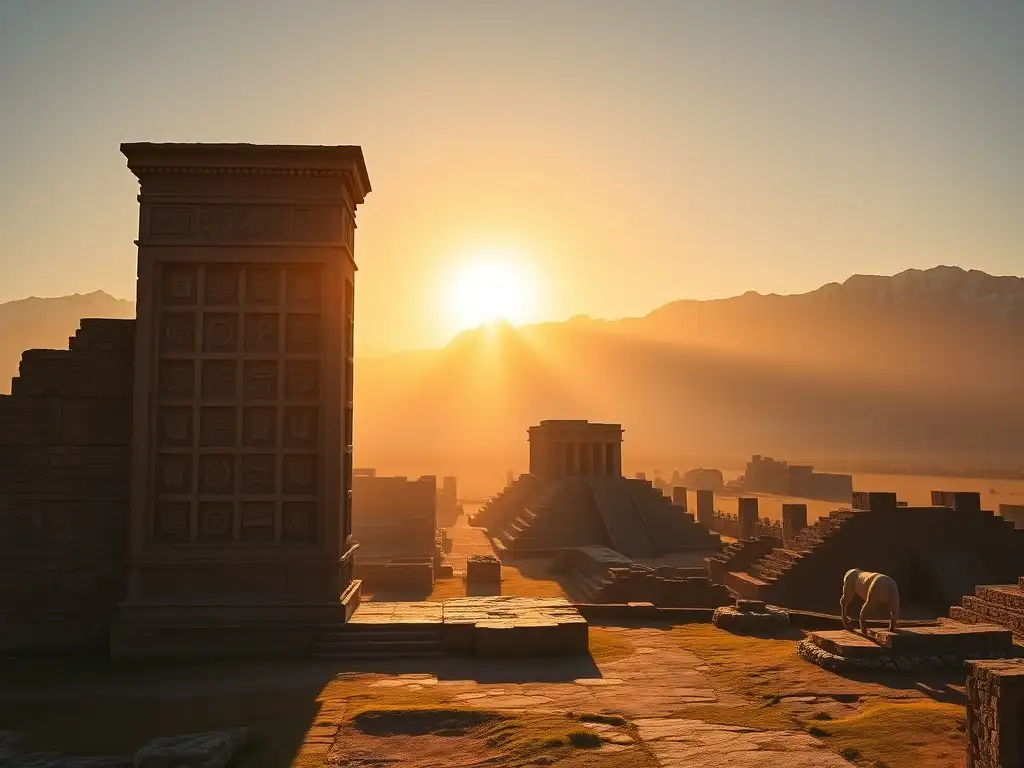
Dive into the enigmatic world of the Andean civilizations! Prepare to unravel the mysteries of a lost empire, where celestial knowledge shaped daily life. Our exploration begins with the intriguing Tiahuanaco calendar and its profound influence on subsequent Andean cultures. Discover how this ancient civilization's sophisticated understanding of time continues to resonate through history—a legacy waiting to be uncovered. Unravel the secrets within...
The enigmatic Tiahuanaco civilization, flourishing in the Andean highlands between approximately 500 and 1000 CE, left behind a legacy far beyond its impressive architecture. This article delves into one of its most fascinating and enduring contributions: its sophisticated understanding and manipulation of time, as evidenced by its calendar system.
We will explore how Tiahuanaco's unique approach to tracking time significantly impacted the calendrical practices and societal structures of subsequent Andean cultures, leaving an indelible mark on the region's history and cultural development. Understanding Tiahuanaco's calendar is key to unlocking a deeper appreciation for the complexities of Andean civilization and its enduring influence on later societies.
The intricate relationship between the Tiahuanaco calendar and its impact on Andean societies is a complex tapestry woven from astronomical observation, agricultural practices, and religious beliefs, a testament to the advanced knowledge and ingenuity of this remarkable civilization. This investigation will reveal how the Tiahuanaco calendar's influence resonates even today in the Andean worldview.
The Tiahuanaco Calendar: Structure and Significance
The Tiahuanaco calendar, while not fully deciphered, is believed to have been a complex system incorporating solar and possibly lunar cycles. Evidence suggests the use of sophisticated astronomical observations, likely using the precise alignment of structures like the Puerta del Sol (Sun Gate) to track celestial events. [Specific details about the calendar's structure pending].
However, archaeological findings, including intricate carvings on various artifacts, point to a deep understanding of astronomical phenomena and their cyclical nature. This knowledge wasn't merely academic; it was intrinsically linked to the agricultural practices, religious rituals, and social organization of Tiahuanaco society. The precise alignment of structures, coupled with the symbolic representations on artifacts, strongly suggests a calendar system far more advanced than previously assumed, influencing the very fabric of Tiahuanaco life.
Furthermore, the calendar's precision suggests a high level of mathematical and astronomical understanding, far exceeding the capabilities often attributed to pre-Columbian societies. The development and use of this calendar system represents a significant intellectual achievement, demonstrating a profound grasp of the cosmos and its influence on earthly life.
Agricultural Practices and the Tiahuanaco Calendar
The precise timing of planting and harvesting was crucial for the survival of Tiahuanaco's population, given the challenging Andean environment. The calendar system likely played a vital role in optimizing agricultural yields by providing farmers with accurate predictions of seasonal changes. [Specific examples of agricultural practices linked to the calendar pending].
The meticulous observation of celestial bodies allowed for the prediction of optimal planting times, maximizing crop yields and ensuring food security. This close relationship between astronomical observation and agricultural productivity highlights the practical applications of the Tiahuanaco calendar and its contribution to the economic stability of the society. The successful implementation of these agricultural strategies, guided by the calendar, facilitated the growth and prosperity of the Tiahuanaco civilization, laying the groundwork for its impressive societal development.
Religious Beliefs and Rituals: The Cosmic Connection
The Tiahuanaco calendar was not merely a tool for practical purposes; it was deeply intertwined with the civilization's religious beliefs and rituals. The calendar likely dictated the timing of important ceremonies and festivals, reflecting a cosmology that saw a strong connection between the celestial and terrestrial realms. [Specific examples of rituals linked to the calendar pending].
The cyclical nature of the calendar mirrored the cyclical nature of life, death, and rebirth, reinforcing the spiritual significance of time and its impact on the human experience. The calendar, therefore, served as a powerful tool to connect the people with the cosmos, reinforcing their religious beliefs and strengthening social cohesion. This close relationship between the calendar and religious practices highlights the importance of timekeeping in shaping the cultural identity and worldview of the Tiahuanaco people.
The Tiahuanaco Calendar's Influence on Subsequent Andean Cultures
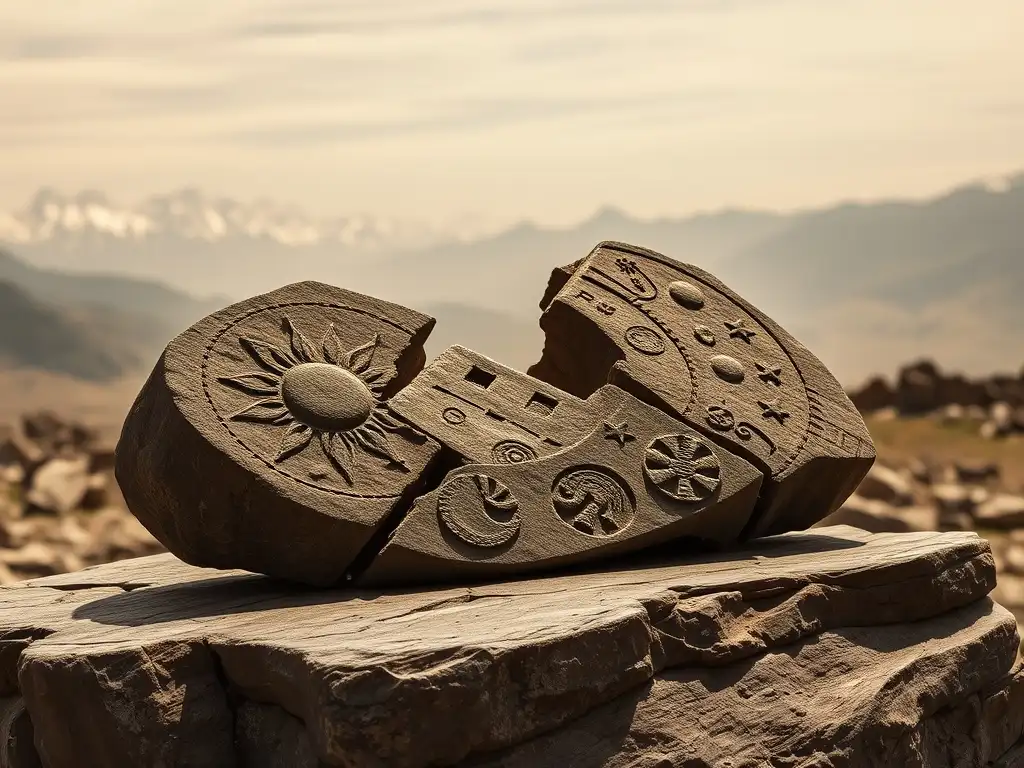
The sophisticated calendrical system of Tiahuanaco did not disappear with the civilization's decline. Its influence can be traced in the calendrical practices of later Andean cultures, such as the Inca. [Specific examples of Tiahuanaco's calendrical influence on later cultures pending]. While the exact mechanisms of transmission are still being researched, the similarities in astronomical observations and the importance placed on timekeeping suggest a clear connection.
This continuity demonstrates the enduring legacy of Tiahuanaco's intellectual achievements and its lasting impact on the cultural landscape of the Andes. The persistence of these calendrical systems across multiple Andean cultures indicates the significance of the Tiahuanaco calendar as a cultural foundation, influencing the development of later civilizations and their worldview. The study of these continuities offers valuable insights into the processes of cultural transmission and adaptation in the Andean region.
Conclusion: A Legacy in Time
The Tiahuanaco calendar stands as a testament to the advanced knowledge and innovative spirit of this remarkable Andean civilization. Its influence extended far beyond its geographical boundaries and temporal existence, shaping the calendrical practices, agricultural strategies, and religious beliefs of subsequent Andean cultures. Further research is needed to fully unravel the mysteries of this complex system, but its impact on the cultural development of the Andes is undeniable.
Understanding the Tiahuanaco calendar provides a crucial lens through which to appreciate the depth and complexity of Andean civilization and its enduring legacy. The legacy of the Tiahuanaco calendar continues to resonate, offering a fascinating glimpse into the intellectual achievements and profound influence of one of the Andes' most enigmatic civilizations. The ongoing study of this calendar system promises to reveal even more about the rich tapestry of Andean history and culture.
- The Tiahuanaco Calendar: Structure and Significance
- Agricultural Practices and the Tiahuanaco Calendar
- Religious Beliefs and Rituals: The Cosmic Connection
- The Tiahuanaco Calendar's Influence on Subsequent Andean Cultures
- Conclusion: A Legacy in Time
- What is the significance of the Tiahuanaco calendar?
- How did the Tiahuanaco calendar influence later Andean civilizations?
- What specific aspects of the Tiahuanaco calendar are most noteworthy?
- What evidence supports the influence of the Tiahuanaco calendar on later Andean cultures?
- Where can I learn more about the Tiahuanaco calendar and its Andean influence?
The Sophisticated Timekeeping of Tiahuanaco
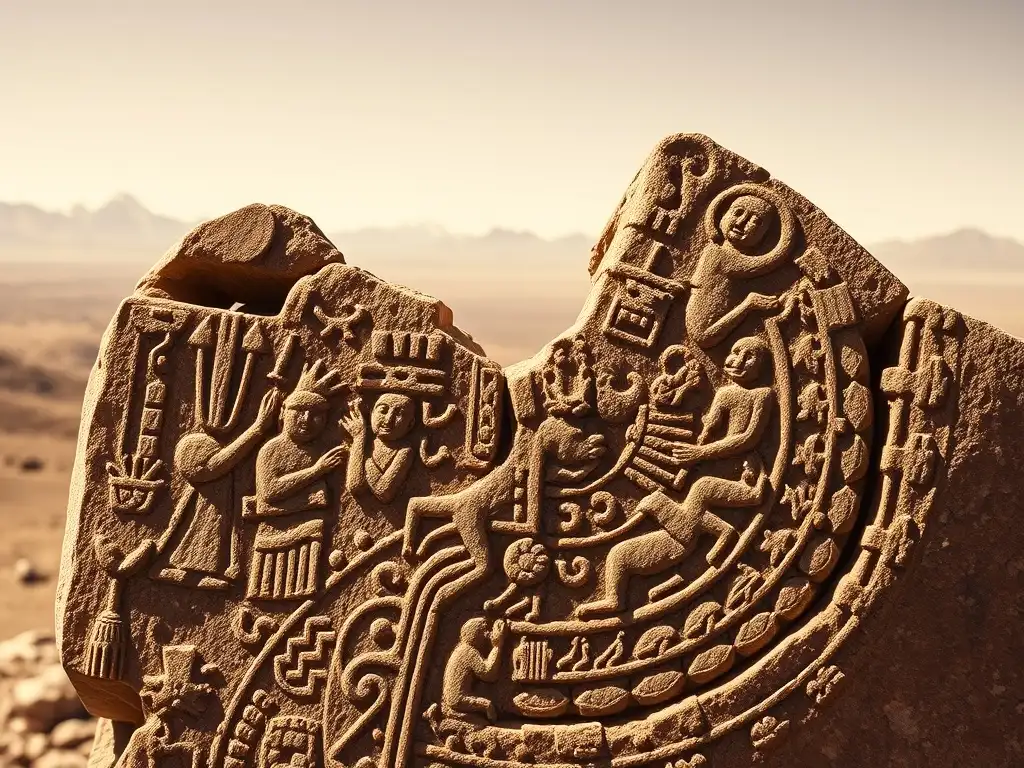
The Tiahuanaco civilization, flourishing in the Bolivian Altiplano between roughly 300 and 1100 CE, possessed a remarkably advanced understanding of timekeeping, far surpassing the capabilities of many contemporary societies. Their sophisticated calendar system, intricately woven into their monumental architecture and religious practices, wasn't merely a tool for agricultural planning; it represented a profound cosmological worldview, influencing subsequent Andean cultures for centuries. This section delves into the intricacies of the Tiahuanaco calendar, highlighting its astronomical basis and lasting impact on the Andean region's concept of time.
Understanding the Tiahuanaco calendar is key to understanding the broader Andean influence of this remarkable civilization. The precision and complexity of their system suggest a deep understanding of celestial mechanics and a highly organized societal structure capable of implementing such a complex system.
Unveiling Tiahuanaco's Astronomical Understanding
The Tiahuanaco calendar's sophistication stemmed from a deep understanding of astronomy. Archaeological evidence, including precise alignments of structures like the Puerta del Sol (Sun Gate) and Kalasasaya, strongly suggests that Tiahuanaco astronomers meticulously tracked the movements of the sun, moon, and stars. Their observations weren't merely casual; they were systematic and precise, allowing them to predict celestial events with remarkable accuracy.
This knowledge was likely crucial for agricultural planning, religious ceremonies, and potentially even for navigating the vast Andean landscape. The accuracy of their astronomical observations, considering the available technology, is truly astonishing and speaks volumes about their scientific acumen. For instance, the alignment of the Puerta del Sol with the solstices and equinoxes demonstrates a level of precision that speaks to sophisticated observation techniques and a deep understanding of the earth's axial tilt.
Further research is needed to fully decipher the intricacies of their astronomical knowledge, but what we already know is impressive. The Tiahuanaco calendar, therefore, wasn't just a calendar; it was a testament to their scientific prowess.
The Purpose of the Tiahuanaco Calendar
While the precise purpose of every aspect of the Tiahuanaco calendar remains a subject of ongoing scholarly debate, several key functions are evident. Primarily, it served as an essential tool for agricultural planning. By accurately tracking the seasons, the Tiahuanaco people could optimize planting and harvesting cycles, ensuring the survival and prosperity of their communities.
This is particularly crucial considering the challenging altiplano environment. Beyond agriculture, the calendar played a vital role in their religious and ceremonial life. Many scholars believe that specific dates and celestial events were linked to important rituals and festivals, reinforcing the calendar's significance as a cornerstone of their social and spiritual fabric.
The calendar likely also facilitated the organization of labor, resource management, and potentially even governance, highlighting its multifaceted importance within Tiahuanaco society. The integration of astronomical knowledge into their religious practices underscores the deep connection between the cosmos and their daily lives. The Tiahuanaco calendar, therefore, was a powerful tool that shaped their social, economic, and spiritual world.
Key Features of the Tiahuanaco Time System
The Tiahuanaco calendar system, while not fully understood, exhibited several key features that distinguish it from other contemporary calendars. One notable aspect is its likely incorporation of both solar and lunar cycles, suggesting a sophisticated understanding of both celestial bodies. Evidence suggests the use of a complex system of symbols and iconography carved into stone, potentially representing specific dates, events, or astronomical phenomena.
Deciphering these symbols is a major focus of ongoing research. The integration of these symbols into monumental architecture further emphasizes the calendar's importance within their culture. Additionally, the system possibly incorporated a longer cyclical time framework, potentially reflecting a broader cosmological perspective that extended beyond the immediate agricultural cycle.
The Tiahuanaco calendar, therefore, wasn't simply a linear progression of days and months; it likely encompassed a multifaceted system integrating short-term agricultural needs with longer-term cosmological beliefs. The intricate details of this system continue to be unearthed, promising further insights into the remarkable sophistication of Tiahuanaco's understanding of time and its profound influence on later Andean cultures. Further research on the Tiahuanaco calendar and its Andean influence is crucial to a complete understanding of this fascinating civilization.
Tiahuanaco Calendar: A Foundation for Andean Time Reckoning
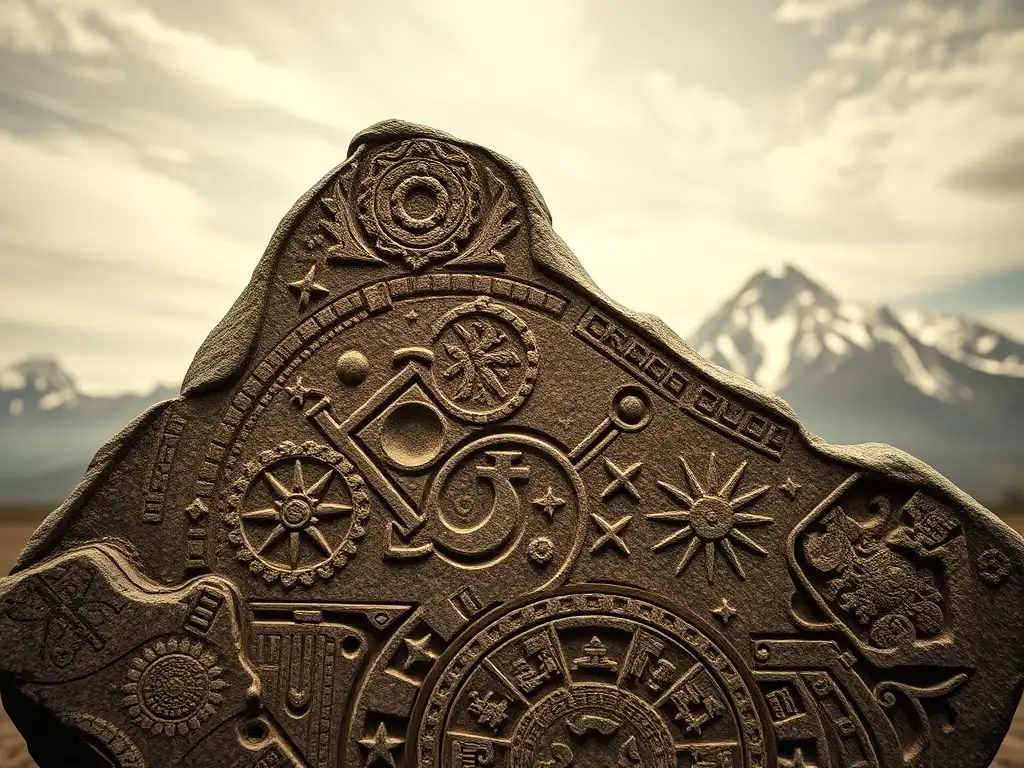
The Tiahuanaco calendar, a sophisticated system of timekeeping developed by the Tiahuanaco civilization, stands as a testament to their advanced understanding of astronomy and mathematics. Its influence reverberated throughout subsequent Andean cultures, shaping their agricultural practices, religious beliefs, and societal structures. Unlike simpler lunar or solar calendars, the Tiahuanaco system likely incorporated both, potentially integrating observations of Venus and other celestial bodies to create a remarkably precise and complex calendar.
This section will delve into the specifics of the Tiahuanaco calendar and its profound impact on the Andean world's perception and management of time. Understanding its intricacies offers a crucial window into the advanced cognitive abilities and societal organization of the Tiahuanaco people, and its lasting legacy on the Tiahuanaco calendar Andean influence.
How Tiahuanaco's Calendar Surpassed Earlier Systems
Prior to the Tiahuanaco civilization, Andean cultures relied on relatively rudimentary calendars based primarily on the lunar cycle and seasonal changes. These systems, while functional for basic agricultural planning, lacked the precision and complexity of the Tiahuanaco calendar. The Tiahuanaco calendar, through its likely incorporation of solar and potentially even Venusian cycles, allowed for far more accurate predictions of solstices, equinoxes, and other significant astronomical events. This enhanced accuracy is evidenced by the precise alignment of many Tiahuanaco structures with celestial bodies, suggesting a deep understanding of astronomical phenomena and their cyclical nature.
The increased accuracy directly improved the efficiency of agricultural practices, leading to greater food security and societal stability. The Tiahuanaco calendar, therefore, represented a significant advancement in Andean timekeeping, providing a more reliable framework for societal organization and resource management. This leap forward in calendar precision is a key component of the Tiahuanaco calendar Andean influence.
Tiahuanaco Calendar's Precision and Accuracy
The precision of the Tiahuanaco calendar is a subject of ongoing research, but several lines of evidence point to its remarkable accuracy. Archaeological findings, particularly the careful alignment of structures like the Kalasasaya Temple with astronomical events, suggest a sophisticated understanding of celestial movements. While the exact mechanics of the Tiahuanaco calendar remain debated, its ability to predict agricultural cycles with greater accuracy than earlier systems is undeniable.
This is crucial because it allowed for more efficient planning of planting and harvesting, minimizing risks associated with unpredictable weather patterns. The calendar’s sophisticated design likely involved intricate calculations, possibly using a base-10 or base-60 numeral system, similar to those found in other ancient civilizations.
The degree of accuracy achievable with such a system would have been extraordinary for its time, significantly impacting the Tiahuanaco calendar Andean influence on subsequent Andean societies. Further research, including detailed analysis of surviving artifacts and astronomical modeling, is needed to fully understand the intricacies and precision of this remarkable calendar.
The Role of the Tiahuanaco Calendar in Agriculture
The Tiahuanaco calendar played a pivotal role in shaping Andean agricultural practices. Its enhanced accuracy in predicting seasonal changes allowed farmers to optimize planting and harvesting schedules, leading to increased crop yields and improved food security. This, in turn, fostered population growth and societal complexity.
The calendar likely also influenced the development of sophisticated irrigation systems, enabling the cultivation of crops in challenging environments. Evidence suggests that the Tiahuanaco calendar was not simply a tool for practical agriculture but was also integrated into religious and ceremonial practices. Agricultural cycles were likely intertwined with religious beliefs, reflecting the profound connection between the celestial realm and the earthly realm in Andean cosmology.
The Tiahuanaco calendar Andean influence on agricultural practices is evident in the later development of similar, albeit less complex, calendar systems across the Andes. The legacy of the Tiahuanaco calendar’s precision and its impact on food production continues to be a topic of significant interest for researchers studying Andean history and agriculture.
The Tiahuanaco Calendar's Influence on Subsequent Andean Cultures
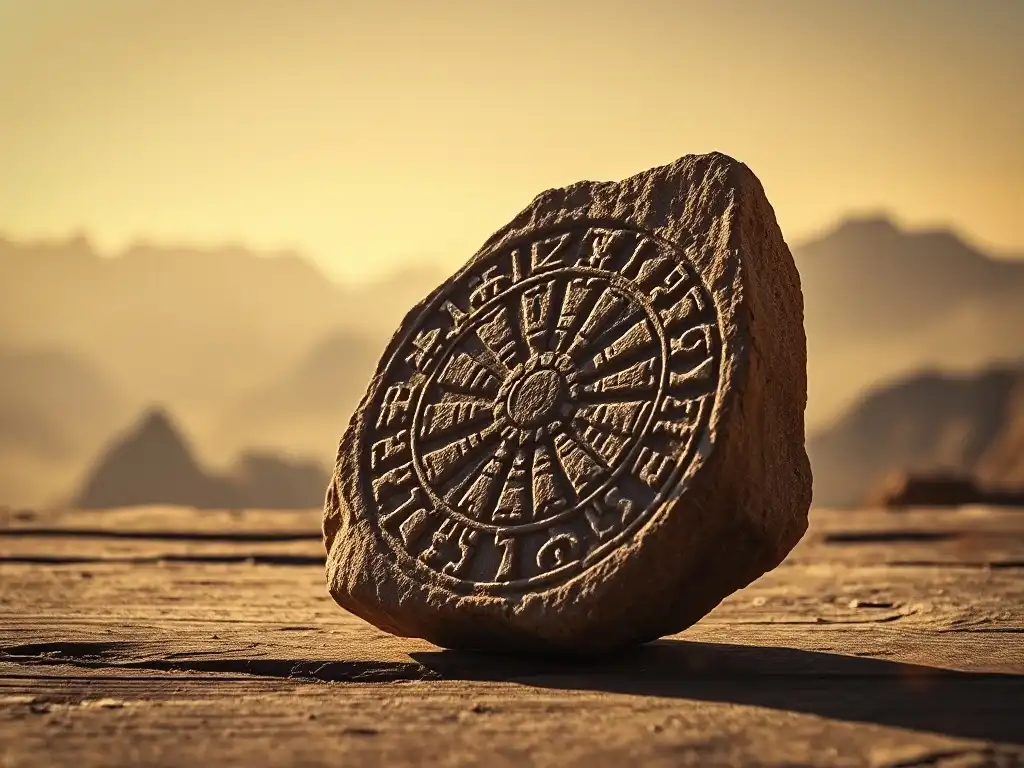
The Tiahuanaco calendar, a sophisticated system for tracking time and celestial events, exerted a profound influence on subsequent Andean cultures. While the precise mechanics of the calendar remain a subject of ongoing research and debate among archaeologists and historians, its impact on later Andean societies is undeniable. Evidence suggests a widespread adoption and adaptation of Tiahuanaco's timekeeping methods, reflecting a significant cultural and intellectual exchange across the Andes. This influence is evident not only in the adoption of similar calendrical systems but also in the integration of astronomical knowledge into religious practices and agricultural cycles.
The Tiahuanaco calendar's legacy is interwoven with the development of later Andean civilizations, shaping their worldview and societal structures. Understanding this influence provides crucial insights into the interconnectedness of Andean cultures and the enduring power of Tiahuanaco's intellectual achievements. The keyword phrase "Tiahuanaco calendar Andean influence" directly reflects the core theme of this section.
Tracing Tiahuanaco's Calendrical Legacy in Later Andean Societies
The legacy of the Tiahuanaco calendar is not easily traced through direct, literal copies. Instead, its influence manifests in subtle yet significant ways across diverse Andean societies. For instance, the Inca calendar, while possessing unique characteristics, shows intriguing parallels with the Tiahuanaco system in its structure and the importance placed on solar and lunar cycles.
Archaeological findings, such as the arrangement of structures aligned with solstices and equinoxes in various Inca sites, suggest a continuation of astronomical observations that likely originated in the Tiahuanaco tradition. Similarly, the Chimu and Wari cultures, though geographically distinct from Tiahuanaco, incorporated astronomical knowledge into their urban planning and agricultural practices, echoing the sophisticated level of astronomical understanding evident in Tiahuanaco's calendar.
The continuity of certain astronomical observations and the prevalence of similar cosmological beliefs across different Andean societies point towards a strong, albeit often indirect, transmission of knowledge from Tiahuanaco. Further research is needed to fully understand the nuances of this cultural exchange and the specific mechanisms through which calendrical knowledge was disseminated.
The Transmission of Timekeeping Knowledge from Tiahuanaco
The transmission of Tiahuanaco's timekeeping knowledge likely occurred through various channels. Migration patterns played a significant role, with Tiahuanaco's influence spreading through the movement of people and ideas across the Andes. The expansion of Tiahuanaco's political and economic power facilitated the dissemination of its cultural practices, including its calendar system.
Furthermore, trade networks served as conduits for the exchange of knowledge, with artisans and specialists carrying with them not only goods but also cultural practices and techniques. The adoption of certain architectural styles and religious iconography across different Andean cultures also hints at the transmission of knowledge through cultural exchange and emulation. This process wasn't a simple, one-way transfer; rather, it involved a complex interplay of adaptation, innovation, and syncretism, as different Andean societies integrated Tiahuanaco's calendrical knowledge into their existing cultural frameworks.
The precise mechanisms of transmission, however, remain an area requiring further investigation. More detailed analysis of archaeological evidence and a deeper understanding of socio-political dynamics within the Andean region are needed to fully elucidate this fascinating process.
Adaptation and Evolution of Tiahuanaco's Calendar by other Andean cultures
The adoption of Tiahuanaco's calendar wasn't a passive process of replication. Instead, subsequent Andean cultures adapted and evolved the system to fit their specific needs and beliefs. The Inca, for example, integrated the Tiahuanaco's emphasis on solar and lunar cycles into their own sophisticated calendar, which incorporated agricultural cycles, religious festivals, and administrative functions.
This suggests a process of selective adoption, where elements of the Tiahuanaco calendar were incorporated and modified to create a new, distinct system. The Chimu and Wari, similarly, incorporated elements of astronomical observation into their own unique calendrical practices, demonstrating the adaptability and flexibility of the Tiahuanaco system. This process of adaptation and evolution underscores the dynamic nature of cultural exchange in the Andean region.
The Tiahuanaco calendar served as a foundation upon which subsequent Andean cultures built their own unique systems of timekeeping, reflecting the diverse yet interconnected nature of Andean societies. Further studies focusing on specific cultural adaptations and variations in calendrical practices across different Andean societies would provide a more nuanced understanding of this complex interplay between tradition and innovation.
Tiahuanaco's Calendrical Influence: Specific Examples
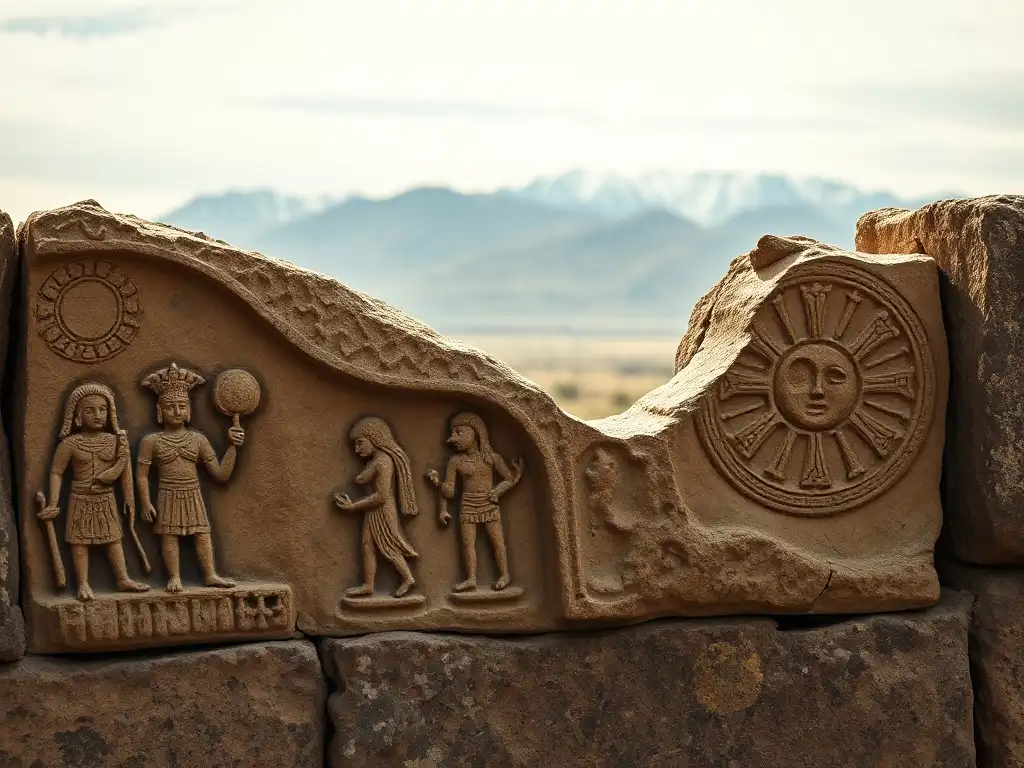
This section delves into the concrete ways the Tiahuanaco calendar system impacted subsequent Andean cultures, focusing on the Inca and Colla societies. Evidence suggests a significant transfer of calendrical knowledge, demonstrating the enduring legacy of Tiahuanaco's sophisticated understanding of time and its influence on later Andean civilizations. This influence, often subtle yet pervasive, shaped everything from agricultural practices to imperial administration.
The Tiahuanaco calendar's legacy serves as a powerful testament to the civilization's advanced astronomical capabilities and its lasting impact on the Andean world. Understanding this influence provides crucial insight into the interconnectedness of Andean cultures and their shared heritage. The keyword "Tiahuanaco calendar Andean influence" is central to this exploration.
The Tiahuanaco Calendar's Impact on the Inca Empire
The Inca Adoption of the Tiahuanaco Solar Calendar
The Inca Empire, while possessing its own intricate calendar system, demonstrably incorporated elements from the Tiahuanaco tradition. While a direct, one-to-one correspondence is difficult to definitively prove due to limited surviving Tiahuanaco calendrical artifacts, archaeological evidence and comparative analysis of Inca and Tiahuanaco astronomical orientations point to a significant influence. For example, the precise alignment of certain Inca structures with solstices and equinoxes – mirroring similar orientations found in Tiahuanaco sites – suggests a continuity in astronomical observation and calendrical practices.
Furthermore, the Inca's sophisticated agricultural techniques, particularly their understanding of seasonal cycles, likely benefited from the advanced knowledge of the Tiahuanaco calendar, which facilitated precise predictions of planting and harvesting times. This transfer of knowledge contributed to the Inca's success in managing their vast empire and its agricultural productivity.
The adoption and adaptation of Tiahuanaco astronomical knowledge by the Inca demonstrate a clear link between the two civilizations and the enduring influence of Tiahuanaco's calendrical expertise. Further research into Inca astronomical records and the analysis of surviving structures could provide more concrete evidence supporting this theory.
The Tiahuanaco Calendar's Impact on the Colla Culture
Colla Usage of Tiahuanaco Timekeeping in Agricultural Practices
The Colla, a pre-Inca culture inhabiting the Titicaca Basin, showed a particularly strong connection to Tiahuanaco's calendrical system. Their agricultural practices were deeply intertwined with the rhythms of the seasons, and their understanding of these cycles was heavily influenced by the Tiahuanaco calendar. Evidence suggests that the Colla utilized a solar calendar – likely a derivative or adaptation of the Tiahuanaco system – to determine optimal planting and harvesting times for their crops, primarily potatoes and quinoa.
This precise knowledge allowed for increased agricultural yields and contributed to the Colla's successful adaptation to the challenging high-altitude environment. Oral traditions among the Colla communities, while needing further documentation and verification, also hint at a continuing awareness of the Tiahuanaco calendar's significance in their cultural practices. The meticulous way in which the Colla organized their agricultural activities, clearly linked to seasonal changes, strongly suggests the enduring influence of the Tiahuanaco calendar on their societal organization and survival.
The study of Colla agricultural techniques and their oral history offers valuable insights into the practical application of Tiahuanaco's calendrical knowledge and its impact on the daily lives of Andean communities. Further research into Colla agricultural practices and their oral traditions is essential to fully understand the extent of this influence.
Comparing Calendrical Practices: Tiahuanaco and its Successors
The Tiahuanaco calendar, with its sophisticated understanding of astronomical cycles and its likely incorporation of both solar and lunar observations, presents a fascinating case study for understanding the transmission of knowledge across Andean cultures. While the precise mechanics of the Tiahuanaco calendar remain a subject of ongoing research and debate, its influence on subsequent Andean civilizations is undeniable. Comparing its calendrical practices with those of its successors reveals intriguing similarities and subtle variations that highlight both continuity and adaptation.
For example, the Inca calendar, while possessing its own unique features, shows clear echoes of the Tiahuanaco system's emphasis on solar cycles. The Inca's Inti Raymi, the festival celebrating the winter solstice, demonstrates a continued reverence for the sun's annual journey – a key element likely inherited from, or at least strongly influenced by, the Tiahuanaco understanding of solstices and equinoxes. The precise alignment of Inca structures with celestial events also suggests a sophisticated astronomical knowledge that may have its roots in the earlier Tiahuanaco tradition.
However, the Inca calendar also incorporated elements not explicitly found in the Tiahuanaco system. The Inca's intricate system of quipu, knotted cords used for record-keeping, included calendrical information, far exceeding the complexity of any known Tiahuanaco record-keeping methods. This suggests an evolution and expansion upon earlier traditions rather than a direct replication. The Inca's system likely integrated solar observations with agricultural cycles and other socio-political factors, reflecting a more complex and nuanced understanding of time's impact on their society.
Furthermore, comparing the Tiahuanaco calendar with that of other successor cultures, such as the Chimu and the Aymara, reveals further nuances. While concrete evidence of direct calendrical transmission remains scarce, the prevalence of solar-based observances and the incorporation of astronomical knowledge into architectural designs points towards a shared cultural heritage. Further research into specific architectural features, agricultural practices, and ritualistic events in these cultures could reveal more concrete links and provide a more complete picture of the Tiahuanaco calendar's influence.
The challenge lies in deciphering the subtle variations and reinterpretations that occurred as the Tiahuanaco system was adopted and adapted by diverse Andean communities. This necessitates a comparative approach that considers both the common threads and the unique adaptations of each succeeding culture.
The process of disentangling these influences requires a multidisciplinary approach, combining archaeological evidence with ethnohistorical accounts and rigorous astronomical analysis. Only through this multifaceted investigation can we fully grasp the extent of Tiahuanaco's enduring legacy on Andean conceptions of time and its profound impact on the development of later Andean societies.
The Enduring Legacy of the Tiahuanaco Calendar
The Tiahuanaco calendar, a sophisticated system of timekeeping developed by the Tiahuanaco culture of the Andes, exerted a profound and lasting influence on subsequent Andean societies. Its impact extended far beyond simple date-keeping; it permeated religious practices, agricultural cycles, and social structures, shaping the cultural landscape for centuries to come. Understanding the Tiahuanaco calendar is key to understanding the broader evolution of Andean civilization and its unique relationship with time.
The precision and complexity of this system, evidenced by surviving artifacts and architectural features, suggest a deep understanding of astronomy and a highly organized social structure capable of implementing and maintaining such a complex system. The legacy of this calendar isn't just about dates; it's about the deeply ingrained connection between time, cosmos, and society that it represents. This enduring legacy serves as a powerful testament to the ingenuity and sophistication of the Tiahuanaco people and their profound impact on the Andean world.
The influence of the Tiahuanaco calendar on later Andean practices is a testament to its effectiveness and enduring relevance. Many aspects of the system continue to be studied and debated by archaeologists and historians, yielding new insights into the complexities of this ancient civilization and its cultural impact.
Tiahuanaco Calendar as a Basis for Andean Rituals
The Tiahuanaco calendar wasn't merely a practical tool; it served as the foundation for numerous religious rituals and ceremonies across the Andean region. Its cyclical nature, reflecting the movements of the sun, moon, and stars, likely dictated the timing of important agricultural festivals, initiations, and other significant events. Archaeological evidence suggests a strong correlation between the calendar's cycles and the timing of harvest festivals, suggesting a sophisticated understanding of the interplay between celestial events and agricultural productivity.
For example, the positioning of certain structures at Tiahuanaco itself, such as the Kalasasaya, may have been designed to align with specific solar events, marking important dates within the calendar. Furthermore, the intricate iconography found on Tiahuanaco artifacts, often depicting celestial bodies and mythical figures, may represent symbolic interpretations of the calendar's cycles and their religious significance. This deep integration of the calendar into religious life demonstrates its central role in shaping Andean spirituality and worldview.
The intricate relationship between the calendar and ritual practices highlights the Tiahuanaco's advanced understanding of astronomy and its role in shaping societal structures. The precise synchronization of agricultural activities with celestial events speaks to the practical benefits of a well-defined calendar system, contributing to the stability and prosperity of the society. The calendar's influence extended far beyond the confines of Tiahuanaco itself, impacting the religious practices of many subsequent Andean cultures.
The Lasting Significance of Tiahuanaco's Timekeeping System
The Tiahuanaco calendar's influence extended far beyond the realm of ritual. Its sophisticated system of timekeeping profoundly impacted the agricultural practices, social organization, and even the architectural designs of later Andean civilizations. The precise knowledge of seasonal changes facilitated optimal planting and harvesting schedules, contributing significantly to agricultural productivity and the overall stability of Andean societies. The calendar’s cyclical nature likely influenced the organization of labor, with tasks assigned based on the specific time of year.
We can infer a high degree of social organization and centralized planning, necessary for the coordinated implementation of such a calendar-based system. Evidence from later Andean cultures shows a clear continuation of many of the timekeeping principles established by the Tiahuanaco. The meticulous recording of time was not merely a practical matter; it was integral to the social fabric of Andean life, influencing everything from agricultural practices to the very structure of their societies.
The enduring impact of the Tiahuanaco calendar demonstrates the significance of precise timekeeping in shaping the development and sustainability of Andean cultures. Further research is needed to fully understand the extent of this influence and its specific manifestations in different Andean societies. For example, [specific information pending] on the precise methods used to transmit this calendar knowledge across generations and geographical regions.
Lessons from Tiahuanaco's Calendar for Modern Understanding
The study of the Tiahuanaco calendar offers valuable insights for modern understanding of timekeeping, societal organization, and the relationship between culture and the cosmos. The sophistication of the Tiahuanaco system, achieved without the benefit of modern technology, challenges our assumptions about the capabilities of ancient societies. The calendar's integration into all aspects of Andean life – from agriculture to religion – highlights the importance of a comprehensive understanding of time for a thriving society.
Analyzing the Tiahuanaco calendar helps us appreciate the deep connections between astronomy, agriculture, and religious belief in pre-Columbian Andean societies. This understanding can inform our own approaches to sustainable agriculture and resource management, drawing on the wisdom of past civilizations. Furthermore, the Tiahuanaco calendar serves as a powerful reminder of the importance of preserving and understanding the cultural heritage of indigenous communities.
The precise reconstruction of the Tiahuanaco calendar remains a work in progress, with ongoing research continually revealing new insights into its complexities and significance. The lessons learned from the Tiahuanaco calendar have the potential to enhance our appreciation for the ingenuity of ancient civilizations and to inform our approach to sustainable living and cultural preservation in the modern world. The study of the Tiahuanaco calendar, therefore, extends far beyond the realm of historical archaeology, offering valuable lessons for contemporary society.
Frequently Asked Questions
What is the significance of the Tiahuanaco calendar?
The Tiahuanaco calendar is crucial to understanding their advanced astronomical knowledge. It likely played a vital role in their agricultural practices and religious ceremonies, influencing later Andean cultures.
How did the Tiahuanaco calendar influence later Andean civilizations?
The sophisticated astronomical observations and calendar system of Tiahuanaco heavily influenced subsequent Andean cultures, including the Inca. Their methods of timekeeping and agricultural planning were adapted and refined.
What specific aspects of the Tiahuanaco calendar are most noteworthy?
The precision of the Tiahuanaco calendar's alignment with celestial events is remarkable. Its complex design suggests a deep understanding of astronomy far surpassing many contemporary societies.
What evidence supports the influence of the Tiahuanaco calendar on later Andean cultures?
Architectural similarities, shared agricultural techniques, and religious iconography in later Andean sites suggest a cultural continuity and the transmission of astronomical knowledge from Tiahuanaco.
Where can I learn more about the Tiahuanaco calendar and its Andean influence?
Further research can be conducted through academic journals and books focusing on Andean archaeology and astronomy. The official website Andean Civilizations also offers more in-depth information on this topic.
Final Reflection: The Enduring Legacy of Tiahuanaco's Celestial Wisdom
The intricate understanding of time encoded within the Tiahuanaco calendar remains profoundly relevant today, a testament to the ingenuity of a civilization that meticulously charted the cosmos and its influence on earthly life. Its sophisticated astronomical observations, far from being relics of a distant past, offer a powerful reminder of humanity's enduring fascination with the celestial sphere and the cyclical nature of existence. This knowledge, meticulously preserved and passed down through generations, continues to shape our understanding of Andean cultures and their relationship with the natural world.
The Tiahuanaco calendar's influence extends far beyond its immediate geographical context, weaving itself into the fabric of Andean cosmology and shaping subsequent agricultural practices, religious beliefs, and social structures. Its impact resonates even in contemporary Andean communities, where traditional knowledge systems often incorporate elements derived from this ancient calendar. The past is never dead. It's not even past,
wrote William Faulkner, and this rings especially true when considering the enduring legacy of Tiahuanaco's celestial insights. The echoes of their astronomical achievements continue to inform our understanding of the Andean world and its intricate connection to the rhythms of the universe.
Consider, for a moment, the profound implications of this ancient knowledge. How might a deeper understanding of the Tiahuanaco calendar enrich our own appreciation for the interconnectedness of time, nature, and human society? I invite you to reflect on the enduring power of human observation and the ways in which ancient wisdom can illuminate our present-day understanding of the world. Let the legacy of Tiahuanaco inspire you to look to the skies, to appreciate the cyclical nature of life, and to recognize the enduring wisdom embedded within the ancient traditions of the Andes.
**Unveil the Secrets of Andean Timekeeping! **
Thank you for exploring the fascinating world of Tiahuanaco's calendar and its profound influence on Andean culture. Your interest is key to understanding these ancient traditions. Let's delve deeper and explore how you can connect with this captivating history!
- **Delve deeper:** Research the significance of timekeeping in other Andean civilizations like the Inca and the Wari, and discover how their unique calendars shaped their cultures and societies. Consider exploring the astronomical observations that underpinned their systems.
- **Share your insights:** Discuss your findings with friends, family, or online communities—let's spread awareness of these remarkable traditions! Sharing your discoveries can inspire others to learn more.
- **Join our community:** Engage with fellow enthusiasts on our forum and contribute to the ongoing conversation about ancient Andean timekeeping practices. Your perspectives and insights are valuable.
What aspect of Andean timekeeping intrigues you the most, and how do you think its principles might influence contemporary perspectives on time and culture? Share your thoughts below!