
The Future of the Past: Learning from Andean Architecture for Sustainable Design

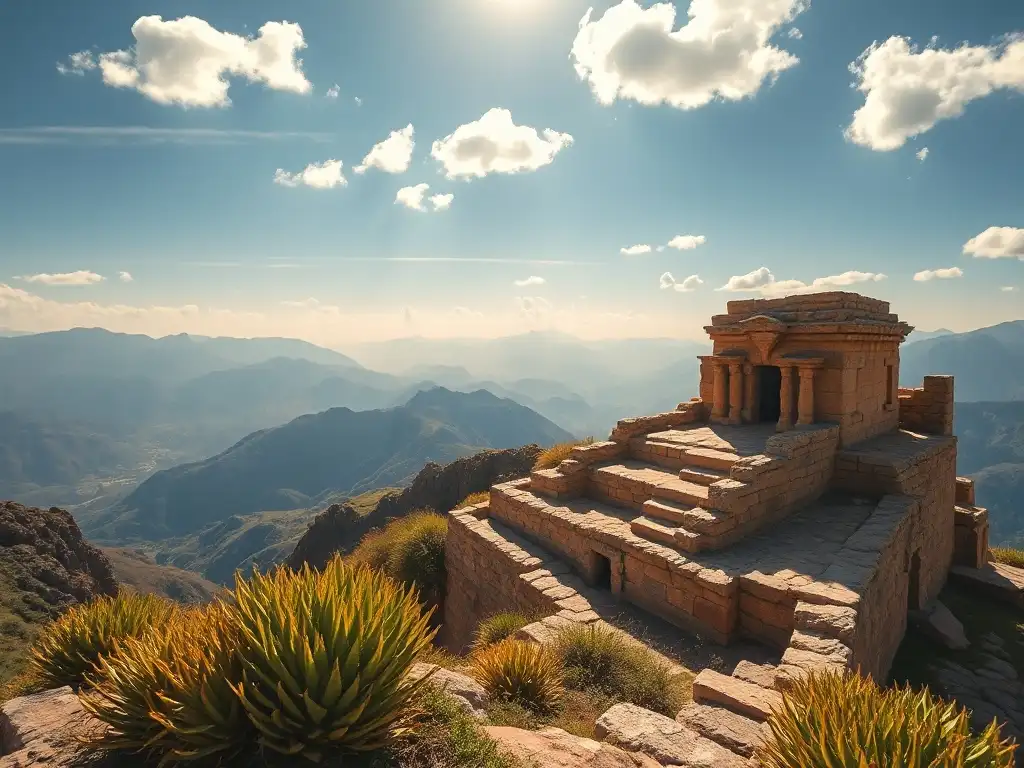
Uncover the secrets of a lost world where ingenuity thrived amidst breathtaking landscapes. For centuries, the Andean civilizations mastered sustainable design, leaving behind architectural marvels that continue to inspire awe. Dive into the fascinating world of Andean architecture sustainable design—discover how their innovative techniques offer crucial lessons for our future, and unlock the ingenuity behind their enduring legacy. Prepare to be amazed.
The Andes Mountains, a spine of towering peaks traversing South America, are not only a breathtaking geological marvel but also the cradle of sophisticated and surprisingly sustainable civilizations. For centuries, Andean cultures—including the Incas, Moche, Nazca, and Tiahuanaco—developed ingenious architectural techniques perfectly adapted to their challenging environment.
This article explores how the principles of Andean architecture, characterized by its resilience, resourcefulness, and harmony with the natural world, offer invaluable lessons for contemporary sustainable design. We will delve into the specific techniques employed by these ancient builders, examining their innovative solutions to issues of climate control, material sourcing, and structural integrity, and ultimately demonstrating how their wisdom can inform the creation of environmentally responsible buildings in the 21st century.
By understanding and applying these ancient principles, we can build a more sustainable future, inspired by the enduring legacy of Andean ingenuity. This exploration of Andean architecture and sustainable design aims to highlight the interconnectedness of past knowledge and future innovation, demonstrating that true progress often lies in revisiting and reinterpreting the wisdom of our ancestors.
Introduction to Andean Architectural Ingenuity and Sustainability
Andean architecture is a testament to human adaptability and ingenuity. Facing harsh climates, steep terrain, and limited resources, these cultures developed sophisticated building techniques that minimized environmental impact and maximized resource efficiency. Their structures, often seamlessly integrated into the landscape, demonstrate a deep understanding of local materials and climatic conditions.
For example, the use of stone, readily available in the Andean region, minimized transportation costs and embodied energy. Furthermore, the strategic placement of buildings, taking advantage of solar orientation and natural ventilation, reduced the need for energy-intensive climate control systems. This inherent sustainability is not merely a coincidence; it reflects a profound connection between the Andean peoples and their environment, a worldview that prioritized harmony and balance.
The integration of agricultural practices with urban planning further exemplifies this holistic approach, creating self-sufficient and resilient communities. This profound understanding of ecological principles makes Andean architectural practices a compelling case study for modern sustainable design. The following sections will analyze specific techniques that showcase this ingenuity.
Ancient Andean Construction Techniques: Foundations of Sustainable Design
The remarkable longevity and resilience of Andean structures are directly attributable to their sophisticated construction techniques. These techniques prioritized the use of locally sourced, readily available materials, minimizing transportation costs and environmental impact. Stone, for example, was a primary building material, expertly cut and fitted together without the use of mortar in many instances. This dry-stone construction, a hallmark of Andean architecture, demonstrates a remarkable understanding of structural engineering and material properties.
The precise fitting of stones created incredibly strong and stable structures, capable of withstanding earthquakes and other natural disasters. Furthermore, the use of techniques such as interlocking stones and carefully planned weight distribution further enhanced structural integrity. Beyond stone, other materials like adobe (sun-dried brick) and wood were also skillfully employed, often in combination with stone, demonstrating a flexible and adaptable approach to construction.
The choice of materials and construction methods was always dictated by local availability and environmental considerations, a crucial aspect of sustainable design that is often overlooked in modern construction. The ingenuity of these techniques, developed over centuries of trial and error, provides valuable insights into creating resilient and sustainable buildings for the future. Understanding the principles behind these ancient methods can lead to innovations in modern construction, reducing our reliance on energy-intensive and environmentally damaging materials and processes.
Key Principles of Andean Architecture for Modern Sustainability
Andean architecture offers a wealth of sustainable design principles that remain remarkably relevant today. These ancient civilizations, facing challenging environmental conditions, developed ingenious techniques that minimized their impact on the environment while maximizing resource efficiency. Understanding these principles is crucial for developing modern sustainable building practices. The focus was always on harmonious integration with the surrounding landscape, rather than dominating it.
This holistic approach, encompassing everything from material selection to building orientation, provides a valuable blueprint for contemporary sustainable design. The emphasis on resilience, adaptability, and resourcefulness is particularly pertinent in the face of modern climate change challenges. By examining these historical practices, we can gain insights into creating more eco-conscious and resilient structures for the future. The ingenuity of the Andean builders serves as a powerful reminder that sustainability is not a modern invention, but rather a timeless pursuit.
Adaptation to the Environment in Andean Building Practices
Andean builders demonstrated a deep understanding of their environment, adapting their construction techniques to the specific climatic and geographical conditions of each region. In high-altitude regions like the Andes, buildings were designed to withstand extreme temperatures and strong winds. This often involved using thick walls to regulate internal temperature fluctuations and strategically placed openings to optimize airflow and sunlight. In coastal areas, builders utilized materials resistant to humidity and salt corrosion.
This adaptability is crucial for contemporary sustainable architecture, which must respond to diverse climates and environmental challenges. By mimicking the Andean approach of site-specific design, architects can create buildings that are not only energy-efficient but also aesthetically harmonious with their surroundings. This approach necessitates careful consideration of factors such as solar orientation, wind patterns, and local microclimates. The Andean legacy emphasizes the importance of understanding and working with nature, rather than against it.
Use of Local Materials in Traditional Andean Construction
The use of locally sourced materials was paramount in Andean construction. This minimized transportation costs and environmental impact, while simultaneously fostering a strong connection between the built environment and its surrounding ecosystem. Stone, adobe, and timber were extensively employed, reflecting the readily available resources in different regions. This practice dramatically reduced the carbon footprint associated with material production and transportation, a key consideration for modern sustainable building.
The longevity of many Andean structures further highlights the durability and sustainability of these locally sourced materials. Contemporary architects can learn from this by prioritizing regional materials, supporting local industries, and reducing the reliance on energy-intensive imported materials. This approach not only reduces environmental impact but also strengthens local economies and preserves traditional building techniques. The choice of material was not arbitrary; it was determined by its availability, durability, and suitability for the specific climate and construction method.
Energy Efficiency in Andean Architectural Design
Andean architectural designs often incorporated ingenious strategies to optimize energy efficiency. Building orientation, window placement, and the use of natural ventilation were carefully considered to maximize solar gain in winter and minimize overheating in summer. Thick walls and insulating materials helped regulate internal temperatures, reducing the need for artificial heating and cooling. These passive design techniques significantly decreased energy consumption, aligning with modern sustainability goals.
The integration of thermal mass materials, such as stone and adobe, played a vital role in energy conservation by absorbing and releasing heat gradually throughout the day. This showcases a sophisticated understanding of thermal dynamics, an aspect that is often overlooked in modern construction. The Andean approach emphasizes the importance of designing buildings that work harmoniously with the natural environment, minimizing energy use and maximizing comfort.
Examples of Sustainable Andean Architecture
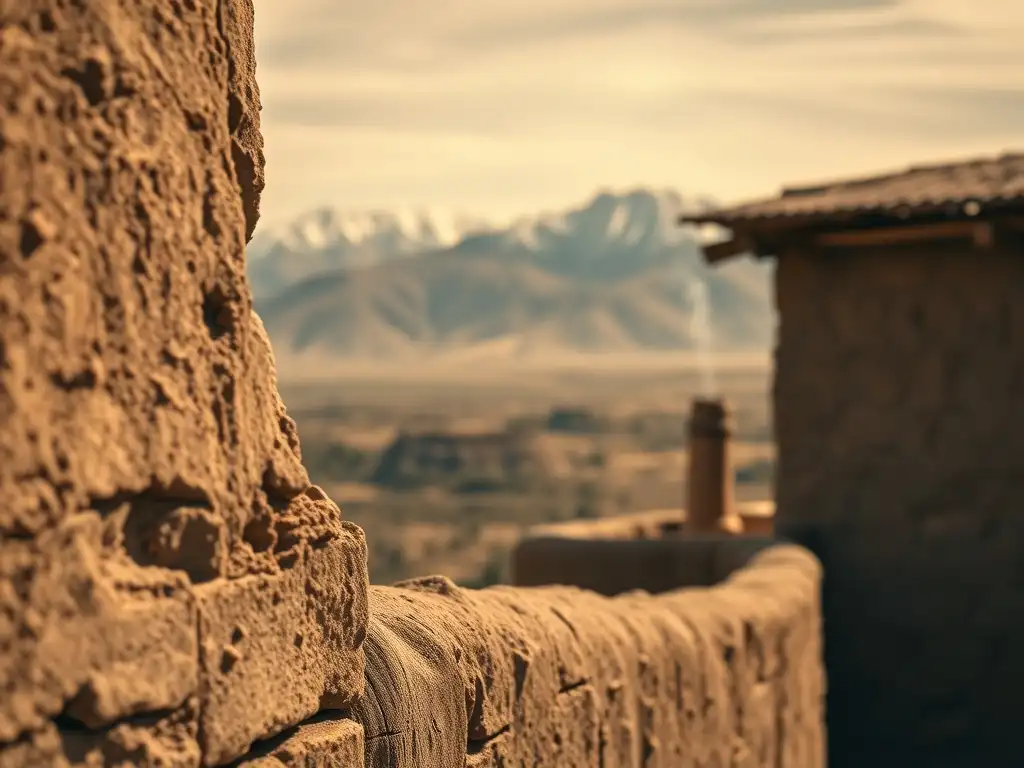
The architectural achievements of the Andean civilizations offer compelling case studies in sustainable design. Their buildings, designed with meticulous attention to environmental factors and resource efficiency, serve as a powerful inspiration for contemporary architects. Examining these examples allows us to understand the core principles of sustainable design and to appreciate the profound connection between human ingenuity and environmental responsibility. The enduring legacy of these structures highlights the long-term viability of sustainable practices.
Inca Engineering: Machu Picchu and its Environmental Integration
Machu Picchu, the iconic Inca citadel, stands as a testament to the Inca's mastery of sustainable design. Its location, carefully chosen for its access to water and agricultural land, showcases an understanding of environmental resource management. The integration of terraces into the mountainside minimized soil erosion and maximized agricultural yield. The use of local stone, precisely fitted without mortar, reflects a commitment to resource efficiency and durability.
The entire complex is a remarkable example of harmonious integration between human settlement and the natural environment. The city's layout, incorporating natural features into its design, is a powerful demonstration of sustainable urban planning. Machu Picchu’s enduring existence, despite environmental challenges, highlights the long-term viability of this approach.
Tiahuanaco's Innovative Water Management Techniques
The Tiahuanaco civilization, known for its sophisticated urban planning, developed innovative water management techniques. Their mastery of hydraulic engineering is evident in their intricate canal systems and sophisticated water storage structures. These systems ensured a reliable water supply for agriculture and domestic use, even during periods of drought. The integration of water management into their urban design demonstrates a sophisticated understanding of water resource sustainability. The meticulous planning and construction of these systems underscore the long-term vision and commitment to environmental responsibility. This sophisticated water management exemplifies the importance of resource conservation in sustainable urban planning.
Moche Adobe Construction and Climate Control
The Moche culture, known for its sophisticated artistry and engineering, demonstrated a mastery of adobe construction. Their adobe buildings, often featuring thick walls and carefully designed ventilation systems, provided effective climate control, keeping interiors cool in the hot desert climate. The use of adobe, a readily available and sustainable material, further exemplifies their commitment to resource efficiency.
The durability of many Moche structures, despite harsh environmental conditions, speaks to the effectiveness of their construction techniques. Their ability to create comfortable living spaces with minimal environmental impact provides a valuable lesson in sustainable building practices. The Moche’s understanding of thermal mass and its application in adobe construction is a significant contribution to sustainable building knowledge.
Nazca Lines and their Relationship with Landscape and Water
While not strictly buildings, the Nazca Lines present another facet of Andean interaction with the landscape. Their creation suggests a deep understanding of the land's topography and water resources. The lines' alignment with astronomical events and water sources suggests a sophisticated understanding of the relationship between human activity and the environment. While the exact purpose remains debated, their existence highlights the Andean focus on respecting and understanding the natural world.
The immense scale of the project and the precision of the lines demonstrate a commitment to long-term planning and environmental consideration. The Nazca Lines offer a unique perspective on the Andean worldview and its implications for sustainable practices. The lines themselves, though enigmatic, represent a profound engagement with the landscape and its resources.
Lessons from Andean Architecture for Contemporary Sustainable Building
Andean architecture offers a wealth of sustainable design principles relevant to contemporary building practices. For centuries, Andean communities thrived by constructing buildings that harmonized with their environment, minimizing their impact and maximizing resource efficiency. This was achieved not through advanced technology, but through a deep understanding of local materials, climate, and social needs.
Their ingenuity in using readily available materials like stone, adobe, and thatch, combined with sophisticated construction techniques, resulted in structures that were both durable and environmentally responsible. Studying these techniques allows us to re-evaluate our current approaches to construction, moving away from resource-intensive methods towards more sustainable alternatives. The resilience of these ancient structures, often surviving centuries of harsh weather, also serves as a testament to the long-term viability of sustainable building practices.
Understanding how these structures weathered earthquakes, floods, and other natural disasters provides valuable insights for designing more resilient buildings today. This deep understanding of the past can inform the future of sustainable building design.
Application of Ancient Andean Principles in Modern Construction
The principles of Andean architecture are surprisingly adaptable to modern construction. For instance, the use of rammed earth, a technique widely employed by Andean cultures, is experiencing a resurgence in modern sustainable building. Rammed earth construction is incredibly energy-efficient, utilizing locally sourced materials and requiring minimal processing.
This reduces the carbon footprint significantly compared to traditional concrete construction. Similarly, the Andean focus on passive solar design, incorporating features like thick walls and strategically placed openings to regulate temperature, can be incorporated into modern buildings to reduce energy consumption for heating and cooling. Moreover, the integration of vernacular materials, like bamboo or locally-sourced timber, in modern designs reduces transportation costs and environmental impact, while also promoting local economies.
The careful consideration of site orientation, wind patterns, and sunlight, as practiced by Andean builders, can be replicated using modern computational tools to optimize building performance and reduce environmental impact. The adaptation of these ancient principles requires careful consideration and appropriate modifications for contemporary building codes and safety standards.
The Importance of Bioclimatic Design in Andean Architecture
Bioclimatic design is central to Andean architecture. Andean builders understood the importance of harnessing natural resources to create comfortable and energy-efficient buildings. They skillfully utilized the sun's path, prevailing winds, and local topography to naturally regulate temperature and ventilation.
For example, the orientation of buildings, often facing the east to capture morning sun, minimized the need for artificial heating. The use of thick walls, made from stone or adobe, provided thermal mass, absorbing heat during the day and releasing it slowly at night. Similarly, overhanging roofs and strategically placed windows created shade during the hot periods, reducing the need for air conditioning.
These techniques, combined with the use of natural ventilation systems, resulted in buildings that were comfortable throughout the year, minimizing reliance on energy-intensive climate control systems. This understanding of bioclimatic principles is crucial for designing sustainable buildings today, reducing our reliance on fossil fuels and lowering our carbon emissions.
Andean Techniques for Water Conservation and Management
Water management was crucial for Andean civilizations, and their architectural solutions are remarkably sophisticated. They developed intricate systems of canals, terraces, and reservoirs to capture, store, and distribute water efficiently. These systems not only provided water for irrigation but also played a critical role in regulating water flow and preventing erosion.
The construction of terraced agriculture on steep slopes, a hallmark of Andean ingenuity, dramatically increased arable land and reduced water runoff. The use of porous materials in building construction allowed for gradual water absorption and release, helping to regulate humidity and prevent water damage. These techniques are highly relevant today, as water scarcity becomes an increasing concern globally.
By studying and adapting these ancient methods, we can develop more efficient and sustainable water management strategies for modern buildings and urban environments. The integration of rainwater harvesting systems and greywater recycling, inspired by Andean practices, can significantly reduce water consumption in buildings.
How Andean Architecture can Inspire Future Sustainable Design
Andean architecture provides a powerful model for future sustainable design, offering a blend of functionality, aesthetics, and environmental responsibility. The emphasis on locally sourced materials, passive solar design, and efficient water management exemplifies a holistic approach to sustainable building. By studying the durability and resilience of ancient Andean structures, we can learn how to build buildings that withstand the test of time and the impacts of climate change.
The integration of traditional knowledge with modern technology offers immense potential for creating innovative and sustainable solutions. The adaptability of Andean techniques, such as rammed earth construction and terraced agriculture, to modern contexts demonstrates their relevance to contemporary challenges. The emphasis on community participation and the integration of buildings within the larger landscape also offers valuable lessons for creating more socially and environmentally responsible urban environments.
Integrating Traditional Knowledge into Modern Architectural Practices
Integrating traditional Andean knowledge into modern architectural practices requires a collaborative and respectful approach. This involves actively engaging with indigenous communities and learning from their expertise in sustainable building techniques. It also requires adapting traditional methods to meet modern building codes and safety standards, ensuring structural integrity and safety. The process of knowledge exchange should be mutually beneficial, recognizing the value of both traditional and modern expertise.
This collaboration can lead to innovative hybrid designs that combine the best of both worlds, creating buildings that are both sustainable and culturally relevant. The documentation and preservation of traditional building techniques are also crucial for ensuring their continued use and preventing the loss of valuable knowledge. The creation of training programs and educational resources that promote the use of traditional Andean building techniques can also help to disseminate this knowledge.
Promoting a Circular Economy using Andean Concepts
Andean architecture embodies several principles central to a circular economy. The use of readily available, locally sourced materials minimizes transportation and processing costs, reducing environmental impact. The focus on durable and repairable construction reduces waste and extends the lifespan of buildings. The reuse and repurposing of materials, common in Andean building practices, minimizes reliance on new resources.
The integration of these principles into modern design can help create buildings that are both sustainable and economically viable. By emphasizing the lifespan of materials and minimizing waste, we can create a more circular and regenerative approach to building design. The incorporation of design strategies that facilitate deconstruction and material reuse at the end of a building’s life is critical for achieving a truly circular approach.
The Role of Andean Wisdom in Creating Resilient and Sustainable Cities
Andean wisdom offers valuable insights for creating resilient and sustainable cities. The integration of green spaces, water management systems, and community-oriented design, as exemplified by Andean settlements, can contribute to healthier and more sustainable urban environments. The emphasis on local materials and appropriate technologies reduces reliance on external resources and enhances local economies.
The integration of traditional building techniques can help create cities that are more resistant to climate change impacts. By embracing the principles of Andean architecture, we can create cities that are not only sustainable but also culturally rich and resilient to future challenges. The adoption of community-based participatory design processes, reflecting the collaborative nature of Andean building traditions, can foster a sense of ownership and responsibility among city dwellers, promoting a more sustainable urban future.
Challenges and Opportunities in Applying Andean Sustainable Design Principles Today
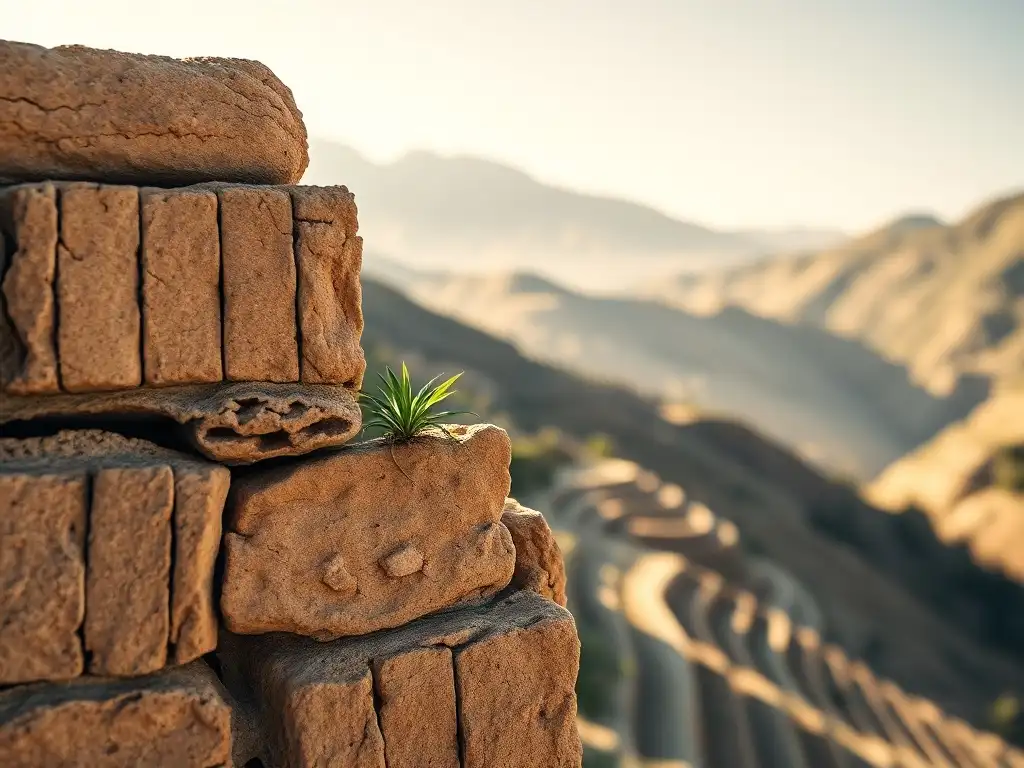
The application of Andean sustainable design principles in contemporary architecture presents both exciting opportunities and significant challenges. One major hurdle is the adaptation of ancient techniques to modern building codes and safety regulations. While the ingenuity of Inca stonework, for instance, is undeniable, replicating it precisely using modern materials and adhering to current structural standards requires innovative solutions. Furthermore, sourcing materials sustainably and ethically, mirroring the ancient Andean reliance on locally-sourced resources, can be complex in today's globalized market.
The economic viability of such projects is another key consideration; while environmentally sound, traditional methods can sometimes be more labor-intensive and therefore more expensive than conventional construction. However, the potential benefits are substantial. By embracing Andean principles, we can reduce our carbon footprint, enhance building resilience against natural disasters (common in the Andes), and create structures that are better integrated into their environment.
The opportunity lies in finding the delicate balance between honoring the past and innovating for the future. The potential for creating truly sustainable and culturally relevant buildings is immense, offering a compelling alternative to environmentally damaging construction practices. This requires a multidisciplinary approach, combining the expertise of architects, engineers, material scientists, and archaeologists.
Adapting Ancient Techniques to Modern Materials and Technologies
Adapting ancient Andean techniques to modern contexts necessitates a careful consideration of material science and engineering principles. For example, the precise fitting of stones in Inca structures, achieved without mortar, presents a formidable engineering challenge to replicate with modern materials. Research into the use of innovative binders and composites, while maintaining the aesthetic and structural integrity of the original designs, is crucial.
The use of rammed earth, a common Andean technique, can be modernized through the addition of stabilizers and improved compaction methods, increasing its strength and durability. Similarly, the traditional use of thatch and reeds for roofing can be reinterpreted using modern, sustainable materials with comparable thermal and acoustic properties, such as bamboo or recycled materials.
Successfully adapting these techniques requires a collaborative effort between traditional builders, engineers, and material scientists, ensuring that the spirit of the original methods is preserved while meeting modern standards of safety and longevity. This process of adaptation also provides opportunities for technological innovation, potentially leading to the development of new, sustainable building materials and techniques.
Preserving Andean Architectural Heritage while Promoting Innovation
Balancing the preservation of Andean architectural heritage with the promotion of innovation in sustainable design requires a nuanced approach. Simply replicating past designs might not be sufficient; a deeper understanding of the underlying principles of Andean architecture – its response to climate, its integration with the landscape, and its use of local materials – is necessary. This understanding can then inform the design of contemporary structures that are both innovative and respectful of the heritage.
The challenge lies in avoiding mere imitation and instead engaging in a creative dialogue between past and present. For example, modern buildings could incorporate elements of Inca masonry techniques, such as the precise fitting of stones, while using contemporary materials that are both sustainable and readily available. This approach allows for innovation while still honoring the cultural significance of Andean architecture.
Furthermore, the process of studying and reinterpreting ancient techniques can lead to the discovery of new methods and materials for sustainable building. Careful documentation and preservation of existing structures are essential to this process, ensuring that future generations can learn from the wisdom embedded within these remarkable buildings.
The Importance of Community Engagement in Sustainable Building Projects
Community engagement is paramount in the successful implementation of sustainable building projects inspired by Andean architecture. The local communities possess invaluable traditional knowledge and building skills that are essential to the project's success. Their involvement ensures that the project respects the cultural heritage and the environmental context. Furthermore, their participation in the design and construction process can foster a sense of ownership and pride in the resulting structures.
Collaboration with local artisans and builders not only preserves traditional techniques but also provides economic opportunities within the communities. This approach ensures that the project is not only environmentally sustainable but also socially responsible. Open communication and participatory design processes are crucial for building trust and ensuring that the project aligns with the community's needs and aspirations.
Examples include workshops, community meetings, and the incorporation of local craftsmanship into the design. Ignoring the local community can lead to projects that are not only culturally insensitive but also unsustainable in the long run, failing to integrate harmoniously into the existing social and environmental fabric. Therefore, meaningful community engagement is not merely desirable but essential for the success of any project aiming to learn from and apply Andean principles of sustainable design.
Conclusion: Reconnecting with Andean Heritage for a Sustainable Future
Reconnecting with the rich architectural heritage of the Andes offers a powerful pathway towards a more sustainable future. By understanding and adapting the ingenious sustainable design principles employed by ancient Andean civilizations, we can create buildings that are not only environmentally responsible but also culturally relevant and aesthetically pleasing. The challenges are significant, requiring a multidisciplinary approach that integrates traditional knowledge with modern technologies and materials.
However, the opportunities are equally substantial, offering a chance to reduce our environmental impact, enhance building resilience, and create structures that are deeply connected to their context. The key lies in fostering collaboration between architects, engineers, material scientists, archaeologists, and most importantly, the communities that inherit this rich architectural legacy. By embracing this holistic approach, we can build a future where sustainable design is not only technologically advanced but also culturally meaningful and deeply rooted in the wisdom of the past.
The Andean legacy provides a compelling model for a sustainable future, reminding us of the enduring power of traditional knowledge and its relevance in addressing contemporary challenges. The future of sustainable design is inextricably linked to our ability to learn from and integrate the lessons of the past.
References and Further Reading on Andean Construction and Sustainable Design
The study of Andean architecture and its implications for sustainable design is a burgeoning field, with ongoing research constantly revealing new insights. To delve deeper into this fascinating intersection of history and modern innovation, exploring a variety of resources is crucial. Several academic journals publish cutting-edge research on ancient Andean technologies and their relevance to contemporary sustainable practices.
These journals often feature peer-reviewed articles detailing specific case studies of Andean construction techniques, analyzing their material choices, structural ingenuity, and environmental impact. Look for keywords such as "Andean construction," "sustainable building materials," "pre-Columbian engineering," and "indigenous knowledge systems" when searching these databases.
Beyond academic journals, books dedicated to Andean architecture and engineering offer invaluable context and detailed analyses. Many publications explore the specific challenges faced by Andean builders, such as seismic activity and varied climates, and the ingenious solutions they devised. These books often include extensive photographic documentation and detailed drawings, providing a visual understanding of the construction processes and the resulting structures. For example, texts focusing on Inca stonework, Nazca irrigation systems, or Tiwanaku monumental architecture provide rich case studies for understanding sustainable design principles in action. Look for authors specializing in Andean archaeology, architectural history, and engineering.
Furthermore, online resources, such as digital archives and university websites, provide access to a wealth of information. Many museums and archaeological institutions have digitized their collections, making images and descriptions of Andean artifacts and sites easily accessible. These digital resources can be incredibly useful for researchers and enthusiasts alike, offering a visual and textual exploration of Andean architecture. Furthermore, some universities offer online courses or modules focusing on Andean civilizations and their construction techniques, providing structured learning opportunities. These online resources often include bibliographies and further reading lists, providing starting points for more in-depth research.
Finally, engaging with local communities and indigenous knowledge holders is crucial for a holistic understanding of Andean construction and its sustainable aspects. Oral histories, traditional building practices, and knowledge passed down through generations offer invaluable perspectives, often not captured in written documents. These perspectives highlight the deep connection between Andean peoples and their environment, demonstrating the long-term sustainability of their building practices.
Accessing this knowledge requires sensitivity, respect, and collaborative research approaches that prioritize the voices and perspectives of the communities involved. This participatory approach ensures a more complete and nuanced understanding of the topic, enriching the study of Andean architecture and its legacy for sustainable design.
- Introduction to Andean Architectural Ingenuity and Sustainability
- Ancient Andean Construction Techniques: Foundations of Sustainable Design
- Key Principles of Andean Architecture for Modern Sustainability
- Examples of Sustainable Andean Architecture
- Lessons from Andean Architecture for Contemporary Sustainable Building
- How Andean Architecture can Inspire Future Sustainable Design
- Challenges and Opportunities in Applying Andean Sustainable Design Principles Today
- Conclusion: Reconnecting with Andean Heritage for a Sustainable Future
- References and Further Reading on Andean Construction and Sustainable Design
- What makes Andean architecture relevant to modern sustainable design?
- How did Andean civilizations achieve sustainable building without modern technology?
- What specific Andean architectural elements are most relevant to sustainable design today?
- Can modern architecture fully replicate the sustainability of Andean designs?
- Where can I learn more about Andean architecture and sustainable design?
Frequently Asked Questions
What makes Andean architecture relevant to modern sustainable design?
Andean architecture offers valuable lessons in sustainable building practices. Ancient builders skillfully utilized local materials, adapted to the environment, and created resilient structures requiring minimal energy. Their ingenuity provides inspiration for today's architects seeking environmentally friendly solutions.
How did Andean civilizations achieve sustainable building without modern technology?
They employed ingenious techniques like earthquake-resistant construction, using locally sourced materials like stone, adobe, and thatch. Clever design features such as ventilation and sun orientation optimized natural resources for climate control, minimizing energy consumption.
What specific Andean architectural elements are most relevant to sustainable design today?
Features like terraced farming, which prevents erosion and optimizes water use, and the incorporation of natural insulation in building materials are highly relevant. Also, the use of locally sourced materials reduces transportation costs and environmental impact.
Can modern architecture fully replicate the sustainability of Andean designs?
While complete replication is impossible, we can draw inspiration from Andean principles. Modern technology enables us to enhance these techniques with innovative materials and methods, creating sustainable structures that are both functional and environmentally conscious.
Where can I learn more about Andean architecture and sustainable design?
Explore resources like academic journals, books, and documentaries focusing on Andean civilizations and their building techniques. Many museums and archaeological sites offer insights into the sustainable practices employed by ancient Andean cultures.
Final Reflection: Echoes of the Andes, Whispers of the Future
The ingenious sustainable practices embedded within Andean architecture offer not just a glimpse into the past, but a crucial roadmap for navigating the urgent challenges of our present. Ignoring these lessons would be a profound disservice to both our planet and our future generations. The ingenuity of these ancient builders, working in harmony with their environment, stands as a powerful counterpoint to our often unsustainable modern practices.
The enduring legacy of Andean architecture extends far beyond its aesthetic beauty; it represents a profound philosophical shift in our relationship with the built environment. It compels us to reconsider our consumption habits and our impact on the planet. The earth provides enough to satisfy every man's needs but not every man's greed.
– Mahatma Gandhi. This quote resonates deeply with the principles of resourcefulness and respect for nature inherent in Andean design, a stark contrast to the often wasteful practices of contemporary construction. The simple elegance and enduring strength of these structures serve as a constant reminder of the power of thoughtful, sustainable design.
Consider the implications of this knowledge. How can you, in your own life, incorporate the principles of resourcefulness, adaptability, and harmony with nature that are so clearly demonstrated in Andean architecture? Embrace the challenge of sustainable living; let the echoes of the Andes inspire you to build a future where ingenuity and environmental responsibility go hand in hand. Let's learn from the past to build a more sustainable future, one stone, one design, one conscious choice at a time.
Unveil Sustainable Solutions Inspired by Andean Wisdom!
Thank you for joining us on this enlightening journey exploring the innovative world of Andean architecture. You've gained valuable insights into their harmonious designs and sustainable practices, offering a powerful model for our modern approach to sustainability.
Now, let's put that inspiration into action! Here are a few ways you can begin:
- Embrace sustainable practices: Integrate elements of Andean architectural wisdom into your home or community. Using locally-sourced materials or designing for natural ventilation are just two examples of how even small changes can make a big difference.
- Connect with a community: Join or form a group of people passionate about sustainable design. Sharing ideas, resources, and collaborating on projects can amplify your impact and build a stronger movement.
- Share your story: Document your experiences implementing these principles and share them online. Inspire others by showcasing the practical application of Andean wisdom and its positive effects.
How can you integrate Andean sustainable practices into your daily life or projects? Let's discuss this further in the comments!