
The Language of the Andes: Communication in Everyday Life


Unravel the mysteries of a lost world. For centuries, the towering peaks of the Andes have guarded the secrets of remarkable civilizations. But how did the Incas, Moche, and other Andean cultures connect across vast distances and diverse landscapes? Discover the ingenious Andean civilization communication methods that shaped their societies and empires – a story far more complex and fascinating than you ever imagined. Dive in and explore the intricate web of communication that defined Andean life.
- Andean Civilization Communication Methods: An Overview
- Oral Traditions and Storytelling in Andean Communication
- Non-Verbal Communication: Gestures and Body Language
- Visual Communication: Art as a Means of Expression
- Khipus: The Knotted Cords of Andean Communication
- Roads and Messengers: Relay Communication in the Inca Empire
- Music and Dance: Expressing Ideas Through Performance
- Evolution of Andean Communication
- Conclusion: The Legacy of Andean Communication
-
Frequently Asked Questions
- How did the Andean civilizations communicate over long distances?
- What role did quipus play in Andean communication?
- Did the Andean civilizations have a single, unified language?
- How did art and iconography contribute to communication in Andean societies?
- What evidence exists to support our understanding of Andean communication methods?
- Final Reflection: Echoes of the Andes: A Legacy of Communication
- **Embrace the Echoes of the Andes! **
Andean Civilization Communication Methods: An Overview
The Andes Mountains, a spine of towering peaks stretching along the western coast of South America, were home to a remarkable diversity of ancient civilizations. For centuries, these societies—including the Incas, Moche, Nazca, and Tiahuanaco—developed sophisticated systems of communication crucial to their survival and societal organization. Understanding their communication methods provides invaluable insight into their daily lives, social structures, and overall worldview.
This article delves into the various ways Andean civilizations communicated, exploring the ingenuity and complexity of their systems, and highlighting the vital role communication played in shaping their societies. From the intricate knotted strings of the quipus to the elaborate visual language expressed in their art and architecture, we will uncover the rich tapestry of Andean communication, revealing a far more complex and nuanced picture than previously imagined.
The effective transmission of information was paramount to their success, facilitating trade, governance, and the preservation of cultural knowledge across vast geographical landscapes and diverse ecological zones. This exploration of Andean civilization communication methods will illuminate the sophisticated strategies employed by these remarkable cultures.
The Importance of Communication in Ancient Andean Societies
Effective communication was fundamental to the success and survival of Andean civilizations. These societies, often spread across challenging terrains, relied on robust communication networks to manage their complex political structures, coordinate agricultural practices, and maintain social cohesion. Without efficient communication systems, these large and geographically dispersed populations would have struggled to coordinate activities such as large-scale construction projects (like Machu Picchu), military campaigns, and the distribution of resources.
The absence of a written alphabet in the way we understand it, however, does not suggest a lack of sophisticated communication; instead, it highlights the development of alternative, highly effective systems. These included visual communication, oral traditions, and intricate record-keeping techniques.
The absence of a unified language across all Andean civilizations also necessitated the development of diverse and adaptable communication strategies, leading to a fascinating tapestry of methods and techniques. The importance of these methods cannot be overstated; they were integral to the social, political, and economic fabric of Andean life.
Visual Communication: Art, Architecture, and Textiles
Andean civilizations were masters of visual communication, employing a variety of media to convey information, tell stories, and express their worldview. Their art, architecture, and textiles served not only aesthetic purposes but also acted as powerful communicative tools. For example, the intricate pottery of the Moche civilization depicts scenes of daily life, religious rituals, and warfare, providing valuable insights into their society and beliefs.
Similarly, the Nazca lines, vast geoglyphs etched into the desert floor, likely served ceremonial or astronomical purposes, demonstrating a sophisticated understanding of geometry and a remarkable ability to communicate on a monumental scale. Textiles, often adorned with complex patterns and symbols, served as both practical garments and powerful carriers of cultural information, conveying social status, lineage, and even historical narratives.
The vibrant colors and intricate designs of these textiles communicate stories that span generations, showcasing the enduring power of visual communication in Andean societies. Detailed studies of these visual elements offer a rich understanding of Andean culture and beliefs.
Oral Traditions and Storytelling
Oral traditions played a crucial role in transmitting knowledge, history, and cultural values across generations. Storytelling was a vital part of Andean life, with skilled storytellers, often shamans or elders, responsible for preserving and disseminating important information. These stories, passed down through generations, served as a repository of cultural knowledge, shaping societal norms and beliefs.
The absence of a widespread written language made oral traditions even more critical, ensuring the continuity of cultural heritage. While the exact content and style of many oral traditions are lost to time, archaeological evidence and surviving accounts from the colonial period offer glimpses into their richness and complexity. These oral traditions often intertwined with religious beliefs, myths, and legends, reinforcing social cohesion and transmitting important societal values.
The Quipu: A Knotted System of Record-Keeping

The quipus, complex systems of knotted strings, represent one of the most fascinating and enigmatic aspects of Andean communication. These strings, often multicolored and knotted in intricate patterns, served as a sophisticated form of record-keeping, capable of storing numerical data, historical information, and possibly even narrative texts. While the exact methods of reading and interpreting quipus remain debated, research suggests that the knots, colors, and the arrangement of the strings all conveyed specific meanings. The quipus were essential tools for Inca administration, allowing them to manage their vast empire effectively.
They were used to track census data, record agricultural yields, and manage resources across diverse regions. The development of the quipus demonstrates the remarkable ingenuity of Andean civilizations in adapting available materials to create a complex and efficient system of record-keeping, far beyond simple tallying devices. Further research continues to unlock the secrets encoded within these fascinating artifacts.
Communication Across Diverse Linguistic Groups
The Andes were home to a multitude of distinct language families and dialects. While Quechua became the dominant language under Inca rule, many other languages continued to be spoken. The challenge of communication across diverse linguistic groups was met through a combination of strategies. Trade networks facilitated interaction and the exchange of ideas, leading to the development of common trade languages or pidgins.
Furthermore, the Inca empire implemented effective administrative systems that allowed for communication and governance even across linguistic divides. While specific details of these cross-linguistic communication strategies require further research, the sheer scale and success of the Inca empire demonstrate the effectiveness of their approaches. This highlights the adaptability and resourcefulness of Andean societies in overcoming communication barriers. Further research into specific linguistic groups and their communication practices will significantly contribute to our understanding of Andean communication.
Oral Traditions and Storytelling in Andean Communication
The vibrant tapestry of Andean civilization wasn't solely woven with threads of intricate textiles and monumental architecture; it was also richly embroidered with the oral traditions and storytelling that served as the primary means of communication and cultural transmission for centuries. Understanding Andean civilization communication methods requires recognizing the profound importance of spoken word and its role in shaping societal values, beliefs, and historical memory. Unlike societies reliant on written scripts, Andean cultures relied heavily on oral transmission, making storytelling a vital social function.
This reliance on oral communication fostered a strong sense of community and collective memory, binding generations together through shared narratives. The meticulous preservation of these oral histories ensured the continuity of their rich cultural heritage across generations, even in the absence of a formal writing system.
The effective communication methods employed ensured the survival of their knowledge. We can still see echoes of this tradition in contemporary Andean communities.
Preserving History through Oral Narratives
Oral narratives weren't merely entertaining tales; they were sophisticated vehicles for preserving history, transmitting knowledge, and reinforcing social norms within Andean communities. These narratives, often passed down through lineages of yachaywasi (knowledge keepers), meticulously documented crucial events, genealogies, and historical accounts. The stories weren't static; they evolved and adapted over time, reflecting the changing circumstances and perspectives of each generation.
This dynamic process of retelling and reinterpreting stories ensured that the narratives remained relevant and engaging, maintaining their cultural significance. Consider, for example, the myths surrounding the origins of the Inca Empire, which served to legitimize the Inca rulers’ authority and consolidate their power. These narratives weren't simply historical accounts; they were powerful tools for social engineering, shaping individual and collective identities.
The precision and detail embedded within these oral histories demonstrate a remarkable capacity for preserving and transmitting complex information across vast stretches of time. The accuracy and consistency in key details across different versions of the same narrative highlight the effectiveness of the oral transmission methods. Archaeological evidence, such as iconography found on pottery and textiles, often corroborates elements of these oral traditions, further validating their historical significance.
The Role of Storytellers in Andean Communities
The yachaywasi and other skilled storytellers held positions of immense social prestige and influence within their communities. They were not merely entertainers; they were custodians of cultural memory, shaping societal values and beliefs through their narratives. Their performances often incorporated dramatic elements, music, and dance, transforming storytelling into a captivating and immersive experience. The skill of a storyteller lay not only in their ability to recall intricate details but also in their capacity to engage their audience, transmitting knowledge in an accessible and memorable way.
The effective communication methods employed by these skilled storytellers were crucial to maintaining social cohesion and cultural identity. They acted as social glue, binding communities together through shared experiences and values. Their stories instilled moral lessons, provided historical context, and helped to resolve conflicts. The social standing of these storytellers reflected the paramount importance of oral communication in Andean societies.
The ability to effectively communicate and transmit historical and cultural information was a highly valued skill, ensuring the survival and continuity of Andean civilization. Further research into the specific techniques used by these storytellers could provide invaluable insights into the effectiveness of their communication methods and the intricacies of their performance styles. For example, [specific information pending] regarding the use of mnemonic devices or performance techniques to enhance memorization and recall of lengthy narratives.
Non-Verbal Communication: Gestures and Body Language

Non-verbal communication played a crucial role in the daily lives of Andean civilizations, often conveying meaning as powerfully, if not more so, than spoken language. Understanding these subtle cues is essential to grasping the complexities of Andean social interactions and the nuances of their communication systems. While specific details about the precise meaning of every gesture remain partially lost to time, archaeological evidence and anthropological studies of later Andean cultures offer valuable insights into the significance of body language in their societies. The study of Andean civilization communication methods reveals a sophisticated system relying heavily on non-verbal cues.
Gestures served a multitude of purposes in Andean societies. From simple greetings to complex expressions of emotion and social status, hand movements, facial expressions, and postures communicated information efficiently and effectively. Consider, for example, the importance of reciprocity within Andean social structures.
A simple nod, a slight bow, or the offering of a coca leaf could all communicate intentions of friendship, respect, and a willingness to participate in reciprocal exchange – a cornerstone of Andean social organization. The absence of these gestures, conversely, could signal distrust or even hostility. Archaeological finds, such as depictions on pottery and textiles, provide glimpses into these gestures, though interpreting them requires careful consideration of the context in which they appear.
Further research is needed to fully elucidate the meaning of many gestures depicted in Andean art. For instance, the frequent depiction of individuals with hands clasped together might signify prayer, reverence, or a specific ritualistic act. More detailed analysis of these depictions, combined with ethnohistorical accounts of later Andean communities, could shed light on their precise meanings.
Body Language and Its Contextual Meaning
The interpretation of body language in Andean civilizations was highly contextual. A gesture's meaning could vary drastically depending on the social setting, the individuals involved, and the specific circumstances. For example, a particular posture might signify deference towards an elder in one situation, but dominance in another. Similarly, the intensity of a facial expression could dramatically alter the message being conveyed.
A slight smile might indicate politeness, while a wide grin could communicate genuine joy or even mockery, depending on the social cues that accompanied it. The lack of written records for many Andean languages makes deciphering the full range of nonverbal communication challenging. However, by examining the available evidence – art, textiles, and ethnohistorical accounts – researchers can begin to reconstruct a more complete picture. This nuanced understanding of body language is crucial for interpreting Andean social dynamics and understanding their sophisticated communication systems.
The study of Andean civilization communication methods requires a multi-faceted approach that considers both verbal and nonverbal aspects. Further research into this area, including detailed analysis of existing archaeological evidence and cross-cultural comparisons with similar societies, is crucial for a more comprehensive understanding. The careful examination of Andean art, specifically focusing on the postures and gestures of depicted figures, holds the key to unlocking further knowledge about this fascinating aspect of Andean culture.
Visual Communication: Art as a Means of Expression
Visual communication played a crucial role in the daily lives of Andean civilizations, transcending mere aesthetics to become a powerful tool for conveying complex ideas, beliefs, and social structures. Understanding these visual languages is key to unlocking a deeper understanding of Andean civilization communication methods. Unlike written languages prevalent in other parts of the world, the Andes relied heavily on visual representations to record history, transmit knowledge, and express religious and political ideologies.
This section focuses on the significance of Andean art as a primary form of communication. The intricate designs, vibrant colors, and symbolic imagery found in textiles, ceramics, and monumental architecture all served as powerful communicative tools, reflecting the sophistication and complexity of Andean societies. The effectiveness of these methods hinged on shared cultural understanding and a deeply ingrained visual literacy within the communities.
Andean Art as a Form of Communication
Andean art wasn't simply decorative; it was a vibrant and multifaceted system of communication. Textiles, for instance, often bore intricate patterns and designs that encoded social status, clan affiliation, and even historical events. The use of specific colors, weaving techniques, and motifs served as a visual language understood by those within the community. A detailed analysis of these textile designs can reveal intricate narratives, conveying messages that would otherwise be lost to time.
Similarly, ceramics, ranging from simple utilitarian vessels to elaborate ceremonial objects, were decorated with symbolic imagery that communicated religious beliefs, mythological stories, and social hierarchies. The Moche culture, renowned for its exquisite pottery, is a prime example, with their vessels often depicting scenes of daily life, warfare, and religious rituals, providing invaluable insights into their society. The meticulous detail and expressive nature of these artifacts highlight the importance placed on visual communication in their culture.
Analyzing Andean art requires a multidisciplinary approach, combining art historical analysis with anthropological and archaeological insights to fully appreciate its communicative power. Further research is needed to fully decipher the nuances of some of the more complex designs and symbols. [Specific information pending on deciphering less understood symbols in Nazca textiles].
Iconography and Symbolism in Andean Art
The iconography and symbolism within Andean art are crucial for deciphering its communicative function. Recurring motifs, such as the feline deity, condor, and serpent, held significant religious and political meanings, varying slightly across different cultures. For example, the feline deity was often associated with power and fertility, while the condor symbolized the upper world and the serpent represented the underworld. These symbolic representations were not arbitrary; they were deeply embedded within the Andean worldview and played a key role in shaping social structures and religious beliefs.
The use of specific colors also held symbolic weight. Red, for example, might represent blood, sacrifice, or power, while yellow could signify the sun or gold. Understanding the context in which these symbols and colors appear is critical for interpreting their meaning accurately. The systematic study of Andean iconography has revealed surprising levels of complexity and sophistication, demonstrating a highly developed visual language capable of conveying nuanced meanings.
However, ongoing research continues to unveil new interpretations and deepen our understanding of the rich symbolic world of Andean art. A detailed catalog of Andean symbols and their variations across different cultures would be a valuable resource for future research. Furthermore, the application of digital tools and advanced imaging techniques could potentially unlock even more secrets hidden within these ancient artifacts. The potential for new discoveries and interpretations in this field is immense.
Khipus: The Knotted Cords of Andean Communication

The intricate system of knotted cords known as khipus represents a fascinating aspect of Andean civilization communication methods. These weren't mere decorative items; they were sophisticated tools for storing and transmitting information, playing a crucial role in the administration and organization of the Inca Empire and preceding Andean societies. While the precise nature of their use remains a subject of ongoing research, significant progress has been made in understanding their complexity and functionality.
The khipu's significance goes beyond simple record-keeping; it reveals a deeply nuanced approach to data management that reflects the advanced organizational capabilities of Andean civilizations. Archaeological evidence suggests widespread use, with thousands of khipus discovered across the Andes, highlighting their importance in daily life and governance. The sheer quantity of surviving khipus indicates a robust and widespread system of communication and information storage deeply integrated into the fabric of Andean society.
Understanding the Khipu System
Khipus are made from a variety of natural fibers, most commonly cotton or llama wool, and consist of a main cord with numerous thinner cords attached. These subsidiary cords, often in different colors, feature a complex system of knots, varying in size, type, and placement. The combination of color, cord placement, and knot types is believed to have encoded information.
Early interpretations focused solely on numerical representation, viewing khipus primarily as accounting devices. However, recent research suggests a far more sophisticated system capable of conveying complex narratives, historical events, and potentially even poetic or literary content. The system appears to have been highly standardized, with consistent patterns and conventions observed across different khipu specimens.
This standardization implies a formal training system for khipu makers and interpreters, further emphasizing their importance within Andean society. Think of it as a highly specialized form of writing, unique to the Andes. The precise nature of this "writing system" remains a subject of ongoing debate and research.
Decoding Khipu: Beyond Numerical Records
While numerical data is undoubtedly encoded within khipus, the presence of different colored cords and knot types suggests a far richer semantic structure. Researchers are exploring possibilities beyond simple counting, including the encoding of calendrical information, genealogical records, and even narrative sequences. The color of each cord might signify different categories or concepts; a red cord could represent a specific type of resource, while a blue cord might indicate a different category entirely.
The placement of knots—their size, type, and distance from the main cord—likely further refined this information, creating a multi-layered system of meaning. This complex interplay of visual cues makes decoding khipus a challenging but rewarding endeavor. Each newly deciphered khipu offers invaluable insights into the cognitive processes and information management strategies of Andean societies.
The level of detail and sophistication encoded within these knotted cords is truly remarkable. The ongoing research into khipu deciphering continues to reveal new information about the Andean communication methods. We are only beginning to understand the true potential of this complex system.
Khipus as Tools for Information Management
The widespread use of khipus throughout the Inca Empire and preceding Andean civilizations points to their role as essential tools for information management. They were likely used for various administrative tasks, including census taking, tax collection, and the organization of resources. Imagine the logistical challenges of managing a vast empire without a written language in the modern sense.
The khipu system provided a remarkably effective solution. These knotted cords allowed for the efficient storage and retrieval of large amounts of data, facilitating communication between different regions and levels of governance. The system's effectiveness is highlighted by the Inca Empire's remarkable administrative capabilities.
The khipu’s success as a tool for information management underlines the sophisticated organizational abilities of Andean civilizations. Further research promises to reveal more about the intricate workings of this ingenious communication system and its impact on Andean society and governance. The study of khipus offers a unique window into the minds and organizational practices of a fascinating ancient civilization.
Roads and Messengers: Relay Communication in the Inca Empire

The Inca Empire, a marvel of Andean civilization, relied heavily on a sophisticated system of relay communication to maintain control and order across its vast territory. This system, far from being rudimentary, was a testament to their advanced understanding of logistics and the importance of rapid information exchange. Efficient communication was crucial for everything from tax collection and military mobilization to the dissemination of royal decrees and the management of agricultural production. The keyword "Andean civilization communication methods" is central to understanding this remarkable achievement.
The Role of Chasquis in the Inca Communication System
The backbone of the Inca communication network was the chasquis, a highly trained corps of runners. These weren't simply messengers; they were specialists in long-distance running, strategically positioned along the Qhapaq Ñan, the extensive Inca road system. Chasquis were organized into relay teams, ensuring continuous transmission of messages across hundreds, even thousands, of miles. Their training involved rigorous physical conditioning and the memorization of standardized messages.
They weren't just carrying written messages (though quipu played a role, as we will see later); they were often transmitting oral information, demonstrating a remarkable capacity for verbal recall and accuracy. The speed and efficiency of the chasqui system allowed for incredibly swift communication, enabling the Inca government to respond rapidly to crises and maintain tight control over its diverse populations. The effectiveness of this system highlights the advanced organizational capabilities of the Andean civilization.
The Inca Road Network and Its Impact on Communication
The Qhapaq Ñan, or Great Inca Road, wasn't merely a network of paths; it was a carefully engineered infrastructure designed to facilitate communication. Stretching over 40,000 kilometers, this network connected the farthest reaches of the empire, traversing diverse terrains, from high Andean plateaus to coastal deserts. The roads weren't just linear routes; they included strategically placed resting stations, tambos, providing food, shelter, and rest for the chasquis.
These tambos also served as communication hubs, where messages were relayed and information was exchanged. The construction of the Qhapaq Ñan itself represents a significant feat of engineering, demonstrating the Inca's advanced knowledge of surveying, construction, and logistics, all crucial elements for efficient Andean civilization communication methods.
The network's design, with its carefully planned routes and strategically placed tambos, directly supported the rapid transmission of information, making it an integral part of the empire's administrative and military power. The impact of this sophisticated infrastructure on the speed and reliability of communication cannot be overstated.
Efficient Communication Strategies in the Inca Empire
Beyond the chasquis and the Qhapaq Ñan, the Inca employed several other strategies to enhance communication efficiency. These included:
- Standardized messages: Messages were often coded or standardized to facilitate rapid transmission and reduce ambiguity.
- Hierarchical structure: The communication system mirrored the empire's hierarchical structure, ensuring that messages reached the appropriate authorities quickly.
- Use of quipu: While not the primary method for rapid communication, the quipu (a system of knotted cords) played a significant role in recording and storing information for later reference. It supplemented the oral communication system, providing a form of written record for important data.
- Signal fires: In addition to the chasquis, signal fires were used to relay urgent messages across long distances, particularly in cases of emergencies or military threats. This provided a supplementary, albeit less detailed, method for rapid communication.
The Inca's mastery of communication, integrating a complex interplay of human runners, an extensive road network, and sophisticated strategies, stands as a testament to their remarkable organizational skills and their understanding of the vital role of efficient communication in maintaining a vast and complex empire. This sophisticated system serves as a prime example of effective Andean civilization communication methods.
Music and Dance: Expressing Ideas Through Performance
Andean civilization communication methods extended far beyond spoken language. Music and dance played a vital role in daily life, conveying complex emotions, narrating historical events, and reinforcing social structures. These art forms weren't merely entertainment; they were integral to the fabric of Andean society, acting as powerful tools for communication and cultural transmission across generations. The intricate rhythms, melodies, and movements encoded rich layers of meaning, accessible to all members of the community, regardless of literacy levels. Understanding the significance of music and dance provides crucial insight into the richness and complexity of Andean communication.
The Cultural Significance of Andean Music
Andean music, with its diverse styles and instruments, served multiple purposes. It accompanied religious ceremonies, agricultural rituals, and celebrations. Specific melodies and rhythms were associated with particular deities, events, or social groups. For example, the yaraví, a melancholic song form prevalent in various Andean cultures, often expressed themes of love, loss, and longing, reflecting the emotional landscape of daily life. The music wasn't simply background noise; it actively shaped the atmosphere and meaning of the events it accompanied.
Furthermore, musical traditions were passed down orally, ensuring the continuity of cultural knowledge and identity across generations. This oral transmission meant that music functioned as a living archive, preserving historical narratives, social values, and spiritual beliefs. The melodies themselves acted as mnemonic devices, aiding in the retention and transmission of crucial information. The intricate patterns and structures within the music reinforced the importance of order and structure within the Andean worldview.
Dance in Andean civilizations was not merely a form of physical expression; it was a powerful communicative tool. Different dances conveyed different messages, reflecting social hierarchies, religious beliefs, and historical events. Many dances were intricately choreographed, with specific movements carrying symbolic meaning.
The movements, costumes, and formations within the dance often mirrored the social structure of the community, with leaders and participants taking on specific roles within the performance. For instance, certain dances might depict agricultural cycles, honoring the deities associated with fertility and harvest. Others might commemorate historical battles or victories, reinforcing group identity and collective memory.
The communal nature of these dances fostered social cohesion and strengthened community bonds. The vibrant costumes and elaborate headdresses further enhanced the communicative power of these performances, adding visual layers to the narrative unfolding on stage. The sheer spectacle of these dances ensured that the messages they conveyed were both memorable and impactful.
Musical Instruments as Tools for Expression
The variety of musical instruments used by Andean civilizations reflects their sophisticated understanding of sound and its communicative power. Instruments like the panpipes, zampoñas, tarkas, and drums were not simply objects; they were imbued with cultural and spiritual significance. The materials used in their construction, the techniques employed in their creation, and the sounds they produced all contributed to their communicative power.
The pututu, a long shell trumpet, for instance, was used to signal important events or summon people to gatherings. Its deep, resonant sound carried over significant distances, effectively announcing crucial news or announcements across the landscape. The construction of these instruments themselves often involved specialized knowledge and skills, passed down through generations of artisans.
This reinforces the idea that the creation and use of these instruments were integral parts of the Andean communication system, integrating craftsmanship with artistic expression and social function. The diversity of instruments across different Andean cultures also highlights the regional variations in musical traditions and their unique communicative functions within their respective communities. The sounds produced by these instruments were not just heard; they were experienced, shaping the cultural and spiritual world of the Andean people.
Evolution of Andean Communication
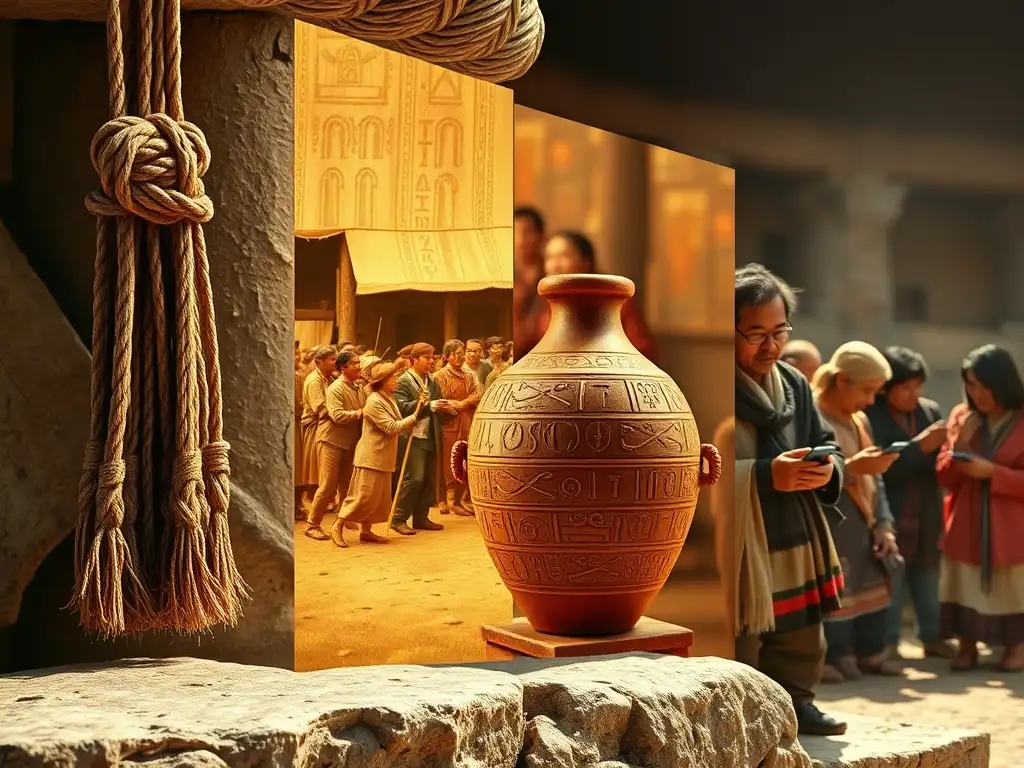
The study of Andean civilization communication methods reveals a fascinating tapestry woven from diverse techniques, evolving over millennia. From rudimentary signaling systems to sophisticated knotted-string record-keeping, the methods employed reflect the ingenuity and adaptability of Andean societies. Understanding this evolution provides crucial insight into their social structures, political organization, and daily life. The complexity of their communication systems, often overlooked in broader historical narratives, deserves focused attention. This section will explore key phases in this evolution, highlighting the innovative strategies employed by Andean peoples to connect across vast landscapes and maintain intricate social networks.
Communication Methods in Pre-Inca Andean Cultures
Pre-Inca Andean cultures, encompassing diverse societies like the Moche, Nazca, and Tiahuanaco, developed a remarkable array of communication methods tailored to their specific environments and needs. These methods often relied on visual signaling, given the challenging terrain.
For instance, the Nazca, famed for their geoglyphs, likely used these massive ground drawings for communication, potentially signaling across valleys or marking significant territories. While the exact purpose remains debated, the sheer scale and precision suggest a sophisticated understanding of visual communication and its potential for long-distance messaging. This is further supported by evidence of sophisticated astronomical knowledge integrated into their designs, possibly used for calendrical purposes and broader societal communication.
The Moche civilization, known for its intricate pottery and metalwork, likely employed a combination of visual and auditory signals. Their elaborate iconography, depicted on ceramics and textiles, may have served as a form of narrative communication, conveying stories, beliefs, and social structures. Simultaneously, the use of conch shell trumpets and other instruments suggests a role for auditory communication in rituals, ceremonies, and possibly even warfare.
The Tiahuanaco culture, with its vast urban center, probably employed a more complex system involving messengers and possibly a form of codified visual communication, given the large scale of their empire. The limited evidence suggests a reliance on a hierarchical structure to disseminate information effectively, with specialized messengers relaying directives and news across the far-flung reaches of their territory.
Further research is needed to fully understand the sophisticated communication networks of this powerful Andean civilization. The lack of a written language didn't hinder their ability to maintain complex social and political structures; instead, they relied on innovative alternatives, demonstrating remarkable adaptability.
The Impact of the Inca Empire on Communication Practices
The Inca Empire dramatically transformed Andean communication practices. The Inca's sophisticated administrative system necessitated efficient and reliable communication across their vast realm. They standardized and centralized communication networks, building upon pre-existing methods while incorporating new technologies.
One of the most notable Inca innovations was the chaski system. This intricate network of relay runners, stationed strategically along well-maintained roads, allowed for rapid transmission of messages across the empire. These messengers, trained for endurance and speed, carried quipus, knotted strings used for recording numerical and possibly other types of data.
The chaski system facilitated efficient governance, tax collection, and military coordination, highlighting the crucial role of communication in the Inca Empire's success. The organization and efficiency of this system stand as a testament to the Inca’s understanding of the importance of reliable communication in managing a large and diverse empire.
Furthermore, the Inca standardized certain aspects of language, promoting Quechua as the official language across their territories. This standardization, while potentially suppressing some regional dialects, fostered greater unity and facilitated communication among diverse populations within the empire. This linguistic standardization, combined with the chaski system, created a remarkably efficient communication infrastructure for the time. This contributed significantly to the empire's ability to maintain control and cohesion over its vast and geographically diverse territories.
Colonial Influences on Andean Communication
The Spanish conquest profoundly impacted Andean communication methods. The introduction of the Spanish language and the Latin alphabet marked a significant shift, leading to the gradual decline of Quechua's dominance in certain areas and the suppression of indigenous forms of communication. The arrival of the Spanish also brought new technologies, such as printing, which transformed the dissemination of information.
However, indigenous communication practices didn't disappear entirely. Quechua continued to be spoken widely, adapting and evolving alongside Spanish. The quipus, though largely abandoned in favor of written records, retained some use in certain communities, particularly for keeping track of local accounts. The colonial period witnessed a complex interplay between indigenous and European communication systems, resulting in a hybrid system that reflected both cultural influences.
This period also saw the emergence of new forms of communication adapted to the colonial context. Indigenous communities found ways to maintain their cultural identity through oral traditions, adapting their storytelling and song to incorporate new realities and challenges. Understanding this complex interplay of cultural influences provides a more nuanced understanding of the evolution of Andean communication and the resilience of indigenous cultures in the face of colonial domination. The ongoing presence of Quechua and the adaptation of indigenous storytelling techniques demonstrate the enduring power of Andean communication traditions.
Conclusion: The Legacy of Andean Communication
This exploration of Andean civilization communication methods reveals a sophisticated and nuanced system far beyond simple spoken language. The ingenuity displayed in developing and utilizing quipus, intricate knotted cords, for record-keeping and communication is a testament to the advanced cognitive abilities and organizational structures of these societies. Their mastery of visual communication, evident in the vibrant textiles and monumental architecture, continues to inspire awe and admiration.
The effectiveness of these methods, even considering their limitations compared to modern technologies, allowed for the successful governance, economic management, and cultural transmission across vast and challenging terrains. Understanding these methods allows us to appreciate the complexity and resilience of Andean societies. The legacy of their communication systems is not just historical; it's a continuing source of inspiration for understanding information management and cross-cultural communication today.
The Enduring Influence of Andean Communication Methods
The impact of Andean communication systems extends far beyond their historical context. The principles of visual communication, particularly the use of symbolic representation and narrative through textiles and ceramics, resonate with contemporary design and artistic practices. The intricate knotting techniques employed in quipus continue to inspire mathematicians and computer scientists exploring data representation and storage.
Furthermore, the emphasis placed on oral tradition and storytelling in Andean cultures highlights the enduring power of narrative in transmitting knowledge and cultural values across generations. Understanding these methods can inform contemporary approaches to archiving, data management, and intercultural dialogue, demonstrating the timeless relevance of Andean communication strategies. The study of Andean communication presents a powerful case study for how diverse and effective non-written communication systems can be.
Further research into the precise meanings encoded within surviving quipus and textiles could unlock even more profound insights into these civilizations. The ongoing decipherment of these complex systems promises to reveal further nuances and details of Andean life. The discovery of new archaeological sites and artifacts continues to add to our understanding, highlighting the ongoing relevance and potential of this field of study.
Understanding Andean Communication in the Modern World
Modern communication technologies, while vastly different from those of the ancient Andes, share underlying principles with the communication systems of these societies. The need for efficient information transfer, the use of symbolic representation, and the importance of contextual understanding remain constant across time and technology. By studying Andean communication methods, we gain a deeper appreciation for the adaptability and resilience of human communication systems.
The challenges faced by researchers in interpreting quipus and other forms of Andean communication highlight the complexities inherent in cross-cultural understanding. This emphasizes the importance of considering the cultural context when interpreting any form of communication, past or present. Furthermore, the focus on oral traditions in Andean societies reminds us of the enduring power of storytelling and the importance of preserving cultural heritage through oral histories.
The use of visual communication in contemporary media, from infographics to emojis, reflects the enduring effectiveness of visual representation in conveying information quickly and efficiently. The echoes of Andean ingenuity can be found in our modern methods, highlighting the enduring relevance of studying ancient communication systems. The study of Andean civilization communication methods offers valuable lessons for effective and inclusive communication strategies in a globalized world.
Frequently Asked Questions
How did the Andean civilizations communicate over long distances?
The Andean civilizations employed a variety of methods. Relay runners known as chasquis formed a sophisticated communication network, swiftly transmitting messages across vast distances. They also utilized visual signals, such as smoke or fires.
What role did quipus play in Andean communication?
Quipus were complex knotted cords used for record-keeping and communication. While their exact function is still debated, they likely represented numerical data, historical events, and possibly even narrative information. Scholars are still deciphering their meaning.
Did the Andean civilizations have a single, unified language?
No, the Andes were home to a diversity of languages belonging to different language families. While Quechua became prominent under Inca rule, many other languages were spoken throughout the region. Translation and interpretation were likely crucial aspects of communication between different groups.
How did art and iconography contribute to communication in Andean societies?
Visual communication played a vital role. Textiles, ceramics, and monumental architecture conveyed social status, religious beliefs, and historical narratives. These intricate designs served as powerful means of communication, transcending linguistic barriers.
What evidence exists to support our understanding of Andean communication methods?
Archaeological discoveries like quipus, road systems, and surviving visual art provide substantial evidence. Ethnohistorical accounts and linguistic studies also offer valuable insights into the complexity and diversity of Andean communication systems.
Final Reflection: Echoes of the Andes: A Legacy of Communication
The intricate communication systems of the Andean civilizations remain profoundly relevant today, a testament to the enduring power of human ingenuity and adaptation in the face of challenging environments. Understanding their methods – from sophisticated knotted record-keeping to vibrant artistic expression – offers valuable insights into the complexities of cross-cultural communication and the importance of preserving diverse forms of knowledge. These ancient practices continue to resonate, shaping modern Andean societies and offering a powerful counterpoint to the homogenizing forces of globalization.
The enduring legacy of Andean communication methods is not merely historical; it's a living tapestry woven into the fabric of contemporary Andean life. The vibrant traditions of storytelling, music, and visual art, deeply rooted in ancient practices, continue to transmit cultural values and knowledge across generations. These forms of communication foster a sense of community and identity, reminding us of the vital role of cultural preservation in a rapidly changing world. The past is never dead. It's not even past.
– William Faulkner. This quote perfectly encapsulates the ongoing influence of Andean communication on the present, demonstrating how the echoes of ancient practices continue to shape the cultural landscape.
Consider the ways in which you communicate, the tools you use, and the messages you convey. How can we learn from the ingenuity and resilience of the Andean civilizations to foster more effective and meaningful communication in our own lives? Embrace the richness of diverse communication styles, actively listen to different perspectives, and strive to bridge cultural divides.
Let the echoes of the Andes inspire you to build stronger connections and foster a deeper understanding of the world around you. The legacy of these ancient cultures calls us to be more mindful, more creative, and more connected in our own communication practices.
**Embrace the Echoes of the Andes! **
Thank you for exploring the rich tapestry of communication in the Andes! You've gained valuable insights into how language shapes daily life in these ancient civilizations. Now, let's turn your interest into action and strengthen your connection with this fascinating culture.
Here are some exciting ways to continue your journey:
- **Participate in a local workshop** on Andean languages to experience their beauty firsthand.
- **Share your knowledge** with friends and family, or on social media, to inspire others to learn about Andean cultures.
- **Connect with a community group** dedicated to Andean traditions; together, you can discover and celebrate the vibrancy of these languages and cultures.
Which aspect of Andean communication intrigues you most?