
Nazca Society and Environment: Their Relationship with the Desert Landscape

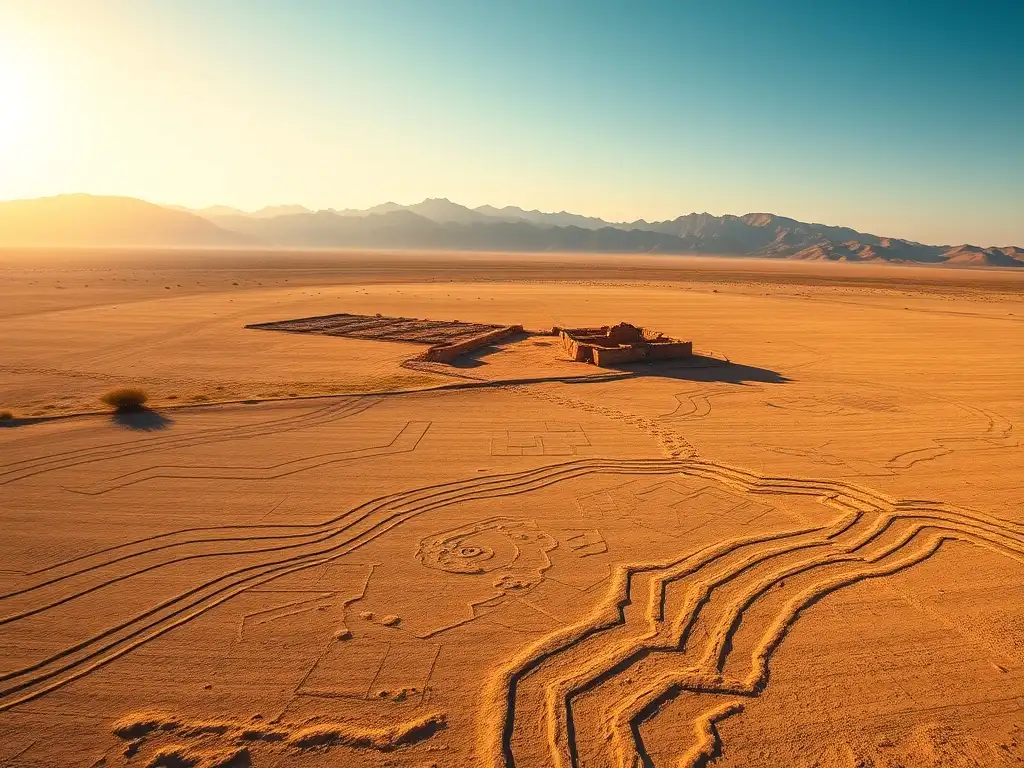
Step into a world lost to time, yet echoing with the whispers of a remarkable civilization. Journey with us into the heart of the Andes, where the ingenuity and resilience of ancient societies continue to amaze. Discover how the Nazca civilization’s environmental impact shaped their unique culture and astonishing legacy, a story woven into the very fabric of the desert landscape.
Unravel the mysteries of their relationship with their arid surroundings – a tale of adaptation, innovation, and perhaps, a warning for our own time. Prepare to be captivated by the intricacies of the Nazca, and their enduring connection to the Peruvian desert.
The Nazca civilization, flourishing along the southern coast of Peru between 100 BCE and 800 CE, presents a fascinating paradox: a remarkably sophisticated society thriving in one of the world's most arid environments. This article delves into the intricate relationship between Nazca society and its harsh desert surroundings, exploring how they adapted, innovated, and ultimately impacted the delicate ecological balance of the region.
We will examine their ingenious agricultural techniques, their resource management strategies, and the lasting consequences of their presence on the Nazca landscape, addressing the keyword "Nazca civilization environmental impact" and its multifaceted implications. Understanding this relationship provides crucial insights into the resilience and ingenuity of the Nazca people, while also highlighting the importance of considering the environmental consequences of even the most advanced ancient societies.
Ingenious Irrigation Systems: Conquering the Desert's Thirst
The Nazca's survival hinged on their mastery of water management. Facing an almost perpetually dry climate, they developed an elaborate network of canals and aqueducts, some stretching for kilometers, to channel scarce water resources from underground aquifers and seasonal rivers to their agricultural fields. These weren't simple ditches; they were sophisticated engineering feats, often incorporating ingenious techniques like subterranean canals and elevated channels to minimize water loss through evaporation.
The construction of these systems required significant labor and collaborative effort, demonstrating a high level of social organization and planning. Specific examples, such as the [specific canal name pending] and its length and capacity, highlight the scale and complexity of their water management achievements.
The precise methods used to locate and access underground water sources, while not fully understood, are testament to their profound knowledge of the local hydrology. These irrigation systems were not just functional; they were integral to the social and economic fabric of Nazca society.
Agriculture in the Desert: Crops and Cultivation Techniques
The Nazca cultivated a variety of crops adapted to the arid climate, including cotton, beans, maize, and gourds. Their agricultural practices went beyond simply diverting water; they involved sophisticated techniques to maximize yields in the limited arable land. Evidence suggests the use of raised fields, terracing, and other soil management practices to improve water retention and soil fertility.
The development of drought-resistant crops was also crucial, showcasing their deep understanding of plant biology and adaptation. [Specific details on crop yields and cultivation techniques pending]. The impressive scale of their agricultural production, considering the environmental constraints, indicates a highly effective and sustainable – at least for a time – system of food production.
Environmental Impact: A Legacy of Land Use
While the Nazca's ingenuity in water management and agriculture allowed them to thrive, their activities undeniably left an impact on the environment. The construction of extensive irrigation systems, although vital for survival, altered natural drainage patterns and potentially led to soil erosion in some areas. [Data on soil erosion rates and specific locations pending].
Furthermore, the intensive cultivation of certain crops may have depleted soil nutrients over time. The long-term consequences of their land-use practices are a subject of ongoing research, highlighting the complex interplay between human activity and environmental sustainability. Understanding the full extent of their environmental impact is crucial for assessing the long-term sustainability of their strategies and for informing modern approaches to sustainable land management in arid regions.
The Nazca Lines: A Cultural and Environmental Context
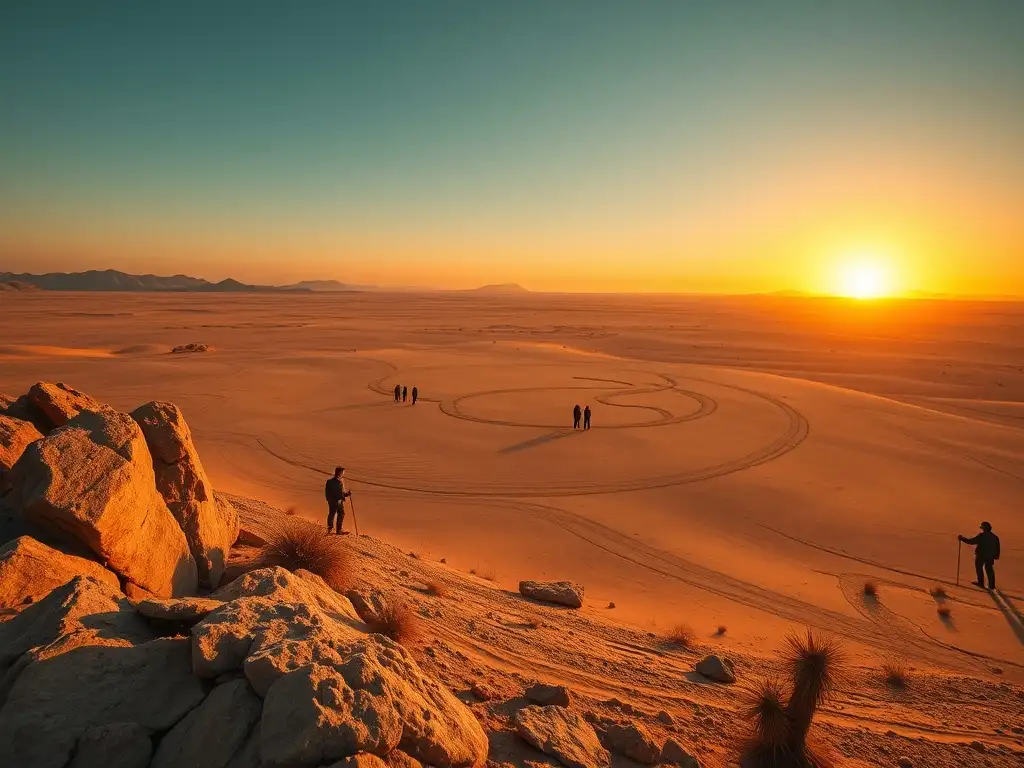
The iconic Nazca Lines, geoglyphs etched into the desert surface, often overshadow other aspects of the civilization. However, their creation also involved significant environmental impact.
The removal of topsoil to create the lines, although seemingly minimal on a large scale, undoubtedly impacted the local ecosystem, potentially altering soil composition and vegetation patterns in the immediate vicinity of the geoglyphs. [Specific information on the environmental impact of creating the lines pending] The exact purpose of the Nazca Lines remains a mystery, but their creation provides further evidence of the profound ways in which the Nazca interacted with and shaped their environment.
Conclusion: Lessons from a Desert Civilization
The Nazca civilization's relationship with its environment offers valuable lessons about human adaptation, ingenuity, and the long-term consequences of environmental modification. Their remarkable achievements in water management and agriculture demonstrate the potential for human societies to thrive even in seemingly inhospitable environments.
However, their story also serves as a cautionary tale, highlighting the importance of considering the potential environmental impacts of human activities, even those undertaken for survival and prosperity. Further research, particularly focusing on quantifying the specific impacts of their agricultural and construction practices, is needed to fully understand the intricate and complex legacy of the Nazca civilization on the Peruvian desert.
- Ingenious Irrigation Systems: Conquering the Desert's Thirst
- Agriculture in the Desert: Crops and Cultivation Techniques
- Environmental Impact: A Legacy of Land Use
- The Nazca Lines: A Cultural and Environmental Context
- Conclusion: Lessons from a Desert Civilization
The Nazca Civilization and its Arid Environment
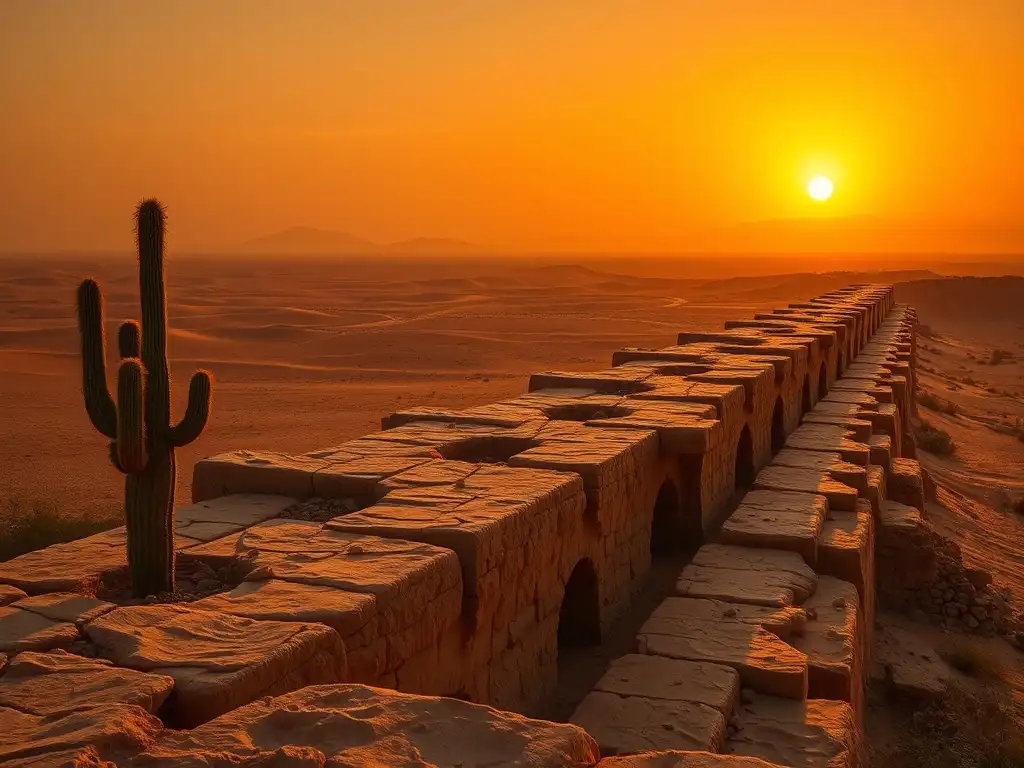
The Nazca civilization, flourishing along the southern coast of Peru from approximately 100 BC to 800 AD, presented a remarkable case study in human adaptation to an extremely challenging environment. Their success, evident in their sophisticated irrigation systems, intricate textiles, and iconic geoglyphs, hinged on a deep understanding and manipulation of the coastal desert ecosystem. This section explores the intricate relationship between the Nazca people and their arid environment, focusing on their strategies for survival and the lasting impact of their society on the landscape.
Understanding the Nazca civilization's environmental impact requires analyzing their innovative agricultural techniques and their overall relationship with the scarce resources available in the desert. Their resource management, although effective for their time, inevitably left a mark, shaping the very landscape they inhabited.
Adapting to the Desert: The Challenge of Extreme Aridity
The Nazca desert is characterized by hyper-aridity, receiving less than 150 mm of rainfall annually. This extreme scarcity of water presented a significant obstacle to sustaining a large population. However, the Nazca people, far from being passive victims of their environment, actively engaged in shaping it to meet their needs. Their ingenuity is best illustrated by their sophisticated irrigation systems, which harnessed limited water resources with remarkable efficiency. These weren't simple canals; they were complex networks of aqueducts, channels, and reservoirs, some extending for kilometers.
The construction of these systems required a deep understanding of hydrology and engineering. The Nazca carefully surveyed the terrain, identifying underground water sources and designing channels to maximize water flow. They employed a range of techniques, including the use of subterranean canals ( puquios) to tap into aquifers and the construction of surface canals to divert water from ephemeral streams. The success of their irrigation systems is evidenced by the flourishing agriculture that supported their population.
Archaeological evidence reveals extensive cultivation of cotton, maize, beans, and squash, indicating a high degree of agricultural productivity despite the arid conditions. The Nazca civilization's mastery of water management stands as a testament to their resilience and adaptability, a critical aspect of understanding their lasting environmental impact. The long-term effects of these irrigation systems, however, require further investigation, as some might argue that they contributed to soil erosion or depletion in certain areas.
Understanding the Nazca Landscape: Coastal Desert Geography
The Nazca desert's geography is diverse, encompassing coastal plains, river valleys, and the Andean foothills. This variety, while offering some microclimatic variations, generally presents a challenging environment. The coastal plains are characterized by shifting sand dunes and strong winds, while the river valleys, though offering fertile land, are subject to infrequent and unpredictable flooding. The Andean foothills provide some protection from the harsh coastal winds but are often steep and difficult to cultivate.
The Nazca people strategically chose their settlement locations based on access to water and fertile land. Their settlements were often located near river valleys or along the coast, where they could access both water and resources. Their understanding of the landscape's intricacies is evident in their choice of materials for construction and agriculture.
For instance, the use of adobe bricks, made from locally sourced clay, reflects an awareness of the available materials and their suitability for building in an arid climate. Similarly, their agricultural practices were adapted to the specific conditions of each micro-environment. The careful management of water resources, combined with their understanding of soil types and microclimates, allowed them to maximize agricultural productivity in a challenging environment.
The Nazca civilization's careful selection of settlement locations and their agricultural practices underscore their adaptive strategies and their profound knowledge of their environment, leaving a lasting impact on the desert landscape, both positive and possibly negative, as further studies on long-term environmental effects are needed. Further research is needed to fully understand the extent of the Nazca civilization's environmental impact, particularly concerning long-term effects on soil fertility and water resources.
Nazca Society's Interaction with the Desert Ecosystem
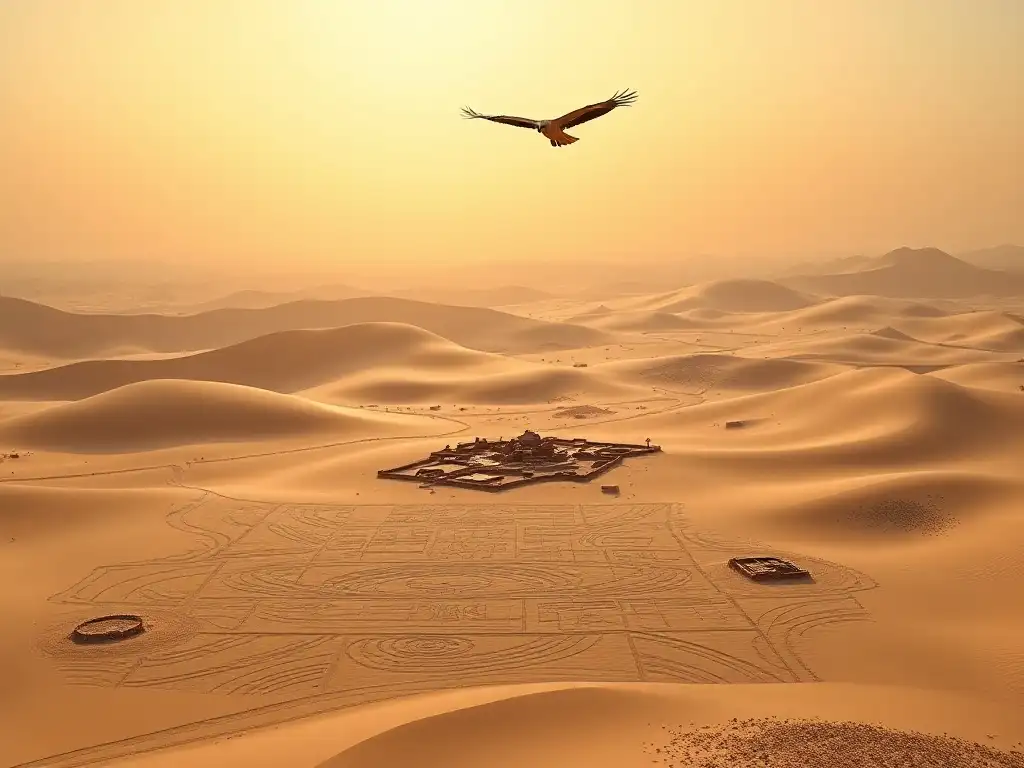
The Nazca civilization, renowned for its enigmatic geoglyphs, thrived in one of the most arid regions on Earth—the coastal desert of southern Peru. Their success wasn't a matter of luck; it was a testament to their ingenious adaptation to an unforgiving environment. Understanding the Nazca civilization's environmental impact requires examining their sophisticated strategies for water management, agricultural innovation, and resource utilization within the harsh desert ecosystem.
The very survival of this advanced culture hinged on their ability to manipulate and coexist with the desert landscape, leaving a lasting mark on the region's ecology. This section will detail the intricate relationship between Nazca society and their environment, highlighting their remarkable achievements in the face of extreme environmental challenges.
Understanding this relationship is crucial to appreciating the full scope of the Nazca civilization's achievements and their lasting legacy. The impact of their activities on the environment is a complex issue, requiring careful consideration of both their ingenuity and their potential environmental consequences.
Water Management in the Nazca Culture: Puquios and Aqueducts
The Nazca's mastery of water management is perhaps their most impressive feat. Facing chronic water scarcity, they developed ingenious systems to harness underground water sources. The puquio, a type of subterranean spring, was central to their water strategy. These weren't simply natural springs; the Nazca actively enhanced and maintained them.
They constructed intricate networks of underground channels, often extending for kilometers, to bring water to the surface. These channels were cleverly designed to maximize water flow and minimize evaporation, a critical factor in the arid climate. The construction of these underground aqueducts was a monumental undertaking, requiring a deep understanding of hydrology and engineering principles. Evidence suggests that the Nazca used sophisticated techniques, including the use of stones and clay to line the channels, to ensure the longevity and efficiency of their water systems.
The impact on the environment was largely positive, as the puquios provided a sustainable source of water for agriculture and domestic use, minimizing the impact on surface water resources. The long-term sustainability of these systems is a testament to the Nazca's environmental stewardship. Further research into the precise construction methods and long-term effects of these systems is ongoing, promising to reveal even more about the Nazca's environmental ingenuity.
Nazca Agriculture Techniques: Floodwater Farming and Terracing
The Nazca civilization's agricultural practices were closely tied to their water management systems. They didn't rely solely on the puquios; they also employed techniques like floodwater farming and terracing to maximize their limited water resources. Floodwater farming involved diverting seasonal river runoff onto their fields. This required careful planning and the construction of channels and levees to control the flow of water.
The Nazca's understanding of the desert's hydrology allowed them to predict and utilize these infrequent but crucial water events effectively. Furthermore, terracing was used on slopes to create level platforms for cultivation. This technique increased the amount of arable land and helped to retain water in the soil. Combining floodwater farming and terracing, the Nazca were able to cultivate a variety of crops, including cotton, beans, and maize, demonstrating a remarkable level of agricultural sophistication within a challenging environment.
The environmental impact of these techniques was complex; while they allowed for increased agricultural production, the diversion of water could have had local effects on natural watercourses. More research is needed to fully understand the long-term ecological consequences of their farming methods. The impact of overgrazing on the fragile desert ecosystem also remains a subject of ongoing study.
The Role of Irrigation Canals in Nazca Farming: Maximizing Water Use
In addition to puquios and floodwater farming, the Nazca also utilized surface irrigation canals to supplement their water supply. These canals, often carved into the landscape, carried water from rivers and streams to agricultural fields. The construction of these canals required significant labor and engineering skill. Their design frequently incorporated features to minimize water loss through evaporation and seepage, reflecting a deep understanding of hydrological principles.
The canals were not simply straight channels; they often incorporated ingenious features such as check dams and diversions to control the flow of water and ensure equitable distribution to different fields. The environmental impact of these irrigation canals is a subject of ongoing debate. While they enabled increased agricultural productivity, they could have altered natural drainage patterns and potentially led to soil salinization in some areas.
A detailed analysis of the long-term effects of these irrigation systems on the surrounding ecosystem is crucial to fully assess the Nazca civilization's environmental impact. Archaeological evidence suggests a sophisticated understanding of water management and a commitment to sustainable practices, but the extent of their impact and the long-term consequences require further investigation. The Nazca civilization's approach to water management demonstrates a remarkable ability to adapt to and manipulate their environment, providing valuable insights into the complexities of human-environment interactions in arid regions.
Nazca Resource Management: Evidence of Sustainable Practices
The Nazca's remarkable achievements in a seemingly inhospitable desert environment highlight their sophisticated understanding and management of available resources. Their survival depended on efficient strategies to harness scarce water and fertile land, demonstrating a level of sustainability noteworthy even by modern standards. Evidence suggests a complex system of water management, including the construction of canals and underground aqueducts (puquios) to channel water from underground sources to agricultural fields.
These weren't haphazard efforts; careful planning and maintenance were crucial to their success, indicating a deep understanding of hydrology and water conservation. The precise alignment and engineering of these systems speak to a level of collective effort and knowledge transfer across generations. This wasn't simply about survival; it was about optimizing resource use to support a relatively large and complex society.
The Nazca also implemented agricultural techniques adapted to the arid climate. Terracing, for instance, allowed them to cultivate slopes, maximizing arable land. This wasn't merely a matter of increasing yield; terracing also helped to reduce soil erosion and retain moisture, further enhancing sustainability. Combined with their sophisticated irrigation systems, terracing allowed the Nazca to cultivate a wider variety of crops than might be expected in such a harsh environment.
Archaeological evidence reveals the cultivation of cotton, maize, beans, and other crops, supporting a diverse diet and a complex economy. The long-term success of these agricultural practices suggests that the Nazca understood the delicate balance between resource extraction and environmental preservation. Their methods avoided the pitfalls of over-exploitation, ensuring the long-term viability of their food production systems.
This sustainable approach to agriculture is a testament to their ingenuity and foresight. Further research into the specific techniques employed and the social structures that supported this resource management could provide valuable insights into sustainable practices relevant to modern arid-land agriculture. The Nazca's legacy extends beyond their iconic lines; it offers a powerful lesson in sustainable resource management.
Nazca Civilization Environmental Impact

The Nazca civilization, renowned for its intricate geoglyphs and sophisticated irrigation systems, left an undeniable mark on the fragile desert environment of southern Peru. Understanding the Nazca civilization's environmental impact requires examining their resource management practices and the long-term consequences of their actions. While their ingenuity in adapting to arid conditions is remarkable, the scale of their activities inevitably led to alterations in the landscape and its ecosystems. This section will delve into specific examples of this impact, focusing on deforestation, land use changes, and the environmental significance of the famous Nazca Lines.
Deforestation and its Consequences: The Loss of Algarrobo Trees
The algarrobo tree ( Prosopis pallida) played a crucial role in the Nazca economy. Its wood was used for construction, fuel, and crafting various tools. Evidence suggests extensive deforestation around Nazca settlements, particularly during periods of population growth and increased agricultural activity. The removal of algarrobo trees had several cascading consequences:
- Soil erosion: The loss of tree cover exposed the soil to wind and water erosion, leading to desertification and reduced agricultural productivity. This is evidenced by archaeological findings of sediment accumulation in irrigation canals, indicating increased soil runoff.
- Loss of biodiversity: Algarrobo trees provide habitat and sustenance for a variety of plant and animal species. Their removal led to a decline in local biodiversity, impacting the overall ecological balance of the region. Studies indicate a significant reduction in certain insect and bird populations following periods of intense deforestation.
- Reduced water availability: The algarrobo trees contributed to the retention of moisture in the soil. Their removal likely exacerbated water scarcity, especially during periods of drought, further stressing the already arid environment. This is supported by isotopic analysis of ancient water sources, suggesting a shift in water availability patterns.
The scale of deforestation is difficult to quantify precisely due to the limitations of archaeological data. However, the available evidence strongly suggests a significant impact, highlighting the need for a nuanced understanding of the Nazca's relationship with their environment. Further research, particularly using paleoecological techniques, could provide more precise estimates of the extent of deforestation and its consequences.
Impact of Nazca Land Use on Local Ecology: Alteration of Habitats
Nazca agricultural practices, while innovative for their time, significantly altered local habitats. The construction of extensive irrigation canals and the cultivation of crops like cotton and maize necessitated the clearing of land and the modification of natural drainage patterns. This led to:
- Habitat fragmentation: The creation of agricultural fields fragmented natural habitats, isolating populations of plants and animals and making them more vulnerable to environmental changes and predation. This is evident in the distribution of certain plant species found in archaeological contexts.
- Introduction of invasive species: Agricultural practices likely introduced non-native plant species, potentially outcompeting native flora and further altering the composition of the local ecosystem. Further research is needed to identify any introduced species and assess their impact.
- Changes in soil composition: Intensive agriculture altered the soil's chemical composition and organic matter content, potentially impacting soil fertility and long-term productivity. Analyses of ancient soil samples could provide further insights into these changes.
The Nazca's sophisticated canal systems, while demonstrating remarkable engineering prowess, also altered the natural water flow, potentially affecting the distribution of water resources and impacting downstream ecosystems. The long-term consequences of these land-use changes are still being investigated, highlighting the complexity of assessing the Nazca civilization's environmental footprint.
The Nazca Lines and their Environmental Significance: Clearing of Surface Stones
The creation of the Nazca Lines, the iconic geoglyphs etched into the desert surface, involved the removal of dark surface stones to reveal the lighter subsoil. While the precise methods employed remain a subject of ongoing debate, the scale of the undertaking undoubtedly had an environmental impact:
- Disturbance of surface ecosystems: The removal of surface stones disrupted the delicate balance of the desert ecosystem. These stones provide shelter and habitat for various small invertebrates and reptiles. Their removal likely altered the local microclimate and impacted the populations of these organisms.
- Potential for soil erosion: The removal of surface stones could have increased soil erosion, particularly in areas exposed to wind. The long-term effects of this erosion on the stability of the geoglyphs themselves are also a matter of ongoing research.
- Resource expenditure: The creation of the Nazca Lines required a considerable investment of labor and resources. The scale of this undertaking raises questions about the potential impact on other aspects of Nazca society and their resource allocation strategies. The lines themselves may represent a significant investment of resources that could have had indirect environmental consequences.
The environmental impact of creating the Nazca Lines is less readily apparent than the impact of deforestation or irrigation but is nonetheless worthy of consideration. Further research, incorporating geological and ecological data, is crucial to fully understand the long-term consequences of this remarkable feat of human engineering. The Nazca Lines, while celebrated as a testament to human creativity, also serve as a reminder of the potential environmental consequences of large-scale projects, even in seemingly barren landscapes.
Soil Erosion and Degradation in the Nazca Area: Impacts of Farming Practices
The Nazca civilization's agricultural practices, while ingenious for their time, significantly impacted the fragile desert ecosystem. Their intensive farming techniques, designed to maximize yields in a harsh environment, inadvertently contributed to soil erosion and degradation. The Nazca people employed a complex system of irrigation canals, drawing water from underground aquifers and rivers, to cultivate crops like cotton, beans, maize, and squash.
While this irrigation system was a marvel of engineering, the constant channeling of water, often along steep slopes, led to significant soil erosion. The lack of terracing in many areas exacerbated the problem, allowing water to rush unchecked down hillsides, carrying away topsoil and leaving behind barren land.
Furthermore, the intensive cultivation of certain crops, particularly those requiring extensive tilling, further weakened the soil structure, making it more susceptible to wind and water erosion. The Nazca's reliance on specific crops, without crop rotation or fallow periods, likely depleted soil nutrients over time, contributing to decreased soil fertility and increased vulnerability to erosion. Archaeological evidence suggests that the Nazca utilized various techniques to manage soil fertility, including the use of fertilizers derived from guano (bird droppings) and other organic matter.
However, the effectiveness of these techniques in mitigating the long-term impacts of intensive farming remains a subject of ongoing research. The scale of their agricultural production, coupled with the limitations of their soil management techniques, likely resulted in a gradual degradation of the soil quality across significant portions of the Nazca region. This process, compounded by the already arid climate, likely contributed to the eventual decline of some Nazca settlements.
The extent of this degradation and its precise contribution to the civilization’s trajectory are still being investigated through ongoing paleoecological studies. The analysis of sediment cores and soil samples from various sites across the Nazca landscape is crucial to further understanding the long-term effects of their agricultural practices on soil health.
The Legacy of the Nazca People: Lessons from the Past
The Nazca civilization, flourishing along the southern coast of Peru from approximately 100 BCE to 800 CE, presents a fascinating case study in the intricate relationship between a society and its environment. Their remarkable achievements in irrigation, ceramics, and textile production, alongside the enigmatic Nazca Lines, are testaments to their ingenuity. However, understanding their legacy requires a nuanced examination of their environmental impact and the ultimate consequences of their interaction with the arid coastal desert.
Analyzing the Nazca civilization's environmental impact reveals both impressive adaptive strategies and ultimately unsustainable practices that contributed to their decline. This section delves into the complexities of their relationship with the desert, offering insights relevant to contemporary discussions of sustainable development and resource management. The keyword "Nazca civilization environmental impact" is central to this analysis.
Environmental Sustainability and the Nazca Example: A Complex Picture
The Nazca people weren't simply passive inhabitants of their environment; they actively shaped it to meet their needs. Their mastery of irrigation techniques, particularly the development of canales, allowed them to cultivate crops in the otherwise barren desert. These intricate canal systems, some stretching for kilometers, demonstrate a sophisticated understanding of hydrology and water management.
Evidence suggests a degree of environmental sustainability in their early phases. They carefully managed water resources, employing techniques like subsurface irrigation to minimize evaporation. Furthermore, their agricultural practices, while intensive, appear to have avoided widespread deforestation, relying largely on the cultivation of drought-resistant crops like cotton and beans.
The success of their early agricultural practices is a testament to their ability to adapt to the challenging environment. However, this picture of sustained harmony wasn't without its complexities. The increasing population density and the expansion of agricultural lands likely placed increasing pressure on the limited water resources.
The Nazca's success wasn't solely defined by their agricultural prowess. Their advancements in ceramics and textiles, fueled by access to local resources, also played a significant role in their societal development. These industries, while contributing to economic prosperity, likely had localized environmental impacts, including the consumption of significant amounts of clay and the potential pollution from dye production.
The extent of these impacts, however, remains a subject of ongoing research. More data is needed to fully assess the long-term effects of their craft production on the surrounding environment. [specific information pending on the environmental impact of Nazca ceramics and textile production].
The Collapse of Nazca Society: Drought and Environmental Stress
The decline of the Nazca civilization is often attributed to a combination of factors, with environmental stress playing a significant role. Evidence suggests that prolonged periods of drought, coupled with increasing population pressure and potentially unsustainable agricultural practices, led to resource depletion and societal instability. The intricate canal systems, once a symbol of their ingenuity, may have become less effective in the face of severe water scarcity.
The depletion of groundwater resources, exacerbated by over-irrigation in some areas, could have further contributed to agricultural failure. The resulting food shortages and economic hardship likely led to social unrest and ultimately contributed to the collapse of the Nazca state. This highlights the fragility of even the most advanced societies when faced with prolonged environmental challenges.
The story of the Nazca civilization serves as a stark reminder of the critical importance of sustainable resource management. The analysis of pollen and other environmental indicators from archaeological sites continues to shed light on the precise nature of the environmental changes that influenced the Nazca decline. [Specific data on pollen analysis and other environmental indicators pending].
Reflections on the Nazca and their environmental relationship: A Warning from History
The Nazca civilization's legacy offers valuable insights into the complex interplay between human societies and their environments. Their initial success in adapting to the harsh desert landscape demonstrates the potential for human ingenuity to overcome environmental limitations. However, their ultimate decline underscores the importance of sustainable practices and the potentially devastating consequences of exceeding environmental carrying capacity.
The story of the Nazca serves as a cautionary tale, highlighting the risks associated with unsustainable resource exploitation and the vulnerability of societies reliant on fragile ecosystems. Understanding the Nazca civilization's environmental impact is not merely an academic exercise; it offers crucial lessons for contemporary societies grappling with similar challenges of population growth, resource scarcity, and climate change. The detailed study of the Nazca's successes and failures provides a valuable framework for developing more sustainable practices in the face of environmental pressures, ensuring the long-term well-being of future generations.
The careful management of resources, a key element in the Nazca's early success, remains a crucial lesson for societies today facing the challenges of the 21st century. 🌍
Future Research: Climate Change and Nazca Water Management
The Nazca's sophisticated water management systems, developed in response to the harsh desert environment, offer valuable lessons for contemporary societies grappling with climate change and water scarcity. Future research should focus on several key areas to fully understand the long-term implications of their ingenuity and its relevance to modern challenges. One crucial area is a detailed analysis of the long-term effects of their irrigation techniques on the local ecosystem.
Did their systems lead to soil degradation in some areas, or were they sustainable over the centuries? Detailed paleoclimatic studies, combining archaeological evidence with isotopic analysis of soil and water samples, can help answer these questions. This would provide crucial data on the resilience and limitations of their water management strategies under varying climatic conditions.
Furthermore, comparing the Nazca's approach to water management with modern techniques in arid and semi-arid regions is essential. This comparative analysis could highlight the strengths and weaknesses of both ancient and contemporary methods, potentially leading to the development of more sustainable and efficient water management strategies for the future.
For instance, a comparative study could explore the efficiency of Nazca aqueducts versus modern drip irrigation systems, considering factors such as water loss, energy consumption, and environmental impact. Such a study could also explore the social structures and governance models that facilitated the construction and maintenance of Nazca irrigation systems, offering insights into collaborative water management practices applicable to modern contexts.
Another promising avenue of research involves investigating the potential impact of climate change on the existing Nazca archaeological sites. Rising sea levels, increased desertification, and more frequent extreme weather events could pose significant threats to the preservation of these fragile monuments. Detailed risk assessments, combined with predictive modeling, are necessary to develop effective strategies for protecting these invaluable cultural heritage sites.
This could involve developing innovative conservation techniques, improving site management practices, and implementing effective public awareness campaigns to highlight the vulnerability of the Nazca legacy to environmental threats. Understanding the Nazca’s adaptation to past climate variability can inform proactive measures to protect their heritage in the face of future climate change. The Nazca civilization's environmental impact, both positive and negative, offers crucial lessons for sustainable development in the face of today’s climate challenges.
Frequently Asked Questions
What was the Nazca civilization's main environmental challenge?
The Nazca's primary challenge was the arid desert environment of the south coast of Peru. They had to develop ingenious irrigation systems to survive and thrive in this harsh landscape.
How did the Nazca people obtain water?
The Nazca utilized sophisticated irrigation techniques, including canals and underground aqueducts (puquios), to bring water from distant sources to their settlements and fields. This allowed for agriculture in the desert.
What impact did Nazca agriculture have on the environment?
While ingenious, Nazca agriculture likely had some environmental impact. Deforestation for fuel and construction, and potentially soil erosion from intensive farming, are possibilities. Further research is needed.
Did the Nazca lines have an environmental impact?
The creation of the Nazca Lines themselves likely had a minimal environmental impact. The lines were largely etched into the surface, and the materials used were readily available.
What is the current state of research into Nazca environmental impact?
Research into the Nazca civilization's environmental impact is ongoing. Scientists are using modern techniques to study water management, agriculture, and resource use to understand the full extent of their influence on the desert ecosystem.
Final Reflection: The Enduring Legacy of Nazca's Desert Harmony
The ingenious adaptations of the Nazca civilization to their arid environment remain a powerful testament to human ingenuity and a stark warning against unsustainable practices. Their sophisticated water management systems and careful resource allocation, detailed throughout this article, stand in stark contrast to many modern approaches to environmental stewardship. Understanding their successes and failures offers crucial insights into our own relationship with the planet.
The Nazca's delicate balance with their desert landscape continues to resonate today, shaping our understanding of sustainable living and the long-term consequences of environmental exploitation. Their story serves as a potent reminder that even in the harshest environments, a harmonious relationship with nature is possible. The earth provides enough to satisfy every man's needs but not every man's greed.
– Mahatma Gandhi. This quote perfectly encapsulates the challenge the Nazca faced and the lessons we can learn from their successes and, ultimately, their decline. Their story underscores the importance of respecting ecological limits and the devastating consequences of exceeding them.
Consider the fragility of our own ecosystems. What steps can you take to foster a more sustainable relationship with the environment? Examine your daily habits, your consumption patterns, and your support for environmentally conscious practices. Let the ingenuity and resilience of the Nazca civilization inspire you to become a steward of the earth, ensuring that future generations can appreciate the delicate balance between human society and the natural world, a balance the Nazca understood so profoundly.
Unveil the Secrets of the Nazca Society!
Thank you for exploring the fascinating relationship between the Nazca people and their desert environment. You've gained valuable insights into how this ancient civilization adapted to and thrived in such a challenging landscape. Now, let's delve even deeper!
Here are some ways to continue your journey of discovery:
- Immerse yourself in Nazca art: Visit a local museum or exhibition showcasing Nazca artifacts to experience their culture firsthand. Witness the intricate pottery, textiles, and other objects that reveal their daily lives and beliefs.
- Join a community of learners: Connect with other enthusiasts online or in person to share your discoveries and learn from others' perspectives on Andean civilizations. Participating in discussions can enrich your understanding and spark new avenues of inquiry.
- Experience the Nazca Lines: Plan a trip to Peru to witness the awe-inspiring Nazca Lines and other remarkable desert landscapes. Seeing these monumental geoglyphs in person will provide an unparalleled understanding of their significance and the ingenuity of the Nazca people.
What aspect of the Nazca's remarkable adaptation to their environment most captivates you? Let's discuss in the comments below!