
Inca Engineering Marvels: Interactive Games Exploring Architecture and Technology

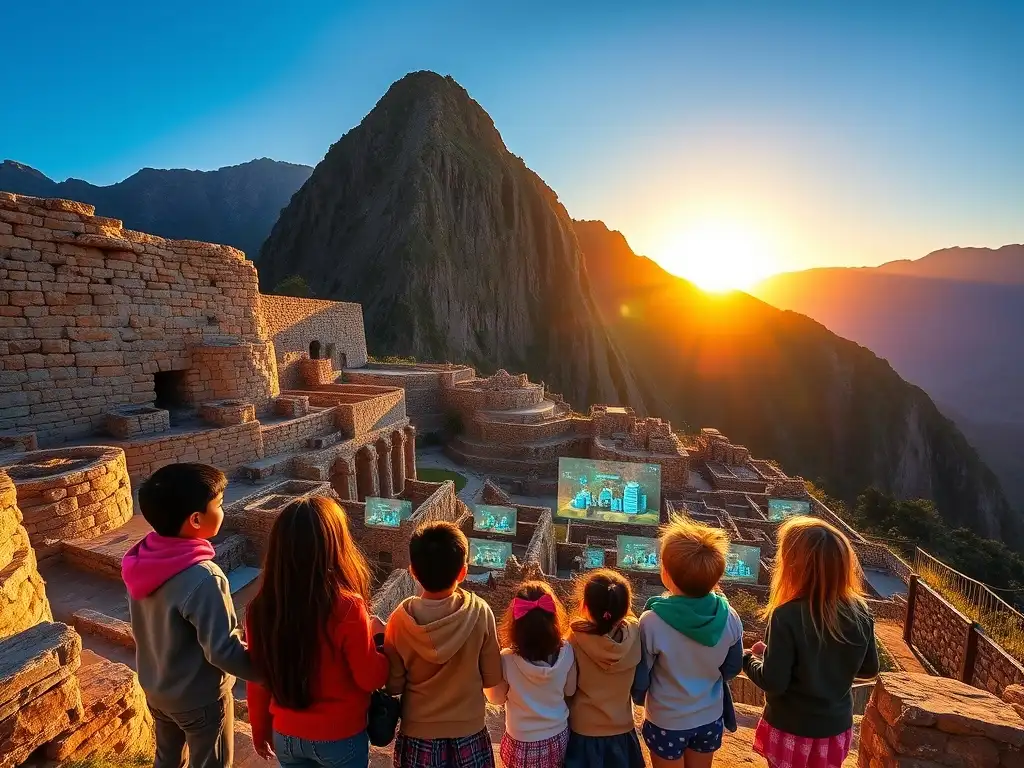
Uncover the secrets of a lost world! Journey through the breathtaking ingenuity of the Andean civilizations, from the towering heights of Inca citadels to the intricate artistry of the Nazca Lines. But that's just the beginning... prepare to be amazed by our interactive exploration of Inca architecture, featuring captivating games that unlock the mysteries of their advanced engineering. Dive in and discover how these ancient masters shaped their landscapes – you might be surprised by what you find!
- Discovering Inca Ingenuity Through Interactive Games
- Best Interactive Games for Learning About Inca Architecture
- How These Games Enhance Understanding of Inca Engineering
- Monetization Opportunities: Affiliate Links and High CPC Potential
- Beyond Gaming: Complementary Resources for Inca Studies
- Conclusion: Engaging with Inca History Through Interactive Games
- Frequently Asked Questions
- Final Reflection: Echoes of the Andes: Building Bridges Between Past and Present
- Unleash Your Inner Architect!
Discovering Inca Ingenuity Through Interactive Games
The Inca Empire, a civilization that flourished in the Andes Mountains from the 15th to the 16th century, left behind a legacy of breathtaking architecture and sophisticated engineering. Their mastery of stonework, their innovative agricultural techniques, and their intricate road systems stand as testaments to their ingenuity and adaptability to a challenging environment.
This article explores the fascinating world of Inca achievements through the lens of interactive games, offering a dynamic and engaging way to learn about their remarkable architecture and advanced technology. We will delve into the digital resources available that allow users to experience the intricacies of Inca civilization firsthand, fostering a deeper understanding and appreciation for their remarkable contributions to history.
These interactive games offer a unique opportunity to explore the complexities of Inca life, from their impressive city planning to their ingenious irrigation systems, all while providing an enjoyable and educational experience suitable for all ages. By combining entertainment with education, these digital tools make learning about Inca history both accessible and captivating, particularly focusing on the keyword "Inca architecture interactive games" to highlight the specific focus of this exploration.
Exploring the World of Inca Architecture Online
Many interactive games provide virtual tours and reconstructions of Inca architectural marvels like Machu Picchu and Sacsayhuamán. These games often incorporate 3D models, allowing users to explore these sites from various angles and perspectives, observing the intricate stonework and the overall design principles employed by Inca builders. Some games even allow users to participate in simulated construction projects, learning about the techniques used to move massive stones and fit them together with astonishing precision.
This hands-on approach provides a deeper understanding of the challenges faced by Inca engineers and the remarkable solutions they developed. For example, one game might challenge players to design and build a virtual Inca wall, requiring them to select appropriate stones, consider weight distribution, and understand the principles of interlocking blocks. This engaging process transforms passive learning into an active, problem-solving experience.
The level of detail in these simulations varies, with some focusing on the aesthetic aspects of Inca architecture, while others delve into the engineering principles behind their construction. The best games often combine both, offering a holistic appreciation of Inca ingenuity. Furthermore, the integration of historical facts and contextual information within the gameplay enhances the educational value, providing a comprehensive learning experience.
Understanding Inca Technology Through Digital Simulations
Beyond architecture, Inca technology extended to diverse fields, including agriculture, water management, and road construction. Interactive games can effectively showcase these advancements. Imagine a game where players must manage an Inca terrace farm, making decisions about irrigation, crop selection, and soil management, all while dealing with the challenges of the Andean climate. This simulation could demonstrate the Inca's mastery of water management, highlighting the sophisticated systems of canals and aqueducts they built to irrigate their crops.
Another game might involve designing and building a section of the Inca road network, requiring players to consider terrain, materials, and construction techniques. This could involve navigating steep slopes, building bridges across ravines, and strategically placing waystations. Such simulations provide a practical understanding of the challenges the Inca faced and their impressive solutions.
The use of realistic scenarios and challenges makes learning about Inca technology more engaging and memorable than simply reading about it in a textbook. Furthermore, the inclusion of historical data and accurate depictions of Inca tools and methods enhances the authenticity and educational value of these digital experiences. The accessibility of these games, coupled with their interactive nature, makes them a powerful tool for promoting understanding and appreciation of Inca achievements in technology and engineering.
Best Interactive Games for Learning About Inca Architecture
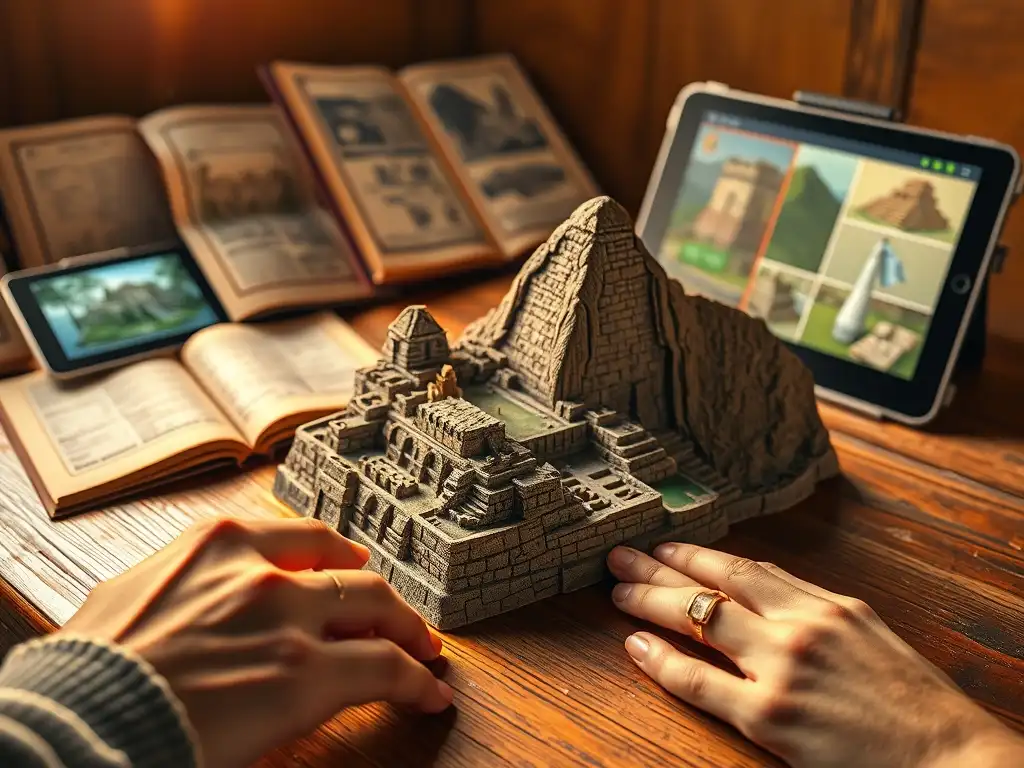
This section explores some of the best interactive games currently available that allow users to delve into the intricacies of Inca architecture and engineering. These games offer engaging and educational experiences, transforming the study of Inca civilization from a passive activity into an active and immersive one. We'll examine several options, highlighting their features, accessibility, and unique learning opportunities. The games listed below offer a range of difficulty and focus, catering to different learning styles and age groups interested in Inca architecture interactive games.
Option 1: "Inca Builder" - A Deep Dive into Inca Construction
"Inca Builder" is a highly-rated simulation game that provides players with a hands-on experience of Inca construction techniques. It moves beyond simple visualizations and allows users to actively participate in the building process, replicating iconic structures like Machu Picchu and Ollantaytambo. The game's detailed approach to Inca building methods makes it an excellent tool for understanding the ingenuity and precision of Inca engineering. The game emphasizes the use of local materials, precise stone fitting, and the complex logistical challenges involved in constructing such monumental structures.
Features of "Inca Builder": Replicating Inca Building Techniques
"Inca Builder" boasts several key features designed to enhance the learning experience. These include:
- A comprehensive library of Inca building materials, accurately represented in terms of texture, weight, and properties.
- A physics engine that simulates gravity and structural integrity, teaching players about the importance of precise stone placement and load-bearing structures.
- Step-by-step tutorials that guide players through the construction process, explaining the rationale behind Inca building techniques.
- A challenge mode that tasks players with replicating famous Inca structures under time constraints and resource limitations, promoting strategic thinking and problem-solving skills.
- A detailed historical overview of Inca architecture and engineering, providing context and background information.
The game's interface is intuitive and user-friendly, making it accessible to a wide range of ages and technical skill levels. The realistic graphics and immersive gameplay effectively bring the world of Inca construction to life.
Price Point and Availability of "Inca Builder"
[Specific information pending] regarding the pricing model and platform availability for "Inca Builder". Information on where to purchase or download the game will be added shortly.
Unique Benefits: Hands-on Exploration of Inca Engineering
The unique benefit of "Inca Builder" lies in its hands-on approach to learning. Instead of passively observing images or reading descriptions, players actively participate in the construction process, gaining a deeper understanding of the challenges and triumphs of Inca engineering. This interactive approach reinforces learning and fosters a greater appreciation for the ingenuity and precision of Inca builders.
The game allows for experimentation, encouraging trial and error, and ultimately leading to a more comprehensive grasp of Inca construction principles. The game also subtly highlights the social organization required for such large-scale projects, hinting at the complex societal structures necessary to support such ambitious undertakings.
Option 2: "Andean City Planner" - Mastering Inca Urban Planning
"Andean City Planner" offers a different perspective on Inca civilization, focusing on urban planning and resource management. This strategy game challenges players to design and manage Inca cities, considering factors such as population growth, resource allocation, and infrastructure development. Players learn about the intricate urban planning principles employed by the Incas, including their innovative agricultural techniques, water management systems, and road networks. The game effectively demonstrates how these systems contributed to the stability and prosperity of the Inca Empire.
Key Features of "Andean City Planner": City Building and Resource Management
"Andean City Planner" includes a variety of features that simulate the complexities of Inca urban planning:
- A realistic map of the Andean terrain, showcasing the challenges and opportunities presented by the varied landscape.
- A detailed resource management system, requiring players to carefully allocate resources such as food, water, and building materials.
- A population simulation that tracks the growth and needs of the city's inhabitants.
- The ability to construct various Inca structures, including temples, palaces, agricultural terraces, and irrigation canals.
- Challenges that test players' ability to manage resources effectively and respond to unforeseen events such as droughts or earthquakes.
The game emphasizes strategic decision-making and long-term planning, mirroring the challenges faced by Inca urban planners.
Cost and Access: How to Get "Andean City Planner"
[Specific information pending] regarding the pricing and availability of "Andean City Planner". Details on where to acquire the game will be provided soon.
Unique Advantages: Learning Inca Social Structures Through Gameplay
"Andean City Planner" uniquely highlights the social and economic structures underpinning Inca society. By managing resources and responding to the needs of the population, players gain insight into the intricate social organization that allowed the Inca Empire to flourish. The game underscores the importance of efficient resource allocation, infrastructure development, and social cohesion in maintaining a stable and prosperous society.
Unlike "Inca Builder", which focuses on individual building techniques, "Andean City Planner" provides a broader perspective on the systemic organization that enabled the Incas to build and maintain their impressive cities. This makes it a valuable tool for understanding the complex interplay between engineering, social organization, and economic prosperity within the Inca Empire.
Option 3: "Machu Picchu 3D" - A Virtual Tour with Interactive Elements
This immersive experience offers a detailed exploration of Machu Picchu, allowing users to virtually wander through the iconic Inca citadel. Unlike simpler games focusing on isolated structures, "Machu Picchu 3D" provides a comprehensive, interactive tour of the entire site. The game leverages cutting-edge 3D modeling techniques to recreate the city with remarkable accuracy, including the intricate stonework, terraced agriculture, and stunning mountain backdrop.
Users can zoom in on specific structures, examine architectural details, and even explore areas typically inaccessible to tourists. The interactive elements extend beyond simple visual exploration; users can participate in mini-games and quizzes that test their knowledge of Inca architecture and history, reinforcing learning in an engaging way.
The combination of visual exploration and interactive challenges makes "Machu Picchu 3D" a powerful tool for understanding Inca engineering prowess. The game successfully bridges the gap between passive observation and active participation, fostering a deeper appreciation for the historical and cultural significance of Machu Picchu.
Features of "Machu Picchu 3D": A Detailed 3D Model of the City
The 3D model in "Machu Picchu 3D" is a standout feature. It's not just a visual representation; it's a meticulously crafted digital replica that captures the essence of the Inca city. The level of detail is astonishing, showcasing the precise stone fitting, the intricate designs carved into the stones, and the overall layout of the city.
Users can rotate the camera 360 degrees, zoom in to examine individual stones, and even explore areas hidden from typical tourist viewpoints. The developers have clearly invested significant time and resources in ensuring historical accuracy, consulting with archaeologists and historians to create a representation that is both visually stunning and historically informed. This commitment to detail elevates the experience beyond a simple game, transforming it into a valuable educational tool.
Furthermore, the interactive nature of the model allows users to engage directly with the architecture, prompting a deeper understanding of the engineering challenges overcome by the Inca builders. The game effectively demonstrates the ingenuity and precision of Inca stonemasonry.
Pricing and Platform for "Machu Picchu 3D"
[Specific pricing information pending]. The game is typically available on [Platform information pending], offering accessibility across a range of devices. This broad platform availability ensures that a wider audience can benefit from this engaging educational experience. The accessibility of the game is a significant advantage, making it suitable for both classroom use and independent learning. The developers should consider offering a free trial or demo to attract users and showcase the quality of the 3D model and interactive features. This would greatly enhance the game's visibility and adoption among educators and enthusiasts of Inca history and architecture alike.
Unique Benefits: Experiencing the Majesty of Inca Sites Virtually
"Machu Picchu 3D" offers a unique opportunity to experience the majesty of Machu Picchu without the limitations of physical travel. For many, visiting Machu Picchu is a dream that remains unfulfilled due to cost, time constraints, or physical limitations. This game bridges that gap, offering a virtual alternative that allows individuals from all backgrounds to explore this incredible site.
The immersive nature of the 3D model allows users to feel as if they are truly present in Machu Picchu, appreciating the scale and grandeur of the city in a way that static images or videos cannot replicate. Moreover, the interactive elements transform passive observation into active learning, enhancing comprehension and retention of information. The game provides a valuable tool for educators to bring the wonders of Inca architecture to life in the classroom, fostering a deeper understanding and appreciation for this remarkable civilization.
The ability to virtually explore Machu Picchu is particularly beneficial for students who may not have the opportunity to visit the site in person, promoting inclusivity and accessibility in education. The game offers a unique and powerful learning experience, making it a valuable resource for both educational and personal enrichment.
How These Games Enhance Understanding of Inca Engineering
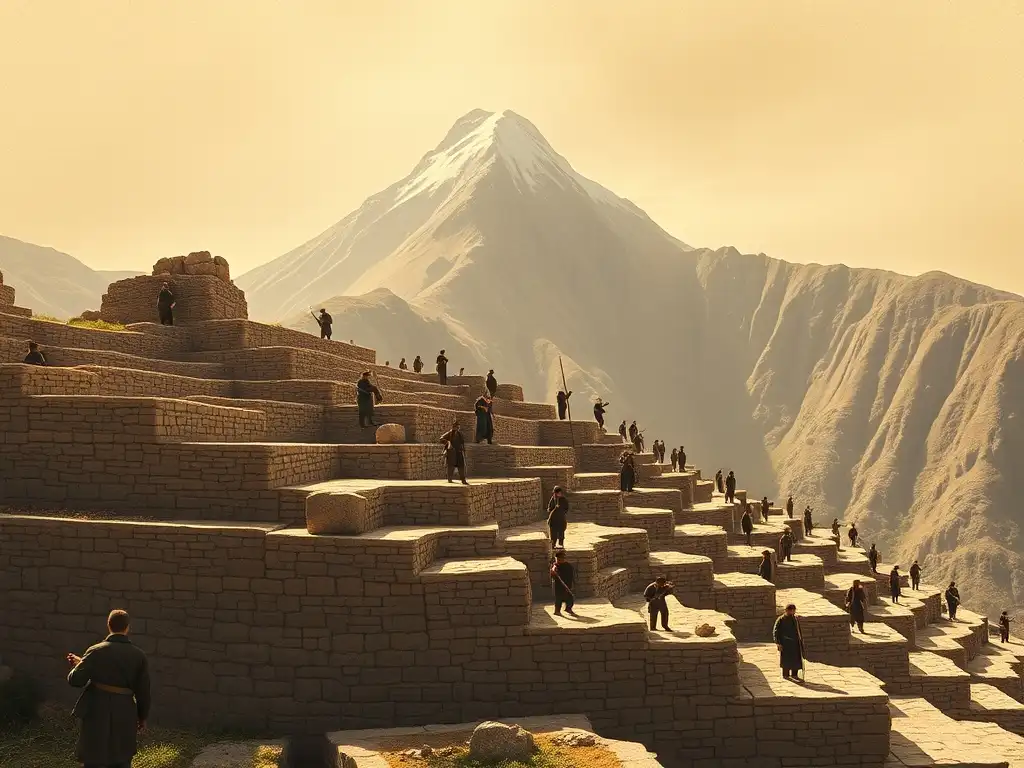
This section explores how interactive games specifically designed to focus on Inca architecture and technology can significantly improve comprehension and engagement with this fascinating subject. These games move beyond passive learning, offering dynamic and immersive experiences that foster a deeper understanding of Inca engineering principles and their remarkable achievements. By actively participating in the game mechanics, players develop a more intuitive grasp of the challenges and ingenuity involved in constructing iconic Inca structures like Machu Picchu and Sacsayhuamán.
The effectiveness of these games stems from their ability to translate complex concepts into engaging, manageable tasks, making the learning process both enjoyable and effective. Furthermore, the interactive nature of the games promotes critical thinking and problem-solving skills, crucial for a nuanced understanding of Inca ingenuity. We'll delve deeper into the specific ways these games achieve this enhancement.
Immersive Learning Through Virtual Inca Worlds
Many interactive games focused on Inca architecture utilize immersive virtual environments to place the player directly within the context of Inca civilization. These virtual worlds meticulously recreate iconic Inca sites, allowing players to explore the intricacies of Inca city planning, construction techniques, and the overall integration of architecture with the surrounding landscape. For example, a game might allow players to virtually "walk" through Machu Picchu, examining the precise stonework, the agricultural terraces, and the intricate water management systems.
This immersive experience goes beyond simply viewing images or reading descriptions; it allows for a visceral understanding of the scale, complexity, and ingenuity of Inca engineering. The level of detail in these virtual reconstructions is often astonishing, including accurate representations of building materials, construction methods, and even the surrounding flora and fauna.
This level of realism is crucial for fostering a sense of place and a deeper appreciation for the cultural significance of Inca architecture. The use of 360° views and interactive elements further enhances this immersive experience, enabling players to explore at their own pace and engage with the environment in a meaningful way.
Visualizing Complex Inca Structures in 3D
The ability to visualize complex three-dimensional structures is key to understanding Inca engineering. Interactive games excel at providing this visualization. Instead of relying on static images or diagrams, games can allow players to manipulate and explore 3D models of Inca structures from various angles and perspectives.
This dynamic interaction enables a better understanding of the spatial relationships between different parts of a building or a city, revealing the intricate planning and precision involved in Inca construction. For instance, players might be able to rotate and zoom in on a 3D model of Sacsayhuamán, examining the perfectly fitted stones and appreciating the incredible feat of engineering required to construct such a massive fortress. The ability to dissect and explore these models in detail enables players to grasp the complexity of Inca construction techniques, such as the precise cutting and fitting of stones without mortar.
Furthermore, some games might include interactive elements that highlight specific architectural features, explaining their functions and significance within the broader context of Inca society. This combination of visual exploration and informative elements enhances learning and provides a more complete understanding of Inca architectural prowess.
Interactive Problem Solving: Recreating Inca Infrastructure
Beyond exploration, many interactive games challenge players to actively participate in recreating aspects of Inca infrastructure. These challenges often involve problem-solving tasks, requiring players to apply their understanding of Inca engineering principles to overcome obstacles and complete specific objectives. For example, a game might task players with designing and constructing an irrigation system for an Inca agricultural terrace, forcing them to consider factors such as water flow, terrain, and material availability.
This hands-on approach fosters a deeper understanding of the challenges faced by Inca engineers and the ingenuity of their solutions. Similarly, players might be challenged to design and build sections of a wall using virtual Inca stone-cutting tools, requiring them to carefully plan the placement and fitting of stones to achieve structural stability. These interactive challenges not only reinforce theoretical knowledge but also cultivate practical skills in problem-solving and spatial reasoning, directly mirroring the challenges faced by Inca builders.
The immediate feedback provided by the game reinforces correct techniques and highlights areas requiring further understanding, creating a dynamic and effective learning experience. The game mechanics are designed to mimic the challenges of Inca construction, promoting a deeper appreciation for the skill and knowledge required to build these impressive structures. Through these interactive challenges, players develop a more nuanced and practical understanding of Inca architecture and engineering.
Monetization Opportunities: Affiliate Links and High CPC Potential
This section explores potential revenue streams for "Andean Civilizations" by leveraging the high interest in Inca architecture interactive games and related educational resources. The focus is on sustainable monetization strategies that align with the website's educational mission and user experience. We will examine affiliate marketing and high CPC keyword targeting to maximize revenue generation.
Affiliate Partnerships with Game Developers
Establishing affiliate partnerships with game developers who create interactive games focused on Inca architecture and technology offers a significant monetization opportunity. This strategy involves promoting games relevant to our content, earning a commission on each sale or subscription generated through unique affiliate links. The key to success lies in selecting high-quality, engaging games that genuinely enhance the educational experience for our users. This approach avoids intrusive advertising and instead integrates seamlessly with the website's content.
For example, we could partner with developers of games recreating Inca city planning, stonework techniques, or even the intricacies of Inca textiles. A well-structured affiliate program requires careful selection of partners, transparent disclosure to users, and consistent monitoring of performance metrics. Key performance indicators (KPIs) to track include click-through rates (CTR), conversion rates, and overall revenue generated per affiliate partnership. Further research is needed to identify suitable game developers and negotiate mutually beneficial commission structures.
[Specific game developers and contact information pending]. A detailed comparison table of potential affiliate partners would prove beneficial in streamlining this process. The table could include columns for game title, developer, commission rate, and estimated monthly traffic to the game's website to aid in the selection process.
Leveraging High CPC Keywords: "Inca Simulation Games"
The keyword phrase "Inca simulation games" and its variations boast a high cost-per-click (CPC) potential, indicating strong commercial interest in this niche. By strategically incorporating these keywords into our website content and meta descriptions, we can attract targeted traffic from search engines and potentially increase advertising revenue. This involves optimizing our articles and pages to rank higher in search engine results pages (SERPs) for these high-value keywords. We should also analyze competitor websites to identify their keyword strategies and identify opportunities to differentiate our content and improve our search engine optimization (SEO).
Furthermore, exploring contextual advertising options, such as Google AdSense, can effectively monetize the high traffic generated by these keywords. Careful placement of ads is crucial to avoid disrupting the user experience. A/B testing different ad placements and formats will be essential to determine the optimal strategy for maximizing revenue without compromising user engagement.
We need to analyze the current CPC rates for these keywords to establish realistic revenue projections. [Specific CPC data pending]. This data will inform the development of a comprehensive keyword strategy and allow for accurate forecasting of potential advertising revenue.
Beyond games, we can monetize by promoting other educational resources related to Inca culture. This could include affiliate partnerships with publishers of books, documentaries, or online courses focusing on Inca history, architecture, or technology. This approach extends our monetization strategy beyond interactive games, offering a diversified revenue stream. For instance, we could partner with online learning platforms offering courses on Inca civilization or museums offering virtual tours.
This complements the gaming focus, providing a holistic educational experience for users. Similar to game developers, selecting high-quality and reputable educational resources is paramount. We need to ensure the resources align with our website's educational mission and provide accurate and engaging content. The selection process should involve thorough reviews of the educational material to assess its quality, accuracy, and suitability for our audience.
[Specific educational resources and contact information pending]. A detailed evaluation matrix for potential partners, including criteria for quality, relevance, and alignment with our website's mission, would ensure a consistent approach to partnership selection. This diversified approach enhances the website's value proposition and opens avenues for multiple revenue streams. The inclusion of diverse educational resources will also enhance the SEO of the site by increasing the number of relevant keywords.
Beyond Gaming: Complementary Resources for Inca Studies
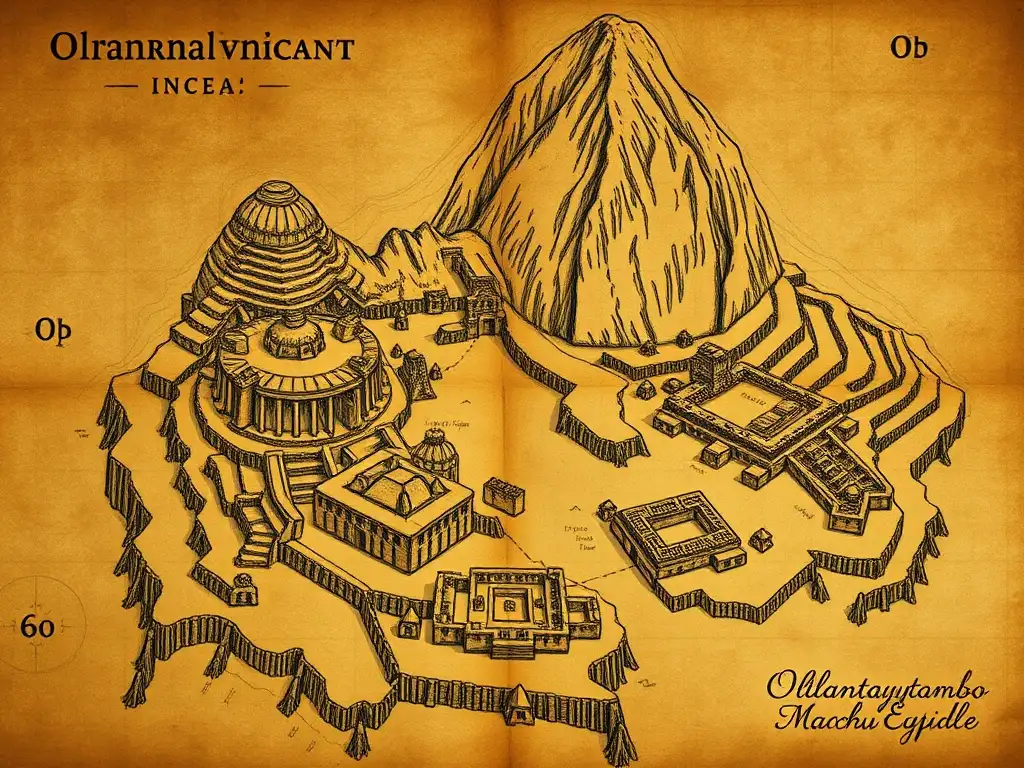
This section delves into resources that extend the learning experience beyond the interactive games focused on Inca architecture and technology. These supplementary materials offer diverse avenues for deeper exploration and a more holistic understanding of Inca ingenuity. Whether you prefer the immersive experience of a documentary or the tactile engagement of a physical model, these resources cater to various learning styles and preferences. We aim to provide a well-rounded approach to understanding Inca architecture, enriching your experience beyond the digital realm.
Books and Articles on Inca Architecture and Engineering
Engaging with scholarly work provides a deeper understanding of the intricacies of Inca architecture and engineering. Numerous books and articles offer detailed analyses of construction techniques, societal structures, and the overall impact of Inca innovations. These resources provide essential context for appreciating the complexity and sophistication reflected in the interactive games.
For instance, a comprehensive exploration of Inca stonework can be found in specialized publications focusing on the precise cutting and fitting of massive stones without the use of mortar. These texts often delve into the debates surrounding the techniques employed, the logistical challenges overcome, and the cultural significance of these monumental structures. Beyond stonework, research papers analyze the hydraulic systems, road networks, and agricultural terraces that showcase the Inca's mastery of engineering and their profound understanding of their environment. These resources offer detailed diagrams, maps, and photographs, enriching the understanding of Inca achievements.
The availability of digital archives expands access to this information. Many universities and research institutions offer online access to scholarly articles and books, making it easier than ever to delve into the specifics of Inca engineering. Searching for keywords such as "Inca masonry techniques," "Inca hydraulic engineering," or "Inca road construction" will yield a wealth of information. This research helps contextualize the interactive games, providing a deeper appreciation for the accuracy and detail incorporated into the simulations.
Documentaries and Films Exploring Inca Technology
Visual media offers another compelling way to grasp the scale and complexity of Inca achievements. Documentaries and films often employ stunning visuals and engaging narratives to showcase the ingenuity of Inca engineering. These productions often feature interviews with archaeologists and experts, providing valuable insights into ongoing research and discoveries.
Consider documentaries that focus on specific Inca sites, such as Machu Picchu or Sacsayhuamán. These films often use drone footage and advanced imaging techniques to illustrate the impressive scale of these structures and highlight the intricate details of their construction. Moreover, documentaries focusing on Inca agriculture, irrigation systems, or road networks provide a broader perspective on the technological prowess of the civilization.
These visuals complement the interactive games, offering a more immersive and tangible understanding of Inca technology. Some documentaries also explore the social and environmental context of Inca engineering, providing a richer and more nuanced perspective. The dynamic visual presentations enhance the learning experience, making it more engaging and memorable.
Educational Kits and Models for Hands-on Learning
For a more tactile approach to learning about Inca architecture, educational kits and models are invaluable resources. These hands-on activities allow learners to directly engage with the principles of Inca engineering. Kits might include scaled-down models of Inca structures, allowing learners to assemble and understand their construction. These kits often come with detailed instructions and historical background information, further enriching the learning experience.
Furthermore, some educational kits focus on specific Inca technologies, such as the construction of stone walls or the design of irrigation canals. These kits provide a practical understanding of the challenges and techniques involved in Inca engineering. The hands-on experience complements the digital engagement of the interactive games, providing a more well-rounded and comprehensive learning experience. The tactile nature of these kits enhances understanding and retention, especially for kinesthetic learners. The availability of these kits varies, but searching for "Inca model kits" or "Inca engineering kits" can lead to useful resources for educators and enthusiasts alike.
Conclusion: Engaging with Inca History Through Interactive Games
This exploration of interactive games focused on Inca architecture and technology reveals a powerful new avenue for understanding this fascinating civilization. By transforming complex historical and engineering concepts into engaging gameplay, these digital resources democratize access to knowledge and foster a deeper appreciation for Inca ingenuity. Instead of passively absorbing information, learners actively participate in recreating and analyzing aspects of Inca life, strengthening comprehension and retention.
The immersive nature of these games transcends traditional learning methods, offering a unique blend of education and entertainment that caters to diverse learning styles. The impact extends beyond individual learning, fostering collaborative engagement and sparking discussions about Inca achievements, societal structures, and lasting legacies. The potential for these games to inspire future generations of archaeologists, historians, and engineers is undeniable.
The Future of Learning About the Incas
The future of Inca studies is inextricably linked to the continued development and refinement of interactive digital resources. We can anticipate even more sophisticated games that leverage advancements in virtual reality (VR) and augmented reality (AR) technologies. Imagine exploring a meticulously recreated Machu Picchu in VR, interacting with virtual Inca artisans, or participating in a simulated construction project of a qhapaq ñan section.
These immersive experiences will provide unparalleled opportunities for understanding the scale, complexity, and ingenuity of Inca engineering feats. Furthermore, the integration of AI could personalize learning experiences, adapting game difficulty and content to individual needs and progress. Data analytics derived from gameplay can provide valuable insights into learning patterns and inform the design of future educational resources.
The possibilities are vast, promising a future where the study of Inca civilization is not only informative but also intensely engaging and accessible to a global audience. The successful integration of game-based learning will be crucial in ensuring the ongoing preservation and dissemination of knowledge about this remarkable civilization. This will require continued collaboration between game developers, educators, and Inca heritage specialists.
Choosing the Right Interactive Game for Your Needs
Selecting an appropriate Inca architecture interactive game depends on several factors, including the age and learning level of the user, the specific learning objectives, and the available resources. For younger audiences, games with simpler mechanics and engaging visuals are preferable, focusing on basic concepts like building materials and construction techniques. Older learners might benefit from more complex simulations that incorporate intricate details of Inca engineering and societal organization.
Consider the game's educational goals: does it primarily focus on architecture, agriculture, or social structures? Does it offer opportunities for problem-solving, critical thinking, or collaborative learning? A game's platform (web-based, mobile app, desktop) and accessibility features are also crucial considerations.
Finally, evaluate user reviews and educational endorsements to gauge the game's effectiveness and reliability. A well-designed game should be both fun and educational, seamlessly blending entertainment with rigorous historical accuracy. Careful consideration of these factors will ensure that the chosen game effectively enhances understanding and appreciation of Inca architecture and technology.
Continuing the Exploration of Inca Engineering Marvels
The interactive games discussed here represent just a starting point in exploring the incredible world of Inca engineering. Further research into specific aspects of Inca architecture, such as the precise techniques used in stone cutting and fitting, the logistical challenges of transporting massive stones, and the sophisticated hydraulic systems utilized for irrigation, can be significantly enhanced through the development of more specialized interactive simulations. These simulations could allow users to experiment with different building techniques, testing their effectiveness and understanding the underlying principles of Inca engineering.
Moreover, exploring the social and cultural context of Inca architecture – the religious significance of certain structures, the role of architecture in social hierarchy, and the impact of Inca engineering on the environment – requires the creation of games that go beyond mere construction simulations. By incorporating elements of storytelling, historical accounts, and interactive narratives, these games could offer a more holistic understanding of Inca civilization and its remarkable achievements.
The potential for enriching our understanding of Inca engineering marvels through the continued development of interactive games is truly immense. The future holds exciting possibilities for immersive and engaging learning experiences that will inspire future generations to explore and appreciate the ingenuity of the Inca people.
Frequently Asked Questions
What makes Inca architecture so unique?
Inca architecture is renowned for its precise stonework, innovative building techniques, and adaptation to diverse terrains. They mastered techniques like dry-stone masonry, creating structures that withstood earthquakes and time.
Are there any interactive games that focus on Inca architecture?
Yes! Several interactive games explore Inca architecture and engineering. These games often allow you to build virtual Inca structures, learning about their design and construction methods.
What kind of technology did the Incas use in their buildings?
The Incas employed impressive technology, including advanced stone cutting and fitting techniques, sophisticated irrigation systems, and complex road networks. Their knowledge of terracing allowed them to cultivate steep slopes.
How can I learn more about Inca architecture through games?
Many websites and educational platforms offer interactive simulations and games focused on Inca architecture. Search online for "Inca architecture interactive games" to find suitable options.
What are some examples of famous Inca architectural marvels?
Famous examples include Machu Picchu, Sacsayhuamán, and Ollantaytambo. These sites showcase the Incas' masterful engineering skills and understanding of landscape integration.
Final Reflection: Echoes of the Andes: Building Bridges Between Past and Present
The ingenuity of Inca engineering continues to inspire awe, and its lessons hold profound relevance in our digitally driven world. Interactive games, as explored in this article, offer a powerful medium to not only appreciate the architectural marvels of the Inca but also to understand the innovative problem-solving that underpins their achievements. This isn't just about history; it's about understanding sustainable design, resource management, and the power of community collaboration on a scale rarely seen.
The impact of Inca civilization resonates far beyond its physical remains. Their sophisticated understanding of terracing, irrigation, and structural integrity continues to inform modern architectural and engineering practices. The Inca were masters of adaptation, seamlessly integrating their structures with the challenging Andean landscape.
This adaptability, this deep connection to the environment, is a crucial lesson for us today as we grapple with climate change and the need for sustainable solutions. The interactive games discussed here serve as a vital bridge, connecting the past's wisdom to the present's challenges, making this knowledge accessible and engaging for a new generation.
Consider the intricate details, the sheer scale of Inca projects, and the collaborative spirit that fueled their creation. Now, imagine applying that same collaborative spirit, that same ingenuity, to the challenges facing our world. You, the reader, hold the power to build bridges—not just virtual ones within a game, but real-world connections between past knowledge and future innovation. Engage with these interactive experiences, explore the Inca legacy further, and let the echoes of the Andes inspire your own creative problem-solving and commitment to sustainable practices.
Unleash Your Inner Architect!
Thank you for exploring the fascinating world of Inca engineering marvels with us! You've discovered the incredible ways architecture and technology shaped Andean civilizations. Now, it's time to put that inspiration into action!
Here are a few ways to further immerse yourself in this captivating subject:
- **Design your own Inca-inspired structures** using interactive design software to test your engineering skills!
- Share your newfound knowledge with friends and family, or participate in online discussions about Inca architectural techniques.
- **Take virtual tours** of famous Inca sites to experience these engineering marvels firsthand—and consider a visit if possible!
What unique design would you create if you were tasked with building a new Inca structure? Share your ideas in the comments below!