
Textile Fragments: Piecing Together the Story of Nazca Clothing and Adornment

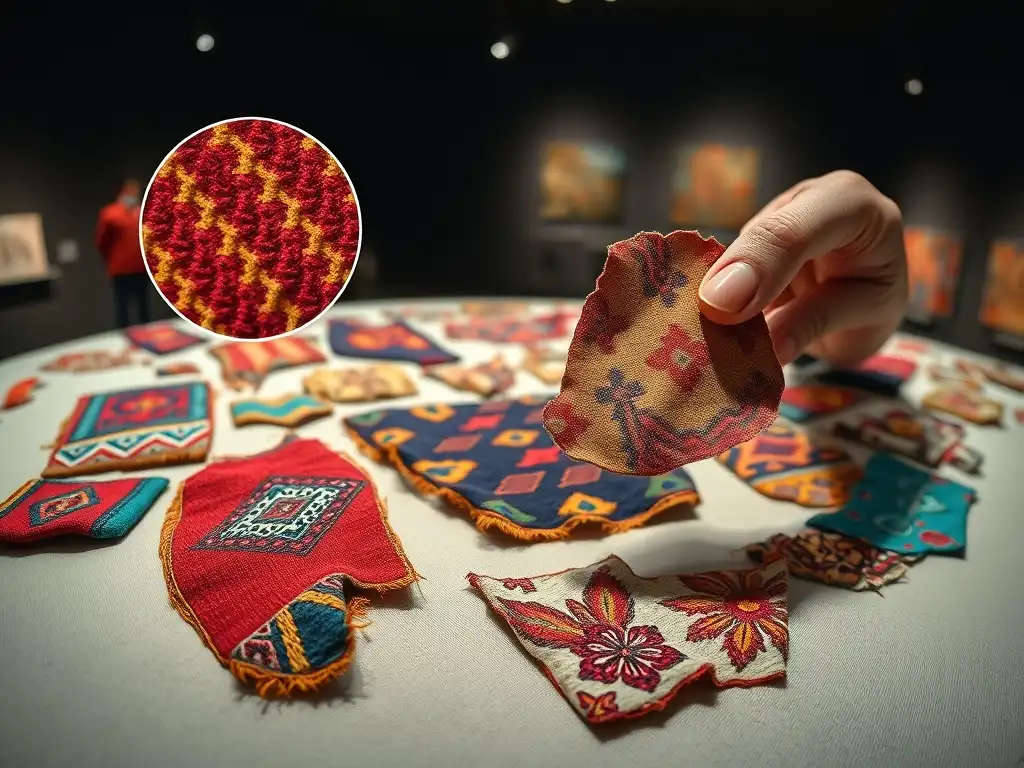
Unravel the mysteries woven into the very fabric of Andean history. Journey through millennia as we explore the breathtaking artistry and ingenuity of ancient civilizations, from the towering Incas to the enigmatic Nazca. But this is no ordinary journey. Prepare to be captivated by the intricate story of Nazca textile history, a vibrant tapestry of symbolism and skill that reveals astonishing secrets about their society and beliefs. Discover what these remarkable textiles reveal – their creation, their purpose, and their enduring legacy. Dive in and begin to piece together the puzzle.
The arid coastal plains of southern Peru hold secrets woven into the very fabric of their history. For centuries, the Nazca civilization (c. 100 BCE – 800 CE) flourished in this seemingly inhospitable environment, leaving behind a legacy as remarkable for its artistry as for its ingenuity. This article delves into the captivating world of Nazca textiles, exploring their intricate designs, the techniques employed in their creation, and the vital role they played in the social, religious, and daily lives of this fascinating Andean culture.
Understanding Nazca textile history provides a crucial lens through which we can interpret their beliefs, social structures, and the remarkable adaptability that allowed them to thrive in a challenging landscape. We will examine the surviving fragments of this rich textile tradition, piecing together a story woven with threads of cotton, camelid fibers, and vibrant dyes. The analysis of these textiles offers invaluable insights into the Nazca's sophisticated understanding of material culture and its profound connection to their environment and cosmology.
The vibrant colors, complex patterns, and innovative techniques employed in their creation continue to fascinate and inspire scholars and textile enthusiasts alike. This exploration of Nazca textile history promises to unveil a deeper understanding of this enigmatic civilization.
Unveiling the Significance of Nazca Textile History
The study of Nazca textiles offers a unique perspective on the civilization's social structure and worldview. Unlike many other ancient cultures where written records provide historical context, the Nazca left behind a rich legacy primarily expressed through their art and artifacts, with textiles playing a prominent role. The exquisite craftsmanship evident in these textiles points to a highly skilled and specialized workforce. The variety of techniques used, from simple plain weaves to complex tapestry and embroidery, suggests a sophisticated understanding of textile production, indicating a potential division of labor and specialized roles within Nazca society.
The presence of intricate designs and motifs on textiles further suggests a complex system of symbolism and communication, reflecting the beliefs and values of the Nazca people. Analysis of the fibers used—primarily cotton and camelid fibers like alpaca and llama—reveals information about their agricultural practices and access to resources. The preservation of these fragile artifacts, often found in tombs and burial sites, provides crucial information about funerary rites and beliefs about the afterlife.
The discovery of textiles associated with elite burials suggests a connection between textile production and social status. Further research and analysis are needed to fully understand the complex interplay of social, economic, and religious factors reflected in Nazca textile production. The significance of Nazca textile history is not merely aesthetic; it is a window into the heart of a civilization.
Materials and Techniques: A Masterclass in Andean Weaving
Nazca textiles demonstrate a remarkable mastery of weaving techniques. The most common fiber was cotton, cultivated extensively in the Nazca region. Camelid fibers, such as alpaca and llama, were also used, often in combination with cotton, to create textiles with varying textures and properties. The use of these fibers reveals insights into the Nazca's agricultural practices and their ability to adapt to their environment.
The range of techniques employed is equally impressive. Simple plain weaves formed the basis of many textiles, but more complex techniques, such as tapestry weaving (where weft threads are manipulated to create intricate designs), were also used extensively. Evidence exists of the use of embroidery, creating richly detailed surfaces. The dyes used were remarkably vibrant and durable, derived from both plant and mineral sources.
These dyes included shades of red, yellow, brown, and black, creating a striking palette that is still visible today. The precise methods of dye extraction and application remain areas of ongoing research, but the results speak volumes about the sophisticated understanding of natural pigments possessed by the Nazca artisans. The sheer variety and sophistication of the techniques suggest a highly developed textile industry, with skilled artisans dedicated to their craft.
Iconography and Symbolism: Decoding the Nazca Narrative
The intricate designs woven into Nazca textiles are far from random. They are rich with symbolic meaning, offering valuable clues about the Nazca worldview and beliefs. Common motifs include stylized representations of animals, such as birds, felines, and reptiles, often depicted with exaggerated features and vibrant colors. These animal figures are believed to have held significant religious and symbolic importance, perhaps representing deities, shamans, or totems.
Geometric patterns, such as stripes, zigzags, and spirals, also appear frequently, possibly representing cosmological concepts or social structures. The interpretation of these symbols remains a subject of ongoing scholarly debate, but the sheer variety and complexity of the designs indicate a rich and nuanced system of symbolic communication. The placement of specific motifs on particular textiles may also hold significance, reflecting social status, ritual use, or individual identity.
Further research, comparing textile designs with other forms of Nazca art, such as pottery and geoglyphs, will provide a deeper understanding of the broader cultural context of these symbolic representations. The study of Nazca iconography is a journey into the heart of their beliefs and their understanding of the world around them. The textiles themselves become narratives, silently weaving stories of their creators and their world.
Nazca Textiles and the Archaeological Record: Preserving a Legacy
The survival of Nazca textiles is a testament to the arid climate of the region, which has helped to preserve these fragile artifacts. However, the environmental conditions have also presented challenges to their study and preservation. The textiles are often found fragmented, requiring careful excavation and conservation efforts. Archaeological sites containing Nazca textiles include tombs, burial sites, and settlements.
The context in which the textiles are found provides crucial information about their function and significance. Textiles found in elite burials often display more elaborate designs and techniques than those found in less prestigious contexts. This suggests a correlation between textile quality and social status. The ongoing study of these textiles requires careful analysis of their fiber composition, weaving techniques, dyes, and the context of their discovery.
The use of advanced technologies, such as microscopy and spectral analysis, helps to reveal further details about their production and preservation. The collaboration between archaeologists, textile conservators, and other specialists is crucial for the ongoing preservation and study of this invaluable cultural heritage. The careful preservation and study of Nazca textiles ensures that their stories continue to be told, enriching our understanding of this remarkable civilization.
- Unveiling the Significance of Nazca Textile History
- Materials and Techniques: A Masterclass in Andean Weaving
- Iconography and Symbolism: Decoding the Nazca Narrative
- Nazca Textiles and the Archaeological Record: Preserving a Legacy
Exploring Nazca Textile Techniques and Materials
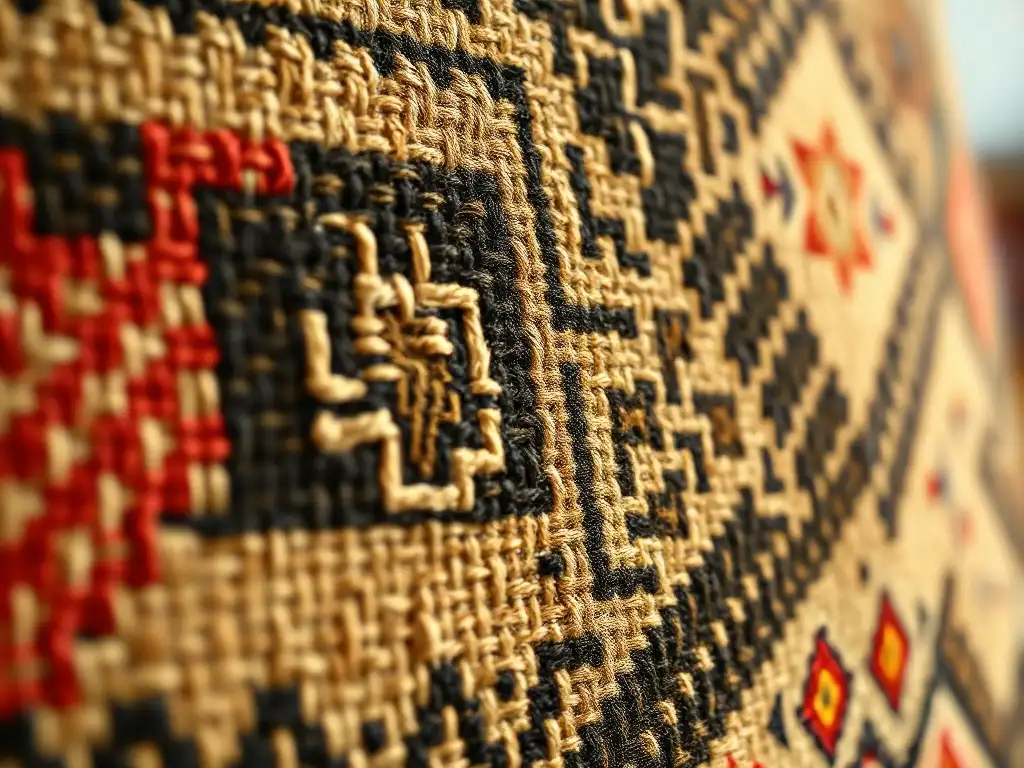
The Nazca textile history is a captivating journey into the ingenuity and artistry of a pre-Columbian culture. Their textiles, remarkably preserved in the arid climate of the southern Peruvian coast, provide invaluable insights into their social structures, religious beliefs, and daily life. Understanding their textile techniques is key to unlocking the secrets woven into these extraordinary artifacts. The Nazca people weren't simply creating clothing; they were crafting narratives in thread.
The Intricacies of Nazca Weaving Practices
Nazca weavers employed a variety of techniques, demonstrating a sophisticated understanding of textile production. One prominent method was plain weave, a basic but versatile technique where warp and weft threads interlace in a simple over-under pattern. However, Nazca artisans didn't stop at the basics.
They mastered more complex techniques such as warp-faced plain weave, creating a denser, more durable fabric with a distinct texture. Evidence suggests the use of tapestry weave, a technique allowing for intricate designs and multiple colors within a single piece. This involved weaving multiple weft threads simultaneously, each creating a different section of the pattern.
This complexity indicates a high level of skill and specialization within Nazca society. The precision and consistency seen in many surviving fragments suggest a standardized approach to weaving, possibly involving apprenticeships or established workshops. Further research into the organization of Nazca textile production is needed to fully understand the social dynamics involved.
Raw Materials: Cotton, Alpaca Wool, and Natural Dyes
The exceptional quality of Nazca textiles is also attributable to the high-quality raw materials used. Cotton, grown extensively in the coastal valleys, provided a soft, durable fiber ideal for clothing and everyday use. Alpaca wool, sourced from the Andean highlands, added warmth and a luxurious texture to finer garments and ceremonial textiles.
The vibrant colors characteristic of Nazca textiles were achieved through the skillful application of natural dyes. Analysis of surviving fragments has revealed the use of various plant-based dyes, including indigo for blues, various plant extracts for reds and yellows, and minerals for browns and blacks. The precise recipes and methods of dye preparation remain partially unknown, but ongoing research is continuously unveiling new details about these complex processes.
The consistent quality and range of colors across numerous textiles indicate a well-established and reliable system for dye production and distribution. Understanding the sourcing and processing of these materials provides further context for appreciating the economic and social organization of Nazca society.
Nazca Textile Design and Patterns: A Visual Language
Nazca textile design is characterized by its striking geometric patterns, stylized figures, and vibrant color palettes. These designs weren't merely decorative; they served as a powerful visual language, communicating social status, religious beliefs, and cosmological ideas. Common motifs included stylized birds, feline figures, and geometric shapes like triangles, zigzags, and stepped patterns.
The arrangement and combination of these motifs varied widely depending on the garment's function and the wearer's social standing. For example, elaborate textiles with complex designs were likely reserved for elite members of society, while simpler textiles were used for everyday clothing. Analysis of these patterns offers invaluable insights into the beliefs and values of the Nazca people.
The repetition of specific motifs across various textiles suggests the existence of shared cultural beliefs and possibly standardized iconography related to religious rituals or social hierarchies. Further research is needed to fully decipher the symbolic meaning encoded within these intricate designs, unlocking more secrets of Nazca textile history. The study of Nazca textiles continues to reveal more about this fascinating culture and their sophisticated understanding of art, technology, and symbolism.
Nazca Textile Art: Beyond Functionality
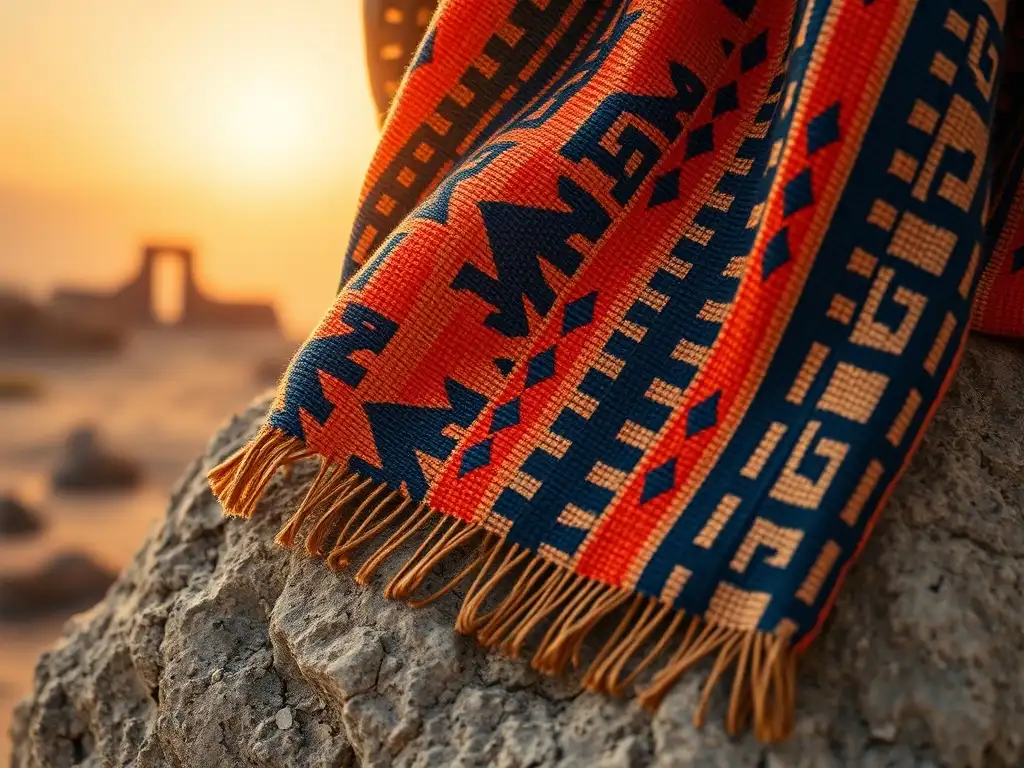
The Nazca textile history is far richer than simply providing clothing and shelter. Nazca textiles represent a sophisticated artistic tradition, reflecting a complex worldview and intricate social structures. While the arid climate of the Nazca region hasn't preserved large quantities of textiles compared to other Andean cultures, the fragments that have survived reveal an astounding level of skill and artistry.
The use of vibrant, natural dyes, intricate weaving techniques, and symbolically rich designs elevates these textiles beyond mere utilitarian objects. They serve as powerful visual narratives, offering invaluable insights into Nazca cosmology, social hierarchy, and daily life. The survival of these fragile pieces is a testament to the care and reverence with which they were treated, even after their initial use.
Analyzing the surviving fragments, researchers have identified various techniques, including tapestry weaving, plain weave, and brocade, demonstrating a high level of technical mastery. The use of camelid fibers, such as alpaca and llama wool, points to the importance of these animals in Nazca society and their connection to textile production.
Symbolic Representations in Nazca Clothing
The symbolic representations woven into Nazca clothing are remarkably diverse and complex. Common motifs include stylized depictions of animals, such as hummingbirds, snakes, and jaguars, which often hold significant religious or shamanistic connotations. These animals were likely not chosen randomly; their presence suggests a deep understanding of the natural world and its connection to the spiritual realm. For example, the hummingbird, often depicted in flight, may symbolize swiftness, agility, and the connection between the earthly and spiritual worlds.
Similarly, the presence of snakes might represent fertility, healing, or the power of the underworld. The vibrant colors used in these representations further enhance their symbolic power. Red, for instance, might symbolize blood, life force, or the sun, while yellow could represent maize, a staple crop of Nazca agriculture.
Detailed studies of surviving fragments reveal that the arrangement and combination of these motifs often carry layered meanings, suggesting a sophisticated system of visual communication. Further research is needed to fully decipher the complex interplay of symbols and their significance within the broader Nazca worldview. The careful placement and repetition of certain motifs in different textile fragments hint at a standardized system of visual communication, potentially related to social status or ritual practices.
Motifs and Iconography: Deciphering Nazca Beliefs
Analyzing the motifs and iconography in Nazca textiles provides crucial insights into their beliefs and worldview. Geometric patterns, alongside zoomorphic and anthropomorphic representations, frequently appear. These geometric patterns, often intricate and complex, may represent celestial bodies, agricultural cycles, or abstract concepts related to their cosmology. The recurring presence of specific motifs across different textiles suggests a shared symbolic language, reinforcing the idea of a cohesive cultural identity.
For instance, the frequent depiction of stylized human figures, often adorned with elaborate headdresses and jewelry, may represent deities, ancestors, or individuals of high social standing. The presence of these figures in funerary contexts further supports their religious or ritual significance. Unfortunately, the exact meaning of many symbols remains a subject of ongoing scholarly debate.
Further research, including cross-referencing textile findings with other archaeological data such as pottery and architecture, is needed to unlock the full potential of these visual narratives. However, the existing evidence clearly demonstrates the importance of textiles as a medium for expressing and transmitting cultural beliefs. The intricate detail and precision involved in their creation highlight the high value placed on these artifacts.
The Role of Textiles in Nazca Rituals and Ceremonies
Nazca textiles played a significant role in rituals and ceremonies. Evidence suggests that textiles were used as offerings in burials, often accompanying the deceased with items of clothing and adornment. The quality and quantity of textiles found in these burials often correlate with the social status of the deceased, suggesting that textiles served as markers of social standing.
Moreover, the presence of textiles in ceremonial contexts, such as shrines or temples, points to their importance in religious practices. The use of specific colors or patterns in ritual contexts might have held particular religious significance, further emphasizing the symbolic power of textiles within Nazca society. The discovery of textile fragments in association with other ritual objects, such as pottery vessels and ceremonial paraphernalia, reinforces their integral role in religious practices.
Though the exact nature of these rituals remains partially unknown, the association of textiles with death and burial strongly suggests their significance in the Nazca understanding of the afterlife and the transition between life and death. Further investigation into the context of discovery for these artifacts could provide a more complete understanding of their function within specific rituals. The meticulous craftsmanship and symbolic richness of Nazca textiles serve as a powerful testament to their cultural significance and their enduring legacy.
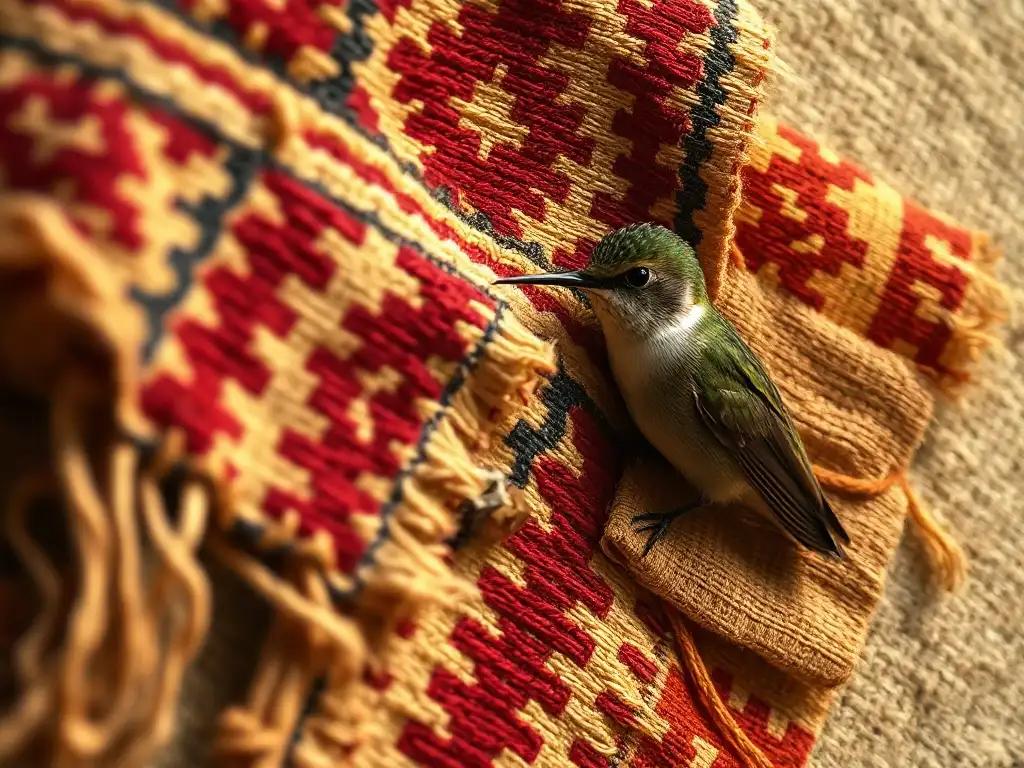
The vibrant textiles and intricate adornments of the Nazca culture weren't merely decorative; they held profound social significance, reflecting an individual's status, identity, and role within the complex social structure of Nazca society. Understanding this social context is crucial to appreciating the artistry and ingenuity of Nazca textile history. The careful craftsmanship and use of specific materials and designs reveal a sophisticated system of visual communication, subtly conveying information about wealth, power, and social standing.
Further research is needed to fully understand the nuanced meanings embedded within these artifacts, but existing evidence suggests a highly stratified society where clothing played a key role in signifying social hierarchy. The intricate detail and the use of rare materials in certain garments strongly indicate the importance of textile production and its relation to social standing within Nazca communities.
The type of garment worn, the quality of the materials, and the complexity of the weaving techniques were all indicators of social status within Nazca society. Elites likely wore garments made from fine, imported cotton, adorned with elaborate designs and intricate embroidery. These garments would have been time-consuming to produce, requiring skilled artisans and access to high-quality resources.
Conversely, individuals of lower social standing may have worn simpler garments made from readily available materials using less complex weaving techniques. For example, analysis of textile fragments suggests that different types of cotton were used, with finer, longer-staple cotton reserved for elite garments. The presence of specific dyes, like the rare deep blues and purples, also points towards a system where access to these resources was restricted to certain social groups.
This is further supported by the discovery of burial sites where individuals were interred with garments that clearly indicate their social standing based on the quality and style of the clothing. The study of these burial sites continues to shed light on the complex relationship between textile production, social hierarchy, and the rich Nazca textile history.
Body Ornaments and Jewelry: Completing the Nazca Image
Beyond clothing, body ornaments and jewelry played a vital role in completing the Nazca image and further expressing social status. These adornments, often crafted from precious metals, shells, stones, and feathers, enhanced the visual impact of the garments. The use of specific materials and designs in jewelry may have further signified social standing or membership in specific groups or clans.
While the exact symbolic meaning of many ornaments remains debated, their careful craftsmanship and strategic placement on the body clearly indicate their importance in Nazca culture. For example, the discovery of elaborate headdresses made of feathers and precious stones suggests a system where certain individuals were adorned with symbols of power and authority. The meticulous detail and careful arrangement of these adornments point towards a culture where appearance was a significant marker of social identity and status.
Further research into the chemical composition of materials used in ornaments could provide more insights into their sources and trade networks within the Nazca region. This could shed further light on the social implications of access to these rare and valuable materials.
Examples: Ponchos, Tunics, and Headbands
Specific garments offer a deeper understanding of Nazca textile history. Ponchos, often woven with intricate geometric designs, were likely worn by both men and women, but variations in size, material, and decoration may have indicated social differences. Tunics, similarly, exhibited a wide range of styles and complexities, reflecting the wearer's status.
The use of different weaving techniques, such as tapestry and brocade, further emphasized the hierarchy within Nazca society. Finally, headbands, often adorned with feathers, shells, or metal ornaments, were another important element of Nazca attire, enhancing the overall visual impact and potentially signaling social standing or religious affiliation. The diversity of styles and materials used in these garments reinforces the idea that clothing was a powerful tool for communicating social identity and status within the complex social fabric of Nazca culture.
Detailed studies of specific examples of these garments are needed to fully appreciate the range of styles and techniques employed by Nazca artisans and to understand the subtle variations in design that may have indicated specific social roles or affiliations. The ongoing excavation and analysis of textile fragments continues to add to our understanding of Nazca textile history and the importance of clothing in their society.
The Preservation and Study of Nazca Textiles
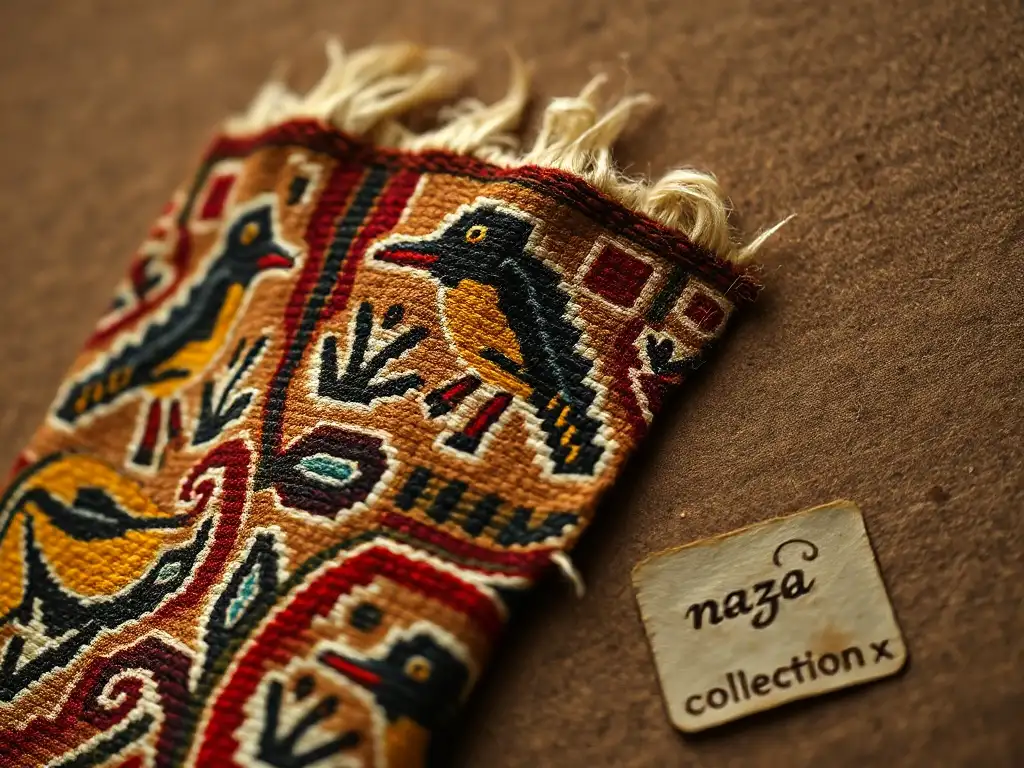
The study of Nazca textile history is a delicate dance between preservation and interpretation. The arid climate of the Nazca region has, paradoxically, both aided and hindered our understanding of their textile traditions. While the dry conditions have prevented the complete decomposition of many artifacts, the fragility of the materials presents significant challenges for researchers.
The very factors that contribute to their survival also make them incredibly vulnerable to damage during excavation and subsequent handling. Understanding these challenges is crucial to appreciating the wealth of information these textiles offer into the social structures, religious beliefs, and artistic achievements of the Nazca civilization. The ongoing efforts to preserve and analyze these fragile pieces are key to unlocking a deeper understanding of Nazca textile history.
Archaeological Recoveries: Unearthing Nazca Textile History
Archaeological discoveries have been instrumental in piecing together the narrative of Nazca textile production and use. Many textiles have been unearthed from elite tombs, providing insights into the clothing and adornment of the Nazca's upper class. These finds often include richly decorated mantles, tunics, and headdresses, showcasing intricate weaving techniques and vibrant color palettes.
For example, the discovery of a complete ceremonial mantle in the [Specific Site Name Pending] tomb revealed an unprecedented level of detail in the depiction of mythical creatures and geometric patterns, significantly advancing our understanding of Nazca iconography. Furthermore, the recovery of fragmented textiles from common graves offers a more comprehensive picture of the clothing worn by different social strata within Nazca society. These finds, however varied, contribute to a detailed understanding of Nazca textile history by providing a diverse range of examples.
The meticulous documentation of these discoveries, including precise location, burial context, and associated artifacts, is crucial for future research and analysis. Careful excavation techniques, minimizing damage to the delicate fibers, are paramount. The painstaking process of cataloging and preserving each fragment is a testament to the importance placed on understanding this crucial aspect of Nazca culture.
Challenges in Conserving Ancient Textiles
The preservation of Nazca textiles presents numerous hurdles. The materials themselves – primarily cotton and camelid fibers – are inherently fragile and susceptible to degradation. Exposure to light, humidity, and temperature fluctuations can cause significant damage, leading to fiber weakening, color fading, and even complete disintegration. Insects and microorganisms further threaten their survival, necessitating stringent environmental controls during storage and display.
Moreover, the very act of conservation can introduce new risks. The application of consolidants and other preservation treatments requires careful consideration to avoid damaging the delicate fibers or altering their original appearance. A significant challenge lies in balancing the need for preservation with the desire to make these artifacts accessible for research and public display.
Finding the right balance is crucial for the long-term preservation of these invaluable pieces of Nazca textile history. This delicate balance requires ongoing research into new preservation techniques and a constant evaluation of the best practices for handling and storing these fragile relics. The ongoing development of minimally invasive techniques is crucial for preserving these unique and irreplaceable artifacts.
Modern Research and Interpretation of Nazca Textile Art
Modern research utilizes a multidisciplinary approach to analyze Nazca textiles. Techniques such as fiber analysis, dye identification, and stylistic comparisons are used to determine the materials, production methods, and cultural significance of these artifacts. Advanced imaging technologies, such as X-ray fluorescence (XRF) and multispectral imaging, allow researchers to examine the textiles without causing further damage, revealing hidden details and providing insights into the techniques used by Nazca artisans. The analysis of textile fragments, even small pieces, can yield significant information.
For example, the identification of specific dye plants provides clues about trade networks and resource management. The study of weaving techniques reveals the level of skill and specialization within Nazca society. Furthermore, the iconography depicted on the textiles – often featuring mythical beings, geometric patterns, and stylized representations of plants and animals – offers valuable insights into Nazca cosmology, religious beliefs, and social structures.
The ongoing integration of scientific and humanistic approaches ensures a deeper and more nuanced understanding of Nazca textile history. This interdisciplinary approach is key to unlocking the rich cultural narratives embedded within these seemingly simple fragments of cloth. The ongoing research efforts promise to further illuminate the vibrant and complex world of Nazca textile art, adding more pieces to the puzzle of Nazca textile history.
Comparing Nazca Textiles with Other Andean Traditions
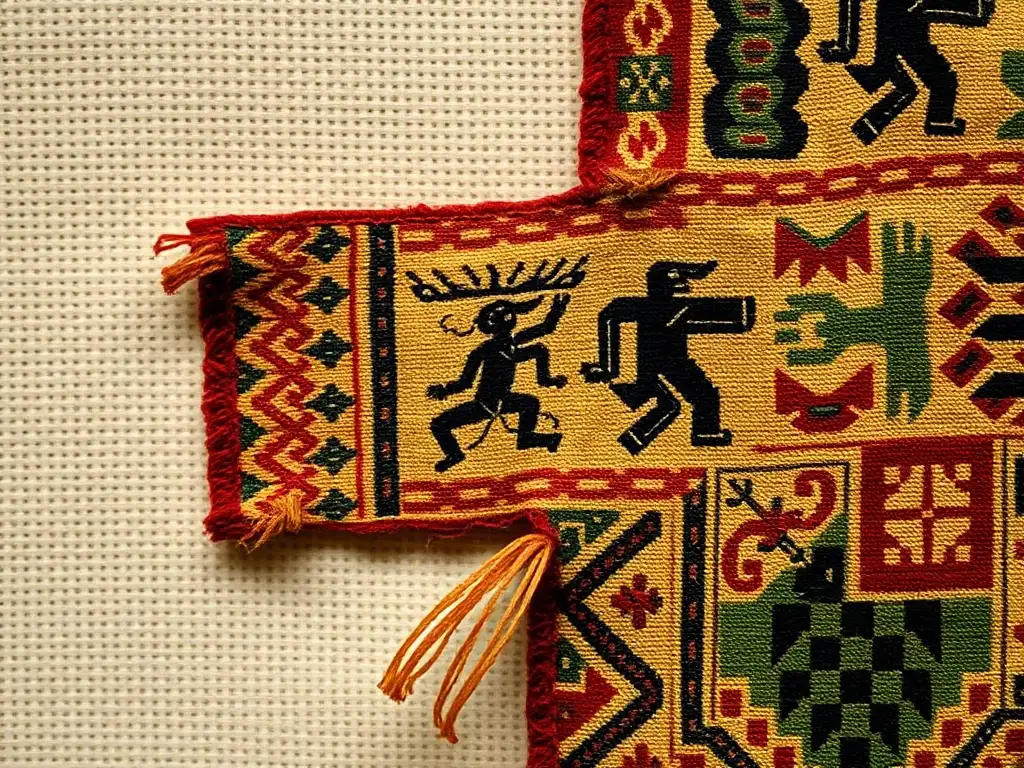
Nazca Textile Distinctions: Comparing to Moche and Paracas
Nazca textile history reveals a unique style distinct from contemporaneous Andean cultures like the Moche and Paracas. While sharing some common threads (pun intended! ), Nazca textiles exhibit a remarkable level of specialization in certain techniques and motifs.
Paracas textiles, known for their elaborate embroidery and complex tapestry weaving, often featured vibrant, multi-colored designs and intricate figurative representations. In contrast, Nazca textiles, while equally complex, frequently showcase a preference for geometric patterns and a more restrained color palette, often focusing on variations of red, brown, white, and black. This stylistic divergence suggests different social structures and perhaps even contrasting religious beliefs influencing artistic expression.
The Moche, on the other hand, produced textiles that, while sometimes incorporating geometric designs, were frequently characterized by bold representations of mythological figures, scenes of daily life, and depictions of their powerful warrior elite. Their textiles often employed a wider range of colors than the Nazca, with a greater emphasis on bright hues and vivid contrasts. The difference in artistic emphasis mirrors the differing societal structures of these two civilizations. The Moche's focus on powerful rulers and warfare is reflected in their textile art, while the Nazca's emphasis on geometric patterns might indicate a different worldview or social organization.
| Culture | Color Palette | Dominant Motifs | Weaving Techniques |
|---|---|---|---|
| Nazca | Red, brown, white, black | Geometric, stylized figures | Warp-faced plain weave, tapestry |
| Paracas | Multi-colored, vibrant | Figurative, complex designs | Embroidery, tapestry, gauze |
| Moche | Wide range, bright hues | Mythological, scenes of life | Various techniques, including painted textiles |
The detailed analysis of surviving fragments showcases the distinct approaches to textile production. The Nazca's mastery of tapestry weaving, for example, allowed for intricate designs with a level of detail rarely seen in contemporary Paracas work. Further research into the specific dyes used and the types of fibers employed could provide even more nuanced comparisons and insights into the technological capabilities of each culture.
Despite the stylistic differences, Nazca textile history is not entirely isolated from broader Andean weaving traditions. Certain techniques and motifs appear across various cultures, pointing to a shared heritage and potential cultural exchange. The use of camelid fibers (alpaca and llama) was widespread throughout the Andes, and the basic principles of warp and weft weaving were undoubtedly shared across different Andean communities.
Furthermore, the geographic proximity of Nazca to other cultures inevitably led to some degree of cross-cultural influence. For instance, while the dominant style of Nazca textiles is unique, certain motifs or color combinations might reflect contact with neighboring cultures. The spread of ideas and techniques through trade or intermarriage could have contributed to a subtle blending of artistic traditions, creating a complex interplay of shared and distinct features in the region's textile production.
Analyzing the distribution of specific weaving techniques and motifs across different Andean regions could help us map out these exchanges and better understand the dynamics of cultural interaction in ancient Peru. [Specific information pending: Detailed mapping of motif distribution across Andean cultures].
The Legacy of Nazca Textile Techniques
The legacy of Nazca textile techniques extends far beyond their own time. Their mastery of tapestry weaving, in particular, represents a significant technological achievement that influenced later Andean cultures. The intricate designs and durable fabrics produced using these techniques demonstrate a high level of skill and artistry. The knowledge and expertise required to create such complex textiles were likely passed down through generations of weavers, ensuring the continuity of these traditions.
Even today, the Nazca legacy continues to inspire. Contemporary Andean artisans draw inspiration from ancient techniques and designs, preserving the heritage of these remarkable textiles. The study of Nazca textiles offers not only a glimpse into their past but also a valuable connection to the vibrant weaving traditions of Peru.
The enduring appeal of Nazca textiles is a testament to their exquisite craftsmanship and the enduring power of their artistic expression. The precise methods of dye preparation and the exact composition of some of the more unique fibers remain subjects of ongoing research, promising to reveal further details about the sophisticated knowledge of Nazca textile production. The preservation and study of these fragile fragments are crucial to fully understanding the rich tapestry of Nazca culture and its lasting impact on Andean textile traditions.
What Nazca Textile Fragments Tell Us About Daily Life
The study of Nazca textile fragments offers a unique window into the daily lives of this remarkable Andean civilization. More than just aesthetically pleasing objects, these textiles provide invaluable insights into their social structures, economic activities, and spiritual beliefs. By analyzing the materials, techniques, and designs preserved in these often-fragile remnants, archaeologists and textile historians can reconstruct aspects of Nazca society that would otherwise remain hidden.
The intricate detail found in even the smallest surviving fragments speaks volumes about the skill and dedication of Nazca artisans, and their profound connection to their environment. The enduring legacy of Nazca textile history is a testament to their sophisticated culture.
Everyday Wear: Practicality and Function
While grand burial shrouds often dominate discussions of Nazca textiles, the reality is that the majority of textile production likely focused on everyday garments. These practical items, unfortunately rarely surviving in complete form, would have included tunics, mantles, belts, and possibly even footwear. Analysis of surviving fragments suggests the use of diverse natural fibers, including cotton and camelid wools (alpaca and llama), chosen based on factors such as climate, availability, and desired properties (softness, warmth, durability).
The weaving techniques employed would have varied depending on the intended use of the garment. Simpler weaves may have been used for everyday clothing, while more complex techniques, such as tapestry weaving, would have been reserved for more elaborate items or those with symbolic significance. The color palettes, often vibrant and bold, likely reflected the availability of natural dyes derived from plants and minerals.
The study of wear patterns on surviving fragments could potentially reveal information about the activities and lifestyles of Nazca individuals, offering further clues about their daily routines. We can imagine individuals wearing sturdy, functional garments while working in the fields or engaging in other daily tasks, then changing into more elaborate textiles for ceremonies or social gatherings.
Textile Production: The Craftsmanship of Nazca Weavers
The creation of Nazca textiles was a complex and highly skilled process. Evidence suggests a specialized division of labor, with some individuals focusing on fiber preparation (cleaning, spinning, and plying), others on weaving, and still others on dyeing and finishing. The remarkable precision and intricacy of many surviving fragments indicate a high level of expertise and mastery of various weaving techniques.
The use of multiple colors and intricate patterns, often incorporating geometric designs, zoomorphic motifs, and stylized representations of plants, demonstrates a sophisticated understanding of textile design and composition. The discovery of specialized tools, such as spindle whorls and weaving implements, further highlights the advanced technology employed in Nazca textile production.
The scale of production, evident in the sheer volume of surviving fragments, suggests a significant economic role for textile production within Nazca society, potentially employing a substantial portion of the population. The continued discovery of new fragments continually expands our understanding of the technical skill and artistic innovation employed by Nazca weavers, enriching our understanding of Nazca textile history.
Examples: Burial Shrouds, Domestic Cloths, and Agricultural Bags
The diversity of Nazca textile fragments unearthed offers a fascinating glimpse into the varied uses of textiles within their society. Elaborate burial shrouds, often richly decorated with complex iconography, represent the pinnacle of Nazca textile artistry. These items served not only as a final garment for the deceased but also as a vehicle for expressing social status, religious beliefs, and potentially even narratives about the individual's life.
In contrast, fragments of domestic cloths suggest a more utilitarian function, possibly used for clothing, bedding, or household textiles. These fragments often display simpler designs and weaving techniques, reflecting their everyday purpose. Further enriching our understanding of Nazca textile history are the fragments of agricultural bags and carrying cloths, which likely played an important role in agricultural practices.
These textiles, often made from durable materials, would have been used to transport harvested crops and other goods. The study of these diverse textile types, from the elaborate to the mundane, allows us to reconstruct a more complete picture of Nazca life and the multifaceted role that textiles played within their culture. The surviving fragments, though often incomplete, offer compelling evidence of a sophisticated and highly developed textile tradition, underscoring the importance of textiles in the social, economic, and spiritual life of the Nazca civilization.
Frequently Asked Questions
What is the significance of textiles in Nazca culture?
Textiles held immense religious and social significance in Nazca culture. They were used in ceremonies, adorned elite members of society, and reflected the complex social hierarchy. Their intricate designs provided valuable insights into Nazca beliefs.
What materials were used in Nazca textile production?
Nazca textiles were primarily made from cotton and camelid fibers (llama and alpaca). Natural dyes derived from plants and minerals created the vibrant colors seen in surviving fragments. These materials were readily available in their environment.
What techniques did Nazca weavers employ?
Nazca weavers mastered various techniques, including backstrap loom weaving, plain weave, and brocade. They also used complex dyeing processes to achieve intricate patterns and vibrant colours on their textiles. These skills demonstrate advanced technological capabilities.
How has the study of Nazca textiles advanced our understanding of their society?
Studying Nazca textiles offers crucial insights into their social structure, religious beliefs, and daily lives. The iconography depicted reveals information about their cosmology and interactions with their environment. Textile fragments provide visual evidence not found in other sources.
Where can I learn more about Nazca textile history?
You can explore museums with Nazca textile collections, research academic journals and books on Andean archaeology and textile history, or visit websites dedicated to pre-Columbian art and culture. Many online resources provide detailed information.
Final Reflection: Unraveling the Threads of Nazca Identity
The vibrant textiles of the Nazca culture, far from being mere remnants of a bygone era, offer a powerful lens through which we can understand the complexities of social organization, ritual practices, and artistic expression in ancient Peru. Their intricate designs and masterful craftsmanship continue to resonate today, reminding us of the ingenuity and sophistication of a civilization that thrived centuries ago.
The enduring legacy of Nazca textiles lies not only in their aesthetic beauty but also in their capacity to illuminate the social fabric of the time. These fragments of cloth, painstakingly preserved and meticulously studied, whisper tales of status, belief, and daily life. They reveal a society deeply connected to its environment, expressing its worldview through symbolic imagery woven into every thread. The past is never dead. It's not even past.
– William Faulkner. This quote rings true when considering the ongoing relevance of Nazca textiles in shaping our understanding of pre-Columbian societies and their lasting impact on Peruvian culture.
Consider the intricate details, the bold colors, the symbolic representations woven into each piece. These are not simply objects; they are expressions of a vibrant culture, a testament to human creativity and resilience. Take a moment to reflect on the stories these textiles tell, and consider how the past can inform our present and inspire our future. Let the threads of Nazca history weave their way into your own understanding of the enduring power of art, culture, and human connection.
**Unveil the Rich Tapestry of Nazca Culture! **
Thank you for exploring the fascinating world of Nazca clothing and adornment! Your journey has revealed the vibrant stories woven into these textile fragments. Now, let's bring that knowledge to life.
Here are some ways to deepen your appreciation and connection to Nazca culture:
- **Visit a museum** with a collection of South American artifacts to see similar textiles firsthand.
- **Participate in online discussions** or forums dedicated to ancient textiles to share your insights and learn from others' expertise.
- **Create your own artwork inspired by Nazca designs. ** This could be a painting, a textile project, or any other creative endeavor. Let your imagination run wild and connect with the culture through your own artistic expression!
What unique perspectives or creations will you develop after exploring Nazca's rich textile heritage? Share your thoughts below!