
The Inca's System of Land Distribution and Ownership

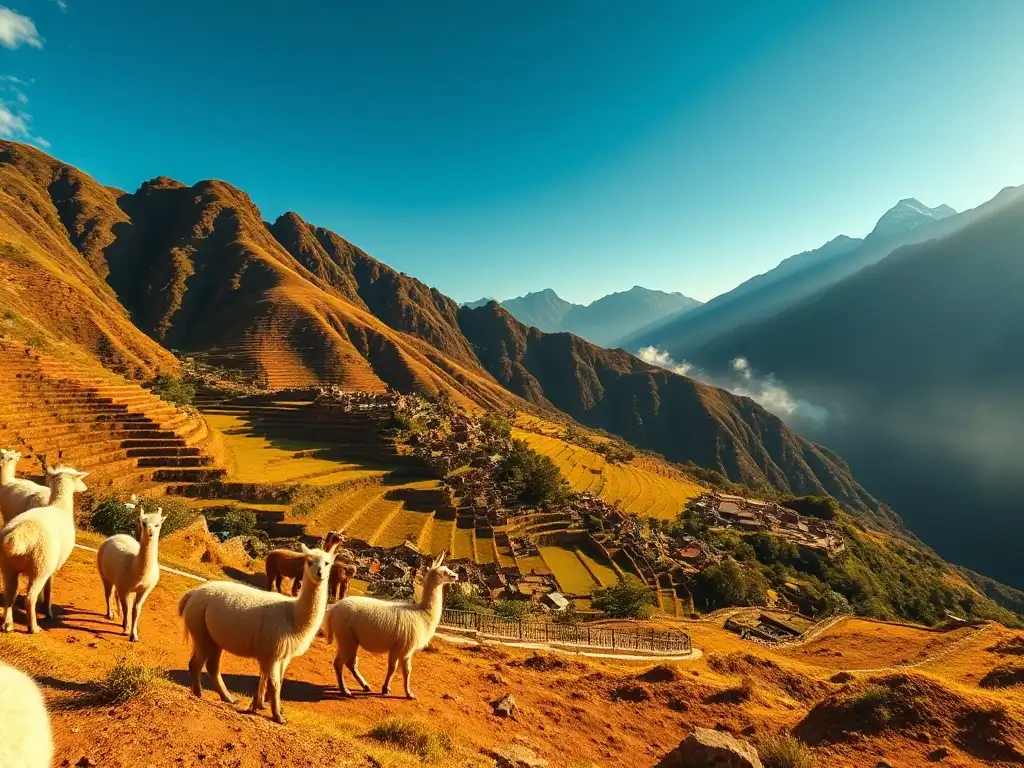
Unravel the mysteries of the Andes! Journey back in time to a world of towering empires and breathtaking ingenuity. For centuries, the Inca civilization thrived, leaving behind a legacy of unparalleled artistry and complex societal structures. But what truly fueled their remarkable power? Discover the intricate workings of the Inca land ownership system, a key to understanding their enduring influence. Prepare to be amazed as we delve into the fascinating details of this pivotal aspect of Inca society – a system far more sophisticated than you might imagine.
The Inca Empire, renowned for its sophisticated engineering feats and intricate social structures, possessed a remarkably organized system of land distribution and ownership. Unlike many other ancient societies where land ownership was often concentrated in the hands of a few powerful elites, the Inca system prioritized community well-being and the needs of the empire as a whole. This intricate system, deeply intertwined with the Inca's agricultural practices and social organization, ensured the efficient production and equitable distribution of resources across the vast and diverse landscapes of their empire.
Understanding the Inca land ownership system reveals a fascinating glimpse into their social, economic, and political organization, highlighting a unique approach to resource management that sustained a large and complex civilization for centuries. This article will delve into the core principles of Inca land tenure, examining the roles of the ayllu, the Inca state, and the elite in shaping this crucial aspect of Inca life.
The exploration of this complex system will shed light on how the Incas successfully managed their agricultural resources and maintained social stability within their expansive empire. This is particularly relevant in understanding the keyword "Inca land ownership system" and its significant role within the broader context of Inca agriculture and resource management.
Understanding Inca Land Tenure: An Overview
The Inca land tenure system wasn't based on individual ownership in the way we understand it today. Instead, it operated on a collective and hierarchical model, with land ultimately belonging to the Inca state (Sapa Inca). This didn't mean individuals had no rights to the land; rather, land use rights were granted based on social status and community needs.
The system was highly organized and efficient, designed to ensure food security and maintain social order across the vast empire. The allocation of land was meticulously planned, considering factors such as soil fertility, altitude, and proximity to water sources. This careful planning allowed for a diversified agricultural system that could support a large population.
The system's success stemmed from its inherent flexibility and ability to adapt to diverse ecological conditions and changing needs of the population. This adaptability is a key factor in understanding the longevity and success of the Inca Empire.
Principles of Inca Land Division
The Inca system of land division was complex and multifaceted, involving several key principles that ensured equitable distribution and efficient resource utilization. The system was not static; it adapted to the specific needs of different regions and communities. This flexibility is crucial to understanding the nuanced nature of Inca land management. The primary principles included the allocation of land based on community needs, the Inca state's role in overseeing land distribution, and the reservation of land for the Inca elite and nobility.
The Concept of Community Land (Ayllu)
The foundation of Inca land tenure was the ayllu, a kinship-based community that collectively owned and managed the land within its territory. The ayllu wasn't simply a geographical unit; it was a tightly knit social and economic entity, responsible for the collective cultivation and distribution of resources. Each ayllu received a portion of land suitable for its needs, considering factors such as population size, agricultural capabilities, and access to water resources.
Land within the ayllu was further subdivided among family units, ensuring that everyone had access to land for cultivation and sustenance. The ayllu system fostered a sense of community responsibility and mutual support, crucial for the success of Inca agriculture. This collective ownership and management system fostered cooperation and ensured a fair distribution of resources within the community.
The Inca State's Role in Land Allocation
The Inca state played a crucial role in overseeing the land distribution process. The Sapa Inca, as the supreme ruler, held ultimate ownership of all land within the empire. However, the state didn't directly manage all land; instead, it delegated responsibility to local authorities and ayllu leaders. The state's role was to ensure equitable distribution, resolve land disputes, and oversee the efficient utilization of resources.
This included the construction and maintenance of irrigation systems, the implementation of agricultural techniques, and the collection of taxes in the form of agricultural produce. The state's involvement guaranteed a degree of control and prevented excessive accumulation of land in the hands of a few. This centralized yet decentralized approach allowed for efficient management across a vast and diverse empire.
Land for the Inca Elite and Nobility
While the emphasis was on community land, the Inca elite and nobility also received land grants. These grants were not based on individual ownership but rather on the privileged status of the recipients. This land was often used for the production of goods for the Inca court, religious ceremonies, and the support of the elite.
The amount of land allocated to the elite varied depending on their rank and influence within the empire. This allocation did not disrupt the overall system of community-based land management; instead, it served as a mechanism for supporting the state's administrative and religious functions. It’s important to note that even this elite-held land often contributed to the overall well-being of the community through redistribution and labor organization.
Types of Land Ownership in the Inca Empire
The Inca Empire's sophisticated land distribution system wasn't based on individual ownership in the way we understand it today. Instead, land was categorized into three main types, each serving a distinct purpose within the intricate societal structure: land for the Sun (religious purposes), land for the Inca (state and royal use), and land for the ayllu (community sustenance). This system ensured the empire's survival and facilitated the efficient allocation of resources across its vast territory.
The Inca's approach was remarkably effective in managing resources and maintaining social stability for centuries, a testament to their understanding of land management. The absence of private land ownership, while seemingly restrictive, fostered a sense of collective responsibility and ensured that everyone had access to the resources necessary for survival. The system, therefore, wasn't simply about ownership, but about equitable distribution and the social fabric of the Inca state.
Land for the Sun (Religious Purposes)
This category encompassed land dedicated to the Inca's intricate religious system. Temples, priests, and religious ceremonies required substantial resources. These lands produced agricultural goods, livestock, and other resources directly supporting the religious institutions and practices. The produce from this land wasn't sold or traded for profit; instead, it was used to sustain the religious order and maintain the elaborate rituals crucial to Inca society.
The priests and temple personnel managed these lands, using the resources to support their religious activities and maintaining the sacred sites. The fertility of this land, often considered sacred, was seen as divinely blessed, enhancing its importance within the Inca worldview. This aspect of land ownership underscores the central role religion played in the Inca empire's social and political organization.
Land for the Inca (State and Royal Use)
A significant portion of land belonged to the Inca, the emperor, and the state. This land generated resources for the imperial court, the military, and various state projects. It was used to fund public works like roads, irrigation systems, and fortifications, crucial for the empire's expansion and maintenance. The produce from these lands also provided for the Inca's vast bureaucracy, including officials, messengers, and soldiers.
The management of this land was a complex undertaking, requiring a hierarchical system of administrators and overseers to ensure efficient production and distribution. The Inca's ability to effectively manage this vast royal estate demonstrates the sophisticated organizational capabilities of their empire. The resources from this land were directly tied to the power and authority of the Inca ruler and the functioning of the state itself.
Land for the Ayllu (Community Sustenance)
The majority of the Inca population belonged to ayllus, kinship-based communities that formed the foundation of Inca society. Each ayllu possessed land allocated for its members' sustenance. This land was collectively worked and the harvest shared, ensuring everyone had access to food and other necessities.
The ayllu system promoted social cohesion and mutual support, fostering a sense of community and shared responsibility. This communal land ownership differs significantly from the concept of individual property rights, highlighting the collectivist nature of Inca society. The allocation of land within the ayllu was often based on family size and the needs of the community, demonstrating a nuanced understanding of equitable resource distribution.
How the Inca Land Distribution System Worked
The Inca's system of land distribution was a carefully orchestrated process designed to ensure the empire's stability and the well-being of its citizens. It involved detailed land surveys, efficient management structures, and a responsive redistribution system to address changing needs. This intricate system, far from being rigid, adapted to changing circumstances, ensuring the empire's resilience. The success of this system is a testament to the administrative capabilities of the Inca state.
Land Measurement and Demarcation Techniques
Inca engineers and surveyors employed sophisticated techniques to measure and demarcate land. They used knotted strings ( quipus) to record land sizes and boundaries, and sophisticated surveying instruments, likely involving geometric principles, to accurately map out territories. This precise measurement was crucial for equitable distribution and efficient resource management. The accuracy of their methods, still evident in surviving land divisions in some areas, highlights their advanced understanding of geometry and surveying. The detailed records kept using the quipus allowed for efficient tracking of land use and production.
The Role of Local Officials in Land Management
Local officials, appointed by the Inca government, played a vital role in overseeing land management within their jurisdictions. They were responsible for ensuring that land was used efficiently, that the harvest was properly collected and distributed, and that disputes were resolved fairly. These officials often held significant authority within their communities, acting as intermediaries between the Inca state and the ayllus. Their role demonstrates the decentralized yet highly controlled nature of Inca governance, effectively blending central authority with local administration. The effectiveness of this system relied heavily on the integrity and competence of these local officials.
Redistribution of Land Based on Need
The Inca system wasn't static; it allowed for redistribution of land based on changing needs. In times of famine or disaster, land could be reallocated to ensure everyone had access to resources. This flexibility highlights the system's adaptability and its focus on social welfare.
This aspect of the system demonstrates a level of social planning and responsiveness rarely seen in other pre-industrial societies. The ability to adapt and redistribute resources was crucial to the empire's longevity and its capacity to withstand environmental challenges. The Inca's system demonstrates a sophisticated approach to resource management and social welfare, far exceeding simple land ownership structures.
Inca Land Management Practices
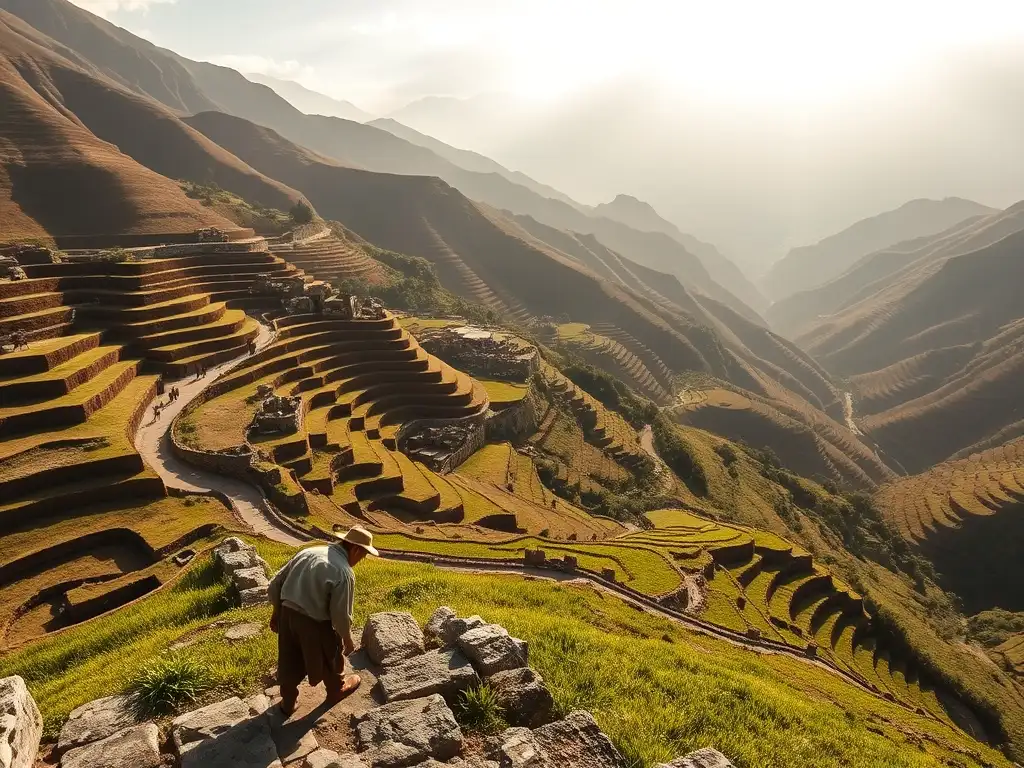
The Inca land ownership system, a cornerstone of their empire's success, was far from a simple matter of individual property. Instead, it represented a sophisticated system of resource management designed to ensure the stability and prosperity of the entire empire. This system, intricately woven into the fabric of Inca society, prioritized collective well-being over individual gain. The Inca state held ultimate ownership of all land, allocating it based on a complex interplay of social structure, agricultural needs, and religious considerations.
This wasn't simply about claiming territory; it was about strategically managing resources to support a vast population spread across diverse and challenging terrains. The effectiveness of this system stemmed from a deep understanding of Andean ecology and a commitment to sustainable practices. The Inca's approach to land management served as a crucial element in their impressive ability to sustain a large and complex empire for several centuries.
Agricultural Techniques and Land Use
Inca agricultural techniques were remarkably advanced for their time, reflecting a deep knowledge of their environment and a commitment to maximizing yields. They weren't just farmers; they were skilled engineers and ecologists. Land use was meticulously planned, taking into account factors such as altitude, soil type, and water availability.
Different crops were strategically planted in areas best suited to their needs. For example, higher altitudes were often dedicated to hardy crops like potatoes, while lower elevations might be used for maize and other heat-loving plants. This careful planning, combined with innovative techniques, allowed the Inca to cultivate a diverse range of crops, ensuring food security across the vast empire.
Terracing and Irrigation Systems
The iconic terraced fields of the Andes are a testament to the Inca's engineering prowess and their commitment to sustainable agriculture. Terracing transformed steep, mountainous slopes into cultivatable land, significantly increasing arable acreage. These terraces weren't simply carved into hillsides; they were carefully designed to optimize water retention and reduce soil erosion. The construction involved meticulous stonework, creating level platforms that captured rainwater and prevented runoff.
Complementing the terracing were sophisticated irrigation systems, often involving canals and aqueducts that channeled water from rivers and streams to the fields. These systems ensured that crops received adequate water even in arid regions, maximizing yields and minimizing the impact of drought. The construction and maintenance of these systems required a massive coordinated effort, highlighting the importance of collective labor within the Inca system.
Crop Rotation and Soil Conservation
The Inca understood the importance of soil health and employed various techniques to maintain soil fertility and prevent depletion. Crop rotation was a key practice, involving the systematic planting of different crops in the same area over time. This helped to prevent the depletion of specific nutrients and maintain the overall health of the soil.
They also employed techniques such as composting and the use of fertilizers to enrich the soil and enhance crop yields. These practices, combined with their terracing and irrigation systems, contributed to the long-term sustainability of Inca agriculture and ensured the empire's food security for generations. Their understanding of soil conservation techniques was remarkably advanced, demonstrating a profound connection to the land and a commitment to long-term sustainability.
Impact of the Inca Land System on Society
The Inca land system had a profound impact on all aspects of Inca society, shaping its social structure, economy, and overall stability. Its influence extended far beyond mere agricultural production; it was integral to the empire's political and social organization. This system, while centralized, also allowed for local adaptation and management, demonstrating a balance between imperial control and community autonomy.
Social Hierarchy and Land Access
The Inca's land ownership system was intricately linked to their social hierarchy. The emperor, as the ultimate owner of all land, allocated portions to various groups within society based on their social standing and needs. The ayllu, a kinship-based community, played a central role in land distribution and management.
Land was allocated to ayllus for their collective use, ensuring that all members had access to resources necessary for survival. This system provided a degree of social security and minimized the potential for widespread poverty or inequality, although disparities certainly existed. The distribution, however, wasn't entirely egalitarian; elites and the priestly class held larger portions of land compared to commoners.
Economic Stability and Food Security
The Inca land system was instrumental in ensuring the economic stability and food security of the empire. The state's control over land and resources allowed for efficient resource allocation and the implementation of large-scale public works projects. The mit'a, a system of labor service, played a significant role in the construction and maintenance of infrastructure, including irrigation canals and terraces.
The centralized control over agricultural production enabled the Inca to maintain large stores of food, which could be used to buffer against droughts and other natural disasters, preventing widespread famine. This system of surplus production and storage helped to maintain social order and stability, even during times of hardship.
The Inca Land System's Legacy
The Inca land system's legacy extends far beyond the fall of the empire. Its principles of sustainable agriculture, collective resource management, and community-based land use continue to hold relevance today. The sophisticated engineering and agricultural techniques employed by the Inca remain a source of inspiration for modern sustainable agriculture practices.
The understanding of the intricate relationship between land management, social organization, and economic stability provides valuable lessons for contemporary societies grappling with issues of resource scarcity and environmental sustainability. The Inca's approach serves as a powerful example of how a centralized system can be effectively combined with local autonomy to achieve sustainable and equitable resource allocation. The enduring impact of the Inca's land management strategies underscores their remarkable foresight and understanding of ecological principles.
Inca Land Ownership vs. Modern Land Concepts
The Inca concept of land ownership differed drastically from modern Western systems. In the Inca Empire, land wasn't privately owned in the way we understand it today. Instead, the Inca state held ultimate control over all land, distributing it for the benefit of the entire empire.
This was fundamentally different from the individualistic, often capitalistic, approaches to land ownership prevalent in many parts of the world today, where individuals or corporations can buy, sell, and bequeath land as personal property. The Inca system prioritized collective well-being and resource management over individual enrichment. This communal approach to land was deeply intertwined with their social structure and religious beliefs.
The Inca believed the land was a gift from the gods, to be used responsibly and sustainably for the benefit of all. This perspective contrasts sharply with the modern notion of land as a commodity, driven by market forces and individual profit. The absence of individual property rights in the Inca system minimized land speculation and inequalities associated with private land ownership, a stark difference from contemporary land ownership issues.
Differences in Land Ownership Philosophies
The core difference lies in the underlying philosophy. Modern Western land ownership is largely based on individual rights and free markets. Individuals acquire land through purchase, inheritance, or other legal means and have the right to use, sell, or develop it as they see fit, within the bounds of the law.
This system often leads to significant inequalities in land distribution and can contribute to environmental degradation if not properly regulated. In contrast, the Inca system was rooted in a collectivist ideology, prioritizing the needs of the community over individual gain. Land was distributed according to the needs of the population and the demands of the empire, with the state acting as the ultimate steward of the land.
This approach ensured a more equitable distribution of resources and encouraged sustainable agricultural practices. The Inca’s understanding of land ownership was intrinsically linked to their social and religious beliefs, emphasizing responsibility and stewardship, rather than individual profit maximization. The implications of this difference are profound, affecting everything from land use and agricultural practices to social structures and economic systems.
The Inca System's Relevance Today
Despite its historical context, the Inca's land management system offers valuable lessons for contemporary challenges. Facing issues like land scarcity, food security, and environmental degradation, modern societies could learn from the Inca's focus on sustainable resource management and equitable distribution. Their system, though vastly different from modern capitalist models, demonstrated the possibility of a more sustainable and socially just approach to land use.
The Inca's success in supporting a large population through efficient agricultural practices and resource management highlights the potential benefits of collective approaches to land ownership and management. Examining their practices could inspire innovative solutions to contemporary problems, particularly in regions facing similar environmental and demographic pressures. The Inca’s emphasis on community responsibility and sustainable practices remains incredibly relevant in our time of increasing environmental awareness and growing concerns about social equity.
Lessons from Inca Land Management
Several key lessons emerge from studying the Inca's land management practices. First, equitable distribution of resources is crucial for social stability and economic prosperity. The Inca's system, though not without its flaws, demonstrated how efficient resource allocation can support a large and diverse population.
Second, sustainable agricultural practices are essential for long-term food security. The Inca's sophisticated terracing and irrigation techniques showcase the importance of adapting agricultural methods to the environment. Third, centralized planning and management can be effective in achieving large-scale resource management goals, though the potential for abuse and inflexibility must be considered.
Finally, the Inca's system highlights the importance of incorporating social and environmental considerations into land use policies, recognizing the interconnectedness of land, people, and the environment. By studying their successes and failures, we can gain valuable insights into how to create more sustainable and equitable land management systems in the 21st century. Understanding the Inca's approach to land ownership provides a powerful counterpoint to modern systems, offering alternative models for consideration and adaptation in the face of modern challenges.
- Understanding Inca Land Tenure: An Overview
- Principles of Inca Land Division
- Types of Land Ownership in the Inca Empire
- How the Inca Land Distribution System Worked
- Inca Land Management Practices
- Impact of the Inca Land System on Society
- Inca Land Ownership vs. Modern Land Concepts
Frequently Asked Questions
What was the basis of the Inca land ownership system?
The Inca land ownership system was based on a collective model. All land ultimately belonged to the Sapa Inca, but it was distributed and managed for the benefit of the entire empire, not individual ownership. This included land for the state, the religion, and the people.
How did the Inca distribute land among their subjects?
Land was allocated based on the ayllu, a kinship-based community. Each ayllu received land for cultivation, pasture, and other resources needed for their survival. The amount of land varied depending on the size and needs of the ayllu.
What role did the state play in Inca land management?
The Inca state played a central role in land management. They oversaw distribution, irrigation projects, and ensured the efficient use of resources. They also collected taxes and tributes in the form of labor and produce.
Did individuals own land in the Inca Empire?
No, private ownership of land in the modern sense did not exist. While ayllus had the right to use and cultivate their allocated land, they could not sell, buy, or bequeath it individually. The land remained under the ultimate control of the Inca state.
What happened to the land after the Spanish Conquest?
The Spanish conquest dramatically altered the Inca land ownership system. The Spanish introduced private property, leading to the dispossession of many indigenous communities and a significant shift in land control and usage.
Final Reflection: Echoes of the Inca's Ingenious Land System
The Inca's sophisticated system of land distribution and ownership, far from being a relic of the past, offers crucial lessons for addressing contemporary challenges in resource management and social equity. Its intricate balance between communal needs and individual responsibilities remains a powerful model, particularly relevant in a world grappling with issues of land scarcity, inequality, and sustainable development.
The Inca's approach, emphasizing collective well-being and the responsible stewardship of resources, continues to resonate deeply. Its impact is visible in the enduring legacy of community-based land management practices in Andean communities, a testament to the system's resilience and adaptability. The land was not merely a source of sustenance, but a sacred entity, demanding respect and responsible use,
a sentiment echoed through generations. Understanding this holistic perspective is vital for fostering a more sustainable and equitable future, one where the needs of the community are balanced with individual aspirations.
Consider the implications of the Inca system for your own life. How can we apply the principles of collective responsibility and sustainable resource management to the challenges we face today? Think about your own relationship with the land, the resources you consume, and the communities you belong to. Let the ingenuity of the Inca's land ownership system inspire you to actively participate in building a more just and sustainable world, one where the well-being of all is prioritized, mirroring the remarkable achievements of a civilization that understood the profound interconnectedness between people and the land.
Uncover the Secrets of Inca Land Management!
Thank you for exploring the fascinating world of Inca land distribution and ownership. You've gained valuable insights into how these ancient practices shaped their society. Now, let's delve further into this intriguing topic.
- Learn more about Inca agricultural techniques on our website to deepen your understanding of their civilization.
- Share this article on social media to engage with others and spread awareness about Andean history.
- Subscribe to our newsletter for exclusive content and insights on ancient civilizations and join our community of history enthusiasts.
What aspect of Inca land management intrigues you most, and how could these innovative methods inspire modern approaches to land use?