
The Influence of PreInca Cultures on Inca Art

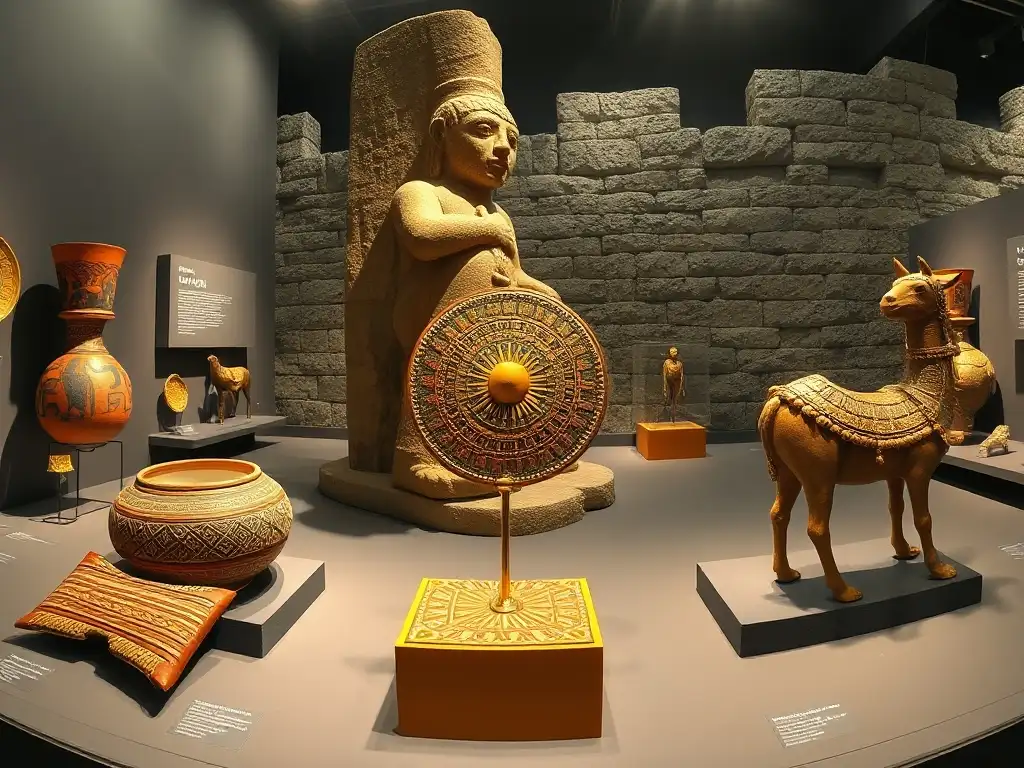
Step into a world lost to time, yet echoing with vibrant artistry. Imagine the intricate tapestries, the towering monuments, the breathtaking goldwork...all bearing the indelible mark of civilizations that came before the Inca. Uncover the astonishing PreInca influence on Inca art, a legacy woven into the very fabric of the Inca Empire. Prepare to be amazed as we delve into the fascinating story of Andean creativity, revealing the surprising connections between these remarkable cultures. Journey with us...
- The Profound Roots: Pre-Inca Influence on Inca Art
- Architectural Echoes: Pre-Inca Building Techniques in Inca Construction
- Ceramic Traditions: Pre-Inca Pottery Styles and Inca Ceramics
- Textile Art: Pre-Inca Weaving Techniques and Inca Textile Innovation
- Metalworking Skills: Pre-Inca Metallurgy and Inca Metal Craft
- The Symbolism Shared: Pre-Inca Iconography in Inca Art
- Conclusion: The Enduring Legacy of Pre-Inca Cultures on Inca Art
- Frequently Asked Questions
- Final Reflection: Echoes of the Past, Shaping the Future
- Unveil the Rich Legacy of Pre-Inca Cultures!
The Profound Roots: Pre-Inca Influence on Inca Art
The Inca Empire, renowned for its sophisticated artistry, didn't emerge in a vacuum. Far from being a singular artistic phenomenon, Inca art represents a culmination of centuries of artistic development, deeply rooted in the traditions and innovations of preceding Andean cultures.
This article delves into the significant influence of Pre-Inca civilizations on the artistic achievements of the Inca, exploring how earlier styles, techniques, and motifs profoundly shaped the aesthetic landscape of the Inca Empire. We'll examine the artistic legacy of cultures like the Moche, Nazca, and Tiahuanaco, revealing the complex interplay of continuity and innovation that defines Inca art and its enduring appeal.
Understanding this intricate historical context is crucial to fully appreciating the richness and complexity of Inca artistic expressions and the "PreInca influence on Inca art". We will uncover the threads connecting these vibrant cultures, showcasing how the Inca skillfully integrated and transformed pre-existing artistic elements to create their unique and powerful visual language.
Tracing the Artistic Lineage: Understanding Pre-Inca Art
Before examining the Inca's artistic borrowings, it's essential to understand the artistic achievements of the Pre-Inca cultures themselves. These civilizations, flourishing centuries before the Inca, developed distinct and sophisticated artistic styles. The Moche, for example, are celebrated for their intricate pottery depicting vibrant scenes of daily life, mythology, and warfare.
Their mastery of ceramic techniques, including the use of polychromy and detailed modeling, is truly remarkable. The Nazca, known for their enigmatic geoglyphs, also demonstrated a profound understanding of textile production, creating finely woven fabrics with complex designs. Meanwhile, the Tiahuanaco culture, with its monumental architecture and intricate stone carvings, left behind a legacy of impressive engineering and artistic skill.
These diverse artistic traditions, each with its unique characteristics, provided a fertile ground for the subsequent development of Inca art. The level of sophistication in metalwork, pottery, and textile production from these cultures laid a strong foundation upon which the Inca would build. Specific examples of advanced techniques, such as the Moche's use of negative space in their pottery or the Nazca's mastery of intricate textile weaving, directly impacted Inca artistic production.
The Legacy of Pre-Inca Cultures in Inca Artistic Expression
The Inca, masters of synthesis and adaptation, ingeniously incorporated elements from these preceding cultures into their own artistic canon. We see clear evidence of this in various art forms. For instance, Inca pottery often exhibits stylistic similarities to Moche ceramics, particularly in the depiction of naturalistic figures and scenes. The intricate textile designs of the Nazca found their way into Inca weaving, albeit often adapted and combined with new motifs.
The monumental architectural style of Tiahuanaco, with its emphasis on massive stone structures and precise craftsmanship, clearly influenced Inca building techniques, although the Inca developed their own unique architectural vocabulary. Furthermore, the Inca's mastery of metalwork, particularly in gold and silver, while innovative in its own right, also built upon the foundation laid by earlier Andean metalworkers. The Inca expanded upon existing techniques, creating stunning works of art that showcased both their technical skill and their artistic vision.
The continuity of artistic traditions is evident; however, the Inca’s unique cultural identity is also clearly expressed through innovations and adaptations. The Inca Empire’s artistic output was not simply a copy or imitation but a sophisticated reimagining and expansion of pre-existing artistic traditions, a testament to their cultural acumen and artistic genius. This creative fusion is what makes the study of "PreInca influence on Inca art" so compelling.
Architectural Echoes: Pre-Inca Building Techniques in Inca Construction
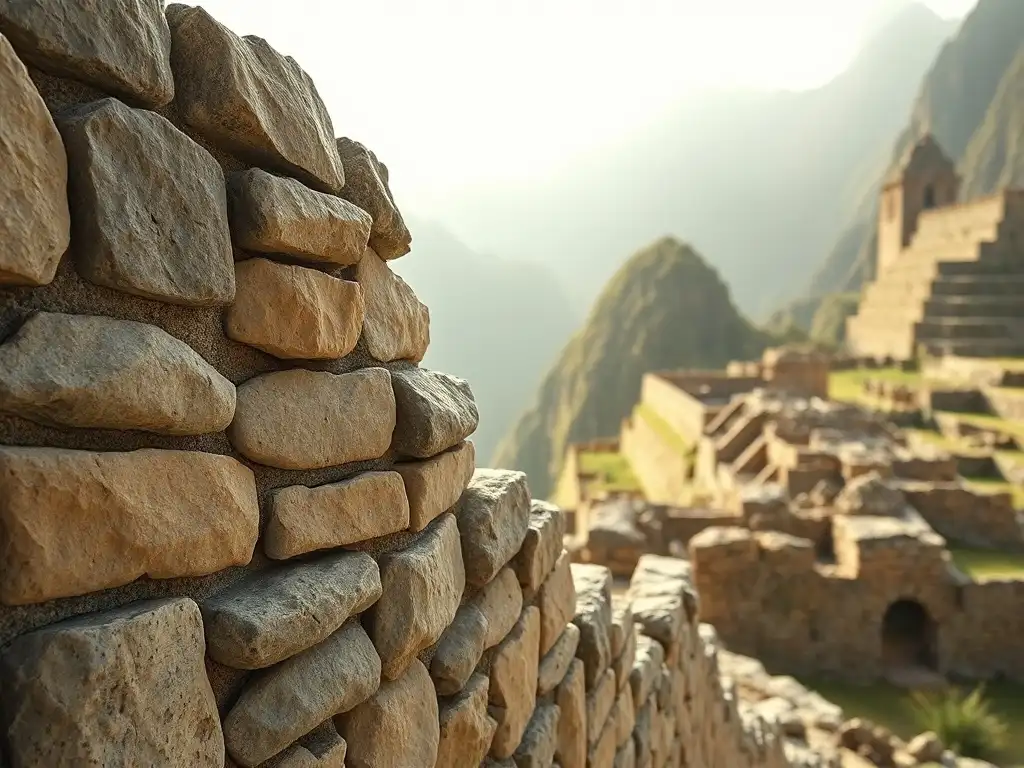
The Inca Empire, renowned for its impressive architectural feats, didn't emerge in a vacuum. A deep understanding of the "PreInca influence on Inca art," particularly in architecture, reveals a rich tapestry of borrowed and adapted techniques from preceding Andean cultures. The Incas were masterful synthesizers, integrating existing knowledge and styles into their own unique aesthetic.
This section will explore specific examples of this architectural inheritance, demonstrating the continuity and evolution of building practices across different Andean civilizations. The remarkable stonework, sophisticated urban planning, and innovative construction methods employed by the Incas were, in many ways, a culmination of centuries of experimentation and refinement by their predecessors. Analyzing this inheritance allows for a more nuanced appreciation of Inca achievements and a deeper comprehension of the broader Andean cultural landscape.
The Impact of Tiwanaku Architecture on Inca Structures
Tiwanaku, a powerful pre-Inca civilization flourishing in the Bolivian Altiplano, left an undeniable mark on subsequent Andean architecture. The Incas, inheriting a legacy of monumental stonework, adopted and adapted many Tiwanaku techniques. The precise stone fitting, characteristic of Tiwanaku structures, is clearly visible in some Inca constructions.
While the Incas developed their own distinct style, the influence of Tiwanaku's masterful masonry is evident in the meticulous precision and monumental scale of certain Inca buildings. For example, the use of massive, precisely cut stones, often without mortar, reflects the Tiwanaku emphasis on monumental construction. This technique, demanding significant engineering skill and sophisticated planning, showcases the continuity of architectural knowledge and expertise across generations.
The adoption of this technique wasn't merely imitation; the Incas refined and adapted it, integrating it into their own architectural vocabulary, creating structures that were both awe-inspiring and functionally efficient. The legacy of Tiwanaku's architectural prowess is undeniably woven into the fabric of Inca imperial design.
Moche Architectural Legacy and its Adaptation by the Incas
The Moche civilization, known for its elaborate pyramids and sophisticated urban planning, also contributed significantly to the architectural heritage of the Incas. While geographically distant, the influence of Moche architectural principles is subtly, yet demonstrably, present in Inca designs. The Moche’s understanding of adobe construction, for instance, likely informed Inca building practices, particularly in less mountainous regions.
Furthermore, the Moche's sophisticated understanding of water management systems – crucial for survival in the arid coastal regions – might have influenced the Inca's own advanced hydraulic engineering projects. While direct, stylistic similarities might be less pronounced than with Tiwanaku, the underlying principles of urban planning and resource management demonstrate a clear continuity in Andean architectural thought.
Further research is needed to fully quantify the extent of this influence, but the inherent practicality and adaptability of Moche techniques suggest a significant, albeit less visually obvious, contribution to Inca architectural achievements. The story of Andean architecture is not one of simple replacement, but rather a complex interplay of innovation and adaptation.
Influence of Chimor Architectural Style on Inca Building Practices
The Chimor culture, another powerful pre-Inca civilization, also left its imprint on Inca architecture. The Chimor, known for their impressive urban centers like Chan Chan, developed advanced techniques in adobe brick construction and urban planning. The layout and organization of Chan Chan, with its intricate network of palaces, plazas, and residential areas, likely influenced the Inca’s own city planning.
The use of adobe bricks, prevalent in Chimor architecture, was also adopted by the Incas, particularly in the coastal regions where stone was less readily available. The Incas, pragmatic builders, cleverly integrated pre-existing techniques into their own architectural repertoire, adapting them to suit diverse environmental and cultural contexts.
The scale and complexity of Inca cities, such as Cusco, reflect a synthesis of architectural knowledge drawn from various sources, including the sophisticated urban planning evident in Chimor settlements. The legacy of Chimor's architectural ingenuity is thus embedded within the larger context of Inca imperial expansion and urban development, adding another layer to the intricate story of PreInca influence on Inca art and construction.
Ceramic Traditions: Pre-Inca Pottery Styles and Inca Ceramics
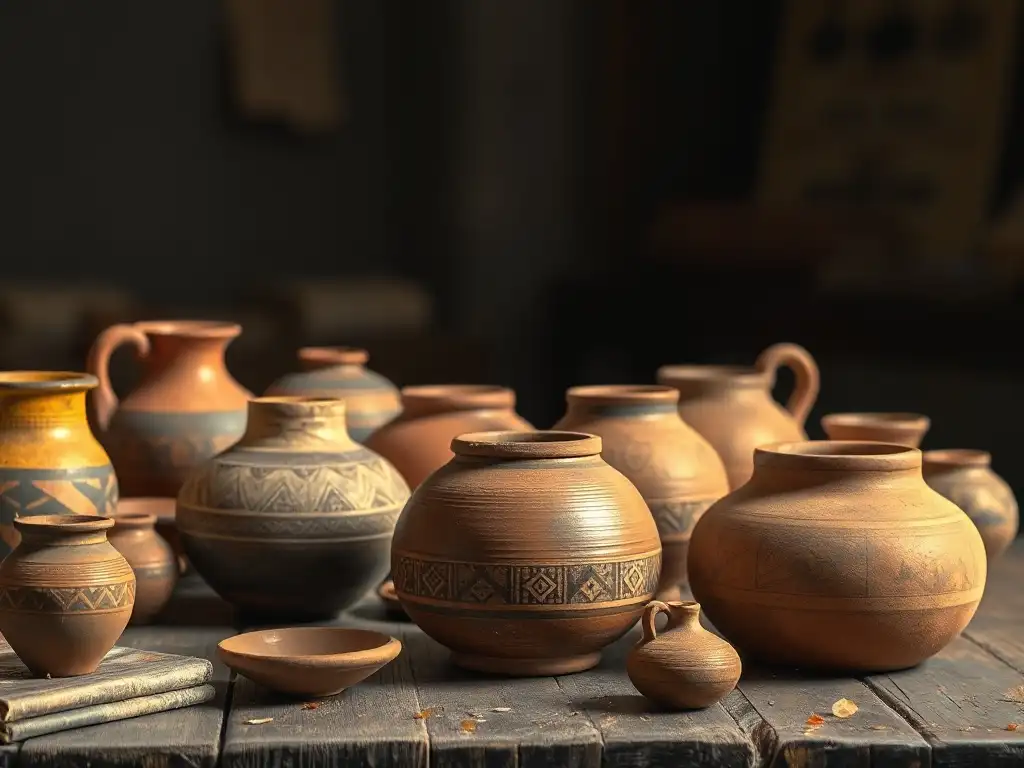
The Inca Empire, renowned for its sophisticated artistry, didn't emerge in a vacuum. A rich tapestry of pre-Inca ceramic traditions significantly influenced Inca ceramic styles, providing a foundation upon which Inca artisans built their own unique aesthetic. Understanding this pre-Inca legacy is crucial to appreciating the complexity and evolution of Inca pottery. The Inca Empire inherited a vast array of established techniques and decorative motifs, adapting and transforming them to express their own imperial power and worldview.
Examining specific examples of pre-Inca influence allows us to trace these artistic lineages and better understand the cultural exchange that shaped Inca art. This section will delve into the specific influences of several key pre-Inca cultures on Inca ceramic production. The keyword "PreInca influence on Inca art" is central to understanding this rich artistic heritage.
The Legacy of Nazca Pottery in Inca Ceramic Art
Nazca pottery, famous for its intricate polychrome designs and vibrant colors, left an undeniable mark on Inca ceramic production. While Inca pottery often features a more restrained palette compared to the flamboyant Nazca style, subtle echoes of Nazca techniques and motifs are readily apparent. For instance, the sophisticated use of multiple colors and the application of fine lines, characteristic of Nazca pottery, appear in certain Inca vessels, although often simplified or adapted to fit the Inca aesthetic.
The intricate depictions of flora and fauna, a hallmark of Nazca art, also find their way into Inca ceramics, albeit sometimes stylized or integrated into larger, more narrative scenes. The continuity of certain decorative elements, such as stylized birds or plant forms, suggests a direct lineage and a conscious appropriation of Nazca artistic traditions by Inca artisans. This isn't mere imitation; it's a complex process of adaptation and integration, reflecting the Inca Empire's absorption and transformation of pre-existing cultural elements.
Detailed analysis of specific vessel shapes and decorative patterns reveals a nuanced interaction between these two distinct artistic traditions. The precise nature of this interaction – whether through direct apprenticeship, trade, or cultural assimilation – remains a subject of ongoing research, but the influence is undeniably significant.
Chavín Influence on Inca Ceramic Motifs
The Chavín culture, known for its highly stylized and often-frightening iconography, exerted a powerful influence on Andean art that reverberated for centuries, including into the Inca period. While the direct representation of Chavín-style deities and mythical creatures is less common in Inca pottery compared to other forms of Andean art, the underlying stylistic principles and symbolic vocabulary are evident. The use of geometric patterns, often arranged in a highly symmetrical manner, reflects the Chavín emphasis on abstract forms and powerful symbolic representation.
The use of zoomorphic motifs—animal forms—in Inca pottery, frequently stylized and integrated into broader narrative contexts, may also owe a debt to the Chavín tradition. Furthermore, the technique of negative painting, where sections of the background are left unpainted to create a design, is a technique that can be traced from Chavín through subsequent Andean cultures and into some Inca ceramic pieces.
The impact of Chavín on Inca ceramic art is therefore less about direct replication and more about the subtle yet pervasive influence of its formal language and symbolic systems. Further research into specific examples of Inca pottery with suspected Chavín influences could provide a more in-depth understanding of the nature and extent of this interaction.
Inca Adaptation of Recuay Ceramic Style
The Recuay culture, flourishing in the central Andes before the Inca, produced distinctive pottery characterized by its naturalistic depictions of human figures and scenes. These often depict elaborate ceremonies, rituals, and social interactions. Inca artisans, known for their own depictions of human figures, likely drew inspiration from the Recuay style's emphasis on realism and narrative storytelling.
However, the Inca adaptation of Recuay style reveals a key difference: while Recuay pottery often features dynamic and emotionally expressive figures, Inca representations tend to be more formalized and stylized, reflecting the imperial ideology of order and control. The Inca style emphasizes a sense of grandeur and authority, contrasting with the more intimate and naturalistic scenes prevalent in Recuay pottery. This contrast highlights how the Inca absorbed and transformed pre-existing artistic traditions to serve their own political and cultural goals.
Analyzing the stylistic differences between Recuay and Inca representations of human figures provides valuable insights into the ways in which Inca artists adapted and reinterpreted their artistic heritage. Further investigation into specific examples of Inca ceramics with clear links to the Recuay style will provide a richer understanding of this particular artistic dialogue.
Textile Art: Pre-Inca Weaving Techniques and Inca Textile Innovation
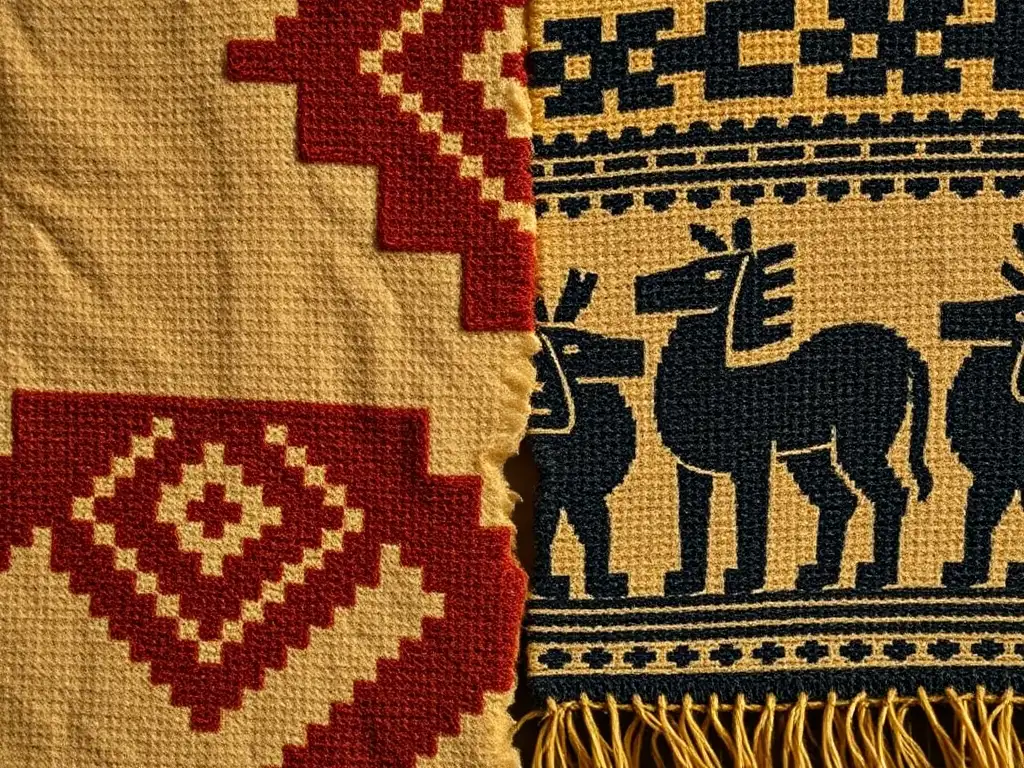
The Inca Empire, renowned for its sophisticated artistry, didn't emerge in a vacuum. A deep understanding of the "PreInca influence on Inca art," particularly in textiles, reveals a rich tapestry of inherited techniques and stylistic elements. The Inca's masterful textile production built upon the foundations laid by preceding Andean cultures, adapting and refining existing methods to create their own unique aesthetic.
This section explores the significant contributions of several pre-Inca cultures to the development of Inca textile art, highlighting the continuity and innovation present in their weaving traditions. The intricate and vibrant textiles produced by the Inca were not solely a product of their own ingenuity; they represent a culmination of centuries of artistic development and technological advancement within the Andes.
Paracas Textile Techniques and their Adoption by Inca Weavers
The Paracas culture (ca. 800-100 BC), known for its elaborate burial practices, left behind a legacy of exceptional textile artistry. Their mastery of complex weaving techniques, such as tapestry weaving and the use of multiple colors and intricate patterns, significantly impacted subsequent Andean textile traditions. The Paracas employed a variety of fibers, including cotton and camelid wool, demonstrating a sophisticated understanding of material properties and dyeing processes.
Their textiles often featured anthropomorphic figures, geometric designs, and representations of mythical beings, reflecting their cosmology and religious beliefs. These stylistic elements, though adapted and modified, can be clearly traced in later Inca textiles. For instance, the vibrant colors and intricate designs found in Paracas mantles find echoes in the finer details of Inca tunics and wall hangings. The use of specific knotting techniques, characteristic of Paracas textiles, also persisted in Inca textile production, albeit with variations reflecting Inca aesthetic preferences.
Analysis of surviving textile fragments reveals a clear line of transmission, demonstrating the enduring influence of Paracas weaving on Inca artistic expression. Further research is needed to fully quantify the extent of direct adoption versus independent development of similar techniques. [Specific data on comparative analysis of knotting techniques pending].
Wari Textile Art and its Influence on Inca Textile Patterns
The Wari Empire (ca. 600-1000 AD), a powerful pre-Inca state, exerted considerable influence across the central Andes. Their textile production was characterized by a standardized aesthetic, with recurring motifs and color palettes reflecting a centralized administrative structure. Wari textiles often featured geometric patterns, stylized animal representations, and repetitive designs, which contrast with the more figurative and narrative approach of Paracas textiles.
The Inca, inheriting Wari’s vast territory and administrative system, likely adopted elements of their textile production, especially concerning the organization and standardization of designs. The Inca's vast network of workshops and specialized artisans might have utilized Wari techniques for mass production of certain textile types. While the Inca certainly developed their own signature style, the influence of Wari’s geometric patterns and color schemes is noticeable in some Inca textiles, especially those intended for administrative or ceremonial purposes.
The recurring use of specific color combinations, such as red and yellow, and the prevalence of geometric designs in certain Inca textiles, point towards a Wari influence. [Further research is needed to definitively link specific Wari patterns to their Inca counterparts]. The adoption of Wari organizational principles in textile production might have significantly contributed to the Inca Empire's ability to produce textiles on a massive scale.
The Significance of Moche Textile Designs in Inca Weaving
The Moche culture (ca. 100-800 AD), known for its remarkable metalwork and ceramics, also produced sophisticated textiles. While less extensive than Paracas or Wari textile production, the Moche’s distinctive stylistic elements left their mark on later Andean traditions. Moche textiles frequently depicted scenes of daily life, ritual activities, and mythological narratives, demonstrating a strong narrative focus.
These depictions, often featuring vivid imagery and detailed representations of human figures and animals, showcase the Moche's highly developed artistic skills. Though less directly influential than Paracas or Wari, certain Moche motifs, such as stylized birds and feline imagery, appear in some Inca textiles, suggesting a degree of artistic exchange or inspiration. The vibrant colors and dynamic compositions of Moche textiles likely inspired Inca artisans, contributing to the richness and complexity of Inca textile designs. The use of specific dye techniques and fiber blends developed by the Moche might also have indirectly informed Inca textile production.
[Detailed comparative study of Moche and Inca dye techniques pending]. The overall impact of Moche textile art on the Inca is less pronounced than that of Paracas and Wari, but the subtle echoes of Moche style in some Inca pieces warrant further investigation. The legacy of PreInca cultures, therefore, is a complex interplay of direct adoption, adaptation, and inspiration, shaping the unique and magnificent textiles of the Inca Empire.
Metalworking Skills: Pre-Inca Metallurgy and Inca Metal Craft
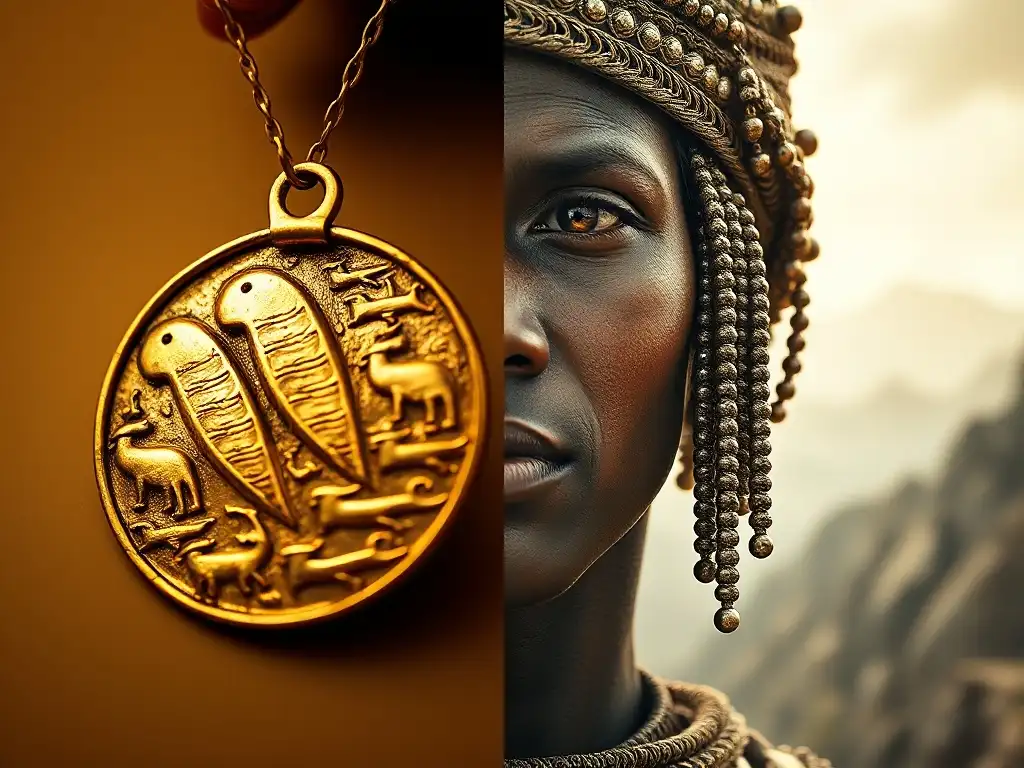
The Inca Empire's renowned metalworking achievements weren't born in a vacuum. A rich tapestry of pre-Inca metallurgical traditions significantly shaped Inca artistry. Understanding this pre-Inca influence is crucial to appreciating the sophistication and innovation of Inca metalwork. The Inca Empire inherited and adapted existing techniques, materials, and stylistic elements from various preceding cultures across the Andes, resulting in a unique synthesis that defined their imperial aesthetic.
This wasn't simply appropriation; it was a dynamic process of interaction, adaptation, and ultimately, transformation. The Inca state, through its control over resources and skilled labor, leveraged and refined these existing traditions, resulting in a flourishing of metalworking unparalleled in the region. The sheer scale of Inca metal production—from intricate jewelry to massive ceremonial objects—testifies to this sophisticated system of knowledge transfer and imperial organization. Analyzing the specific techniques and stylistic choices reveals a clear lineage connecting Inca metalwork to its pre-Inca predecessors.
The Importance of Pre-Inca Metalworking Knowledge for Inca Artisans
The Inca Empire's vast metalworking output relied heavily on the accumulated knowledge and skills of pre-Inca artisans. Mastering techniques like hammering, casting, and alloying required years of apprenticeship and specialized expertise. The Inca, as a powerful empire, strategically incorporated these skilled metalworkers into their system, ensuring the continuity and advancement of these crucial crafts.
This wasn't a simple case of conquest and exploitation; it was a calculated effort to integrate pre-existing expertise into the imperial structure. Evidence suggests that Inca artisans often worked alongside, or even under the supervision of, those from conquered regions, fostering a vibrant exchange of knowledge and techniques. The continuity of certain stylistic elements and technical approaches across different pre-Inca and Inca artifacts strongly supports this collaborative model.
This facilitated a rapid expansion of metalworking production to meet the demands of the empire's vast infrastructure projects and elite consumption. Without this pre-existing foundation, the Inca's metallurgical achievements would likely have been significantly delayed, if not entirely impossible. The speed and scale of Inca metal production can only be explained by the effective integration of pre-existing skills and expertise.
Sicán Metalworking Techniques and their Adaptation by the Incas
The Sicán culture (ca. 750-1350 CE), known for their exquisite gold and copper alloys, left an undeniable mark on Inca metalworking. Sicán artisans were masters of lost-wax casting, a complex technique that allowed for the creation of intricate, three-dimensional forms.
The Inca clearly adopted and refined this method, evidenced by the similarities in casting techniques and stylistic elements found in both Sicán and Inca artifacts. For example, the intricate depictions of deities and animals found in Sicán goldwork are echoed in the detail and sophistication of Inca gold and silver objects. While the Inca undoubtedly developed their own innovations, the foundational knowledge provided by the Sicán tradition undeniably contributed to the quality and complexity of Inca metalwork.
The use of specific alloys, the preference for certain forms, and the overall aesthetic sensibility show a clear line of influence. Further research into the metallurgical composition of both Sicán and Inca artifacts could reveal more precise connections and the extent of Inca adaptation. The seamless integration of Sicán techniques into Inca production demonstrates the pragmatic approach of the Inca state in incorporating existing expertise to its advantage.
Inca Innovation in Metalworking Inspired by Chimor Traditions
The Chimor culture (ca. 1300-1470 CE) also significantly influenced Inca metalworking. Chimor artisans were renowned for their mastery of repoussé, a technique involving hammering metal from the back to create raised designs. This technique, widely used in Chimor gold and silverwork, was adopted and further developed by the Inca.
However, the Inca added their own innovations, often combining repoussé with other techniques like casting and inlay to achieve even more elaborate and visually stunning effects. The scale of Inca production significantly surpassed that of the Chimor, suggesting a more organized and efficient system of production within the Inca empire. While the Chimor's stylistic preferences, particularly in the use of repoussé, are clearly visible in Inca metalwork, the Inca also adapted and refined these techniques to fit their own aesthetic and symbolic needs.
This blend of pre-existing techniques and Inca innovations showcases the empire's ability to absorb and transform existing traditions to create a distinct imperial style. The use of repoussé, for example, showcases the adaptability and innovation of Inca artisans while paying tribute to the advanced techniques of their Chimor predecessors. The study of these techniques provides valuable insights into the cultural exchange and technological advancements within the Andes before and during the Inca Empire.
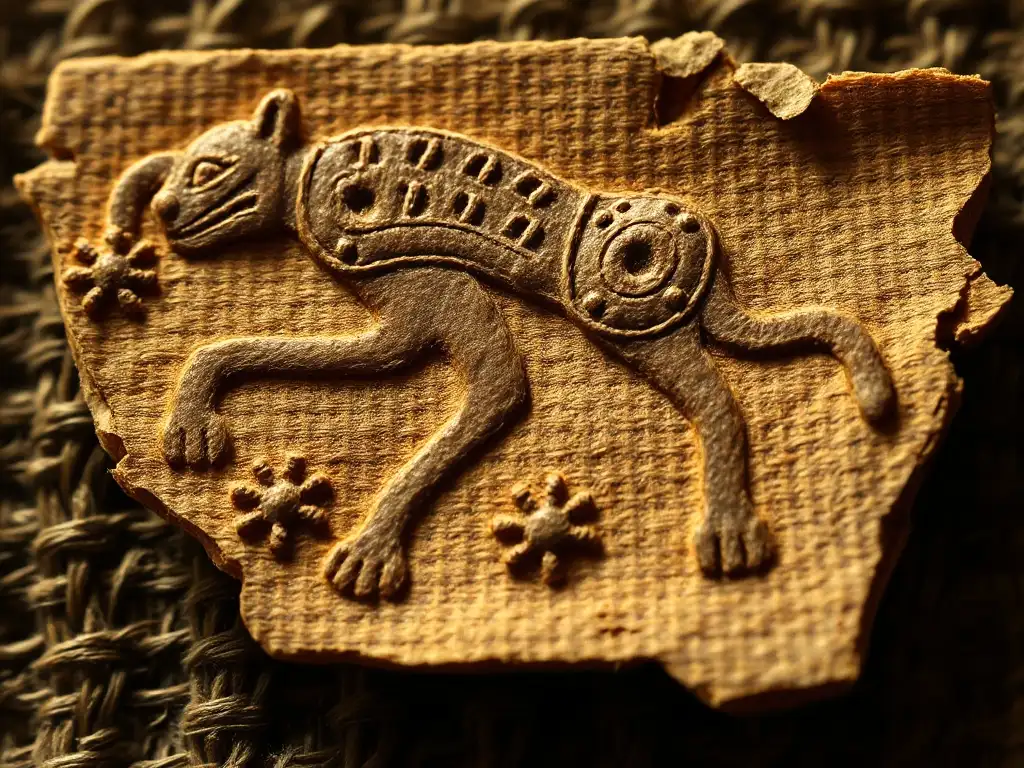
The Inca Empire, while undeniably impressive in its scale and organization, didn't emerge in a vacuum. Its artistic achievements, often celebrated for their grandeur and sophistication, were deeply rooted in the rich tapestry of pre-Inca Andean cultures. Understanding the PreInca influence on Inca art requires a careful examination of the shared iconography and symbolic systems that spanned centuries and diverse societies. The Incas, masterful assimilators, didn't simply replace existing traditions; they cleverly integrated and adapted pre-existing motifs and meanings into their own artistic expressions, creating a unique blend reflecting a complex historical process. This fusion is evident across various media, from intricate textiles and ceramics to monumental stone carvings. The continuity of certain symbols and artistic styles showcases the enduring impact of these earlier cultures on the visual language of the Inca Empire. This section will delve into specific examples illustrating this fascinating interplay of cultural inheritance and imperial innovation.
The Transmission of Religious and Cultural Symbols in Inca Art
The religious beliefs and practices of pre-Inca cultures significantly shaped Inca religious iconography. For instance, the veneration of deities associated with fertility, agriculture, and the cosmos, prevalent in earlier Andean societies, found its way into Inca art. While the names and specific attributes might have been adapted or syncretized, the underlying themes remained remarkably consistent.
Consider the representation of feline deities: while the specific iconographic details might vary between, say, Moche and Inca depictions, the fundamental association of felines with power, hunting, and the supernatural world persists. This continuity suggests a deliberate effort by the Inca to integrate pre-existing religious beliefs into their own pantheon, reinforcing their legitimacy and authority by incorporating established cultural markers. The use of specific colors, like red (associated with blood, fertility, and power) and yellow (linked to the sun and gold), also demonstrates the persistence of pre-existing symbolic systems.
These colors were not randomly chosen; they carried deeply ingrained meanings that resonated with the Inca population, reflecting a shared cultural heritage. Further research is needed to fully quantify the extent of this color symbolism, but preliminary findings suggest striking parallels across different Andean cultures.
Pre-Inca Deities and their Representation in Inca Artwork
The Inca’s incorporation of pre-Inca deities into their own religious system is strikingly evident in their artwork. For example, the deity Ai Apaec, a powerful figure associated with the Wari culture, is thought to have influenced the depiction of certain Inca deities. While the exact nature of the relationship requires further investigation, stylistic similarities in representations, such as the use of specific headdresses or postures, suggest a strong connection.
Similarly, representations of agricultural deities and those related to water sources show clear stylistic and thematic parallels with earlier Andean artistic traditions. This is not simply a matter of borrowing; the Incas actively reinterpreted and adapted these pre-existing images, subtly altering their attributes to fit within their own cosmological framework.
This process of adaptation and reinterpretation is a hallmark of Inca artistic production, demonstrating their ability to synthesize diverse cultural influences into a cohesive and powerful visual language. The continued use of established iconography lent a sense of continuity and legitimacy to the Inca regime, connecting them to the rich history of the Andes.
The Use of the Serpent Motif in Inca Art
The serpent motif, a powerful symbol across many pre-Inca cultures, played a significant role in Inca art. From the Nazca lines depicting enormous serpents to the intricate ceramic work of the Moche, the serpent held deep symbolic meaning. The Incas inherited and adapted this symbolism, incorporating serpent imagery into their textiles, metalwork, and stone carvings.
While the specific interpretations might have varied, the serpent consistently represented power, fertility, and the underworld. This continuity highlights the enduring impact of pre-Inca traditions on the Inca worldview and artistic expression. The serpent's presence in Inca art serves as a tangible reminder of the complex cultural inheritance that shaped the empire's artistic landscape.
A detailed analysis of the serpent's depiction across different Inca artistic mediums reveals fascinating variations in style and symbolic interpretation, reflecting the empire's vast geographical reach and its capacity to integrate diverse regional traditions. Further research focusing on regional variations in the serpent motif would provide a richer understanding of this complex interplay of cultural influences.
Conclusion: The Enduring Legacy of Pre-Inca Cultures on Inca Art
The Inca Empire, while undeniably a powerful and innovative civilization, didn't emerge in a vacuum. Its artistic achievements, often lauded for their grandeur and sophistication, were deeply rooted in the rich artistic traditions of preceding Andean cultures. Understanding the Pre-Inca influence on Inca art is crucial for a complete appreciation of Inca aesthetics and the broader trajectory of Andean artistic development.
The Inca Empire, far from rejecting the artistic heritage of its predecessors, actively incorporated and adapted existing styles, motifs, and techniques, resulting in a vibrant and complex artistic syncretism. This process of cultural exchange and adaptation underscores the dynamic nature of Andean artistic evolution and the interconnectedness of different Andean societies.
The legacy of Pre-Inca artistic traditions continues to resonate in Inca art, shaping its visual language and contributing to its enduring power and appeal. Analyzing this influence provides a deeper understanding of the complexities of Inca society and its relationship with its past.
The Syncretism of Artistic Traditions in Inca Art
Inca art is not a monolithic entity. Rather, it represents a fascinating blend of indigenous styles and techniques, drawing heavily from the artistic legacies of the Moche, Nazca, Tiahuanaco, and other Pre-Inca cultures. For example, the intricate textile designs found in Inca clothing often incorporate motifs and patterns traceable to earlier cultures. The vibrant colors and complex weaving techniques used in Inca textiles show clear connections to the sophisticated textile traditions of the Paracas and Nazca cultures.
Similarly, the use of gold and silver in Inca metalwork echoes the advanced metallurgical skills of the Moche and Lambayeque, although the Inca developed their own distinctive styles and scales of production. The iconic Inca kero (ceremonial drinking vessels) often display a remarkable fusion of styles, combining elements of earlier traditions with innovative Inca designs. This syncretism wasn't simply a matter of imitation; the Inca actively reinterpreted and adapted pre-existing forms, imbuing them with new meanings and functions within the context of their own imperial ideology.
The fusion of artistic styles reflects the Inca Empire's sophisticated approach to incorporating conquered territories and their cultural heritages into their own identity. The process was not one of simple dominance, but rather a complex negotiation and integration of diverse artistic traditions. This dynamic interaction resulted in a uniquely Inca artistic style, yet one deeply indebted to its Pre-Inca roots.
The Importance of Understanding Pre-Inca Heritage to Interpret Inca Art
Failing to acknowledge the significant Pre-Inca influence on Inca art leads to an incomplete and potentially inaccurate understanding of Inca artistic achievements. Attributing Inca art solely to Inca ingenuity ignores the crucial role played by earlier Andean cultures in shaping its development. A comprehensive analysis must consider the continuity and change in artistic styles and techniques across different periods. For example, the iconic Inca depiction of the condor as a symbol of power and authority has clear roots in earlier Andean iconography, where the condor held similar symbolic significance in various Pre-Inca cultures.
Similarly, the use of specific colors and patterns in Inca ceramics often reflects earlier established conventions and symbolic meanings. By studying Pre-Inca art, we gain a critical framework for interpreting the symbolism and meaning embedded within Inca artistic creations. This understanding allows for a richer and more nuanced appreciation of the sophistication and complexity of Inca art, revealing its deep historical and cultural connections.
Ignoring the Pre-Inca context risks reducing Inca art to a superficial examination of its form, while neglecting the profound cultural and historical significance embedded within its aesthetic choices. Therefore, understanding Pre-Inca heritage is not merely supplementary to the study of Inca art, but rather essential for a complete and accurate interpretation. It allows us to move beyond a simplistic view of Inca art as a singular entity and appreciate its rich and layered historical development.
Frequently Asked Questions
What is the significance of Pre-Inca cultures in understanding Inca art?
The Pre-Inca civilizations, such as the Moche, Nazca, and Tiahuanaco, significantly influenced Inca art. Their artistic styles, techniques, and iconography were adopted and adapted by the Incas, forming a foundation for their own artistic expressions. Understanding these earlier cultures is crucial to fully appreciating Inca art.
How did the Moche influence Inca artistic styles?
Moche artistry, particularly their metalwork and ceramics, heavily influenced Inca aesthetics. The Incas adopted and refined Moche techniques, incorporating elements like realistic depictions of figures and intricate designs into their own crafts. This is evident in the similarities between Moche and Inca pottery.
Did Nazca culture impact Inca textile production?
The complex weaving techniques and unique iconography of the Nazca people had a lasting impact on Inca textiles. While the Incas developed their own styles, they clearly built upon the sophisticated textile traditions of the Nazca, incorporating similar patterns and color palettes.
How did Tiahuanaco influence Inca stonework?
The monumental stone architecture of Tiahuanaco, characterized by its precise stone cutting and fitting, profoundly affected Inca construction. The Incas adopted and adapted these techniques, showcasing their mastery in creating imposing structures like Machu Picchu, influenced by Tiahuanaco's architectural principles.
What specific artistic elements show Pre-Inca influence most clearly?
Several artistic elements vividly demonstrate Pre-Inca influence. These include specific motifs, styles of representation (e.g., zoomorphic and anthropomorphic figures), and techniques in ceramics, textiles, and metalwork. These shared elements highlight the continuity and evolution of Andean artistic traditions.
Final Reflection: Echoes of the Past, Shaping the Future
The legacy of Pre-Inca cultures isn't merely a footnote in Inca history; it's the very foundation upon which the Inca artistic empire was built. Understanding this intricate interplay of cultural inheritance allows us to appreciate the depth and complexity of Inca artistry, revealing a vibrant tapestry woven from threads of innovation and adaptation. This understanding is more relevant than ever in a world increasingly focused on preserving and celebrating diverse cultural heritages.
The enduring influence of Pre-Inca styles on Inca art serves as a powerful reminder of the interconnectedness of human societies and the cumulative nature of cultural development. It highlights how artistic traditions evolve, borrowing, adapting, and transforming over time. This dynamic process is not unique to the Andes; it's a universal truth reflected in countless artistic movements across the globe. The past is never dead. It's not even past.
– William Faulkner. This quote perfectly encapsulates the persistent and powerful presence of Pre-Inca artistic traditions within Inca civilization.
Consider the intricate details, the bold symbolism, and the sheer artistry you've explored within this article. Now, I invite you to reflect on your own cultural heritage. What influences shaped your artistic sensibilities? What traditions have been passed down through generations, subtly shaping your worldview? Let the echoes of the past inspire you to appreciate the rich tapestry of human creativity and to actively participate in the ongoing evolution of art and culture.
Unveil the Rich Legacy of Pre-Inca Cultures!
Thank you for exploring the fascinating world of Pre-Inca cultures and their profound influence on Inca art! Your interest enriches your understanding and helps preserve the heritage of these remarkable civilizations. Now, let's delve deeper!
Here's how you can further connect with this rich history:
- Visit local museums and cultural centers to see Pre-Inca and Inca artifacts and witness their artistry firsthand.
- Share your newfound knowledge with friends and on social media to raise awareness of these cultures' enduring legacy.
- Join a community or online forum dedicated to Andean history to engage in discussions and learn from fellow enthusiasts.
What aspects of Pre-Inca culture most captivate you, and how do you see their influence reflected in contemporary art?