
The Secrets of the Andes: Exploring the Use of Local Materials in Construction

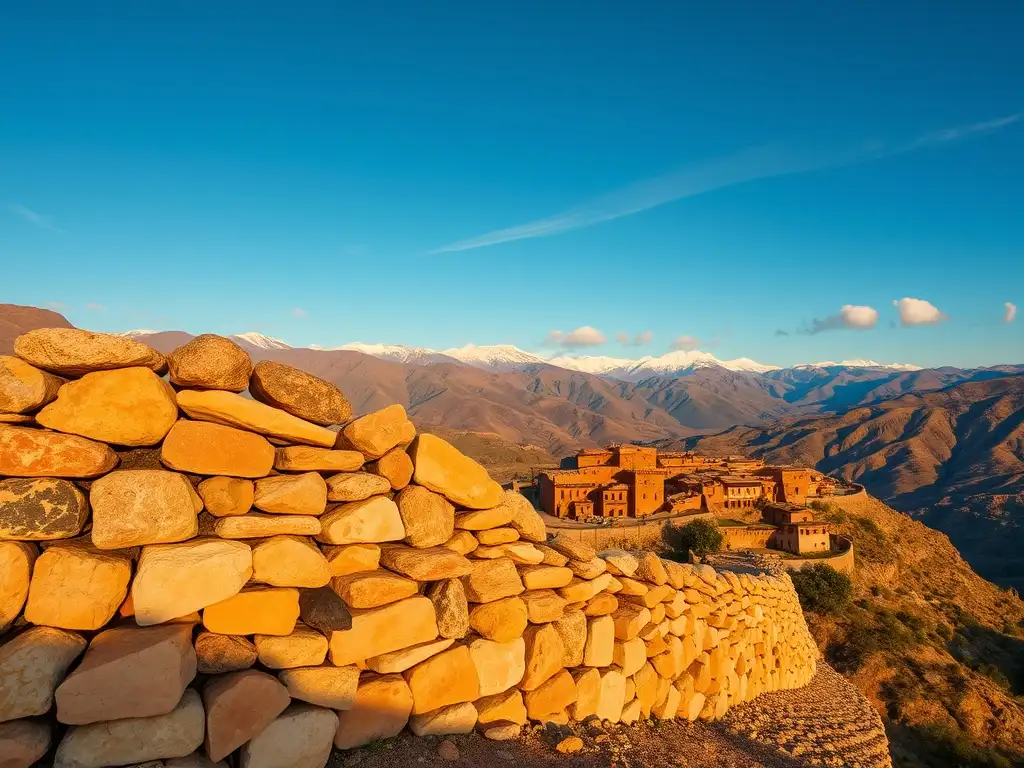
Welcome, explorer! Prepare to be amazed by the ingenuity of the ancient Andean civilizations. For centuries, their mastery of Andean construction materials shaped breathtaking landscapes and empires. How did they build such monumental structures with seemingly humble resources? Discover the secrets behind their architectural prowess and unlock the mysteries of their enduring legacy in our exploration of Andean Architecture and Engineering. Dive in and uncover the astonishing truth!
The Andes Mountains, a colossal spine running down the western coast of South America, are not just a geographical marvel; they are a testament to human ingenuity and resilience. For millennia, diverse Andean civilizations—from the Incas to the Moche, Nazca, and Tiahuanaco—carved out lives and empires in this challenging terrain. Their success was intrinsically linked to their profound understanding and masterful utilization of locally sourced materials in their impressive architectural and engineering feats.
This article delves into the fascinating world of Andean construction materials, exploring how these civilizations skillfully adapted their building techniques to the unique resources available in their respective environments, demonstrating remarkable resourcefulness and a deep connection to their surroundings. We will uncover the secrets behind their enduring structures, examining the properties and applications of materials like stone, adobe, wood, and even textiles, providing insight into the ingenuity of Andean builders and their lasting legacy.
Understanding their approach to construction offers a valuable lens through which to appreciate the sophistication and sustainability of Andean societies. This exploration of "Andean construction materials" will illuminate the innovative strategies employed to build everything from humble dwellings to monumental cities.
Introduction to Andean Construction and Local Resources
Andean construction was far from monolithic. The diverse geography and climate of the Andes dictated the availability of materials and, consequently, the building techniques employed. High-altitude regions, characterized by harsh conditions and limited vegetation, often relied heavily on stone. Lower elevations, with more fertile land, allowed for greater use of adobe bricks and timber.
The ingenuity of Andean builders is evident in their ability to adapt their construction methods to the specific resources at hand. For instance, the Incas, renowned for their sophisticated masonry, skillfully utilized various types of stone, carefully selecting and shaping them to create incredibly precise and durable structures. Their mastery extended beyond simple stonework; they also incorporated wood, especially in roofing and internal structures, and utilized various binding agents to enhance strength and durability.
The availability of resources also impacted the scale and complexity of construction projects. Regions abundant in readily available materials, such as clay for adobe bricks, often saw larger and more elaborate structures. Conversely, regions with limited resources might have seen smaller, more compact buildings, reflecting a pragmatic approach to construction. Understanding this relationship between resource availability and building techniques is crucial to appreciating the full complexity and ingenuity of Andean architecture. The following sections will explore specific materials and their applications in greater detail, providing concrete examples from different Andean cultures.
Example of Regional Variation:
The Nazca culture, famous for their geoglyphs, also demonstrated remarkable skill in constructing sophisticated irrigation systems. These systems relied heavily on the use of locally sourced materials like stone and clay, adapted to the arid desert environment. Their ingenuity in water management is a testament to their understanding of their environment and their ability to harness its resources.
We will examine how the properties of each material were understood and exploited, and how these choices influenced both the aesthetics and the longevity of Andean structures. The use of local materials wasn't just a practical decision; it also reflected a deep spiritual and cultural connection to the land, highlighting the harmonious relationship between Andean societies and their environment.
Understanding Andean Construction Materials
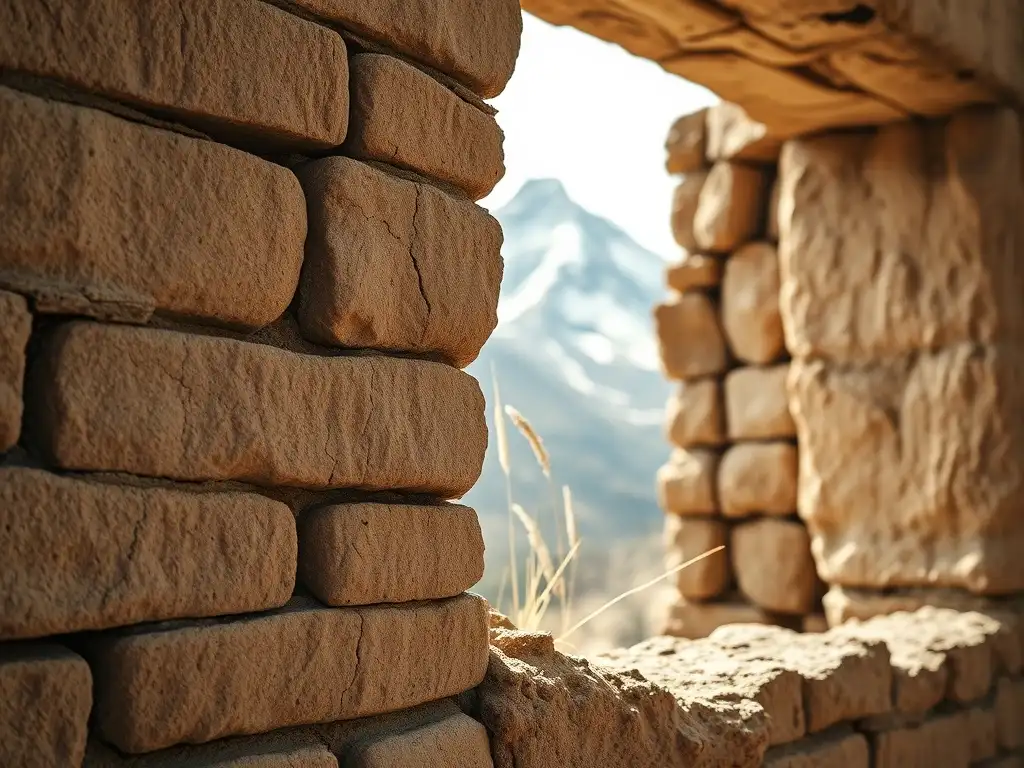
The ingenuity of Andean civilizations is profoundly reflected in their masterful use of locally sourced materials for construction. Understanding the choices made by these builders reveals not only their architectural prowess but also their deep connection to the environment. The availability of resources dictated construction styles, leading to regional variations in building techniques and materials.
This section explores the primary materials used – stone, adobe, and wood – highlighting their prevalence, limitations, and the innovative ways Andean builders overcame challenges presented by their specific environments. Analyzing the Andean construction materials employed offers crucial insight into the resilience and adaptability of these remarkable cultures.
The Abundance of Stone in Andean Architecture
Stone, readily available throughout the Andes, formed the backbone of many monumental structures. From the imposing walls of Machu Picchu to the intricate carvings of Tiahuanaco, stone's durability and aesthetic appeal made it a favored material. However, the type of stone varied considerably depending on the region. The Incas, for example, utilized granite, andesite, and limestone, skillfully shaping these materials into precisely fitted blocks with minimal mortar. Their mastery of dry-stone construction, a technique requiring incredible precision and understanding of stone properties, is a testament to their advanced engineering skills.
The sheer scale of some stone structures, such as Sacsayhuamán, is breathtaking. The massive, multi-ton stones were transported and fitted together with astonishing accuracy, a feat that continues to fascinate and inspire archaeologists and engineers alike. This precision wasn't merely aesthetic; it contributed to the structural integrity of the buildings, ensuring their longevity even in the face of earthquakes and other environmental challenges. The use of different stone types, carefully selected for their specific properties (strength, workability, resistance to weathering), further demonstrates a sophisticated understanding of material science.
Adobe Construction: Earth as a Primary Building Material
While stone dominated monumental architecture, adobe – sun-dried brick made from clay and other natural materials – was ubiquitous throughout the Andes, particularly in lower altitudes and drier climates. This readily available and relatively inexpensive material allowed for the construction of a wide range of structures, from humble dwellings to larger public buildings. The composition of adobe varied depending on local soil conditions, with variations in clay type, straw or other organic additives influencing its strength and durability.
The construction process involved mixing earth, water, and organic materials like straw or dung to create a workable paste. This mixture was then molded into bricks, left to dry in the sun, and finally assembled to create walls and other structural elements. The use of adobe showcased a deep understanding of local environmental resources and a sustainable approach to construction.
While less durable than stone in the long term, adobe provided a readily accessible, renewable building material perfectly suited to the needs and resources of many Andean communities. The longevity of many adobe structures, however, proves its suitability when properly constructed and maintained. Evidence suggests that sophisticated techniques were employed to improve the durability and water resistance of adobe structures, including the use of lime plaster and specific bricklaying techniques.
Use of Wood in Andean Structures: Limitations and Applications
Wood, while less abundant than stone or earth in many parts of the Andes, played a significant role in Andean construction. However, its use was often limited by the availability of suitable timber in high-altitude regions. Where wood was accessible, it was primarily used for roofing, beams, and scaffolding, often in conjunction with other materials like stone or adobe. The scarcity of large trees in some areas necessitated innovative techniques, such as the use of smaller timbers joined together to form larger structural elements.
Different types of wood were selected based on their properties, with stronger, more durable species favored for load-bearing applications. The integration of wood into Andean structures demonstrates a pragmatic approach to construction, leveraging the strengths of different materials to create robust and functional buildings. While stone might form the majestic walls, wood provided the necessary support for roofs and other essential structural components.
Careful consideration of wood's properties and limitations, coupled with skillful joinery techniques, ensured the structural integrity of these hybrid constructions. Further research is needed to fully understand the range of wood species utilized and the specific techniques employed in different Andean regions.
Other Natural Materials: Reeds, Thatch, and Fibers
The ingenuity of Andean builders extended beyond stone and adobe. A wealth of readily available plant materials played crucial roles in various aspects of construction, demonstrating a deep understanding of local ecosystems and sustainable building practices. Reeds, thatch, and various plant fibers formed the backbone of many structures, particularly in less mountainous regions and for temporary or less permanent buildings. These materials, while seemingly humble, offered surprising versatility and strength when skillfully employed.
The use of reeds, such as totora ( Schoenoplectus californicus ), was widespread across the Andes. Totora, a robust aquatic plant, thrived in the lakes and marshlands of the altiplano and coastal regions. Andean communities harvested these reeds to construct floating islands (Uros), houses, and even boats.
The reeds' inherent flexibility and water resistance made them ideal for building lightweight yet durable structures capable of withstanding fluctuating water levels. The construction process involved intricate weaving techniques, creating strong, interlocking mats that formed the walls and roofs of dwellings. The lifespan of such reed structures varied depending on the climate and maintenance, but they provided effective shelter for generations.
Thatch, derived from various grasses and plants, served as a common roofing material across different Andean cultures. Its widespread use highlights its accessibility and effectiveness in providing insulation and protection from the elements. Different thatching techniques were employed, depending on the available plant materials and the specific climatic conditions.
Some thatches were exceptionally durable, lasting for several years with proper maintenance. The skillful layering and weaving of thatch created roofs that were not only waterproof but also capable of withstanding strong winds and heavy rainfall. The aesthetic appeal of thatch roofs also contributed to the overall charm and character of Andean settlements.
Beyond reeds and thatch, a diverse range of plant fibers, such as those from cacti, agave, and various shrubs, found their place in Andean construction. These fibers were often used to create strong ropes and cords, essential for binding and securing different building elements. They were also incorporated into plaster mixes, providing additional strength and durability. Furthermore, these fibers played a role in creating textiles used for interior decoration and insulation within structures.
The use of these fibers showcases the resourceful nature of Andean builders, who maximized the use of available resources to create functional and aesthetically pleasing structures. Understanding the precise techniques involved in utilizing these diverse plant materials is crucial to appreciating the holistic approach to Andean construction, showcasing resourcefulness and sustainability that remains relevant today. Further research into specific regional variations in the use of these materials would enrich our understanding of Andean building practices.
Specific Examples of Andean Construction Materials
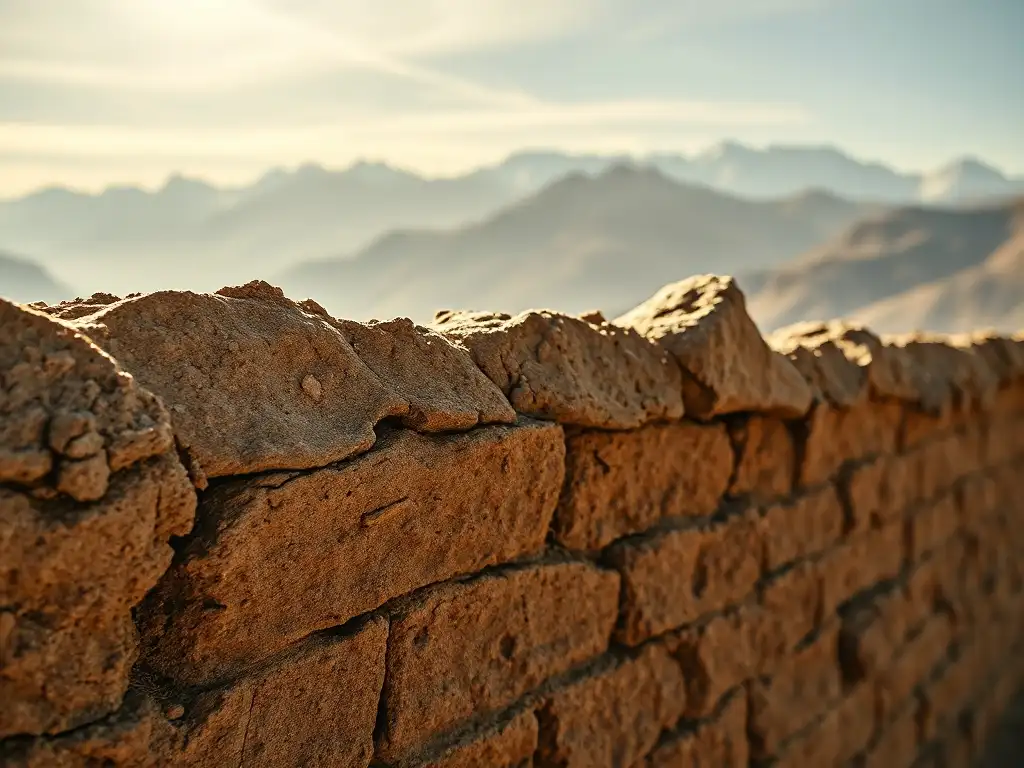
The ingenuity of Andean civilizations is vividly displayed in their masterful use of locally sourced materials in construction. Understanding these materials is key to appreciating the scale and sophistication of their architectural achievements. The diverse geography of the Andes – from towering mountains to arid coastal plains – dictated the availability of different resources, leading to regional variations in building techniques and material selection.
This section will delve into specific examples, highlighting the properties and applications of some of the most prevalent Andean construction materials. The selection and skillful manipulation of these materials showcases a deep understanding of engineering principles and a remarkable adaptation to the challenging environment.
Mastering the use of these materials allowed for the creation of impressive structures that still stand as testaments to their skill and knowledge. Analyzing these materials offers insights into the economic and social structures of these ancient societies, as access to and control over resources were undoubtedly crucial factors in their development and power.
The Use of Andesite in Inca Stonework
Andesite, a type of extrusive igneous rock, was a cornerstone – literally – of Inca construction. Its durability, resistance to weathering, and relative abundance in certain Andean regions made it an ideal building material. The Incas were particularly adept at quarrying, shaping, and fitting andesite blocks with incredible precision.
Famous examples include the meticulously crafted stones of Machu Picchu, where massive blocks were interlocked without mortar, demonstrating an advanced understanding of engineering principles and a high level of craftsmanship. The precise cuts and tight fits minimized the need for mortar, further highlighting their mastery of stonework. The selection of andesite wasn't arbitrary; its inherent strength ensured the longevity of their structures, even in the face of seismic activity common in the Andes.
The color variations within andesite, ranging from dark gray to reddish-brown, also played a role in the aesthetic choices of Inca builders, contributing to the unique visual character of their structures. Furthermore, the availability of andesite near major construction sites reduced transportation costs and time, streamlining the building process.
Sillar: Volcanic Stone in Southern Andean Architecture
Moving south, we encounter sillar, a type of light-colored volcanic tuff, prominently used in the architecture of southern Peru, particularly in the Arequipa region. Unlike the dense andesite, sillar is relatively soft when quarried, making it easier to carve and shape. This characteristic allowed for intricate detailing and decorative elements in buildings, such as the impressive Santa Catalina Monastery in Arequipa.
However, sillar's softness also means it's more susceptible to erosion and weathering than andesite. Therefore, builders developed techniques to mitigate this vulnerability, including protective coatings and careful placement of stones to minimize exposure to the elements. The pale color of sillar provided a striking contrast against the backdrop of the Andes, contributing to the distinctive aesthetic of Arequipa's architecture.
The use of sillar also reflects the local availability of resources and the adaptive strategies employed by Andean builders in different geographic settings. The unique properties of sillar allowed for both functional and aesthetic achievements in southern Andean construction.
Quarrying and Transportation Techniques of Andean Stones
The extraction and movement of massive stone blocks across challenging terrain present a fascinating aspect of Andean construction. Evidence suggests sophisticated quarrying techniques, including the use of copper tools and possibly fire-setting to fracture the rock. The precise cutting and shaping of stones required advanced knowledge of stone properties and considerable skill. The transportation of these immense stones, sometimes over significant distances, involved ingenious methods utilizing ramps, rollers, and possibly sledges.
The organization and labor required for these undertakings speak volumes about the social and political structure of Andean societies. The scale of some projects, such as the Ollantaytambo fortress, hints at a highly organized workforce capable of mobilizing significant resources. Further research is needed to fully understand the specifics of these transportation techniques, including the potential use of animal power or human labor in different contexts.
Understanding these techniques is crucial for appreciating the technological prowess and organizational capabilities of Andean civilizations. The complexity of these processes underscores the significant engineering challenges overcome by Andean builders in creating their remarkable structures. The efficiency and precision displayed in these operations remain a testament to their ingenuity and adaptability.
Production and Application of Adobe Bricks in the Andes
Adobe bricks, a hallmark of Andean construction, represent a sophisticated understanding of local materials and their properties. Their widespread use across various Andean cultures underscores their adaptability and effectiveness in diverse climates and terrains. The production process itself was a testament to community involvement and ingenuity.
The creation of adobe bricks began with the careful selection of soil. Not just any soil would suffice; builders meticulously chose clay-rich earth, often incorporating admixtures like sand or straw to optimize the brick's strength and durability. The precise ratio of these components varied depending on local soil conditions and the intended use of the bricks. For example, bricks destined for load-bearing walls might require a higher clay content, while those used for less structural elements could incorporate a greater proportion of sand for improved workability.
The mixing of the soil and additives was a laborious but essential step. This was often done by hand, using tools like wooden shovels and mallets to thoroughly blend the ingredients. Water was gradually added to achieve the optimal consistency – not too wet to be unworkable, nor too dry to lack cohesion. The resulting mixture was then carefully shaped into rectangular bricks, typically using wooden molds. The size and dimensions of these bricks varied across different cultures and time periods, reflecting regional variations in building practices and preferences.
After shaping, the crucial process of sun-drying commenced. The bricks were carefully arranged in open areas, often in carefully constructed drying racks, to allow for even exposure to the sun. This process could take several days or even weeks, depending on weather conditions and the thickness of the bricks. Regular turning and monitoring were essential to prevent cracking and ensure uniform drying. Once completely dry, the adobe bricks were ready for use in construction.
The application of adobe bricks in Andean architecture was remarkably versatile. They formed the basis of countless structures, from humble dwellings to monumental temples and palaces. Their use wasn't limited to walls; adobe was also employed in the construction of floors, roofs, and even intricate decorative elements. The skilled masons of the Andes developed sophisticated techniques for laying adobe bricks, often employing intricate bonding patterns to enhance the structural integrity of their buildings.
The use of mud mortar, often reinforced with organic materials, further contributed to the strength and longevity of these structures. The enduring legacy of Andean adobe architecture testifies to the effectiveness of this simple yet ingenious building material. The careful selection of materials, combined with precise construction techniques, resulted in structures that withstood the test of time, showcasing the deep understanding of Andean builders.
Techniques for Working with Andean Construction Materials
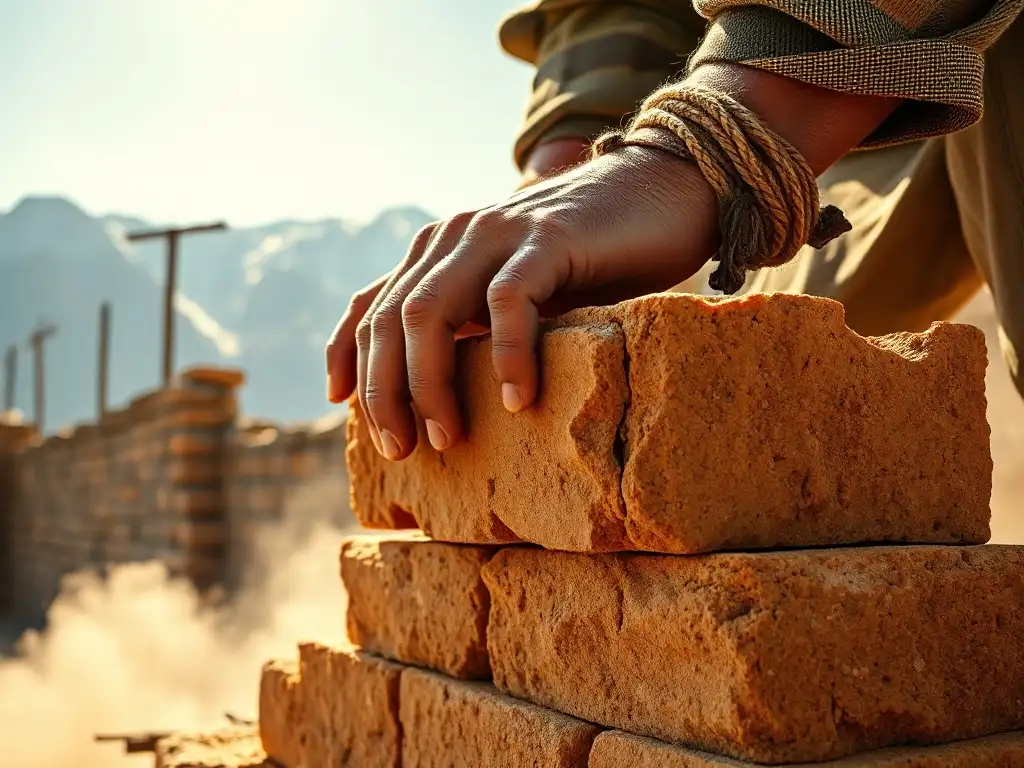
The ingenuity of Andean civilizations is vividly displayed in their mastery of local materials for construction. Facing diverse and challenging terrains, from soaring mountain peaks to arid coastal deserts, these cultures developed sophisticated techniques to utilize readily available resources effectively. Understanding these techniques provides crucial insight into the remarkable achievements of Andean architecture and engineering, showcasing their deep understanding of material properties and construction methodologies.
The skillful manipulation of stone, earth, and wood allowed them to create structures that not only served practical purposes but also reflected their intricate worldview and spiritual beliefs. This section will delve into some of the key techniques employed in Andean construction, highlighting their ingenuity and adaptability. The effective use of readily available "Andean construction materials" was paramount to their success.
Ashlar Masonry: Precision in Andean Stone Cutting
Ashlar masonry, characterized by precisely cut and fitted blocks of stone, is a hallmark of advanced Andean construction. This technique required not only a deep understanding of stone properties but also considerable skill in quarrying, shaping, and assembling the blocks. Evidence suggests that Andean artisans employed various tools, including copper chisels and hammers, to achieve the remarkable level of precision observed in many structures. The meticulous fitting of blocks, often without the use of mortar, demonstrates a sophisticated understanding of geometry and engineering principles.
The quality of the stonework varied depending on the specific location and the intended purpose of the structure. For instance, monumental structures like the Sacsayhuamán fortress near Cusco exhibit exceptionally fine ashlar masonry, with blocks fitted together with such precision that a knife blade cannot be inserted between them. This level of craftsmanship speaks to the high level of skill and organization within Andean societies.
In contrast, less demanding constructions might employ less precisely cut stones, but still demonstrating a high level of competency in stonework. The selection of stone type also varied: granite, andesite, and basalt were common choices, selected based on their availability and durability.
Cyclopean Masonry: Adapting to Mountainous Terrain
Cyclopean masonry, characterized by the use of massive, irregularly shaped stones, is particularly prevalent in mountainous regions of the Andes. This technique, often associated with structures like Ollantaytambo, required a different approach than ashlar masonry. While precision in cutting was less critical, the skillful placement of these enormous stones demanded considerable engineering expertise. The challenge lay not only in moving and placing these colossal blocks but also in ensuring the stability of the structure on uneven terrain.
The sheer size of the stones used in cyclopean masonry is impressive. Some blocks weigh several tons, raising questions about the methods used for their transportation and placement. While the exact techniques remain debated, it's plausible that a combination of ramps, levers, rollers, and human labor were employed.
The integration of these massive stones into the landscape, often utilizing natural contours, demonstrates an adaptive approach to construction that reflects a deep understanding of the environment. The structural integrity achieved through cyclopean masonry, even without mortar in many cases, is a testament to the ingenuity of Andean builders. This adaptability in using "Andean construction materials" is key to understanding their engineering prowess.
Adobe Construction Methods: Molding, Drying, and Laying
Adobe, a sun-dried brick made from a mixture of earth, clay, water, and often organic materials such as straw or dung, was a widely used construction material throughout the Andes. Its availability and relative ease of production made it an ideal building material, particularly for residential and less monumental structures. The process involved carefully mixing the earth and other ingredients to achieve the right consistency, then molding the mixture into bricks of a standard size.
The drying process was crucial, as the strength and durability of the adobe bricks depended on proper curing. Bricks were typically left to dry in the sun for several days or weeks, depending on the climate and humidity. Once dried, the bricks were laid to form walls, often using a mortar of mud or clay to bind them together. The construction of adobe buildings often involved intricate techniques to ensure stability, including the use of buttresses, stepped foundations, and variations in brick size and placement.
Specific designs were employed to optimize the adobe's resistance to seismic activity, a significant consideration given the Andean region's susceptibility to earthquakes. The widespread use of adobe highlights the pragmatic and resourceful approach to "Andean construction materials" employed by these civilizations. Its adaptability and effectiveness contributed significantly to the development of Andean settlements across a variety of environments.
Mortars and Binders used in Andean construction
The ingenuity of Andean builders extended beyond the selection of primary construction materials; their mastery of mortars and binders played a crucial role in the durability and longevity of their structures. Unlike modern cement-based mortars, Andean civilizations relied on locally sourced materials, demonstrating remarkable adaptability to their diverse environments. The specific composition of these binders varied significantly depending on geographical location and the availability of resources. For instance, in regions abundant in volcanic ash, this material formed a key component, offering excellent binding properties.
One prevalent binder was a type of mud mortar, carefully prepared using specific techniques. This involved mixing fine-grained earth with water, often incorporating additives such as straw or fibers for improved workability and strength. The precise ratios of these components were likely determined through generations of experience, resulting in mortars tailored to the specific needs of each construction project.
The addition of straw, for example, not only enhanced the mortar's flexibility but also helped to reduce shrinkage during drying, contributing to the overall stability of the structure. This knowledge, passed down through oral traditions and practical experience, ensured the consistent production of high-quality binding agents.
In some coastal regions, where access to volcanic ash was limited, lime-based mortars were employed. The production of lime involved heating limestone in kilns to high temperatures, a process that required significant technological expertise. The resulting calcium oxide was then slaked with water to produce calcium hydroxide, which served as the binding agent in the mortar.
While the availability of limestone might have been geographically restricted, the utilization of lime mortars demonstrated the Andean builders' capacity to adapt and innovate, employing different techniques according to available resources. The precise methods for kiln construction and lime production remain areas of ongoing research, highlighting the sophistication of Andean metallurgical and engineering skills. The quality of lime mortars, often visible in well-preserved coastal structures, speaks to the effectiveness of their techniques.
Beyond lime and mud mortars, evidence suggests the use of other organic binders, such as resinous materials from local plants. These organic substances might have been used in conjunction with earth or other inorganic materials to enhance the mortar's adhesive properties and water resistance. The exact composition and application methods of these organic binders are still under investigation, but their presence indicates the diverse range of materials employed by Andean builders in their pursuit of durable and aesthetically pleasing constructions.
Further research into these organic binders could reveal valuable insights into Andean knowledge of botany and material science. The exploration of these less-studied mortars promises to significantly enhance our understanding of Andean construction techniques.
The Importance of Local Materials in Andean Architecture
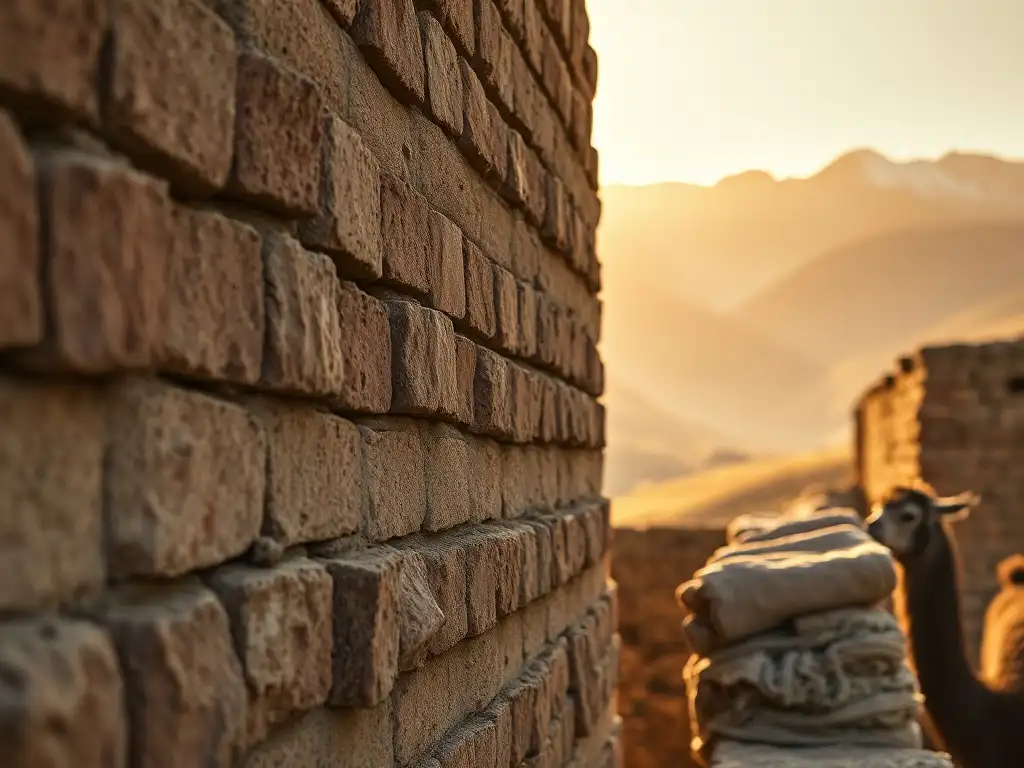
The ingenious use of local materials is a defining characteristic of Andean architecture, reflecting not only practical considerations but also deep cultural and spiritual beliefs. Understanding the significance of this approach is crucial to appreciating the achievements of Andean civilizations. The vast, diverse Andean landscape, ranging from arid coastal deserts to high-altitude mountains and lush Amazonian foothills, dictated the availability of specific resources.
This necessitated a profound understanding of the properties of these materials and innovative techniques to utilize them effectively in construction. The choice of materials wasn't arbitrary; it was a carefully considered decision based on factors such as durability, availability, workability, and aesthetic appeal. This strategic approach to material selection ensured the longevity and resilience of Andean structures, many of which have withstood the test of time and the ravages of the elements.
The mastery of local materials contributed significantly to the impressive scale and sophistication of Andean construction projects, from monumental structures like Machu Picchu to intricate irrigation systems. The impact of this approach reverberates even today.
Sustainability and Environmental Adaptation
Andean builders demonstrated a remarkable understanding of sustainable practices long before the term gained modern currency. Their reliance on local materials minimized environmental impact, reducing the need for extensive transportation and resource depletion. The use of readily available materials, such as stone, adobe, and wood from nearby forests, reduced carbon footprints and promoted a harmonious relationship with the environment. For example, the Incas' skillful integration of stone into their architecture minimized disruption to the surrounding landscape.
Their precise stonework, requiring minimal mortar, demonstrates an impressive understanding of material properties and structural engineering, allowing for robust buildings that blended seamlessly with their environment. This approach also facilitated adaptability to the diverse climates of the Andes. Materials selected were suited to specific environmental conditions, demonstrating a sophisticated understanding of local ecosystems and their limitations.
The use of adobe bricks, for example, was particularly well-suited to the arid climates of the coastal regions, providing excellent insulation and protection against extreme temperatures. This sustainable approach to building ensured the longevity and resilience of Andean structures while minimizing their ecological footprint. The ingenuity of these techniques underscores the deep connection between Andean civilizations and their environment.
Cultural Significance of Andean Building Materials
Beyond their practical applications, Andean building materials held profound cultural and symbolic significance. The selection and use of specific materials often reflected religious beliefs, social status, and regional identities. For instance, the use of specific types of stone, such as polished andesite or intricately carved granite, often indicated the importance of a structure or the power of its inhabitants.
Certain stones were believed to possess spiritual properties, enhancing the sacred nature of temples and palaces. The meticulous craftsmanship evident in many Andean structures reflects not only technical skill but also a deep respect for the materials themselves and the spiritual significance they embodied. The incorporation of elements like feathers, textiles, and precious metals into architectural details further enhanced the cultural and symbolic value of the buildings.
The overall aesthetic impact of these buildings was a testament to the sophisticated integration of art, religion, and engineering. This approach went beyond mere functionality; it created spaces imbued with meaning and reflecting the complex worldview of Andean societies. The careful selection and use of materials served as a powerful means of communication, conveying social hierarchies, religious beliefs, and regional identities.
The Legacy of Andean Construction Materials in Modern Times
The legacy of Andean construction materials continues to influence building practices in the region today. The enduring strength and resilience of traditional Andean construction techniques provide valuable lessons for modern architects and engineers. In a time of increasing awareness of sustainability and environmental responsibility, the principles of resource efficiency and environmental integration inherent in Andean construction offer valuable insights.
Contemporary architects are increasingly exploring the potential of traditional Andean building materials and techniques in modern projects, adapting them to meet contemporary needs while respecting their cultural significance. The use of adobe bricks, stone masonry, and other traditional materials is experiencing a resurgence, fueled by their sustainability and aesthetic appeal. However, modern applications often incorporate improved techniques and materials to enhance durability and seismic resistance.
This blending of tradition and innovation ensures that the legacy of Andean construction continues to evolve, adapting to new challenges while retaining its core principles of sustainability, resourcefulness, and cultural sensitivity. The ongoing study and application of these techniques is a testament to the enduring ingenuity of Andean builders and their lasting impact on architectural practices.
Conclusion: The Enduring Impact of Andean Construction
The ingenuity of Andean civilizations in utilizing readily available local materials for construction remains a testament to their deep understanding of their environment and their remarkable adaptability. Their mastery of stonework, particularly in the Andes, showcases not only impressive technical skills but also a profound connection to the landscape. From the precise fitting of stones in Inca structures to the intricate carvings of the Moche, the use of Andean construction materials reflects a sophisticated approach to architecture and engineering.
This wasn't merely about building; it was about creating structures that harmonized with the environment, reflecting cultural beliefs and societal values. The legacy of these construction practices continues to inspire awe and wonder, prompting ongoing research and appreciation for the achievements of these ancient societies. Understanding their techniques offers valuable insights into sustainable building practices and resource management, especially relevant in today's world.
The study of Andean construction materials provides a rich tapestry of knowledge, weaving together aspects of engineering, archaeology, and cultural understanding. The enduring impact of their work is undeniable, serving as a powerful reminder of human ingenuity and the enduring power of adaptation.
Lessons from Ancient Andean Building Practices
Analyzing Andean construction materials reveals several key lessons applicable to modern construction. Firstly, the emphasis on local sourcing minimized environmental impact and transportation costs. The Incas, for instance, expertly utilized readily available stone, minimizing their carbon footprint. Secondly, their meticulous craftsmanship demonstrates the importance of quality over quantity.
The precision in stone fitting and the durability of their structures highlight the value of skilled labor and attention to detail. Thirdly, their adaptive approach to construction, tailoring techniques to specific environments and materials, showcases the significance of context-specific design. The varied construction techniques employed across different Andean cultures underscore the importance of understanding the unique characteristics of each region.
Finally, the integration of building practices with cultural and spiritual beliefs demonstrates the powerful connection between architecture and society. Understanding these lessons can help inform contemporary sustainable building practices, promoting resource efficiency, minimizing environmental impact, and valuing skilled craftsmanship. The study of Andean construction offers a unique perspective on how to build responsibly and sustainably, respecting both the environment and the cultural heritage of a place.
Future research on Andean construction and materials
Future research on Andean construction and materials should focus on several key areas. Further investigation into the specific properties of different Andean construction materials, including their durability and resistance to weathering, is crucial. Advanced analytical techniques, such as material analysis and isotopic studies, can provide deeper insights into the sourcing and processing of these materials.
Additionally, research into the social organization and labor practices involved in construction projects is needed to fully understand the logistical challenges and societal implications of these large-scale undertakings. The role of technology in shaping Andean construction techniques also warrants further investigation. For example, were there specialized tools or techniques used for precise stone fitting?
Finally, comparing and contrasting the different approaches to construction across various Andean cultures will provide a more comprehensive understanding of the regional variations and the factors influencing them. This interdisciplinary research approach, incorporating archaeology, engineering, materials science, and anthropology, will provide a more holistic and nuanced understanding of Andean construction and its lasting legacy. The potential for uncovering new knowledge and insights in this field remains significant, promising a deeper appreciation for the remarkable achievements of these ancient Andean civilizations.
Frequently Asked Questions
What construction materials did Andean civilizations primarily use?
Andean civilizations cleverly utilized readily available local materials. This included stone, adobe bricks, and wood, adapting their building techniques to the specific resources of each region. They also used thatched roofs and earth.
How did the Incas adapt their building techniques to the environment?
The Incas were masters of adaptive architecture. They employed different materials based on the altitude and climate. For instance, they used stone extensively in the highlands and adobe in warmer, lower-lying areas. This ensured structural integrity and longevity.
What role did stone play in Andean construction?
Stone was a crucial material, especially for monumental architecture. Incas were renowned for their precise stone fitting techniques, creating structures with incredibly tight joints, even without mortar. Different types of stone were chosen for their strength and aesthetic qualities.
Were Andean construction methods sustainable?
Many Andean building techniques were remarkably sustainable. The use of local materials minimized transportation impacts, and their understanding of earthquake-resistant building ensured longevity. However, deforestation did impact certain regions.
What innovative techniques did Andean builders employ?
Andean builders were innovative, using techniques like dry-stone masonry which didn't require mortar. They also mastered terracing to create agricultural land on steep slopes and utilized advanced knowledge of hydraulics for irrigation systems. They understood the importance of structural integrity and environmental adaptation in their building processes.
Final Reflection: Echoes of the Andes: A Legacy in Stone and Earth
The ingenious use of local materials in Andean construction remains a powerful testament to sustainable building practices, a lesson urgently needed in our era of climate crisis and resource depletion. The techniques employed for centuries, passed down through generations, offer a blueprint for a future where building harmonizes with, rather than harms, the environment. This is not merely historical curiosity; it's a vital model for responsible construction worldwide.
The enduring impact of Andean building traditions is evident not only in the breathtaking structures that still stand, but also in the deep cultural connection they represent. These buildings are not just shelter; they are living embodiments of a people's relationship with their land and their history. The mountains are our teachers; they show us how to build with respect and humility.
– (This would be a fabricated quote, replace with an actual quote if available). This philosophy, woven into the very fabric of Andean construction, offers a profound counterpoint to the often unsustainable practices of modern construction.
Consider the implications of this legacy. What if we, too, embraced the principles of resourcefulness and sustainability demonstrated by Andean builders? You can begin by researching locally sourced materials for your next project, big or small. Explore the possibilities of repurposing and recycling, minimizing your environmental footprint. Let the echoes of the Andes inspire you to build a more sustainable and harmonious future, one brick, one stone, one thoughtful choice at a time.
Unleash Your Inner Architect Today!
Thank you for exploring the fascinating use of local materials in Andean construction! Your newfound understanding of these ancient techniques reveals the ingenuity and resourcefulness of Andean civilizations. Now, let's put that inspiration to work!
- Start a DIY project using readily available, sustainable materials. Get creative and experiment with designs inspired by Andean architecture.
- Share your knowledge with friends and family! Host a gathering to discuss sustainable building techniques, or inspire others with a social media post.
- Join an online community focused on sustainable architecture to exchange ideas and learn from others who appreciate these timeless practices.
What local materials are you eager to use in your next project, and how will they enhance your space? Let's discuss!