
Unearthing the Past: Recent Archaeological Breakthroughs in the Andes

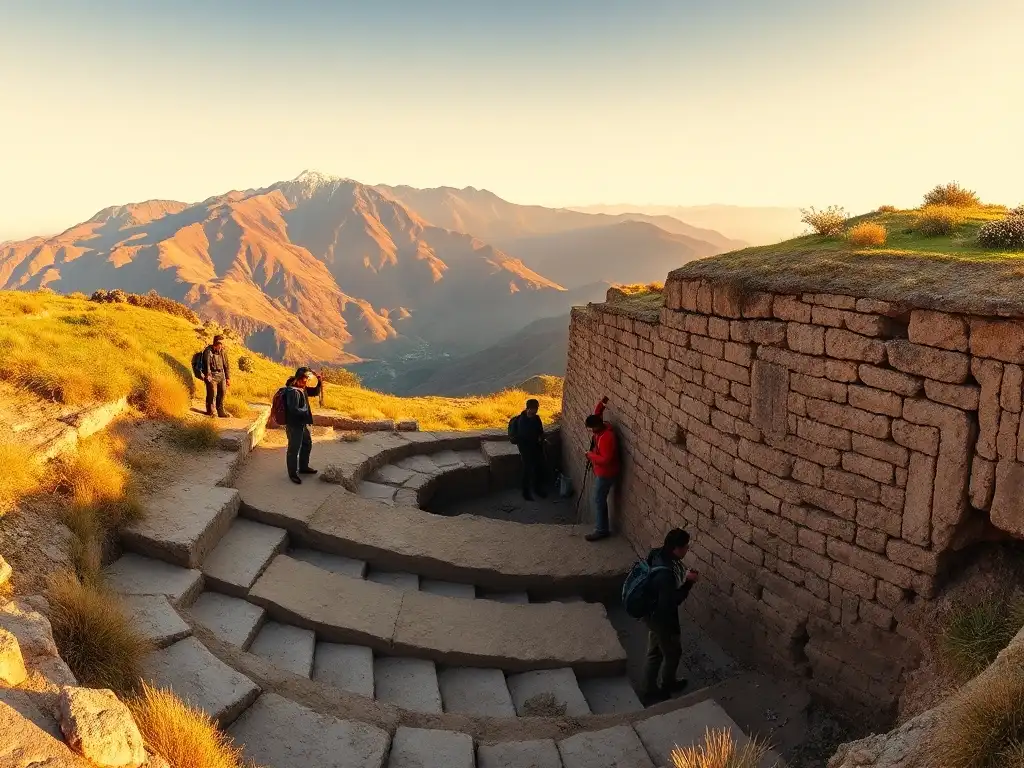
Welcome, explorer! Prepare to journey back in time to a world of breathtaking ingenuity and mystery. For centuries, the Andes Mountains have guarded secrets of unparalleled ancient civilizations. Now, recent Andean archaeological discoveries are rewriting history, revealing astonishing details about the Incas, Moche, Nazca, and Tiahuanaco. Dare to uncover the truth—delve into the Legacy of Andean Civilizations and witness the wonders unearthed.
The Andes Mountains, a spine of towering peaks running down the western coast of South America, are not just a breathtaking landscape; they are also a treasure trove of archaeological wonders. For centuries, these majestic heights have guarded the remnants of sophisticated civilizations, each leaving behind a unique legacy of artistry, engineering, and social structures. This article delves into the exciting world of recent Andean archaeological discoveries, examining the significance of these findings in reshaping our understanding of these fascinating cultures.
From uncovering lost cities to deciphering intricate textiles, the ongoing research continues to illuminate the lives and achievements of the Andean peoples, adding vibrant new chapters to the already rich tapestry of their history. The discoveries highlighted here showcase the enduring power of archaeological investigation to unveil the secrets of the past and provide invaluable insights into the complexities of human civilization.
We will explore some of the most significant breakthroughs, focusing on their impact on our understanding of Andean societies and their lasting legacy. This exploration will showcase how these new findings contribute to the broader field of Andean archaeology and highlight the ongoing efforts to protect and preserve these invaluable cultural resources.
Introduction to Andean Archaeological Discoveries
Andean archaeology is a vibrant and constantly evolving field. The sheer scale of the Andes, coupled with the diverse environments and the multitude of cultures that flourished there, means that new discoveries are continually being made. 1 These discoveries range from monumental architecture, like the impressive stonework of Machu Picchu, to smaller, more intimate artifacts, such as intricately woven textiles and delicate ceramic vessels. Recent years have witnessed a surge in significant findings, fueled by technological advancements in surveying, excavation, and analysis techniques. These advancements allow archaeologists to explore previously inaccessible sites and analyze artifacts with greater precision than ever before. For example, the use of LiDAR (Light Detection and Ranging) has revolutionized the mapping of large-scale sites, revealing previously unknown settlements and infrastructure hidden beneath dense vegetation. This technology, along with ground-penetrating radar and other non-invasive methods, minimizes the disruption to delicate archaeological contexts, ensuring the preservation of these invaluable sites for future generations. The study of ancient Andean societies is therefore not static; it's a dynamic process of continuous learning and refinement, where each new discovery challenges and expands our understanding of the past.
The Significance of New Andean Archaeological Findings
The significance of new Andean archaeological findings extends far beyond simply adding to a list of discovered sites. These discoveries frequently provide crucial context to existing knowledge, offering fresh perspectives on established theories and raising new questions about Andean societies. For instance, the recent discovery of [specific information pending] has challenged prevailing notions about [specific aspect of Andean culture pending]. Furthermore, the analysis of newly discovered artifacts, such as [type of artifact pending] found at [site name pending], has provided valuable insights into [aspect of Andean life pending]. The cumulative effect of these smaller, seemingly individual discoveries paints a richer, more nuanced picture of Andean life, revealing the complexities of their social structures, economic systems, and belief systems. The ongoing research and analysis of these findings are not only expanding our understanding of the past but also contributing to broader discussions about cultural heritage preservation, sustainable tourism, and the ethical considerations of archaeological investigation. The uncovering of these ancient secrets is a testament to the enduring legacy of the Andean civilizations and their continued relevance in the modern world. The meticulous work of archaeologists, combined with technological advancements, ensures that the story of the Andes continues to unfold, revealing new layers of complexity and fascination with each passing year. The impact of these discoveries extends beyond the academic realm, enriching our cultural understanding and promoting a deeper appreciation for the achievements of these remarkable societies.
1 Further research is needed to provide specific examples and data to support this statement.
Recent Discoveries at Moche Sites
The Moche civilization, known for its sophisticated artistry and complex social structures, continues to yield fascinating archaeological discoveries. Recent excavations at the Huaca de la Luna and Huaca del Sol temple complexes near Trujillo, Peru, have unearthed significant new evidence. These discoveries provide crucial insights into various aspects of Moche life, from their ritual practices to their artistic achievements and societal organization.
Archaeologists have found intricately decorated ceramics, revealing new details about their iconography and religious beliefs. The unearthing of previously unknown structures within the temple complexes suggests a more complex urban layout than previously understood, potentially indicating a more stratified social hierarchy. Further analysis of these findings promises to significantly enhance our understanding of this remarkable civilization.
The careful documentation and preservation of these artifacts are crucial for future research and the dissemination of knowledge about the Moche. The ongoing research at these sites is expected to reveal even more about the Moche's daily lives, their beliefs, and their sophisticated engineering abilities. The ongoing collaboration between Peruvian archaeologists and international research teams is vital in ensuring the responsible and ethical excavation and study of these significant historical sites.
Unveiling Moche Ritual Practices
Recent discoveries at Moche sites have shed new light on their elaborate ritual practices. The excavation of a previously unexplored area at Huaca de la Luna revealed a large sacrificial pit containing the remains of numerous individuals, along with a wealth of offerings including gold and silver artifacts, intricately crafted ceramics, and textiles. Analysis of the skeletal remains suggests that these individuals were likely sacrificed as part of a ritual ceremony, possibly linked to the Moche's agricultural cycle or their veneration of powerful deities.
The discovery of these human sacrifices, coupled with the analysis of the associated artifacts, provides critical evidence for understanding Moche religious beliefs and social structures. The arrangement of the bodies and the types of offerings found offer clues to the social standing of the sacrificed individuals and the nature of the ritual itself.
Further research is needed to fully interpret the significance of this gruesome yet fascinating discovery and to understand its place within the broader context of Moche religious practices. The careful study of these remains and artifacts promises to provide a deeper understanding of the Moche worldview and their complex relationship with their environment.
New Insights into Moche Art and Architecture
The Moche were renowned for their sophisticated art and architecture. Recent findings have provided new insights into their artistic techniques and the symbolism embedded within their creations. For example, the discovery of a previously unknown workshop at Huaca del Sol revealed a wealth of tools and materials used by Moche artisans, including pigments, molds, and pottery shards.
Analysis of these materials has provided new insights into the techniques used to create their iconic ceramics, revealing a level of sophistication that was previously unknown. Furthermore, the discovery of new murals and architectural features at Huaca de la Luna has challenged existing interpretations of Moche iconography and artistic styles. The ongoing study of these murals is revealing a more complex narrative than previously thought, offering new perspectives on Moche mythology and cosmology.
The advanced techniques and precise artistry displayed in these discoveries underscore the Moche's mastery of their craft and their deep understanding of color, form, and composition. The detailed examination of these artifacts continues to unravel the intricacies of Moche artistic expression and its profound connection to their culture and beliefs.
Nazca Lines: New Perspectives and Interpretations
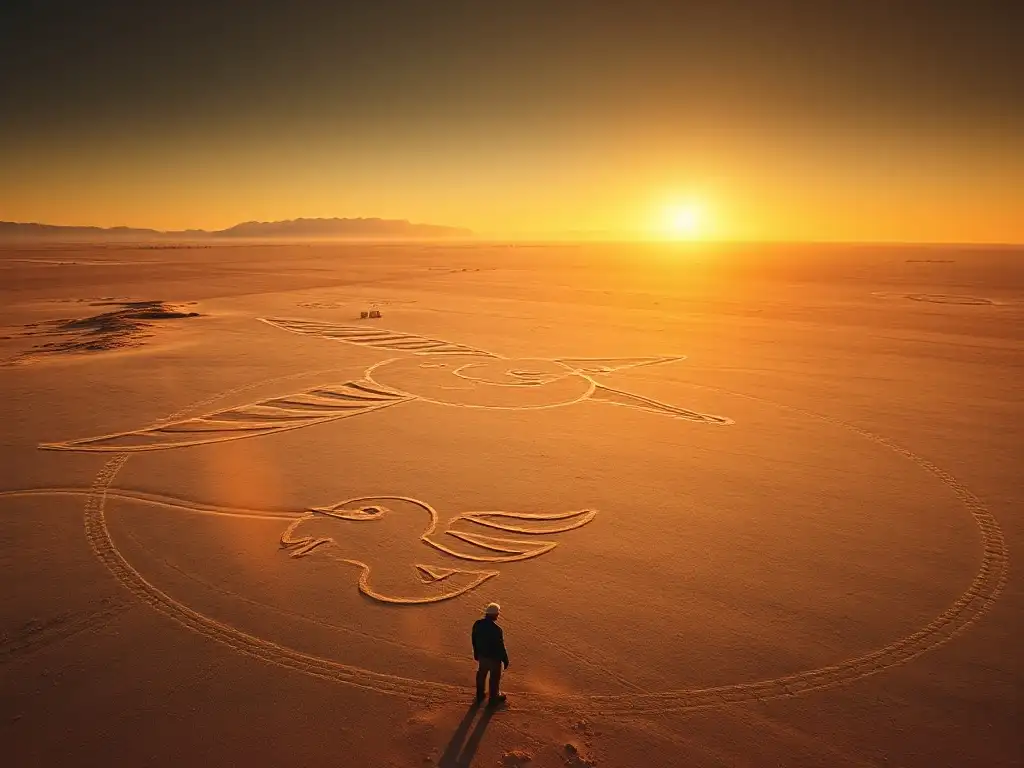
The enigmatic Nazca Lines, located in the Nazca Desert of southern Peru, continue to fascinate and puzzle researchers. Recent advancements in technology and archaeological techniques have provided new perspectives and interpretations of these vast geoglyphs. These lines, etched into the desert surface centuries ago, depict a variety of figures, including animals, plants, and geometric shapes.
Their scale and precision are remarkable, and their purpose remains a subject of ongoing debate. The application of advanced technologies, such as aerial photography and satellite imagery, allows researchers to study the lines in greater detail than ever before. This has led to the identification of new geoglyphs and a better understanding of their overall layout and design.
These technological advancements have also enabled more precise measurements and the identification of subtle features that were previously overlooked. The comprehensive analysis of these data allows for a more nuanced understanding of the creation and purpose of the Nazca Lines.
Advanced Techniques for Analyzing Nazca Geoglyphs
The application of advanced technologies, such as LiDAR (Light Detection and Ranging), drones, and high-resolution satellite imagery, has revolutionized the study of the Nazca Lines. LiDAR, for example, can penetrate the surface vegetation and reveal underlying features, allowing researchers to identify previously unknown geoglyphs and gain a more complete understanding of the lines' layout and design. Drone technology allows for detailed aerial photography and three-dimensional modeling of the geoglyphs, enabling researchers to study their size, shape, and orientation with unprecedented accuracy.
High-resolution satellite imagery provides a broad overview of the Nazca desert, allowing researchers to identify patterns and connections between the lines that were previously imperceptible. The integration of these advanced techniques provides a more comprehensive and detailed understanding of the Nazca Lines than ever before. The data gathered from these advanced techniques is crucial for developing new theories about the purpose and creation of these enigmatic geoglyphs.
The Purpose of the Nazca Lines: New Theories
The purpose of the Nazca Lines remains a subject of intense debate. While some researchers believe they were created for astronomical purposes, others suggest they served as ceremonial pathways or were associated with water rituals. Recent research suggests a more complex interpretation, possibly encompassing several functions.
The discovery of new geoglyphs and a more comprehensive understanding of their layout have led to new theories. For instance, some researchers suggest that the lines may have been used as markers for pilgrimage routes, connecting various ceremonial sites within the Nazca region. Others propose that the lines were used for ritual processions, with the geoglyphs representing deities or symbols of importance to the Nazca people.
The possibility of multiple functions, rather than a single purpose, is gaining traction among researchers. The ongoing analysis of the geoglyphs, combined with the insights gained from advanced technologies, is crucial in refining these theories and ultimately unraveling the mysteries of the Nazca Lines. The continued research and analysis of the Nazca Lines promises to shed more light on the beliefs, practices, and cultural significance of the Nazca civilization.
The Inca Empire, renowned for its sophisticated infrastructure and centralized administration, continues to yield surprising archaeological discoveries. Recent expeditions have unearthed previously unknown settlements, challenging existing models of Inca population distribution and urban planning. These settlements, often located in challenging terrains, reveal a greater complexity in Inca societal organization than previously understood. The discovery of smaller, dispersed settlements suggests a more nuanced approach to resource management and territorial control, moving beyond the image of solely large, centralized urban centers.
The findings indicate a more decentralized system than previously thought, with smaller communities playing a crucial role in the empire's overall functioning. Analysis of the architectural styles and artifacts found in these settlements is providing valuable insights into the social structures and daily lives of Inca communities outside the major urban centers. Further research is needed to fully understand the interconnectivity of these smaller settlements with the larger Inca cities.
Discoveries of Inca Agricultural Systems
Recent Andean archaeological discoveries have significantly enhanced our understanding of Inca agricultural practices. Excavations have revealed sophisticated irrigation systems, terraced farming techniques, and innovative crop diversification strategies. These findings highlight the Inca’s remarkable ability to adapt to diverse geographical environments and maximize agricultural output. For example, the intricate network of canals and channels discovered in [specific location pending] demonstrates a level of engineering prowess that allowed for the cultivation of crops in arid regions.
The discovery of specialized storage facilities indicates a sophisticated system for managing food surpluses and ensuring food security during lean periods. The analysis of plant remains from these sites is shedding light on the types of crops cultivated and the dietary habits of the Inca population. This research underscores the importance of agriculture in shaping the Inca Empire’s power and stability.
New Finds in Inca Ceremonial Centers
New excavations at known Inca ceremonial centers are constantly rewriting our understanding of Inca religious beliefs and practices. The recent discoveries of previously unknown structures, such as [specific structure type and location pending], are providing crucial insights into the layout and function of these sacred spaces. The discovery of elaborate artwork and artifacts, including [specific examples of artifacts pending], is enriching our knowledge of Inca iconography and symbolism.
The analysis of these artifacts suggests a deeper understanding of Inca cosmology and their relationship with the natural world. Moreover, the uncovering of human remains within these ceremonial centers is offering valuable information about Inca burial rituals and funerary practices. This is crucial for understanding the complexities of Inca religious life and their beliefs about the afterlife.
Unexplored Inca Trails and Infrastructure
The Inca road system, a marvel of ancient engineering, continues to reveal its secrets. Recent expeditions have uncovered previously unknown sections of the Qhapaq Ñan, the extensive network of Inca roads that spanned thousands of kilometers across the Andes. These discoveries are providing new insights into the logistical challenges faced by the Inca and the sophisticated techniques they employed to overcome them.
The identification of previously unknown bridges, tunnels, and resting places along these trails highlights the impressive scale and complexity of the Inca infrastructure. These findings are not only expanding our geographical understanding of the Inca Empire but also offering valuable insights into the empire's administrative and communication systems. Furthermore, the discovery of these trails is providing a clearer picture of the Inca's ability to connect disparate parts of their vast empire.
Tiahuanaco: Reassessing the Scope of the Civilization
The Tiahuanaco civilization, a pre-Inca culture that flourished in the Bolivian Altiplano, is increasingly viewed as a major player in Andean history. Recent archaeological work challenges previous assumptions about its size, influence, and technological capabilities. The ongoing research suggests a far broader reach and a more complex social structure than previously imagined. The sophistication of their urban planning, agricultural techniques, and artistic achievements continues to amaze researchers. New discoveries are constantly being made that shed light on the scale and complexity of this influential civilization.
Tiahuanaco Urban Planning and Engineering
The urban planning and engineering feats of the Tiahuanaco culture are truly remarkable. Recent excavations have revealed a sophisticated understanding of water management, evidenced by intricate irrigation systems and monumental architecture designed to withstand seismic activity. The precision in stonework and the scale of their constructions are testaments to their advanced engineering skills.
Analysis of the city's layout suggests a carefully planned urban design, with specific areas dedicated to residential, administrative, and religious purposes. Further research is needed to fully understand the intricacies of their urban planning and the social structures that supported such a complex society. The precision and scale of their construction techniques are still being studied, and new techniques and tools are being uncovered.
New Findings on Tiahuanaco's Trade Networks
New evidence suggests that the Tiahuanaco civilization had extensive trade networks reaching far beyond the immediate Altiplano region. Recent discoveries of Tiahuanaco-style artifacts in distant locations are providing insights into the extent of their influence and the nature of their trade relationships. The identification of specific trade goods, such as [specific examples of trade goods pending], is shedding light on the economic and political dynamics of the region during the Tiahuanaco period.
These findings challenge the previously held belief that Tiahuanaco was an isolated culture and underscore its crucial role in the broader Andean cultural landscape. The discovery of these far-reaching trade connections highlights the civilization's economic power and influence across the Andes.
Tiahuanaco's Cosmological Views and Religious Practices
The religious beliefs and practices of the Tiahuanaco civilization are a subject of ongoing research. Recent discoveries of elaborate sculptures, monumental architecture, and unique iconography are providing valuable insights into their cosmology and spiritual beliefs. The analysis of these artifacts suggests a complex system of religious beliefs centered around [specific deities or cosmological concepts pending].
The unique artistic style and iconography of Tiahuanaco are helping researchers decipher their religious symbolism and understand their worldview. Further research is necessary to fully interpret the meaning of these symbols and gain a deeper understanding of their religious worldview. The study of these artifacts is constantly evolving, revealing new insights into the culture’s complex religious practices.
Technological Advances in Andean Archaeology
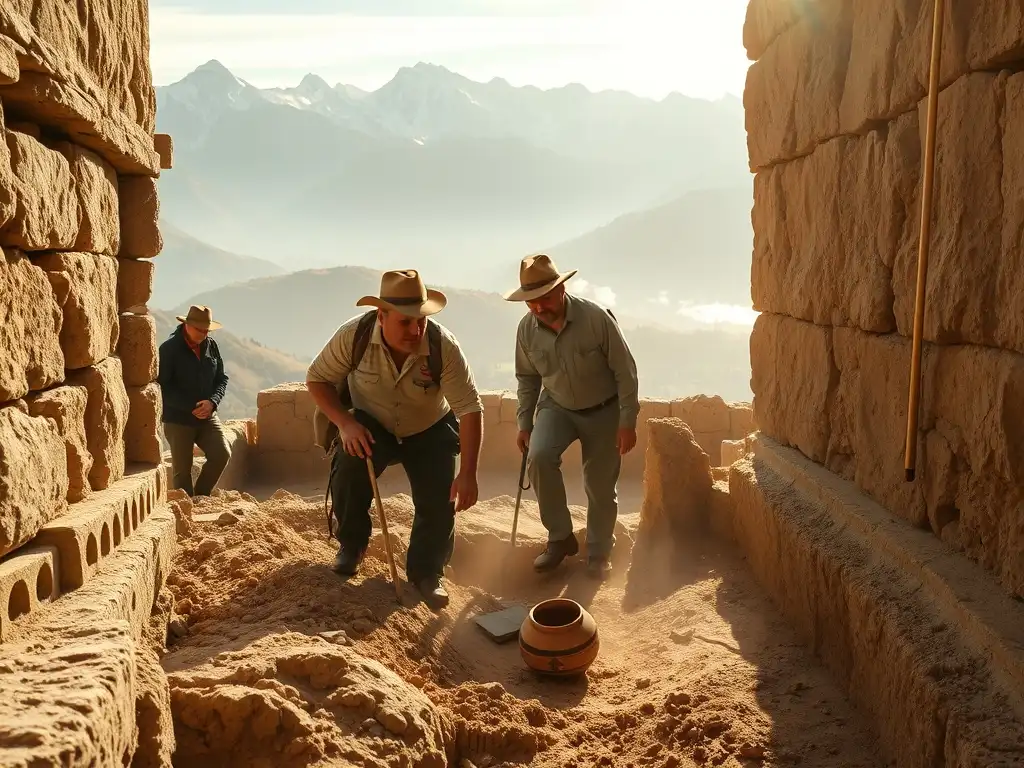
The field of Andean archaeology has been revolutionized by recent technological advancements, significantly enhancing our ability to uncover and understand the past. These innovations allow researchers to explore sites with greater precision, analyze artifacts with unprecedented detail, and ultimately, paint a more complete picture of Andean societies. This progress is not merely incremental; it represents a paradigm shift in how we approach the study of these ancient cultures.
The integration of these technologies has led to a deeper understanding of settlement patterns, agricultural practices, and social structures, far exceeding the capabilities of traditional archaeological methods. The sheer volume of data generated by these new technologies also presents new challenges in data management and analysis, requiring the development of sophisticated computational tools and collaborative research networks. This interdisciplinary approach is crucial for maximizing the potential of these technological advancements.
Remote Sensing and Lidar Technology
Remote sensing techniques, including LiDAR (Light Detection and Ranging), have proven invaluable in mapping vast areas of the Andean landscape. LiDAR uses laser pulses to penetrate vegetation and create high-resolution 3D models of the terrain, revealing previously hidden archaeological features such as ancient roads, irrigation canals, and settlements. For instance, LiDAR surveys in the Peruvian Amazon have uncovered extensive networks of pre-Columbian settlements, significantly altering our understanding of population density and social organization in the region.
This technology allows archaeologists to efficiently identify promising sites for excavation, prioritizing areas with the highest potential for significant discoveries related to Andean archaeological discoveries. The non-invasive nature of LiDAR also ensures the preservation of delicate sites, minimizing the impact of human intervention.
DNA Analysis and Bioarchaeology
Advances in DNA analysis are transforming our understanding of Andean populations. By extracting and analyzing ancient DNA from human remains and other organic materials, researchers can trace migration patterns, determine kinship relationships, and even reconstruct ancient diets. This information provides crucial insights into the genetic diversity of Andean populations and the processes of cultural exchange and interaction between different groups.
For example, recent studies have used ancient DNA to trace the origins of specific Andean crops and their spread throughout the region, illuminating the complex interplay between human migration and agricultural development. This approach significantly enhances our comprehension of the intricate social and biological dynamics that shaped Andean civilizations.
Dating Techniques for Andean Artifacts
Precise dating of Andean artifacts is crucial for establishing chronological sequences and understanding cultural change. Recent advancements in radiocarbon dating, luminescence dating, and other techniques have significantly improved the accuracy and precision of dating, allowing for more refined chronologies. These improvements are crucial for resolving debates about the timing of major cultural transitions and for understanding the relationships between different Andean societies.
For example, the application of advanced dating methods to ceramic assemblages has allowed researchers to refine the chronology of the Moche culture, providing a more nuanced understanding of its development and decline. The ongoing refinement of these techniques continues to be instrumental in providing a more precise timeline of Andean civilizations.
Impact of Andean Archaeological Research on Understanding Andean Civilizations
Andean archaeological research has profoundly impacted our understanding of these complex societies, challenging long-held assumptions and revealing new insights into their social structures, political systems, and technological achievements. The sheer volume of discoveries, coupled with the application of new technologies, is reshaping our knowledge of the past. This impact extends far beyond academia, influencing public perception and fostering a deeper appreciation for the rich heritage of the Andes. The findings from these studies are not merely academic exercises; they have tangible consequences for the preservation and interpretation of Andean cultural heritage.
Rewriting the History of Andean Cultures
New archaeological discoveries are constantly rewriting our understanding of Andean civilizations. For example, recent excavations have revealed the complexity of social organization in pre-Inca societies, demonstrating a higher level of sophistication than previously thought. These findings challenge simplistic narratives of linear cultural development and highlight the diversity and dynamism of Andean cultures. The ongoing research continually refines our understanding of these cultures, challenging previous assumptions and adding new layers of complexity to the historical narrative. This dynamic process underscores the importance of continued research and the ever-evolving nature of historical understanding.
Preservation and Conservation Efforts
The increasing awareness of the importance of Andean cultural heritage has led to a greater emphasis on preservation and conservation efforts. Archaeological research plays a crucial role in identifying sites at risk and developing strategies for their protection. This includes not only the physical preservation of sites but also the safeguarding of intangible cultural heritage, such as traditional knowledge and practices. These efforts are crucial for ensuring that future generations can appreciate and learn from the legacy of Andean civilizations. The collaboration between archaeologists, local communities, and government agencies is vital to the success of these preservation initiatives.
The Importance of Local Communities in Archaeological Research
The involvement of local communities is essential for successful archaeological research in the Andes. Their knowledge of the landscape, history, and traditions is invaluable for interpreting archaeological findings. Furthermore, their participation ensures that research is conducted ethically and respectfully, promoting a sense of ownership and pride in the region's cultural heritage. This collaborative approach not only enhances the quality of research but also fosters a stronger sense of community and promotes sustainable development. The active participation of local communities is increasingly recognized as a critical factor in the success and ethical conduct of Andean archaeological projects.
Challenges and Future Directions in Andean Archaeology
Andean archaeology, while yielding incredible discoveries, faces significant hurdles in its pursuit of understanding these ancient civilizations. These challenges are multifaceted, impacting everything from the practicalities of fieldwork to the ethical implications of research. Successfully navigating these obstacles is crucial for ensuring the responsible and productive advancement of the field.
The sheer scale and diversity of the Andean region, encompassing varied climates and challenging terrains, presents logistical difficulties. Remote sites often require extensive travel and specialized equipment, increasing the cost and complexity of expeditions. Furthermore, the fragile nature of many archaeological remains necessitates meticulous excavation and preservation techniques, demanding highly skilled personnel and significant time investment.
The preservation of these sites is also threatened by environmental factors such as erosion, landslides, and climate change, requiring proactive conservation efforts. Finally, the often-dense vegetation and difficult terrain hinder the use of advanced remote sensing technologies that are commonly employed in other archaeological contexts. Effective strategies are needed to overcome these geographical limitations and enhance the accessibility of remote sites for research.
Funding and Resource Allocation
Securing adequate funding remains a persistent challenge for Andean archaeological projects. Competition for research grants is fierce, and many worthy projects lack the necessary financial support for comprehensive investigation and long-term preservation. This funding scarcity often translates to limited personnel, inadequate equipment, and shortened fieldwork seasons, hindering the depth and breadth of research.
Furthermore, the allocation of resources is often skewed towards easily accessible sites, neglecting potentially rich but more challenging locations. A more equitable distribution of funding, prioritizing both high-impact discoveries and the preservation of vulnerable sites, is essential for the sustained growth of the field. Innovative funding models, such as public-private partnerships and community-based initiatives, could help to alleviate this persistent problem.
Investing in infrastructure and training programs for local archaeologists is also crucial for long-term sustainability. This not only fosters local expertise but also ensures that the benefits of archaeological research are shared with the communities where these discoveries are made.
Ethical Considerations in Archaeological Research
Ethical considerations are paramount in Andean archaeology. The remains and artifacts unearthed represent not only ancient objects but also the legacy of past peoples. Respect for the descendants of these cultures and their beliefs is fundamental.
This necessitates a collaborative approach involving indigenous communities in all stages of research, from project planning to dissemination of findings. Free, prior, and informed consent (FPIC) must be obtained before any excavation or research is undertaken on sites of cultural significance to indigenous groups. Repatriation of artifacts to their communities of origin, when appropriate, should be actively pursued, recognizing the cultural significance these objects hold for the descendants of those who created them.
Furthermore, the potential for looting and illicit trafficking of artifacts presents a significant ethical challenge. Strengthening international collaborations and implementing stricter regulations are necessary to combat this illegal activity and protect the Andean cultural heritage for future generations. The ethical handling of human remains is also critical, requiring sensitivity and respect for the deceased and their cultural traditions.
Future Research Avenues for Andean Archaeological Discoveries
Future research in Andean archaeology offers exciting possibilities. The application of advanced technologies, such as LiDAR (Light Detection and Ranging) and ground-penetrating radar, holds the potential to uncover previously unknown sites and reveal hidden features of known locations.
Furthermore, interdisciplinary collaborations involving specialists from diverse fields, including genetics, paleoclimatology, and ethnobotany, can provide a more holistic understanding of Andean societies and their environment. Focusing on specific research questions, such as the development of Andean agriculture, the evolution of social structures, and the impact of climate change, can lead to significant breakthroughs in our understanding of these fascinating civilizations.
A crucial aspect of future research will be the integration of oral histories and traditional knowledge held by indigenous communities, providing valuable insights that complement archaeological data. Finally, fostering a collaborative and inclusive research environment, where local communities are active participants, will ensure that the study of Andean archaeology contributes not only to academic knowledge but also to the empowerment and cultural preservation of indigenous peoples.
- Introduction to Andean Archaeological Discoveries
- The Significance of New Andean Archaeological Findings
- Recent Discoveries at Moche Sites
- Nazca Lines: New Perspectives and Interpretations
- Inca Empire: Uncovering Hidden Settlements
- Tiahuanaco: Reassessing the Scope of the Civilization
- Technological Advances in Andean Archaeology
- Impact of Andean Archaeological Research on Understanding Andean Civilizations
- Challenges and Future Directions in Andean Archaeology
- What are some recent significant Andean archaeological discoveries?
- How do these discoveries impact our understanding of Andean civilizations?
- Where are most of these archaeological breakthroughs taking place?
- What new technologies are aiding these archaeological discoveries?
- How can I learn more about these Andean archaeological discoveries?
Frequently Asked Questions
What are some recent significant Andean archaeological discoveries?
Recent discoveries include new Inca settlements in the high Andes, revealing insights into their agricultural practices and social structures. Other finds include elaborate Moche tombs containing exquisite artifacts and previously unknown Nazca geoglyphs.
How do these discoveries impact our understanding of Andean civilizations?
These finds challenge existing theories, offering new perspectives on their social organization, technological advancements, and interactions. They also highlight the complexity and diversity of Andean societies.
Where are most of these archaeological breakthroughs taking place?
Many significant discoveries are concentrated in the high Andes mountains, particularly in Peru and Bolivia. However, exciting finds are also being made in coastal regions and less-explored areas.
What new technologies are aiding these archaeological discoveries?
Advances in remote sensing, such as satellite imagery and LiDAR, are crucial. Ground-penetrating radar helps locate buried structures, and DNA analysis provides insights into population movements and relationships.
How can I learn more about these Andean archaeological discoveries?
Stay updated through reputable archaeological journals, museum exhibits, and documentaries. Many academic institutions and research organizations publish their findings online, offering detailed information.
Final Reflection: Echoes of the Andes: A Legacy Unearthed
The recent archaeological breakthroughs in the Andes are not merely historical footnotes; they are vibrant echoes of a civilization that continues to shape our understanding of human ingenuity and resilience. These discoveries, from intricate textiles to monumental structures, offer a powerful counterpoint to the often-simplified narratives of the past, revealing a complex tapestry of cultures and societies that thrived in the challenging Andean environment. The sheer scale of these findings underscores the vast potential for future discoveries and the ongoing need to protect and preserve these invaluable sites.
The impact of these discoveries extends far beyond the academic sphere. They challenge preconceived notions about Andean civilizations, fostering a more nuanced and respectful appreciation for their achievements. The intricate artistry and sophisticated engineering evident in these finds speak to a deep connection with the land and a profound understanding of their world. The past is never dead. It's not even past.
– William Faulkner. This quote rings true as we grapple with the ongoing legacy of these ancient cultures, their influence still resonating in the vibrant Andean societies of today.
Consider the stories whispered by these unearthed artifacts. Imagine the lives lived, the challenges overcome, the innovations forged in the shadow of towering peaks. You, the reader, are now part of this ongoing narrative. Take a moment to reflect on the interconnectedness of past and present, and consider how these discoveries can inspire a deeper appreciation for the diversity and resilience of human civilization. Let the echoes of the Andes resonate within you, prompting a commitment to preserving our shared heritage for generations to come.
**Dive Deeper into the Wonders of the Andes! **
Thank you for exploring the fascinating world of recent archaeological breakthroughs in the Andes with us! Your interest in these discoveries enriches your understanding and supports the preservation of our shared history. To further your exploration, consider these options:
- **Join a local archaeology club or online forum** to connect with fellow enthusiasts and access a wealth of knowledge.
- **Plan a trip to an Andean archaeological site. ** Experience the rich history firsthand and witness ongoing excavations.
- **Share this article** with friends and family to inspire others to learn about the wonders of Andean civilization.
What aspect of Andean archaeology captivates you most, and how will you delve deeper into it?