
The Importance of Color: Symbolic Meanings in Andean Art Palettes

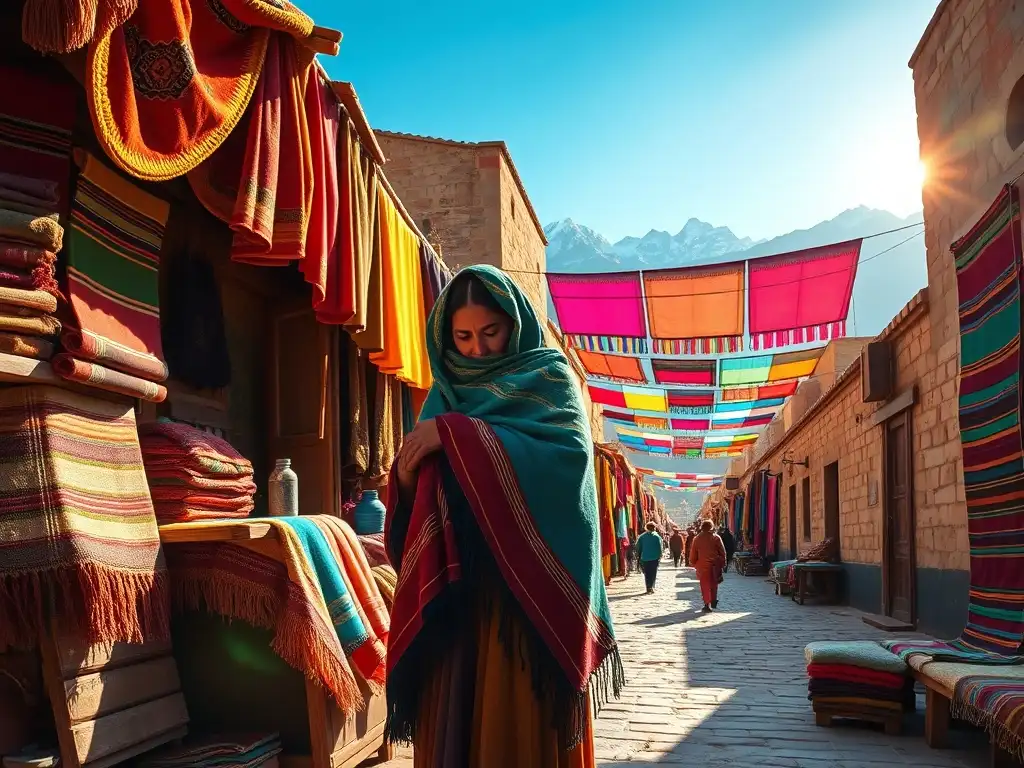
Dive into the vibrant tapestry of Andean Civilizations! Prepare to be captivated by the ingenuity and artistry of ancient cultures, from the Incas to the Nazca. But have you ever wondered about the secrets hidden within their breathtaking art? Uncover the profound significance of Andean art color symbolism and discover how these seemingly simple hues held the key to a complex cosmology. Journey with us to unravel the mysteries waiting within...
- The Significance of Color: Decoding Andean Art Palettes
- Colors in Andean Textiles: A Language of the Loom
- Andean Ceramics and the Use of Color
- The Meaning of Color in Andean Metalwork
- Color and Andean Ritual Practices
- The Legacy of Andean Color Symbolism
- Frequently Asked Questions
- Final Reflection: Unveiling the Vibrant Soul of Andean Culture
- Unveil the Beauty of Andean Colors!
The Significance of Color: Decoding Andean Art Palettes
The vibrant hues adorning ancient Andean artifacts—from the intricate textiles of the Nazca to the majestic stonework of the Inca—are far more than mere aesthetic choices. They represent a complex system of symbolism deeply interwoven with the spiritual beliefs, social structures, and cosmological understanding of these fascinating civilizations. This article delves into the captivating world of Andean art color symbolism, exploring the rich meanings embedded within the palettes of these pre-Columbian cultures.
We will uncover the significance of specific colors, examining their recurring use across different Andean societies and providing real-world examples to illustrate their symbolic power. Understanding this intricate system offers a crucial key to unlocking a deeper appreciation for the artistry and worldview of the Andean people. This exploration of "Andean art color symbolism" will reveal how color functioned as a powerful communication tool, conveying intricate narratives and profound spiritual beliefs within their artistic expressions.
Understanding Andean Art Color Symbolism
Andean art color symbolism wasn't a standardized, universally applied system across all cultures and time periods. Instead, the meaning of colors often varied based on the specific civilization, the context of the artwork, and even the individual artist's interpretation. However, certain recurring themes and associations emerge, allowing us to discern general principles. For example, while the exact shades might differ slightly between cultures, the overall symbolic weight of a color family—reds representing blood, earth, and power; or whites symbolizing purity and fertility—remained relatively consistent.
This consistency, coupled with the variations, makes the study of Andean color symbolism a fascinating and nuanced endeavor. Analyzing the specific pigments used, their sources, and the techniques of application further enriches our understanding of these intricate artistic expressions. The careful study of surviving textiles, ceramics, and murals provides invaluable insights into the complex symbolic language employed by Andean artists.
The following table offers a preliminary overview of common color associations in Andean art. Note that this is a simplification, and further research is needed to fully understand the nuances of each color's meaning within different contexts.
| Color | General Association(s) | Example Civilization(s) | Specific Examples |
|---|---|---|---|
| Red | Blood, earth, power, fertility, sun, war | Inca, Moche, Nazca | Inca ceremonial clothing, Moche pottery depicting battles |
| White | Purity, fertility, highlands, sacredness | Inca, Nazca, Tiahuanaco | Nazca textiles, Inca temple decorations |
| Yellow/Gold | Sun, royalty, divinity, wealth, maize | Inca, Chimu, Wari | Inca gold artifacts, Chimu royal attire |
| Black | Death, underworld, night, mystery | Moche, Inca | Moche funerary pottery, Inca textiles depicting the cosmos |
| Blue/Green | Water, sky, fertility, life, growth, the supernatural | Tiahuanaco, Nazca, Chimú | Tiahuanaco textiles, Nazca ceramics |
This is just a starting point. Further exploration into specific civilizations and their artistic traditions will reveal a far richer tapestry of color symbolism within Andean art. The next sections will explore specific examples in greater detail.
Colors in Andean Textiles: A Language of the Loom
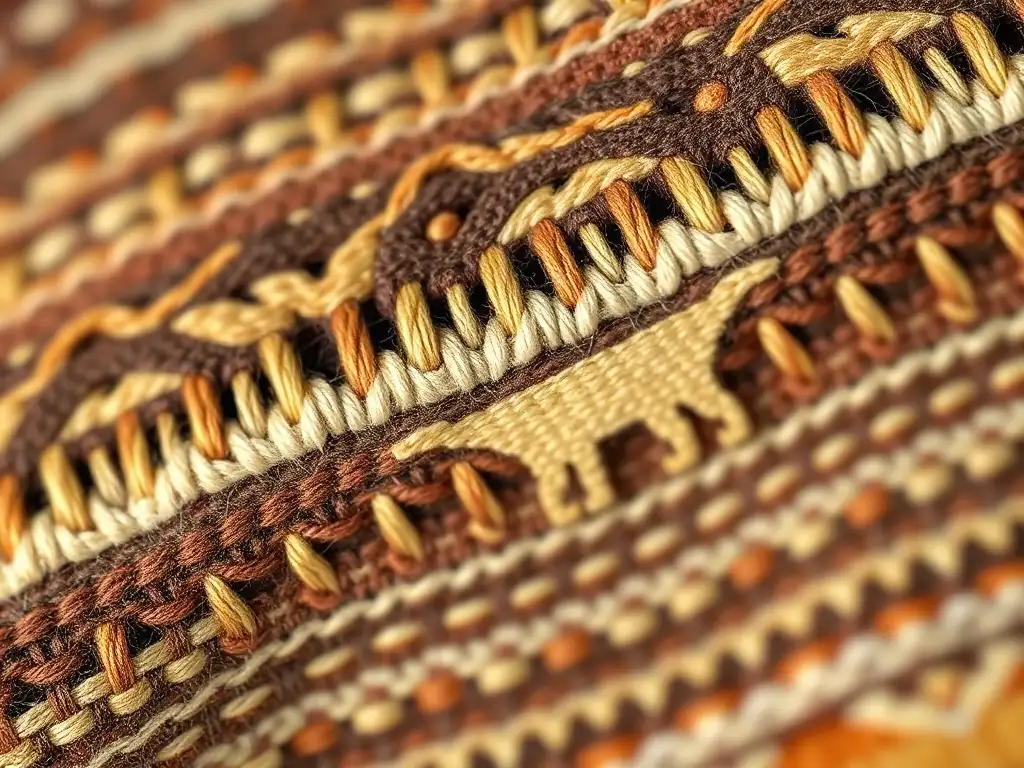
Andean textiles are renowned for their vibrant hues and intricate designs, but beyond their aesthetic appeal lies a complex system of color symbolism deeply rooted in the Andean worldview. The choice of color wasn't arbitrary; it conveyed specific meanings, social status, and spiritual beliefs, acting as a visual language woven into the very fabric of Andean society. Understanding this color symbolism provides invaluable insight into the rich tapestry of Andean culture and its enduring legacy.
Analyzing the palette of Andean textiles reveals a sophisticated understanding of color's power to communicate complex ideas across generations. The use of natural dyes, derived from plants, minerals, and insects, further emphasizes the connection between the Andean people and their environment. This section will delve into the symbolic meanings associated with several key colors prevalent in Andean weaving traditions.
The Importance of Red in Andean Weaving
Red, a powerful color across many cultures, held significant weight in Andean societies. Often obtained from cochineal insects, red symbolized blood, sacrifice, and fertility. In many Andean cultures, red was associated with the pachamama, or Mother Earth, representing her life-giving power and the cyclical nature of life and death.
Textiles featuring prominent red designs often indicated high social standing or connection to ritual practices. For example, red-dyed textiles were frequently used in ceremonies and worn by elite members of society, signifying their power and connection to the spiritual realm. The intensity of the red hue could also convey nuanced meanings; a deep, rich crimson might indicate a higher status than a lighter, more muted shade.
The strategic placement of red within a larger textile design further amplified its symbolic meaning, often acting as a focal point or highlighting key elements of the narrative depicted. The prevalence of red in ceremonial garments and burial textiles underscores its association with the sacred and the afterlife.
Yellow Hues: Symbolism of Gold and Sun in Andean Textiles
Yellow, a color often associated with gold and the sun, held immense religious and political significance in Andean cultures. The sun, a vital source of life and energy, was revered as a powerful deity. Yellow dyes, often derived from minerals like ochre, represented the sun's radiant energy, prosperity, and royal power.
Textiles featuring yellow designs were frequently associated with royalty, nobility, and religious leaders. The Inca, for example, were known for their elaborate use of yellow in royal garments and ceremonial objects, further emphasizing the sun's importance in their cosmology. Different shades of yellow could also convey varying levels of importance; a bright, golden yellow might signify the sun god himself, while a paler yellow could represent a connection to the sun's power in a less direct manner.
Furthermore, the combination of yellow with other colors created complex symbolic meanings, adding layers of interpretation to the overall textile design. The use of yellow in Andean textiles thus speaks volumes about the importance of the sun in their worldview and the social hierarchy associated with its symbolic representation.
Blue and Green: Depicting Nature and Water in Andean Textiles
Blue and green, often derived from plants like indigo and various lichen species, represent the vital elements of water and the fertile landscape in Andean art. These colors symbolize the life-sustaining properties of water, the abundance of the land, and the connection between humans and nature. Blue, in particular, frequently appears in representations of water sources, such as rivers and lakes, crucial for survival in the Andean highlands.
Green, on the other hand, signifies the fertility of the land and the growth of crops, reflecting the importance of agriculture in Andean societies. The combination of blue and green often evokes the imagery of lush valleys and fertile fields, highlighting the harmonious relationship between humans and their environment. The careful selection and placement of these colors in textiles often conveyed specific messages related to agricultural cycles, water management, and the overall well-being of the community.
The use of these colors wasn't simply decorative; it was a powerful way to communicate important messages about the natural world and its impact on Andean life. The subtle variations in shades of blue and green further enriched their symbolic meanings, reflecting the diversity of the Andean landscape and its varied ecosystems.
Andean Ceramics and the Use of Color
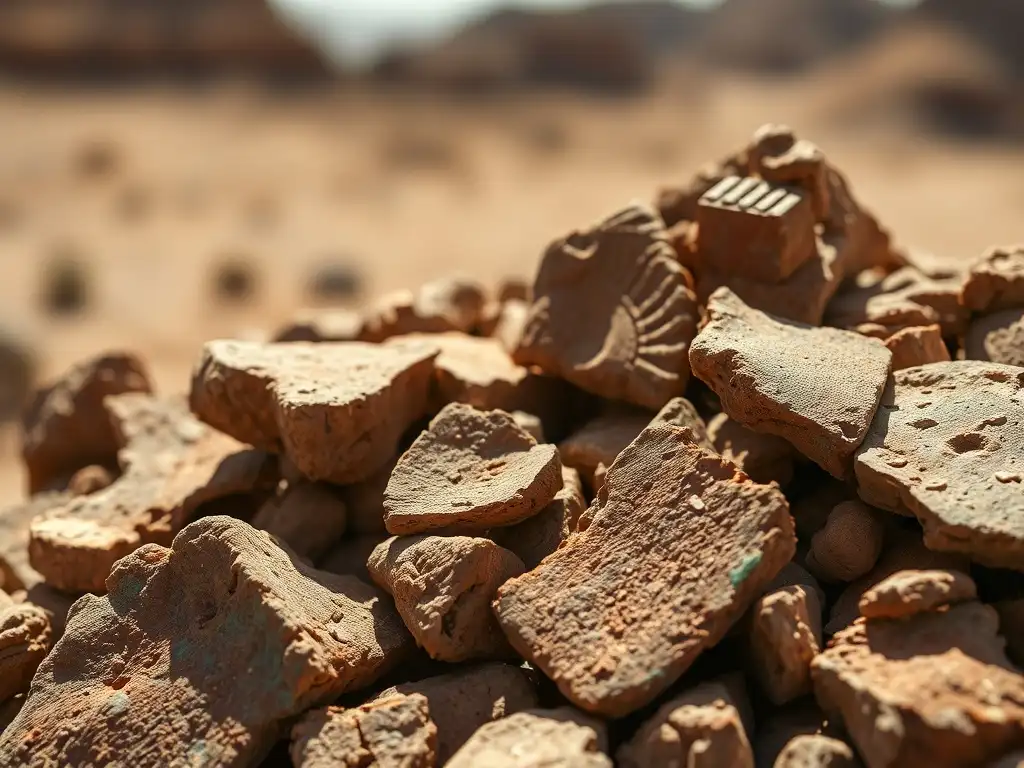
Andean art, particularly ceramics, is renowned for its vibrant and symbolic use of color. Understanding the color palette employed by ancient Andean cultures provides invaluable insight into their beliefs, social structures, and worldview. The careful selection and application of pigments wasn't merely aesthetic; it conveyed deep spiritual and social meaning, reflecting a sophisticated understanding of color symbolism.
This section will explore some key aspects of color usage in Andean ceramics, focusing on the techniques employed and the symbolic weight attributed to specific hues. The study of Andean art color symbolism reveals a complex system of visual communication that continues to fascinate researchers and art enthusiasts alike. Analyzing the pigments and their application offers a window into the technological prowess and artistic vision of these ancient societies.
Color Application Techniques in Andean Pottery
The creation of vibrant Andean pottery involved a meticulous process. Paints were typically derived from natural sources, including minerals, plants, and insects. For example, red pigments often came from hematite, while yellow hues were achieved using limonite or goethite. Black was frequently obtained from manganese oxides. The artisans skillfully prepared these pigments, grinding them into fine powders and mixing them with a binder, often a gum or clay-based medium.
The application techniques varied depending on the culture and period. Some cultures, like the Moche, utilized a slip—a thin layer of clay—to create a smooth surface before applying the paint. Others painted directly onto the pottery's surface. Paints were applied using brushes made from natural materials like animal hair or plant fibers. In some cases, negative space was utilized to create intricate designs, showcasing the artist's mastery of control and precision.
The final step often involved firing the pottery in a kiln to fix the colors permanently. The remarkable preservation of many Andean ceramic pieces is a testament to these sophisticated techniques. Understanding these methods illuminates the level of skill and expertise involved in producing these visually stunning artifacts. The precise control over pigment application allowed for incredibly detailed and nuanced designs, showcasing the artistry of Andean potters.
Black and White: Contrasting Elements in Andean Ceramic Designs
The contrasting use of black and white in Andean ceramic designs is particularly significant. Often appearing together, these colors weren't simply decorative choices; they represented a duality, possibly signifying opposing forces or complementary aspects of the Andean worldview. Black, associated with night, the underworld, and mystery, often represented powerful deities or supernatural forces. In some contexts, it symbolized death or fertility, mirroring the cyclical nature of life and death central to Andean cosmology.
White, conversely, could symbolize purity, light, and the celestial realm. It might represent the sun, the moon, or other celestial bodies, underscoring the Andean reverence for the cosmos. The juxtaposition of black and white created powerful visual effects, enhancing the symbolic meaning of the designs.
The careful balance between these two colors demonstrates the sophisticated artistic sensibilities and the symbolic depth embedded in Andean ceramic art. Further research into specific cultural contexts is needed to fully elucidate the nuanced meaning of these color combinations in different Andean traditions. For example, [specific information pending] regarding the symbolic use of black and white in Nazca pottery.
The Use of Terracotta and Cream in Moche Ceramics
Moche ceramics are instantly recognizable for their use of terracotta and cream colors. Terracotta, a warm reddish-brown, is frequently the base color, providing a rich backdrop for the intricate painted designs. This base color, derived from the clay itself, likely held symbolic significance, possibly linked to the earth, fertility, and the life-giving properties of the land.
Cream, a lighter, often yellowish hue, is often used in contrast to the terracotta, highlighting details or creating patterns. The combination of these two colors created a palette that was both visually appealing and symbolically rich. The use of cream might have represented the sun, or other aspects of the celestial sphere, mirroring the Moche's reverence for the cosmos. The precise shade of cream could even have varied, with subtle differences conveying different meanings.
Further investigation into the specific mineral composition of the pigments used in Moche ceramics could reveal more detailed insights into their symbolic use. The interplay between terracotta and cream, therefore, is not just an aesthetic choice but a carefully constructed visual language reflecting the Moche understanding of their world. The combination speaks to the importance of balance and harmony in their worldview.
The Meaning of Color in Andean Metalwork

The vibrant hues found in Andean metalwork weren't merely aesthetic choices; they held profound symbolic meaning, reflecting social hierarchies, religious beliefs, and cosmological understandings. Analyzing the color palettes employed across different Andean cultures reveals a complex system of coded communication, enriching our comprehension of their worldview and artistic practices. This section delves into the specific significance of various colors, focusing on their use in metal objects and the rituals they were associated with. The study of Andean art color symbolism offers valuable insights into the sophisticated societies that flourished in the Andes.
Color and Status in Andean Metal Objects
The use of color in Andean metal objects, particularly those made of gold, silver, copper, and their alloys, was directly linked to social status. For example, the Inca elite frequently wore elaborate gold ornaments, signifying their divine connection and power. The shimmering gold, representing the sun god Inti, was reserved for royalty and high-ranking officials. Silver, often associated with the moon and water, was also a significant material, but its use was less strictly controlled than gold. The color and quality of the metal itself became a visual marker of social standing within the Andean hierarchy.
We can see this clearly in surviving examples of Inca jewelry. Elaborate gold ear spools, intricately worked tumi ceremonial knives, and richly decorated breastplates were found exclusively in elite burials, while simpler copper or bronze items were found in the graves of commoners. This distinction highlights the deliberate use of color and material to visually reinforce social distinctions and the complex system of Andean social stratification.
Even the alloys used—such as tumbaga (a gold-copper alloy)—displayed variations in color depending on the proportions of metals, further reflecting nuanced social hierarchies. Further research into the metallurgical techniques used could help refine our understanding of this color-based social coding.
The Role of Gold and Silver in Andean Rituals
Gold and silver, beyond their symbolic association with the sun and moon, played crucial roles in Andean religious rituals. The bright, lustrous quality of gold was believed to capture the essence of the sun's energy and power. Its malleability allowed for intricate designs, often depicting deities, mythological creatures, and cosmological symbols. These gold objects, frequently used in ceremonies and sacrifices, acted as powerful conduits between the human and divine realms.
Silver, with its cooler, more reflective quality, was often associated with water, fertility, and the moon's cyclical power. Silver objects were used in rituals related to agriculture, healing, and ancestor veneration. The contrasting colors of gold and silver, when used together in a single object, likely represented the complementary forces of the sun and moon, day and night, male and female principles within the Andean cosmology.
The specific arrangement and interaction of these colors in ritual contexts could reveal further layers of meaning, necessitating more detailed analysis of archaeological findings. Detailed studies on the specific use of these metals in different ritual contexts are still needed to fully understand their complex symbolic interplay.
The Use of Turquoise and Lapis Lazuli in Tiahuanaco Metalwork
While gold and silver dominated Inca metalwork, the Tiahuanaco culture, which predates the Inca, utilized a broader range of colors, including turquoise and lapis lazuli. These vibrant blue stones, imported from distant regions, held immense symbolic value, associated with water, the sky, and divine power. Their incorporation into metalwork, often inlaid into copper or silver objects, added another dimension to the symbolic language of Andean art.
The use of turquoise and lapis lazuli in Tiahuanaco metalwork was often connected to their religious beliefs. The intense blue color was likely associated with the powerful deities and the sacred waters believed to sustain life. The meticulous craftsmanship involved in incorporating these precious stones into metal objects indicates their high value and symbolic significance.
Further research is needed to fully understand the specific iconography associated with these blue stones in Tiahuanaco art. The precise techniques used in their inlay and the specific contexts in which these objects were found could provide additional insights into their symbolic meanings within the Tiahuanaco worldview. Analysis of surviving examples and their associated burial contexts could shed more light on the specific roles these objects played within Tiahuanaco society and religious practices.
Color and Andean Ritual Practices
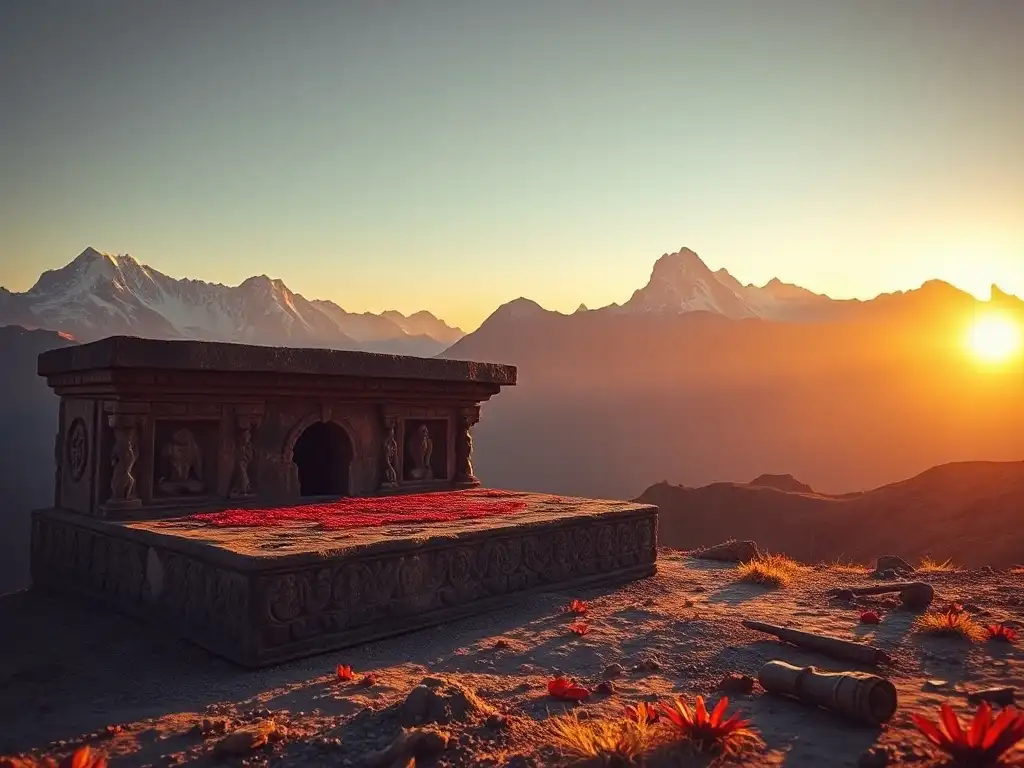
The vibrant hues found in Andean art weren't merely aesthetic choices; they were deeply interwoven with the spiritual and ritualistic life of these ancient cultures. Understanding the role of color in Andean rituals provides crucial insight into their worldview and societal structures. Color symbolism in Andean societies transcended mere decoration; it acted as a powerful communication tool, conveying complex meanings related to social status, religious beliefs, and cosmological concepts.
The choice of a specific color for a textile, a ceramic vessel, or a mural held significant implications, often dictating the context and purpose of the object. Careful analysis of surviving artifacts reveals a sophisticated system of color-coding that reflected the intricate relationship between the Andean people and their environment.
Further research into specific pigments and their sources could shed more light on the trade networks and economic systems that supported this vibrant artistic tradition. The availability of certain pigments may have also influenced the prevalent color palettes in different regions and time periods.
Color Symbolism in Andean Ceremonies
Andean ceremonies, often elaborate and multifaceted affairs, made extensive use of color symbolism. For instance, the use of red in Inca ceremonies often symbolized blood, sacrifice, and the sun's life-giving energy. This is evidenced by the prevalence of red textiles and adornments used during important religious festivals and royal processions. Conversely, white, associated with purity and fertility, was frequently employed in rituals related to agriculture and ancestor veneration.
The yellow pigment, often derived from minerals, might symbolize gold, the sun, or divine power, depending on the context. Specific colors were also associated with particular deities or spirits. For example, [specific deity and associated color pending] research into specific Andean pantheons and their iconography is needed to comprehensively illustrate this point.
The combination of colors also carried significant meaning. For instance, a combination of red and yellow might represent a powerful synthesis of solar energy and life force. Further research into specific ceremonial contexts is necessary to fully unlock the complex language of color in Andean rituals.
The Use of Color in Andean Religious Art
Religious art, including textiles, ceramics, and murals, served as a powerful medium for expressing and reinforcing Andean religious beliefs. The careful selection and application of colors in these works played a critical role in conveying symbolic meanings related to the cosmos, deities, and the afterlife. In Nazca pottery, for example, the use of a specific palette of colors—often vibrant reds, yellows, and blacks—was carefully chosen to depict specific narratives and religious themes.
The stylistic choices concerning color in Moche art often reflected the social standing of the depicted figures. Elite figures were frequently depicted with more elaborate and richly colored garments, while commoners were represented with simpler palettes. Similarly, the colors used in Tiahuanaco textiles, known for their intricate designs and weaving techniques, likely held specific religious significance, reflecting the cosmology and beliefs of this influential civilization.
A detailed analysis of the pigments used in these artworks, combined with an understanding of the cultural context, is crucial for unraveling the complex religious symbolism embedded within them. The use of specific color combinations, such as [specific combination and meaning pending], could reveal deeper insights into Andean religious beliefs.
The Significance of Scarlet and Violet in Inca Rituals
Scarlet and violet held particular significance within Inca rituals and iconography. Scarlet, a deep, rich red, was associated with the sun, power, and royalty. Inca royalty frequently wore scarlet garments, signifying their divine connection and authority. The use of scarlet in ceremonial textiles and objects further underscores its importance in Inca religious practices.
Violet, a rarer and more precious color, often symbolized divinity and the sacred realm. Its use was typically reserved for elite individuals and sacred objects, highlighting its elevated status within Inca society. The combination of scarlet and violet in Inca art often indicated a particularly potent symbolic union of earthly and divine power. The limited availability of violet pigments may also explain its selective use, underscoring its value and rarity.
Further research is needed into the specific sources of these pigments within the Inca empire to better understand the economic and logistical aspects of their use in ritual contexts. The precise techniques used to create and apply these colors, as well as their preservation over time, also present interesting avenues for future research. Analyzing surviving textiles and other artifacts for traces of these pigments could offer invaluable insights into Inca color technology and its symbolic significance.
The Legacy of Andean Color Symbolism
The vibrant hues characterizing Andean art weren't merely aesthetic choices; they were deeply embedded in the cosmology and worldview of these sophisticated civilizations. Understanding Andean art color symbolism unlocks a deeper appreciation for their rich cultural heritage and complex societal structures. Color held profound symbolic meaning, reflecting social status, religious beliefs, and the natural world's influence. This wasn't a random application of pigments; it was a deliberate and highly nuanced system of visual communication, meticulously crafted to convey specific messages across generations.
The legacy of this intricate color system persists even today, influencing contemporary art forms and inspiring modern interpretations. Analyzing the symbolic meanings behind these colors reveals a fascinating glimpse into the minds and beliefs of these ancient Andean peoples. The use of color was not arbitrary; it was a sophisticated system of communication integral to their culture and worldview.
Contemporary Andean Art and Color
Contemporary Andean artists continue to utilize the rich palette and symbolism of their ancestors. While modern materials and techniques may have evolved, the underlying significance of color remains largely intact. For example, the enduring prominence of red, often associated with blood, fertility, and power in pre-Columbian art, continues to resonate in contemporary works. Similarly, the use of earthy tones like ochre and brown, representing the land and connection to nature, persists across generations of artists.
However, modern interpretations sometimes blend traditional symbolism with contemporary social and political commentary. For instance, the incorporation of brighter, more artificial colors can represent the impact of globalization or express concerns about environmental issues, creating a dynamic interplay between tradition and modernity. This fusion of ancient symbolism with modern artistic expression enriches the Andean art narrative, showcasing the ongoing relevance of the color palette in contemporary artistic endeavors.
Preserving the Cultural Heritage of Andean Color Palettes
Preserving the knowledge of Andean art color symbolism is crucial for maintaining cultural continuity and understanding. Efforts are underway to document and catalog the vast range of colors and their associated meanings. Researchers meticulously study ancient textiles, pottery, and murals to decipher the complex code of colors. Ethnographic studies also play a vital role, recording the knowledge passed down through oral traditions and contemporary artistic practices.
Museums and cultural institutions hold significant responsibility in preserving these artifacts and sharing this knowledge with the broader public through exhibitions, educational programs, and research initiatives. Furthermore, digital archiving projects are increasingly important in safeguarding this delicate cultural legacy, ensuring accessibility for future generations of scholars and artists alike. The ongoing dedication to preserving these color palettes guarantees that the rich symbolic meanings continue to resonate and inspire.
The Influence of Andean Color in Modern Textile Design
The influence of Andean color palettes extends far beyond the realm of traditional Andean art. Modern textile designers draw inspiration from the vibrant hues and intricate patterns found in ancient Andean textiles. The bold geometric designs and the symbolic use of color are frequently incorporated into contemporary fashion and home décor. The revival of traditional dyeing techniques, using natural pigments derived from plants and minerals, further reinforces the connection to the ancient Andean practices.
This creative exchange between past and present not only celebrates the beauty of Andean art but also contributes to the economic empowerment of Andean communities involved in textile production. The enduring appeal of Andean colors demonstrates their timeless aesthetic quality and their capacity to enrich modern design aesthetics. The continued integration of these color palettes in contemporary textile design showcases the vibrant and enduring legacy of Andean artistic traditions.
Frequently Asked Questions
What is the significance of color in Andean art?
Andean art utilized color symbolically, reflecting spiritual beliefs and social structures. Different colors held specific meanings, varying slightly between cultures but often representing nature, deities, and power.
How did the Incas use color in their art?
Inca art frequently employed bright, vibrant colors, particularly red, yellow, and gold, to represent the sun, power, and royalty. Subtle color variations conveyed different meanings within specific contexts.
What colors were associated with deities in Andean cultures?
Color associations with deities varied across cultures. However, red often symbolized blood and sacrifice, while yellow and gold represented the sun and its power, and blue or green often represented water and fertility.
Did the symbolism of colors change across different Andean cultures?
While some color symbolism was shared, subtle differences existed between cultures. For example, the Moche's color palettes and symbolic meanings differed from those of the Nazca. Regional variations are crucial to understanding the full spectrum of Andean art.
Where can I learn more about Andean art color symbolism?
To delve deeper into this topic, explore academic journals, museum websites, and books dedicated to Andean civilizations and their art. The study of Andean art offers fascinating insights into their rich cosmology and worldview.
Final Reflection: Unveiling the Vibrant Soul of Andean Culture
The rich tapestry of Andean art, woven with threads of vibrant color, continues to resonate deeply in our contemporary world. Its symbolic language, far from being a relic of the past, offers a powerful lens through which to understand the enduring connection between humanity and nature, and the profound spiritual beliefs that shape our perceptions. The enduring power of these colors speaks volumes about the enduring strength of Andean culture.
The exploration of Andean color symbolism has been a journey of discovery, revealing not only the intricate meanings embedded within each hue but also the profound impact these artistic expressions have had on shaping cultural identity. The deliberate choices of color, the careful blending of pigments, all speak to a deep understanding of the cosmos and the interconnectedness of all things. Color is a power which directly influences the soul.
- Wassily Kandinsky. This quote, while not specifically about Andean art, perfectly encapsulates the emotional and spiritual weight carried by the carefully chosen palettes of Andean artists. Their work transcends mere aesthetics; it is a vibrant testament to a rich and enduring cultural heritage.
Consider the impact of color in your own life. How do colors evoke emotions, memories, and associations? Take a moment to reflect on the power of visual language and its ability to communicate complex ideas and emotions across cultures and time.
By understanding the symbolic meanings embedded within Andean art, we gain a deeper appreciation not only for this specific cultural tradition but also for the universal language of color and its capacity to connect us to something larger than ourselves. Let the vibrant legacy of Andean art inspire you to explore the symbolic power of color in your own world.
Unveil the Beauty of Andean Colors!
Thank you for exploring the vibrant world of Andean art with us! Discovering the symbolic meanings of the colors used in Andean art not only deepens your appreciation but also connects you to the rich traditions of these ancient civilizations. Now, let's take your exploration further!
Here are some ways to continue your journey:
- Create your own Andean-inspired artwork! Experiment with colors that resonate with you and share your creation on social media using #AndeanColors to join the conversation!
- Visit local museums and galleries. Seeing Andean art in person allows you to fully appreciate the role color plays in conveying stories and emotions.
- Join our online community! Connect with fellow enthusiasts at Andean Civilizations to share your insights and learn from others who are passionate about Andean culture.
What colors most resonate with you, and how do you think they reflect your own experiences and beliefs? Share your thoughts in the comments below!