
The Art of the Andes: Mastering the Complex Techniques of Textile Creation

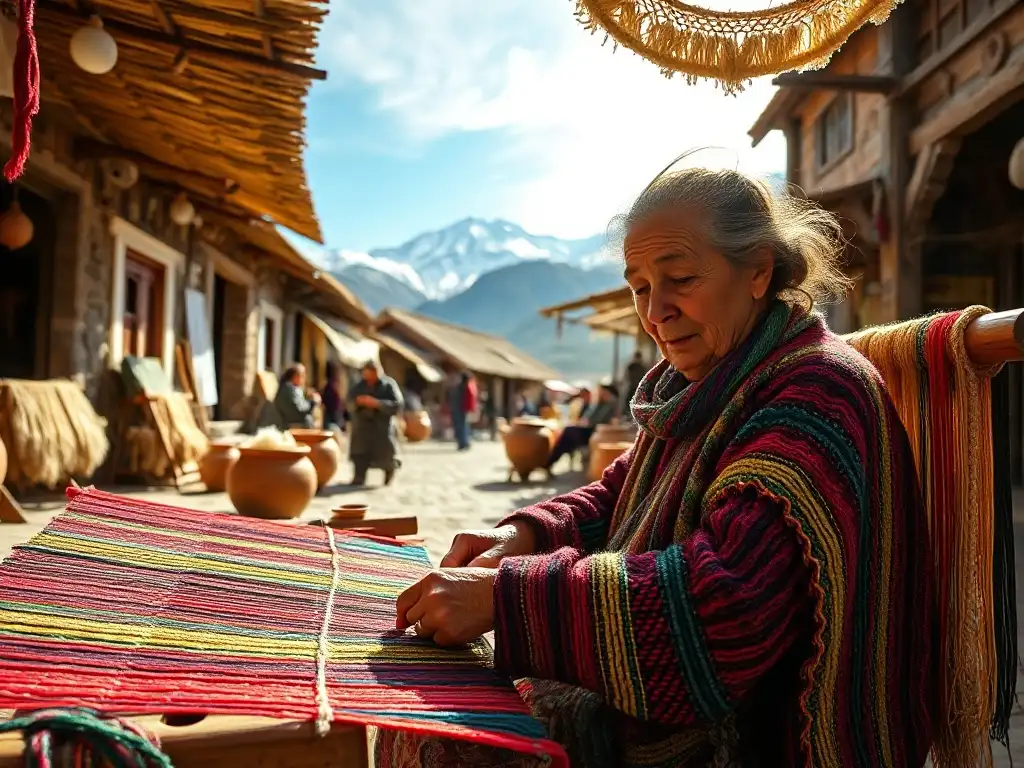
Unravel the mysteries woven into the very fabric of the Andes! Prepare to be captivated by the intricate artistry and ingenious techniques behind Andean textile creation. From the vibrant threads of the Incas to the mesmerizing designs of the Nazca, discover a world of ancient skill and symbolism that will leave you breathless. Journey with us as we explore the fascinating story behind these remarkable creations – a legacy that continues to inspire awe centuries later.
The Andes Mountains, a spine of towering peaks running down the western coast of South America, are not only a breathtaking geographical marvel but also the cradle of remarkably sophisticated civilizations. For millennia, Andean cultures—including the Incas, Moche, Nazca, and Tiahuanaco—developed intricate and innovative techniques in various artistic expressions. Among these, textile creation stands out as a testament to their ingenuity, artistry, and deep connection to their environment.
This article delves into the fascinating world of Andean textile creation techniques, exploring the complex processes, symbolic meanings, and enduring legacy of these remarkable artifacts. We will examine the diverse weaving traditions across different Andean cultures, revealing the mastery and artistry involved in producing these captivating textiles.
Understanding these techniques provides invaluable insight into the social structures, beliefs, and daily lives of these ancient societies, enriching our appreciation for their cultural achievements and artistic prowess. Prepare to be amazed by the ingenuity and skill involved in the creation of these breathtaking textiles – a true reflection of the rich tapestry of Andean civilization.
Introduction to Andean Textile Art and its Significance
Andean textile art is far more than just clothing; it's a powerful form of visual communication, a repository of cultural knowledge, and a testament to the sophisticated technological capabilities of ancient Andean societies. Textiles served numerous purposes, from everyday garments and household items to ceremonial robes and intricate tapestries used in religious rituals. The vibrant colors, intricate designs, and diverse techniques employed reflect a deep understanding of natural dyes, fiber preparation, and weaving methods.
The creation of textiles was not merely a craft but a highly valued skill, often associated with prestige and social status. Many textiles incorporated symbolic motifs representing deities, mythical creatures, and important events, providing invaluable insights into Andean cosmology and worldview.
The enduring quality of many surviving textiles is a testament to the skill and care invested in their creation, allowing us to connect with the artistry and ingenuity of past generations. The study of Andean textile art offers a unique window into the rich tapestry of Andean culture, revealing a complex society with a profound appreciation for art and craftsmanship.
Pre-Columbian Andean Weaving Traditions
Pre-Columbian Andean weaving traditions were incredibly diverse, varying significantly across different cultures and regions. The techniques employed were remarkably sophisticated, reflecting centuries of experimentation and refinement. Several key aspects characterized these traditions:
- Fiber Selection: Andean weavers utilized a wide range of fibers, including cotton, alpaca, llama, and vicuña wool. The choice of fiber often depended on the intended use of the textile, with finer fibers reserved for ceremonial garments and elite individuals. The quality of the fiber and the skill in its preparation directly impacted the final product's texture and appearance.
- Dyeing Techniques: The vibrant colors found in Andean textiles were achieved through a complex process involving natural dyes derived from plants, minerals, and insects. These dyes were often painstakingly prepared and applied, resulting in a wide range of hues and shades. The permanence and brilliance of many of these dyes are truly remarkable, with some textiles retaining their vibrant colors for centuries. The knowledge of these dyeing techniques was carefully guarded and passed down through generations.
- Weaving Techniques: Andean weavers mastered a variety of weaving techniques, including plain weave, tapestry weave, and brocade. They were skilled in creating intricate patterns and designs, often incorporating symbolic motifs and geometric shapes. Some techniques, such as the backstrap loom, required exceptional skill and dexterity, highlighting the advanced weaving capabilities of Andean artisans. The complexity of the designs and the precision of the weaving are truly astonishing.
- Iconography and Symbolism: The designs incorporated into Andean textiles were not arbitrary; they often carried deep symbolic meaning, representing deities, animals, plants, and celestial bodies. These motifs provided a visual language that communicated important cultural beliefs and social structures. The interpretation of these symbols requires careful consideration of the cultural context and the specific characteristics of the design. Understanding the iconography of Andean textiles significantly enriches our appreciation of their artistic and cultural significance.
The study of pre-Columbian Andean weaving traditions provides a compelling glimpse into the ingenuity, artistry, and cultural complexity of these remarkable civilizations. The enduring legacy of these textiles continues to inspire and amaze, offering a powerful connection to the past. Further research into specific regional variations and the evolution of weaving techniques over time will continue to expand our understanding of this fascinating aspect of Andean culture.
Andean Textile Creation Techniques: A Deep Dive
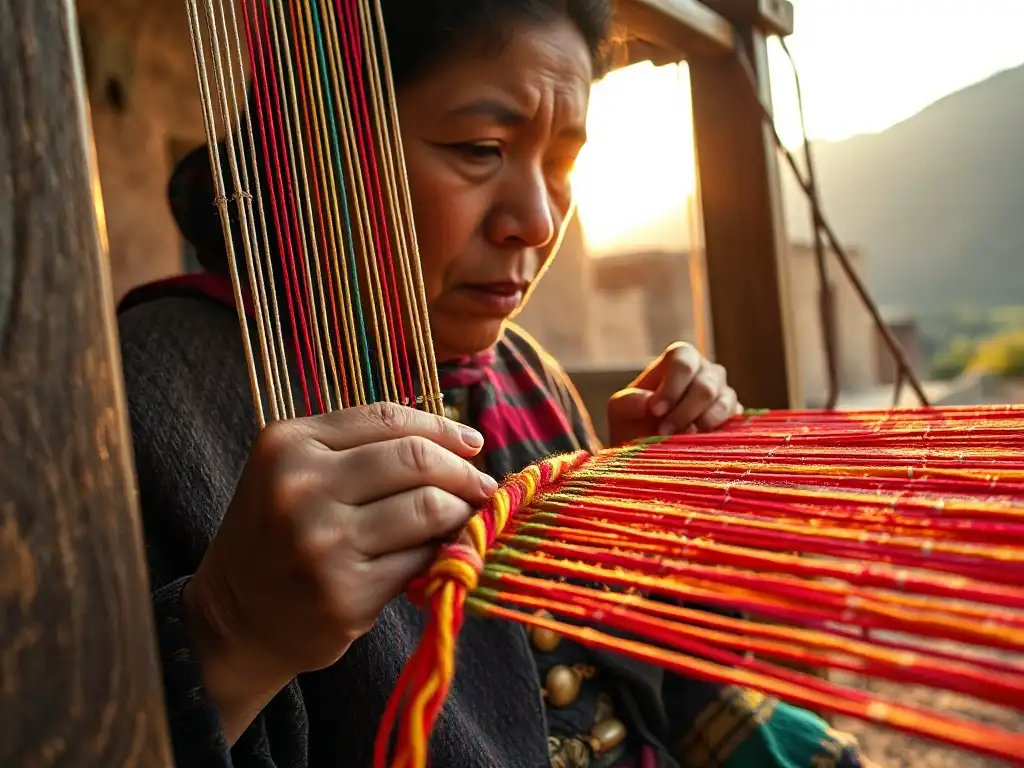
This section delves into the intricate and sophisticated techniques employed by Andean civilizations in textile creation, showcasing the ingenuity and artistry behind their remarkable textiles. Understanding these techniques reveals a deep connection between the Andean people and their environment, a relationship reflected in the choice of fibers, the complexity of the weaving methods, and the symbolic meanings embedded within the designs. The mastery of these techniques contributed significantly to the rich cultural tapestry of the Andes.
Fiber Preparation: From Alpaca to Cotton
The journey of Andean textile creation begins with the meticulous preparation of the fibers. Andean artisans skillfully transformed raw materials into threads suitable for weaving, a process reflecting both practicality and aesthetic sensibility.
Andean Fiber Selection and Processing
Andean civilizations utilized a diverse range of fibers, each chosen for its specific qualities. Alpaca and llama wool were prized for their softness, warmth, and vibrant natural colors. Vicuña, a rarer and even finer fiber, was reserved for elite garments. Cotton, cultivated in warmer regions, provided a lighter and more durable option. The selection of fiber directly reflected the social status of the wearer and the intended use of the textile.
The processing of these fibers involved several stages. First, the fleece was carefully sheared or collected. Then, it underwent a rigorous cleaning process involving washing, carding (separating and aligning the fibers), and combing to remove impurities and create a smooth, even strand. This meticulous preparation was crucial for producing high-quality yarn and ensuring the longevity of the finished textile. The specific techniques varied depending on the fiber type and the desired outcome. For instance, alpaca wool, known for its softness, required gentler handling than the coarser llama fiber.
Techniques for Spinning Andean Fibers
Spinning the prepared fibers into yarn was another crucial step, requiring significant skill and patience. Andean artisans employed a variety of hand-spinning techniques, often using a spindle whorl – a weighted disc attached to the spindle – to control the twist and tension of the yarn. The speed and rhythm of the spinning determined the thickness and consistency of the yarn, influencing the final texture and drape of the fabric.
Different fiber types required adjustments to the spinning technique, with finer fibers demanding a slower, more delicate approach. The resulting yarns showcased a remarkable range of textures and thicknesses, contributing to the diversity and richness of Andean textiles. For example, the incredibly fine vicuña yarn allowed for the creation of exquisitely delicate fabrics.
Weaving Methods in Andean Textiles
The weaving techniques employed by Andean cultures were equally sophisticated, demonstrating a mastery of complex patterns and structures. The tools and techniques used varied across different regions and time periods, reflecting the diverse cultural landscape of the Andes.
The Backstrap Loom: A Fundamental Andean Tool
The backstrap loom is arguably the most iconic tool in Andean textile production. This portable loom, consisting of a warp (lengthwise threads) stretched between a backstrap and a fixed post, allowed weavers to work virtually anywhere. The weaver's body and the backstrap provided the tension necessary for weaving. The simplicity of the backstrap loom belied its versatility.
It enabled the creation of a wide range of textiles, from simple cloths to intricate tapestries. The mastery of this seemingly simple tool required years of practice and a deep understanding of the principles of weaving. The backstrap loom remains an integral part of Andean textile traditions to this day, showcasing the enduring legacy of this ancient technology.
Understanding Andean Weaving Patterns and Structures
Andean weaving patterns are far more than mere decoration; they are rich repositories of cultural and symbolic meaning. Geometric designs, often incorporating intricate motifs like stepped frets, zigzags, and spirals, frequently represented cosmological concepts, social structures, or religious beliefs. The use of color also held significant symbolic weight, with specific hues associated with particular deities, events, or social groups.
Furthermore, the structural elements of the textiles, such as the type of weave (plain weave, twill, etc.) and the density of the fabric, contributed to their overall aesthetic and functionality. Analyzing these patterns and structures offers invaluable insights into the worldview and social organization of Andean civilizations.
Advanced Weaving Techniques: Tapestry, Brocade, and Double Cloth
Beyond the basic plain weave, Andean artisans mastered sophisticated techniques like tapestry, brocade, and double cloth. Tapestry weaving involved interweaving different colored threads to create detailed images and patterns on the fabric's surface. Brocade, a more complex technique, involved the use of supplementary weft threads to create raised patterns, adding texture and visual depth.
Double cloth weaving, in which two layers of fabric are woven simultaneously, allowed for the creation of reversible textiles and intricate designs that were visible on both sides. These advanced techniques showcase the exceptional skill and artistry of Andean weavers, highlighting their ability to manipulate the fibers to create visually stunning and functionally diverse textiles. The complexity of these techniques is a testament to the high level of technical expertise achieved by Andean artisans.
Dyeing Processes in Andean Textile Art
Andean textile creation techniques were deeply intertwined with the natural world, and nowhere is this more evident than in their dyeing processes. The vibrant colors adorning their textiles weren't achieved through synthetic dyes, but rather through meticulous extraction and application of natural pigments sourced from plants, insects, and minerals found throughout the diverse Andean landscape. This practice wasn't merely functional; it held profound symbolic and ritualistic significance, deeply embedded within their worldview.
The mastery of dyeing techniques was a highly valued skill, passed down through generations, ensuring the continuity of this rich cultural heritage. The resulting textiles weren't just clothing or adornment; they were living expressions of their connection to the earth and their spiritual beliefs.
Natural Dyes: Sources and Extraction in the Andes
The Andes Mountains provided a breathtaking palette of natural dyes. Plants like the tarwi (Lupinus mutabilis) yielded yellows and browns, while various species of cacti offered reds and purples. The cochineal insect, Dactylopius coccus, cultivated on prickly pear cacti, was a prized source of brilliant crimson hues, highly valued for its intensity and longevity. Minerals, too, played a significant role.
Ochres and clays provided earthy tones, while certain metallic oxides contributed vibrant blues and greens. The extraction methods varied depending on the source. Plants were often boiled to release their pigments, while insects were crushed and processed to extract their valuable dyes.
The knowledge of which plants to use, when to harvest them for optimal color yield, and the precise extraction methods were closely guarded secrets, passed down within families and communities. The precise ratios and techniques used to extract these dyes were often carefully preserved, contributing to the unique characteristics of each textile. This intricate knowledge system, passed down through generations, ensured the continued production of these stunning, naturally dyed textiles.
Mordanting Techniques for Lasting Color
Achieving vibrant and lasting colors in natural dyes required more than just the pigment itself. The Andean artisans mastered the art of mordanting – a process of treating the fibers before dyeing to improve the dye's adhesion and prevent fading. This involved using various substances, such as tannins from tree bark (like the quebracho tree), alum (a potassium aluminum sulfate mineral), or even certain clays, to modify the fiber’s surface, creating a better bond with the dye molecules.
The choice of mordant would often be influenced by the type of dye being used and the desired color intensity. For example, different mordants would produce different shades of red when used with cochineal. The precise application of the mordant, its concentration, and the duration of the treatment were all crucial factors determining the final color and its fastness.
The Andean artisans' deep understanding of these processes allowed them to create textiles with remarkable colorfastness, ensuring that the vibrant hues would endure for generations. The meticulous attention to detail in mordanting showcases the advanced knowledge and technical skill of Andean textile artisans.
Andean Dyeing Methods and Color Symbolism
Andean dyeing methods were not merely technical processes; they were deeply imbued with symbolic meaning. Colors held profound significance, often representing specific deities, events, or social status. Red, for instance, was often associated with blood, sacrifice, and the sun, while yellow symbolized gold, royalty, and the maize god.
Blue, frequently obtained from indigo, could represent the sky or water. The intricate patterns and the specific colors used in a textile conveyed rich layers of meaning, reflecting the wearer's social standing, religious beliefs, or even specific events in their life. This symbolic language of color and pattern was a sophisticated form of communication, woven into the very fabric of Andean society.
The careful selection of dyes and patterns demonstrated the artisan's skill and understanding of this complex system of meaning, transforming simple cloth into powerful expressions of Andean culture and spirituality. The enduring legacy of Andean textile art lies not only in its technical mastery but also in its profound symbolic depth.
Specific Andean Textile Traditions and Techniques
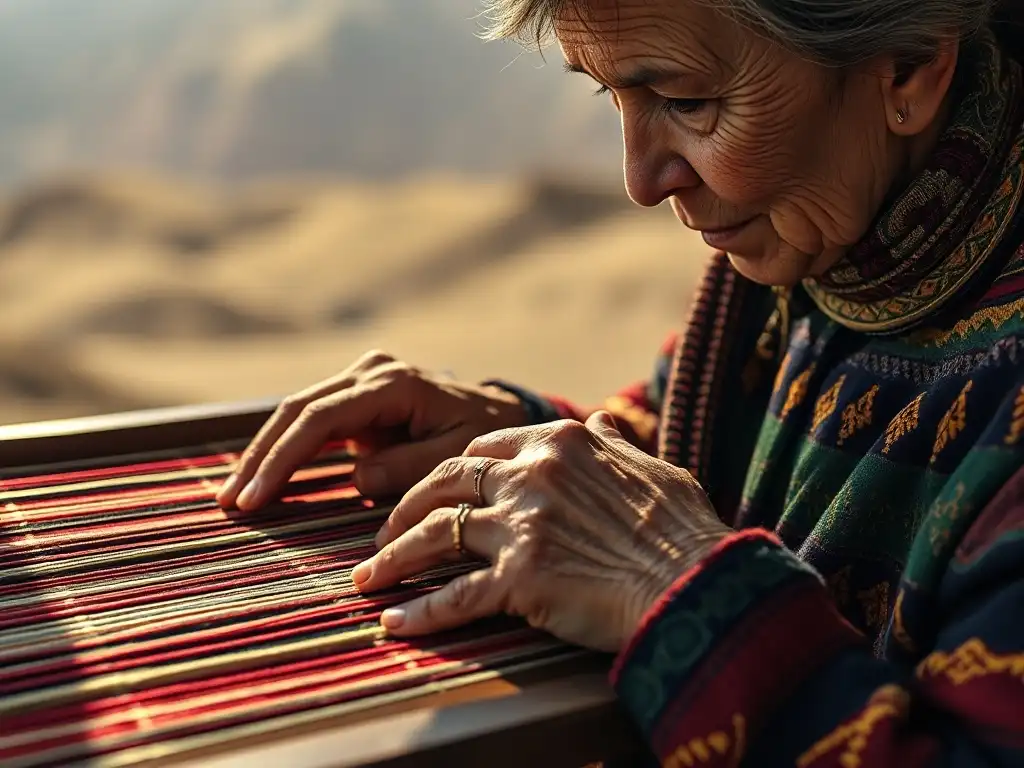
This section delves into the unique textile traditions and techniques employed by various Andean cultures, showcasing the remarkable artistry and ingenuity of these ancient societies. We will explore the distinct styles, materials, and processes used in textile creation, highlighting the cultural significance embedded within each piece. Understanding these techniques provides crucial insight into the social structures, beliefs, and artistic achievements of the Andean civilizations. The mastery of these techniques represents a significant aspect of Andean textile creation techniques.
The Textile Art of the Paracas Culture: Elaborate Embroideries
The Paracas culture (circa 800-100 BCE), inhabiting the southern coast of Peru, is renowned for its incredibly intricate and vibrant textiles. Their mastery of embroidery, particularly in funerary contexts, is unparalleled in Andean art. The sheer scale and complexity of their work, coupled with the vibrant colors and fine detail, set them apart. These textiles aren't simply clothing; they're complex narratives woven into fabric, reflecting the worldview and cosmology of the Paracas people. The sophisticated Andean textile creation techniques used by the Paracas involved a level of skill and artistry that continues to amaze researchers today.
Paracas Necropolis Textiles and their Complex Designs
Textiles from the Paracas Necropolis are particularly striking. These elaborate shrouds, often covering multiple mummies bundled together, feature densely embroidered scenes depicting mythical beings, stylized animals, and intricate geometric patterns. The designs are often highly symbolic, representing concepts of fertility, life, death, and the cosmos.
Researchers have cataloged thousands of unique motifs, suggesting a sophisticated system of iconography and a deep understanding of symbolic representation. Analyzing these designs offers a window into the Paracas worldview and their understanding of the world around them. The intricate Andean textile creation techniques involved in producing such complex designs are testament to the culture's advanced skills.
Paracas Embroidery Techniques and Materials
Paracas artisans employed a variety of embroidery techniques, including surface embroidery, appliqué, and tapestry weaving. They utilized a wide range of materials, including cotton, camelid fibers (alpaca and llama), and various plant-based dyes. The dyes, derived from natural sources, produced remarkably vibrant and long-lasting colors, a testament to their advanced knowledge of plant chemistry.
The fine detail achieved in their embroidery, often involving thousands of individual stitches per piece, showcases an exceptional level of skill and patience. The precision and consistency in their work are astonishing, reflecting a high degree of standardization and training within the Paracas textile workshops. The development of such sophisticated Andean textile creation techniques required generations of expertise and innovation.
Nazca Textiles: Geometric Designs and Natural Dyes
The Nazca culture (circa 100 BCE – 800 CE), also located on the southern coast of Peru, is known for its distinctive geometric textiles. While less elaborate in embroidery than the Paracas, Nazca textiles demonstrate a remarkable mastery of weaving techniques and the use of natural dyes. Their textiles, often fragments found in tombs, showcase a sophisticated understanding of color theory and geometric design.
The precision and repetition in their patterns are striking, reflecting a deep appreciation for order and symmetry. These textiles, like those of the Paracas, offer crucial insights into Nazca society and beliefs, highlighting another facet of the complex spectrum of Andean textile creation techniques.
Nazca Textile Patterns and Symbolism
Nazca textile patterns frequently incorporate geometric motifs such as triangles, trapezoids, and stepped figures, often arranged in complex and repetitive sequences. These designs are believed to have symbolic meanings, although their precise interpretations remain a topic of ongoing research. Some scholars suggest that these patterns represent celestial events, agricultural cycles, or clan affiliations.
The use of specific colors and combinations of colors may also have held symbolic significance, reflecting a rich and nuanced system of visual communication. Further research is needed to fully decipher the complex symbolism embedded within Nazca textiles, showcasing the continuing relevance of Andean textile creation techniques as a research subject.
Nazca Dyeing and Weaving Techniques
The Nazca people were masters of natural dyeing, using a wide range of plants and minerals to create a vibrant palette of colors. Their weaving techniques were equally sophisticated, employing various structures like plain weave, tapestry weave, and brocade to create complex and textured fabrics. The precision and consistency in their weaving, coupled with the vibrancy of their dyes, resulted in textiles of exceptional quality and beauty.
The Nazca's mastery of these Andean textile creation techniques highlights their advanced understanding of both artistic and technological processes, leaving a lasting legacy in the history of Andean art. The study of these techniques continues to inspire contemporary textile artists and researchers alike.
Wari Textiles: A Fusion of Styles and Techniques
The Wari civilization (600-1000 CE), a powerful pre-Inca empire in the central Andes, left behind a remarkable legacy in textile production. Their textiles represent a fascinating blend of techniques and styles, drawing inspiration from earlier traditions while forging their own distinct aesthetic. Wari textiles are characterized by their vibrant colors, intricate designs, and the masterful use of various weaving techniques.
Unlike some earlier Andean cultures that focused on highly stylized representations of animals or deities, Wari textiles show a greater diversity of motifs, including geometric patterns, stylized figures, and even seemingly abstract designs. This suggests a more complex social and symbolic system reflected in their cloth production. The use of multiple colors, often in complex patterns, points to advanced dyeing techniques and a sophisticated understanding of color theory.
The textiles were not only used for clothing but also for ceremonial purposes and possibly even as a form of tribute or exchange within their expansive empire. The sheer volume of Wari textiles discovered in archaeological sites indicates a large-scale production system, hinting at specialized workshops or a highly organized textile industry. The quality and complexity of the textiles also suggest a high level of skill and artistry among Wari weavers.
Wari Textile Production and Influence
The production of Wari textiles was likely a highly organized endeavor. Evidence suggests specialized workshops or even state-sponsored production centers. The consistent quality and stylistic elements found across various Wari sites indicate a degree of standardization in their production processes, though regional variations certainly existed. The Wari's mastery of textile techniques significantly influenced subsequent Andean cultures, particularly the Inca. The use of specific dyes, weaving structures, and design motifs can be traced from Wari textiles to later Inca examples, demonstrating the enduring impact of their textile traditions. Analyzing the distribution of Wari textiles across their vast empire provides insights into their trade networks and political organization. The presence of similar textile styles in geographically distant locations suggests a system of exchange and communication that facilitated the spread of Wari textile techniques and designs. This widespread dissemination highlights the significant cultural and technological influence of the Wari on the Andean region.
Wari Tapestry Weaving Techniques
Wari weavers were particularly skilled in tapestry weaving, a complex technique that involves creating intricate designs by interweaving differently colored threads. This technique allowed for the creation of highly detailed and visually striking textiles. The precision and intricacy of Wari tapestry weaving demonstrate a high level of technical expertise and artistic skill.
Analysis of surviving examples reveals the use of various weft techniques, including plain weave, brocade, and supplementary weft, often combined to create a rich tapestry of textures and designs. The careful selection of colors and the skillful manipulation of threads allowed Wari weavers to create stunning visual effects, achieving a level of sophistication rarely seen in other contemporary Andean textile traditions.
The detailed designs found in Wari tapestries often include stylized representations of animals, humans, and geometric patterns, reflecting the complex iconography of their culture. Further research into Wari tapestry techniques could unlock further understanding of their social organization and beliefs.
Inca Textiles: Standardization and Imperial Craftsmanship
Inca textiles represent the pinnacle of Andean textile artistry. The Inca empire (1438-1533 CE), known for its sophisticated administrative system and imperial control, also implemented a highly organized and standardized textile production system. This standardization, while ensuring consistency in quality and style, also allowed for the creation of massive quantities of textiles to meet the needs of the vast empire. Inca textiles served a multitude of functions, from clothing for the elite and commoners to ceremonial garments, tapestries, and even textiles used in mummification rituals.
The quality of Inca textiles was exceptionally high, reflecting the advanced technological skills and artistic sensibilities of Inca weavers. The use of fine fibers, intricate weaving techniques, and vibrant dyes resulted in textiles of unparalleled beauty and durability. Their distinctive style, characterized by geometric patterns and symbolic motifs, served as a powerful tool for expressing imperial authority and cultural identity.
Inca Textile Production and Organization
Inca textile production was a highly organized and centralized activity. Evidence suggests the existence of specialized workshops, often located near major administrative centers, where skilled weavers worked under the supervision of state officials. The Inca state controlled access to raw materials, such as alpaca and vicuña wool, and regulated the production and distribution of textiles.
This strict control not only ensured the quality of the textiles but also served as a means of economic and social control. The standardization of textile designs and techniques further reflects the Inca’s emphasis on order and uniformity. Specific patterns and colors were often associated with particular social groups or occasions, and the use of textiles became a key element of Inca social hierarchy and ritual.
Archaeological evidence from Inca sites reveals extensive workshops and storage facilities, indicating a large-scale production system capable of supplying the vast Inca empire with textiles for various needs. This sophisticated organization was key to the empire's success and cultural influence.
Inca Weaving and Dyeing Techniques
Inca weavers mastered a wide range of weaving techniques, including tapestry, brocade, and supplementary weft. They were also highly skilled in dyeing techniques, using natural dyes derived from plants, insects, and minerals to achieve a wide range of vibrant colors. The intricate designs and complex color palettes of Inca textiles reflect a deep understanding of both weaving and dyeing processes.
The precision and consistency of Inca textiles indicate a highly skilled workforce, trained and overseen by experts. The use of fine, high-quality fibers, such as alpaca and vicuña wool, further contributed to the exceptional quality of Inca textiles. The Inca's mastery of dyeing techniques allowed them to create incredibly durable and long-lasting colors.
Many Inca textiles have survived for centuries, a testament to the quality of their materials and craftsmanship. The study of Inca weaving and dyeing techniques provides valuable insights into the technological and artistic achievements of this remarkable civilization, demonstrating their sophisticated understanding of textile production and its cultural significance.
The Enduring Legacy of Andean Textile Techniques
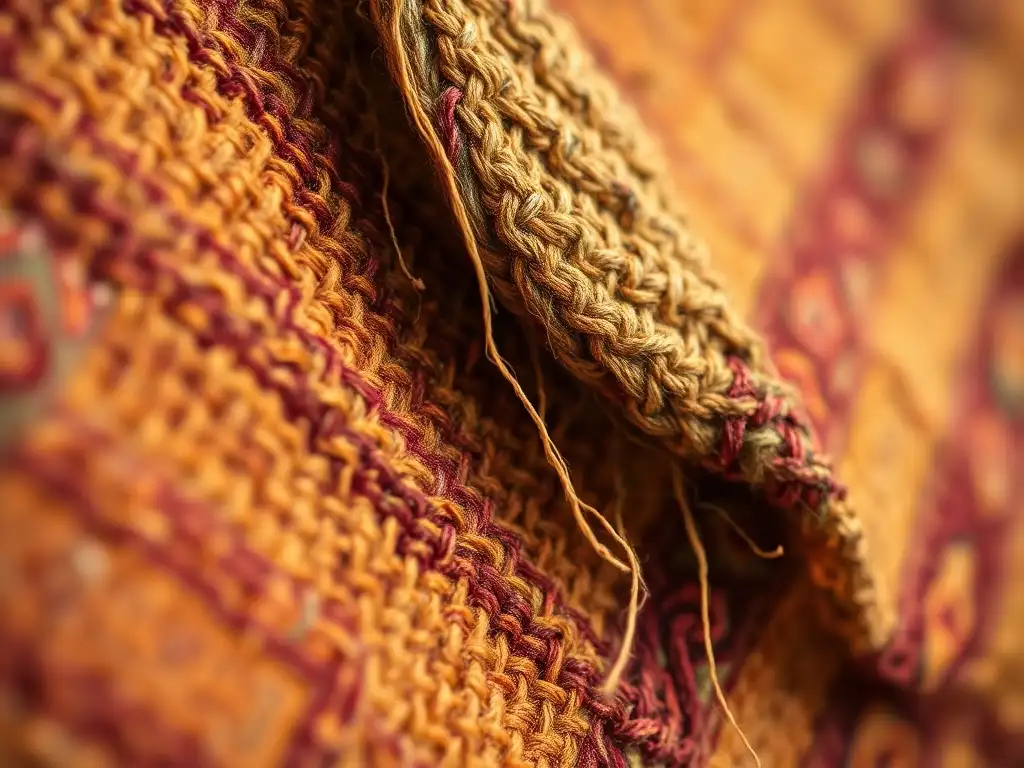
The art of Andean textile creation represents a remarkable continuity, spanning millennia and demonstrating an astonishing mastery of diverse techniques. From the pre-Inca cultures to the present day, Andean peoples have perfected methods of spinning, dyeing, and weaving that remain both innovative and deeply rooted in tradition. This enduring legacy is a testament to the ingenuity and resilience of Andean communities, who have adapted and refined their textile practices across generations, demonstrating a profound connection to their ancestral heritage and environment.
The intricate designs and vibrant colors tell stories of cosmology, social structures, and daily life, making Andean textiles invaluable sources for understanding the rich tapestry of Andean civilization. The keyword "Andean textile creation techniques" is central to understanding this enduring artistic achievement, encompassing a vast range of skills and knowledge passed down through oral traditions and practical apprenticeship.
Contemporary Andean Textile Art and its Inspirations
Contemporary Andean textile art thrives, drawing inspiration from the rich tapestry of ancestral techniques while embracing modern aesthetics and functionalities. While maintaining traditional methods like backstrap loom weaving and natural dyeing with plant-based pigments, contemporary artisans often incorporate new materials and designs, reflecting a dynamic interplay between tradition and innovation. For example, some artisans integrate modern fibers like alpaca or llama wool blends with traditional cotton, resulting in textiles with enhanced durability and softness.
Others incorporate contemporary designs inspired by global trends while retaining the core symbolic elements and weaving styles of their ancestors. This vibrant scene showcases the adaptability and resilience of Andean textile traditions, ensuring their continued relevance and appeal in the 21st century. The evolution of Andean textile creation techniques is far from static; it is a living tradition, continuously evolving and adapting to the changing times.
Preservation and Transmission of Andean Weaving Knowledge
The preservation and transmission of Andean weaving knowledge are crucial for maintaining this invaluable cultural heritage. Efforts to safeguard these techniques involve a multifaceted approach encompassing:
- Formal education: Weaving schools and workshops provide structured learning environments, teaching both traditional and contemporary techniques.
- Community-based initiatives: Many communities actively preserve their weaving traditions through family-based apprenticeships and collective workshops.
- Documentation and archiving: Detailed documentation of techniques, designs, and symbolic meanings helps preserve this knowledge for future generations. This includes photographic records, written descriptions, and even video tutorials.
- Museums and cultural centers: These institutions play a vital role in showcasing and preserving Andean textiles, educating the public, and promoting awareness of their cultural significance.
The success of these preservation efforts hinges upon the active participation of Andean communities, who remain the custodians of this invaluable cultural legacy. The future of Andean textile creation techniques depends on the continuous investment in these initiatives and the recognition of weaving as a vital component of Andean identity. The challenge is to balance the preservation of traditional practices with the need for adaptation and innovation to ensure the continued vitality of this art form.
The Cultural Significance of Andean Textiles
Andean textiles are far more than mere articles of clothing or decoration; they are powerful symbols imbued with deep cultural meaning. Their intricate designs often represent:
- Cosmological beliefs: Patterns and colors reflect Andean cosmologies, embodying representations of the celestial bodies, mountains, and other elements of the natural world. For instance, specific colors might symbolize the sun, the earth, or water.
- Social status: The complexity of designs, the quality of materials, and the weaving techniques often reflected the social status of the wearer.
- Ritual practices: Textiles played a significant role in various rituals, ceremonies, and offerings. Specific designs were associated with different deities or events.
- Narrative storytelling: Many textiles depict scenes from Andean mythology, history, or daily life, creating visual narratives that transmit cultural knowledge across generations.
The rich symbolism embedded within Andean textiles offers invaluable insights into the worldview, social structures, and religious beliefs of Andean societies. Careful analysis of these intricate designs can reveal much about the past and provide a deeper understanding of the complex cultural tapestry of the Andes. The study of Andean textile creation techniques therefore offers a unique window into the hearts and minds of the Andean people, revealing a history woven into the very fabric of their existence. The vibrant colors and intricate patterns are not merely aesthetic; they are potent symbols of a rich and enduring cultural heritage.
Frequently Asked Questions
What makes Andean textile creation techniques so unique?
Andean textile techniques are unique due to their complex weaving styles, including double-faced weaving and ikat, producing intricate designs. They also utilized a wide variety of natural dyes from plants and minerals.
What materials did Andean cultures use for their textiles?
Andean textiles primarily used alpaca, llama, vicuña, and guanaco fibers. Cotton was also important in warmer coastal regions. The quality of the fiber and the spinning techniques were crucial to the final product's quality.
How did Andean weavers create such intricate designs?
The intricate designs were achieved through a variety of techniques including backstrap loom weaving, ikat dyeing, and complex supplementary weft techniques. Planning and precision were essential elements of the process.
What role did textiles play in Andean society?
Textiles played a vital role, representing social status, religious beliefs, and identity. They were used for clothing, ceremonial objects, and trade. The creation and use of textiles were deeply connected to Andean cosmology.
Where can I learn more about Andean textile creation techniques?
You can explore museums featuring Andean artifacts, academic journals, and books dedicated to Andean textiles. Many online resources and cultural centers also offer information and workshops on this topic.
Final Reflection: Weaving a Legacy: The Enduring Power of Andean Textiles
The intricate artistry of Andean textile creation isn't merely a historical artifact; it's a vibrant, living tradition that continues to shape cultural identity and inspire innovation today. These ancient techniques, passed down through generations, represent a profound connection to the land, a testament to human ingenuity, and a powerful symbol of resilience in the face of change. The enduring beauty and complexity of these textiles demand our attention and respect.
The impact of Andean textile traditions extends far beyond the Andes themselves. Their influence can be seen in contemporary fashion, art, and design, inspiring artists and designers worldwide to explore new possibilities in weaving and textile arts. The deep symbolism woven into each piece, reflecting cosmology, social structures, and personal narratives, continues to resonate with audiences today. The threads themselves are a language, speaking of history, belief, and the enduring spirit of a people.
This quote encapsulates the profound depth and meaning embedded within these seemingly simple threads.
Consider the legacy you wish to leave behind. What stories will your actions weave into the fabric of your life? Embrace the spirit of innovation and perseverance embodied in Andean textile creation. Let the intricate designs and enduring beauty of these masterpieces inspire you to create your own unique tapestry, one filled with passion, purpose, and a deep connection to your own heritage and the world around you. Let the threads of your life be as vibrant and enduring as those created by the master weavers of the Andes.
Unveil the Artistry of Andean Textiles!
Thank you for exploring the intricate world of Andean textiles with us! You've gained insight into the fascinating techniques and rich heritage that make these creations so unique. Now, let's consider how you can further engage with this inspiring art form.
Here are a few suggestions to deepen your appreciation of Andean textiles:
- Discover authentic Andean textiles and support the artisans by exploring local craft markets or reputable online retailers.
- Share your newfound knowledge and passion with friends and family – perhaps host a gathering focused on Andean textiles, or simply incorporate the topic into a conversation.
- Expand your understanding of the craft by taking an online course or workshop focusing on Andean weaving or natural dyeing techniques.
Which aspect of Andean textile creation most captivates you, and how will you integrate it into your life? We'd love to hear your thoughts!