
The Healers of the Andes: Scholars Who Researched Andean Medicine and Practices

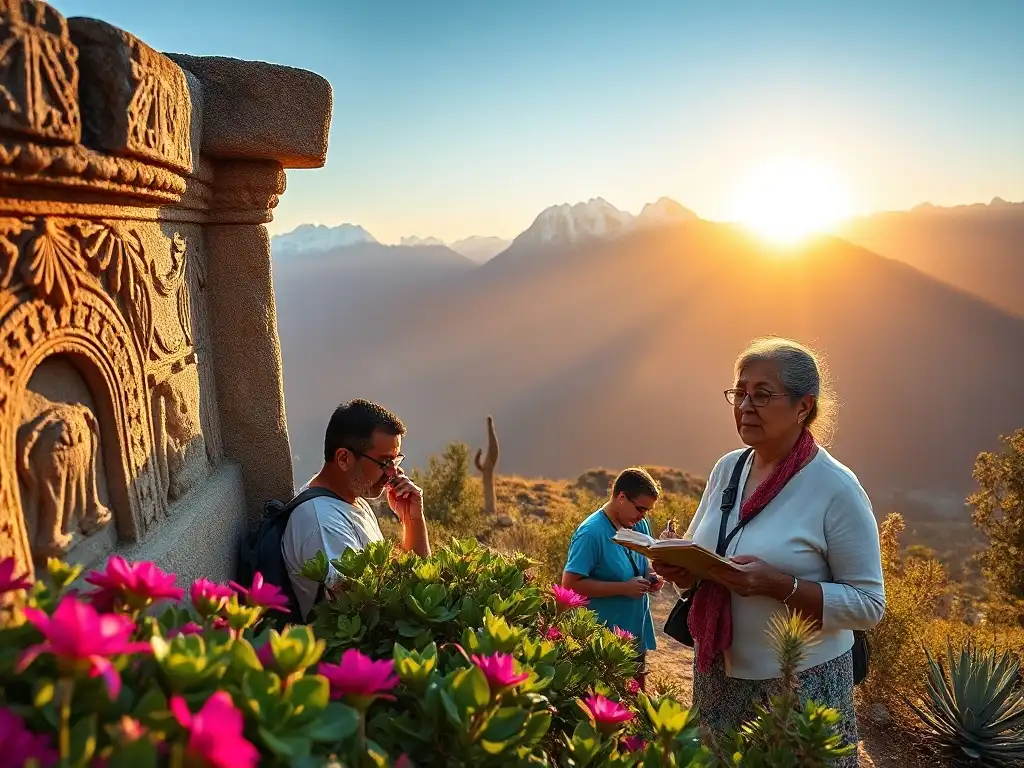
Step into a world lost to time, yet echoing with the whispers of ancient wisdom. Discover the fascinating legacy of the Andean civilizations, from the intricate artistry of the Nazca lines to the sophisticated engineering of Machu Picchu. But before you delve into the grandeur of their empires, we invite you to uncover a hidden facet: the remarkable Andean medicine practices. This exploration into the world of Andean healers and their groundbreaking knowledge promises to unravel mysteries and challenge your understanding of ancient healing. Prepare to be amazed.
The Andes Mountains, a spine of towering peaks running down the western coast of South America, nurtured a diverse array of ancient civilizations. Beyond their impressive architectural feats and sophisticated agricultural techniques, these cultures—including the Incas, Moche, Nazca, and Tiahuanaco—possessed a deep understanding of medicine and healing practices. This article delves into the fascinating world of Andean medicine, exploring the contributions of key scholars who dedicated their lives to researching and documenting these intricate systems.
We will examine the early explorations of traditional Andean medicine, focusing on the initial accounts, key figures like Garcilaso de la Vega, and the painstaking efforts to document pre-Columbian healing techniques. Understanding these historical perspectives is crucial for appreciating the richness and complexity of Andean medical knowledge and its lasting impact.
This exploration will illuminate how scholars have pieced together our understanding of Andean medicine practices, highlighting the challenges and triumphs in deciphering ancient texts, artifacts, and oral traditions. The journey through these historical accounts will reveal the sophisticated understanding of botany, surgery, and spiritual healing that characterized Andean civilizations.
Introduction to Andean Healing Traditions
Andean healing traditions were deeply intertwined with their cosmology and worldview. Illness wasn't simply a physical ailment; it was often seen as an imbalance in the relationship between the individual, their community, and the spiritual world. This holistic approach encompassed a wide range of practices, including herbal remedies derived from the incredibly diverse Andean flora, surgical procedures (evidence suggests trepanation was practiced), and rituals aimed at restoring spiritual harmony. The use of medicinal plants was particularly sophisticated, with detailed knowledge of their properties and applications.
Shamans and healers played a vital role in Andean society, acting as both spiritual guides and medical practitioners. Their knowledge was often passed down through generations, orally and through observation, creating a complex system of medical understanding that spanned centuries. Understanding this holistic approach is key to appreciating the complexity of Andean medicine practices.
Early Explorations of Traditional Andean Medicine
The arrival of Europeans in the Americas marked a turning point in the study of Andean healing practices. While many initial encounters were marked by cultural clashes and misunderstandings, some chroniclers and scholars began to document aspects of indigenous medicine, albeit often through a biased lens. Their writings, despite their limitations, provide valuable glimpses into the medical knowledge of the time.
The challenge lies in separating accurate observations from the projections and biases of the recorders. Many early accounts focused on the unusual or exotic aspects of Andean medicine, often overlooking the underlying logic and effectiveness of the practices. Further research is needed to fully interpret these early observations within their historical context.
Initial Accounts of Indigenous Medical Practices
Early Spanish chroniclers, while often focused on conquest and conversion, occasionally recorded observations about indigenous healing practices. These accounts, often fragmentary and interspersed within larger narratives, offer a starting point for understanding the diversity of Andean medical approaches. The limited nature of these early records highlights the need for further research into less-studied archival materials. Many of these early accounts focused on specific remedies or rituals, lacking a comprehensive understanding of the broader medical system. The limitations of these early accounts underscore the importance of critical analysis and contextualization when studying historical records of Andean medicine practices.
Garcilaso de la Vega's Observations on Andean Remedies
Garcilaso de la Vega, an Inca-Spanish chronicler, occupies a unique position in the study of Andean medicine. His writings, a blend of Inca and Spanish perspectives, offer a more nuanced view than many of his contemporaries. While his work is not without bias, his descriptions of Andean remedies and practices provide valuable insights into indigenous knowledge.
He meticulously documented a range of herbal remedies, surgical techniques, and spiritual healing practices, offering a glimpse into the complexity of the Andean medical system. However, further research is needed to fully evaluate the accuracy and completeness of his observations in light of modern scholarship.
Documenting Pre-Columbian Healing Techniques
Reconstructing pre-Columbian Andean healing techniques presents a significant challenge. The absence of extensive written records necessitates the integration of archaeological evidence, ethnographic studies of surviving Andean communities, and careful analysis of colonial-era accounts. Archaeological findings, such as skeletal remains showing evidence of surgical procedures, provide tangible evidence of advanced medical practices.
The interpretation of these findings, however, requires careful consideration of various factors and collaboration between archaeologists, anthropologists, and medical historians. Further research into pre-Columbian iconography and textiles may also reveal additional insights into the symbolism and practices associated with Andean healing. The ongoing effort to document pre-Columbian healing techniques is a testament to the enduring fascination with and importance of understanding the sophisticated medical knowledge of the Andean civilizations.
Key Scholars in the Study of Andean Medicine
The study of Andean medicine practices has been significantly advanced by the dedicated work of numerous scholars. These individuals, often working across disciplines like anthropology, botany, and medicine, have painstakingly documented and analyzed the complex interplay of spiritual beliefs, herbal remedies, and surgical techniques employed by Andean cultures for millennia. Their research provides invaluable insights into the sophisticated medical systems that existed long before the arrival of Europeans.
Their efforts have not only preserved knowledge of these practices but also highlighted the importance of understanding indigenous perspectives on health and healing. This work is crucial for promoting culturally sensitive healthcare approaches in the Andes today and for appreciating the rich history of Andean medical knowledge.
The dedication of these researchers has ensured that the wisdom of Andean healers is not lost to time. Their combined contributions paint a vibrant picture of a complex and deeply intertwined system of healing that extended across diverse Andean societies.
Pioneers in Andean Ethnomedicine
The early pioneers in the field of Andean ethnomedicine faced significant challenges. Access to remote communities, language barriers, and a lack of established research frameworks often hampered their efforts. Despite these obstacles, these early researchers laid the groundwork for future studies by documenting traditional healing practices and collecting valuable ethnobotanical data. Their work often involved painstaking fieldwork, building trust with local communities, and learning indigenous languages to accurately understand the nuances of Andean healing traditions.
Many of these early researchers were driven by a deep respect for indigenous knowledge systems and a desire to preserve them for future generations. Their contributions, while sometimes limited by the resources and methodologies available at the time, remain vital to our current understanding of Andean medicine practices. Their legacy inspires contemporary scholars to continue building upon their foundational work.
Dr. Manuel Núñez Butrón and his Contributions
Dr. Manuel Núñez Butrón stands out as a pivotal figure in the study of Andean ethnobotany and medicine. His extensive research on the medicinal plants of the Andes has significantly expanded our understanding of their uses and properties. He meticulously documented the traditional knowledge of Andean communities, often working directly with healers and herbalists to learn about the preparation and application of various remedies.
His work emphasizes the importance of preserving this traditional knowledge and integrating it into modern healthcare systems. Dr. Núñez Butrón's contributions are not solely limited to documentation; he actively advocates for the sustainable use of Andean medicinal plants, promoting responsible harvesting practices and the preservation of biodiversity. His publications, often written in both Spanish and English, have made his research accessible to a wider international audience, furthering the global understanding of Andean medicine.
Dr. Ina Rösing and her Research Focus
Dr. Ina Rösing's research has focused on the social and cultural aspects of Andean healing practices. Her work goes beyond simply documenting plant remedies, exploring the broader social context in which healing takes place. This includes the role of healers within their communities, the social dynamics of healing rituals, and the interplay between traditional and modern healthcare systems.
Her ethnographic studies provide valuable insights into the lived experiences of Andean people and their relationship with illness and healing. She highlights the importance of understanding the cultural beliefs and practices that shape Andean health-seeking behaviors. Dr. Rösing's approach to the study of Andean medicine emphasizes the holistic nature of Andean healing, encompassing not just physical ailments but also spiritual and social well-being.
Dr. Paul G.W. Mahlberg and his Studies on Andean Plant Medicine
Dr. Paul G.W. Mahlberg's work significantly contributes to our understanding of the chemical constituents and pharmacological properties of Andean medicinal plants. His research combines ethnobotanical studies with advanced chemical analyses to identify the active compounds responsible for the therapeutic effects of these plants. This interdisciplinary approach provides a scientific basis for understanding the efficacy of traditional Andean remedies.
Dr. Mahlberg's meticulous research has not only validated the traditional uses of many Andean plants but has also opened up new avenues for the discovery of novel therapeutic agents. His work highlights the potential of Andean medicinal plants for the development of new pharmaceuticals, while also emphasizing the importance of sustainable harvesting and conservation. His detailed studies on the chemical composition of these plants provide critical information for researchers and healthcare professionals alike.
Understanding Andean Medical Concepts
Understanding Andean medicine requires delving into the worldview and conceptual frameworks that shape the way illness and healing are perceived. These concepts are deeply rooted in the spiritual and cosmological beliefs of Andean cultures, making a purely biomedical approach insufficient for a comprehensive understanding. A holistic perspective is essential to appreciate the richness and complexity of these practices. This nuanced approach recognizes the profound interconnectedness between physical, spiritual, and social well-being.
The Andean Worldview and Health
The Andean worldview emphasizes a harmonious relationship between humans and the natural world. Health is seen as a state of balance and equilibrium within this interconnected ecosystem. Illness, conversely, is often understood as a disruption of this harmony, caused by imbalances in the natural world or by spiritual forces. This holistic perspective highlights the importance of maintaining a respectful relationship with nature and the spiritual realm. Understanding this worldview is critical to comprehending the strategies and practices employed in Andean healing. This perspective informs the selection of remedies, the performance of rituals, and the overall approach to healing.
Concepts of Illness and Disease in the Andes
Andean cultures developed sophisticated systems for diagnosing and treating illness. These systems recognized a wide range of ailments, incorporating both physical and spiritual dimensions. Diagnoses often involved considering a patient's environment, lifestyle, and social relationships, in addition to physical symptoms. Treatments frequently combined herbal remedies, ritual practices, and spiritual interventions.
The specific methods varied widely depending on the perceived cause of illness and the community's unique traditions. The interplay between physical and spiritual factors in Andean concepts of illness highlights the interconnectedness of different aspects of well-being. This holistic approach stands in contrast to many Western medical models that often focus primarily on physical symptoms.
The Role of Spirituality in Andean Healing
Spirituality plays a central role in Andean healing practices. Many illnesses were believed to be caused by supernatural forces or imbalances in the spiritual realm. Healers often possessed specialized spiritual knowledge and skills to address these spiritual dimensions of illness. Rituals, prayers, and offerings to deities were frequently incorporated into healing ceremonies.
These practices aimed to restore harmony and balance between the individual, the community, and the spiritual world. The integration of spirituality into healing underscores the holistic nature of Andean medicine, recognizing the interconnectedness between physical, mental, and spiritual well-being. The role of shamans and healers as spiritual guides underscores the importance of spiritual practices in the healing process.
Andean Herbalism and Plant-Based Cures
The Importance of Medicinal Plants in the Andes
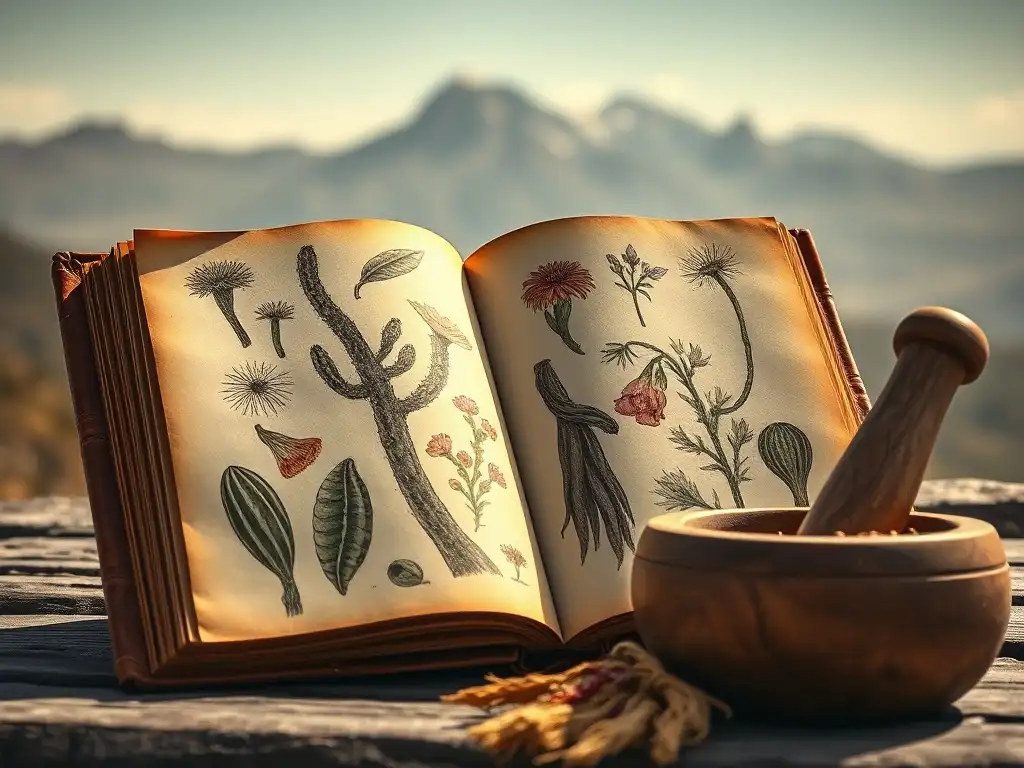
Andean medicine practices relied heavily on the vast biodiversity of the region. The high altitude, varied climates, and unique geography fostered the growth of a remarkable array of plants, many possessing potent medicinal properties. These plants weren't simply used for treating illnesses; they were deeply integrated into the cultural and spiritual fabric of Andean life. The knowledge of these plants and their uses was passed down through generations, often within families and specific communities, creating a rich tapestry of traditional healing practices.
The understanding of which plants to use, how to prepare them, and under what circumstances, was a crucial aspect of Andean knowledge systems, ensuring the efficacy and safety of the treatments. This intimate relationship with the natural world is a cornerstone of understanding Andean medicine practices. The reliance on readily available plant-based remedies speaks to the resourcefulness and adaptability of Andean cultures.
Coca, Maca, and Cat's Claw: Used in Andean Cures and Treatments
Three prominent examples of plants integral to Andean medicine practices are coca, maca, and cat's claw. Coca leaves, chewed for their stimulating and numbing properties, were not only a social custom but also used to alleviate altitude sickness, hunger, and fatigue. Maca, a root vegetable grown high in the Andes, was believed to boost energy levels, enhance fertility, and improve overall health. Cat's claw, a vine with purported anti-inflammatory and immune-boosting properties, was used to treat a range of ailments, from arthritis to infections.
These plants, among many others, highlight the sophistication of Andean herbalism and its focus on holistic well-being. The continued use of these plants, both traditionally and in modern applications, underscores their enduring value in Andean medicine and beyond. Research continues to explore the scientific basis for the claimed benefits of these plants, further validating the traditional knowledge surrounding their use.
Preparation Techniques for Andean Herbal Remedies
The preparation of Andean herbal remedies was as important as the selection of the plants themselves. Methods varied depending on the specific plant and the intended use. Some remedies involved simply chewing or consuming the raw plant material, while others required more complex processes. These could include boiling, steeping, grinding into powders, or fermenting. Often, specific rituals and prayers accompanied the preparation, imbuing the remedies with spiritual significance.
The precise techniques, often passed down orally within families, were closely guarded secrets, demonstrating the value placed on this knowledge. The use of specific tools and containers, often made from natural materials, further enhanced the process. Understanding these preparation techniques provides valuable insight into the depth and complexity of Andean medicine practices. Further research could uncover additional methods and variations across different Andean communities.
Rituals and Healing Practices in Andean Communities
Traditional Andean Healing Ceremonies
Traditional Andean healing ceremonies were not merely medical treatments; they were deeply spiritual events designed to restore balance and harmony to the individual and the community. These ceremonies often involved elaborate rituals, prayers, and offerings to appease deities and spirits believed to influence health and well-being. The use of music, dance, and other forms of artistic expression played a crucial role in these ceremonies, helping to create a sacred and transformative atmosphere.
The participation of the community, often including family and friends, underlined the collective responsibility for healing and well-being. These ceremonies weren't solely focused on physical ailments; they addressed emotional, spiritual, and social imbalances as well. The holistic approach of Andean healing ceremonies reflects the interconnectedness of all aspects of life in Andean cosmology.
The Role of Shamans and Healers
Shamans and healers occupied a central position in Andean communities, acting as intermediaries between the spiritual and physical worlds. They possessed extensive knowledge of medicinal plants, healing techniques, and spiritual practices. Their role extended beyond treating illnesses; they served as spiritual guides, advisors, and community leaders. Shamans often used divination techniques to diagnose illnesses and identify the underlying spiritual causes.
Their authority stemmed from their connection to the spiritual realm and their ability to channel spiritual energy for healing. The respect and trust placed in these individuals highlight the importance of spiritual and religious beliefs in Andean medicine practices. The training and initiation processes for becoming a shaman were often lengthy and rigorous, reflecting the high level of skill and knowledge required.
The Despacho Ceremony and its Significance
The despacho ceremony is a significant ritual in Andean healing practices. It involves the creation of an offering, typically composed of various natural materials such as coca leaves, flowers, incense, and small figurines. The despacho is meticulously assembled, representing a microcosm of the Andean worldview and the interconnectedness of the cosmos. The ceremony culminates in the burning or scattering of the despacho, representing a symbolic offering to the spirits and deities.
The act of creating and offering the despacho is believed to restore balance and harmony, promoting healing and well-being. This ceremony is a powerful example of the integration of spiritual beliefs and practices into Andean healing traditions. The specific components and procedures of the despacho ceremony can vary across different Andean communities, reflecting regional variations in beliefs and practices.
The Use of San Pedro Cactus in Healing and its Purpose
The San Pedro cactus, a psychoactive plant containing mescaline, held a significant role in Andean healing and spiritual practices. Shamans utilized it in ceremonies to induce altered states of consciousness, facilitating diagnosis, spiritual cleansing, and communication with the spirit world. The use of San Pedro was not simply recreational; it was a powerful tool for accessing spiritual knowledge and facilitating healing. It was believed to help diagnose the root cause of illnesses, often attributed to spiritual imbalances or malevolent forces.
The use of San Pedro cactus in healing underscores the importance of shamanic practices and the integration of altered states of consciousness in Andean medicine. The precise methods and contexts of San Pedro use varied across different Andean communities, reflecting the diversity of shamanic traditions. The continued use and study of this plant highlight its enduring significance in Andean cultural and spiritual practices.
Modern Perspectives on Andean Medical Practices
Modern scholarship views Andean medicine practices not as primitive or superstitious, but as sophisticated systems of knowledge developed over millennia. These systems demonstrate a deep understanding of the human body, the natural world, and the interconnectedness of physical and spiritual well-being. Researchers now recognize the efficacy of many traditional Andean remedies, often finding scientific basis for their use. For example, the use of certain plants for their anti-inflammatory or analgesic properties is now being validated through modern pharmacological studies.
This shift in perspective emphasizes the importance of understanding Andean medical practices within their cultural and historical contexts, moving away from Eurocentric biases that once dismissed them as inferior. The holistic approach, encompassing physical, emotional, and spiritual aspects, is a key element that modern medicine is increasingly recognizing as valuable. Understanding these practices offers valuable insights into alternative healthcare approaches and potential therapeutic applications.
Ongoing Research in Andean Ethnobotany
Ongoing research in Andean ethnobotany is crucial for understanding the intricate relationship between Andean peoples and the plant world. Scientists are actively identifying and analyzing the chemical compounds within plants traditionally used in Andean medicine. This involves extensive fieldwork, collaborating with indigenous communities to document traditional knowledge and practices responsibly.
Researchers are employing advanced techniques such as high-performance liquid chromatography (HPLC) and mass spectrometry to isolate and identify active compounds responsible for the therapeutic effects of these plants. This research not only helps validate traditional knowledge but also opens up avenues for the development of new pharmaceuticals and therapeutic agents derived from Andean plants. For instance, studies are underway to explore the potential of certain Andean plants in treating various diseases, including inflammation and infections.
The Relevance of Andean Medicine Today
The relevance of Andean medicine today extends beyond its historical significance. Many of the principles underlying Andean medical practices – holistic care, emphasis on preventative measures, and integration of physical and spiritual well-being – resonate strongly with contemporary concerns about healthcare. The growing interest in complementary and alternative medicine (CAM) has led to renewed interest in traditional Andean healing methods.
People are seeking natural and less invasive approaches to healthcare, finding solace and efficacy in practices that emphasize harmony with nature and a holistic approach to well-being. Furthermore, the sustainable and environmentally conscious aspects of traditional Andean medicine offer valuable lessons for modern healthcare systems striving for greater sustainability. The focus on locally sourced remedies and the integration of traditional knowledge with modern science presents a promising path towards a more sustainable and culturally sensitive healthcare system.
Integrating Traditional Andean Medicine with Modern Healthcare
Integrating traditional Andean medicine with modern healthcare presents both challenges and opportunities. A key challenge is bridging the gap between traditional knowledge and Western scientific methodologies. This requires collaborative research involving Andean healers, ethnobotanists, and medical professionals. Successful integration necessitates a respectful and ethical approach, ensuring that traditional knowledge is not exploited or appropriated without the consent and participation of indigenous communities.
Furthermore, establishing standardized protocols and quality control measures for traditional remedies is crucial for ensuring safety and efficacy. However, the potential benefits are significant. Integrating traditional knowledge could lead to the development of new treatments, enhance patient care by addressing the holistic needs of individuals, and promote cultural preservation. Examples of successful integration include incorporating traditional practices into hospital settings or developing community-based healthcare programs that incorporate both modern and traditional methods.
Challenges and Opportunities for Preserving Andean Healing Knowledge
Preserving Andean healing knowledge faces significant challenges. The loss of traditional knowledge due to globalization, migration, and the suppression of indigenous cultures is a serious concern. Language barriers, generational shifts, and the lack of documentation threaten the transmission of this valuable heritage. However, there are also significant opportunities for preservation.
Active collaborations between researchers and indigenous communities, promoting the documentation and dissemination of traditional knowledge, are essential. This includes supporting educational programs that train new generations of Andean healers and promoting the use of technology to record and preserve traditional practices. Establishing community-based archives and museums dedicated to Andean medicine can help safeguard this knowledge for future generations. Moreover, promoting cultural tourism that respects and supports indigenous communities can provide economic incentives for the preservation of traditional practices.
Conclusion: The Enduring Legacy of Andean Medicine
The enduring legacy of Andean medicine lies not only in its historical significance but also in its continued relevance and potential for future applications. This rich heritage offers valuable insights into holistic healthcare approaches, sustainable practices, and the intricate relationship between humans and the natural world. The study of Andean medicine practices allows us to appreciate the ingenuity and depth of knowledge possessed by Andean civilizations.
The Importance of Recognizing Andean Indigenous Knowledge
Recognizing Andean indigenous knowledge is crucial for several reasons. Firstly, it acknowledges the intellectual property rights and cultural heritage of indigenous communities. Secondly, it highlights the valuable contributions of these communities to global knowledge systems. Thirdly, it fosters a more inclusive and equitable approach to healthcare, recognizing the importance of diversity in medical practices. Ignoring or dismissing this knowledge not only disrespects indigenous communities but also limits the potential for discovering innovative and effective healthcare solutions. Proper acknowledgement and respect for Andean indigenous knowledge is a fundamental step towards building a more just and equitable world.
Future Research Directions in Andean Medical Studies
Future research in Andean medical studies should focus on several key areas. This includes expanding ethnobotanical research to identify and analyze the therapeutic properties of a wider range of Andean plants. Further research is needed to understand the mechanisms of action of traditional Andean remedies and to develop standardized protocols for their use.
Collaborative research projects involving Andean healers, scientists, and healthcare professionals are crucial for integrating traditional knowledge into modern healthcare systems. Finally, research should address the social and cultural contexts of Andean medicine, ensuring that future studies are conducted ethically and responsibly, with the full participation and consent of indigenous communities. A multidisciplinary approach is vital to fully understand and appreciate the rich heritage of Andean medicine.
- Introduction to Andean Healing Traditions
- Early Explorations of Traditional Andean Medicine
- Key Scholars in the Study of Andean Medicine
- Understanding Andean Medical Concepts
- Andean Herbalism and Plant-Based Cures
- Rituals and Healing Practices in Andean Communities
- Modern Perspectives on Andean Medical Practices
- Conclusion: The Enduring Legacy of Andean Medicine
Frequently Asked Questions
What were some common Andean medicine practices?
Andean medicine relied heavily on herbal remedies, rituals, and spiritual healing. Practitioners used plants like coca and cinchona (source of quinine) to treat various ailments. Diagnosis often involved interpreting dreams and signs.
Who were the main practitioners of Andean medicine?
Shamans and other spiritual leaders played a central role, combining medicinal knowledge with religious beliefs. Family members also provided basic healthcare and herbal treatments. Specialized healers existed for certain conditions or injuries.
How did Andean healers diagnose illnesses?
Diagnosis methods varied, but often involved observing symptoms, feeling pulses, and interpreting dreams or visions. Spiritual factors were considered crucial in understanding the causes of illness. Herbal remedies were tailored to specific diagnoses.
What role did plants play in Andean medicine?
Plants were fundamental to Andean healing. A vast knowledge of medicinal plants existed, with different species used for various purposes. Coca leaves were particularly significant for their energizing and medicinal properties.
How did Andean medicine differ from European practices?
Andean medicine was holistic, emphasizing the connection between physical and spiritual well-being. Unlike the European humoral theory, it focused on restoring balance within the individual and their environment, often through spiritual intervention.
Final Reflection: Echoes of the Andes: A Legacy of Healing and Knowledge
The enduring legacy of Andean medicine practices continues to resonate in our modern world, offering a powerful counterpoint to Western biomedicine and a vital reminder of the interconnectedness between humans and nature. The rich tapestry of knowledge woven by generations of Andean healers, meticulously documented by dedicated scholars, presents a holistic approach to health and well-being that deserves renewed attention and respect in an increasingly fragmented and technologically driven healthcare landscape.
The exploration of Andean medicinal practices has profoundly impacted my understanding of health and healing, shifting my perspective from a purely scientific model to one that embraces the spiritual and environmental dimensions of well-being. The earth is our mother, and we are her children. We must care for her as we care for ourselves.
This ancient wisdom, passed down through generations of Andean healers, speaks to a profound truth about our interconnectedness and the responsibility we bear towards the planet and each other. The ongoing research into these practices is not merely an academic pursuit; it is a vital step towards a more sustainable and equitable future for healthcare.
Consider the wisdom embedded within these ancient traditions. How can we integrate the holistic principles of Andean medicine into our own lives? You don't need to live in the Andes to benefit from the lessons learned. Perhaps it's a renewed appreciation for the healing power of nature, a deeper connection to your community, or a commitment to living in harmony with the environment. Embrace the opportunity to learn from these ancient practices and discover a path towards a healthier, more fulfilling life, one that respects the wisdom of the past while shaping a brighter future.
Unveil the Wisdom of Andean Healing Practices!
Thank you for joining us on this journey through the fascinating world of Andean medicine and its dedicated practitioners. We hope you found inspiration in the rich traditions and healing methods of the Andes. Now, let's explore this incredible topic further!
Here are a few ways you can delve deeper and share your newfound knowledge:
- **Engage with Andean wisdom:** Begin your own research by exploring the medicinal properties of plants native to the Andes. Visit a local market or herbalist to learn about the natural ingredients used in traditional remedies.
- **Join a community:** Connect with other enthusiasts! Join online forums or social media groups dedicated to indigenous healing practices to share experiences and learn from others.
- **Spread the knowledge:** Share this article with friends and family. Encourage them to explore these ancient practices and discover how they can contribute to a healthier modern lifestyle.
What aspect of Andean healing traditions resonates most with you? Let's discuss!