
The Paracas Legacy in Modern Peru: Traces of the Past in the Present

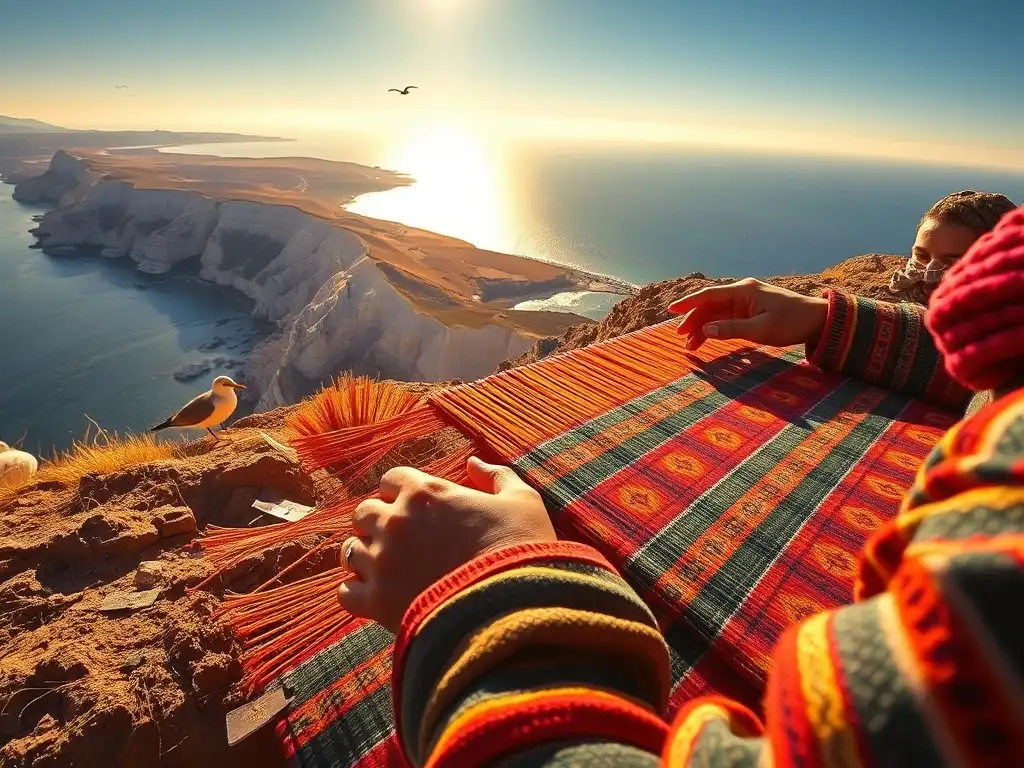
Step into a world lost to time, yet echoing in the vibrant tapestry of modern Peru. Discover the enigmatic Paracas culture, a civilization whose artistry and ingenuity continue to captivate and inspire. From breathtaking textiles to intricate burial rituals, their legacy lives on in unexpected ways. Uncover the surprising connections between the ancient Paracas and contemporary Peru – a journey through history awaits you. Explore the fascinating details of their influence and the enduring power of their traditions.
The Paracas culture, a pre-Inca civilization flourishing on the southern coast of Peru between approximately 800 BCE and 200 CE, left an indelible mark on Peruvian society. This article explores the enduring influence of the Paracas people, examining how their unique artistic expressions, innovative textile techniques, and complex social structures continue to resonate in modern Peru.
From the vibrant colors and intricate designs found in contemporary Peruvian textiles to the underlying cultural values reflected in modern art and design, we will uncover the surprising ways in which the Paracas legacy lives on. Understanding the Paracas culture provides a crucial lens through which to appreciate the rich tapestry of Peruvian heritage and its evolution over millennia.
This exploration delves into the fascinating connections between this ancient civilization and the vibrant cultural landscape of present-day Peru, highlighting the enduring power of their artistic and technological achievements. We will analyze how their legacy is preserved, celebrated, and reinterpreted in modern Peruvian society, demonstrating the continuing relevance of the Paracas culture to understanding Peru's identity.
Understanding the Paracas Culture: A Pre-Incan Civilization
The Geographical Context of Paracas Society
The Paracas culture thrived in a geographically unique and challenging environment. Located on the arid southern coast of Peru, they adapted remarkably to the harsh desert climate. Their settlements were strategically positioned near oases and rivers, allowing access to vital water resources. The proximity to the sea also played a crucial role, providing them with a rich source of food and resources for their craft production.
This geographical context shaped their social structures, economic activities, and artistic expressions, influencing their unique cultural identity. The challenges of survival in this environment fostered innovation and resilience, characteristics reflected in their sophisticated technologies and artistic mastery. Detailed archaeological studies continue to reveal new insights into their settlement patterns and resource management strategies, further enriching our understanding of their adaptation to this demanding environment.
Paracas Chronology: Defining the Cultural Timeline
Establishing a precise chronology for the Paracas culture involves careful analysis of archaeological findings, particularly ceramic styles and textile techniques. Scholars generally divide the Paracas period into two main phases: Early Paracas (800 BCE – 200 BCE) and Late Paracas (200 BCE – 100 CE). 1 These phases are differentiated by subtle but significant changes in pottery styles, textile designs, and burial practices. The Early Paracas period is characterized by a distinct style of painted pottery and elaborate textile work, often featuring complex iconography. The Late Paracas period saw a shift towards a more naturalistic style in pottery and the continued refinement of textile techniques. Further research using advanced dating methods such as radiocarbon dating helps refine these chronological boundaries and deepen our understanding of the cultural evolution within the Paracas civilization. Ongoing excavations and analysis of artifacts continue to provide valuable data for a more nuanced understanding of their timeline.
1 Further refinement of these dates is ongoing based on recent archaeological discoveries.
Paracas Art and Textile Techniques: Enduring Influence
Paracas Textiles: Masterpieces of Ancient Weaving
Paracas textiles are renowned for their exceptional quality, intricate designs, and vibrant colors. The mastery of weaving techniques, the use of diverse materials (including cotton, camelid fibers, and feathers), and the complex iconography displayed are hallmarks of their artistic prowess. These textiles, often found in elaborate burial bundles, tell stories of their cosmology, social structures, and daily life. The techniques employed, such as tapestry weaving, embroidery, and gauze weaving, were remarkably advanced for their time.
The intricate designs, featuring stylized figures, geometric patterns, and representations of animals, continue to inspire contemporary Peruvian artists and designers. The use of natural dyes extracted from plants and minerals resulted in an astonishing range of colors that retain their vibrancy even after centuries. These textiles are considered masterpieces of ancient weaving, showcasing the skill and artistry of Paracas artisans.
Paracas Pottery: Styles and Symbolic Representations
Paracas pottery exhibits a remarkable diversity of styles and techniques. Early Paracas pottery is characterized by its polychrome painted designs, often featuring intricate geometric patterns and stylized representations of animals and humans. Late Paracas pottery shows a shift towards a more naturalistic style, with figures depicted in greater detail. The use of different clay types and firing techniques contributed to the variety of textures and colors found in their pottery.
The iconography on Paracas pottery, reflecting their belief systems and worldview, provides valuable insights into their culture. Many vessels feature representations of deities, mythical creatures, and scenes from daily life, offering glimpses into their social and religious practices. The stylistic innovations and symbolic representations in Paracas pottery continue to influence contemporary Peruvian ceramic art.
The Significance of Paracas Art in Contemporary Peruvian Design
The influence of Paracas art is clearly visible in contemporary Peruvian design. The vibrant colors, intricate patterns, and symbolic representations found in Paracas textiles and pottery serve as inspiration for modern artists and designers. These motifs are frequently incorporated into contemporary textiles, clothing, jewelry, and other craft items, showcasing a direct link between ancient heritage and modern creativity.
The reinterpretation of Paracas designs in a contemporary context highlights the enduring relevance of this ancient culture and its contribution to Peru's artistic identity. This ongoing engagement with Paracas aesthetics demonstrates the vibrant and evolving nature of Peruvian cultural heritage, where the past continues to inform and inspire the present. The enduring popularity of Paracas-inspired designs underscores the timeless appeal and artistic significance of this ancient civilization's legacy.
Paracas Burial Practices and Rituals: Insights into Beliefs
The Paracas culture, known for its elaborate textiles and intricate craftsmanship, also left behind a rich legacy of burial practices and rituals that offer invaluable insights into their beliefs and worldview. Their elaborate funerary rites reveal a society deeply concerned with the afterlife and the preservation of the deceased. Unlike many other ancient cultures, Paracas burial practices weren't confined to simple internments. Instead, they involved complex procedures, reflecting a sophisticated understanding of death and the journey beyond.
The sheer scale of the Paracas necropolis, with its thousands of tombs, underscores the importance given to funerary rituals within their society. The careful placement of grave goods, ranging from textiles to food offerings, indicates a belief in providing the deceased with necessities for their journey into the afterlife. These offerings weren't merely symbolic; they were carefully selected items designed to sustain the deceased in their spiritual realm.
The meticulous nature of the burials, with bodies often wrapped in layers of fine textiles, suggests a deep respect for the deceased and a belief in their continued existence. Analyzing these burial practices allows us to better understand the social structure and spiritual beliefs of the Paracas people. The variety of grave goods also hints at social stratification, with individuals of higher status receiving more elaborate burials and richer offerings.
Paracas Necropolis: Exploring the Burial Sites
The Paracas Necropolis, located near the modern-day town of Paracas, is a sprawling complex containing thousands of tombs. Archaeological excavations have revealed a staggering number of individual burial sites, each offering a unique glimpse into Paracas funerary practices. The sheer scale of the necropolis highlights the importance of death and the afterlife in Paracas society. The tombs themselves vary in size and complexity, reflecting potential social hierarchies.
Some tombs contain only a single individual, while others are collective burial sites for multiple individuals. The arrangement of bodies and grave goods within the tombs further demonstrates the complexity of their burial rituals. Researchers have discovered intricate bundles of mummies wrapped in layers of textiles, accompanied by an array of artifacts, including pottery, tools, and ornaments.
The careful preservation of the bodies and the inclusion of such a variety of grave goods suggest a belief in the continued existence of the deceased and a desire to provide them with all the necessities for their journey into the afterlife. The ongoing study of the Paracas Necropolis continues to provide valuable information about their culture and beliefs. The meticulous excavation and analysis of these sites are crucial in piecing together a more complete understanding of this fascinating ancient civilization.
Cranial Modification: A Unique Paracas Practice
Cranial modification, the intentional reshaping of the skull, was a widespread practice among the Paracas people. While the exact reasons behind this practice remain debated, several theories have emerged. Some scholars believe it was a form of social identification, marking individuals' status or affiliation within the community. Others suggest it may have been related to aesthetic ideals or religious beliefs.
The techniques employed by the Paracas for cranial modification were remarkably sophisticated, showing a keen understanding of the skull's structure and the body's ability to adapt. Babies' heads were bound using various methods, resulting in elongated or flattened shapes. The impact of this practice on the overall health and well-being of individuals is a subject of ongoing research, with some studies suggesting potential long-term effects.
However, the fact that cranial modification persisted for generations indicates its significance within Paracas society. The presence of modified skulls throughout the Paracas Necropolis highlights the widespread nature of this practice and its importance within their culture. Further research into this unique practice could offer invaluable insights into Paracas social structures, beliefs, and cultural practices.
Paracas Beliefs and their Echoes in Modern Peruvian Traditions
While much of the Paracas worldview remains shrouded in mystery, certain aspects of their beliefs have potentially left echoes in modern Peruvian traditions. Their elaborate burial practices and the importance given to the afterlife may have influenced later funerary customs in the region. The intricate textiles and designs found in Paracas graves may have inspired subsequent artistic styles and motifs.
While direct connections are difficult to definitively establish, the continuity of certain cultural elements suggests a possible influence. Many modern Peruvian crafts incorporate designs and motifs reminiscent of Paracas textiles, hinting at a subconscious continuity. The strong emphasis on community and shared identity, evident in Paracas social organization, might also resonate with aspects of modern Peruvian social structures.
Further research into the cultural transmission across different Andean civilizations could help shed light on the potential influence of Paracas beliefs on later traditions in Peru. It is vital to note that the influence may not be direct but rather a more subtle, indirect continuation of certain cultural values and aesthetics.
The Influence of Paracas Culture on Modern Peruvian Society
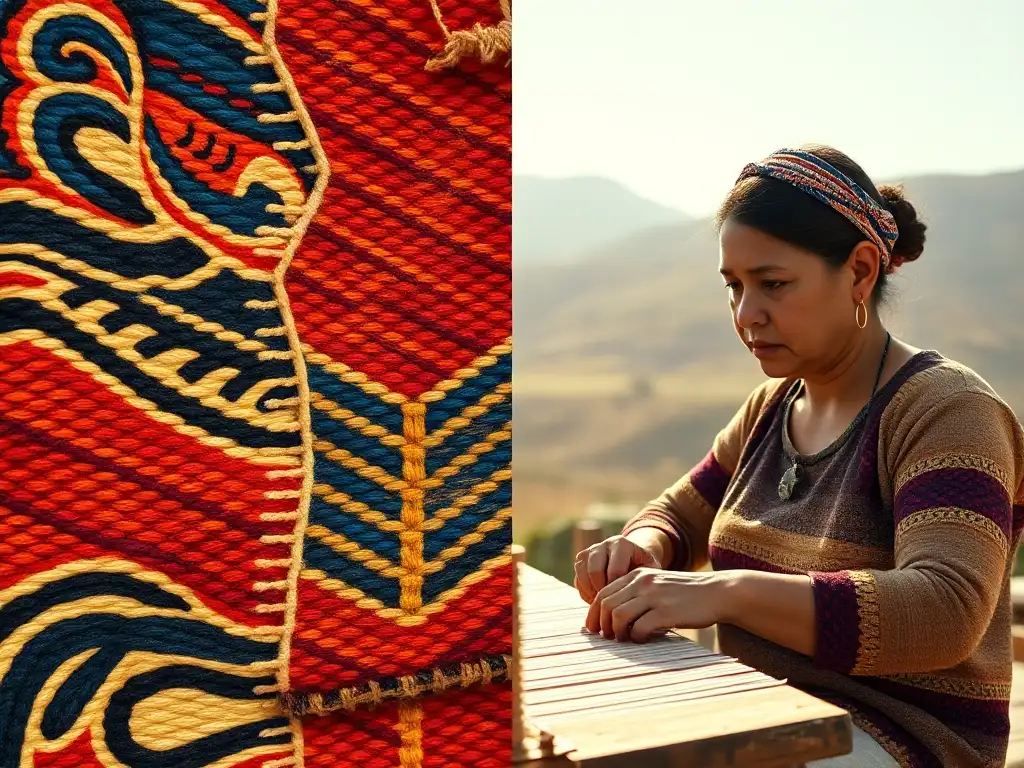
The Paracas culture, despite its relative antiquity, continues to exert a subtle but significant influence on modern Peruvian society. This influence is most readily apparent in the realm of art and design, where Paracas motifs and artistic techniques continue to inspire contemporary craftspeople. The vibrant colors, intricate patterns, and unique stylistic elements found in Paracas textiles have become iconic symbols of Peruvian heritage.
Moreover, the sophisticated medical knowledge displayed by the Paracas, particularly their understanding of trepanation, has sparked renewed interest in the history of medicine and surgery. This legacy has contributed to a broader appreciation of the advanced knowledge and skills possessed by pre-Columbian Andean civilizations. The Paracas' innovative agricultural techniques, adapted to the challenging desert environment, offer valuable lessons for sustainable agriculture in modern Peru.
Their ingenious methods of water management and crop cultivation serve as a reminder of the ingenuity and resilience of ancient Andean peoples. The Paracas legacy serves as a source of national pride, fostering a sense of cultural identity and continuity in modern Peru.
Paracas Motifs and Designs in Peruvian Crafts
The distinctive motifs and designs characteristic of Paracas textiles continue to be a source of inspiration for contemporary Peruvian crafts. The intricate patterns, often featuring stylized animals, plants, and geometric shapes, are frequently incorporated into modern textiles, pottery, jewelry, and other crafts. These designs not only add aesthetic appeal but also serve as a tangible link to the rich cultural heritage of Peru.
Many artisans consciously draw upon Paracas designs, seeking to honor and preserve this ancient tradition. Others integrate Paracas motifs into their work subconsciously, demonstrating the enduring impact of this culture's artistic legacy. The use of traditional dyes and weaving techniques further enhances the connection to the past, resulting in crafts that are both aesthetically pleasing and culturally significant.
The enduring popularity of Paracas-inspired designs highlights the enduring appeal of this ancient art form and its ongoing relevance in modern Peruvian society. These designs represent a testament to the creativity and skill of the Paracas artisans and their lasting influence on Peruvian artistic expression.
Paracas Medical Knowledge: Trepanation and its Legacy
The Paracas culture demonstrated a remarkable level of medical knowledge, particularly in the practice of trepanation, a surgical procedure involving the drilling or cutting of holes in the skull. While the exact reasons for performing trepanation remain debated, evidence suggests it was used to treat head injuries, relieve pressure from brain swelling, or possibly for ritualistic purposes. The high success rate of Paracas trepanations, as evidenced by the survival of many patients, indicates a sophisticated understanding of surgical techniques and sterile practices.
The tools used for trepanation were remarkably advanced for their time, demonstrating a level of craftsmanship and precision that was unprecedented in other contemporary cultures. The Paracas' understanding of anatomy and physiology, as revealed through their surgical practices, has sparked renewed interest in the study of pre-Columbian medicine and its influence on later medical advancements.
The legacy of Paracas medical knowledge serves as a testament to the ingenuity and expertise of ancient Andean peoples. This knowledge challenges perceptions of pre-Columbian societies as technologically simple and highlights their significant medical advancements.
Paracas Agricultural Techniques: Adapting to the Desert Environment
The Paracas people developed ingenious agricultural techniques to thrive in the harsh desert environment of the southern Peruvian coast. Their mastery of water management was crucial to their success, utilizing techniques like canals and irrigation systems to harness scarce water resources. The Paracas understood the importance of conserving water and developed methods to optimize its use for crop cultivation.
They also developed a deep understanding of desert agriculture, selecting crops that were well-suited to the arid climate. Their knowledge of plant cultivation, soil management, and water conservation allowed them to produce sufficient food to sustain their population. These techniques highlight their adaptability and resilience in the face of environmental challenges.
The Paracas' agricultural practices offer valuable lessons for sustainable agriculture in modern Peru and other arid regions, demonstrating the importance of water conservation and efficient resource management. Their innovative solutions to the challenges of desert farming serve as an inspiring example of human ingenuity and adaptability. The study of Paracas agricultural techniques can contribute significantly to modern efforts to develop sustainable and resilient agricultural practices in arid environments.
Paracas Cultural Heritage: Preservation and Future Impact
The Paracas culture's legacy extends far beyond its intricate textiles and impressive burial sites. Preserving this heritage is crucial not only for understanding Peru's rich past but also for shaping its future. The delicate nature of Paracas artifacts, particularly the textiles, requires specialized techniques for conservation. These textiles, often made from cotton and camelid fibers, are susceptible to damage from light, humidity, and pests.
Museums and research institutions employ rigorous methods, including controlled environments and careful restoration processes, to protect these invaluable pieces. Furthermore, the preservation of Paracas archaeological sites themselves is paramount. These sites, often located in fragile coastal environments, are vulnerable to erosion, looting, and the impacts of climate change.
Sustainable tourism practices and proactive conservation efforts are essential to ensure the long-term survival of these significant locations. The ongoing work to preserve Paracas heritage contributes significantly to our broader understanding of Andean civilizations and fosters a sense of national pride in Peru. The economic benefits associated with responsible tourism centered around these sites also contribute to the local communities, creating a sustainable model for cultural preservation.
The Importance of Preserving Paracas Archaeological Sites
The preservation of Paracas archaeological sites is of paramount importance for several reasons. Firstly, these sites offer unparalleled insights into the daily lives, rituals, and beliefs of the Paracas people. The intricate burial complexes, with their elaborate mummies and grave goods, provide a window into their social structures and funerary practices. Secondly, these sites are irreplaceable sources of information for researchers.
Ongoing excavations and analyses of artifacts continue to reveal new details about Paracas technology, art, and culture. The destruction of these sites would represent an irretrievable loss of knowledge. Thirdly, these sites hold immense cultural significance for modern Peruvians. They serve as a powerful link to the nation's ancient past, fostering a sense of national identity and pride.
Preserving these sites ensures that future generations can connect with their heritage and learn from the achievements of their ancestors. Finally, preserving these sites also contributes to the sustainable development of local communities through responsible tourism. Careful management and protection of these areas can generate economic opportunities while safeguarding the archaeological remains. This approach balances cultural preservation with economic advancement.
The Role of Paracas Culture in Peruvian Identity
Paracas culture plays a significant role in shaping modern Peruvian identity. The distinctive textiles, with their vibrant colors and intricate designs, are widely recognized as iconic symbols of Peru's cultural heritage. These textiles are often featured in museums, art galleries, and tourist shops, showcasing the artistry and ingenuity of the Paracas people.
Moreover, the unique mummification techniques and burial practices of the Paracas continue to fascinate and intrigue researchers and the public alike. These practices, reflecting the Paracas people's complex beliefs and worldview, offer valuable insights into their spiritual life. The Paracas legacy is woven into the fabric of Peruvian society, reminding citizens of their rich and diverse past.
This connection to the past fosters a sense of national unity and pride, contributing to a strong and vibrant national identity. The ongoing research and preservation efforts further reinforce this connection, allowing future generations to appreciate and learn from this significant chapter in Peruvian history. This cultural pride is not just a matter of sentiment; it's a vital component of national identity and cultural tourism.
Ongoing Excavations and New Interpretations of Paracas Culture
Recent excavations and research continue to shed new light on the Paracas culture, challenging previous interpretations and expanding our understanding of this fascinating civilization. New archaeological findings are constantly refining our knowledge of their social structures, technological advancements, and artistic achievements. Advanced dating techniques and interdisciplinary approaches involving anthropologists, archaeologists, and textile experts are leading to more nuanced and accurate interpretations of Paracas society.
For instance, recent discoveries have revealed more about the role of women in Paracas society, challenging earlier assumptions based on limited evidence. Furthermore, the application of new technologies, such as 3D scanning and digital imaging, allows for a more detailed analysis of Paracas artifacts without risking damage to the originals. This detailed analysis provides a wealth of data, revealing previously unseen details of textile weaving techniques or skeletal structures, which contribute to a more comprehensive understanding of Paracas life.
These ongoing efforts are not only enriching our historical knowledge but are also essential for the responsible preservation and interpretation of Paracas heritage for future generations. The ongoing work underscores the dynamic and evolving nature of archaeological research and our understanding of the past.
- Understanding the Paracas Culture: A Pre-Incan Civilization
- Paracas Art and Textile Techniques: Enduring Influence
- Paracas Burial Practices and Rituals: Insights into Beliefs
- The Influence of Paracas Culture on Modern Peruvian Society
- Paracas Cultural Heritage: Preservation and Future Impact
- What is the Paracas culture's most significant contribution to modern Peruvian society?
- How is Paracas art reflected in contemporary Peruvian art?
- Are there any modern-day celebrations or traditions linked to the Paracas culture?
- What is the impact of Paracas culture on Peruvian tourism?
- How does the Paracas culture's understanding of textiles influence modern Peruvian textile production?
Frequently Asked Questions
What is the Paracas culture's most significant contribution to modern Peruvian society?
The Paracas culture's textile artistry is arguably its most significant contribution. Their exceptional weaving techniques and vibrant designs continue to inspire Peruvian artisans today, influencing modern textile production and design.
How is Paracas art reflected in contemporary Peruvian art?
Contemporary Peruvian artists frequently draw inspiration from Paracas iconography, particularly their complex motifs and vibrant color palettes. This influence is visible in various art forms, including textiles, ceramics, and jewelry.
Are there any modern-day celebrations or traditions linked to the Paracas culture?
While there aren't direct celebrations specifically dedicated to the Paracas, their legacy is subtly woven into the broader Peruvian cultural fabric. The continued appreciation of their textiles and art forms keeps their influence alive.
What is the impact of Paracas culture on Peruvian tourism?
The Paracas National Reserve and the Paracas Museum are major tourist attractions, showcasing the culture's legacy. This tourism generates economic benefits for the region and helps to preserve the sites for future generations.
How does the Paracas culture's understanding of textiles influence modern Peruvian textile production?
The advanced techniques used by Paracas weavers, such as complex dyeing methods and intricate designs, continue to inspire and inform modern Peruvian textile production. Their innovative approaches are still studied and appreciated today.
Final Reflection: Echoes of Paracas: A Legacy Woven into Modern Peru
The vibrant artistry and innovative techniques of the Paracas culture continue to resonate deeply within modern Peruvian society, a testament to their enduring legacy and a powerful reminder of the interconnectedness of past and present. Their sophisticated textile work, intricate iconography, and complex social structures are not mere relics of a bygone era; they are living threads woven into the fabric of Peruvian identity.
The influence of Paracas artistry is undeniable, from the intricate designs found in contemporary textiles and ceramics to the inspiration it provides for modern Peruvian artists. Their mastery of textile production, particularly their mastery of intricate embroidery and dyeing techniques, continues to inspire awe and serves as a benchmark for Peruvian artisans today. The past is never dead. It's not even past.
– William Faulkner. This quote perfectly encapsulates the enduring presence of the Paracas legacy, constantly informing and shaping the cultural landscape of Peru. Their unique style, characterized by its vibrant colors and symbolic imagery, continues to be a source of national pride and a powerful symbol of Peruvian heritage.
Consider the impact of the Paracas culture on your own understanding of Peruvian identity. How does their legacy shape your perception of the country's rich history and artistic traditions?
I urge you to seek out examples of Paracas influence in your own life, whether through visiting museums showcasing their artifacts, supporting contemporary artists inspired by their work, or simply taking a moment to appreciate the enduring power of their artistic and cultural achievements. Let the echoes of Paracas inspire you to explore the profound connections between past and present, and to recognize the enduring legacy of those who came before us.
Unveil the Rich Heritage of Paracas!
Thank you for exploring the fascinating legacy of the Paracas culture! You've gained valuable insights into its enduring influence on modern Peru. Now, let's delve deeper into this incredible journey of discovery.
Here are some ways to further connect with the Paracas legacy:
- Explore Paracas firsthand: Plan a trip to the Paracas National Reserve or the impressive Necropolis at Cerrillos to witness the stunning landscapes and archaeological wonders.
- Engage with local Peruvian culture: Seek out workshops or cultural events celebrating Andean heritage in your community. Connecting with locals offers invaluable insights and fosters a deeper appreciation.
- Share your newfound knowledge: Discuss what you've learned with friends and family, or share your favorite aspects of Paracas culture on social media to inspire others.
Reflecting on your journey, consider how the wisdom and resilience of the Paracas people can enrich your own life. Join the conversation and share your thoughts!