
The Thread of Time: How Andean Metalworking Evolved Over Centuries


Unravel the mysteries of a lost world. For centuries, the Andes Mountains have echoed with the whispers of forgotten empires. Discover the astonishing evolution of Andean metalworking, a testament to ingenuity and artistry that shaped the very fabric of these ancient civilizations. Prepare to be captivated by the intricate details and breathtaking craftsmanship as we delve into the fascinating history of Andean metalworking – a journey through time that will leave you breathless. Explore the secrets hidden within the Thread of Time.
Andean metalworking represents a captivating narrative of human ingenuity and artistic expression, woven intricately into the very fabric of ancient Andean civilizations. This article delves into the fascinating evolution of Andean metalworking, tracing its development from its nascent stages to the sophisticated techniques employed during the Inca Empire and beyond.
We'll explore the diverse materials used, the innovative techniques mastered, and the profound cultural significance embedded within these remarkable artifacts. By understanding the history of Andean metalworking, we gain invaluable insight into the social structures, religious beliefs, and technological advancements that shaped these remarkable cultures.
This journey through time will illuminate how the careful manipulation of metals became a powerful symbol of power, prestige, and spiritual connection in the Andes, leaving behind a legacy of breathtaking artistry that continues to inspire awe and wonder today. This exploration of "Andean metalworking evolution history" will highlight key periods and stylistic shifts, providing a comprehensive overview of this significant aspect of Andean heritage.
Introduction to Andean Metalworking History
The history of Andean metalworking is a long and complex one, spanning millennia and encompassing a remarkable range of styles and techniques. Unlike many other parts of the world, the Andes saw the independent development of metallurgy, with the earliest evidence dating back to approximately 2000 BCE. This early experimentation with metals laid the groundwork for the sophisticated metalworking traditions that would flourish in later periods.
The availability of various metal ores, such as copper, gold, silver, and tin, significantly influenced the development of distinct regional styles and the eventual mastery of complex metallurgical processes. The Andean peoples weren't simply crafting utilitarian objects; they were creating intricate works of art, imbued with symbolic meaning and reflecting their deep understanding of the natural world and their cosmological beliefs.
The evolution of Andean metalworking is not a linear progression but rather a vibrant tapestry of innovation, adaptation, and cultural exchange. We will examine this evolution chronologically, focusing on key advancements and stylistic shifts.
Early Stages of Metalworking in the Andes
The initial stages of Andean metalworking were characterized by experimentation and a gradual refinement of techniques. The transition from using solely stone tools to incorporating metals was a transformative moment, marking a significant technological leap. This transition, however, wasn't sudden; it occurred over centuries, with early metal objects often exhibiting characteristics of both stone and metalworking traditions. The development of increasingly sophisticated techniques allowed Andean artisans to create objects of greater complexity and beauty.
The Dawn of Andean Metallurgy
The earliest evidence of Andean metallurgy suggests that the initial focus was on the working of native copper, which was relatively easy to shape using simple hammering and annealing techniques. Archaeological findings from sites like [Site name pending] show evidence of early hammered copper artifacts, indicating the nascent stages of metalworking in the region. These early artifacts, while simple in design, represent a crucial step in the development of Andean metallurgical expertise.
The transition from cold hammering to annealing (heating and cooling the metal to make it more malleable) represented a significant technological advance, allowing for the creation of more intricate shapes. The discovery of the properties of these metals, and the development of techniques to manipulate them, marked a turning point in Andean technological advancement.
Early Metalworking Techniques in the Andes
Early Andean metalworkers employed a variety of techniques, including hammering, annealing, and cold forging. Hammering was the most basic technique, used to shape the metal into the desired form. Annealing, involving heating and cooling the metal, made it more malleable and easier to work with. Cold forging involved shaping the metal without heating, typically used for smaller or more delicate objects.
The development of these techniques, along with the increasing availability of different metals, allowed for a greater diversity of forms and designs. As techniques improved, so did the complexity and artistry of the resulting metalwork. This period witnessed the emergence of distinct regional styles, reflecting the diverse cultural landscapes of the Andes.
The Use of Gold and Copper in Pre-Incan Cultures
The use of gold and copper was particularly prominent in pre-Incan cultures, with each metal holding symbolic significance. Gold, due to its rarity and lustrous appearance, was often associated with divinity and power. Copper, while more readily available, also held its own cultural significance. The Moche and Nazca cultures, for example, are renowned for their intricate gold and copper artifacts, showcasing a high level of metallurgical skill and artistic creativity.
The use of both metals, often in combination, is evident in many surviving examples, demonstrating the sophisticated understanding of material properties and techniques achieved by these early Andean metalworkers. These artifacts often included intricate designs, showcasing both technical mastery and artistic vision. The evolution of these techniques laid the foundation for the even more remarkable achievements of later Andean civilizations.
- What is the earliest evidence of metalworking in the Andes?
- How did Andean metalworking techniques evolve over time?
- Which Andean cultures were most renowned for their metalworking?
- What types of metals were primarily used in Andean metalworking?
- What is the significance of Andean metalworking in understanding their societies?
The Development of Andean Metalworking Techniques
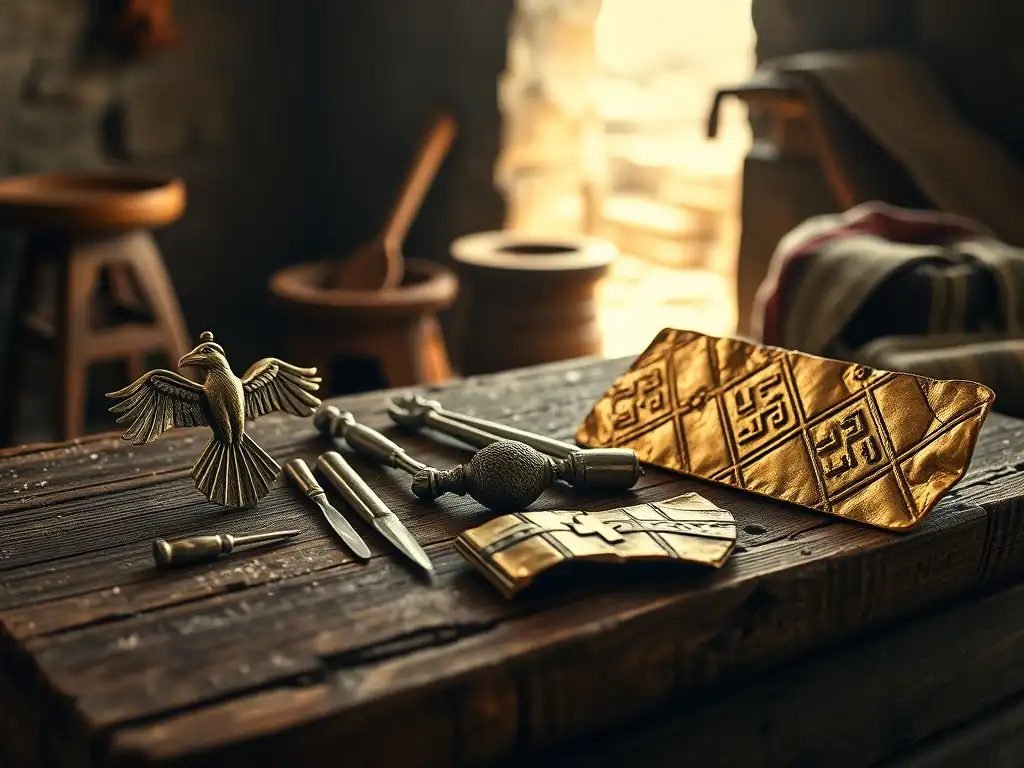
Andean metalworking, a testament to the ingenuity and artistry of ancient Andean civilizations, didn't spring up overnight. Its evolution, spanning centuries, reflects a fascinating interplay of technological advancements, cultural exchange, and artistic expression. This section delves into the key stages of this development, tracing the path from rudimentary techniques to sophisticated metalworking practices that produced iconic artifacts. Understanding this "Andean metalworking evolution history" is crucial to appreciating the complexity and sophistication of these ancient societies.
The Rise of Specialized Metalworking
The earliest evidence of metalworking in the Andes dates back to around 2000 BCE, with the initial use of native copper, readily available in certain regions. Initially, cold hammering was the primary technique, shaping malleable copper into simple tools and ornaments. However, as the demand for metal objects increased and the need for more complex forms arose, the development of specialized metalworking emerged.
This specialization led to the creation of distinct roles within Andean communities, with individuals dedicated to specific aspects of the metalworking process, from mining and smelting to shaping and finishing. This division of labor, a hallmark of increasing societal complexity, significantly boosted the efficiency and quality of metalwork production.
Advancements in Metal Smelting in the Andes
The transition from cold hammering to casting represented a significant leap forward. Smelting, the process of extracting metal from its ore, required advanced knowledge of metallurgy and the construction of specialized furnaces. Archaeologists have unearthed evidence of various smelting techniques, including those using charcoal and bellows to achieve the necessary high temperatures. The refinement of smelting techniques allowed for the production of larger and more intricate metal objects, paving the way for the creation of sophisticated tools, weaponry, and ceremonial items. The development of efficient smelting techniques also impacted the availability of metals, driving further innovation in metalworking.
The Introduction of Alloys in Andean Metalwork
A crucial turning point in Andean metalworking was the discovery and utilization of alloys. The combination of different metals, such as copper and tin to create bronze, resulted in stronger, more durable, and aesthetically pleasing materials. The precise timing and methods of alloy development in the Andes are still being researched, but evidence suggests a gradual process of experimentation and refinement.
The introduction of alloys not only expanded the range of possible forms and functions but also contributed to the development of distinctive regional styles in Andean metalwork. The creation of alloys like tumbaga (a gold-copper alloy) significantly impacted the aesthetic and symbolic value of Andean metalwork.
The Role of Metalworking Centers in Andean Cultures
The rise of specialized metalworking wasn't evenly distributed across the Andes. Certain regions emerged as significant metalworking centers, attracting skilled artisans and fostering innovation. These centers often coincided with areas rich in metal ores and possessed the necessary infrastructure for production.
The concentration of metalworkers in these centers facilitated the exchange of knowledge and techniques, accelerating the overall development of Andean metalworking. Furthermore, these centers played a crucial role in the social and economic organization of Andean societies, contributing to the power and prestige of ruling elites. The organization and control of these centers are an important aspect of understanding Andean power structures.
Andean Metalworking: Regional Styles and Innovations
The development of Andean metalworking wasn't a monolithic process. Distinct regional styles and innovations emerged, reflecting the unique cultural expressions and technological capabilities of different Andean societies. This section explores some of the most prominent examples, highlighting the remarkable artistry and technical skill achieved in each region.
Moche Metalwork: Master Craftsmanship and Iconography
Moche metalworkers (100-800 CE) were renowned for their exceptional craftsmanship and the detailed iconography incorporated into their work. They mastered a variety of techniques, including casting, hammering, repoussé (hammering from the back to create relief), and gilding. Their metalwork often featured intricate depictions of deities, mythical creatures, and scenes from daily life, providing invaluable insights into Moche religion, mythology, and society. The use of tumbaga, with its characteristic golden sheen, further enhanced the visual impact of their creations. Many Moche artifacts, such as elaborate headdresses, ceremonial vessels, and intricate jewelry, are prime examples of sophisticated metalworking.
Nazca Metalworking: Fine Goldwork and Techniques
The Nazca culture (100 BCE – 500 CE) is famous for its mastery of fine goldwork. Their gold artifacts, often delicate and intricate, showcase remarkable technical skill and artistry. Nazca metalworkers employed techniques like hammering, repoussé, and soldering to create elaborate sheets of gold, often adorned with intricate designs and inlaid with other materials like turquoise or spondylus shell. The precision and detail of their work are truly astonishing, reflecting a high level of expertise and artistic sophistication. The scarcity of gold in the Nazca region further underlines the significance of their metalworking achievements.
Tiahuanaco Metalwork: Bronze and Ritual Objects
The Tiahuanaco culture (c. 500 – 1000 CE) is associated with the production of bronze objects, reflecting their access to tin ores. Their metalwork, though less abundant than that of the Moche or Nazca, is characterized by its monumental scale and association with ritual and religious practices. Tiahuanaco metalworkers often created large bronze objects, including ceremonial axes and other ritual implements, demonstrating both technological prowess and symbolic power.
These objects served not just utilitarian purposes but were integral to religious ceremonies and the ideology of the Tiahuanaco state. The style is distinct from other Andean metalworking traditions, reflecting the unique cultural context of the Tiahuanaco civilization.
The Inca Empire and the Height of Andean Metalworking
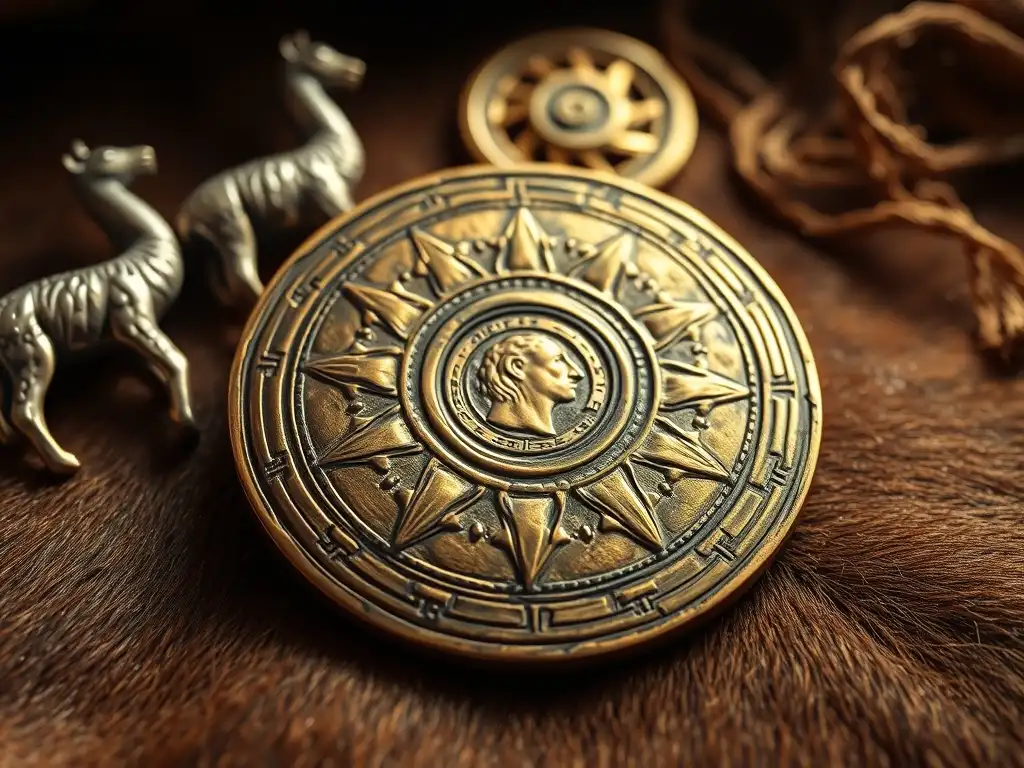
The Inca Empire, spanning from the 15th to the 16th centuries CE, witnessed the apex of Andean metalworking. This period wasn't simply a continuation of pre-existing techniques; it represented a significant shift driven by imperial organization and centralized control. The sheer scale of Inca metal production, the standardization of styles, and the strategic use of precious metals dramatically altered the landscape of Andean metalworking and left an enduring legacy.
Understanding this period is crucial to grasping the full evolution of Andean metalworking history. The Inca's mastery wasn't just technological; it was also deeply intertwined with their social and political structures.
Inca Metalworking: Standardization and Imperial Control
Inca metalworking was characterized by a remarkable degree of standardization. Unlike earlier periods where regional styles flourished, the Inca imposed a degree of uniformity across their vast empire. This was achieved through centralized workshops employing skilled artisans, often organized under the yanaconas system, a form of state-sponsored labor. The Inca state controlled the access to raw materials, particularly gold and silver, ensuring a consistent supply for their metalworkers.
This centralized approach facilitated mass production of objects, ranging from utilitarian tools to elaborate ceremonial items, all bearing a distinct Inca aesthetic. Evidence suggests a system of quality control, aiming for consistent quality and design across different workshops. The standardization wasn't merely aesthetic; it served as a powerful tool for asserting imperial authority and projecting Inca power across the diverse regions of the empire.
The Use of Precious Metals in Inca Society
Gold and silver held immense symbolic value within Inca society. These precious metals, often associated with the sun god Inti and the moon goddess Mama Killa, were used to create objects that served both religious and secular purposes. Gold, in particular, was frequently used to adorn religious statues and ceremonial items, emphasizing their sacred nature. Silver, while also precious, was often used for more functional items, like tableware and tools for the elite.
The Inca meticulously controlled the allocation of precious metals, reflecting the hierarchical structure of their society. The most elaborate and lavish metalwork was reserved for the Inca emperor and the elite, further solidifying their status and power. Detailed inventories from colonial records give us glimpses into the vast quantities of precious metals utilized in Inca society.
Inca Metalwork as Symbols of Power and Status
Inca metalwork served as a powerful symbol of imperial authority and social stratification. Elaborate gold and silver objects, such as intricately crafted tumi (ceremonial knives), richly decorated vessels, and finely wrought jewelry, were reserved for the Inca elite and religious figures. These items not only demonstrated wealth and power but also served as potent symbols of the Inca's divine right to rule.
The use of specific motifs, such as the chakana (Andean cross) and representations of animals and deities, further underscored the religious and political significance of Inca metalwork. The sheer scale and craftsmanship of these pieces served to impress and awe, solidifying the Inca's dominance across the empire.
The Impact of Inca Metalworking on the Andes
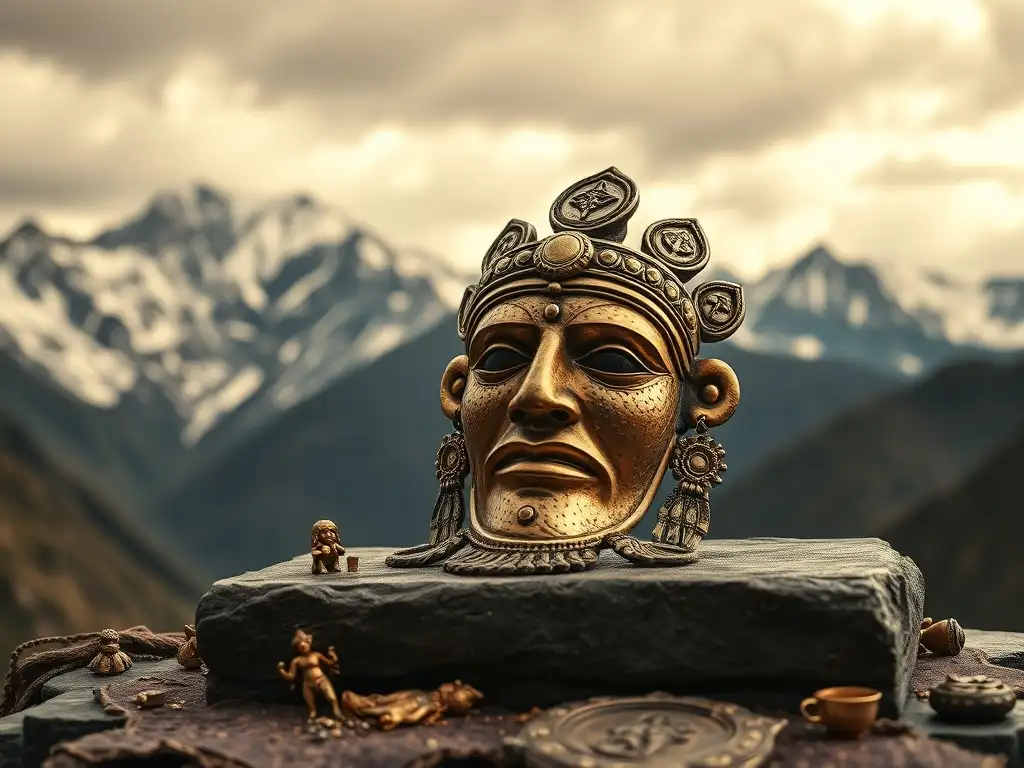
The Inca Empire's impact on Andean metalworking was profound and long-lasting. The standardization of styles and techniques, facilitated by centralized control, led to a significant increase in metal production. This era saw not just an expansion in the quantity of metalwork but also a refinement in techniques, with the Inca mastering intricate processes such as repoussé, casting, and alloying.
The Inca's influence extended beyond their direct control; the adoption of Inca styles and techniques by neighboring communities after the conquest demonstrates the far-reaching effects of their imperial metalworking tradition. This widespread influence is evident in the stylistic similarities between Inca and post-Inca metalwork found across the Andes.
Inca Influence on Metalworking Styles
The Inca's impact on Andean metalworking styles is clearly visible in the uniformity of objects produced during their reign. While pre-Inca civilizations had developed distinct regional styles, the Inca imposed a certain level of standardization. This standardization, however, didn't eliminate regional variations entirely; rather, it involved the incorporation of existing techniques and motifs into a broader, imperial framework.
For example, while the overall style might have been standardized, subtle regional variations in design details or the use of specific alloys can sometimes be observed. Archaeological finds consistently reveal this blend of imperial standardization and regional adaptation, highlighting the complex interplay between Inca control and local traditions.
The Legacy of Inca Metalworking Techniques
The Inca legacy in Andean metalworking continues to resonate even today. Many of the techniques developed and perfected during the Inca Empire, such as lost-wax casting and hammering, are still used by contemporary artisans. The enduring appeal of Inca aesthetics is also evident in the continued use of Inca motifs and designs in contemporary Andean art.
The remarkable craftsmanship and artistry of Inca metalwork continue to inspire and inform metalworkers in the region, underscoring the enduring legacy of this remarkable civilization and its contribution to the history of Andean metalworking evolution. Studying Inca metalworking techniques provides valuable insights into the broader evolution of metalworking in the Andes and the ingenuity of Andean artisans.
Post-Conquest Andean Metalworking
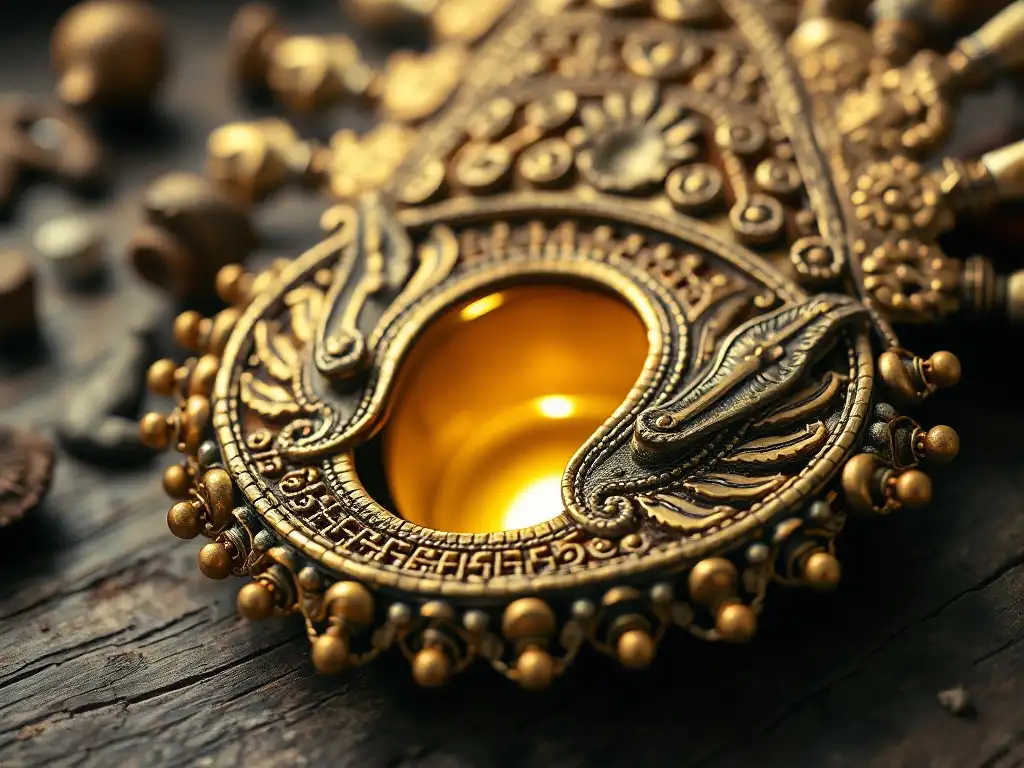
The Spanish conquest in the 16th century dramatically altered the landscape of Andean metalworking, initiating a complex period of transformation and adaptation. While the influx of European techniques and materials significantly impacted Andean metallurgical practices, the indigenous knowledge and artistry persisted, albeit in modified forms. This section explores the evolution of Andean metalworking in the post-conquest era, highlighting the interplay between indigenous traditions and colonial influences.
The Colonial Period and its Influence on Andean Metallurgy
The arrival of the Spanish brought with it not only new political and social structures but also a revolution in metalworking technology. The Spanish introduced advanced techniques like casting using molds, enabling the mass production of objects previously crafted through more laborious methods. The introduction of the bellows, for example, allowed for greater control over the smelting process, resulting in higher-quality metal and increased efficiency.
This shift impacted the production of everyday tools as well as ceremonial objects, leading to a noticeable change in the style and scale of metalwork produced. The Spanish also introduced new metals, such as mercury, which was crucial in the amalgamation process used for extracting silver from ore – a process that would profoundly shape the colonial economy and, consequently, Andean metalworking. This period marked a significant departure from the pre-Columbian era, where techniques were often more localized and less standardized.
Changes in Andean Metalworking Practices
The impact of the colonial period on Andean metalworking practices was multifaceted. While some traditional techniques were abandoned or modified, others persisted, often blending with European influences. For instance, the intricate repoussé and chasing techniques, characteristic of pre-Columbian goldsmithing, continued to be practiced, but the designs often incorporated elements of European aesthetics. The use of new alloys and the integration of European tools led to a broader range of stylistic possibilities.
However, the colonial period also witnessed a decline in the production of certain types of metalwork, particularly large-scale ceremonial objects, as the Spanish often confiscated or destroyed such items. This shift in production reflects the broader social and political upheaval of the conquest and its lasting impact on Andean societies. The sheer volume of silver extracted during this period, however, fueled a new kind of metalwork, driven by the demands of the colonial economy.
The Survival of Traditional Andean Metalworking
Despite the significant changes brought about by the Spanish conquest, traditional Andean metalworking techniques and styles did not disappear entirely. Indigenous artisans adapted and innovated, finding ways to integrate new materials and techniques while preserving elements of their cultural heritage. This resilience is evident in the continued production of smaller-scale objects, such as jewelry and tools, which often retained traditional designs and motifs. In remote areas, where Spanish influence was less pronounced, traditional practices remained relatively unchanged.
These communities served as repositories of ancient knowledge and techniques, ensuring the survival of Andean metalworking traditions through the colonial period and beyond. The persistence of these practices highlights the deep-rooted connection between Andean cultures and their metalworking heritage. The survival of these traditions would prove crucial for the revival of Andean metalworking in later centuries.
Contemporary Andean Metalworking
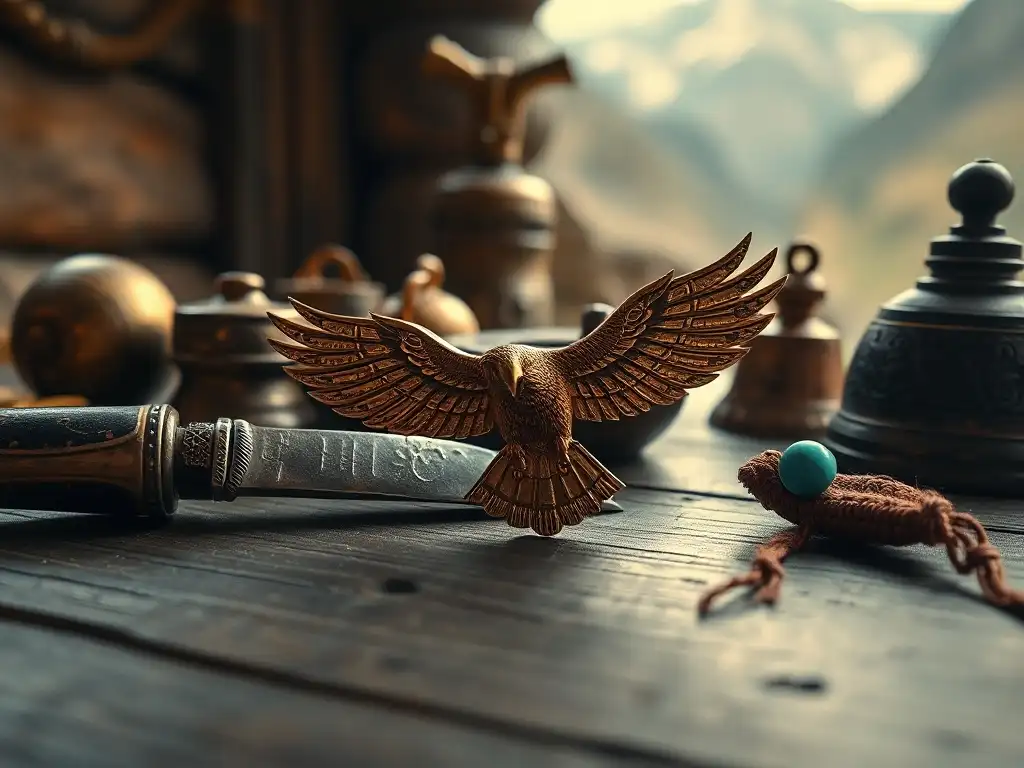
The 20th and 21st centuries have witnessed a renewed appreciation for Andean metalworking, fueled by both a revival of traditional techniques and the emergence of new approaches. This section explores the diverse expressions of contemporary Andean metalworking, encompassing both the preservation of ancient techniques and the incorporation of modern innovations.
Modern Andean Metalworking Techniques
Contemporary Andean metalworkers have skillfully integrated modern technologies into their craft. The use of electric furnaces and modern casting techniques has increased efficiency and precision, allowing for greater creative control. The accessibility of new materials and tools has expanded the range of possibilities, enabling the creation of intricate and innovative designs.
However, modern techniques are often used in conjunction with traditional methods, reflecting a conscious effort to balance innovation with cultural preservation. This blend ensures the continuation of the rich heritage while allowing for contemporary artistic expression. The use of CAD (Computer-Aided Design) for example, is now becoming increasingly common, allowing for greater precision and complex designs.
The Revival of Traditional Andean Metalwork
There has been a significant effort in recent decades to revive and preserve traditional Andean metalworking techniques. This revival has been driven by a combination of factors, including increased awareness of the cultural significance of Andean metalwork, the efforts of artisans and cultural organizations, and the growing demand for authentic handcrafted items. Workshops and training programs have been established to teach traditional techniques to younger generations, ensuring the continuation of this invaluable heritage.
This concerted effort to safeguard traditional practices has not only preserved ancient skills but also contributed to the economic empowerment of Andean communities. The renewed interest in traditional techniques has also led to a surge in the creation of contemporary pieces inspired by ancient designs.
The Significance of Andean Metalwork Today
Andean metalwork remains a powerful symbol of cultural identity and artistic expression. The intricate designs, the masterful craftsmanship, and the enduring connection to ancient traditions continue to captivate audiences worldwide. Contemporary Andean metalworkers are not only preserving a rich heritage but also creating innovative and compelling works of art that reflect both ancient traditions and modern sensibilities.
The continued practice of Andean metalworking contributes significantly to the cultural and economic vitality of Andean communities, ensuring that this ancient art form thrives in the 21st century and beyond. The evolution of Andean metalworking, from its pre-Columbian origins to its contemporary expressions, stands as a testament to the resilience and creativity of Andean cultures.
Conclusion: The Enduring Legacy of Andean Metalworking Evolution
The evolution of Andean metalworking, spanning centuries and encompassing diverse cultures, stands as a testament to human ingenuity and artistic expression. From the early experiments with hammered copper to the sophisticated techniques employed by the Inca, the trajectory reveals not only technological advancements but also a deep connection between the Andean people and the metallic resources of their environment. Understanding this evolution provides crucial insights into the social structures, religious beliefs, and economic systems of these remarkable civilizations.
The legacy of Andean metalworking continues to inspire awe and admiration, shaping our understanding of pre-Columbian artistry and technological prowess. The intricate designs, the masterful craftsmanship, and the sheer artistry embedded in these artifacts are a lasting testament to the skill and dedication of Andean artisans. The enduring legacy of Andean metalworking also highlights the importance of preserving and protecting these invaluable cultural treasures for future generations.
Understanding the Andean Metalworking Evolution History
Tracing the history of Andean metalworking requires examining several key phases. Early experimentation with native copper, likely involving cold hammering techniques, marked the initial stages. The discovery and subsequent use of alloys, such as bronze and tumbaga (a gold-copper alloy), represent significant technological leaps. The Moche culture, known for its sophisticated artistry, excelled in the creation of elaborate gold and silver objects, often depicting deities and mythological scenes.
The Nazca, while less prominent in metalworking compared to the Moche, still produced noteworthy pieces. The Inca, however, established a highly centralized system of metalworking, utilizing advanced techniques like lost-wax casting to produce large-scale objects, intricate jewelry, and ceremonial items. This evolution wasn't linear; different cultures developed unique styles and techniques, creating a rich tapestry of metalwork across the Andean region. The influence of one culture on another is also evident, as techniques and styles diffused across geographical boundaries.
This interconnectedness further enriches the understanding of Andean metalworking's evolution. Analyzing the chemical composition of these artifacts, along with stylistic features, provides invaluable data for reconstructing the timeline and understanding the cultural exchange across different Andean societies. The study of Andean metalworking evolution history necessitates a multidisciplinary approach, combining archaeological findings with metallurgical analysis and art historical interpretation.
The Importance of Studying Andean Metallurgy
The study of Andean metallurgy offers multifaceted insights into the societies that produced these remarkable artifacts. Understanding the techniques employed reveals technological advancements and the level of sophistication achieved by Andean artisans. The raw materials used—gold, silver, copper, and their alloys—provide clues about trade networks and economic systems.
The iconography depicted on these objects offers critical insights into religious beliefs, social structures, and political power dynamics. For example, the depiction of specific deities or mythological scenes on ceremonial objects provides valuable information about the cosmology and religious practices of the Andean cultures. Furthermore, the distribution and context of metal artifacts shed light on social stratification and the role of metalwork in ritual and daily life.
Studying Andean metallurgy is not merely about appreciating aesthetic beauty; it is about uncovering a wealth of information about the past, revealing social, religious, economic, and technological aspects of Andean civilizations. The preservation and study of these artifacts are crucial for a comprehensive understanding of Andean history and culture. The intricate details in the metalwork, often overlooked, can provide insights into the social structures and beliefs of the time.
The Future of Andean Metalworking Heritage
Preserving and promoting the legacy of Andean metalworking requires a concerted effort on multiple fronts. Careful excavation and conservation techniques are paramount to protect these fragile artifacts from deterioration. Research initiatives, combining archaeological fieldwork, metallurgical analysis, and art historical studies, are vital for expanding our understanding. Educational programs, both within and outside of the Andean region, can help raise awareness and appreciation for this unique cultural heritage.
Museums play a crucial role in showcasing these artifacts, providing educational resources, and fostering research. Furthermore, collaboration between researchers, museum professionals, and local communities is essential for ensuring the long-term preservation of Andean metalworking heritage. The future of Andean metalworking heritage lies in a holistic approach that balances scientific research with cultural sensitivity and community engagement.
Promoting ethical practices in the acquisition and display of these artifacts is equally crucial. By working together, we can ensure that the remarkable legacy of Andean metalworking continues to inspire and educate future generations. This includes supporting sustainable tourism initiatives that benefit local communities and contribute to the protection of cultural heritage sites.
Frequently Asked Questions
What is the earliest evidence of metalworking in the Andes?
The earliest evidence points to copper use around 2000 BCE in the Central Andes, primarily for tools and adornments. This marks the beginning of a long and fascinating evolution.
How did Andean metalworking techniques evolve over time?
Initially focusing on hammering and annealing, Andean metalworkers later mastered lost-wax casting and alloying, creating complex objects of gold, silver, and bronze. This demonstrates increasing sophistication.
Which Andean cultures were most renowned for their metalworking?
The Moche and Inca cultures are particularly renowned for their highly developed metalworking. However, many other Andean cultures, such as the Nazca and Tiahuanaco, also contributed significantly to this tradition.
What types of metals were primarily used in Andean metalworking?
Gold, silver, copper, and bronze were the primary metals, often combined to create alloys with unique properties and colors. The use of these metals reflected their cultural and religious significance.
What is the significance of Andean metalworking in understanding their societies?
Andean metalworking provides crucial insights into their social structures, religious beliefs, and trade networks. The objects themselves, often used in ceremonies or as symbols of power, are invaluable historical sources.
Final Reflection: Weaving the Legacy of Andean Metalworking
The intricate artistry of Andean metalworking isn't just a relic of the past; it's a vibrant thread woven into the fabric of contemporary Latin American identity and a testament to human ingenuity. The techniques, styles, and symbolic power embedded in these ancient artifacts continue to resonate, offering invaluable insights into the social structures, beliefs, and technological advancements of past civilizations. Understanding this evolution is crucial to appreciating the rich tapestry of Andean history and its enduring influence.
The sheer artistry and technical skill displayed in pre-Columbian metalwork continues to inspire awe and wonder, leaving an undeniable mark on the artistic landscape of the region. The legacy of these master craftspeople is not merely historical; it's a living tradition, influencing contemporary artists and designers who draw inspiration from these ancient forms. The past is never dead. It's not even past.
- William Faulkner. This quote perfectly encapsulates the enduring relevance of Andean metalworking, its forms and techniques echoing through time and finding new expressions in modern art and cultural practices.
Consider the intricate details, the symbolic power imbued in each piece, and the sheer dedication required to create such masterpieces. You, the reader, are now part of this ongoing conversation. Take a moment to reflect on the ingenuity and resilience of the Andean cultures, and consider how their legacy can inspire us to appreciate the power of craftsmanship, innovation, and the enduring strength of cultural heritage. Let the thread of time connect you to the past, enriching your understanding of the present, and shaping your vision for the future.
**Embrace the Art of Andean Metalworking! **
Thank you for exploring the rich history of Andean metalworking! You've discovered the beauty and evolution of a craft reflecting centuries of tradition and innovation. Now, let's put that knowledge into practice!
- **Explore** a local artisan market and seek out handcrafted metal items inspired by traditional Andean techniques. Look for intricate designs and unique styles.
- **Subscribe** to our newsletter for exclusive insights into Andean art and culture – you won't want to miss out!
- **Join** our online community forum to share your thoughts, experiences, and creations inspired by Andean metalworking. Connect with fellow enthusiasts and learn from each other.
What new techniques or designs from Andean metalworking will inspire your next project?