
Inca Metalworking Workshops: Centers of Craft and Production

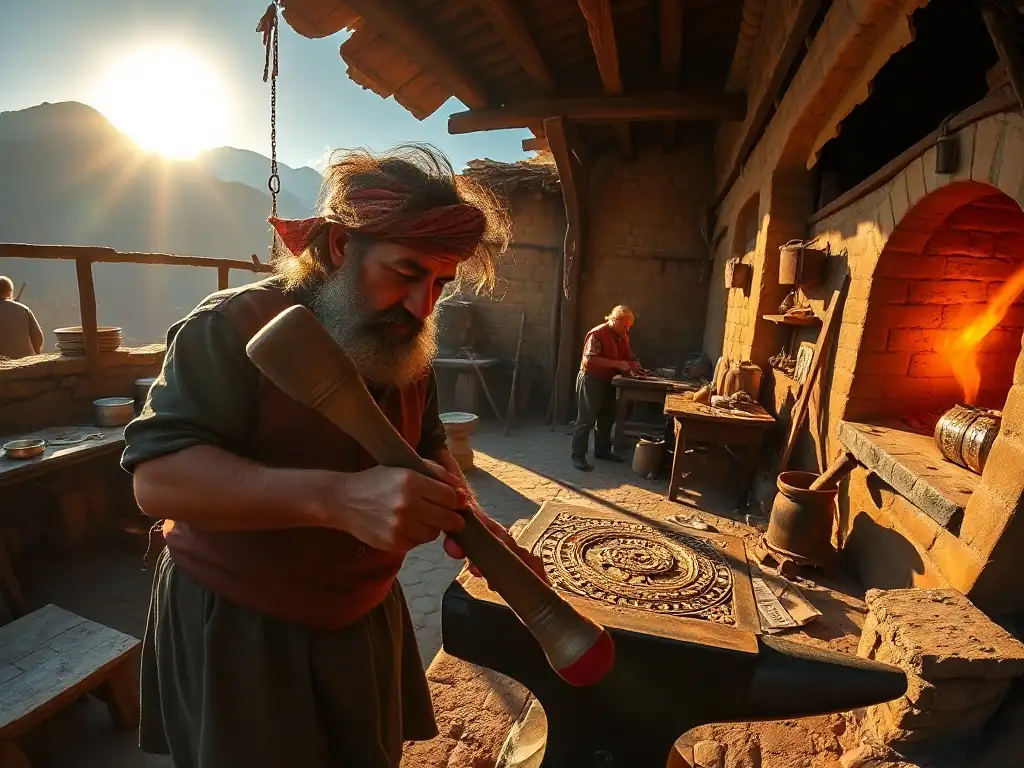
Uncover the secrets whispered through the ages in the heart of the Andes! Journey with us into a world of breathtaking artistry and unparalleled ingenuity, where the echoes of ancient civilizations still resonate. Prepare to be amazed by the lost techniques of Andean metalworking, particularly the sophisticated processes behind Inca metalworking techniques. Discover how these remarkable craftspeople shaped empires and left behind a legacy of breathtaking artistry that continues to captivate us today. Delve into the intricacies of Inca metalworking workshops and unlock the mysteries of their unparalleled skill.
The Inca Empire, renowned for its sophisticated engineering feats like Machu Picchu and intricate textile artistry, also possessed unparalleled skills in metalworking. This article delves into the fascinating world of Inca metalworking workshops, exploring their organization, techniques, and the significant role they played in Inca society.
We will uncover the secrets behind the creation of exquisite gold, silver, and copper artifacts that continue to amaze and inspire awe centuries later. Understanding Inca metalworking techniques provides crucial insight into their social structures, religious beliefs, and advanced technological capabilities, offering a deeper appreciation for the complexity and artistry of this remarkable civilization.
This exploration will illuminate how these workshops functioned as not only centers of craft production but also as vital hubs within the intricate web of Inca power and influence. We will examine the evidence available, highlighting the precision and artistry that defined Inca metalwork, and considering the lasting legacy of these remarkable workshops.
Introduction to Inca Metalworking and its Significance
Inca metalworking stands as a testament to the ingenuity and artistry of the Andean civilization. Unlike many other ancient cultures that primarily used metal for weaponry, the Inca employed metalworking for a far broader range of purposes. Gold, silver, and copper, sourced from various regions within the vast Inca Empire, were meticulously crafted into a dazzling array of objects. These included:
- Religious artifacts: Elaborate ceremonial objects, such as intricately designed tumi (ceremonial knives), were used in religious rites and displayed the Inca's reverence for their deities.
- Royal regalia: Ornate crowns, scepters, and other insignia of power underscored the authority and prestige of the Inca elite. The use of precious metals served to reinforce their divine right to rule.
- Everyday tools: While less ornate, everyday tools like needles, pins, and even agricultural implements demonstrated the practical applications of Inca metalworking expertise, showcasing its pervasiveness throughout society.
The significance of Inca metalworking extends beyond its aesthetic appeal. The techniques employed, such as hammering, casting, and alloying, represent a high level of technological sophistication. The mastery of these techniques required specialized knowledge and skill, passed down through generations of skilled artisans within tightly controlled workshops.
The control and distribution of these precious metals also served as a powerful tool for the Inca state to exert control and consolidate power. The very act of metalworking became a symbol of Inca imperial might and religious authority. The intricate designs and symbolic representations found in many artifacts offer valuable insights into Inca cosmology, social structures, and beliefs.
The Organization of Inca Metalworking Workshops
The Inca Empire's metalworking activities were not haphazard; they were highly organized and centrally controlled. Archaeological evidence suggests the existence of specialized workshops, often located near sources of raw materials or strategically positioned within major urban centers. These workshops were likely staffed by skilled artisans, possibly organized into guilds or under the direct supervision of state officials. The precise structure of these workshops and the level of specialization within them remain subjects of ongoing research, but some key aspects are clear:
| Aspect | Description | Evidence |
|---|---|---|
| Location | Proximity to mines or major urban centers, suggesting logistical considerations and access to both materials and markets. | Archaeological findings of workshops near mines and within Inca urban centers. |
| Labor Organization | Likely specialized artisans working under state supervision, perhaps organized into guilds or hierarchical structures. | Standardized techniques and stylistic elements in artifacts suggest organized labor. |
| Material Acquisition | Controlled by the state, ensuring access to and distribution of precious metals. | Evidence of state-controlled mining and distribution networks. |
| Production Techniques | Advanced techniques such as hammering, casting, repoussé, and alloying were employed to create diverse and intricate artifacts. | Analysis of surviving artifacts reveals sophisticated techniques. |
The Inca state's control over metalworking extended beyond the workshops themselves. The acquisition, processing, and distribution of raw materials were strictly regulated, ensuring that the Inca elite had exclusive access to the most precious metals. This control not only served economic purposes but also reinforced the Inca's political and religious authority.
The production of metalwork was not merely a craft; it was an integral part of the Inca state's power structure, reflecting the intricate relationship between religion, economy, and political control. The workshops themselves functioned as crucial nodes in this complex system, producing objects that served both practical and symbolic purposes, solidifying the Inca Empire's dominance and legacy. Further research is needed to fully understand the intricacies of their daily operations and the lives of the artisans who worked within these fascinating centers of Inca craft and production.
Types of Inca Metalworking Workshops and Their Specializations
The Inca Empire's sophisticated metalworking wasn't centralized in a single location. Instead, a network of workshops, each with its own specialization and scale of production, existed throughout the empire. This decentralized system allowed for efficient resource management and catered to both the elite's demands and the needs of regional populations. The organization of these workshops reflected the Inca's hierarchical social structure and their mastery of logistics and resource control.
The workshops varied significantly in size, location, and the types of metalwork they produced. Some were small, perhaps family-run operations, while others were large-scale facilities employing numerous skilled artisans. This diversity ensured a wide range of metal objects, from everyday tools to elaborate ceremonial items, were available throughout the empire. The quality and sophistication of the metalwork also varied depending on the workshop's location and specialization.
Royal Workshops: Production for the Inca Elite
Royal workshops, located primarily in Cusco and other major urban centers, were the pinnacle of Inca metalworking. These workshops produced the most exquisite and elaborate pieces, reserved exclusively for the Inca elite, including the Sapa Inca himself. These workshops employed the most skilled artisans, who received the best materials and resources. The pieces created in these workshops often incorporated precious metals like gold and silver, and were intricately designed with complex techniques like repoussé, chasing, and filigree.
The sheer artistry and craftsmanship evident in these objects demonstrate the high level of skill and dedication of the artisans working in these royal facilities. Detailed records, though scarce, suggest that these royal workshops operated under strict supervision, ensuring the highest standards of quality and adherence to specific designs. The output from these workshops served as symbols of power and prestige, reflecting the Inca emperor's authority and the empire's wealth.
Regional Workshops: Local Metal Production and Distribution
Beyond the royal workshops, a network of regional workshops existed throughout the Inca Empire. These workshops catered to the needs of local populations, producing tools, agricultural implements, and other everyday metal objects. While the quality and intricacy of their work might not have matched the royal workshops, these regional centers played a crucial role in supplying the empire with essential metal goods.
The metals used in these workshops were often sourced locally, reflecting the availability of resources in different regions. This localized production also facilitated the distribution of metal objects across the vast Inca territory, ensuring that even remote communities had access to essential metal tools. The existence of these regional workshops highlights the Inca's ability to effectively manage resources and distribute goods across their extensive empire, demonstrating a sophisticated understanding of logistics and economic organization.
Specialized Workshops: Focus on Specific Metalworking Techniques
Some Inca workshops specialized in particular metalworking techniques. Evidence suggests the existence of workshops focusing on casting, others on hammering and shaping, and still others dedicated to the intricate process of inlay. This specialization allowed for a high degree of skill development and efficiency in production.
The division of labor within these specialized workshops likely contributed to the high quality and consistency of Inca metalwork. While the exact locations and organizational structures of these specialized workshops remain areas of ongoing research, archaeological discoveries continually reveal new insights into their function and contribution to the empire's metalworking tradition. This specialization reflects a sophisticated understanding of manufacturing processes and the benefits of focused expertise.
Inca Metalworking Techniques and Processes
The Inca's impressive metalworking achievements stemmed from a complex interplay of sophisticated techniques and a deep understanding of metallurgy. Their mastery of these processes allowed them to create a wide range of objects, from functional tools to magnificent ceremonial items. The Inca's sophisticated metallurgical knowledge extended from the initial extraction of ore to the final polishing of finished products.
Mining and Extraction of Metals in the Inca Empire
The Inca Empire possessed extensive mineral resources, including deposits of gold, silver, copper, and bronze. Mining activities were often organized on a large scale, employing a significant workforce. The Inca developed effective techniques for locating and extracting ore, utilizing tools such as stone hammers, picks, and chisels.
Extensive terrace farming techniques, used for agriculture, were also adapted to create stable mining platforms on steep slopes. While the scale and intensity of Inca mining operations varied across different regions, their ability to effectively exploit these resources was crucial to their metalworking success. The mining operations were closely integrated with the empire’s overall economic and social structures, highlighting the importance of metal resources to Inca society.
Smelting and Refining Techniques in Inca Metallurgy
Once extracted, the ores were processed through smelting and refining to produce pure metals. Inca smelting techniques involved heating the ore in furnaces, often using charcoal as fuel. The process involved carefully controlling the temperature and airflow to extract the molten metal. The refined metal was then cast into ingots or other shapes, ready for further processing.
The Inca's smelting techniques, while distinct from modern methods, were remarkably effective in producing high-quality metals. Archaeological evidence suggests the use of various furnace designs, adapted to the specific ores and available resources in different regions. The development of these advanced smelting techniques was a cornerstone of Inca metalworking prowess.
Forming and Shaping Metal: Inca Techniques
The Inca employed a variety of techniques to shape and form the metal into desired objects. Hammering and forging were commonly used to create sheets, wires, and other forms. The Inca were masters of hammering, using various tools to shape the metal with remarkable precision. Casting was another important technique, allowing for the creation of complex shapes.
Lost-wax casting, a sophisticated technique, was employed to create intricate objects. This method involved creating a wax model, covering it in clay, melting out the wax, and then pouring molten metal into the resulting mold. Their skill in these techniques resulted in a range of objects, from simple tools to highly ornate ceremonial items. The Inca’s mastery of these techniques, combined with their artistic vision, led to the creation of stunningly beautiful and functional metal objects.
The Use of Alloys in Inca Metalwork
The Inca were skilled in creating alloys, combining different metals to achieve specific properties. The most common alloy was tumbaga, a mixture of gold and copper, which produced a range of colors and enhanced the durability of the metal. The precise proportions of gold and copper in tumbaga varied, resulting in a spectrum of hues from pale yellow to deep reddish-orange.
The Inca’s ability to control the composition of their alloys allowed them to create objects with specific aesthetic and functional qualities. This sophisticated understanding of metallurgy highlights the advanced knowledge and expertise of Inca metalworkers. The use of alloys demonstrates a high level of technical skill and an understanding of the relationship between material composition and final product characteristics.
Tools and Equipment Used in Inca Metalworking
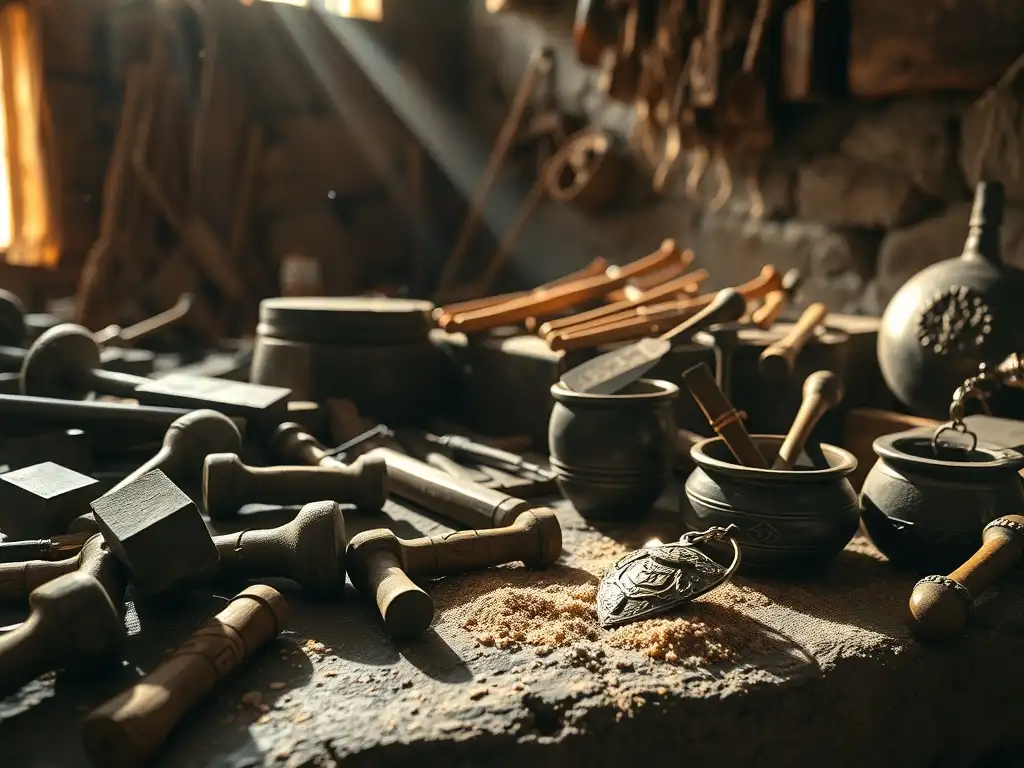
Inca metalworking, a testament to their advanced technological capabilities, relied on a sophisticated array of tools and equipment. These weren't mass-produced items; rather, they were carefully crafted instruments, often reflecting the same artistry and precision found in the finished metalwork itself. The ingenuity of Inca artisans is evident in their ability to create intricate pieces using relatively simple tools, demonstrating a mastery of technique and a deep understanding of the properties of metals. The development and refinement of these tools over generations contributed significantly to the empire's renowned metalworking tradition.
The workshops themselves were likely organized spaces, possibly with specialized areas dedicated to specific stages of the production process, ensuring efficiency and quality control. Evidence suggests a hierarchical structure within these workshops, with skilled master craftsmen overseeing apprentices and specialized tasks. This organizational structure was crucial for maintaining the high standards of Inca metalwork.
Inca Anvils, Hammers, and Other Metalworking Tools
The basic tools of the Inca metalworker included various types of hammers, anvils, and chisels. Anvils were likely made from stone, possibly a hard volcanic rock like andesite, chosen for its durability and ability to withstand repeated impacts. These weren't the simple, flat surfaces we might imagine; they likely incorporated shaping features to facilitate specific metalworking operations.
Hammers varied in size and weight, depending on the task at hand. Some were likely heavier for forging and shaping larger pieces, while others were smaller and lighter for more delicate work. Chisels, used for cutting and shaping metal, were probably made from hardened stone or possibly even early forms of bronze, though evidence for the latter is still being researched.
The precise shapes and sizes of these tools varied depending on the specific metal being worked and the desired outcome. Further research is needed to fully understand the complete range of tools employed in Inca workshops.
Furnaces and Crucibles in Inca Metal Production
The Inca's mastery of metalworking was heavily reliant on their ability to control high temperatures, achieved through the use of sophisticated furnaces and crucibles. These furnaces, likely constructed from clay and stone, were designed to reach temperatures sufficient for melting metals like gold, silver, and copper. The construction and design of these furnaces varied depending on the scale of production and the specific metal being processed. Larger workshops may have had dedicated furnace areas with multiple units operating simultaneously.
Crucibles, used to hold and melt the metal, were typically made from refractory clay, chosen for its ability to withstand extreme heat without cracking or melting. The design of the crucibles also likely varied to accommodate different quantities of metal. The precise methods used for controlling airflow and temperature within these furnaces are still under investigation, highlighting the need for further archaeological study.
Molds and Casting Processes in Inca Metalwork
Casting was a crucial technique in Inca metalworking, allowing for the creation of complex shapes and intricate designs that would have been difficult or impossible to achieve through hammering and chiseling alone. The Inca employed various types of molds, often made from clay or stone, into which molten metal was poured. Lost-wax casting, a sophisticated technique involving a wax model covered in clay, was likely used to produce intricate figurines and jewelry. Evidence suggests that the Inca also utilized simpler techniques involving pre-formed molds, where molten metal was poured into a cavity to create a desired shape. The skill involved in preparing these molds, ensuring they were free of imperfections and could withstand the high temperatures of molten metal, was a testament to their advanced craftsmanship. The development and refinement of these mold-making techniques were essential to the production of the intricate and detailed metalwork characteristic of the Inca civilization.
The Raw Materials Used in Inca Metalworking
The Inca Empire's metalworking prowess was inextricably linked to the availability of raw materials. The Andes Mountains were rich in various metals, providing the necessary resources for their renowned craftsmanship. Access to these resources varied regionally, influencing the types of metalwork produced in different parts of the empire. The extraction and processing of these metals involved complex techniques, reflecting the sophisticated understanding of metallurgy within Inca society. The distribution of these materials throughout the empire was carefully managed, likely through a system of tribute and trade, ensuring a constant supply for the workshops.
Gold: Inca Symbolism and Uses
Gold held immense symbolic importance for the Inca, representing the sun and its divine power. It was often used to create elaborate ornaments, jewelry, and religious artifacts, reflecting the Inca's belief in the sun god Inti. The Inca's gold work is characterized by its intricate details, delicate designs, and use of techniques like repoussé, where metal is hammered from the back to create raised designs.
Gold's malleability made it ideal for shaping into intricate forms, contributing to the remarkable artistry of Inca goldsmiths. The use of gold also served to reinforce the power and status of the Inca elite, with elaborate gold objects used to adorn rulers and religious figures.
Silver: Inca Metalwork and Craftsmanship
Silver, while not as highly valued as gold in Inca culture, was still an important metal used in various applications. It was used for creating jewelry, tools, and decorative items, showcasing the Inca's skill in metalworking. Unlike gold, which was often worked in its pure form, silver was sometimes alloyed with other metals to enhance its durability and workability.
Silver's reflective qualities also made it suitable for creating mirrors and decorative objects. The Inca's silverwork, though perhaps less celebrated than their goldwork, demonstrates a similar level of skill and craftsmanship. Further study is needed to fully understand the extent and variety of Inca silverwork.
Copper: Inca Metal Production and its Applications
Copper was a crucial metal in Inca metalworking, used both in its pure form and as an alloy. Its relative abundance in the Andean region made it readily available for various applications. Copper was used for creating tools, weapons, and decorative items. The Inca also developed techniques for working with copper alloys, particularly bronze, demonstrating a sophisticated understanding of metallurgy. The use of copper in tools and weapons highlights its practical importance, while its use in decorative items underscores its aesthetic value. The Inca's ability to extract, refine, and work copper was a significant factor in their technological advancement.
Bronze: Inca Alloys and Their Significance
Bronze, an alloy of copper and tin, was an important metal in Inca technology. The Inca's ability to create bronze demonstrates a sophisticated understanding of metallurgy, indicating their skill in controlling the composition and properties of metal alloys. Bronze was harder and more durable than pure copper, making it ideal for tools, weapons, and other functional items.
The precise sources of tin used in Inca bronze are still being investigated, highlighting the need for further research into the trade networks and resource management of the Inca Empire. The production of bronze also demonstrates the Inca's capacity for advanced metalworking techniques and their ability to adapt to the available resources.
Inca Metalwork: Products and Examples
Inca metalworking produced a stunning array of objects, reflecting both practical needs and sophisticated artistic sensibilities. Their mastery of techniques like hammering, casting, soldering, and gilding allowed them to create pieces of exceptional quality and detail. The most common metals used were gold, silver, copper, and bronze, often combined in intricate designs. These metals held significant symbolic value, representing power, wealth, and divinity.
The Inca's ability to work with these materials showcases their advanced metallurgical knowledge and technological prowess, surpassing many contemporary cultures in their precision and artistry. This sophisticated metalworking wasn't limited to a single style; instead, it incorporated a range of techniques and aesthetics, reflecting regional variations and evolving artistic trends within the empire. The sheer volume and diversity of surviving Inca metalwork provide a compelling window into their culture and daily life.
Inca Jewelry: Adornments and Status Symbols
Inca jewelry was far more than mere adornment; it served as a powerful indicator of social status and rank. Elaborate necklaces, earrings, and headdresses, often crafted from gold and silver, adorned the elite members of society, signifying their power and connection to the divine. The intricate designs, featuring stylized animals, plants, and geometric patterns, were not only aesthetically pleasing but also carried symbolic meaning, reflecting the wearer's position within the social hierarchy.
For example, large, ornate gold earrings would have been reserved for high-ranking officials, while simpler pieces might have been worn by commoners. The use of precious metals and gemstones further emphasized the wearer's wealth and prestige. The quality and complexity of the jewelry also varied, providing another layer of social distinction.
Inca Religious Objects: Metalwork in Ritual Practices
Metalwork played a crucial role in Inca religious practices. Many religious objects, including intricately crafted figurines of deities, ceremonial vessels, and ritualistic tools, were made from gold, silver, and other precious metals. These objects were not merely decorative; they served as conduits for spiritual power, facilitating communication with the gods and ensuring the continuation of cosmic order.
The use of gold, particularly, symbolized the sun god Inti, the most important deity in the Inca pantheon. The intricate details and symbolic imagery found in these religious artifacts highlight the deep connection between Inca metalworking and their religious beliefs. The creation of these objects was likely a sacred process, performed by skilled artisans who held a privileged position within Inca society.
Inca Tools and Utensils: Practical Applications of Metalwork
Inca metalworking wasn't solely focused on luxury items; it also extended to the creation of practical tools and utensils for everyday use. While less visually striking than their ceremonial counterparts, these objects demonstrate the versatility and adaptability of Inca metalworking techniques. Examples include knives, chisels, needles, and various agricultural tools.
The production of these everyday items required a high level of skill and precision, underscoring the widespread application of metalworking expertise within Inca society. The durability and functionality of these tools reflect the Inca's practical understanding of metallurgy and its importance in their daily lives. The widespread use of metal tools in agriculture and other industries contributed to the efficiency and productivity of Inca society.
Inca Military Equipment: Metal in Warfare
Metal also played a significant role in Inca warfare. While not as extensively used as in other aspects of their culture, metal was incorporated into the creation of weaponry and defensive equipment. Examples include meticulously crafted weapons such as knives, spear points, and possibly some forms of armor components.
The quality and craftsmanship of these military items demonstrate the sophisticated application of Inca metalworking techniques in a context of power and control. The use of metal in warfare reflects the Inca's capacity to adapt their technological expertise to serve military purposes, enhancing their effectiveness in conflict and demonstrating their control over resources. The scarcity of surviving examples, however, leaves some aspects of Inca military metalwork open to further research.
The Role of Inca Metalworkers and Artisans
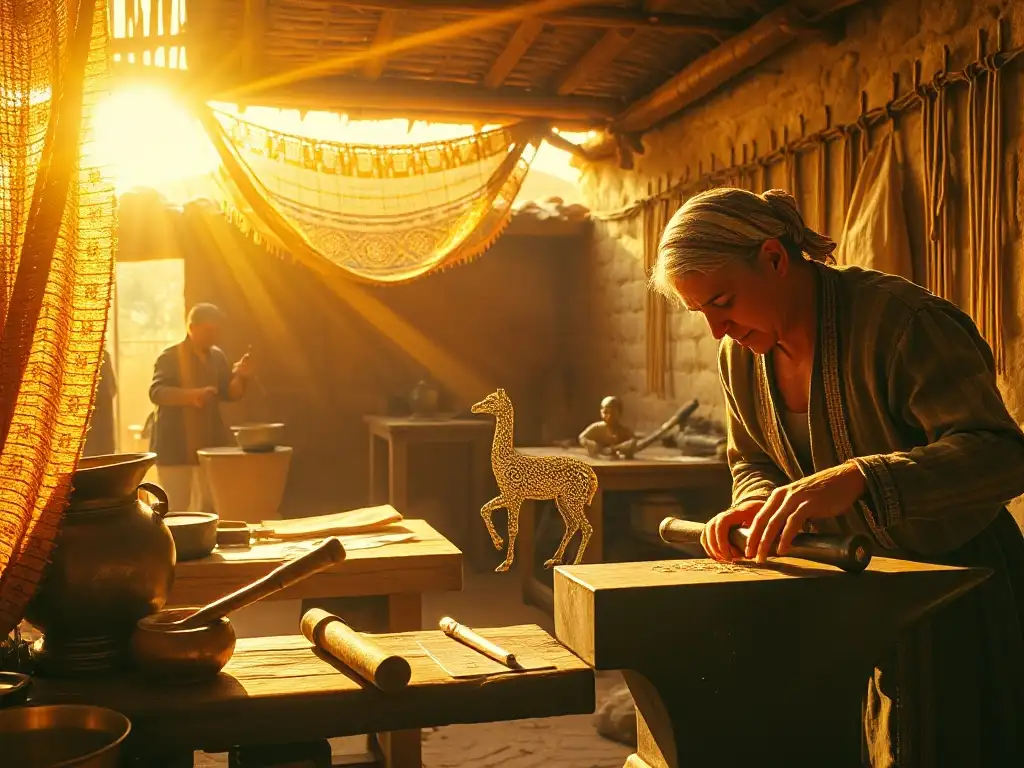
Inca metalworkers occupied a specialized and highly respected position within society. Their skills were not only essential for the production of practical tools and utensils but also crucial for the creation of religious objects and lavish adornments for the elite. This specialized role likely involved years of rigorous training and apprenticeship, passed down through generations within families or designated workshops. The workshops themselves were likely organized and managed by state officials, ensuring the quality and consistency of production. The social standing and economic influence of these artisans varied depending on their skill and the specific items they produced.
Status and Training of Inca Metalworkers
The status of Inca metalworkers varied depending on their skill and specialization. Master artisans who produced objects for the Inca elite held a high social standing, enjoying privileges and likely receiving significant compensation. Their training was likely a long and rigorous process, involving apprenticeship under experienced masters, coupled with strict adherence to traditional techniques and designs.
The knowledge and skills were passed down through generations, ensuring the continuity of Inca metalworking traditions. The hierarchical structure within the workshops suggests a well-organized system of training and production, reflecting the importance of metalworking to the Inca state. Evidence suggests that some metalworkers may have even held official positions within the state bureaucracy, highlighting their importance.
The Importance of Skill and Craftsmanship in Inca Society
Skill and craftsmanship were highly valued in Inca society, and metalworking exemplified this principle. The Inca valued not only the functionality of metal objects but also their aesthetic qualities and symbolic meaning. The intricate designs, the precision of the craftsmanship, and the use of precious metals all contributed to the high status of Inca metalwork.
This emphasis on quality and artistry reflected the Inca worldview, where craftsmanship was seen as a reflection of spiritual and social order. The preservation of sophisticated metalworking techniques over generations speaks to the deep-rooted cultural significance of the craft and the high respect accorded to its practitioners. The legacy of Inca metalworking continues to inspire awe and admiration, testament to the enduring value of their skills and artistry.
The Legacy of Inca Metalworking Techniques
The Inca legacy in metalworking is undeniable, leaving behind a treasure trove of artifacts showcasing remarkable artistry and technical skill. Their mastery of techniques like hammering, annealing, soldering, and gilding resulted in intricate objects, from delicate jewelry to imposing ceremonial items. The Inca weren't inventing these techniques from scratch; they built upon and refined pre-existing Andean traditions, incorporating innovations that distinguished their work.
For example, their advanced understanding of metallurgy allowed them to create alloys with specific properties, leading to stronger and more durable tools and ornaments. The sheer volume of surviving metalwork, despite the Spanish conquest's disruptive impact, underscores the scale and importance of Inca metalworking within their society. The sophisticated techniques employed demonstrate a deep understanding of material science and a dedication to craftsmanship that continues to inspire awe today.
Their ability to create seamless joints and intricate designs speaks to their exceptional skill and patience. Many pieces exhibit a level of detail only achievable through years of dedicated practice and apprenticeship within the Inca metalworking workshops.
Influence of Inca Metalworking on Later Andean Cultures
The Inca's influence on subsequent Andean metalworking traditions is profound and lasting. Post-conquest artisans, while facing challenges and changes, continued to draw inspiration from Inca techniques and styles. Many surviving pieces from the colonial period and beyond show clear echoes of Inca designs and manufacturing methods.
This continuity is particularly evident in the use of specific alloys, the continuation of hammering and repoussé techniques, and the persistence of certain decorative motifs. The Inca's standardized production methods, developed within their specialized workshops, also likely influenced the organizational structures of later metalworking communities. While the scale and centralized nature of Inca production may have diminished, the fundamental techniques and aesthetic sensibilities persisted, shaping the evolution of Andean metalworking for centuries.
The legacy of Inca metalworking can be seen as a foundational element in the ongoing narrative of Andean artistic expression. Studying these later pieces provides valuable insight into the adaptation and transformation of Inca techniques in changing socio-political contexts.
Preservation and Study of Inca Metalworking Artifacts
Preserving and studying Inca metalworking artifacts presents unique challenges. The delicate nature of many pieces, coupled with the effects of time and environmental factors, necessitates careful conservation efforts. Museums and research institutions employ specialized techniques to stabilize and protect these invaluable objects, slowing down degradation and ensuring their long-term survival for future generations to appreciate and learn from.
The study of these artifacts involves a multidisciplinary approach, combining archaeology, metallurgy, and art history to unravel the secrets of Inca metalworking. Scientific analysis, such as X-ray fluorescence, helps identify the alloys used and understand the manufacturing processes. Careful examination of the objects' ornamentation and stylistic features reveals information about their function, social significance, and the artistic sensibilities of the Inca artisans.
Ongoing research continuously refines our understanding of Inca metalworking, revealing new details about their techniques and the social context in which they were produced. The preservation and study of these artifacts are critical to understanding not only Inca technology but also their culture and worldview.
Modern Interpretations of Inca Metalworking Practices
Modern artisans and researchers continue to explore and reinterpret Inca metalworking techniques. There's a renewed interest in replicating Inca methods using traditional tools and materials, offering insights into the challenges and triumphs of Inca artisans. This practice provides a deeper appreciation for the skill and precision required to create these intricate objects. Moreover, contemporary artists draw inspiration from Inca designs and aesthetics, creating new works that acknowledge the legacy of Inca metalworking while expressing contemporary sensibilities.
This blending of tradition and innovation enriches both our understanding of the past and our artistic landscape today. The study and practice of Inca metalworking techniques offer a tangible connection to a rich cultural heritage, fostering a deeper appreciation for the ingenuity and artistic skill of past civilizations. These modern interpretations, whether through replication or artistic inspiration, contribute to a living legacy that celebrates the enduring power of Inca artistry.
Conclusion: The Enduring Impact of Inca Metalworking
Inca metalworking techniques represent a pinnacle of Andean metallurgical achievement. From the sophisticated alloys they developed to the intricate designs they crafted, their legacy continues to fascinate and inspire. The enduring impact of their work is evident in the surviving artifacts, the influence on later Andean cultures, and the ongoing efforts to preserve and study their techniques. Understanding Inca metalworking provides a window into the technological prowess, artistic sensibilities, and social structures of this remarkable civilization.
The study of Inca metalworking practices not only enhances our appreciation for their artistry but also contributes to a broader understanding of Andean history and culture. The legacy of Inca metalworking is a testament to human ingenuity and the enduring power of artistic expression. The meticulous craftsmanship and advanced techniques employed continue to impress and inspire, solidifying the Inca's place as masters of their craft.
- Introduction to Inca Metalworking and its Significance
- The Organization of Inca Metalworking Workshops
- Types of Inca Metalworking Workshops and Their Specializations
- Inca Metalworking Techniques and Processes
- Tools and Equipment Used in Inca Metalworking
- The Raw Materials Used in Inca Metalworking
- Inca Metalwork: Products and Examples
- The Role of Inca Metalworkers and Artisans
- The Legacy of Inca Metalworking Techniques
- Conclusion: The Enduring Impact of Inca Metalworking
Frequently Asked Questions
What made Inca metalworking so unique?
Inca metalworking was unique due to its exceptional craftsmanship and the diverse techniques employed, including hammering, casting, alloying, and plating. They created intricate objects with remarkable precision.
Where were Inca metalworking workshops located?
Workshops were located throughout the Inca Empire, but major centers existed in Cusco and other strategically important locations near sources of precious metals. These centers facilitated the large-scale production of metal goods.
What metals did the Inca primarily work with?
The Inca primarily worked with gold, silver, copper, and bronze, often combining them to create stunning alloys and multi-colored effects. They also employed techniques like gilding and inlay.
What were some common Inca metalworking products?
Common products included jewelry, tools, religious artifacts, and vessels. The high quality and artistic skill evident in these items demonstrate their mastery of the craft.
How did Inca metalworking techniques compare to those of other Andean cultures?
While other Andean cultures, like the Moche, also excelled at metalworking, Inca techniques demonstrated a higher level of sophistication and organization, suggesting a more centralized and large-scale production system.
Final Reflection: The Enduring Legacy of Inca Metalworking
The intricate artistry of Inca metalworking continues to resonate today, a testament to the ingenuity and cultural depth of a civilization lost to time. While the Inca Empire may be gone, the techniques and aesthetic principles they developed remain a source of fascination and inspiration, influencing contemporary art, design, and our understanding of ancient civilizations. Their mastery of alloys, their sophisticated casting and hammering techniques, and the sheer beauty of their finished products continue to captivate and challenge modern artisans.
The impact of Inca metalworking extends far beyond the realm of archaeology; it speaks to the enduring power of human creativity and the ability of skilled craftsmanship to transcend generations. The precision and artistry displayed in Inca artifacts remind us of the importance of valuing skilled labor and the beauty of handcrafted objects in a world increasingly dominated by mass production. The past is never dead. It's not even past.
– William Faulkner. This quote perfectly encapsulates the ongoing relevance of Inca metalworking, its techniques and philosophies still whispering to us across the centuries, inspiring new interpretations and innovations.
Consider, for a moment, the dedication and skill required to create such masterpieces. Now, consider how you can apply that same dedication and attention to detail in your own life, whether it's in your chosen profession, a creative pursuit, or simply in appreciating the beauty and craftsmanship around you.
Let the legacy of Inca metalworking inspire you to strive for excellence, to value the process as much as the product, and to appreciate the enduring power of human ingenuity. Embrace the spirit of innovation and artistry that defined the Inca metalworkers, and let it guide you towards your own unique achievements.
Ignite Your Curiosity: Explore Inca Metalworking Today!
Thank you for exploring the fascinating world of Inca metalworking! Your journey through the intricate artistry and rich history of Andean civilizations has revealed the remarkable skills of these ancient artisans. Now, let's consider how you can further engage with this incredible legacy.
Here are some ways to continue your exploration:
- Delve deeper into the craftsmanship by comparing Inca metalworking techniques to those of other ancient cultures. Discover the similarities and differences in their approaches!
- Visit a museum or exhibition showcasing Inca artifacts to experience these remarkable works firsthand and appreciate their historical context.
- Participate in a metalworking workshop or a local artisan event to try your hand at creating your own pieces inspired by Inca traditions.
What aspect of Inca metalworking captivates you most, and how will you integrate it into your creative endeavors?