
The Power of Storytelling: Oral Traditions in Ancient Andean Societies

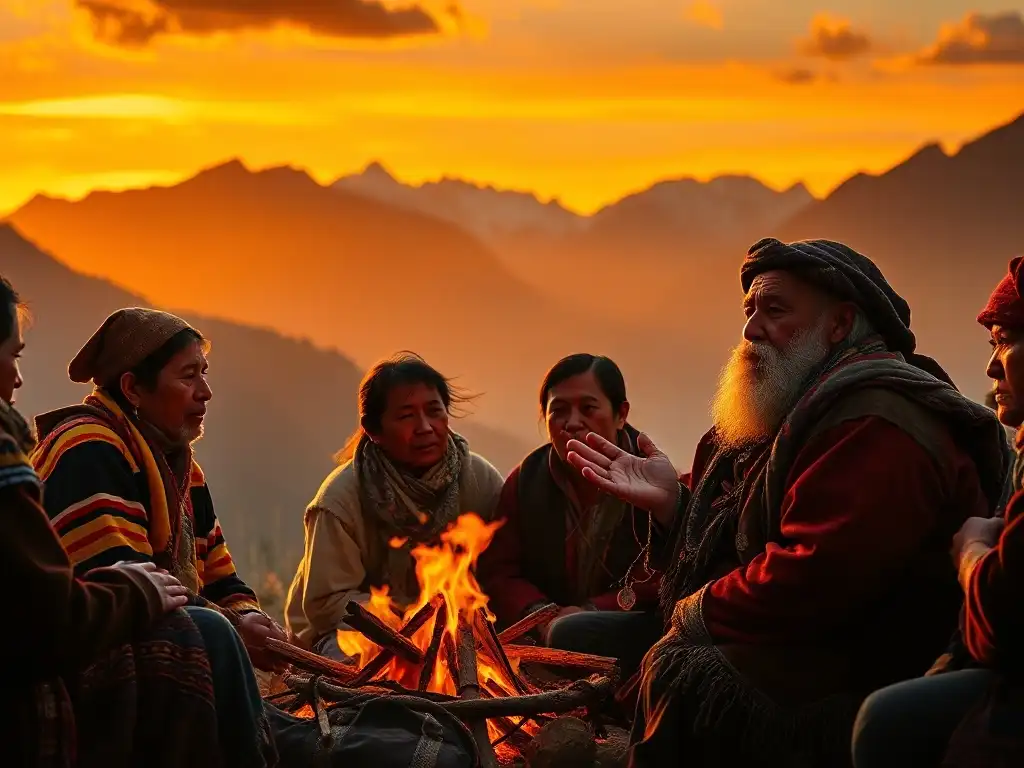
Dive into the mesmerizing world of Andean Civilizations, where towering mountains held secrets whispered through generations. Imagine a world shaped not by written words, but by the vibrant tapestry of oral storytelling. Uncover the captivating power of Ancient Andean oral storytelling traditions, a crucial element of Andean social structures, and discover how these narratives shaped beliefs, societies, and the very landscape itself. Prepare to be enthralled as we unravel the mysteries embedded within these ancient voices.
The vibrant tapestry of Andean civilizations, encompassing the Incas, Moche, Nazca, and Tiahuanaco, is not solely woven from the threads of monumental architecture and intricate artistry. A crucial, often overlooked, element of their rich cultural heritage is the power of oral tradition. These ancient societies, lacking widespread literacy, relied heavily on the spoken word to transmit knowledge, history, beliefs, and social values across generations.
This article delves into the fascinating world of Ancient Andean oral storytelling traditions, exploring their significance in shaping Andean culture and their enduring legacy. We will examine how these oral narratives served as a vital tool for education, social control, and the preservation of cultural identity in the face of environmental challenges and societal changes.
Understanding these traditions provides a deeper appreciation for the complexity and resilience of these remarkable civilizations. The influence of oral storytelling extends far beyond simple entertainment; it formed the very bedrock of Andean societal structures and worldview.
Introduction to Ancient Andean Oral Traditions
Ancient Andean oral traditions weren't merely casual storytelling; they were meticulously crafted narratives, often passed down through specialized lineages of storytellers or yachaywasi (houses of knowledge). These narratives encompassed a vast range of subjects, including:
- Cosmology and Mythology: Explanations of the creation of the world, the origins of humankind, and the interactions between humans and the supernatural. These myths often featured powerful deities, such as Viracocha (Inca) or Pachamama (Mother Earth), explaining natural phenomena and societal norms.
- History and Ancestry: Genealogies, accounts of significant historical events, and the deeds of ancestors were carefully preserved and recounted, solidifying social hierarchies and group identities. These narratives often served to legitimize power structures and maintain social order.
- Practical Knowledge: Techniques for agriculture, medicine, and other essential skills were transmitted orally, ensuring the survival and prosperity of the community. This included detailed knowledge of plant cultivation, animal husbandry, and medicinal properties of local flora.
- Moral and Ethical Codes: Stories conveyed moral lessons and ethical guidelines, shaping individual behavior and contributing to social cohesion. These narratives often used allegorical characters and situations to illustrate complex moral dilemmas.
The effectiveness of these oral traditions relied on several factors, including the use of memorable mnemonic devices like repetitive phrases, songs, and dramatic performances. The role of the storyteller was paramount; they were respected members of society, entrusted with the preservation and transmission of vital cultural knowledge. Their skill in captivating their audience ensured the continued relevance and impact of these narratives.
The Significance of Oral Storytelling in Andean Culture
The significance of oral storytelling in Andean culture cannot be overstated. These narratives served as:
- A powerful tool for social control: Stories reinforced social norms and expectations, shaping individual behavior and maintaining social order. The consequences of defying these norms were often vividly depicted in cautionary tales.
- A means of preserving cultural identity: In the absence of written records, oral traditions ensured the continuity of cultural knowledge and identity across generations, especially crucial during times of upheaval or conquest.
- A source of entertainment and community building: Gatherings around storytellers provided opportunities for social interaction, strengthening community bonds and fostering a sense of shared identity. These events often coincided with important festivals or ceremonies.
- A mechanism for transmitting practical knowledge: Oral traditions ensured the continuity of essential skills and knowledge related to agriculture, medicine, and other crucial aspects of daily life, contributing to the survival and prosperity of Andean communities.
The rich tapestry of Ancient Andean oral storytelling traditions provides invaluable insight into the beliefs, values, and daily lives of these fascinating civilizations. Further research into specific Andean societies and the unique characteristics of their oral traditions promises to reveal even more about their rich and complex cultural heritage. The enduring power of these stories continues to resonate today, offering a window into the past and a deeper understanding of the enduring human need for narrative and connection.
- Introduction to Ancient Andean Oral Traditions
- The Significance of Oral Storytelling in Andean Culture
Transmission of Knowledge Through Andean Narratives
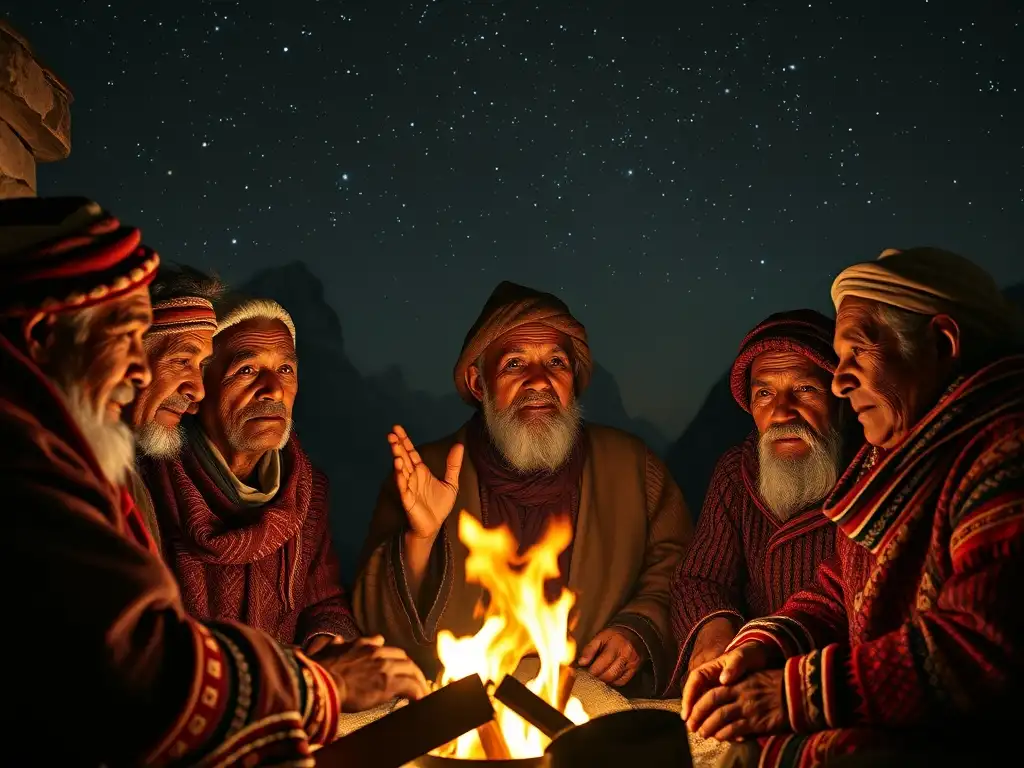
The vibrant tapestry of Ancient Andean cultures wasn't solely woven with threads of sophisticated architecture and intricate agricultural systems. A crucial element, often overlooked, is the powerful role of oral storytelling traditions in transmitting knowledge, preserving history, and shaping societal values. These weren't simply idle tales; they were dynamic tools used to educate, inspire, and maintain social cohesion across generations.
The meticulous preservation and transmission of these narratives ensured the continuity of cultural identity and provided a framework for understanding the world and their place within it. The effectiveness of this system lay in its adaptability, evolving to incorporate new experiences and perspectives while maintaining core cultural values.
Analyzing these traditions provides invaluable insight into the complexities of Ancient Andean societies, revealing a sophisticated system of knowledge transfer far beyond simple recounting of events. Understanding this system is key to appreciating the depth and richness of Ancient Andean oral storytelling traditions.
The Role of Myths and Legends in Andean Societies
Myths and legends formed the bedrock of Andean cosmology and worldview. These narratives explained the origins of the universe, the creation of humankind, and the relationship between the human and supernatural realms. For example, the creation myths of the Inca, often involving Viracocha, the creator god, established a hierarchical structure and defined the roles of different social groups.
These stories weren't static; they were reinterpreted and adapted by different communities, reflecting their unique experiences and perspectives. The narratives often included powerful symbolic elements, like animals, celestial bodies, and natural phenomena, which provided a framework for understanding complex concepts and natural events. Consider the stories surrounding the constellations – these were not merely celestial maps but integral parts of agricultural cycles and ritual practices, demonstrating a profound understanding of astronomy and its impact on daily life.
The consistent retelling of these myths cemented core beliefs and values, fostering a sense of shared identity and purpose within Andean communities. The power of these myths to shape social behavior is undeniable, demonstrating their importance in shaping Ancient Andean oral storytelling traditions. Analysis of these stories reveals a sophisticated understanding of narrative structure and symbolic language, far beyond simple storytelling.
Oral Histories and the Preservation of Andean Ancestry
Beyond myths and legends, oral histories played a crucial role in preserving genealogical records and maintaining social order. These narratives documented lineages, recounted historical events, and established claims to land and resources. The quipus, complex knotted cords used for record-keeping, were likely used in conjunction with oral traditions to preserve intricate details.
While the precise nature of quipu usage remains debated, it is clear that they served as mnemonic devices, aiding in the accurate transmission of extensive historical data across generations. These oral histories weren't merely chronological accounts; they were carefully constructed narratives that served to legitimize power structures and reinforce social hierarchies. The skillful storytelling of these narratives, often by designated community members, ensured the continuity of family histories and the preservation of cultural memory.
The accuracy and detail embedded within these accounts underscore the sophistication of Andean mnemonic techniques and their importance in preserving their rich heritage. The meticulous preservation of genealogical data through oral traditions and potentially aided by quipus highlights the enduring commitment of Ancient Andean societies to their ancestry, further enriching our understanding of Ancient Andean oral storytelling traditions.
This meticulous preservation of knowledge through oral traditions demonstrates the ingenuity and cultural sophistication of Ancient Andean societies. Their narratives were not mere entertainment but essential tools for social cohesion, cultural transmission, and the maintenance of a complex social order. The enduring impact of these stories on our understanding of these fascinating civilizations is undeniable.
Key Themes in Ancient Andean Storytelling
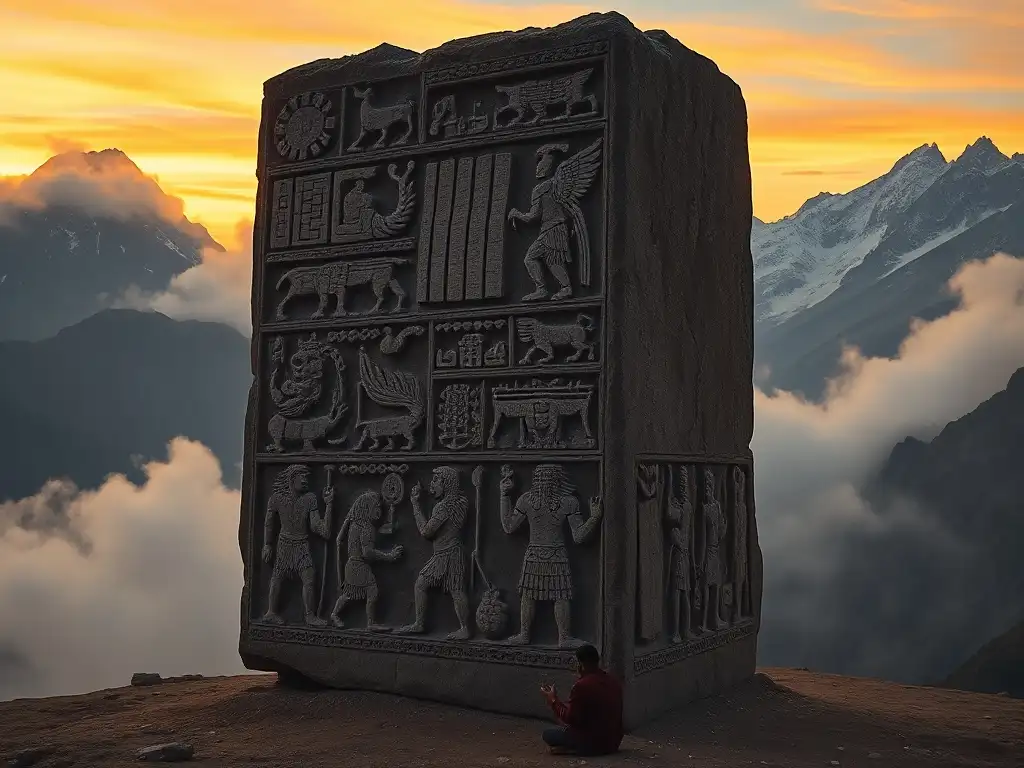
Ancient Andean oral storytelling traditions weren't merely entertainment; they served as vital tools for transmitting knowledge, preserving history, and reinforcing social structures. These narratives, passed down through generations, shaped the worldview and cultural identity of Andean societies. The power of these stories lay in their ability to connect the past, present, and future, offering explanations for natural phenomena, establishing social norms, and inspiring awe and reverence.
Analyzing these narratives offers invaluable insights into the complex belief systems and societal structures of these fascinating cultures. The rich tapestry of Andean oral tradition is woven with recurring themes, allowing us to decipher the values, fears, and aspirations of their creators.
Creation Myths and Cosmological Beliefs
Creation myths formed the bedrock of Andean cosmology, explaining the origin of the universe, the earth, and humanity. These narratives often involved powerful deities or supernatural beings shaping the landscape and establishing the order of the world. For example, many Andean cultures featured stories of a creator god emerging from a primordial watery chaos, bringing forth the sun, moon, stars, and eventually, humankind. These creation stories were not static; they varied across different Andean cultures, reflecting regional differences and specific beliefs.
The narratives often intertwined the natural world with the spiritual realm. Mountains, rivers, and celestial bodies were not simply geographical features but were imbued with spiritual significance, often inhabited by deities or spirits. These stories provided a framework for understanding the relationship between humans and the environment, emphasizing the importance of respecting the natural world and maintaining a harmonious balance.
The cyclical nature of many creation myths reflected the Andean understanding of time, highlighting the continuous renewal and regeneration of life. Detailed analysis of these myths reveals a deep connection between the Andean people and their environment, a connection that shaped their daily lives and social structures. Understanding these narratives is key to grasping the holistic worldview of these societies.
Tales of Andean Deities and Supernatural Beings
The Andean pantheon was rich and diverse, populated by a vast array of deities, spirits, and supernatural beings. Stories about these beings often served to explain natural phenomena, teach moral lessons, or reinforce social hierarchies. For instance, the Inca god Inti (the sun) was a powerful figure whose actions were believed to influence the weather, harvests, and the overall well-being of the people. Stories of Inti’s power and benevolence served to instill respect for the sun and to reinforce the authority of the Inca rulers, who claimed to be descendants of the sun god.
Other deities, such as Mama Killa (the moon) and Pachamama (Mother Earth), also held significant importance. Narratives surrounding these deities emphasized the interconnectedness of the natural world and the importance of maintaining a balance between the human and spiritual realms. These stories were not just religious narratives; they were also integral to the social fabric of Andean societies, shaping their values, beliefs, and social interactions.
The detailed descriptions of these deities and their interactions in the stories provide insights into the Andean understanding of the cosmos and their place within it. Further research into lesser-known deities and spirits from various Andean cultures could reveal even more nuanced aspects of their belief systems.
Stories of Heroes and Cultural Founders
Alongside creation myths and tales of deities, many Andean oral traditions featured stories of heroes and cultural founders. These narratives often explained the origins of particular customs, technologies, or social institutions. These heroic figures were often endowed with superhuman abilities or divine connections, making their achievements all the more impressive. Their stories served as inspirational models for future generations, teaching valuable lessons about courage, resilience, and perseverance. The narratives often highlighted the importance of community, cooperation, and respect for tradition.
For example, [specific examples of heroes and cultural founders from different Andean cultures pending]. These stories, while varying in detail across different groups, shared common themes of overcoming adversity, establishing social order, and bringing prosperity to their communities. Analyzing these narratives reveals valuable information about the values and aspirations of ancient Andean societies.
The heroic figures presented in these stories often acted as role models, demonstrating the ideals and behaviors considered important within their respective cultures. These narratives highlight the importance of cultural transmission and the role of storytelling in shaping social norms and identity. Further research is needed to fully catalogue and analyze the diverse range of hero myths across the various Andean cultures.
The Purpose and Function of Oral Traditions
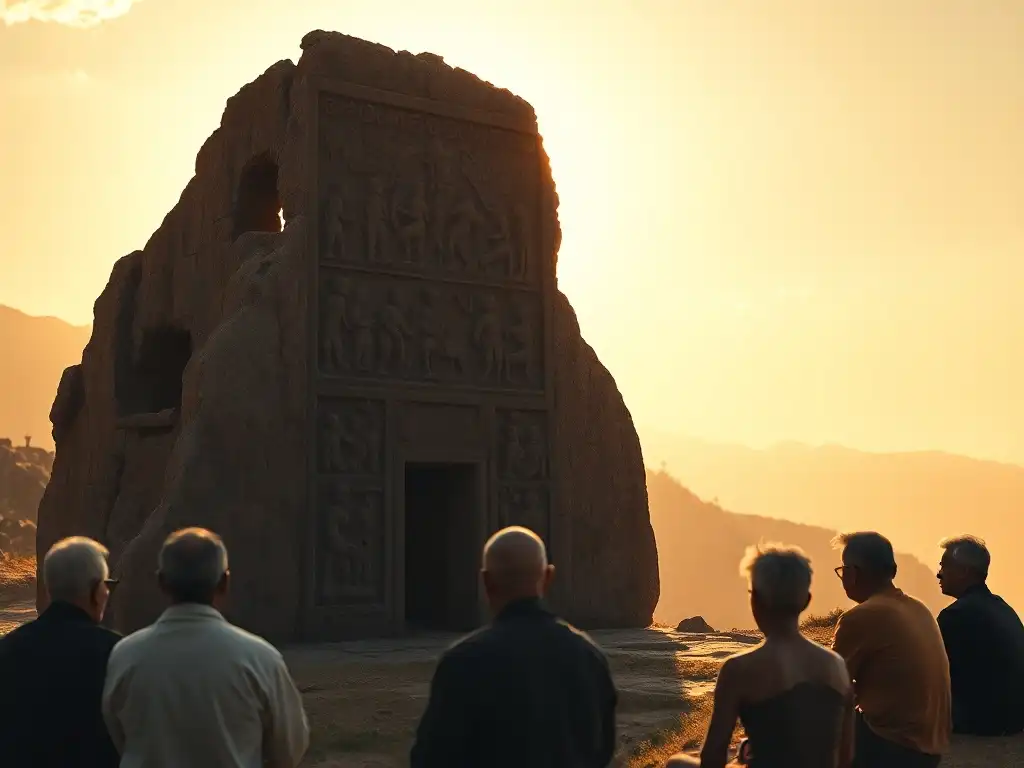
Ancient Andean oral storytelling traditions served far more than mere entertainment; they were integral to the very fabric of Andean societies. These narratives, passed down through generations, played a crucial role in shaping individual identities, strengthening community bonds, and preserving cultural heritage. Understanding their purpose reveals a sophisticated system of knowledge transmission and social control, deeply intertwined with the daily lives of the people.
The power of the spoken word in these civilizations cannot be overstated; it was a tool for education, social cohesion, and the enduring legacy of their culture. This section will explore the multifaceted functions of these vital oral traditions, focusing on their impact on Andean communities.
Oral traditions in Ancient Andean societies served as a primary means of education, disseminating knowledge and skills across generations. Unlike written texts, stories, songs, and myths provided a readily accessible and engaging way to impart crucial information. Children learned about their history, cosmology, and social roles through captivating narratives, often embedded within vibrant rituals and ceremonies.
For example, the intricate myths surrounding the origins of the Incas, frequently recounted, instilled a sense of shared identity and belonging. These stories not only conveyed historical accounts but also practical knowledge – agricultural techniques, medicinal practices, and societal customs were all interwoven into the oral narratives, ensuring their continuity and adaptation to changing circumstances. This method of education fostered a strong sense of community and collective understanding, promoting cooperation and social harmony.
The effectiveness of this system is evident in the longevity and complexity of Andean cultures, demonstrating the power of oral transmission in shaping societal structures and beliefs. The detailed accounts of astronomical events and agricultural cycles found within these oral traditions showcase the sophisticated understanding of the natural world held by these communities.
Beyond education, Ancient Andean oral storytelling traditions played a critical role in reinforcing social norms and values. Narratives often featured moral lessons, highlighting the consequences of actions and emphasizing the importance of community cooperation. Stories of heroic figures and exemplary behavior served as powerful role models, encouraging adherence to established social codes.
Conversely, cautionary tales warned against transgression and reinforced the importance of respecting traditional customs. These narratives were not simply didactic; they were deeply embedded within the social and religious fabric of Andean life, creating a powerful system of social control. For instance, stories about the consequences of defying the Inca rulers or violating sacred rituals served to maintain order and stability within the empire.
The integration of these moral lessons within engaging narratives ensured their memorability and effectiveness, contributing significantly to the social cohesion of these communities. Analysis of surviving oral traditions reveals a complex interplay between storytelling and social control, highlighting the conscious use of narrative to shape behavior and maintain social order.
Preserving Cultural Identity and Memory
The meticulous preservation of cultural identity and collective memory was another crucial function of Ancient Andean oral storytelling traditions. These narratives served as repositories of historical knowledge, preserving accounts of past events, lineages, and significant figures. Through the repetition and retelling of stories across generations, cultural knowledge was not only maintained but also adapted and reinterpreted to reflect changing circumstances.
This dynamic process ensured the continuity of cultural traditions while allowing for their evolution and adaptation. The intricate genealogies of Inca rulers, for instance, were meticulously preserved and transmitted through oral accounts, establishing a powerful link between the present and the past. Similarly, the songs and chants associated with various rituals and ceremonies played a vital role in preserving cultural practices and beliefs.
The survival of many aspects of Andean culture, despite the impact of colonization, speaks to the resilience and effectiveness of these oral traditions in safeguarding cultural heritage across centuries. The ongoing study of these traditions continues to reveal the depth and complexity of Andean cultural memory.
Methods and Styles of Oral Storytelling in the Andes
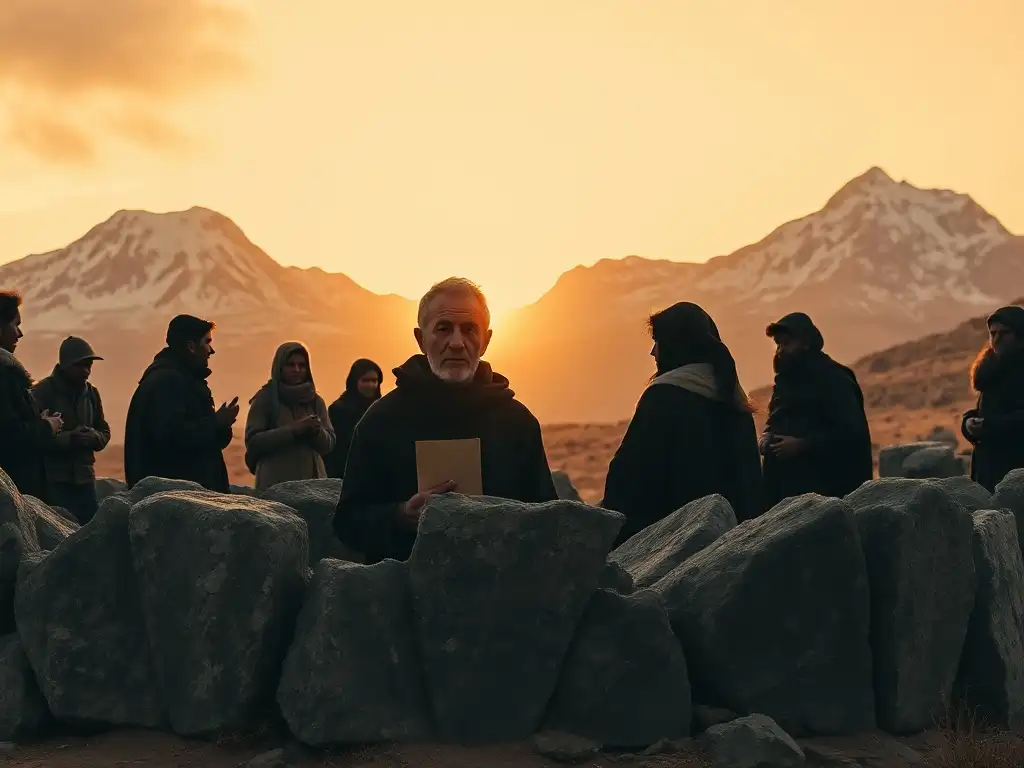
Ancient Andean oral storytelling traditions weren't simply the recounting of events; they were vibrant, multifaceted performances deeply intertwined with the fabric of daily life. These narratives served crucial social, religious, and educational functions, shaping Andean worldviews and transmitting knowledge across generations. Understanding the methods and styles employed reveals the sophisticated nature of these oral traditions. The effectiveness of these techniques relied heavily on mnemonic devices, dramatic delivery, and audience engagement.
The Use of Music and Ritual in Narrative Performance
Music played an integral role in enhancing the impact of Andean narratives. Storytelling wasn't a solitary act but a communal experience, often accompanied by musical instruments like the pututu (a shell trumpet), panpipes, and drums. The rhythmic patterns and melodic contours of the music helped to emphasize key moments in the story, creating emotional resonance and memorability. For instance, the dramatic rise and fall of a melody could mirror the fortunes of a hero in a myth, while a repetitive rhythm might underscore the cyclical nature of time or the seasons.
Furthermore, many narratives were intrinsically linked to rituals and ceremonies. Stories were told during specific festivals or rites of passage, their meaning deepened by the sacred context. The performance itself became a ritual, with specific gestures, costumes, and props enhancing the narrative's power and reinforcing its cultural significance.
The use of khipus (knotted cords) as memory aids further integrated the storytelling process with ritual. These intricate cords, often used for record-keeping, may have also served as visual aids during performances, allowing storytellers to refer to specific events or lineages depicted in the knots. This interconnectedness of music, ritual, and narrative ensured that the stories were not merely heard but deeply experienced by the audience.
Variations in Storytelling across Different Andean Cultures
While the overarching importance of oral tradition was common across various Andean cultures, significant variations existed in style, content, and function. The Incas, for example, employed sophisticated techniques for preserving and transmitting their history and laws through quipu records and specialized storytellers called amautas. Their narratives often focused on the Inca lineage, emphasizing the divine origins of their rulers and the legitimacy of their power.
In contrast, the Moche culture, known for its elaborate pottery depicting narrative scenes, might have employed different methods, perhaps relying more heavily on visual representations to complement their oral accounts. The Nazca, famous for their geoglyphs, might have woven their stories into the very landscape, using the lines etched on the desert floor as a canvas for epic narratives. The specific details of these variations remain partially obscured by the limitations of the archaeological record; however, the diversity of material culture suggests a richness and complexity in their oral traditions.
Further research into the specific linguistic structures of different Andean languages might yield insights into how narrative techniques varied across these cultures. For instance, the use of metaphor, simile, and other rhetorical devices might have been employed differently to achieve distinct narrative effects.
The Role of Storytellers and Keepers of Tradition
The individuals responsible for preserving and transmitting these ancient Andean oral storytelling traditions held positions of significant social and cultural authority. These storytellers, often elders or individuals with specialized knowledge, were not simply entertainers; they were custodians of their communities' history, values, and beliefs. Their role extended beyond mere recitation; they were actively involved in shaping the community's understanding of the world, its place in the cosmos, and its relationship with the supernatural.
These individuals, often referred to as amautas within the Inca Empire, possessed a deep understanding of their culture's myths, legends, and historical accounts. Their expertise required years of training and memorization, involving intricate mnemonic techniques and a profound understanding of the cultural context of the narratives. The skill of storytelling was not only a gift but a responsibility, demanding not only memorization but also the ability to adapt the stories to specific audiences and contexts.
The social standing of these individuals reflected the profound importance of the oral tradition in Andean societies. Their knowledge was a source of power and influence, shaping community values and reinforcing social cohesion. The loss of these oral traditions, therefore, represents not only the disappearance of captivating stories but also the erosion of a fundamental aspect of Andean cultural identity.
The Impact of Colonization on Ancient Andean Oral Traditions
The arrival of the Spanish in the 16th century dramatically altered the landscape of Andean life, irrevocably impacting the vibrant oral storytelling traditions that had flourished for millennia. The conquest was not merely a military victory; it was a systematic dismantling of indigenous cultures, including the intricate web of narratives that held Andean societies together. The consequences for oral traditions were profound and far-reaching, resulting in both suppression and, surprisingly, a degree of resilience.
Understanding this impact is crucial to appreciating the complexities of preserving and interpreting ancient Andean oral storytelling traditions today. The sheer volume of information lost is impossible to quantify, a tragic silencing of countless voices and perspectives.
The Suppression and Transformation of Indigenous Narratives
The Spanish Crown implemented policies aimed at eradicating indigenous religions and belief systems, viewing them as obstacles to Christian conversion. This included the active suppression of oral narratives that reinforced indigenous worldviews. Storytellers, often revered figures within their communities, were persecuted, their knowledge deemed heretical or superstitious.
Many traditional stories were destroyed or deliberately forgotten to avoid persecution. The consequences were devastating: the loss of invaluable knowledge about Andean cosmology, history, social structures, and daily life. The destruction extended beyond the physical act of burning texts (though many codices were indeed destroyed); it encompassed a more insidious silencing through intimidation and cultural erasure.
Furthermore, the imposed Spanish language gradually replaced Quechua and Aymara, the primary languages of oral storytelling. This linguistic shift further contributed to the erosion of traditional narratives, as the nuances, metaphors, and cultural context embedded within the original languages were lost in translation or simply could not be adequately expressed in a foreign tongue. The imposition of a new cultural framework inevitably led to the transformation of existing narratives.
Indigenous stories were often reinterpreted or adapted to fit within the Christian worldview, resulting in a blend of indigenous and colonial elements. This process of syncretism, while preserving elements of the original narratives, often diluted their original meaning and significance.
The Resilience of Oral Storytelling in the Face of Change
Despite the immense pressure to conform, Andean oral storytelling traditions demonstrated remarkable resilience. Indigenous communities found ways to adapt and preserve their cultural heritage, often subtly weaving their stories into new contexts. The narratives themselves became sites of resistance, subtly challenging colonial power structures. For example, seemingly innocuous tales might contain encoded messages of rebellion or maintain elements of pre-colonial beliefs in disguised forms. This strategy allowed the preservation of cultural memory while avoiding direct confrontation with the authorities.
The transmission of oral traditions continued within family units and tightly-knit communities. Grandparents and elders played a vital role in passing down stories, ensuring the survival of cultural knowledge across generations. This process, while vulnerable, proved effective in preserving core elements of Andean identity and worldview.
The resilience of oral storytelling also highlights the deep-seated importance of these traditions within Andean communities. They were not merely forms of entertainment; they were integral to social cohesion, moral instruction, and the transmission of vital knowledge. The continuation of these narratives against overwhelming odds demonstrates the enduring power of oral traditions and the determination of Andean peoples to maintain their cultural identity.
Even today, the echoes of these ancient stories resonate within contemporary Andean communities, a testament to their enduring power and significance. Further research is needed to fully document the diversity and richness of these resilient traditions. [Specific information pending: A comprehensive survey of contemporary Andean oral traditions and their relationship to pre-colonial narratives.]
Contemporary Relevance of Ancient Andean Oral Traditions
The echoes of Ancient Andean oral storytelling traditions resonate powerfully even today, shaping modern Andean identities and offering valuable lessons for contemporary society. Understanding these traditions isn't merely an academic exercise; it's crucial for appreciating the enduring cultural fabric of the Andes and for informing effective strategies for cultural preservation in the face of globalization and modernization.
The narratives, songs, and myths passed down through generations offer insights into ancient Andean worldviews, social structures, and environmental adaptations – knowledge that remains relevant in addressing modern challenges. For instance, the intricate understanding of Andean agricultural techniques embedded within oral histories can inform sustainable agricultural practices today, helping to mitigate the effects of climate change in vulnerable Andean regions.
Similarly, the complex social structures and conflict resolution mechanisms described in these stories provide valuable lessons for building inclusive and equitable communities. The continued relevance of these traditions highlights the importance of active engagement with and support for their preservation.
Revitalization Efforts and Cultural Preservation
Numerous initiatives are underway to revitalize and preserve Ancient Andean oral storytelling traditions. These efforts range from community-based projects that document and archive traditional narratives to educational programs that integrate these stories into school curricula. Many organizations work directly with indigenous communities to support the transmission of these invaluable oral histories to younger generations.
This often involves recording and transcribing stories, translating them into other languages, and developing accessible resources for educational and cultural purposes. The success of these initiatives hinges on active collaboration with Andean communities, respecting their intellectual property rights, and ensuring that these traditions are preserved authentically and respectfully. Data on the number of active preservation projects is [specific information pending], but anecdotal evidence suggests a growing global awareness of the importance of safeguarding these cultural treasures.
The challenge lies in balancing the need for preservation with the dynamic nature of oral traditions, allowing for evolution and adaptation while maintaining their core essence. Furthermore, effective preservation strategies must address the challenges of migration and urbanization, which can lead to the erosion of traditional knowledge.
The Importance of Storytelling for Andean Communities Today
The continued practice of Ancient Andean oral storytelling traditions remains vital for Andean communities today. These narratives serve not only as a link to the past but also as a powerful tool for social cohesion, cultural identity formation, and the transmission of values and beliefs. Storytelling provides a platform for sharing knowledge about traditional practices, ecological stewardship, and community governance.
The vibrant storytelling traditions are often intertwined with music, dance, and ritual, creating powerful and engaging experiences that foster a sense of belonging and collective identity. For example, the Quechua communities in the Peruvian Andes continue to use storytelling to educate children about their history, traditions, and responsibilities within their community. These stories are not static; they evolve and adapt to reflect changing circumstances, while simultaneously reinforcing the core values and beliefs that define Andean culture.
The stories act as a dynamic repository of cultural knowledge, constantly being reinterpreted and re-enacted within the context of contemporary life. The continued relevance of these traditions underscores their profound importance for maintaining cultural continuity and fostering resilience in the face of modern challenges. The ability to adapt and evolve while retaining core cultural values is a testament to the enduring power of Ancient Andean oral storytelling traditions.
Frequently Asked Questions
What role did oral storytelling play in Ancient Andean societies?
Oral storytelling was central to Andean life. It served to transmit history, values, and beliefs across generations, maintaining cultural identity and continuity in the absence of widespread writing systems. It was also used for entertainment and education.
How were stories passed down through generations?
Stories were passed down through formal and informal settings, including ceremonies, rituals, and everyday conversations. Specialized storytellers or yachaywasi played a crucial role in preserving and disseminating knowledge, often using mnemonic devices and songs.
What were some common themes in Andean oral traditions?
Common themes included creation myths, heroic legends, and tales of gods and spirits. Stories often emphasized the relationship between humans and the natural world, reflecting the importance of agriculture and the environment in Andean societies. Ancestor veneration was also a prominent theme.
What forms did Andean oral storytelling take?
Andean oral storytelling encompassed various forms, including narratives, songs, poems, and dramas. These were often accompanied by music, dance, and ritual to enhance their impact and memorability. The specific forms varied across different cultures and regions.
How did oral traditions influence Andean art and culture?
Andean oral traditions profoundly influenced art and culture. Motifs and imagery from stories frequently appeared in textiles, pottery, and other art forms. The stories themselves helped shape social structures, beliefs, and practices, leaving a lasting legacy on Andean civilizations.
Final Reflection: Echoes of the Andes: A Legacy of Storytelling
The vibrant tapestry of ancient Andean oral traditions continues to resonate in the modern world, a testament to the enduring power of narrative to shape identity and transmit knowledge across generations. These stories, passed down through centuries, weren't mere entertainment; they were the bedrock of Andean societies, shaping their worldview, social structures, and understanding of the cosmos. Their survival, despite the challenges of colonization and modernization, underscores their inherent strength and the deep human need for connection through shared narratives.
The impact of these oral traditions extends far beyond the archaeological record; they continue to influence Andean cultures today, shaping artistic expression, community values, and even political discourse. The echoes of ancient myths and legends are woven into the fabric of contemporary Andean life, reminding us of the enduring power of storytelling to connect past, present, and future. The stories we tell ourselves shape the world we live in.
This simple truth holds profound weight when considering the lasting influence of the Andean oral tradition.
Consider the stories you carry within you – the family legends, the cultural narratives that define your identity. What stories will you share, and what legacy will you leave behind? Embrace the power of narrative, not just as a means of entertainment, but as a tool for understanding, connection, and the preservation of cultural heritage. Let the echoes of the Andes inspire you to become a storyteller, to weave your own threads into the rich tapestry of human experience.
Unleash the Power of Your Own Stories!
Thank you for exploring the fascinating world of oral traditions in ancient Andean societies. Learning about their storytelling magic provides valuable insights into how narratives shape culture and community. Now, let's put that knowledge into practice!
Here are a few ways to engage with storytelling today:
- Start a Storytelling Group: Gather friends and family to share personal experiences or traditional stories. The shared experience will foster deeper connections.
- Explore Local Folklore: Research and document local legends and myths from your community. You might discover hidden gems worthy of preservation and sharing.
- Share this Article: Help spread awareness of the importance of storytelling by sharing this article on social media or with anyone who appreciates history and cultural traditions.
What stories have had a significant impact on your life or community? We encourage you to share your thoughts and experiences in the comments below.