
Aymara Political Activism: Voices of Indigenous Resistance

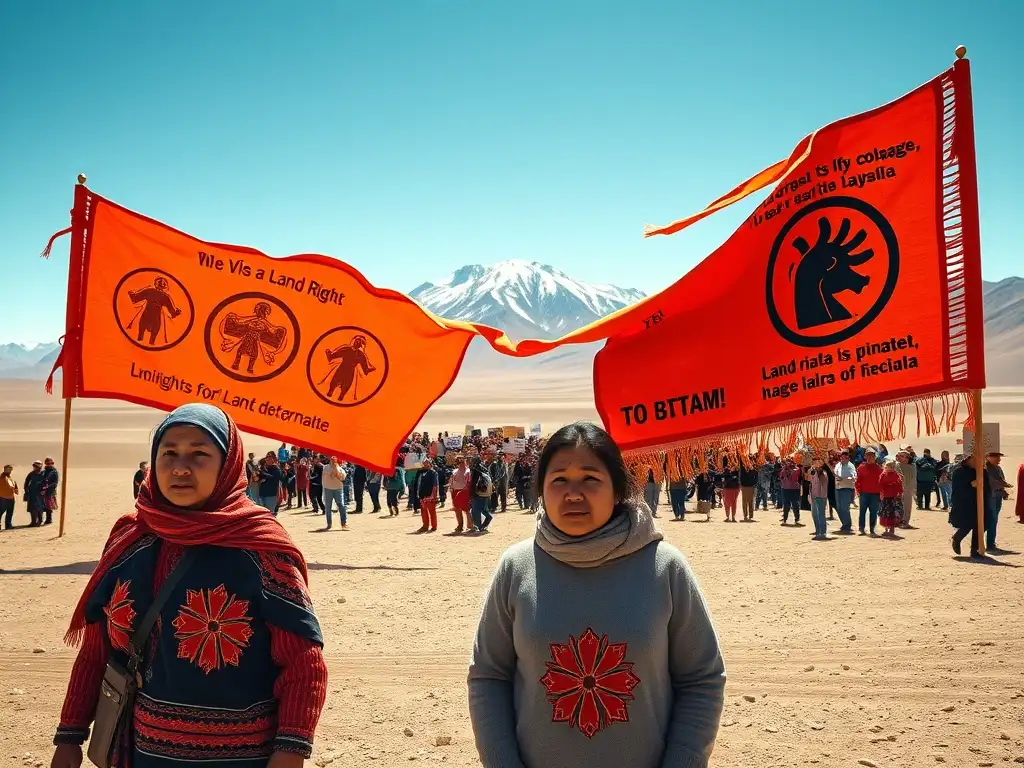
Step into a world lost to time, yet echoing powerfully in the present. The Andean Civilizations website unveils the breathtaking tapestry of ancient cultures, from the intricate artistry of the Nazca to the engineering marvels of the Incas. But their story isn't just one of magnificent achievements; it's also one of fierce resilience. Discover the untold narrative of Aymara indigenous resistance, a testament to the enduring spirit of a people whose voices continue to resonate across millennia. Uncover their legacy and prepare to be amazed.
The Aymara people, inhabiting the Altiplano region of the Andes Mountains, encompassing parts of Bolivia, Peru, and Chile, possess a rich history marked by both resilience and resistance. This article delves into the multifaceted nature of Aymara political activism, exploring the historical roots of their struggle for self-determination and examining contemporary expressions of indigenous resistance.
We will analyze the complex interplay between Aymara identity, political consciousness, and their ongoing fight for land rights, cultural preservation, and political participation. Understanding the Aymara experience offers a crucial lens through which to examine broader themes of indigenous rights, postcolonial struggles, and the enduring power of cultural identity in the face of oppression.
This exploration of "Aymara indigenous resistance" will reveal a powerful narrative of a people striving to maintain their unique cultural heritage while actively engaging in the political landscape of modern South America. The deep-seated connection between the Aymara and their ancestral lands, coupled with their rich oral traditions and community-based structures, form the bedrock of their ongoing resistance.
Understanding Aymara Identity and Political Consciousness
Aymara identity is deeply intertwined with their ancestral territories, their language (Aymara), and their unique worldview. This interconnectedness fuels their political consciousness, shaping their demands and strategies for resistance. For generations, Aymara communities have maintained a strong sense of collective identity, fostering cooperation and mutual support in the face of adversity.
This communal ethos is reflected in their traditional governance structures, which emphasize consensus-building and participatory decision-making. The vibrant Aymara culture, with its rich oral traditions, intricate weaving techniques, and distinct musical styles, serves as a powerful symbol of their resistance and a source of strength. The preservation of their language is also a crucial element of their identity and political struggle, as it represents a means of maintaining their cultural heritage and transmitting their history across generations.
The struggle to maintain their language in the face of Spanish and Quechua dominance is a key aspect of their ongoing political activism. Furthermore, the deep spiritual connection to Pachamama (Mother Earth) informs their environmental activism and their opposition to extractive industries that threaten their lands and livelihoods.
Historical Context of Aymara Resistance
The Aymara people's history is one of continuous struggle against oppression. Their resistance has manifested in diverse forms throughout various historical periods, reflecting the changing political and socio-economic landscapes. Understanding this historical context is crucial to comprehending the complexities of contemporary Aymara political activism.
Pre-Colonial Aymara Society and Governance
Before the arrival of the Spanish, the Aymara possessed sophisticated social and political structures. [Specific details on pre-colonial Aymara governance and social organization pending]. Their intricate system of irrigation, agriculture, and resource management demonstrates a remarkable level of social organization and cooperation. This pre-colonial history underscores the Aymara's capacity for self-governance and their inherent resistance to external domination. The evidence suggests a strong sense of communal identity and a sophisticated understanding of their environment, which continues to influence their political actions today.
Aymara Resistance During the Colonial Period
The Spanish conquest marked a turning point in Aymara history, initiating centuries of oppression and exploitation. The imposition of colonial rule led to significant disruptions in Aymara society, including the destruction of traditional governance structures and the forced labor system known as the mita. Despite these hardships, the Aymara engaged in various forms of resistance, ranging from open rebellion to subtle acts of defiance.
[Specific examples of Aymara resistance during the colonial period pending, including dates and key figures]. These acts of resistance, often carried out within the confines of the colonial system, demonstrate the Aymara's enduring determination to preserve their identity and autonomy. The resilience shown during this period laid the groundwork for future generations' activism.
The Legacy of Colonialism and its Impact on Aymara Political Mobilization
The legacy of colonialism continues to shape the Aymara political landscape. The enduring effects of land dispossession, economic marginalization, and cultural suppression have fueled contemporary Aymara political mobilization. [Specific data on current socio-economic indicators for Aymara communities pending]. The ongoing struggle for land rights, cultural recognition, and political participation represents a direct response to the historical injustices inflicted upon the Aymara people. This struggle highlights the interconnectedness between historical trauma and contemporary political activism, demonstrating how the past profoundly shapes the present. The Aymara's continued fight for their rights serves as a powerful testament to their resilience and determination.
Key Moments in Aymara Indigenous Resistance
The Aymara people's history is interwoven with a powerful thread of resistance against oppressive forces. Their struggles, often waged against colonial powers and later against neocolonial structures, have shaped their identity and continue to inspire contemporary activism. This resistance hasn't been a monolithic entity; it has manifested in various forms, from large-scale rebellions to subtle acts of cultural preservation and community building. Understanding these key moments allows us to appreciate the depth and complexity of Aymara resilience.
The fight for self-determination, land rights, and cultural preservation has been a constant throughout their history, adapting to the changing political landscapes while maintaining a core commitment to their ancestral ways of life. The ongoing struggle underscores the enduring spirit of the Aymara people and their unwavering commitment to their identity and future. Their history serves as a powerful reminder of the importance of indigenous rights and self-determination worldwide.
The Tupac Katari Rebellion and its Significance
The Tupac Katari Rebellion (1780-1781) stands as a pivotal moment in Aymara history, a powerful testament to their resistance against Spanish colonial rule. Led by Túpac Katari, a prominent Aymara leader, this rebellion encompassed a broad-based uprising that challenged the very foundations of colonial authority in the region. While ultimately unsuccessful in achieving complete independence, the rebellion's impact resonated for generations, inspiring future generations of Aymara activists and shaping their collective identity.
The rebellion's strategic use of guerilla warfare tactics, the mobilization of a diverse coalition of indigenous groups, and the symbolic significance of Túpac Katari's leadership continue to be studied and analyzed by historians. Its legacy is visible in the enduring Aymara struggle for self-determination and cultural preservation. The rebellion's failure, however, highlights the challenges faced by indigenous populations in confronting powerful colonial structures.
Aymara Participation in the Bolivian Revolution
The Bolivian Revolution of 1952 significantly impacted the Aymara people, although their participation and its consequences are complex and multifaceted. While the revolution promised social and economic reforms, the Aymara experience was not uniformly positive. While some Aymara communities benefited from land reforms, others faced continued marginalization and exploitation. The revolution's impact on Aymara political organization was significant, with the emergence of new forms of mobilization and advocacy.
The period also saw the rise of Aymara leaders who played crucial roles in shaping the post-revolutionary political landscape. The revolution's legacy for the Aymara remains a subject of ongoing debate and scholarly analysis, highlighting the complexities of revolutionary processes and their impact on indigenous populations. The struggle for land rights and political representation continued even after the revolution.
Emergence of Aymara Social Movements in the 20th Century
The 20th century witnessed the rise of organized Aymara social movements, reflecting a growing awareness of their political and economic marginalization. These movements, often rooted in local communities, employed various strategies to advocate for their rights and interests. These movements ranged from agrarian struggles focused on land access and control to broader campaigns addressing issues of cultural preservation, linguistic rights, and political representation.
The emergence of these movements marked a significant shift in Aymara political engagement, moving beyond localized resistance to more coordinated and nationally focused activism. The growth of these movements was often fueled by a combination of factors, including increasing social inequality, the growing influence of indigenous rights discourse, and the rise of transnational networks supporting indigenous activism. The legacy of these 20th-century movements laid the groundwork for the intensified activism seen in the 21st century.
Aymara Political Activism in the 21st Century
The 21st century has seen a resurgence of Aymara political activism, characterized by a greater level of organization, sophistication, and international visibility. This activism addresses a wide range of issues, from economic inequality and environmental concerns to the preservation of Aymara culture and language. The increased use of digital media and transnational networks has amplified the Aymara voice on a global scale.
The Fight for Indigenous Rights and Self-Determination
Central to Aymara activism in the 21st century is the persistent fight for indigenous rights and self-determination. This includes advocating for greater autonomy in local governance, control over natural resources, and the recognition of Aymara customary law. The struggle for self-determination is deeply rooted in the historical experience of colonization and marginalization, and the desire to reclaim control over their own lives and destinies.
This fight often involves navigating complex political landscapes and engaging with national and international institutions to advocate for their rights. The ongoing struggle demonstrates the Aymara people's commitment to their autonomy and their determination to shape their own future.
Aymara Activism and Environmental Protection
Aymara activism increasingly focuses on environmental protection, recognizing the interconnectedness between their cultural survival and the preservation of their ancestral lands and natural resources. The fight against extractive industries, the defense of water rights, and the promotion of sustainable development practices are key aspects of this activism. The Aymara people's deep connection to the land and their traditional knowledge of sustainable resource management inform their environmental activism.
This activism often involves challenging powerful economic interests and advocating for policies that prioritize environmental sustainability and indigenous rights. Their actions highlight the crucial role of indigenous communities in environmental conservation and the need for greater recognition of their knowledge and perspectives in environmental policy-making.
Aymara Women's Role in Political Movements
Aymara women have played, and continue to play, a crucial, though often overlooked, role in political movements. Their contributions often extend beyond traditional gender roles, encompassing leadership positions, community organizing, and advocacy work. Their involvement reflects a growing awareness of gender inequality within Aymara communities and a commitment to challenging patriarchal structures.
The increasing visibility of Aymara women in leadership roles highlights a significant shift in the dynamics of Aymara political activism, reflecting both internal social changes and the wider global movement for gender equality. Their experiences and perspectives offer valuable insights into the complexities of indigenous activism and the intersection of gender and political engagement. Their contributions are essential to understanding the full scope of Aymara resistance and the ongoing fight for self-determination.
Strategies and Tactics of Aymara Political Action
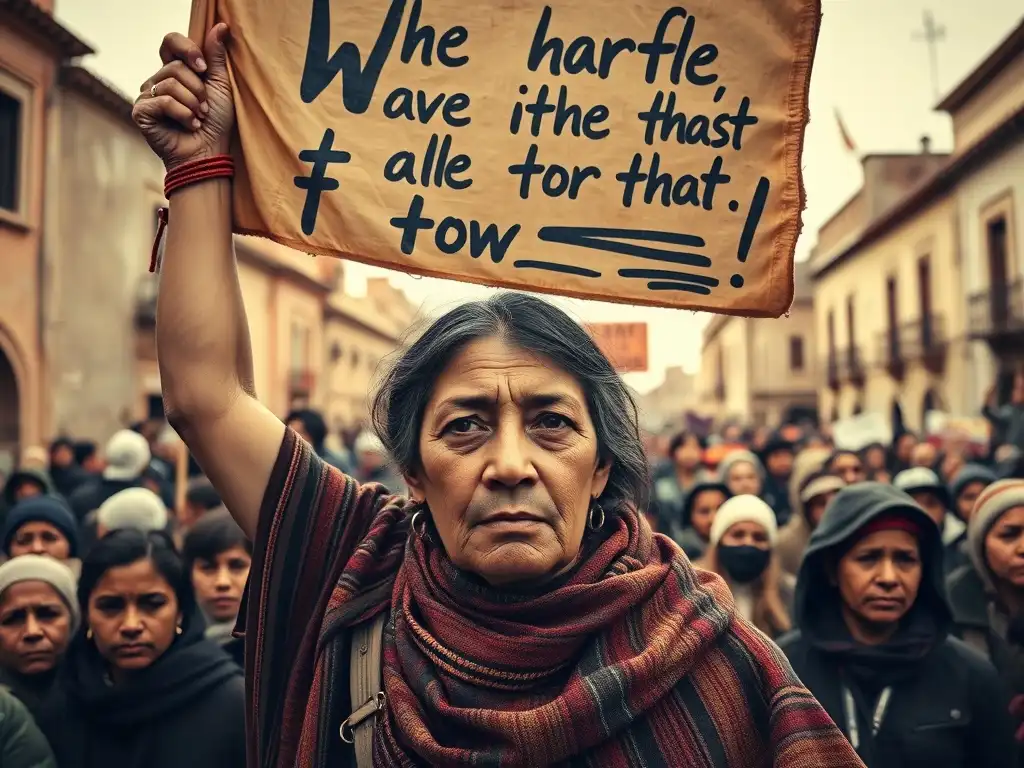
Aymara political action employs a multifaceted approach, blending traditional methods with contemporary strategies to address their concerns effectively. This blend reflects the community's deep-rooted cultural values and their adaptation to modern political landscapes. The movement's success hinges on its ability to mobilize diverse segments of the Aymara population, uniting rural and urban communities in a shared struggle for self-determination.
This unified front presents a formidable challenge to those who seek to marginalize or ignore Aymara interests. The strategic use of both direct action and political negotiation underscores the Aymara people's commitment to achieving their goals. Their resilience and adaptable approach are key to understanding the longevity and impact of their activism.
Community Organizing and Grassroots Mobilization
Community organizing forms the bedrock of Aymara political action. Through ayllus (traditional community structures), Aymara communities effectively mobilize resources and coordinate actions. These grassroots networks facilitate the dissemination of information, the recruitment of activists, and the organization of protests and demonstrations. The strength of these local organizations lies in their inherent understanding of community needs and their ability to build consensus around shared goals.
For instance, the successful mobilization of Aymara communities during [specific example of successful mobilization pending] demonstrates the power of this approach. This bottom-up organizational structure contrasts sharply with many top-down political models, emphasizing participation and collective decision-making. The inherent trust and strong social bonds within ayllus are crucial for effective mobilization and sustained resistance.
Use of Traditional Aymara Culture in Political Discourse
The Aymara people strategically incorporate their rich cultural heritage into their political discourse. Traditional Aymara symbols, rituals, and storytelling techniques are employed to convey political messages and foster a sense of shared identity and purpose. This approach resonates deeply with Aymara communities, strengthening their collective identity and mobilizing support for their political goals.
For example, the use of traditional music and dance during protests serves to energize participants and amplify their message to a wider audience. The incorporation of traditional Aymara cosmology and spiritual beliefs into political narratives provides a powerful framework for understanding and addressing contemporary issues. This unique approach transforms political activism into a culturally relevant and deeply meaningful expression of Aymara identity and resistance.
Aymara Political Representation and Participation in Formal Politics
While grassroots mobilization remains crucial, Aymara communities also actively participate in formal political processes. This involves engaging with government institutions, advocating for policy changes, and contesting elections. Although facing significant challenges in achieving proportional representation, the Aymara have made strides in securing political spaces and influencing decision-making processes at local, regional, and national levels.
The participation of Aymara representatives in legislative bodies, albeit often limited, provides a platform to voice their concerns and advocate for their rights. However, overcoming historical marginalization and ensuring meaningful participation requires continuous effort and strategic alliances with other social movements. The struggle for equitable representation within formal political structures is an ongoing process that demands sustained commitment and adaptation.
Challenges and Future of Aymara Indigenous Resistance
Despite their resilience and organizing prowess, Aymara communities face significant challenges in their ongoing struggle for self-determination. These obstacles highlight the systemic nature of the inequalities they confront and the need for continued advocacy and support. The future of Aymara resistance hinges on their ability to overcome these challenges and build upon their past successes. The long-term sustainability of their efforts requires a multifaceted approach involving both political action and community-based initiatives.
Overcoming Systemic Discrimination and Inequality
Systemic discrimination and inequality remain major obstacles to Aymara advancement. This includes issues such as unequal access to education, healthcare, and economic opportunities. Addressing these deep-rooted inequalities requires comprehensive policies and programs designed to promote social justice and equity. It also necessitates challenging discriminatory attitudes and practices that perpetuate marginalization. Overcoming these systemic barriers requires sustained political mobilization, advocacy, and a commitment to building strong and inclusive institutions. The struggle for equality demands a long-term commitment and strategic partnerships across various sectors of society.
Preserving Aymara Language and Cultural Heritage
The preservation of the Aymara language and cultural heritage is intrinsically linked to the community’s political struggle. Language revitalization programs and initiatives aimed at protecting traditional knowledge and practices are essential components of Aymara resistance. The loss of language and culture represents a loss of identity and a weakening of community cohesion. Efforts to preserve Aymara culture are not merely cultural preservation but also a vital aspect of political self-determination. This cultural preservation strengthens community resilience and provides a foundation for future generations to continue the struggle for Aymara rights.
The Ongoing Struggle for Aymara Autonomy and Land Rights
The struggle for Aymara autonomy and land rights is a central theme in their ongoing resistance. This involves advocating for greater control over their ancestral territories and resources, challenging extractive industries, and promoting sustainable development models that benefit Aymara communities. The fight for land rights is not simply about economic resources; it is about preserving cultural identity, self-sufficiency, and the right to self-determination. This struggle requires persistent political advocacy, legal challenges, and community-based land management strategies. The long-term success of this struggle depends on the continued mobilization of Aymara communities and their alliances with national and international supporters.
Aymara Indigenous Resistance: A Global Perspective
The Aymara people's struggle for self-determination and against oppression is deeply intertwined with the broader global context of indigenous resistance. Their fight resonates with the experiences of countless other indigenous communities worldwide, facing similar challenges of land dispossession, cultural erasure, and political marginalization. Understanding the Aymara experience requires acknowledging its place within this larger narrative of indigenous rights and self-governance.
The Aymara have consistently demonstrated resilience in the face of colonialism and neocolonial pressures, showcasing strategies for survival and resistance that offer valuable lessons for other indigenous groups struggling for recognition and empowerment. Their activism highlights the interconnectedness of indigenous struggles globally, demonstrating that the fight for Aymara rights is intrinsically linked to the broader struggle for indigenous justice around the world.
This interconnectedness is further strengthened through collaborations and knowledge sharing amongst different indigenous communities. The Aymara experience, therefore, transcends geographical boundaries, becoming a powerful symbol of indigenous resistance in a globalized world.
Connections with Other Indigenous Movements Worldwide
The Aymara experience is not isolated. Their activism and struggles find common ground with numerous other indigenous movements globally. For instance, the fight against resource extraction projects that threaten ancestral lands mirrors similar battles fought by indigenous communities in the Amazon, the Arctic, and other regions rich in natural resources.
The struggle to preserve traditional knowledge and cultural practices resonates with the efforts of indigenous communities across the globe to protect their languages, spiritual beliefs, and traditional ways of life. Furthermore, the Aymara's advocacy for political representation and self-governance echoes the demands of indigenous groups seeking greater autonomy and control over their own destinies. These connections are fostered through international networks and collaborations, allowing for the exchange of strategies, experiences, and mutual support.
This interconnectedness underscores the importance of recognizing the global nature of indigenous resistance and the need for solidarity among indigenous communities worldwide. The shared challenges and strategies create a powerful network of support and mutual learning.
The Importance of Aymara Voices in Global Indigenous Advocacy
The Aymara people's contributions to global indigenous advocacy are significant and impactful. Their unique experiences and perspectives enrich the broader discourse on indigenous rights and self-determination. Aymara activists have played crucial roles in international forums, sharing their stories and advocating for policies that protect indigenous rights. Their participation in global indigenous networks provides invaluable insights into the challenges and successes of indigenous resistance.
The distinct cultural and historical context of the Aymara experience offers a unique lens through which to understand the complexities of indigenous struggles. By amplifying Aymara voices, the global indigenous movement gains a richer understanding of the diverse challenges and solutions relevant to indigenous communities worldwide. Their participation helps to ensure that the diverse experiences of indigenous peoples are represented and considered in international policy discussions.
Conclusion: The Enduring Strength of Aymara Resistance
The history of Aymara resistance demonstrates an unwavering commitment to self-determination and cultural preservation. Despite facing centuries of oppression and marginalization, the Aymara people have consistently demonstrated remarkable resilience and a capacity for adaptation. Their activism serves as a powerful testament to the strength and endurance of indigenous communities in the face of adversity.
The ongoing struggle for Aymara rights underscores the importance of recognizing and respecting the rights of indigenous peoples globally. The Aymara story is not just a local one; it's a global narrative of resilience, resistance, and the enduring fight for justice. Their continued activism is a powerful reminder of the importance of preserving indigenous cultures and languages for future generations.
Aymara Political Activism as a Source of Inspiration
The Aymara people's unwavering commitment to their rights and culture serves as a powerful source of inspiration for indigenous communities and social justice movements worldwide. Their innovative strategies for resistance, combining traditional practices with modern activism, offer valuable lessons for other groups fighting for self-determination. Their resilience in the face of systemic oppression shows the power of collective action and community solidarity.
The Aymara's success in achieving certain political gains, even amidst ongoing challenges, demonstrates the effectiveness of sustained activism and advocacy. Their story is a testament to the importance of perseverance and the potential for positive change, even in the face of seemingly insurmountable obstacles. Their struggle inspires hope and provides a model for other groups seeking to achieve social and political change.
The Future of Aymara Self-Determination and Empowerment
The future of Aymara self-determination hinges on continued activism, advocacy, and international support. Protecting Aymara land rights, preserving their cultural heritage, and ensuring their political participation are crucial for their continued empowerment. Strengthening Aymara institutions and promoting economic development within their communities are also essential for their long-term sustainability. This requires collaboration between Aymara communities, governmental bodies, and international organizations committed to indigenous rights.
Continued research and documentation of Aymara history, culture, and activism are also crucial for raising awareness and supporting their ongoing struggle. The future success of Aymara self-determination depends on a multifaceted approach that addresses both the immediate and long-term needs of the community. The path forward requires a commitment to justice, equity, and the recognition of Aymara rights as fundamental human rights.
- Understanding Aymara Identity and Political Consciousness
- Historical Context of Aymara Resistance
- Key Moments in Aymara Indigenous Resistance
- Aymara Political Activism in the 21st Century
- Strategies and Tactics of Aymara Political Action
- Challenges and Future of Aymara Indigenous Resistance
- Aymara Indigenous Resistance: A Global Perspective
- Conclusion: The Enduring Strength of Aymara Resistance
Frequently Asked Questions
What is the Aymara indigenous resistance?
The Aymara indigenous resistance refers to the ongoing struggle of the Aymara people against colonial oppression and marginalization. This encompasses various forms of activism, from political mobilization to cultural preservation. It's a fight for self-determination and land rights.
How long has Aymara resistance lasted?
Aymara resistance has persisted for centuries, beginning with the Spanish conquest and continuing through various forms of state control and oppression. Modern activism builds upon a long history of defiance and resilience.
What are some key methods of Aymara political activism?
Aymara activism employs diverse strategies, including protests, political organization, legal challenges, and cultural revitalization. They use collective action to advocate for their rights and interests.
What are the main issues driving Aymara resistance today?
Contemporary Aymara resistance addresses issues such as land rights, resource control, environmental protection, and cultural preservation. They also fight against discrimination and economic inequality.
How can I learn more about Aymara indigenous resistance?
You can explore the rich history of Aymara resistance through academic research, documentaries, and community-based initiatives. Engaging with Aymara communities and their narratives is crucial for understanding their struggle.
Final Reflection: Echoes of Resistance, Seeds of Change
The struggle for Aymara self-determination is not a relic of the past; it is a vibrant, ongoing fight for recognition, justice, and the preservation of a rich cultural heritage in the face of persistent systemic inequalities. The Aymara people's unwavering commitment to their ancestral lands and traditions serves as a powerful example of indigenous resilience in a world increasingly dominated by global forces. Their activism, though often met with adversity, continues to inspire movements for social justice worldwide.
The enduring legacy of Aymara political activism profoundly shapes the cultural and social landscape of Bolivia and beyond. Their fight for land rights, linguistic preservation, and political representation resonates deeply with other indigenous communities facing similar challenges. Their voices, often silenced for centuries, are now amplified through various platforms, demanding recognition and challenging dominant narratives. The struggle is not merely for land or resources; it is for the very soul of our culture, for the right to exist as Aymara.
This sentiment, echoing through generations, underscores the profound significance of their ongoing resistance.
The stories shared in this article are not just historical accounts; they are calls to action. Consider the ways in which you can support indigenous rights and amplify marginalized voices. Learn about the Aymara people, their struggles, and their triumphs. Engage in critical conversations about systemic inequalities and the importance of cultural preservation. By understanding the past, we can better navigate the present and build a more just and equitable future, one where the voices of the Aymara and all indigenous peoples are heard and respected.
Elevate Indigenous Voices: Take Action Today!
Thank you for exploring the rich tapestry of Aymara political activism. Your interest highlights the vital importance of discussions surrounding indigenous rights and resistance. Now that you're informed and inspired, let's consider how you can make a real difference.
Here are some ways to get involved:
- Become an advocate: Join organizations, either locally or online, that champion Indigenous rights and amplify the voices of Indigenous communities.
- Learn about Aymara culture: Deepen your understanding of Aymara history and traditions, and share your knowledge with others to foster greater awareness and appreciation.
- Spread the word: Share this information with your network, encouraging friends and family to learn more about Aymara activism and the challenges faced by Indigenous communities.
How will you use your voice to support Aymara activists and their vital work?