
The Art of War: How Conflict Shaped the Trajectory of Andean Societies

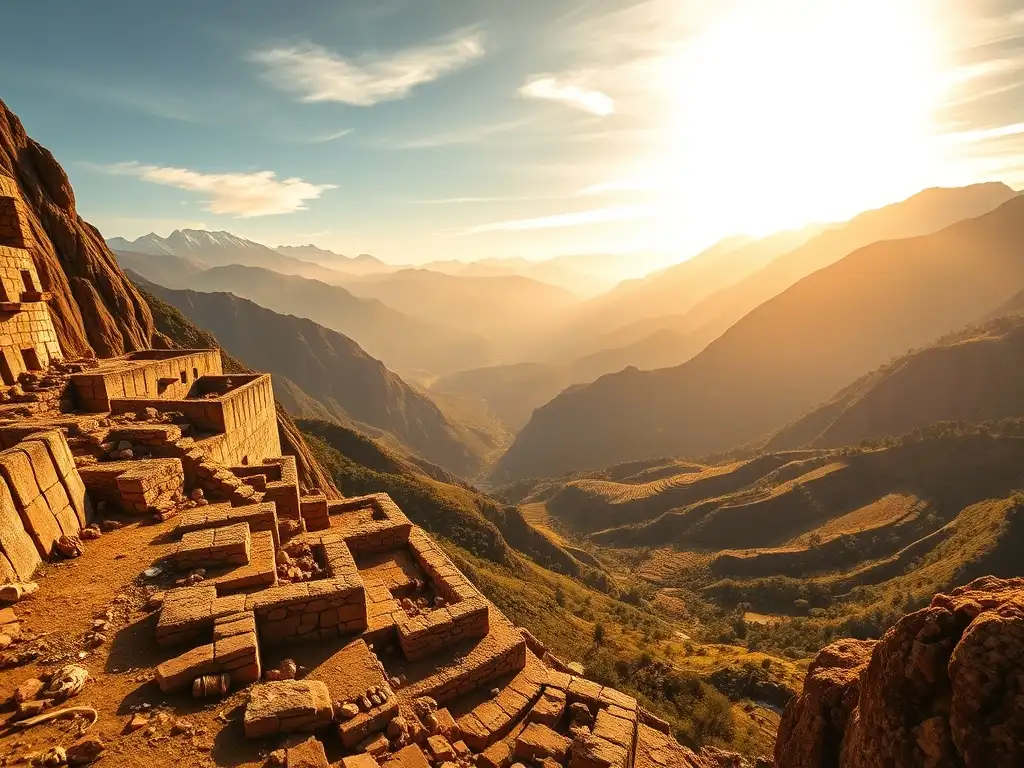
Unravel the mysteries of a lost world where empires rose and fell amidst breathtaking landscapes. Prepare to be captivated by the intricate strategies employed by the ancient Andean civilizations – from the Incas to the Nazca. Our exploration of Andean civilizations warfare strategies reveals a complex tapestry of conflict and innovation that shaped the very destiny of these remarkable societies. Dare to delve deeper and uncover the secrets hidden within the mountains…
The rise of complex societies in the Andes was not a peaceful process. While advancements in agriculture, engineering, and social organization are often highlighted, the role of warfare and military strategies in shaping the trajectory of Andean civilizations—from the early coastal cultures to the Inca Empire—is crucial to understanding their development and ultimate fates. This article delves into the diverse military tactics, organizational structures, and technological innovations employed by Andean societies, exploring how conflict influenced their political landscapes, economic systems, and cultural expressions.
We will examine the evidence of warfare across various Andean cultures, including the Moche, Nazca, Tiahuanaco, and Inca, analyzing their unique approaches to conflict and demonstrating how these strategies directly impacted their societal growth and decline. Understanding the "Art of War" in the Andes provides a more complete picture of these fascinating civilizations and their enduring legacy.
Warfare and the Moche Civilization: Conquest and Control
The Moche, a pre-Inca civilization flourishing along the northern coast of Peru (circa 100-800 CE), were renowned for their sophisticated irrigation systems and iconic pottery depicting scenes of warfare and ritual sacrifice. Their military prowess was essential to their territorial expansion and control of valuable resources. Evidence suggests the Moche employed a highly organized army, likely composed of specialized units with different roles and weaponry.
Archaeological findings, such as weaponry crafted from copper and obsidian, and depictions of battles in their art, reveal a considerable investment in military technology and training. The Moche's military success facilitated their control over extensive territories, enabling them to manage the crucial irrigation systems that supported their large population and contributed to their economic prosperity.
The Moche's military organization also played a key role in maintaining social order and consolidating power within their society. Their military successes, however, were ultimately not sustainable, and the reasons behind their eventual collapse remain a subject of ongoing research and debate, with warfare likely playing a significant role.
Nazca Warfare: A Different Approach to Conflict
Unlike the Moche, the Nazca civilization (circa 100 BCE – 600 CE), located south of the Moche along Peru's southern coast, presents a more nuanced picture regarding their military activities. While evidence of warfare exists in Nazca iconography, it is less prominent than in Moche art. Some scholars suggest that the Nazca focused less on large-scale conquest and more on defensive strategies and localized conflicts.
Their elaborate irrigation systems, while impressive feats of engineering, may have also served a defensive purpose, creating natural barriers and controlling access to vital water resources. The Nazca's unique approach to warfare, possibly less aggressive than that of the Moche, likely reflected their different environmental challenges and societal structures. Further research is needed to fully understand the role of warfare in the rise and fall of the Nazca civilization, but it's clear that their approach differed significantly from their northern contemporaries.
Tiahuanaco and the Expansion of Military Power in the Andes
The Tiahuanaco civilization (circa 500-1000 CE), located in the high Andes of Bolivia, wielded considerable military power, exerting significant influence over a vast region. Their sophisticated military organization and advanced weaponry contributed to their expansion and control over a large empire. Unlike the Moche, who relied heavily on coastal resources, Tiahuanaco's strategic location and control over highland resources, particularly agricultural lands, allowed them to project their power across diverse environments.
Archaeological evidence suggests the use of advanced weaponry, including sophisticated projectile points and possibly even early forms of composite bows. The scale of Tiahuanaco's empire suggests a well-organized and effective military structure capable of managing large-scale campaigns and maintaining control over a diverse population.
The fall of Tiahuanaco, however, highlights the fragility of even the most powerful empires, with internal conflict and possibly external pressures contributing to their decline. The impact of their military strategies on the broader Andean region remains a significant area of ongoing study.
Inca Warfare: Conquest, Control, and the Creation of an Empire
The Inca Empire (circa 1438-1533 CE) represents the pinnacle of Andean military organization and power. Their highly structured military system played a central role in the creation and maintenance of their vast empire, encompassing a diverse range of landscapes and populations. The Inca army was renowned for its size, discipline, and effectiveness, employing sophisticated strategies and advanced weaponry.
Their mastery of logistics and organization allowed them to mobilize and deploy large armies across challenging terrain. The Inca's military success was not solely based on force; they also employed sophisticated strategies of diplomacy, alliance building, and cultural assimilation to consolidate their power.
However, despite their military prowess, the Inca Empire ultimately fell to the Spanish conquistadors, demonstrating the limitations of even the most advanced military strategies in the face of new technologies and diseases. The Inca's legacy, however, continues to shape our understanding of Andean warfare and its impact on societal development.
The following sections will further explore specific aspects of Andean warfare strategies, including weaponry, military organization, and the impact of warfare on Andean societies. We will also examine how warfare influenced the development of Andean art, religion, and social structures. Stay tuned!
- Warfare and the Moche Civilization: Conquest and Control
- Nazca Warfare: A Different Approach to Conflict
- Tiahuanaco and the Expansion of Military Power in the Andes
- Inca Warfare: Conquest, Control, and the Creation of an Empire
- What were the primary reasons for warfare among Andean civilizations?
- How did the geography of the Andes influence warfare strategies?
- What were some common weapons and tactics used by Andean civilizations?
- Did any Andean civilization develop particularly advanced warfare strategies?
- How did warfare impact the development and decline of Andean societies?
Understanding Ancient Andean Warfare: An Introduction
Andean civilizations warfare strategies weren't simply about brute force; they were intricately woven into the social, political, and economic fabric of these societies. Understanding their military practices requires moving beyond simplistic notions of conquest and acknowledging the complex interplay of factors that influenced their conflicts. This section will delve into the nuanced realities of warfare in the Andes, exploring the motivations, methods, and consequences of conflict across various Andean cultures.
We’ll examine how warfare shaped the trajectory of these impressive societies, from the development of sophisticated technologies to the rise and fall of entire empires. The study of Andean warfare isn't just about battles and bloodshed; it's a key to unlocking a deeper comprehension of the Andean worldview and the forces that propelled their remarkable achievements.
The Role of Conflict in the Development of Andean Civilizations
The role of conflict in shaping Andean civilizations is multifaceted and often underestimated. While peaceful interactions and trade certainly played significant roles, warfare acted as a powerful catalyst for societal evolution. For instance, the constant pressure of inter-tribal conflict likely spurred innovation in military technology. The development of advanced weaponry, such as the bolas (throwing stones) and the macanas (clubs), alongside defensive fortifications like impressive stone walls and strategically located settlements, showcases the ingenuity born from the necessity of survival in a competitive landscape.
Furthermore, successful warfare often led to territorial expansion and the consolidation of power. The Inca Empire, for example, achieved its vast reach through a combination of military prowess and shrewd political maneuvering. Their highly organized army, equipped with advanced weaponry and supported by an efficient logistical system, allowed them to conquer and incorporate numerous smaller groups into their empire. This expansion, however, wasn't solely driven by aggression; it also facilitated the exchange of ideas, resources, and technologies, contributing to cultural synthesis and economic growth within the empire. Conversely, military defeats could lead to societal restructuring, the adoption of new strategies, or even the collapse of entire civilizations. The study of these dynamic processes reveals a complex interplay between warfare and societal development. Analyzing the archaeological evidence – from weaponry and fortifications to the physical remains of battlefields – provides crucial insights into the scale, intensity, and impact of these conflicts.
Why Study Andean Warfare Strategies?
Studying Andean warfare strategies offers several compelling reasons beyond simply understanding past battles. Firstly, it provides invaluable insights into the social organization and political structures of these societies. The level of military organization, the command structure, and the logistics required for large-scale campaigns all reflect the underlying social and political complexities. Analyzing these aspects allows us to understand how power was distributed, how alliances were formed and broken, and how societies adapted to the constant threat of conflict.
Secondly, the study of Andean warfare illuminates the technological innovations and engineering feats achieved by these civilizations. The construction of sophisticated fortifications, the development of effective weaponry, and the logistical capabilities needed to support large armies all demonstrate remarkable engineering skills and resourcefulness. Understanding these advancements allows us to appreciate the level of technological sophistication achieved by Andean societies and their ability to adapt to changing circumstances.
Finally, investigating Andean warfare strategies provides a crucial lens through which to understand the cultural beliefs and worldview of these civilizations. Ritual practices associated with warfare, the symbolic significance of weaponry, and the treatment of prisoners of war all reflect deeper cultural values and beliefs. By examining these aspects, we gain a richer and more nuanced understanding of the Andean worldview and the complex interplay between warfare, religion, and society.
In short, the study of Andean civilizations warfare strategies provides a multifaceted perspective on the development, organization, and cultural expressions of these remarkable societies. It allows us to move beyond a simplistic narrative of conflict and appreciate the intricate connections between warfare, technology, society, and culture.
Pre-Inca Warfare: Diverse Approaches to Conflict
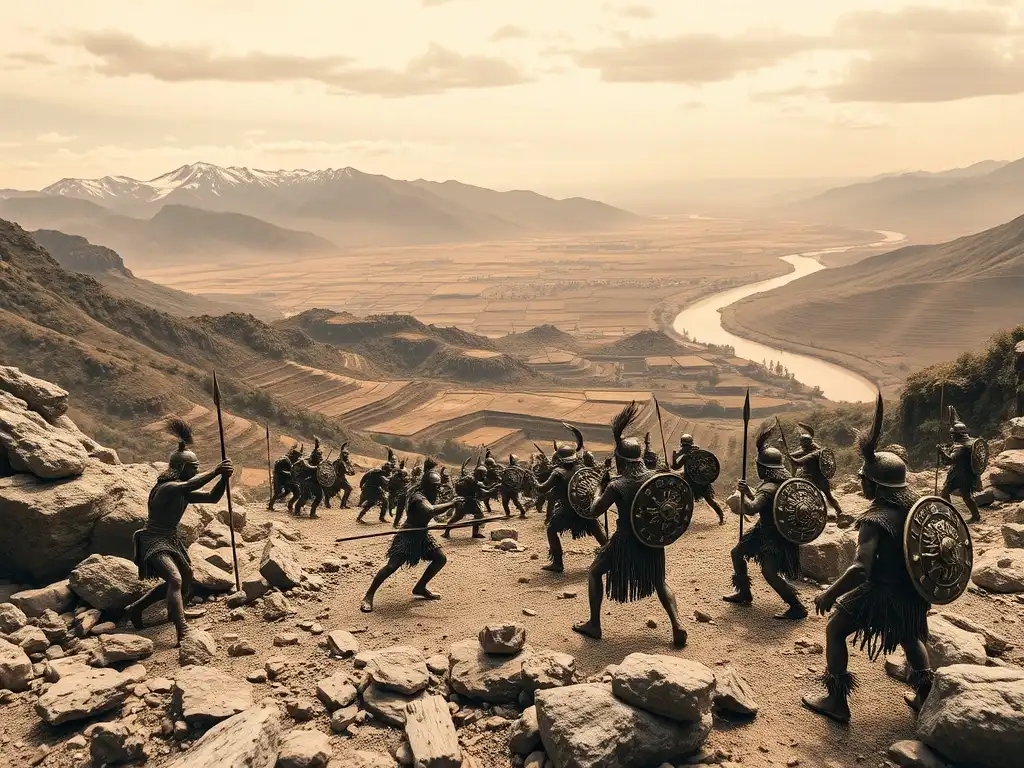
Before the Inca Empire's rise, Andean warfare was a complex tapestry woven from the distinct strategies and military traditions of numerous cultures. Understanding these pre-Inca approaches is crucial to appreciating the later Inca military machine and its place within the broader context of Andean civilizations warfare strategies. While evidence varies across different cultures and time periods, certain common threads emerge, revealing a nuanced picture of conflict in the Andes long before the Inca.
These included not only military organization and tactics, but also the deeply intertwined relationship between warfare, religion, and societal structure. The scale and intensity of conflict varied significantly, depending on factors such as available resources, population density, and the specific political landscape of a given region.
Early Andean Military Traditions and Their Characteristics
The earliest evidence of organized warfare in the Andes dates back to the Formative Period (c. 1500-500 BCE). While lacking the sophisticated military organization of later empires, these early societies engaged in conflict using rudimentary weaponry and tactics. Archaeological findings suggest the use of simple projectile weapons like slings and spears, along with clubs and rudimentary melee weapons. Defensive structures, such as simple fortifications and palisades, also began to appear, demonstrating a growing need for protection from both internal and external threats.
The characteristics of warfare during this period were largely shaped by the limitations of technology and the relatively small scale of the societies involved. Conflicts were often localized, focused on securing resources or resolving inter-community disputes. While evidence of large-scale battles is scarce, smaller skirmishes and raids were likely more common.
The role of elite warriors, while potentially emerging, was likely less pronounced than in later periods. The development of early Andean military traditions laid the foundation for the more sophisticated warfare systems that would evolve in subsequent centuries. Further research into the specific weapon technologies and burial practices of this era could reveal more nuanced insights into early Andean military organization and the social structures that supported it.
Moche Warfare: Ritual Battles and Elite Warriors
The Moche civilization (c. 100-800 CE) is known for its elaborate artistic representations of warfare, providing invaluable insights into their military practices. Unlike many other Andean cultures, Moche depictions frequently portray ritualized combat, suggesting a complex interplay between warfare and religious beliefs. These ritual battles may have served various functions, including reinforcing social hierarchies, solidifying political power, and even appeasing the gods through human sacrifice.
Moche warfare appears to have been characterized by the prominence of elite warriors, often depicted in elaborate regalia and wielding sophisticated weapons. These warriors likely played a key role in both military campaigns and ritualistic combat. The Moche also possessed a relatively advanced metalworking technology, producing high-quality weaponry such as copper and bronze spears and knives, giving them a significant advantage in conflict.
While the exact scale and frequency of Moche warfare remain subjects of ongoing research, the available evidence strongly suggests a society where military prowess and ritualistic combat held significant cultural importance. The detailed iconography preserved in Moche art offers a unique window into their military culture and its integration into their broader society.
Nazca Warfare: Raids and Territorial Disputes
The Nazca civilization (c. 100 BCE – 500 CE), famous for their geoglyphs, also engaged in warfare, though their military practices differed considerably from the Moche. Archaeological evidence suggests that Nazca warfare was characterized by smaller-scale raids and skirmishes focused on territorial disputes and resource control. Unlike the elaborate ritual battles depicted in Moche art, Nazca warfare appears to have been more pragmatic and less overtly ritualistic.
This doesn't mean that warfare lacked significance in Nazca society. Indeed, the construction of defensive structures and the presence of weaponry indicate a concern for protection and the ability to defend resources. However, the scale and organization of Nazca military forces appear to have been less developed than that of the Moche or later Inca.
Their focus on raiding and localized conflicts might reflect the geographic and political realities of their environment, where smaller, more dispersed settlements competed for resources in a relatively arid landscape. The development of effective irrigation systems likely played a key role in shaping Nazca warfare, as control over water sources would have been a significant factor in inter-community conflicts. Further research into Nazca settlement patterns and agricultural practices could shed more light on the relationship between resource management and their warfare strategies.
Tiahuanaco Military Organization and Expansion
The Tiahuanaco civilization, flourishing in the altiplano region of the Andes from approximately 500 to 1000 CE, presents a fascinating case study in Andean warfare. Unlike later empires like the Inca, Tiahuanaco's military organization remains somewhat enigmatic, shrouded in the mists of time and limited archaeological evidence. However, analysis of their monumental architecture, scattered settlements, and iconography offers valuable insights into their military capabilities and expansionist strategies.
The sheer scale of Tiahuanaco's monumental structures, such as the Akapana pyramid and the Kalasasaya temple, suggests a highly organized society capable of mobilizing significant labor forces. This organizational prowess likely extended to their military. While we lack detailed accounts of their army's structure—regiments, ranks, or specific weaponry—the evidence points to a powerful, centralized force capable of projecting power across vast distances.
The presence of Tiahuanaco-style architecture and artifacts in distant locations, such as sites in the coastal regions of Chile and Peru, strongly suggests a significant military presence and influence. This wasn't simply trade; the spread of Tiahuanaco's cultural markers points to conquest and the imposition of their authority.
The exact nature of Tiahuanaco's warfare is debated. Some scholars suggest a relatively limited, opportunistic expansion, focusing on securing access to vital resources like water and arable land. Others posit a more aggressive, conquest-driven approach, suggesting the imposition of political control over conquered populations.
The presence of Tiahuanaco administrative centers in distant regions lends credence to the latter theory, indicating a level of centralized control over conquered territories. However, the precise methods employed—whether through direct military confrontation or more subtle forms of political coercion—remain unclear. Further research, including detailed analysis of weaponry and defensive fortifications, is needed to definitively characterize their military tactics.
The Tiahuanaco expansion, while impressive, wasn't necessarily a continuous, unbroken advance. Archaeological evidence suggests periods of both expansion and consolidation, with potential periods of internal conflict or challenges from rival groups. This highlights the complexities of Andean warfare, demonstrating that even seemingly powerful empires experienced periods of vulnerability and adaptation.
Understanding the ebb and flow of Tiahuanaco's military power is crucial to understanding the broader dynamics of power and conflict in the Andean region during this period. The absence of detailed written records forces us to rely heavily on archaeological findings and careful interpretation of the available evidence, making the study of Tiahuanaco warfare a continuous process of refinement and discovery.
Inca Warfare: A Highly Organized Military Machine
The Inca Empire, at its zenith, controlled a vast territory encompassing much of the Andes Mountains. This impressive feat was not solely due to diplomacy and administrative prowess; military might played a crucial role in the Inca's expansion and consolidation of power. Their success stemmed from a highly organized and efficient military machine, unlike anything previously seen in the Andean region. Understanding Inca warfare strategies is key to comprehending the rise and fall of this remarkable civilization, a significant aspect of Andean civilizations warfare strategies.
The Inca Army: Structure and Logistics
The Inca army was not a standing army in the modern sense. Instead, it was a system of conscription, drawing upon the mita system – a form of mandatory labor service. Able-bodied men were obligated to serve for a certain period, typically during the dry season when agricultural work was less demanding. This allowed for a large, readily available pool of soldiers. The army was highly structured, with different units specializing in specific roles.
Elite warriors, often from the Inca nobility, led these units, ensuring discipline and effective command. Logistics were meticulously planned. Extensive networks of roads, qhapaq ñan, facilitated rapid troop movement and supply lines across the vast empire. This sophisticated infrastructure, coupled with strategically placed storehouses, ensured that armies could operate effectively even in remote areas. The Inca's mastery of logistics significantly contributed to their military victories, a defining feature of their Andean civilizations warfare strategies.
The organization extended beyond mere troop deployment. Specialized units existed for different combat situations. For example, some units were trained in siege warfare, while others excelled in close-quarters combat. This specialization allowed the Inca to adapt their tactics to various terrains and enemy strengths. Furthermore, the Inca army was supported by a robust intelligence network, providing crucial information about enemy movements and vulnerabilities, enabling proactive and effective Andean civilizations warfare strategies.
Inca Military Tactics and Weaponry
Inca military tactics were characterized by their adaptability and strategic brilliance. They favored a combination of frontal assaults and surprise attacks, often utilizing superior numbers to overwhelm their opponents. While not solely reliant on brute force, they were adept at exploiting terrain advantages, using ambushes and flanking maneuvers to maximize their impact.
Their weaponry, though seemingly less sophisticated than those of some other civilizations, was effective in the Andean context. The machay, a club, was a common weapon, while slings were used for ranged attacks. Spear throwing was also a crucial skill, and the charka, a curved knife, was used for both slashing and thrusting attacks.
The Inca also employed psychological warfare, using their reputation for power and ruthlessness to demoralize enemies before battle even commenced. This, combined with their impressive logistical capabilities, often led to enemy surrender before significant fighting occurred. The effective integration of psychological and conventional warfare tactics exemplifies the sophistication of Inca Andean civilizations warfare strategies. Further research is needed to fully understand the nuances of their psychological warfare techniques [specific information pending].
The Impact of Inca Conquest on Andean Societies
The Inca conquests had a profound and lasting impact on Andean societies. While the Inca brought a degree of political unity and infrastructure development, their rule was also characterized by subjugation and the imposition of Inca culture and religion. The mita system, while providing manpower for military campaigns, also imposed heavy burdens on conquered populations. Resistance movements were common, though often suppressed by the Inca military might. The impact of Inca rule varied across different regions, with some experiencing greater integration and others maintaining a degree of cultural autonomy.
The introduction of Inca administrative and economic systems, along with their military infrastructure, fundamentally altered the social and political landscape of the Andes. The legacy of Inca warfare continues to be debated, with ongoing research attempting to balance the benefits of centralized governance with the costs of military conquest and the suppression of diverse Andean civilizations warfare strategies. The long-term consequences of Inca expansion are still felt today in the cultural and linguistic diversity of the Andean region.
Andean Civilizations Warfare Strategies: Key Elements
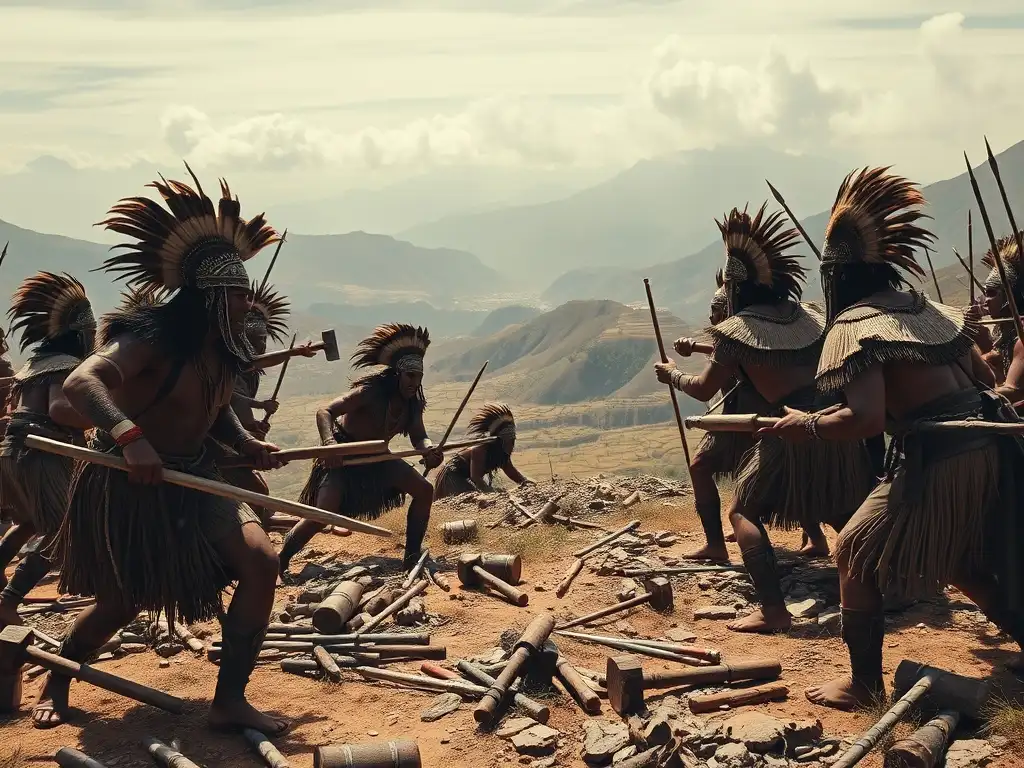
This section delves into the sophisticated military strategies employed by various Andean civilizations, focusing on their key elements and how these shaped their societal trajectories. Understanding their approaches to warfare provides crucial insight into their political organization, technological advancements, and overall cultural development. The term "Andean civilizations warfare strategies" encompasses a broad range of tactics and technologies, reflecting the diverse environments and power dynamics across the Andes. We will explore these strategies through the lens of fortifications, weaponry, and battle tactics.
The Importance of Fortifications and Defensive Structures
Fortifications played a critical role in Andean warfare, reflecting a deep understanding of defensive strategies. These were not merely simple walls, but complex systems integrated into the landscape. The Incas, for example, constructed impressive pukaras – fortified settlements strategically located to control mountain passes and key resources. These weren't just defensive structures; they served as administrative centers, storehouses, and staging points for military campaigns.
Their construction often involved extensive terracing and the use of locally sourced materials, showcasing remarkable engineering skills. The placement of these pukaras often followed a pattern, maximizing their defensive capabilities and controlling trade routes. This created a network of interconnected defenses, making it difficult for invading forces to penetrate Inca territory.
The Nazca, while less known for large-scale imperial ambitions compared to the Incas, also demonstrated a keen awareness of defensive architecture. Evidence suggests the construction of fortified settlements and defensive walls around key agricultural areas, protecting their vital food sources. These structures, while possibly smaller in scale than Inca pukaras, were equally crucial in protecting their society from potential threats.
Further research is needed to fully understand the extent and sophistication of Nazca fortifications, but preliminary evidence suggests a complex interplay between defensive architecture and agricultural production. The careful integration of defensive structures into the landscape reveals a sophisticated understanding of terrain and strategic placement.
Andean Weaponry: From Clubs to Slingshots
Andean weaponry varied significantly across different civilizations and time periods. While some groups relied on simple weapons like clubs and spears, others developed more advanced technologies. The sling, for instance, was a ubiquitous weapon throughout the Andes, capable of delivering projectiles with surprising accuracy and range. Evidence suggests highly skilled slingers played a crucial role in Andean battles, potentially acting as elite units.
Beyond slings, the Andean civilizations also utilized a range of projectile weapons. Bows and arrows were present, although their prevalence and effectiveness varied. Some evidence suggests the use of blowguns in certain regions, adding another dimension to their arsenal. The development and use of these weapons were likely influenced by the environmental conditions and available resources. The materials used to create these weapons—wood, stone, bone—were adapted to the specific conditions of each region.
Furthermore, the design of Andean weaponry itself often reflected the nature of the conflict. While some weapons were designed for close-quarters combat, others were better suited for ranged engagements. This diversity in weaponry suggests a flexible and adaptable military doctrine that could be adjusted to suit different battlefield situations. The study of Andean weaponry provides valuable insights into the technological capabilities and tactical approaches of these societies. Further analysis of archaeological findings is necessary to fully understand the evolution and impact of Andean weaponry on warfare strategies.
Strategies of Siege and Open Field Battles
Andean warfare wasn't solely about fortifications; open field battles and sieges also played significant roles. The Incas, with their highly organized military structure, were adept at both. Their armies were often large and well-equipped, capable of conducting sustained campaigns. Sieges involved the use of sophisticated tactics, including the construction of siege works and the use of specialized weapons to breach defenses. While detailed accounts of Inca sieges are scarce, archaeological evidence suggests a calculated approach, employing both force and diplomacy to achieve their objectives.
Open field battles, on the other hand, likely involved different tactics. The terrain of the Andes often dictated the nature of warfare, with battles taking place in mountainous regions and narrow valleys. This meant that mobility and control of strategic points were paramount. The use of flanking maneuvers and the exploitation of terrain advantages were likely key elements of Andean open field battles.
The Moche civilization, known for its impressive military iconography, likely employed different strategies. Their warfare seems to have been closely tied to their expansionist ambitions and control of resources. Evidence from their art suggests a focus on ritualistic warfare and the capture of prisoners, potentially reflecting a different set of societal values and military objectives compared to the Incas.
More research is required to fully understand the specific tactical approaches used in Moche warfare, but the available evidence hints at a unique approach shaped by their social and political context. The contrast between Inca and Moche warfare highlights the diversity of military strategies across different Andean civilizations.
The Consequences of Conflict: Shaping Andean Society
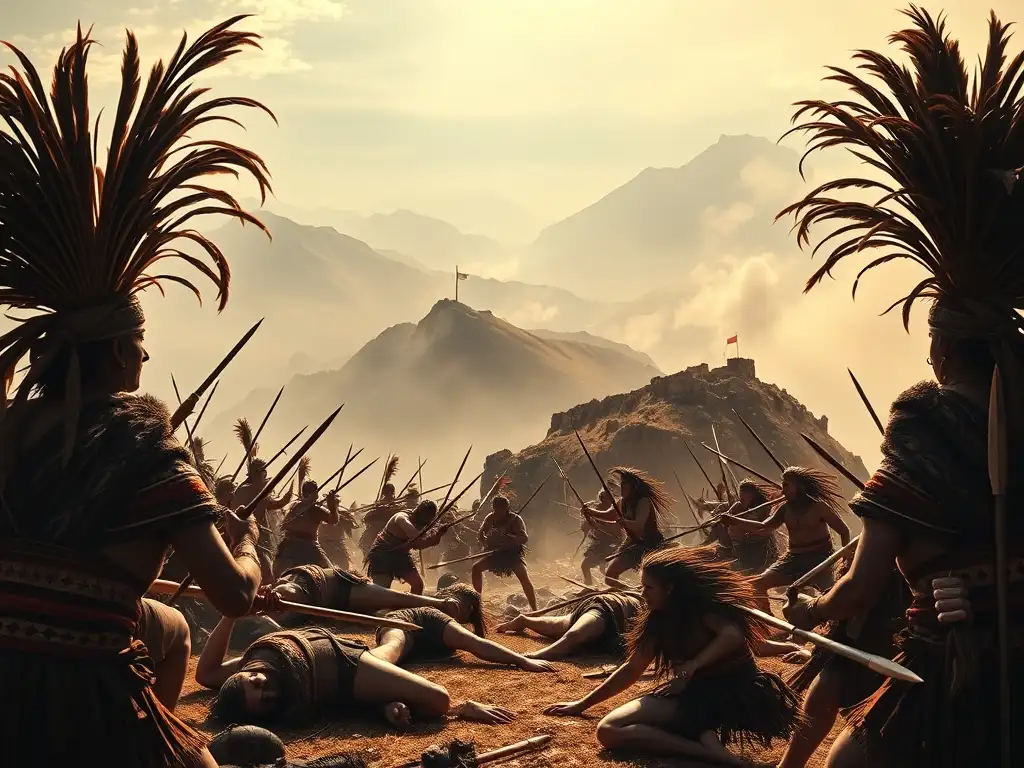
The study of Andean civilizations warfare strategies reveals a complex interplay between military prowess, societal organization, and cultural expression. Conflict wasn't merely a destructive force; it acted as a powerful catalyst shaping the trajectory of these remarkable societies. Understanding the consequences of war is crucial to appreciating the nuances of Andean history and the enduring legacy of these ancient cultures. The impact extended beyond battlefield victories and defeats, profoundly influencing political structures, social hierarchies, and even artistic traditions. This section will explore these far-reaching consequences, highlighting how warfare shaped the very fabric of Andean life.
The Rise and Fall of Andean States Through Warfare
Warfare played a pivotal role in the rise and fall of numerous Andean states. The expansion of empires like the Inca, for example, was largely fueled by military conquest. Their highly organized army, equipped with sophisticated weaponry and employing effective strategies, allowed them to subjugate neighboring groups and consolidate their power.
Detailed accounts from Spanish chroniclers, though often biased, describe Inca military campaigns that involved meticulous planning, logistical expertise, and the mobilization of vast numbers of soldiers. The Inca's success wasn't solely due to brute force; their ability to integrate conquered populations and establish effective administrative systems was equally crucial to their dominance.
Conversely, the decline of many Andean states can be attributed, at least partially, to military defeats or internal conflicts. The weakening of a central authority, often due to prolonged warfare or internal power struggles, created opportunities for rebellions and fragmentation. The collapse of the Wari empire, for instance, is believed to have been influenced by a combination of factors including prolonged warfare and environmental pressures, highlighting the intricate relationship between military success and long-term stability.
Analyzing the military strategies employed by various Andean civilizations, alongside their successes and failures, provides valuable insights into the dynamics of power and the fragility of even the most formidable empires. Further research into specific battle tactics and the impact of weaponry would greatly enhance our understanding of these crucial turning points.
The constant threat of warfare significantly impacted the social structures and hierarchies of Andean societies. Military success often translated into increased social status and political influence. Elite warriors and their families enjoyed privileged positions within society, accumulating wealth and power. This is evident in archaeological findings depicting elaborate tombs and artifacts associated with high-ranking military figures.
Conversely, the consequences of defeat could be devastating. Conquered populations often faced subjugation, forced labor, and the disruption of their traditional way of life. The Inca system, for example, involved the relocation of conquered populations and the imposition of tribute systems, fundamentally altering social structures and creating new hierarchies.
The impact of these changes on daily life, family structures, and social cohesion varied greatly depending on the specific circumstances of conquest and the policies of the conquering power. Detailed anthropological studies comparing pre- and post-conquest social structures in different regions would shed light on the long-term effects of warfare on Andean communities.
The Cultural Legacy of Andean Military Traditions
Andean military traditions left a lasting impact on the cultural landscape. Military achievements were often celebrated through art, architecture, and religious practices. Depictions of battles, warriors, and weaponry are frequently found in textiles, ceramics, and stone carvings. These artistic representations not only documented historical events but also served to reinforce social hierarchies and transmit cultural values related to warfare and bravery. The symbolism of weaponry and military attire often held significant religious and spiritual meaning, connecting the military sphere with the broader cosmological beliefs of the Andean people.
Furthermore, the development of advanced military technology, such as the chaka (sling) and the sophisticated weaponry of the Inca, influenced technological innovation across various sectors. The engineering skills required to build fortifications, manage logistics, and produce advanced weaponry contributed to broader advancements in fields like architecture, metallurgy, and engineering. A deeper investigation into the interplay between military technology and societal development would further illuminate the multifaceted cultural legacy of Andean warfare.
For example, a comparative analysis of Inca military engineering with their advancements in road construction and irrigation systems could reveal valuable insights into the transfer of technological knowledge and skills. The study of Andean civilizations warfare strategies reveals a rich and complex tapestry of military practices, social structures, and cultural expressions, highlighting the profound and lasting impact of conflict on the development of these remarkable societies.
Andean Warfare: Beyond the Battlefield
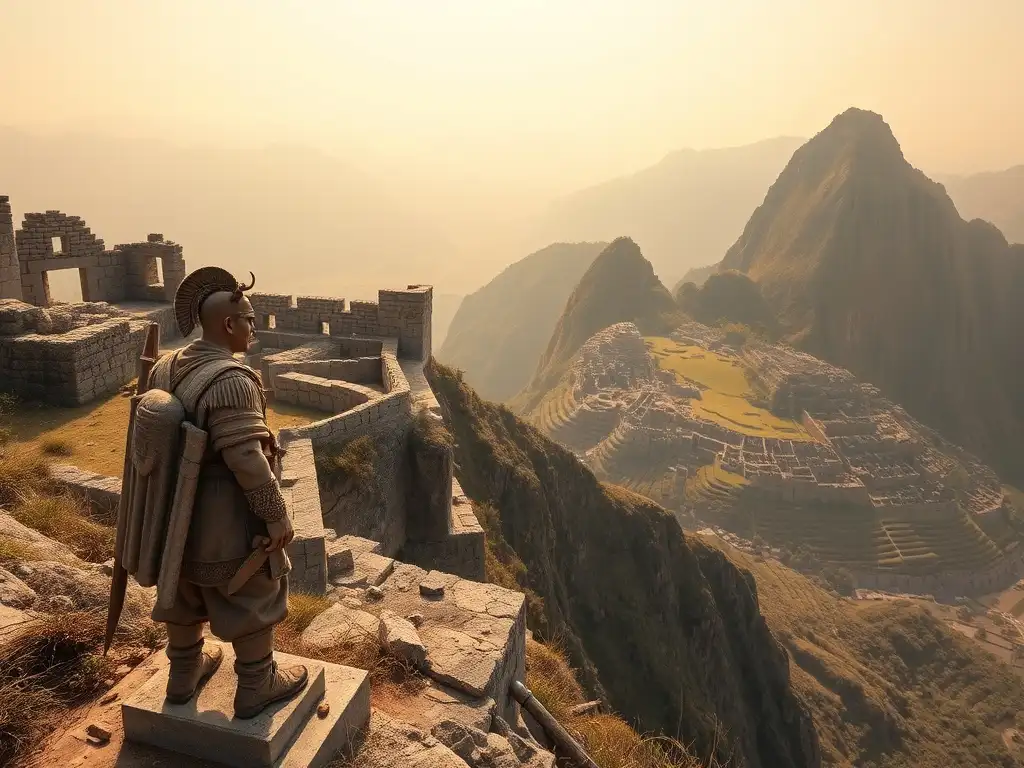
This section delves into the multifaceted nature of warfare within Andean civilizations, moving beyond simplistic notions of battles and conquests to explore the intricate web of social, religious, and symbolic dimensions that shaped their military strategies. Understanding Andean warfare requires acknowledging its profound impact on societal structures, artistic expression, and religious beliefs. The concept of "Andean civilizations warfare strategies" encompasses far more than just tactical maneuvers; it reflects a deeply ingrained cultural phenomenon.
The Symbolic Representation of War in Andean Art
Andean art offers a compelling window into the symbolic representation of war. Textiles, ceramics, and metalwork frequently depict scenes of battle, but these depictions often transcend mere documentation of conflict. For instance, the Moche culture's ceramic vessels vividly portray warriors, weaponry, and battle scenes, but also emphasize ritualistic aspects and the supernatural power associated with warfare. The stylized representation of warriors, often adorned with elaborate headdresses and weaponry, suggests a powerful symbolic meaning beyond the purely practical. These weren't just depictions of events; they were statements about power, social status, and the relationship between the human and supernatural realms.
Furthermore, the use of color and composition in these artistic representations is significant. The vibrant colors, often contrasting sharply, could represent opposing forces or different aspects of the war experience, such as triumph and defeat. The positioning of figures within the artwork itself, such as the prominence given to certain warriors, likely reflected social hierarchies and the importance of specific individuals or groups within the military structure.
Analyzing these artistic expressions reveals a complex understanding of warfare that extends beyond the battlefield itself. The detailed depiction of weaponry, from clubs and spears to slings and possibly early forms of projectile weapons, also provides valuable insight into the technological advancements and military capabilities of these societies. [Specific examples of Moche pottery depicting warfare pending].
The Role of Religion and Ritual in Andean Warfare
Religion and ritual played a crucial role in shaping Andean warfare strategies. Military campaigns were often preceded by elaborate rituals aimed at securing divine favor and ensuring victory. These rituals involved offerings, sacrifices, and divination practices designed to appease the gods and predict the outcome of battles. The Inca, for example, relied heavily on religious leaders and oracles to guide their military decisions. The huacas, sacred sites, held immense importance, and battles were sometimes strategically located near these sites to gain a perceived advantage or to demonstrate control over sacred territories.
The concept of capacocha, the ritual sacrifice of children and young adults, is a particularly chilling example of the intertwined nature of religion and warfare. While the exact reasons for these sacrifices remain debated, they are often linked to ensuring the success of military campaigns and maintaining the cosmic order. This highlights the extent to which warfare wasn't simply a political or economic matter but a deeply spiritual one, impacting all aspects of Andean life. [Further research needed on the specific rituals associated with different Andean groups and their connection to military campaigns].
The Enduring Significance of Andean Military Practices
The legacy of Andean military practices extends far beyond the demise of individual empires. The sophisticated organizational structures, innovative weaponry, and strategic thinking employed by Andean civilizations left a lasting mark on the region's history and culture. Their strategies, adapted to the challenging Andean terrain, involved intricate logistics, communication networks, and sophisticated siege warfare techniques. The Inca's chasquis, a relay system of runners, allowed for rapid communication across vast distances, demonstrating an advanced understanding of military logistics.
Moreover, the impact of Andean warfare on the development of state structures and social hierarchies is undeniable. Military success often led to increased power and influence, shaping political alliances and territorial control. The complex interplay between military achievements, political power, and social stratification continues to be a subject of ongoing research and debate.
The study of Andean civilizations warfare strategies provides valuable insights into the dynamics of power, conflict, and societal development in a unique and challenging environment. Understanding this complex interplay is crucial to appreciating the full scope of Andean history and culture. The effectiveness of these strategies—and the adaptability of these societies in the face of conflict—underscores their resilience and ingenuity.
Conclusion: Conflict as a Catalyst for Change in the Andes
The study of Andean civilizations warfare strategies reveals a complex interplay of factors that shaped the trajectory of these remarkable societies. While conflict undoubtedly brought destruction and suffering, it also acted as a powerful catalyst for innovation, societal restructuring, and ultimately, the rise of increasingly complex political entities.
The constant pressure to defend territories, secure resources, and project power fostered advancements in military technology, engineering prowess, and organizational capabilities. The need for efficient mobilization and logistical support spurred the development of sophisticated administrative systems, impacting not only the military but also the broader economic and social fabric of Andean life.
This dynamic relationship between warfare and societal development is a key theme in understanding the rise and fall of empires across the Andes. The evidence suggests that the capacity for effective warfare, alongside shrewd diplomacy and adaptation, was crucial for both the ascent and eventual decline of many prominent Andean civilizations.
The Legacy of Andean Civilizations Warfare Strategies
The legacy of Andean warfare extends far beyond the battlefield. The strategies employed, the technologies developed, and the organizational structures created left an enduring imprint on Andean societies. For example, the sophisticated road networks built by the Inca Empire, initially designed to facilitate military movements and control, later served as vital arteries for trade and communication, contributing significantly to the integration and prosperity of their vast realm.
The Inca's mit'a system, a form of mandatory labor initially used for constructing fortifications and infrastructure for military purposes, also played a crucial role in supporting agricultural production and other essential aspects of Andean life. Similarly, the development of advanced weaponry, such as the bolas and macanas, while designed for combat, also had significant impacts on hunting techniques and resource management. Analyzing these legacies helps us understand how military innovations were often repurposed and integrated into the broader social and economic systems of Andean societies.
The lasting impact of these strategies is evident even today in the remnants of infrastructure, the persistence of certain cultural practices, and the continued fascination with the military achievements of these ancient civilizations. This enduring legacy underscores the profound and multifaceted influence of warfare on the shaping of Andean cultures.
Future Research on Andean Military History
Despite significant progress in our understanding of Andean civilizations warfare strategies, much remains to be explored. Future research should focus on several key areas. First, a more nuanced understanding of the role of women in warfare is crucial. While often overlooked, archaeological and ethnographic evidence suggests a more significant involvement than traditionally acknowledged.
Further investigation into the social and political roles of women in military contexts is needed. Second, inter-societal interactions and alliances require deeper analysis. The nature and impact of alliances, both military and diplomatic, on the course of conflicts need further investigation, particularly regarding the less well-documented interactions between smaller, less centralized groups. Third, the development of a more comprehensive database of archaeological finds related to weaponry and fortifications is essential.
This would facilitate more robust quantitative analyses and cross-cultural comparisons, providing a more complete picture of the evolution of Andean military technologies and tactics. Finally, the application of advanced technologies like 3D modeling and GIS analysis to archaeological sites could offer new insights into the scale and complexity of Andean warfare, helping to refine our understanding of military organization, logistics, and the impact of conflict on the landscape. By pursuing these avenues of research, we can continue to uncover the fascinating and complex story of Andean military history, enriching our understanding of these remarkable civilizations.
Frequently Asked Questions
What were the primary reasons for warfare among Andean civilizations?
Andean civilizations engaged in warfare for various reasons, including territorial expansion, access to resources like fertile land and water, and political dominance. Conquest also facilitated the acquisition of labor for large-scale projects.
How did the geography of the Andes influence warfare strategies?
The rugged terrain of the Andes significantly impacted warfare. Strategies often involved ambushes, utilizing the mountains for defense, and adapting to high-altitude conditions. Mobility was also a key consideration.
What were some common weapons and tactics used by Andean civilizations?
Andean armies employed a variety of weapons, including spears, clubs, slings, and bows and arrows. Tactics varied, but often involved large-scale formations and the use of fortifications.
Did any Andean civilization develop particularly advanced warfare strategies?
The Inca Empire, known for its extensive road network and efficient logistics, demonstrated particularly advanced warfare strategies. Their military organization and ability to mobilize large armies across vast distances were key to their success.
How did warfare impact the development and decline of Andean societies?
Warfare played a crucial role in shaping Andean societies. Conquest and political upheaval caused significant changes, leading to both growth and decline of various empires. Resource depletion and social disruption were also consequences of prolonged conflict.
Final Reflection: Echoes of Conflict, Seeds of Resilience in the Andes
The strategic brilliance and brutal realities of warfare in the Andes continue to resonate today, shaping our understanding of societal development and the enduring power of adaptation. The sophisticated military tactics, intricate political alliances, and devastating consequences of conflict detailed throughout this article are not mere historical curiosities; they are fundamental to comprehending the complex tapestry of Andean civilizations. Their legacy is woven into the very fabric of the region, influencing its cultural landscape and informing its present-day challenges.
The enduring impact of Andean warfare extends far beyond the battlefield, shaping social structures, artistic expression, and even the physical landscape itself. The monumental architecture, intricate irrigation systems, and sophisticated agricultural techniques, often born from the need for defense or resource control, stand as testaments to the ingenuity and resilience of these societies. As the Inca proverb states: A single thread cannot make a rope, but many threads together can make a strong and lasting one.
This perfectly encapsulates the collaborative and adaptive nature of Andean societies, even in the face of constant conflict. Their ability to innovate and persevere in the face of adversity offers a powerful lesson for us today.
Consider the strategies employed, the sacrifices made, and the lasting consequences of conflict in the Andes. Reflect on how these historical narratives inform our understanding of conflict resolution, resource management, and societal resilience in the modern world. You, the reader, hold the power to apply these lessons to your own life, to foster collaboration rather than conflict, and to build a more sustainable and peaceful future. Let the echoes of Andean warfare inspire you to create a world where ingenuity and cooperation triumph over brutality and division.
Unveil the Legacy of Conflict and Transformation!
Thank you for exploring the rich history of Andean civilizations and the significant role conflict played in shaping their societies. Your engagement demonstrates a keen appreciation for the remarkable resilience and adaptability of these cultures in the face of adversity. Let's delve deeper!
Here are some suggestions to further enrich your understanding and connection with this fascinating subject:
- Join a local history group or online forum to discuss and share insights about Andean civilizations and their conflicts with others who share your interest.
- Visit a museum or cultural center showcasing Andean artifacts to experience history firsthand and gain a broader perspective on these remarkable cultures.
- Share your discoveries! Post a comment or short article on social media about the most surprising aspect of Andean history you learned—let's spark a conversation!
What aspect of how Andean societies responded to conflict do you find most compelling, and how do you believe it continues to shape their cultural identities today?